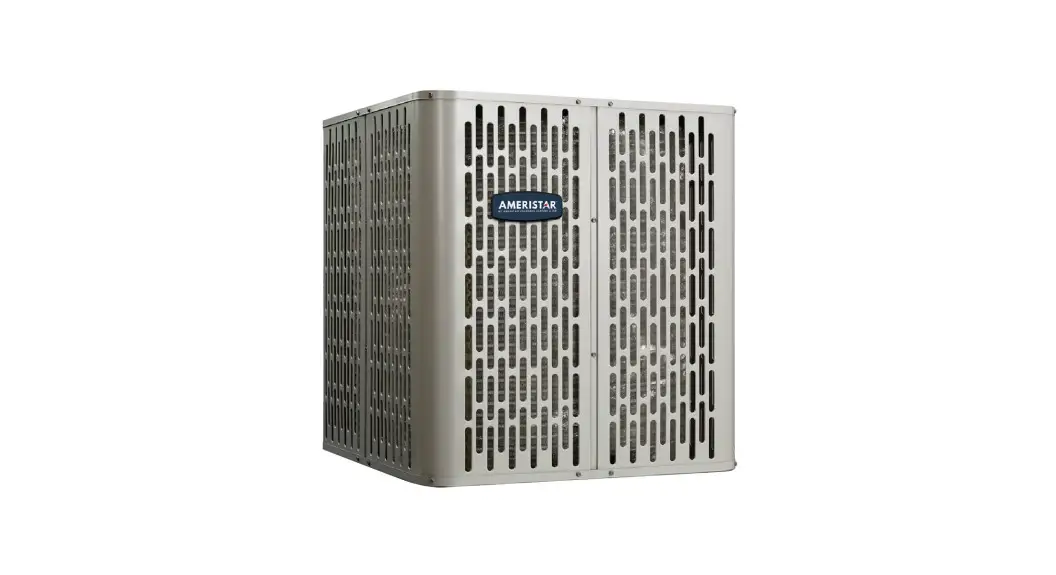
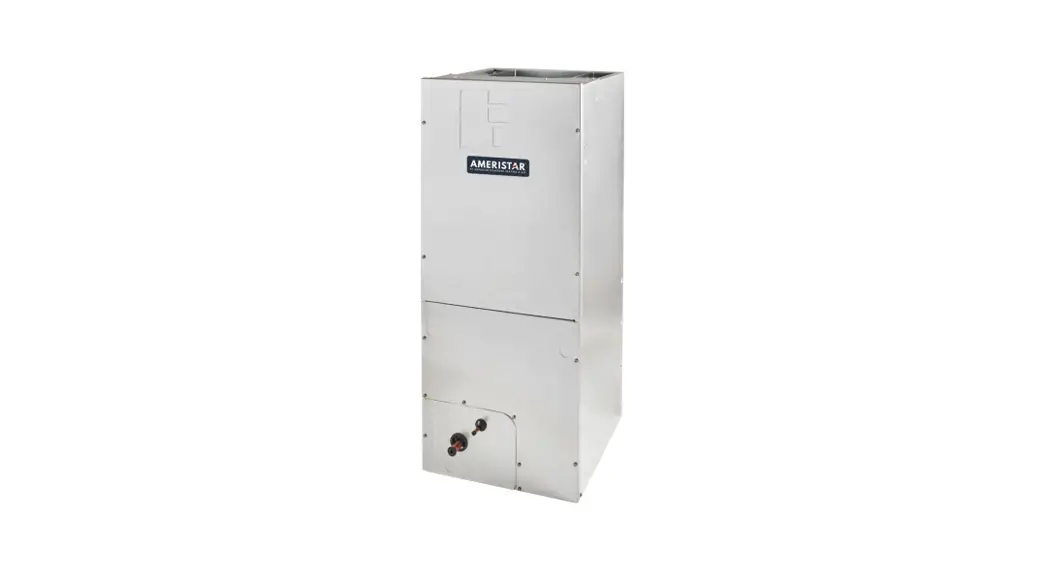
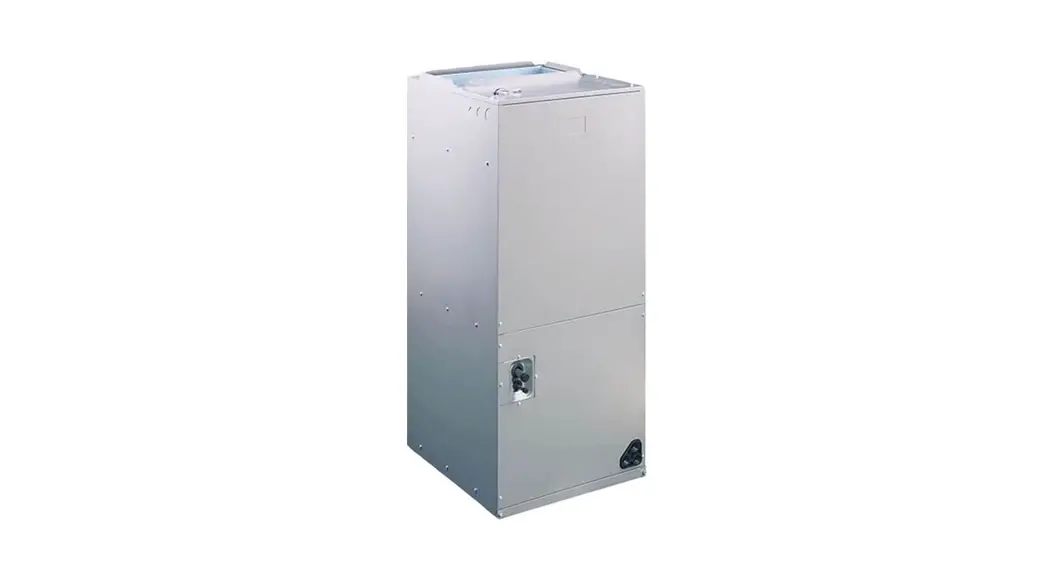
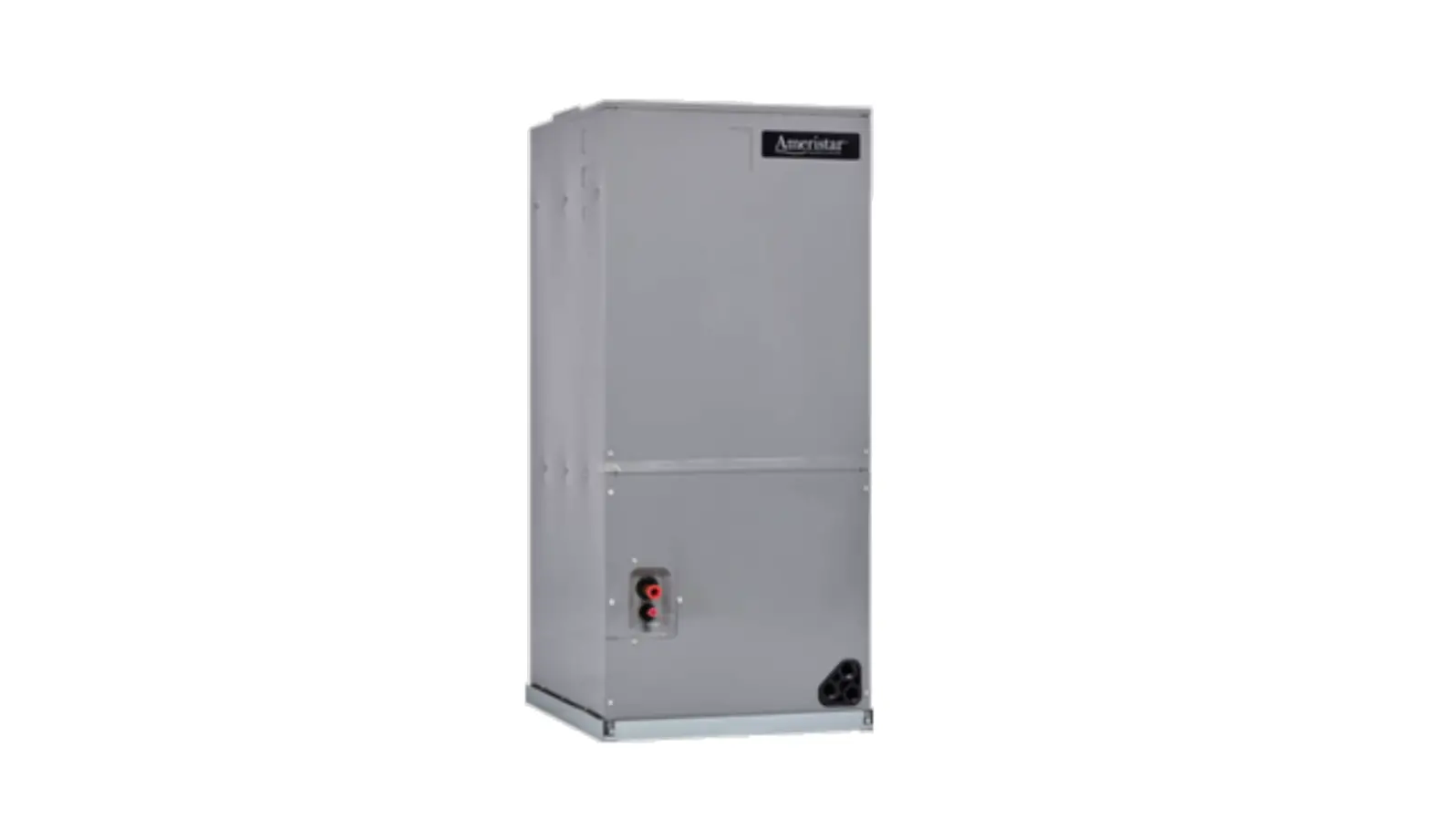
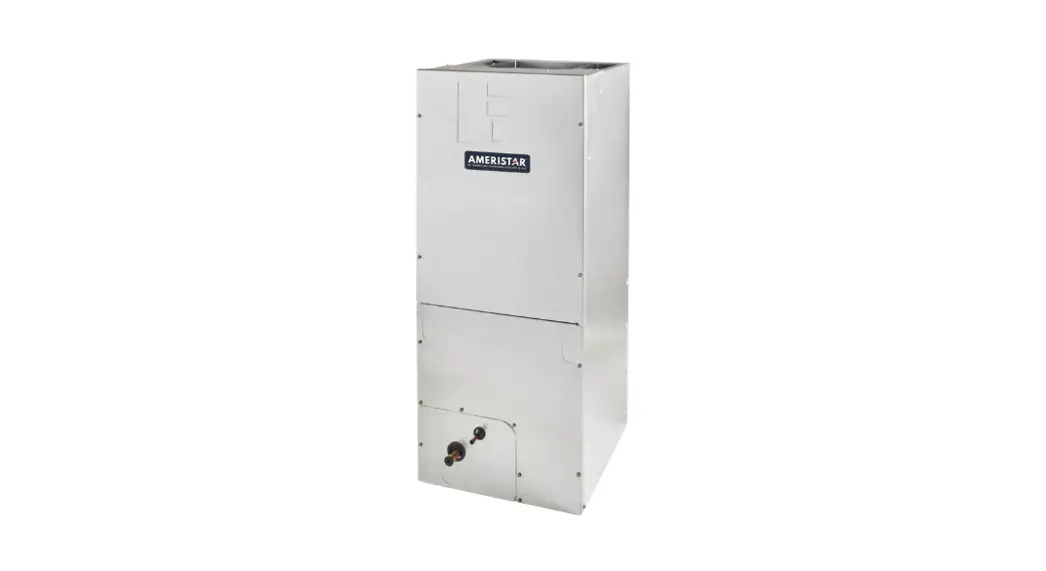
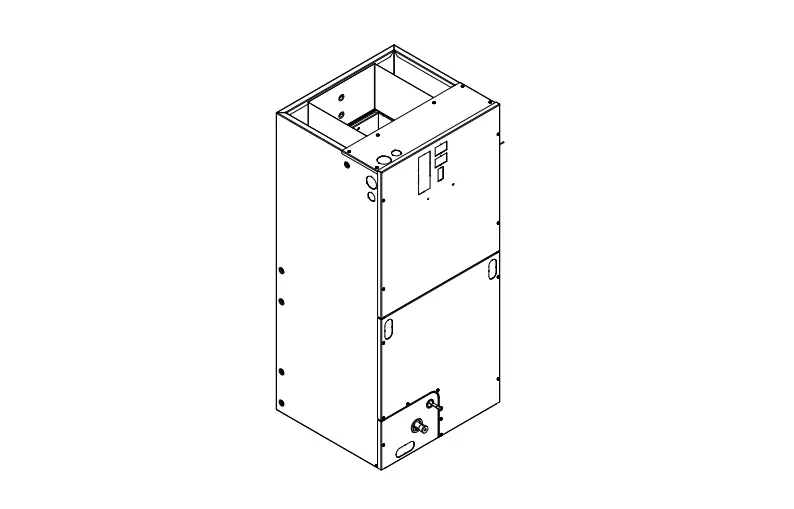
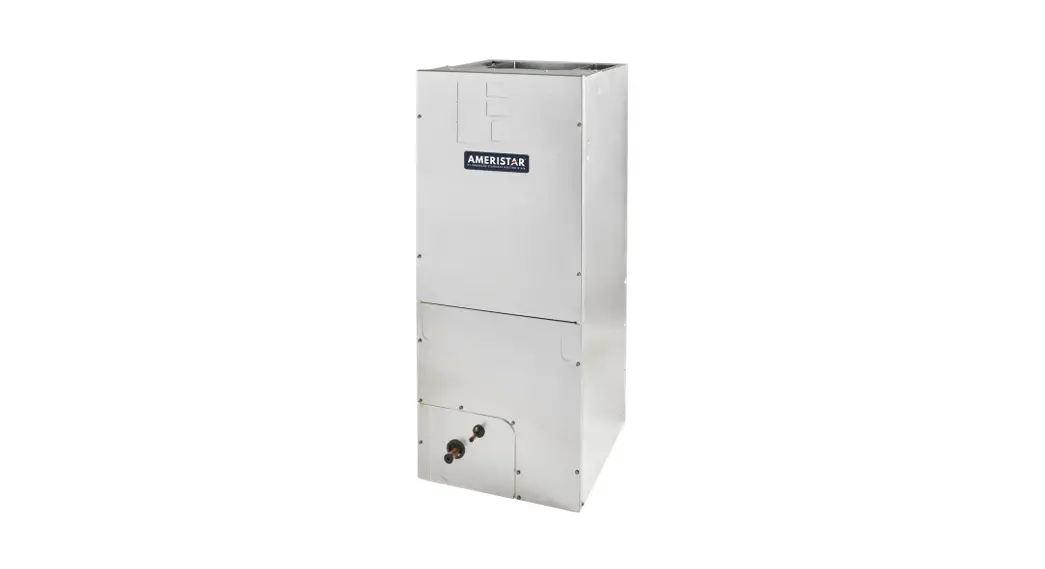
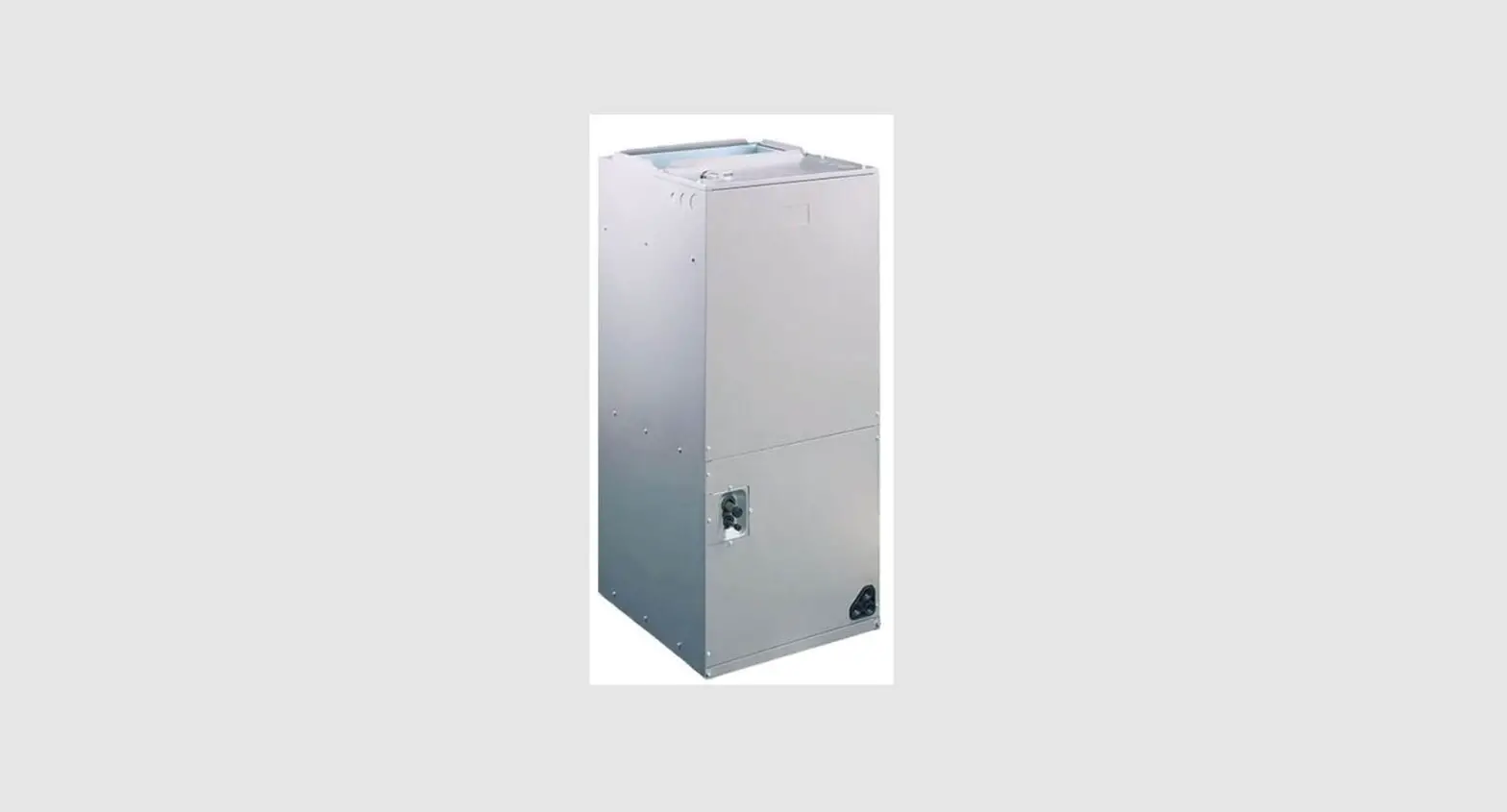
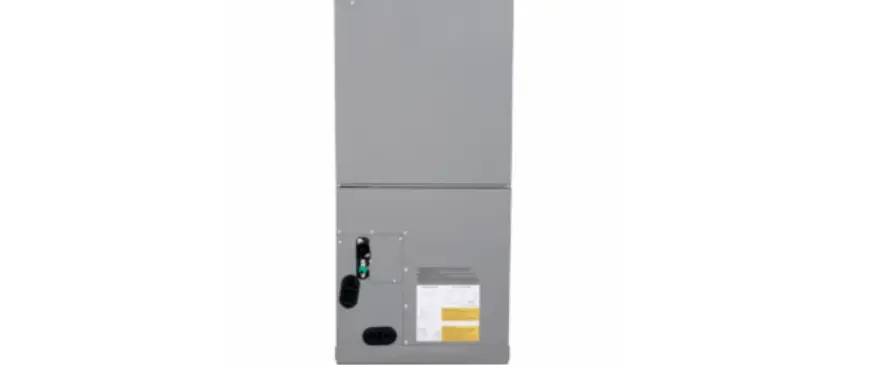
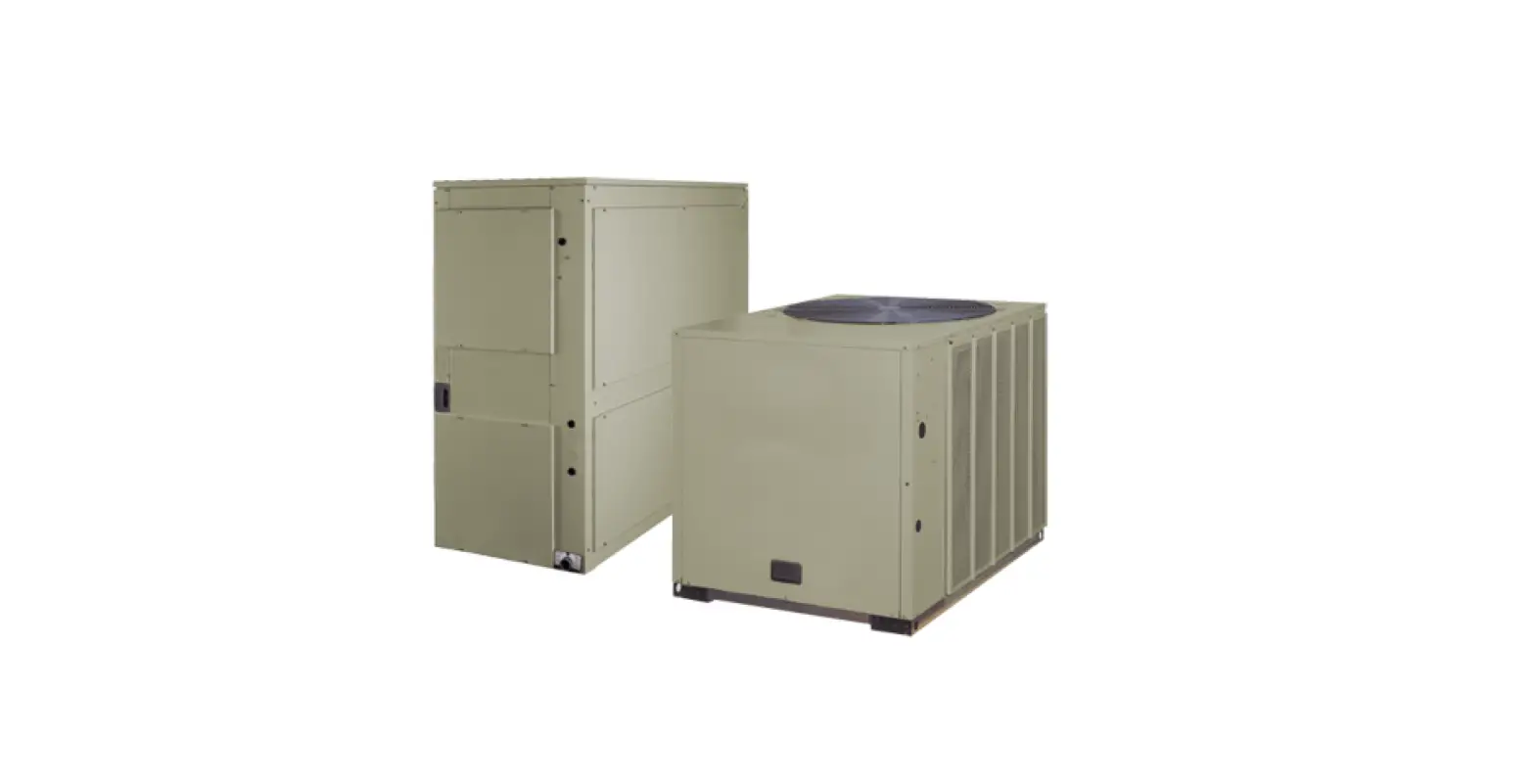
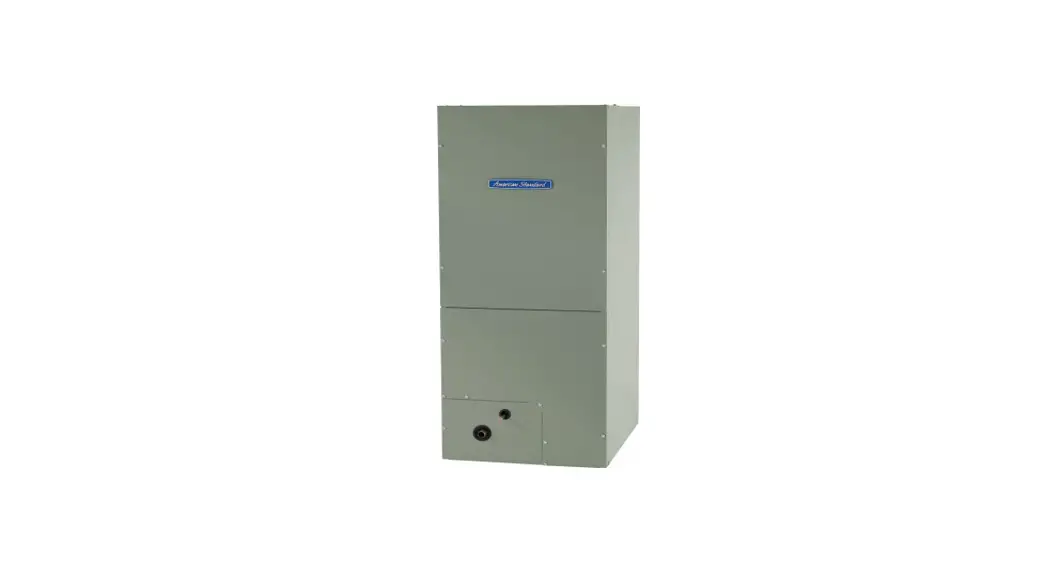
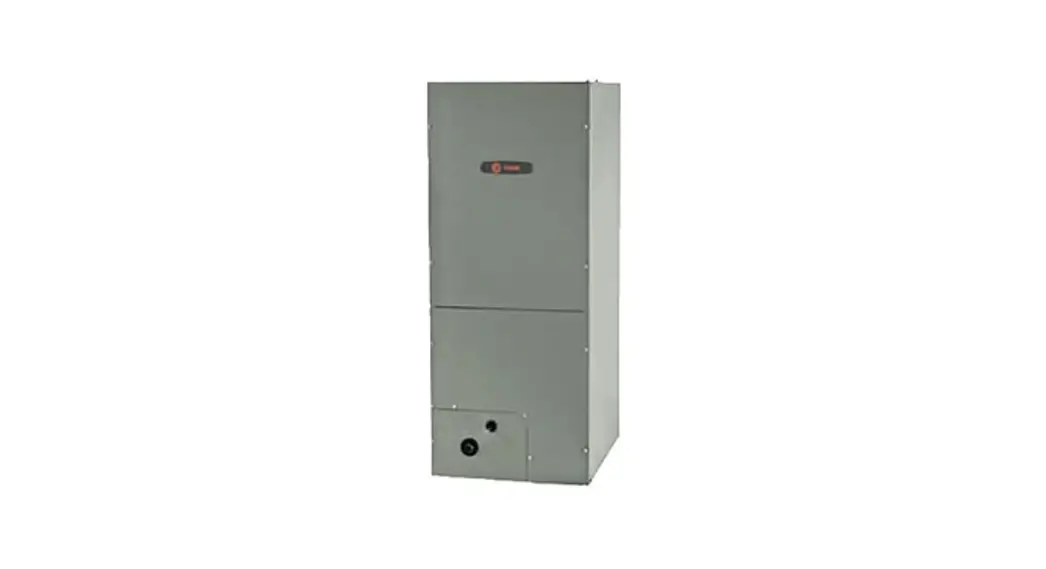
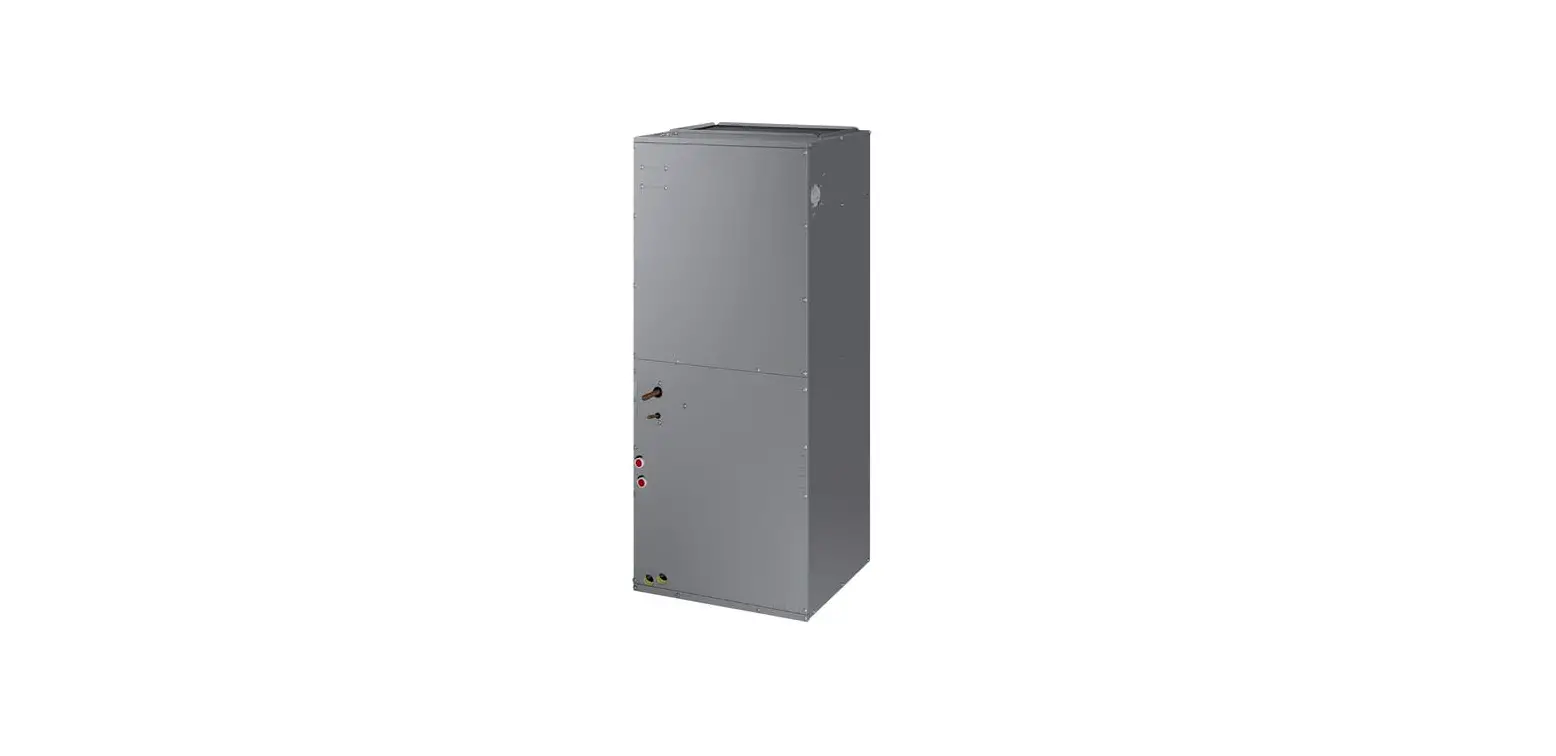
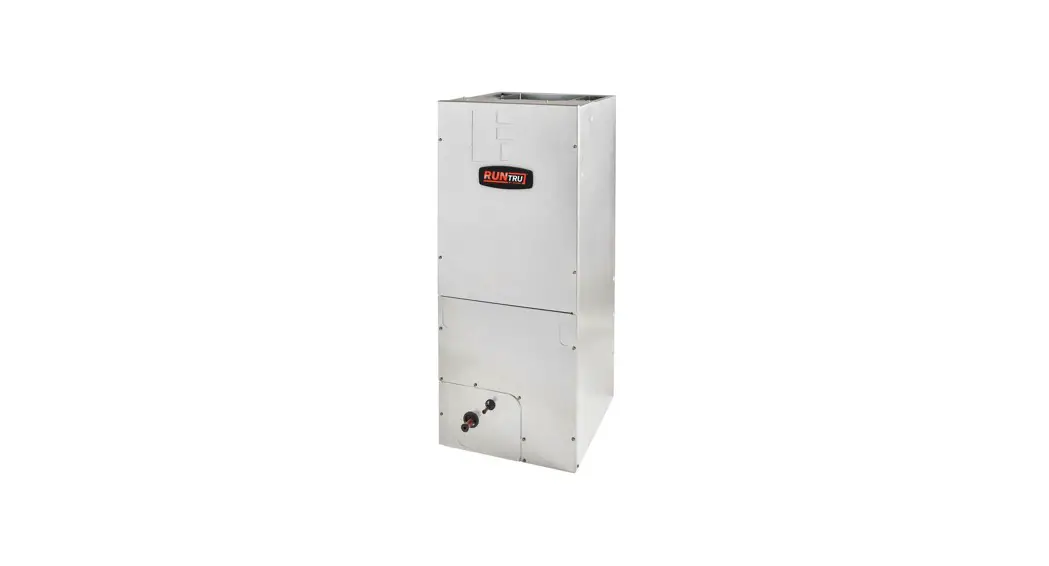
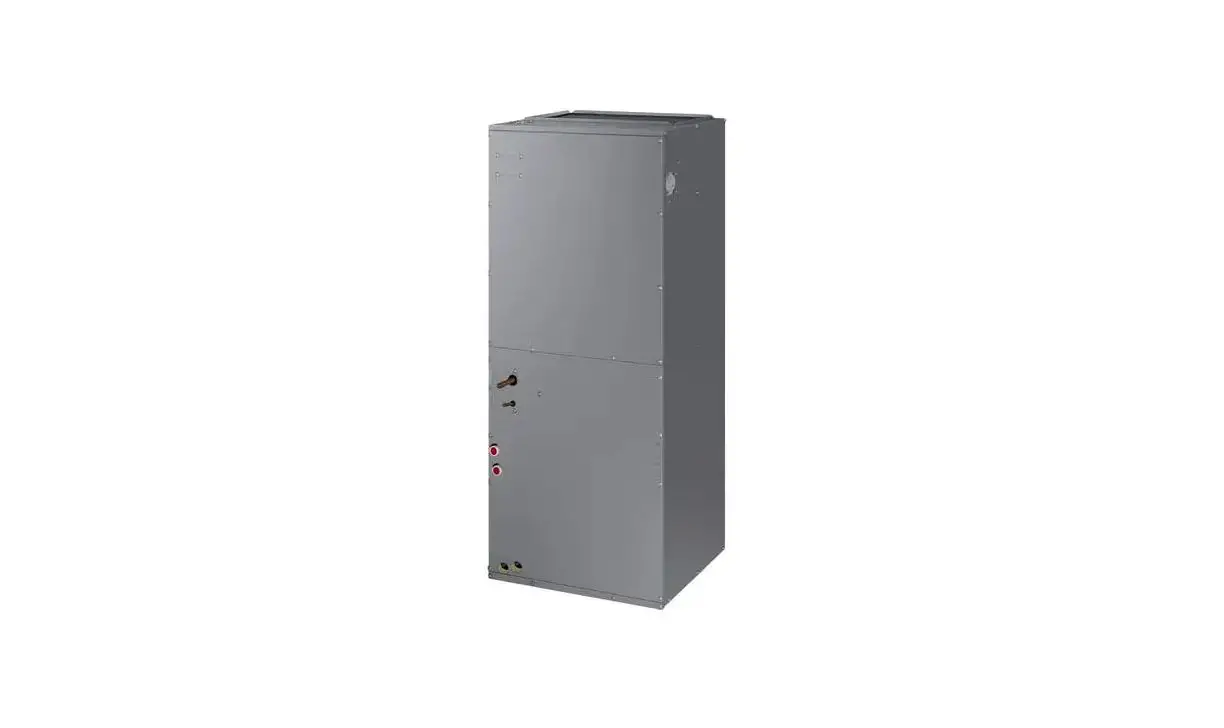
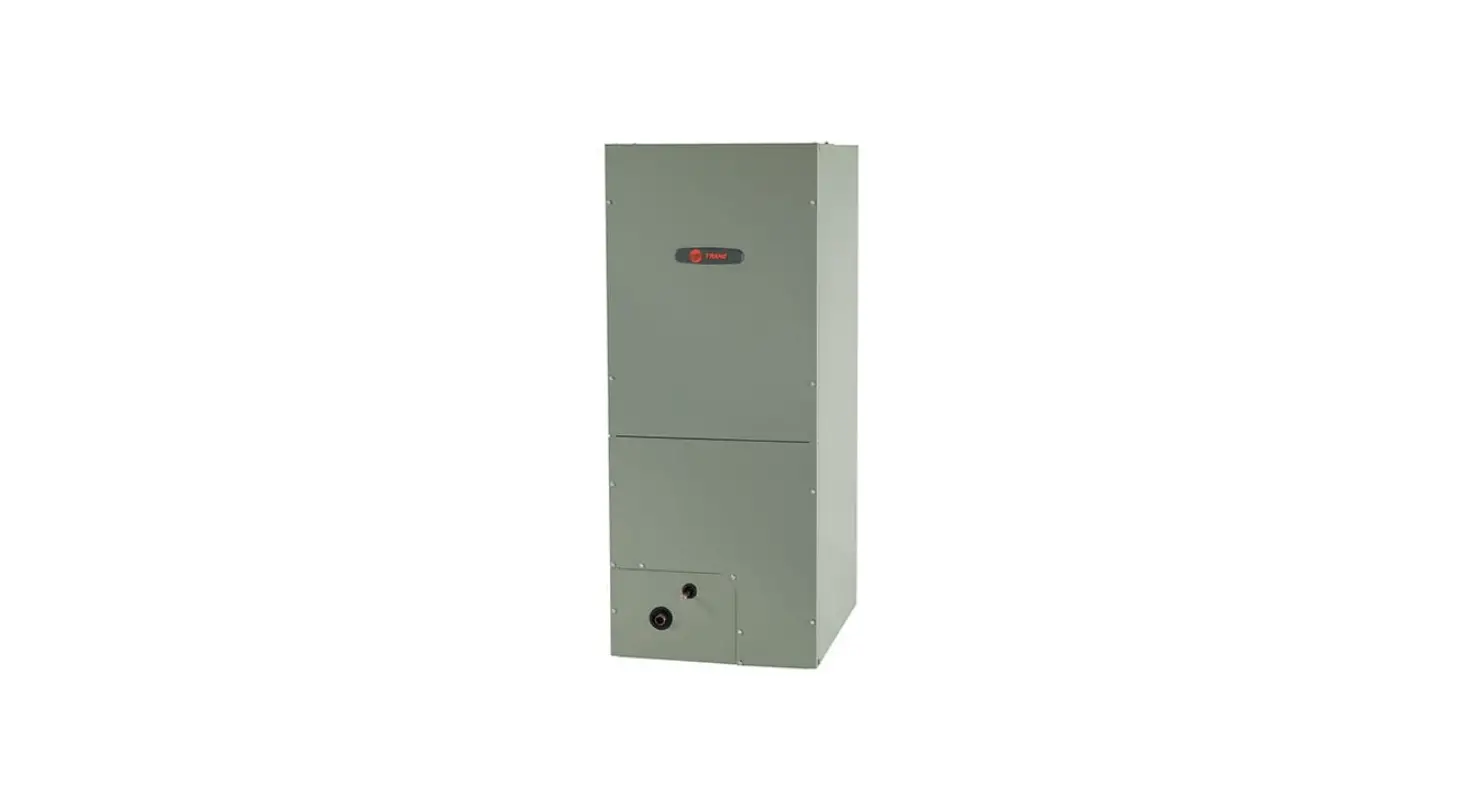
E4AH5E48A1K30A High Efficiency Air Handlers
Product Information
This user manual is for High Efficiency Air Handlers with a
capacity of 2-5 tons. The air handlers are designed to operate with
R-410A refrigerant and feature a TXV (Thermal Expansion Valve)
inside. The specific models covered in this manual are
E4AH5E48A1K30A and E4AH5E60A1K30A.
Table of Contents
- Safety
- Dimensions
- Applications
- Electrical Wiring
- Airflow Performance
- Ductwork
- Air Filter
- Indoor Unit Function
- Service Manual
1. Safety
Before installing the unit or performing any service work, it is
important to read and follow the safety instructions provided in
this section. The safety instructions are divided into different
warnings and cautions to ensure proper handling and prevent any
potential risks or damages.
Warnings:
- FIRE HAZARD! When installing heat pumps, only
use approved heater to unit combinations as specified on the
nameplate. Set blower airflow speed according to nameplate
instructions. Failure to do so may result in death, serious injury,
or equipment damage. - PRESSURIZED REFRIGERANT! The system contains
oil and refrigerant under high pressure. Prior to opening the
system, it is important to recover refrigerant to relieve pressure.
Non-approved refrigerants, refrigerant substitutes, or refrigerant
additives should not be used. Refer to the outdoor unit nameplate
for the correct refrigerant type. Failure to follow these
instructions may result in death, serious injury, or equipment
damage. - THIS PRODUCT CAN EXPOSE YOU TO CHEMICALS INCLUDING
LEAD. The product is known to contain chemicals, such as
lead, that can cause cancer, birth defects, or other reproductive
harm. For more information, visit www.p65Warnings.ca.gov. - FLAMMABLE VAPORS! Gasoline or other flammable
vapors and liquids should not be used or stored in open containers
near the furnace. This can lead to explosion or fire. Failure to
follow this warning may result in death, serious injury, or
property damage. - HAZARDOUS VOLTAGE! Before servicing,
disconnect all electric power, including remote disconnects. Ensure
that all motor capacitors have discharged stored voltage. Failure
to do so may result in death or serious injury. - SHARP EDGES! Avoid contact with coil fins and
sheet metal edges to prevent injury. Failure to do so may result in
death or serious injury. - FIBERGLASS WOOL EXPOSURE! The owner’s
information manual provided with the unit should be referred to for
proper installation, operating, and maintenance instructions.
Disturbing the insulation during installation, maintenance, or
repair may expose you to airborne particles of glass wool fibers
and ceramic fibers known to cause cancer through inhalation. Glass
wool fibers may also cause respiratory, skin, or eye
irritation.
Product Usage Instructions
Follow these instructions for proper usage of the High
Efficiency Air Handlers:
- Ensure that the unit is installed according to the installation
manual provided. - When installing heat pumps, use only approved heater to unit
combinations as specified on the nameplate. Set blower airflow
speed according to nameplate instructions. - Prior to opening the system, recover refrigerant to relieve
pressure. Do not use non-approved refrigerants, refrigerant
substitutes, or refrigerant additives. Refer to the outdoor unit
nameplate for the correct refrigerant type. - Be aware that the product may contain chemicals, such as lead,
which can cause cancer, birth defects, or other reproductive harm.
Refer to www.p65Warnings.ca.gov for more information. - Avoid using or storing gasoline or other flammable vapors and
liquids in open containers near the furnace to prevent explosion or
fire. - Before servicing, disconnect all electric power, including
remote disconnects. Ensure that all motor capacitors have
discharged stored voltage. - Avoid contact with coil fins and sheet metal edges to prevent
injury. - Refer to the owner’s information manual for proper
installation, operating, and maintenance instructions. Take
necessary precautions to avoid fiberglass wool exposure during
installation, maintenance, or repair.
Installation Manual
High Efficiency Air Handlers 2-5 Ton Capacity R-410A TXV Inside
E4AH5E48A1K30A E4AH5E60A1K30A
NOTE: Appearance of unit may vary. Installation must be performed in accordance with the requirements of NEC and CEC by authorized personnel only. All phases of this installation must comply with National, State and Local Codes. This document is customer’s property and is to remain with this unit. Please return it to customer with service information upon completion of work. These instructions are intended as an assist to qualified and licensed personnel for proper installation, adjustment and operation of ECM air handler units. Read it thoroughly before attempting installation or service work. Failure to follow these instructions may result in fire, electrical shock, property damage, personal injury or death. The instructions do not cover all varitions in systems or provide for every possible contingency to be met in connection with the installation.
88-E4AH5001-1B-EN
Table of contents
1. Safety ………………………………………………………………………… 3 2. Dimensions ……………………………………………………………….5 3. Applications ………………………………………………………………7 4. Electrical Wiring …………………………………………………….12 5. Airflow Performance …………………………………………….24
6. Ductwork ………………………………………………………………… 25 7. Air Filter ………………………………………………………………….. 26 8. Indoor Unit Function …………………………………………….27 9. Service Manual …………………………………………………….. 29
2
1. Safety
Read the following safety instructions before installing the unit or doing service work. WARNING may cause personal death or serious injury. CAUTION may lead to injury or structural damage under some conditions.
WARNING
FIRE HAZARD!
WITH HEAT PUMP INSTALLATIONS, SOME ELECTRIC HEATERS ARE POSITION SENSITIVE. USE ONLY APPROVED HEATER TO UNIT COMBINATIONS PER NAMEPLATE AND SET BLOWER AIRFLOW SPEED PER NAMEPLATE INSTRUCTIONS.
WHEN HEATERS COME SUPPLIED WITH CIRCUIT BREAKERS, USE 240/208 VOLT SUPPLY POWER WITH 120 VOLTS (NOMINAL) TO GROUND.
FAILURE TO FOLLOW THE ABOVE COULD RESULT IN DEATH, SERIOUS INJURY OR EQUIPMENT DAMAGE.
WARNING
PRESSURIZED REFRIGERANT! — IMPROPER REFRIGERANT!
SYSTEM CONTAINS OIL AND REFRIGERANT UNDER HIGH PRESSURE. RECOVER REFRIGERANT TO RELIEVE PRESSURE BEFORE OPENING THE SYSTEM.
DO NOT USE NON-APPROVED REFRIGERANTS OR REFRIGERANT SUBSTITUTES OR REFRIGERANT ADDITIVES. SEE OUTDOOR UNIT NAMEPLATE FOR REFRIGERANT TYPE.
FAILURE TO FOLLOW THE ABOVE COULD RESULT IN DEATH, SERIOUS INJURY OR EQUIPMENT DAMAGE.
WARNING
THIS PRODUCT CAN EXPOSE YOU TO CHEMICALS INCLUDING LEAD, WHICH ARE KNOWN TO THE STATE OF CALIFORNIA TO CAUSE CANCER AND BIRTH DEFECTS OR OTHER REPRODUCTIVE HARM.
FOR MORE INFORMATION GO TO www.p65Warnings.ca.gov
WARNING
FLAMMABLE VAPORS!
THE USE AND STORAGE OF GASOLINE OR OTHER FLAMMABLE VAPORS AND LIQUIDS IN OPEN CONTAINERS IN THE VICINITY OF THIS FURNACE CAN RESULT IN EXPLOSION OR FIRE.
FAILURE TO FOLLOW THE ABOVE COULD RESULT IN DEATH OR SERIOUS INJURY, OR PROPERTY DAMAGE.
WARNING
HAZARDOUS VOLTAGE!
DISCONNECT ALL ELECTRIC POWER INCLUDING REMOTE DISCONNECTS BEFORE SERVICING. INSURE THAT ALL MOTOR CAPACITORS HAVE DISCHARGED STORED VOLTAGE. FAILURE TO DO THE ABOVE COULD RESULT IN DEATH OR SERIOUS INJURY.
WARNING
SHARP EDGES!
AVOID CONTACT WITH COlL FINS AND SHEET METAL EDGES. FAILURE TO FOLLOW THE ABOVE COULD RESULT IN DEATH OR SERIOUS INJURY.
WARNING
FIBERGLASS WOOL EXPOSURE!
REFER TO OWNER’S INFORMATION MANUAL PROVIDED WITH THIS UNIT FOR PROPER INSTALLATION, OPERATING AND MAINTENANCE INSTRUCTIONS.
DISTURBING THE INSULATION IN THIS PRODUCT DURING INSTALLATION, MAINTENANCE OR REPAIR WILL EXPOSE YOU TO AIRBORNE PARTICLES OF GLASS WOOL FIBERS AND CERAMIC FIBERS KNOWN TO THE STATE OF CALIFORNIA TO CAUSE CANCER THROUGH INHALATION. GLASS WOOL FIBERS COULD ALSO CAUSE RESPIRATORY, SKIN OR EYE IRRITATION.
3
WARNING
USE COPPER CONDUCTORS ONLY!
UNIT TERMINALS ARE NOT DESIGNED TO ACCEPT OTHER TYPES OF CONDUCTORS. FAILURE TO DO THE ABOVE COULD RESULT IN EQUIPMENT DAMAGE.
WARNING
ROTATING FAN BLADE!
DISCONNECT ALL ELECTRIC POWER INCLUDING REMOTE DISCONNECTS BEFORE SERVICING.
FAILURE TO DISCONNECT POWER BEFORE SERVICING CAN CAUSE SEVERE PERSONAL INJURY OR DEATH.
4
2. Dimensions
NOTE: 25” CLEARANCE IS REQUIRED IN THE FRONT OF THE UNIT FOR FILTER AND COIL MAINTENANCE
Gas Line Liquid Line
Inlet (Front View) Primary drain connection 3/4” Female pipethread (NPT)
Inlet (Left Side View)
Figure 2-1 Unit dimensions
5
Table 1. Unit Dimensions
Model
E4AH5E24A1J30A E4AH5E36A1J30A E4AH5E48A1K30A E4AH5E60A1K30A
H 46-1/2
56
W 21 24-1/2
Dimensions (in.)
D
A
21
19-1/4
Liquid Line Connection
3/8
Gas Line Connection
3/4
21
22-3/4
3/8
7/8
Select a solid and level site, keep enough space for proper installation and maintenance.
Adjust motor speed tap on indoor main control board (MCB) to select correct air flow according to blower performance table.
a) Horizontal position
b) Vertical position Figure 2-2 Clearance requirement
6
3. Applications 3.1 Vertical up-flow and Horizontal right-flow
Vertical up-flow and horizontal right-flow configurations are the factory settings on all models. If return air is to be ducted, install duct flush with floor. Use fireproof resilient gasket 1/8” to 1/4” thick between the ducts, unit and floor. Set unit on floor over opening. IMPORTANT Lightly tighten the drain connections so they do not leak. Using excessive force may cause damage to the drain connections. Torque applied to drain connections should not exceed 10.ft.lbs.
3.00
1.75
3.96 2.70
Figure 3-1 Dimensions for front connection coil
3.00″ 1.70″ 1.40″
2.36
7
3.1.1 Installation of drainpipe
1.When the air handler is installed vertically, please block the upper drainage hole with a cover. The lower right of the drainage hole is connected with the drainage pipe, and the lower left of the drainage hole is connected with the overflow pipe that should be exposed to the air; lf the pipe is draining, which means the pipe is blocked. Contact maintenance personnel as soon as possible.
A
8
2. When installing the air handler lying down, the upper drainage hole is covered the lower left of the drainage hole is connected with the drainage pipe, the lower right of the drainage hole is connected with the overflow pipe that should be exposed to the air. lf the pipe is draining, which means the pipe is blocked. Contact maintenance personnel as soon as possible.
Figure 3-3 Horizontal right
9
,QVWDOODWLRQRIGUDLQSLSH
Keep the coil connections sealed until refrigerant connections are made. Refer to condensing unit installation instructions for details on pipe size and insulation. Coil is shipped with nitrogen. Evacuate the system before charging with refrigerant. Make sure the refrigerant pipes layout do not block service access. Purge the refrigerant pipes and indoor coil with dry nitrogen while brazing. Use a wet rag or an approved heat paste to protect the TXV sensing bulb during the brazing
process.
Condensate Drain Connection Use a thin layer of Teflon paste, silicone or Teflon tape when making drain fitting connections. Do not over tighten fittings resulting in splitting pipe connections on the drain pan.
CONDENSATE DRAIN TRAP
DO NOT OPERATE UNIT WITHOUT CONDENSATE DRAIN TRAP.
UNIT
DO NOT OVERTIGHTEN DRAIN FITTING
UNIT MUST BE SLIGHTLY PITCHED TO APPROVED
TOWARD DRAIN CONNECTION
DRAIN
Figure 7-1 Condensate drain trap
Make sure the drain pipes layout do not block service access. Minimum clearance of 25” is required for filter, coil or blower removal and service access.
Ensure the unit is level or pitched slightly toward primary drain connection so that water will drain smoothly from the pan. All horizontal drain pipes must be pitched downward away from the unit a minimum of 1/8″ per foot of line to ensure proper drainage.
Do not reduce drain pipe size less than connection size provided on condensate drain pan.
Do not connect condensate drain pipe to a closed or open sewer pipe.
The drain pipe should be insulated where necessary to prevent sweating and damage due to condensate forming on the outside surface of the line.
Make provisions for disconnecting and cleaning of the primary drain pipe if it become necessary. Install a 3 inch trap in the primary drain pipe as close as possible to the unit. Make sure that the top of the trap is below connection to the drain pan to allow complete drainage of pan.
Auxiliary drain pipe should be connected to a place where it will be noticeable. Homeowner should be warned that a problem exists if water begins running from the auxiliary drain pipe.
Test condensate drain pan and drain pipe after installation is complete. Pour enough water into drain pan, make sure that the drain pan is draining completely, no leaks are found in drain pipe fittings, and no water is draining from the termination of the primary drain pipe.
10
3. Horizontal left-flow
Horizontal left-flow is another default factory configuration for the units. These units may be converted to horizontal left-flow by removing indoor coil assembly with drain pan and reinstalling it as shown below.
Rotate the unit 90° into the horizontal left position, with the coil compartment on the right and the blower compartment on the left.
Reinstall the indoor coil 180° from original position. Ensure the retaining channel is fully engaged with the coil rail(Figure 3-4 and 3-5).
Aftermarket drain pan kits are required when the unit is configured for the horizontal position over a finished ceiling and living space.
A 14
ENSURE THE RETAINNG CHANNEL IS FULLY ENGAGED WITH THE COIL RAIL.
DETAIL
RAILS
AIRFLOW
Figure 3-4 Horizontal left-flow application
RAILS
11
Figure 3-5 Evaporator diagram
CAUTION Horizontal units must be configured for right hand air supply or left hand air supply. Horizontal drain pan must be located under indoor coil. Failure to use the drain pan can result in property damage.
3. Installation in an unconditioned space
There are two pairs of coil rails in the air handler for default and counter flow application. If the air handler is installed in an unconditioned space, the two unused coil rails should be removed to minimize air handler surface sweating. The coil rails can be easily removed by taking off the 6 mounting screws from both sides of the cabinet.
4. Electrical Wiring
Field wiring must comply with the National Electric Code (C.E.C. in Canada) and any applicable local ordinance. WARNING Disconnect all power to unit before installing or servicing. More than one disconnect switch may be required to de-energize the equipment. Hazardous voltage can cause severe personal injury or death.
12
4.1 Power Wiring
It is important that proper electrical power is available for connection to the unit model being installed. Refer to the unit nameplate, wiring diagram and electrical data in the installation instructions. If required, install a branch circuit disconnect of adequate size, located within sight of, and readily
accessible to the unit. When the electric heat is installed, units may be equipped with one or two 30~60 amp circuit
breakers. These breakers protect the internal wiring in the event of a short circuit and serve as a disconnect. Circuit breakers installed within the unit do not provide over-current protection of the supply wiring and therefore may be sized larger than the branch circuit protection. Supply circuit power wiring must be 167 minimum copper conductors only. Refer to electrical data in this section for ampacity, wire size and circuit protector requirements. Supply circuit protective devices may be either fuses or “HACR” type circuit breakers.
Figure 4-1 Wiring diagram
13
4.2 Control Wiring
Class 2 low voltage control wiring should not be run in conduit with main power wiring and must be separated from power wiring, unless class 1 wire of proper voltage rating is used. Low voltage control wiring should be color-coded 18 AWG. For lengths longer than 100 ft, 16 AWG
wire shall be used. Refer to wiring diagrams attached to indoor and outdoor sections to be connected. Make sure separation of control wiring and power wiring has been maintained.
Two-Stage Thermostat
Air Handler
Heat Pump Outdoor Unit
Air Handler
a) Two-Stage thermostat
One-Stage Thermostat
Heat Pump Outdoor Unit
b) Single-Stage thermostat Figure 4-2 Schematic diagram for control wiring connection
14
Table 2. Thermostat terminal definition chart.
Unit Terminal R C G
Terminal defination 24VAC power supply for thermostat from secondary transformer.
Common wire. Fan motor relay.
Y1
Compressor stage 1, low load-output control.
Y2
Compressor stage 2, high load-output control.
B
Reversing valve for heating pump systems.
W1
Heating stage 1, electrical heater low load-output control.
W2
Heating stage 2, electrical heater high load-output control.
D
Defrosting single wire.
NOTES:
1. Be sure power supply agrees with equipment nameplate. 2. Power wiring and grounding of equipment must comply with local codes. 3. Low voltage wiring to be No. 18 AWG minimum conductor. 4. Some thermostats may use W2/AUX for heat pump. 5. The electrical heater may be not avaliable for some model (need to be checked later). 6. For single stage thermostat with Y/Y1 terminal only, place both Y1 and Y2 wire together to Y/Y1 terminal.
4.3 Grounding
WARNING The unit must be grounded. Failure to do so can result in electrical shock causing personal injury or death. Grounding may be accomplished by grounding metal conduit when installed in accordance with
electrical codes to the unit cabinet. Grounding may also be accomplished by attaching ground wire(s) to ground lug(s) provided in the unit wiring compartment. Use of multiple supply circuits require grounding of each circuit to lug(s) provided in the unit.
15
4.4 Electrical Data
Table 3. Electrical data
Model
E4AH5E24A1J30A E4AH5E36A1J30A E4AH5E48A1K30A E4AH5E60A1K30A
VoltagePhase-Hz
208/2301Ph-60Hz
Power Supply Wiring Gauge
14
Motor HP
1/3 1/2 3/4 3/4
Motor Steps
5
Minimum Circuit AMPS 3.5
5.0
7.0
7.0
MAX overcurrent protective(A)
15
4.5 Electric Heat Data
Table 4. Electric heat data
Kit Model
Model
Electric Heat (kW)
BAYHTR16 05BRKA
BAYHTR16 10BRKA
BAYHTR16 05BRKA
BAYHTR16 10BRKA
BAYHTR16 15BRKA
BAYHTR16 05BRKA
BAYHTR16 10BRKA
BAYHTR16 15BRKA
BAYHTR16 20BRKA
BAYHTR16 05BRKA
BAYHTR16 10BRKA
BAYHTR16 15BRKA
BAYHTR16 20BRKA
E4AH5E 24A1J30A
E4AH5E 36A1J30A
E4AH5E 48A1K30A
E4AH5E 60A1K30A
5 10 5 10 5+10 5 10 5+10 10+10 5 10 5+10 10+10
MIN. Circuit Ampacity
208 230
23
25
45
50
23
25
45
50
23+45 25+50
23
25
45
50
23+45 50+25
45+45 50+50
23
25
45
50
23+45 50+25
45+45 50+50
*MCA and Max Fuse Ampacity contains the motor amps.
MAX. Fuse or Breaker (HACR)
Ampacity
208
230
25
30
50
60
25
30
50
60
50+25 60+30
25
30
50
60
50+25 60+30
50+50 60+60
25
30
50
60
50+25 60+30
50+50 60+60
Fan speed 12345 ×× ×× ×× ×× ×× ×× ×× ×× ××× ×× ×× ×× ×××
16
Safety Cautions All electric work must be performed by qualified personnel. BAYHTR16** series is designed and approved to be installed in the AMERISTAR or RUNTRU series air handlers. Check the BAYHTR16** series label to confirm BAYHTR16** series size based on room load under
lowest ambient temperature. Inspect all heating elements and whether heater element wires.Contact local distributor immediately
if there is any occurred damage. Warning Disconnect all external power supplies before performing installation and servicing. Turn off
accessory heater power switch if applicable. Failure to do so may cause serious injury. BAYHTR16** series must be properly grounded and use copper supply wires. Make sure to follow national electric code and local regulations. When installing it in an enclosed area such as a garage, heater elements should have a minimum
clearance of 18” from the floor to insure the proper ventilation.
17
4.6 INSTALLATION INSTRUCTIONS “BAYHTR16**” Electric Heater Kits For use in Air Handlers
ATTENTION INSTALLING PERSONNEL Prior to installation, thoroughly familiarize yourself with this installation manual. Observe all safety warnings. During installation or repair, caution is to be observed. It is your responsibility to install the product safely and to educate the customer on its safe use. STEP 1. Unfasten 4 screws to take away the blower access panel of the air handler.
STEP 2. Remove the cover plate from the air handler.
18
STEP 3. Slide the heater kit into the slot and secure element plate with previously removed screws.
19
When sliding the heater kit into the slot ensure that it is installed in the correct orientation described below. Thermostat will be on the left hand side and the fuse will be on the right hand side.
When two elements are being used ensure that “UPPER” and “LOWER” elements are installed in the correct slots and orientations.
THERMOSTAT
5KW
FUSE
THERMOSTAT
10KW
FUSE
THERMOSTAT
15KW
FUSE UPPER
THERMOSTAT
20KW
LOWER
FUSE UPPER
LOWER
20
STEP 4. Align the attachment clip and the hole and fasten the loose wires by using wire tie.
STEP 5.
CONNECT 3PINS
CHECK S CHECK SCREWS
21
Warning FIRE, ELECTRICAL SHOCK, HAZARD NOTE:
Figure 4-4 Wiring diagram for 10KW electric heat
22
Figure 4-5 Wiring diagram for 15KW electric heat
Figure 4-6 Wiring diagram for 20KW electric heat
23
5. Airflow Performance
Airflow performance data is based on cooling performance with a coil and no filter in place. Check the performance table for appropriate unit size selection. External static pressure should stay within the minimum and maximum limits shown in the table below in order to ensure proper airflow.
Table 5. Airflow performance data
Model
E4AH5E 24A1J30A
E4AH5E 36A1J30A
E4AH5E 48A1K30A
E4AH5E 60A1K30A
Motor Speed
Tap (5) Tap
(4)factory
Tap (3) Tap
(2)factory
Tap (1)
Tap (5) Tap
(4)factory
Tap (3) Tap
(2)factory
Tap (1)
Tap (5)
Tap (4) Tap
(3)factory
Tap (2) Tap
(1)factory
Tap (5)
Tap (4) Tap
(3)factory
Tap (2) Tap
(1)factory
SCFM Watts SCFM Watts SCFM Watts SCFM Watts SCFM Watts SCFM Watts SCFM Watts SCFM Watts SCFM Watts SCFM Watts SCFM Watts SCFM Watts SCFM Watts SCFM Watts SCFM Watts SCFM Watts SCFM Watts SCFM Watts SCFM Watts SCFM Watts
0 1013 181 862 114 767
80 668 59 598 45 1458 280 1287 203 1133 147 929 81 802 60 1950 562 1718 412 1505 277 1211 155 931 83 1950 562 1718 412 1505 277 1211 155 931 83
0.1 968 192 810 118 735 85 642 63 569 46 1412 295 1240 212 1084 154 872 92 756 69 1903 570 1682 422 1465 290 1175 167 927 100 1903 570 1682 422 1465 290 1175 167 927 100
0.16 947 196 810 122 728 88 636 66 553 53 1390 298 1210 216 1057 157 839 95 692 72 1877 575 1659 361 1443 298 1174 176 894 110 1877 575 1659 361 1443 298 1174 176 894 110
SCFM / Watts
External Static Pressure-Inches W.C.]
0.2
0.3
0.4
0.5
948
948
936
899
198
200
207
217
804
790
746
702
124
131
139
148
729
680
630
576
91
99
108
118
614
590
510
471
68
72
85
95
528
475
428
373
55
64
72
79
1366 1320 1274 1194
300
308
317
327
1192 1149 1077 1006
221
228
232
246
1035 979
896
835
162
169
180
190
796
716
653
598
100
114
120
127
651
594
525
453
78
87
91
98
1863 1819 1784 1744
578
585
591
597
1648 1612 1575 1533
433
444
453
460
1428 1391 1353 1325
302
313
325
338
1174 1100 1066 1031
179
191
206
217
905
857
796
785
116
129
144
158
1863 1819 1784 1744
578
585
591
597
1648 1612 1575 1533
433
444
453
460
1428 1391 1353 1325
302
313
325
338
1174 1100 1066 1031
179
191
206
217
905
857
796
785
116
129
144
158
0.6 857 226 655 159 535 127 418 101 325 85 1167 337 939 258 777 197 527 136 355 108 1708 604 1498 466 1293 348 957 232 744 176 1708 604 1498 466 1293 348 957 232 744 176
0.7 808 236 607 169 490 135 380 107 277 92 1072 350 888 266 724 204 460 143 270 114 1666 611 1453 473 1254 358 917 247 717 188 1666 611 1453 473 1254 358 917 247 717 188
0.8 755 245 562 177 454 141 334 116 260 97 1027 357 832 272 670 211 380 153 210 119 1616 619 1401 482 1174 374 879 260 676 206 1616 619 1401 482 1174 374 879 260 676 206
Shaded boxes represent airflow outside the required 300-450cfm/ton at full load.
24
NOTES: Airflow based upon cooling performance at 230V with no electric heat and no filter. Airflow at 208V is approximately the same as 230V because the multi-tap ECM motor is a constant torque motor. The torque doesn’t drop off at the speeds in which the motor operates. The air distribution system has the greatest effect on airflow. For this reason, the contractor should use only industry-recognized procedures to finish ductwork. Heat pump systems require a specified airflow. Each ton of cooling requires between 300 and 450 cubic feet per minute (CFM). Duct design and construction should be carefully done. System performance can be lowered dramatically through bad planning or workmanship. Air supply diffusers must be selected and located carefully. They must be sized and positioned to deliver treated air along the perimeter of the space. Return air grilles must be properly sized to carry air back to the blower as well. Failure to follow these may cause abnormal noise and drafts. The installers should balance the air distribution system to ensure proper quiet airflow to all rooms in the home. This ensures a comfortable living space. An air velocity meter or airflow hood can give a reading of system CFM.
6. Ductwork
Field ductwork must comply with the National Fire Protection Association NFPA 90A, NFPA 90B and any applicable local ordinance.
WARNING Do not, under any circumstances, connect return ductwork to any other heat producing device such as fireplace insert, stove, etc. Unauthorized use of such devices may result in fire, carbon monoxide poisoning, explosion, personal injury or property damage.
Sheet metal ductwork run in unconditioned spaces must be insulated and covered with a vapor barrier. Fibrous ductwork may be used if constructed and installed in accordance with SMACNA Construction Standard on Fibrous Glass Ducts. Ductwork must comply with National Fire Protection Association as tested by U/L Standard 181 for Class I Air Ducts. Check local codes for requirements on ductwork and insulation. Duct system must be designed within the range of external static pressure the unit is designed to
operate against. It is important that the system airflow be adequate. Make sure supply and return ductwork, grilles, special filters, accessories, etc. are accounted for in total flow resistance. Refer to the airflow performance table in this manual. Design the duct system in accordance with “ACCA” Manual “D” Design for Residential Winter and Summer Air Conditioning and Equipment Selection. Latest editions are available from: “ACCA” Air Conditioning Contractors of America, 1513 16th Street, N.W., Washington, D.C. 20036. If duct system incorporates flexible air duct, be sure that the pressure drop Information (straight length plus all turns) shown in “ACCA” Manual “D” is accounted for in system. Supply plenum is attached to the 3/4″ duct flanges supplied with the unit. Attach flanges around the blower outlet. Secure the supply and return ductwork to the unit flanges, using proper fasteners for the type of duct used and tape the duct-to-unit joint as required to prevent air leaks. IMPORTANT If an elbow is included in the plenum close to the unit, it must not be smaller than the dimensions of the supply duct flange on the unit. The front flange on the return duct connected to the blower casing must not be screwed into the area where the power wiring is located. Drills or sharp screw points can damage insulation on wires located inside unit.
25
. Air Filter
Filter application and replacement are critical to airflow, which may affect the heating and cooling system performance. Reduced airflow can shorten the life of the system’s major components, such as motor, heat relays, evaporator coil or compressor. Units should be sized for a maximum of 300 feet/min. air velocity or what is recommended for the filter type installed.
Ensure the air flow is in the range of 300~450CFM if adding high efficiency filters or electronic air filtration systems. Note that the overall performance and efficiency of the unit will be reduced because of pressure drop by filters.
IMPORTANT Do not double filter the return air duct. Do not filter the supply air duct which will change the performance of the unit and reduce airflow.
WARNING Do not operate the system without filters. A portion of the dust suspended in the air may temporarily lodge in the duct. Any circulated dust particles could be heated and charred by contact with the air handler elements. This residue could soil ceilings, walls, drapes, carpets and other articles in the house. Soot damage may occur without filters in place when certain types of candles, oil lamps or standing pilots are burned.
Air filter Clean/Replacement
1. Remove bolts to take the filter cover away. 2. Hold the edge of the air filter and extract it out. 3. Clean the air filter or use a new one to replace.
FILTER RAILS
FILTER COVER
NOTE: AIR FILTER IS NOT FACTORY INSTALLED
Figure 8-1 Filter installation and clean
Table 6. Filter Dimensions
Model
Filter size
W
Dimensions (in.)
D
H
A
E4AH5E24A1J30A E4AH5E36A1J30A
18 x 20
19-3/4
21
1
16
E4AH5E48A1K30A E4AH5E60A1K30A
22 x 20
23-1/4
21
1
16
NOTE:
Refer to the label on filter cover to install the correct filter size. Units built on and prior to Dec 31, 2019.
B 13-7/8
15-1/4
26
. Indoor Unit Function .1 Indoor Fan Speed Adjustment
This function is for the user in the installation, according to the length of the air duct to determine the best fan speed, so that indoor air supply to achieve the best performance. If the user wants to adjust the fan speed level, the operation is as follows: The dip-switch for adjusting the fan speed level is located at SW1 of the indoor unit Main PCB, as shown in Figure 9-1. Dip-switch have digital end and “ON” end, The setting of dip-switch is explained as follows:
Figure 9-1 Indoor unit main PCB
27
STEP 1.
When the SW1-1 is located at the digital end (factory default), the fan runs in 5th level for high speed and 2nd level for low speed. If you want to adjust the fan speed by yourself, you need to change it to the “ON” end:
STEP 2.
Set SW1-1 to “ON” end.Then combining the SW1-2 and SW1-3 to get different fan speeds. The fan speed operation obtained by the combination is shown in the following table:
Table 7. Dip-switch setting for fan speed
Combination
SW1 setting
Low speed
High speed
1(Default)
2nd speed
5th speed
2
1st speed
2nd speed
3
1st speed
3rd speed
4
2nd speed
4th speed
5
3rd speed
5th speed
.2 Cold Air Prevention
This function should be confirmed to the user during the installation, the factory default is turning on anti-cold air function, the effect is: 1. the initial stage of heating with low fan speed, 2. the indoor unit is shut down when the unit enter defrosting mode;
You can turn on or turn off this function by adjusting the fourth position of SW1 on the indoor unit main control board. The digit end corresponds to OFF, and the letter end corresponds to ON. The default setting is ON, adjust the dip-switch to OFF, the anti-cold air function will be turned off.
28
9. Service Manual
For more information, please scan the QR code for the service manual.
29
About Trane and American Standard Heating and Air Conditioning
Trane and American Standard create comfortable, energy efficient indoor environments for residential applications. For more information, please visit www.trane.com or www.americanstandardair.com
The AHRI Certified mark indicates company participation in the AHRI Certification program. For verification of individual certified products, go to ahridirectory.org.
The manufacturer has a policy of continuous data improvement and it reserves the right to change design and specifications without notice. We are committed to using environmentally conscious print practices.
88-E4AH5001-1B-EN 08 Jun 2023 Supersedes 88-E4AH5001-1A-EN (04 Apr 2023)
© 2023
 American Standard® | Air Conditioning and Heating | HVAC Systems
 p65Warnings.ca.gov
 Trane Heating & Air Conditioning