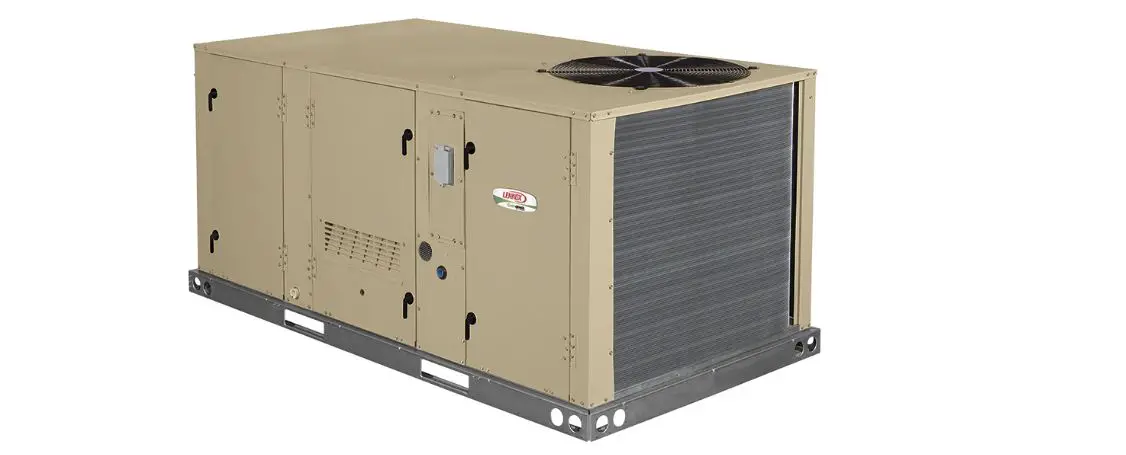
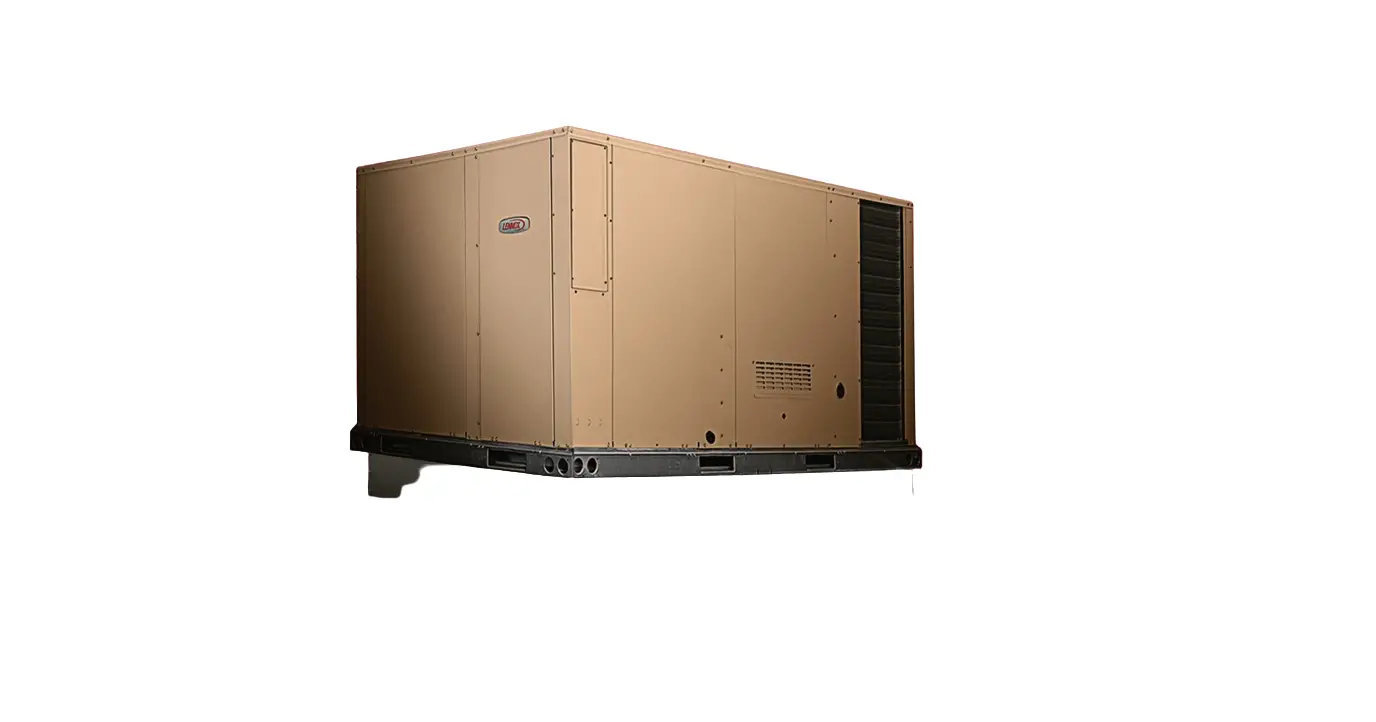
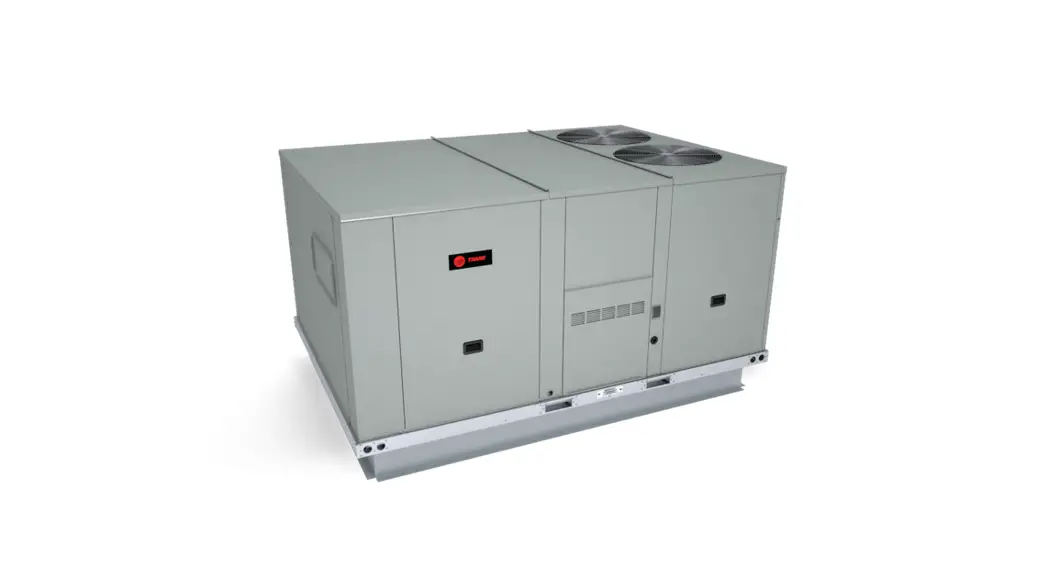
24K58 Standard Economizers Raider Rooftop Units with ZC 092-150
Product Information: Horizontal Economizers
The Horizontal Economizers are accessories used with ZC, ZG, ZH
092-150 units to improve energy efficiency. The economizer system
includes various components such as an economizer damper assembly,
outdoor air damper, return air damper, gravity exhaust damper,
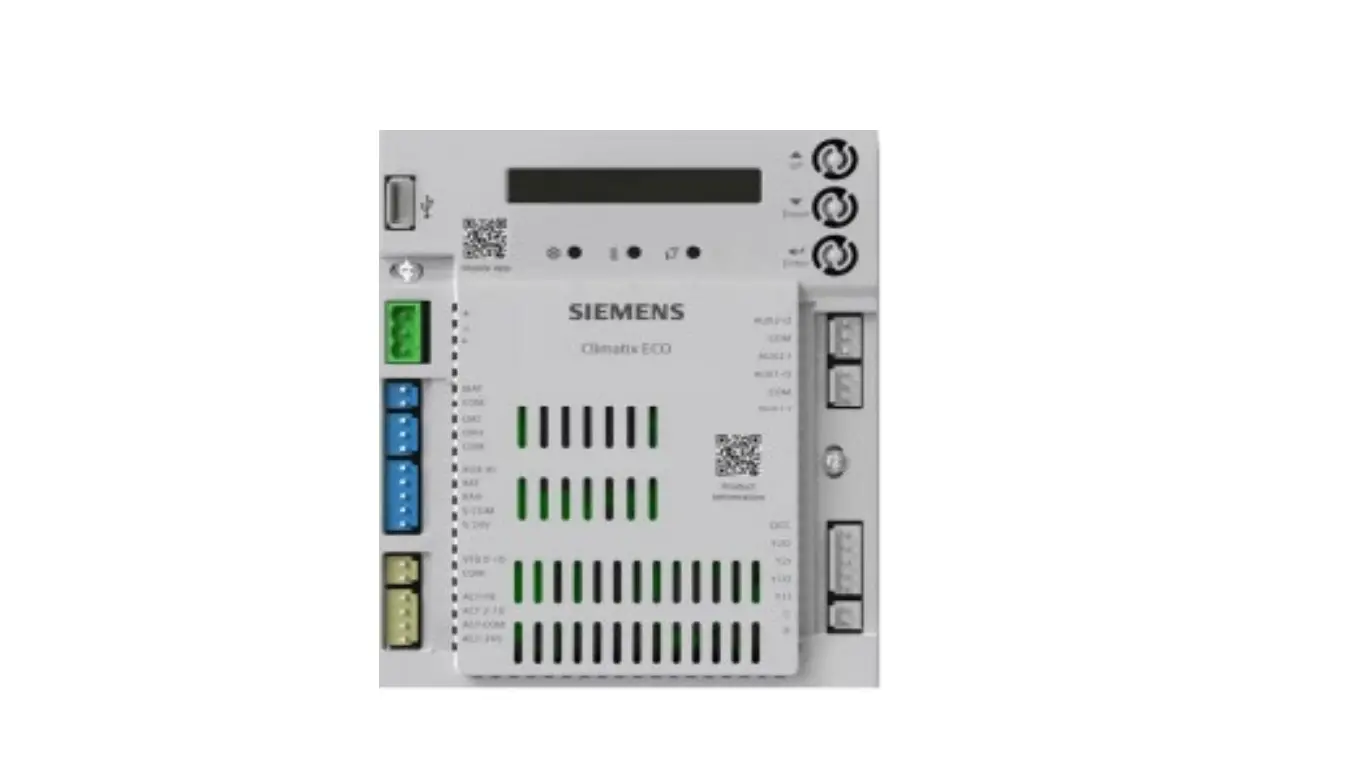
horizontal blank-off panel, economizer actuator, economizer control
module, outdoor air temperature sensor, mixed air sensor, and
necessary hardware.
The economizer system is designed to modulate dampers and
maintain a mixed air temperature of 55°F (R1) based on different
conditions such as outdoor air temperature, humidity, and enthalpy.
The system provides free cooling when the outdoor air conditions
are suitable, helping reduce energy consumption and improve indoor
air quality.
Product Usage Instructions: Installation of Economizer
- Disconnect all power sources to the unit.
- Remove the filter door panel, return chamber panel, and blower
access panel from the unit. - Remove the panel covering the horizontal return air opening on
the unit and reinstall it on the base of the unit to cover the
bottom return opening. - Install the damper assembly into the unit where the return
chamber panel was. The economizer should sit inside the unit and
rest on the base rail. - Screw the left side flange of the economizer to the HVAC unit
using the provided (4) #10-14 x 3/4 screws with washer. - Align the holes in the base flange of the economizer with the
holes in the base rail of the HVAC unit. Secure it in place using
(2) #10-16 x 5/8 screws. - Install the provided blank-off above the economizer to cover
the top part of the horizontal return air opening. Screw it in
place. - Install the economizer hood over the economizer and screw it in
place on both sides and top flanges. - Install the field-supplied horizontal return duct as per the
unit instructions. Ensure a water-tight seal by caulking or
gasketing the seam. - Relocate the economizer control module from its shipping
location to the control box. - The installation process should be performed by a qualified
installer, service agency, or the gas supplier to ensure proper
installation, adjustment, and safety.
Important Safety Instructions:
- Improper installation, adjustment, alteration, service, or
maintenance can cause property damage, personal injury, or loss of
life. Therefore, installation and service must be performed by a
qualified professional. - Take care when servicing the unit to avoid accidental contact
with sharp metallic edges that can cause injury.
HORIZONTAL ECONOMIZERS
STANDARD ECONOMIZERS
Cat No.(24K58)
INSTALLATION INSTRUCTIONS FOR ECONOMIZERS USED WITH ZC,ZG,ZH 092-150 UNITS
Application
The standard economizer is used with ZC,ZG,ZH 092-150 units in horizontal air discharge applications. Economizer dampers will modulate to maintain 55oF (13oC) supply air when outdoor air is suitable. The mixed air temperature sensor measures the supply air sensible temperature. An outdoor air sensor is used to determine whether outdoor air is suitable for free cooling. The outdoor air sensor is factory-installed in all economizers. Other outdoor and return air (OA and RA) sensor options are available to determine whether outdoor air is suitable for free cooling. See Table 1 and the instructions provided with optional senors.
Figure 1
Shipping and Packing List
Package 1 of 1 contains: 1 – Economizer damper assembly 1 – Outdoor air damper 1 – Return air damper 1 – Gravity exhaust damper 1 – Horizontal blank-off panel 1 – Economizer actuator 1 – Economizer control module 1 – Outdoor air temperature sensor 1 – Hardware bag 1 – Mixed air sensor 3 – #10-14 x 3/4″ screws with washer 11 – #10-16 x 5/8″ screws 1 – Side economizer panel 1 – Wiring diagram label
Order Of Installation Economizer Mixed air sensor Optional OA and RA sensors Power Exhaust fans (optional) Side economizer panel
! WARNING
Improper installation, adjustment, alteration, service or maintenance can cause property damage, personal injury or loss of life. Installation and service must be performed by a qualified installer, service agency or the gas supplier
TABLE 1
Sensors *Single OA Sensible
Dampers modulate to maintain 55oF mixed air (R1) when:
OA temperature is lower than free cooling setpoint
Single OA Enthalpy
OA temperature and humidity is suitable for free cooling
Differential Enthalpy – 1 in OA & 1 in RA
OA temperature and humidity is lower than RA temperature and
humidity.
*Single OA sensible sensor is shipped standard on economizer
INDOOR AIR QUALITY SENSOR An IAQ sensor is used when demand control ventilation (DCV) is specified. Damper minimum position can be set lower than traditional minimum air requirements resulting in cost savings. The IAQ sensor allows the economizer control module to open dampers to traditional ventilation requirements as room occupancy (CO2) increases. For proper operation, the IAQ sensor must provide a 2-10VDC, 100 ohm impedance signal. Connect sensor leads to AQ and AQ1 terminals on the economizer control module located in the filter section.
! CAUTION
Danger of sharp metallic edges. Can cause injury. Take care when servicing unit to avoid accidental contact with sharp edges.
Form No. 18340-2P
1
Cross Reference No. 507401-01
Install Economizer
1. Disconnect all power sources to the unit 2. Remove the following panels from the unit;
– Filter door panel – Return chamber panel – Blower access panel When filter access door and return chamber panels are removed there will be a cross support still in the unit stretching from side-to-side of the return chamber. 3. Remove panel covering the horizontal return air opening on unit and reinstall on base of unit, covering bottom return opening. See unit instructions for details.
Filter door
Blower access panel (backside)
8. Economizer hood is shipped assembled. Install over economizer and screw in place on both sides and top flanges. See Fig 6.
9. Install field supplied horizontal return duct per unit instructions. Caulk or gasket seam to ensure water tight seal. See Fig. 6.
Economizer control module in shipping location. Must be
relocated to control box
Economizer damper actuator
Plug for optional power exhaust
D
Outside air temperature
sensor
Return chamber panel
Figure 2
4. Install damper assembly into unit where return chamber panel was. Economizer will sit inside of unit, and will rest on base rail. (See Fig. 4.)
5. Screw left side flange on economizer to HVAC unit using provided (4) #10-14 x 3/4″ screws with washer.
6. Align the holes in the base flange of the economizer into the holes in the base rail of the HVAC unit. Secure in place using (2) #10-16 x 5/8″ screws.
7. When economizer is installed it will not cover the entire horizontal return air opening in the unit. Install provided blank-off above economizer covering the top part of the horizontal return air opening. Screw in place.
Figure 3 – Economizer Control (shown w/o relief damper)
Horizontal blank-off (shipped with economizer)
Actuator
Relief damper
Horizontal economizer assembly
Figure 4 – Economizer Installation
2
12 pin economizer plug (J10)/ mixed air
sensor plug
Outside air temperature sensor
Grommet for high voltage power exhaust
wires (optional)
HVAC unit’s filter access door
Economizer’s outside air damper
Side opening to be covered by side economizer panel
Relief damper
Field supplied horizontal return
air duct
Figure 5 – Front View
Filter access door
Economizer hood. Shipped
assembled
Economizer side panel installed
Figure 6 – Installed Economizer
Economizer Wiring
1. The economizer control module is located next to the actuator for shipping. Relocate the module to the unit control box, see Figure 7A.
2. Route the control wires to unit terminal block (TB1) and connect these wires to TB1 as following (see Figure 5A): · Connect all female terminals to TB1 – Pink (24V) to R; Grey (GND) to ground; Yel (Cool 1) to Y1; and Blue (Cool 2) to Y2. · Disconnect the factory installed terminals at TB1, Y1 and Y2. Connect these terminals to control male terminal Y1 and Y2
3. Attach the control harness jack (J142) to prewired harness plug (P142).
4. At economizer/filter compartment, attach economizer plug (P10) to prewired harness jack (J10). See Figure 7.
5. Connect any optional sensors as shown in Figure 7. 6. If optional power exhaust is used, wire according to
instructions provided with power exhaust. See Figure 7. 7. Apply wiring diagram to the control panel. See Figure 9.
3
Install Mixed Air Sensor
1. Remove the mixed air sensor from the economizer parts bag. The sensor has a small ring terminal. See Fig. 7.
2. Locate the 2 mixed air sensors wires in the unit from plug J3. The mixed air sensor wire color is white. Attach these 2 wires to the mixed air sensor wires.
3. Mount the mixed air sensor to the indoor fan through the existing screw on the blower. See Fig. 8.
4. Secure wires in place so they don’t interfere with unit operation.
5. Replace all panels.
Figure 7 – Wiring Detail
Mixed Air
Sensor
Economizer (J142, P142)
Economizer Control Module
Figure 7A – HVAC Control Box
Economizer Side Panel
1. Install economizer side panel to the right side of economizer, see Fig. 5 and 6. Screw panel to economizer on left side, and into door bracket on right side of panel.
2. Caulk all seams and gaps along sides and bottom of economizer and economizer side panel sheet metal. Allow time for caulk to cure prior to placing unit into operation.
3. Reinstall unit’s filter access door.
TABLE 2
ECONOMIZER CONTROL MODULE LEDs
LED
When Lighted Indicates
Free Cool
Outdoor air is suitable for free cooling
Demand Control Ventilation (DCV)
Indoor IAQ is above set point requirement more fresh air
Apply wiring diagram here
Figure 8 – Mixed Air Sensor Location 4
Figure 9 – Label Installation
EcAo6noEmNTizHeAr LCPoYntCroOlNMToRdOuLle
2V EXH
EXH Set
10V
DAMPER MINIMUM POSITION
Min Pos Open
DCV Max
2V 10V
DCV
2V Free Cool
B A
DCV Set
10V
C D
IAQ MAXIMUM POSITION
(set higher than minimum position)
DCV LED
IAQ SETPOINT
FREE COOL LED
FREE COOLING SETPOINT; A=Completely counterclockwise
D=Completely clockwise
Figure 10
FREE COOLING CHANGEOVER
Note – The following conditions assume unit is operating during occupied period. Single Outdoor Air Temperature Sensing: The temperature sensor shipped with the economizer is used to determine outdoor air suitability for free-cooling. The sensor has a fixed changeover and cannot be adjusted. Set the A,B,C,D setting on economizer control module to the “D” setting. The sensor will allow economizer to go to free-cooling mode when the temperature falls below 55oF, and will then disable freecooling when temperatures rise above 70oF.
Single Enthalpy Sensing: Note – The following conditions assume unit is operating during occupied period.
Single Outdoor Air Enthalpy Sensing: The enthalpy sensor is an optional accessory. The temperature sensor shipped with the economizer will be removed and discarded, and the enthalpy sensor field installed. The enthalpy sensor is used to determine outdoor air suitability for free-cooling, see Table 3.
Free cooling will be enabled when the outdoor air enthalpy is lower than the free cooling setpoint. Table 3 shows the free cooling setpoints which are adjustable on the economizer control module.
For example: At setting A (Table 3), free cooling will be enabled when outdoor air enthalpy is lower than 73oF and 50% RH. If indoor air is too warm or humid, lower the setpoint to B. At setting B, free cooling will be enabled at 70oF and 50% RH. Differential Enthalpy Sensing: Outdoor air and differential enthalpy sensors are optional accessories. Two enthalpy sensors can be used to compare outdoor air to return air. When outdoor air is cooler than return air and free cooling setpoint, outdoor air is suitable for free cooling. Adjust the free cooling setpoint to “D” in this application. Table 3 shows the free cooling setpoints for enthalpy sensors. For example: At setting D (Table 3), free cooling will be enable when outdoor air enthalpy is lower than return air enthalpy AND free cooling setpoint 63°F / 50% RH. If indoor air is too cool or dry, increase the setpoint to C. When return air is cooler than outdoor air, the damper will modulated to the minimum position
5
Table 3
DAMPER MINIMUM POSITION SETTING
3. Measure outdoor air temperature. Mark the point on the
NOTE – 24 volts must be provided at unit 24 volt leads R and OC to enable economizer operation (allowing minimum fresh air).
bottom line of chart 1 and label the point “A” (40oF, 4oC shown).
Typically a separately ordered thermostat or energy management 4. Measure return air temperature. Mark that point on the top
system with an occupied/unoccupied output is connected
line of chart 1 and label the point “B” (74oF, 23oC shown).
between R and OC leads. The thermostat will provide 24 volts 5. Measure mixed air (outdoor and return air) temperature.
to the economizer control during the occupied time period to
Mark that point on the top line of chart 1 and label point “C”
enable the economizer. If a device is not used to enable the
(70oF, 21oC shown).
economizer, install a jumper between R and OC leads R and OC to maintain minimum position continuously.
6. Draw a straight line between point A and B.
Make wire connections to leads R and OC as shown in literature 7. Draw a vertical line through point C.
provided with thermostat or energy management system.
8. Draw a horizontal line where the two lines meet. Read the
1. Set thermostat to occupied mode if the feature is available.
percent of fresh air intake on the side.
Make sure jumper is in place between leads R and OC if
9. If fresh air percentage is less than desired, adjust MIN
using a thermostat which does not have the feature.
POS SET potentiometer clockwise (further open). If fresh
2. Rotate MIN POS SET potentiometer to approximate desired fresh air percentage. Use care when adjusting minimum potentiometer to avoid damaging potentiometer.
air percentage is more than desired, adjust MIN POS SET potentiometer counterclockwise (less open). Repeat steps 3 through 8 until calculation reads desired fresh air percentage.
Note – Damper minimum position can be set lower than traditional minimum air requirements when an IAQ sensor is specified.
6
F -20
C
-29
0
CHART 1 CALCULATE MINIMUM FRESH AIR PERCENTAGE
MIXED AND RETURN AIR TEMPERATURE
-10 0 10 20 30 40 50 60 70 80 90 100 -23 -18 -12 -7 -1 4 10 16 21 27 32 38
CB
10
F
C0
10
20
20
30
30
40
40
50
50
60
60
70
70
80
80
90
90
100
A
100
F -20 -10 0 10 20 30 40 50 60 70 80 90 100 F
C -29 -23 -18 -12 -7 -1 4 10 16 21 27 32 38 C
OUTDOOR AIR TEMPERATURE
DCV SET AND DCV MAX SETTING
The DCV SET potentiometer is factory-set at approximately 50% of the potentiometer range. Using a standard 1-2000ppm CO2 sensor, dampers will start to open when the IAQ sensor reads approximately 1000ppm. Adjust the DCV SET potentiometer to the approximate setting specified by the controls contractor. Refer to Fig. 9.
The DCV MAX potentiometer is factory-set at approximately 50% of the potentiometer range or 6VDC. Dampers will open approximately half way when CO2 rises above setpoint. Adjust the DCV MAX potentiometer to the approximate setting specified by the control contractor. Refer to Fig. 10.
Note – DCV Max must be set higher than economizer minimum position setting for proper demand control ventilation.
Economizer Operation
When the outdoor air is suitable, dampers will modulate between minimum position and full open to maintain 55oF (12oC) supply air. See Table 4 for economizer operation when outdoor air is suitable. See Table 5 for economizer operation when outdoor air is NOT suitable.
IAQ Sensor During the occupied period, dampers will open to DCV MAX when IAQ reading is above setpoint (regardless of thermostat demand or outdoor air suitability). DCV MAX will NOT override damper full-open position. The DCV MAX setting may override damper free cooling position when occupancy is high and outdoor air temperatures are low. Note – If mixed air sensor senses mixed air temperature below 45oF (7oC), dampers will move to minimum position until mixed air temperature rises to 48oF (9oC)
TABLE 4
ECONOMIZER OPERATION
OUTDOOR AIR IS SUITABLE FOR FREE COOLING — FREE COOL LED
THERMOSTAT DEMAND
UNOCCUPIED
DAMPER
OCCUPIED1
MECHANICAL COOLING
OF
Closed
Closed
No
F
Closed
Minimum
No
Y1
Modulating*
Modulating*
No
Y2
Modulating*
Modulating*
STAGE 1
*IAQ sensor can open damper to DCV max. 1Damper position when no occupied/unoccupied signal is available from building thermostat or energy management system.
7
TABLE 5
ECONOMIZER OPERATION
OUTDOOR AIR IS NOT SUITABLE FOR FREE COOLING — FREE COOL LED
THERMOSTAT DEMAND
UNOCCUPIED
DAMPER
OCCUPIED1
MECHANICAL COOLING
OF
Closed
Closed
No
F
Closed
Minimum*
No
Y1
Closed
Minimum*
STAGE 1
Y2
Closed
Minimum*
STAGE 1
*IAQ sensor can open damper to DCV max. 1Damper position when no occupied/unoccupied signal is available from building thermostat or energy management system.
Form No. 18340-2P
8