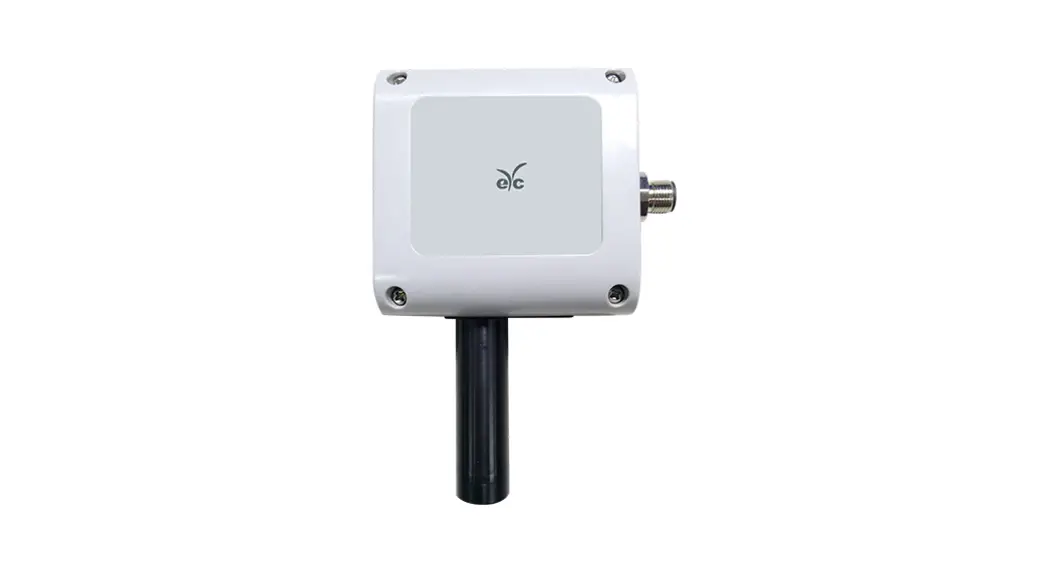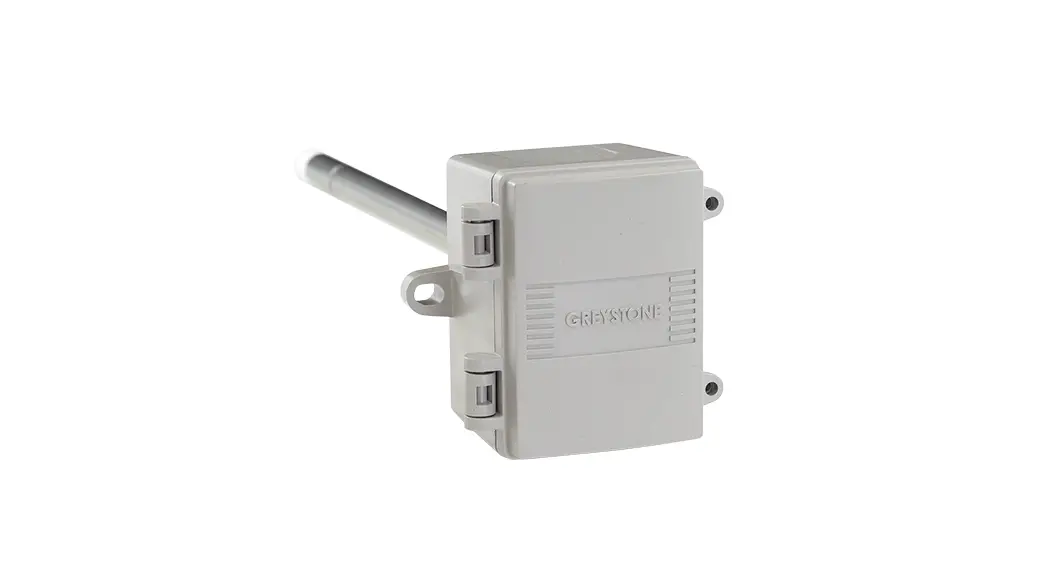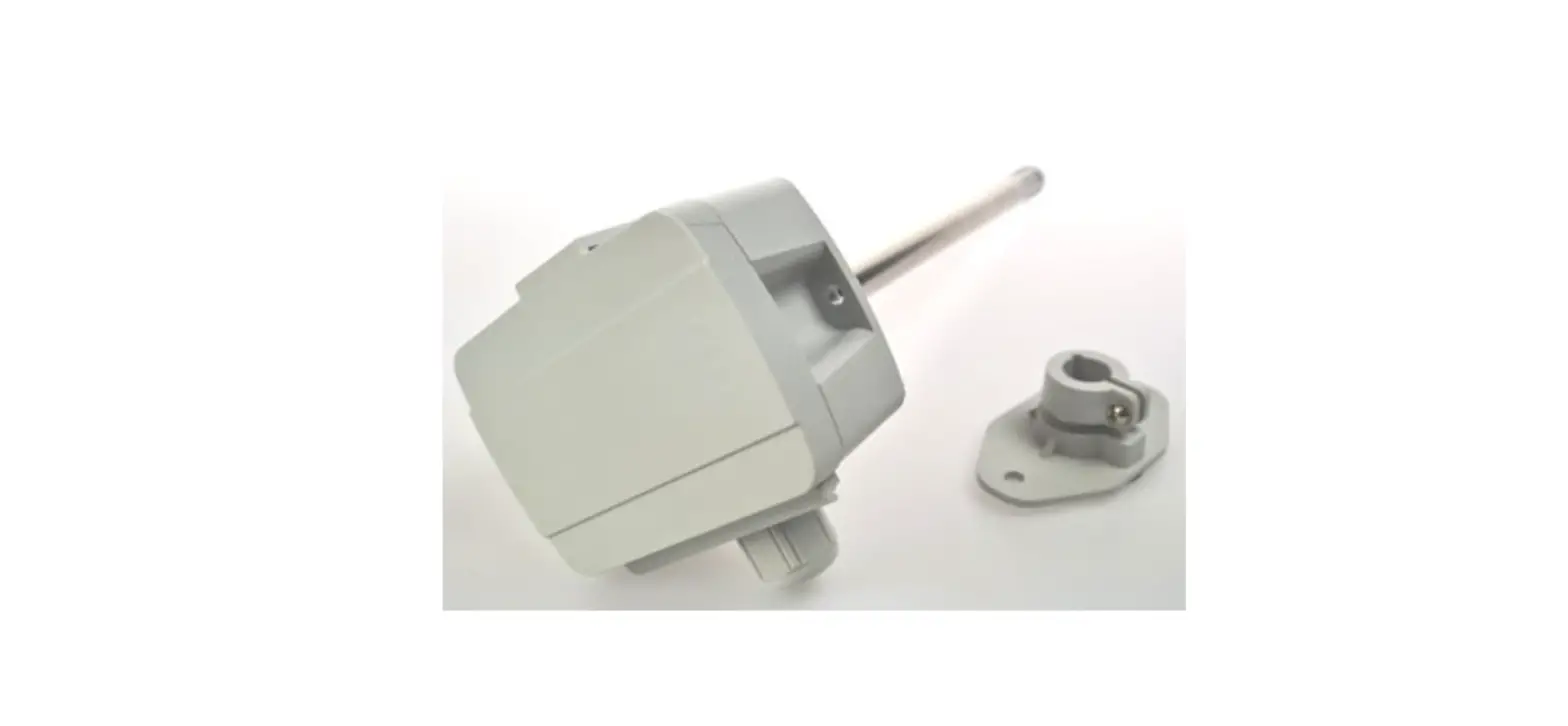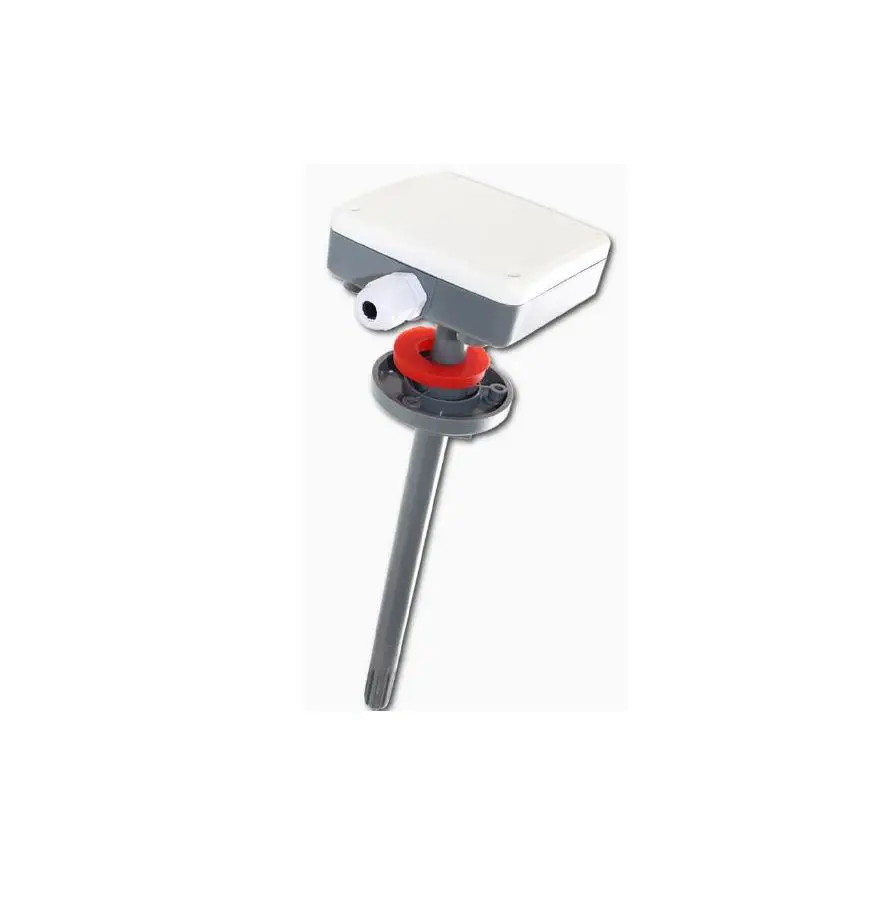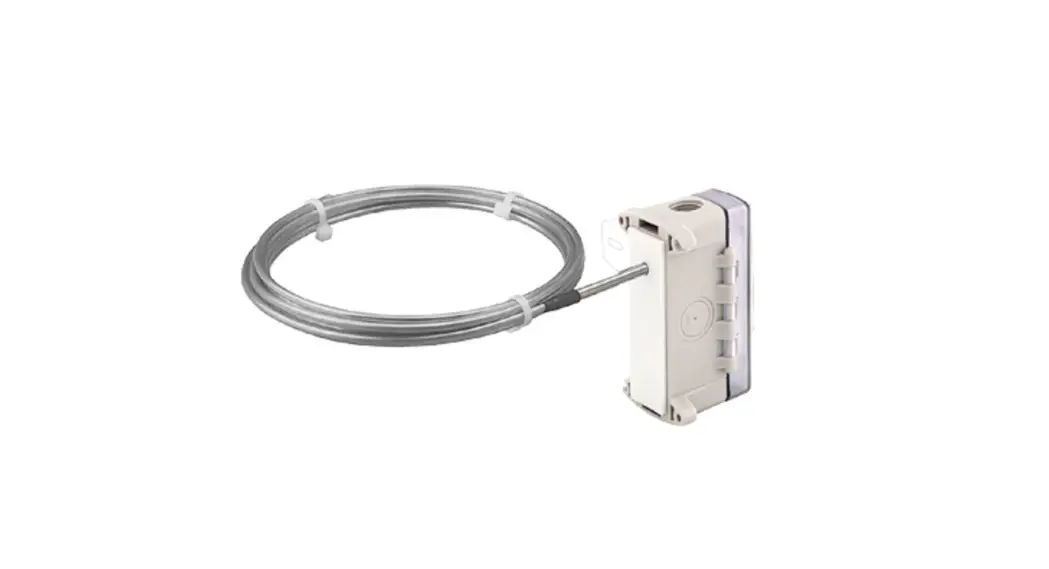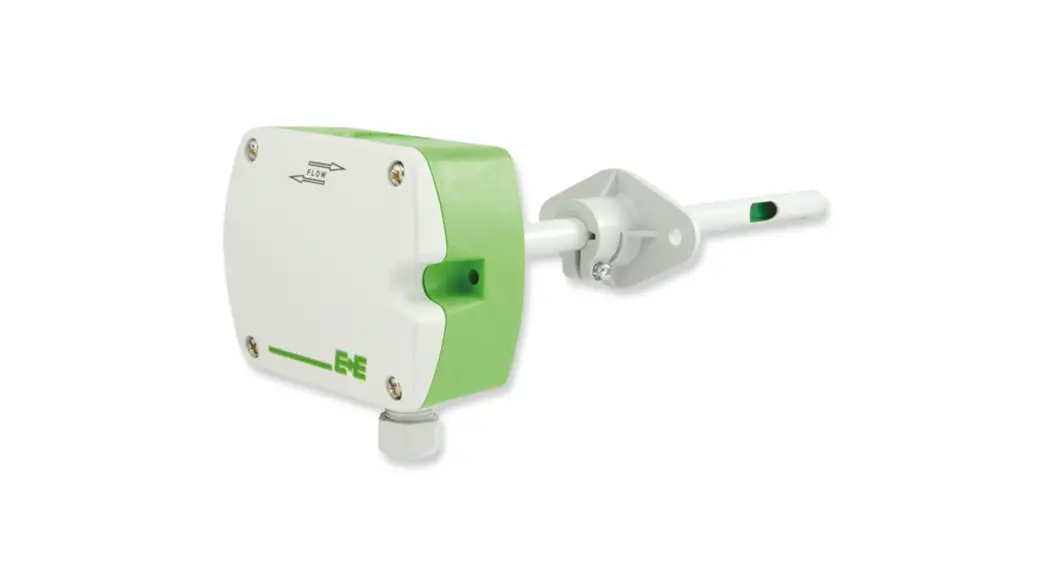

BAPI BA T1K 0 TO 100F -H200-O-BB Duct and Outside Air Humidity Instruction Manual
Overview
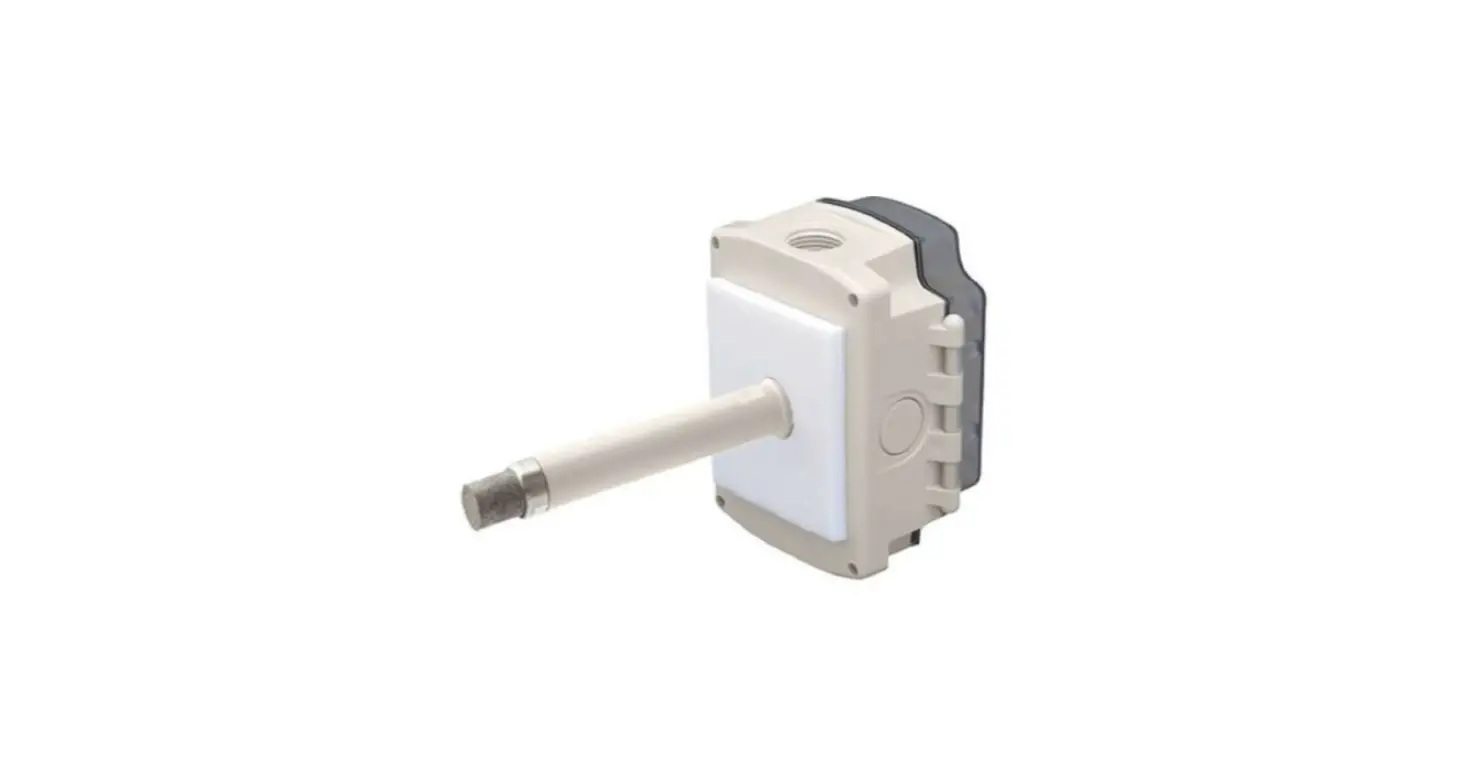
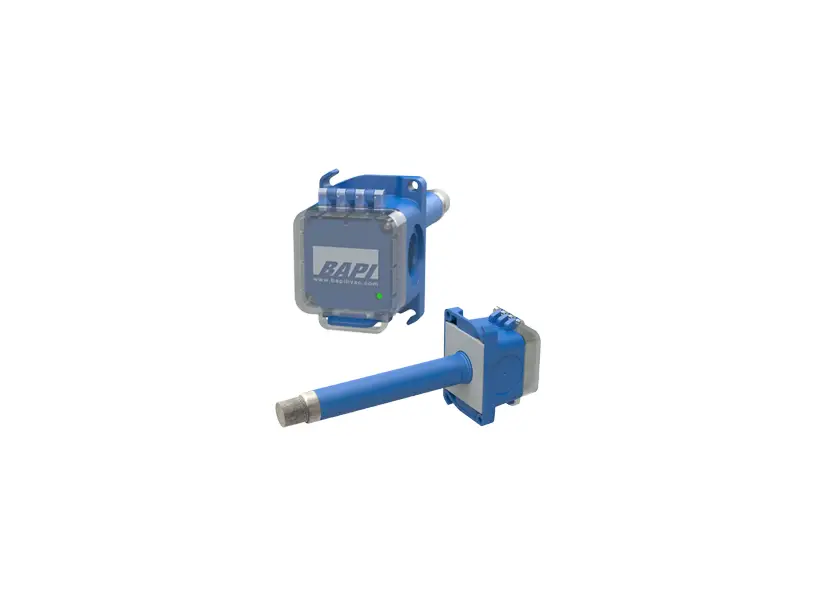
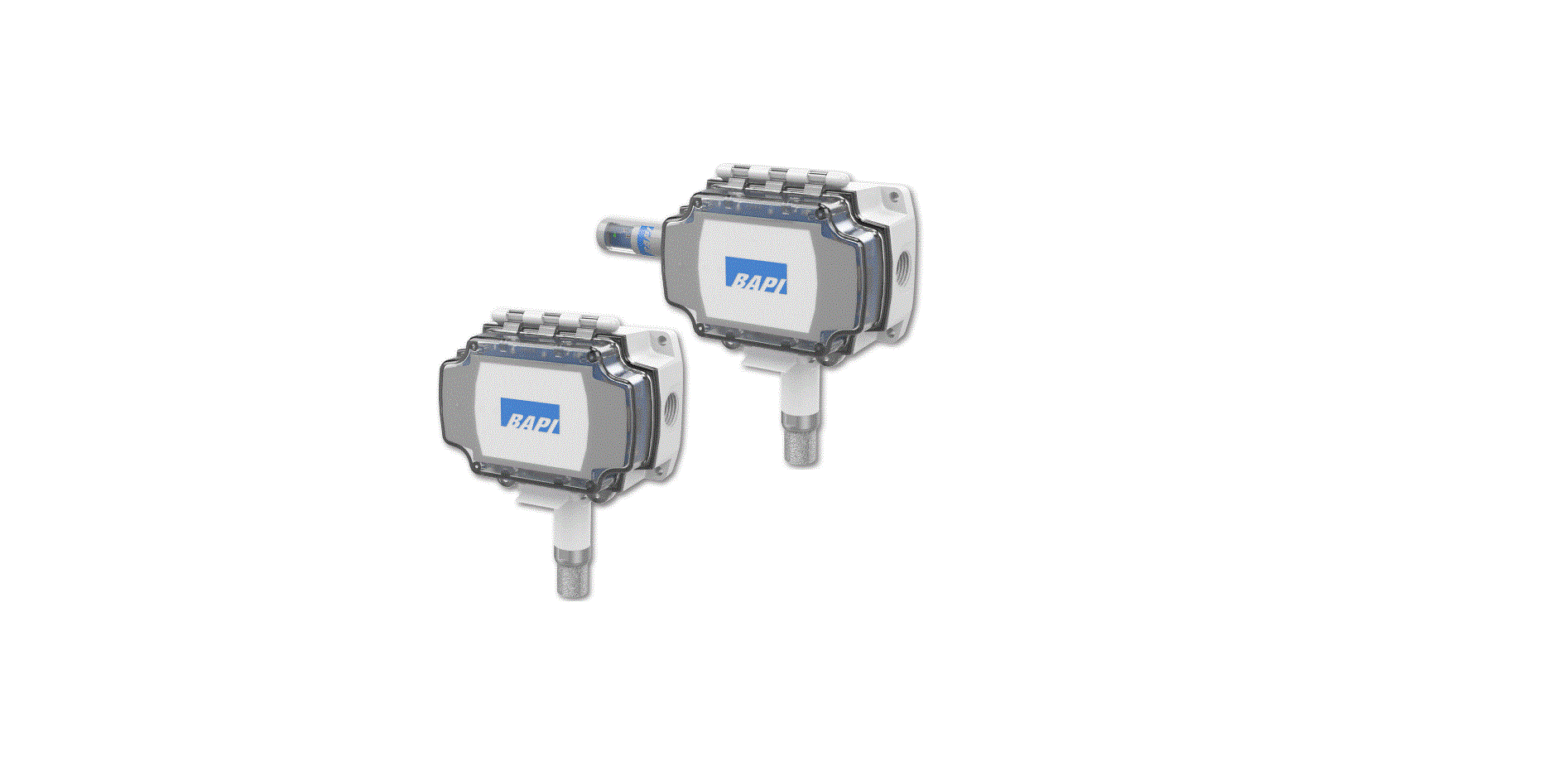
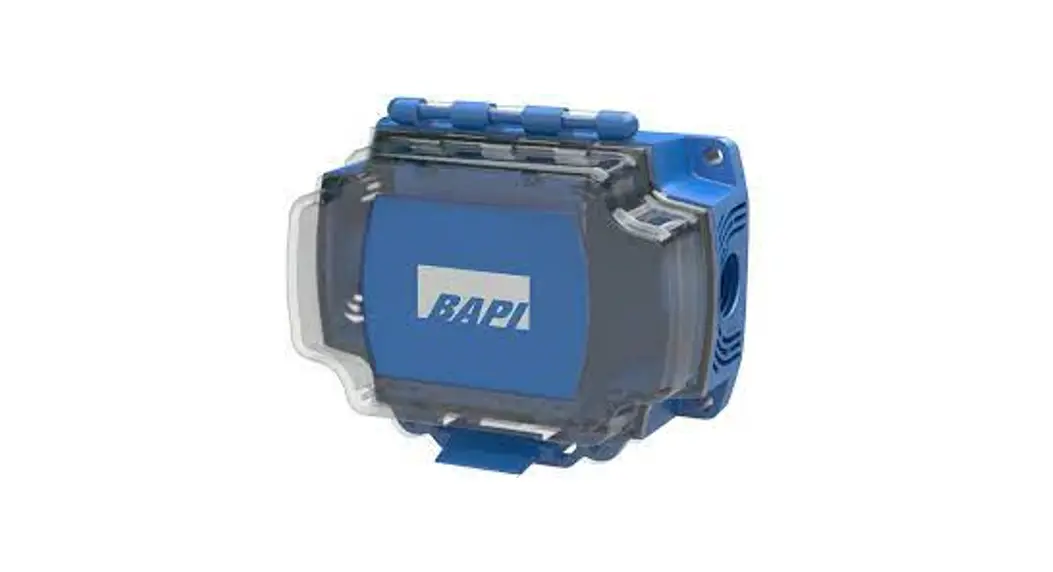
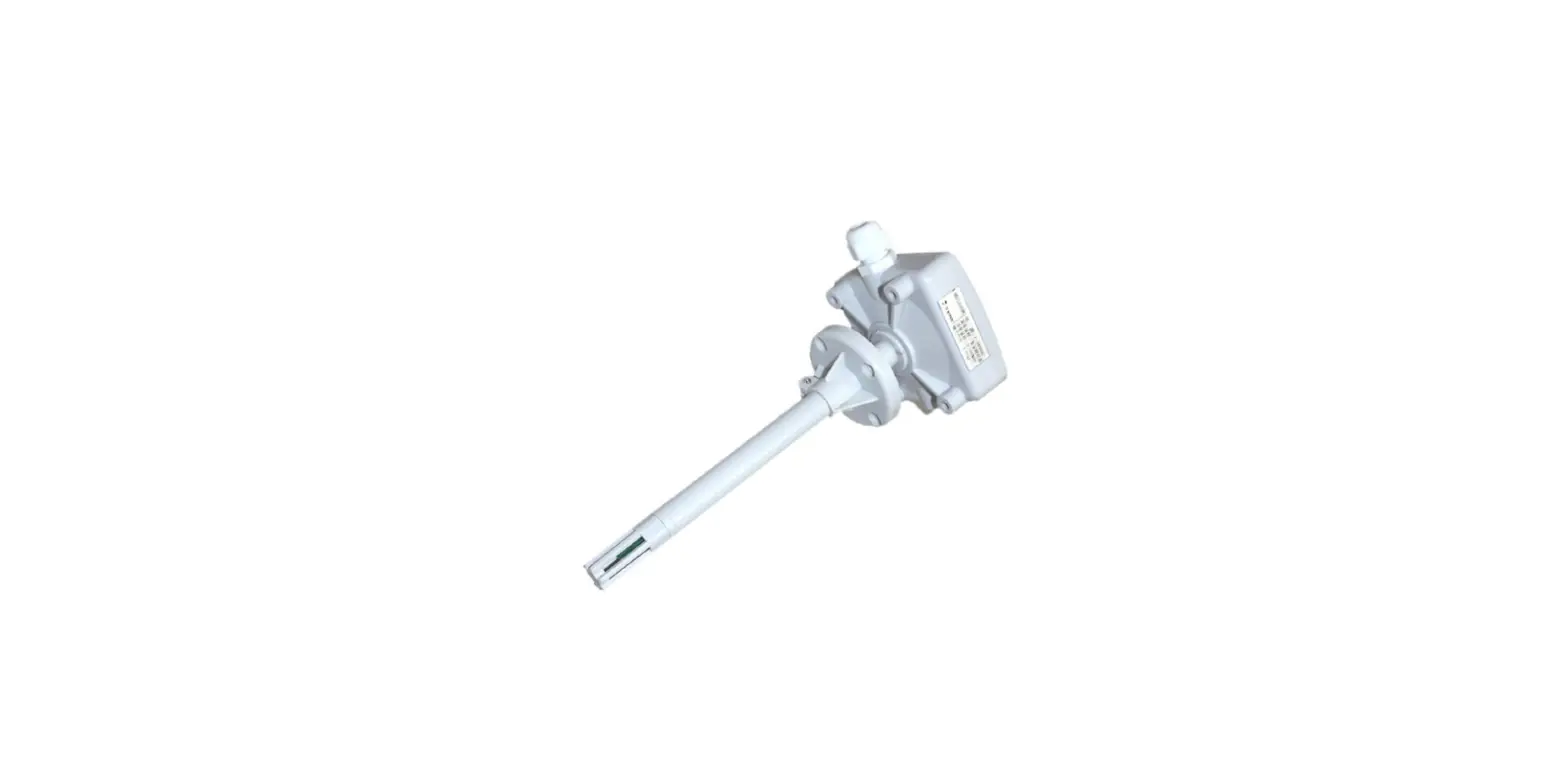
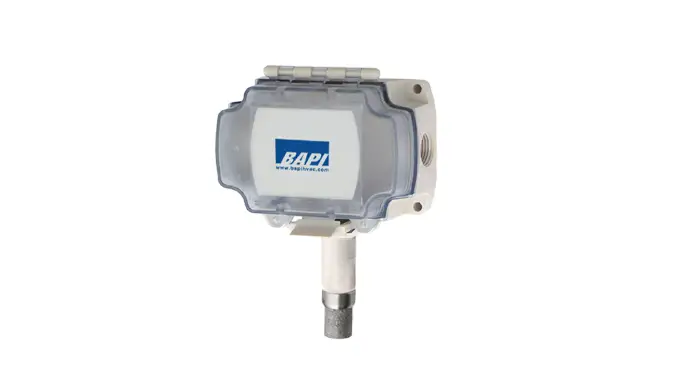
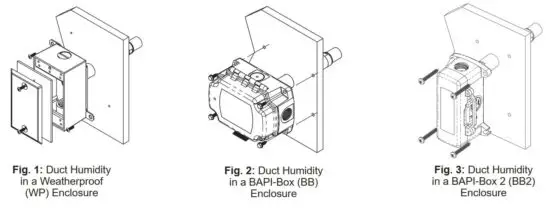
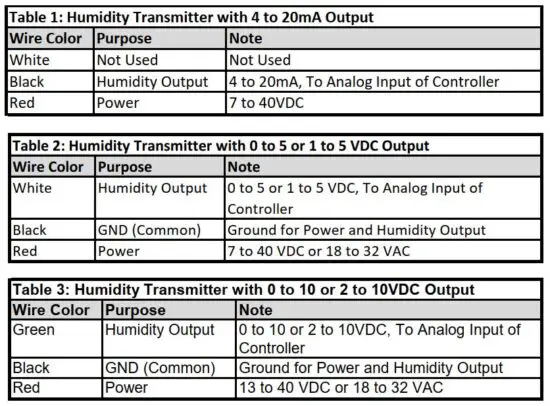
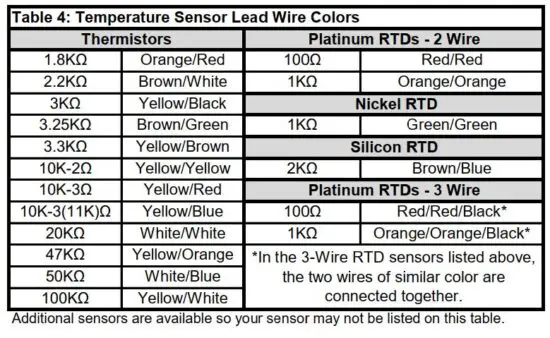
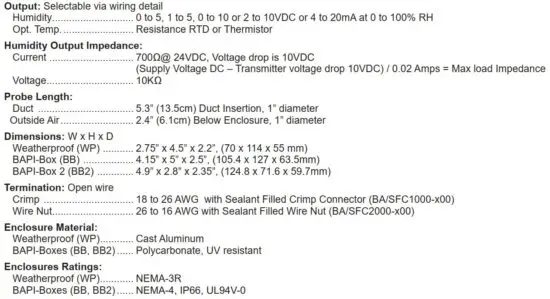
Duct and Outside Air Humidity Transmitters come in ±2%RH or ±3%RH accuracies and an optional temperature sensor. The temperature sensor can be either a Thermistor or RTD. It can be ordered with a Weatherproof (WP), BAPI-Box (BB) or BAPI-Box 2 (BB2) Enclosure. The transmitter can be wired for 0 to 5, 1 to 5, 0 to 10 or 2 to 10 VDC output or a loop powered 4 to 20mA output.
Duct Unit Mounting
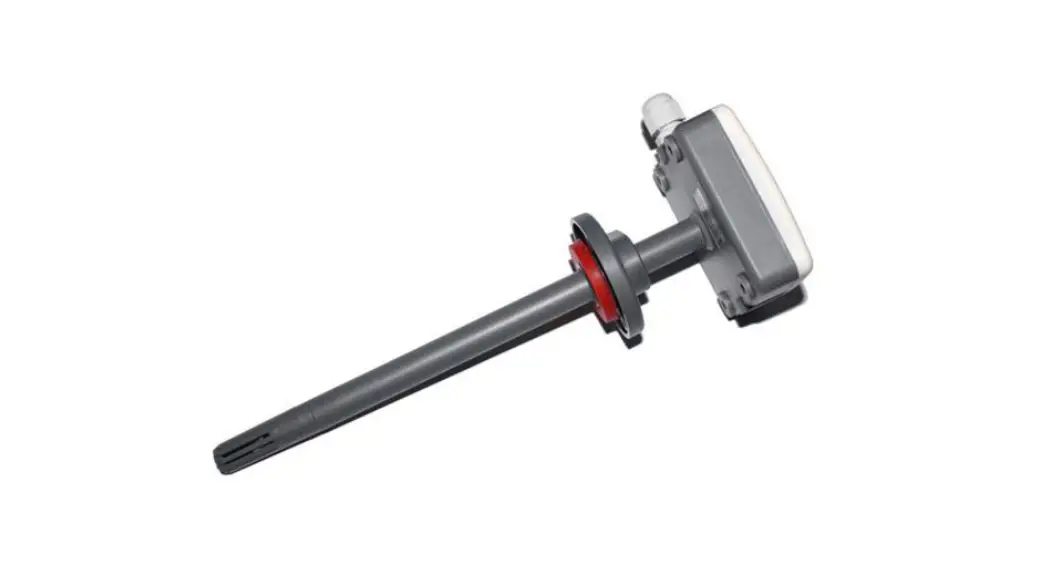
Mount at least 3 duct diameters from humidifiers in the center of the duct wall. Drill a 1 inch hole for the probe in the duct and use two number 8 sheet metal screws to attach the sensor to the duct. Center the probe in its mounting hole. Be sure that the foam seals the hole, do not over tighten the screws.
Outside Air Mounting
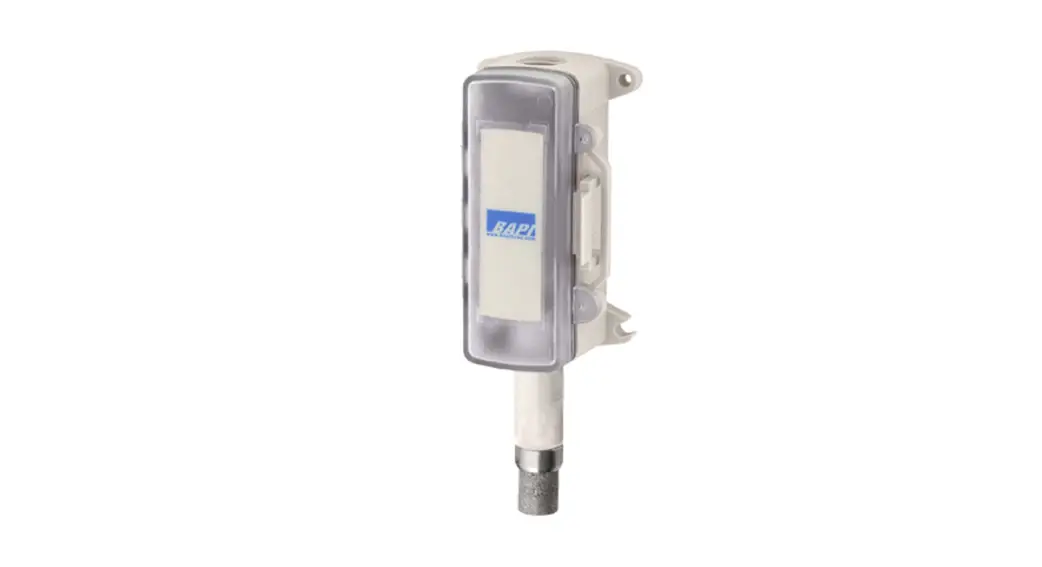
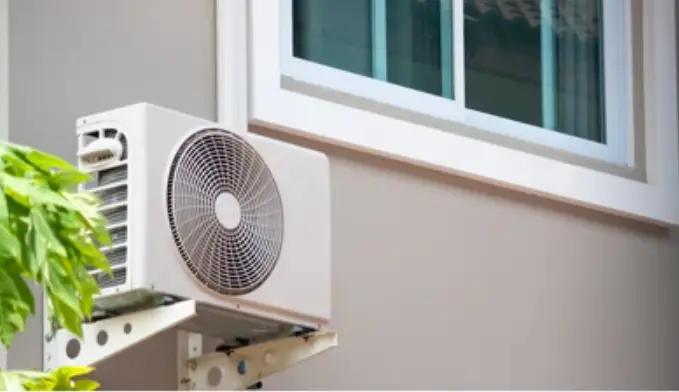
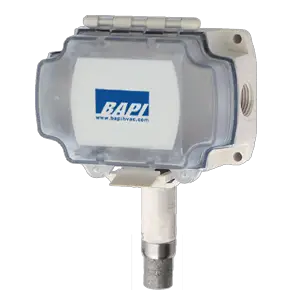
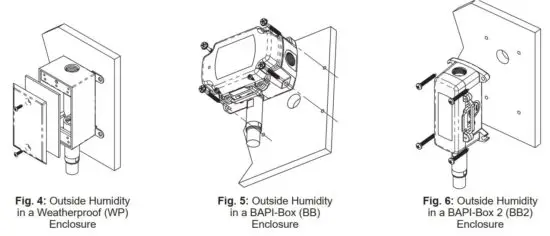
Mount in a permanently shaded area away from windows and doors. Do not mount in direct sunlight. Mount with the sensor probe pointed down. Drill a hole large enough for your sensor cable through your mounting surface. Mount the unit to the surface with the wiring knock out centered over the wiring hole. Pull the wiring into the unit and terminate using sealant filled connectors. Best practice is to seal the wiring hole with caulk after the wiring is installed. Be sure that the foam on the back of the unit makes a good weather tight seal.
Wiring and Termination
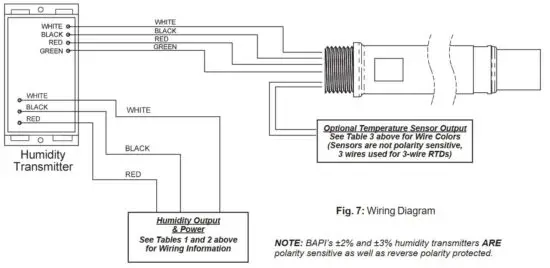
BAPI recommends using twisted pair of at least 22AWG and sealant filled connectors for all wire connections. Larger gauge wire may be required for long runs. All wiring must comply with the National Electric Code (NEC) and local codes.
Do NOT run this device’s wiring in the same conduit as AC power wiring of NEC class 1, NEC class 2, NEC class 3 or with wiring used to supply highly inductive loads such as motors, contactors and relays. BAPI’s tests show that fluctuating and inaccurate signal levels are possible when AC power wiring is present in the same conduit as the signal lines. If you are experiencing any of these difficulties, please contact your BAPI representative.
 BAPI recommends wiring the product with power disconnected. Proper supply voltage, polarity, and wiring connections are important to a successful installation. Not observing these recommendations may damage the product and will void the warranty.
Specifications
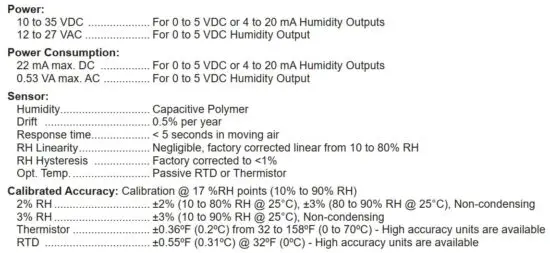
Filter: 80 micron sintered stainless steel filter
Environmental Operation Range: -40º to 158ºF (-40º to 70ºC) • 0% to 100% RH
Approvals: RoHS
Filter Care
A sintered filter protects the humidity sensor from various airborne particles and may need periodic cleaning. To do this, gently unscrew the filter from the probe. Rinse the filter in warm soapy water and rinse until clean. A nylon brush may be used if necessary. Gently replace the filter by screwing it back into the probe. The filter should screw all the way into the probe. Hand tighten only. If a replacement filter is needed, call BAPI.
BA/HDOFS3: Stainless Steel Sintered Filter Replacement for Outside Air Units
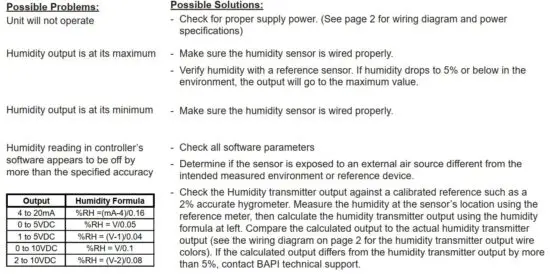
Humidity Diagnostics
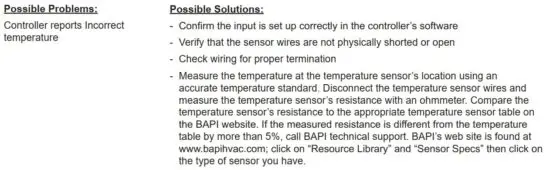
Temperature Diagnostics
Building Automation Products, Inc., 750 North Royal Avenue, Gays Mills, WI 54631 USA
Tel:+1-608-735-4800 • Fax+1-608-735-4804 • E-mail:[email protected] • Web: www.bapihvac.com
Read More About This Manual & Download PDF:
 BAPI - Sensor Products for HVAC/R Duct and Room