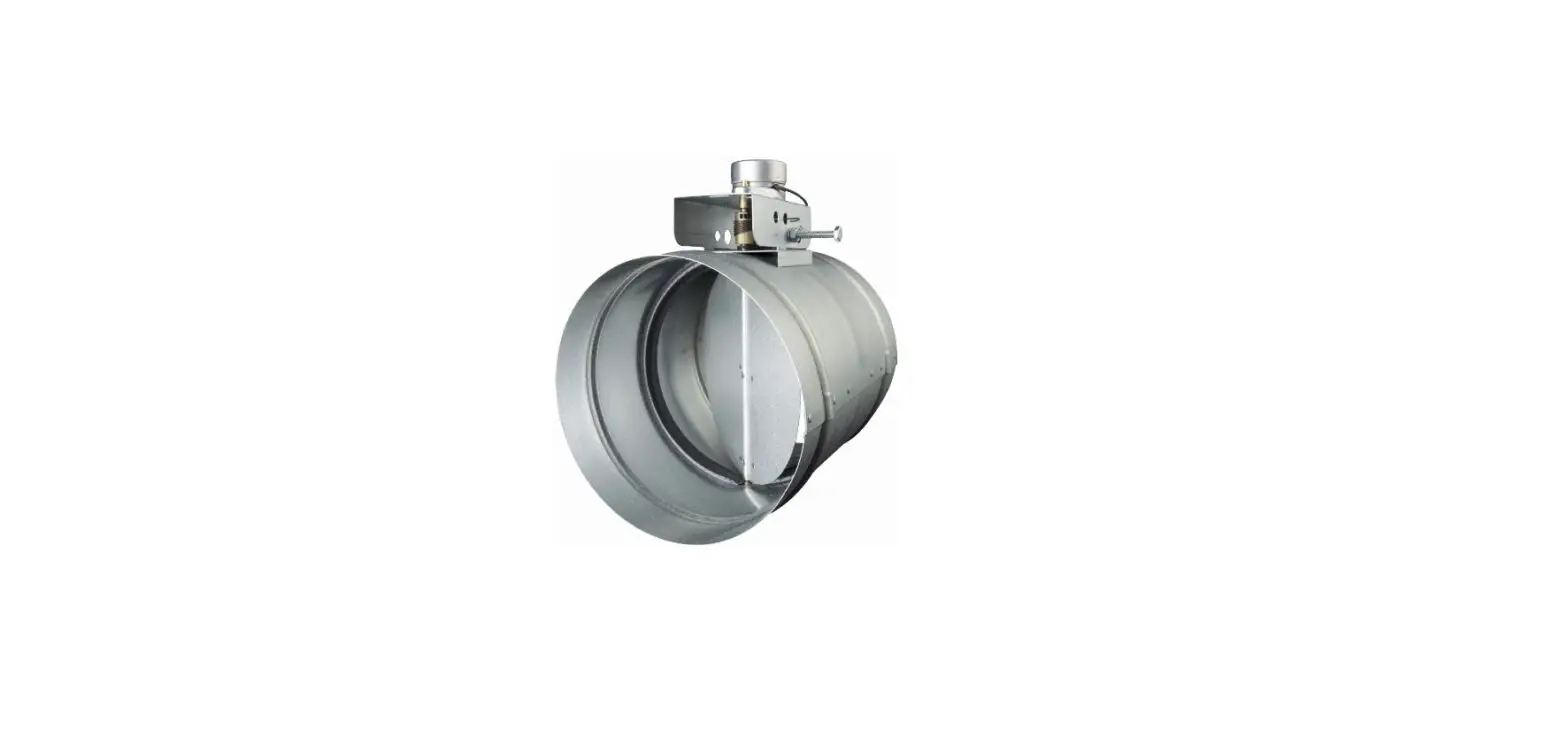
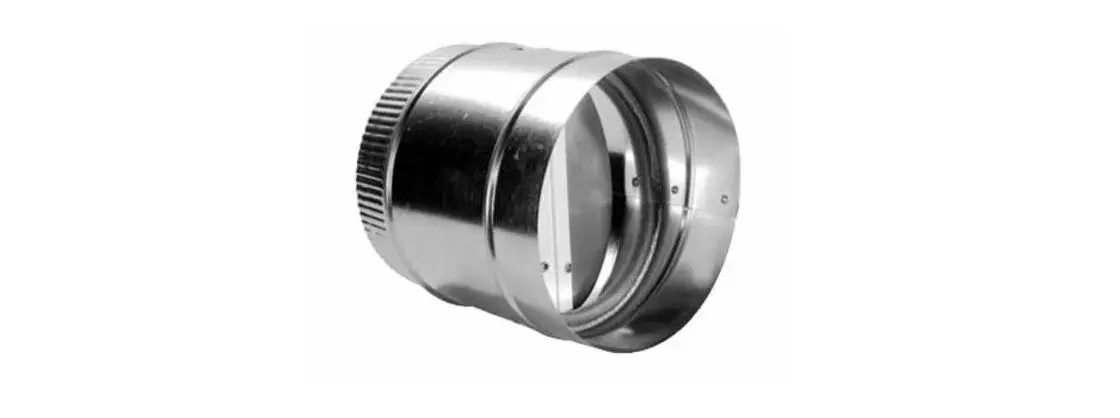
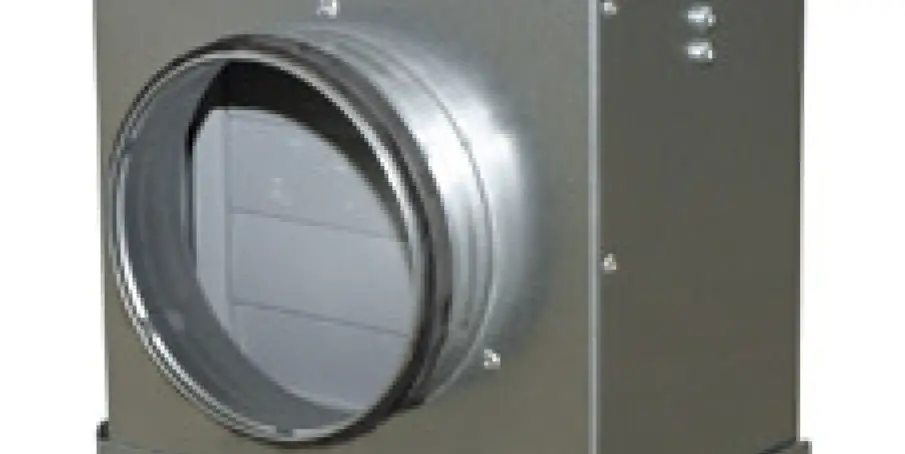
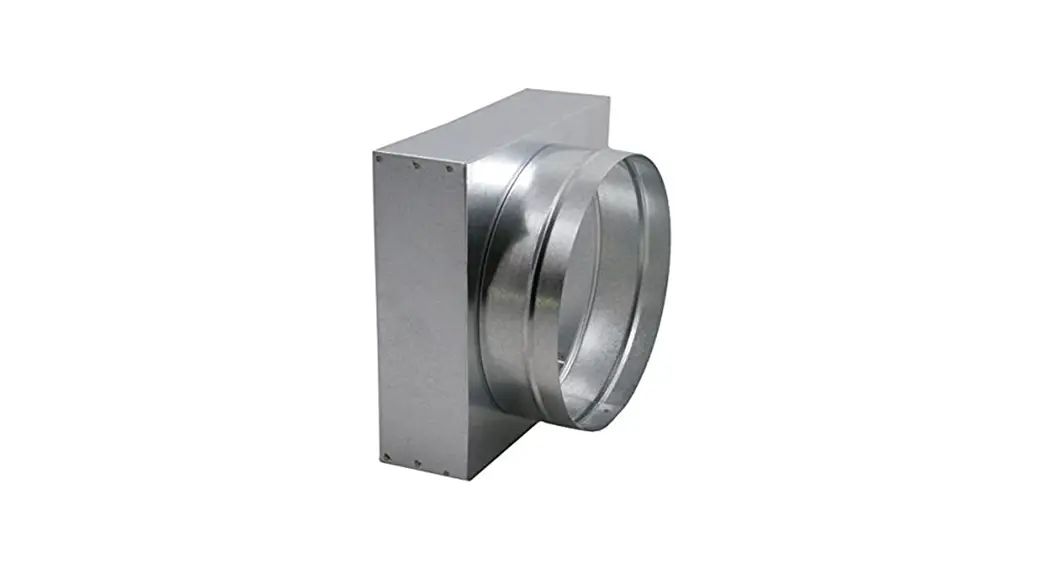
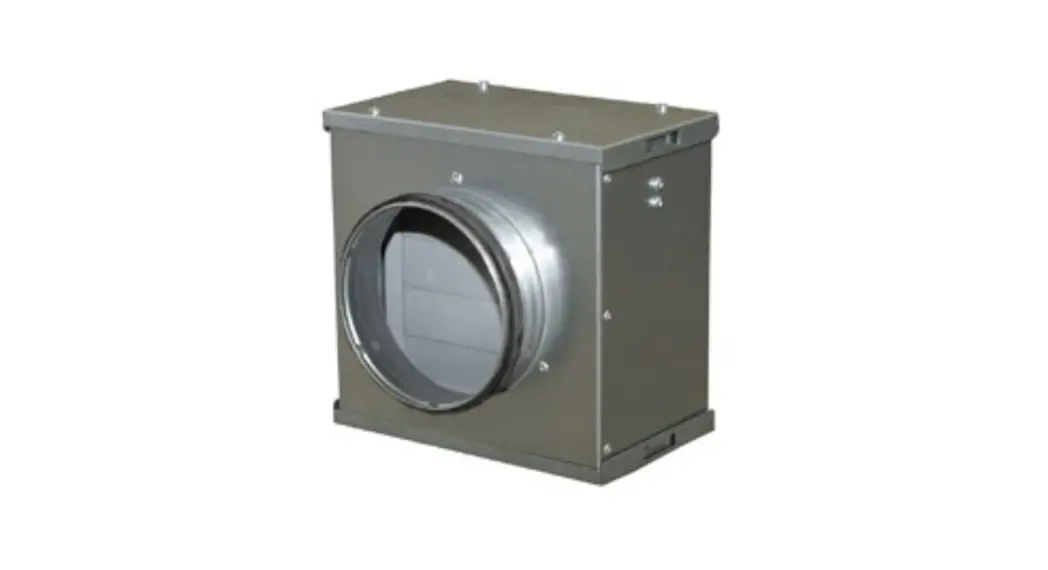
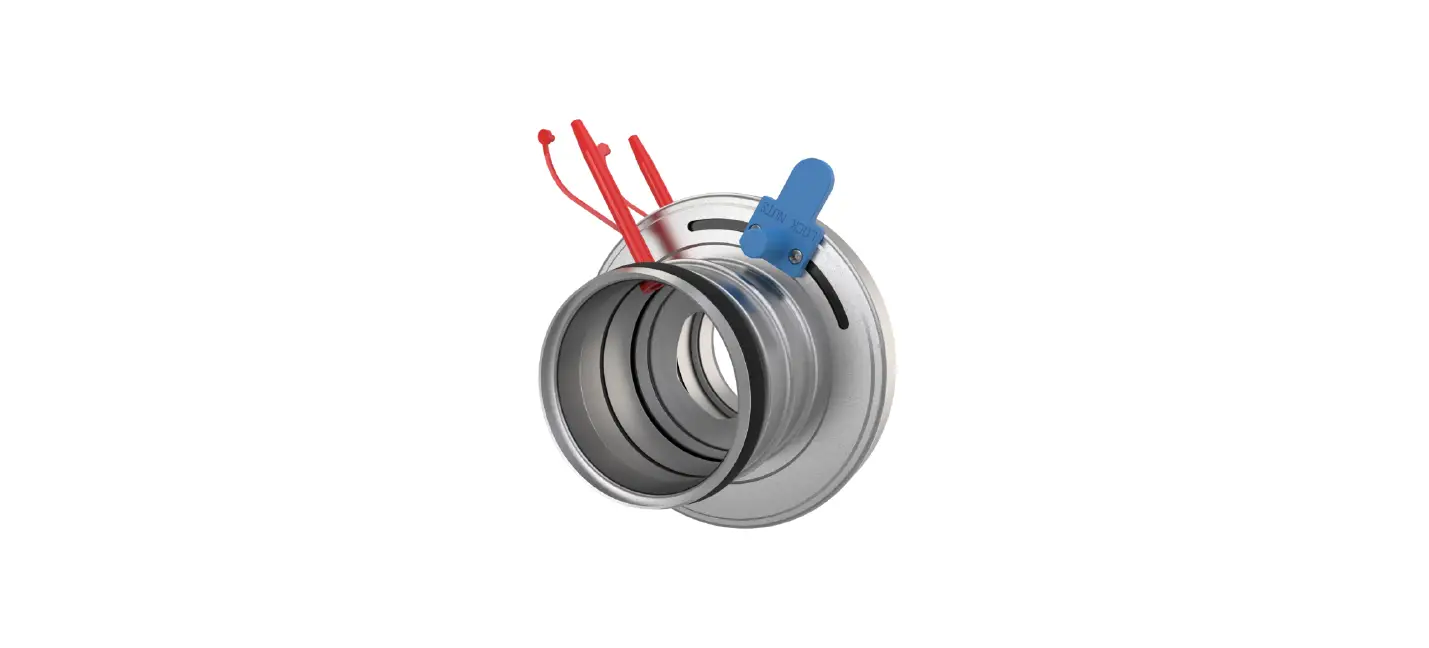
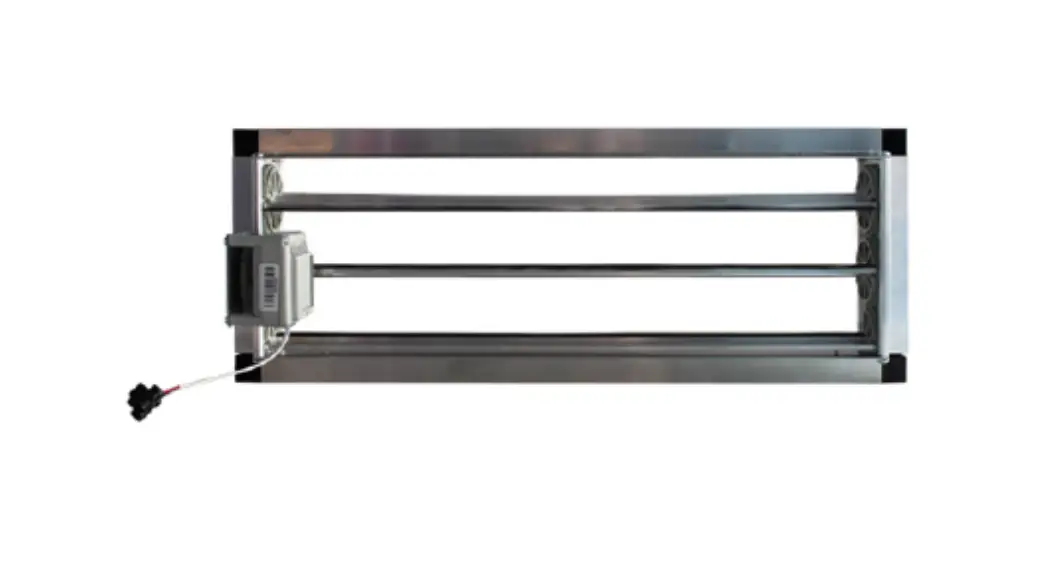
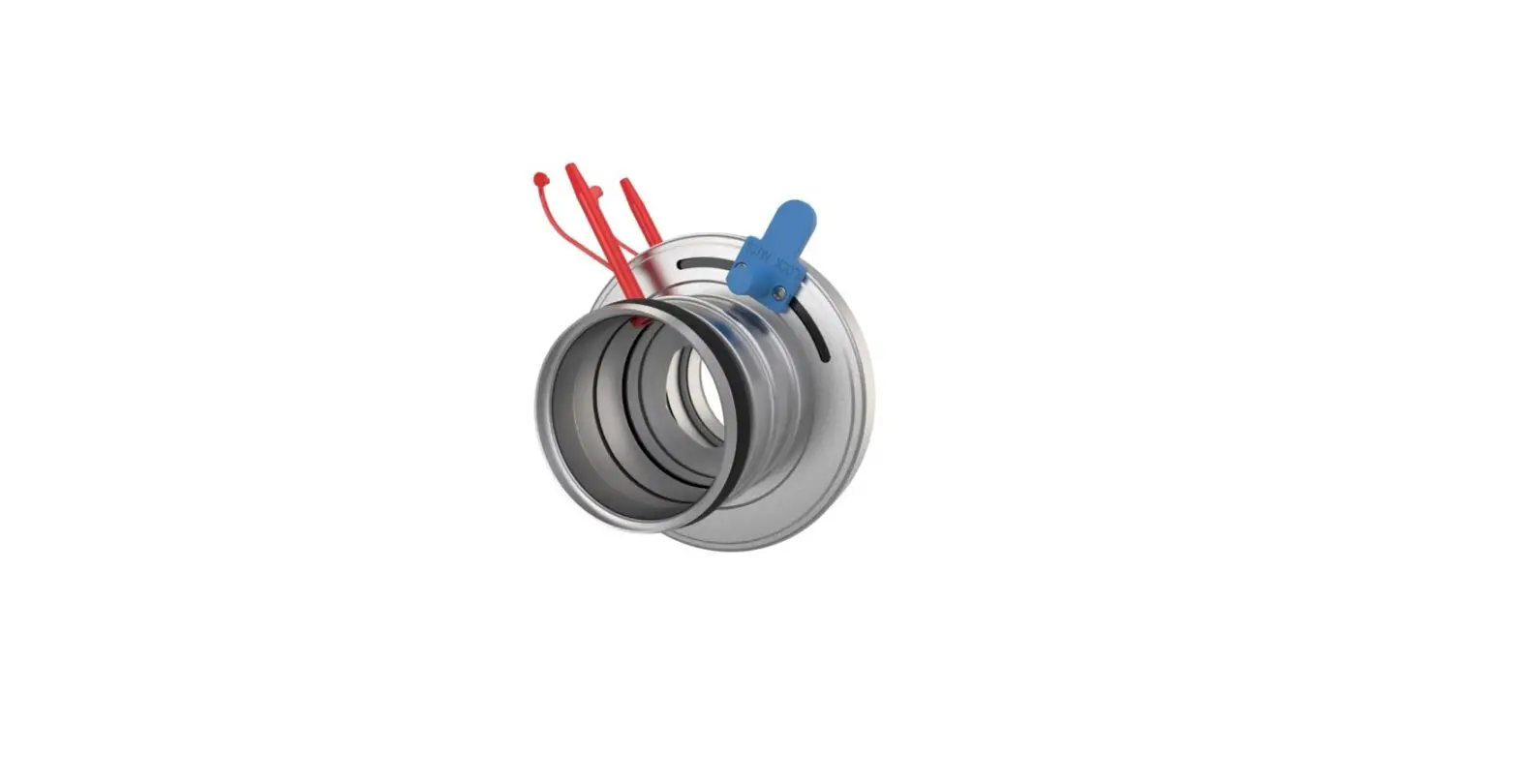
FRESH INTM FIN-6MD Motorized Supply Damper
Product Information
The product is called FRESH INTM FIN-6MD. It is designed for
residential use only. The installation instructions provide
important information and warnings to ensure safe and proper usage
of the product.
The manual uses specific symbols to highlight different types of
information:
- WARNING: Indicates instructions that, if not
followed, may result in serious personal injuries or even
death. - CAUTION: Denotes instructions that, if not
followed, may cause severe damage to the unit or its
components. - Supplementary Information: Provides additional
details related to optional parts or tasks facilitation.
The manual emphasizes the following key points:
- Use the unit as intended by the manufacturer and contact them
if you have any questions. - Before cleaning the unit, turn off the power at the service
panel. - The unit should not be used to provide combustion or dilution
air for fuel-burning appliances. - Only qualified individuals should perform installation work in
compliance with applicable codes and standards. - Be cautious when cutting or drilling into walls or ceilings to
avoid damaging electrical wiring and hidden utilities. - Wear safety glasses and gloves during cleaning or
installation. - Comply with local regulations and any more restrictive
installation or certification requirements. - Ensure a minimum distance of 3.3 feet (1.0 meter) between the
unit and any accessible opening of the duct. - Use a Class 2 transformer rated 10VA or higher to power the
unit. - Read the specification label on the product for further
information and requirements. - Avoid intaking air into spaces within walls or ceilings,
attics, crawl spaces, or garages. - The unit is intended for residential installation according to
NFPA 90B requirements. - Periodically check the unit’s operation when leaving the house
for an extended period of time. - Have qualified service personnel inspect the unit’s mechanical
and electronic parts at least once a year. - If the electronic control system malfunctions, turn off the
power and restore it after approximately 10 seconds. - The outdoor intake hood must be weather tight and have a bird
screen. - Dispose of the unit or its parts in accordance with local laws
and regulations.
Product Usage Instructions
Preparation
Prior to installation, consider the following:
- Select the best location and installation type for the FIN-6MD
based on your current system. - Keep in mind that ducting significantly impacts the device’s
performance. - Maximize results by using the shortest and straightest duct run
possible.
CAUTION – In-line Heater Installation
If required, install an in-line heater sized according to the
required airflow and outside design heating temperature from Manual
J or ASHRAE table. This ensures that the air delivered to the AHU
(Air Handling Unit) never falls below the minimum temperature
allowed by the manufacturer.
The in-line heater should have:
- An integrated airflow sensor.
- An over temperature sensor to prevent heating in no-flow or
low-flow conditions.
Following these instructions will help you properly install and
use the FRESH INTM FIN-6MD for optimal performance and safety.
FRESH INTM FIN-6MD INSTALLATION INSTRUCTIONS
RESIDENTIAL USE ONLY
Please take note that this manual uses the following symbols to emphasize particular information:
WARNING Identifies an instruction which, if not followed, might cause serious personal
injuries including possibility of death.
CAUTION
Denotes an instruction which, if not followed, may severely damage the unit and/or its components.
Indicates a supplementary information that may relate to optional parts or simply aim to facilitate a task.
WARNING
TO REDUCE THE RISK OF FIRE, ELECTRIC SHOCK, OR INJURY TO PERSON(S) OBSERVE THE FOLLOWING: 1. Use this unit only in the manner intended by the manufacturer. If you have questions, contact the
manufacturer. 2. Before cleaning this unit, turn off the power to the AHU at service panel. (Powered by AHU) 3. This unit is not designed to provide combustion and/or dilution air for fuel-burning appliances. 4. Installation work must be done by qualified person(s) in accordance with all applicable codes and standards,
including fire-rated construction. 5. When cutting or drilling into a wall or ceiling, do not damage electrical wiring and other hidden utilities.
6. When cleaning or performing installation of this unit, it is recommended to wear safety glasses and gloves. 7. When applicable local regulation comprises more restrictive installation and/or certification requirements,
the aforementioned requirements prevail on those of this document and the installer agrees to conform to these at his own expense. 8. The unit must be mounted at least 3.3 feet (1.0 meter) away from any accessible opening of the duct. 9. Must be powered using a Class 2 transformer rated 10VA or higher.
CAUTION
1. Please read specification label on product for further information and requirements. 2. Do not intake air into spaces within walls or ceiling or into attics, crawl spaces, or garage. Do not attempt
to recover the exhaust air from a dryer or a range hood. 3. Intended for residential installation only in accordance with the requirements of NFPA 90B. 4. When leaving the house for a long period of time (more than two weeks), a responsible person should
regularly check if the unit operates adequately. 5. At least once a year, the unit mechanical and electronic parts should be inspected by qualified service
personnel. 6. Since the electronic control system of the unit uses a microprocessor, it may not operate correctly because
of external noise or very short power failure. If this happens, turn power off at AHU service panel and wait approximately 10 seconds. Then, restore the power to the unit. 7. Outdoor intake hood must be weather tight and comprise a bird screen. 8. Should you decide to dispose of this unit or of parts of it, do so in accordance with local laws and regulation.
1. PREPARATION
Before you start: Choose the best location and installation type for the FIN-6MD according to the current system. Ducting widely affects the performance of this type of device. Use the shortest, straightest duct run possible to maximize the results.
CAUTION
Do not install in an area where the temperature may exceed 160°F.
The installer shall ensure that, if necessary, an in-line heater sized according to the required airflow and outside design heating temperature from Manual J or ASHRAE table is installed to ensure that the air delivered to the AHU is never below the minimum temperature allowed by the manufacturer. The in-line heater shall have an integrated airflow sensor and an over temperature sensor to prevent heating in no-flow or low-flow conditions.
When deciding if a preheater is required and whether it should be installed BEFORE or AFTER the FIN-6MD, consider the following:
· The FIN-6MD’s minimum operating temperature is -4°F.
· The temperature distributed to the AHU should never be below the temperature recommended by the AHU manufacturer.
· The minimum distance between the preheater and the FIN-6MD is 12 inches.
2. INSTALLATION
Always respect the orientation of the FIN-6MD and the direction of the airflow, as indicated on the unit.
Direct-to-AHU is the fastest and easiest method:
1. Make a 6-inch diameter hole in the return duct of your AHU.
Seal
2. Install the seal on the FIN-6MD port that will insert
the AHU ducting. Make sure that the direction of the
airflow indicated on the unit is respected.
3. Install the 3 installation brackets on the unit, as
illustrated.
4. Mark and drill holes for the brackets on the AHU
ducting and, using appropriate screws, secure the
FIN-6MD to the duct of the AHU, making sure it is
level horizontally.
Use self-drilling screws (not included) to avoid
marking and drilling steps.
5. Follow steps in section 3 to connect the insulated
duct to the FIN-6MD.
6. Perform the electrical connection to the AHU following the wiring diagram in section 4.
Through a horizontal surface: 1. Make a hole in the surface that the duct will run
through. Size the hole so that the vapor barrier of the insulated ducting is not damaged, and the insulation not compressed. 2. Install the 3 installation brackets on the unit, as illustrated. 3. Run a piece of insulated duct through the hole and connect to the FIN-6MD following the steps in section 3. Make sure the direction of the airflow as indicated on the unit is respected. 4. Push the excess ducting on the other side of the surface and, using appropriate screws, secure the FIN-6MD to the surface. 5. Run the insulated duct to the AHU and connect to the AHU ducting, making sure that the vapor barrier sealing is leak-free. 6. Follow steps in section 3 to connect the second insulated duct to the FIN-6MD. 7. Perform the connections to the AHU following the wiring diagram in section 4. Mounted under, above or beside a structure:
MOUNTED UNDER
SUSPENDED
MOUNTED BESIDE UP
MOUNTED ABOVE
3. CONNECTING THE INSULATED DUCTS TO THE UNIT
CAUTION
Always use insulated ducting of a minimum R-4 insulation factor.
1. Slide the inner flexible duct over the port and secure it using a tie wrap. 2. Pull the insulation over the flexible duct and port without compressing it. 3. Use duct tape to seal the outer membrane of the insulated duct to the outer ring of the port.
WARNING
Make sure the outdoor intake hood is at least 18 inches above the ground and 6 feet away from any of the following: Dryer exhaust, high-efficiency furnace vent, central vacuum vent, gas meter exhaust, gas barbecue-grill, any exhaust from a combustion source, garbage bin
and any other source of contamination.
Make sure that the outdoor intake hood is easily accessible for annual maintenance. If located above the
first floor, place it close to a window or balcony to allow easy access.
4. WIRING DIAGRAM
WARNING
Risk of electric shock. Electrical wiring must be done by qualified personnel in accordance with all applicable codes and standards. Before connecting wires, switch off the power to the AHU at service panel and lock service disconnecting means to prevent
power from being switched on accidentally.
CAUTION
Faulty connections can cause damage to the AHU, to the thermostat and/or to this unit. Always double check connections before turning power back on.
LED2 (Status)
GRREND WHT BLK
S1 Humidity/ Temperature
Sensor
WIRING DIAGRAM
WIRING COLOR CODE
A1
CFM Ratio/ Damper Mode
ELECTRONIC ASSEMBLY Selection Selection
Accessory Mode
BLK BLACK BLU BLUE GRN GREEN PNK PINK RED RED WHT WHITE YEL YELLOW
J4
9
1
J7
J9
1
1
SO SI
Standby Switch
Not Used
J1
1
FIN-DCS The terminal block can
Accessory Kit
be removed for easier
1
C R
+24VAC Supply
connection.
J6
G
Gf WY
AHU Wiring
Use the included tie
LED1 (power)
J5 1 1MCU
wrap and the loop above the terminal block to secure the
Low voltage field wiring Low voltage factory wiring
RED
Damper Motor
BLU
Harness
PNK YEL
M2
Reference : 1103507 rev. C
wires and reduce the risk of broken connections.
LOGIC DIAGRAM
Accessory 24VAC
(optional)
J4-5 R J4-4 C
Low Voltage (24VAC) J4-6 G J4-7 Gf
Voltage Detection
K1
J1-2
J1-1
PTC
Power
Supply
(12V)
Power Supply (3.3V)
K2
K1 K2
Stepper Driver J5-1,2,3,4
M2
AHU wiring next page
MCU
1. Install 2 installation brackets on the unit, as illustrated, according to the surface the unit will mount to. 2. Using appropriate screws, secure the FIN-6MD to the structure, making sure it is level horizontally. Make
sure the direction of the airflow as indicated on the unit is respected. 3. Follow steps in section 3 to connect both insulated ducts to the FIN-6MD. 4. Run the insulated duct to the AHU and connect to the AHU ducting, making sure that the vapor barrier
sealing is leak-free. 5. Perform the connections to the AHU following the wiring diagram in section 4.
5011110 CONFORM TO UL STD. 1995
1
For complete warranty statement, and to register your product online, go to www.broan-nutone.com.
READ AND SAVE THESE
INSTRUCTIONS
Scan to view our installation video. 1103500D
4.1 AHU WIRING
CFIS System
J4 Y
AHU Wiring Options
Thermostat
Y WG R C
AHU Y
W
W
GF
G
NC G
COM
NO
R
R
Internal
C
C
Logic
Mandatory Installation Wiring CFIS Internal Hard Connections Optional Installation Wiring for Synchronization
Synchronize the FIN-6MD operation with the heating and cooling run-time to prevent unnecessary central fan operating time (refer to the dotted lines in the above diagram).
5. SETTING UP THE UNIT
When powered ON, the FIN-6MD performs a 30-second booting sequence followed by a 30-minute period where is stays OFF, but will activate if a heating or cooling call is sent to the AHU. Refer to local building codes to determine the required airflow. 1. Doublecheck the wiring, and turn power back ON to the AHU. 2. Set the thermostat to send a heating or cooling call, or jump R and Y on the terminal block. This will
force the ventilation ON for at least 5 minutes. 3. Measure the airflow.
If it needs adjustment, perform steps 4. If the airflow does not need adjustment, go to step 5.
4. The damper is factory set to fully open position. To adjust it, set the left pot to DAMPER ADJUSTMENT to start the AHU blower, and wait 5 seconds. The LED will blink continuously to indicate the unit is in DAMPER ADJUSTMENT mode. While measuring the airflow, adjust the damper using the RUN TIME % pot until you’ve reached the desired value.
Ref. : 1103507 rev. C
VN0012A
7.3 COMFORT MODE
Should the air inside your house become too humid, or if such conditions want to be prevented, the operation mode of your FIN-6MD can be changed from a Code-Compliant one (modes 1 and 2) to a Comfort Mode (modes A to E). Refer to the map below to make the right choice.
When making such change, make sure to only change the Mode and to leave the Run time % as it was set by your installer. If in doubt, refer to your HVAC contractor.
2 A 1
BC D
3040 20
5060
70 80 90
Damper
E OFF
100
adjustment MODE
RUN
(wait 5 sec.)
TIME %
Selected mode*
Climate Zones**
1 – Ashrae 2010/IRC/IMC (factory set)
Zones 1-5
2 – Ashrae 2016/2019
Zones 1-5
A – Comfort mode Hot / Humid #1
Zones 2A and 1
B – Comfort mode Hot / Humid #2
Zones 1 and 2A
C – Comfort mode Hot / Dry
Zone 2B
D – Comfort mode Mixed / Humid
Zones 3A, 4A, 5A, 3C and 4C
E – Comfort mode Mixed / Dry
Zones 3B, 4B and 5B
*Refer to the label on the unit for the full limits table. **As defined by the Department of Energy.
5B
5A
Damper half open
Damper fully open
5. Select the desired mode according to the table and map in section 7.3. Doing so also saves the
damper adjustment made in the previous step if applicable.
6. Set the RUN TIME % pot.
Run time % =
Required Airflow Measured Airflow
Example
:
Run
Time
%
=
60 CFM 120 CFM
= 50%
7. Install the supplied cover to protect the adjustment pots and prevent an accidental change of settings. Note that the hole may be hidden by the label.
7.4 TROUBLESHOOTING
A LED indicator is located to the right of the terminal block on the unit and communicates the different states of the unit. Blinking patterns and ways to address them, if applicable, are as follows:
Sensor error Damper error
Damper adjustment mode Learning mode
1 blink 2 blinks
Continuous blink 1 s ON, 10 s OFF
Disconnect the terminal block, and connect again. If the error persists, replace the unit.
Disconnect the terminal block. Open unit (see image below). Perform a visual inspection and remove any debris hindering damper movement. Close unit and put the terminal block back in place. If error persists, replace the unit.
This is normal while the unit is in adjustment mode.
This is normal. Will blink for 48 hours after being powered ON.
6. TESTING
When powered ON, the FIN-6MD performs a 30-second booting sequence followed by a 30-minute period where it stays OFF, but will activate if a heating or cooling call is sent to the AHU.
6.1 BLOWER DOOR TEST (FORCE THE DAMPER CLOSED)
If the access to the integrated switch OR to the remote switch (if applicable) is easy, set the integrated switch OR remote switch to OFF.
If the access to the switch is not easy, such as in an attic: 1. Turn OFF the power to the AHU at the service panel. 2. Turn the power to the AHU back ON at the service panel. 3. Wait 30 seconds for the booting sequence to execute. 4. Make sure that the thermostat will not send a heating or cooling
call. 5. Unit is OFF with its damper closed for 30 minutes, but will
activate if a heating or cooling call is sent to the AHU.
Integrated switch
ON
6.2 VENTILATION TEST (FORCING THE UNIT ON):
1. Turn OFF the power to the AHU at the service panel, and make sure that the integrated or remote switch is set to ON.
2. Turn the power back ON at the service panel. 3. Wait 30 seconds for the booting sequence to execute. 4. Set the thermostat to send a heating or cooling call, or jump R and Y on the terminal block. This will force
the ventilation ON for at least 5 minutes.
7. USER INFORMATION
7.1 INTEGRATED AND REMOTE SWITCHES
This unit is equipped with an integrated ON/OFF switch. For more convenience, your FIN-6MD can also be connected to a remote switch. To use a remote switch, disconnect the integrated switch and connect the remote switch in the same manner that the integrated one was connected.
Integrated switch
ON
7.2 USER SERVICING INSTRUCTIONS
· Inspect the outdoor air intake at least once a year. · These recommendations may change according to the environmental conditions in your area.
Internal insulation
8. AVAILABLE ACCESSORIES
1. Service Parts You can order the S1103502 replacement hardware kit, which includes the same components as the one included with the unit. 2. Dry Contact Synchronization Your FIN-6MD can also be synchronized with other HVAC units via a 24 VAC dry contact. · Output mode: To activate other units operation. Requires a separate 24 VAC relay. · Input mode: To activate your FIN-6MD operation. Look for the FIN-DCS option kit that can be ordered separately. NOTE: If the unit is turned off, this functionality will not work.
2
INSTRUCCIONES DE INSTALACIÓN DE FRESH INTM FIN-6MD
SOLO USO RESIDENCIAL
Considere que en este manual se usan los siguientes símbolos para enfatizar información específica:
ADVERTENCIA Identifica una instrucción que, si no se sigue, podría provocar graves lesiones
personales, incluida la posibilidad de la muerte.
PRECAUCIÓN
Denota una instrucción que, si no se sigue, puede dañar la unidad o sus componentes de manera grave.
Indica información complementaria que se puede relacionar con piezas opcionales o que tan solo pretenda facilitar una tarea.
ADVERTENCIA
PARA REDUCIR EL RIESGO DE INCENDIO, CHOQUE ELÉCTRICO O HERIDAS CORPORALES, SIGA LAS INDICACIONES SIGUIENTES: 1. Utilice este aparato sólo en la forma prevista por el fabricante. Si tiene preguntas, póngase en contacto
con el fabricante. 2. Antes de limpiar el aparato, apague la alimentación del AHU en el tablero de servicio. (Alimentado por AHU) 3. Este aparato no ha sido pensado para proporcionar aire de combustión o de dilución para aparatos que
queman combustible. 4. Los trabajos de instalación han de ser realizados por personas cualificadas, de conformidad con todos los
códigos y normas aplicables, incluyendo los relativos a la construcción contra incendios.
5. Al cortar o taladrar en una pared o en el techo, procure no dañar el cableado eléctrico ni otras instalaciones ocultas. 6. Durante el mantenimiento, limpieza e instalación de este aparato se aconseja llevar lentes y guantes de
seguridad. 7. Cuando la reglamentación local aplicable sea más restrictiva en materia de instalación o certificación, dicha
reglamentación prevalecerá sobre las exigencias de este manual y el instalador acepta atenerse a dicha reglamentación y asumir los gastos correspondientes. 8. El aparato debe montarse al menos a 3,3 pies (1 metro) de distancia de cualquier abertura accesible del conducto. 9. Debe ser alimentado usando un transformador de clase 2 clasificado 10VA o superior.
PRECAUCIÓN
1. Para mayor información sobre otras exigencias, lea la etiqueta de especificaciones que viene en el aparato. 2. No introduzca el aire en espacios situados entre paredes, en el techo o en un desván, en sótanos pequeños
ni en cocheras. No intente recuperar el aire de salida de una secadora o de una campana. 3. Diseñado para instalaciones residenciales únicamente, de conformidad con los requisitos de la norma NFPA 90B. 4. Al ausentarse de la vivienda durante un periodo largo (más de dos semanas), una persona responsable
debería verificar regularmente si el aparato funciona correctamente. 5. Al menos una vez al año, personal de servicio cualificado debería examinar las piezas mecánicas y electrónicas del aparato. 6. Dado que el sistema de control electrónico del aparato utiliza un microprocesador, es posible que no funcione
correctamente debido a los ruidos externos o a fallas de alimentación muy cortas. Si esto ocurre, apague la alimentación del AHU en el tablero de servicio y espere aproximadamente 10 segundos. A continuación, restablezca el suministro eléctrico al aparato. 7. La boca de admisión de aire exterior ha de ser a prueba de intemperie y llevar una tela metálica contra los pájaros. 8. Si decide deshacerse de este aparato o de partes de él, hágalo de conformidad con las leyes y reglamentos locales.
1. PREPARACIÓN
3. CONEXIÓN DE LOS CONDUCTOS AISLADOS A LA UNIDAD
Antes de comenzar: Escoja la mejor ubicación y el mejor tipo de instalación para la FIN-6MD de acuerdo con el sistema actual. Los conductos afectan en gran medida el desempeño de este tipo de dispositivos. Use el conducto más corto y más recto que sea posible para maximizar los resultados.
PRECAUCIÓN
No lo instale en un área en que la temperatura pueda superar los 160 °F.
El instalador garantizará, en caso de ser necesario, que se instale un calentador en línea dimensionado según el caudal de aire necesario y la temperatura de calentamiento exterior por diseño que contemplan el Manual J o la tabla ASHRAE, a fin de cerciorarse de que el aire suministrado a la AHU nunca sea inferior a la temperatura mínima que permite el fabricante. El calentador en línea tendrá un sensor de caudal de aire integrado y un sensor de exceso de temperatura, para evitar el calentamiento en condiciones de ausencia de flujo o de bajo flujo.
Al decidir si se requiere un precalentador y si se debería instalar ANTES o DESPUÉS de la FIN-6MD, considere lo siguiente:
· La temperatura mínima de funcionamiento de la FIN-6MD es de -4 °F.
· La temperatura distribuida hacia la AHU jamás debe ser inferior a la temperatura recomendada por el fabricante de la AHU.
· La distancia mínima entre el precalentador y la FIN-6MD es de 12 pulgadas.
2. INSTALACIÓN
PRECAUCIÓN
Siempre use conductos aislados con un factor de aislamiento mínimo de R-4.
1. Deslice el conducto flexible interior sobre el puerto y fíjelo con una cinta de amarre. 2. Jale el aislamiento sobre el conducto flexible y el puerto sin comprimirlo. 3. Use cinta para conductos para sellar la membrana exterior del conducto aislado en relación con el anillo
exterior del puerto.
ADVERTENCIA
Asegúrese de que la campana extractora para exterior esté al menos a 18 pulgadas de distancia del piso y a 16 pies de distancia de cualquiera de los siguientes elementos: Escape de la secadora, ventilador de la caldera de alta eficiencia, ventilador de aspiración central, escape del medidor de gas, asador-parrilla de gas, cualquier escape de una fuente
de combustión, bote de la basura y cualquier otra fuente de contaminación.
Asegúrese de que la campana extractora para exterior sea de fácil acceso para el mantenimiento anual.
Si se encuentra más arriba del primer piso, colóquela cerca de una ventana o de un balcón, para permitir un fácil acceso.
MONTAJE POR EL LADO UP
Siempre respete la orientación de la FIN-6MD y la dirección del caudal de aire, como se indica en la unidad.
El método más rápido y más sencillo es directo a la AHU:
Sello
1. Perfore un orificio de 6 pulgadas de diámetro en el
conducto de retorno de la AHU.
2. Instale el sello en el puerto de la FIN-6MD que
insertará el conducto de la AHU. Asegúrese de
respetar la dirección del caudal de aire que se indica
en la unidad.
3. Instale los 3 soportes de instalación en la unidad,
como se aprecia en la ilustración.
4. Marque y perfore los orificios para los soportes del
conducto de la AHU y use los tornillos adecuados
para fijar la FIN-6MD al conducto de la AHU,
verificando que esté nivelado de manera horizontal.
Use tornillos autoperforantes (no incluidos) para
evitar los pasos de marcado y perforación.
5. Siga los pasos de la sección 3 para conectar el conducto aislado con la FIN-6MD.
6. Realice la conexión eléctrica con la AHU de acuerdo con el diagrama de cableado de la sección 4.
Por una superficie horizontal:
1. Realice un orificio sobre la superficie que cruzará el conducto. Dimensione el orificio de modo tal que no se dañe la barrera de vapor del conducto aislado y que no se comprima el aislamiento.
2. Instale los 3 soportes de instalación en la unidad, como se aprecia en la ilustración.
3. Pase un tramo de conducto aislado por el orificio y conéctelo con la FIN-6MD siguiendo los pasos de la sección 3. Asegúrese de que se respete la dirección del caudal de aire que se indica en la unidad.
4. Empuje el conducto sobrante hacia el otro lado de la superficie y use tornillos adecuados para fijar la FIN-6MD a la superficie.
5. Extienda el conducto aislado hasta la AHU y conéctelo a los conductos de la AHU, verificando que el sellado de la barrera de vapor no tenga fugas.
6. Siga los pasos de la sección 3 para conectar el segundo conducto aislado a la FIN-6MD.
7. Realice las conexiones a la AHU de acuerdo con el diagrama de cableado de la sección 4.
Montaje por debajo, por encima o por el lado de una estructura:
MONTAJE POR DEBAJO
EN SUSPENSIÓN
4. CABLEADO
ADVERTENCIA
Riesgo de descarga eléctrica. El cableado eléctrico debe ser ejecutado por personal calificado en conformidad con todos los códigos y todas las normas aplicables. Antes de conectar cables, corte la energía desde la AHU en el panel de servicio y
bloquee los medios de desconexión del servicio para evitar que se encienda la energía accidentalmente.
PRECAUCIÓN
Las conexiones defectuosas pueden dañar la AHU, el termostato o esta unidad. Siempre verifique dos veces las conexiones antes de volver a conectar la energía.
LED2 (estado)
GRREND WHT BLK
S1 Sensor de humedad/ temperatura
DIAGRAMA DE CABLEADOS
CÓDIGO DE COLORES DE CABLEADO
A1 CONJUNTO ELECTRÓNICO
Selección de relación CFM/
regulador Selección de tiro de modo
BLK NEGRO BLU AZUL GRN VERDE PNK ROSA RED ROJO
Modo Accesorio
WHT BLANCO YEL AMARILLO
J4
9
1
J7
J9
1
1
SO SI
Interruptor de reserva
No se usa
J1
1
FIN-DCS Para facilitar la
Kit Accesorio
conexión, se puede
1
C R
Suministro +24 V CA
retirar el bloque de
J6
G Gf Cableado de la AHU
terminales.
WY
LED1 (energía)
Cableado in situ de baja tensión Cableado de fábrica de baja tensión
J5
1
1 MCU
Mazo de cables
RED
del motor del
BLU
regulador de tiro
PNK YEL
M2
DIAGRAMA LÓGICO
Referencia : 1103507 mod. C
Use la cinta de amarre
incluida y el lazo que está sobre el bloque de terminales para fijar los cables y disminuir el riesgo de conexiones interrumpidas.
Accesorio 24V CA
(opcional)
J4-5 R J4-4 C
J1-2
J1-1 PTC
Detección de tensión
K1
Suministro de energía
(12V)
Suministro de energía
(3,3 V)
Baja tensión (24 V CA)
J4-6 G J4-7 Gf
K2
K1
K2
MCU
Motor de veglroacdiduaadl
J5-1,2,3,4
MONTAJE POR ENCIMA
1. Instale dos soportes de instalación en la unidad, como se aprecia en la ilustración, de acuerdo con la
superficie en que se montará la unidad.
2. Use tornillos adecuados para fijar la FIN-6MD a la estructura, verificando que la nivelación horizontal.
Asegúrese de que se respete la dirección del caudal de aire que se indica en la unidad.
3. Siga los pasos de la sección 3 para conectar ambos conductos aislados a la FIN-6MD. 4. Extienda el conducto aislado hasta la AHU y conéctelo a los conductos de la AHU, verificando que el
sellado de la barrera de vapor no tenga fugas. 5. Realice las conexiones a la AHU de acuerdo con el diagrama de cableado de la sección 4.
5011110 CONFORM TO UL STD. 1995
3
M2
Cableado de la AHU en la página siguiente
Para leer la declaración de garantía completa y registrar su producto en línea, visite www.broan-nutone.com.
LEA Y GUARDE ESTAS INSTRUCCIONES
Explore para ver nuestro video de instalación.
1103500D
4.1 CABLEADO DE LA AHU
Sistema CFIS
J4 Y
Cableado de la AHU
Termostato
Y WG R C
W
GF
NC G
COM
NO
R
lógica
C
interna
5. CONFIGURACIÓN DE LA UNIDAD
AHU Y W G
R C
Instalación obligatoria del
cableado
Conexiones internas del
cable CFIS
Instalación facultativa del
cableado para sincronización
Sincronizar el fucionamiento del FIN-6MD con el tiempo de funcionamiento del aparato AHU para prevenir un funcionamiento inútil del ventilador central (vease las líneas de puntos en el diagrama al lado).
Referencia : 1103507 mod. C
Cuando está ENCENDIDA, la FIN-6MD realiza una secuencia de arranque de 30 segundos, seguida por
un periodo de 30 minutos en el que permanece APAGADA, pero se activará si se envía una orden de
calentamiento o enfriamiento a la AHU.
Consulte los códigos locales de edificación para determinar el caudal de aire necesario.
1. Verifique dos veces el cableado y vuelva a ENCENDER la energía de la AHU.
2. Ajuste el termostato para que envíe una orden de calentamiento o enfriamiento o conecte R con Y en
el bloque de terminales. Esto forzará el ENCENDIDO de la ventilación durante al menos cinco minutos.
3. Mida el caudal de aire.
% de tiempo de funcionamiento =CCauaduadladl edeaiareireremqueedrididoo
Ejemplo :
Run time %=
60 120
pi3/min pi3/min
=
50%
Si necesita ajuste, ejecute el paso 4. Si el caudal de aire no necesita ajuste, continúe con el paso 5. 4. El regulador de tiro viene ajustado de fábrica en posición totalmente abierto. Para ajustarlo, fije la celda
izquierda en AJUSTE DEL REGULADOR DE TIRO para arrancar el soplador de la AHU y espere cinco segundos. El LED generará parpadeos continuos para indicar que la unidad está en modo de AJUSTE DEL REGULADOR DE TIRO. Mientras mida el caudal de aire, ajuste el regulador de tiro con la celda de % DE TIEMPO DE FUNCIONAMIENTO, hasta alcanzar el valor deseado.
7.3 MODO POR COMODIDAD
Si el aire al interior de su hogar se vuelve demasiado húmedo o si está intentando evitar este tipo de condiciones, puede cambiar el modo de funcionamiento del FIN-6MD desde un modo conforme a código (modos 1 y 2) a un modo por comodidad (modos A al E). Consulte el siguiente mapa para escoger la opción correcta.
Al aplicar dicho cambio, asegúrese de cambiar únicamente el Modo y de dejar el % de tiempo de funcionamiento en la forma en que lo fijó el instalador. Si tiene dudas, consulte con su contratista de HVAC.
2 A 1
BC D
30 20
40
50
60
70 80 90
Ajuste del
E APAGADO
100
regulador de tiro (Espere 5 segundos)
MODO
% DE TIEMPO DE FUNCIONAMIENTO
Modo seleccionado*
Zonas climáticas**
1 Ashrae 2010/IRC/IMC (ajuste de fábrica)
Zonas 1-5
2 Ashrae 2016/2019
Zonas 1-5
A Modo de comodidad caliente / húmedo núm. 1 Zonas 2A y 1
B Modo de comodidad caliente / húmedo núm. 2 Zonas 1 y 2A
C Modo de comodidad caliente / seco
Zona 2B
D Modo de comodidad mixto / húmedo
Zonas 3A, 4A, 5A, 3C y 4C
E Modo de comodidad mixto / húmedo
Zonas 3B, 4B y 5B
*Consulte la etiqueta de la unidad para ver la tabla completa con los límites. **Según la definición del Departamento de Energía.
Marino (C)
Seco (b)
Húmedo (A)
VN0012A
5B
5A
Rmeegduiolaadboiredrteotirofuntcieio%mnpadomedieento
Regulador de tiro totalmente abierto
5. Seleccione el modo deseado de acuerdo con la tabla y el mapa de la sección 7.3. Esta acción también guarda el ajuste del regulador de tiro del paso anterior, si corresponde.
6. Fije la celda de % de tiempo de funcionamiento. 7. Instale la cubierta suministrada para proteger las celdas de ajuste
y evitar un cambio accidental de ajustes. Recuerde que el orificio podría quedar oculto por la etiqueta.
6. PRUEBAS
Cuando está ENCENDIDA, la FIN-6MD realiza una secuencia de arranque de 30 segundos, seguida por un periodo de 30 minutos en el que permanece APAGADA, pero se activará si se envía una orden de calentamiento o enfriamiento a la AHU.
6.1 PRUEBA EN LA PUERTA DEL SOPLADOR (CIERRE FORZADO DEL REGULADOR DE TIRO)
Si es fácil el acceso al interruptor integrado O al interruptor remoto (si corresponde), fije el interruptor integrado O el interruptor remoto en APAGADO (OFF).
Interruptor integrado
Si el acceso al interruptor no es fácil, por ejemplo, en un ático:
1. Desconecte (OFF) la energía de la AHU en el panel de servicio.
ON
2. Vuelva a ENCENDER la energía de la AHU en el panel de
servicio.
3. Espere 30 segundos para que se ejecute la secuencia de
arranque.
4. Asegúrese de que el termostato no envíe una orden de
calentamiento o enfriamiento.
5. La unidad quedará APAGADA con el regulador de tiro cerrado durante 30 minutos, pero se activará si
se envía una orden de calentamiento o enfriamiento a la AHU.
(incl. Hawái)
7.4 SOLUCIÓN DE PROBLEMAS
A la derecha del bloque de terminales de la unidad hay un indicador LED que comunica los distintos estados de la unidad. Los patrones de parpadeo y las formas de abordarlos, si corresponde, son:
Error de sensor
Error del regulador de tiro
Modo de ajuste del regulador de tiro Modo de aprendizaje
1 parpadeo
Desconecte el bloque de terminales y vuelva a conectarlo. Si el error persiste, reemplace la unidad.
2 parpadeos
Desconecte el bloque de terminales. Abra la unidad (consulte la siguiente imagen). Efectúe una inspección visual y retire los residuos que impidan el movimiento del regulador de tiro. Cierre la unidad y vuelva a colocar el bloque de terminales. Si el error persiste, reemplace la unidad.
Parpadeo continuo Es normal mientras la unidad esté en modo de ajuste.
1 segundo ENCENDIDA, 10 segundos APAGADA
Esto es normal. Parpadeará durante 48 horas después de ser encendida.
6.2 PRUEBA DE VENTILACIÓN (ENCENDIDO FORZADO DE LA UNIDAD):
1. Desconecte (OFF) la energía de la AHU en el panel de servicio y asegúrese de que el interruptor integrado o remoto esté ENCENDIDO.
2. Vuelva a ENCENDER la energía en el panel de servicio. 3. Espere 30 segundos para que se ejecute la secuencia de arranque. 4. Ajuste el termostato para que envíe una orden de calentamiento o enfriamiento o conecte R con Y en
el bloque de terminales. Esto forzará el ENCENDIDO de la ventilación durante al menos cinco minutos.
7. INFORMACIÓN DEL USUARIO
8. ACCESORIOS DISPONIBLES
Aislamiento interno
7.1 INTERRUPTORES INTEGRADOS Y REMOTOS
Esta unidad cuenta con un interruptor integrado de ENCENDIDO/ APAGADO (ON/OFF). Para mayor comodidad, también puede conectarse el FIN-6MD con un interruptor remoto. Para usar un interruptor remoto, desconecte el interruptor integrado y conecte el interruptor remoto del mismo modo en que conectó el interruptor integrado.
Interruptor integrado
ON
7.2 INSTRUCCIONES DE MANTENIMIENTO PARA EL USUARIO
· Inspeccione la entrada de aire exterior al menos una vez al año.
· Estas recomendaciones pueden variar según las condiciones ambientales de su área.
Broan-NuTone LLC Hartford, Wisconsin
1. Fije la celda izquierda en Modos por código:
www.broan-nutone.com 800-558-1711
AJUSTE DEL REGULADOR DE
2 1
Ajuste del regulador de tiro (Espere 5 segundos)
AB
MODO
C D
30
40
50
60
70 80
2.
20
90
E APAGADO
100 3.
% DE TIEMPO DE
FUNCIONAMIENTO
TIRO. Use la celda derecha para ajustar el regulador de tiro desde totalmente abierta a medio abierta. Fije el modo requerido para guardar el ajuste del regulador de tiro.
1. ASHRAE 2010/ IRC/ IMC (ajuste de fábrica) 2. Ashrae 2016/2019 Modos por comodidad: A. Caliente / húmedo núm. 1 B. Caliente / húmedo núm. 2 C. Caliente / seco D. Mixto / húmedo
Consulte las Instrucciones de instalación
4. Fije el % DE TIEMPO DE FUNCIONAMIENTO para alcanzar el nivel de
E. Mixto / seco
SO SI
C
I
para conocer más detalles.
ventilación requerido.
Interruptor
1. Piezas de recambio Se puede ordenar el kit de herramientas S1103502, que incluye los mismos componentes que el kit incluido con la unidad. 2. Sincronización con contacto seco Su FIN-6MD puede sincronizarse con otras unidades HVAC usando un contacto seco 24 V CA. · Modo salida: Para activar el funcionamiento de otras unidades. Necesita un relé por separado de 24 V CA. · Modo entrada: Para activar el funcionamiento de su FIN-6MD. Busque el kit opcional FIN-DCS que puede ordenarse por separado.
NOTA: Si el aparato está apagado, esta función no funcionará.
R G GF
Cableado de la AHU
4
YW
*D.P.: Punto de rocío
Error de sensor Error del regulador de tiro Ajuste del regulador de tiro
Modo de aprendizaje
1 parpadeo 2 parpadeos
Parpadeo continuo 1 s en ENCENDIDO y 10 s en APAGADO
SEÑAL LED
1103497B Modo seleccionado
Sin orden del termostato
Orden de calentamiento Orden de enfriamiento
Límites inferiores (F) Límites superiores (F) Límites inferiores (F) Límites superiores (F)
T° D.P.* T° D.P.* T° D.P.* T° D.P.*
1 -4 Conforme, sin límites -4 Conforme, sin límites 2 -4 Conforme, sin límites -4 Conforme, sin límites
A 40 23 88 73 32 14 96 78
B 40 23 90 75 32 14 98 80 C 40 23 95 75 32 14 102 85 D 40 23 85 75 32 14 90 80 E 40 23 86 75 32 14 95 80
 Broan-NuTone - Better Air. Better Life.