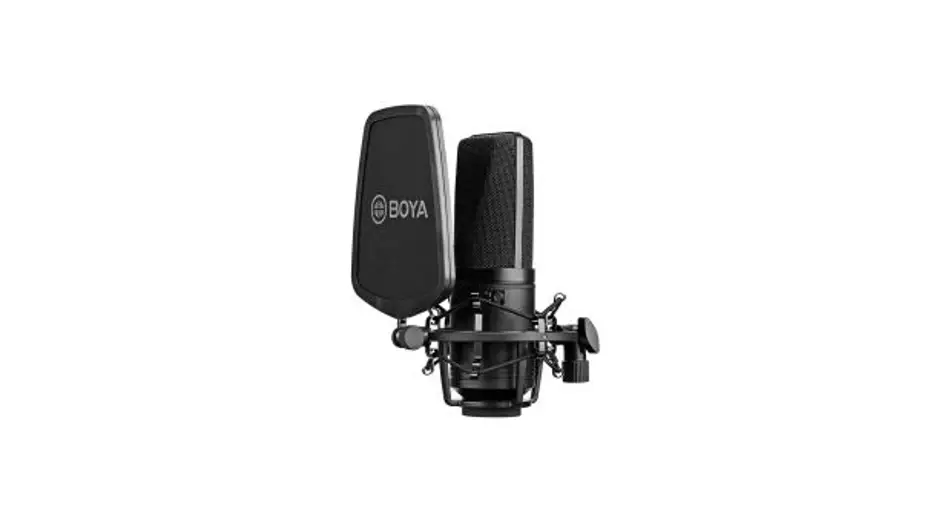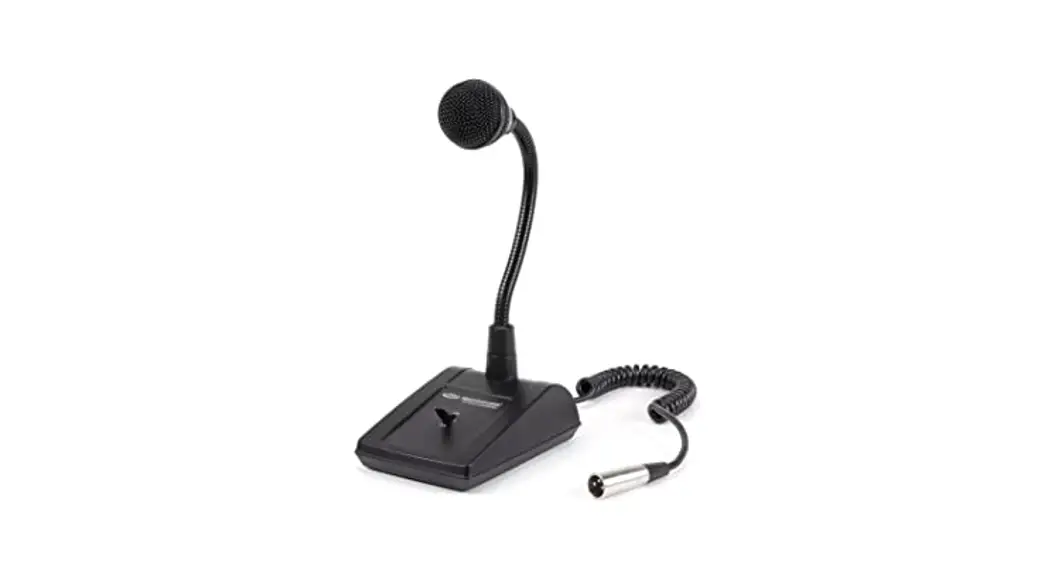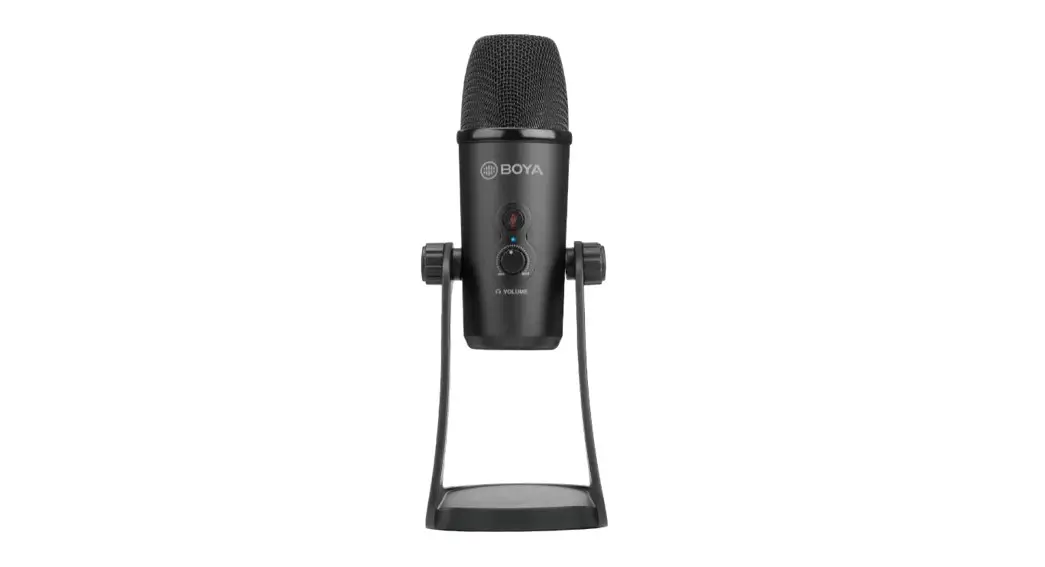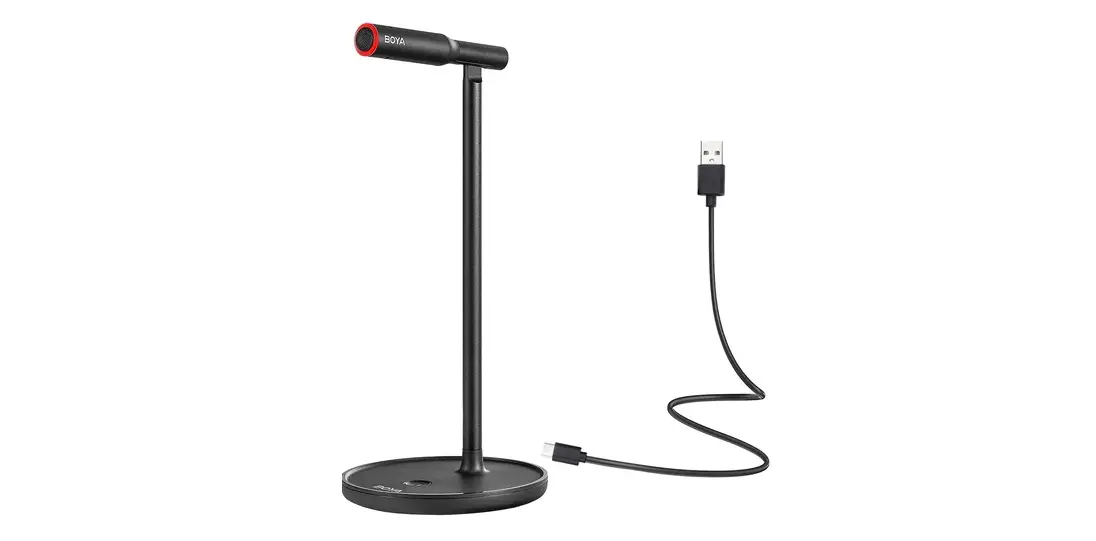

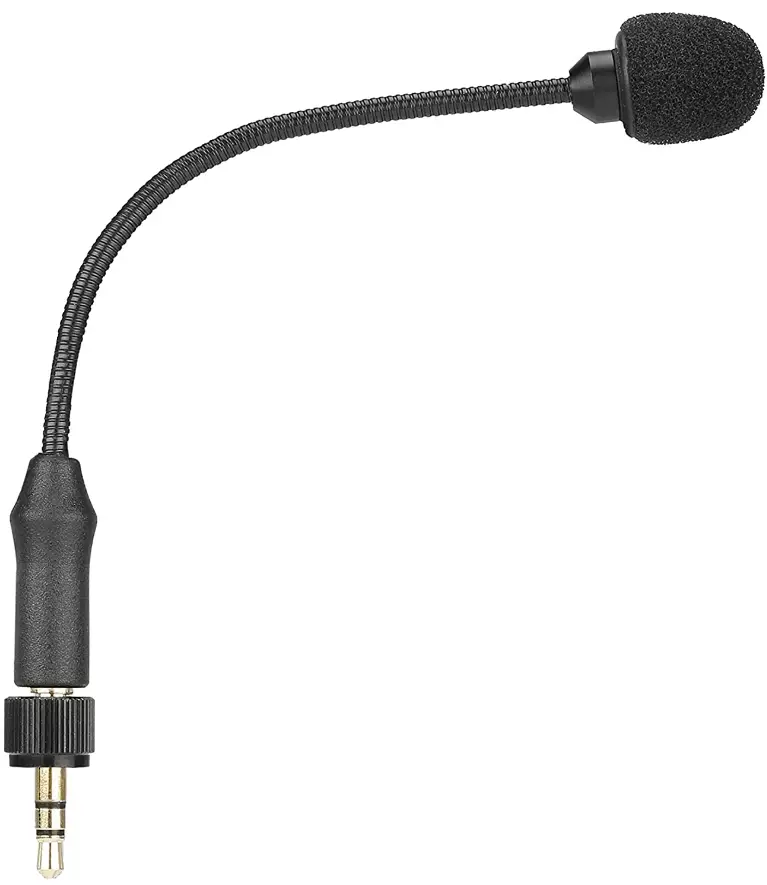
BOYA BY-UM2 Gooseneck Microphone
Specifications
- Connectivity Technology: Auxiliary
- Connector Type:5 mm Jack
- Color: Black
- Included Components: Microphone
- Polar Pattern: Omnidirectional
- Product Dimensions: 2 x 0.12 x 0.12 inches
- Item Weight:352 ounces
- Item model number: BY-UM2
What’s in the box?
- Microphone
Product Descriptions
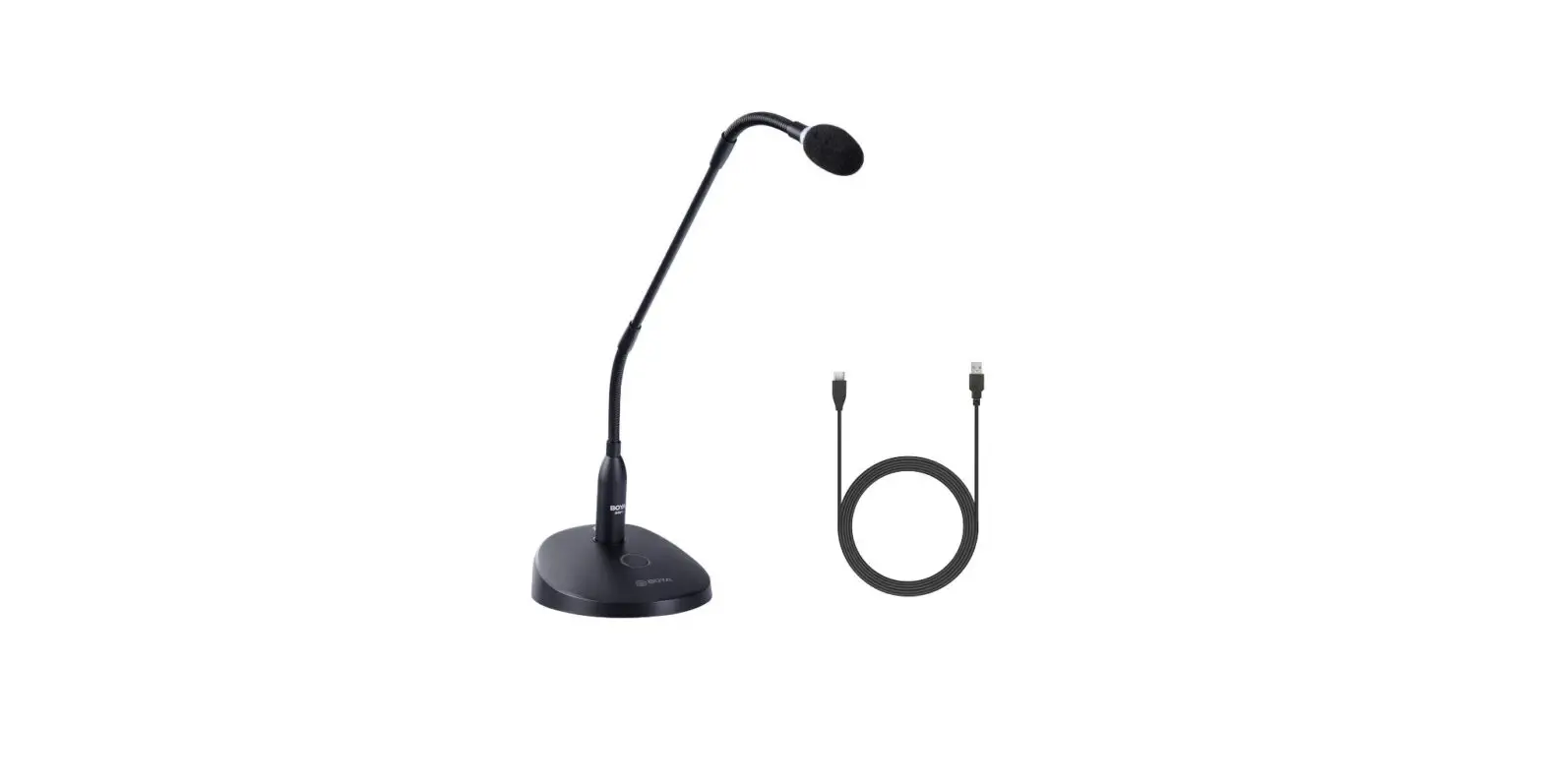
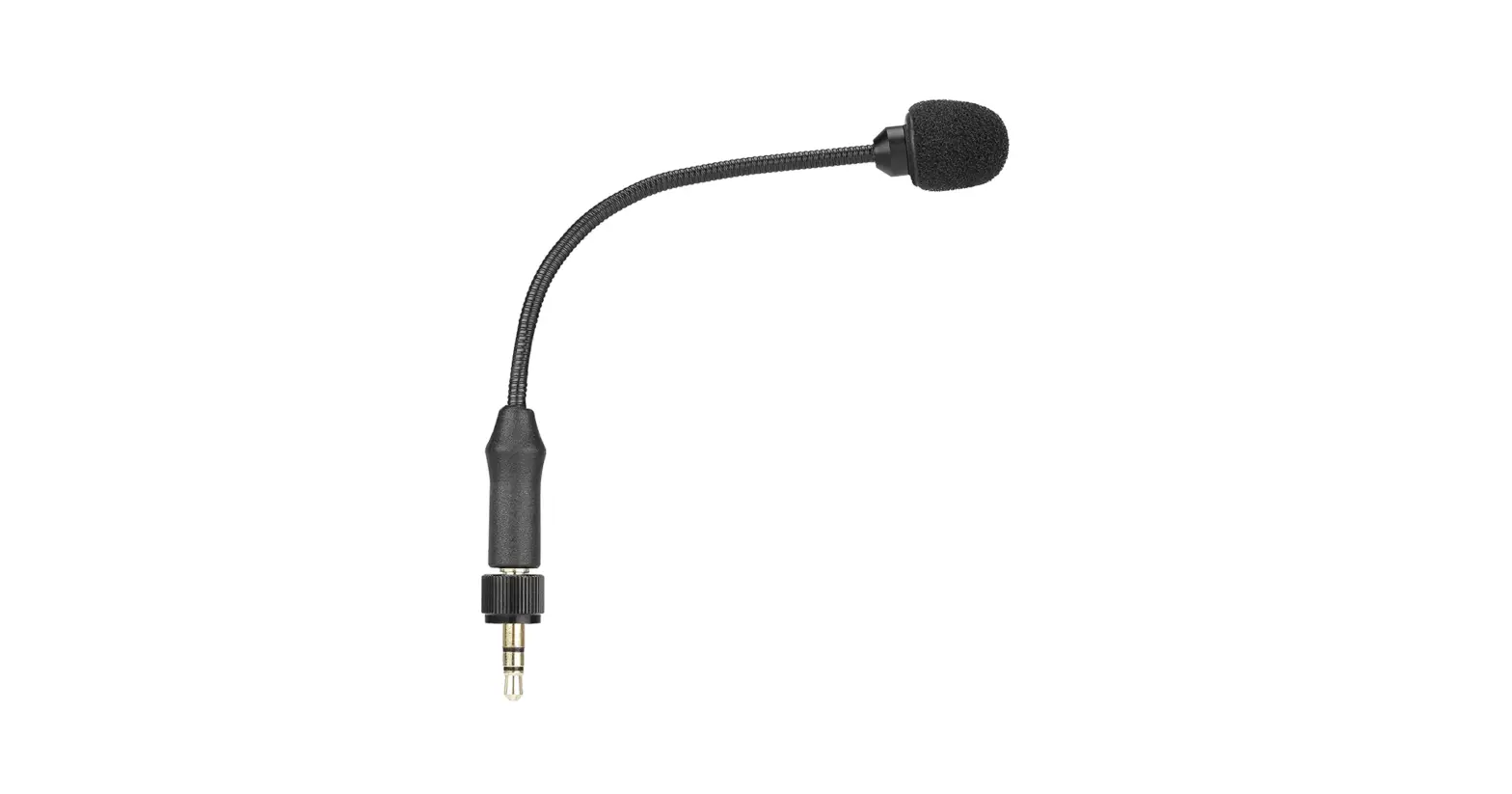
The flexible, omnidirectional plug-and-play gooseneck microphone from BOYA is the BY-UM2 3.5mm TRS Locking-Type Gooseneck Microphone. When used in conjunction with the BOYA BY-WM4, BY-WM5, BY-WM6, and BY-WM8 series wireless microphone systems, it is made entirely of metal and can record sounds (sold separately).
Features
- Gooseneck Locking 3.5mm TRS Compatible with plug-in power for cameras, recorders, mixers, and wireless systems from Boya, Rode, Sennheiser, Azden, Nady, Senal, and more manufacturers
- For a discrete way to record high-quality audio, attach to a wireless transmitter or recorder and position on a podium, tabletop, or other location.
- Use a 3.5mm camera input to attach a discreet, adaptable microphone.
- The location of a metal gooseneck can be readily adjusted, and it will remain there.
Note
Please take note that items with electrical plugs are made for use in the US. Because outlets and voltage vary from country to country, this device might need an adapter or converter to be used where you are travelling. Before buying, kindly verify compatibility.
Frequently Asked Questions
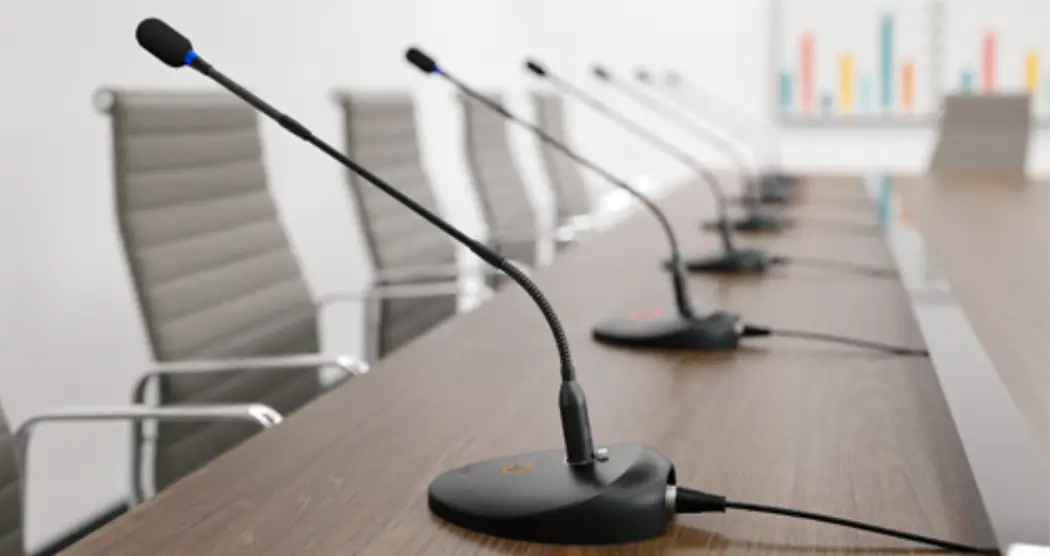
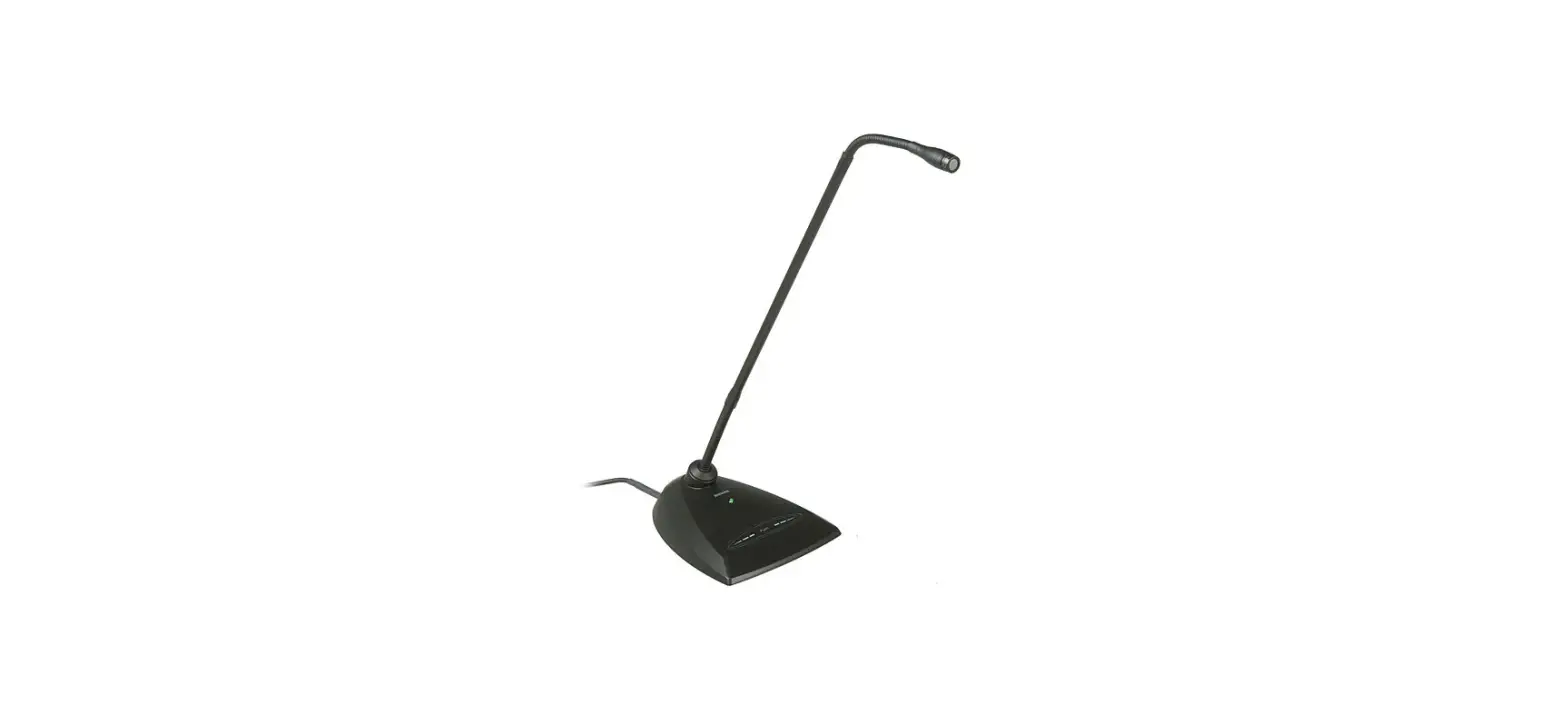
Gooseneck microphones are made for use in public address paging systems, AV and conference rooms, and other settings where it’s necessary to pick up spoken words but the presenter doesn’t want to utilize a hand-held microphone.
All devices having a 3.5 jack microphone input, including cellphones, computers, audio recorders, amplifiers, etc., are compatible with the Boya BY-M1 Lavalier Microphone.
1) The BOYA BY-M1 can only be used with laptops that have a combination headphone and microphone connector. 2) A battery is not necessary. 1. Securing the microphone to your attire. 2 Change the power pack’s switch to the OFF/Smartphone position.
All devices having a 3.5 jack microphone input, including cellphones, computers, audio recorders, amplifiers, etc., can use the Boya BY-UM2 lavalier microphone.
A cardioid (uni-directional) microphone can be purchased to assist cancel out background noise.
Yes, Boya is a reliable brand, as evidenced by the high quality and durability of the products we have used thus far.
1 Securely fasten the microphone to your attire (see previous instructions). 2 Switch the power pack’s switch to the smartphone. 3 Connect your smartphone’s 3.5 mm audio jack to the 3.5 mm connector. 4 Start recording using the audio-only or video recording app.
The charging case has a USB-C connector for charging and is capable of providing longer operating times for transmitters and receivers wherever it is used.
like singing and speaking. excellent cardioid polar pattern Operating noise is lessened by the isolation capsule. Integrated pop filter.
A microphone converts airborne sound waves into electrical signals that can be recorded on a recording medium or broadcast over loudspeakers. Numerous audio recording devices are made possible by microphones for a variety of communications, music vocalists, speech, and sound recording applications.
As the name suggests, a battery-operated microphone is one that has a built-in battery and supports recharging to provide mobile recording for an extended period of time. There are various varieties, including wireless and those for cameras and cell phones.
Regarding (1) output level, (2) frequency response, (3) output impedance, and (4) directivity, each of them has unique properties. In the end, these factors determine the specific kind of microphone that is appropriate for a given application.
The electret condenser is the most used variety of microphone transducer. Electret condensers are the most widely used microphone in electronic devices and can be found in both expensive studio and film microphones and low-cost consumer microphones (cellphones, laptops, hearing aids, etc.).
Some microphones (active mics) require power to operate, while others do not (passive mics). Power is needed for microphones with integrated active electronics or non-electret electrostatic (condenser) capsules. Powered dynamic microphones are those that lack an inbuilt preamp.
The words “microphone” and “phone” can be separated. Both the words “micro” and “phone” are derived from the Greek words for “sound” and “voice,” respectively. Since the microphone works with tiny audio signals, the word microphone literally means “little sound.”