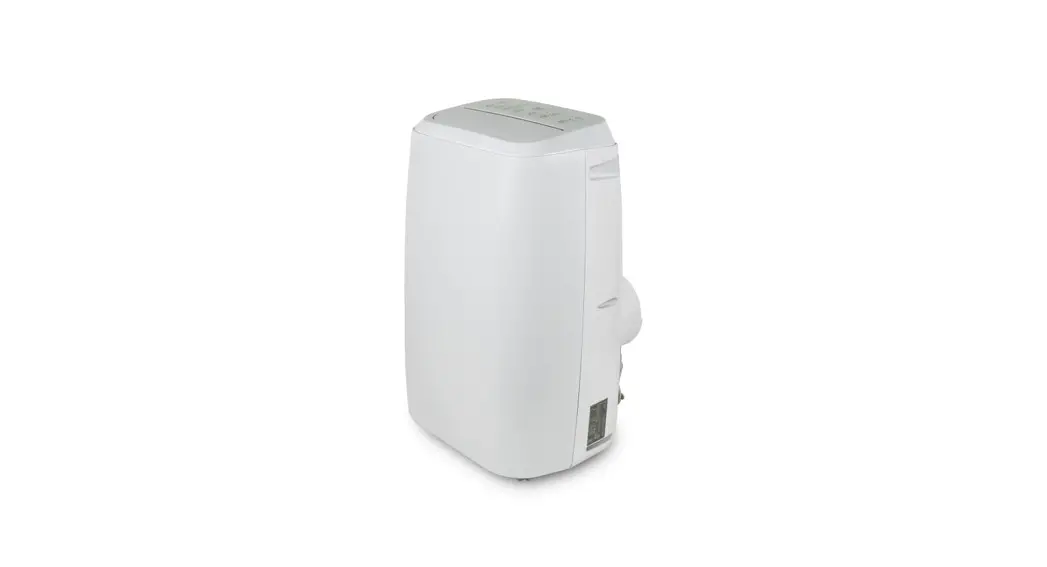
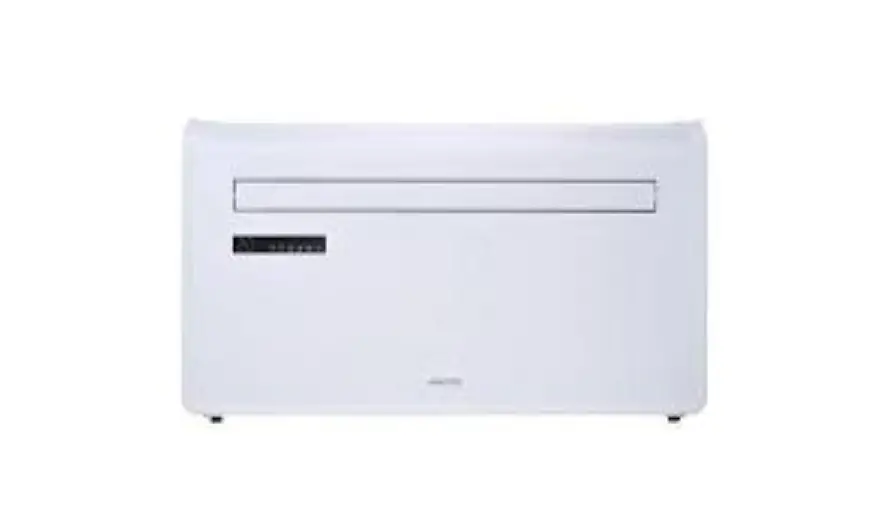
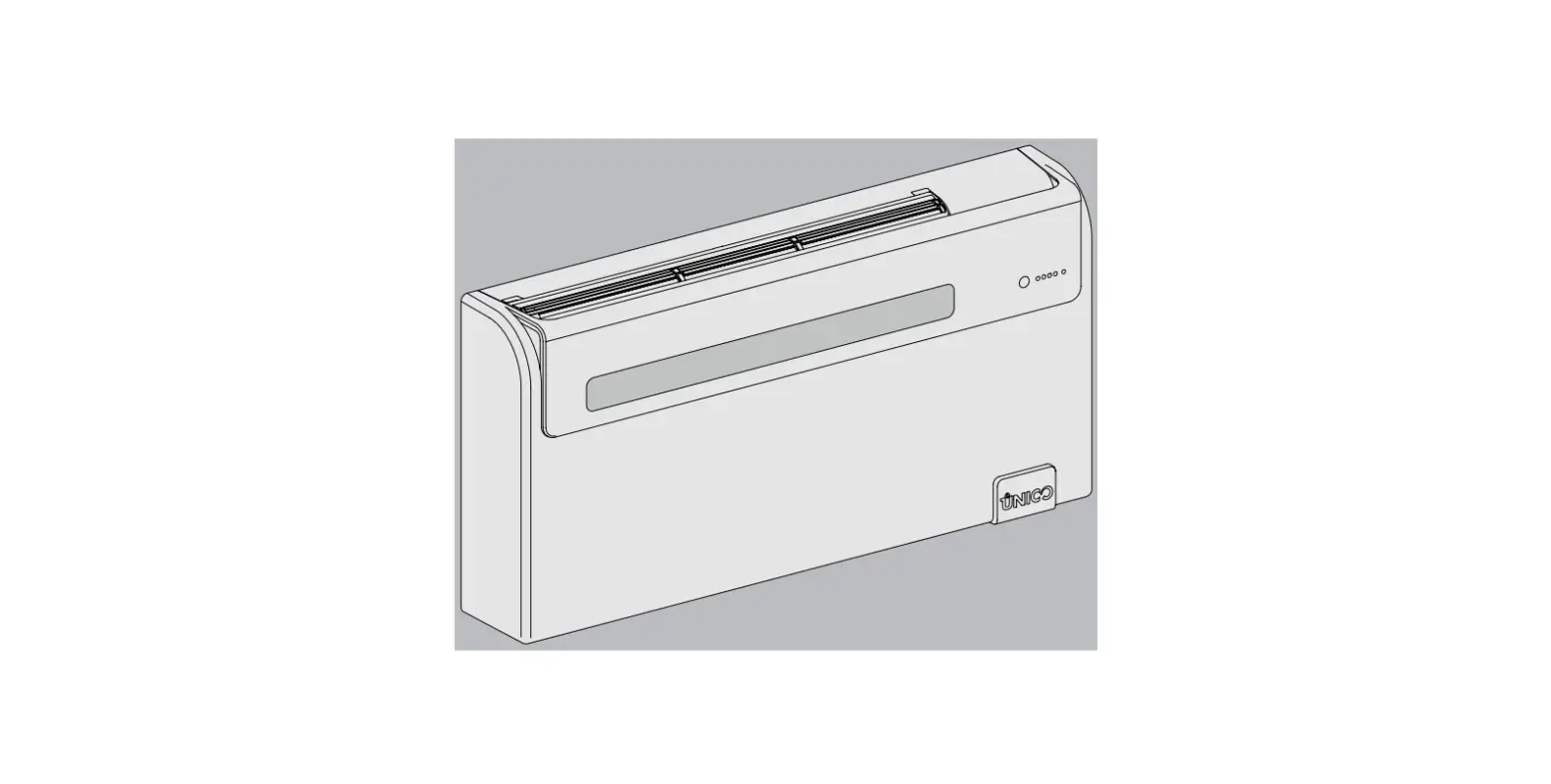
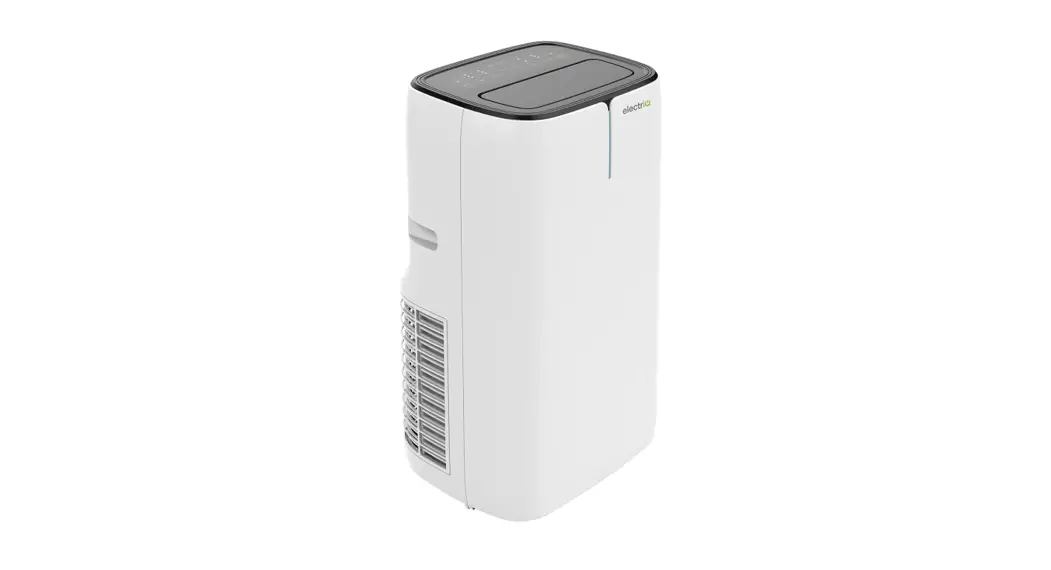
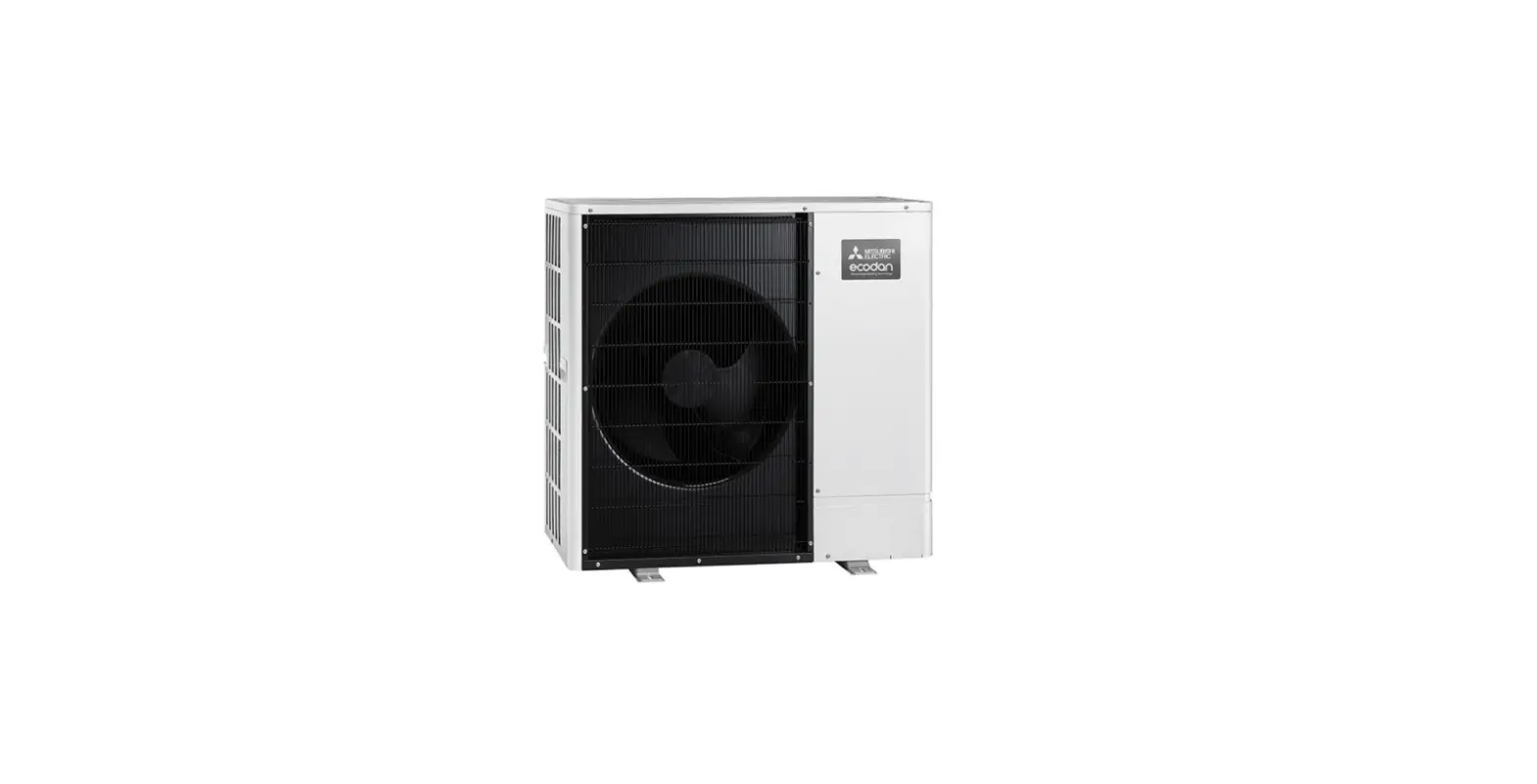
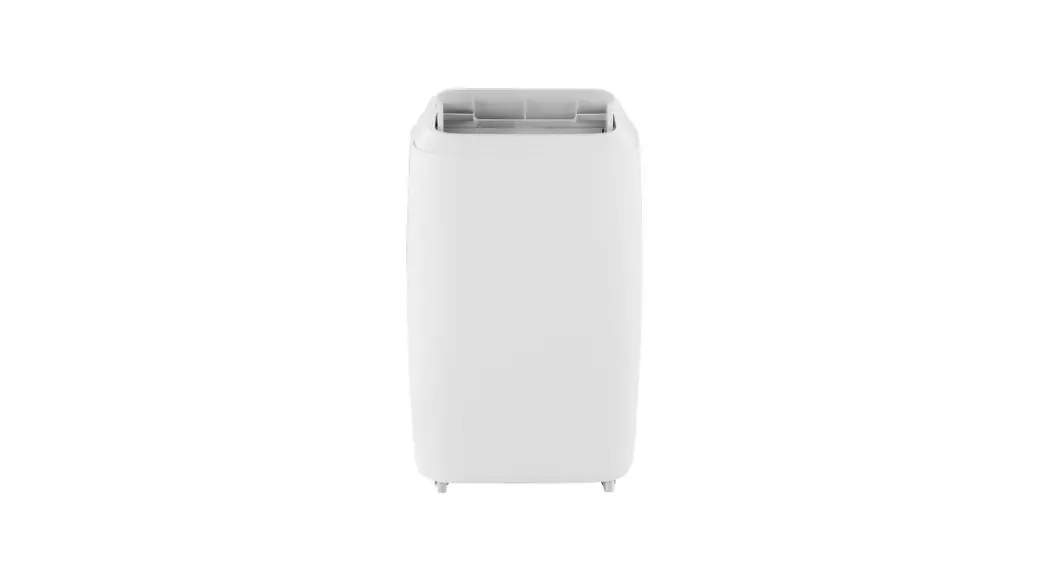
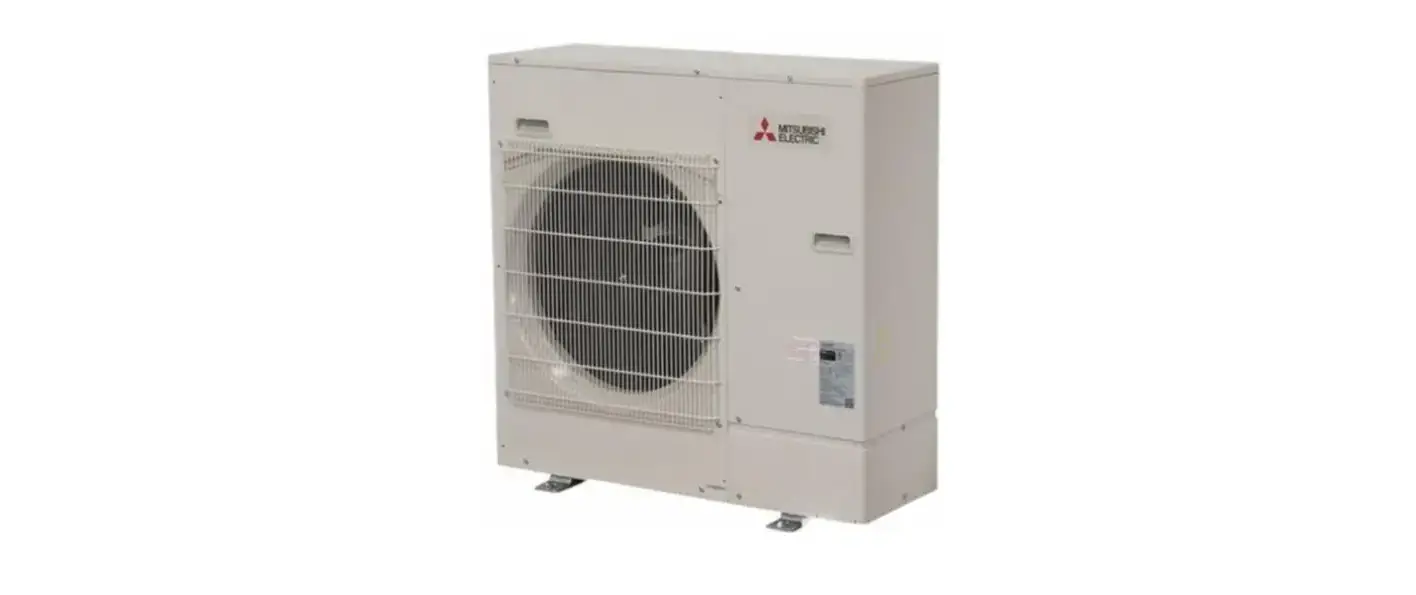
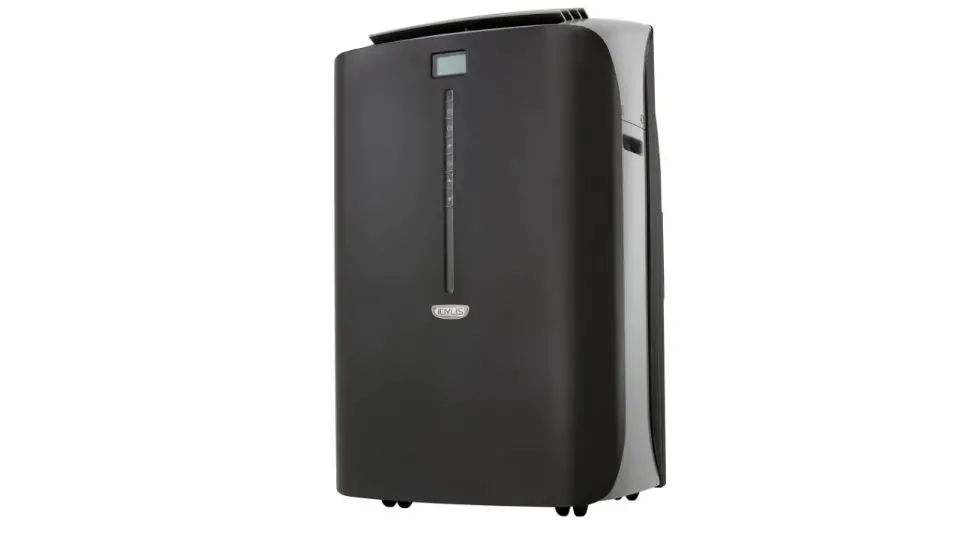
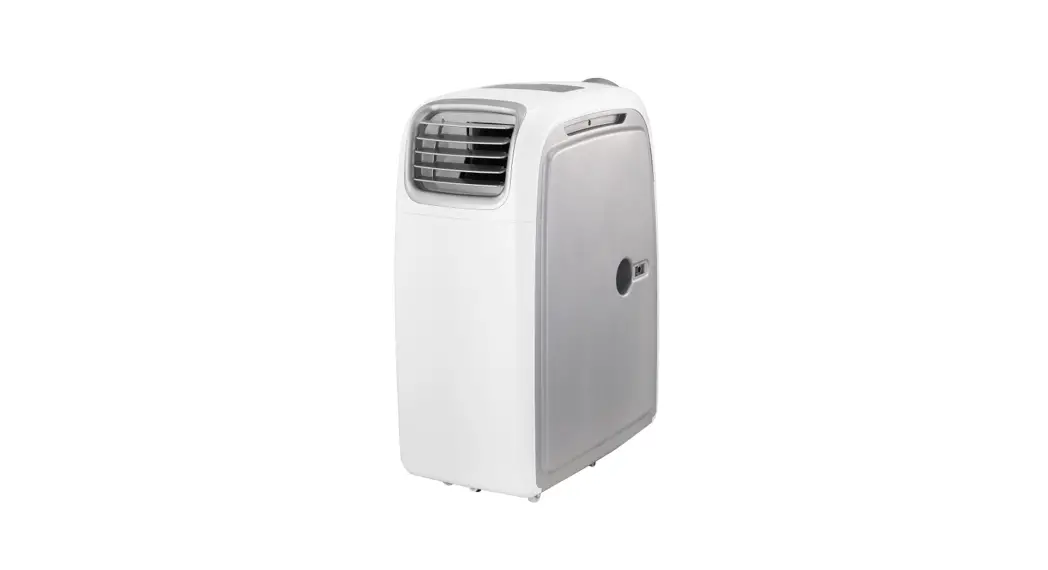
Unico 12HP-R-R410A Air Conditioner with Heat Pump
Product Information: Product Name: UNICO Manufacturer: Adremit
Limited Address: Puravent, Adremit Limited, Unit 5a, Commercial
Yard, Settle, North Yorkshire, BD24 9RH Contact Information: –
Call: 0845 6880112 – Email: [email protected] Product Usage
Instructions: 1. General Information: The UNICO product is designed
to provide safe and efficient operation. Please read the following
instructions carefully to ensure proper usage. 2. Symbol
Explanation: The product manual includes various symbols to provide
important information for safe operation. Please familiarize
yourself with the following symbols: – Service: Indicates
situations where you need to inform the internal service team for
technical assistance. – Index: Highlights paragraphs containing
crucial information and safety instructions. – Loss of warranty:
Indicates actions that may void the warranty. – Raised hand:
Signifies actions that must be strictly avoided. – Electrical
hazard: Warns about the risk of electric shock if safety
regulations are not followed. – General danger: Indicates the risk
of damage or injury if safety regulations are not followed. 3.
Safety Precautions: Ensure the following safety precautions are
taken before operating the UNICO product: – Do not use the product
without proper training or understanding of the instructions. –
Keep the product away from children and unauthorized users. – Only
operate the product in suitable environments with proper
ventilation and lighting. – Do not modify or tamper with any part
of the product. – Disconnect the power supply before performing any
maintenance or cleaning. 4. Contact Information: For further
assistance or technical support, please contact Adremit Limited
using the following details: – Call: 0845 6880112 – Email:
[email protected] – Address: Puravent, Adremit Limited, Unit 5a,
Commercial Yard, Settle, North Yorkshire, BD24 9RH Note: This is a
general overview of the product information and usage instructions.
For detailed instructions, please refer to the complete user manual
provided with the product.
INSTRUCTIES VOOR INSTALLATIE, GEBRUIK EN ONDERHOUD NL INSTRUKTIONER FÖR INSTALLATION DRIFT OCH UNDERHÅLL SE
Get In Touch
Call: 0845 6880112 Email: [email protected]
Our Address
Puravent, Adremit Limited, Unit 5a, Commercial Yard, Settle, North Yorkshire, BD24 9RH
1
A
BC
D
EF H
I
3
60 mm
2
5467
G
I GB F D E P ISTIINRNSUSTTZRRIOUUNCCITTPIIOOEHNRNINASSISNNFPTDSOORTBRUUAUCRILCNCLHLSAI’MOTIFZNAANÜISOLNERTLNUSAAIEANPLT,LSALIUODTARSNAETAO,LIIONLULESNAASTM,TEIALNIAOLA’SEÅNANNTÃMUÇ,DA×TÃPGLÅMEOLEAÉÑNOABCIÉNZIIÄRINSIÓEÉOAÏTTTNUNER,ÏLCENUU’ÄHAÇESÇÕNNUOÃETCÉNÙSRYEDÍEDMTWEÔAIÏEAUNNÐRSTÏOTEUÈNENÅIMMÔGAÇIENÓNÇUTÓTOEÊNÁÇÉÃ×OÑÇÓÇÓ
GR
3 12 8
10 9 11
4
60 mm
80 mm 100 mm
2
Get In Touch
Call: 0845 6880112 Email: [email protected]
Our Address
Puravent, Adremit Limited, Unit 5a, Commercial Yard, Settle, North Yorkshire, BD24 9RH
300 mm
5
6
B
A
7
8
9
A
Get In Touch
Call: 0845 6880112 Email: [email protected]
3 UNICO
Our Address Puravent, Adremit Limited, Unit 5a, Commercial Yard, Settle, North Yorkshire, BD24 9RH
10
11
12
A B
13
14
15
A
16
4
Get In Touch
Call: 0845 6880112 Email: [email protected]
Our Address
Puravent, Adremit Limited, Unit 5a, Commercial Yard, Settle, North Yorkshire, BD24 9RH
17
18
B
A
A
19
NN LL
C
B
A
20
21
A
C
B
A D 5 UNICO
Get In Touch
Call: 0845 6880112 Email: [email protected]
Our Address
Puravent, Adremit Limited, Unit 5a, Commercial Yard, Settle, North Yorkshire, BD24 9RH
22
G LED D LED C LED B LED A H
23
24
B
25
A
A B
6
Get In Touch
Call: 0845 6880112 Email: [email protected]
Our Address
Puravent, Adremit Limited, Unit 5a, Commercial Yard, Settle, North Yorkshire, BD24 9RH
26
C
B A
E F
27
AB
C A D
B
C
28
B
A
Get In Touch
Call: 0845 6880112 Email: [email protected]
7 UNICO
Our Address Puravent, Adremit Limited, Unit 5a, Commercial Yard, Settle, North Yorkshire, BD24 9RH
29
D1 D2 D3
D4 D5 D6
AUTO
AUTO
D8
1
2
D9
H
D7
M
D10
T1
T3
F S+
T2
AE
T4
NT
–
T7
T5
T6
T8
T11
T9
T10
8
Get In Touch
Call: 0845 6880112 Email: [email protected]
Our Address
Puravent, Adremit Limited, Unit 5a, Commercial Yard, Settle, North Yorkshire, BD24 9RH
ITALIANO ITALIANO
AVVERTENZE 1. L’apparecchio può essere utilizzato da bambini di età non inferiore a 8 anni e da perso
ne con ridotte capacità fisiche, sensoriali o mentali, o prive di esperienza o della neces saria conoscenza, purché sotto sorveglianza oppure dopo che le stesse abbiano ricevu to istruzioni relative all’uso sicuro dell’apparecchio e alla comprensione dei pericoli ad esso inerenti. 2. I bambini non devono giocare con l’apparecchio. 3. eLsaspeurelizeiaffeettluaamtaadnautbeanmziobninei sdeensztianastoarvaedgelisasnezrae. effettuata dall’utilizzatore non deve 4. Se il cavo di alimentazione è danneggiato, esso deve essere sostituito dal costruttore o dal suo servizio assistenza tecnica o comunque da una persona con qualifica similare, in modo da prevenire ogni rischio. 5. L’installazione, il primo avviamento e le successive fasi di manutenzione, eccetto la puli zpiearsooinl alalevaagugtiooridzezal ftioltreoqduealll’iafirciaataom. biente, devono essere eseguite esclusivamente da 6. Per prevenire ogni rischio di folgorazione è indispensabile staccare l’interruttore generale prima di effettuare collegamenti elettrici ed ogni operazione di manutenzione sugli apparecchi. 7. Durante l’installazione rispettare i riferimenti, degli spazi minimi, riportati nelle Figure ,4,5 8. Durante il collegamento elettrico dell’apparecchio, seguire le indicazioni riportate in Fig. 23A e 23B.
1 1.1 1.1.1 1.1.2 1.2 1.3 1.4 1.4.1 1.4.2 1.5
GENERALITA’ SIMBOLOGIA ———————————————————————————————————————————-10 Pittogrammi redazionali ———————————————————————————————————————10 Pittogrammi relativi alla sicurezza———————————————————————————————————10 INFORMAZIONI GENERALI —————————————————————————————————————10 AVVERTENZA———————————————————————————————————————————- 11 ELENCO COMPONENTI A CORREDO ————————————————————————————————- 11 Immagazzinamento ————————————————————————————————————————— 12 Ricevimento e disimballo ——————————————————————————————————————– 12 ELEMENTI UNITA’ —————————————————————————————————————————-12
2 2.1 2.1.1 2.2 2.3 2.3.1 2.3.2 2.3.3 2.3.4 2.3.5 2.3.6 2.3.7 2.4 2.5 2.5.1 2.6 2.6.1
INSTALLAZIONE MODALITA’ D’installazione——————————————————————————————————————13 Dimensioni e caratteristiche del locale dove installare il climatizzatore ———————————————————13 SCELTA DELLA POSIZIONE DELL’UNITA’———————————————————————————————13 Montaggio dell’unità ————————————————————————————————————————–13 Avvertenza ————————————————————————————————————————————–13 Foratura della parete ————————————————————————————————————————-13 Predisposizione dello scarico condensa————————————————————————————————-14 Montaggio dei condotti dell’aria e delle griglie esterne ——————————————————————————15 Predisposizione fori sulla macchina ——————————————————————————————————15 Inserimento dell’apparecchio sulla staffa ————————————————————————————————15 Allacciamento elettrico ———————————————————————————————————————–15 CONFIGURAZIONE INSTALLAZIONE ALTA/BASSA——————————————————————————–16 PROVE DI FUNZIONAMENTO E DIAGNOSI DI EVENTUALI ANOMALIE —————————————————-16 Evacuazione dell’acqua di condensa in caso di emergenza ———————————————————————–17 MANUTENZIONE PERIODICA————————————————————————————————————18 Pulizia del filtro dell’aria———————————————————————————————————————-18
3 3.1 3.1.1 3.2 3.2.1 3.2.2 3.3 3.3.1 3.3.2 3.3.3 3.3.4 3.3.5 3.3.6 3.3.7 3.3.8 3.3.9 3.3.10 3.3.11 3.3.12 3.3.13 3.3.14 3.3.15 3.3.16 3.3.17 3.4 3.5 3.5.1 3.5.2 3.5.3
USO E MANUTENZIONE (parte utente) AVVERTENZE ———————————————————————————————————————————19 Descrizione della consolle di segnalazione———————————————————————————————19 GESTIONE DELL’APPARECCHIO CON IL TELECOMANDO ——————————————————————–19 Telecomando ———————————————————————————————————————————–19 Inserimento batterie—————————————————————————————————————————19 TELECOMANDO —————————————————————————————————————————— 20 Descrizione telecomando ——————————————————————————————————————-20 Accensione generale e gestione del funzionamento ———————————————————————————20 Accensione/Spegnimento dell’apparecchio———————————————————————————————20 Tasto benessere (funzionamento autonatico) ——————————————————————————————20 Funzionamento in raffreddamento ——————————————————————————————————–21 Funzionamento in sola deumidificazione————————————————————————————————21 Funzionamento in sola ventilazione —————————————————————————————————–21 Funzionamento in riscaldamento (solo modelli a pompa di calore) ————————————————————–21 Controllo della direzione del flusso d’aria ———————————————————————————————–21 Controllo della velocità del ventilatore —————————————————————————————————21 Tasto benessere notturno ——————————————————————————————————————-22 Impostazione dei programmi di funzionamento—————————————————————————————22 Impostazione dell’orario esatto ————————————————————————————————————22 Impostazione degli orari del 1° e del 2° Programma di Funzionamento (PROGR. 1 e PROGR. 2)———————-22 Attivazione e disattivazione dei programmi di funzionamento ———————————————————————23 Resettaggio di tutte le funzioni del telecomando ————————————————————————————–23 Gestione dell’apparecchio in caso di non disponibilità del telecomando ——————————————————–23 CONSIGLI PER IL RISPARMIO ENERGETICO ————————————————————————————–23 DIAGNOSI DEGLI INCONVENIENTI————————————————————————————————–23 Aspetti funzionali da non interpretare come inconvenienti————————————————————————–23 Anomalie e rimedi —————————————————————————————————————————–24 Dati tecnici—————————————————————————————————————————————24
9
UNICO
Get In Touch
Call: 0845 6880112 Email: [email protected]
Our Address
Puravent, Adremit Limited, Unit 5a, Commercial Yard, Settle, North Yorkshire, BD24 9RH
1 1
GENERALITA’
ITALIANO
1.1
SIMBOLOGIA
I pittogrammi riportati nel seguente capitolo consentono di fornire rapidamente ed in modo univoco informazioni necessarie alla corretta utilizzazione della macchina in condizioni di sicurezza.
1.1.1
Pittogrammi redazionali
Service
–
Contrassegna situazioni nelle quali si deve informare il SERVICE aziendale interno:
SERVIZIO ASSISTENZA TECNICA CLIENTI.
Indice
–
I paragrafi preceduti da questo simbolo contengono informazioni e prescrizioni molto importanti, particolarmente per quanto
riguarda la sicurezza.
Il mancato rispetto può comportare:
–
pericolo per l’incolumità degli operatori
–
perdita della garanzia contrattuale
–
declinazione di responsabilità da parte della ditta costruttrice.
Mano alzata
–
Contrassegna azioni che non si devono assolutamente fare.
1.1.2
Pittogrammi relativi alla sicurezza
Tensione elettrica pericolosa
–
Segnala al personale interessato che l’operazione descritta presenta, se non effettuata nel rispetto delle normative di sicurezza,
il rischio di subire uno shock elettrico.
Pericolo generico
–
Segnala che l’operazione descritta presenta, se non effettuata nel rispetto delle normative di sicurezza, il rischio di subire danni
fisici.
Pericolo di forte calore
–
Segnala che l’operazione descritta presenta, se non effettuata nel rispetto delle normative di sicurezza, il rischio di subire
bruciature per contatto con componenti con elevata temperatura.
1.2
INFORMAZIONI GENERALI
Desideriamo innanzitutto ringraziarVi di avere deciso di accordare la vostra preferenza ad un condizionatore di nostra produzione. Come potrete renderVi conto avete effettuato una scelta vincente in quanto avete acquistato un prodotto che rappresenta lo stato dell’Arte nella tecnologia della climatizzazione domestica. Questo manuale è stato concepito con l’obbiettivo di fornirVi tutte le spiegazioni per essere in grado di gestire al meglio il Vostro sistema di climatizzazione. Vi invitiamo quindi a leggerlo attentamente prima di mettere in funzione l’apparecchio. Mettendo in atto i suggerimenti che sono contenuti in questo manuale, grazie al climatizzatore che avete acquistato, potrete fruire senza problemi di condizioni ambientali ottimali con il minor investimento in termini energetici.
Il manuale è suddiviso in 3 sezioni o capitoli:
CAP. 1 GENERALITÀ
Si rivolge all’installatore specializzato e all’utente finale. Contiene informazioni, dati tecnici e avvertenze importanti che devono essere conosciute prima di installare e utilizzare il climatizzatore.
CAP. 2 INSTALLAZIONE Si rivolge solo ed esclusivamente ad un installatore specializzato. Contiene tutte le informazioni necessarie al posizionamento e montaggio del climatizzatore nel luogo in cui va installato. L’installazione del climatizzatore da parte di personale non specializzato fa decadere le condizioni di garanzia.
CAP. 3 USO E MANUTENZIONE (parte utente) Contiene le informazioni utili per comprendere l’uso e la programmazione del climatizzatore e gli interventi di manutenzione più comuni.
Documento riservato ai termini di legge con divieto di riproduzione o di trasmissione a terzi senza esplicita autorizzazione della ditta OLIMPIA SPLENDID. Le macchine possono subire aggiornamenti e quindi presentare particolari diversi da quelli raffigurati, senza per questo costituire pregiudizio per i testi contenuti in questo manuale.
10
Get In Touch
Call: 0845 6880112 Email: [email protected]
Our Address
Puravent, Adremit Limited, Unit 5a, Commercial Yard, Settle, North Yorkshire, BD24 9RH
ITALIANO
1
Leggere attentamente il presente manuale prima di procedere con qualsiasi operazione (installazione, manutenzione, uso) ed attenersi scrupolosamente a quanto descritto nei singoli capitoli.
LA DITTA COSTRUTTRICE NON SI ASSUME RESPONSABILITÀ PER DANNI A PERSONE O COSE DERIVANTI DALLA MANCATA OSSERVANZA DELLE NORME CONTENUTE NEL PRESENTE LIBRETTO.
La ditta costruttrice si riserva il diritto di apportare modifiche in qualsiasi momento ai propri modelli, fermo restando le caratteristiche essenziali descritte nel presente manuale.
L’installazione e la manutenzione di apparecchiature per la climatizzazione come la presente potrebbero risultare pericolose in quanto all’interno di questi apparecchi è presente un gas refrigerante sotto pressione e componenti elettrici sotto tensione. Pertanto l’installazione, il primo avviamento e le successive fasi di manutenzione devono essere eseguite esclusivamente da personale autorizzato e qualificato.
Installazioni eseguite al di fuori delle avvertenze fornite dal presente manuale e l’utilizzo al di fuori dei limiti di temperatura prescritti fanno decadere la garanzia.
L’ordinaria manutenzione dei filtri, la pulizia generale esterna possono essere eseguite anche dall’utente, in quanto non comportano operazioni difficoltose o pericolose.
Durante il montaggio, e ad ogni operazione di manutenzione, è necessario osservare le precauzioni citate nel presente manuale, e sulle etichette apposte all’interno degli apparecchi, nonché adottare ogni precauzione suggerita dal comune buonsenso e dalle Normative di Sicurezza vigenti nel luogo d’installazione.
E’ necessario indossare sempre guanti ed occhiali protettivi per eseguire interventi sul lato refrigerante degli apparecchi.
I climatizzatori NON DEVONO essere installati in ambienti con presenza di gas infiammabili, gas esplosivi, in ambienti molto umidi (lavanderie, serre, ecc.), o in locali dove sono presenti altri macchinari che generano una forte fonte di calore.
In caso di sostituzione di componenti utilizzare esclusivamente ricambi originali OLIMPIA SPLENDID.
IMPORTANTE! Per prevenire ogni rischio di folgorazione è indispensabile staccare l’interruttore generale prima di effettuare collegamenti elettrici ed ogni operazione di manutenzione sugli apparecchi.
Rendere note a tutto il personale interessato al trasporto ed all’installazione della macchina le presenti istruzioni.
IMPORTANTE! Non immettere R-410A nell’atmosfera: l’R-410A è un gas serra fluorurato, richiamato nel Protocollo di Kyoto, con un Potenziale di Riscaldamento Globale (GWP)= 1975
SMALTIMENTO
Il simbolo sul prodotto o sulla confezione indica che il prodotto non deve essere considerato come un normale rifiuto domestico, ma deve essere portato nel punto di raccolta appropriato per il riciclaggio di apparecchiature elettriche ed elettroniche. Provvedendo a smaltire questo prodotto in modo appropriato, si contribuisce a evitare potenziali conseguenze negative per l’ambiente e per la salute, che potrebbero derivare da uno smaltimento inadeguato del prodotto. Per informazioni più dettagliate sul riciclaggio di questo prodotto, contattare l’ufficio comunale, il servizio locale di smaltimento rifiuti o il negozio in cui è stato acquistato il prodotto. Questa disposizione è valida solamente negli Stati membri dell’UE.
1.3
AVVERTENZA
Il climatizzatore deve essere utilizzato esclusivamente per produrre aria calda o fredda (a scelta) con il solo scopo di rendere confortevole la temperatura nell’ambiente. Un uso improprio dell’ apparecchiatura con eventuali danni causati a persone, cose o animali sollevano l’OLIMPIA SPLENDID da ogni responsabilità.
1.4
ELENCO COMPONENTI A CORREDO
La fornitura comprende le parti precisate nella seguente tabella (fig. 1). Prima di passare al montaggio è bene accertarsi di averle tutte a portata di mano.
A – Striscia isolante adesiva B – Griglie esterne per l’entrata e l’uscita dell’aria comprensive di catenelle e kit per installazione griglie (n.2) C – Flangia interna (n.2) D – Foglio per tubi parete E – Kit viti e tasselli F – Staffa per ancoraggio a parete
11
UNICO
Get In Touch
Call: 0845 6880112 Email: [email protected]
Our Address
Puravent, Adremit Limited, Unit 5a, Commercial Yard, Settle, North Yorkshire, BD24 9RH
1
G – Libretti uso e manutenzione + garanzia H – Telecomando I – Dima di carta per l’esecuzione dei fori.
ITALIANO
1.4.1
Immagazzinamento
Immagazzinare le confezioni in ambiente chiuso e protetto dagli agenti atmosferici, isolate dal suolo tramite traversine o pallet. NON CAPOVOLGERE L’IMBALLO.
1.4.2
Ricevimento e disimballo
L’imballo è costituito da materiale adeguato ed eseguito da personale esperto. Le unità sono tutte controllate e collaudate e vengono consegnate complete ed in perfette condizioni, tuttavia per il controllo della qualità dei servizi di trasporto attenersi alle seguenti avvertenze:
–
al ricevimento degli imballi verificare se la confezione risulta danneggiata, in caso positivo ritirare la merce con riserva,
producendo prove fotografiche ed eventuali danni apparenti
–
disimballare verificando la presenza dei singoli componenti con gli elenchi d’imballo
–
controllare che tutti i componenti non abbiano subito danni durante il trasporto; nel caso notificare entro 3 giorni dal ricevimento
gli eventuali danni allo spedizioniere a mezzo raccomandata r.r. presentando documentazione fotografica.
Analoga informazione inviarla tramite fax anche a OLIMPIA SPLENDID.
Nessuna informazione concernente danni subiti potrà essere presa in esame dopo 3 giorni dalla consegna.
Nota importante: Conservare l’imballo almeno per tutta la durata del periodo di garanzia, per eventuali spedizioni al centro di assistenza in caso di riparazione. Smaltire i componenti dell’imballo secondo le normative vigenti sullo smaltimento dei rifiuti.
1.5
ELEMENTI UNITA’ (fig. 2)
Le unità che compongono il sistema di climatizzazione vengono confezionate singolarmente in imballo di cartone. Gli imballi possono essere trasportati, per singole unità, a mano da due addetti, oppure caricate su carrello trasportatore anche accatastate per un numero massimo di tre confezioni.
1)
Flap uscita aria
2)
Griglia aspirazione (anteriore)
3)
Consolle di visualizzazione della funzione e degli allarmi.
4)
Griglia di aspirazione aria (posteriore)
5)
Filtri aria
6)
Filtro purificatore
7)
Filtro carboni attivi
8)
Protezione inferiore
9)
Scarico condensa
10) Scarico condensa emergenza
11) Cavo alimentazione
12
Get In Touch
Call: 0845 6880112 Email: [email protected]
Our Address
Puravent, Adremit Limited, Unit 5a, Commercial Yard, Settle, North Yorkshire, BD24 9RH
2
2
INSTALLAZIONE
ITALIANO
2.1
MODALITA’ D’INSTALLAZIONE
Per ottenere una buona riuscita dell’installazione e prestazioni di funzionamento ottimali, seguire attentamente quanto indicato nel presente manuale. La mancata applicazione delle norme indicate, che può causare mal funzionamento delle apparecchiature, sollevano la ditta OLIMPIA SPLENDID da ogni forma di garanzia e da eventuali danni causati a persone, animali o cose.
E’ importante che l’impianto elettrico sia a norma, rispetto ai dati riportati nella scheda tecnica e sia provvisto di una buona messa a terra.
2.1.1
Dimensioni e caratteristiche del locale dove installare il climatizzatore
Prima di installare il climatizzatore è indispensabile procedere ad un calcolo dei carichi termici estivi (ed invernali nel caso di modelli con pompa di calore) relativi al locale interessato. Più questo computo è corretto e più il prodotto assolverà pienamente la sua funzione. Per l’esecuzione dei calcoli dovete riferirvi direttamente alle normative in vigore. Per applicazioni particolarmente importanti Vi consigliamo di rivolgerVi a studi termotecnici specializzati. Per quanto possibile comunque bisogna cercare di limitare i carichi temici maggiori con i seguenti accorgimenti: Su ampie vetrate esposte al sole è opportuno che vi siano tende interne o meglio mascherature esterne (veneziane, verande, pellicole rifrangenti ecc.). Il locale condizionato deve rimanere per il maggior tempo possibile chiuso. Evitare l’accensione di fari di tipo alogeno con alti consumi o di altre apparecchiature elettriche che assorbano tanta energia (fornetti, ferri da stiro a vapore, piastre per cottura ecc).
2.2
SCELTA DELLA POSIZIONE DELL’UNITA’
La posizione di installazione dell’unità, per ottenere il miglior rendimento di funzionamento ed evitare guasti o condizioni di pericolo, deve avere i seguenti requisiti (fig. 3): – L’altezza dal pavimento del filo inferiore dell’unità deve essere minimo di 100 mm per installazione a parete bassa. – La distanza dal soffitto, in caso di montaggio a parete in alto, deve essere di minimo 80 mm. – La parete su cui si intende fissare l’unità deve essere robusta e adatta a sostenerne il peso. – Deve essere possibile lasciare attorno all’unità uno spazio necessario per eventuali operazioni di manutenzione.
– Non devono essere presenti ostacoli per la libera circolazione dell’aria sia nella parte superiore di aspirazione (tendaggi, piante, mobili) sia su quello frontale di uscita aria; ciò potrebbe causare turbolenze tali da inibire il corretto funzionamento dell’apparec-
chio.
La posizione di installazione deve essere scelta a ridosso di una parete comunicante con l’esterno.
AVVERTENZA: Una volta individuata, secondo i criteri precedentemente esposti, la corretta posizione per l’installazione occorre verificare che nei punti dove avete intenzione di praticare i fori non vi siano strutture od impianti (travi, pilastri, tubazioni idrauliche, cavi elettrici ecc.) che impediscano l’esecuzione dei fori necessari all’installazione. Controllate ancora una volta che non sussistano ostacoli alla libera circolazione dell’aria attraverso i fori che andrete a praticare (piante e relativo fogliame, doghe di rivestimento, persiane, grate o griglie troppo fitte ecc.).
AVVERTENZE (fig. 4):
–
non deve essere posizionato sotto tendaggi;
–
non spruzzare acqua o altri liquidi di nessun genere direttamente sull’apparecchio;
–
non deve essere in una posizione tale che il flusso dell’aria sia rivolto direttamente alle persone vicine;
–
non forzare mai l’apertura dell’aletta di deflusso aria;
–
non posizionare sopra la griglia di aspirazione aria bottiglie, lattine, indumenti, fiori o qualsiasi altro oggetto che possa
danneggiare gli organi interni od ostruire anche parzialmente la griglia stessa;
–
non sia direttamente sopra ad un apparecchio elettrodomestico (televisore, radio, frigorifero, ecc.), o sopra ad una fonte di
calore.
2.3
MONTAGGIO DELL’UNITÀ
2.3.1
Avvertenza
La lunghezza massima consentita per i tubi è di 1 m, i tubi devono essere internamente lisci, di diametro pari a 202 mm e non possono essere eseguite curve. E’ necessario utilizzare le griglie fornite in dotazione, oppure delle griglie che mantengano le medesime caratteristiche.
2.3.2
Foratura della parete
L’unità per funzionare richiede l’esecuzione di due fori nella parete, posizionati come indicato nella dima di foratura; i fori possono essere sia di diam. 162 mm che di 202 mm. Per ottenere le migliori prestazioni e la massima silenziosità si suggerisce l’utilizzo della macchina con fori da 202 mm.
13 UNICO
Get In Touch
Call: 0845 6880112 Email: [email protected]
Our Address
Puravent, Adremit Limited, Unit 5a, Commercial Yard, Settle, North Yorkshire, BD24 9RH
ITALIANO
2
E’ possibile installare l’unità UNICO al posto di una unità UNICO SKY o UNICO STAR senza modificare le forature già esistenti, ad eccezione del piccolo foro per lo scarico della condensa, in questo caso, per non penalizzare le prestazioni rimuovere il coibentante presente nell’espulsione. La foratura della parete deve essere eseguita utilizzando un’attrezzatura appropriata che agevoli il vostro lavoro e che eviti danni o disturbi eccessivi al Vostro cliente. I migliori strumenti per eseguire fori di grande diametro sulle pareti sono degli speciali trapani (chiamati “carotatrici”) con elevata coppia torcente e con velocità di rotazione regolabile a secondo del diametro del foro da praticare. Per evitare la diffusione di elevate quantità di polvere e detriti in ambiente le “carotatrici” si possono accoppiare a sistemi di aspirazione composti essenzialmente da un aspirapolvere da collegare ad un accessorio (tipo ventosa) da mettere a ridosso della punta di perforazione. Per eseguire la foratura procedere come segue: Collocare la dima di foratura in dotazione contro la parete rispettando le distanze minime: dal soffitto, dal pavimento e dalle pareti laterali indicate sulla dima stessa che può essere tenuta nella corretta posizione con del nastro adesivo. Tramite un piccolo trapano od un punteruolo tracciate con estrema cura il centro dei vari fori da praticare prima della loro realizzazione. Praticare, tramite una punta carotatrice di diametro minimo pari a 162 mm i due fori per l’entrata e l’uscita dell’aria.
AVVERTENZE: Questi fori devono essere eseguiti con una leggera inclinazione verso il basso per impedire eventuali rientri di acqua dai condotti (fig. 5).
La maggior parte del materiale asportato viene espulso verso l’esterno, pertanto occorre cautelarsi che cadendo non colpisca persone e oggetti sottostanti. Per evitare il più possibile la rottura dell’intonaco esterno occorre procedere con molta cautela all’esecuzione della parte finale del foro allentando un po’ la pressione esercitata sulla carotatrice.
Eseguire i fori relativi all’ancoraggio della staffa di fissaggio a parete utilizzando come prima possibilità i 4 fori alle estremità della staffa come indicato sulla dima di foratura.
Nel caso che la parete fosse di scarsa consistenza è consigliabile utilizzare un numero più elevato di tasselli di fissaggio. Come si può notare infatti la staffa offre molteplici possibilità sia nel numero dei fissaggi sia nella loro posizione. Il maggior peso dell’apparecchio si trova sulla destra, pertanto è preferibile assicurarsi un fissaggio più solido da questo lato. I tasselli che troverete in dotazione impongono l’esecuzione di fori con diametro di 10 mm.
In ogni caso è necessario un attento esame delle caratteristiche e della consistenza della parete per l’eventuale scelta di tasselli specifici a particolari situazioni.
AVVERTENZA: Il costruttore non può essere ritenuto responsabile di eventuali sottovalutazioni della consistenza strutturale dell’ancoraggio predisposto dall’installatore. Invitiamo pertanto a fare la massima attenzione a questa operazione, che, se mal eseguita, può provocare gravissimi danni alle persone ed alle cose.
Nel caso di apparecchi in pompa di calore per i quali non fosse stato predisposto uno scarico condensa incassato nella parete (vedi paragrafo 2.3.2), è necessario, per consentire il drenaggio della condensa stessa, eseguire un foro passante nella posizione indicata sulla dima di foratura.
2.3.3
Predisposizione dello scarico condensa
Per le macchine modello pompa di calore all’unità deve essere collegato il tubo di scarico condensa (fornito a corredo) da innestare nell’apposito bocchettone (fig. 6 rif. A) presente sul retro della macchina (togliere il tappo presente B); un’elettrovalvola garantirà il deflusso della condensa dalla vaschetta interna quando viene raggiunto il livello massimo. Per le macchine solo freddo si richiede il collegamento del tubo di scarico della condensa nel caso in cui si preveda il funzionamento con basse temperature esterne (inferiori ai 23°C). Il drenaggio avviene per gravità. Per questo motivo è indispensabile che la linea di scarico abbia una pendenza minima in ogni punto di almeno il 3%. Il tubo da utilizzare può essere rigido o flessibile con un diametro interno minimo di 16 mm. Nel caso che la linea sfoci in un sistema fognario, occorre eseguire una sifonatura prima dell’immissione del tubo nello scarico principale. Questo sifone dovrà trovarsi almeno 300 mm sotto l’imbocco dall’apparecchio (fig. 6).
Se la linea di drenaggio dovesse sfociare in un recipiente (tanica o altro) bisogna evitare che lo stesso recipiente sia ermeticamente chiuso e soprattutto che il tubo di drenaggio resti immerso nell’acqua (vedi fig. 7).
Il foro per il passaggio del tubo della condensa deve sempre avere una pendenza verso l’esterno (vedi fig. 8).
La posizione esatta in cui dovrà essere collocato l’imbocco del tubo rispetto alla macchina è definita sulla dima di foratura.
AVVERTENZA: fate attenzione in questo caso che l’acqua espulsa non determini danni o inconvenienti alle cose o alle persone. Durante il periodo invernale quest’acqua può provocare formazioni di lastre di ghiaccio all’esterno.
Quando si raccorda lo scarico della condensa prestare molta attenzione a non schiacciare il tubo in gomma.
14
Get In Touch
Call: 0845 6880112 Email: [email protected]
Our Address
Puravent, Adremit Limited, Unit 5a, Commercial Yard, Settle, North Yorkshire, BD24 9RH
2
ITALIANO
2.3.4
Montaggio dei condotti dell’aria e delle griglie esterne
Una volta eseguiti i fori, dentro agli stessi, deve essere introdotto il foglio in plastica in dotazione con il climatizzatore. Il foglio è predisposto per i fori da 202 mm, per i fori da 162 mm occorre tagliare dal foglio un lembo di 130 mm sul lato lungo. La lunghezza dei fogli deve essere di 65 mm inferiore allo spessore della parete. Arrotolare il foglio e introdurlo nel foro (fig. 9), prestando attenzione alla linea di giunzione (fig. 9 rif. A) che deve sempre essere posizionata verso l’alto. Per tagliare il tubo è sufficiente utilizzare un normale taglierino (fig. 9). Per il posizionamento delle griglie esterne agite come segue: – Applicare sulla flangia a muro (fig. 10 rif. A) la guarnizione (fig. 10 rif. B) facendola coincidere con il bordo esterno della flangia
stessa come indicato in figura; – fissare le due flange mediante 2 tasselli diametro 6 con i due fori di fissaggio in posizione orizzontale; – infilare l’occhiello piccolo, con gambo lungo, della molla sul perno del tappo (su ambedue i componenti) (fig. 11); – infilare i due tappi (con molla), dalla parte anteriore della griglia esterna, sulle due sedi della stessa, tirando fino allo scatto (fig.
12) e attaccare le due catenelle all’occhiello grande della molla; – impugnate con una mano le due catenelle collegate alla griglia; – ripiegate su se stesse le griglie esterne impugnandole con la mano libera nella parte di ripiegatura e introducendo le dita all’interno
delle singole alette (fig. 13); – introdurre il braccio nel tubo sino a far sporgere completamente la griglia all’esterno; – lasciate riaprire la griglia facendo attenzione a trattenere le dita all’interno delle alette. – ruotate la griglia sino a quando le alette sono ben orizzontali e con l’inclinazione rivolta verso il basso. – tirare la catenella, tensionando la molla, ed agganciare l’anello della catenella al perno della flangia interna passaggio tubi (fig.
14). – tagliare con un tronchese le maglie delle catenelle in eccesso.
AVVERTENZA: usare esclusivamente le griglie in dotazione, oppure delle griglie che mantengano le medesime caratteristiche.
2.3.5
Predisposizione fori sulla macchina
L’unità esce dalla fabbrica predisposta per l’accoppiamento con tubi da 162 mm; per ottenere le migliori prestazioni e la maggiore
silenziosità occorre utilizzare i fori da 202 mm e l’unità deve essere configurata seguendo le indicazioni riportate:
–
Con un taglierino incidere sul preforo della copertura posteriore e togliere la parte di copertura (fig. 15 rif. A) in modo da creare
il foro di passaggio aria con il diametro di 202 mm.
2.3.6
Inserimento dell’apparecchio sulla staffa
Dopo aver controllato: che la staffa di fissaggio sia ben ancorata alla parete, e che siano state fatte, nel caso fossero necessarie, le predisposizioni per l’allacciamento elettrico e per lo scarico condensa, potete agganciare il climatizzatore. Sollevatelo prendendolo ai lati della base inferiore (vedi fig. 16). Per agevolare l’operazione di aggancio potete inclinare leggermente l’apparecchio verso di Voi.
Le operazioni di allacciamento elettrico e di fissaggio dello scarico condensa devono essere fatte con l’apparecchio distanziato dalla parete mediante una zeppa di legno o altro oggetto analogo (vedi fig. 16).
Alla fine del lavoro verificate con cura che non rimangano fessure dietro lo schienale dell’apparecchio (la guarnizione isolante deve aderire bene alla parete) soprattutto nella zona dei condotti di entrata ed uscita dell’aria.
2.3.7 Allacciamento elettrico
L’apparecchio è dotato di un cavo di alimentazione con spina (collegamento di tipo Y). Nel caso di utilizzo di una presa di corrente in prossimità dell’apparecchio non occorre fare altro che introdurre la spina.
Prima di collegare il climatizzatore assicurarsi che:
–
I valori della tensione e frequenza di alimentazione rispettino quanto specificato sui dati di targa dell’apparecchio.
–
La linea di alimentazione sia dotata di un efficace collegamento a terra e sia correttamente dimensionata per il massimo
assorbimento del climatizzatore (sezione minima cavi pari a 1,5 mm2).
–
L’apparecchiatura venga alimentata esclusivamente attraverso una presa compatibile con la spina fornita a corredo.
AVVERTENZA: L’eventuale sostituzione del cavo di alimentazione deve essere effettuata esclusivamente dal servizio di assistenza tecnica Olimpia Splendid o da personale con qualifica similare.
AVVERTENZA: Sulla rete di alimentazione dell’apparecchio deve essere previsto un adeguato dispositivo di disconnessione
onnipolare in conformità alle regole di installazione nazionali. E’ necessario comunque verificare che l’alimentazione elettrica sia provvista di un efficace messa a terra e di adeguate protezioni contro sovraccarichi e/o cortocircuiti (si raccomanda l’utilizzo di un fusibile ritardato di tipo 10 AT o altri dispositivi con funzioni equivalenti).
E’ possibile procedere all’allacciamento elettrico mediante un cavo incassato nella parete come in posizione indicata nella dima di installazione (allacciamento consigliato per installazioni dell’apparecchiatura nella parte alta della parete)
15 UNICO
Get In Touch
Call: 0845 6880112 Email: [email protected]
Our Address
Puravent, Adremit Limited, Unit 5a, Commercial Yard, Settle, North Yorkshire, BD24 9RH
2
ITALIANO
AVVERTENZA: questa operazione deve essere effettuata solamente a cura dell’installatore o da personale con qualifica similare ed in conformità alle norme nazionali vigenti.
Per prevenire ogni rischio di folgorazione è indispensabile staccare l’interruttore generale prima di effettuare collegamenti elettrici ed ogni operazione di manutenzione sugli apparecchi.
Per effettuare l’allacciamento elettrico mediante cavo incassato nella parete procedere come segue:
–
sfilare la copertura inferiore (ad incastro) (fig. 17 rif. A)
–
sfilare la copertura superiore (ad incastro) (fig. 17 rif. B)
–
svitare le 6 viti che bloccano la copertura frontale (fig. 18 rif. A)
–
rimuovere la copertura frontale (fig. 19)
–
rimuovere il coperchio della scatola elettrica (fig. 19 rif. A)
–
svitare il morsetto passacavo (fig. 19 rif. B)
–
svitare le viti di bloccaggio cavo della morsettiera (fig. 19 rif. C)
–
sfilare il cavo presente
–
infilare il nuovo cavo seguendo il medesimo percorso
–
rimuovere la zeppa in legno sul retro della macchina
–
bloccare i tre poli del cavo nella morsettiera e stringere le viti (fig. 19 rif. C)
–
bloccare il cavo con il morsetto (fig. 19 rif. B)
–
chiudere la protezione della scheda (fig. 19 rif. A)
–
rimontare la copertura frontale della macchina con le sei viti
–
rimontare le due coperture (superiore e inferiore) a incastro.
AVVERTENZA: queste operazioni devono essere svolte con la macchina già posizionata sulla staffa, quindi leggete attentamente anche le istruzioni seguenti prima di completare l’allacciamento elettrico.
2.4
CONFIGURAZIONE INSTALLAZIONE ALTA/BASSA
L’unità può essere installata sia nella parte bassa della parete (adiacente al pavimento) che nella parte alta della parete (adiacente
al soffitto). Per ottimizzare la distribuzione dell’aria e del confort d’ambiente il lancio dell’aria può essere modificato cambiando la posizione del flap uscita aria. La figura 20 si riferisce alla macchina predisposta per l’installazione a parete bassa con la fuoriuscita dell’aria dal basso verso l’alto; la medesima configurazione può essere utilizzata anche per installazione dell’unità nella parte alta della parete con funzione di raffrescamento, consentendo di aumentare il flusso dell’aria nell’ambiente (effetto coanda). La figura 21 è riferita alla macchina predisposta per l’installazione a parete alta con flusso dell’aria dall’alto verso il basso.
OPERAZIONE DA COMPIERE CON MACCHINA SPENTA E ALIMENTAZIONE ELETTRICA SCOLLEGATA.
MODIFICA CONFIGURAZIONE FLAP USCITA ARIA DA PARETE BASSA A PARETE ALTA
–
Aprire delicatamente il flap uscita aria
–
staccare il flap dai suoi agganci (laterali e centrali sui deflettori) (fig. 20)
–
sfilare il perno (fig. 20 rif. A)
–
ruotare di 180° il flap (fig. 20)
–
infilare il perno (fig. 21 rif. A) sul lato destro del flap.
–
inserire il flap in macchina infilando il perno (fig. 21 rif. B) nel foro superiore presente a destra nell’apertura (fig. 21 rif. C), e
il foro di sinistra del flap sul perno superiore presente a sinistra nell’apertura (fig. 21 rif. D).
MODIFICA CONFIGURAZIONE FLAP USCITA ARIA DA PARETE ALTA A PARETE BASSA
–
Aprire delicatamente il flap uscita aria
–
staccare il flap dai suoi agganci (laterali e centrali sui deflettori) (fig. 20)
–
sfilare il perno (fig. 20 rif. A)
–
ruotare di 180° il flap (fig. 20).
–
infilare il perno (fig. 21 rif. A) sul lato destro del flap.
–
inserire il flap in macchina infilando il perno (fig. 21 rif. B) nel foro inferiore presente a destra nell’apertura (fig. 21 rif. C), e
il foro di sinistra del flap sul perno inferiore presente a sinistra nell’apertura (fig. 21 rif. D).
Dopo aver eseguito le operazioni meccaniche di cambio posizione flap uscita aria è necessario configurare l’elettronica di controllo della macchina seguendo le istruzioni elencate nel paragrafo Prove di funzionamento e diagnosi di eventuali anomalie.
IMPORTANTE: PER UN CORRETTO FUNZIONAMENTO DELL’APPARECCHIATURA, AD OGNI MODIFICA DELLA CONFIGURAZIONE DEL FLAP USCITA ARIA DEVE SEMPRE CORRISPONDERE LA RELATIVA IMPOSTAZIONE DEL CONTROLLO ELETTRONICO.
2.5
PROVE DI FUNZIONAMENTO E DIAGNOSI DI EVENTUALI ANOMALIE
Il climatizzatore è in grado di eseguire un breve ciclo di autodiagnosi per verificare il normale funzionamento dei componenti interni e durante il quale è possibile eseguire la configurazione del controllo elettronico a seconda che l’installazione dell’apparecchiatura
16
Get In Touch
Call: 0845 6880112 Email: [email protected]
Our Address
Puravent, Adremit Limited, Unit 5a, Commercial Yard, Settle, North Yorkshire, BD24 9RH
2
ITALIANO
sia stata realizzata nella parte alta (a soffitto) o bassa (a pavimento) della parete.
Per attivare la funzione di autodiagnosi procedere come segue:
–
alimentare l’apparecchio collegando la spina o agendo sul sezionatore dell’impianto;
–
assicurarsi che la macchina sia in stand-by (nessun LED alimentato sulla console);
–
Premere per almeno 10 secondi tramite un oggetto appuntito il micro tasto situato sotto il foro posto a sinistra della consolle
(fig. 22 rif. H). L’emissione di un segnale acustico indica l’attivazione della funzione di autodiagnosi.
A questo punto sulla console viene visualizzato per qualche istante l’attuale configurazione della macchina secondo il seguente
schema:
LED A (rosso) acceso: apparecchiatura dotata di funzione pompa di calore; LED B (verde) acceso: installazione nella parte bassa della parete (a pavimento) (impostazione di fabbrica); LED C (arancio) acceso: installazione nella parte alta della parete (a soffitto); LED D (verde) acceso: funzione ripristino impostazioni dopo black-out attiva (impostazione di fabbrica).
Successivamente tutti i led sulla console inizieranno a lampeggiare contemporaneamente per 10 secondi. Durante questa fase, agendo sul micro tasto (fig. 22 rif. H) è possibile modificare l’impostazione visualizzata in precedenza relativa al tipo di installazione dell’apparecchiatura.
NB: La configurazione del controllo elettronico per installazione nella parte alta della parete determina una correzione automatica della temperatura ambiente rilevata pari a 3°C.
La funzione autodiagnosi a questo punto attiva l’apparecchio in modalità riscaldamento (se dotato di funzione pompa di calore) per circa 2 minuti, e successivamente in modalità raffreddamento per altri 2 minuti. E’ possibile terminare la funzione anzitempo inviando un comando di spegnimento tramite il telecomando.
Nel caso in cui il climatizzatore si blocchi con segnalazione d’allarme (come da tabella seguente), segnalare al centro di assistenza i led lampeggianti per agevolare l’intervento (fig. 22).
DESCRIZIONE
LED D
VERDE
Sovratemperatura scambiatore interno (HTI)
OFF
Sovratemperatura scambiatore esterno (HTE)
OFF
Guasto sonda temperatura esterna (corto circuito) (TFS7)
OFF
Guasto sonda temperatura esterna (circuito aperto) (TFS8)
OFF
Malfunzionamento ventilatore interno (SV)
OFF
Temperatura scambiatore insufficiente (CF/RL)
OFF
Livello massimo acqua condensa (OF)
OFF
Parametri EEprom non validi (CKS)
ON
Guasto sonda temperatura ambiente (corto circuito) (TFS1)
ON
Guasto sonda temperatura ambiente (circuito aperto) (TFS2)
ON
Guasto sonda temperatura scambiatore interno (corto circuito) (TFS3) ON
Guasto sonda temperatura scambiatore interno (circuito aperto) (TFS4) ON
Guasto sonda temperatura scambiatore esterno (corto circuito) (TFS5) ON
Guasto sonda temperatura scambiatore esterno (circuito aperto) (TFS6) ON
LED C GIALLO
OFF OFF ON OFF ON ON ON OFF OFF OFF ON ON ON ON
LED B VERDE
ON ON OFF OFF OFF ON ON OFF ON ON OFF OFF ON ON
LED A ROSSO
OFF ON OFF ON ON OFF ON OFF OFF ON OFF ON OFF ON
: lampeggiante
AVVERTENZE SEGNALATE NEL NORMALE FUNZIONAMENTO DA NON INTERPRETARE COME ANOMALIE.
Led A: indica la possibile necessità di pulizia del filtro Dopo tale operazione il led deve essere spento manualmente come indicato nel paragrafo 2.6.1
Led B acceso fisso: segnalazione alta temperatura batteria. Led A + Led C lampeggianti: funzionamento continuo pompa.
2.5.1
Evacuazione dell’acqua di condensa in caso di emergenza
Se si dovessero verificare delle anomalie al sistema di smaltimento dell’acqua di condensa il climatizzatore si arresta e segnala,
con l’accensione intermittente del secondo, terzo e quarto led da sinistra (arancio, verde e rosso), lo stato di allarme.
Per far funzionare temporaneamente l’apparecchio in attesa dell’arrivo del centro di assistenza potete drenare l’acqua contenuta
tramite queste semplici operazioni:
–
sfilare la copertura inferiore (fig. 23 rif. A);
–
togliere il tappo (fig. 23 rif. B) avendo cura di mettere prima in posizione un contenitore di buona capienza (almeno cinque litri)
per raccogliere l’acqua (vedi fig. 23).
–
una volta rimosso il guasto il centro assistenza provvederà a richiudere il condotto di evacuazione.
Get In Touch
Call: 0845 6880112 Email: [email protected]
17 UNICO
Our Address Puravent, Adremit Limited, Unit 5a, Commercial Yard, Settle, North Yorkshire, BD24 9RH
ITALIANO
3
2.6
MANUTENZIONE PERIODICA
Il climatizzatore che avete acquistato è stato studiato in modo che le operazioni di manutenzione ordinaria siano ridotte al minimo.
In effetti esse si riducono alle sole operazioni di pulizia di seguito delineate: – La pulizia o il lavaggio del filtro dell’aria ambiente ogni 2 settimane o ogni qualvolta si illumina il relativo led di segnalazione di
colore rosso (operazione eseguibile dall’utente, vedi manuale uso) – La pulizia della batteria condensante e la pulizia del sistema di gestione della condensa. Tali operazioni devono essere eseguite
da personale tecnico competente periodicamente e con una frequenza che dipende dal luogo di installazione e dall’intensità di
utilizzo. A seconda della quantità di sporco ci si può limitare alla pulizia a secco (soffiando con un compressore batteria e bacinella e pulendo con una spazzola morbida le alette facendo attenzione a non deformarle) o effettuare una pulizia più approfondita con anche un lavaggio con detergenti dedicati.
Prima di lasciare il cantiere è bene raccogliere gli imballaggi ed eliminare con un panno umido ogni traccia della sporcizia che si
è depositata sull’apparecchio durante il montaggio (fig. 24). Queste operazioni, che a rigor di logica non sono strettamente indispensabili, permettono tuttavia di aumentare agli occhi dell’Utente l’immagine professionale di chi ha installato l’apparecchio.
Per evitare inutili chiamate da parte dell’Utente, prima di lasciare il cantiere è inoltre bene:
–
illustrargli i contenuti del Manuale d’Istruzioni per l’Utente,
–
illustrargli le modalità con le quali deve essere eseguita la pulizia del filtro.
–
chiarirgli quando e come deve interpellare il Servizio d’Assistenza.
2.6.1 Pulizia del filtro dell’aria
OPERAZIONE DA COMPIERE CON MACCHINA SPENTA E ALIMENTAZIONE ELETTRICA SCOLLEGATA.
Per garantire una efficace filtrazione dell’aria interna ed un buon funzionamento del Vostro climatizzatore è indispensabile pulire
periodicamente il filtro dell’aria.
Il filtro dell’aria si trova nella parte superiore dell’apparecchio.
Estrazione filtro:
–
sganciare e ruotare manualmente la griglia aspirazione aria anteriore agendo come indicato in fig. 25
–
sollevare la parte frontale del filtro (fig. 25 rif. A);
–
tirare leggermente verso se stessi per sfilare il lembo dalla griglia superiore (fig. 25 rif. B);
–
staccare dal gruppo filtro (fig. 26 rif. A) i due filtri supplementari (filtro purificatore colore verde rif. B e filtro carboni attivi colore
nero rif. C);
–
lavare e asciugare perfettamente tutti i filtri;
–
inserire il filtro carboni attivi (colore nero) (fig. 26 rif. C) sul gruppo filtro (fig. 26 rif. A) bloccandolo sulle apposite linguette (fig.
27 rif. D);
–
inserire il filtro purificatore (colore verde) (fig. 26 rif. B) sul primo perno presente sul gruppo filtro (fig. 26 rif. E), tirandolo poi
leggermente bloccandolo sugli altri due perni presenti (fig. 26 rif. F);
–
rimontare il gruppo filtri inserendo all’interno della griglia (fig. 27 rif. A) il lembo posteriore (fig. 27 rif. B):
–
abbassare il lembo anteriore (fig. 27 rif. C) sulla macchina.
–
richiudere e agganciare la griglia d’aspirazione aria anteriore.
Per disattivare il led A (se acceso), dopo aver alimentato e attivato l’apparecchio, premete per un breve istante tramite un oggetto acuminato il microtasto collocato sulla consolle di segnalazione (fig. 22 rif. H). In questo modo viene resettata la segnalazione relativa alla necessità di pulizia filtro.
18
Get In Touch
Call: 0845 6880112 Email: [email protected]
Our Address
Puravent, Adremit Limited, Unit 5a, Commercial Yard, Settle, North Yorkshire, BD24 9RH
3
3
USO E MANUTENZIONE (parte utente)
ITALIANO
3.1
AVVERTENZE
L’installazione e l’allacciamento elettrico dell’apparecchio devono essere eseguite da personale specializzato in possesso dei requisiti previsti dalla legge. Le istruzioni per l’installazione sono contenute nell’apposito paragrafo del presente manuale.
Nessun oggetto od ostacolo strutturale (arredi, tende, piante, fogliame, tapparelle ecc.) dovrà mai ostruire il normale deflusso dell’aria sia dalle griglie interne che da quelle esterne.
Non appoggiarsi o peggio sedersi sulla scocca del climatizzatore per evitare gravi danni alle parti esterne.
Non muovere manualmente l’aletta orizzontale di uscita aria. Per compiere questa operazione servirsi sempre del telecomando.
Nel caso vi fossero perdite d’acqua dall’apparecchio è necessario spegnerlo immediatamente e togliere l’alimentazione elettrica. Chiamare quindi il centro assistenza più vicino.
Durante il funzionamento in riscaldamento il climatizzatore periodicamente provvede ad eliminare il ghiaccio che si può formare sulla batteria esterna. In questa situazione la macchina continua a funzionare ma non invia aria calda in ambiente. La durata di questa fase può essere da 3 a un massimo di 10 minuti.
L’apparecchio non deve essere installato in locali dove si sviluppano gas esplosivi o dove vi sono condizioni di umidità e temperatura fuori dai limiti massimi definiti sul manuale di installazione.
Pulire regolarmente il filtro dell’aria come descritto nell’apposito paragrafo.
3.1.1
Descrizione della consolle di segnalazione (fig. 22)
G) LED D) LED C) LED B) LED A) H)
Area trasparente di ricezione del segnale dal telecomando. Led verde di segnalazione della macchina in funzione (quando la macchina è in stand-by è spento). Led giallo di segnalazione dell’attivazione della programmazione di accensione e/o spegnimento. Led verde di segnalazione dell’ accensione del compressore frigorifero. Led rosso di segnalazione dell’eventuale necessità di effettuare la pulizia del filtro dell’aria. Microtasto di servizio (RESET)
3.2 3.2.1
GESTIONE DELL’APPARECCHIO CON IL TELECOMANDO
Telecomando
Il telecomando fornito a corredo dell’apparecchio è stato studiato in modo da conferirgli la massima robustezza ed un’eccezionale funzionalità, comunque esso deve essere maneggiato con alcune cautele.
Evitare di:
–
lasciarlo esposto alla pioggia, versare liquidi sulla sua tastiera o farlo cadere in acqua
–
fargli subire forti urti o lasciarlo cadere su superfici dure
–
lasciarlo esposto ai raggi solari
–
frapporre ostacoli tra il telecomando e l’apparecchio mentre si usa il telecomando stesso.
Inoltre:
–
nel caso in cui nello stesso ambiente vengano usati altri apparecchi dotati di telecomando (TV, radio, gruppi stereo,
etc.), si potrebbero verificare alcune interferenze
–
le lampade elettroniche e fluorescenti possono interferire nelle comunicazioni tra il telecomando e l’apparecchio,
–
estrarre le batterie in caso di prolungato inutilizzo del telecomando.
3.2.2
Inserimento batterie
Per il telecomando devono essere esclusivamente usate 2 batterie a secco LR03 da 1,5 V (non comprese nella fornitura). Le batterie esaurite, devono essere eliminate solamente tramite gli appositi punti di raccolta predisposti dalle Autorità Locali per i rifiuti di questo tipo.
Entrambe le batterie devono essere sostituite contemporaneamente.
Per inserire le batterie occorre aprire l’apposito sportellino a scatto che si trova nella parte posteriore del telecomando. Le batterie devono essere inserite rispettando scrupolosamente la polarità indicata sul fondo del vano. Richiudere lo sportellino a scatto una volta inserite le batterie.
19 UNICO
Get In Touch
Call: 0845 6880112 Email: [email protected]
Our Address
Puravent, Adremit Limited, Unit 5a, Commercial Yard, Settle, North Yorkshire, BD24 9RH
3
3.3
TELECOMANDO
Il telecomando costituisce l’interfaccia tra l’Utente e l’apparecchio. E’ quindi particolarmente importante conoscere le parti del telecomando che permettono tale interfacciamento.
Tutti i riferimenti indicati nei paragrafi seguenti fanno riferimento alla figura 29 di pag. 8 (dove non diversamente indicato).
ITALIANO
3.3.1
Descrizione telecomando
Pulsanti (fig. 29): si utilizzano per impostare o richiamare le funzioni della macchina.
T1 Attivazione/Disattivazione (stand-by) T2 Tasto benessere (automatico) T3 Tasto benessere notturno. T4 Selettore modalità di funzionamento. T5 Selettore della velocità del ventilatore. T6 Pulsante d’impostazione dell’orario e dei programmi. T7 Pulsante di aumento (+) o di diminuzione (-) del valore di temperatura/ di orario impostato. T8 Pulsante d’attivazione del sistema di ricambio aria FREE COOLING (non disponibile per questo modello) T9 Attivazione/Disattivazione del deflettore mobile. T10 Pulsante di reset. T11 Pulsante d’attivazione dei programmi.
Display (fig. 29): in esso appaiono le indicazioni dello stato di funzionamento, nonchè i valori delle impostazioni che si stanno effettuando.
D1 Indicazione della velocità del ventilatore o della sua modalità di funzionamento automatica (AUTO). D2 Riscaldamento. D3 Raffreddamento. D4 Solo deumidificazione. D5 Attivazione ricambio aria (non disponibile per questo modello) D6 Attivazione del funzionamento notturno. D7 Attivazione del funzionamento automatico. D8 Attivazione del primo programma di funzionamento. D9 Attivazione del secondo programma di funzionamento. D10 Indicazione della temperatura (termometro) o di ore e minuti (H/M).
Il telecomando è inoltre provvisto di un coperchio scorrevole che può essere posizionato in modo da permettere l’accesso ai soli pulsanti di Attivazione/ Disattivazione, Funzionamento Automatico e Funzionamento Notturno.
3.3.2
Accensione generale e gestione del funzionamento
Per poter gestire l’apparecchio tramite il telecomando occorre avere inserito l’interruttore generale che è stato previsto sulla linea elettrica d’alimentazione (e sulla cui posizione potrà essere più preciso il tecnico che ha installato l’apparecchio), o introdurre la spina di alimentazione dell’apparecchio nella presa dell’impianto. La macchina è dotata di un interruttore di alimentazione (fig. 28 rif. A) posizionato sotto la protezione inferiore (fig. 28 rif. B); per funzionare deve essere in posizione “I”. Una volta eseguite le operazioni descritte, con il telecomando è possibile la gestione dell’impianto. Per trasmettere i comandi verso la unità interna occorre rivolgere la parte anteriore del telecomando verso la consolle dell’unita’ interna stessa. La ricezione del comando emesso viene confermata dall’emissione di una nota da parte del cicalino. La distanza massima alla quale può avvenire la ricezione dei comandi corrisponde ad 8 metri circa.
3.3.3
Accensione/Spegnimento dell’apparecchio
Tramite il pulsante T1 è possibile spegnere (stand-by) o accendere l’impianto. Il sistema di controllo dell’apparecchio è dotato di memoria, per cui tutte le impostazioni non andranno perse allo spegnimento dell’impianto stesso. Il pulsante in questione serve per l’attivazione e la disattivazione dell’apparecchio per brevi periodi.
In caso di prolungato arresto dell’ apparecchio, questo deve essere disattivato staccando l’interruttore generale, o togliendo la spina dalla presa di corrente.
3.3.4
Tasto benessere (funzionamento automatico)
Premendo il pulsante T2 l’apparecchio si predispone automaticamente in modo da ottenere nel locale climatizzato un comfort ottimale. In funzione della temperatura interna del locale, il climatizzatore imposta automaticamente la modalità di funzionamento (raffreddamento, ventilazione o, se previsto, riscaldamento), la temperatura dell’impianto e la velocità di ventilazione.
20
Get In Touch
Call: 0845 6880112 Email: [email protected]
Our Address
Puravent, Adremit Limited, Unit 5a, Commercial Yard, Settle, North Yorkshire, BD24 9RH
3
ITALIANO
3.3.5
Funzionamento in raffreddamento
Usando questa modalità l’apparecchio deumidifica e raffredda l’ambiente. Viene attivata premendo il pulsante T4 (Selettore della modalità di funzionamento) fino a che sul display non appaia l’ideogramma che rappresenta il cristallo di ghiaccio D3. In questa modalità di funzionamento è possibile impostare la temperatura desiderata e la velocità del ventilatore. Dopo tre minuti (come massimo) dall’attivazione di questa modalità di funzionamento il compressore s’avvia e l’apparecchio inizia ad erogare aria fredda. L’avviamento del compressore è indicato tramite l’illuminazione del relativo LED B verde (fig. 22) che si trova sulla consolle.
3.3.6
Funzionamento in sola deumidificazione
Usando questa modalità l’apparecchio deumidifica l’ambiente. L’attivazione di questa funzione risulta quindi particolarmente utile nelle mezze stagioni, vale a dire in quelle giornate (come per esempio quelle piovose) nelle quali la temperatura è tutto sommato gradevole, ma l’eccessiva umidità fa avvertire un certo senso di disagio. In questa modalità viene ignorata sia l’impostazione della temperatura ambiente che l’impostazione della velocità del ventilatore che risulta corrispondente sempre alla minima. Scompare quindi dal display ogni indicazione di temperatura e di velocità del ventilatore. Questa modalità di funzionamento viene attivata premendo il pulsante T4 (Selettore della modalità di funzionamento) fino a che sul display non appaiano gli ideogrammi che rappresentano la gocciolina D4 e la ventilazione automatica D1. Con questa modalità è normale che l’apparecchio funzioni in modo intermittente.
3.3.7
Funzionamento in sola ventilazione
Usando questa modalità l’apparecchio non esercita alcuna azione nè sulla temperatura nè sull’umidità dell’aria in ambiente. Questa modalità di funzionamento viene attivata premendo il pulsante T4 (Selettore della modalità di funzionamento) fino a che sul display non appaia solo l’ideogramma che rappresenta il ventilatore D1. A questo punto è possibile effettuare la scelta della velocità del ventilatore (vedere il paragrafo 3.3.10).
3.3.8
Funzionamento in riscaldamento (solo modelli a pompa di calore)
Usando questa modalità l’apparecchio riscalda l’ambiente. Essa è solo disponibile per i modelli a pompa di calore (HP). Viene attivata premendo il pulsante T4 (Selettore della modalità di funzionamento) fino a che sul display non appare l’ideogramma che rappresenta il sole D2. In questa modalità di funzionamento è possibile impostare la temperatura desiderata e la velocita del ventilatore. Dopo tre minuti come massimo dall’attivazione di questa modalità di funzionamento il compressore s’avvia e l’apparecchio inizia ad erogare calore. L’avviamento del compressore è visibile dall’illuminazione del relativo LED verde che si trova sulla consolle.
AVVERTENZE: l’apparecchio provvede, periodicamente ad effettuare uno sbrinamento della batteria. Per tutta la durata di questa fase il climatizzatore non invia aria calda in ambiente pur rimanendo accesi i vari organi interni ad esclusione del ventilatore dell’aria ambiente. Quando le temperature esterne sono basse si potrebbero verificare dei ritardi nel passaggio dalla minima velocità alla media o alla massima dal momento in cui viene inviato il segnale con il telecomando. Analoghi ritardi possono verificarsi sulla attivazione dell’oscillazione del deflettore mobile.
3.3.9
Controllo della direzione del flusso d’aria
Premendo il pulsante T9 è possibile attivare/disattivare l’oscillazione continua del deflettore mobile uscita aria. Quando l’oscillazione continua è attivata, una ulteriore pressione del pulsante T9 consente di bloccare il deflettore in modo da ottenere la direzione verticale desiderata per il flusso d’aria.
IMPORTANTE: Il movimento del deflettore mobile non deve mai essere forzato manualmente.
3.3.10 Controllo della velocità del ventilatore
Il controllo della velocità del ventilatore avviene per mezzo del pulsante T5. Premendo più volte questo pulsante la velocità cambia con la seguente sequenza: Bassa, Media, Alta ed Automatica.
Tanto maggiore è la velocità impostata, tanto maggiore è la resa dell’apparecchio, ma tanto minore è la sua silenziosità. Impostando la scelta Automatica il microprocessore di bordo regola la velocità automaticamente, mantenendola tanto più alta quanto è maggiore lo scostamento tra la temperatura in ambiente rilevata e la temperatura impostata. La velocità viene ridotta sempre automaticamente mano a mano che la temperatura ambiente s’avvicina a quella impostata. In modalità deumidificazione il controllo della velocità non è possibile in quanto l’apparecchio può funzionare esclusivamente alla bassa velocità.
Get In Touch
Call: 0845 6880112 Email: [email protected]
21 UNICO
Our Address Puravent, Adremit Limited, Unit 5a, Commercial Yard, Settle, North Yorkshire, BD24 9RH
3
ITALIANO
3.3.11
Tasto benessere notturno
L’attivazione del tasto T3, (benessere notturno) permette di ottenere molteplici risultati, più precisamente:
–
aumento graduale della temperatura impostata in raffreddamento;
–
diminuzione graduale della temperatura impostata per il riscaldamento (solo modelli HP);
–
riduzione del livello sonoro dell’apparecchio;
–
risparmio sui consumi notturni d’energia elettrica.
Per l’attivazione del tasto benessere notturno occorre premere il pulsante T3 dopo avere preventivamente selezionato la modalità di funzionamento desiderata per mezzo del pulsante T4 ed avere impostato la temperatura desiderata mediante il pulsante T7. Idealmente l’attivazione del tasto benessere notturno dovrebbe essere effettuata immediatamente prima d’addormentarsi.
In raffreddamento la temperatura impostata viene mantenuta per un’ora dopo l’attivazione del tasto benessere notturno. Nelle due ore successive l’impostazione viene gradualmente aumentata, mentre il funzionamento del ventilatore è impostato sulla bassa velocità. Trascorsa le seconda ora l’impostazione della temperatura e l’impostazione del ventilatore non vengono ulteriormente alterati.
In riscaldamento la temperatura impostata viene mantenuta per un’ora dopo l’attivazione del tasto benessere notturno.
Nelle due ore successive l’impostazione viene gradualmente abbassata, mentre il funzionamento del ventilatore è impostato sulla bassa velocità.
3.3.12
Trascorsa le seconda ora l’impostazione della temperatura e l’impostazione del ventilatore non vengono ulteriormente alterati. Il tasto benessere notturno non è disponibile per il funzionamento in sola deumidificazione e ventilazione. Il tasto benessere notturno può essere escluso in ogni momento (idealmente al risveglio) premendo un’altra volta il pulsante T3. A questo punto vengono ripristinate le impostazioni di temperatura e di velocità del ventilatore che erano impostate prima dell’attivazione di tale funzione.
Impostazione dei programmi di funzionamento
La logica dell’apparecchio mette a disposizione dell’Utente la possibilità di fruire di due distinti programmi di funzionamento, grazie ai quali l’apparecchio può essere disattivato ed attivato (o viceversa) in orari a piacere (per esempio si può attivarlo poco prima dell’orario di rientro previsto in modo da trovare nell’abitazione una temperatura già gradevole). Se si desidera usufruire di queste funzioni occorre innanzitutto eseguire l’impostazione dell’orario esatto e poi impostare i programmi di funzionamento agli orari desiderati.
3.3.13 Impostazione dell’orario esatto
Per impostare l’ora esatta è necessario:
a)
Premere il pulsante T6 (Impostazione dell’orario e dei programmi), tante volte quante basta a far apparire a display
l’indicazione di ore H D10.
b)
Per mezzo del pulsante basculante T7 aumentare o diminuire l’indicazione dell’ora che appare a display fino a che
essa corrisponda all’ora esatta.
c)
Premere ancora un volta il pulsante T6 in modo che a display appaia l’indicazione di minuti M D10.
d)
Per mezzo del pulsante basculante T7 aumentare o diminuire l’indicazione dei minuti che appare a display fino a
che essa corrisponda ai minuti dell’orario esatto.
3.3.14 Impostazione degli orari del 1° e del 2° Programma di Funzionamento (PROGR. 1 e PROGR. 2)
Per impostare gli orari di attivazione e di disattivazione dell’apparecchio nei due programmi occorre:
a)
Premere il pulsante T6 (Impostazione dell’orario e dei programmi), tante volte quante ne bastano a far apparire
a display l’indicazione 1 (Orario d’attivazione 1° programma).
b)
Per mezzo del pulsante basculante T7 aumentare o diminuire l’indicazione dell’orario al quale si desideri che con
il 1° programma l’apparecchio s’attivi.
Ogni volta che viene premuta un’estremità del pulsante basculante l’indicazione dell’orario aumenta o diminuisce di
30 minuti.
c)
Premere ancora una volta il pulsante T6 (Impostazione dell’orario e dei programmi), in modo da far apparire a display
l’indicazione 1 (Orario di disattivazione 1 programma).
d)
Per mezzo del pulsante basculante T7 aumentare o diminuire l’indicazione dell’orario al quale si desideri che con
il 1° programma l’apparecchio si disattivi. Ogni volta che viene premuta un’estremità del pulsante basculante
l’indicazione dell’orario aumenta o diminuisce di 30 minuti.
e)
Premere ancora una volta il pulsante T6 (Impostazione dell’orario e dei programmi), in modo da far apparire a display
l’indicazione 2 (Orario d’attivazione 2° programma).
f)
Per mezzo del pulsante basculante T7 aumentare o diminuire l’indicazione dell’orario al quale si desideri che con
il 2° programma l’apparecchio s’attivi.
Ogni volta che viene premuta un’estremità del pulsante basculante l’indicazione dell’orario aumenta o diminuisce di
30 minuti.
g)
Premere ancora una volta il pulsante T6 (Impostazione dell’orario e dei programmi), in modo da far apparire a display
l’indicazione 2 (Orario di disattivazione 2°programma).
22
Get In Touch
Call: 0845 6880112 Email: [email protected]
Our Address
Puravent, Adremit Limited, Unit 5a, Commercial Yard, Settle, North Yorkshire, BD24 9RH
3
h)
Per mezzo del pulsante basculante T7 aumentare o diminuire l’indicazione dell’orario al quale si desideri che con
il 2° programma l’apparecchio si disattivi. Ogni volta che viene premuta un’estremità del pulsante basculante
l’indicazione dell’orario aumenta o diminuisce di 30 minuti.
i)
Per tornare alla modalità di funzionamento normale é sufficiente premere il pulsante T6 tante volte quante ne bastano a far
scomparire dal display le indicazioni ad esso relative.
ITALIANO
3.3.15 Attivazione e disattivazione dei programmi di funzionamento
Una volta impostati i programmi di funzionamento possono essere attivati o meno a seconda delle necessità contingenti. L’attivazione può riguardare uno dei due programmi o entrambi. In particolare, ogni volta che si preme il pulsante T11 (Attivazione dei programmi) la situazione cambia come segue: Attivazione del solo 1° Programma. Attivazione del solo 2° Programma. Attivazione del 1° e del 2° Programma. Disattivazione di entrambi i programmi.
3.3.16 Resettaggio di tutte le funzioni del telecomando
Premendo il pulsante T10 vengono resettate tutte le impostazioni del telecomando. Così facendo si annullano tutte le impostazioni orarie del timer ed il telecomando ripristina tutte le impostazioni di fabbrica. Inoltre premendo il pulsante T10 appaiono sul display tutti i simboli indicati in fig. 29, rendendo così possibile la verifica dell’integrità del display stesso.
3.3.17 Gestione dell’apparecchio in caso di non disponibilità del telecomando
In caso di smarrimento del telecomando, esaurimento delle batterie o suo guasto l’apparecchio può essere fatto funzionare solo in modo automatico premendo mediante un oggetto appuntito il microinterruttore situato sotto il foro che si trova sulla console. Per spegnere il climatizzatore premere nuovamente il microinterruttore. Per ripristinare il normale funzionamento del telecomando è necessario impartire qualunque comando tramite il telecomando stesso, una volta che sia tornato disponibile.
3.4
CONSIGLI PER IL RISPARMIO ENERGETICO
–
Mantenere sempre e costantemente puliti i filtri (vedi capitolo manutenzione e pulizia).
–
Mantenere chiuse le porte e le finestre dei locali da climatizzare
–
Evitare che i raggi solari penetrino liberamente nell’ambiente (si consiglia l’utilizzo di tende o abbassare tapparelle o
chiudere le persiane)
–
Non ostruire le vie di flusso dell’aria (in entrata ed in uscita) delle unità; ciò, oltre a provocare una resa dell’impianto
non ottimale, pregiudica anche il suo corretto funzionamento e può causare guasti irreparabili alle unità.
3.5
DIAGNOSI DEGLI INCONVENIENTI
Per l’Utente è importantissimo saper distinguere eventuali inconvenienti o anomalie funzionali rispetto a comportamenti dell’ap-
parecchio previsti nel suo normale funzionamento. Gli inconvenienti più comuni, inoltre, possono essere facilmente risolti tramite semplici operazioni dall’Utente stesso (Vedere paragrafo: Anomalie e rimedi), mentre per tutte le altre anomalie è necessario contattare il Servizio Assistenza Olimpia Splendid.
AVVERTENZA: Ricordiamo che ogni tentativo di riparazione eseguito da personale non autorizzato fa decadere immediatamente ogni forma di garanzia.
3.5.1
Aspetti funzionali da non interpretare come inconvenienti
–
Il compressore non si riavvia prima che sia trascorso un certo periodo (tre minuti circa dal precedente arresto).
Nella logica di funzionamento dell’apparecchio è stato previsto un ritardo tra un arresto del compressore ed un suo successivo
riavviamento, in modo da proteggere il compressore stesso da attivazioni troppo frequenti.
–
Durante il funzionamento in riscaldamento degli apparecchi a pompa di calore l’erogazione aria calda può avvenire qualche
minuto dopo l’attivazione del compressore.
Se il ventilatore s’avviasse contemporaneamente al compressore, nei primi minuti di funzionamento sarebbe immessa in
ambiente aria eccessivamente fredda (che potrebbe arrecare disturbo agli occupanti) in quanto l’apparecchio non è ancora
andato a regime.
Get In Touch
Call: 0845 6880112 Email: [email protected]
23 UNICO
Our Address Puravent, Adremit Limited, Unit 5a, Commercial Yard, Settle, North Yorkshire, BD24 9RH
3
ITALIANO
3.5.2
Anomalie e rimedi
In caso di mal funzionamento dell’impianto, verificare quanto riportato nella seguente tabella. Se, dopo le verifiche ed i controlli suggeriti non si risolve il problema, contattare l’assistenza tecnica autorizzata.
ANOMALIE L’apparecchio non s’accende
L’apparecchio non raffredda/ non riscalda più’ a sufficienza
POSSIBILI CAUSE · Manca l’alimentazione elettrica
· L’interruttore di alimentazione è in posizione “0” · Sono esaurite le batterie del telecomando
RIMEDI
· Verificare se c’è tensione in rete (accendendo una lampadina di casa, per esempio).
· Verificare che sia chiuso il sezionatore generale o che non ne sia bruciato un fusibile (in tal caso sostituire il fusibile). Se anzichè il sezionatore generale c’è un magnetotermico verificare che quest’ultimo non sia intervenuto (in caso afferma tivo riarmarlo). Se l’inconveniente si ripetesse immediatamente in terpellare il Servizio d’Assistenza evitando di tentare di far funzio nare l’apparecchio.
· Portare l’interruttore di alimentazione in posizione “1” (fig. 28 rif. A)
· Se le batterie sono scariche si potrà notare l’assenza di indicazioni a display e la mancanza del suono di con ferma della ricezione dell’apparecchio quando si tenta di indirizzare a quest’ultimo un comando qualsiasi. In tal caso sostituire le batterie.
· La temperatura impostata sul telecomando è troppo alta o troppo bassa (nel caso d’apparecchio a pompa di calore);
· Il filtro dell’aria si é intasato prima dell’accensio ne della relativa spia di pulizia
· Esistano ostacoli per il flusso d’aria all’interno o all’esterno
· E’ aumentato il carico termofrigorifero (per esempio é stata lasciata aperta una porta oppure una finestra o é stata installata in ambiente un’apparecchiature che dissipa una forte quantità di calore);
· Verificare ed eventualmente rettificare l’impostazione della temperatura sul telecomando.
· Controllare il filtro aria e pulirlo se necessario.
· Rimuovere tutto ciò che potrebbe ostacolare i flussi d’aria.
3.5.3
Dati tecnici
Per i dati tecnici sotto elencati consultare la targa dati caratteristica applicata sul prodotto.
–
Tensione di alimentazione
–
Potenza assorbita massima
–
Corrente assorbita massima
–
Gas refrigerante
–
Grado di protezione degli involucri
–
Max pressione di esercizio
Dimensioni (largh. x alt. x prof.) Peso (senza imballo)
mm 902x516x229 kg 40
Condizione limite di funzionamento
Temperature di esercizio massime in raffreddamento
Temperature di esercizio minime in raffreddamento
Temperature di esercizio massime in riscaldamento
Temperature di esercizio minime in riscaldamento
Temperatura ambiente interno DB 35°C – WB 24°C DB 18°C DB 27°C –
Temperatura ambiente esterno DB 43°C – WB 32°C DB -10°C DB 24°C – WB 18°C DB -15°C
24
Get In Touch
Call: 0845 6880112 Email: [email protected]
Our Address
Puravent, Adremit Limited, Unit 5a, Commercial Yard, Settle, North Yorkshire, BD24 9RH
ENGLISH
WARNINGS 1. dTuhceeadppplhiaynsciceaml, asyenbseourisael dorbmy ecnhtialdlrceanpoavceitrie8s,yoerarwsitohfoaugt ethaenrdeqbuyirpeedrseoxnpserwieitnhcree
or knowledge, provided they are supervised or have been instructed in the safe use of the appliance and understand the hazards involved. 2. Children must not play with the equipment. 3. Children must not be allowed to clean the appliance or perform user maintenance 4. wIf itthheopuotwperor pcaebrlesuispdearvmisaigoend., it must be replaced by the manufacturer or by its technical support service or by similarly qualified personnel, to prevent any risk to the user. 5. Installation, initial start-up and subsequent maintenance, with the exception of the ambient air filter cleaning and washing, must be carried out solely by authorised and qualified personnel. 6. bToefporreevpeenrtfothrme irnisgkthoef aenleecltericctarilccsohnoncekctitioisnsmoarnadnaytomryatinoteswnaitnchceooffptehreamtioanintoswthietch appliances. 7. During installation, comply with the minimum clearances shown in Figures 3,4,5 8. During the appliance electrical connection, following the indications shown in Fig. 23A and 23B.
1 1.1 1.1.1 1.1.2 1.2 1.3 1.4 1.4.1 1.4.2 1.5
GENERAL SYMBOLS ————————————————————————————————————————————— 26 Editorial pictograms—————————————————————————————————————————26 Safety pictograms —————————————————————————————————————————–26 GENERAL INFORMATION —————————————————————————————————————–26 WARNING ————————————————————————————————————————————— 27 LIST OF SUPPLIED COMPONENTS —————————————————————————————————-27 Storage ——————————————————————————————————————————————- 28 Receipt and unpacking———————————————————————————————————————–28 UNIT ELEMENTS —————————————————————————————————————————–28
2 2.1 2.1.1 2.2 2.3 2.3.1 2.3.2 2.3.3 2.3.4 2.3.5 2.3.6 2.3.7 2.4 2.5 2.5.1 2.6 2.6.1
INSTALLATION INSTALLATION MODES ——————————————————————————————————————–29 Size and specifications of the room in which to install the air conditioner ——————————————————29 CHOOSING THE POSITION OF THE UNIT ——————————————————————————————-29 UNIT ASSEMBLY —————————————————————————————————————————-29 Warning ——————————————————————————————————————————————29 Drilling the wall ——————————————————————————————————————————— 29 Preparing the condensate discharge —————————————————————————————————–30 Assembly of the air ducts and external grids ——————————————————————————————-30 Preparing the holes on the machine——————————————————————————————————31 Fitting the unit on the bracket ————————————————————————————————————–31 Electric hook-up——————————————————————————————————————————–31 TOP/BOTTOM INSTALLATION CONFIGURATION ———————————————————————————-32 OPERATING TESTS AND TROUBLESHOOTING ———————————————————————————–32 Evacuating condensate water during an emergency———————————————————————————33 ROUTINE MAINTENANCE —————————————————————————————————————–33 Cleaning the air filter————————————————————————————————————————–33
3 3.1 3.1.1 3.2 3.2.1 3.2.2 3.3 3.3.1 3.3.2 3.3.3 3.3.4 3.3.5 3.3.6 3.3.7 3.3.8 3.3.9 3.3.10 3.3.11 3.3.12 3.3.13 3.3.14 3.3.15 3.3.16 3.3.17 3.4 3.5 3.5.1 3.5.2 3.5.3
USE AND MAINTENANCE (user part) WARNINGS ————————————————————————————————————————————- 34 Description of the warning panel ———————————————————————————————————-34 MANAGING THE UNIT WITH THE REMOTE CONTROL————————————————————————–34 Remote control———————————————————————————————————————————34 Fitting the batteries—————————————————————————————————————————-34 REMOTE CONTROL————————————————————————————————————————-35 Description of the remote control———————————————————————————————————-35 Main switch-on and running management ———————————————————————————————-35 Turning the unit ON/OFF ——————————————————————————————————————–36 Well-being key (automatic operating) —————————————————————————————————-36 Cooling ——————————————————————————————————————————————- 36 Dehumidification only————————————————————————————————————————-36 Ventilation only ——————————————————————————————————————————— 36 Heating (only models fitted with heating pump) —————————————————————————————36 Air flow direction control ———————————————————————————————————————36 Checking fan speed—————————————————————————————————————————36 Night well-being key ————————————————————————————————————————–37 Setting the operating programs ————————————————————————————————————37 Setting the exact time ————————————————————————————————————————37 Setting the times of the 1st and 2nd the operating programs (PROGR. 1 and PROGR. 2) ——————————–37 Starting and stopping the operating programs —————————————————————————————–38 Resetting all remote control functions—————————————————————————————————-38 Managing the unit if the remote control is not available —————————————————————————–38 ENERGY SAVING ADVICE—————————————————————————————————————–38 DIAGNOSIS OF THE PROBLEMS ——————————————————————————————————-38 Functional aspects not to be interpreted as problems ——————————————————————————-38 Troubleshooting ——————————————————————————————————————————– 39 Specifications ———————————————————————————————————————————– 40
25
UNICO
Get In Touch
Call: 0845 6880112 Email: [email protected]
Our Address
Puravent, Adremit Limited, Unit 5a, Commercial Yard, Settle, North Yorkshire, BD24 9RH
1 1
GENERAL
ENGLISH
1.1
SYMBOLS
The pictograms shown in the next chapter provide the information necessary for correct use of the appliance in a rapid and unmistakable way.
1.1.1
Editorial pictograms
Service
–
Refers to situations in which you should inform the SERVICE department in the company:
CUSTOMER TECHNICAL SERVICE.
Index –
–
Paragraphs marked with this symbol contain very important information and recommendations, particularly as regards safety. Failure to comply with them could result in: danger of injury to the operators loss of the warranty refusal of liability by the manufacturer.
Raised hand
–
Refers to actions that absolutely must not be performed.
1.1.2
Safety pictograms
Danger of high voltage
–
Signals to the personnel that the operation described could cause electrocution if not performed according to the safety
rules.
Generic danger
–
Signals to the personnel that the operation described could cause physical injury if not performed according to the safety
rules.
Danger from heat
–
Signals to the personnel that the operation described could cause burns if not performed according to the safety rules.
1.2
GENERAL INFORMATION
First of all, we would like to thank you for choosing an air-conditioner produced by our company. We are sure you will be happy with it because it represents the state of the art in home air conditioning technology. This manual has been compiled with the aim of providing you with all the explanations necessary to manage perfectly your conditioning system. Therefore, please read the manual carefully before using the equipment. By following the suggestions contained in this manual, the conditioner that you have purchased will operate without problems giving you optimum room temperatures with minimum energy costs.
The manual is divided into 3 sections or chapters:
CHAP. 1 GENERAL INFORMATION Aimed at the specialised installer and the end user. It contains information, technical data and important warnings to heed before installing and using the conditioner.
CHAP. 2 INSTALLATION Aimed exclusively at a specialised installer. It contains all the information necessary for the positioning and mounting of the conditioner in the place where it will be installed. The installation of the conditioner by non-specialised personnel will invalidate the warranty conditions.
CHAP. 3 USE AND MAINTENANCE (user part) Contains useful information for understanding the use and programming of the conditioner and the most common maintenance interventions.
This is a legally reserved document and the reproduction or transmission to third parties without the explicit authorisation of OLIMPIA SPLENDID is absolutely forbidden. The appliances could be subject to updating and therefore appear different from the designs contained herein, although this does not in any way invalidate the texts contained in the manual.
Read this manual carefully before performing any operation (installation, maintenance, use) and follow the instructions contained in each chapter. 26
Get In Touch
Call: 0845 6880112 Email: [email protected]
Our Address
Puravent, Adremit Limited, Unit 5a, Commercial Yard, Settle, North Yorkshire, BD24 9RH
1
THE MANUFACTURER IS NOT RESPONSIBLE FOR DAMAGES TO PERSONS OR PROPERTY CAUSED BY FAILURE TO FOLLOW THE INSTRUCTIONS IN THIS MANUAL.
The manufacturer reserves the right to modify at any time its models without changing the fundamental characteristics described in this manual.
The installation and maintenance of air-conditioners like this one may be hazardous as they contain a cooling gas under pressure as well as powered parts. Therefore, the installation, first startup and subsequent maintenance should be carried out exclusively by authorized, qualified personnel.
ENGLISH
Failing to comply with the instructions contained in this manual, and using the unit with temperatures exceeding the permissible temperature range will invalidate the warranty.
Routine maintenance of the filters and general external cleaning can be done by the user as these operations are not difficult or dangerous.
During the assembly and each maintenance operation, always pay attention to the warnings described in this manual and on the labels affixed inside the appliances, and respect anything suggested by common sense and those of the Safety Norms in force in the place of installation.
Always wear gloves and protective goggles when carrying out interventions on the cooling part of the appliance.
Conditioners MUST NEVER be installed in rooms where there is inflammable gas, explosive gas, a high level of humidity (laundry rooms, greenhouses etc), or in rooms where there are other machines that generate a lot of heat.
Should components need replacing, always use OLIMPIA SPLENDID original spare parts.
IMPORTANT! To avoid any risk of electric shock always remove the master plug from the mains before making any electrical connections or any other maintenance intervention on the appliances.
Make sure that all personnel responsible for transport and installation of the appliance are aware of these instructions.
IMPORTANT! Do not allow R-410A to escape into the atmosphere: R-410A is a fluorinated greenhouse gas, as cited in the Kyoto Protocol, with a Potential Global Warming effect (GWP) = 1975.
DISPOSAL
The symbol on the product or on the packaging indicates that the product must not be considered as normal domestic refuse but it must be taken to an appropriate disposal point for recycling electrical and electronic appliances. Disposing of this product in the appropriate way avoids causing potentially negative consequences both for the environment and for the health that could occur if the product is not disposed of correctly. Further information about the recycling of this product can be obtained from your local town hall, your refuse collection service, or in the store at which you bought the product. This regulation is valid only in EU member states.
1.3
WARNING
The air-conditioner should be used for the exclusive purpose of producing hot or cool air (on demand) for the sole purpose of obtaining a comfortable temperature in the room. Improper use of the equipment, which may cause injury/damage to persons, property or animals, relieves OLIMPIA SPLENDID of any liability.
1.4
LIST OF SUPPLIED COMPONENTS
The supply includes the parts listed in the table below (fig. 1). Before beginning to assemble the unit, make sure all the parts are within easy reach.
A – Strip of adhesive isolating tape
B – Air inlet and outlet external grids including chains and kit for installing the grids (n.2)
C – Internal flanges (2)
D – Sheet for wall pipes
E – Kit of screws and anchor bolts
F – Wall anchoring bracket
G – Use and maintenance booklets + warranty
H – Remote control
I –
Paper template to make holes
27 UNICO
Get In Touch
Call: 0845 6880112 Email: [email protected]
Our Address
Puravent, Adremit Limited, Unit 5a, Commercial Yard, Settle, North Yorkshire, BD24 9RH
1
1.4.1
Storage
Store the packages in a closed room, protected from atmospheric agents and resting on pallets or beams to isolate from the ground. DO NOT OVERTURN THE PACKAGE.
ENGLISH
1.4.2
Receipt and unpacking
The products are packaged by expert personnel using suitable packaging material. The units are delivered complete and in perfect condition, however we suggest that you perform the following controls of the quality of the shipping service:
–
on receiving the goods, check if the package is damaged. If affirmative, accept the goods with reserve, taking photographs
of any apparent damage.
–
unpack and check the contents against the packing list.
–
check that none of the components have been damaged during transport; if they have, inform the forwarder by registered
letter with receipt within 3 days of receipt of the goods and enclosing photographic evidence.
Send the same information by fax to OLIMPIA SPLENDID.
No complaints will be accepted if made more than 3 days after the delivery of the goods.
Important note: Keep the packaging at least during the warranty period for any possible delivery of the product to a service centre. Dispose of the packaging in compliance with the regulations concerning refuse disposal.
1.5
UNIT ELEMENTS (fig. 2)
The two units that make up the air-conditioner are packed separately in cartons. Packaging may be transported per single units, by hand by two authorized persons, or loaded on a trolley, even piling up to a maximum of three packs.
1)
Air outlet flap
2)
Aspiration grill (front)
3)
Function and alarms display console
4)
Air aspiration grill (rear)
5)
Air filters
6)
Purifying filter
7)
Active carbon filter
8)
Lower guard
9)
Condensate discharge
10) Emergency condensate discharge
11) Power cable
28
Get In Touch
Call: 0845 6880112 Email: [email protected]
Our Address
Puravent, Adremit Limited, Unit 5a, Commercial Yard, Settle, North Yorkshire, BD24 9RH
2
2
INSTALLATION
2.1
INSTALLATION MODES
To obtain the best results and optimum performance, follow the instructions for correct installation provided in this manual. Failure to follow the instructions and apply the rules indicated may cause malfunction of the appliance and relieves the manufacturer, OLIMPIA SPLENDID of any form of guarantee and liability for damages to persons, animals or property.
The electrical system must comply with the regulations and rating data in the technical sheet, with good grounding.
ENGLISH
2.1.1
Size and specifications of the room in which to install the air conditioner
Before installing the air conditioner, it is essential to make an accurate calculation of the heat load in summer (and cold load in winter for models with heating pump) at the site of installation. The more accurate this calculation is made the better the air conditioner will be able to do its job. When executing the calculations, refer directly to the prevailing standards. For particularly important applications, we recommend contacting expert heating engineers. The user should try to limit high heat loads as much as possible as follows: glass doors and windows exposed to many hours of sunlight should be fitted on the inside with curtains or, even better, on the outside with coverings such as Venetian blinds, verandahs, refractive film, etc.). The air-conditioned room must remain closed as long as possible. Halogen spotlights or other electrical equipment with high power consumption should not be used in the room (toasters, steam irons, hot plates for cooking, etc.).
2.2
CHOOSING THE POSITION OF THE UNIT
The position for installing the unit, to obtain best performance and avoid breakdowns or hazards, must have the following requisites (fig. 3): – The height of the unit’s lower edge from the floor should be at least 100 mm if fixed to the wall in the lowest position. – If fixed to the wall in the highest position, it should be at least 80 mm from the ceiling. – The wall on which the inside unit is installed must be sturdy and able to withstand its weight. – It must be possible to leave room around the unit for any maintenance operations that may be necessary. – Nothing should be in the way of the air that needs to circulate both on the top air-intake (curtains, plants, furniture) and at the
front where the air exits. This could cause air swirls that would inhibit the working efficiency of the unit.
The air conditioner must be installed on a wall that communicates with the outside.
CAUTION: after determining the best place for installation as described above, check for the absence of other structures or systems (beams, piers, pipes, wires, etc.) at the points where the holes are to be drilled, which would prevent drilling the holes required to install the unit. Check again to make sure there are no obstacles to air circulation through the holes to be drilled due to plants and their leaves, slats or panelling, blinds, gratings or grids too dense, etc.).
WARNINGS (fig. 4):
–
it should not be placed under curtains;
–
do not spray water or other liquids of any kind directly on the unit;
–
it should not be installed in a position where the air flow can directly strike people in the whereabouts.
–
never force the opening of the airflow flap;
–
do not place bottles, cans, clothing, flowers or any other object that may damage the internal organs on the air aspiration
grill or anything that may even partially obstruct the grill itself;
–
it should not be directly over another appliance (television set, radio, refrigerator, etc.), or over a source of heat.
2.3
UNIT ASSEMBLY
2.3.1
Warning
The maximum length allowed for pipes is 1 m. The pipes must be smooth on the inside, and with a diameter of 202 mm. Pipes cannot be curved or bent. It is necessary to use the grilles provided, or grilles which keep the same features.
2.3.2
Drilling the wall
Install the unit by drilling two holes (diameter of either 162 mm or 202 mm) in the wall as indicated in the drilling template. The 202-mm holes will ensure best performance and utmost noiselessness. The UNICO unit may be installed in lieu of a UNICO SKY or UNICO STAR unit without changing the position of the existing holes, with the exception of the small hole for condensate drainage. In this case, in order not to penalize performance, remove the insulating material from the air outlet pipe. Drill the wall using the proper tools to facilitate your job and prevent excess damage or disturbance to your client. The best tools for drilling large holes in walls are special drills called core borers with very high twisting torque and adjustable rotating speed depending on the diameter of the hole to be drilled.
29
UNICO
Get In Touch
Call: 0845 6880112 Email: [email protected]
Our Address
Puravent, Adremit Limited, Unit 5a, Commercial Yard, Settle, North Yorkshire, BD24 9RH
2
To prevent the creation of large amounts of dust and rubble due to drilling, the core borer can be fitted with a vacuum system applied by means of suction cups to the drilling zone. To drill the holes, proceed as follows: Fasten the drilling template to the wall leaving the necessary space from the ceiling, floor and side walls as shown on the template that may be fixed using adhesive tape. Use a small drill or punch to mark, with extreme care, the exact centre of each of the holes to be drilled. Using a core boring head measuring at least 162 mm to drill the two holes for entry and exit of the air.
ENGLISH
WARNING: drill the foregoing holes tilted slightly downwards to prevent water from being fed back through the ducts (fig. 5).
Most of the removed material is expelled outwards, therefore make sure that it does not hit any person or object when it falls out. In order to avoid as much as possible outer plaster breaking, it is necessary to proceed carefully with the last part of hole execution, decreasing pressure on core borers.
Next, drill the holes for anchoring the fastening brackets to the wall using as a first option the 4 holes on the ends of the bracket as shown on the drilling template.
If the wall is not very solid, it is advisable to use some extra anchor bolts. As you can see, the bracket can be fastened in a number of different ways and positions. The majority of the weight of the appliance is to the right side so ensure that fixing is more secure on this side.The anchor bolts provided require holes with a diameter of 10 mm.
In any case, the wall should be inspected carefully to determine the best possible anchorage and type of bolts suitable for particular situations.
WARNING: the manufacturer will not be held liable for any underestimates made in the structural consistency of the anchor prepared by the installer. Therefore, pay utmost attention to the foregoing operation that could cause serious injury/damage to people/property if carried out incorrectly.
When installing models equipped with heating pump, if no condensate discharge was built into the wall (see paragraph 2.3.2), in order to drain the condensate it will be necessary to drill a hole through the wall in the position shown on the template.
2.3.3
Preparing the condensate discharge
As far as machines equipped with a heating pump are concerned, connect the unit to the condensate discharge pipe (supplied) by coupling it with the specific vent (fig. 6 ref. A) that is on the back of the machine (remove cap B). When the max level is reached, a solenoid valve ensures the condensate will flow out from the internal tray. For cold-only machines, connect the condensate discharge pipe if you intend running the unit at low outdoor temperatures (lower than 23°C). Since condensate drains by gravity, there must be a minimum slope of at least 3% at every point of the discharge line. Use a rigid or flexible tube having an inside diameter of at least 16 mm. If the line empties into a sewerage system, install a siphon before the point in which the pipe reaches the main discharge, at least 300 mm below the inlet from the unit (fig. 6).
If the drainpipe drains into a vessel (tank or other container), this container should not be sealed and the drainpipe should not remain immersed in the water (see fig. 7).
The hole through which the condensate pipe passes should always slope towards the outside (see fig. 8).
The exact position in which to place the pipe inlet, as compared to the machine, is shown on the drilling template.
CAUTION: make sure, in this case, that the water expelled outward does not damage or disturb persons or property. During the winter this type of drainage may cause sheets of ice to form.
When the condensate drainage is fitted, pay much attention not to compress the rubber hose.
2.3.4
Assembly of the air ducts and external grids
After having drilled the holes, insert the plastic sheet supplied with the conditioner into them. Since the sheet was made for 202 mm holes, you will have to cut off 130 mm from the long side of the sheet for the 162 mm holes. The length of the sheets must be 65 mm less than the thickness of the wall. Roll the sheet and insert it into the hole (fig. 9), paying attention to the splicing line (fig. 9 ref. A), which must always face upwards. Use an ordinary cutter for the foregoing operation (fig. 9). To position the external grids, proceed as follows: – Apply the seal (fig. 10 ref. B) to the wall flange (fig. 10 ref. A), ensuring it lines up with the outer edge of the flange as indicated
in the figure. – Fix the two flanges using 2 pegs having a diameter of 6 and check that the two fixing holes are horizontal. – Fit the small eyelet of the spring, with the long stem, on the cap pin (on both components) (fig. 11). – Insert the two caps (with spring), on the front part of the external grid, on its two housings, pulling until it clicks (fig. 12) and
30
Get In Touch
Call: 0845 6880112 Email: [email protected]
Our Address
Puravent, Adremit Limited, Unit 5a, Commercial Yard, Settle, North Yorkshire, BD24 9RH
2
couple the two chains to the large eyelet of the spring.
–
Using one hand, grip the two chains connected to the grid.
–
Bend the external grids back, gripping them with your free hand where they bend, and insert your fingers inside the single
fins (fig. 13).
–
Insert your arm into the pipe until the grid protrudes completely outwards.
–
Reopen the grid, being careful to keep your fingers inside the fins.
–
Turn the grid until the fins are fully horizontal and tilted downwards.
–
Pull the chain, tensioning the spring, and couple the chain ring to the pin of the inner flange through which the pipes pass (fig.
14).
–
Use hand shears to cut off any excess chain links.
WARNING: use exclusively the supplied grids, or grids with like characteristics.
ENGLISH
2.3.5
Preparing the holes on the machine
The unit was built to be paired with 162-mm pipes and, in order to obtain best performance and noiselessness, you should use the
202-mm holes. Configure the unit as follows:
–
Use a cutter to punch an opening on the rear cover and remove the covering part (fig. 15 ref. A) so as to create the air passage
hole having a diameter of 202 mm.
2.3.6
Fitting the unit on the bracket
After having checked that the fixing bracket is properly anchored to the wall and that the suitable preparatory work – if required has been carried out for the electrical connections and the condensate drainage, the air-conditioner can be fixed to the wall. Lift it by holding it from the sides of the lower base (see fig. 16). To facilitate the operation of fastening it to the bracket, tilt it slightly toward you.
To make the electrical connection and fasten the drainpipe, place a wedge between the air conditioner and the wall (see fig. 16).
When you have finished, inspect carefully to make sure there are no fissures at the back of the air conditioner (the insulating gasket must fit firmly against the wall) particularly in the zone where air enters and leaves the machine.
2.3.7
Electric hook-up
The appliance is fitted with a power cord with plug (Y-type connection). If the socket is in proximity to the appliance, simply plug it in.
Before connecting the conditioner, ensure that:
–
The power supply voltage and frequency values comply with those indicated on the data plate of the appliance.
–
The power supply line is fitted with an efficient earth connection that is appropriately sized for the maximum absorption
of the conditioner (minimum cross-section of the cable must be 1.5 mm2).
–
The appliance is powered exclusively through a socket that is compatible with the plug supplied.
WARNING: Any replacement of the power cable must be carried out solely by Olimpia Splendid technical support or by similarly qualified personnel.
WARNING: On the power supply line of the appliance there must be an adequate omnipolar disconnection device that complies with the national installation regulations. It is, however, necessary to check that the electrical power supply is equipped with efficient earthing and with adequate protections against overloading and/or short circuits (a type 10 AT delayed fuse or other devices with equivalent functions are recommended).
It is possible to proceed with the electrical connection using a cable embedded into the wall in a position as indicated in the installation template (recommended connection for installing the appliance is to the upper part of the wall).
WARNING: this operation must be performed only by the installer or any similarly qualified personnel and in compliance to the current national regulations.
To prevent the risk of an electric shock it is mandatory to switch off the main switch before performing the electrical connections or any maintenance operation to the appliances.
To perform the electrical connection through a cable embedded into the wall, proceed as follows:
–
remove the lower cover (wedged in) (fig. 17 ref. A)
–
remove the upper cover (wedged in) (fig. 17 ref. B)
–
unscrew the 6 screws that lock the front cover (fig. 18 ref. A)
–
remove the front cover (fig. 19)
–
remove the cover of the electrical box (fig. 19 ref. A)
–
unscrew the cable clamp (fig. 19 ref. B)
–
unscrew the cable fixing screws of the terminal strip (fig. 19 ref. C)
–
remove the cable
–
insert the new cable following the same route
31 UNICO
Get In Touch
Call: 0845 6880112 Email: [email protected]
Our Address
Puravent, Adremit Limited, Unit 5a, Commercial Yard, Settle, North Yorkshire, BD24 9RH
ENGLISH
2
2.4
2.5 32
–
remove the wooden wedge from behind the unit
–
lock the cable’s three poles in the terminal strip and tighten the screws (fig. 19 ref. C)
–
block the cable with the clamp (fig. 19 ref. B)
–
close the protection of the board (fig. 19 ref. A)
–
refit the front cover of the machine with the six screws
–
refit the two wedged-in covers (upper and lower).
CAUTION: these operations should be performed with the machine already positioned on the bracket. Read the instructions carefully before completely the electric connection.
TOP/BOTTOM INSTALLATION CONFIGURATION
This unit may be installed either at the bottom of the wall (adjacent to the floor) or at the top (adjacent to the ceiling). The air jet can be modified to optimize air distribution and room well-being by changing the position of the air outlet flap. Figure 20 refers to a machine configured for installation near the floor in which air flows upwards. The same configuration may also be used to install the unit near the ceiling with the cooling function. This permits to increase the air flow inside the room (Coanda effect). Figure 21 refers to a machine configured for installation near the ceiling in which air flows downwards.
OPERATION TO BE PERFORMED WHEN THE MACHINE IS SWITCHED OFF AND THE POWER SUPPLY IS DISCONNECTED.
CHANGING THE CONFIGURATION OF THE AIR OUTLET FLAP FROM BOTTOM TO TOP OF WALL
–
delicately open the air outlet flap
–
unhook the flap (side and central hooks on the baffles) (fig. 20)
–
remove the pin (fig. 20 ref. A)
–
turn the flap 180° (fig. 20)
–
insert the pin (fig. 21 ref. A) on the right-hand side of the flap
–
insert the flap into the machine by inserting the pin (fig. 21 ref. B) into the top hole that is on the right-hand side in the opening
(fig. 21 ref. C), and the flap’s left-hand hole on the upper pin that is on the left-hand side in the opening (fig. 21 ref. D).
CHANGING THE CONFIGURATION OF THE AIR OUTLET FLAP FROM TOP TO BOTTOM OF WALL
–
delicately open the air outlet flap
–
unhook the flap (side and central hooks on the baffles) (fig. 20)
–
remove the pin (fig. 20 ref. A)
–
turn the flap 180° (fig. 20)
–
insert the pin (fig. 21 ref. A) on the right-hand side of the flap
–
insert the flap into the machine by inserting the pin (fig. 21 ref. B) into the bottom hole that is on the right-hand side in the opening
(fig. 21 ref. C), and the flap’s left-hand hole on the lower pin that is on the left-hand side in the opening (fig. 21 ref. D).
After having performed the mechanical operations to change the air outlet flap position, it is necessary to configure the control electronics of the machine by following the instructions listed in the paragraph Operating tests and anomaly diagnosis.
IMPORTANT: FOR CORRECT OPERATING OF THE APPLIANCE, EVERY TIME THAT THE CONFIGURATION OF THE AIR OUTLETFLAP IS MODIFIED, THERE MUST ALWAYS BE A CORRESPONDING RESPECTIVE ELECTRONIC CONTROL SETTING.
OPERATING TESTS AND ANOMALY DIAGNOSIS
The conditioner is able to perform a brief auto-diagnosis cycle to check that the internal components are operating normally and during which it is possible to perform the configuration of the electronic control based on whether installation of the appliance was performed to the upper part (to the ceiling) or lower part (to the ground) of the wall.
To activate the self-diagnosis function, proceed as follows: – power the appliance by connecting it to a socket or by acting on the master switch of the system; – ensure that the machine is on stand-by (no LED should be lit on the console); – Press the micro-key positioned underneath the hole to the left side of the console (fig. 22 ref. H) with a pointy object for at
least 10 seconds. The acoustic signal emitted indicates that the self-diagnosis function has been activated. At this point the current configuration of the machine will be displayed for a few moments as indicated below:
LED A (red) on: appliance fitted with heat pump function; LED B (green) on: installation to the lower part of the wall (to the ground) (factory installation); LED C (orange) on: installation to the upper part of the wall (to the ceiling); LED D (green) on: reset settings function after an active black-out (factory setting).
Then, all of the LEDs on the console will start flashing simultaneously for 10 seconds. During this phase, through the micro key (fig. 22 ref. H), it is possible to modify the previously displayed setting related to the type of appliance installation.
NB: Configuration of the electronic control for installation to the upper part of the wall determines an automatic correction of the room temperature detected of 3°C.
At this point the self-diagnostic function activates the appliance in heating mode (if fitted with the heat pump function) for approx.2
Get In Touch
Call: 0845 6880112 Email: [email protected]
Our Address
Puravent, Adremit Limited, Unit 5a, Commercial Yard, Settle, North Yorkshire, BD24 9RH
2
minutes and then in cooling mode for another 2 minutes. It is possible to terminate the function prematurely simply by switching the appliance off using the remote control.
Should the conditioner block and signal an error (as indicated in the following table), specify the LEDs that are flashing to the service centre in order to facilitate the intervention (fig. 22).
DESCRIPTION
Overtemperature of internal exchanger (HTI) Overtemperature of external exchanger (HTE) External temperature probe fault (short circuit) (TFS7) External temperature probe fault (open circuit) (TFS8) Internal fan malfunction (SV) Insufficient exchanger temperature (CF/RL) Maximum level of condensate water (OF) Invalid EEprom parameters (CKS) Room temperature probe fault (short circuit) (TFS1)ON Room temperature probe fault (open circuit) (TFS2)ON Internal exchanger temperature probe fault (short circuit) (TFS3) Internal exchanger temperature probe fault (open circuit) (TFS4) External exchanger temperature probe fault (short circuit) (TFS5) External exchanger temperature probe fault (open circuit) (TFS6)
LED D GREEN
OFF OFF OFF OFF OFF OFF OFF ON ON ON ON ON ON ON
LED C YELLOW
OFF OFF ON OFF ON ON ON OFF OFF OFF ON ON ON ON
LED B GREEN
ON ON OFF OFF OFF ON ON OFF OFF ON OFF OFF ON ON
LED A RED OFF ON OFF ON ON OFF ON OFF
OFF ON OFF ON
ENGLISH
: flashing
WARNINGS SIGNALLED DURING NORMAL OPERATION SHOULD NOT BE INTERPRETED AS ANOMALIES.
LED A: indicates the filter may need cleaning After this operation the LED must be switched off manually as indicated in section 2.6.1 LED B steady light: high battery temperature signal. LED A + LED C flashing: continuous pump operation.
2.5.1
Evacuating condensate water during an emergency
If there should be a malfunction in the condensation water drain system, the air conditioner stops working and signals, with flashing
orange, green and red lights (the second and third LEDs from the left), the alarm status.
To enable the air conditioner to work temporarily until the service personnel arrive, you can drain the water out by following these
simple instructions:
–
remove the lower cover (fig. 23 ref. A)
–
remove the cap (fig. 23 ref. B) after having placed a good-sized container underneath it (at least 5-liter capacity) to collect
the water (see fig. 23)
–
after having cleared the fault, the service personnel will close the evacuation pipe.
2.6
ROUTINE MAINTENANCE
The air conditioner that you have purchased has been designed to reduce routine maintenance operations to a minimum. These operations involve solely the cleaning operations outlined below: – Cleaning or washing of the ambient air filter every 2 weeks or every time the relative red LED lights up (this can be done by the
user, see user manual). – Cleaning of the condensing battery and cleaning of the condensate management system. These operations must be carried
out by skilled technicians on a regular basis that will depend on the place of installation and intensity of use. Depending on the quantity of dirt, the unit can be cleaned dry (by using a battery compressor and bowl and cleaning the fins with a soft brush taking care not to deform them) or more thoroughly using dedicated detergents.
Before you leave the site of installation you should gather up all packing material and use a damp cloth to remove any traces of dust that may have deposited on the machine during assembly (fig. 24). These operations, though certainly not essential, have a beneficial effect as they enhance the professional image of the installer in the eyes of the client.
To prevent unnecessary calls by the user, before you leave the site of installation it is also a good idea to:
–
Explain the contents of the Instruction Manual to the user.
–
Show the user how to clean the filter.
2.6.1 Cleaning the air filter
OPERATION TO BE PERFORMED WHEN THE MACHINE IS SWITCHED OFF AND THE POWER SUPPLY IS DISCONNECTED.
33 UNICO
Get In Touch
Call: 0845 6880112 Email: [email protected]
Our Address
Puravent, Adremit Limited, Unit 5a, Commercial Yard, Settle, North Yorkshire, BD24 9RH
3
To ensure effective internal air filtration and satisfactory operation of your air conditioner, the air filter has to be cleaned periodically.
The air filter is at the top of the unit.
Removing the filter:
–
manually unhook and turn the front air aspiration grill as indicated in fig. 25
–
lift the front part of the filter (fig. 25 ref. A)
–
pull slightly to remove the edge from the upper grid (fig. 25 ref. B)
–
remove the two supplementary filters (green purifying filter ref. B and black active carbon filter ref. C) from the filter unit (fig.
27 ref. A)
–
wash and dry all the filters
–
fit the active carbon filter (black) (fig. 26 ref. C) on the filter unit (fig. 26 ref. A) and lock it to the specific tongues (fig. 26 ref.
D)
–
fit the purifying filter (green) (fig. 26 ref. B) on the first pin that is on the filter unit (fig. 26 ref. E), pull it slightly and lock it on
the other two pins (fig. 26 ref. F)
–
refit the filter unit by inserting the rear edge (fig. 27 ref. B) into the grid (fig. 27 ref. A)
–
lower the front edge (fig. 27 ref. C) on the machine
–
reclose and hook the front air aspiration grill
To deactivate LED A (if on), after having powered and started the appliance, press the micro key positioned on the signal console (fig. 22 ref. H) with a pointy object for a brief instant. By doing so, the signal related to the filter cleaning requirement is reset.
ENGLISH
3
USE AND MAINTENANCE (user part)
3.1
WARNINGS
The installation and electrical connection of the air conditioner should be carried out by specialized personnel who possess the requisites set forth by law. The installation instructions are contained in the appropriate paragraph of this manual.
No structural object (furniture, curtains, plants, leaves, blinds, etc.) should ever obstruct the normal flow of air from either the internal or external gratings.
Never lean or, worse yet, sit on the casing of the air conditioner as this could cause serious damage to the external parts.
Do not move the horizontal air outlet fin manually. Always use the remote control to adjust baffle position.
If the unit leaks water, switch it off immediately and disconnect it from the power mains. Call the nearest service centre.
When the air conditioner is heating, it has to periodically eliminate any ice that could form on the external battery. While it is doing this, the machine keeps running but does not heat the room. This lasts for a brief period of time, from 3 to a maximum of 10 minutes.
The air conditioner must not be installed in rooms where explosive gasses develop or where there are conditions of heat and humidity beyond the maximum limits indicated in the installation manual.
Clean the air filter periodically, as described in the specific paragraph.
3.1.1
Description of the warning panel (fig. 22)
G) LED D) LED C) LED B) LED A) H)
Transparent area in which the signal is received from the remote control. Green LED that indicates the machine is running (when the machine is in standby this light is off). Yellow LED signals activation of the programming switch on and/or switch off. Green LED that indicates the switching on of the cooling compressor. Red LED that indicates the air filter may need cleaning. Service micro-button (RESET)
3.2 3.2.1
MANAGING THE UNIT WITH THE REMOTE CONTROL
Remote control
The remote control supplied with the air conditioner is designed to be extremely sturdy and to ensure excellent performance in use, but it should nevertheless be handled with some care.
For example, do not:
–
leave it out in the rain, spill water on its keyboard or drop it into water
34
Get In Touch
Call: 0845 6880112 Email: [email protected]
Our Address
Puravent, Adremit Limited, Unit 5a, Commercial Yard, Settle, North Yorkshire, BD24 9RH
3
–
subject it to impacts or drop it onto hard surfaces
–
leave it exposed to direct sunlight
–
place obstacles between the remote control and the air conditioner while using it.
Furthermore:
–
if other devices operated by remote control (TV, radio, stereo systems, etc.) are located in the same room as the air conditioner,
there may be interference,
–
electronic and fluorescent lighting may interfere with communications between the remote control and the air conditioner,
–
remove the batteries in case of prolonged disuse of the remote control.
ENGLISH
3.2.2
Fitting the batteries
The remote control exclusively requires 2 dry LR03 1.5 V batteries (not included with the supply). Used batteries should be disposed of solely by depositing them into the appropriate collection points arranged by the Local Authorities specifically for this type of waste.
Replace both batteries at the same time.
To insert the batteries remove the spring-latch cover on the back of the remote control. The batteries have to be inserted according to the positive and negative pole markings in the bottom of the battery compartment. Close the spring-latch cover after inserting the batteries.
3.3
REMOTE CONTROL
The remote control is the interface between the user and the air conditioner. It is therefore particularly important to familiarize yourself with the parts of the remote control that relate to this interface.
All the references indicated in the following paragraphs refer to figure 29 on page 8 (unless otherwise specified).
3.3.1
Description of the remote control
Buttons (fig. 29): used to set or bring up machine functions.
T1 ON/OFF (standby). T2 Well-being key (automatic) T3 Night well-being mode. T4 Operating mode selector. T5 Fan speed selector. T6 Button for setting timer and programs. T7 Button for increasing (+) or decreasing (-) the temperature/time settings. T8 Button for activating the FREE COOLING air change system (not available in this model). T9 Movable baffle adjustment On/Off button. T10 Reset button. T11 Program start button.
Display (fig. 29): shows the operating state and the values of the settings being carried out.
D1 Fan speed or automatic operating mode indicator (AUTO). D2 Heating. D3 Cooling. D4 Dehumidifier only. D5 Air change activation (not available in this model). D6 Night operation switch. D7 Automatic operation switch. D8 First operating program switch. D9 Second operating program switch. D10 Temperature indicator (thermometer) or time indicator (H/M).
The remote control is also equipped with a sliding cover that can be positioned so as to permit access only to the ON/OFF, Automatic operating and NIGHT MODE buttons.
3.3.2
Main switch-on and running management
To manage the appliance with the remote control, it will be necessary to have activated the main switch which is included on the electrical power supply line (the technician that installed the appliance could offer more details regarding the position), or insert the power plug of the appliance into the socket of the system. The machine is fitted with a power switch (fig. 28 ref. A) located below the lower safety guard (fig. 28 ref. B); to run it must be in “I” position. Once these operations have been carried out, the machine may be regulated using the remote control. In order to transmit commands to the indoor unit, point the front of the remote control toward the unit’s control panel. The device emits a beep when it receives a command. The maximum distance for transmission of commands is about 8 meters.
Get In Touch
Call: 0845 6880112 Email: [email protected]
35 UNICO
Our Address Puravent, Adremit Limited, Unit 5a, Commercial Yard, Settle, North Yorkshire, BD24 9RH
3
3.3.3
Turning the unit ON/OFF
Using button T1 it is possible to switch off (stand-by) or switch on the system. Since the machine’s control system has a memory, no setting will not be lost when it is turned off. This button serves to switch the air conditioner on or off for brief periods of time.
In case of prolonged stop of the machine, it must be deactivated turning the main switch off or unplugging the machine from the mains.
ENGLISH
3.3.4 3.3.5
Well-being key (automatic operating)
By pressing button T2 the appliance will automatically arrange to obtain optimal comfort in the room that is conditioned. In relation to the internal temperature of the room, the conditioner will automatically set the operating mode (cooling, ventilation or, if available, heating), the temperature of the appliance and the fan speed.
Cooling
When used in this mode, the air conditioner dehumidifies and cools the room. Activate this mode by pressing button T4 (Run mode selector) until the snowflake symbol D3 is displayed. In this run mode, the required temperature and fan speed can be set. After three minutes (as a maximum) from activation in this operating mode the compressor will start and the appliance starts emitting cold air. Start up of the compressor is indicated by the lighting up of the green LED B (fig. 22) positioned on the console.
3.3.6
Dehumidification only
When used in this mode, the air conditioner eliminates the humidity in the room. This function can be extremely useful between seasons, particularly on rainy days when the temperature is not uncomfortable but the excess humidity feels unpleasant. In this mode, both room temperature and fan speed settings are ignored, which correspond to minimum. As such, no temperature and fan speed indications are displayed. Activate this mode by pressing button T4 (Run mode selector) until the droplet symbol D4 and automatic ventilation symbol D1 are displayed. In this operating mode it is normal for the air conditioner to function intermittently.
3.3.7
Ventilation only
When used in this mode the air conditioner does not perform any action with regard to temperature and air humidity in the room. Activate this mode by pressing button T4 (Run mode selector) until the fan symbol D1 is displayed. At this stage you can select the fan speed (see paragraph 3.3.10).
3.3.8
Heating (only models fitted with heating pump)
When used in this mode the air conditioner heats the room. This function is only available on models with a heating pump (HP). Activate this mode by pressing button T4 (Run mode selector) until the sun symbol D2 is displayed.
In this run mode, the required temperature and fan speed can be set. After three minutes (maximum time) the compressor should start and the air conditioner starts heating the room. The start of the compressor can be checked through the lighting of the relevant green LED located on the console.
NOTE: the air conditioner has to defrost its battery periodically. during this operation the air conditioner does not heat the room, though its internal parts remain on except for the room air fan. when the outdoor temperature is very low, there may be a slight delay for passage from the minimum to the medium or maximum speed from when the command is sent to the machine with the remote control. Like delays might occur on activating the swinging function of the mobile baffle. After having turned off the unit, the internal fan runs 60 seconds more. Then it stops and both air flaps close.
3.3.9
Air flow direction control
By pressing button T9 it is possible to activate/deactivate the continuous swing of the mobile air outlet baffle. When the continual swing is activated, one further press of button T9 will block the baffle so that the desired vertical direction of the air flow is obtained.
IMPORTANT: Movement of the mobile baffle must never be forced manually.
3.3.10 Checking fan speed
Fan speed is checked by button T5. Pressing this button several times will change the speed in this order: Low, Medium, High and Automatic.
The higher the speed setting, the greater the output of the air conditioner but also the louder its operation. By setting the Automatic 36
Get In Touch
Call: 0845 6880112 Email: [email protected]
Our Address
Puravent, Adremit Limited, Unit 5a, Commercial Yard, Settle, North Yorkshire, BD24 9RH
3
mode, the onboard microprocessor adjusts the automatic speed. The higher the difference between the room temperature detected and the temperature set, the higher the speed. As the room temperature nears the setting, fan speed is reduced automatically. In dehumidification mode, it is not possible to control the speed as the appliance can only operate exclusively at low speed.
ENGLISH
3.3.11
Night well-being key
Press the T3 button (night well-being) to obtain several results, specifically:
–
Gradual increase of the set cooling temperature.
–
Gradual decrease of the temperature set for heating (only HP models).
–
Decrease of the unit’s noise level.
–
Savings on night-time consumption of electricity.
In order to activate the Night well-being key press button T3 press after having selected the required operating mode through button T4 and having set the required temperature through button T7. Ideally, you should start night well-being mode operation just before you fall asleep.
In cooling, the set temperature is maintained for one hour after activating the night-time comfort button. During the next two hours the setting increases gradually, whilst the running of the fan is set to low speed. After the second hour, the temperature and fan speed settings do not change any longer. In heating mode, the set temperature is held for one hour after starting Night well-being mode operation. During the next two hours the setting decreases gradually, whilst the running of the fan is set to low speed.
After the second hour, the temperature and fan speed settings do not change any longer. The `night well-being’ key is not available when the unit operates in dehumidification and ventilation mode. The night well-being mode button may be disabled at any time (ideally when you wake up in the morning) by pressing button T3 again. At this stage the temperature and fan speed settings made prior to starting Night well-being mode operation go back into effect.
3.
References
 activated.at
 again.At
 Redirector | Swedish Export Media
 cosas.es
 displayed.at
 distancia.de
 Parked at Loopia
 Der Server bzw. die Website von *** v003 @ server100 webpoint-D *** ist noch nicht eingerichtet!
 grond.DE
-
EDV-Service Andreas Hebben | Datenbank - Branchenlösungen und Apple Service
 Home
Home-
Velkommen - Edge Branding
 SETTINGS
 speed.As
 Domänen är parkerad
 verpakking.de
 wordt.de
 again.At
 displayed.at
 EDV-Service Andreas Hebben | Datenbank - Branchenlösungen und Apple Service
 Velkommen - Edge Branding