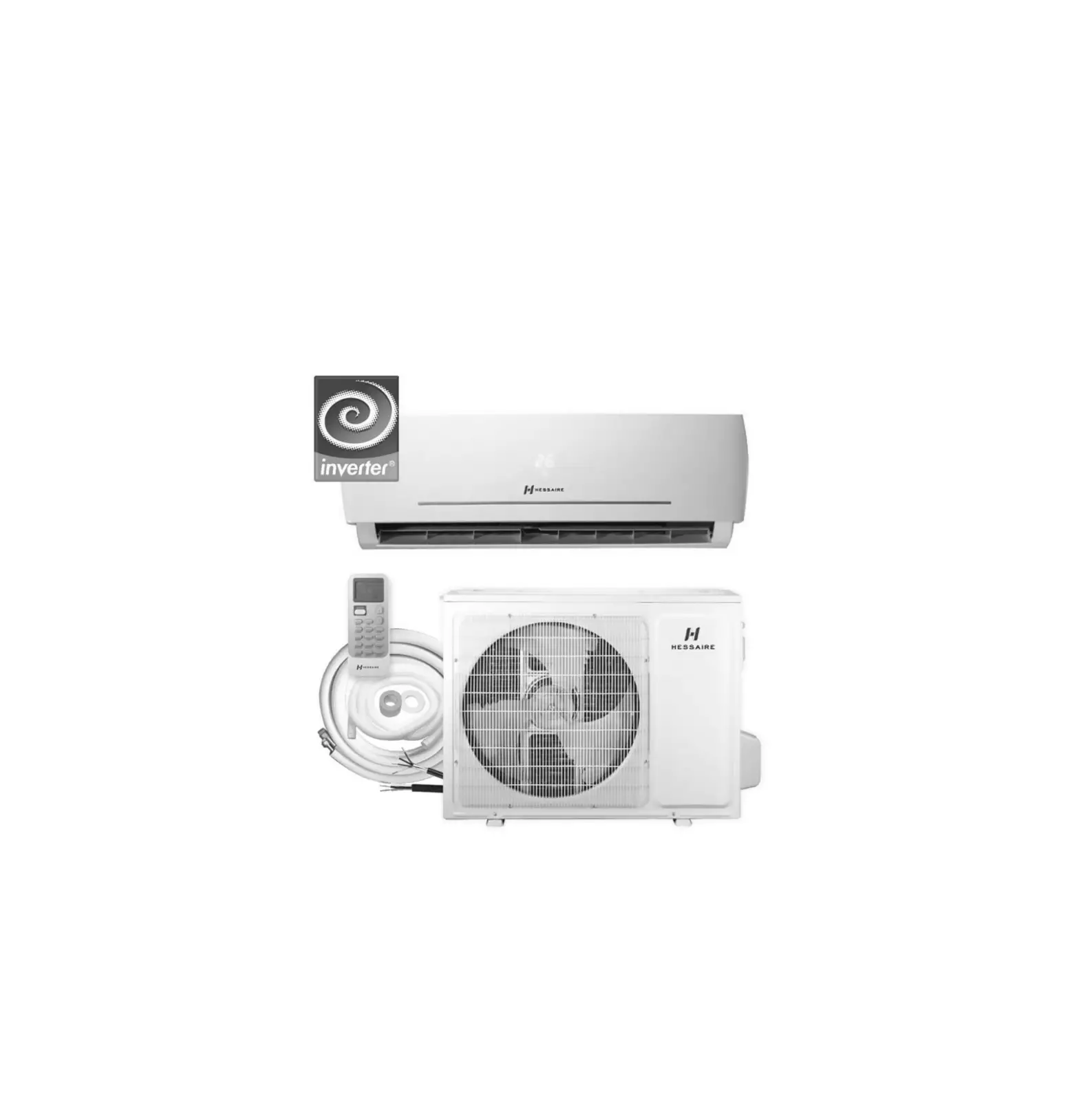
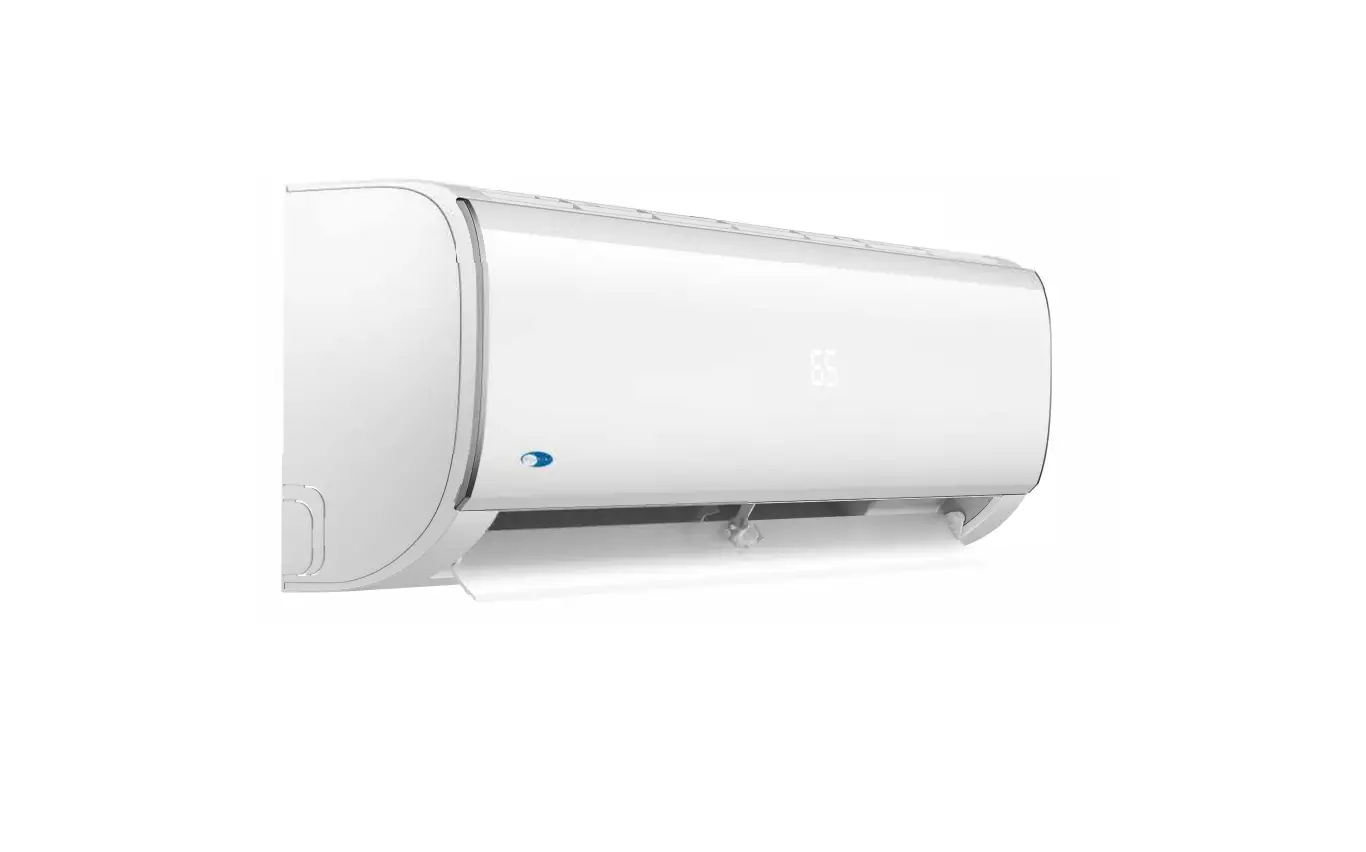
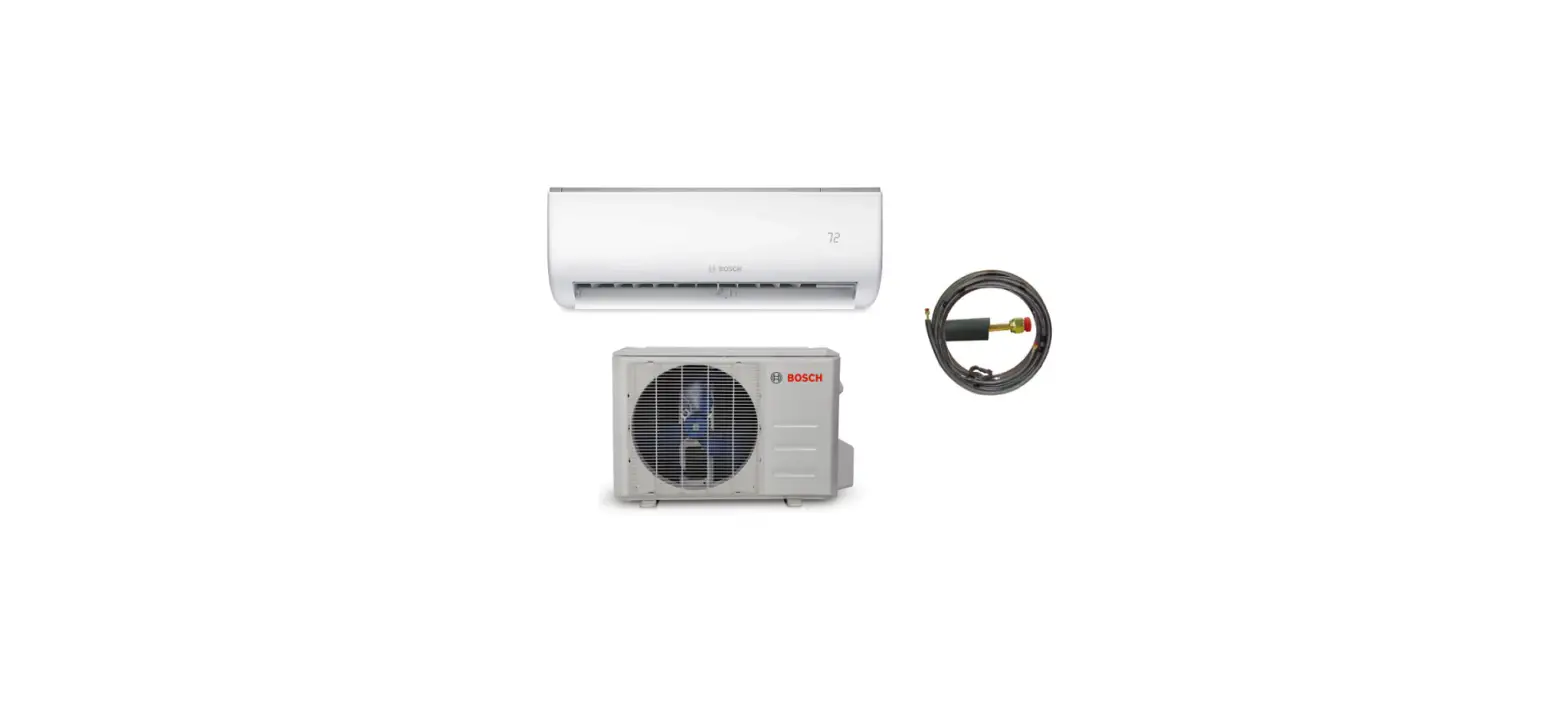
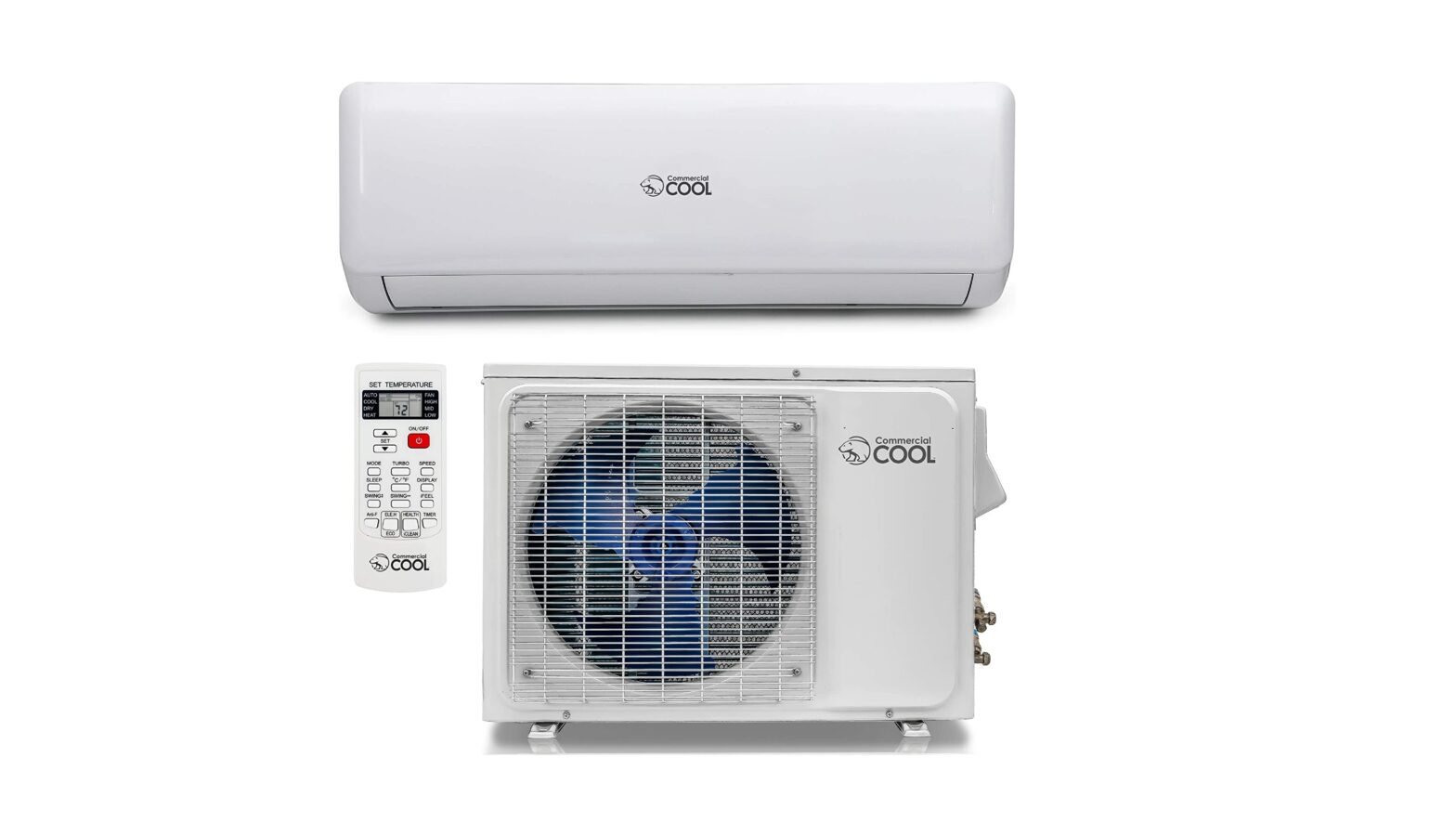
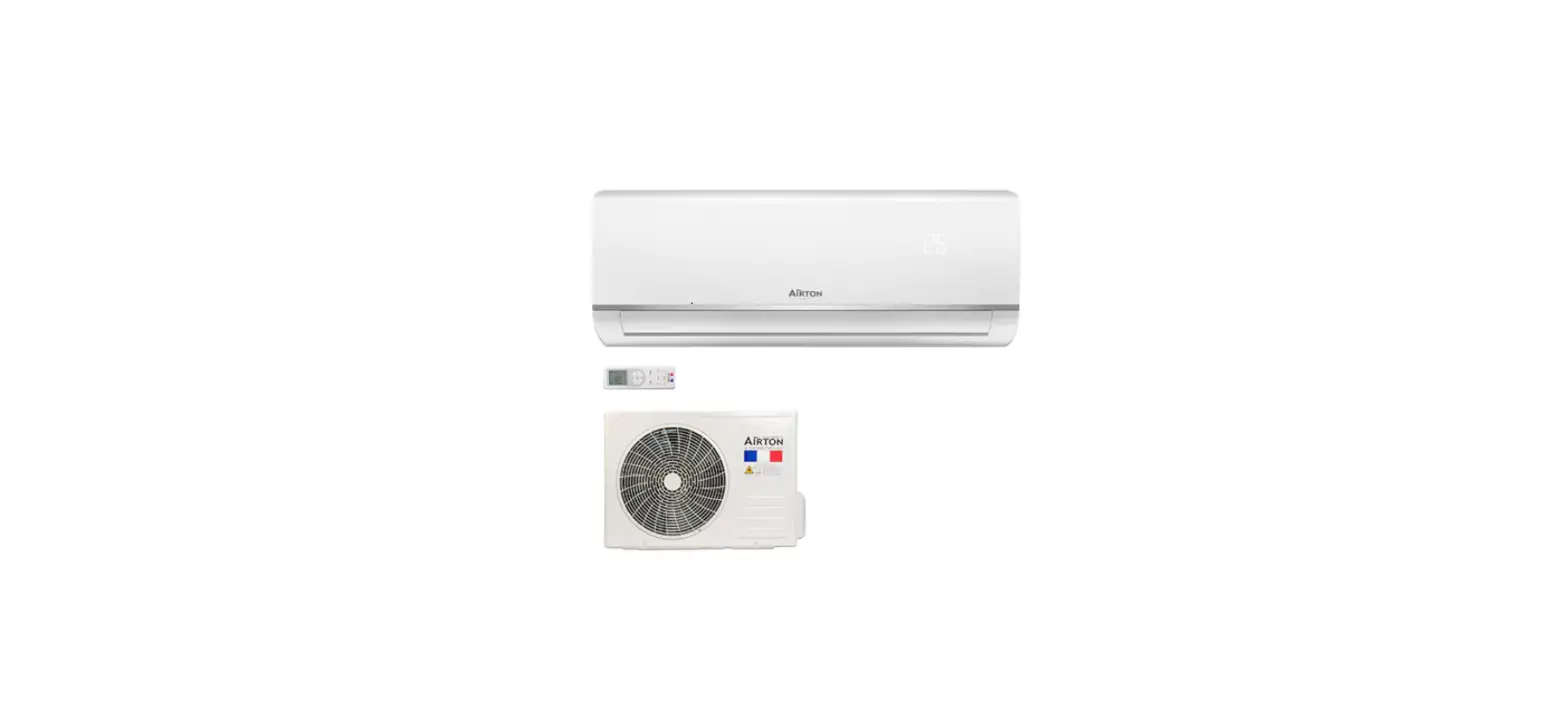
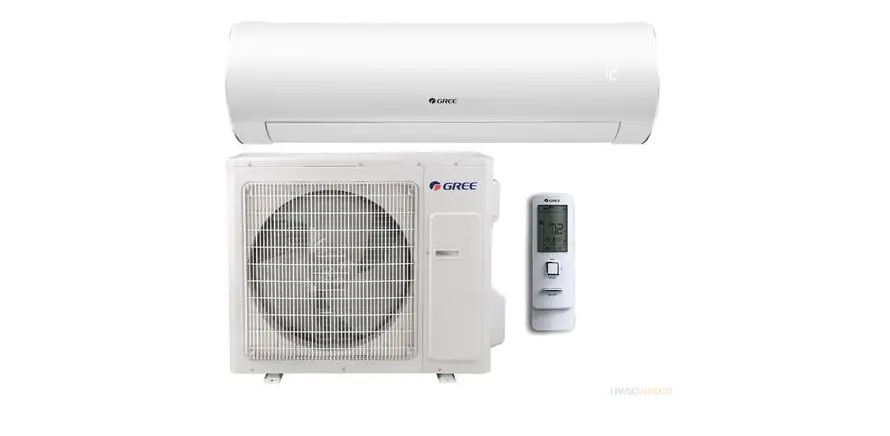
12IR410AHS22L Mini Split Air Conditioner and Heat Pump
Product Information:
- The design and specifications of the product are subject to
change without prior notice for product improvement. For more
details, please consult with the sales agency or manufacturer. - The shape and position of buttons and indicators may vary
according to the model, but their functions remain the same.
Product Usage Instructions:
Safety Precautions:
- R1: Read this guide before installing and
using the appliance. - D2: During the installation of the indoor and
outdoor units, access to the working area should be forbidden to
children to prevent unforeseeable accidents. - M3: Make sure that the base of the outdoor
unit is firmly fixed. - C4: Check that air cannot enter the
refrigerant system and inspect for refrigerant leaks when moving
the air conditioner. - C5: Carry out a test cycle after installing
the air conditioner and record the operating data. - P6: Protect the indoor unit with a fuse of
suitable capacity for the maximum input current or with another
overload protection device. - E7: Ensure that the mains voltage corresponds
to that stamped on the rating plate. Keep the switch or power plug
clean. Insert the power plug correctly and firmly into the socket
to avoid the risk of electric shock or fire due to insufficient
contact. - C8: Check that the socket is suitable for the
plug. If not, have the socket changed. - T9: The appliance must be fitted with means
for disconnection from the supply mains having a contact separation
in all poles that provide full disconnection under overvoltage
category III conditions, and these means must be incorporated in
the fixed wiring in accordance with the wiring rules. - T10: The air conditioner must be installed by
professional or qualified persons. - D11: Do not install the appliance at a
distance less than 50 cm from inflammable substances (alcohol,
etc.) or from pressurized containers (e.g. spray cans). - I12: If the appliance is used in areas without
ventilation, precautions must be taken to prevent any leaks of
refrigerant gas from remaining in the environment and creating a
danger of fire. - T13: The packaging materials are recyclable
and should be disposed of in separate waste bins. Take the air
conditioner to a special waste collection center for disposal at
the end of its useful life. - O14: Only use the air conditioner as
instructed in this booklet. These instructions do not cover every
possible condition and situation. Common sense and caution are
always recommended for installation, operation, and maintenance of
any electrical household appliance. - T15: The appliance must be installed in
accordance with applicable national regulations. - B16: Before accessing the terminals, all power
circuits must be disconnected from the power supply. - T17: The appliance shall be installed in
accordance with national wiring regulations. - T18: This appliance can be used by children
aged 8 years and above and persons with reduced physical, sensory,
or mental capabilities or lack of experience and knowledge if they
have been given supervision or instruction concerning the safe use
of the appliance. Children shall not play with the appliance.
Cleaning and user maintenance shall not be done by children without
supervision.
CONTENTS
SAFETY PRECAUTIONS ………………………………………………………………………………………………………1 NAME OF PARTS …………………………………………………………………………………………………………….4 REMOTE CONTROL ……………………………………………………………………………………………………………6 OPERATION INSTRUCTIONS ………………………………………………………………………………………………13 INSTALLATION PRECAUTIONS ……………………………………………………………………………………………14 INDOOR UNIT INSTALLATION ……………………………………………………………………………………………15 OUTDOOR UNIT INSTALLATION ………………………………………………………………………………………..20 TEST OPERATION …………………………………………………………………………………………………………….23 MAINTENANCE ……………………………………………………………………………………………………………….25 TROUBLESHOOTING ………………………………………………………………………………………………………..26
* The design and specifications are subject to change without prior notice for product improvement. Consult with the sales agency or manufacturer for details.
* The shape and position of buttons and indicators may vary according to the model, but their function are the same.
SAFETY PRECAUTIONS
SAFETY RULES AND RECOMMENDATIONS FOR THE INSTALLER
R 1. ead this guide before installing and using the appliance. D 2. uring the installation of the indoor and outdoor units, access to the working area should be
forbidden to children. Unforeseeable accidents could happen.
M 3. ake sure that the base of the outdoor unit is firmly fixed. C 4. heck that air cannot enter the refrigerant system and check for refrigerant leaks when moving
the air conditioner.
C 5. arry out a test cycle after installing the air conditioner and record the operating data. P 6. rotect the indoor unit with a fuse of suitable capacity for the maximum input current or with
another overload protection device.
E 7. nsure that the mains voltage corresponds to that stamped on the rating plate. Keep the switch
or power plug clean. Insert the power plug correctly and firmly into the socket, thereby avoiding the risk of electric shock or fire due to insufficient contact.
C 8. heck that the socket is suitable for the plug , otherwise have the socket changed. T 9. he appliance must be fitted with means for disconnection from the supply mains having a
contact separation in all poles that provide full disconnection under over voltage category III conditions, and these means must be incorporated in the fixed wiring in accordance with the wiring rules.
T 10. he air conditioner must be installed by professional or qualified persons. D 11. o not install the appliance at a distance of less than 50 cm from inflammable substances
(alcohol, etc.) Or from pressurized containers (e.g. spray cans).
I 12. f the appliance is used in areas without the possibility of ventilation, precautions must be taken
to prevent any leaks of refrigerant gas from remaining in the environment and creating a danger of fire.
T 13. he packaging materials are recyclable and should be disposed of in the separate waste bins.
Take the air conditioner at the end of its useful life to a special waste collection center for disposal.
O 14. nly use the air conditioner as instructed in this booklet. These instructions are not intended to
cover every possible condition and situation. As with any electrical household appliance, common sense and caution are therefore always recommended for installation, operation and maintenance.
T 15. he appliance must be installed in accordance with applicable national regulations. B 16. efore accessing the terminals, all the power circuits must be disconnected from the power supply. T 17. he appliance shall be installed in accordance with national wiring regulations. T 18. his appliance can be used by children aged from 8 years and above and persons with reduced
physical, sensory or mental capabilities or lack of experience and knowledge if they have been given supervision or instruction concerning use of the appliance in a safe way and understand the hazards involved. Children shall not play with the appliance. Cleaning and user maintenance shall not be made by children without supervision.
1
SAFETY PRECAUTIONS
SAFETY RULES AND RECOMMENDATIONS FOR THE INSTALLER
D 19. o not try to install the conditioner alone, always contact specialized technical personnel. C 20. leaning and maintenance must be carried out by specialized technical personnel. In any case
disconnect the appliance from the mains electricity supply before carrying out any cleaning or maintenance.
E 21. nsure that the mains voltage corresponds to that stamped on the rating plate. Keep the switch
or power plug clean. Insert the power plug correctly and firmly into the socket, thereby avoiding the risk of electric shock or fire due to insufficient contact.
D 22. o not pull out the plug to switch off the appliance when it is in operation, since this could create
a spark and cause a fire, etc.
T 23. his appliance has been made for air conditioning domestic environments and must not be used
for any other purpose, such as for drying clothes, cooling food, etc.
A 24. lways use the appliance with the air filter mounted. The use of the conditioner without air filter
could cause an excessive accumulation of dust or waste on the inner parts of the device with possible subsequent failures.
T 25. he user is responsible for having the appliance installed by a qualified technician, who must
check that it is earth in accordance with current legislation and insert a thermos magnetic circuit breaker.
T 26. he batteries in the remote controller must be recycled or disposed of properly. For disposal of
scrap batteries, please discard the batteries as sorted municipal waste at the accessible collection point.
N 27. ever remain directly exposed to the flow of cold air for a long time. The direct and prolonged
exposition to cold air could be dangerous for your health. Particular care should be taken in the rooms where there are children, old or sick people.
I 28. f the appliance gives off smoke or there is a smell of burning, immediately cut off the power
supply and contact the Service Center.
T 29. he prolonged use of the device in such conditions could cause fire or electrocution. H 30. ave repairs carried out only by an authorised Service Centra of the manufacturer. Incorrect
repair could expose the user to the risk of electric shock, etc.
U 31. nhook the automatic switch if you foresee not to use the device for a long time. The airflow
direction must be properly adjusted.
T 32. he flaps must be directed downwards in the heating mode and upwards in the cooling mode. E 33. nsure that the appliance is disconnected from the power supply when it will remain inoperative
for a long period and before carrying out any cleaning or maintenance.
S 34. electing the most suitable temperature can prevent damage to the appliance.
2
SAFETY PRECAUTIONS
SAFETY RULES AND PROHIBITIONS
D 1. o not bend, tug or compress the power cord since this could damage it. Electrical shocks or fire
are probably due to a damaged power cord. Specialized technical personnel only must replace a damaged power cord.
D 2. o not use extensions or gang modules. D 3. o not touch the appliance when barefoot or parts of the body are wet or damp. D 4. o not obstruct the air inlet or outlet of the indoor or the outdoor unit. The obstruction of these
openings causes a reduction in the operative efficiency of the conditioner with possible consequent failures or damages.
I5. n no way alter the characteristics of the appliance. D 6. o not install the appliance in environments where the air could contain gas, oil or sulphur or near
sources of heat.
T 7. his appliance is not intended for use by persons (including children ) with reduced physical,
sensory or mental capabilities, or lack of experience and knowledge, unless they have been given supervision or instruction concerning use of the appliance by a person responsible for their safety.
D 8. o not climb onto or place any heavy or hot objects on top of the appliance. D 9. o not leave windows or doors open for long when the air conditioner is operating. D 10. o not direct the airflow onto plants or animals. A 11. long direct exposition to the flow of cold air of the conditioner could have negative effects on
plants and animals.
D 12. o not put the conditioner in contact with water. The electrical insulation could be damaged and
thus causing electrocution.
D 13. o not climb onto or place any objects on the outdoor unit. N 14. ever insert a stick or similar object into the appliance. It could cause injury. C 15. hildren should be supervised to ensure that they do not play with the appliance. If the supply
cord is damaged, it must be replaced by the manufacturer, its service agent or similarly qualified persons in order to avoid a hazard.
3
NAME OF PARTS
Indoor Unit
Air outlet Air deflector and flap
Outdoor Unit
Mounting plate Air filter
Air inlet Front panel Emergency button
Refrigerant connecting pipe
Air outlet
Air inlet Wiring cover
Drainage pipe
Connection wiring Valve protective cover
With the protective cover removed
Gas valve (Low pressure valve)
Liquid valve (High pressure valve)
Note: This figure shown may be different from the actual object. Please take the latter as the standard.
4
NAME OF PARTS
Indoor Display
2 1
3
1
Indicator for Timer, temperature and Error codes.
2
Lights up during Timer operation.
3
SLEEP mode
The shape and position of switches and indicators may be different according to the model, but their function is the same.
5
REMOTE CONTROL
Remote control DISPLAY
No. Symbols Meaning
1
Battery indicator
2
Auto Mode
3
Cooling Mode
4
Dry Mode
5
Fan only Mode
6
Heating Mode
7
ECO Mode
8
Timer
9
Temperature indicator
10
Fan speed: Auto/ low/ low-mid/ mid/ mid-high/ high
11
Mute function
12
TURBO function
13
Up-down auto swing
14
Left-right auto swing
15
SLEEP function
16
Health function
17
I FEEL function
18
8oC heating function
19
Signal indicator
20
Gentle wind
21
Child-Lock
22
Display ON/OFF
23
GEN function
24
Self-Clean function
25
Anti-Mildew
The display and some functions of the remote control may vary according to the model.
6
REMOTE CONTROL
No. Button Function
1
To turn on/off the air conditioner .
2
To increase temperature, or Timer setting hours.
3
To decrease temperature, or Timer setting hours.
4
MODE To select the mode of operation (AUTO, COOL, DRY, FAN, HEAT).
To activate/deactivate the ECO function.
5
ECO
Long press to activate/deactivate the 8oC heating function (depending on models).
6
TURBO To activate/deactivate the TURBO function.
7
FAN
To select the fan speed of auto/mute/low/low-mid/mid/mid-high/high/turbo.
8
TIMER To set the time for timer on/off.
9
SLEEP To switch-on/off the function SLEEP.
10 DISPLAY To switch-on/off the LED display.
11
To stop or start horizontal flaps louver movement or set the desired up/down air flow direction.
12
To stop or start vertical deflectors louver movement or set the desired left/right air flow direction.
13 I FEEL
To switch-on/off the I FEEL function.
14 MUTE
To switch-on/off the MUTE function. Long press to activate/deactivate the GEN function (depending on models).
15 MODE + TIMER To activate/deactivate the CHILD-LOCK function.
16
CLEAN
To activate/deactivate the SELF-CLEAN function (depending on models).
FAN + MUTE
17
or
To activate/deactivate the GENTLE WIND function (depending on models).
GENTLE WIND
18 HEALTH To activate/deactivate the HEALTH function (depending on models).
19 ANTI-MILDEW To activate/deactivate the ANTI-MILDEW function.
The display and some functions of the remote control may vary according to the model.
The shape and position of buttons and indicators may vary according to the model, but their function is the same. The unit confirms the correct reception of each button with the beep.
7
REMOTE CONTROL
Replacement of Batteries Remove the battery cover plate from the rear of the remote control, by sliding it in direction as the arrow. Install the batteries according the direction (+ and -)shown on the Remote Control. Reinstall the battery cover by sliding it into place.
Use 2 pieces LRO3 AAA (1.5V) batteries. Do not use rechargeable batteries. Replace the old batteries with new ones of the same type when the display is no longer legible. Do not dispose batteries as unsorted municipal waste. Collection of such waste separately for special treatment is necessary.
For some models, each time when insert the batteries in the remote controller for the first time, you can set the Cooling only or Heating pump control type. As soon as you insert the batteries, turn off the remote controller, and operate as below. 1. Long press the MODE button, until the ( ) icon flash, to set the Cooling only type. 2. Long press the MODE button, until the ( ) icon flash, to set the Heating pump type. Note: If you set the remote control in cooling mode, it will not be possible to activate the
heating function in units with a heating pump. If you need to reset, take out the batteries and install again.
For some models of the remote controller, you can program the temperature display between oC and oF. 1. Press and hold the TURBO button over 5 seconds to get into the change mode; 2. Press and hold the TURBO button, until it switch to oC and oF; 3. Then release the pressing and wait for 5 seconds, the function will be selected.
Note: 1. Direct the remote control toward the Air conditioner. 2. Check that there are no objects between the remote control and the Signal receptor in the
indoor unit. 3. Never leave the remote control exposed to the rays of the sun. 4. Keep the remote control at a distance of at least 1m from the television or other electrical
appliances.
8
REMOTE CONTROL
COOLING MODE
HEATING MODE
COOL
The cooling function allows the air conditioner to cool the room and reduce Air humidity at the same time.
To activate the cooling function (COOL), press the MODE button until the symbol appears on the display. With the button or set a temperature lower than that of the room.
FAN MODE (Not FAN button)
FAN
Fan mode, air ventilation only.
To set the FAN mode, press MODE until appears on the display.
HEAT
The heating function allows the air conditioner to heat the room.
To activate the heating function (HEAT), press the MODE button until the symbol appears on the display. With the button or set a temperature higher than that of the room.
In HEATING operation, the appliance can automatically activate a defrost cycle, which is essential to clean the frost on the condenser so as to recover its heat exchange function. This procedure usually lasts for 2-10 minutes. During defrosting, indoor unit fan stop operation. After defrosting, it resumes to HEATING mode automatically.
(For North American market) If necessary, you can press ECO button 10 times within 8 seconds under heating mode to start the forced defrosting. It will defrost the outdoor ice much faster.
DRY MODE
DRY
This function reduces the humidity
of the air to make the room more
comfortable.
To set the DRY mode, Press MODE until appears in the display. An automatic function of pre-setting is activated.
FAN SPEED function (FAN button)
FAN
Change the operating fan speed.
Press FAN button to set the running fan speed, it can be set to AUTO/ MUTE/ LOW/ LOW-MID / MID/ MID-HIGH/ HIGH/ TURBO speed circularly.
(Flash)
AUTO MODE
Child-Lock function
AUTO Automatic mode.
To set the AUTO mode, press MODE until appears on the display. In AUTO mode the run mode will be set automatically according to the room temperature.
1. Long press MODE and TIMER button together to active this function, and do it again to deactivate this function.
2. Under this function, no single button will active.
9
REMOTE CONTROL
TIMER function —- TIMER ON
SWING function
TIMER
To automatic switch on the appliance.
When the unit is switch-off, you can set the
TIMER ON.
To set the time of automatic switch-on as below:
1. Press TIMER button first time to set
the switch-on, and
will appear on the
remote display and flashes.
2. Press or to button to set desired Timer-on
time. Each time you press the button, the time
increases/decreases by half an hour between 0
and 10 hours and by one between 10 and 24
hours.
3. Press TIMER button second time to confirm.
4. After Timer-on setting, set the needed mode
(Cool/ Heat/ Auto/ Fan/ Dry), by press the
MODE button. And set the needed fan speed,
by press FAN button. And press or to set
the needed operation temperature.
1. Press the button SWING to activate the louver,
1.1 Press
to activate the horizontal flaps
to swing from up to down, the will appear
on the remote display.
1.2 Press
to active the vertical deflectors
to swing from left to right, the will appear
on the remote display.
1.3 Do it again to stop the swing movement at
the current angle.
2. If the vertical deflectors are positioned manually
which placed under the flaps, they allow to move
the air flow direct to rightward or leftward.
3.Long press or over 3 seconds to select more angles of the airflow direction.
CANCEL it by press TIMER button.
TIMER function —- TIMER OFF
TIMER
To automatic switch off the appliance.
When the unit is switch-on, you can set the
TIMER OFF. To set the time of automatic switch-off, as below:
1. Confirm the appliance is ON. 2. Press the TIMER button at first time to set the
switch-off.
Press or to set the needed timer.
3. Press TIMER button at the second time to
confirm.
CANCEL it by press TIMER button.
Note: All programming should be operated within 5 seconds, otherwise the setting will be cancelled.
Never position Flaps manually, the delicate mechanism might seriously damaged! Never put fingers, sticks or other objects into the air inlet or outlet vents. Such accidental contact with live parts might cause unforeseeable damage or injury.
TURBO function
TURBO
To activate turbo function, press the TURBO button, and will appear on the display. Press again to cancel this function. In COOL/ HEAT mode, when you select TURBO feature, the appliance will turn to quick COOL or quick HEAT mode, and operate the highest fan speed to blow strong airflow.
10
REMOTE CONTROL
MUTE function
MUTE
1. Press MUTE button to active this function, and will appears on the remote display. Do it again to deactivate this function.
2. When the MUTE function runs, the remote controller will display the auto fan speed, and the indoor unit will operate at lowest fan speed to be quiet feeling.
3. When press FAN/ TURBO/ SLEEP button, the MUTE function will be cancel. MUTE function can not be activated under dry mode.
ECO function
ECO
In this mode the appliance
automatically sets the operation to
save energy.
Press the ECO button, the appears on the display, and the appliance will run in ECO mode. Press again to cancel it. Note: The ECO function is available in both
COOLING and HEATING modes.
SLEEP function
SLEEP
Pre-setting automatic operating program.
Press SLEEP button to activate the SLEEP function, and appears on the display. Press again to cancel this function.
After 10 hours running in sleep mode, the air conditioner will change to the previous setting mode.
DISPLAY function (Indoor display)
DISPLAY Switch ON/OFF the LED display on
panel. Press DISPLAY button to switch off the LED display on the panel. Press again to switch on the LED display.
I FEEL function (Optional)
GEN function (Optional)
I FEEL
Press I FEEL button to active the function, the will appear on the remote display.
Do it again to deactivate this function.
This function enables the remote control to measure the temperature at its current location, and send this signal to the air conditioner to optimize the temperature around you and ensure the comfort. It will automatically deactivate 2 hours later.
1. Turn on the indoor unit at first, and long press MUTE button 3 seconds to active, and do it again to deactivate this function.
2. Under this function, short press MUTE button to select the General type L3 – L2 – L1 – OF.
3. Select OF and wait 2 seconds to exit it. * If the indoor unit displays “0A”, please use the
remote to raise the operating gear of the GEN mode, and the compressor will restart after stopping for 3 minutes.
11
REMOTE CONTROL
SELF-CLEAN function (Optional)
Gentle Wind function (Optional)
Only optional for some heating pump inverter
appliance.
To active this function, turn off the indoor unit
at first, then press CLEAN button
then you will hear a beep, AC will
appear on the indoor LED, and
will
appear on the remote display .
1. This function helps carry away the accumulated dirt, bacteria, etc from the indoor evaporator.
2. This function will run about 30 minutes, and it will return to the pre-setting mode. You can press button to cancel this function during the process. You will hear 2 beeps when it’s finished or cancelled.
It’s normal if there is some noise during this function process, as plastic materials expand with heat and contract with cold.
We suggest operating this function at the following ambient conditions to avoid certain safety protection features.
1. Turn on the indoor unit, and change to COOL mode, then press GENTLE WIND button or long press FAN and MUTE button together 3 seconds to active this function, will appear on the display. Do it again to deactivate it.
2. This function will auto close the vertical flaps, and give you the comfortable gentle wind feeling.
Health function (Optional)
1. Turn on the indoor unit at first, press HEALTH to active this function, will appear on the display. Do it again to deactivate it.
2. When the HEALTH function is initiated, the Ionizer/ Plasma/ Bipolar Ionizer/ UVC Lights (depending on models) will be energized and running.
Indoor unit Temp < 86oF (30oC) Outdoor unit 41oF (5oC) < Temp < 86oF (30oC)
It’s suggested to utilize this function every 3 months.
8oC heating function (Optional)
ANTI-MILDEW function (Optional)
1. Long press ECO button over 3 seconds to active
ANTI-
this function, and 8oC ( 46oF ) will appear on MILDEW
the remote display. Do it again to deactivate this function.
ANTI-
Press MILDEW button to activate the ANTI-MILDEW
2. This function will auto start the heating mode function, will appear on the display. Do it again
when the room temperature is lower than 8oC to deactivate this function. After running COOL/
(46oF), and it will return to standby if the
DRY for more than 30 minutes, you can operate
temperature reaches 9oC (48oF).
this function, the unit will blow airflow for about
3. If the room temperature is higher than 18oC 15 minutes to dry the inner parts to avoid mildew,
(64oF), the appliance will cancel this function then shuts off the unit.
automatically.
Note: ANTI-MILDEW function only available in
DRY/COOLING mode.
12
OPERATION INSTRUCTIONS
Attempt to use the air conditioner under the temperature beyond the specified range may cause the air conditioner protection device to start and the air conditioner may fail to operate. Therefore, try to use the air conditioner in the following temperature conditions.
Fixed air conditioner:
MODE Temperature
Heating
Room temperature 0 ~27 (32 ~80 )
Outdoor temperature -7 ~24 (19 ~75 )
Cooling
Dry
17 ~32 (63 ~90 ) T1 climate: 15 ~43 (59 ~109 ) T3 climate: 15 ~52 (59 ~125 )
Inverter air conditioner:
MODE Temperature
Heating
Room temperature 0 ~27 (32 ~80 )
-15 ~24 (5 ~75 ) Outdoor temperature (Low temperature
heating: -20 ~24
(-4 ~75 ))
Cooling
Dry
17 ~32 (63 ~90 )
T1 climate: 15 ~50 (59 ~122 ) (Low temperature cooling: -15 ~50 (5 ~122 ))
T3 climate: 15 ~55 (59 ~131 )
With the power supply connected, restart the air conditioner after shutdown, or switch it to other mode during operation, and the air conditioner protection device will start. The compressor will resume operation after 3 minutes.
Characteristics of heating operation (applicable to Heating pump) Preheating: When the heating function is enabled, the indoor unit will take 2~5 minutes for preheating, after that the air conditioner will start heating and blows warm air. Defrosting: During heating, when the outdoor unit frosted, the air conditioner will enable the automatic defrosting function to improve the heating effect. During defrosting, the indoor and outdoor fans stop running. The air conditioner will resume heating automatically after defrosting finish.
Emergency button: Open the panel and find the emergency button on the electronic control box when the remote controller fails . (Always press the emergency button with insulation material.)
Current status
Operation
Respond
Enter mode
Standby
Standby (Only for heating pump)
Running
Press the emergency button once Press the emergency button twice in 3 seconds Press the emergency button once
It beeps briefly once. It beeps briefly twice. It keeps beeping for a while
Cooling mode Heating mode
Off mode
control-box cover
(open the panel of indoor unit) 13
INSTALLATION PRECAUTIONS
Pipe Length and Additional Refrigerant Inverter Models Capacity (Btu/h) Length of pipe with standard charge Length of pipe with standard charge (Like: North American, etc.) Maximum distance between indoor and outdoor unit Additional refrigerant charge Max. diff. in level between indoor and outdoor unit Type of refrigerant
9K-12K
18K-36K
5m/16ft 5m/16ft 5m/16ft 5m/16ft
7.5m/24ft 7.5m/24ft 7.5m/24ft 7.5m/24ft
15m/49ft 15m/49ft 25m/82ft 25m/82ft
20g/m 15g/m 30g/m 25g/m
10m/32ft 10m/32ft 10m/32ft 10m/32ft R22/R410A R32 R22/R410A R32
ON-OFF Models Capacity (Btu/h) Length of pipe with standard charge Maximum distance between indoor and outdoor unit Additional refrigerant charge Max. diff. in level between indoor and outdoor unit Type of refrigerant
9K-12K
18K-36K
5m/16ft 5m/16ft 5m/16ft 5m/16ft 15m/49ft 15m/49ft 15m/49ft 15m/49ft
20g/m 5m/16ft R22/R410A
15g/m 30g/m 5m/16ft 5m/16ft
R32 R22/R410A
25g/m 5m/16ft
R32
Torque Parameters
PIPE Size Newton meter[N x m]
1/4 ( 6.35)
18 – 20
3/8 ( 9.52)
30 – 35
1/2 ( 12)
45 – 50
5/8 ( 15.88)
60 – 65
Pound-force foot (Ibf-ft) Kilogram-force meter (kgf-m)
24.4 – 27.1
2.4 – 2.7
40.6 – 47.4 61.0 – 67.7
4.1 – 4.8 6.2 – 6.9
81.3 – 88.1
8.2 – 8.9
Dedicated Distribution Device and Wire for Air Conditioner
Min. Circuit Ampacity of Air Conditioner (A)
8 8 and 10 10 and 15 15 and 24 24 and 28 28 and 32
Minimum Wire Cross-sectional Area(mm2) 0.75 1.0 1.5 2.5 4.0 6.0
Specification of Socket or Switch (A)
15 15 20 25 35 40
Fuse Specification (A)
15 15 25 40 45 55
Note: This table is only for reference, the installation shall meet the requirements of local laws and regulations.
14
INDOOR UNIT INSTALLATION
Step1: Select Installation location
1.1 Ensure the installation complies with the installation minimum dimensions (defined below) and meets the minimum and maximum connecting piping length and maximum change in elevation as defined in the System Requirements section.
1.2 Air inlet and outlet will be clear of obstructions, ensuring proper airflow throughout the room. 1.3 Condensate can be easily and safely drained. 1.4 All connections can be easily made to outdoor unit. 1.5 Indoor unit is out of reach of children. 1.6 A mounting wall strong enough to withstand four times the full weight and vibration of the unit. 1.7 Filter can be easily accessed for cleaning. 1.8 Leave enough free space to allow access for routine maintenance. 1.9 Install at least 10 ft. (3 m) away from the antenna of TV set or radio. Operation of the air
conditioner may interfere with radio or TV reception in areas where reception is weak. An amplifier may be required for the affected device. 1.10 Do not install in a laundry room or by a swimming pool due to the corrosive environment. 1.11 For ETL certification area, Caution: Mount with the lowest moving parts at least 8 ft. (2.4 m) above
floor or grade level.
Minimum Indoor Clearances
Ceiling
20cm / 8 in.
13cm / 5 in.
13cm / 5 in.
Floor
250cm / 8ft.
15
INDOOR UNIT INSTALLATION
Step2: Install Mounting Plate
2.1 Take the mounting plate from the back of indoor unit. 2.2 Ensure to meet the minimum installation dimension requirements as step 1, according to the size
of mounting plate, determine the position and stick the mounting plate close to the wall. 2.3 Adjust the mounting plate to a horizontal state with a spirit level, then mark out the screw hole
positions on the wall. 2.4 Put down the mounting plate and drill holes in the marked positions with drill. 2.5 Insert expansion rubber plugs into the holes, then hang the mounting plate and fix it with screws.
Reference screw positions
Spirit level
Mounting plate
Note: (I) Make sure the mounting plate is firm enough and flat against the wall after installation. (II) This figure shown may be different from the actual object, please take the latter as the standard.
Step3: Drill Wall Hole A hole in the wall should be drilled for refrigerant piping ,the drainage pipe, and connecting cables. 3.1 Determine the location of wall hole base on the position of mounting plate. 3.2 The hole should be have a 70mm diameter at least and a small oblique angle to facilitate drainage. 3.3 Drill the wall hole with 70mm core drill and with small oblique angle lower than the indoor end
about 5mm to 10mm. 3.4 Place the wall sleeve and wall sleeve cover(both are optional parts) to protect the connection parts.
Caution: When drill the wall hole, maker sure to avoid wires, plumbing and other sensitive components.
70mm
Wall sleeve Cover (Optional)
Indoor
Wall sleeve (Optional)
Outdoor 5-10mm Small bolique angle
16
INDOOR UNIT INSTALLATION
Step4: Connecting Refrigerant Pipe 4.1 According to the wall hole position, select the appropriate piping mode.
There are three optional piping modes for indoor units as shown in the figure below: In Piping Mode 1 or Piping Mode 3, a notch should be made by using scissors to cut the plastic sheet of piping outlet and cable outlet on the corresponding side of the indoor unit.
Note: When cutting off the plastic sheet at the outlet, the cut should be trimmed to smooth.
1
23
Piping outlet Cable outlet
4.2 Bending the connecting pipes with the port facing up as shown in the figure.
YES
NO
4.3 Take off the plastic cover in the pipe ports and take off the protective cover on the end of piping connectors.
4.4 Check whether there is any sundry on the port of the connecting pipe and make ensure the port is clean.
4.5 After align the center, rotate the nut of the connecting pipe to tighten the nut as tightly as possible by hand.
4.6 Use a torque wrench to tighten it according to the torque values in the torque requirements table; (Refer to the torque requirements table on section INSTALLATION PRECAUTIONS)
4.7 Wrap the joint with the insulation pipe.
Note: For R32 refrigerant, the connector should be placed outdoors.
Indoor
Outdoor
The connector should be outdoor
17
INDOOR UNIT INSTALLATION
Step5: Connect Drainage Hose 5.1 Adjust the drainage hose(if applicable)
In some model, both sides of the indoor unit are provided with drainage ports, you can choose one of them to attache the drainage hose. And plug the unused drain port with the rubber attached in one of the ports.
Drainage ports 5.2 Connect the drainage hose to the drainage port, ensure the joint is firm and the sealing
effect is good. 5.3 Wrap the joint firmly with teflon tape to ensure no leaks. Note: Make sure there is no twists or dents, and the pipes should be placed obliquely
downward to avoid blockage, to ensure proper drainage.
Step6: Connect Wiring
6.1 Choose the right cables size determined by the maximum operating current on the nameplate. (Check the cables size refer to section INSTALLATION PRECAUTIONS)
6.2 Open the front panel of indoor unit. 6.3 Use a screwdriver, open the electric control box cover, to reveal the terminal block. 6.4 Unscrew the cable clamp. 6.5 Insert one end of the cable into the position of control box from the back of the right end of the
indoor unit. 6.6 Connect the wires to corresponding terminal according to the wiring diagram on the electric
control box cover. And make sure that they are well connected. 6.7 Screw the cable clamp to fasten the cables. 6.8 Reinstall the electric control box cover and front panel.
Control box cover
Cable clamp
Wiring diagram
18
INDOOR UNIT INSTALLATION
Step7: Wrap Piping and Cable
After the refrigerant pipes, connecting wires and drainage hose are all installed, in order to save
space, protect and insulate them, it must be bundle with insulating tape before passing them through
the wall hole.
Connecting wiring 7.1 Arrange the pipes ,cables and drainage
Refrigerant piping
hose well as the following picture.
Insulation tape
Drainage hose
Note: (I) Make sure the drainage hose is at the bottom. (II) Avoid crossing and bending of parts.
7.2 Using the insulating tape wrap the refrigerant pipes, connecting wires and drainage hose together tightly.
Step8: Mount Indoor Unit 8.1 Slowly pass the refrigerant pipes, connecting wires and drainage hose wrapped bundle through
the wall hole. 8.2 Hook the top of indoor unit on the mounting plate. 8.3 Apply slight pressure to the left and right sides of the indoor unit, make sure the indoor unit is
hooked firmly. 8.4 Push down the bottom of indoor unit to let the snaps onto the hooks of the mounting plate, and
make sure it is hooked firmly.
Sometimes, if the refrigerant pips were already embedded in the wall, or if you want to connecting the pips and wires on the wall, do as below: (I) Gab both ends of the bottom plate, apply a little outward force to take off the bottom plate. (II) Hook the top of the indoor unit on the mounting plate without piping and wiring. (III) Lift the indoor unit opposite the wall, unfold the bracket on the mounting plate, and use this
bracket to prop up the indoor unit, there will be a big space for operation. (IV) Do the refrigerant piping, wiring, connect drainage hose, and wrap them as Step 4 to 7. (V) Replace the bracket of mounting plate. (VI) Push down the bottom of indoor unit to let the snaps onto the bottom hooks of the mounting
plate, and make sure it is hooked firmly. (VII) Replace the bottom plate of the indoor unit.
Take off the bottom plate
Unfold the bracket on the mounting plate
19
OUTDOOR UNIT INSTALLATION
Step1: Select Installation Location Select a site that allows for the following: 1.1 Do not install the outdoor unit near sources of heat, steam or flammable gas. 1.2 Do not install the unit in too windy or dusty places. 1.3 Do not install the unit where people often pass. Select a place where the air discharge and
operating sound will not disturb the neighbors. 1.4 Avoid installing the unit where it will be exposed to direct sunlight ( other wise use a protection,
if necessary, that should not interfere with the air flow). 1.5 Reserve the spaces as shown in the picture for the air to circulate freely. 1.6 Install the outdoor unit in a safe and solid place. 1.7 If the outdoor unit is subject to vibration, place rubber blankets onto the feet of the unit.
Over 30cm/12in.
Over 50cm/20in.
Over 30cm/12in.
Step2: Install Drainage Hose
Over 200cm/79in.
Over 50cm/20in.
2.1 This step only for heating pump models. 2.2 Insert the drainage joint to the hole at the bottom
of the outdoor unit. 2.3 Connect the drainage hose to the joint and make the
connection well enough.
Drainage joint Drainage hose
Step3: Fix Outdoor Unit
3.1 According to the outdoor unit installation dimensions to mark the installation position for expansion bolts .
3.2 Drill holes and clean the concrete dust and place the bolts . 3.3 If applicable install 4 rubber blankets on the hole before place the outdoor unit (Optional).
This will reduce vibrations and noise. 3.4 Place the outdoor unit base on the bolts and pre-drilled holes. 3.5 Use wrench to fix the outdoor unit firmly with bolts.
Note: The outdoor unit can be fixed on a wall-mounting bracket. Follow the instruction of the wall-mounting bracket to fix the wall-mounting bracket on the wall, and then fasten the outdoor unit on it and keep it horizontal. The wall-mounting bracket must be able to support at least 4 times of the weight of outdoor unit.
20
Install 4 rubber blankets (Optional)
OUTDOOR UNIT INSTALLATION
Step4: Install Wiring
4.1 Use a phillips screwdriver to unscrew wiring cover, grasp and press it down gently to take it down. 4.2 Unscrew the cable clamp and take it down. 4.3 According to the wiring diagram pasted inside the wiring cover, connect the connecting
wires to the corresponding terminals, and ensure all connections are firmly and securely. 4.4 Reinstall the cable clamp and wiring cover. Note: When connecting the wires of indoor and outdoor units, the power should be cut off.
Terminal block
Cable clamp Wiring cover
Wiring diagram
Step5: Connecting Refrigerant Pipe
5.1 Unscrews the valve cover, grasp and press it down gently to take it down(if the valve cover is applicable).
5.2 Remove the protective caps from the end of valves. 5.3 Take off the plastic cover in the pipe ports and check whether there is any sundry on the port of
the connecting pipe and make ensure the port is clean. 5.4 After align the center, rotate the flare nut of the connecting pipe to tighten the nut as tightly as
possible by hand. 5.5 Use a spanner hold the body of the valve and use a torque wrench to tighten the flare nut
according to the torque values in the torque requirements table. (Refer to the torque requirements table on section INSTALLATION PRECAUTIONS)
Take down the valve cover connection pipes
flare nuts
21
OUTDOOR UNIT INSTALLATION
Step6: Vacuum Pumping
6.1 Use a spanner to take down the protective caps from the service port, low pressure valve and high pressure valve of the outdoor unit.
6.2 Connect the pressure hose of manifold gauge to the service port on the outdoor unit low pressure valve.
6.3 Connect the charge hose from the manifold gauge to the vacuum pump. 6.4 Open the low pressure valve of the manifold gauge and close the high pressure valve. 6.5 Turn on the vacuum pump to vacuum the system. 6.6 The vacuum time should not be less than 15 minutes, or make sure the compound gauge
indicates -0.1 MPa (-76 cmHg) 6.7 Close the low pressure valve of the manifold gauge and turn off the vacuum. 6.8 Hold the pressure for 5 minutes, make sure that the rebound of compound gauge pointer does
not exceed 0.005 MPa. 6.9 Open the low pressure valve counterclockwise for 1/4 turn with hexagonal wrench to let a little
refrigerant fill in the system, and close the low pressure valve after 5 seconds and quickly remove the pressure hose. 6.10 Check all indoor and outdoor joints for leakage with soapy water or leak detector. 6.11 Fully open the low pressure valve and high pressure valve of the outdoor unit with hexagonal wrench. 6.12 Reinstall the protective caps of the service port, low pressure valve and high pressure valve of the outdoor unit. 6.13 Reinstall the valve cover.
compound gauge
Manifold gauge
Low pressure valve Service port
High pressure valve Valve protective caps
Pressure hose
Pressure gauge High pressure valve Low pressure valve
Charge hose
Vacuum pump
22
TEST OPERATION
Inspections Before Test Run
Do the following checks before test run.
Description
Inspection method
Electrical safety inspection
Installation safety inspection
Check whether the power supply voltage complies with specification. Check whether there is any wrong or missing connection between the power lines, signal line and earth wires. Check whether the earth resistance and insulation resistance comply with requirements.
Confirm the direction and smoothness of drainage pipe. Confirm that the joint of refrigerant pipe is installed completely. Confirm the safety of outdoor unit, mounting plate and indoor unit installation. Confirm that the valves are fully open. Confirm that there are no foreign objects or tools left inside the unit. Complete installation of indoor unit air inlet grille and panel.
Refrigerant leakage detection
The piping joint, the connector of the two valves of the outdoor unit, the valve spool, the welding port, etc., where leakage may occur. Foam detection method: Apply soapy water or foam evenly on the parts where leakage may occur, and observe whether bubbles appear or not, if not, it indicates that the leakage detection result is safe. Leak detector method: Use a professional leak detector and read the instruction of operation, detect at the position where leakage may occur. The duration of leak detection for each position should last for 3 minutes or more; If the test result shows that there is leakage, the nut should be tightened and tested again until there is no leakage; After the leak detection is completed, wrap the exposed pipe connector of indoor unit with thermal insulation material and wrap with insulation tape.
Test Run Instruction
1. Turn on the power supply. 2. Press the ON/OFF button on the remote controller to turn on the air conditioner. 3. Press the Mode button to switch the mode COOL and HEAT.
In each mode set as below: COOL-Set the lowest temperature HEAT-Set the highest temperature 4. Run about 8 minutes in each mode and check all functions are properly run and respond the remote controller. Functions check as recommended: 4.1 If the outlet air temperature respond the cool and heat mode 4.2 If the water drains properly from the drainage hose 4.3 If the Louver and deflectors(optional) rotate properly
23
TEST OPERATION
5. Observe the test run state of the air conditioner at least 30 minutes. 6. After the successfully test run, return the normal setting and press ON/OFF button on the remote
controller to turn off the unit. 7. Inform the user to read this manual carefully before use, and demonstrate to the user how to use
the air conditioner, the necessary knowledge for service and maintenance, and the reminder for storage of accessories.
Note: If the ambient temperature is excess the range refer to section OPERATION INSTRUCTIONS, and it can not run COOL or HEAT mode, lift the front panel and refer to the emergency button operation to run the COOL and HEAT mode.
MAINTENANCE
Warning
When cleaning, you must shut down the machine and cut off the power supply for more than 5 minutes. Under no circumstances should the air conditioner be flushed with water. Volatile liquid (e.g. thinner or gasoline) will damage the air conditioner, so only use soft dry cloth or wet cloth dipped with neutral detergent to clean the air conditioner. Pay attention to cleaning the filter screen regularly to avoid dust covering which will affect the filter screen effect. When the operating environment is dusty, the cleaning frequency should be increased appropriately. After removing the filter screen, do not touch the fins of the indoor unit to avoid scratching.
Clean the unit
<40
(104 )
Wring it dry Gentle wipe the unit surface Tip: Wipe frequently to keep air conditioner clean and good appearance .
Disassembly and assembly of filter
Grasp the raised handle on the filter by hand, and then pull the filter out in the direction deviating from the unit, so that the upper edge of the filter is separated from the unit. The filter can be removed by lifting the filter upwards. When installing the filter, first insert the lower end of the filter screen into the corresponding position of the unit, and then squeeze the upper end of the filter into the corresponding buckling position of the unit body.
Handle
24
MAINTENANCE
Clean the filter
Cleaning of inner air duct
<40
(104 )
Opposite to the direction of taking out the filter
Take out the filter
Clean the filter with
Replace the filter
from the unit
soapy water and air dry it
Tip: When you find accumulated dust in the filter, please clean the filter in time to
ensure the clean, healthy and efficient operation inside the air conditioner.
First, loosen the knob on the middle of louver and bend the louver outwards to take it out. Then, grasp both sides of bottom plate push downwards to take down the bottom plate. Finally, loosen the buckle of deflector assembly with your thumb and take it out. Wipe the air duct and fan assembly with a clean and wrung wet rag. Clean the removed parts with soapy water and air dry it. After cleaning, restore the removed parts in turn.
Louver
Deflector assembly Bottom plate
+
<40
(104 )
Service and maintenance
When the air conditioner is not in use for a long time, do the following work: Take out the batteries of the remote controller and disconnect the power supply of the air conditioner. When starting to use after long-term shutdown: 1. Clean the unit and filter screen; 2. Check whether there are obstacles at the air inlet and outlet of indoor and outdoor
units; 3. Check whether the drain pipe is unobstructed; Install the batteries of the remote controller and check whether the power is on.
25
TROUBLESHOOTING
MALFUNCTION
POSSIBLE CAUSES
Power failure/plug pulled out.
Damaged indoor/outdoor unit fan motor.
Faulty compressor thermomagnetic circuit breaker.
The appliance does not operate
Faulty protective device or fuses. Loose connections or plug pulled out. It sometimes stops operating to protect the appliance.
Voltage higher or lower than the voltage range. Active TIMER-ON function.
Damaged electronic control board.
Strange odor
Dirty air filter.
Noise of running water Back flow of liquid in the refrigerant circulation.
A fine mist comes from This occurs when the air in the room becomes very cold, for example
the air outlet
in the COOLING or DEHUMIDIFYING/DRY modes.
A strange noise can be heard
This noise is made by the expansion or contraction of the front panel due to variations in temperature and does not indicate a problem.
Unsuitable temperature setting.
Insufficient airflow, eitherhot or cold
Obstructed air conditioner intakes and outlets. Dirty air filter. Fan speed set at minimum.
Other sources of heat in the room.
No refrigerant.
Remote control is not close enough to indoor unit.
The appliance does not The batteries of remote control need to be replaced. respond to commands Obstacles between remote control and signal receiver in indoor unit.
The display is off
Active DISPLAY function. Power failure. Strange noises during operation.
Switch off the air
Faulty electronic control board.
conditioner immediately Faulty fuses or switches.
and cut off the power Spraying water or objects inside the appliance. supply in the event of:
Overheated cables or plugs.
Very strong smells coming from the appliance.
26
TROUBLESHOOTING
ERROR CODE ON THE DISPLAY
In case of error, the display on the indoor unit shown the following error codes:
Display
Description of the trouble Indoor room temperature sensor fault Indoor pipe temperature sensor fault Outdoor pipe temperature sensor fault Refrigerant system leakage or fault Malfunction of indoor fan motor Outdoor ambient temperature sensor fault Indoor and outdoor communication fault Outdoor discharge temperature sensor fault Outdoor IPM module fault Outdoor current detect fault Outdoor PCB EEPROM fault Outdoor fan motor fault Outdoor suction temperature sensor fault
DISPOSAL GUIDELINE (European)
This appliance contains refrigerant and other potentially hazardous materials. When disposing of this appliance,the law requires special collection and treatment. DO NOT dispose of this product as household waste or unsorted municipal waste. When disposing of this appliance, you have the following options:
Dispose of the appliance at designated municipal electronic waste collection facility. When buying a new appliance, the retailer will take back the old appliance free of charge. The manufacturer will also take back the old appliance free of charge. Sell the appliance to certifid scrap metal dealers. Disposing of this appliance in the forest or other natural surroundings endangers your health and is bad for the environment. Hazardous substances may leak into the ground water and enter the food chain.
27