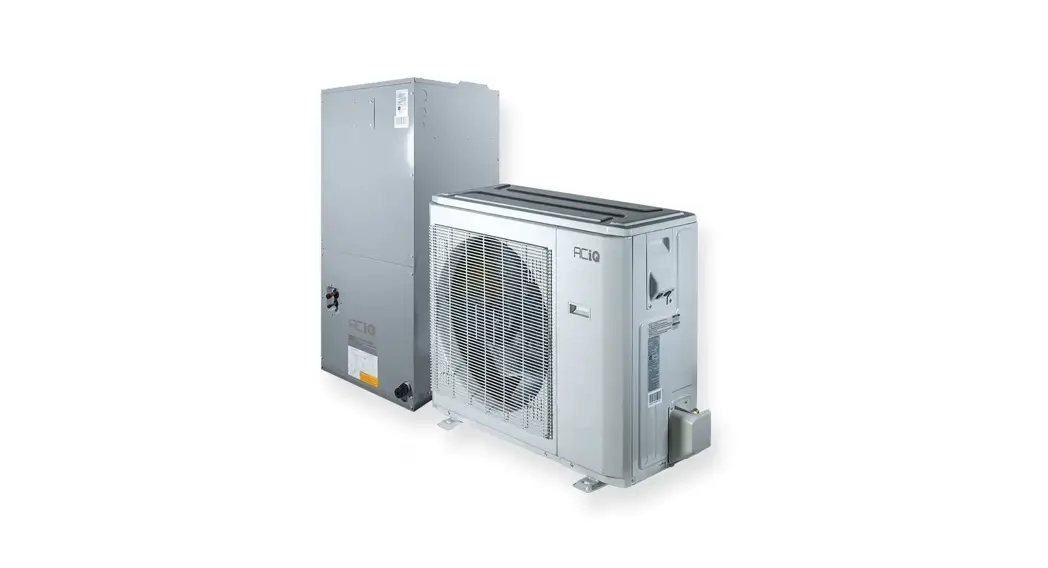
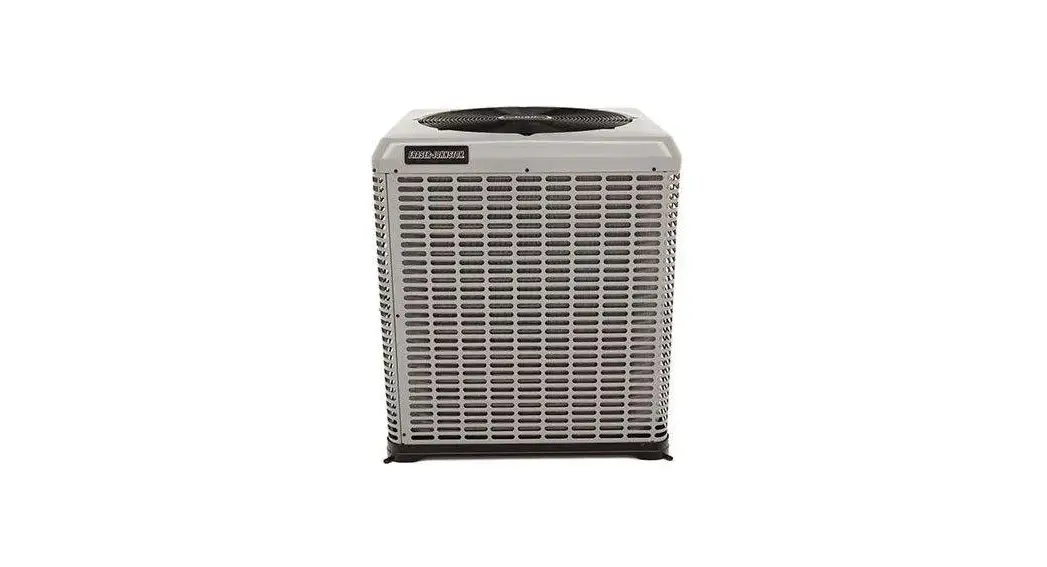
R410A Split System Air Conditioner and Heat Pump
Product Information:
Product Name: Split System Air Conditioner & Heat Pump
Model: 16 SEER
Capacity: 1.5-5 Tons
Refrigerant Type: R410A
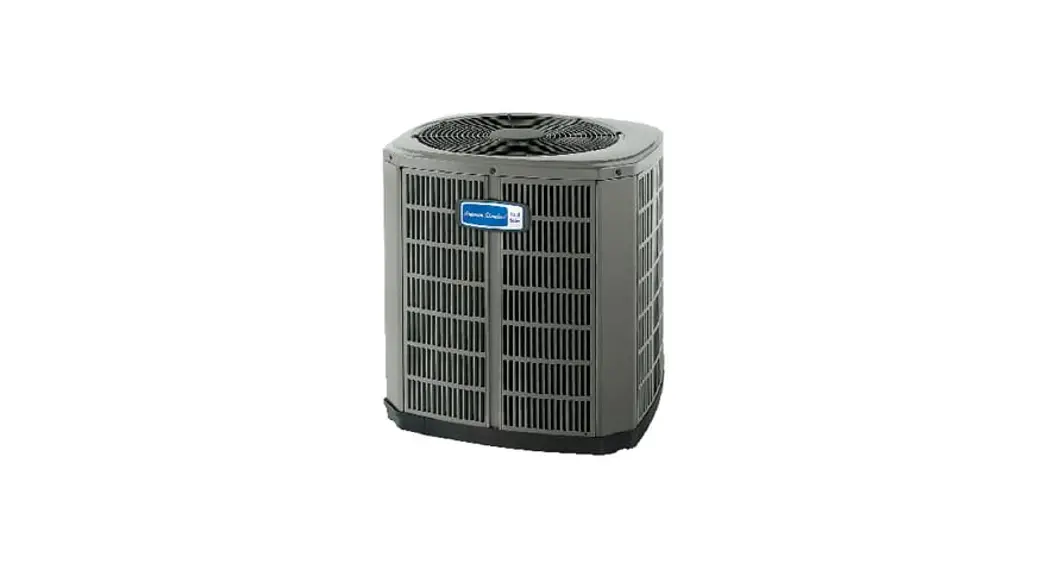
Appearance: The appearance of the unit may vary. Product
Usage Instructions:
1. Safety Precautions: – This product should only be installed,
adjusted, and operated by qualified licensed service personnel. –
Read all the instructions thoroughly before attempting installation
or operation. – Failure to follow these instructions may result in
improper installation, adjustment, service, or maintenance, which
can lead to fire, electrical shock, property damage, personal
injury, or death. 2. Compliance with Codes: – Ensure that all
phases of the installation comply with national, state, and local
codes. 3. Key to Symbols and Safety Instructions: – The warning
triangle symbol indicates important safety information. – The
keywords DANGER, WARNING, CAUTION, and NOTICE are defined as
follows: – DANGER: Indicates a hazardous situation that, if not
avoided, will result in death or serious injury. – WARNING:
Indicates a hazardous situation that, if not avoided, could result
in death or serious injury. – CAUTION: Indicates a hazardous
situation that, if not avoided, could result in minor to moderate
injury. – NOTICE: Used to address practices not related to personal
injury. 4. Safety: – This document is customer property and should
remain with the unit. Return it to the service information pack
upon completion of work. – These instructions do not cover all
system variations or every possible contingency. For further
information or specific problems, consult your installing dealer or
local distributor. – This document contains a wiring diagram and
service information. – Only individuals with adequate backgrounds
of electrical and mechanical experience should attempt to repair
the product. Improper repair attempts can result in personal injury
or property damage. 5. Hazardous Voltage Warning: – Disconnect all
electric power, including remote disconnects, before servicing. –
Follow proper lockout/tagout procedures to ensure that the power
cannot be inadvertently energized. 6. Refrigerant Oil Caution: –
Failure to follow this caution could result in property damage or
personal injury. – Do not touch the top of the compressor as it may
cause minor to severe burning. 7. Contains Refrigerant Caution: –
Follow proper procedures to avoid personal illness, injury, or
severe equipment damage. – The system contains oil and refrigerant
under high pressure. Always recover refrigerant to relieve pressure
before opening the system. Please refer to the complete user manual
for detailed installation, adjustment, and operation instructions
specific to your unit.
INSTALLATION INSTRUCTIONS
16 SEER
Split System Air Conditioner & Heat Pump 1.5-5 Tons R410A
NOTE : Appearance of unit may vary.
RECOGNIZE THIS SYMBOL AS AN INDICATION OF IMPORTANT SAFETY INFORMATION
WARNING
These instructions are intended as an aid to qualified licensed service personnel for proper installation, adjustment and operation of this unit. Read these instructions thoroughly before attempting installation or operation. Failure to follow these instructions may result in improper installation, adjustment, service or maintenance possibly resulting in fire, electrical shock, property damage, personal injury or death.
DO NOT DESTROY THIS MANUAL Please read carefully and keep in a safe place for future reference by a serviceman.
TABLE OF CONTENTS
1. KEY TO SYMBOLS AND SAFETY INSTRUCTIONS……………………………………..1 2. UNIT LOCATION CONSIDERATIONS………………………………………………………..2 3. UNIT PREPARATION………………………………………………………………………………3 4. SETTING UP THE UNIT……………………………………………………………………………3 5. REFRIGERANT LINE CONSIDERATIONS…………………………………………………4 6. REFRIGERANT LINE ROUTING………………………………………………………………5 7. REFRIGERANT LINE BRAZING………………………………………………………………..7 8. REFRIGERANT LINE LEAK CHECK………………………………………………………….8 9. EVACUATION…………………………………………………………………………………………8 10. SERVICE VALVE…………………………………………………………………………………..8 11. ELECTRICAL – LOW VOLTAGE……………………………………………………………….9 12. ELECTRICAL – HIGH VOLTAGE…………………………………………………………….10 13. START UP…………………………………………………………………………………………..10 14. SYSTEM CHARGE ADJUSTMENT…………………………………………………………11 15. SYSTEM OPERATION AND TROUBLESHOOTING…………………………………16 16. WARRANTY………………………………………………………………………………………..19 17. WIRING DIAGRAMS……………………………………………………………………………20 18. MATCHING TABLE AND CHECKOUT PROCEDURES……………………………23
All phases of this installation must comply with NATIONAL, STATE, AND LOCAL CODES.
1. Key to symbols and safety instructions
1.1 Key to symbols
Warnings in this document are identified by a warning triangle. Keywords at the start of a warning indicate the type and seriousness of the ensuing risk if measures to prevent the risk are not taken.
This symbol indicates important information where there is no risk to people or property.
The following keywords are defined and can be used in this document: DANGER indicates a hazardous situation which, if not avoided, will result in death or serious injury. WARNING indicates a hazardous situation which, if not avoided, could result in death or serious injury. CAUTION indicates a hazardous situation which, if not avoided, could result in minor to moderate injury. NOTICE is used to address practices not related to personal injury.
1.2 Safety
CAUTION:
This document is customer property and is to remain with this unit. Please return to service information pack upon completion of work. These instructions do not cover all variations in systems or provide for every possible contingency to be met in connection with the installation. Should further information be desired or should particular problems arise which are not covered sufficiently for the purchaser’s purposes, the matter should be referred to your installing dealer or local distributor.
This document contains a wiring diagram and service information.
CAUTION:
This information is intended for use by individuals possessing adequate backgrounds of electrical and mechanical experience. Any attempt to repair a central air conditioning product may result in personal injury and/or property damage.
WARNING: HAZARDOUS VOLTAGE
Failure to follow this warning could result in property damage, severe personal injury or death.
Disconnect all electric power, including remote disconnects before servicing. Follow proper lockout/tagout procedures to ensure the power cannot be inadvertently energized.
WARNING: REFRIGERANT OIL
These units use R-410A refrigerant which operates at 50% to 70% higher pressures than R-22. Use only R-410A approved service equipments. Refrigerant cylinders are painted a “Rose” color to indicate the type of refrigerant and may contain a “dip” tube to allow for charging of liquid refrigerant into the system. All R-410A systems use a POE oil that readily absorbs moisture from the atmosphere To limit this “hygroscopic” action, the system should remain sealed whenever possible. If a system has been opening to the atmosphere for more than 4 hours, the compressor oil must be replaced. Never break a vacuum with air and always change the driers when opening the system for component replacement.
CAUTION: HOT SURFACE
May cause minor to severe burning. Failure to follow this Caution could result in property damage or personal injury. Do not touch the top of compressor.
CAUTION: CONTAINS REFRIGERANT
Failure to follow proper procedures can result in personal illness or injury or severe equipment damage. System contains oil and refrigerant under high pressure. Recover refrigerant to relieve pressure before opening system.
CAUTION: GROUNDING REQUIRED
Failure to inspect or use proper service tools may result in equipment damage or personal injury. Reconnect all grounding devices. All parts of this product that are capable of conducting electrical current are grounded. If grounding wires, screws, straps, clips, nuts or washers used to complete a path to ground are removed for service, they must be returned to their original position and properly fastened.
WARNING: SERVICE VALVES
Failure to follow this warning will result in abrupt release of system charge and may result in personal injury and/or property damage. Extreme caution should be exercised when opening the Liquid Line Service Valve. Turn valve stem counterclockwise only until the stem contacts the rolled edge. No torque is required.
WARNING: BRAZING REQUIRED
Failure to inspect lines or use proper service tools may result in equipment damage or personal injury. All outdoor unit and evaporator coil connections are copper-to-copper and should be brazed with a phosphorous-copper alloy material such as Silfos-5 or equivalent. Do not use soft solder.
1
WARNING: HIGH CURRENT LEAKAGE
Failure to follow this warning could result in property damage, severe personal injury or death. Grounding is essential before connecting electrical supply.
2. Unit location considerations
2.1 Unit dimensions
Model AC 18 24 30
/ 36/42/48/60 Table 1
Unit Dimensions
HP 18/24
30 36 42 48/60
H(Inchs )
24-15/16 24-15/16 24-15/16 33-3/16 33-3/16
W(Inchs )
23-5/8 28
29-1/8 28
29-1/8
L(Inchs )
23-5/8 28
29-1/8 28
29-1/8
The unit’s weight value is on the cardboard box.
When mounting the outdoor unit on a roof, be sure the roof will support the unit’s weight. Properly selected isolation is recommended to prevent sound or vibration transmission to the building structure.
Position unit where water, snow or ice from roof or overhang cannot fall directly on unit.
Position the outdoor unit a minimum of 12” from any wall or surrounding shrubbery to ensure adequate airflow.
See Figure 2 and Figure 3. Cold climate considerations (heat pump only)
Precautions must be taken for units being installed in areas where snow accumulation and prolonged below-freezing temperatures occur.
Units should be elevated 3-12 inches above the pad or rooftop, depending on local weather. This additional height will allow drainage of snow and ice melted during defrost cycle prior to its refreezing. Ensure that drain holes in unit base pan are not obstructed, preventing drainage of defrost water (Figure 4).
If possible, avoid locations that are likely to accumulate snow drifts. If not possible, a snow drift barrier should be installed around the unit to prevent a build-up of snow on the sides of the unit.
Avoid Install Near Bedrooms
Min. 60″ Unrestricted
Min. 12” to Shrubbery
Min. 24” Unrestricted
Access Panel
Figure 2
Figure 1
2.2 Location restrictions
Ensure the top discharge area is unrestricted for at least 60 inches above the unit.
Do not locate outdoor unit near bedrooms since normal operational sounds may be objectionable.
Position unit to allow adequate space for unobstructed airflow, wiring, refrigerant lines, and serviceability.
Maintain a distance of 24 inches between units.
24 inches clearance must be provided in front of the control box (access panels) and any other side requiring service.
Min. 12″ to Shrubbery
Figure 3 2
Min. 12″ to Wall
Min. 12″ Snow barrier
Figure 4
Snow legs 3- 12″ Elevation
pad
The pad must be high enough above grade to allow for drainage. The pad location must comply with National, State and Local codes.
These instructions are intended to provide a method to tie-down system to concrete slab as a securing procedure for high wind areas. Check Local Codes for tie-down methods and protocols.
3. Unit preparation
3.1 Pre-installation
STEP 1 – Check for damage and report promptly to the carrier any damage found to the unit (Figure 5).
STEP 2 – Instruments must be designed to install/serve R410A equipmens.
Gauge sets, hoses, refrigerant containers and recovery system must be designed to handle the POE type oils.
Manifold sets should be 800 PSIG high side and 250 PSIG low side.
All hoses must have a 700 PSIG service pressure rating.
Leak detectors should be disigned to detect R410A.
Recovery equipments (including refrigerant recovery containers ) must be specifically designed to handle R410A.
Do not use an R22 TXV.
Figure 6
The dimension see Unit Dimensions.
See Detail A
Figure 5
4. Setting up the unit
4.1 Pad installation
When installing the unit on a support pad, such as a concrete slab, consider the following:
The pad must be at least 1-2″ larger than the unit on all sides. The pad must be separate from any structure. The pad must be level.
#7 X 3/8″ Self Tapping Screws (Don’t Exceed 3/8″ long)
Detail A
Brackets: 2″ width, 1/16″ thickness, height as required. Available from distributor or in market place.
1/4″ ” Hex Washer Head Concrete Screws (3/16″ Pilot Hole Needed. Pilot Hole Should Be 1/4″ Deeper Than The Fastener Embedment)
Figure 7
3
5. Refrigerant line considerations
5.1 Service valve connection sizes
Model
AC
HP
Suction line connection
18
18
3/4
24
24
3/4
30
30
3/4
36
36
3/4
/
42
3/4
42
/
7/8
48
48
7/8
60
60
7/8
Table 2
Liquid line connection
3/8 3/8 3/8 3/8 3/8 3/8 3/8 3/8
Model
Suction line (Inches)
Total suction line length(Feet)
25
50
100
150
Coefficient
18
5/8 3/4
1.00 0.97 0.94 0.90 1.00 0.98 0.95 0.92
24
5/8 3/4
1.00 0.97 0.94 0.90 1.00 0.98 0.95 0.92
30
5/8
1.00 0.97 0.94 0.90
3/4
1.00 0.98 0.96 0.93
36
5/8
1.00 0.97 0.94 0.90
3/4
1.00 0.99 0.97 0.96
42
3/4 7/8
1.00 0.98 0.97 0.95 1.00 0.99 0.98 0.97
48
7/8
1.00 0.98 0.97 0.96
1-1/8
1.00 0.99 0.98 0.97
60
7/8 1-1/8
0.99 0.98 0.94 0.90 1.00 0.99 0.98 0.97
Table 5 Suction line length/size VS capcaity multiplier
Figure 8
Liquid line Suction line connection connection
Access valve for low pressure
5.2 Refrigerant line sizes
Model
18 24 30 36 42 48 60 Table 3
Suction line
optional standard
5/8
3/4
5/8
3/4
5/8
3/4
5/8
3/4
3/4
7/8
7/8
1-1/8
7/8
1-1/8
Liquid line
optional standard
5/16
3/8
5/16
3/8
5/16
3/8
5/16
3/8
5/16
3/8
1/2
3/8
1/2
3/8
5.3 Refrigerant piping limits and required refrigerant line length
Using suction line larger than shown in chart will result in poor oil return and is not recommended. For example: the system capacity published in AHRI is 17800 Btu/h. This data is based on the AHRI test condition and 25 feet line set with standard suction tube size (3/4″ tube). If you need to add the line set more than 25 feet or use the optional suction tube size, you need to recalculate the capacity with the coefficient in the table. For 50 feet line and 5/8″ suction tube, the capacity will be 17800*0.97=17266 Btu/h.
Determine required line length and lift. You will need this later in Section 14. Total Line Length = __________ Feet. Total Vertical Change(Lift) = __________ Feet.
Line Length
Liquid line Model (Inches)
18
5/16
3/8
Total equivalent length(Feet) 25 50 75 100 125 150
Maximum vertical length(Feet) 25 50 60 58 40 30 25 50 60 60 40 30
Figure 9
5.4 Refrigerant line insulation
24
5/16 25 36 29 23 16 9
3/8
25 50 60 60 40 30
30
5/16 25 49 38 27 17 6
3/8
25 50 60 60 40 30
36
5/16 25 50 37 22 7 N/A
3/8
25 50 60 60 40 30
The suction line must always be insulated. DO NOT allow the Liquid Line and Suction Line to come in direct (metal to metal) contact.
42
5/16 25 23 4 N/A N/A N/A
3/8
25 50 43 36 30 24
48
1/2
25 50 56 55 40 30
3/8
25 46 38 30 22 15
60
1/2
25 50 60 60 40 30
3/8
25 50 56 44 32 20
Table 4
4
Required
Optional
Figure 11
Figure 10
5.5 Reuse existing refrigerant lines
CAUTION:
If using existing refrigerant lines make certain that all joints are brazed, not soldered.
For retrofit applications, where the existing refrigerant lines will be used, the following precautions should be taken:
Ensure that the refrigerant lines are the correct size. Refer to Section 5.1 listed and Table 3. Ensure that the refrigerant lines are free of leaks, acid, and oil.
The manufacturer recommends installing only approved matched indoor and outdoor systems. All of the manufacturer’s split systems are AHRI certified. Some of the benefits of installing approved matched indoor and outdoor split systems are maximum efficiency, optimum performance and the best overall system reliability.
6. Refrigerant line routing
6.1 Precautions
Take precautions to prevent noise within the building structure due to vibration transmission from the refrigerant lines. For example:
When the refrigerant lines have to be fastened to floor joists or other framing in a structure, use isolation type hangers. Isolation hangers should also be used when refrigerant lines are run in stud spaces or enclosed ceilings. Where the refrigerant lines run through a wall or sill, they should be insulated and isolated. Isolate the lines from all ductwork. Minimize the number of 90º turns. Use PVC piping as a conduit for all underground installations as shown in Figure 15. Buried lines should be keep as short as possible. The lines should not obstruct service access to the coil, air handling system or filter. Care must also be taken to isolate the refrigerant lines to minimize noise transmission from the equipment to the structure.
Comply with National, State, and Local Codes when isolating line sets from joists, rafters, walls or other structural elements.
8 Feet Maximum
Jo ist/Raft er Isolator
Side View Figure 12
8 Feet Maximum Secure Suc tion li ne from joists us ing isolators every 8 feet . Secure Liquid Line directly to Suc tion li ne using tape, wire, or other appropriate method every 8 feet.
Isolation From Joist/Rafter
5
Line Set
8 Feet Maximum
Side View Figure 13
8 Feet Maximum
Secure Suc tion Line using isolators every 8 feet . Secure Liqu id Line directly to Suc tion Line using tape, wire, or other approp riate method every 8 feet.
Isolation In Wall Spaces
Wall Isolator Line Set
Wall Sealant Insulati on Suc tio n Line
Duc twork
Isolator Line Set
Isolation Through Wall Figure 14
To Indoor Coil
DO NOT Hang Line Sets From Ductwork To Outdoor Coil
Liquid Line
Insulated Suction Line
Cap
PVC Conduit
Figure 15 6
7. Refrigerant line brazing
7.1 Braze the refrigerant lines
1. Remove caps or plugs. Use a deburing tool to debur the pipe ends. Clean both internal and external surfaces of the tubing using an emery cloth.
4. Wrap a wet rag around the valve body to avoid heat damage and continue the dry nitrogen purge (Figure 19).
Braze the refrigerant lines to the service valves.
Check liquid line filter drier’s directional flow arrow to confirm correct direction of refrigeration flow (away from outdoor unit and toward evaporator coil) as illustrated. Brazing the filter drier to the Liquid Line.
Continue the dry nitrogen purge. Do not remove the wet rag until all brazing is completed.
Remove the wet rag before stopping the dry nitrogen purge.
Figure 16 2. Remove the pressure tap cap from both service valves.
Field supplied and installed
3-4″ from valve
Figure 19 5. Replace the pressure tap caps after the service valves have cooled.
Note: Do not over tighen (between 40 and 60 inch-lbs. maximum).
Figure 17 3. Purge the refrigerant lines and indoor coil with dry nitrogen.
This pipe must have a thimble
Figure 18
Figure 20 7
8. Refrigerant line leak check
8.1 Check for leaks
1. Pressurize the refrigerant lines and evaporator coil to 150 PSIG using dry nitrogen.
150 PSIG
1. Evacuate until the micron gauge reads no higher than 350 microns, then close off the valve to the vacuum pump.
0350
Microns ON OFF
Figure 23
2. Observe the micron gauge. Evacuation is complete if the micron gauge does not rise above 500 microns in one (1) minute.
Once evacuation is complete blank off the vacuum pump and micron gauge, and close the valves on the manifold gauge set.
Figure 21 2. Check for leaks by using a soapy solution or bubbles at each brazed
location.
Figure 24
1 MIN.
Figure 22 Remove nitrogren pressure and repair any leaks before continuing.
9. Evacuation
9.1 Evacuate the refrigerant lines and indoor coil
Do not open the service valves until the refrigerant lines and indoor coil leak check and evacuation are complete.
10. Service valves
10.1 Open the service valves
WARNING:
Extreme caution should be exercised when opening the Liquid Line Service Valve. Turn counterclock wise until the valve stem just touches the rolled edge. No torque is required. Failure to follow this warning will result in abrupt release of system charge and may result in personal injury and /or property damage.
Leak check and evacuation must be completed before opening the service valves.
1. Remove service valve cap (Figure 25).
2. Fully insert hex wrench into the stem and back out counterclockwise until valve stem just touches the rolled edge
3. Replace the valve stem cap to prevent leaks. Tighten finger tight plus an additional 1/6 turn.
8
Cap
Unit S ide of Service
Valve
5/16″ Hex Wrench for Sucti on Service Valve
3/16″ Hex Wrench for Liqu id Service Valve
Roll ed Edge to Capti vate Stem
Hex Headed Valve System
11. Electrical – low voltage
11.1 Low Voltage Maximum Wire Length
Table 6 defines the maximum total length of low voltage wiring from the outdoor unit to the indoor unit and to the thermostat.
24 Volts – Wire size
Table 6
18 AWG 16 AWG 14 AWG
Max. wire length 150 Ft. 225 Ft. 300 Ft.
Service Port
Figure 25
11.2 Low voltage hook-up diagrams
Figure 26
Low Voltage connection must be made inside the outdoor unit case.
Access Panel
GREEN RED
BLACK WHITE BLACK YELLOW GREEN RED BLACK WHITE BLACK YELLOW
W B C R Y G
FOR ONE STAGE HEAT THERMOSTAT
G R C w1 w2 INDOOR UNIT
CY OUTDOOR UNIT
W2 W1 B C
R Y G
FOR TWO STAGE HEAT THERMOSTAT
Control Wiring for AC Systems
Figure 27
Notes: ” ” The electric auxiliary heat connection(optional). W : Electric auxiliary heat signal. W1 : The first Electric auxiliary heat signal. W2 : The second Electric auxiliary heat signal.
G R C w1 w2 INDOOR UNIT
9
CY OUTDOOR UNIT
GREEN RED BLACK WHITE BLACK YELLOW BLUE PURPLE GREEN RED BLACK WHITE BLACK YELLOW BLUE PURPLE
Support 2H thermostat
Support 3H thermostat
W B C R Y G
THERMOSTAT
G R C w1 w2 INDOOR UNIT
RC
Y
BD
OUTDOOR UNIT
W2 W1 B C R Y G
THERMOSTAT
G R C w1 w2
INDOOR UNIT
Control Wiring for 18K-48K HP Systems
Figure 28
Notes:
” ” The electric auxiliary heat connection(option). W : Electric auxiliary heat signal. W1 : The first Electric auxiliary heat signal. W2 : The second Electric auxiliary heat signal. D signal is connect to the Electric auxiliary heat or the first Electric auxiliary heat. ”
“: Outdoor unit signal. Only for single-stage compressor systems.
R C Y BD OUTDOOR UNIT
GREEN RED BLACK WHITE BLACK BLUE YELLOW WHITE GREEN RED BLACK WHITE BLACK BLUE YELLOW WHITE
Support 2H thermostat
Support 3H thermostat
W B C R Y G
THERMOSTAT
G R C w1 w2
INDOOR UNIT
C
B
YW
OUTDOOR UNIT
W2 W1 B C R Y G
THERMOSTAT
G R C w1 w2 INDOOR UNIT
Control Wiring for 60K HP Systems
Figure 29
Notes:
” ” The electric auxiliary heat connection(option). W : Electric auxiliary heat signal,connect to the Electric auxiliary heat or the first Electric auxiliary heat. W1 : The first Electric auxiliary heat signal. W2 : The second Electric auxiliary heat signal.
C B YW OUTDOOR UNIT
12. Electrical – high voltage
12.1 High voltage power supply
WARNING: LIVE ELECTRICAL COMPONENTS!
During installation, testing, servicing, and trouble shooting of this product, it may be necessary to work with live electrical components. Failure to follow all electrical safety precautions when exposed to live electrical components could result in death or serious injury.
The high voltage power supply must agree with the equipment nameplate.
Power wiring must comply with National, State and Local Codes.
Follow instructions on unit wiring diagram located on the inside of the access panel.
Figure 30
10
nameplate
12.2 High voltage disconnect switch
Install a separate disconnect switch at the outdoor unit.
Field provided flexible electrical conduit must be used for high voltage wiring.
3. Turn on disconnect to apply power to the indoor and outdoor units.
ON O FF
Figure 34
4. Wait one (1) hour before starting the unit if compressor crankcase heater is used and the outdoor ambient temperature is below 70 ºF.
Figure 31
12.3 High voltage ground
Ground the outdoor unit per National, State and Local Code requirements.
60 MIN.
Figure 35 5. Set system thermostat to ON.
TUE Inside
EM HEAT O FF CO OL
DONE
Set To Following Schedule
CANCEL
Figure 32
13. Start up
13.1 System start up
1. Ensure Sections 7, 8, 9, 10, 11 and 12 have been completed. 2. Set System Thermostat to OFF.
OFF
DONE
CANCEL
Figure 36
14. System charge adjustment
14.1 Charging: Weigh-In Method
Weigh-In Method can be used for the initial installation, or anytime a system charge is being replaced. Weigh-In Method can also be used when power is not available to the equipment site or operating conditions (indoor/outdoor temperatures) are not in range to verify with the liquid line pressure charging method.
Model
Factory Charge
Charge multiplier for liquid line length
All models Table 7
The data on nameplate
0.54/1o6z”/ft
3/8” 0.6 oz/ft
1/2” 1.2 oz/ft
Figure 33 11
The factory charge in the outdoor unit is sufficient for 15 feet of standard size interconnecting liquid line.
New Installations — Calculating additional charge for lineset greater than 15 feet.
1. Total Line Length (ft)
=
(a)
2. Standard Line set (ft)
= 15 (b)
3. (a) minus (b)
=
(c)
4. Refrigerant Multiplier
=
(d)
5. Refrigerant Adder (c*d) =
(e*)
*If lineset is less than 15 feet, (e) = 0
Sealed-System Repairs — Calculating total system charge.
1. Total Line Length (ft)
=
(a)
2. Standard Line set (ft)
= 15 (b)
3. (a) minus (b)
=
(c)
4. Refrigerant Multiplier
=
(d)
5. Refrigerant Adder (c*d)
=
(e*)
6. Factory Charge (nameplate) =
(f)
7. Total System Charge (e+f) =
_
*If line set is less than 15 feet, (e) = 0
For best results the indoor temperature should be kept between 70ºF to 80ºF.
80ºF 70ºF
Indoor Temp. Figure 38 Note:The temperature tolerance for actual approach is ± 3ºF. 2. Ensure Sections 7, 8, 9, 10,11,12 and 13 have been completed. 3. Stabilize the system by operating for a minimum of 20 minutes.
At startup, or whenever charge is removed or added, the system must be operated for a minimum of 20 minutes to stabilize before accurate measurements can be made.
The only mode approved for validating system charge is while in Cooling Mode. Outdoor Temperature must be between 55°F and 115°F with Indoor Temperature kept between 70°F and 80°F.
20 MIN.
14.2 Liquid line pressure charging and refrigerant adjustment in cooling (above 55°F outdoor temp.)
For 5TON AC unit,the Outdoor Temperature must be between 65°F and 105°F
1. Check the outdoor ambient temperatures.
Liquid line pressure (in cooling mode) is the only recommended method of charging above 55ºF outdoor ambient temperatures.
For outdoor ambient temperatures below 55ºF , use weigh-in charge method.
Note:It is important to return in the spring or summer to accurately charge the system in the cooling mode when outdoor ambient temperature is above 55ºF.
Outdoor Temperature Above 55ºF
Outdoor Temperature Below 55ºF
Figure 39 Note:The pressure tolerance for actual approach is ± 5psig
4. Calculate liquid line pressure (According to Refrigerant Charging Chart) f Measured Suction Line Pressure = ________PSIG f Outdoor Ambient Temperature = _______ ºF f Calculate Liquid Line Pressure = ________PSIG
115ºF
55ºF
Outdoor Temp.1 Figure 37
55ºF
Figure 40
Outdoor Temp. 2 12
REFRIGERANT CHARGING CHART FOR AC SYSTEM
Suction Pressure at Large Service Valve(psig)
16 SEER R410A AC Charge Chart 1.5 TON
Cooling Mode
Outdoor Ambient Temperature( oF )
55
60
65
70
75
80
85
90
95
100
105
110
115
Liquid Pressrue at Small Service Value(psig)
165
252
269
286
306
326
350
373
395
419
442
467
161
250
267
284
304
324
348
371
393
417
440
464
157
248
265
282
302
322
345
368
390
414
437
461
153
228
244
262
280
300
320
342
365
387
411
435
459
149
226
242
260
277
298
318
339
362
385
409
432
457
145
224
240
258
275
296
316
337
360
382
406
430
455
141
205
222
238
255
272
293
314
334
357
380
404
428
453
137
203
220
236
253
269
291
312
332
355
377
402
426
451
133
201
218
234
250
266
288
310
330
353
375
400
424
449
129
199
216
232
248
264
286
308
328
351
374
398
422
447
125
198
214
230
246
262
284
306
326
349
372
396
420
445
121
196
212
228
244
260
282
304
324
347
370
394
418
443
117
194
210
226
242
258
280
302
322
345
367
392
416
441
113
192
208
224
240
256
278
300
320
343
365
390
414
439
109
190
206
222
238
254
276
298
318
340
362
387
412
437
105
188
204
220
236
252
273
295
316
338
360
385
410
435
Suction Pressure at Large Service Valve(psig)
16 SEER R410A AC Charge Chart 2 TON
Cooling Mode
Outdoor Ambient Temperature( oF )
55
60
65
70
75
80
85
90
95
100
105
110
115
Liquid Pressrue at Small Service Value(psig)
165
258
277
295
316
337
358
382
405
430
454
479
161
256
275
293
314
335
356
380
403
428
452
477
157
254
273
291
312
333
354
378
401
426
450
475
153
236
252
271
289
310
331
352
376
399
424
448
473
149
234
250
269
287
308
329
350
374
397
422
446
471
145
232
248
267
285
306
327
348
372
395
419
443
469
141
214
230
246
265
283
304
325
346
370
393
417
441
467
137
212
228
244
262
280
301
322
343
367
391
415
439
465
133
210
226
242
260
278
299
320
341
365
389
413
437
463
129
208
224
240
258
276
297
318
339
363
387
411
435
461
125
206
222
238
256
274
295
316
337
361
385
409
433
459
121
204
220
236
254
272
293
314
335
359
383
407
431
457
117
202
218
234
252
270
291
312
333
357
381
405
429
455
113
199
216
232
250
268
289
310
331
355
379
403
427
453
109
197
214
230
248
266
287
308
329
353
377
401
425
451
105
195
212
228
246
264
285
306
327
351
375
399
423
449
Suction Pressure at Large Service Valve(psig)
16 SEER R410A AC Charge Chart 2.5 TON
Cooling Mode
Outdoor Ambient Temperature( oF )
55
60
65
70
75
80
85
90
95
100
105
110
115
Liquid Pressrue at Small Service Value(psig)
165
261
280
299
319
340
360
382
404
431
457
483
161
259
278
297
317
338
358
380
401
428
455
481
157
257
276
295
315
336
356
377
398
426
453
479
153
240
255
274
293
313
333
353
375
396
424
451
477
149
238
253
272
291
311
331
351
373
394
422
449
475
145
236
251
270
289
309
329
349
371
392
420
447
473
141
218
234
249
268
287
307
327
347
369
390
418
445
471
137
216
232
247
266
285
305
325
345
367
388
416
443
469
133
214
230
245
264
283
303
323
343
364
385
413
441
467
129
212
228
243
262
281
301
321
341
362
383
411
439
465
125
210
226
241
260
279
299
319
339
360
381
409
437
463
121
207
223
239
258
277
297
317
337
358
379
407
435
461
117
204
221
237
256
275
295
315
335
356
377
405
433
459
113
202
219
235
254
273
293
313
333
354
375
403
431
457
109
200
217
233
252
271
291
311
331
352
373
401
429
455
105
198
215
231
250
269
289
309
329
350
371
399
427
453
Suction Pressure at Large Service Valve(psig)
16 SEER R410A AC Charge Chart 3 TON
Cooling Mode
Outdoor Ambient Temperature( oF )
55
60
65
70
75
80
85
90
95
100
105
110
115
Liquid Pressrue at Small Service Value(psig)
165
259
277
295
316
337
358
384
410
435
460
486
161
257
275
293
314
335
356
382
408
433
458
484
157
255
273
291
312
333
354
380
406
431
456
482
153
235
253
271
289
310
331
352
378
404
429
454
480
149
233
251
269
287
308
329
350
376
402
427
452
478
145
231
249
267
285
306
327
348
374
400
425
450
476
141
214
229
247
265
283
304
325
346
372
398
423
448
474
137
212
227
245
263
281
302
323
344
263
396
263
446
472
133
210
225
243
261
279
300
321
342
368
394
419
444
470
129
208
223
241
259
277
298
319
340
366
392
417
442
468
125
206
221
239
257
275
296
317
338
364
390
415
440
466
121
204
219
237
255
273
294
315
336
362
388
413
438
464
117
202
217
235
253
271
292
313
334
360
386
411
436
462
113
200
215
233
251
269
290
311
332
358
384
409
434
460
109
198
213
231
249
267
288
309
330
356
382
407
432
458
105
196
211
229
247
265
286
307
328
354
380
405
430
456
13
Suction Pressure at Large Service Valve(psig)
16 SEER R410A AC Charge Chart 3.5 TON
Cooling Mode
Outdoor Ambient Temperature( oF )
55
60
65
70
75
80
85
90
95
100
105
110
115
Liquid Pressrue at Small Service Value(psig)
165
258
277
296
314
332
350
376
401
427
452
478
161
256
275
294
312
330
348
374
399
425
450
476
157
254
273
292
310
328
346
372
397
423
448
474
153
237
252
271
290
308
326
344
370
395
421
446
472
149
235
250
269
288
306
324
342
368
393
419
444
470
145
233
248
267
286
304
322
340
366
391
417
442
468
141
215
231
246
265
284
302
320
338
364
389
415
440
466
137
213
229
244
263
281
299
318
336
362
387
413
438
464
133
211
227
242
260
278
297
315
334
360
385
411
436
462
129
209
225
240
258
275
294
313
332
358
383
409
434
460
125
207
223
238
256
273
292
311
330
356
381
407
432
458
121
205
221
236
254
271
290
309
328
354
379
405
430
456
117
202
218
234
252
269
288
307
326
352
377
403
428
454
113
199
216
232
250
267
286
305
324
350
375
401
426
452
109
197
214
230
248
265
284
303
322
348
373
399
424
450
105
195
212
228
246
263
282
301
320
346
371
397
422
448
Suction Pressure at Large Service Valve(psig)
16 SEER R410A AC Charge Chart 4 TON
Cooling Mode
Outdoor Ambient Temperature( oF )
55
60
65
70
75
80
85
90
95
100
105
110
115
Liquid Pressrue at Small Service Value(psig)
165
264
282
300
322
343
364
388
412
437
464
491
161
262
280
298
320
341
362
386
410
435
462
489
157
260
278
296
318
339
360
384
408
433
460
487
153
239
258
276
294
316
337
358
382
406
431
458
485
149
237
256
274
292
314
335
356
380
404
429
456
483
145
235
254
272
290
312
333
354
378
402
427
454
481
141
215
233
252
270
288
310
331
352
376
400
425
452
479
137
213
231
250
268
286
308
329
350
374
398
423
450
477
133
211
229
248
266
284
306
327
348
372
396
421
448
475
129
209
227
246
264
282
304
325
346
370
394
419
446
473
125
207
225
244
262
280
302
323
344
368
392
417
444
471
121
205
223
242
260
278
300
321
342
366
390
415
442
469
117
203
221
240
258
276
298
319
340
364
388
413
440
467
113
201
219
238
256
274
296
317
338
362
386
411
438
465
109
199
217
236
254
272
294
315
336
360
384
409
436
463
105
197
215
234
252
270
292
313
334
358
382
407
434
461
Suction Pressure at Large Service Valve(psig)
16 SEER R410A AC Charge Chart 5 TON
Cooling Mode
Outdoor Ambient Temperature( oF )
65
70
75
80
85
90
95
100
105
Liquid Pressrue at Small Service Value(psig)
165
273
294
317
339
361
383
404
431
458
161
271
292
314
336
358
381
403
430
457
157
269
289
311
334
356
379
401
428
455
153
267
287
308
331
353
377
400
426
453
149
266
285
306
328
350
374
398
424
451
145
264
283
304
326
348
373
397
423
450
141
262
281
302
324
346
371
395
421
448
137
260
279
300
322
344
369
393
419
446
133
259
278
298
320
342
367
392
418
443
129
257
276
296
318
340
365
390
415
440
125
255
274
294
316
338
363
388
413
438
121
253
272
292
314
336
361
386
411
435
117
252
271
291
313
335
360
384
409
433
113
250
269
290
312
334
358
382
407
431
109
248
268
289
311
333
357
380
404
428
105
246
266
288
310
331
355
378
402
426
REFRIGERANT CHARGING CHART FOR HP SYSTEM
Suction Pressure at Large Service Valve(psig)
16SEER R410A HP Charge Chart 1.5TON(Cooling mode)
Outdoor Ambient Temperature()
Cooling Mode
55
60
65
70
75
80
85
90
95
100
105
110
115
Liquid Pressure at Small Service Valve(psig)
165
246
265
284
303
323
343
364
390
416
441
467
161
244
263
282
301
321
341
362
388
414
439
465
157
242
261
280
299
319
339
360
386
412
437
463
153
221
240
259
278
297
317
337
358
384
410
435
461
149
219
238
257
276
295
315
335
356
382
408
433
459
145
217
236
255
274
293
313
333
354
380
406
431
457
141
196
215
234
253
272
291
311
331
352
378
404
429
455
137
195
213
232
251
269
288
309
328
350
376
402
427
453
133
193
211
230
249
267
286
306
326
347
373
399
425
451
129
191
209
228
247
265
284
304
323
344
370
397
423
449
125
190
209
227
245
264
282
302
320
341
368
394
421
447
121
190
208
226
244
262
280
300
320
341
367
393
419
445
117
188
206
224
242
260
278
298
318
339
365
391
417
443
113
186
204
222
240
258
276
296
316
337
363
389
415
441
109
184
202
220
238
256
274
294
314
335
361
387
413
439
105
182
200
218
236
254
272
292
312
333
359
385
411
437
14
Suction Pressure at Large Service Valve(psig)
16SEER R410A HP Charge Chart 2TON(Cooling mode)
Outdoor Ambient Temperature()
Cooling Mode
55
60
65
70
75
80
85
90
95
100
105
110
115
Liquid Pressure at Small Service Valve(psig)
165
255
274
294
313
335
358
381
407
434
461
486
161
253
272
292
311
333
356
379
405
432
459
484
157
251
270
290
309
331
354
377
403
430
457
482
153
230
249
268
288
307
329
352
375
401
428
455
480
149
228
247
266
286
305
327
350
373
399
426
453
478
145
226
245
264
284
303
325
348
371
397
424
451
476
141
204
224
243
262
282
301
323
346
369
395
422
449
474
137
203
222
241
260
279
298
320
344
367
393
420
447
472
133
201
220
239
258
277
296
318
342
365
391
418
445
470
129
199
218
237
256
275
294
316
340
363
389
416
443
468
125
197
216
235
254
273
292
314
338
361
387
414
441
466
121
195
214
233
252
271
290
312
336
359
385
412
439
464
117
193
212
231
250
269
288
310
334
357
383
410
437
462
113
191
210
229
248
267
286
308
332
355
381
408
435
460
109
189
208
227
246
265
284
306
330
353
379
406
433
458
105
187
206
225
244
263
282
304
328
351
377
404
431
456
Suction Pressure at Large Service Valve(psig)
16SEER R410A HP Charge Chart 2.5TON(Cooling mode)
Outdoor Ambient Temperature
Cooling Mode
55
60
65
70
75
80
85
90
95
100
105
110
115
Liquid Pressure at Small Service Valve(psig)
165
253
269
288
305
327
348
370
390
414
435
461
161
251
267
286
303
325
346
368
388
412
433
459
157
249
265
284
301
323
344
366
386
410
431
457
153
231
247
263
282
299
321
342
364
384
408
429
455
149
229
245
261
280
297
319
340
362
382
406
427
453
145
227
243
259
278
295
317
338
360
380
404
425
451
141
208
225
241
257
276
293
315
336
358
378
402
423
449
137
206
223
239
255
274
291
313
334
356
376
400
421
447
133
204
221
237
253
272
289
311
332
354
374
398
419
445
129
202
219
235
251
270
287
309
330
352
372
396
417
443
125
199
215
232
249
267
285
307
328
350
370
394
415
441
121
195
213
230
247
267
285
306
327
348
368
392
413
439
117
193
211
228
245
265
283
304
325
346
366
390
411
437
113
191
209
226
243
263
281
302
323
344
364
388
409
435
109
189
207
224
241
261
279
300
321
342
362
386
407
433
105
187
205
222
239
259
277
298
319
340
360
384
405
431
Suction Pressure at Large Service Valve(psig)
16SEER R410A HP Charge Chart 3TON(Cooling mode)
Outdoor Ambient Temperature( )
Cooling Mode
55
60
65
70
75
80
85
90
95
100
105
110
115
Liquid Pressure at Small Service Valve(psig)
165
260
278
296
314
336
359
381
402
427
454
482
161
258
276
294
312
334
357
379
400
425
452
480
157
256
274
292
310
332
355
377
398
423
450
478
153
236
254
272
290
308
330
352
374
395
420
448
476
149
234
252
270
288
306
328
350
372
393
418
446
474
145
232
250
268
286
304
326
347
369
390
416
444
472
141
212
230
248
266
284
302
323
345
366
388
413
442
470
137
210
228
246
264
282
300
321
342
363
385
411
439
468
133
208
226
244
262
280
298
319
339
360
382
408
437
466
129
206
224
242
260
278
296
316
337
357
379
406
435
464
125
204
222
240
258
276
294
314
335
355
377
404
433
462
121
202
220
238
256
274
292
312
333
353
375
402
431
460
117
200
218
236
254
272
290
310
331
351
373
400
429
458
113
198
216
234
252
270
288
308
329
349
371
398
427
456
109
196
214
232
250
268
286
306
327
347
369
396
425
454
105
194
212
230
248
266
284
304
325
345
367
394
423
452
Suction Pressure at Large Service Valve(psig)
16SEER R410A HP Charge Chart 3.5TON(Cooling mode)
Outdoor Ambient Temperature( )
Cooling Mode
55
60
65
70
75
80
85
90
95
100
105
110
115
Liquid Pressure at Small Service Valve(psig)
165
254
271
288
305
327
348
370
394
417
441
464
161
252
269
286
303
325
346
368
392
415
439
462
157
250
267
284
301
323
344
366
390
413
437
460
153
231
248
265
282
299
321
342
364
388
411
435
458
149
229
246
263
280
297
319
340
362
386
409
433
456
145
227
244
261
278
295
317
338
360
384
407
431
454
141
208
225
242
259
276
293
315
336
358
382
405
429
452
137
206
223
240
257
274
291
313
334
356
380
403
427
450
133
204
221
238
255
272
289
311
332
354
378
401
425
448
129
202
219
236
253
270
287
309
330
352
376
399
423
446
125
200
217
234
251
268
285
307
328
350
374
397
421
444
121
198
215
232
249
266
283
305
326
348
372
395
419
442
117
196
213
230
247
264
281
303
324
346
370
393
417
440
113
194
211
228
245
262
279
301
322
344
368
391
415
438
109
192
209
226
243
260
277
299
320
342
366
389
413
436
105
190
207
224
241
258
275
297
318
340
364
387
411
434
15
Suction Pressure at Large Service Valve(psig)
16 SEER R410A HP Charge Chart 4 TON(Cooling mode)
Cooling Mode
Outdoor Ambient Temperature( oF )
55
60
65
70
75
80
85
90
95
100
105
110
115
Liquid Pressrue at Small Service Value(psig)
165
249
265
281
302
324
345
365
385
412
438
465
161
247
263
279
300
322
343
363
383
410
437
463
157
245
261
277
298
320
341
361
381
408
435
461
153
228
243
259
275
296
318
339
359
379
406
433
459
149
226
241
257
273
294
316
337
357
377
404
431
457
145
234
239
255
271
292
314
335
355
375
402
429
455
141
209
223
237
253
269
290
312
333
353
373
400
427
453
137
207
221
235
251
267
288
310
331
351
371
398
425
451
133
205
219
233
249
265
286
308
329
349
369
396
423
449
129
203
217
231
247
263
284
306
327
347
367
394
421
447
125
201
215
229
245
261
282
304
325
345
365
392
419
445
121
197
212
227
243
259
280
302
323
343
363
390
417
443
117
194
210
225
241
257
278
300
321
341
361
388
415
441
113
190
207
223
239
255
277
298
320
340
360
387
414
439
109
188
205
221
237
253
275
296
318
338
358
385
412
437
105
186
203
219
235
251
273
294
316
336
356
383
410
435
Suction Pressure at Large Service Valve(psig)
16 SEER R410A HP Charge Chart 5 TON(Cooling mode)
Cooling Mode
Outdoor Ambient Temperature( oF )
55
60
65
70
75
80
85
90
95
100
105
110
115
Liquid Pressrue at Small Service Value(psig)
165
254
274
291
309
329
350
370
398
421
447
472
161
252
271
289
306
327
348
368
396
419
445
470
157
250
268
287
304
325
346
366
394
417
443
468
153
229
248
266
285
302
323
344
364
392
415
441
466
149
227
246
264
283
300
321
342
362
390
413
439
464
145
225
244
262
281
298
319
340
360
388
411
437
462
141
205
224
242
260
279
296
317
338
358
386
409
435
460
137
202
222
240
258
277
294
315
336
356
384
407
433
458
133
199
220
238
256
275
292
313
334
354
382
405
431
456
129
197
218
236
254
273
290
311
332
352
380
403
429
454
125
195
216
234
252
271
288
310
330
350
378
401
427
452
121
193
214
232
250
269
286
308
328
348
376
399
425
450
117
191
212
230
248
267
284
306
326
346
374
397
423
448
113
189
210
228
246
265
282
304
324
344
372
395
421
446
109
187
208
226
244
263
280
302
322
342
370
393
419
444
105
185
206
224
242
261
278
300
320
340
368
391
417
442
5. Adjust refrigerant level to attain proper gage pressure.
Add refrigerant if the design liquid line pressure is lower than the chart value. Connect gages to refrigerant bottle and unit as illustrated (Figure 40). Purge all hoses. Open bottle. Stop adding refrigerant when liquid line pressure matches the Refrigerant Charging Chart.
6. Stabilize the system. Wait 20 minutes for the system condition to stabilize between adjustments.
When the liquid line pressure match the chart, the system is properly charged. Remove gages. Replace service port caps to prevent leaks. Tighten finger tight plus an additional 1/6 turn.
20 MIN.
Recover refrigerant if the design liquid line pressure is lower than the chart value.
Figure 41
Figure 42
7. Record system Information for reference (Table 8). Record system pressures and temperatures after charging is complete.
Description
Value
Outdoor model number
Measured Outdoor Ambient
°F
Measured Indoor Ambient
°F
Liquid Gage Pressure
PSIG
Suction Gage Pressure Table 8
PSIG
16
15. System operation and troubleshooting
15.1 Compressor crankcase heater (CCH) (Heat pump only)
The crankcase heating start must meet two conditions: A. Outdoor temperature41°F B. At power up or if the compressor has been off for more than 3 hours
The crankcase heating stop must meet the following condition: Outdoor temperature44.6°F or compressor starts.
15.2 Reversing valve (Heat pump only)
Reversing valve energizes at the heating conditions, and cuts off at the cooling condition.
15.3 Protection function (Heat pump only)
T3 = Outdoor Coil Temperature T3143.6°F, compressor stops working T3125.6°F, compressor restarts working
T4 = Out Ambient Temperature T4 < 5°F, compressor stops working T4 > 10.4°F, compressor restarts working ,I ) 7 ) XQLW FDQ RSHUDWH LQ FRROLQJ ,I ) 7 F, unit can operate in heating
When T4< 5°F, the outdoor unit would provide a signal to drive up the heater installed in the indoor unit.
Discharge temperature protection
Discharge temperature > 275°F, compressor stops working. Discharge temperature < 194°F, compressor restarts working.
High pressure protection
High pressure > 638 PSIG, compressor and outdoor fan motor stop working. High pressure < 464 PSIG, compressor and outdoor fan motor restart working (3 minutes delay necessary).
Low pressure protection
Low pressure < 21 PSIG, compressor and outdoor fan motor stop working. Low pressure > 44 PSIG, compressor and outdoor fan motor restart working (3 minutes delay necessary).
15.5 Defrost mode (Heat pump only)
Manual defrost mode When the switch SW3-1 is set to “ON”, the system turns to the defrost mode. The defrost mode exits by the logic of shut-down conditions of defrost mode.
Once the manual defrost mode is finished, please turn the switch SW3-1 back to “off “.
Start-up conditions of defrost mode When SW3-3 switch is set to “ON” (Figure 43), the mode will start up in any of the following conditions: Compressor operates and T3 < 32°F for a period of 30 minutes. T3 < 28.4°F and compressor operates for the first time after connected to the power source. When T3 < 28.4°F and the system is on standby for two hours continuously. When SW3-3 switch is set to “OFF”(Figure 43), the mode will start up in any of the following conditions: Compressor operates and T3 < 32 °F for a period of 60 minutes. T3 < 28.4 °F and compressor operates for the first time after connected to the power source. When T3 < 28.4 °F and the system is on standby for two hours. Shut-down conditions of defrost mode: The mode will shut down in any of the following conditions:
The defrosted time lasts 10 minutes
7 °F DQG 7 °F
Compressor stops operating
7 °F lasts 60 seconds when T4 < 28.4°F
SW3 Switch
In stand-by status, the compressor will not start in low pressure protection. Within 30 minutes, if 4 protection cycles occur. The system will be locked. It will be restore after power cycle.
15.4 Protection function (Air conditioner only)
High pressure protection
High pressure > 638 PSIG, compressor and outdoor fan motor stop working. High pressure < 464 PSIG, compressor and outdoor fan motor restart working (3 minutes delay necessary).
SW3 Switch
Figure 43
The location of SW3 Switch in the PCB Board
17
15.6 Temperature sensor resistance table
Temperature °F Resistance k Temperature °F Resistance k Temperature °F Resistance k Temperature °F Resistance k
-4
106.73
37
29.87
78
10.00
119
3.69
-3
103.25
38
29.22
79
9.50
120
3.61
-2
99.89
39
28.19
80
9.26
121
3.53
-1
96.65
40
27.39
81
9.03
122
3.45
0
93.53
41
26.61
82
8.81
123
3.38
1
90.53
42
25.85
83
8.59
124
3.30
2
87.62
43
25.12
84
8.38
125
3.23
3
84.83
44
24.42
85
8.17
126
3.16
4
82.13
45
23.73
86
7.97
127
3.10
5
79.52
46
23.07
87
7.78
128
3.03
6
77.01
47
22.42
88
7.59
129
2.96
7
74.58
48
21.80
89
7.40
130
2.90
8
72.24
49
21.20
90
7.22
131
2.84
9
69.98
50
20.61
91
7.05
132
2.78
10
67.80
51
20.04
92
6.88
133
2.72
11
65.69
52
19.49
93
6.72
134
2.67
12
63.65
53
18.96
94
6.56
135
2.61
13
61.68
54
18.44
95
6.40
136
2.56
14
59.78
55
17.94
96
6.25
137
2.50
15
57.95
56
17.45
97
6.10
138
2.45
16
56.17
57
16.98
98
5.96
139
2.40
17
54.46
58
16.52
99
5.82
140
2.35
18
52.80
59
16.08
100
5.68
141
2.30
19
51.20
60
15.65
101
5.55
142
2.25
20
49.65
61
15.23
102
5.42
143
2.21
21
48.16
62
14.83
103
5.30
144
2.16
22
46.71
63
14.43
104
5.18
145
2.12
23
45.31
64
14.05
105
5.06
146
2.08
24
43.95
65
13.68
106
4.94
147
2.03
25
42.64
66
13.32
107
4.83
148
1.99
26
41.38
67
12.97
108
4.72
149
1.95
27
40.15
68
12.64
109
4.61
150
1.91
28
38.97
69
12.31
110
4.51
151
1.88
29
37.82
70
11.99
111
4.41
152
1.84
30
36.71
71
11.68
112
4.31
153
1.80
31
35.64
72
11.38
113
4.21
154
1.77
32
34.60
73
11.09
114
4.12
155
1.73
33
33.59
74
10.80
115
4.03
156
1.70
34
32.61
75
10.53
116
3.94
157
1.66
35
31.67
76
10.00
117
3.85
158
1.63
36
30.76
77
10.00
118
3.77
159
1.60
Table 9
15.7 Electrical data table
Model
Minimum circuit ampacity(A) Maximum circuit protecetor(A)
Table 10
AC
HP
18 24 30 36 42 48 60 18 24 30 36 42 48 60
10.4 13.7 16.5 19.4 22.5 23.8 29.9 10.4 13.4 16.5 19.4 21.6 22.9 28.8
15 20 25 30 35 40 50 15 20 25 30 35 35 45
18
15.8 Troubleshooting table
CDORTCOTHWEE.C4ECI3DONHP.XFOLDFHSHS.MTTCTI.RCO.GNNTORAEAELEROP/OBCEWTUIHTROVCHEORILMRNMO.LIRRSIASDC.PEGFKCRNTWEOETDEPLSCPEVVT.C.KSCXOO.CFSS.WFR.PIFOO.SVTUO.T.VVSVORNFCAEOCSOA.ECSLLSNROIECSROOSIENTNSTLTOCOLEWTRRCIEOEDAVEAHOAA..VLSTDHSINNNDDNIENTMNECREEDCCCGGNEVEEUTCUE..ETASTVSRSASRRCETAAPCSNEERCRNGRROPAOAAOLLPOFOCCFPPUROKTIKOEOSPMIIENEECSWRAWAAOERRRRHHRLE.RLRAALAUCTCCTOCCMARFFOAASIIDLFADBHRRDKKIITPIIDCOSTDLLMTORSROODTTPUCELEEIIIIIEPOOIOTEOEMNNOONOONGGNEAEDEVESFTFAALFFFWWRIGGGGNNRRDRRPFSE.SSEEEEYTTL……
SYSTEM FAULTS
REFRIGERANT CIRCUIT
Head Pressure Too High
C
H
P P S P S P P S
S P S
Head Pressure Too Low
C
H
S P S P
S S S S
SS P S S S P
Suction Pressure Too High
C
H
S PP S
S
P P
S
P
Suction Pressure Too Low
C
H
P
S P S
P
SS S S S
Liquid Refrig. Floodback
C
(TXV)
H
P
P
P
P
I.D. Coil Frosting
C H
P
S S
Compressor Runs Inadequate or C
No Cooling/Heating
H
S P S P
S S S
SPSS S S P S S S S
ELECTRICAL
Compressor & O.D. Fan Won’t Start C P P H P P
S SPSPP SPS P
S S S SS
Compressor Will Not Start But C P P
O.D. Fan Runs
H P P
S
P P P
S S
O.D. Fan Won’t Start
C P
P
H P
P
S
Compressor Hums But Won’t Start
C H
P
S
P
S
P P
I.D. Blower Won’t Start
C P PS H P PS
P SPS S P SPS S
DEFROST
C
Unit Won’t Initiate Defrost
H
P
P S
C
Defrost Terminates on Time
H
P
P S
Unit Icing Up
C H
P
S S
S
P
P
C- Cooling H – Heating P – Primary Causes S – Secondary Causes
16. Warranty
Assist owner with processing Warranty cards and/or online registration.
16.1 Maintenance
Dirt should not be allowed to accumulate on the indoor or outdoor coils or other parts in the air circuit. Clean as often as necessary to keep the unit clean. Use a brush, vacuum cleaner attachment or other suitable means.
The outdoor fan motor is permanently lubricated and does not require periodic oiling.
Refer to the furnace or air handler instructions for filter and blower motor maintenance.
The indoor coil and drain pan should be inspected and cleaned regularly to assure proper drainage.
It is unlawful to knowingly vent, release or discharge refrigerant into the open air during repair, service, maintenance or the final disposal of this unit. When the system is functioning properly and the owner has been fully instructed, secure the owner’s approval.
16.2 Changing motor
When motor requires changing, follow the steps below:
STEP 1 – Go into electrical panel, disconnect motor power lines.
Note: Disconnect main power to unit. Severe burns and electrical shock will occur if you do not disconnect main power.
STEP 2 – Remove cover (be careful of motor wires).
STEP 3 – Be sure to place fan cover unit on the ground (Figure 43 ).
Note: Do not place or lean fan blades on ground or against surface.
19
STEP 4 – Remove fan motor by removing 5/16″ nuts from cover.
STEP 5 – Remove fan blade from motor by removing 1/2″ nut and place fan on the ground.
STEP 6 – Reverse removal process to reinstall the fan and motor.
Note: When connecting motor wires be sure to check motor direction.
Damage will occur to condenser unit if you remove 5/16” nuts prior to cover removal.
1/2″nut
Figure 44
5/16″nuts
17. Wiring diagrams
17.1 For 18K-48K HP System
GROUND PLUG PLATE
T1 L1
WHITE
T2 L2
BLACK
RC 3
A1 CC
BLACK A2 YELLOW
JACINTH CCH
L1
POWER
L2
C Yout Heat
TO THERMOSTAT
RC 1
C
S
YELLOW
COMP
YELLOW OR WHITE R
RED
ORANGE
XS1
GREEN
XP1
ORANGE
HPC
RC 2
HGS
BROWN
BLACK
OFM
CN17
WHITE BLACK
XP2 XP2
FAN DFC
T4
T3
CN11
21
SW3
CN15 C RV
T3
JACINTH
R C W1
Y B CN16
RED BLACK PURPLE YELLOW BLUE
RV
GREEN
LPC T4
RED = 24V POWER BLACK = 24V COM BLUE = REVERSING VALVE PURPLE = AUX HEAT IN DEFROST YELLOW = COMPRESSOR CONTACTOR
CC
COMPRESSOR CONTACTOR
CCH CRANKCASE HEATER
COMP COMPRESSOR
DFC DEFROST CONTROL
T4
AMBIENT TEMPERATURE
T3
PIPE TEMPERATURE
HPC HIGH PRESSURE CUT-OUT CONTROL
LPC LOW PRESSURE CUT-OUT CONTROL
OFM OUTDOOR FAN MOTOR
RC 1 RUN CAPACITOR 1
RC 2 RUN CAPACITOR 2
RC 3 RUN CAPACITOR 3
RV
REVERSING VALVE
GND GROUND CHASSIS
HGS HOT GAS SENSOR
LINE VOLTAGE FACTORY STANDARD FIELD INSTALLED FACTORY OPTIONAL
LOW VOLTAGE FACTORY STANDARD FIELD INSTALLED FACTORY OPTIONAL USE COPPER CONDUCTORS ONLY
0$18$/ ‘()5267 $8720$7,& ‘()5267 5(6(59(‘ 1250$/ ‘()5267 ‘()5267,1* &<&/(0,1 ‘()5267,1* &<&/(0,1
0 STEADY ON = NORMAL OPERATION OFF = DFC FAILURE
1 1 FLASH = T3 SENSOR FAILURE 2 2 FLASH = T4 SENSOR FAILURE OR HGS OPEN 3 3 FLASH = LPC OPEN
WARNING: CABINET MUST BE PERMANMENTLY GOUNDED AND ALL WIRING TO CONFORM TO I.E.C,N.E.C,C.E.C,C.L.C,AND LOCAL CODES AS APPLICABLE REPLACEMENT WIRE MUST BE THE SAME GAUGE AND INSULATION TYPE AS ORIGINAL WIRE
Figure 45
20
17.2 For 60K HP System
GROUND PLUG PLATE
RC 1
Y/G RED
T1 L1
WHITE
T2 L2
BLACK CC
A1
A2 YELLOW
BLACK
RED JACINTH
C S
YELLOW OFM
COMP
R
XS1
GREEN
XP1
CN11
WHITE
T4 DFC
BLACK
T3 CN9
21
SW3
XP2
XP2 CN10
RV C
T3
LPC
GND
W Y B C
CN8
L1 POWER
L2
CCH JACINTH
Y/G
WHITE YELLOW BLUE BLACK
YELLOW HPC
YOUT L2 L1
HEAT TO THERMOSTAT
&&&2035(6625&217$&725 &203&2035(6625 ‘)&'()5267&21752/ 7$0%,(177(03(5$785( 73,3(7(03(5$785( +3&+,*+35(6685(&87287&21752/ +*6+27*$66(1625 /3&/2:35(6685(&87287&21752/ 2)0287’225)$102725 5&581&$3$&,725 595(9(56,1*9$/9( *1’*5281’&+$66,6 /,1(92/7$*( )$&725<67$1’$5′ ),(/’,167$//(‘ )$&725<237,21$/ /2:92/7$*( )$&725<67$1’$5′ ),(/’,167$//(‘ )$&725<237,21$/ 86(&233(5&21’8&725621/<
0$18$/ ‘()5267 $8720$7,& ‘()5267 5(6(59(‘ 1250$/ ‘()5267 ‘()5267,1* &<&/(0,1 ‘()5267,1* &<&/(0,1
HGS
LPC
T4
RV
WHITE = AUX HEAT IN DEFROST YELLOW = COMPRESSOR CONTACTOR BLUE = REVERSING VALVE BLACK = 24V COM
67($'<21 1251$/23(5$7,21 2)) ‘)&)$,/85(
)/$6+ 76(1625)$,/85( )/$6+ 76(1625)$,/85(25+*623(1 )/$6+ /3&23(1 )/$6+ 2)0)$,/85(
WARNING: CABINET MUST BE PERMANMENTLY GOUNDED AND ALL WIRING TO CONFORM TO I.E.C,N.E.C,C.E.C,C.L.C,AND LOCAL CODES AS APPLICABLE REPLACEMENT WIRE MUST BE THE SAME GAUGE AND INSULATION TYPE AS ORIGINAL WIRE
Figure 46
17.3 For 18K-36K AC System
PLUG PLATE
T1
BLACK
T2 CC
A1 YELLOW
L1 RED
BLACK L2
A2
BLACK
HPC
GROUND
L1 L2
C
YELLOW
Y
GREEN
BLACK C
&203
RC 1
S
R
BLACK
WHITE OR YELLOW BLACK
RED
RC 3
BLACK
BLACK ORANGE
)$1
RC 2
BROWN
GREEN
POWER TO THERM OSTAT
LINE VOLTAGE FACTORY STANDARD FIELD INSTALLED FACTORY OPTIONAL
LOW VOLTAGE FACTORY STANDARD FIELD INSTALLED FACTORY OPTIONAL USE COPPER CONDUCTORS ONLY
HPS CC COMP RC 1 RC 2 RC 3
HIGH PRESSURE CUT-OUT CONTROL COMPRESSOR CONTACTOR COMPRESSOR RUN CAPACITOR 1 RUN CAPACITOR 2 RUN CAPACITOR 3
WARNING: CABINET MUST BE PERMANMENTLY GOUNDED AND ALL WIRING TO CONFORM TO I.E.C,N.E.C,C.E.C,C.L.C,AND LOCAL CODES AS APPLICABLE REPLACEMENT WIRE MUST BE THE SAME GAUGE AND INSULATION TYPE AS ORIGINAL WIRE
Figure 47 21
17.4 For 42K-60K AC System
GROUND PLUG PLATE
T1 L1
WHITE
T2 L2
RED
BLACK CC
A1
BLACK A2 YELLOW
L1 POWER
L2
C RC 1
S
COMP Y/G
RED
R
GREEN
YELLOW
OFM Y/G
CN11
GND
WHITE
T4
BLACK
T3 CN9
DFC
21
W
SW3
Y
YELLOW
XS1 XP1
XP2
XP2 CN10
RV C
B C
CN8
BLACK
T4 T3
LPC
YELLOW HPC
YELLOW = COMPRESSOR CONTACTOR BLACK = 24V COM
YOUT L2 L1
HEAT TO THERMOSTAT
&&&2035(6625&217$&725 &203&2035(6625 ‘)&'()5267&21752/ 7$0%,(177(03(5$785( 73,3(7(03(5$785( +3&+,*+35(6685(&87287&21752/ /3&/2:35(6685(&87287&21752/ 2)0287’225)$102725 5&581&$3$&,725 595(9(56,1*9$/9( *1’*5281’&+$66,6
/,1(92/7$*( )$&725<67$1’$5′ ),(/’,167$//(‘ )$&725<237,21$/ /2:92/7$*( )$&725<67$1’$5′ ),(/’,167$//(‘ )$&725<237,21$/ 86(&233(5&21’8&725621/<
0$18$/ ‘()5267 $8720$7,& ‘()5267 5(6(59(‘ 1250$/ ‘()5267 ‘()5267,1* &<&/(0,1 ‘()5267,1* &<&/(0,1
67($'<21 1251$/23(5$7,21
2)) ‘)&)$,/85(
)/$6+ 76(1625)$,/85(
)/$6+ 76(1625)$,/85(
)/$6+ /3&23(1
)/$6+ 2)0)$,/85(
WARNING: CABINET MUST BE PERMANMENTLY GOUNDED AND ALL WIRING TO CONFORM TO I.E.C,N.E.C,C.E.C,C.L.C,AND LOCAL CODES AS APPLICABLE REPLACEMENT WIRE MUST BE THE SAME GAUGE AND INSULATION TYPE AS ORIGINAL WIRE
Figure 48
22
18. Matching table and Checkout Procedures
18.1 Matching table
Condensing Unit
J4AC6018A1000AA J4AC6024A1000AA J4AC6030A1000AA J4AC6036A1000AA J4AC6042A1000AA J4AC6048A1000AA J4AC6060A1000AA
Air Handle/A-Coil
J4AH4E36A1B00AA J4AH4E36A1B00AA J4AH4E36A1B00AA J4AH4E60A1C00AA J4AH4E60A1C00AA J4AH4E60A1C00AA J4AH4E60A1C00AA
Piston Size/TXV Valve Model 052 058 065 073 075 080
4AYTXVH3G6000A
SEER
16 16 16 16 16 16 15
If Preinstalled Piston Replace Required YES YES YES YES YES YES YES
J4HP6018A1000AA J4AH4E36A1B00AA
052
16
YES
J4HP6024A1000AA J4AH4E36A1B00AA
058
16
YES
J4HP6030A1000AA J4AH4E36A1B00AA 4AYTXVH3G2436A 16
YES
J4HP6036A1000AA J4AH4E60A1C00AA
070
16
YES
J4HP6042A1000AA J4AH4E60A1C00AA 4AYTXVH3G4248A 16
YES
J4HP6048A1000AA J4AH4E60A1C00AA 4AYTXVH3G6000A 16
YES
J4HP6060A1000AA J4AH6E60A1C00AA 4AYTXVH3G6000A 15
YES
Note: Since the manufacturer has a policy of continuous product and product data improvement, if the system combination you are looking for is not listed, check for the latest version of this document at www.oxboxhvac.com.
18.2 Operational and Checkout Procedures
Final phases of this installation are the unit Operational and Checkout Procedures. To obtain proper performance, all units must be operated and charge adjustments made in accordance with procedures found in the Service Facts of the Outdoor Unit.
After installation has been completed, it is recommended that the entire system be checked against the following list:
1. Be sure unit suspension(if used) is secure and that there are no tools or loose debris in or around or on top of the unit………………………………………………[ ] 2. Properly insulate suction lines and fittings………[ ] 3. Properly secure and isolate all refrigerant lines… [ ] 4. Verify that all electrical connections are tight. …..[ ]
5.Check all duct outlets; they must be open and unrestricted. [ ]
6.Check drain lines and be sure all joints are tight…………… [ ]
7.Be sure that a return air filter is installed……………………… [ ] 8.Operate complete system in each mode to verify proper
performance. Verify operation of supplementary electric heater. ……………………………………………………………………. [ ]
23
BX-SVN-J4ACHP6-1A-EN
 Oxbox | Affordable quality heating and cooling systems