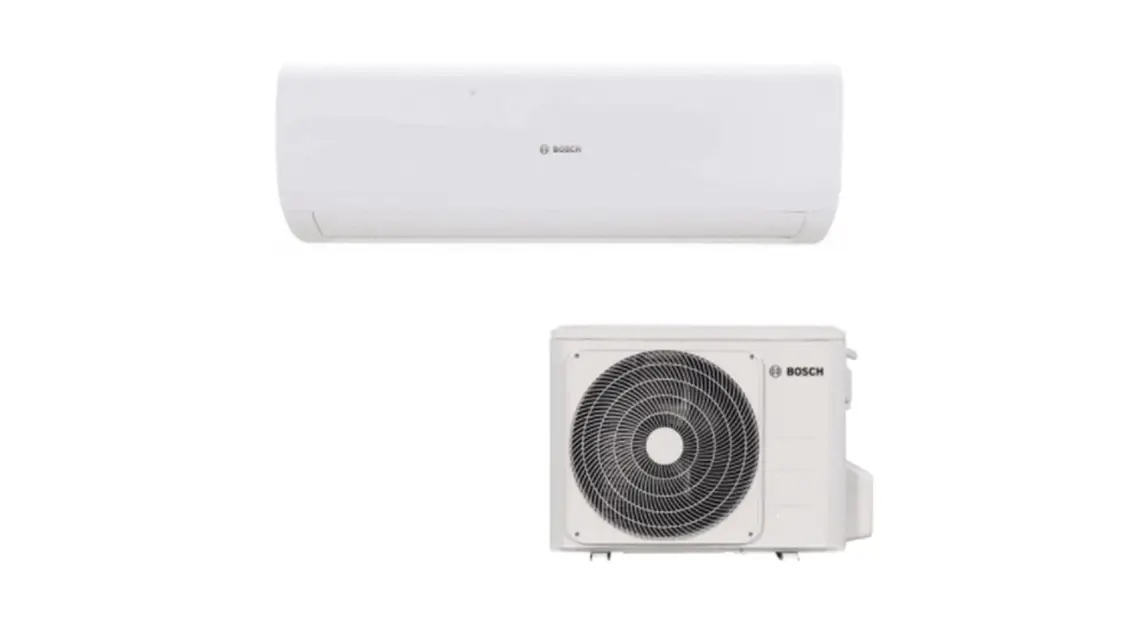
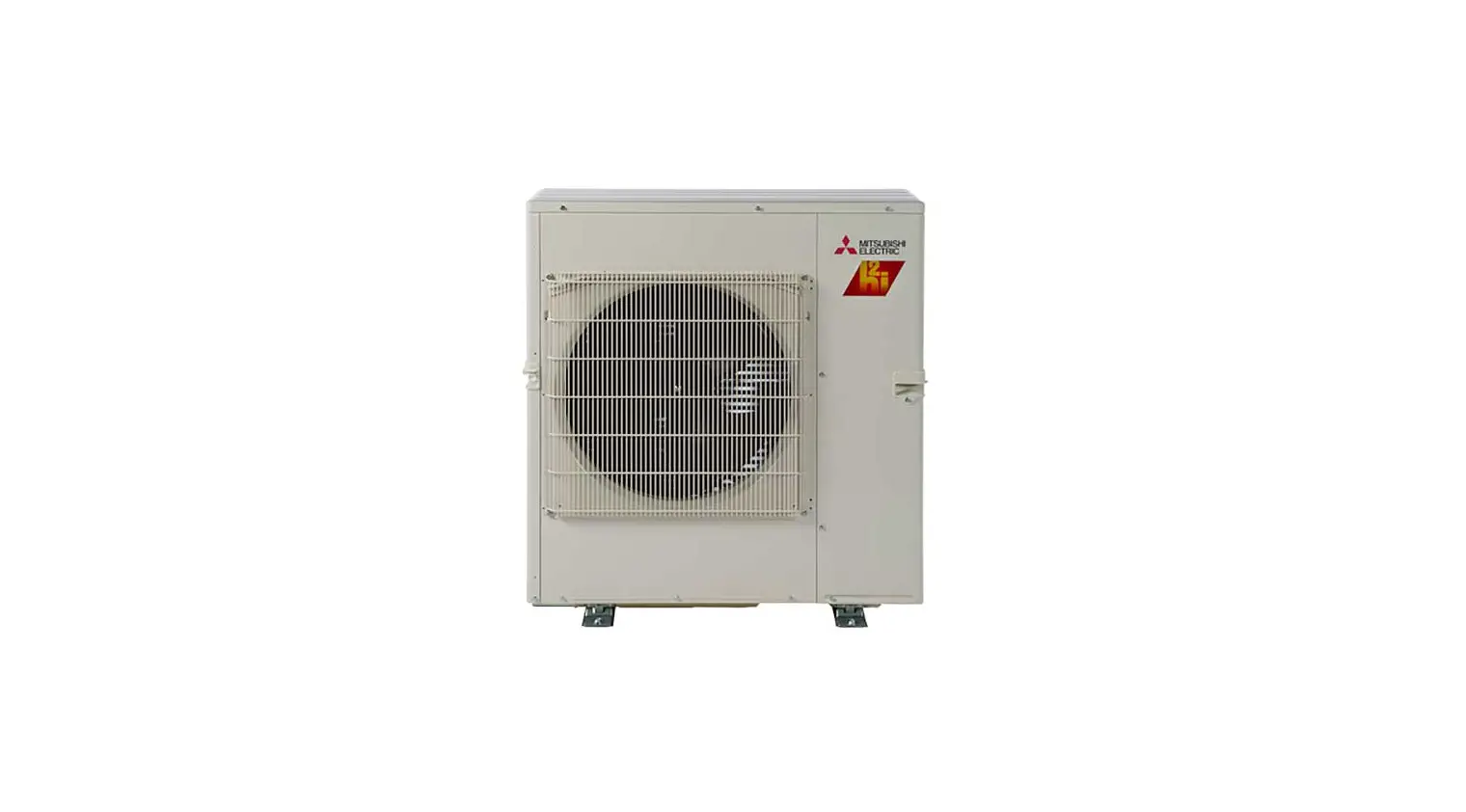
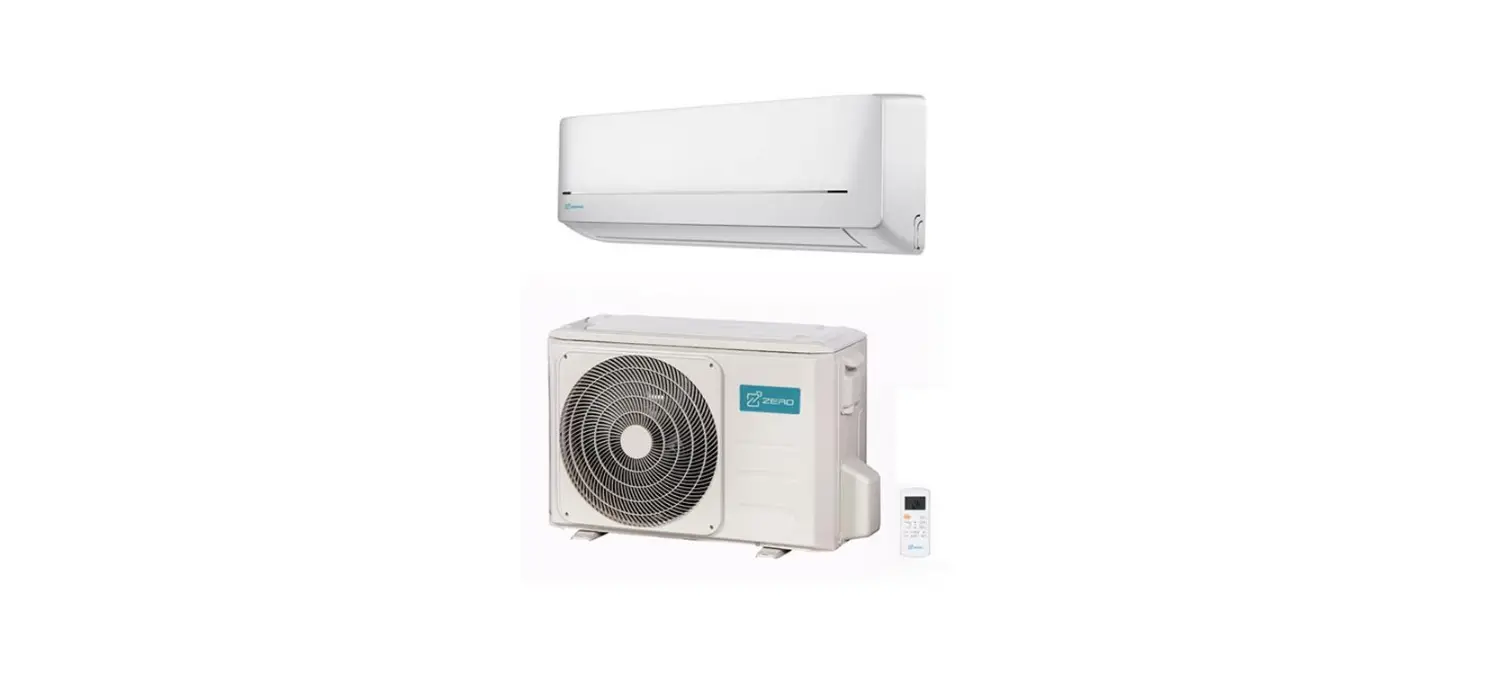
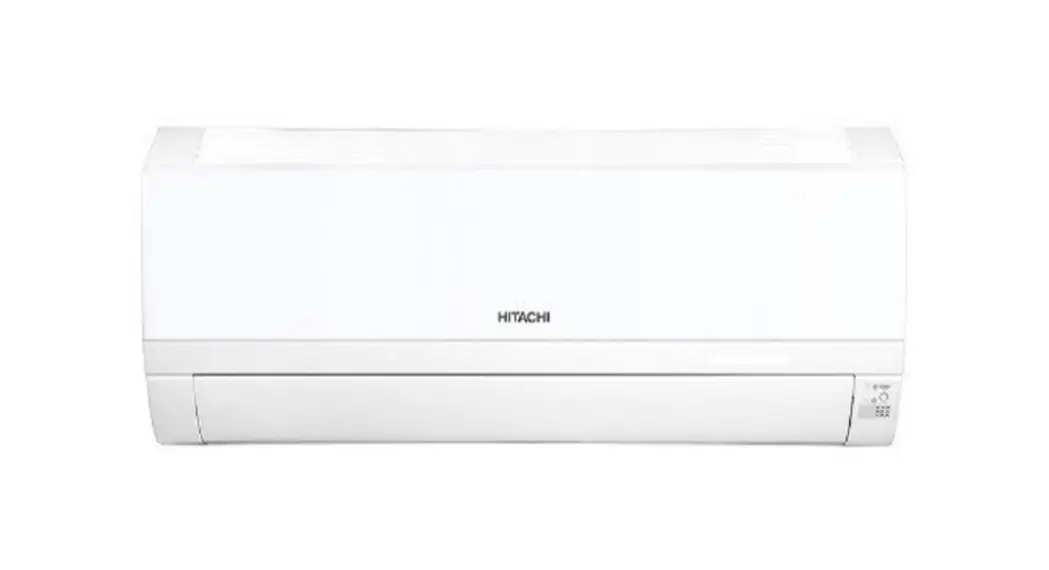
ACD-18KBTU Mini Split Air Conditioner
Product Information
Product Name: ACD-18KBTU
Product Type: Mini-Split Air Conditioner
Features: Inverter with Smart Control &
Remote Control
Product Usage Instructions
- Read the user manual before installing and using the
appliance. - Ensure that children do not have access to the working area
during installation of the indoor and outdoor units to prevent
accidents. - Firmly fix the base of the outdoor unit to ensure
stability. - Avoid air entering the refrigerant system and check for
refrigerant leaks when moving the air conditioner. - After installation, perform a test cycle and record the
operating data. - Protect the indoor unit with a fuse or overload protection
device suitable for the maximum input current. - Check that the mains voltage matches the rating plate and keep
the switch or power plug clean. Ensure proper contact when
inserting the power plug into the socket to avoid electric shock or
fire risks. - If the socket is not suitable for the plug, have the socket
changed. - The appliance must be fitted with means for disconnection from
the supply mains in accordance with wiring rules. - The air conditioner should be installed by professional or
qualified persons. - Avoid installing the appliance less than 50 cm away from
inflammable substances or pressurized containers. - In areas without ventilation, take precautions to prevent leaks
of refrigerant gas that could create a fire hazard. - Dispose of packaging materials in separate waste bins. Properly
dispose of the air conditioner at the end of its useful life at a
special waste collection center. - Follow the instructions in the user manual for correct usage of
the air conditioner. Use common sense and caution during
installation, operation, and maintenance. - Ensure compliance with applicable national regulations during
installation. - Disconnect all power circuits before accessing the
terminals. - Install the appliance in accordance with national wiring
regulations. - This appliance can be used by children aged 8 years and above,
as well as individuals with reduced physical, sensory, or mental
capabilities or lack of experience.
ACD-18KBTU
INSTRUCTION MANUAL , INSTALLATION, FEATURES EN GEBRAUCHSANWEISUNG, INSTALLATION, AUSSTATTUNG DE MANUAL DE INSTRUCCIONES , INSTALACIÓN, CARACTERÍSTICAS ES MANUEL D’INSTRUCTION, INSTALLATION, CARACTÉRISTIQUE FR MANUALE DI ISTRUZIONI, INSTALLAZIONE, CARATTERISTICA IT
INSTRUKCJA OBSLUGI, INSTALACJA, FUNKCJE PL
ACD-18KBTU
MINI-SPLIT AIR CONDITIONER
INVERTER WITH SMART CONTROL & REMOTE CONTROL
INDEX
SAFETY PRECAUTIONS …………………………………………………………………………………………………………………………………………………………………………………………………………………………………………………………………………………..4 NAME OF PARTS ………………………………………………………………………………………………………………………………………………………………………………………………………………………………………………………………………………………………………. 6 REMOTE CONTROL ……………………………………………………………………………………………………………………………………………………………………………………………………………………………………………………………………………………………….8 OPERATION INSTRUCTIONS …………………………………………………………………………………………………………………………………………………………………………………………………………………………………………………………………12 INSTRUCTIONS FOR SERVICING(R32)…………………………………………………………………………………………………………………………………………………………………………………………………………………………………….13 INSTALLATION PRECAUTIONS…………………………………………………………………………………………………………………………………………………………………………………………………………………………………………………………..17 INDOOR UNIT INSTALLATION …………………………………………………………………………………………………………………………………………………………………………………………………………………………………………………………..20 OUTDOOR UNIT INSTALLATION…………………………………………………………………………………………………………………………………………………………………………………………………………………………………………………….24 TEST OPERATION…………………………………………………………………………………………………………………………………………………………………………………………………………………………………………………………………………………………………26 MAINTENANCE ……………………………………………………………………………………………………………………………………………………………………………………………………………………………………………………………………………………………………….. 27 TROUBLESHOOTING ………………………………………………………………………………………………………………………………………………………………………………………………………………………………………………………………………………………. 29 DISPOSAL GUIDELINE (EUROPEAN)………………………………………………………………………………………………………………………………………………………………………………………………………………………………………30
*The design and specifications are subject to change without prior notice for product improvement. Consult with the sales agency or manufacturer for details. * The shape and position of buttons and indicators may vary according to the model, but their function are the same.
SAFETY PRECAUTIONS
SAFETY RULES AND RECOMMENDATIONS FOR THE INSTALLER
1. Read this guide before installing and using the appliance.
2.During the installation of the indoor and outdoor units, access to the working area should be forbidden to children. Unforeseeable accidents could happen.
3. .Make sure that the base of the outdoor unit is firmly fixed.
4. Check that air cannot enter the refrigerant system and check for refrigerant leaks when moving the air conditioner.
5.Carry out a test cycle after installing the air conditioner and record the operating data.
6.Protect the indoor unit with a fuse of suitable capacity for the maximum input current or with another overload protection device.
7. Ensure that the mains voltage corresponds to that stamped on the rating plate. Keep the switch or power plug clean. Insert the power plug correctly and firmly into the socket, thereby avoiding the risk of electric shock or fire due to insufficient contact.
8.Check that the socket is suitable for the plug , otherwise have the socket changed.
9.The appliance must be fitted with means for disconnection from the supply mains having a contact separation in all poles that provide full disconnection under over voltage category III conditions, and these means must be incorporated in the fixed wiring in accordance with the wiring rules.
10. The air conditioner must be installed by professional or qualified persons.
11. Do not install the appliance at a distance of less than 50 cm from inflammable substances(alcohol, etc.) Or from pressurized containers (e.g. spray cans).
12. If the appliance is used in areas without the possibility of ventilation, precautions must be taken to prevent any leaks of refrigerant gas from remaining in the environment and creating a danger of fire.
13. The packaging materials are recyclable and should be disposed of in the separate waste bins. Take the air conditioner at the end of its useful life to a special waste collection center for disposal.
14. Only use the air conditioner as instructed in this booklet. These instructions are not intended to cover every possible condition and situation. As with any electrical household appliance, common sense and caution are therefore always recommended for installation, operation and maintenance.
15. The appliance must be installed in accordance with applicable national regulations.
16. Before accessing the terminals, all the power circuits must be disconnected from the power supply.
17. The appliance shall be installed in accordance with national wiring regulations.
18. This appliance can be used by children aged from 8 years and above and persons with reduced physical, sensory or mental capabilities or lack of experience
and knowledge if they have been given supervision or instruction concerning use of the appliance in a safe way and understand the hazards involved. Children shall not play with the appliance. Cleaning and user maintenance shall not be made by children without supervision.
19. Do not try to install the conditioner alone, always contact specialized technical personnel.
20.Cleaning and maintenance must be carried out by specialized technical personnel. In any case disconnect the appliance from the mains electricity supply before carrying out any cleaning or maintenance.
21. Ensure that the mains voltage corresponds to that stamped on the rating plate. Keep the switch or power plug clean. Insert the power plug correctly and firmly into the socket, thereby avoiding the risk of electric shock or fire due to insufficient contact.
22. Do not pull out the plug to switch off the appliance when it is in operation, since this could create a spark and cause a fire, etc.
23. This appliance has been made for air conditioning domestic environments and must not be used for any other purpose, such as for drying clothes, cooling food, etc.
24.Always use the appliance with the air filter mounted. The use of the conditioner without air filter could cause an excessive accumulation of dust or waste on the inner parts of the device with possible subsequent failures.
25. The user is responsible for having the appliance installed by a qualified technician, who must check that it is earth in accordance with current legislation and insert a thermos magnetic circuit breaker.
26. The batteries in the remote controller must be recycled or disposed of properly. For disposal of scrap batteries, please discard the batteries as sorted municipal waste at the accessible collection point.
27. Never remain directly exposed to the flow of cold air for a long time. The direct and prolonged exposition to cold air could be dangerous for your health. Particular care should be taken in the rooms where there are children, old or sick people.
28.If the appliance gives off smoke or there is a smell of burning, immediately cut off the power supply and contact the Service Center.
29. The prolonged use of the device in such conditions could cause fire or electrocution.
30. Have repairs carried out only by an authorised Service Centra of the manufacturer. Incorrect repair could expose the user to the risk of electric shock, etc.
31. Unhook the automatic switch if you foresee not to use the device for a long time. The airflow direction must be properly adjusted.
32. The flaps must be directed downwards in the heating mode and upwards in the cooling mode.
33. Ensure that the appliance is disconnected from the power supply when it will remain inoperative for a long period and before carrying out any cleaning or maintenance.
34.Selecting the most suitable temperature can prevent damage to the app
4 ACD-18KBTU
EN
SAFETY RULES AND RECOMMENDATIONS FOR THE INSTALLER
1. Do not bend, tug or compress the power cord since this could damage it. Electrical shocks or fire are probably due to a damaged power cord. Specialized technical personnel only must replace a damaged power cord.
2. Do not use extensions or gang modules.
3. Do not touch the appliance when barefoot or parts of the body are wet or damp.
4. Do not obstruct the air inlet or outlet of the indoor or the outdoor unit. The obstruction of these openings causes a reduction in the operative efficiency of the conditioner with possible consequent failures or damages.
5. In no way alter the characteristics of the appliance.
6. Do not install the appliance in environments where the air could contain gas, oil or sulphur or near sources of heat.
7. This appliance is not intended for use by persons (including children ) with reduced physical, sensory or mental capabilities, or lack of experience and knowledge, unless they have been given supervision or instruction concerning use of the appliance by a person responsible for their safety.
8. Do not climb onto or place any heavy or hot objects on top of the appliance.
9. Do not leave windows or doors open for long when the air conditioner is operating.
10. Do not direct the airflow onto plants or animals.
11. A long direct exposition to the flow of cold air of the conditioner could have negative effects on plants and animals.
12. Do not put the conditioner in contact with water. The electrical insulation could be damaged and thus causing electrocution.
13. Do not climb onto or place any objects on the outdoor unit.
14. Never insert a stick or similar object into the appliance. It could cause injury.
15. Children should be supervised to ensure that they do not play with the appliance. If the supply cord is damaged, it must be replaced by the manufacturer, its service agent or similarly qualified persons in order to avoid a hazard.
ACD-18KBTU 5
NAME OF PARTS
Indoor Unit
Mounting plate
Air outlet
Outdoor Unit
Air inlet Front panel Emergency button
Ref rigerant connecting pipe
Air outlet
Air inlet
Wiring cover
Drainage pipe Connection wiring Valve protective cover
Gas valve (Low pressure valve) Liquid valve (High pressure valve)
With the protective cover removed
6 ACD-18KBTU
EN
Indoor Display
2
1
3
NO
LED
FUNCTION
1
Indicator for Timer, temperature and Error codes.
2
Lights up during Timer operation.
3
SLEEP mode
The shape and position of switches and indicators may be different according to the model, but their function is the same.
ACD-18KBTU 7
REMOTE CONTROLLER
19 2 3 4 5 6 1
13 9
14
10
16
11
21
10
12
15 17 20 4 18 8 22 24 25
23
26 29
28 33
31 35
30 36 34 32 27 37
1) Battery indicator 2) Auto Mode 3) Cooling Mode 4) Dry Mode 5) Fan only Mode 6) Heating Mode 7) ECO Moder 8) Timer 9) Temperature indicator 10) Fan speed: Auto/low/ low-mid/ mid/ mid-high/ high
11) Mute function 12) TURBO function 13) Up-down auto swing 14) Left-right auto swing 15) SLEEP function 16) Health function 17) I FEEL function 18) 8ºC heating function 19) Signal indicator 20) Gentle wind
8 ACD-18KBTU
21) Child-Lock 22) Display ON/OFF 23) To turn on/off the air conditioner. 24) To increase temperature, or Timer setting hours. 25) To decrease temperature, or Timer setting hours. 26) MODE To select the mode of operation (AUTO,
COOL, DRY, FAN, HEAT). 27) ECO To activate/deactivate the ECO function.
Long press to activate/deactivate the 8ºC heating function (depending on models). 28) TURBO To activate/deactivate the TURBO function. 29) FAN To select the fan speed of auto/low/mid/high. 30) TIMER To set the time for timer on/off. 31) SLEEP To switch-on/off the function SLEEP. 32) DISPLAY To switch-on/off the LED display. 33) SWING To stop or start horizontal flaps louver
movement or set the desired up/down air flow direction.
34) SWING To stop or start vertical deflectors louver movement or set the desired left/right air flow direction.
35) I FEEL To switch-on/off the I FEEL function.
36) MUTE To switch-on/off the MUTE function. Long press to activate/deactivate the GEN function (depending on models).
37) I SET To memory the setting temperature, setting mode and setting fan speed as you need.
The display and some functions of the remote control may vary according to the model.
The shape and position of buttons and indicators may vary according to the model, but their function is the same.
The unit confirms the correct reception of each button with the beep.
EN
REPLACEMENT OF BATTERIES
Remove the battery cover plate from the rear of the remote control, by sliding it in direction as the arrow. Install the batteries according the direction (+ and -) shown on the Remote Control. Reinstall the battery cover by sliding it into place.
Use 2 pieces LRO3 AAA (1.5V) batteries. Do not use rechargeable batteries. Replace the old batteries with new ones of the same type when the display is no longer legible. Do not dispose batteries as unsorted municipal waste. Collection of such waste separately for special treatment is necessary.
For some model, each time when insert the batteries in the remote controller for the first time, you can set the Cooling only or Heating pump control type. As soon as you insert the batteries, turn off the remote controller, and operate as below.
1. Long press the MODE button, until the ( ) icon flash, to set the Cooling only type.
2. Long press the MODE button, until the ( ) icon flazsh, to set the Heating pump type.
Note: If you set the remote control in cooling mode, it will not be possible to activate the heating function in units with a heating pump. If you need to reset, take out the batteries and install again.
For some models of the remote controller, you can program the temperature display between ºC and ºF.
1. Press and hold the TURBO ,button over 5 seconds to get into the change mode;
2.Press and hold the TURBO until it switch to ºC and ºF.;
3. Then release the pressing and wait for 5 seconds, the function will be selected.z
Note:
1. Direct the remote control toward the Air conditioner
2. Check that there are no objects between the remote control and the Signal receptor in the indoor unit.
3. Never leave the remote control exposed to the rays of the sun.
4. Keep the remote control at a distance of at least 1m from the television or other electrical appliances.
ACD-18KBTU 9
COOLING MODE
The cooling function allows the air
COOL
conditioner to cool the room and reduce
Air humidity at the same time.
To activate the cooling function (COOL), press the
MODE button until the symbol appears on the
display.
With the button or set a temperature lower
than that of the room.
FAN MODE (Not FAN button)
FAN DRY MODE
Fan mode, air ventilation only. To set the FAN mode, press MODE until appears on the display.
DRY
This function reduces the humidity of the air to make the room more
comfortable. To set the DRY mode, Press MODE until appears
in the display. An automatic function of pre-setting is
activated.
AUTO MODE
AUTO
Automatic mode. To set the AUTO mode, press MODE
until appears on the display.
In AUTO mode the run mode will be set
automatically according to the room temperature.
HEATING MODE
The heating function allows the air
HEAT
conditioner to heat the room.
To activate the heating function (HEAT),
press the MODE button until the symbol appears on
the display.
With the button or set a temperature higher than that
of the room.
In HEATING operation, the appliance can automatically activate a defrost cycle, which is essential to clean the frost on the condenser so as to recover its heat exchange function. This procedure usually lasts for 2-10 minutes. During defrosting, indoor unit fan stop operation. After defrosting, it resumes to HEATING mode automaticall
FAN SPEED function (FAN button)
Change the operating fan speed.
FAN
Press button FAN to set the running fan
speed,
it can be set to AUTO/ MUTE/ LOW/ LOW-MID
/ MID/ MID-HIGH/ HIGH/ TURBO speed circularly.
CHILD-LOCK FUNCTION
1. Long press MODE and TIMER button together to active this function, and do it again to desactivate this function.
2. Under this function, no single button will active.
TIMER function —- TIMER ON
TIMER
To automatic switch on the appliance. When the unit is switch-off, you can set
the TIMER ON.
To set the time of automatic switch-on as below:
1. Press TIMER button first time to set the switch-on,
and
will appear on the remote display and
flashes.
2. Press or to button to set desired Timer-on time. Each time you press the button, the time increases/ decreases by half an hour between 0 and 10 hours and by one between 10 and 24 hours.
3. Press TIMER button second time to confirm.
4. After Timer-on setting, set the needed mode (Cool/ Heat/ Auto/ Fan/ Dry), by press the MODE button. And set the needed fan speed, by press FAN button. And press or to set the needed operation temperature.
CANCEL it by press TIMER button.
TIMER function —- TIMER OFF
TIMER
To automatic switch off the appliance. When the unit is switch-off, you can set
the TIMER ON.
To set the time of automatic switch-on as below:
When the unit is switch-on, you can set the TIMER OFF.
1. Confirm the appliance is ON. 2. Press the TIMER button at first time to set the
switch-off. 3. Press TIMER button at the second time to confirm.
CANCEL it by press TIMER button.
Note: All programming should be operated within 5 seconds, otherwise the setting will be cancelled.
SWING function
SWING
SWING
1. Press the button SWING to activate the louver,
1.1 Press to activate the horizontal flaps to swing from up to down, the will appear on the remote display. Press again to stop the swing movement at the current angle. 1.2 Press to active the vertical deflectors to swing from left to right, the will appear on the remote display. Press again to stop the swing movement at the current angle.
2. If the vertical deflectors are positioned manually which placed under the flaps, they allow to move the air flow direct to rightward or leftward.
3. For some inverter heating models, press horizontal SWING and vertical SWING together button at the same time, it will activate the Self-Clean function.
10 ACD-18KBTU
This adjustment must be done while the appliance is switched off
Never position Flaps manually, the delicate mechanism might seriously damaged!
Never put fingers, sticks or other objects into the air inlet or outlet vents. Such accidental contact with live parts might cause unforeseeable damage or injury.
TURBO function
To activate turbo function, press the
TURBO
TURBO button, and will appear on
the display.
Press again to cancel this function.
In COOL/ HEAT mode, when you select TURBO feature,
the appliance will turn to quick COOL or quick HEAT
mode, and operate the highest fan speed to blow
strong airflow.
MUTE function
MUTE
1. Press MUTE button to active this function, and will appears on the remote display. Do it again to deactivate this function.
2. When the MUTE function runs, the remote controller will display the auto fan speed, and the indoor unit will operate at lowest fan speed to be quiet feeling.
3. When press FAN/ TURBO/ SLEEP button, the MUTE function will be cancel. MUTE function can not be activated under dry mode.
SLEEP function
SLEEP
Pre-setting automatic operating program.
Press SLEEP button to activate the
SLEEP function, and appears on the display. Press
again to cancel this function.
After 10 hours running in sleep mode, the air conditioner will change to the previous setting mode.
I FEEL function (Optional)
I FEEL function.
Press I FEEL button to active the function, the will appear on the remote
display. Do it again to deactivate this
This function enables the remote control to measure the temperature at its current location, and send this signal to the air conditioner to optimize the temperature around you and ensure the comfort.
It will automatically deactivate 2 hours later.
ECO function
In this mode the appliance automatically
ECO
sets the operation to save energy.
Press the ECO button, the appears on
the display, and the appliance will run in ECO mode.
Press again to cancel it.
Note: The ECO function is available in both COOLING and HEATING modes. DISPLAY function
Switch ON/OFF the LED display on panel. DISPLAY Press DISPLAY button to switch off the
LED display on the panel. Press again to switch on the LED display.
GEN function (Optional)
1. Turn on the indoor unit at first, and long press MUTE button 3 seconds to active, and do it again to deactivate this function.
2. Under this function, short press MUTE button to select the General type L3 – L2 – L1 – OF.
3. Select OF and wait 2 seconds to exit it.
* If the indoor unit displays “0A”, please use the remote to raise the operating gear of the GEN mode, and the compressor will restart after stopping for 3 minutes.
SELF-CLEAN function (Optional)
Only optional for some heating pump inverter appliance. To active this function, turn off the indoor unit at first, then press SWING and SWING button at the same time toward the indoor unit, until hear a beep, and AC will appear on the remote controller display and the indoor LED display.
1. This function helps carry away the accumulated dirt, bacteria, etc from the indoor evaporator.
2. This function will run about 30 minutes, and it will return to the pre-setting mode. You can press button to cancel this function during the process.
You will hear 2 beeps when it’s finished or cancelled.
It’s normal if there is some noise during this function process, as plastic materials expand with heat and contract with cold.
We suggest operating this function at the following ambient conditions to avoid certain safety protection features.
Indoor unit Temp < 86ºF (30ºC)
Outdoor unit 41ºF (5ºC) < Temp < 86ºF(30ºC)
It’s suggested to utilize this function every 3 months.
8ºC HEATING function (Optional)
1. Long press ECO button over 3 seconds to active this function, and 8ºC ( 46ºF ) will appear on the remote display.
2. Do it again to deactivate this function 8ºC 46ºF This function will auto start the heating mode when the room temperature is lower than 8ºC (46ºF), and it will return to standby if the temperature reaches 9ºC (48ºF).
3. If the room temperature is higher than 18ºC (64ºF), the appliance will cancel this function automatically.
EN
ACD-18KBTU 11
Gentle Wind function (Optional)
1. Turn on the indoor unit, and change to COOL mode, then long press FAN and MUTE button together 3 seconds to active this function, will appear on the display. Do it again to deactivate it.
2. This function will auto close the vertical flaps, and give you the comfortable gentle wind feeling.
Health function (Optional)
1. Turn on the indoor unit at first, and long press SLEEP and DISPLAY button together 3 seconds to active this function, will appear on the display. Do it again to deactivate it
2. When the HEALTH function is initiated, the Ionizer/ Plasma/ Bipolar Ionizer/ UVC Lights (depending on models) will be energized and running.
I SET function (Optional)
Remember your favorite setting and run into it by press One button Remember the favorite setting:
1. In each mode (COOLING/ HEATING/ FAN/ DRY), long press ” I SET ” button over 3 seconds to remember it;
2. When “AU” flashing appears on the remote controller display, that means the remote controller remember your favorite setting;
* Press any button to quit, and you can reset it by repeat 1, 2 operation.
Run into the favorite setting:
1. In each mode (COOLING/ HEATING/ FAN/ DRY), one press ” I SET ” button to active;
2. The appliance will run as your favorite setting and you will see [AU] flashing on the remote controller;
3. Press it again or other buttons to cancel this function.
OPERATION INSTRUCTIONS
Attempt to use the air conditioner under the temperature beyond the specified range may cause the air conditioner protection device to start and the
air conditioner may fail to operate. Therefore, try to use the air conditioner in the following temperature conditions.
Inverter air conditioner:
Temperature
MODE
Room temperature
Outdoor temperature
Heating 0 ºC~30ºC -20ºC~30ºC
Cooling
Dry
17ºC ~32ºC
-15ºC~53ºC
With the power supply connected, restart the air conditioner after shutdown, or switch it to other mode during operation, and the air conditioner
12 ACD-18KBTU
protection device will start. The compressor will resume operation after 3 minutes.
Characteristics of heating operation (applicable to Heating pump)
Preheating:
When the heating function is enabled, the indoor unit will take 2~5 minutes for preheating, after that the air conditioner will start heating and blow s warm air.
Defrosting:
During heating, when the outdoor unit frosted, the air conditioner will enable the automatic
defrosting function to improve the heating effect. During defrosting, the indoor and outdoor fans stop running. The air conditioner will resume heating automatically after defrosting finish.
Emergency button:
Open the panel and find the emergency button on the electronic control box when the remote controller fails . (Always press the emergency button with insulation material.)
EN
Current status
Standby
Standby (Only for heating pump)
Running
Operation Press the emergency button once Press the emergency button twice in
3 seconds
Press the emergency button once
Respond It beeps briefly once. It beeps briefly twice.
It keeps beeping for a while
Enter mode Cooling mode Heating mode
Off mode
CONTROL-BOX COVER
(open the panel of indoor unit)
INSTRUCTIONS FOR SERVICING(R32)
1. Check the information in this manual to find out the dimensions of space needed for proper installation of the device, including the minimum distances allowed compared to adjacent structures.
2. Appliance shall be installed, operated and stored in a room with a floor area larger than 4m2.
3. The installation of pipe-work shall be kept to a minimum.
4. The pipe-work shall be protected from physical damage, and shall not be installed in an unventilated space if the space is smaller than 4m2.
5. The compliance with national gas regulations shall be observed.
6. The mechanical connections shall be accessible for maintenance purposes.
7. Follow the instructions given in this manual for
handling, installing, cleaning, maintaining and disposing of the refrigerant.
8. Make sure ventilation openings clear of obstruction.
9. Notice: The servicing shall be performed only as recommended by the manufacturer.
10. Warning:The appliance shall be stored in a wellventilated area where the room size corresponds to the room area as specified for operation.
11. Warning: The appliance shall be stored in a room without continuously operating open flames (for example an operating gas appliance) and ignition sources (for example an operating electric heater).
12. The appliance shall be stored so as to prevent mechanical damage from occurring.
13. It is appropriate that anyone who is called upon to work on a refrigerant circuit should hold a valid and
ACD-18KBTU 13
up-to-date certificate from an assessment authority accredited by the industry and recognizing their competence to handle refrigerants, in accordance with the assessment specification recognized in the industrial sector concerned. Service operations should only be carried out in accordance with the recommendations of the equipment manufacturer. Maintenance and repair operations that require the assistance of other qualified persons must be conducted under the supervision of the person competent for the use of flammable refrigerants.
14. Every working procedure that affects safety means shall only be carried out by competent persons.
15.Warning:
* Do not use means to accelerate the defrosting process or to clean, other than those recommended by the manufacturer.
* The appliance shall be stored in a room without continuously operating ignition sources (for example: open flames, an operating gas appliance or an operating electric heater).
* Do not pierce or burn.
* Be aware that refrigerants may not contain an odor.
Caution: Risk of fire
Operating instructions
Read technical manual
16. Information on servicing:
1) Checks to the area Prior to beginning work on systems containing flammable refrigerants, safety checks are necessary to ensure that the risk of ignition is minimized. For repair to the refrigerating system, the following precautions shall be complied with prior to conducting work on the system.
2) Work procedure Work shall be undertaken under a controlled procedure so as to minimize the risk of a flammable gas or vapor being present while the work is being performed.
3) General work area All maintenance staff and others working in the local area shall be instructed on the nature of work being carried out. Work in confined spaces shall be avoided. The area around the workspace shall be sectioned off. Ensure that the conditions within the area have been made safe by control of flammable material
4) Checking for presence of refrigerant The area shall be checked with an appropriate refrigerant detector prior to and during work, to ensure the technician is aware of potentially flammable atmospheres. Ensure that the leak detection equipment being used is suitable for use with flammable refrigerants, i.e. non-sparking, adequately sealed or intrinsically safe.
5) Presence of fire extinguisher If any hot work is to be conducted on the refrigeration equipment or any associated parts, appropriate fire extinguishing equipment shall be available to hand. Have a dry powder or CO 2 fire extinguisher adjacent to the charging area.
6) No ignition sources No person carrying out work in relation to a refrigeration system which involves exposing any pipe work shall use any sources of ignition in such a manner that it may lead to the risk of fire or explosion. All possible ignition sources, including cigarette smoking, should be kept sufficiently far away from the site of installation, repairing, removing and disposal, during which refrigerant can possibly be released to the surrounding space. Prior to work taking place, the area around the equipment is to be surveyed to
14 ACD-18KBTU
make sure that there are no flammable hazards or ignition risks. No Smoking signs shall be displayed.
7) Ventilated area Ensure that the area is in the open or that it is adequately ventilated before breaking into the system or conducting any hot work. A degree of ventilation shall continue during the period that the work is carried out. The ventilation should safely disperse any released refrigerant and preferably expel it externally into the atmosphere.
8) Checks to the refrigeration equipment Where electrical components are being changed, they shall be fit for the purpose and to the correct specification. At all times the manufacturer’s maintenance and service guidelines shall be followed.
If in doubt consult the manufacturer’s technical department for assistance.
The following checks shall be applied to installations using flammable refrigerants:
— The charge size is in accordance with the room size within which the refrigerant containing parts are installed;
— The ventilation machinery and outlets are operating adequately and are not obstructed;
— If an indirect refrigerating circuit is being used, the secondary circuit shall be checked for the presence of refrigerant;
— Marking to the equipment continues to be visible and legible. Markings and signs that are illegible shall be corrected;
— Refrigeration pipe or components are installed in a position where they are unlikely to be exposed to any substance which may corrode refrigerant containing components, unless the components are constructed of materials which are inherently resistant to being corroded or are suitably protected against being so corroded.
The following checks shall be applied to installations using flammable refrigerants:
— The charge size is in accordance with the room size within which the refrigerant containing parts are installed;
— The ventilation machinery and outlets are operating adequately and are not obstructed;
— If an indirect refrigerating circuit is being used, the secondary circuit shall be checked for the presence of refrigerant;
— Marking to the equipment continues to be visible and legible. Markings and signs that are illegible shall be corrected;
— Refrigeration pipe or components are installed in a position where they are unlikely to be exposed to any substance which may corrode refrigerant containing components, unless the components are constructed of materials which are inherently resistant to being corroded or are suitably protected against being so corroded.
9) Checks to electrical devices
Repair and maintenance to electrical components shall include initial safety checks and component inspection procedures. If a fault exists that could compromise safety, then no electrical supply shall be connected to the circuit until it is satisfactorily dealt with. If the fault cannot be corrected immediately but it is necessary to continue operation, an adequate temporary solution shall be used. This shall be reported to the owner of the equipment so all parties are advised. Initial safety checks shall include:
— That capacitors are discharged: this shall be done in a safe manner to avoid possibility of sparking;
— That there no live electrical components and wiring are exposed while charging, recovering or purging the system;
— That there is continuity of earth bonding.
17. Repairs to sealed components
1) During repairs to sealed components, all electrical supplies shall be disconnected from the equipment being worked upon prior to any removal of sealed covers, etc. If it is absolutely necessary to have an electrical supply to equipment during servicing, then a permanently operating form of leak detection shall be located at the most critical point to warn of a potentially hazardous situation.
2) Particular attention shall be paid to the following to ensure that by working on electrical components, the casing is not altered in such a way that the level of protection is affected. This shall include damage to cables, excessive number of connections, terminals not made to original specification, damage to seals, incorrect fitting of glands, etc. Ensure that apparatus is mounted securely. Ensure that seals or sealing materials have not degraded such that they no longer serve the purpose of preventing the ingress of flammable atmospheres. Replacement parts shall be in accordance with the manufacturer’s specifications.
NOTE: The use of silicon sealant may inhibit the effectiveness of some types of leak detection equipment. Intrinsically safe components do not
have to be isolated prior to working on them.
18. Repair to intrinsically safe components
Do not apply any permanent inductive or capacitance loads to the circuit without ensuring that this will not exceed the permissible voltage and current permitted for the equipment in use. Intrinsically safe components are the only types that can be worked on while live in the presence of a flammable atmosphere. The test apparatus shall be at the correct rating. Replace components only with parts specified by the manufacturer. Other parts may result in the ignition of refrigerant in the atmosphere from a leak.
19. Cabling
Check that cabling will not be subject to wear, corrosion, excessive pressure, vibration, sharp edges or any other adverse environmental effects. The check shall also take into account the effects of aging or continual vibration from sources such as compressors or fans.
20. Detection of flammable refrigerants
Under no circumstances shall potential sources of ignition be used in the searching for or detection of refrigerant leaks. A halide torch (or any other detector using a naked flame) shall not be used.
21. Leak detection methods
The following leak detection methods are deemed acceptable for systems containing flammable refrigerants. Electronic leak detectors shall be used to detect flammable refrigerants, but the sensitivity may not be adequate, or may need re-calibration. (Detection equipment shall be calibrated in a refrigerant-free area). Ensure that the detector is not a potential source of ignition and is suitable for the refrigerant used. Leak detection equipment shall be set at a percentage of the LFL of the refrigerant and shall be calibrated to the refrigerant employed and the appropriate percentage of gas (25 % maximum) is confirmed. Leak detection fluids are suitable for use with most refrigerants but the use of detergents containing chlorine shall be avoided as the chlorine may react with the refrigerant and corrode the copper pipe-work. If a leak is suspected, all naked flames shall be removed/ extinguished. If a leakage of refrigerant is found which requires brazing, all of the refrigerant shall be recovered from the system, or isolated (by means of shut off valves) in a part of the system remote from the leak. Oxygen free nitrogen (OFN) shall then be purged through the system both before and during the brazing process.
22. Removal and evacuation
When breaking into the refrigerant circuit to make repairs or for any other purpose conventional procedures shall be used. However, it is important that best practice is followed since inflammability is a consideration. The following procedure shall be adhered to:
— Remove refrigerant; — Purge the circuit with inert gas; — Evacuate; — Purge again with inert gas; — Open the circuit by cutting or brazing.
EN
ACD-18KBTU 15
The refrigerant charge shall be recovered into the correct recovery cylinders. The system shall be flushed with OFN to render the unit safe. This process may need to be repeated several times. Compressed air or oxygen shall not be used for this task. Flushing shall be achieved by breaking the vacuum in the system with OFN and continuing to fill until the working pressure is achieved, then venting to atmosphere, and finally pulling down to a vacuum. This process shall be repeated until no refrigerant is within the system. When the final OFN charge is used, the system shall be vented down to atmospheric pressure to enable work to take place. This operation is absolutely vital if brazing operations on the pipe-work are to take place. Ensure that the outlet for the vacuum pump is not close to any ignition sources and there is ventilation available.
23. Decommissioning
Before carrying out this procedure, it is essential that the technician is completely familiar with the equipment and all its detail. It is recommended good practice that all refrigerants are recovered safely. Prior to the task being carried out, an oil and refrigerant sample shall be taken in case analysis is required prior to re-use of reclaimed refrigerant. It is essential that electrical power is available before the task is commenced.
a) Become familiar with the equipment and its operation.
b) Isolate system electrically.
c) Before attempting the procedure, ensure that:
· mechanical handling equipment is available, if required, for handling refrigerant cylinders;
· all personal protective equipment is available and being used correctly
· the recovery process is supervised at all times by a competent person;
· recovery equipment and cylinders conform to the appropriate standards.
d) Pump down refrigerant system, if possible.
e) If a vacuum is not possible, make a manifold so that refrigerant can be removed from various parts of the system.
f) Make sure that the cylinder is situated on the scales before recovery takes place.
g) Start the recovery machine and operate in accordance with manufacturer’s instructions.
h) Do not overfill cylinders. (No more than 80 % volume liquid charge).
i) Do not exceed the maximum working pressure of the cylinder, even temporarily.
j) When the cylinders have been filled correctly and the process completed, make sure that the cylinders and the equipment are removed from site promptly and all isolation valves on the equipment are closed off.
k) Recovered refrigerant shall not be charged into another refrigeration system unless it has been cleaned and checked.
24. Labeling
Equipment shall be labeled stating that it has been de-commissioned and emptied of refrigerant. The label shall be dated and signed. Ensure that there are labels on the equipment stating the equipment contains flammable refrigerant.
25. Recovery
When removing refrigerant from a system, either for servicing or decommissioning, it is recommended good practice that all refrigerants are removed safely.
When transferring refrigerant into cylinders, ensure that only appropriate refrigerant recovery cylinders are employed. Ensure that the correct number of cylinders for holding the total system charge are available. All cylinders to be used are designated for the recovered refrigerant and labeled for that refrigerant (i.e. Special cylinders for the recovery of refrigerant). Cylinders shall be complete with pressure-relief valve and associated shut-off valves in good working order.
Empty recovery cylinders are evacuated and, if possible, cooled before recovery occurs. The recovery equipment shall be in good working order with a set of instructions concerning the
equipment that is at hand and shall be suitable for the recovery of all appropriate refrigerants including, when applicable, flammable refrigerants. In addition, a set of calibrated weighing scales
shall be available and in good working order. Hoses shall be complete with leak-free disconnect couplings and in good condition. Before using the recovery machine, check that it is in satisfactory working order, has been properly maintained and that any associated electrical components are sealed to prevent ignition in the event of a refrigerant release. Consult manufacturer if in doubt.
The recovered refrigerant shall be returned to the refrigerant supplier in the correct recover cylinder, and the relevant waste transfer note arranged. Do not mix refrigerants in recovery units and especially not in cylinders.
If compressors or compressor oils are to be removed, ensure that they have been evacuated to an acceptable level to make certain that flammable refrigerant does not remain within the lubricant.
The evacuation process shall be carried out prior to returning the compressor to the suppliers.
Only electric heating to the compressor body shall be employed to accelerate this process. When oil is drained from a system, it shall be carried out safely.
16 ACD-18KBTU
INSTALLATION PRECAUTIONS(R32)
EN
Important Considerations
1. The air conditioner must be installed by professional personnel and the Installation manual is used only for the professional installation personnel! The installation specifications should be subject to our after-sale service regulations.
2. When filling the combustible refrigerant, any of your rude operations may cause serious injury or injuries to human body and objects.
3. A leak test must be done after the installation completed.
4. It is a must to do the safety inspection before maintaining or repairing an air conditioner using combustible refrigerant in order to ensure that the fire risk is reduced to minimum.
5. It is necessary to operate the machine under a controlled procedure in order to ensure that any risk arising from the combustible gas or vapor during the operation is reduced to minimum.
6. Requirements for the total weight of filled refrigerant and the area of a room to be equipped with an air conditioner (are shown as in the following Tables GG.1 and GG.2)
The maximum charge and the required minimum floor area
m1= (4m3) x LFL , m2 = (26 m3)) x LFL, m3 = (130m3 )x LFL
Where LFL is the lower flammable limit in kg/ m3 ,R32 LFL is 0.038 kg/ m3 .
For the appliances with a charge amount m1 < M = m2
The maximum charge in a room shall be in accordance with the following:
mmax = 2.5 x (LFL)(5/4) x h0 x (A)1/2 The required minimum floor area Amin to install an appliance with refrigerant charge M (kg) shall be in accordance with following: Amin = (M/ (2.5 x (LFL)(5/4) x h0))2
Table GG.1 – Maximum charge (kg)
Category
LFL (kg/m3)
h0 (m)
Floor area (m)2
R32
0.306
1
4
7
10
15
20
1.14
1.51
1.8
2.2
2.54
1.8
2.05
2.71
3.24
3.97
4.58
2.2
2.5
3.31
3.96
4.85
5.6
Table GG.2 – Minimum room area (m)2
Category
LFL (kg/m3)
R32
0.306
h0 (m) 0.6
1.224kg
1.836kg 29
Charge amount (M) (kg) Minimum room area (m2) 2.448kg 3.672kg 4.896kg
51
116
206
30 3.12 5.61 6.86
50 4.02 7.254 8.85
6.12kg 321
7.956kg 543
1
10
19
42
74
116
196
1.8
3
6
13
23
36
60
2.2
2
4
9
15
24
40
1. Installation Safety Principles
Open Flames Prohibited
Ventilation Necessary
ACD-18KBTU 17
2. Operation Safety
from open fire or welding, smoking, drying oven or any other heat source higher than 548 which easily produces open fire.
3. When installing an air conditioner, it is necessary to take appropriate anti-static measures such as wear anti-static clothing and/or gloves.
4. It is necessary to choose the site convenient for
Mind Static Electricity
Must wear protective clothing
Don`t use mobile phone
installation or maintenance wherein the air inlets and outlets of the indoor and outdoor units should be not surrounded by obstacles or close to any
heat source or combustible and/or explosive
3. Installation Safety
environment. 5. If the indoor unit suffers refrigerant leak during the
Refrigerant Leak Detector Appropriate Installation Location
installation, it is necessary to immediately turn off the valve of the outdoor unit and all the personnel should go out until the refrigerant leaks completely
The left picture is the schematic diagram of a refrigerant leak detector.
for 15 minutes. If the product is damaged, it is a must to carry such damaged product back to the maintenance station and it is prohibited to weld the
refrigerant pipe or conduct other operations on the
user’s site.
Please note that:
1. The installation site should be well-ventilated.
2. The sites for installing and maintaining an air conditioner using Refrigerant R32 should be free
6. It is necessary to choose the place where the inlet and outlet air of the indoor unit is even.
7. It is necessary to avoid the places where there are other electrical products, power switch plugs and sockets, kitchen cabinet, bed, sofa and other valuables right under the lines on two sides of the indoor unit.
Tool
Standard Wrench
Picture
Adjustable/ Crescent Wrench
Torque Wrench
Hex Keys or Allen Wrenches
Drill & Drill Bits
Tool Pipe Cutter
Screw drivers (Phillips & Flat
blade)
Manifold and Gauges
Level
Flaring tool
Picture
Tool Vacuum Pump
Safety Glasses
Work Gloves
Refrigerant Scale
Micron Gauge
Picture
Hole Saw
Clamp on Amp Meter
18 ACD-18KBTU
Pipe Length and Additional Refrigerant
EN
Inverter Models Capacity (Btu/h)
Length of pipe with standard charge
Length of pipe with standard charge (Like: North American, etc.) Maximum distance between indoor and outdoor unit Additional refrigerant charge
Max. diff. in level between indoor and outdoor unit
Type of refrigerant
9K-12K
5m/16ft
5m/16ft
7.5m/24ft
7.5m/24ft
15m/49ft
15m/49ft
20g/m 10m/32ft R22/R410A
15g/m 10m/32ft R32
18K-36K
5m/16ft
5m/16ft
7.5m/24ft
7.5m/24ft
25m/82ft
25m/82ft
30g/m 10m/32ft R22/R410A
25g/m 10m/32ft R32
ON-OFF Models Capacity (Btu/h) Length of pipe with standard charge Maximum distance between indoor and outdoor unit Additional refrigerant charge Max. diff. in level between indoor and outdoor unit Type of refrigerant
Torque Parameters
9K-12K
5m/16ft
5m/16ft
15m/49ft
15m/49ft
20g/m
15g/m
5m/16ft
5m/16ft
R22/R410A
R32
18K-36K
5m/16ft
5m/16ft
15m/49ft
15m/49ft
30g/m
25g/m
5m/16ft
5m/16ft
R22/R410A
R32
PIPE Size
1/4” ( 6.35) 3/8 ”( 9.52)
1/2” ( 12) 5/8 ”( 15.88)
Newton meter[N x m] 18 – 20 30 – 35 45 – 50 60 – 65
Pound-force foot (Ibf-ft)
24.4 – 27.1 40.6 – 47.4 61.0 – 67.7 81.3 – 88.1
Kilogram-force meter (kgf-m) 2.4 – 2.7 4.1 – 4.8 6.2 – 6.9 8.2 – 8.9
Dedicated Distribution Device and Wire for Air Conditioner
INVERTER TYPE MODEL capacity (Btu/h)
N L Power supply cable
Connection cable
N L or (L)
1
18k
1.5mm2 1.5mm2 1.5mm2
24k sectional area
2.5mm2 2.5mm2 2.5mm2
0.75mm2 0.75mm2 0.75mm2 0.75mm2
0.75mm2 0.75mm2 0.75mm2 0.75mm2
Note: This table is only for reference, the installation shall meet the requirements of local laws and regulations.
ACD-18KBTU 19
INDOOR UNIT INSTALLATION
Step 1: Select Installation location
1) Ensure the installation complies with the installation minimum dimensions (defined below) and meets the minimum and maximum connecting piping length and maximum change in elevation as defined in the System Requirements section.
2) Air inlet and outlet will be clear of obstructions, ensuring proper airflow throughout the room.
3)Condensate can be easily and safely drained.
4) All connections can be easily made to outdoor unit.
5)Indoor unit is out of reach of children.
6) A mounting wall strong enough to withstand four times the full weight and vibration of the unit.
7) Filter can be easily accessed for cleaning.
8) Leave enough free space to allow access for routine maintenance.
9) Install at least 10 ft. (3 m) away from the antenna of TV set or radio. Operation of the air conditioner may interfere with radio or TV reception in areas where reception is weak. An amplifier may be required for the affected device.
10)
Do not install in a laundry room or by a
swimming pool due to the corrosive environment.
11) For ETL certification area, Caution: Mount with the lowest moving parts at least 8 ft. (2.4 m) above floor or grade level.
>13cm / 5 in.
Ceiling
>20cm / 8 in.
>13cm / 5 in.
>250cm / 8ft.
Floor
Step 2: Install Mounting Plate
1) Take the mounting plate from the back of indoor unit.
2)Ensure to meet the minimum installation dimension requirements as step 1, according to the size of mounting plate, determine the position and stick the mounting plate close to the wall.
3)Adjust the mounting plate to a horizontal state with
a spirit level, then mark out the screw hole positions on the wall.
4) Put down the mounting plate and drill holes in the marked positions with drill.
5)Insert expansion rubber plugs into the holes, then hang the mounting plate and fix it with screws.
Reference screw positions
Spirit level
Mounting plate
Note: (I) Make sure the mounting plate is firm enough and flat against the wall after installation.
(II)This figure shown may be different from the actual object, please take the latter as the standard.
20 ACD-18KBTU
Step 3: Drill Wall Hole
A hole in the wall should be drilled for refrigerant piping, the drainage pipe, and connecting cables.
1) Determine the location of wall hole base on the position of mounting plate.
2) The hole should be have a 70mm diameter at least and a small oblique angle to facilitate drainage.
3) Drill the wall hole with 70mm core drill and with
small oblique angle lower than the indoor end about 5mm to 10mm. 4) Place the wall sleeve and wall sleeve cover(both are optional parts) to protect the connection parts.
Caution: When drill the wall hole, maker sure to avoid wires, plumbing and other sensitive components.
EN
70 mm
Wall sleeve Cover (Optional)
Indoor
Wall sleeve (Optional)
Outdoor
5-10mm Small bolique angle
Step 4: Connecting Refrigerant Pipe
1) According to the wall hole position, select the appropriate piping mode.
There are three optional piping modes for indoor units as shown in the figure below: In Piping Mode 1 or Piping Mode 3, a notch should
be made by using scissors to cut the plastic sheet of piping outlet and cable outlet on the corresponding side of the indoor unit.
Note: When cutting off the plastic sheet at the outlet, the cut should be trimmed to smooth.
1 23
Piping outlet Cable outlet
2) Bending the connecting pipes with the port facing up as shown in the figure.
YES
NO
ACD-18KBTU 21
3) Take off the plastic cover in the pipe ports and take off the protective cover on the end of piping connectors.
4) Check whether there is any sundry on the port of the connecting pipe and make ensure the port is clean.
5) After align the center, rotate the nut of the
connecting pipe to tighten the nut as tightly as possibleby hand. 6) Use a torque wrench to tighten it according to the torque values in the torque requirements table; (Refer to the torque requirements table on section INSTALLATION PRECAUTIONS) 7) Wrap the joint with the insulation pipe.
Note: For R32 refrigerant, the connector should be placed outdoors.
Indoor
Outdoor The connector should be outdoor
Step 5: Connect Drainage Hose
1) Adjust the drainage hose(if applicable)
In some model, both sides of the indoor unit are provided with drainage ports, you can choose one
of them to attache the drainage hose. And plug the unused drain port with the rubber attached in one of the ports.
Drainage ports
2) Connect the drainage hose to the drainage port, ensure the joint is firm and the sealing effect is good.
3) Wrap the joint firmly with teflon tape to ensure no leaks.
Note: Make sure there is no twists or dents, and the pipes should be placed obliquely
22 ACD-18KBTU
Step 6: Connect Wiring
1) Choose the right cables size determined by the maximum operating current on the nameplate.
(Check the cables size refer to section INSTALLATION PRECAUTIONS) 2) Open the front panel of indoor unit. 3) Use a screwdriver, open the electric control box cover, to reveal the terminal block. 4) Unscrew the cable clamp.
5) Insert one end of the cable into the position of control box from the back of the right end of the indoor unit.
6) Connect the wires to corresponding terminal according to the wiring diagram on the electric control box cover. And make sure that they are well connected.
7) Screw the cable clamp to fasten the cables.
8) Reinstall the electric control box cover and front panel.
EN
Control box cover
Cable clamp
Wiring diagram
Step 7: Wrap Piping and Cable
After the refrigerant pipes, connecting wires and drainage hose are all installed, in order to save space, protect and insulate them, it must be bundle with insulating tape before passing them through the wall hole.
Connecting wiring
1) Arrange the pipes ,cables and drainagehose well as the following picture.
Note:
Insulation tape
(I) Make sure the drainage hose is at the bottom. (II) A void crossing and bending of parts.
2) Using the insulating tape wrap the refrigerant pipes, connecting wires and drainage hose together tightly.
Refrigerant piping Drainage hose
Step 8: Mount Indoor Unit
1) Slowly pass the refrigerant pipes, connecting wires and drainage hose wrapped bundle through the wall hole.
2) Hook the top of indoor unit on the mounting plate.
3) Apply slight pressure to the left and right sides of the indoor unit, make sure the indoor unit is hooked firmly.
4) Push down the bottom of indoor unit to let the snaps onto the hooks of the mounting plate, and make sure it is hooked firmly.
Sometimes, if the refrigerant pips were already embedded in the wall, or if you want to connecting the pips and wires on the wall, do as below:
(I) Gab both ends of the bottom plate, apply a little outward force to take off the bottom plate.
(II) Hook the top of the indoor unit on the mounting plate without piping and wiring.
(III) Lift the indoor unit opposite the wall, unfold the bracket on the mounting plate, and use this bracket to prop up the indoor unit, there will be a big space for operation.
(IV) Do the refrigerant piping, wiring, connect drainage hose, and wrap them as Step 4 to 7.
(V) Replace the bracket of mounting plate.
(VI)Push down the bottom of indoor unit to let the snaps onto the bottom hooks of the mounting plate, and make sure it is hooked firmly.
(VII)Replace the bottom plate of the indoor unit.
ACD-18KBTU 23
Take off the bottom plate
Unfold the bracket on the mounting plate
OUTDOOR UNIT INSTALLATION
Over 50cm/ 20 in. Over 30cm/ 12 in.
Step 1: Select Installation Location
Select a site that allows for the following:
1) Do not install the outdoor unit near sources of heat, steam or flammable gas.
2) Do not install the unit in too windy or dusty places.
3) Do not install the unit where people often pass. Select a place where the air discharge and operating sound will not disturb the neighbors.
4) Avoid installing the unit where it will be exposed to direct sunlight ( other wise use a protection, if necessary, that should not interfere with the air flow).
5) Reserve the spaces as shown in the picture for the air to circulate freely.
6) Install the outdoor unit in a safe and solid place.
7) If the outdoor unit is subject to vibration, place rubber blankets onto the feet of the unit.
Over 30cm/ 12 in. Step 1
Over 50cm/ 20 in.
Over 200cm/ 79 in.
Step 2: Install Drainage Hose
1) This step only for heating pump models. 2) Insert the drainage joint to the hole at the bottom
of the outdoor unit. 3) Connect the drainage hose to the joint and make
the connection well enough.
Step 2 Drainage hose
Drainage joint
Step 3: Fix Outdoor Unit
1) According to the outdoor unit installation dimensions to mark the installation position for expansion bolts.
2) Drill holes and clean the concrete dust and place the bolts .
3) If applicable install 4 rubber blankets on the hole before place the outdoor unit (Optional). This will reduce vibrations and noise.
4) Place the outdoor unit base on the bolts and predrilled holes.
5) Use wrench to fix the outdoor unit firmly with bolts.
Step 3 Install 4 rubber blankets (Optional)
24 ACD-18KBTU
Step 4: Install Wiring
1) Use a phillips screwdriver to unscrew wiring cover, grasp and press it down gently to take it down
2) Unscrew the cable clamp and take it down.
3) According to the wiring diagram pasted inside the wiring cover, connect the connecting wires to the corresponding terminals, and ensure all connections are firmly and securely.
EN
4) Reinstall the cable clamp and wiring cover. Note: When connecting the wires of indoor and outdoor units, the power should be cut off.
Terminal block Cable clamp Wiring cover
Wiring diagram
Outdoor
POWER SUPPLY
Wiring diagram
Indoor
Step 5: Connecting Refrigerant Pipe
1) Unscrews the valve cover, grasp and press it down gently to take it down(if the valve cover is applicable).
2) Remove the protective caps from the end of valves.
3) Take off the plastic cover in the pipe ports and check whether there is any sundry on the port of the connecting pipe and make ensure the port is clean.
4) After align the center, rotate the flare nut of the connecting pipe to tighten the nut as tightly as possible by hand.
5) Use a spanner hold the body of the valve and use a torque wrench to tighten the flare nut according to the torque values in the torque requirements table.
(Refer to the torque requirements table on section INSTALLATION PRECAUTIONS)
Take down the valve cover
ACD-18KBTU 25
Step 6: Vacuum Pumping
1) Use a spanner to take down the protective caps from the service port, low pressure valve and high pressure valve of the outdoor unit.
2) Connect the pressure hose of manifold gauge to the service port on the outdoor unit low pressure valve.
3) Connect the charge hose from the manifold gauge to the vacuum pump.
4) Open the low pressure valve of the manifold gauge and close the high pressure valve.
5) The vacuum time should not be less than 15 minutes, or make sure the compound gauge indicates -0.1 MPa (-76 cmHg)
6) Turn on the vacuum pump to vacuum the system
7) Close the low pressure valve of the manifold gauge and turn off the vacuum.
8) Hold the pressure for 5 minutes, make sure that the rebound of compound gauge pointer does not exceed 0.005 MPa.
9) Open the low pressure valve counterclockwise for 1/4 turn with hexagonal wrench to let a little refrigerant fill in the system, and close the low pressure valve after 5 seconds and quickly remove the pressure hose.
10) Check all indoor and outdoor joints for leakage with soapy water or leak detector.
11) Fully open the low pressure valve and high pressure valve of the outdoor unit with hexagonal wrench
12) Reinstall the protective caps of the service port, low pressure valve and high pressure valve of the outdoor unit.
13) Reinstall the valve cover.
Compound gauge
Low pressure valve Service port
High pressure valve Valve protective caps
Pressure hosecaps
Manifold gauge
Pressure gauge High pressure valve Low pressure valve
Charge hose Vacuum pump
TEST OPERATION
Inspections Before Test Run Do the following checks before test run.
Description
Electrical safety inspection
Inspection method
· Check whether the power supply voltage complies with specification. · Check whether there is any wrong or missing connection between the power lines,
signal line and earth wires. · Check whether the earth resistance and insulation resistance comply with
requirements.
Installation safety
inspection
· Confirm the direction and smoothness of drainage pipe. · Confirm that the joint of refrigerant pipe is installed completely. · Confirm the safety of outdoor unit, mounting plate and indoor unit installation. · Confirm that the valves are fully open. · Confirm that there are no foreign objects or tools left inside the unit. · Complete installation of indoor unit air inlet grille and panel.
26 ACD-18KBTU
Description
Refrigerant leakage detection
Inspection method
· The piping joint, the connector of the two valves of the outdoor unit, the valve spool, the welding port, etc., where leakage may occur.
· Foam detection method: Apply soapy water or foam evenly on the parts where leakage may occur, and observe whether bubbles appear or not, if not, it indicates that the leakage detection result is safe.
· Leak detector method: Use a professional leak detector and read the instruction of operation, detect at the position where leakage may occur.
· The duration of leak detection for each position should last for 3 minutes or more; If the test result shows that there is leakage, the nut should be tightened and tested again until there is no leakage; After the leak detection is completed, wrap the exposed pipe connector of indoor unit with thermal insulation material and wrap with insulation tape.
Test Run Instruction
1) Turn on the power supply.
2) Press the ON/OFF button on the remote controller to turn on the air conditioner.
3) Press the Mode button to switch the mode COOL and HEAT. In each mode set as below: COOL-Set the lowest temperature HEAT-Set the highest temperature
4) Run about 8 minutes in each mode and check all functions are properly run and respond the remote controller. Functions check as recommended:
· If the outlet air temperature respond the cool and heat mode
· If the water drains properly from the drainage hose
· If the Louver and deflectors(optional) rotate properly
5) Observe the test run state of the air conditioner at least 30 minutes.
6) After the successfully test run, return the normal setting and press ON/OFF button on the remot controller to turn off the unit.
7) Inform the user to read this manual carefully before use, and demonstrate to the user how to use the air conditioner, the necessary knowledge for service and maintenance, and the reminder for storage of accessories.
Note:
If the ambient temperature is excess the range refer to section OPERATION INSTRUCTIONS, and it can not run COOL or HEAT mode, lift the front panel and refer to the emergency button operation to run the COOL and HEAT mode.
EN
MAINTENANCE
Warning
· When cleaning, you must shut down the machine and cut off the power supply for more than 5 minutes.
· Under no circumstances should the air conditioner be flushed with water.
· Volatile liquid (e.g. thinner or gasoline) will damage the air conditioner, so only use soft dry cloth or wet cloth dipped with neutral detergent to clean the air conditioner.
· Pay attention to cleaning the filter screen regularly to avoid dust covering which will affect the filter screen effect. When the operating environment is dusty, the cleaning frequency should be increased appropriately.
· After removing the filter screen, do not touch the fins of the indoor unit to avoid scratching.
Clean the unit
<40ºC (104ºF)
Wring it dry Gentle wipe the unit surface Tip: Wipe frequently to keep air conditioner clean and good appearance .
ACD-18KBTU 27
Disassembly and
assembly
of filter
· Grasp the raised handle on the filter by hand, and then pull the filter out in the direction deviating from the unit, so that the upper edge of the filter is separated from the unit. The filter can be removed by lifting the filter upwards.
· When installing the filter, first insert the lower end of the filter screen into the corresponding position of the unit, and then squeeze the upper end of the filter into the corresponding buckling position of the unit body.
Handle
Clean the filter
<40ºC (104ºF)
Opposite to the direction of taking out the filter
Take out the filter from the unit
Clean the filter with soapy water and air dry it
Replace the filter
Cleaning of inner air duct
Tip: When you find accumulated dust in the filter, please clean the filter in time to ensure the clean, healthy and efficient operation inside the air conditioner.
· First, loosen the knob on the middle of louver and bend the louver outwards to take it out. · Then, grasp both sides of bottom plate push downwards to take down the bottom plate. · Finally, loosen the buckle of deflector assembly with your thumb and take it out. · Wipe the air duct and fan assembly with a clean and wrung wet rag. · Clean the removed parts with soapy water and air dry it. · After cleaning, restore the removed parts in turn.
Louver
Deflector assembly Bottom plate
<40ºC (104ºF)
Service and maintenance
· When the air conditioner is not in use for a long time, do the following work: Take out the batteries of the remote controller and disconnect the power supply of the air conditioner.
· When starting to use after long-term shutdown:
1. Clean the unit and filter screen;
2.Check whether there are obstacles at the air inlet and outlet of indoor and outdoor units;
3. Check whether the drain pipe is unobstructed;
Install the batteries of the remote controller and check whether the power is on.
28 ACD-18KBTU
TROUBLESHOOTING
EN
MALFUNCTION
POSSIBLE CAUSES
Power failure/plug pulled out.
Damaged indoor/outdoor unit fan motor.
Faulty compressor thermomagnetic circuit breaker.
The appliance does not operate
Faulty protective device or fuses. Loose connections or plug pulled out.
It sometimes stops operating to protect the appliance.
Voltage higher or lower than the voltage range.
Active TIMER-ON function.
Strange odor
Damaged electronic control board. Dirty air filter.
Noise of running water Back flow of liquid in the refrigerant circulation.
A fine mist comes from the air outlet
A strange noise can be heard
This occurs when the air in the room becomes very cold, for example in the COOLING or DEHUMIDIFYING/DRY modes.
This noise is made by the expansion or contraction of the front panel due to variations in temperature and does not indicate a problem.
Unsuitable temperature setting.
Obstructed air conditioner intakes and outlets.
Insufficient airflow, eitherhot or cold
Dirty air filter. Fan speed set at minimum. Other sources of heat in the room.
No refrigerant.
The appliance does not respond to commands
Remote control is not close enough to indoor unit. The batteries of remote control need to be replaced.
Obstacles between remote control and signal receiver in indoor unit.
The display is off
Active DISPLAY function. Power failure.
Strange noises during operation.
Faulty electronic control board.
Switch off the air conditioner immediately
and cut off the power supply in the event of:
Faulty fuses or switches. Spraying water or objects inside the appliance.
Overheated cables or plugs.
Very strong smells coming from the appliance.
ACD-18KBTU 29
ERROR CODE ON THE DISPLAY
In case of error, the display on the indoor unit shown the following error codes:
DISPLAY
Description of the trouble Indoor room temperature sensor fault Indoor pipe temperature sensor fault Outdoor pipe temperature sensor fault Refrigerant system leakage or fault Malfunction of indoor fan motor Outdoor ambient temperature sensor fault Indoor and outdoor communication fault Outdoor discharge temperature sensor fault Outdoor IPM module fault Outdoor current detect fault Outdoor PCB EEPROM fault Outdoor fan motor fault Outdoor suction temperature sensor fault
DISPOSAL GUIDELINE (European)
This appliance contains refrigerant and other potentially hazardous materials. When disposing of this appliance,the law requires special collection and treatment. DO NOT dispose of this product as household waste or unsorted municipal waste. When disposing of this appliance, you have the following options:
· Dispose of the appliance at designated municipal electronic waste collection facility.
· When buying a new appliance, the retailer will take back the old appliance free of charge.
· The manufacturer will also take back the old appliance free of charge.
· Sell the appliance to certifid scrap metal dealers.
· Disposing of this appliance in the forest or other natural surroundings endangers your health and is bad for the environment. Hazardous substances may leak into the ground water and enter the food chain.
30 ACD-18KBTU
EN
ACD-18KBTU 31
32 ACD-18KBTU
INDEX DE
S I C H E R H E I T S H I N WE I S E ………………………………………………………………………………………………………………………………………………………………………………………………………………………………………………………………………..34 BEZEICHNUNG DER TEILE ………………………………………………………………………………………………………………………………………………………………………………………………………………………………………………………………..36 FERNBEDIENUNG …………………………………………………………………………………………………………………………………………………………………………………………………………………………………………………………………………………………….38 BEDIENUNGSANLEITUNG …………………………………………………………………………………………………………………………………………………………………………………………………………………………………………………………………..42 ANWEISUNGEN FÜR DIE WARTUNG(R32) …………………………………………………………………………………………………………………………………………………………………………………………………………….43 VORSICHTSMAßNAHMEN BEI DER INSTALLATION (R32)…………………………………………………………………………………………………………………………………………………………..47 INSTALLATION DER INNENEINHEIT …………………………………………………………………………………………………………………………………………………………………………………………………………………………………50 INSTALLATION DER AUßENEINHEIT ……………………………………………………………………………………………………………………………………………………………………………………………………………………………….54 TESTBETRIEB …………………………………………………………………………………………………………………………………………………………………………………………………………………………………………………………………………………………………………..56 WARTUNG …………………………………………………………………………………………………………………………………………………………………………………………………………………………………………………………………………………………………………………….. 57 F E H L E R B E H E B U N G ………………………………………………………………………………………………………………………………………………………………………………………………………………………………………………………………………………………. 59 ENTSORGUNGSRICHTLINIE (Europäisch) …………………………………………………………………………………………………………………………………………………………………………………………………………….. 60
* Das Design und die Spezifikationen können ohne vorherige Ankündigung zur Produktverbesserung geändert werden. Wenden Sie sich für Einzelheiten an die Verkaufsagentur oder den Hersteller. * Die Form und Position der Tasten und Anzeigen kann je nach Modell variieren, ihre Funktion ist jedoch gleich.
ACD-18KBTU 33
SICHERHEITSHINWEISE
SICHERHEITSREGELN UND EMPFEHLUNGEN FÜR DEN INSTALLATEUR
1. Lesen Sie diese Anleitung, bevor Sie das Gerät installieren und verwenden.
2. Während der Installation der Innen- und Außengeräte sollte Kindern der Zugang zum Arbeitsbereich untersagt werden. Unerwünschte Unfälle könnten passieren.
3. .Stellen Sie sicher, dass die Basis des Außengeräts fest sitzt.
4. Stellen Sie sicher, dass keine Luft in das Kältemittelsystem eindringen kann, und prüfen Sie beim Bewegen der Klimaanlage, ob Kältemittel austritt.
5. Führen Sie nach dem Einbau der Klimaanlage einen Testzyklus durch und zeichnen Sie die Betriebsdaten auf.
6. Schützen Sie das Innengerät mit einer Sicherung geeigneter Kapazität für den maximalen Eingangsstrom oder mit einer anderen Überlastschutzvorrichtung.
7. Stellen Sie sicher, dass die Netzspannung der auf dem Typenschild angegebenen entspricht. Halten Sie den Schalter oder Netzstecker sauber. Stecken Sie den Netzstecker richtig und fest in die Steckdose, um die Gefahr eines Stromschlags oder eines Brandes aufgrund unzureichenden Kontakts zu vermeiden.
8. Überprüfen Sie, ob die Steckdose für den Stecker geeignet ist, andernfalls lassen Sie die Steckdose wechseln.
9. Das Gerät muss mit Mitteln zum Trennen vom Versorgungsnetz ausgestattet sein, die eine allpolige Kontakttrennung aufweisen, die eine vollständige Trennung unter Bedingungen der Überspannungskategorie III ermöglicht, und diese Mittel müssen gemäß den Verdrahtungsvorschriften in die feste Verkabelung eingebaut sein.
10. Die Klimaanlage muss von Fachleuten oder qualifizierten Personen installiert werden.
11. Stellen Sie das Gerät nicht in einem Abstand von weniger als 50 cm von brennbaren Substanzen (Alkohol usw.) auf.) oder aus Druckbehältern (z.B. Spraydosen).
12. Wenn das Gerät in Bereichen ohne Lüftungsmöglichkeit verwendet wird, müssen Vorkehrungen getroffen werden, um zu verhindern, dass austretendes Kältemittelgas in der Umgebung verbleibt und eine Brandgefahr besteht.
13. Die Verpackungsmaterialien sind recycelbar und sollten in den separaten Abfallbehältern entsorgt werden. Bringen Sie die Klimaanlage am Ende ihrer Nutzungsdauer zur Entsorgung in ein spezielles Abfallsammelzentrum.
14. Verwenden Sie die Klimaanlage nur gemäß den Anweisungen in dieser Broschüre. Diese Anweisungen sollen nicht alle möglichen
Bedingungen und Situationen abdecken. Wie bei jedem elektrischen Haushaltsgerät sind daher bei Installation, Betrieb und Wartung immer gesunder Menschenverstand und Vorsicht geboten.
15. Das Gerät muss gemäß den geltenden nationalen Vorschriften installiert werden.
16. Vor dem Zugriff auf die Klemmen müssen alle Stromkreise von der Stromversorgung getrennt werden.
17. Das Gerät muss gemäß den nationalen Verdrahtungsvorschriften installiert werden.
18. Dieses Gerät kann von Kindern ab 8 Jahren und Personen mit eingeschränkten körperlichen, sensorischen oder geistigen Fähigkeiten oder mangelnder Erfahrung und Wissen verwendet werden, wenn sie beaufsichtigt oder in die sichere Verwendung des Geräts eingewiesen wurden und die damit verbundenen Gefahren verstehen. Kinder dürfen nicht mit dem Gerät spielen. Reinigung und Benutzerwartung dürfen nicht von Kindern ohne Aufsicht durchgeführt werden.
19. Versuchen Sie nicht, die Klimaanlage alleine zu installieren, sondern wenden Sie sich immer an spezialisiertes technisches Personal.
20. Reinigung und Wartung müssen von spezialisiertem Fachpersonal durchgeführt werden. Trennen Sie das Gerät auf jeden Fall vom Stromnetz, bevor Sie Reinigungs- oder Wartungsarbeiten durchführen.
21. Stellen Sie sicher, dass die Netzspannung der auf dem Typenschild angegebenen entspricht. Halten Sie den Schalter oder Netzstecker sauber. Stecken Sie den Netzstecker richtig und fest in die Steckdose, um die Gefahr eines Stromschlags oder eines Brandes aufgrund unzureichenden Kontakts zu vermeiden.
22. Ziehen Sie nicht den Stecker heraus, um das Gerät auszuschalten, wenn es in Betrieb ist, da dies einen Funken erzeugen und einen Brand usw. verursachen könnte.
23. Dieses Gerät wurde für die Klimatisierung von Wohnräumen entwickelt und darf nicht für andere Zwecke verwendet werden, z. B. zum Trocknen von Kleidung, Kühlen von Lebensmitteln usw.
24. Verwenden Sie das Gerät immer mit montiertem Luftfilter. Die Verwendung des Conditioners ohne Luftfilter kann zu einer übermäßigen Ansammlung von Staub oder Abfall auf den Innenteilen des Geräts mit möglichen nachfolgenden Ausfällen führen.
25. Der Benutzer ist dafür verantwortlich, dass das Gerät von einem qualifizierten Techniker installiert wird, der überprüft, ob es gemäß den geltenden Rechtsvorschriften geerdet ist, und einen Thermos-Magnetschutzschalter einsetzt.
26. Die Batterien in der Fernbedienung müssen recycelt oder ordnungsgemäß entsorgt werden.
34 ACD-18KBTU
Zur Entsorgung von Altbatterien entsorgen Sie die Batterien bitte als sortierten Hausmüll an der zugänglichen Sammelstelle.
27. Bleiben Sie niemals längere Zeit direkt dem kalten Luftstrom ausgesetzt. Die direkte und längere Exposition gegenüber kalter Luft kann gesundheitsschädlich sein. Besondere Vorsicht ist in den Räumen geboten, in denen sich Kinder, alte oder kranke Menschen aufhalten.
28. Wenn das Gerät Rauch abgibt oder Brandgeruch auftritt, unterbrechen Sie sofort die Stromversorgung und wenden Sie sich an das Servicecenter.
29. Der längere Gebrauch des Geräts unter solchen Bedingungen kann zu Bränden oder Stromschlägen führen.
30. Lassen Sie Reparaturen nur von einer
autorisierten Servicestelle des Herstellers durchführen. Eine unsachgemäße Reparatur kann den Benutzer der Gefahr eines Stromschlags usw. aussetzen.
31. Haken Sie den Automatikschalter aus, wenn Sie das Gerät längere Zeit nicht benutzen möchten. Die Luftstromrichtung muss richtig eingestellt sein.
32. Die Klappen müssen im Heizbetrieb nach unten und im Kühlbetrieb nach oben gerichtet sein.
33. Stellen Sie sicher, dass das Gerät von der Stromversorgung getrennt ist, wenn es längere Zeit nicht in Betrieb ist und bevor Sie Reinigungsoder Wartungsarbeiten durchführen.
34. Die Auswahl der am besten geeigneten Temperatur kann Schäden an der App verhindern
DE
SICHERHEITSREGELN UND EMPFEHLUNGEN FÜR DEN INSTALLATEUR
1. Biegen, ziehen oder komprimieren Sie das Netzkabel nicht, da es dadurch beschädigt werden könnte. Stromschläge oder Feuer sind wahrscheinlich auf ein beschädigtes Netzkabel zurückzuführen. Nur spezialisiertes technisches Personal darf ein beschädigtes Netzkabel ersetzen.
2. Verwenden Sie keine Erweiterungen oder Gruppenmodule.
3. Berühren Sie das Gerät nicht, wenn barfuß oder Körperteile nass oder feucht sind.
4. Blockieren Sie nicht den Lufteinlass oder -auslass des Innen- oder Außengeräts. Die Verstopfung dieser Öffnungen führt zu einer Verringerung der Betriebseffizienz der Klimaanlage mit möglichen daraus resultierenden Ausfällen oder Schäden.
5. Verändern Sie in keiner Weise die Eigenschaften des Geräts.
6. Stellen Sie das Gerät nicht in Umgebungen auf, in denen die Luft Gas, Öl oder Schwefel enthalten könnte, oder in der Nähe von Wärmequellen.
7. Dieses Gerät ist nicht für die Verwendung durch Personen (einschließlich Kinder) mit eingeschränkten körperlichen, sensorischen oder geistigen Fähigkeiten oder mangelnder Erfahrung und Kenntnis vorgesehen, es sei denn, sie wurden von einer für ihre Sicherheit verantwortlichen Person beaufsichtigt oder in die Verwendung des Geräts eingewiesen.
8. Klettern Sie nicht auf das Gerät und legen Sie keine schweren oder heißen Gegenstände darauf.
9. Lassen Sie Fenster oder Türen nicht lange offen, wenn die Klimaanlage in Betrieb ist.
10. Richten Sie den Luftstrom nicht auf Pflanzen oder Tiere.
11. Eine lange direkte Exposition gegenüber dem Kaltluftstrom des Conditioners könnte negative Auswirkungen auf Pflanzen und Tiere haben.
12. Bringen Sie den Conditioner nicht mit Wasser in Kontakt. Die elektrische Isolierung könnte beschädigt werden und somit Stromschläge verursachen.
13. Klettern Sie nicht auf das Außengerät und stellen Sie keine Gegenstände darauf.
14. Stecken Sie niemals einen Stab oder einen ähnlichen Gegenstand in das Gerät. Es könnte zu Verletzungen führen.
15. Kinder sollten beaufsichtigt werden, um sicherzustellen, dass sie nicht mit dem Gerät spielen. Wenn das Netzkabel beschädigt ist, muss es vom Hersteller, seinem Kundendienst oder ähnlich qualifizierten Personen ausgetauscht werden, um eine Gefährdung zu vermeiden.
ACD-18KBTU 35
BEZEICHNUNG DER TEILE
Indoor Unit
INNENGERÄT
ALuifrtaouusttriltet t
Luftaustr Luftleitblech und Klappe itt
OAuUtSdSEoNoErINUHnEIiTt
MMoonutangetpinlagtteplate
Luftfilter
LAuifrteiinnllaesst FFrorontnpltatpteanel NEomtrueftragsteency button
KäRlteemf rititgele-Vrearbnintdungsrohr connecting pipe
LAufitrauosutrittltet
ALuirftieninlleasts WKaibreinlagbdcecokvuengr
DAbrafluinssarogher pipe
CAonsncnhleuscstvieorndrawhtiurning g
VVaenlvtielscphurotztaebdcetcivkuencgover
verdrahtung
GFlaüsssivgakelvitesventil ((LHoowchdprurceksvsenutrile) valve)
LGiaqsuveindtilvalve ((HNiiegdherdprurecksvseuntrile) valve)
Hinweis: Diese Abbildung kaW nn ivtohm ttahtseäcphlircohetneOcbtjievket abcwoevicehernr. eBimtteonevhemden Sie letzteres als Standard.
36 ACD-18KBTU
DE
Innenanzeige
2
1
3
NO
LED
FUNKTION
1
Anzeige für Timer-, Temperatur- und Fehlercodes.
2
Leuchtet während des Timerbetriebs auf.
3
Ruhezustand
Die Form und Position von Schaltern und Anzeigen kann je nach Modell unterschiedlich sein, ihre Funktion ist jedoch gleich.
ACD-18KBTU 37
FERNBEDIENUNG
19 2 3 4 5 6 1
13 9
14
10
16
11
21
10
12
15 17 20 4 18 8 22 24 25
23
26 29
28 33
31 35
30 36 34 32 27 37
1) Batterieanzeige 2) Auto-Modus 3) Kühlbetrieb 4) Trockener Modus 5) Nur-Lüfter-Modus 6) Heizbetrieb 7) ECO Moder 8) Timer 9) Temperaturanzeige 10) Lüftergeschwindigkeit: Auto / niedrig / niedrig-
Mittel / Mittel / mittel-hoch / hoch 11) Stummschaltung
38 ACD-18KBTU
12) TURBO-Funktion 13) Auf-Ab-Selbstschwingen 14) Links-Rechts-Auto-Schaukel 15) Schlaffunktion 16) Gesundheitsfunktion 17) ICH FÜHLE Funktion 18) 8ºC Heizfunktion 19) Signalanzeige 20) Sanfter Wind 21) Kindersicherung 22) Anzeige EIN/AUS 23) Zum Ein-/Ausschalten der Klimaanlage.
24) Um die Temperatur zu erhöhen, oder TimerEinstellung Stunden.
25) Zu verringern temperatur, oder Timer einstellung stunden.
26) MODUS Zur Auswahl der Betriebsart (AUTO, KÜHLEN, TROCKNEN, LÜFTEN, HEIZEN).
27) ECO Zum Aktivieren/Deaktivieren der ECOFunktion. Langes Drücken, um die 8ºCHeizfunktion zu aktivieren/deaktivieren (je nach Modell).
28) TURBO Zum Aktivieren/Deaktivieren der Turbofunktion.
29) LÜFTER, um die Lüftergeschwindigkeit von Auto/ niedrig/mittel/hoch zu wählen.
30) TIMER Zum Einstellen der Zeit für das Ein-/ Ausschalten des Timers.
31) SLEEP Zum Ein-/Ausschalten der Funktion SLEEP.
32) ANZEIGE Zum Ein-/Ausschalten der LED-Anzeige.
33) SCHWENKEN Sie, um die Bewegung der horizontalen Klappenlamellen zu stoppen oder
zu starten, oder stellen Sie die gewünschte Luftströmungsrichtung nach oben / unten ein.
34) SCHWENKEN, um die Bewegung der vertikalen Deflektorlamellen zu stoppen oder zu starten oder die gewünschte Luftströmungsrichtung nach links/ rechts einzustellen.
35) ICH FÜHLE MICH an, die ich FÜHLE-Funktion ein- / auszuschalten.
36) MUTE Zum Ein-/Ausschalten der MUTE-Funktion. Langes Drücken zum Aktivieren / Deaktivieren der GEN-Funktion (modellabhängig).
37) Ich stelle die eingestellte Temperatur, den Einstellmodus und die eingestellte Lüftergeschwindigkeit nach Bedarf in den Speicher ein.
Die Anzeige und einige Funktionen der Fernbedienung können je nach Modell variieren.
Die Form und Position der Tasten und Anzeigen kann je nach Modell variieren, ihre Funktion ist jedoch dieselbe.
Das Gerät bestätigt den korrekten Empfang jeder Taste mit dem Piepton.
DE
AUSTAUSCH VON BATTERIEN
Entfernen Sie die Batterieabdeckplatte von der Rückseite der Fernbedienung, indem Sie sie in Pfeilrichtung schieben. Legen Sie die Batterien entsprechend der auf der Fernbedienung angezeigten Richtung (+ und -) ein. Bringen Sie die Batterieabdeckung wieder an, indem Sie sie einrasten lassen.
Verwenden Sie 2 Stück LRO3 AAA (1,5 V) Batterien. Verwenden Sie keine wiederaufladbaren Batterien. Ersetzen Sie die alten Batterien durch neue des gleichen Typs, wenn das Display nicht mehr lesbar ist. Entsorgen Sie Batterien nicht als unsortierten Hausmüll. Eine getrennte Sammlung solcher Abfälle zur Sonderbehandlung ist erforderlich.
Bei einigen Modellen können Sie jedes Mal, wenn Sie die Batterien zum ersten Mal in die Fernbedienung einlegen, den Steuerungstyp nur für die Kühlung oder die Heizungspumpe einstellen. Sobald Sie die Batterien eingelegt haben, schalten Sie die Fernbedienung aus und arbeiten Sie wie folgt.
1. Drücken Sie lange MODE auf die Taste, bis das Symbol ( ) blinkt, um den Typ nur Kühlung einzustellen.
2. Drücken Sie lange MODE auf die Taste, bis das Symbol ( ) blinkt, um den Heizungspumpentyp einzustellen.
zurücksetzen müssen, nehmen Sie die Batterien heraus und setzen Sie sie erneut ein.
Bei einigen Modellen der Fernbedienung können Sie die Temperaturanzeige zwischen ºC und ºF programmieren.
1. Halten Sie die Taste TURBO länger als 5 Sekunden gedrückt, um in den Änderungsmodus zu gelangen;
2.Halten Sie die Taste TURBO gedrückt, bis sie auf ºC und ºF wechselt;
3. Lassen Sie dann das Drücken los und warten Sie 5 Sekunden, die Funktion wird ausgewählt.
Beachten:
Richten Sie die Fernbedienung auf die Klimaanlage. Stellen Sie sicher, dass sich keine Gegenstände zwischen der Fernbedienung und dem Signalempfänger im Innengerät befinden. Lassen Sie die Fernbedienung niemals den Sonnenstrahlen ausgesetzt. Halten Sie die Fernbedienung in einem Abstand von mindestens 1 m zum Fernseher oder anderen Elektrogeräten.
Hinweis: Wenn Sie die Fernbedienung in den Kühlmodus versetzen, ist es bei Geräten mit Heizungspumpe nicht möglich, die Heizfunktion zu aktivieren. Wenn Sie
ACD-18KBTU 39
KÜHLBETRIEB
Die Kühlfunktion ermöglicht es der
COOL
Klimaanlage, den Raum zu kühlen und
gleichzeitig die Luftfeuchtigkeit zu
reduzieren.
Um die Kühlfunktion (COOL) zu aktivieren, drücken Sie die
Taste, bis das Symbol ( auf dem Display erscheint. Mit der
Taste oder eine niedrigere Temperatur einstellen
als das des Zim mers.
LÜFTERMODUS (nicht Lüftertaste)
FAN
Lüftermodus, nur Belüftung. Um den Lüftermodus einzustellen, drücken Sie mode, bis auf dem Display angezeigt wird.
TROCKENER MODUS
DRY
Diese Funktion reduziert die Luftfeuchtigkeit, um den Raum
komfortabler zu gestalten.
Um den Trockenmodus einzustellen, drücken Sie mode, bis
im Display erscheint. Eine automatische Voreinstellung ist
aktiviert.
AUTO MODE
Automatikbetrieb.
AUTO
Um den AUTO-Modus einzustellen, drücken
Sie mode, bis auf dem Display angezeigt
wird. Im AUTO-Modus wird der Run-Modus
automatisch entsprechend der Raumtemperatur eingestellt.
HEIZBETRIEB
Die Heizfunktion ermöglicht es der
HEAT
Klimaanlage, den Raum zu heizen.
Um die Heizfunktion (HEAT) zu aktivieren,
drücken Sie die Mode-Taste, bis das Symbol auf dem
Display erscheint.
Mit der Taste oder stellen Sie eine höhere Temperatur als die
des Raumes ein.
Im Heizbetrieb kann das Gerät automatisch einen Abtauzyklus aktivieren, der für die Reinigung des Eises am Kondensator unerlässlich ist, um seine Wärmeaustauschfunktion wiederherzustellen. Dieser Vorgang dauert normalerweise 2-10 Minuten. Während des Abtauens stoppt der Lüfter des Innengeräts den Betrieb. Nach dem Abtauen geht es automatisch in den Heizmodus über.
LÜFTERGESCHWINDIGKEITSFUNKTION (Lüftertaste)
Ändern Sie die Betriebsdrehzahl des Lüfters.
FAN
Drücken Sie die Taste FAN, um die
Geschwindigkeit des laufenden Lüfters
einzustellen.Sie kann kreisförmig auf AUTO /
Stummschaltung / NIEDRIG / NIEDRIG-MITTEL / MITTEL /
MITTEL-HOCH / HOCH / TURBO-Geschwindigkeit eingestellt
werden.
KINDERSICHERUNGSFUNKTION
1. Drücken Sie lange die MODUS- und TIMER-Taste zusammen, um diese Funktion zu aktivieren, und wiederholen Sie sie, um diese Funktion zu deaktivieren.
2. Unter dieser Funktion wird keine einzelne Taste aktiv.
TIMER-Funktion —- TIMER EIN
TIMER
Zum automatischen Einschalten des Geräts. Wenn das Gerät ausgeschaltet ist, können
Sie den TIMER EINSCHALTEN. So stellen Sie die Zeit für das automatische Einschalten wie folgt ein:
1. Drücken Sie die TIMER Taste zum ersten Mal, um das Einschalten einzustellen. und erscheinen auf dem Fernbedienungsdisplay und blinken.
2. Drücken Sie die Taste und um die gewünschte Timer-Einschaltzeit einzustellen. Jedes Mal, wenn Sie die Taste drücken, erhöht / verringert sich die Zeit zwischen 0 und 10 Stunden um eine halbe Stunde und zwischen 10 und 24 Stunden um eine Stunde.Drücken Sie die TIMER-Taste zum zweiten Mal, um zu bestätigen.
3. Drücken Sie die TIMER Taste zum zweiten Mal, um zu bestätigen.
4. Stellen Sie nach dem Einschalten des Timers den gewünschten Modus (Kühlen / Heizen / Auto / Lüften / Trocknen) ein, indem Sie die Taste MODE drücken. Und stellen Sie die benötigte Lüftergeschwindigkeit ein, indem Sie die Taste FAN drücken. Und drücken Sie oder, um die gewünschte Betriebstemperatur einzustellen.
BRECHEN Sie es ab, indem Sie dieTIMER Taste drücken.
TIMER-Funktion —- TIMER AUS
TIMER
Zum automatischen Ausschalten des Geräts. Wenn das Gerät ausgeschaltet ist, können
Sie den TIMER EINSCHALTEN. So stellen Sie
die Zeit für das automatische Einschalten wie folgt ein:
Wenn das Gerät eingeschaltet ist, können Sie den TIMER
AUSSCHALTEN.
1. Stellen Sie sicher, dass das Gerät EINGESCHALTET ist. 2. Drücken Sie zum ersten Mal die Taste TIMER um die
Abschaltung einzustellen. 3. Drücken Sie die TIMER Taste zum zweiten Mal, um zu
bestätigen. BRECHEN Sie es ab, indem Sie die TIMER drücken..
Hinweis: Die gesamte Programmierung sollte innerhalb von 5 Sekunden durchgeführt werden, da sonst die Einstellung abgebrochen wird.
SWING-Funktion
SWING
SWING
1. Drücken Sie die Taste SWING*, um die Jalousie zu aktivieren,
1.1 Drücken Sie, um die horizontalen Klappen zu aktivieren, um von oben nach unten zu schwenken. Drücken Sie erneut, um die Schwenkbewegung im aktuellen Winkel zu stoppen.
1.2 Drücken Sie, um die vertikalen Abweiser zu aktivieren, um von links nach rechts zu schwenken.
Drücken Sie erneut, um die Schwenkbewegung im aktuellen Winkel zu stoppen.Press again to stop the swing movement at the current angle.
2. Wenn die vertikalen Abweiser manuell unter den Klappen positioniert werden, können sie den Luftstrom direkt nach rechts oder links bewegen.
3. Wenn die vertikalen Abweiser manuell unter den Klappen positioniert werden, können sie den Luftstrom direkt nach rechts oder links bewegen.
Diese Einstellung muss bei ausgeschaltetem Gerät erfolgen.
40 ACD-18KBTU
Klappen niemals manuell positionieren, der empfindliche Mechanismus könnte ernsthaft beschädigt werden!
Stecken Sie niemals Finger, Stöcke oder andere Gegenstände in die Lufteinlass- oder Auslassöffnungen. Ein solcher versehentlicher Kontakt mit spannungsführenden Teilen kann zu unvorhersehbaren Schäden oder Verletzungen führen.
TURBO-Funktion
Um die Turbo-Funktion zu aktivieren,
TURBO
drücken Sie die TURBO-Taste, und
erscheint auf dem Display.
Drücken Sie erneut, um diese Funktion abzubrechen.
Wenn Sie im KÜHL-/ Heizmodus dieTURBO Funktion
auswählen, schaltet das Gerät in den Schnellkühl-
oder Schnellheizmodus und betreibt die höchste
Lüftergeschwindigkeit, um einen starken Luftstrom zu
erzeugen.
STUMMSCHALTUNG
MUTE
1. Drücken Sie die Taste MUTE um diese Funktion zu aktivieren, und wird auf dem Fernbedienungsdisplay angezeigt. Wiederholen Sie diesen Vorgang, um diese Funktion zu deaktivieren.
2. Wenn die Stummschaltung*-Funktion ausgeführt wird, zeigt die Fernbedienung die automatische Lüfterdrehzahl an und das Innengerät arbeitet mit der niedrigsten Lüfterdrehzahl, um ein ruhiges Gefühl zu vermitteln.
3. Wenn Sie die Taste FAN/ TURBO/ SLEEP drücken, wird die Stummschaltungsfunktion abgebrochen. Die Stummschaltfunktion kann im Trockenmodus nicht aktiviert werden.
SCHLAFFUNKTION
SLEEP
Voreinstellung des automatischen Betriebsprogramms.
Drücken Sie die Taste SLEEP um die
SLEEP*-Funktion zu aktivieren, und erscheint auf dem
Display. Drücken Sie erneut, um diese Funktion abzubrechen.
Nach 10 Stunden im Ruhemodus wechselt die Klimaanlage in den vorherigen Einstellmodus.
ICH FÜHLE Funktion (Optional)
I FEEL deaktivieren.
Drücken Sie die I FEEL Taste, um die Funktion zu aktivieren. Wiederholen Sie
diesen Vorgang, um diese Funktion zu
Diese Funktion ermöglicht es der Fernbedienung, die Temperatur an ihrem aktuellen Standort zu messen und dieses Signal an die Klimaanlage zu senden, um die Temperatur um Sie herum zu optimieren und den Komfort zu gewährleisten. Es wird 2 Stunden später automatisch deaktiviert.
ECO-Funktion
ECO
In diesem Modus stellt das Gerät automatisch den Betrieb ein, um Energie zu
sparen.
Drücken Sie die ECO-Taste, das erscheint auf dem Display
und das Gerät läuft im ECO-Modus.
Drücken Sie erneut, um es abzubrechen.
Hinweis: Die ECO-Funktion ist in beiden Versionen verfügbar KÜHL- und Heizmodi.
DISPLAY-Funktion
Schalten Sie die LED-Anzeige auf dem DISPLAY Bedienfeld EIN / AUS. Drücken Sie die Taste
DISPLAY , um die LED-Anzeige auf dem Bedienfeld auszuschalten. Drücken Sie erneut, um die LED-Anzeige einzuschalten.
GEN-Funktion (optional)
1. Schalten Sie zuerst das Innengerät ein und drücken Sie die MUTE -Taste 3 Sekunden lang, um sie zu aktivieren. Wiederholen Sie den Vorgang, um diese Funktion zu deaktivieren.
2. Drücken Sie unter dieser Funktion kurz die Stummschaltungstaste, um den allgemeinen Typ L3 – L2 – L1 – OF auszuwählen.
3. Wählen Sie AUS und warten Sie 2 Sekunden, um es zu beenden.
* Wenn das Innengerät “0A” anzeigt, verwenden Sie bitte die Fernbedienung, um den Betriebsgang des GEN-Modus anzuheben, und der Kompressor startet nach 3-minütigem Anhalten neu.
SELBSTREINIGUNGSFUNKTION (optional)
Nur optional für einige HeizungspumpenWechselrichtergeräte.. Um diese Funktion zu aktivieren, schalten Sie zuerst das Innengerät aus und drücken Sie dann gleichzeitig die Tasten
SWING Und SWING in Richtung des Innengeräts, bis ein Piepton ertönt und AC auf dem Display der Fernbedienung und der LED-Innenanzeige angezeigt wird.
1. Diese Funktion trägt dazu bei, angesammelten Schmutz, Bakterien usw. aus dem Innenverdampfer zu entfernen.
2. Diese Funktion läuft etwa 30 Minuten und kehrt in den Voreinstellungsmodus zurück. Sie können die Taste drücken, um diese Funktion während des Vorgangs abzubrechen.
Sie hören 2 Pieptöne, wenn es beendet oder abgebrochen ist. Es ist normal, wenn während dieses Funktionsprozesses Geräusche auftreten, da sich Kunststoffe bei Hitze ausdehnen und sich bei Kälte zusammenziehen. Wir empfehlen, diese Funktion bei den folgenden Umgebungsbedingungen zu betreiben, um bestimmte Sicherheitsschutzfunktionen zu vermeiden.
Innengerät Temperatur < 86ºF (30ºC)
Außeneinheit 41ºF (5ºC) < Temp < 86ºF(30ºC)
Es wird empfohlen, diese Funktion alle 3 Monate zu verwenden.
8ºC HEIZFUNKTION (Optional)
1. Drücken Sie die ECO -Taste länger als 3 Sekunden, um diese Funktion zu aktivieren, und 8ºC ( 46ºF ) erscheint auf dem Fernbedienungsdisplay.
2. Wiederholen Sie diesen Vorgang, um diese Funktion zu deaktivieren 8ºC 46ºF Diese Funktion startet automatisch den Heizmodus, wenn die Raumtemperatur unter 8ºC (46ºF) liegt, und kehrt in den Standby-Modus zurück, wenn die Temperatur 9ºC (48ºF) erreicht.
3. Wenn die Raumtemperatur höher als 18ºC (64ºF) ist, hebt das Gerät diese Funktion automatisch auf.
DE
ACD-18KBTU 41
Sanfte Windfunktion (optional)
1. Schalten Sie das Innengerät ein und wechseln Sie in den Kühlmodus.Drücken Sie dann die Tasten FAN and MUTE 3 Sekunden lang gleichzeitig, um diese Funktion zu aktivieren. erscheint auf dem Display. Wiederholen Sie es, um es zu deaktivieren.
2. Diese Funktion schließt automatisch die vertikalen Klappen und gibt Ihnen das angenehme sanfte Windgefühl.
Gesundheitsfunktion (optional)
1. Schalten Sie zuerst das Innengerät ein und drücken Sie die Tasten SLEEP und DISPLAY 3 Sekunden lang gleichzeitig, um diese Funktion zu aktivieren. erscheint auf dem Display. Wiederholen Sie es, um es zu deaktivieren
2. Wenn die Gesundheitsfunktion gestartet wird, werden die Ionisator-/Plasma-/bipolaren Ionisator- / UVC-Leuchten (je nach Modell) eingeschaltet und laufen.
I Funktion EINSTELLEN (optional)
Merken Sie sich Ihre Lieblingseinstellung und rufen Sie sie auf, indem Sie eine Taste drücken Merken Sie sich die Lieblingseinstellung:
1. Drücken Sie in jedem Modus (KÜHLEN / HEIZEN / LÜFTEN / TROCKNEN) die Taste “I SET” länger als 3 Sekunden, um sich daran zu erinnern;
2. Wenn auf dem Display der Fernbedienung “AU” blinkt, bedeutet dies, dass sich die Fernbedienung Ihre Lieblingseinstellung merkt;
* Drücken Sie eine beliebige Taste, um zu beenden, und Sie können es durch Wiederholung 1, 2 Operation zurücksetzen.
Laufen Sie in die Lieblingseinstellung: 1. In jedem Modus (KÜHLEN / HEIZEN / LÜFTEN
/ TROCKNEN) einmal die Taste “I SET” auf aktiv drücken;
2. Das Gerät wird als Ihre Lieblingseinstellung ausgeführt und Sie sehen [AU] auf der Fernbedienung blinken;
3. Drücken Sie sie erneut oder andere Tasten, um diese Funktion abzubrechen.
BEDIENUNGSANLEITUNG
Der Versuch, die Klimaanlage bei Temperaturen außerhalb des angegebenen Bereichs zu verwenden, kann dazu führen, dass die Klimaanlagenschutzvorrichtung startet und die
Klimaanlage möglicherweise nicht funktioniert. Versuchen Sie daher, die Klimaanlage unter den folgenden Temperaturbedingungen zu verwenden.
Inverter air conditioner: MODUS
Temperatur Raumtemperatur
OAußentemperatur
Erwärmung 0 ºC~30ºC -20ºC~30ºC
Kühlung
Trocken
17ºC ~32ºC (63ºF ~90ºF )
-15ºC~53ºC
With the power supply connected, restart the air conditioner after shutdown, or switch it to other mode during operation, and the air conditioner
42 ACD-18KBTU
protection device will start. The compressor will resume operation after 3 minutes.
Eigenschaften des Heizbetriebs (anwendbar auf Heizungspumpe)
Vorheizen:
Wenn die Heizfunktion aktiviert ist, benötigt das Innengerät nach dem Vorheizen 2 bis 5 Minuten dass die Klimaanlage zu heizen beginnt und warme Luft bläst.
Abtauung:
Während des Heizens, wenn das Außengerät gefrostet ist, aktiviert die Klimaanlage die
automatische Abtaufunktion, um den Heizeffekt zu verbessern. Während des Abtauens hören die Innen- und Außenventilatoren auf zu laufen. Die Klimaanlage heizt nach dem Abtauen automatisch wieder auf.
Notruftaste::
Öffnen Sie das Bedienfeld und suchen Sie die Notruftaste an der elektronischen Steuerbox, wenn die Fernbedienung controller fällt aus. (Drücken Sie immer den Notrufknopf mit Isoliermaterial.)
DE
Aktueller Status
Standby
Standby (Nur für Heizungspumpe)
Laufen
Betrieb
Drücken Sie einmal die Notruftaste
Drücken Sie die Notruftaste zweimal in 3 Sekunden
Reagieren Es piept einmal kurz Es piept zweimal kurz
Modus eingeben Kühlbetrieb Heizbetrieb
Drücken Sie einmal die Notruftaste
Es piept eine Weile weiter
Aus-Modus
SCHALTKASTENDECKEL
(öffnen Sie das Bedienfeld des Innengeräts)
ANWEISUNGEN FÜR DIE WARTUNG(R32)
1. Lesen Sie die Informationen in diesem Handbuch, um die Platzabmessungen zu ermitteln, die für die ordnungsgemäße Installation des Geräts erforderlich sind, einschließlich der zulässigen Mindestabstände zu benachbarten Strukturen.
2. Das Gerät muss in einem Raum mit einer Grundfläche von mehr als 4 m2 installiert, betrieben und gelagert werden.
3. Die Installation von Rohrleitungen ist auf ein Minimum zu beschränken.
4. Die Rohrleitungen müssen vor physischen Beschädigungen geschützt sein und dürfen nicht in einem unbelüfteten Raum installiert werden, wenn der Raum kleiner als 4 m2 ist.
5. Die Einhaltung der nationalen Gasvorschriften ist zu beachten.
6. Die mechanischen Anschlüsse müssen für Wartungszwecke zugänglich sein.
7. Befolgen Sie die Anweisungen in diesem Handbuch zur Handhabung, Installation, Reinigung, Wartung und Entsorgung des Kältemittels.
8. Stellen Sie sicher, dass die Belüftungsöffnungen frei von Hindernissen sind.
9. Hinweis: Die Wartung darf nur gemäß den Empfehlungen des Herstellers durchgeführt werden.
10. Warnung: Das Gerät ist in einem gut belüfteten Bereich aufzubewahren, in dem die Raumgröße der für den Betrieb angegebenen Raumfläche entspricht.
11. Warnung: Das Gerät muss in einem Raum ohne ständig betriebene offene Flammen (z. B. ein Betriebsgasgerät) und Zündquellen (z. B. eine Betriebselektroheizung) gelagert werden.
12. Das Gerät ist so zu lagern, dass mechanische Beschädigungen vermieden werden.
13. Es ist angebracht, dass jeder, der an einem Kältemittelkreislauf arbeiten muss, über ein gültiges und aktuelles Zertifikat einer von der Industrie akkreditierten Bewertungsstelle verfügt, das seine Kompetenz im Umgang mit Kältemitteln gemäß der in der betreffenden Branche
ACD-18KBTU 43
anerkannten Bewertungsspezifikation anerkennt. Wartungsarbeiten sollten nur in Übereinstimmung mit den Empfehlungen des Geräteherstellers durchgeführt werden. Wartungs- und Reparaturarbeiten, die die Unterstützung anderer qualifizierter Personen erfordern, müssen unter Aufsicht der für die Verwendung brennbarer Kältemittel zuständigen Person durchgeführt werden.
14. Alle Arbeitsvorgänge, die Sicherheitseinrichtungen betreffen, dürfen nur von sachkundigen Personen durchgeführt werden.
15. Warnung:
* Verwenden Sie keine anderen als die vom Hersteller empfohlenen Mittel, um den Abtauvorgang zu beschleunigen oder zu reinigen.
* Das Gerät ist in einem Raum ohne ständig arbeitende Zündquellen (z. B. offene Flammen, ein in Betrieb befindliches Gasgerät oder eine in Betrieb befindliche elektrische Heizung) aufzubewahren.
* Nicht durchstechen oder verbrennen.
* Beachten Sie, dass Kältemittel keinen Geruch enthalten dürfen.
Vorsicht: Brandgefahr
Betriebsanleitung
Technisches Handbuch lesen
16.
Informationen zum Service:
1) Überprüfung des Bereichs Vor Beginn der Arbeiten an Anlagen, die brennbare Kältemittel enthalten, sind Sicherheitskontrollen erforderlich, um sicherzustellen, dass die Zündgefahr minimiert wird. Bei Reparaturen an der Kälteanlage sind vor Arbeiten an der Anlage die folgenden Vorsichtsmaßnahmen zu beachten.
2) Arbeitsverfahren Die Arbeiten müssen nach einem kontrollierten Verfahren durchgeführt werden, um das Risiko des Vorhandenseins eines brennbaren Gases oder Dampfes während der Ausführung der Arbeiten zu minimieren.
3) Allgemeiner Arbeitsbereich Das gesamte Wartungspersonal und andere Personen, die in der Umgebung arbeiten, müssen über die Art der ausgeführten Arbeiten unterrichtet werden. Arbeiten auf engstem Raum sind zu vermeiden. Der Bereich um den Arbeitsbereich ist abzugrenzen. Stellen Sie sicher, dass die Bedingungen in dem Bereich durch die Kontrolle von brennbarem Material sicher gemacht wurden
Kältemittel in den umgebenden Raum freigesetzt werden kann. Vor Beginn der Arbeiten ist der Bereich um die Ausrüstung herum zu vermessen, um sicherzustellen, dass keine brennbaren Gefahren oder Zündgefahren bestehen. Rauchverbotsschilder werden angezeigt.
7) Belüfteter Bereich Stellen Sie sicher, dass sich der Bereich im Freien befindet oder ausreichend belüftet ist, bevor Sie in das System einbrechen oder heiße Arbeiten ausführen. Während der Dauer der Arbeiten muss eine gewisse Belüftung aufrechterhalten werden. Die Belüftung sollte freigesetztes Kältemittel sicher verteilen und vorzugsweise von außen in die Atmosphäre ausstoßen.
8) Kontrollen der Kühlanlagen, bei denen elektrische Komponenten ausgetauscht werden, müssen sie für den Zweck und die korrekte Spezifikation geeignet sein. Die Wartungs- und Servicerichtlinien des Herstellers sind jederzeit zu befolgen.
Im Zweifelsfall wenden Sie sich an die technische Abteilung des Herstellers.
4) Überprüfung auf Vorhandensein von Kältemittel Der Bereich muss vor und während der Arbeit mit einem geeigneten Kältemitteldetektor überprüft werden, um sicherzustellen, dass der Techniker auf potenziell entzündliche Atmosphären aufmerksam ist. Stellen Sie sicher, dass die verwendete Lecksuchausrüstung für den Einsatz mit brennbaren Kältemitteln geeignet ist, d. h. funkenfrei, ausreichend abgedichtet oder eigensicher ist.
5) Vorhandensein eines Feuerlöschers Wenn heiße Arbeiten an der Kühlanlage oder an zugehörigen Teilen durchgeführt werden sollen, müssen geeignete Feuerlöschgeräte zur Hand sein. Halten Sie einen Trockenpulver- oder CO 2 -Feuerlöscher neben dem Ladebereich bereit.
6) Keine Zündquellen Niemand, der Arbeiten an einer Kälteanlage ausführt, bei denen Rohrleitungen freigelegt werden, darf Zündquellen so verwenden, dass Brand- oder Explosionsgefahr besteht. Alle möglichen Zündquellen, einschließlich Zigarettenrauchen, sollten ausreichend weit vom Einbau-, Reparatur-, Ausbau- und Entsorgungsort entfernt gehalten werden, wobei möglicherweise
Bei Anlagen, in denen brennbare Kältemittel verwendet werden, sind folgende Kontrollen durchzuführen:
— Die Füllmenge entspricht der Raumgröße, in der die kältemittelhaltigen Teile installiert sind;
— Die Lüftungsmaschinen und -Auslässe funktionieren ordnungsgemäß und sind nicht verstopft;
— Wenn ein indirekter Kältekreislauf verwendet wird, ist der Sekundärkreis auf das Vorhandensein von Kältemittel zu überprüfen;
— Die Kennzeichnung der Ausrüstung ist weiterhin sichtbar und lesbar. Unleserliche Markierungen und Zeichen sind zu berichtigen;
— Kühlrohre oder -komponenten werden an einer Stelle installiert, an der sie wahrscheinlich keinem Stoff ausgesetzt sind, der kältemittelhaltige Komponenten angreifen könnte, es sei denn, die Komponenten bestehen aus Materialien, die von Natur aus korrosionsbeständig sind oder angemessen gegen Korrosion geschützt sind.
44 ACD-18KBTU
Bei Anlagen, in denen brennbare Kältemittel verwendet werden, sind folgende Kontrollen durchzuführen: -Die Füllmenge entspricht der Raumgröße, in der die kältemittelhaltigen Teile installiert sind;
— Die Lüftungsmaschinen und -Auslässe funktionieren ordnungsgemäß und sind nicht verstopft; — Wenn ein indirekter Kältekreislauf verwendet wird, ist der Sekundärkreis auf das Vorhandensein von Kältemittel zu überprüfen; — Die Kennzeichnung der Ausrüstung ist weiterhin sichtbar und lesbar. Unleserliche Markierungen und Zeichen sind zu berichtigen; — Kühlrohre oder -komponenten werden an einer Stelle installiert, an der sie wahrscheinlich keinem Stoff ausgesetzt sind, der kältemittelhaltige Komponenten angreifen könnte, es sei denn, die Komponenten bestehen aus Materialien, die von Natur aus korrosionsbeständig sind oder angemessen gegen Korrosion geschützt sind.
9) Überprüfung elektrischer Geräte
Die Reparatur und Wartung elektrischer Komponenten umfasst anfängliche Sicherheitsprüfungen und Komponenteninspektionsverfahren. Wenn ein Fehler vorliegt, der die Sicherheit beeinträchtigen könnte, darf keine Stromversorgung an den Stromkreis angeschlossen werden, bis er zufriedenstellend behoben ist. Wenn der Fehler nicht sofort behoben werden kann, aber der Betrieb fortgesetzt werden muss, ist eine angemessene Übergangslösung zu verwenden. Dies muss dem Eigentümer der Ausrüstung gemeldet werden, damit alle Parteien informiert werden. Zu den ersten Sicherheitsprüfungen gehören:
— Dass die Kondensatoren entladen sind: Dies muss auf sichere Weise erfolgen, um die Möglichkeit von Funkenbildung zu vermeiden; — Dass während des Ladens, Wiederherstellens oder Spülens des Systems keine spannungsführenden elektrischen Komponenten und Kabel freiliegen; — Dass eine Kontinuität der Erdungsverbindung besteht.
17. Reparaturen an versiegelten Bauteilen
1) Bei Reparaturen an versiegelten Bauteilen müssen alle elektrischen Versorgungen von den zu bearbeitenden Geräten getrennt werden, bevor versiegelte Abdeckungen usw. entfernt werden. Wenn eine Stromversorgung der Ausrüstung während der Wartung unbedingt erforderlich ist, muss an der kritischsten Stelle eine permanent funktionierende Form der Lecksuche angebracht werden, um vor einer potenziell gefährlichen Situation zu warnen.
2) Es ist besonders darauf zu achten, dass durch Arbeiten an elektrischen Bauteilen das Gehäuse nicht so verändert wird, dass das Schutzniveau beeinträchtigt wird. Dies umfasst Schäden an Kabeln, übermäßige Anzahl von Anschlüssen, Klemmen, die nicht den Originalspezifikationen entsprechen, Schäden an Dichtungen, falsche Montage von Verschraubungen usw. Stellen Sie sicher, dass das Gerät sicher montiert ist. Stellen Sie sicher, dass Dichtungen oder Dichtungsmaterialien nicht so abgebaut sind, dass sie nicht mehr dem Zweck dienen, das Eindringen brennbarer Atmosphären zu verhindern. Ersatzteile müssen den Spezifikationen des Herstellers entsprechen.
HINWEIS: Die Verwendung von Silikondichtmittel kann die Wirksamkeit einiger Arten von Lecksuchgeräten beeinträchtigen. Eigensichere Komponenten müssen vor Arbeiten an ihnen nicht isoliert werden.
18.
Reparatur eigensicherer Komponenten
Legen Sie keine permanenten induktiven oder kapazitiven Lasten an den Stromkreis an, ohne sicherzustellen, dass diese die für das verwendete Gerät zulässige Spannung und Stromstärke nicht überschreiten.
Eigensichere Komponenten sind die einzigen Typen, an denen unter Spannung in Gegenwart einer brennbaren Atmosphäre gearbeitet werden kann. Die Prüfeinrichtung muss die richtige Nennleistung aufweisen. Ersetzen Sie Komponenten nur durch vom Hersteller angegebene Teile. Andere Teile können durch ein Leck zur Entzündung von Kältemittel in der Atmosphäre führen.
19. Verkabelung
Stellen Sie sicher, dass die Verkabelung keinem Verschleiß, Korrosion, übermäßigem Druck, Vibrationen, scharfen Kanten oder anderen nachteiligen Umwelteinflüssen ausgesetzt ist. Bei der Prüfung sind auch die Auswirkungen von Alterung oder ständigen Vibrationen von Quellen wie Kompressoren oder Lüftern zu berücksichtigen.
20. Erkennung brennbarer Kältemittel
Bei der Suche oder Erkennung von Kältemittellecks dürfen unter keinen Umständen potenzielle Zündquellen verwendet werden. Ein Halogenidbrenner (oder ein anderer Detektor, der eine offene Flamme verwendet) darf nicht verwendet werden.
Lecksuchverfahren Die folgenden Lecksuchverfahren gelten für Systeme, die brennbare Kältemittel enthalten, als akzeptabel.
21. Elektronische Lecksucher
werden verwendet, um brennbare Kältemittel zu erkennen, aber die Empfindlichkeit ist möglicherweise nicht ausreichend oder muss möglicherweise neu kalibriert werden. (Detektionsgeräte müssen in einem kältemittelfreien Bereich kalibriert werden). Stellen Sie sicher, dass der Detektor keine potenzielle Zündquelle darstellt und für das verwendete Kältemittel geeignet ist. Lecksuchgeräte sind auf einen Prozentsatz des LFL des Kältemittels einzustellen und auf das verwendete Kältemittel zu kalibrieren, und der entsprechende Gasanteil (maximal 25 %) wird bestätigt. Lecksuchflüssigkeiten sind für die Verwendung mit den meisten Kältemitteln geeignet, aber die Verwendung von chlorhaltigen Reinigungsmitteln sollte vermieden werden, da das Chlor mit dem Kältemittel reagieren und die Kupferrohrleitungen angreifen kann. Bei Verdacht auf ein Leck sind alle offenen Flammen zu entfernen/ zu löschen. Wird ein Kältemittelleck festgestellt, das gelötet werden muss, muss das gesamte Kältemittel aus dem System zurückgewonnen oder (mittels Absperrventilen) in einem vom Leck entfernten Teil des Systems isoliert werden. Sauerstofffreier Stickstoff (OFN) muss dann sowohl vor als auch während des Lötprozesses durch das.
22. System gespült werden.
Ausbau und Evakuierung B eim Einbrechen in den Kältemittelkreislauf zur Durchführung von Reparaturen oder zu anderen Zwecken sind herkömmliche Verfahren anzuwenden. Es ist jedoch wichtig, dass bewährte Verfahren befolgt werden, da Entflammbarkeit eine Überlegung ist. Es ist folgendes Verfahren einzuhalten:
— Kältemittel entfernen; — Kreislauf mit Inertgas spülen; — Evakuieren; — Erneut mit Inertgas spülen; — Kreislauf durch Schneiden oder Löten öffnen.
DE
ACD-18KBTU 45
Die Kältemittelfüllung muss in die richtigen Rückgewinnungszylinder zurückgewonnen werden. Das System muss mit OFN gespült werden, um die Einheit sicher zu machen. Dieser Vorgang muss möglicherweise mehrmals wiederholt werden. Druckluft oder Sauerstoff dürfen für diese Aufgabe nicht verwendet werden.
Das Spülen wird erreicht, indem das Vakuum im System mit OFN unterbrochen und weiter gefüllt wird, bis der Arbeitsdruck erreicht ist, dann in die Atmosphäre entlüftet und schließlich auf ein Vakuum abgesenkt wird. Dieser Vorgang ist zu wiederholen, bis sich kein Kältemittel mehr im System befindet. Wenn die letzte Ladung verwendet wird, muss das System auf Atmosphärendruck entlüftet werden, damit Arbeiten durchgeführt werden können. Dieser Vorgang ist unbedingt erforderlich, wenn Lötarbeiten an den Rohrleitungen durchgeführt werden sollen.
Stellen Sie sicher, dass sich der Auslass für die Vakuumpumpe nicht in der Nähe von Zündquellen befindet und eine Belüftung vorhanden ist.
23. Stilllegung
Vor der Durchführung dieses Verfahrens ist es wichtig, dass der Techniker mit der Ausrüstung und all ihren Details vollständig vertraut ist. Es wird empfohlen, dass alle Kältemittel sicher zurückgewonnen werden. Vor der Ausführung der Aufgabe ist eine Öl- und Kältemittelprobe zu entnehmen, falls eine Analyse vor der Wiederverwendung des aufbereiteten Kältemittels erforderlich ist. Es ist wichtig, dass elektrische Energie verfügbar ist, bevor die Aufgabe begonnen wird.
a) Machen Sie sich mit dem Gerät und seiner Bedienung vertraut.
a) System elektrisch isolieren..
b) Stellen Sie vor dem Versuch des Verfahrens sicher, dass:.
c) Stellen Sie vor dem Versuch des Verfahrens sicher, dass:: · für die Handhabung von Kältemittelflaschen stehen bei Bedarf mechanische Handhabungsgeräte zur Verfügung;; · alle persönlichen Schutzausrüstungen sind verfügbar und werden ordnungsgemäß verwendet · der Wiederherstellungsprozess wird jederzeit von einer kompetenten Person überwacht; · Rückgewinnungsgeräte und -flaschen entsprechen den entsprechenden Normen.
d) Kältemittelsystem nach Möglichkeit abpumpen.
e) Wenn kein Vakuum möglich ist, stellen Sie einen Verteiler her, damit Kältemittel aus verschiedenen Teilen des Systems entfernt werden kann.
f) Stellen Sie sicher, dass sich der Zylinder auf der Waage befindet, bevor die Bergung erfolgt.
g) Starten Sie das Bergungsgerät und betreiben Sie es gemäß den Anweisungen des Herstellers.
h) Zylinder nicht überfüllen. (Nicht mehr als 80% Volumenflüssigkeitsfüllung)
i) Überschreiten Sie nicht den maximalen Arbeitsdruck des Zylinders, auch nicht vorübergehend.
j) Wenn die Flaschen korrekt gefüllt und der Vorgang abgeschlossen ist, stellen Sie sicher, dass die Flaschen und das Gerät unverzüglich vom Standort entfernt und alle Absperrventile am Gerät verschlossen werden.
k) Zurückgewonnenes Kältemittel darf nur dann in ein anderes Kühlsystem eingefüllt werden, wenn es gereinigt und überprüft wurde.
24. Beschriften
Geräte müssen mit einem Etikett versehen sein, aus dem hervorgeht, dass sie außer Betrieb genommen und vom
46 ACD-18KBTU
Kältemittel entleert wurden.
Das Etikett muss datiert und unterschrieben sein. Stellen Sie sicher, dass sich auf dem Gerät Etiketten befinden, die angeben, dass das Gerät brennbares Kältemittel enthält.
25. Recovery
Beim Entfernen von Kältemittel aus einem System, entweder zur Wartung oder Stilllegung, wird empfohlen, dass alle Kältemittel sicher entfernt werden.
Stellen Sie beim Umfüllen von Kältemittel in Zylinder sicher, dass nur geeignete Kältemittelrückgewinnungszylinder verwendet werden. Stellen Sie sicher, dass die richtige Anzahl von Zylindern zur Aufnahme der gesamten Systemladung verfügbar ist. Alle zu verwendenden Zylinder sind für das zurückgewonnene Kältemittel bestimmt und für dieses Kältemittel gekennzeichnet (d. h. Spezielle Zylinder für die Rückgewinnung von Kältemittel). Die Zylinder müssen vollständig mit Überdruckventil und zugehörigen Absperrventilen in einwandfreiem Zustand sein.
Leere Rückgewinnungszylinder werden evakuiert und, wenn möglich, gekühlt, bevor die Rückgewinnung erfolgt. Die Bergungsausrüstung muss in einwandfreiem Zustand sein und eine Reihe von Anweisungen bezüglich der
vorhandene Ausrüstung, die für die Rückgewinnung aller geeigneten Kältemittel geeignet ist, einschließlich gegebenenfalls brennbarer Kältemittel. Zusätzlich ein Satz kalibrierter Waagen
muss verfügbar und in gutem Zustand sein. Die Schläuche müssen komplett mit leckagefreien Trennkupplungen und in gutem Zustand sein. Überprüfen Sie vor der Verwendung der Rückgewinnungsmaschine, ob sie in einwandfreiem Zustand ist, ordnungsgemäß gewartet wurde und dass alle zugehörigen elektrischen Komponenten abgedichtet sind, um eine Entzündung im Falle einer Kältemittelfreisetzung zu verhindern. Im Zweifelsfall den Hersteller konsultieren.
Das zurückgewonnene Kältemittel ist in der richtigen Rückgewinnungsflasche an den Kältemittellieferanten zurückzugeben und der entsprechende Abfalltransferschein zu erstellen. Mischen Sie keine Kältemittel in Rückgewinnungsgeräten und insbesondere nicht in Zylindern.
Wenn Kompressoren oder Kompressoröle entfernt werden sollen, stellen Sie sicher, dass sie auf ein akzeptables Niveau evakuiert wurden, um sicherzustellen, dass kein brennbares Kältemittel im Schmiermittel verbleibt.
Der Evakuierungsprozess muss vor der Rückgabe des Kompressors an die Lieferanten durchgeführt werden.
Es darf nur eine elektrische Heizung des Kompressorkörpers verwendet werden, um diesen Vorgang zu beschleunigen. Wenn Öl aus einem System abgelassen wird, muss dies sicher durchgeführt werden.
VORSICHTSMAßNAHMEN BEI DER INSTALLATION (R32) DE
Wichtige Überlegungen
1. Die Klimaanlage muss von Fachpersonal installiert werden und die Installationsanleitung wird nur für das professionelle Installationspersonal verwendet! Die Installationsspezifikationen sollten unseren Kundendienstbestimmungen unterliegen
2. Beim Einfüllen des brennbaren Kältemittels kann jeder Ihrer unhöflichen Vorgänge zu schweren Verletzungen oder Verletzungen des menschlichen Körpers und von Gegenständen führen.z
3. Nach Abschluss der Installation muss eine Dichtheitsprüfung durchgeführt werden.
4. Es ist ein Muss, die Sicherheitsinspektion durchzuführen, bevor eine Klimaanlage mit brennbarem Kältemittel gewartet oder repariert wird, um sicherzustellen, dass das Brandrisiko auf ein Minimum reduziert wird.
5. Es ist notwendig, die Maschine unter einem kontrollierten Verfahren zu betreiben, um sicherzustellen, dass jedes Risiko, das von dem brennbaren Gas oder Dampf während des Betriebs ausgeht, auf ein Minimum reduziert wird.
6. Anforderungen an das Gesamtgewicht des eingefüllten Kältemittels und die Fläche eines
Raumes, der mit einer Klimaanlage ausgestattet werden soll (sind wie in den folgenden Tabellen GG.1 und GG.2) Die maximale Ladung und die erforderliche Mindestbodenfläche
m1= (4m3) x LFL , m2 = (26 m3)) x LFL, m3 = (130m3 )x LFL
Wobei LFL die untere brennbare Grenze in ist, beträgt kg/ m3 ,R32 LFL is 0.038 kg/ m3 .
Für die Geräte mit einer Lademenge m1 < M = m2
Die maximale Gebühr in einem Zimmer richtet sich nach folgendem:
mmax = 2.5 x (LFL)(5/4) x h0 x (A)1/2
Die erforderliche Mindestbodenfläche Amin für die Installation eines Geräts mit Kältemittelfüllung M (kg) muss den folgenden Bestimmungen entsprechen:
Amin = (M/ (2.5 x (LFL)(5/4) x h0))2
Tabelle GG.1 – Maximale Ladung (kg)
Zimmerkategorie
LFL (kg/m3)
h0 (m)
Floor area (m)2
R32
0.306
1
4
7
10
15
20
30
50
1.14
1.51
1.8
2.2
2.54 3.12 4.02
1.8
2.05
2.71
3.24
3.97
4.58 5.61 7.254
2.2
2.5
3.31
3.96
4.85
5.6 6.86 8.85
Tabelle GG.2 – Minimale Raumfläche (m)2
Zimmerkategorie R32
LFL (kg/m3)
0.306
h0 (m) 0.6
1.224kg
1.836kg 29
Gebührenbetrag (M) (kg) Minimale Raumfläche (m2)
2.448kg 3.672kg 4.896kg
51
116
206
6.12kg 7.956kg
321
543
1
10
19
42
74
116
196
1.8
3
6
13
23
36
60
2.2
2
4
9
15
24
40
1. Grundsätze der Installationssicherheit
Offenes Feuer verboten
Lüftung notwendig
ACD-18KBTU 47
2. Betriebssicherheit
Beachten Sie statische Elektrizität
Muss Schutzkleidung
tragen
Verwenden Sie kein
Mobiltelefon
3. Sicherheit bei der Installation
Kältemittel-Lecksucher Geeigneter Installationsort
Das linke Bild zeigt die schematische Darstellung eines Kältemittelleckdetektors.
Bitte beachten Sie, dass:
1. Der Aufstellungsort sollte gut belüftet sein. 2. Die Standorte für die Installation und Wartung
einer Klimaanlage mit Kältemittel R32 sollten frei von offenem Feuer oder Schweißen, Rauchen,
Trockenofen oder einer anderen Wärmequelle über 548 sein, die leicht offenes Feuer erzeugt.
3. Bei der Installation einer Klimaanlage müssen geeignete antistatische Maßnahmen ergriffen werden, z. B. antistatische Kleidung und / oder Handschuhe tragen.
4. Es ist notwendig, den für die Installation oder Wartung geeigneten Standort zu wählen, an dem die Lufteinlässe und -Auslässe der Innen- und Außengeräte nicht von Hindernissen umgeben oder in der Nähe von Wärmequellen oder brennbaren und / oder explosiven Umgebungen sein dürfen.
5. Wenn das Innengerät während der Installation ein Kältemittelleck erleidet, muss das Ventil des Außengeräts sofort ausgeschaltet werden, und das gesamte Personal sollte 15 Minuten lang ausgehen, bis das Kältemittel vollständig austritt. Wenn das Produkt beschädigt ist, ist es ein Muss, das beschädigte Produkt zur Wartungsstation zurückzubringen, und es ist verboten, die Kältemittelleitung zu schweißen oder andere Arbeiten am Standort des Benutzers durchzuführen.
6. Es ist notwendig, den Ort zu wählen, an dem die Einlass- und Auslassluft des Innengeräts gleichmäßig ist.
7. Vermeiden Sie Orte, an denen sich andere elektrische Produkte, Netzschalter, Stecker und Steckdosen, Küchenschränke, Betten, Sofas und andere Wertgegenstände direkt unter den Leitungen auf beiden Seiten des Innengeräts befinden.
Werkzeug Standardschlüssel
Bild
Werkzeug Rohrschneider
Bild
Werkzeug Vakuumpumpe
Bild
Einstellbar/ Halbmondschlüssel
Drehmomentschlüssel
Inbusschlüssel oder
Inbusschlüssel Bohrer &
Bohrkronen
Lochsäge
Schraubenzieher (Kreuzschlitz & Flache klinge)
Verteiler und Messgerät
Ebene
Bördelwerkzeug
Klemme am Verstärker M
Schutzbrille
Arbeitshandschuhe
Kältemittelwaage MikrometerMessgerät
48 ACD-18KBTU
Rohrlänge und zusätzliches Kältemittel
Wechselrichtermodelle Kapazität (Btu/h)
Länge des Rohres mit Standardgebühr
Rohrlänge mit Standardgebühr (wie: Nordamerika usw.) Maximaler Abstand zwischen Innen- und Außengerät Zusätzliche Kältemittelfüllung
Max. versch. in der Ebene zwischen Innen- und Außengerät Art des Kältemittels
9K-12K
5m/16ft
5m/16ft
7.5m/24ft
7.5m/24ft
15m/49ft
15m/49ft
20g/m 10m/32ft
15g/m 10m/32ft
R22/R410A R32
18K-36K
5m/16ft
5m/16ft
7.5m/24ft
7.5m/24ft
25m/82ft
25m/82ft
30g/m 10m/32ft
25g/m 10m/32ft
R22/R410A
R32
EIN-AUS-Modelle Kapazität (Btu/h) Länge des Rohres mit Standardgebühr
Maximaler Abstand zwischen Innen- und Außengerät
Zusätzliche Kältemittelfüllung
Max. versch. in der Ebene zwischen Innen- und Außengerät Art des Kältemittels
9K-12K
5m/16ft
5m/16ft
15m/49ft
15m/49ft
20g/m
15g/m
5m/16ft
5m/16ft
R22/R410A
R32
18K-36K
5m/16ft
5m/16ft
15m/49ft
15m/49ft
30g/m
25g/m
5m/16ft
5m/16ft
R22/R410A
R32
DE
Drehmomentparameter
ROHR-Größe
1/4” ( 6.35) 3/8 ”( 9.52)
1/2” ( 12) 5/8 ”( 15.88)
Newtonmeter [N x m] 18 – 20 30 – 35 45 – 50 60 – 65
Pfund-Kraft-Fuß (Ibf-ft)
24.4 – 27.1 40.6 – 47.4 61.0 – 67.7 81.3 – 88.1
Kilogramm-Kraftmesser (kgf-m) 2.4 – 2.7 4.1 – 4.8 6.2 – 6.9 8.2 – 8.9
Spezielles Verteilergerät und Kabel für die Klimaanlage WECHSELRICHTERTYP MODELL Kapazität (Btu/h)
N L Stromversorgungskabel
Anschlussleitung
N L or (L)
1
18k
24k
querschnittsfläche
1.5mm2 1.5mm2 1.5mm2
2.5mm2 2.5mm2 2.5mm2
0.75mm2 0.75mm2 0.75mm2 0.75mm2
0.75mm2 0.75mm2 0.75mm2 0.75mm2
Note: Diese Tabelle dient nur als Referenz, die Installation muss den Anforderungen der örtlichen Gesetze und Vorschriften entsprechen.
ACD-18KBTU 49
INSTALLATION DER INNENEINHEIT
Schritt 1: Installationsort auswählen
1) Stellen Sie sicher, dass die Installation den Mindestabmessungen der Installation (unten definiert) entspricht und die minimale und maximale Verbindungsrohrlänge sowie die maximale Höhenänderung erfüllt, wie im Abschnitt Systemanforderungen definiert
2) Der Lufteinlass und -auslass sind frei von Hindernissen und sorgen für einen ordnungsgemäßen Luftstrom im gesamten Raum.
3) Kondensat kann einfach und sicher abgelassen werden.
4) Alle Verbindungen können einfach zum Außengerät hergestellt werden.
5) Das Innengerät ist für Kinder unzugänglich.
6) Eine Montagewand, die stark genug ist, um dem Vierfachen des vollen Gewichts und der Vibration des Geräts standzuhalten.
7) Der Filter ist zur Reinigung leicht zugänglich.
8) Lassen Sie genügend freien Platz, um den Zugang für routinemäßige Wartungsarbeiten zu ermöglichen.
9) Installieren Sie mindestens 10 ft. (3 m) von der Antenne des Fernsehgeräts oder Radios entfernt. Der Betrieb der Klimaanlage kann den Radio- oder Fernsehempfang in Bereichen mit schwachem Empfang stören. Für das betroffene Gerät kann ein Verstärker erforderlich sein.
10) Installieren Sie es aufgrund der korrosiven Umgebung nicht in einem Waschraum oder an einem Schwimmbad.
11) Für den ETL-Zertifizierungsbereich Vorsicht: Montieren Sie mit den niedrigsten beweglichen Teilen mindestens 8 Fuß. (2,4 m) über dem Boden oder der Ebene.
>13cm / 5 in.
Decke >20cm / 8 in.
>13cm / 5 in.
Etage
>250cm / 8ft.
Schritt 2: Montageplatte installieren
1) Nehmen Sie die Montageplatte von der Rückseite des Innengeräts.
2)Stellen Sie sicher, dass die Mindestanforderungen an die Installationsabmessungen als Schritt 1 erfüllt sind. Bestimmen Sie je nach Größe der Montageplatte die Position und kleben Sie die Montageplatte nahe an die Wand.
3)Stellen Sie die Montageplatte mit einer Wasserwaage
in einen horizontalen Zustand ein und markieren Sie dann die Positionen der Schraubenlöcher an der Wand.
4)Montageplatte ablegen und Löcher an den markierten Stellen mit Bohrer bohren.
5)Stecken Sie Spreizgummistopfen in die Löcher, hängen Sie die Montageplatte ein und befestigen Sie sie mit Schrauben.
Referenz-Schraubenpositionen
Wasserwaage
Montageplatte
Hinweis: (I)Stellen Sie sicher, dass die Montageplatte nach der Installation fest genug und flach an der Wand anliegt.
(II)Diese Abbildung kann vom tatsächlichen Objekt abweichen, bitte nehmen Sie letzteres als Standard.
50 ACD-18KBTU
Schritt 3: Wandloch bohren
Für die Kältemittelleitung, das Abflussrohr und die Anschlusskabel sollte ein Loch in die Wand gebohrt werden.
1) Bestimmen Sie die Position der Wandlochbasis an der Position der Montageplatte.
2) Das Loch sollte einen Durchmesser von mindestens 70 mm und einen kleinen schrägen Winkel haben, um die Entwässerung zu erleichtern. Bohren Sie das Wandloch mit einem 70-mm-Kernbohrer und mit
3) kleiner Schrägwinkel niedriger als das Innenende etwa 5 mm bis 10 mm.
4) Platzieren Sie die
 38th ฝากถอนไว สล็อต บาคาร่า ยิงปลาครบวงจร เว็บมาแรงที่สุดในเอเชีย
 Aiwa Europe - Home - Aiwa