
 RAK 4630
 User manual for
RAK4630 LoRa Module
WisDuo-LoRa Series
Version V1.01 Oct. 2020
Introduction
This document defines the RAK4630 module and describes the hardware interfaces which are connected with customers’ applications. This document helps customers quickly understand the interface specifications, electrical and mechanical details, as well as other related information of RAK4630.
Overview
2.1 General description
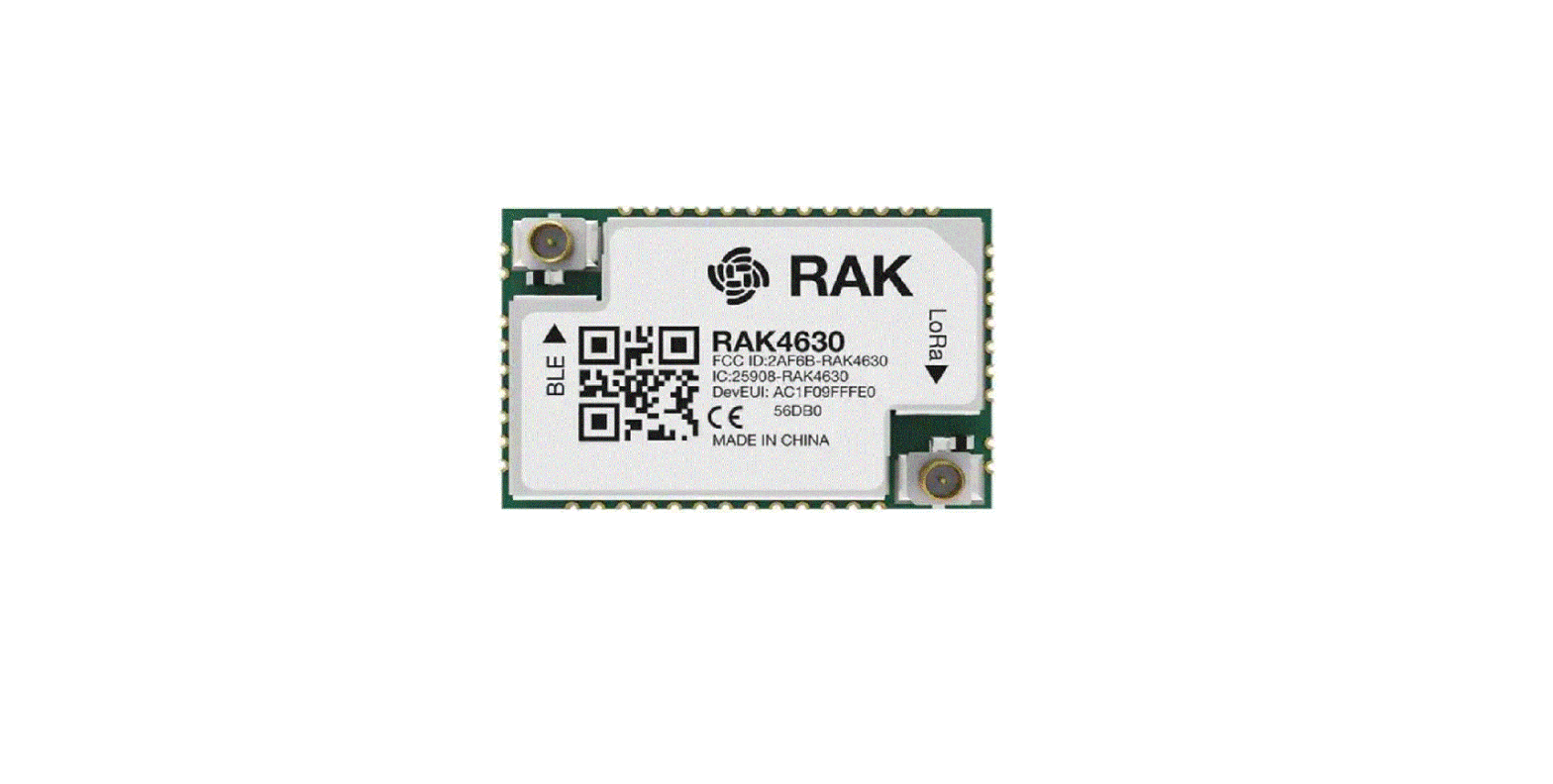
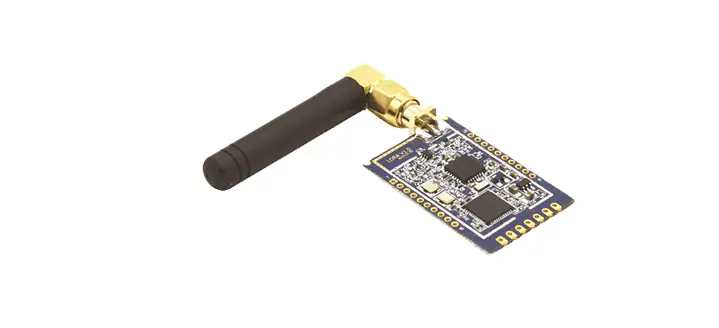
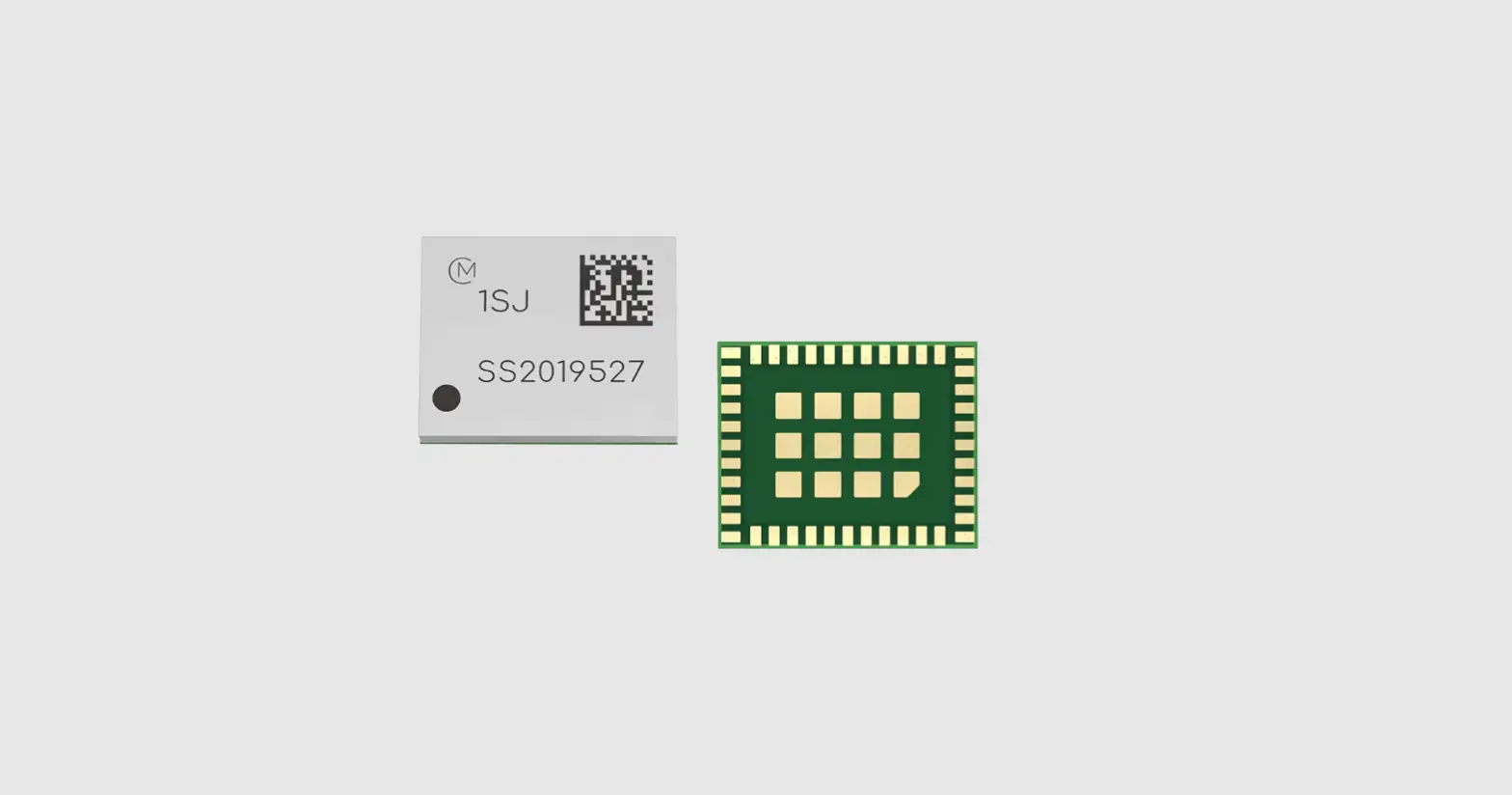
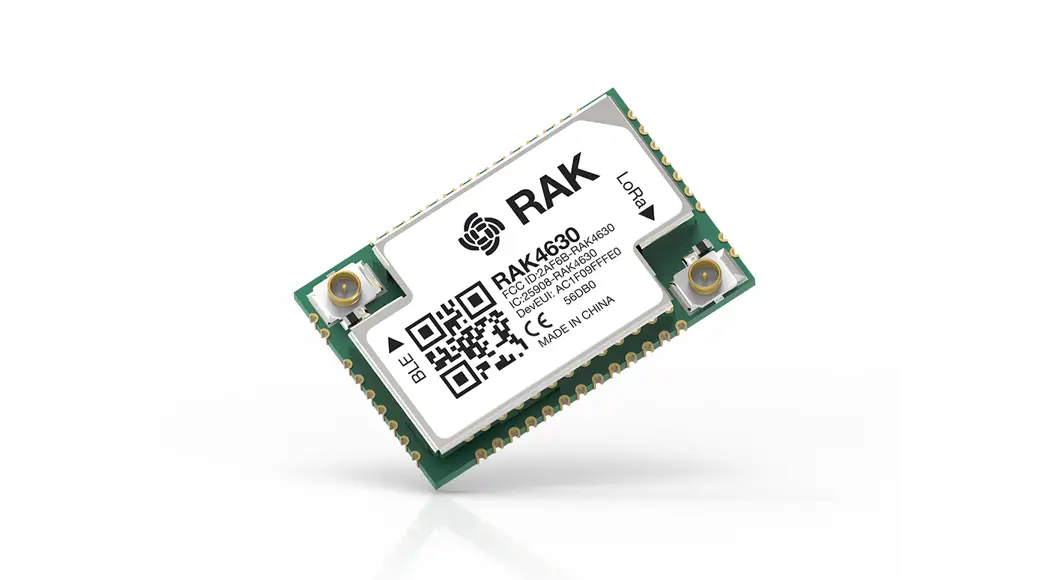
RAK4630 is an embedded Lora and BLE5.0 wireless communication module, it includes an nRF52840 MCU and a 5)(1262 Lora chip, with Ultra-low power consumption of 2.0uA in sleep mode. The module complies with LoRaWAN 1.0.2 protocols, it also supports LoRa point-to-point communication. The module supports BLE 5.0 in addition to LoRa. Its RF communication capabilities make it suitable for a variety of applications in the loT field.
2.2 Main Features
- LoRa module for Smart City, Smart Agriculture, Smart Industry
- TCXO crystal for LoRa chip
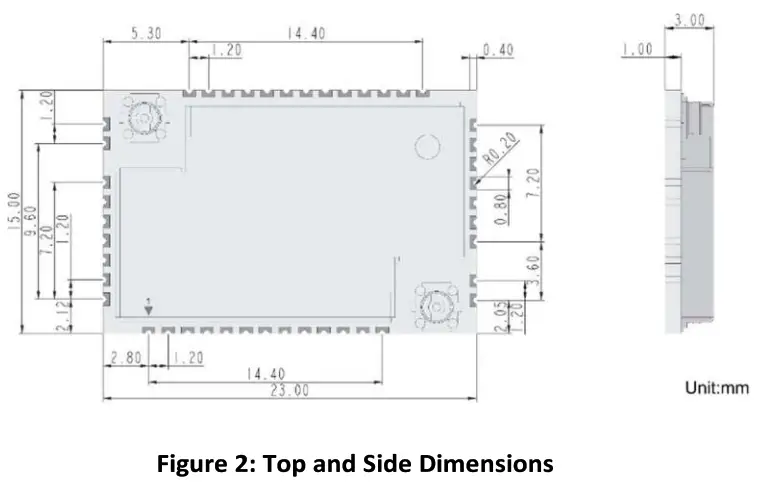
- Compact Form Factor: 15 x 23 x 3 mm
- 44 Pin Stamp Pad for PCB SMT mounting
- I/O ports: UART/12C/GPIO/USB/SPI (optional NFC interface)
- Temperature range: -40°C to +85°C
- Supply voltage: 2.0 — 3.6V
- LoRa Frequency range: 863-870MHz (EU) / 902-915MHz (US)
- BLE Frequency range:2402-2480MHz
- Ultra-Low Power Consumption 2.OuA in sleep mode
- RF-Output Power : BLE: 4.17dBm(For FCC), 6.29dBm(For CE) LoRa: 15.76dBm(For FCC), 13.26dBm(For CE)
2.3 Supported LoRaWAN Bands
The following table shows support LoRaWAN bands of the RAK4630 module.
Table 1: Operating Frequencies
| Region | Frequency (MHz) | |
| Indian | IN865 | RAK4630(H) |
| Europe | EU868 | RAK4630(H) |
| North America | US91S | RAK4630(H) |
| Australia | AU915 | RAK4630(H) |
| Korea | KR920 | RAK4630(H) |
| Asia | AS923 | RAK4630(H) |
| China | CN470 | RAK4630(L) |
2.4 Pin Assignment
The following figure shows the pin assignment of the RAK4630 module.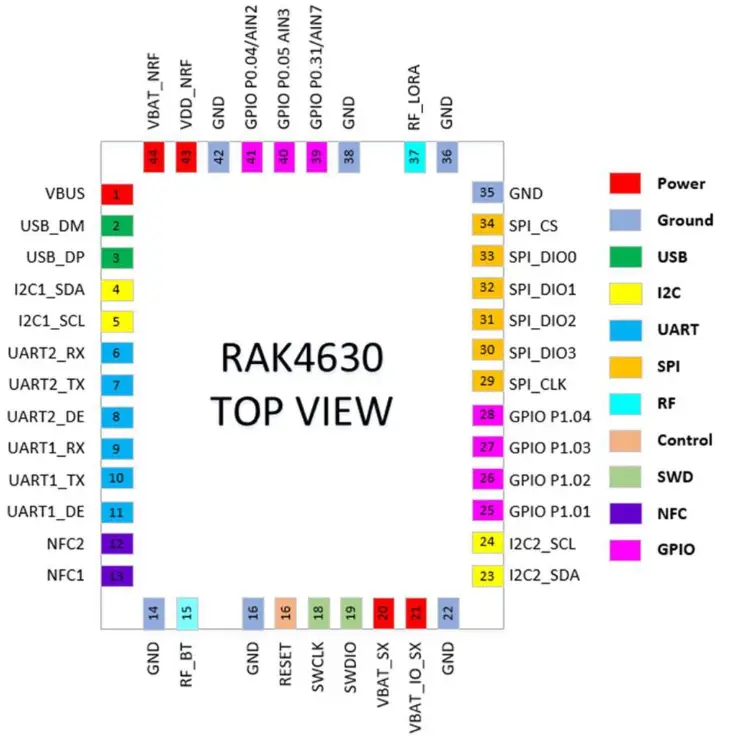
Figure 1: Pin Assignment
NOTES
- For a single 3.3V power supply, connect VBAT_BT, VDD_BT, VBAT_SX, VBAT_SX_I0 together with 3.3V power
- For the 3.6V li-SOCL2 battery, connect VBAT_BT AND VBAT_SX together with battery output, connect VDD_BT and VBAT_SX_I0 together to set 10 voltage level.
- For 4.2V li-Mn02 battery, connect VBAT_NRF with battery output, should add external DC-DC convertor LDO for VBAT_SX (3.3V), and connect VDD_BT and VBAT_SX_I0 together to set 10 voltage level.
- GND pins should be connected to the ground in the design.
2.5 Pin Description
The following tables show the pin definition and description of RAK4630.
Table 2: Definition of I/O Parameters
Table 2: Definition of I/O Parameters
| Type | Type |
| PI | Power Input |
| PO | Power Output |
| DI | Digital Input |
| DO | Digital Output |
| 10 | Bidirectional |
| Al | Analog Input |
| AO | Analog Output |
Table 3: Pin Description
| Power Supply | ||||
| Pin Name | Pin No. | Type | Description | Comment |
| VDD_NRF | 43 | PI | Power supply | |
| VBAT_NRF | 44 | PI | High Power supply | |
| VBAT_SX | 20 | PI | Supply for the RFIC | Supply for 5)(1262 VBAT |
| VBAT SX I 0 | 21 | PI | Supply for the Digital I/O interface pins | Supply for 5X1262 VBAT 10 |
| GND | 14,16,22,35,36,3 8,42 | Ground | ||
| I2C Interface | ||||
| Pin Name | Pin No. | Type | Description | Comment |
| 12C1_SDA | 4 | 10 | 12C serial data | P0.13 |
| 12C1_SCL | 5 | OD | 12C serial clock | P0.14 |
| I2C2 SDA | 23 | 10 | 12C serial data | P0.24 |
| 12C2 – SCL | 24 | OD | 12C serial clock | P0.25 |
| USD Interface | ||||
| Pin Name | Pin No. | Type | Description | Comment |
| VBLIS | 1 | PI | USB power | SV input for 3.3V regulator |
| USB_OP | 3 | 10 | USB differential data(+) | |
| USB_DM | 2 | 10 | USB differential data() | |
| DART Interface | ||||
| Pin Name | Pin No. | Type | Description | Comment |
| UART1 _11( | 10 | DO | UART1 transmit | P0.20 |
| UARTl_RX | 9 | DI | UART1 receive | P0.19 |
| UARTl_DE | 11 | DI | VARTI detect | P0.21 |
| UART2 TX | 7 | DO | UART2 transmit | P0.16 |
| UART2_RX | 6 | DI | UART2 receive | P0.15 |
| UART2 DE | 8 | DI | UART12detect | P0.17 |
| Quad SIM Interlace | ||||
| Pin Name | Pin No. | Type | Description | Comment |
| SPI_CLK | 29 | DO | SPI clock | P0.03 |
| SP1_CS | 34 | DO | WI chip select | P0.26 |
| S111_0100 | 33 | 10 | WI data Input/output 0 | P0.30 |
| SP1_D101 | 32 | TO | SPI data Input/output 1 | P0.29 |
| SPI_D102 | 31 | 10 | WI data input/output 2 | P0.28 |
| SPI_D103 | 30 | 10 | WI data input/output 3 | P0.02 |
| SWD Interface | ||||
| Pin Name | Pin No. | Type | Description | Comment |
| STUDIO | 19 | Debug | SWD 1/0 for debugging and programming | |
| SWCLX | 18 | Debug | SWD clock input for debugging and programming | |
| RESET | ||||
| Pin Name | Pin No. | Type | Description | Comment |
| RESET | 17 | DI | Reset the module | |
| NEC hitt: dace | ||||
| Pin Name | Pin No. | Type | Description | Comment |
| NEC1 | 13 | DI | NEC Input 1 | P0.09 |
| NFC2 | 12 | DI | NEC Input 2 | P0.10 |
| MUM’ Interface | ||||
| Pin Name | Pin No. | Type | Description | Comment |
| RFBT _ | 15 | 10 | Bluetooth antenna interface | SOO Impedance If unused, keep this pin open. |
| RI LORA _ | 37 | 10 | Lora antenna Interface | son Impedance II unused, keep this pin open. |
| GPO Interface | ||||
| Pin Name | Pin No. | Type | Description | Comment |
| GPIO P1.01 | 25 | 10 | General-purpose input/output | |
| GPIO P1.02 | 26 | 10 | General-purpose input/output | |
| GPIO P1.03 | 27 | 10 | General-purpose input/output | |
| GPIO P1.04 | 28 | 10 | General-purpose input/output | |
| ADC interface | ||||
| Pin Name | Pin No. | Type | Description | Comment |
| GPIO P0.31 | 39 | 10 | General-purpose input/output | |
| AJN7 | Al | General-purpose ADC Interface | ||
| GPIO P0.05 | 40 | 10 | General-purpose Input/output | |
| A1N3 | Al | General-purpose ADC Interface | ||
| GPIO P0.04 | 41 | 10 | General-purpose Input/output | |
| AIN2 | Al | Generalturpose ADC interface | ||
2.6 Power Consumption
The knowing table show the power consumption.
Table 4: Power Consumption
| Item | Power Consumption | Condition |
| Tx mode Loita@l5d8m | 85mA | LoRa @ PA_BOOST&BT sleep |
| Tx mode LoRa@13d8m | 80mA | LoRa @ PA_BOOST&BT sleep |
| Tx mode BT@4dBm | 9mA | BT Tx mode & Lora sleep |
| Rx mode LoRa037.5Kbps | 17mA | LoRa @ Receive mode &BT sleep |
| Rx mode BTO2Mbps | 11.5mA | ST Rx mode & Lora sleep |
| Sleep mode | 2.OuA | LoRa&BT sleep |
2.7 Absolute Maximum Ratings
The following table show the absolute maximum ratings of RAK4630 Table 5: Absolute Maximum Ratings
| Symbol | Description | Min | Nom. | Max. | Unit |
| VEIAT_SX | LoRa chip supply voltage | .0.5 | – | 3.9 | V |
| VBAT_SX_I0 | LoRa chip supply for I/O pins | .0.5 | – | 3.9 | V |
| V0O_NRF | MCU power supply | .0.3 | – | 3.9 | V |
| VBUS | USB supply voltage | .0.3 | – | 5.8 | V |
| VBAT_NRF | MCU high voltage power supply | ,0.3 | – | BB | V |
| ESC. HBM | Human Body Model | • | 2000 | V | |
| ESD CDM | Charged-Device Model | – | • | 500 | V |
2.8 Recommended operating conditions
The following table shows the recommended operating conditions of RAK4630.
Table 6: Recommended operating conditions
| Symbol | Description | Min. | Nom. | Max. | Unit |
| VBAT_SX | SX1262 supply voltage | 2 | 3.3 | 3.7 | V |
| VBAT_SX_10 | SX1262 supply for I/O pins | 2 | 3.3 | 3.7 | V |
| VDD_NRF | NRF52840 power supply | 2 | 3.3 | 3.6 | V |
| VBUS | VBUS USB supply voltage | 4.35 | 5 | 5.5 | V |
| VBAT_NRF | NRF52840 high voltage power supply | 2.5 | 5.5 | V |
Mechanical Dimensions
This chapter describes the mechanical dimensions of the module. All dimensions are measured in millimeters (mm), and the tolerances of the dimensions are ±0.05mm unless otherwise specified.
3.1 Top and Side Dimensions
The following figure shows the mechanical dimension of the RAK4630 module.
3.2 Recommended Footprint
The following figure shows the recommended footprint of the RAK4630 module.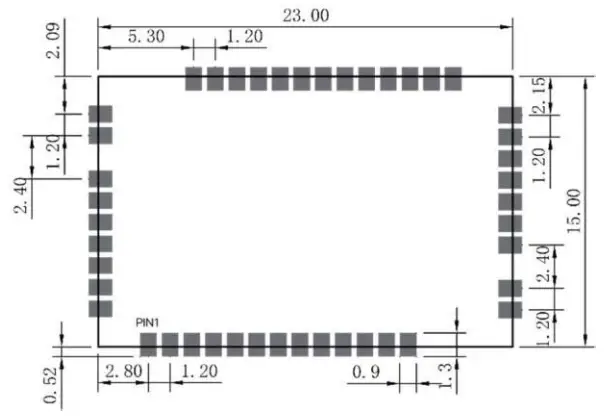
Figure3: Recommended Footprint (Unit: mm)
3.3 Recommended Reflow Profile
The following figure shows the Recommended Reflow Soldering Thermal Profile of RAX4630.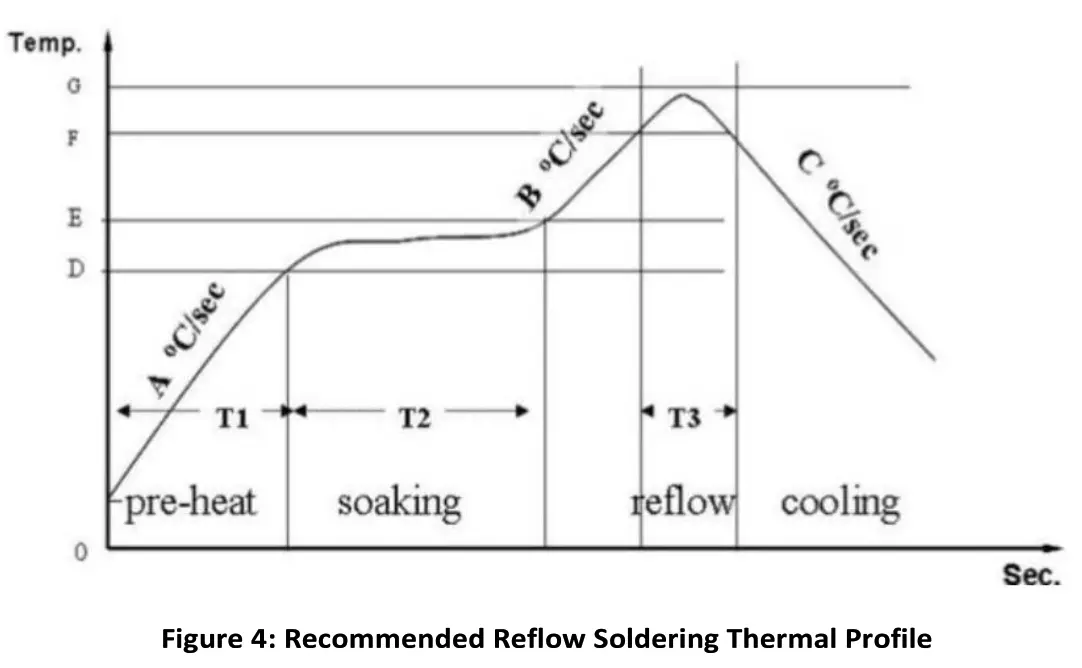
Certification Information
Conformity Assessment of the Radio Module to the RED This radio module is for professional installation only. When installing this radio module permanently into a host product to a create new radio equipment device; the manufacturer responsible for placing the final radio product on the market in the EU must assess if the combination of this radio module and the host product complies with the essential requirements of the RE Directive 2014/53/EU. Firmware version: V1.0 Test Antenna: Antenna 1(BLE Antenna): Internal Antenna and maximum gain 2.23dBi, Antenna 2(LoRa Antenna): External rod antenna and maximum gain 3.0dBi The final radio product will need to be fully assessed to Article 3.1a of the RED, for product safety With regard to RF exposure for Article 3.1a of the RED, the manufacturer of the final radio product will need to assess if the compliance assessment of the original radio equipment/module remains relevant to the final radio product, or if further action Is necessary. This equipment should be installed and operated with a minimum distance 20cm between the radiator& your body. If the final radio equipment Is used at the same distance from a person or domesticated animal as the radio module was assessed, (for example>20cm), then the final radio product assessment could conclude that the final radio product is compliant with the RF exposure requirements without additional actions. If the final radio equipment is used at a closer distance from a person or domesticated animal than the radio module was assessed, then the final radio product assessment could not automatically conclude that the final radio product Is compliant with the RF exposure requirements without additional actions; and further assessment is necessary. The final radio product will need to be fully assessed to Article 3.1b of the RED, for EMC. EMC testing of the radio module will have been performed on some sort of temporary host or test jig; but now the module is in a new host product and the EMC performance of the final radio product must be assessed. Most likely the host product will have Its own EMC assessment for other functions, which should be performed with the radio module installed; and inclusion of the radio module into the host product will also require an assessment, such as to the relevant applicable part of EN 301489, on the final radio product. In theory, radio transmitter or receiver measurements made as conducted measurements at a radio module antenna port may be considered applicable to the radio performance of the final radio product. However, in this example, the radio module does not have an antenna port. The radio module has a pin that leads through a PC8 trace to an antenna on the host product. If the manufacturer of the final radio product wishes to use conducted power, conducted emissions or receiver performance measurements from the radio module to show compliance of the final radio product, then they will need to exactly follow the detailed instructions from the radio module manufacturer; including input voltage, driver software, environmental conditions, antenna trade layout design construction and material, circuit board layout design construction and material, nearby circuitry, etc. In reality, it is expected that manufacturers of final radio products will need to test the output power, conducted spurious emissions and receiver performance requirements on the final radio product; and not take the results of those test cases from the radio module test reports. Radiated test cases will also need to be performed on the final radio product.
FCC Statement
This equipment has been tested and found to comply with the limits for a Class B digital device, pursuant to part 15 of the FCC Rules. These limits are designed to provide reasonable protection against harmful interference in a residential installation. This equipment generates, uses and can radiate radio frequency energy and, if not installed and used in accordance with the instructions, may cause harmful interference to radio communications. However, there Is no guarantee that interference will not occur In particular installations If this equipment does cause harmful interference to radio or television reception, which can be determined by turning the equipment off and on, the user is encouraged to try to correct the interference by one or more of the following measures:
- Reorient or relocate the receiving antenna.
- Increase the separation between the equipment and receiver.
- Connect the equipment into an outlet on a circuit different from that to which the receiver Is connected.
- Consult the dealer or an experienced radio/TV technician for help.
Caution: Any changes or modifications to this device not explicitly approved by the manufacturer could void your authority to operate this equipment
This device complies with part 15 of the FCC Rules. Operation is subject to the following two conditions: (1) This device may not cause harmful interference, and (2) this device must accept any interference received, including interference that may cause undesired operation.
RF Exposure Information
This equipment complies with FCC radiation exposure limits set forth for an uncontrolled environment. This equipment should be installed and operated with a minimum distance 20cm between the radiator and your body.
This transmitter must not be co-located or operating in conjunction with any other antenna or transmitter.
Integration instructions for host product manufacturers according to KDB 996369 D03 OEM Manual v01
2.2 List of applicable FCC rules
CFR 47 FCC PART 15 SUBPART C has been investigated. It Is applicable to the modular. 2.3 Specific operational use conditions
This module is stand-alone modular. If the end product will involve the Multiple simultaneously transmitting condition or different operational conditions for a stand-alone modular transmitter in a host, host manufacturer has to consult with the module manufacturer for the installation method in end system.
2.4 Limited module procedures Not applicable
2.5 Trace antenna designs
Not applicable
2.6 RF exposure considerations
To maintain compliance with FCC’s RF exposure guidelines, This equipment should be installed and operated with a minimum distance of 20cm from your body.
2.7 Antennas
This radio transmitter FCC ID: 2AF6B-RAK4630 has been approved by Federal Communications Commission to opera e with the antenna types listed below, with the maximum permissible gain indicated. Antenna types not included in this list that has a gain greater than the maximum gain indicated for any type busted are strictly prohibited for use with this device.
| Antenna Description | Antenna interface | Frequency Range (MHz) | Impedance (0) | Maximum antenna gain(dBi) |
| BLE Antenna | IPEX | 2402-2480 | 50 | 223 |
| Lora Antenna | IPEX | 902-915 | 50 | 200 |
2.8 Label and compliance information
The final end product must be labeled in a visible area with the following” Contains FCC ID: 2AF8B-FtAK4830 •
2.9 Information on test modes and additional testing requirements
Host manufacturer S strongly recommended confirming compliance with FCC requirements for the transmitter when the module is installed in the host. 2.10 Additional testing. Part 15 Subpart B disclaimer Host manufacturer is responsible for compliance of the host system with the module installed with all other applicable requirements for the system such as Part 1513 Manufacturer: Shenzhen Ralcwireless Technology Co., Ltd.
Address: Room 506, Bldg 8, New Compark, Pingshan First Road, Taoyuan Street, XILI town Nanshan District, Shenzhen, China