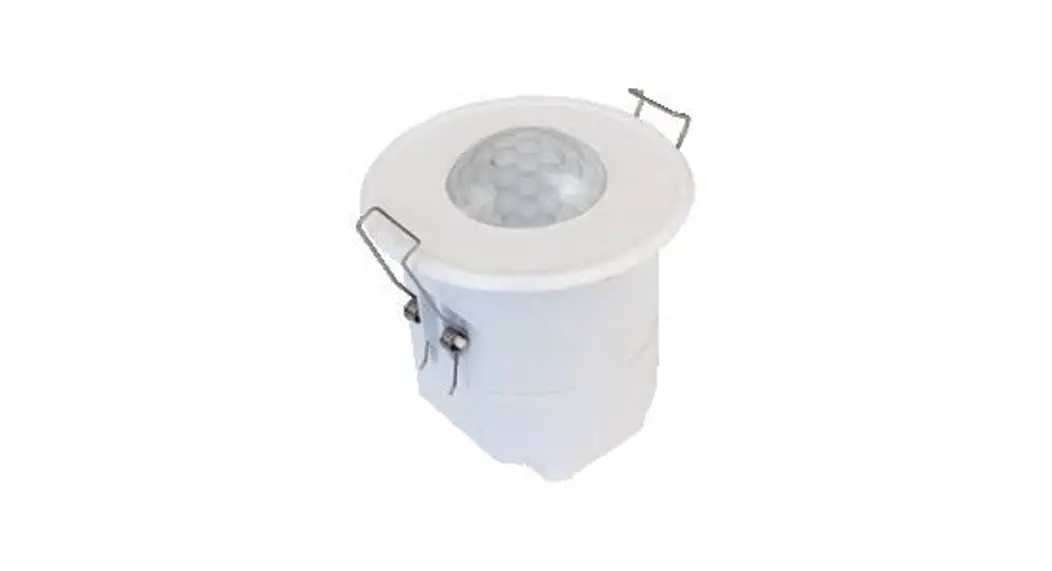
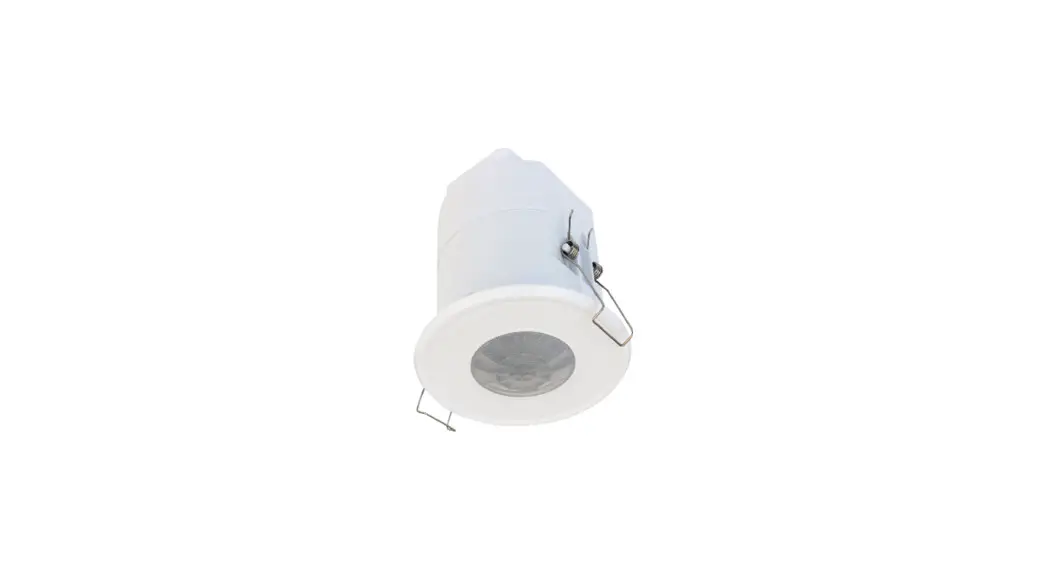
SRR520 Short-Range Ranging Sensor
Product Information:
The Rear Short-range Ranging Sensor (SRR) is a product designed
and manufactured by Beijing Jinwei Hirain Technologies Co., Inc. It
is a radar sensor used for short-range ranging purposes.
1.1 Purpose:
The purpose of this document is to provide an introduction and
reference for customers of the Rear Short-range Ranging Sensor.
1.2 Scope:
This document is intended for customers of Beijing Jinwei Hirain
Technologies Co., Inc. who are using the Rear Short-range Ranging
Sensor.
1.3 Terminology:
Terminology related to the Rear Short-range Ranging Sensor is
explained in this section.
2.2 Antennas:
The SRR520 model of the sensor utilizes 3 Tx antennas and 4 Rx
antennas. These antennas emit microwave signals generated by the RF
chip and receive echoes reflected by targets. The gain of both the
Tx and Rx antennas is 16dBi, while single antennas have a gain of
13dBi.
2.3 FOV (Field of View):
The beam coverage area of a passenger car after the Rear
Short-range Ranging Sensor is illustrated in Figure 1. The FOV of
the sensor is defined by this coverage area.
2.4 Parameters:
The following table provides performance indices and parameters
of the Rear Short-range Ranging Sensor:
| Parameters | Value |
|---|---|
| Frequency | 76~77 GHz |
| Operating voltage | 9V~16V |
| Weight | 120g |
| Update Rate | 50ms |
| Functional Safety Level | ASIL B |
| Range | -110 m/s ~ 50 m/s |
| Elevation | Not specified |
| Target Detection Ability | < 1 /500h |
| Multi-Objects Discrimination Ability | Not specified |
| Range Resolution | < 0.4 m |
| Velocity Resolution | < 0.14 m/s |
| Angular Resolution | Not specified |
| Parameter Precision | Not specified |
| Range Precision | < 0.1 m |
| Velocity Precision | < 0.05 m/s |
| Azimuth Precision | Not specified |
| Output Number of Tracking Targets | 64 |
| Output Number of Point Cloud (Optional) | Not specified |
| Transmitted Power | Not specified |
| Power Consumption | Not specified |
| Nominal Voltage | Not specified |
| Operating Temperature | Not specified |
| Storage Temperature | Not specified |
| International Protection | Not specified |
| Interface | Not specified |
Product Usage Instructions:
To use the Rear Short-range Ranging Sensor, follow these
instructions:
- Ensure that the operating voltage provided to the sensor is
within the range of 9V to 16V. - Mount the sensor in a suitable location on the vehicle,
ensuring that it has an unobstructed view of the surroundings. - Connect the necessary cables and interfaces to the sensor, as
per the provided documentation. - Power on the sensor and wait for it to initialize.
- Monitor the sensor’s output for tracking targets and point
cloud data (if applicable). - Refer to the performance indices and parameters mentioned in
the user manual for interpreting the sensor’s output. - Ensure that the sensor is not exposed to extreme operating or
storage temperatures outside the specified range. - Follow any additional safety guidelines and instructions
provided by Beijing Jinwei Hirain Technologies Co., Inc.
Introduction to Hirain’s Rear Short-range Ranging SensorRadar
Beijing Jinwei Hirain Technologies Co., Inc.
1 /Introduction ………………………………………………………………………………….1 1.1 /Purpose ……………………………………………………………………………1 1.2 /Scope ………………………………………………………………………………1 1.3 /Terminology ……………………………………………………………………..1
2 /Product………………………………………………………………………………………..1 2.1 Radar Principle …………………………………………………………..1 2.2 FOV /FOV ………………………………………………………………………..2 2.3 /Parameters…………………………………………………………………2 2.4 /Geometric Structure ……………………………………………………………3 2.5 /Model No. of Harness Connector ………………………………………4 2.6 /Pin Definition of the Connector ……………………………4 2.7 Label ……………………………………………………………………………….5
3 / Radar function……………………………………………………………………….6 3.1 BSD …………………………………………………………………………6 3.2 DOW …………………………………………………………………7 3.3 RCTA………………………………………………………….7
4 NOTICE ……………………………………………………………………………………………..8
I
1 /Introduction 1.1 /Purpose
This document introduces the Rear short-range ranging sensor (SRR) that designed and manufactured by Beijing Jinwei Hirain Technologies Co., Inc. 1.2 /Scope
This document is used for reference only to the Rear short-range ranging sensor customers of Beijing Jinwei Hirain Technologies Co., Inc. 1.3 /Terminology
SRRRear short-range ranging sensor BSDBlind Spot Detection RCTARear Cross Traffic Alert DOWDoor Open Warning RCWRear Collision Warning 2 /Product L2 L2 BSDRCTAFCTADOWLCA Rear short-range ranging sensor is installed right in the side of the vehicle, intended to detect, measure, track and identify obstacles in the target region. SRR mainly supports the functions of BSDRCTAFCTADOWLCA for ADAS with L2 and above. 2.1 /Radar Principle SRR520 uses the pulse doppler (PD) scheme as basic principle for its measurements. Compared with frequency modulated continuous wave (FMCW), it avoids the serious coupling between range and doppler domains, because these are mapped to a 2-dimensional frequency range by two succeeding fast Fourier transformations (FFTs), that are calculated in the processing unit of the sensor. SRR520 (PD)
1
(FMCW) FMCW – FFT 2.2 /Antennas
SRR520 uses 3 Tx antennas and 4 Rx antennas to radiate the microwave signals generated by radio frequency (RF) chip into the air and receive echoes reflected by targets. The gain is 16dBi for both antennas and 13dBi for single antennas.
SRR520 3 (Tx) 4 (Rx) FOV 16dBi 13dBi 2.3 FOV /FOV
1
FIG. 1 shows the beam coverage area of passenger car after the Rear short-range
ranging sensor.
1 FOV
Figure 1 Schematic diagram of FOV
2.4 /Parameters
1
Table 1 Performance index of Rear short-range ranging sensor system
/Parameters
/Value
/S ystem Characteris tics
/Frequency
76~77 GHz
/Operating voltage
9V~16V
/Weight
120g
/Update Rate
50ms
2
/Functional Safety Level
/Range
ASIL B
FOV- /(Range-Azimuth Plane) /Range
±75° 0.5~100m
/Velocity
-110 m/s ~50 m/s
/Elevation
±10°
/Target Detection Ability
< 1 /500h
/Multi-Objects Discrimination Ability
/Range Resolution /Velocity Resolution
< 0.4 m < 0.14m/s
/Angular Resolution
< 7°
/Parameter Precision
/Range Precision /Velocity Precision
< 0.1 m < 0.05 m/s
/Azimuth Precision
< 1°
64
Output Number of Tracking Targets
Output Number of Point Cloud (Optional)
/ transmitted power /Power Consumption /Nominal Voltage
/Operating Temperature /Storage Temperature / International
Protection /Interface
<=200
< 33.9dBm < 5W 12V
-40~ 85 -40~ 105
IP6K9K 2xCAN/CAN-FD1xEthernet
2.5 /Geometric Structure 70mm * 65mm * 31mm Rear short-range ranging sensor size is: 70mm * 65mm * 31mm ( with connector
size)
3
2
Figure 2 Structure diagram
2.6 /Model No. of Harness Connector
2
Table 2 Model No. of Harness Connector
/Connector Type
/Model No.
12P /12 Pin Connector
6189-8374
/ Terminal
6188-6387
/Supplier Sumitomo Sumitomo
(a) /Connector in PCB
(b)/Connector in Harness
3
Figure 3 Views of the Connector
2.7 /Pin Definition of the Connector
12V
Table 3 gives the measured pin value of the SRR operating in 12 Voltages.
4
1 2 3 4 5 6 7 8 9 10 11 12
3
Table 3 Pin Definition of the Connector
N.C P OS1 CAN1_L CAN2_L POS2/ High Side Driver1 P OW ER N.C GND CAN1_H CAN2_H IGN/High Side Driver2 High Side Driver3
1 CAN1 CAN2 2/ 1
CAN1 CAN2 / 2
3
2.8 Label FCC ID: 2A7MKSRR520 /Label size30mm*20mm / Software version numbersw.1.00.00 / hardware version numberhw.1.00.00 IP6K9K
5
3 / Radar function 3.1 BSD
The function is defined as real-time monitoring of the driver’s visual field blind area and warning information when other road users appear in the specified blind area.
The main function of the blind area monitoring system is to monitor other traffic participants in the blind area of the driver’s visual field, and to give early warning to the driver. The blind spot monitoring function covers adjacent areas on the left and right sides, and the target vehicles are ordinary mass-produced vehicles or motorcycles. System functions are realized by judging the following information:
1) 2) 3) 1) The relative distance between the car and other traffic participants; 2) The relative speed of the car and other traffic participants; 3) Whether other traffic participants are located in the blind area monitoring range.
6
3.2 DOW
The function definition is to monitor the rear of the vehicle which may endanger
the safety when the door is about to be opened in the parking state, and to issue warning information when the risk of collision may occur due to the door opening.
The door opening reminder system has an alarm function. If there is a risk of collision with other traffic participants when the driver and passenger open the door, the system will send an alarm to the driver and passenger. System functions are realized by judging the following information:
1) 2) 3) DOW 4) 1) Vehicle speed 2) The relative speed between the car and other traffic participants 3) Whether other traffic participants are located in the DOW alarm area 4) The relative distance between the car and other traffic participants Based on the above information, an alarm is issued to the driver and passenger according to the risk of collision.
3.3 RCTA
7
The function is defined as monitoring the situation that may endanger the safety in the rear lateral of the vehicle under the state of reversing, and issuing warning information when the risk of collision may occur.
The main function of the vehicle rear lateral traffic warning system is to send an alarm to the driver when there is potential conflict danger between the vehicle and the vehicle. System functions are realized by judging the following information:
1) 2) 3) 1) The relative distance between the car and the coming car; 2) The relative speed between the car and the car; 3) Whether the autonomous vehicle is located on the front track of the incoming vehicle. Based on the above information, the controller sends an alarm to the driver according to the degree of driving danger.
4 MANUFACTURER INFORMATION ManufacturerBeijing Jingwei Hirain Technologies Co., Inc. Mailing Address4F, Block 1, No.14 Jiuxianqiao Road, Chaoyang District,
Beijing, P.R.China 5 NOTICE Changes or modifications not expressly approved by the party responsible for compliance could void the user’s authority to operate the equipment.
8
To maintain compliance with the RF exposure requirement, a separation distance of 20 cm between the device and the human should be maintained.
9