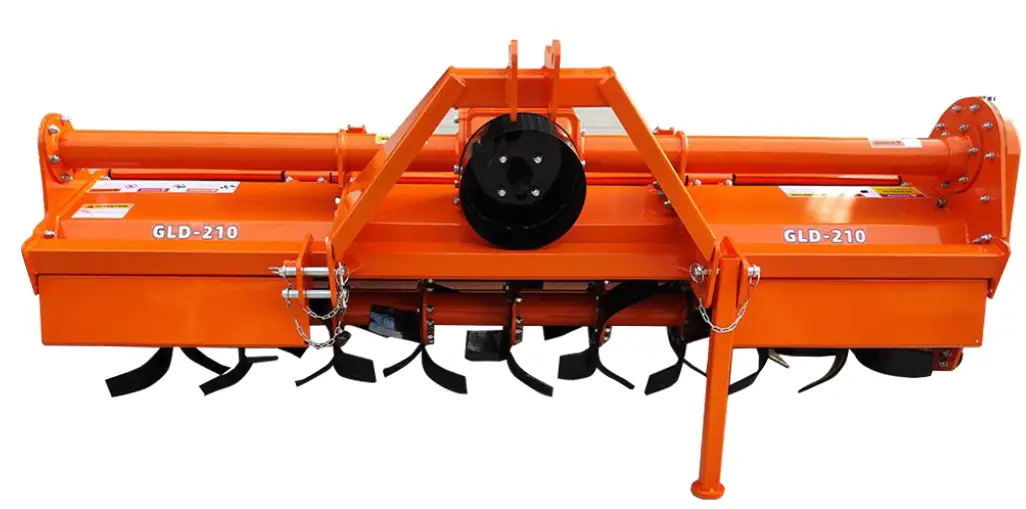
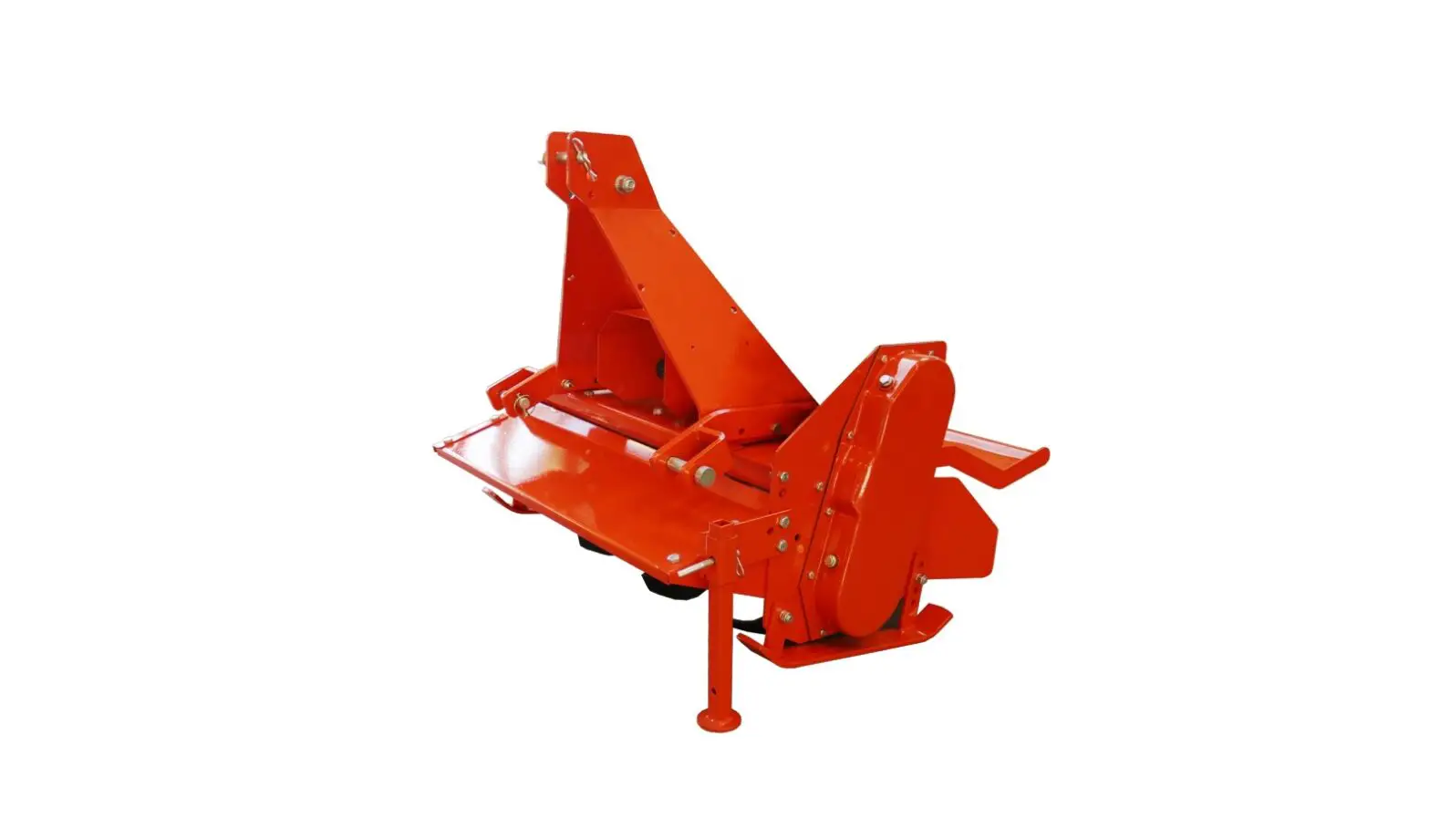
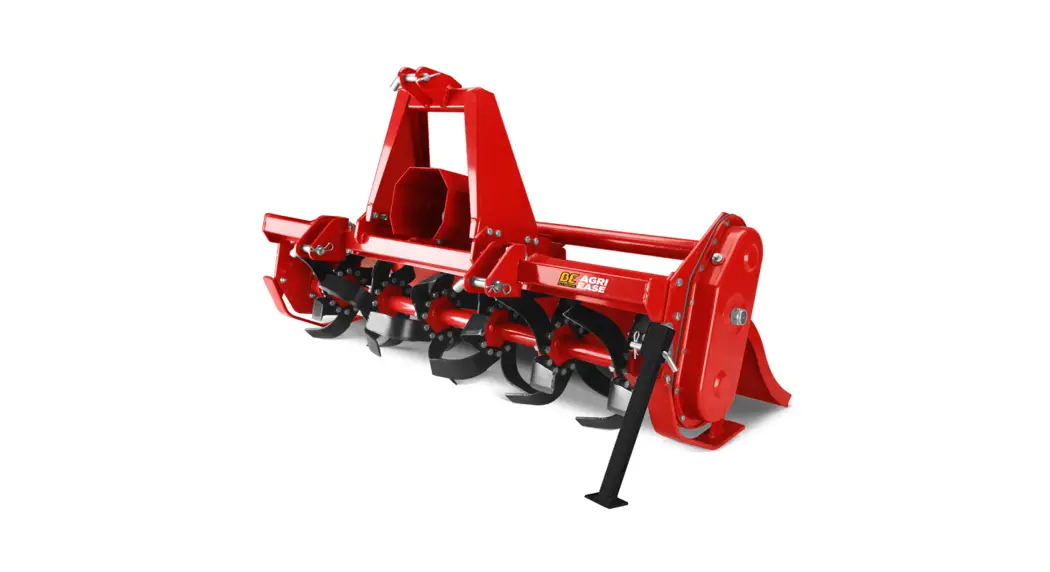
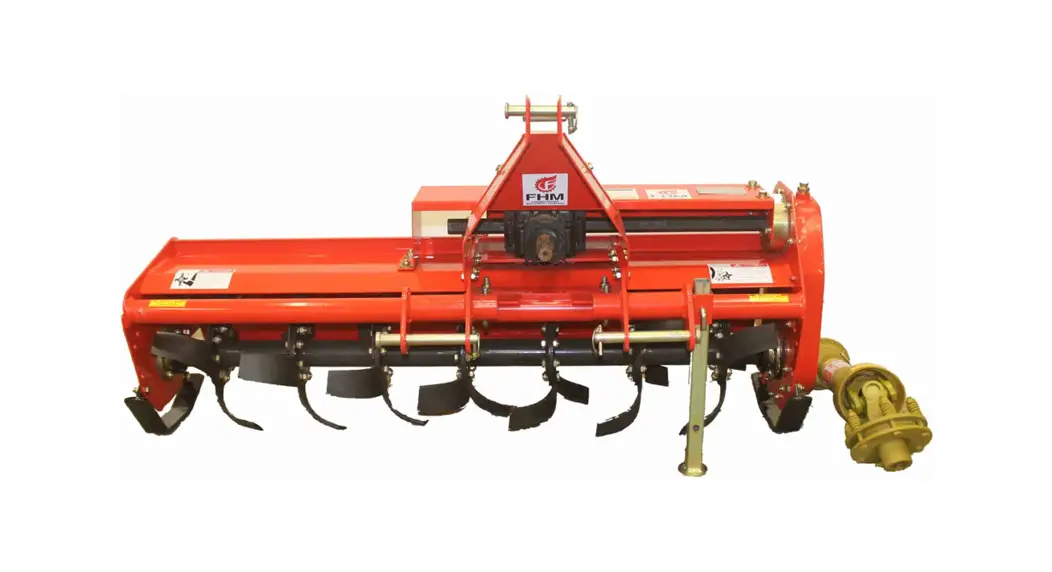
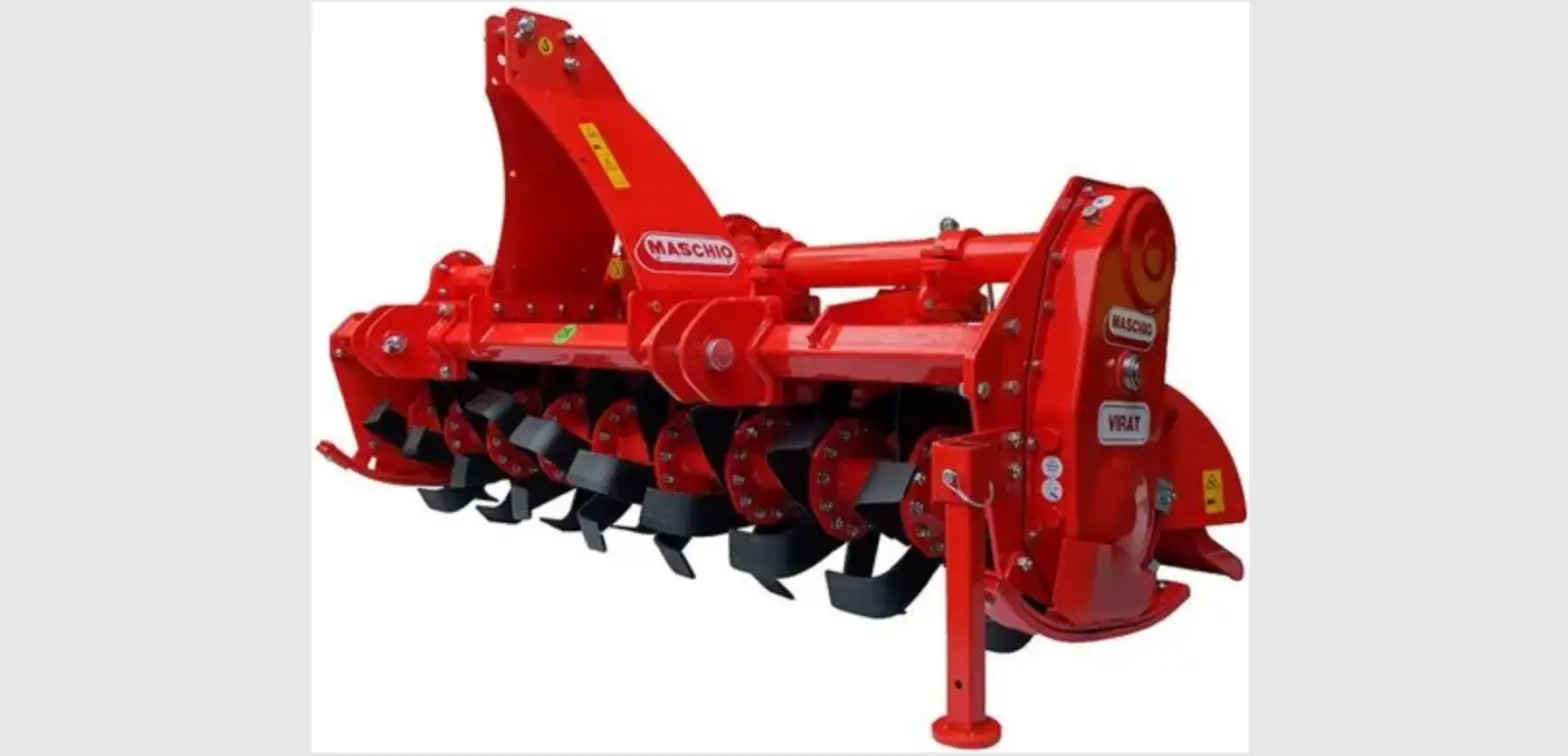
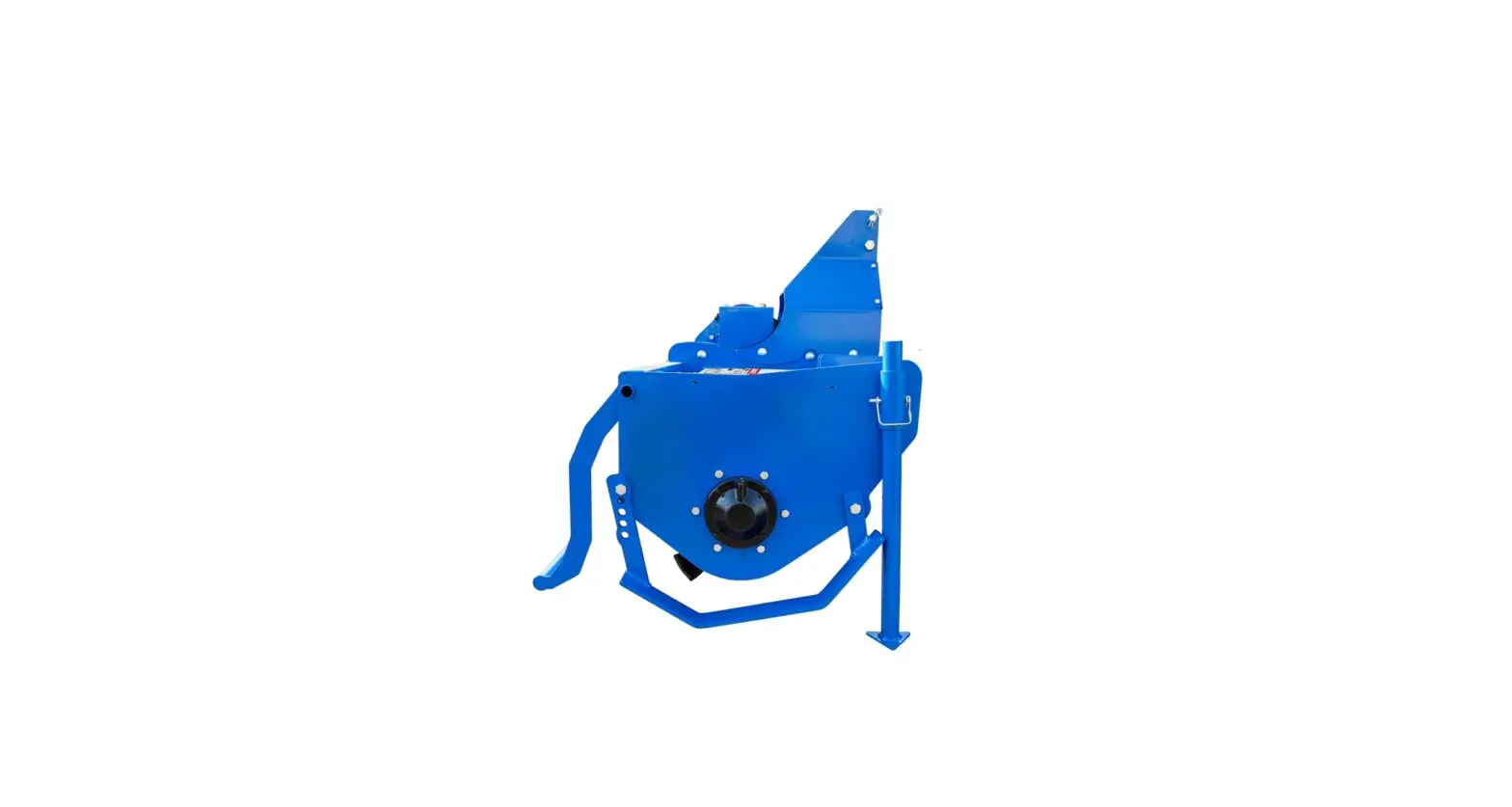
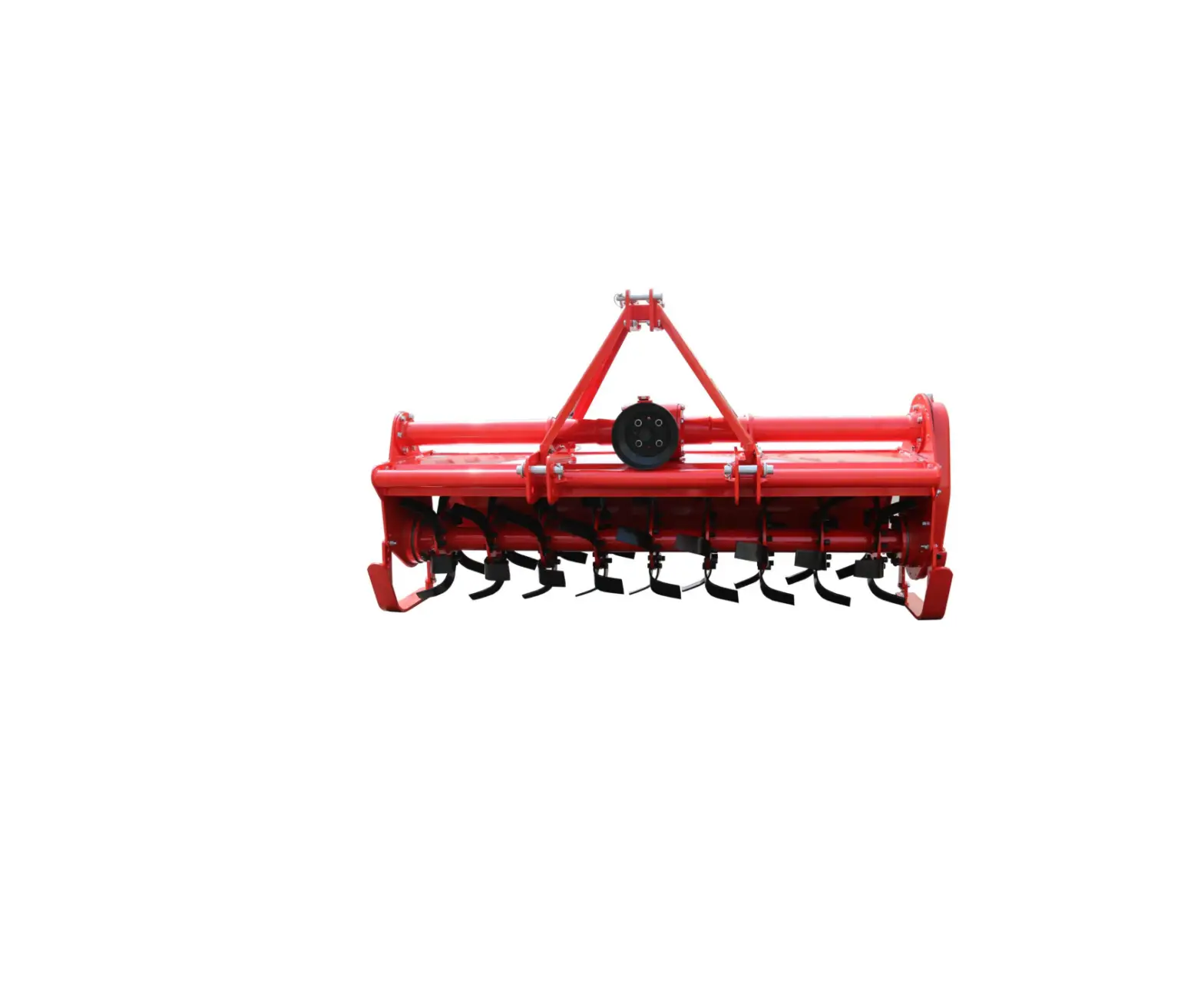
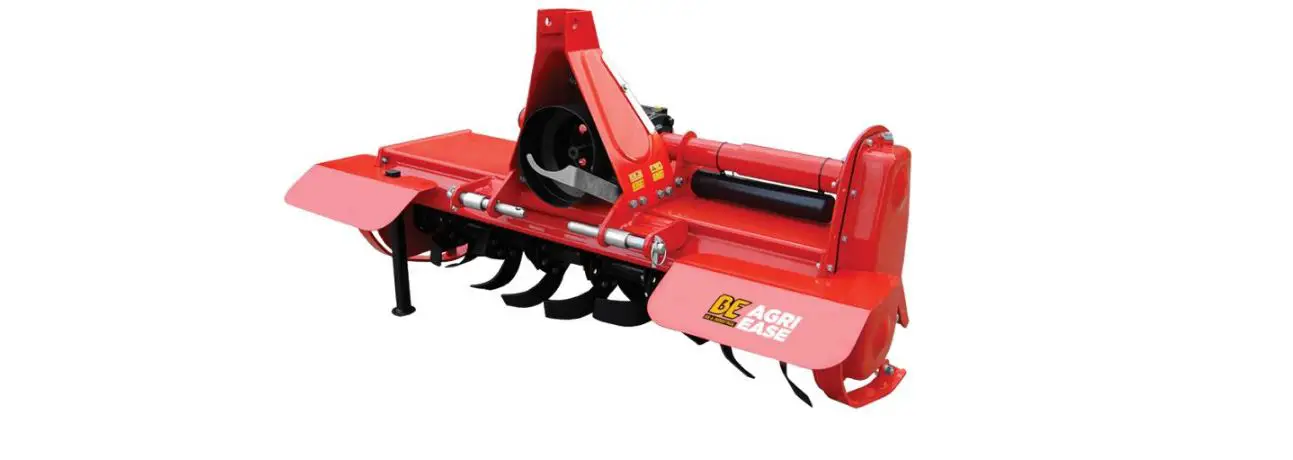
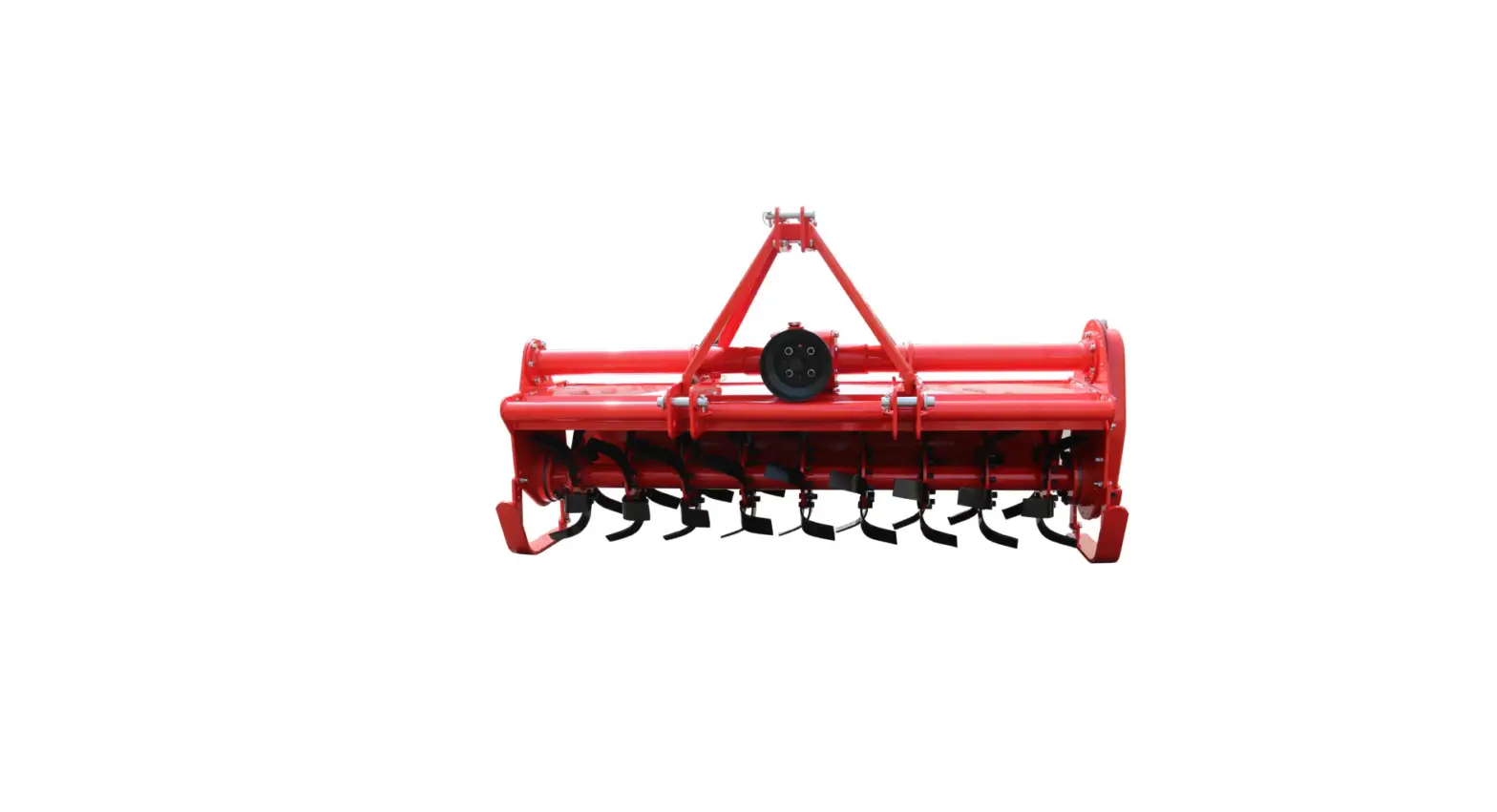
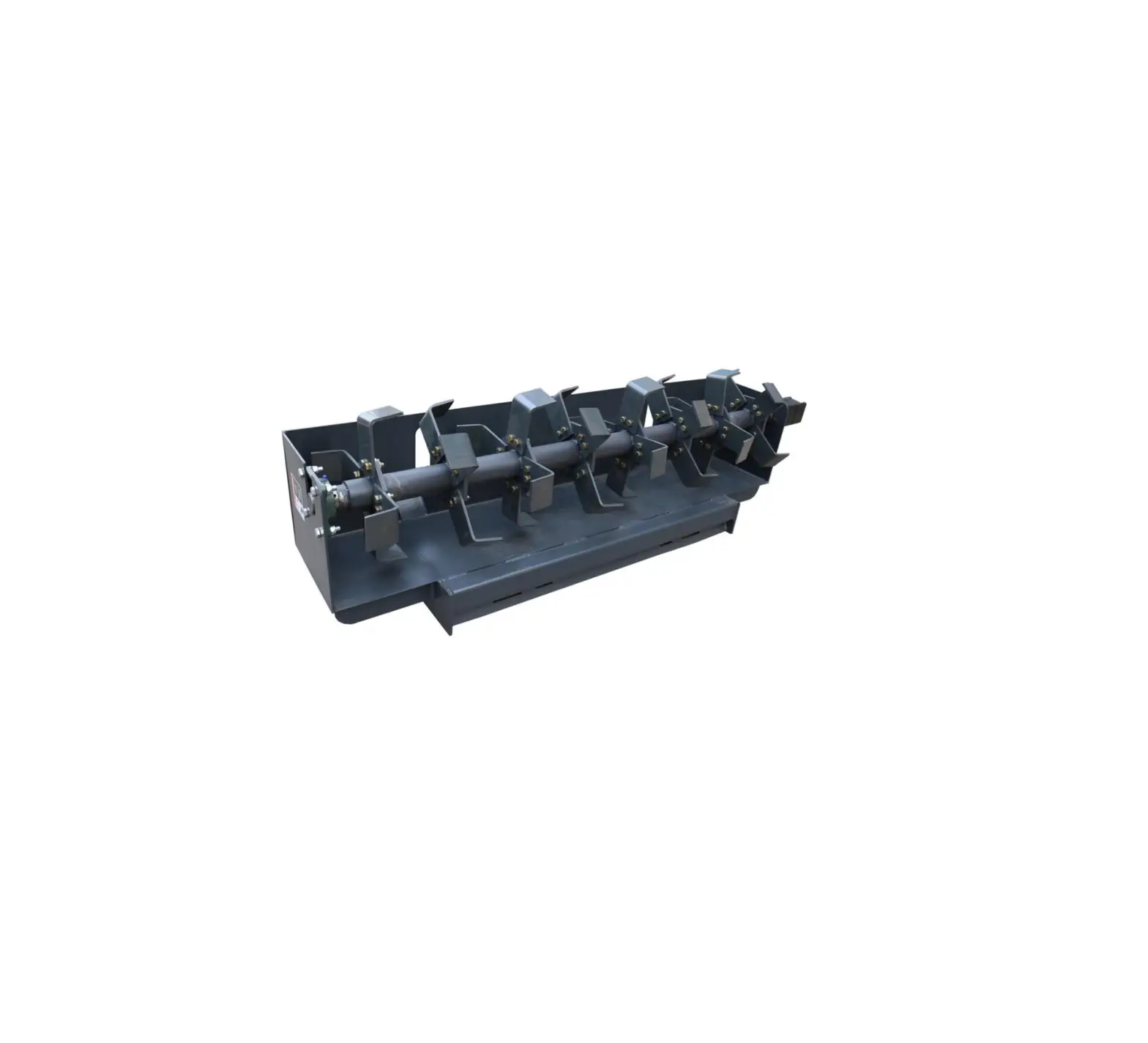
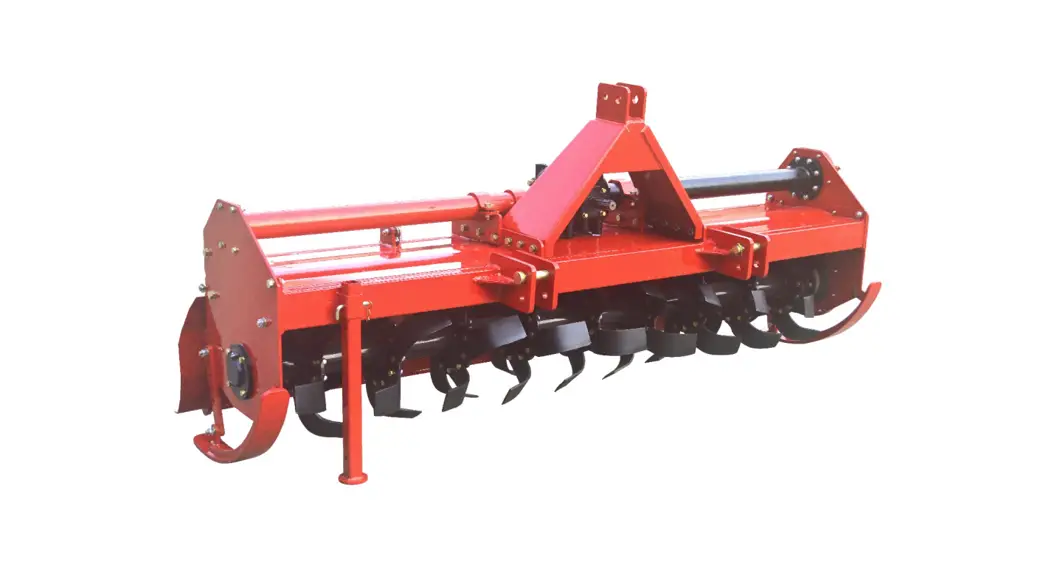
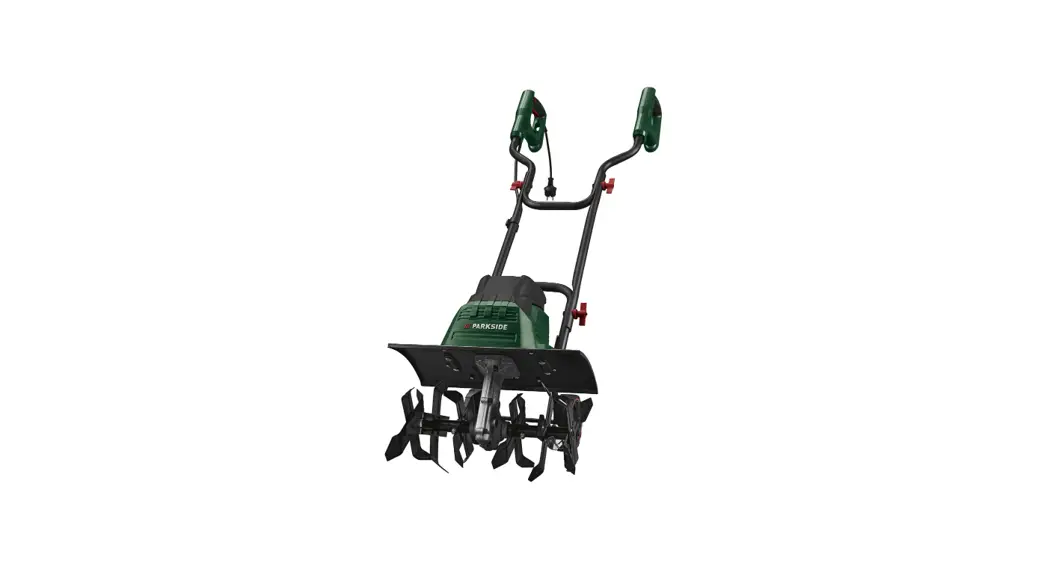
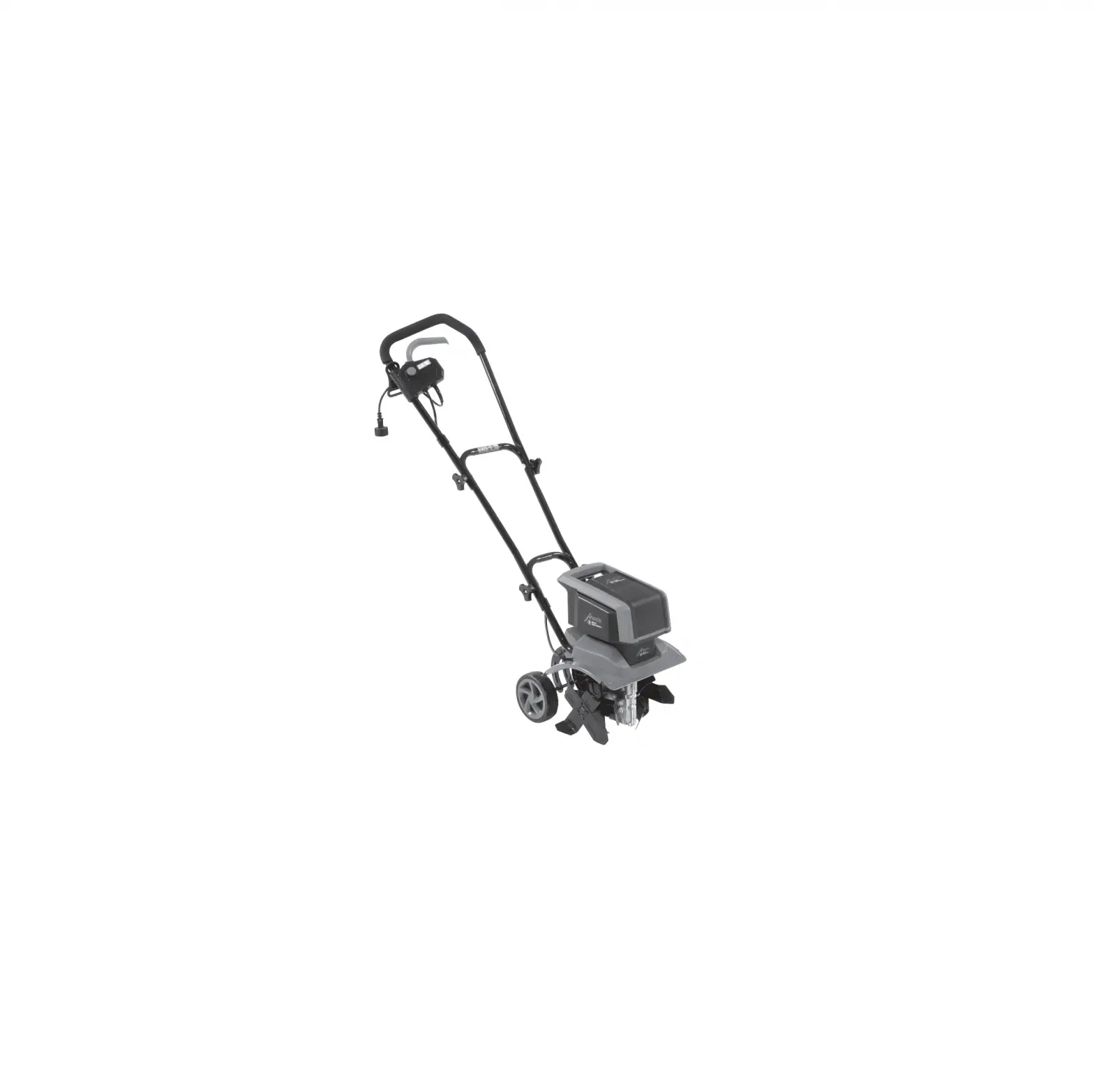
GLD91TMZ Rotary Tiller
Product Information: Rotary Tiller
The Rotary Tiller is a machine that is used for tilling soil.
The model number is GLD91TMZ. It has various safety features and
components that make it efficient and easy to use.
Safety Instructions:
The Rotary Tiller has three different symbols that indicate the
level of potential hazard. The Attention symbol indicates a
potentially hazardous situation that may result in minor or
moderate injury. The Warning Symbol indicates a potentially
hazardous situation that could result in death or serious injury.
The Danger Symbol indicates an imminently hazardous situation that
will result in death or serious injury. The machine also has safety
instructions for start-up, operation, transport, service and
maintenance, and storage safety.
Machine Components:
The Rotary Tiller has various components such as a front beam
tube, screw, spring pad, nut, hinge, flat pad, through shaft
assembly, PTO shaft, fixed side panels, fixed arm assembly, fixed
side bearing housing, floating oil seal, fixed side flange shaft,
bearing, shaft lock nut, shaft cover bowl gasket, fixed side shaft
head cover bowl, combination washer, oil plug, drive side plate,
rubber gasket, circlip, tool shaft drive flange shaft, cutter shaft
drive shaft, driven gear, flowering nut, screw nut, intermediate
drive shaft, axle 45, intermediate gear, gear, side gearbox cover,
side gearbox housing guard, body box, transmission arm tube
assembly, transmission half shaft, input shaft, gear 12 teeth, gear
22 teeth, box front cover, box back cover, stuffed cover oil seal,
vernier ruler, adjusting washer, oil seal 38*65*16mm, oil seal
55*72*9mm, bearing 30208 and 30310, and circlip hole 100.
Usage Instructions:
Before using the Rotary Tiller, please read the safety
instructions carefully. Ensure that you wear appropriate safety
gear such as gloves, goggles, and earplugs. Check the machine
components and ensure that they are properly assembled. Follow the
instructions for start-up safety and operation safety. Ensure that
you follow all transport safety instructions when moving the
machine. When servicing or maintaining the machine, follow the
service and maintenance safety instructions. When storing the
machine, follow the storage safety instructions.
ROTARY TILLER
Product Manual
MODEL :GLD91TMZ
1
Table of contents
Introduction………………………………………………………………………………………………….3 Safety…………………………………………………………………………………………………………..4
· Safety · General Safety……………………………………………………………………………………..5 · Start-up Safety……………………………………………………………………………………..5 · Operation Safety…………………………………………………………………………………..5 · Transport Safety…………………………………………………………………………………..6 · Service and Maintenance Safety……………………………………………………………..6 · Storage Safety………………………………………………………………………………………6
MachineComponents………………………………………………………………………………….7-13 Assembly…………………………………………………………………………………………………….14
· Assembly Instructions…………………………………………………………………………..14 Start-up……………………………………………………………………………………………………….15
· Machine Break-in………………………………………………………………………………..15 · Pre-operation Checklist………………………………………………………………………..15 Operation…………………………………………………………………………………………………..16 · Equipment Matching…………………………………………………………………………..16 · Shortening a PTO Driveline………………………………………………………………….16 · Attaching/Unhooking………………………………………………………………………….. 17 · Transporting……………………………………………………………………………………….18 · Storage……………………………………………………………………………………………..19
Maintenance……………………………………………………………………………………………….20 · Service……………………………………………………………………………………………… 20 · Fluids and Lubricants………………………………………………………………………….. 20 · Greasing……………………………………………………………………………………………..20
2
Introduction
The Tiller suits your garden and landscaping needs. Tiller attaches to the 3-point hitch as well as our Cat. 1 Quick Hitch and is designed to fit a variety of tractors from 45 hp to 55 hp. The skid shoes are adjustable so it is easy to set the perfect tilling depth. The automatic chain tightener is standard on all models. This ensures the chain remains tight even under the toughest tilling conditions. Housing within a sealed oil bath, the chain tightener is designed to be reliable and maintenance-free. Getting close to the fences, hedges or covering a tire track is easy with the side shift feature. The entire unit can be pushed to one side, while the PTO shaft remains in line with the tractor to minimize stress on the universal joint. The side shift feature is available. Thoroughly read and understand the instructions given in this manual before operation. Refer to the “Safety Label” section, read all instructions noted on them.Do not allow anyone to operate his equipment who has not fully read and comprehended this manual and who has not been properly trained in the safe operation of the equipment.
3
Safety
Safety Instructions
The operator must read the operation manual carefully before installation, operation or maintenance. Improper operation will cause the machine damage or the operator death. Make these practices a working part of your safety program. Be certain that everyone operating this equipment is familiar with the recommended operating and maintenance procedures and follows all the safety precautions. Most accidents can be prevented. Do not risk injury or death by ignoring good safety practices. The alert symbol is used throughout this manual. It indicates attention is required and identifies hazards. Follow the recommended precautions.
The Attention symbol indicates a potentially hazardous situation that, if not avoided, may result in minor or moderate injury.
The Warning Symbol indicates a potentially hazardous situation that if not avoided, could result in death or serious injury.
The Danger Symbol indicates an imminently hazardous situation that, if not avoided will result in death or serious injury.
4
Safety
General Safety Instructions
· Have a first-aid kit available for use and know how to use it. · Have a fire extinguisher available, stored in a highly visible location, and know how
to use it. · Wear appropriate protective gear. This list may include but is not limited to: – hard hat – protective shoes with slip resistant soles – protective glasses or goggles – heavy gloves – wet weather gear – hearing protection – respirator or filter mask · Read and understand the Operator’s Manual and all safety signs before operating,
servicing, adjusting, repairing, or unplugging the equipment. · Do not attempt any unauthorized modifications to your Farm King product as
this could affect function or safety, and could affect the life of the equipment. · Never start or operate the mower except from the operator’s station on the power
unit. · Inspect and clean the working area before operating. · Keep hands, feet, clothing, and hair away from moving parts. · Ensure bystanders are clear of the area before operating.
Start-up Safety
· Wear protective clothing and equiment appropriate for the job. · Place all tractor and machine controls in neutral before starting. · Operate only with ROPS and seatbelt equipped tractors. · Do not operate inside a building unless there is adequate ventilation. · Ensure all shields are in place and in good condition before operating. · Stay clear of PTO shaft and machine when engaging PTO.
Operation Safety
· Do not permit riders. · Do not wear loose fitting clothing during operation. · Never operate over 540 PTO rpm speed. · Never operate the equipment in the raised position.
5
Safety
Transport Safety
· Review Transport Safety instructions in tractor manual before moving. · Check with local authorities regarding transport on public roads. Obey all
applicable laws and regulations. · Make sure the SMV (Slow Moving Vehicle) emblem and all the lights and reflectors
that are required by the local highway and transport authorities are in place, are clean, and can be seen clearly by all overtaking and oncoming traffic. · Never have the equipment in operation during transport. · Always travel at a safe speed.
Service and Maintenance Safety
· Stop engine, set brake, remove ignition key, and wait for all moving parts to stop before servicing, adjusting, repairing, or unplugging.
· Support the equipment with blocks or safety stands before working beneath it. · Follow good shop practices including: – keep service area clean and dry – be sure electrical outlets and tools are properly grounded – use adequate light for the job · Use only tools, jacks, and hoists of sufficient capacity for the job. · Replace and secure all shields removed during servicing before operating. · Use heavy leather gloves to handle sharp objects.
Storage Safety
· Store the unit in an area away from human activity. · Store machine and fuel where fuel vapors cannot reach sour combustion like, water heaters,
electric motors, switches, furnaces, etc. .
· Always secure the machine with tie downs or similar restraints when transporting. · The machine be stored in a manner that prevents it from falling, rolling or tipping.
6
Machine Components
Main panel exploded view
S/N
PART DESCRIPTION
NOTE
010
Front beam tube
020
Screw
M8*40
030
Spring pad
8
040
Nut
M8
050
Hinge
060
Screw
M12*35
070
Flat pad
12
080
Flat pad
12
090
Through shaft assembly
7
PTO SHAFT exploded view
S/N
PART DESCRIPTION S/N
1
Pin kit
11
2
End yoke for tractor 12
side
3
Cross journal with four 13
circlips
4
Outer tube yoke
14
5
U-joint assembly
15
6
Tension pin
16
7
Outer tube
17
8
Safeyt label for 18
telescoping tube
9
Outer shield bearing
19
10
Outer shield cone
PART DESCRIPTION
Outer shield tube Safety label for outer shield tube Inner shield tube
Safety chain Inner shield cone Inner shield bearing Inner tube Inner tube yoke
Friction clutch
8
S/N
PART DESCRIPTION
NOTE
010
Fixed side panels
020
Fixed arm assembly
060
Fixed side bearing housing
070
Floating oil seal
080
Fixed side flange shaft
090
Bearing
6308
100
Shaft lock nut
110
Shaft cover bowl gasket
120
Fixed side shaft head cover bowl
140
Combination washer
12mm
150
Oil plug
12*1.5mm
9
PTO SHAFT side exploded view
S/N
PART DESCRIPTION
NOTE
1
Drive side plate
2
Rubber gasket
3
Circlip
4
Tool shaft drive flange shaft
5
Floating oil seal
BUF62
6
Cutter shaft drive shaft
Bearing 6309
7
Driven gear
8
Bearing
6310
9
Flowering nut
10
Screw nut
11
Intermediate drive shaft
O Ring size 50*3.1mm
12
Bearing
6212
13
Circlip
hole 110
14
Circlip
Axle 45
15
Intermediate gear
16
Gear
17
Side gearbox cover
18
Flowering nut
19
Side Gearbox Housing Guard
10
S/N
PART DESCRIPTION
NOTE
010
Body box
020
Transmission arm tube
assembly
030
Transmission half shaft
040
Input shaft
050
Gear 12 teeth
060
Gear 22 teeth
070
Box front cover
080
Box Back cover
090
Stuffed cover oil seal
52mm
100
Vernier ruler
130
Adjusting washer
140
Adjusting washer
150
Adjusting washer
11
160
Oil seal
38*65*16mm
170
Oil seal
55*72*9mm
180
Bearing
30208
190
Bearing
30310
200
Bearing
210
Bearing
6309
220
Circlip hole
100
240
Oil seal
50*72*12mm
250
Adjusting washer
260
Adjusting washer
270
Spring pad
10
280
Combination pad
12mm
290
Oil plug
M12*1.25
300
Screw
10*30*1.25
310
Screw
10*30*1.25
12
Cutter shaft exploded view
S/N
PART DESCRIPTION
NOTE
010
Cutter shaft flange
020
Blade
030
Blade
040
Screw
12*35*1.25 mm
050
Spring pad
12
060
Nut
M12*1.25
070
Screw
12*35*1.25 mm
13
Assembly Instruction
The machine is shipped with the PTO shaft not installed. To install the PTO driveline on the machine, follow this procedure. 1. Clear the area of bystanders, especially small children. 2. Clean the splines on the yoke and the input shaft. 3. Align the splines on the yoke and the shaft. 4. Attach the driveline to the tiller by removing the tapered pin and sliding the yoke onto
the gearbox shaft. Line up the pin with the groove in the gearbox shaft and fasten with the tapered pin. The plastic gearbox PTO guard has a removable door on top to access the pin. The A-frame brace can be removed to improve accessibility. Replace the brace after tightening the nut on the tapered pin. 5. Be sure the yoke is locked in position. Pull on the yoke to be sure the pin clicks into position. 6. Be sure that the PTO shaft is the appropriate length for the tractor/Tiller combination.
14
Start up
Machine Break-in
Although there are no operational restrictions on the Tiller when used for the first time, it is recommended that the following mechanical items be checked:
· After operating for 1/2 hour or after completing 1/2 acre: – Check all nuts, bolts and other fasteners. Tighten to their specified torque level. – Check that the blades are in good condition and bolted securely to the rotor. – Check the oil level in the gearbox. Add as required. – Check that the PTO driveline shield turns freely. – Lubricate all grease points. · After operating for 5 hours and 10 hours: – Repeat the items above. – Then go to the regular service schedule as defined in Section 5.
Pre-operation Checklist
Efficient and safe operation of the Rotary Tiller requires that each operator reads and understands the operating procedures and all related safety precautions outlined in this section. A pre-operation checklist is provided for the operator. It is important for both personal safety and maintaining the good mechanical condition of the Tiller that this checklist is followed.
· Before operating the machine and each time thereafter, the following areas should be checked off:
Lubricate the machine per the schedule outlined in the Service and Maintenance Section. Use only a tractor of adequate power and weight to pull the machine. Check that the machine is properly attached to the tractor. Be sure retainers are used on the mounting pins. Check the oil level in the gearbox. Add as required. Check that the PTO driveline shield turns freely and that the driveline can telescope easily. Clean and lubricate if required. Check the blades. Be sure they are not damaged or broken and are bolted securely to the rotor. Repair or replace as required. Remove any entangled material on rotating parts. Install and secure all guards, doors and covers before starting. The four socket set screws on the inside of the PTO clutchassembly must be turned
15
Operation Instruction
Equipment Matching
To insure the safe and reliable operation of the Tiller, it is necessary to use a tractor with the correct specifications. Use the following list as a guide in selecting a tractor to use on the machine. 1. Horsepower:Do not exceed the recommended horsepower levels.Use only small Agricultural tractors on this machine. 2. 3- Point Hitch: The Tiller is equipped with a Category 1, 3-point hitch. Be sure the
tractor 3-point hitch is in the Category 1 configuration. Install the lift arm blocks or shorten the stop chains to place the arms into the non-sway configuration. Refer to the tractor manual for details. 3. Load Sensing Hydraulics: Many newer tractors are equipped with “Load Sensing” hydraulics. It is the responsibility of the operator to set the tractor hydraulic system to provide “float” on the 3-point hitch. The float feature will allow the machine to follow the ground contours during operation. 4. PTO Shaft: The tractor must have a 1-3/8″ 6 spline 540 rpm PTO shaft to fit the driveline shaft supplied with the machine. Do not use shaft adapters or operate at any other speed. It is not recommended that a tractor with variable speed PTO’s be used on the Tiller. Operating at speeds faster than 540 rpm will overload the drivetrain and lead to early failures.
Shortening a PTO Driveline
1. With the implement attached to the tractor’s three point hitch, and the PTO driveline not installed, separate the PTO driveline. Attach the implement end to the implement and the other end to the tractor PTO input shaft. 2. Raise the implement by using the tractor’s hydraulic 3-point hitch to it’s maximum lift height. 3. Hold the half shafts next to each other and mark them so each end is approximately ½” from hitting the end of the telescopic profiles. 4. Shorten the inner and out guard tubes equally. 5. Shorten the inner and outer profiles by the same length as the guard tubes. Using a rat tail file, round off all sharp edges and burrs. Grease the telescopic profile generously before reassembling.
16
Operation Instruction
Attaching/Unhooking
The Tiller should always be located on a level, dry area that is free of debris and other foreign objects. When attaching the machine to a tractor, follow this procedure: 1. Clear the area of bystanders, especially small children. 2. Be sure the tractor 3-point hitch is in the Category 1 configuration and the lift arms
are in the non sway configuration (See tractor manual). 3. Make sure there is enough room and clearance to safely back up to the Tiller. 4. Attach the PTO driveline to the Tiller if it was removed for storage (See Assembly). 5. While backing up, align the lift arm balls with the mounting pins on the Tiller.
6. Stop tractor, set park brake, remove ignition key and wait for all moving parts to stop before dismounting.
7. If your tractor is not equipped with a Quick Hitch: — Align the left lower link arm with the mounting pin. — Slide the ball over the pin and install the Linch Pin. — Use the screw jack on the right lift arm to align the ball with the pin. — Slide the ball over the mounting pin and install the Linch Pin. — Level the frame using the screw jack. — Remove the retainer and pin — Insert pin and install Linch Pin. — Level frame using the turnbuckle.
8.Use the 3-point hitch to raise the machine.
9.Remove the blocks from under the Depth Gauge Shoes.
17
Operation Instruction
Transporting
When transporting the machine, review and follow these instructions: 1. Be sure all bystanders are clear of the machine. 2. Be sure that the machine is securely attached to the tractor and all retainer pins are
installed. 3. Clean the SMV emblem, lights and reflectors and be sure they are working. 4. Be sure you are in compliance with all applicable lighting and marking
regulations when transporting. Check with your local authorities. 5. Be sure your machine can clearly be seen by overtaking and oncoming traffic. 6. Keep to the right and yield the right of way to allow faster traffic to pass. Drive on
the road shoulder if permitted by law. 7. Do not allow riders. 8. Always use hazard flashers on the tractor when transporting unless prohibited by law. 9. Use pilot vehicles front and rear when transporting during times of limited visibility. 10. Never transport the machine faster than 20 mph (32 km/h). The ratio of the
tractor weight to the Tiller weight plays an important role in defining acceptable travel speed. Table 2 summarizes the recommended travel speed to weight ratio.
18
Operation Instruction
Storage
After the season’s use, the machine should be thoroughly inspected and prepared for s torage. Repair or replace any worn or damaged components to prevent any unnecessary down time at the start of next season. To insure a long, trouble free life, this procedure should be followed when preparing the unit for storage: 1. Clear the area of bystanders, especially small children. 2. Thoroughly wash the machine using a pressure washer to remove all dirt, mud,
debris and residue. 3. Inspect the blades and rotors for damage or entangled material. Repair or replace
damaged parts. Remove all entangled material. 4. Change the oil in the gear box. 5. Lubricate all grease fittings. Make sure that all grease cavities have been filled with
grease to remove any water residue from the washing. 6. Touch up all paint nicks and scratches to prevent rusting. 7. Move to storage area. 8. Select an area that is dry, level and free of debris. 9. Place blocks under the Depth Gauge Shoes. 10. Unhook from tractor.
19
Maintenance
Service
Follow Maintenance Safety Instructions as outlined.
Fluids and Lubricants
1. Hydraulic Oil: – Use standard hydraulic oil for all operating conditions.
2. Gear Box Oil: – Use an SAE 85W90 gear oil for all operating conditions. – Gear Box Capacity: 1 U.S. quart (0.85 liter)
3. Chain Case Grease: – Use a multi-purpose grease for all operating conditions. – If chain case is removed, refill with 80 grams of grease.
4. Storing Lubricants: – Your machine can operate at top efficiency only if clean lubricants are used. Use
clean containers to handle all lubricants. Store them in an area protected from dust, moisture and other contaminants.
Greasing
Use a Maintenance Checklist to keep a record of all scheduled maintenance. 1. Use a hand held grease gun for all greasing. 2. Wipe grease fitting with a clean cloth before greasing, to avoid injecting dirt and grit. 3. Replace and repair broken fittings immediately. 4. If fittings will not take grease, remove and clean thoroughly. Also clean lubricant passageway. Replace fitting if necessary.
20
CUSTOMER INFORMATION NAME: _______________________________________________ PURCHASED FROM: __________________________________ DATE OF PURCHASE: _________________________________ MODEL NUMBER: ____________________________________ SERIAL NUMBER: ____________________________________
21