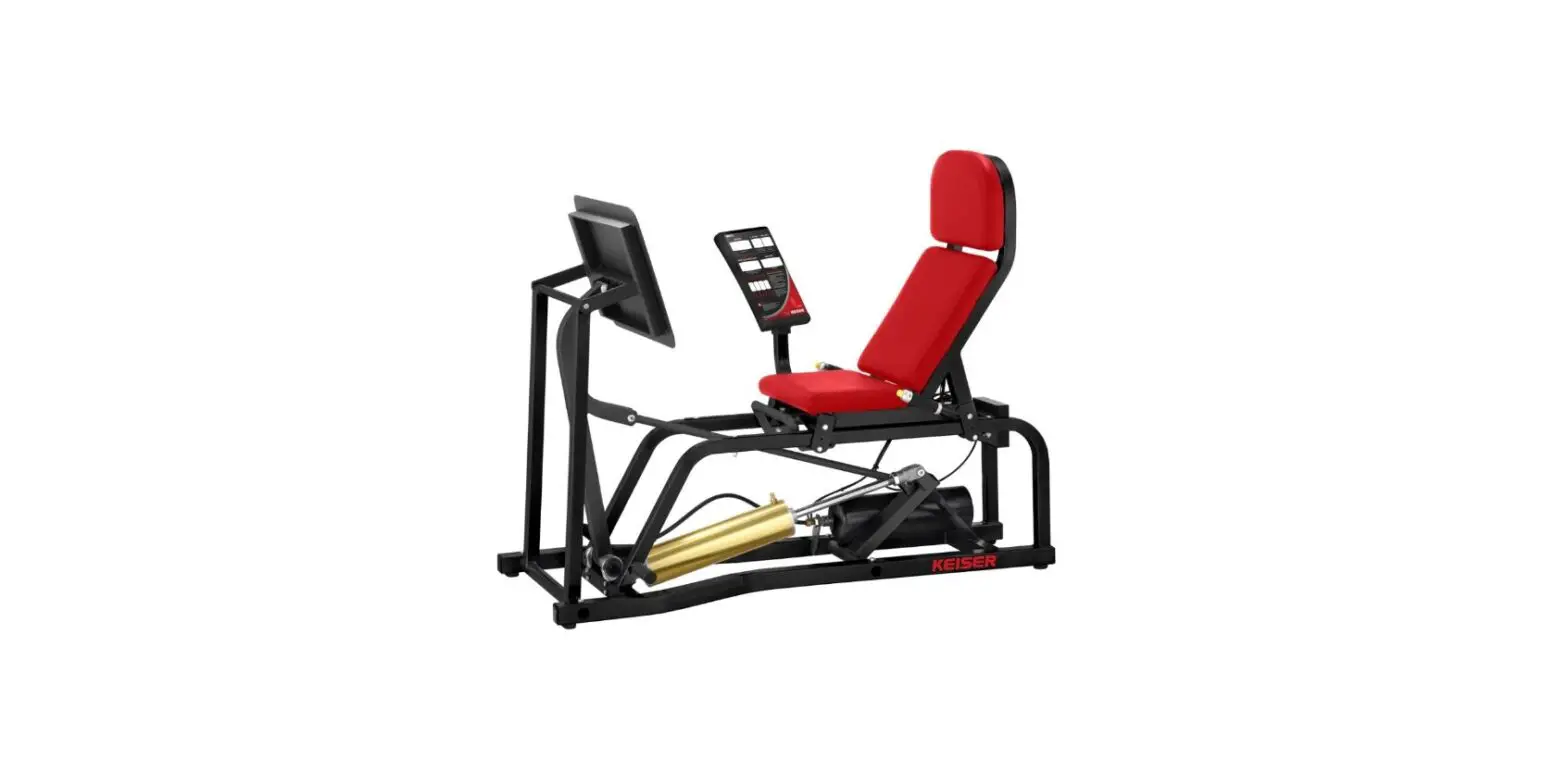
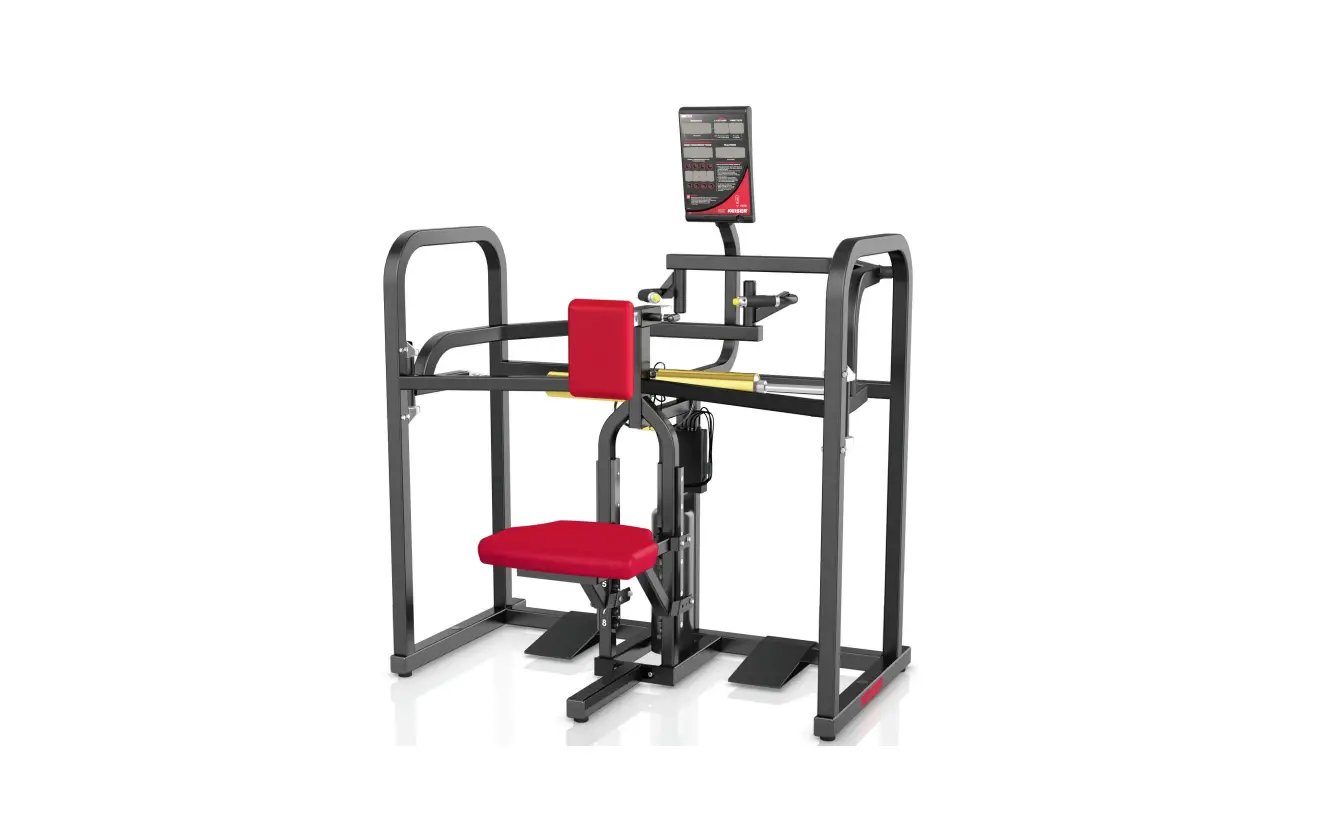
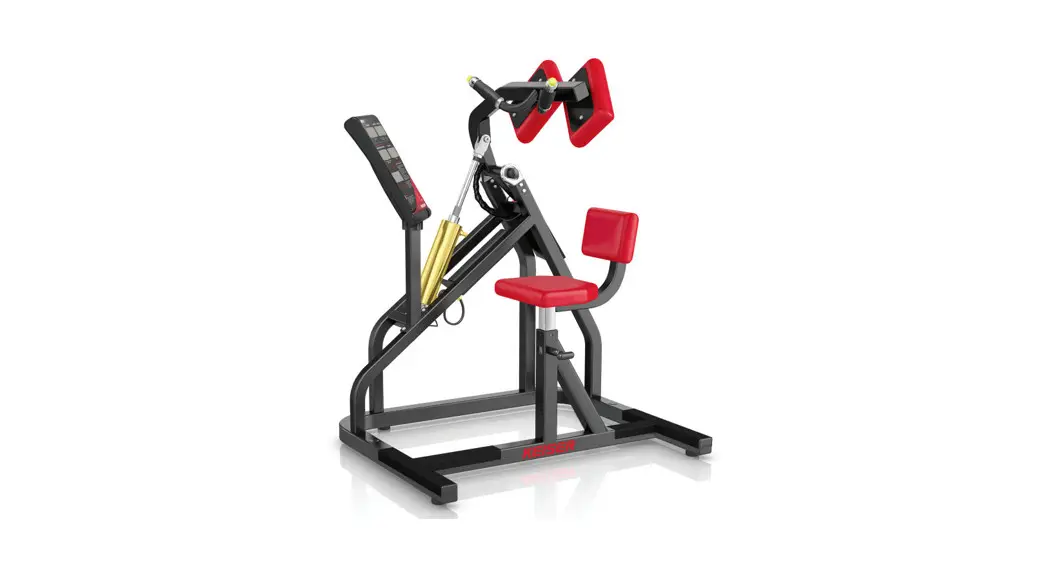
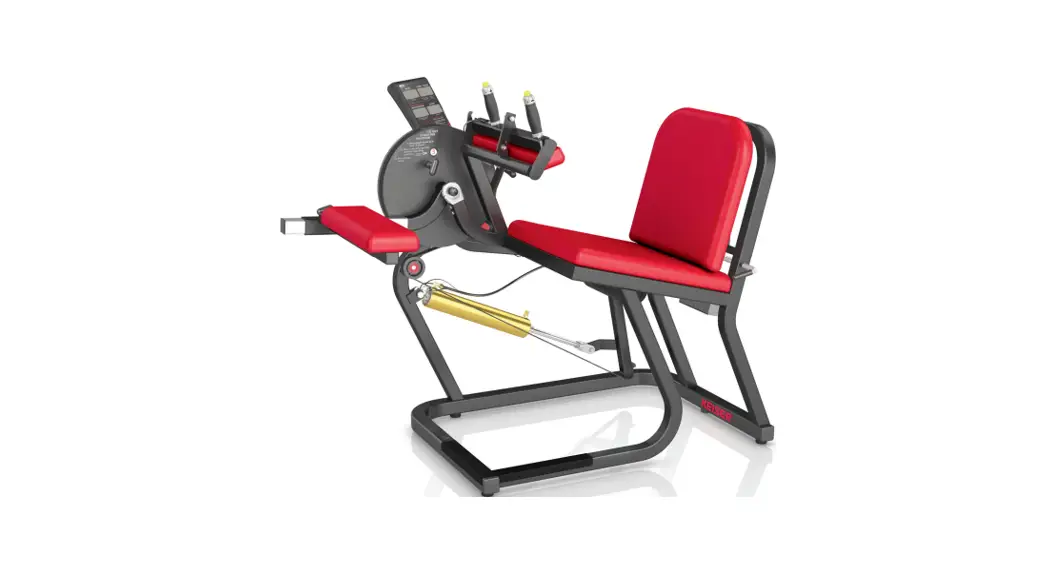
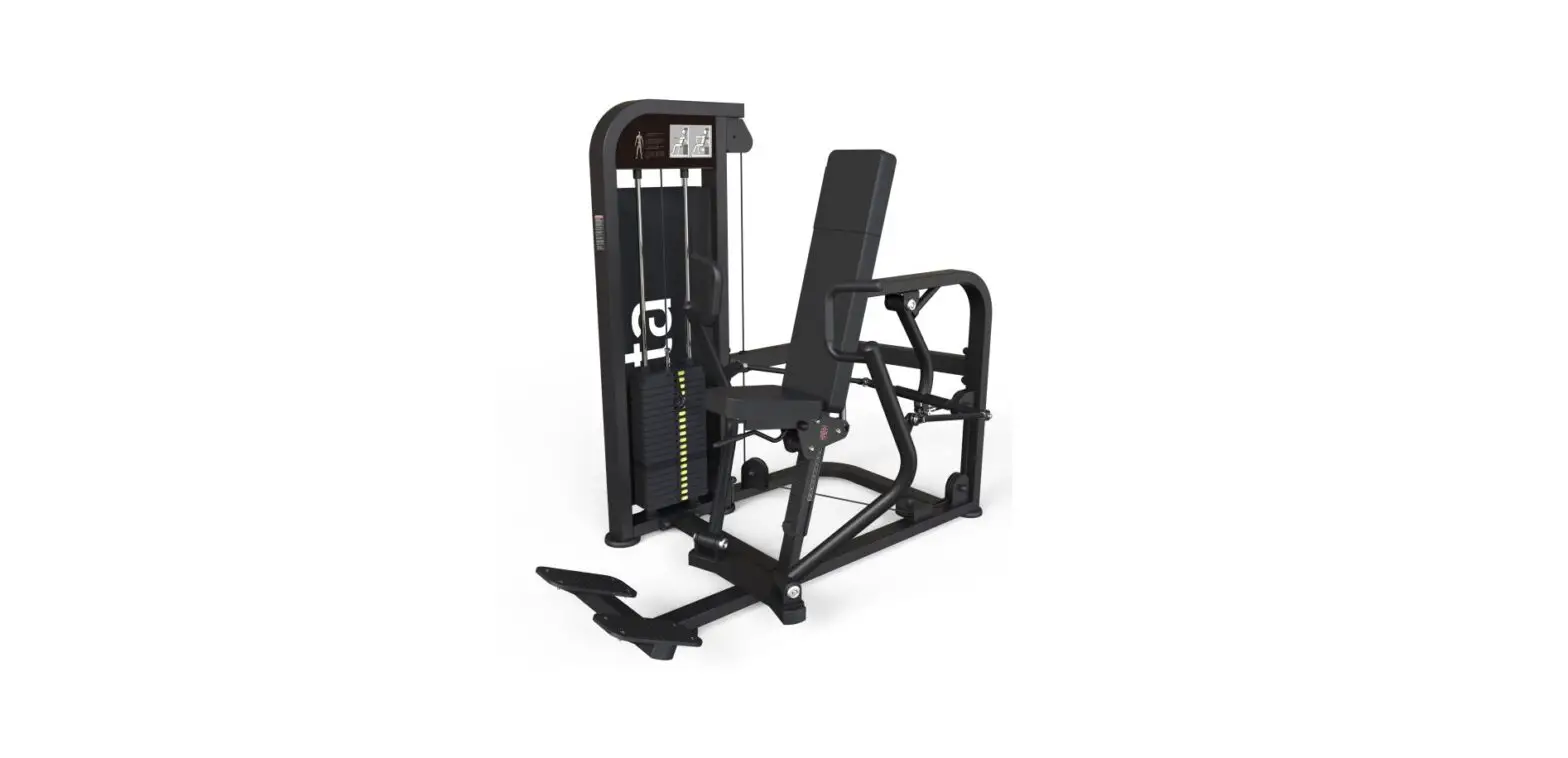
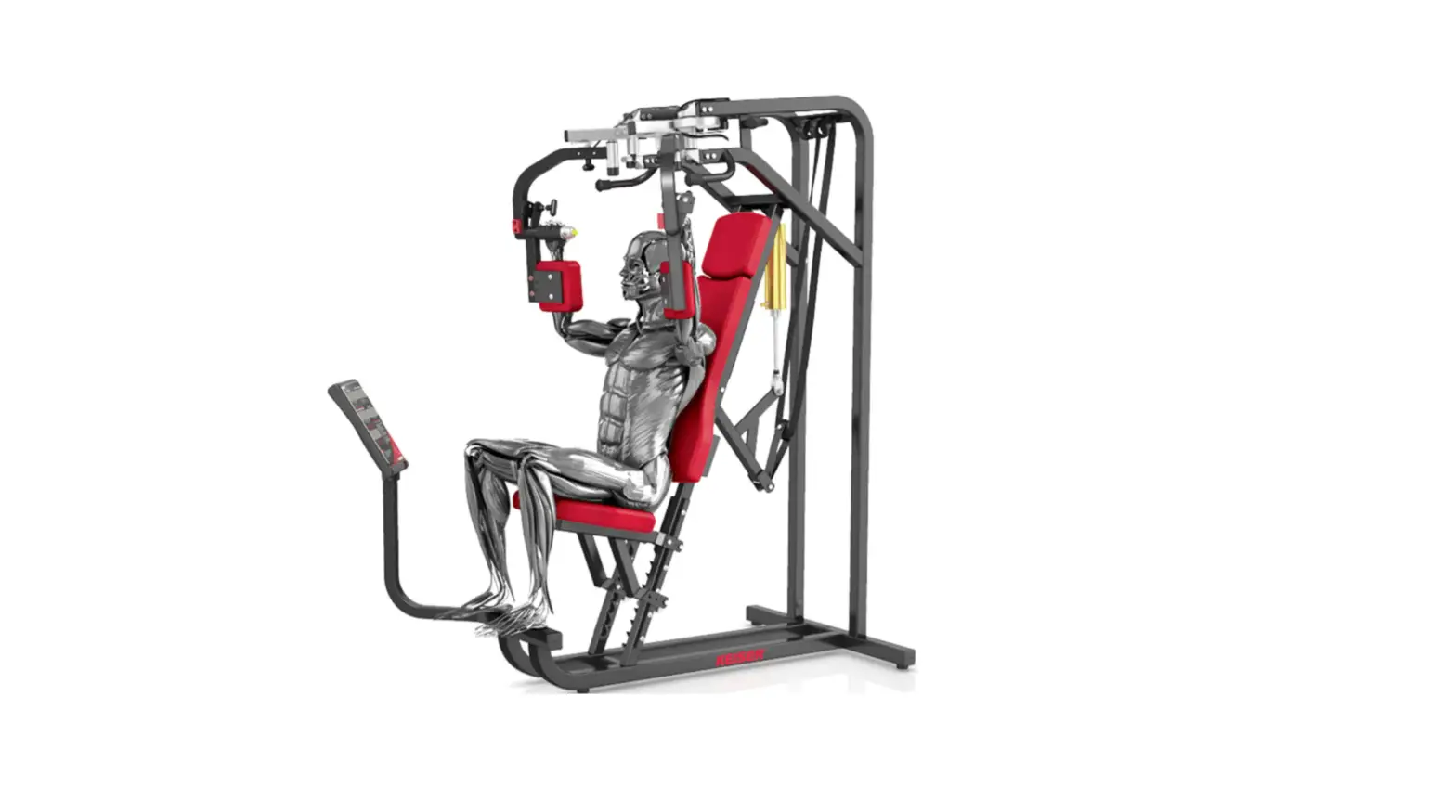
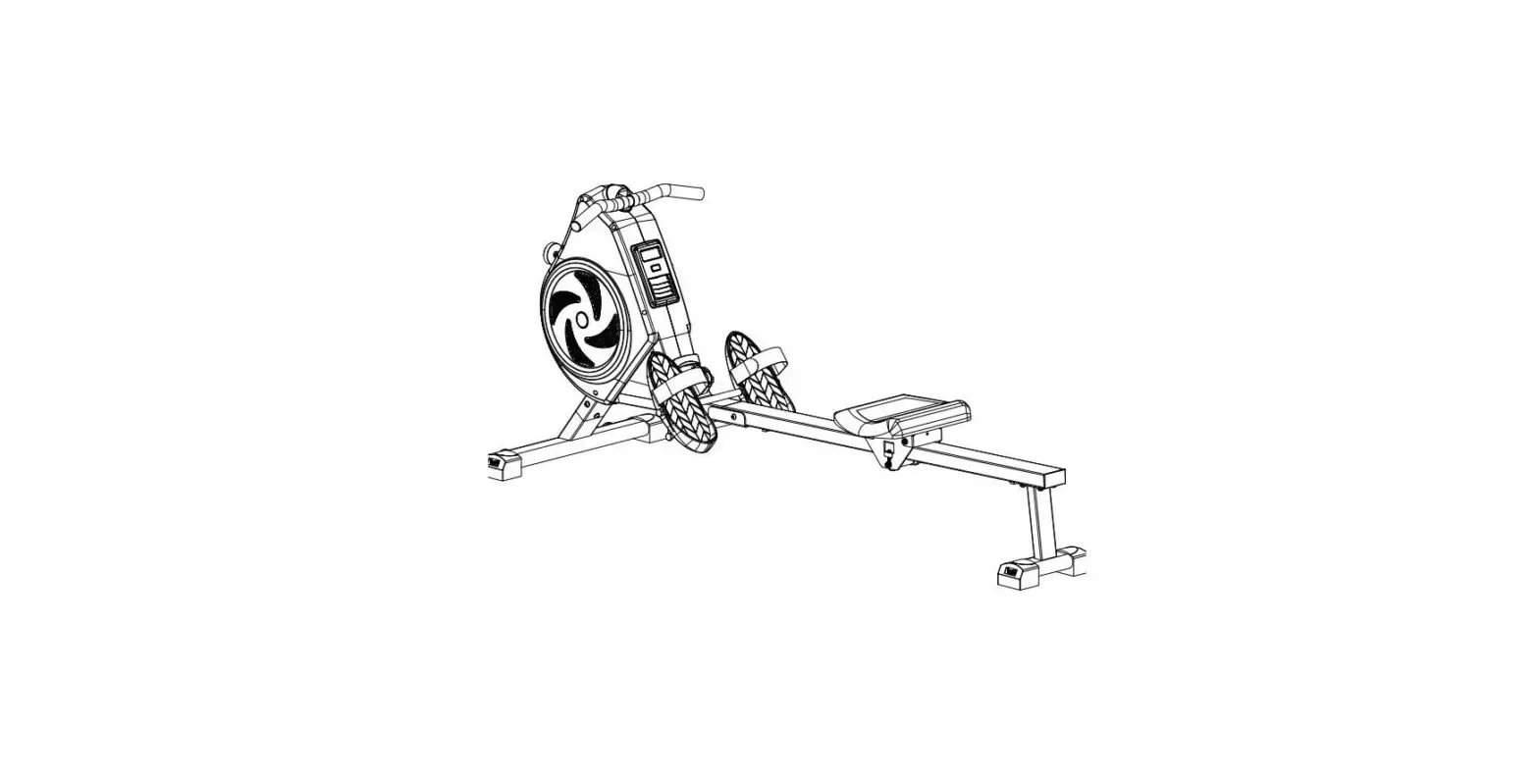
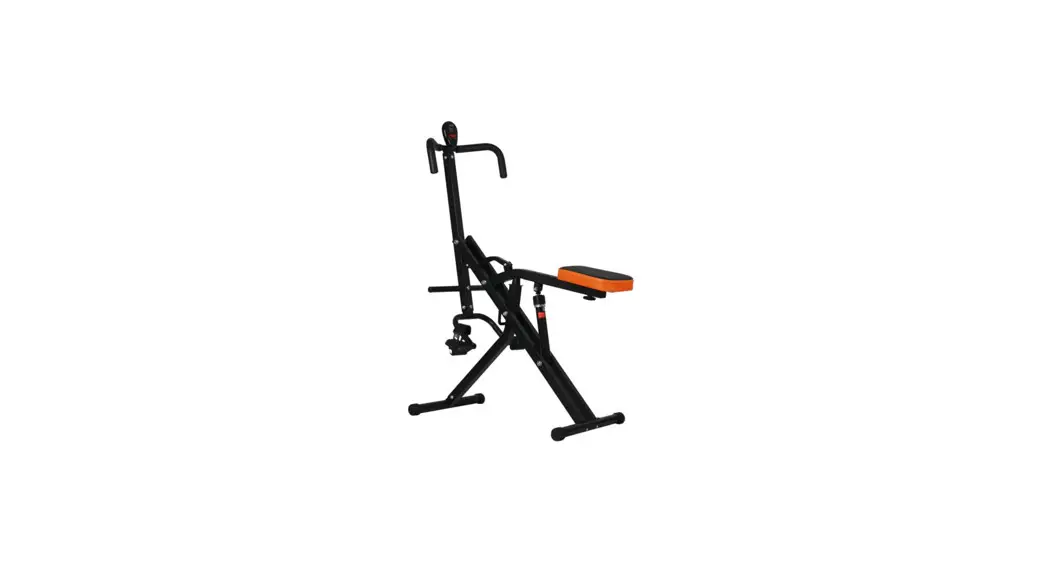
ABDOMINAL AIR250 Seated Chest Press Machine
Product Information:
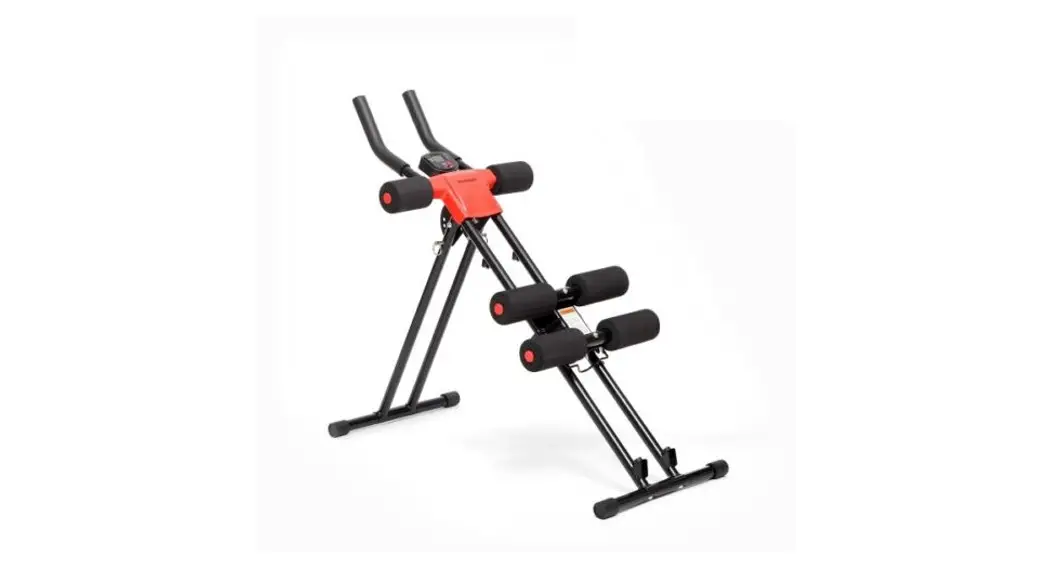
Product Name: AIR250 Abdominal
Model Numbers: 002721BP, 002721SP
Manufacturer: Keiser Corporation
Product Type: Abdominal Exercise Equipment
Resistance Type: Dynamic Variable Resistance
Maximum User Weight Limit: Not specified in the manual Usage
Instructions:
1. Introduction: Congratulations on your purchase of the Keiser
Air250 Abdominal. This equipment is designed to safely build
strength and maximize power through its Dynamic Variable Resistance
feature. Before using the Air250 Abdominal, it is important to read
and understand this operation manual. 2. Register Your Purchase: To
stay informed about safety notifications and receive faster
warranty service, it is recommended to register your Air250
Abdominal. Scan the QR Code provided in the manual or visit the
following website: https://www.keiser.com/forms/warrantyregistration
3. Serial Number Information: Record the serial number of your
Air250 Abdominal in the space provided. The serial number contains
important information such as the manufacturer’s name, address,
country of manufacture, patent information, CE mark, and more.
Refer to the marking plate attached to the equipment for specific
product information. 4. Safety Precautions: Please familiarize
yourself with the safety and notification labels on the equipment.
These labels provide important information regarding safe usage and
any contraindications that should be considered before using the
Air250 Abdominal. 5. Technical Specifications: Refer to the manual
for detailed technical specifications and equipment data related to
the Air250 Abdominal. 6. Installation and Placement: Ensure that
you have adequate training space for using the Air250 Abdominal.
Follow the guidelines provided in the manual for proper
installation and placement of the equipment. 7. Operation: –
Equipment Overview: Familiarize yourself with the different
components and features of the Air250 Abdominal as described in the
manual. – Power Display: Understand how to interpret and use the
power display feature of the equipment. – Proper Operation Check:
Perform the recommended checks to ensure that the Air250 Abdominal
is functioning correctly before each use. – How to Use the Air250
Abdominal: Follow the instructions provided in the manual for
proper usage and exercise techniques specific to the Air250
Abdominal. – Power Test: Learn how to conduct a power test to
assess your progress and set appropriate resistance levels. 8.
Maintenance: Follow the preventative maintenance schedule outlined
in the manual to keep your Air250 Abdominal in optimal condition.
The manual also provides instructions for battery replacement and
annual maintenance. 9. Regulatory and Compliance Notices: The
manual contains important regulatory and compliance notices related
to safety, electromagnetic compatibility, FCC compliance, and
disposal. Please review these notices for a better understanding of
the product’s compliance with relevant standards. 10. Warranty
Statement: Refer to the warranty statement provided in the manual
for information regarding warranty coverage and terms. Please note
that distribution and copying of this manual without written
authorization from Keiser Corporation is not permitted. The
information in this manual is subject to change without notice, and
Keiser Corporation is not responsible for any printing or clerical
errors. For further assistance, contact Keiser Customer Support
through phone, live chat, or email as mentioned in the manual.
STRENGTH | CARDIO | FUNCTIONAL
AIR250
ABDOMINAL
MODELS: 002721BP, 002721SP
OPERATION MANUAL
AIR250 ABDOMINAL | OPERATION MANUAL
02
CONTENTS
03 — GENERAL INFORMATION
03_INTRODUCTION 03_REGISTER YOUR PURCHASE 03_SERIAL NUMBER INFORMATION
04 — IMPORTANT SAFETY INFORMATION
05_CONVENTIONS USED 05_SAFETY AND NOTIFICATION LABELS 06_CONTRAINDICATIONS
07 — TECHNICAL SPECIFICATIONS
07_EQUIPMENT SPECIFICATIONS 07_TECHNICAL DATA
08 — INSTALLATION AND PLACEMENT
08_TRAINING SPACE
09 — OPERATION
09_EQUIPMENT OVERVIEW 10_POWER DISPLAY 12_PROPER OPERATION CHECK 13_HOW TO USE THE AIR250 ABDOMINAL 15_POWER TEST
16 — MAINTENANCE
16_PREVENTATIVE MAINTENANCE SCHEDULE 17_BATTERY REPLACEMENT 18_ANNUAL MAINTENANCE
19 — REGULATORY AND COMPLIANCE NOTICES
19_SAFETY NOTIFICATIONS 20_ELECTROMAGNETIC COMPATIBILITY (EMC) 20_US FCC COMPLIANCE STATEMENT 20_DISPOSAL
23 — WARRANTY STATEMENT
Keiser, the Keiser logo, and other trademarks associated with Keiser products referred to in this publication are trademarks of Keiser Corporation. © 2023 Keiser Corporation. All rights reserved.
Distribution and copying of this document, use and communication of its contents is not permitted without written authorization from Keiser Corporation. The content of this document is furnished for informational use only, may be subject to change without notice, and should not be construed as a commitment by Keiser Corporation. Every effort has been made to ensure that the information in this manual is accurate. Keiser Corporation is not responsible for printing or clerical errors.
AIR250 ABDOMINAL | OPERATION MANUAL
03
GENERAL INFORMATION
INTRODUCTION
Congratulations on the purchase of your new Keiser Air250 Abdominal and welcome to the Keiser family. Keiser’s Dynamic Variable Resistance safely builds strength at any speed, which is key to building maximum power.
For your safety, and to ensure the best experience and maximum gains, it is critical that you read and understand this manual before you begin using the Air250 Abdominal. If you have any questions regarding the operation of the Air250 Abdominal after reading this manual, our Keiser Customer Support team will be happy to assist by telephone at 1 559 256 8000 and via live chat at keiser.com/support (Monday–Friday, 7 am to 5:30 pm PST), or by email at [email protected].
Yours in Health, Keiser Corporation
REGISTER YOUR PURCHASE
Register your Air250 Abdominal to stay informed of safety notifications and for faster, more accurate warranty service. Scan the QR Code to the right to access the interactive online warranty registration form or visit:
https://www.keiser.com/forms/warrantyregistration
SCAN
SERIAL NUMBER INFORMATION
Please take a moment at this time to record the serial number in the space provided below.
Serial No.:
Serial Number Information
A
A Manufacturer name, logo, and address
B Country of manufacture
B
C Patent information notification
C
D WEEE Directive mark
D
E CE mark
E
F TÜV SÜD mark
F
G Unique Device Identification (UDI)
H ISO Accuracy and Usage Classes
I Maximum User Weight Limit
J Directive and standards compliance
K European Authorized Representative
L UK Responsible Person
M Serial number and date of manufacture
N Model number and product description
O UK Conformity Assessed mark
Marking plate illustration is for reference only. Refer to the marking plate attached to the equipment for specific product information.
O N M
GH
I
JK L
Figure 1. Serial Number Location and Information
AIR250 ABDOMINAL | OPERATION MANUAL
04
IMPORTANT SAFETY INFORMATION
It is the sole responsibility of the purchaser of Keiser Corporation equipment to instruct all individuals, whether they are the enduser or supervising personnel, on proper usage of the equipment. Keiser Corporation recommends that all users of its equipment be informed of the following information before use.
1.
Read these instructions.
2. Heed all warnings.
3. Follow these instructions.
4. Intended use of the Air250 Abdominal is for physical
activity or Physiotherapy (sometimes referred to as
physical therapy).
5. The Air250 Abdominal is intended for individuals aiming to
maintain and restore maximum movement and functional
ability throughout their lifespan, including circumstances
where movement and function are limited by aging, injury,
pain, disease, disorders, conditions, or environmental
factors, especially in case of using the Air250 Abdominal
in physical therapy.
6. Consult your physician before beginning any exercise
program.
7. The Air250 Abdominal is intended for use in training
areas of organizations where access and control are
specifically regulated by a person responsible for
determining the suitability of use and maintenance.
8. Maximum user weight limit: 441 lbs (200 kg).
9. Use the Air250 Abdominal indoor in a climate-controlled
environment only. Keep away from areas of extreme
humidity.
10. The use of this Air250 Abdominal for any purpose not
explicitly specified by the manufacturer in this manual
is prohibited.
11. Wear proper exercise clothing and shoes for exercise.
Avoid wearing loose clothing that might catch on any
moving parts. Tie long hair back.
12. The Air250 Abdominal is not a toy. Children shall not
play with the Air250 Abdominal. Children under 14 years
old should not use the Air250 Abdominal. Keep children
and pets clear from the Air250 Abdominal at all times,
especially while in use. Cleaning and user maintenance
shall not be performed by children.
13. The Air250 Abdominal can be used by children age
14 years and above. Persons with mental disabilities,
reduced physical, mental, or sensory capabilities, or lack
of experience or knowledge should not use the Air250
Abdominal without constant supervision by a spotter/
supervisor.
14. Proper warm-up required to help prevent injury. This
Air250 Abdominal should only be used with proper
instructions. Always maintain good form and control
during exercise. If you feel pain or are unable to maintain
good form, stop immediately. Failure to follow these
instructions could result in injury.
15. Always maintain control of the Chest Pads (Exercise Arm)
during exercise. The sudden release of the Exercise Arm
during exercise will cause the Exercise Arm to recoil
uncontrollably toward the user and could result in serious
injury or property damage. Bring the Exercise Arm to
the start position in a controlled manner to safely end exercise. If at any time you are not able to control the amount of resistance during exercise, push the left (“-“) Thumb Button to reduce the resistance. 16. Never perform Power Test without a proper warm-up. This high resistance/high-speed test should only be performed with proper instructions (see page 15 “Power Test” for complete instruction). Always maintain good form and control during the test. If you feel pain or are unable to maintain good form, stop immediately. Failure to follow these instructions could result in injury. 17. Never make adjustments to the machine during exercise as this may cause muscle strain. Always return the Exercise Arm to the start position before making any adjustments to help prevent injury. 18. The highest level of safety can only be ensured if the equipment is regularly inspected for damage and wear. Always check the equipment before use for proper function and any damaged, worn, or broken parts. Immediately replace damaged, worn, or broken parts. Do not use the Air250 Abdominal until all repairs have been completed and tested by a Keiser-certified technician. 19. Use only replacement parts supplied/recommended by Keiser Corporation. Attempting to repair or replace any damaged, worn, or broken parts on your own is not recommended. A Keiser-certified technician should be consulted. 20. The use of any exercise equipment, including, without limitation, Keiser’s strength training equipment in which resistance can be changed at any time during the repetition, without proper instruction and supervision violates the terms of the agreement for the purchase of such products. The ability to add resistance anytime during a repetition, including, without limitation, the ability to do a heavy negative may be dangerous, especially for anyone that does not recognize or respect the potential danger. 21. Users, agents, and/or anyone directing the use of the Air250 Abdominal shall determine the suitability of the Air250 Abdominal for its intended use, and said parties are specifically put on notice that they shall assume all risk and liability in connection herewith. 22. If you do not understand these instructions or have doubts about the safety of the installation, assembly, or use of this product, contact Keiser Customer Support:
1 559 256 8000
[email protected]
keiser.com/support
Telephone and Live Chat Monday–Friday 7 am to 5:30 pm PST
AIR250 ABDOMINAL | OPERATION MANUAL
05
IMPORTANT SAFETY INFORMATION
CONVENTIONS USED This Operation Manual contains the following marks:
WARNING: Indicates a hazardous situation that, if not avoided, could result in death or serious injury. CAUTION: Indicates a hazardous situation that, if not avoided, could result in minor or moderate injury. IMPORTANT: Indicates information considered critical, but not hazard-related.
SAFETY AND NOTIFICATION LABELS
A
B
C
D
B A
C D
Maintain and do not remove safety or notification labels for any reason. They contain important information. If unreadable or missing, contact Keiser Corporation for a replacement (see back cover for contact information).
AIR250 ABDOMINAL | OPERATION MANUAL
06
IMPORTANT SAFETY INFORMATION
CONTRAINDICATIONS
There are a number of contraindications in the context of the relevant fields of the Air250 Abdominal use. In rehabilitation, only the medical staff can determine the form and extent of therapy. Medications can have an influence on the rehabilitation (e.g. neuroleptics, benzodiazepines, barbiturates, anti-epileptics, etc.). In the following cases, Air250 Abdominal training may only be carried out after consultation with a doctor:
· Pregnancy · Acute thrombosis · Fresh wounds (e.g. after surgery) · Artificial joints or prosthetics · Bone fractures · Spinal disc damage · Traumatic injury to the spine · Diabetes · Epilepsy · Inflammation
· Acute migraine headache · Chronic illnesses · Cancer · Acute myocardial infarction or unstable angina pectoris
(determined by a stress test) · Cardiovascular diseases e.g. severe high blood pressure
at rest, carditis, congestive heart failure, severe valvular heart disease, dangerous heart arrhythmias at rest, or aortic aneurysm
If the patient is experiencing acute illness, febrile condition (i.e. fever), or newly occurring pain, this represents an absolute
contraindication for physical stress. In such situations, it is necessary to postpone training until the patient’s health has improved sufficiently.
In some situations (especially in patients with coronary heart disease or lung disease) overstraining can lead to an acute intensification of the patient’s symptoms. In such situations, an exercise ECG is essential and training is only possible
under medical supervision.
The use of the automated operation (pulse automatic, preset programs, external control via computer or other device) is prohibited, unless the strain was authorized by a physician in accordance with the patient’s capacity/health.
For applications in endurance training, diagnostics and performance testing of patients, performance diagnostics, and stress tests, the same contraindications apply (among others) as with all physical stress. If there is doubt, it is important that a physician be consulted before using the Air250 Abdominal.
AIR250 ABDOMINAL | OPERATION MANUAL
07
TECHNICAL SPECIFICATIONS
Model No. 002721BP 002721SP
Device Label (Short Description) A250 ABDOMINAL-BLK-PWR A250 ABDOMINAL-SPC-PWR
Device Full Description Air 250 Abdominal, Black (color), Power (additional display feature) Air 250 Abdominal, Special (color), Power (additional display feature)
EQUIPMENT SPECIFICATIONS
See Figure 2 for Air250 Abdominal dimensions and weight. · Resistance Range 0 276 lbs (0 125 kg) change resistance in 1 lb/kg increments · Adjustable Seat · Maximum user weight limit: 441 lbs (200 kg)
47 inches (1,194 mm)
33 inches (838 mm)
37 inches (940 mm)
115 lbs (52 kg)
Figure 2. Air250 Abdominal Equipment Specifications
TECHNICAL DATA
AIR STORAGE TANK The equipment contains an air storage tank (air accumulator) with the following operating parameters:
Maximum working pressure: Maximum working temperature: Minimum working temperature: Maximum vessel capacity:
125 psi (8.6 bar) 104ºF (40ºC) 32ºF (0ºC) 68 in3 (1.11 L)
POWER
· 1.5V D Alkaline Batteries (quantity 2, Keiser PN 966500) · 3V CR2032 Lithium Coin Cell Battery (quantity 1)
Permanently attached, not serviceable. Contact Keiser Customer Support for service.
AIR250 ABDOMINAL | OPERATION MANUAL
08
INSTALLATION AND PLACEMENT
No assembly required. Place the Air250 Abdominal on a flat, level surface. Make sure the base of the frame makes full contact with the floor. If gaps are present, relocate the equipment to an even surface.
CONNECT THE EQUIPMENT TO THE KEISER AIR SYSTEM
Keiser Air System (floor or wall air outlet)
WARNING: Never connect equipment to an air source capable of exceeding 120 psi / 8.27 bar. Over pressurizing Keiser pneumatic equipment may cause tubing to burst, breakage of equipment, abnormal operation, or serious injury. Use only clean, dry, regulated compressed air at the rated pressure range of 100120 psi / 6.898.27 bar.
1. Plug the Compressor into the appropriate power source to power the Compressor ON (allow the Compressor to build up to a minimum of 100 psi / 6.89 bar; Keiser Compressor and Keiser Air System not included, sold separately).
2. Connect the 1/4-inch Quick Disconnect (QD) from the equipment into the Keiser Air Supply (see Figure 3).
1/4-inch QD
Keiser Large Air Compressor Direct-connect to Keiser Small Air Compressor
Keiser Small Air Compressor
Figure 3. How to Connect the Equipment to the Keiser Air Supply
TRAINING SPACE
The equipment footprint is 37 inches x 33 inches (940 mm x 838 mm). The minimum recommended free space around the equipment is 24 inches (610 mm) for the front and sides.
FOOTPRINT
24 inches (610 mm)
FREE AREA
33 inches (838 mm)
37 inches (940 mm)
24 inches (610 mm)
24 inches (610 mm)
Figure 4. Training Space for the Air250 Abdominal Note: Additional Free Space may be required to accommodate mobility device access.
AIR250 ABDOMINAL | OPERATION MANUAL
09
OPERATION
EQUIPMENT OVERVIEW
1 2
3 4
5
11 10 9
8 7
6
Figure 5. Air250 Abdominal
1 Increase/Decrease (+/-) Thumb Buttons 2 Power Display 3 Cylinder 4 Air Tank 5 Anti-Slip Steps 6 Quick Disconnect (QD) with Tube
7 Locking Pin (Seat Height Adjustment) 8 Seat 9 Processor Box 10 Exercise Arm 11 Chest Pad 12 Instruction Placard (not shown)
AIR250 ABDOMINAL | OPERATION MANUAL
10
POWER DISPLAY
DISPLAY FEATURES Resistance, Reps, and Power workout data output on the Power Display are shown below.
RESISTANCE Current resistance setting
(lbs or kg)
PERCENT OF PEAK POWER The percentage of peak
power achieved for the most recent repetition (0 100%)
SEAT
REPS Number of repetitions (0 99)
PEAK POWER Displays the highest power output (measured in Watts) that has occurred during your workout
Figure 6. Power Display Overview
OPERATION
How to Adjust the Resistance · Increase the resistance using the Positive “+” Thumb Button. · Decrease the resistance using the Negative “-” Thumb Button.
How to Reset/Clear Workout Data (Reps, Percent of Peak Power, and Peak Power) · Press and hold the Thumb Buttons simultaneously, release when “CLEr” appears in the RESISTANCE window. · eChip Users: “CLEr” also deletes the current workout data from the eChip.
System Messages (appear in the RESISTANCE window) · “OFF” = low-power consumption sleep mode.
Sleep mode occurs after 60 seconds of machine inactivity to help prolong battery life. To wake, press either Thumb Button and resume operation. · “Lo-bA” (Low Battery) = weak batteries, replace soon. If the batteries are dead (depleted), the Power Display remains blank. See page 17 “Battery Replacement” section for procedure.
AIR250 ABDOMINAL | OPERATION MANUAL
11
POWER DISPLAY
POWER DISPLAY FEATURES WITH eCHIP The Keiser eChip* is an optional digital workout log that records and recalls your workout data. Additional workout data made available when using the Power Display with an eChip are shown below.
TARGET RESISTANCE/
CURRENT POWER Target resistance is based on
the set from your previous visit, changes to Percent of Peak Power after your first rep
= SET/REPS The set count is signaled by three horizontal lines followed by the set number (1 9) and changes to Reps count after your first rep
TARGET REPS Goal based on the set from your previous visit
MACHINE ADJUSTMENT Input machine setting (Seat), set to set, and recall settings
from your previous visit
SEAT
Figure 7. Power Display with eChip Overview
eCHIP READER Receives and reads eChip data
eCHIP Records workout data
OPERATION
How to Record Workout Data on the eChip 1. Insert the eChip into the eChip Reader. 2. Prepare the machine for your workout: · Set the Resistance using the “+/-” Thumb Buttons. · Input Machine Adjustment setting using the buttons on
the display. 3. Start your exercise: · Minimum 3 reps required to record a set. · Remove and re-insert the eChip to change Set number.
How to Recall Workout Data from the eChip Insert eChip into the eChip Reader to recall workout data from the corresponding set of your previous visit: · SET · TARGET REPS · TARGET RESISTANCE · MACHINE ADJUSTMENT (when applicable)
System Notes · eChip Storage: Up to 24 machine models, up to 240 separate workout sets. Set count range is 19, rep count range is
099 per machine per visit. A visit is defined as multiple workouts that occur within a four-hour period. · No workout data (“—“) indicates the eChip was not previously utilized on the machine. · Machine Adjustment: No Machine Adjustment data indicates no data was input to record. Settings can only be changed
immediately after the eChip is inserted and before your third rep. After three reps are performed, the setting cannot be changed until the eChip is removed and reinserted. Settings are not saved in Power Tests (Keiser 6-Rep test) mode.
* eChip not included. Contact Keiser Customer Support for order information.
AIR250 ABDOMINAL | OPERATION MANUAL
12
PROPER OPERATION CHECK
Check equipment condition and function before every workout:
A. Thumb Buttons and Display — press Thumb Buttons to check for proper “+ / -” operation and the Display powers on*.
B. Exercise Arm — move freely; no loose parts in the linkage system.
C. Upholstery — Chest Pads and Seat have no excessive wear and are free of rips or tears.
D. Seat Adjustment — Seat functions and engages into setting positions properly; Locking Pin engages properly into the post.
E. Stability — equipment is level to a solid, flat surface.
F. Air Leaks — no air leaks audible in the system.
B
A
C
D
F E
Figure 8. Proper Operation Check Illustration
Immediately replace damaged, worn, or broken parts. Do not use the Air250 Abdominal until all repairs have been completed and tested by a Keiser-certified technician. * “Lo-bA” = Batteries are low, replace immediately. If batteries are dead (depleted), the Power Display remains blank (see Battery Replacement procedure, page 17).
AIR250 ABDOMINAL | OPERATION MANUAL
13
HOW TO USE THE AIR250 ABDOMINAL
11. Adjust the Seat height to allow the Chest Pads to rest firmly against your upper chest. 2. Sit with your back supported by the Seat backrest, feet on the floor (or on the Anti-Slip Step). 3. Grasp the Handles with an underhand grip and adjust the resistance with the Thumb Buttons. 4. Curl your upper body forward; return slowly.
ADJUST
EXERCISE
Seat Locking Pin Figure 9. How to Use the Air250 Abdominal
RECTUS ABDOMINIS
Figure 10. Air250 Abdominal Target Muscles
AIR250 ABDOMINAL | OPERATION MANUAL
14
HOW TO USE THE AIR250 ABDOMINAL (CONTINUED)
CAUTION
· Consult your physician before beginning any exercise · If you feel pain, faintness, or are unable to maintain
program.
good form, stop immediately.
· This equipment should only be used with proper · Use caution when increasing/decreasing resistance
instructions.
during exercise.
· Proper warm-up required to help prevent serious injury. · Never make adjustments to the machine during
· Always maintain good form and control during exercise.
exercise. Failure to do so could result in serious injury.
CONCENTRIC PHASE (FORWARD MOVEMENT) · Flex your upper body forward using your abdominal muscles for the movement. · Keep your body in contact with the Seat and Chest Pad during movement.
ECCENTRIC PHASE (BACKWARD MOVEMENT) · Return the Chest Pads (Exercise Arm) to the start position in a smooth, controlled manner. · Slower speed during backward movement is recommended. · Maintain control of the load; keep the Exercise Arm off of the frame stop throughout the exercise.
BREATHING · Exhale during the concentric phase (forward movement). · Inhale during the eccentric phase (backward movement).
TRAINING TIPS · Ensure your feet are on the floor, or the anti-slip step, throughout the exercise. · Maintain the natural curvature of your spine. · Avoid rocking your body to create momentum when moving heavy loads.
AIR250 ABDOMINAL | OPERATION MANUAL
15
POWER TEST
CAUTION: Test should only be performed with proper instruction. Never perform Power Test without proper warm-up.
The purpose of the Power Test (KEISER 6-Rep Test) is to determine your RESISTANCE SETTING FOR MAXIMUM POWER. Use your RESISTANCE SETTING FOR MAXIMUM POWER as a baseline measurement to program safe and effective training sessions. The test consists of two sets:
SET
1
Three repetitions Low resistance, high speed 10% of your maximum
SET
2
Three repetitions High resistance, high speed 80-90% of your maximum
Speed is essential in power output. Perform all repetitions at maximum speed at the given resistance.
POWER TEST PROCEDURE
Before you begin: Warm-up and estimate your maximum resistance setting. During testing, you can adjust the resistance in either Set before rep “3” if needed (REPS resets to “0”). Note: Test may be performed with or without the eChip inserted.
1 START TEST Press and hold both Thumb Buttons, release when “6 r” appears in the RESISTANCE window.
2 SET RESISTANCE, LOW LEVEL Set the resistance to a low level (10% of your maximum).
3 POWER TEST, SET 1 (“P1”) Perform one repetition at maximum speed. Pause briefly, then perform two repetitions at maximum speed.
RESISTANCE
TARGET
REPS
“P1” in the TARGET REPS window indicates Power Test, Set 1 initiated.
Note: Test advances to “P2” (Power Test, Set 2).
4 SET RESISTANCE, HIGH LEVEL Increase the resistance to a high level (80-90% of your maximum).
5 POWER TEST, SET 2 (“P2”) Perform one repetition at maximum speed. Pause briefly, then perform
two repetitions at maximum speed.
6 TEST RESULT After your last rep, your
RESISTANCE SETTING FOR MAXIMUM POWER value is displayed.
RESISTANCE SETTING FOR MAXIMUM POWER
TEST COMPLETE. Exit Power Test to resume normal operation.
How to exit the Power Test: Press and hold the Thumb Buttons simultaneously, release when “CLEr” appears in the RESISTANCE window (eChip users: Remove the eChip).
Troubleshoot: “Er” 1 4 indicates not enough difference in resistance between the low and high sets. Try again with a greater difference in resistance between the low and high sets. To restart the Power Test at any time, begin at Step 1 (eChip users: Remove and reinsert the eChip before attempting to restart the test).
AIR250 ABDOMINAL | OPERATION MANUAL
16
MAINTENANCE
CAUTION: SERVICE AND REPAIR SHALL ONLY BE PERFORMED BY KEISER-CERTIFIED TECHNICIANS. Failure to follow these instructions can result in serious injury.
PREVENTATIVE MAINTENANCE SCHEDULE
CAUTION: THE HIGHEST LEVEL OF EQUIPMENT SAFETY CAN ONLY BE ENSURED IF THE EQUIPMENT IS REGULARLY INSPECTED FOR DAMAGE AND WEAR. Immediately replace damaged, worn, or broken parts. Do not use the Air250 Abdominal until all repairs have been completed and tested by a Keiser-certified technician.
Daily Weekly
· Check for safe and proper function of the equipment (perform “Proper Operation Check,” page 12).
· Clean the chrome and paint where applicable. · Wipe down the equipment with a clean cloth. If necessary, use water and mild soap
(neutral, non-caustic). Target areas that come in contact with sweat. Wipe dry the equipment.
· Check parts most susceptible to wear are not damaged or broken: Upholstery, Linkage System, Thumb Buttons, and Hand Grips.
· Wax chrome and paint where applicable; wax upholstery. · Clean Hand Grips. · Inspect Air Line Filter.
Monthly
Quarterly
Annually and other Required Maintenance
· Check externally visible screws are fastened properly with no looseness. · Clean and lubricate the Cylinder Rod. · Inspect Air Line for kinks, tears, or breaks. · Inspect Frame for any weakening in weld areas, and other connected areas.
· Lubricate Pivot Bushings. · Inspect Exhaust Muffler and Air Filter for discoloration; replace if necessary. · Verify compressor(s) cycle on/off between 100-120 psi (6.898.27 bar).
· For complete instructions, see page 18 “Annual Maintenance.” · Battery Replacement. The low battery signal (“Lo-bA”) will appear on the Power Display
when it is time to replace the batteries. Refer to page 17 “Battery Replacement” for complete instructions. NOTE: Your Keiser Air Compressor (not included with your Air250 Abdominal) requires basic annual maintenance. Contact Keiser Customer Support for Air Compressor operator manual or download at keiser.com/support (search: Air Compressor manuals).
IMPORTANT: Do not use household or industrial cleaners as they contain caustic chemicals that can destroy the paint finish and cause corrosion. Use only mild soap/detergent (neutral, non-caustic) to clean.
Contact Keiser Customer Support for replacement parts order, or for any matters regarding the safe operation of your Air250 Abdominal (see back cover for contact information).
AIR250 ABDOMINAL | OPERATION MANUAL
17
BATTERY REPLACEMENT
Do not operate the equipment during battery replacement procedure. “Lo-bA” = Batteries are low, replace immediately. NOTE: If batteries are dead (depleted), the Power Display remains blank. To replace the batteries, refer to Figure 11 and follow the instructions below (no tools required).
1. Unscrew the Brass Nut on the Processor Box. Pull and remove the cover.
2. Remove the 2 D batteries by carefully pulling out the Battery Sleeve (follow manufacturer’s recommendations for handling, maintaining, and disposing of batteries).
Batteries and Sleeve
Processor Box Cover
Brass Nut
3. Observe the correct polarity position (see +/marking inside the battery compartment), insert the 2 new D batteries into the battery sleeve and install.
· The Power Display will enter a brief test
sequence (you will see a series of numbers flashing).
4. Replace the Processor Box cover and screw the Brass Nut finger tight.
IMPORTANT: Once the test sequence ends (numbers stop flashing), press either the increase or decrease Thumb Button and allow the machine to enter sleep mode (“OFF”) to resume normal operation.
Figure 11. Battery Replacement
CAUTION
Do not dispose of batteries in a fire. The batteries may explode.
Do not open or mutilate batteries. They contain an electrolyte which is toxic and harmful to the skin and eyes.
Replace batteries with the same number and type of batteries as originally installed in the equipment.
Recycle batteries in accordance with local recycling procedures.
AIR250 ABDOMINAL | OPERATION MANUAL
18
ANNUAL MAINTENANCE
The following routine maintenance is recommended annually or at the time batteries are replaced: 11. Clean: · Wipe any accumulated dust around the Frame and the Linkage System, including the Air Tank and Cylinder, using a clean shop cloth. 22. Visual inspection of the Linkage System: · Move freely and no loose parts; all externally visible nuts and bolts are tightened properly. 33. Visual inspection of Air Lines and Communication Wires: · Air Lines have no kinks, tears, or breaks; Communication Wires have no exposed wires or visible damage. 44. Replace the Muffler if discoloration is present: · Tool required: 11/16 inch Wrench or Adjustable Wrench. 55. Replace the Air Filter if element is dirty (element turns a bright pink or red color): · Tools required: Small Needle Nose Pliers, Cutter Tool (to cut off flared end of tubes). 66. Lubricate Cylinder Rod: · Wipe the Cylinder Rod clean and coat lightly with clean, SAE 30 motor oil, or with a silicon-based spray. 77. Visual inspection of moving components: · Seat adjustment (Locking Pin) functions and engages properly. Check Exercise Arm is fully functional; all externally visible nuts and bolts are tightened properly.
WARNING: HIGH-PRESSURE AIR. DISCONNECT THE EQUIPMENT FROM THE AIR SUPPLY AND RELEASE ALL THE AIR IN THE EQUIPMENT (“– ” THUMB BUTTON) BEFORE PERFORMING ROUTINE MAINTENANCE.
1 5
2
6 3
7
4
Figure 12. Annual Routine Maintenance Illustration
Contact Keiser Customer Support for replacement part(s) order, or for any matters regarding the safe operation of your Air250 Abdominal (see back cover for contact information).
AIR250 ABDOMINAL | OPERATION MANUAL
19
REGULATORY AND COMPLIANCE NOTICES
Standards Marks
ISO/EN 20957-1 Accuracy Class A (High accuracy) and Usage Class S (Studio, commercial use); IEC/EN 60601-1 and IEC/EN 60601-1-2.
SAFETY NOTIFICATIONS
Displayed watts testing parameters: “Current Power,” “Peak Power,” and “Percent of Peak Power” are not suitable for use in applications where the health and safety of a patient may be dependent on the accuracy of those parameters.
Clinical Settings Note: In clinical settings, patients may operate this equipment in accordance with this user manual and the instructions and guidance provided by the healthcare personnel responsible for supervising their treatment and care. However, patients shall not perform preventive maintenance, repairs or replace batteries on equipment installed in clinical facilities.
TYPE/DEGREE OF PROTECTION
CLASSIFICATION/IDENTIFICATION/WARNINGS
The degree of protection against electric shock
Device is powered by 2 alkaline D cell batteries. Electrical safety evaluation conducted by TÜV SÜD per IEC/EN 60601-1 requirement.
The degree of protection against the ingress of liquids
The degree of safety in the presence of a flammable anesthetic mixture with air or with oxygen or nitrous oxide
The mode of operation
Not protected Not suitable
Continuous
Information regarding potential electromagnetic or other interference and advice regarding avoidance
EMC Notices, Statement of Compliance
The Air250 Abdominal use electromagnetic and RF energy only for its internal function. Therefore, its EMC and RF emissions are very low and are not likely to cause any interference in nearby electronic equipment.
See Electromagnetic Compatibility (EMC) section, page 20.
SYMBOL
N/A N/A N/A N/A
N/A
ID of specified optional external power The Air250 Abdominal does not require an external power
N/A
supplies or battery chargers
supply.
ID of any risks associated with the disposal of waste products, residues, including disposal of the equipment itself at the end of its useful life.
The Air250 Abdominal contains electronic circuit assemblies, 2 alkaline D cell batteries, and a sealed lithium coin cell battery that may require compliance with specific local disposal or recycling procedures.
The specification of the environmental Use indoor in climate-controlled environment only.
N/A
conditions of transport and storage
Keep away from areas of extreme humidity.
NOTICE: Equipment not tested at extreme high/low temperatures.
AIR250 ABDOMINAL | OPERATION MANUAL
20
ELECTROMAGNETIC COMPATIBILITY (EMC)
EMC Notices — Statement of Compliance This product has been determined to be compliant with the applicable standards, regulations, and directives for the countries where the product is marketed.
Compliance documentation, such as Declaration of Compliance for the product, are available upon request by contacting [email protected]. Please include the product, model number identifiers, and serial number and country that compliance information is needed in request.
Korea
“This equipment is for home use and has acquired electromagnetic conformity registration, so it can be used not only in residential areas but also other areas.”
US FCC COMPLIANCE STATEMENT
NOTE: This equipment has been tested and found to comply with the limits for a Class B digital device, pursuant to part 15 of the FCC Rules. These limits are designed to provide reasonable protection against harmful interference in a residential installation. This equipment generates, uses and can radiate radio frequency energy and, if not installed and used in accordance with the instructions, may cause harmful interference to radio communications. However, there is no guarantee that interference will not occur in a particular installation. If this equipment does cause harmful interference to radio or television reception, which can be determined by turning the equipment off and on, the user is encouraged to try to correct the interference by one or more of the following measures:
— Reorient or relocate the receiving antenna. — Increase the separation between the equipment and receiver. — Connect the equipment into an outlet on a circuit different from that to which the receiver is connected. — Consult the dealer or an experienced radio/TV technician for help.
DISPOSAL
This equipment contains electrical or electronic components, alkaline batteries, and a sealed lithium coin cell battery that must be disposed of properly to comply with the EU Directive on disposal of waste electrical and electronic equipment (EU WEEE Directive 2002/96/EC). Contact an appropriate waste disposal company upon the equipment’s end of service life. Disposal must be in accordance with respective national regulation. Wear parts: After being replaced, wear parts must be disposed of according to country-specific waste laws. If you have any questions about equipment disposal, please contact your local dealer or Keiser Customer Support (see back cover for contact information).
AIR250 ABDOMINAL | OPERATION MANUAL
21
This page intentionally left blank.
AIR250 ABDOMINAL | OPERATION MANUAL
22
This page intentionally left blank.
AIR250 ABDOMINAL | OPERATION MANUAL
23
WARRANTY STATEMENT
View or print your Air250 Abdominal warranty online at keiser.com/support/warranty. If you have any questions about your warranty, please contact Keiser Customer Support at 1 559 256 8000 and via live chat at keiser.com/support (Monday–Friday, 7 am to 5:30 pm PST), or by email at [email protected]. Customers outside the United States may obtain warranty information directly through a Keiser international distributor or dealer in the country of installation, or direct from Keiser’s international division.
European Authorized Representative
KEISER EUROPE SP. Z O.O. ul. Starodworska 1 Gdask 80-137 Polska
UK Responsible Person (UKRP)
KEISER UK Ltd. Unit 3, Hampton Industrial Estate Hampton St., Tetbury Gloucestershire, GL8 8LD United Kingdom
AIR250 ABDOMINAL | OPERATION MANUAL
24
CUSTOMER SUPPORT If you have any questions regarding the operation of the Air250 Abdominal after reading this manual, contact Keiser Customer Support:
1 559 256 8000
[email protected]
keiser.com/support
Telephone and Live Chat Monday–Friday 7 am to 5:30 pm PST
275501_B
Manufactured in the USA KEISER CORPORATION
2470 S. Cherry Ave. Fresno, CA 93706
 Support, Care & Maintenance
 Warranty Registration | Keiser Fitness Equipment