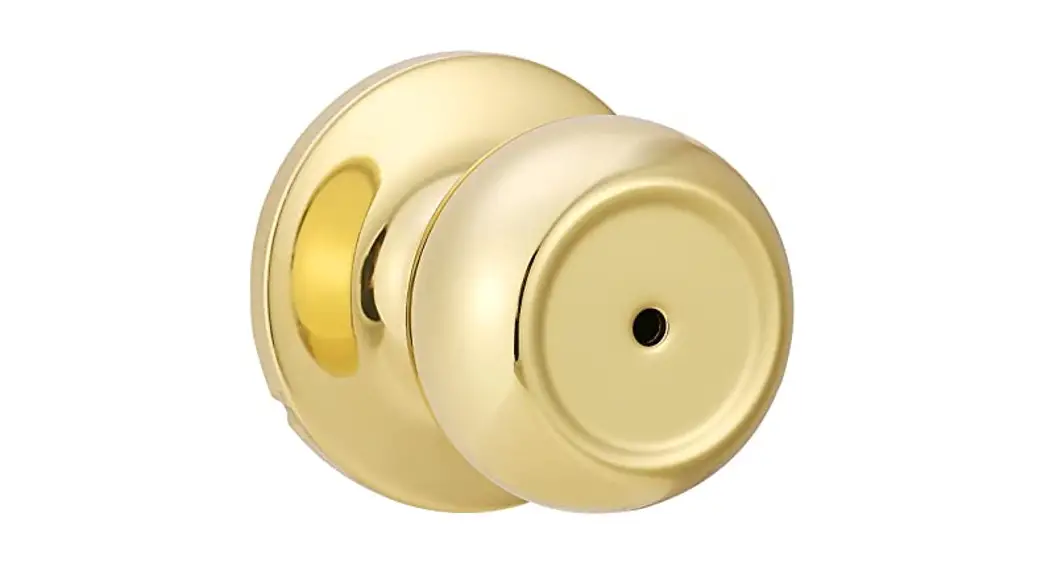
KC2300 Series Door Knob
Product Information: – Product Name: Door Lockset
– Model Number: KC2300-2023 – Suitable for doors with a thickness
of 1-3/8 to 1-3/4 inches (35mm-45mm) – Tools Required: Phillips
Head Screwdriver, 2-1/8 inch (54mm) Hole Saw, 1 inch (25.4mm) Drill
Bit, Chisel Product Usage Instructions: 1.
Installation: – This product can be used for remodeling or
new construction. – For do-it-yourself replacement after removing
an existing lock, follow steps 3C, 4C, and 5 to 10. – Before
replacing existing locks, measure the backset length of the current
lock by measuring from the center of the lock to the door edge. The
backset length of the new lock is stated on the front of the
package. If the backset size is the same, replace the lock with the
proper size backset. 2. Marking and Drilling Holes: – Use
the provided template to mark the door for drilling holes. – Start
marking approximately 36 inches (914mm) from the floor. – Fold and
apply the template to the edge of the door and mark the center of
the door edge as indicated on the template. – Mark the center hole
on the door face through the guide on the template. Ensure that the
backset on the door face matches the backset of the lock. – Drill a
2-1/8 inch (54mm) hole through the door face as marked for the
lockset. It is recommended to drill holes from both sides to
prevent splitting. – Drill a 1 inch (25.4mm) hole in the center of
the door edge for the latch. 3. Installing the Latch: –
Insert the latch into the hole, keeping it parallel to the face of
the door. Mark the outline and remove the latch. – Chisel 5/32 inch
(4mm) deep or until the latch face is flush with the door edge. –
Insert the latch and tighten the screws. Note that the latchbolt
bevel must face the closing direction. 4. Installing the
Strike: – Drill a 1 inch (25.4mm) hole 1/2 inch (12.7mm) deep
in the door jamb on the drill point for the strike. – Close the
door until the latchbolt touches the jamb to locate the strike jamb
and center line of the strike. – Open the door and extend the line
from the mark to the door stop. – Measure half of the door
thickness from the door stop and vertically mark the drill point
center. – Cut out a 1/16 inch (1.5mm) deep notch in the jamb for
the strike. – Tighten the screws on the strike. 5. Removing
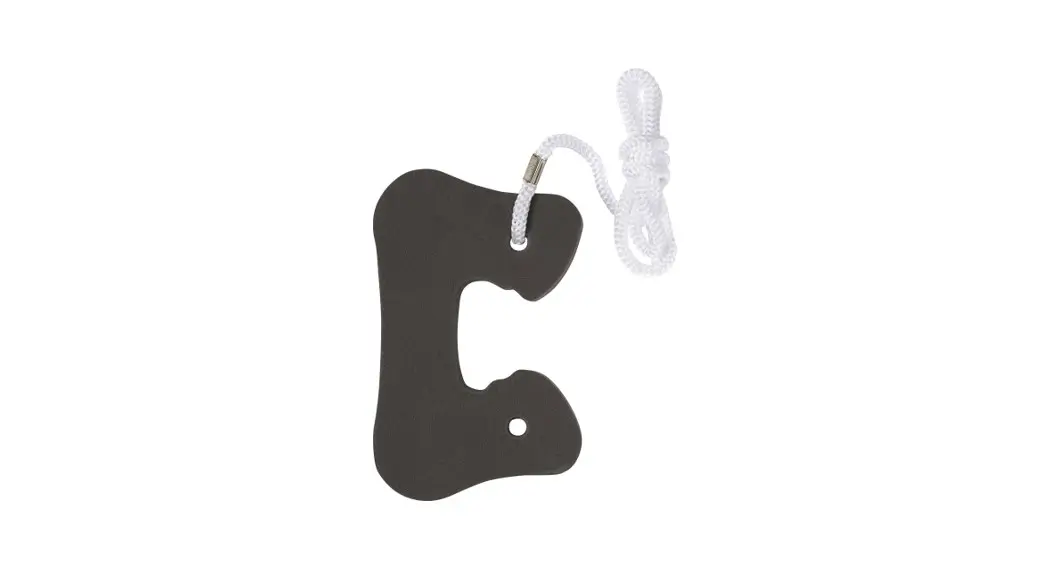
Inside Trim: – Use the nail end of the provided wrench to
depress the inside knob catch in the hole of the inside sleeve
collar. – Slide off the knob or lever from the spindle. 6.
Reinstalling Inside Trim: – Install according to the correct
direction indicated. – Push the button to put it back in the
correct position. For any further assistance or inquiries, please
contact Tell Manufacturing at 1-800-433-4047.
ENGLISH | FRENCH
Installation Instruction | Instructions pour la pose
KC2300 SERIES | KC2300 SÉRIES
FOR USE ON DOORS 1-3/8″ TO 1-3/4″ (35MM-45MM) THICK
ILLUSTRATIONS ARE SHOWN WITH ENTRANCE MODELS. INSTALLATION IS SAME FOR PRIVACY AND PASSAGE MODELS AS WELL. LES ILLUSTRATIONS REPRÉSENTENT DES MODÈLES DE SERRURES D’ENTRÉE. LA POSE EST LA MÊME POUR LES MODÈLES DE SERRURES VERROUILLABLES DE L’INTÉRIEUR ET DE PASSAGE..
TOOLS REQUIRED
PHILLIPS HEAD SCREWDRIVER 2-1/8″ (54MM) HOLE SAW 1″ (25.4MM) DRILL BIT CHISEL
OUTILS NÉCESSAIRES
TOURNEVIS POUR VIS CRUCIFORME SCIE-CLOCHE DE 54 MM (2 1/8 PO) MÈCHE DE 25,4 MM (1 PO) BURIN
CONVIENT AUX PORTES DE 35 MM À 45 MM (1 3/8 PO À 1 3/4 PO) D’ÉPAISSEUR
FOLLOW ALL STEPS FOR REMODELING OR NEW CONSTRUCTION. FOLLOW STEPS 3C, 4C, 5 Thru 10 FOR DO-IT-YOURSELF REPLACEMENT AFTER REMOVAL OF EXISTING LOCK. REPLACING EXISTING LOCKS: Before beginning, measure from center of lock to door edge in order to check length of backset on existing lock. The backset length of new lock is stated clearly on front of package. It backset size is the same, you’ll have to replace lock with proper size backset.
SUIVRE TOUTES LES ÉTAPES POUR UNE CONSTRUCTION NEUVE OU UN REMANIEMENT. SUIVRE LES ÉTAPES 3C, 4C, 5, 6, 7, 8, 9 ET 10 POUR LE REMPLACEMENT PAR SOI-MÊME D’UNE SERRURE EXISTANTE QUI A DÉJÀ ÉTÉ RETIRÉE.
REMPLACEMENT DE SERRURES EXISTANTES : Avant de commencer, mesurer la distance entre le centre de la serrure et le chant de la porte afin de vérifier la longueur de l’écartement pour la serrure existante. La longueur de l’écartement de la nouvelle serrure est clairement indiquée sur la face avant de la boîte. Si l’écartement n’est pas le même, procurez-vous une serrure dont l’écartement est de taille approprié.
INSIDE MOUNTING PLATE PLAQUE SUPPORT INTÉRIEURE
CYLINDRICAL CASE BOÎTIER CYLINDRIQUE
INSIDE SLEEVE BOÎTIER CYLINDRIQUE
SPINDLE TIGE
PUSH BUTTON BOUTON-POUSSOIR
OUTSIDE KNOB
KEY
BOUTON EXTÉRIEUR
CLÉ
OUTSIDE ROSE ROSETTE EXTÉRIEURE
LATCH RETRACTOR RESSORT DE RETRAIT DU LOQUET
MOUNTING SCREWS VIS DE MONTAGE
LATCHBOLT UNIT ENSEMBLE LOQUET
GUARD BOLT PROTÈGE-PÊNE
SCREW VIS
INSIDE KNOB BOUTON INTÉRIEUR
INSIDE ROSE ROSETTE INTÉRIEURE
1 MARK DOOR | MARQUER LA PORTE
2 DRILL HOLES | PERCER LES TROUS
MARK FOR 1″ (25.4MM) HOLE IN DOOR EDGE MARQUER POUR TROU DE 25,4 MM (1 PO) DANS LE CHANT DE LA PORTE
Start approximately 36″ (914mm) from floor. Fold and apply template to edge of door and mark center of door Edge as indicated on template. Mark center hole on door face through guide on template. (NOTE: Backset on door face must be same as backset of lock.)
MARK FOR 2-1/8″ (54 MM) HOLE IN DOOR FACE
Démarrer à une distance d’environ 914 mm (36 po) du sol. Plier et appliquer le gabarit sur le chant de la porte et marquer le centre du chant de la porte comme indiqué sur le gabarit. Marquer le centre du trou sur la paroi de la porte à l’aide du guide sur le gabarit. (REMARQUE : l’écartement sur la paroi de la porte doit être le même que l’écartement de la serrure)
MARQUER POUR TROU DE 54 MM (2 1/8 PO) DANS LA PAROI DE LA PORTE
2-1/8″ (54 MM) HOLE TROU DE 54 MM (2 1/8 PO)
1″ (25.4 MM) 25,4 MM (1 PO)
Drill 2-1/8″ (54mm) hole through door face as marked for lockset. It is recommended that holes be drilled from both sides to prevent splitting. Drill 1″ (25.4 mm) hole in center of door edge for latch.
Percer un trou de 54 mm (2 1/8 po) à travers la paroi de la porte à l’endroit marqué, pour la serrure. Il est recommandé de percer les trous des deux côtés pour empêcher que le bois se fende. Percer un trou de 25,4 mm (1 po) au centre du chant de la porte, pour le loquet.
3 MARK DOOR | POSER LE LOQUET
A Insert latch in hole keeping it parallel to face of door. Mark outline and remove latch. B Chisel 5/32″ (4mm) deep or until latch face is flush with door edge
C
Insérer le loquet dans le trou en le maintenant parallèle à la paroi de la porte. Marquer le contour et retirer le loquet.
Buriner à 4 mm (5/32 po) de profondeur ou jusqu’à ce que la têtière soit sur le même plan que le chant de la porte.
Insert latch and tighten screws. Note: Latchbolt bevel must face to closing direction.
Insérer le loquet et serrer les vis. REMARQUE : la partie biseautée du pêne demi-tour doit être orientée dans la direction où se ferme la porte
4 INSTALL STRIKE | POSER LA GÂCHE
A
B Drill 1″ (25.4mm) hole 1/2″ (12.7mm)
deep in door jamb on drill point
for strike
Percer un trou de 25,4 mm (1 po) de
diamètre et de 12,7 mm (1/2 po) de
profondeur dans le montant de la
porte pour la gâche.
Close door until latchbolt touches jamb to locate strike jamb and center line of strike. Open door and extend
line from mark to door stop. Measure one half of door thickness from door stop and vertically mark drill
point center.
CAUTION: To ensure proper lockset function, hole in jamb must be drilled a
Pour repérer l’emplacement de la gâche dans le montant ainsi que l’axe central de la gâche, fermer la porte full 1/2″ (12.7mm) deep.
jusqu’à ce que le pêne demi-tour touche le montant. Ouvrir la porte et prolonger la ligne de la marque à MISE EN GARDE : pour s’assurer que la serrure fonctionne de façon
l’arrêt de porte. Mesurer l’épaisseur de la porte depuis l’arrêt de porte, reporter la moitié de cette épaisseur appropriée, le trou dans le montant doit être percé complètement jusqu’à
pour marquer verticalement la pointe du foret pour la gâche.
12,7 mm (1/2 po) de profondeur.
C Cut out jamb 1/16″ (1.5mm) deep for strike
and tighten screws.
Tailler le montant à 1,5 mm (1/16 po) de
profondeur pour la gâche. Serrer les vis.
STRIKE
GÂCHE
GUARD BOLT PROTÈGE-PÊNE
Guard Bolt stops against strike, as illustrated, preventing forcing when door is closed. Adjustable tang on strike permits bending in or out to eliminate too loose it between door and stop.
Le protège-pêne, comme indique l’illustration, arrête le pêne et l’empêche d’être forcé contre la gâche quand la porte est fermée. Un tenon réglable sur la gâche peut être incurvé dans un sens ou dans l’autre pour réduire le jeu entre la porte et l’arrêt de porte.
Tell Manufacturing
1
1-800-433-4047 | KC2300-2023-ENG/FR
ENGLISH / FRENCH
KC2300 Series | Série KC2300
5 REMOVE INSIDE TRIM | RETIRER LA GARNITURE INTÉRIEURE
Use nail end of wrench provided to depress a inside knob catch in hole of inside sleeve collar and slide knob or in side lever off spindle.
Utiliser l’extrémité pointue de la clé fournie pour enfoncer le mentonnet du bouton dans le trou du collier du manchon intérieur et faire glisser le bouton ou dégager le levier latéral de la tige.
Depress spring attached to inside rose. Insert nail end of wrench into slot to remove inside rose plate. Enfoncer le ressort attaché à la rosette intérieure. Insérer l’extrémité pointue de la clé dans la fente pour retirer la rosette intérieure.
6 REMOVE INSIDE TRIM | AJUSTER LA ROSETTE EXTÉRIEURE
Adjust lock to fit door thickness by rotating outside rose. Lock will fit all doors 1 -3/8″ to 1-3/4″ (35mm-45mm) thick. Ajuster la serrure selon l’épaisseur de la porte en faisant tourner la rosette extérieure. La serrure convient aux portes de 35 mm à 45 mm (1 3/8 po à 1 3/4 po) d’épaisseur.
DOOR PORTE
Installation Instruction | Instructions pour la pose
7 REMOVE INSIDE TRIM | POSER LA SERRURE
Latch unit must be in· place before installing lock. Be sure lock housing engages with latch prongs and retractor interlocks with latch tail. L’ensemble loquet doit être en place avant de poser la serrure. S’assurer que la gaine de la serrure s’engage avec les dents du loquet et que le ressort de retrait du loquet s’enclenche à l’aide de la queue du loquet
Remove inside rose and mounting plate Retirer la rosette intérieure et la plaque support.
8 INSTALL INSIDE ROSE | POSER LA ROSETTE INTÉRIEURE
A. FOR WOODEN DOOR Tighten machine screws securely to install mounting plate. Press rose onto mounting plate. Be sure to fit rose in recess of mounting plate. A. POUR LES PORTES EN BOIS Serrer les vis de mécanique pour bien attacher la plaque support. Enfoncer la rosette sur la plaque support. S’assurer que la rosette est bien encastrée dans la plaque support.
CENTER LINE AXE CENTRAL
B. FOR METAL DOOR NOTE: Make sure that mounting plate fits horizontally into slots notched in door. B.POUR LES PORTES EN MÉTAL REMARQUE : s’assurer que les ergots de la plaque support s’insèrent à l’horizontale dans les encoches pratiquées dans la porte.
NOTCH ENCOCHE
9 INSTALL INSIDE KNOB | POSE DU BOUTON INTÉRIEUR
IMPORTANT Align lug on knob with narrow slot on side of spindle and push knob all the way in until knob catch clicks into slot on knob. Otherwise knob will jamb on shaft. IMPORTANT Aligner le mentonnet sur le bouton avec la fente étroite pratiquée sur le côté de la tige et pousser le bouton à fond jusqu’à ce que le mentonnet s’encliquette dans la fente. Sinon, le bouton ne pourra pas faire tourner correctement la tige.
SLOT FENTE
10 RIGHT KEY HOLE POSITION | POSITION APPROPRIÉE DU TROU DE CLÉ
Upon installation of the lock, it may happen that key hole faces upward or downward as shown in the following drawing. It is advisable to correct all key hole to be facing downward. Dès que la serrure est posée, il se peut que le trou de clé soit vers le haut ou vers le bas comme l’indique l’illustration suivante. Il est conseillé de rétablir la position du trou de clé pour qu’il se trouve vers le bas.
DOWNWARD CORRECT VERS LE BAS : OUI
UPWARD INCORRECT VERS LE HAUT : NON
NOTCH ENCOCHE
LUG MENTONNET
11 ADJUST TO CORRECT KEY HOLE POSITION | AJUSTER POUR CORRIGER LA POSITION DU TROU DE CLÉ
In order to adjust the abnormal state of the key hole facing upward, the knob must be pulled out and installed again. The method of installation is described as below d. Afin de rétablir la position anormale du trou de clé pointant vers le haut, le bouton doit être retiré et posé à nouveau. La méthode de pose est décrite ci-dessous en d.
A FIRST TURN THE KNOB CLOCKWISE UNTIL THE KNOB CATCH APPEARS IN THE SMALL HOLE. TOURNER D’ABORD LE BOUTON DANS LE SENS HORAIRE JUSQU’À CE QUE LE MENTONNET DU BOUTON APPARAISSE DANS LE PETIT TROU.
B WITH THE OTHER TURN THE KEY HAND,9º COUNTER CLOCKWISE WITHIN THE LIMIT OF 30° -90° À L’AIDE DE L’AUTRE MAIN, TOURNER LA CLÉ DANS LE SENS ANTIHORAIRE D’UN ANGLE DE 30° À 90°.
C USING A SMALL NAIL TO PRESS THE KNOB CATCH AND PULL THE KNOB OUT. APPUYER SUR LE MENTONNET DU BOUTON À L’AIDE D’UN PETIT CLOU ET TIRER LE BOUTON.
D INSTALL AGAIN ACCORDING TO THE CORRECT DIRECTION. POUSSER LE BOUTON POUR LE REMETTRE EN BONNE POSITION.
Template / Gabarit
Fold on dotted line and fit to door edge. Plier selon les pointillés et appliquer contre le chant de porte.
C L
1-3/4″ 1-1/2″ 1-3/8″ (45mm) (40mm) (35mm) Mark for 1″ hole at center of doors edge. Marquer un trou de 25,4 mm au centre du chant de la porte.
Tell Manufacturing
For backset 2-3/8″ Pour écartement de 60 mm
For backset 2-3/4″ Pour écartement de 70 mm
2
C L C L
2-1/8″ (54mm) Diameter Diamètre 54mm (2-1/8″)
C L
FOR METAL DOOR 7/32″ (5.5mm) x 2 HOLE 5/16″ (8mm) DEEP DE PROFONDEUR UNIQUEMENT POUR PORTE EN MÉTAL 2 TROUS DE 5,5 mm 8 mm (5/16 po)
1-800-433-4047 | KC2300-2023-ENG/FR