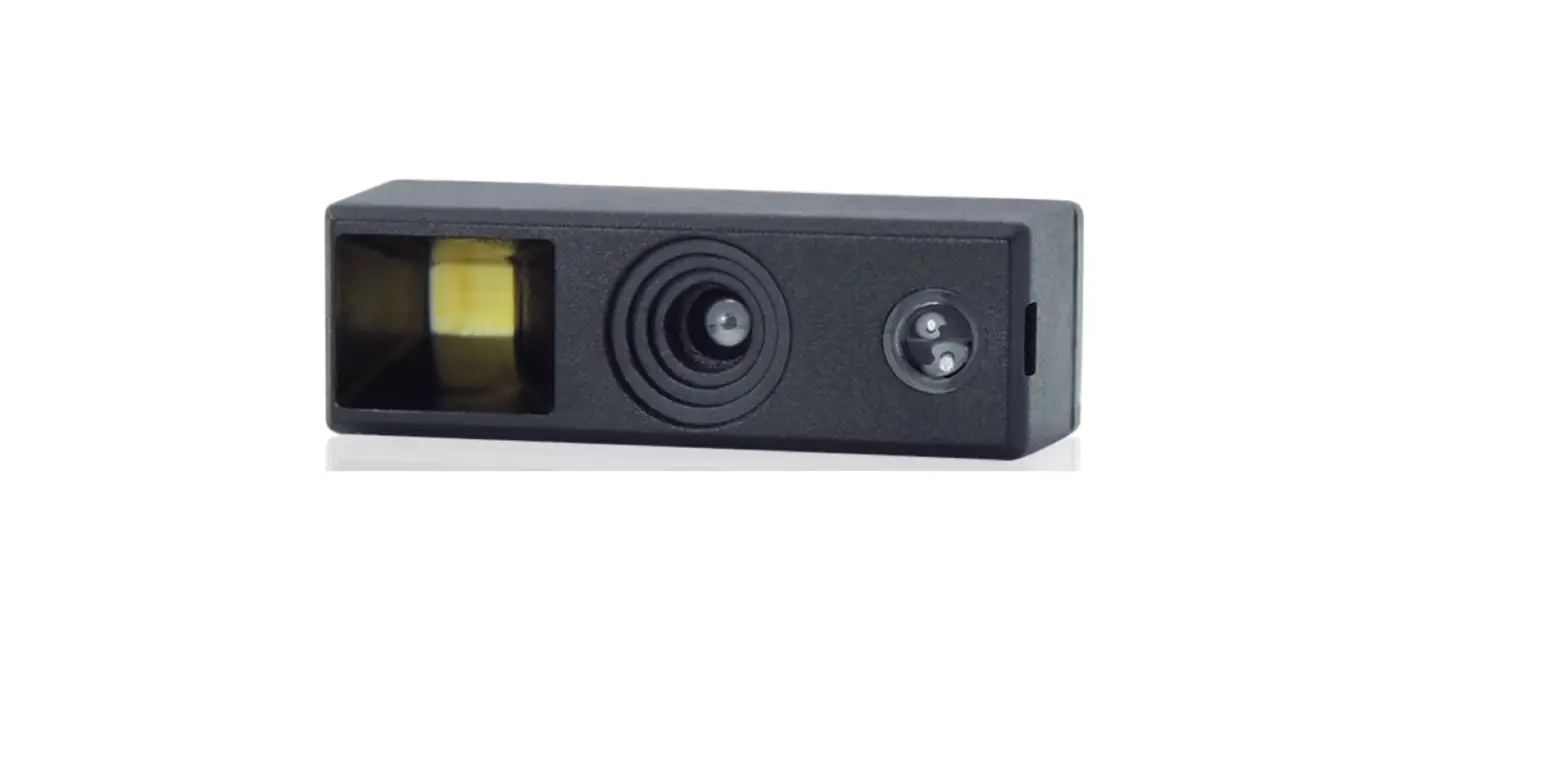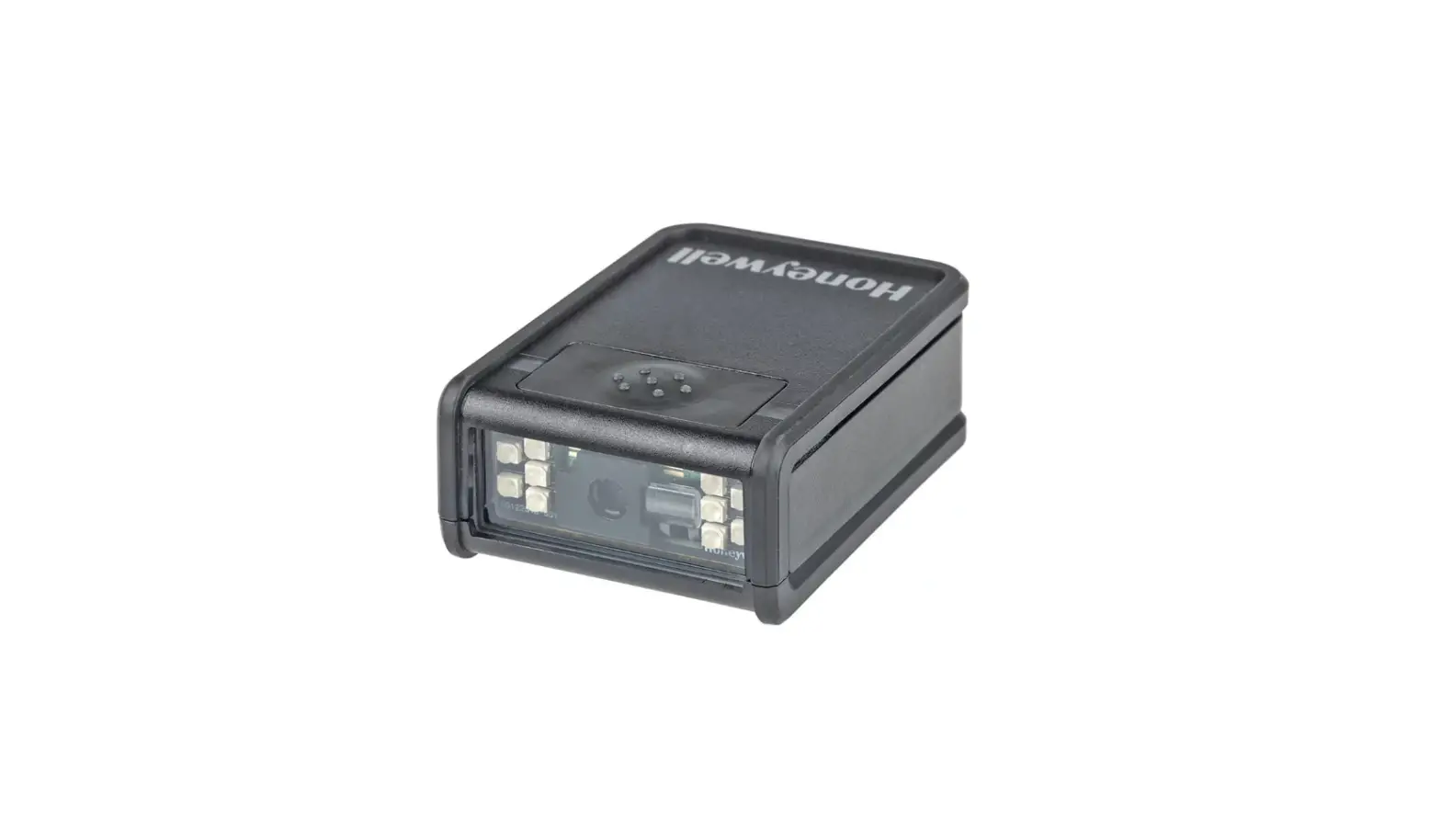
MARSON MT86V Long Range 2D Imager
INTRODUCTION
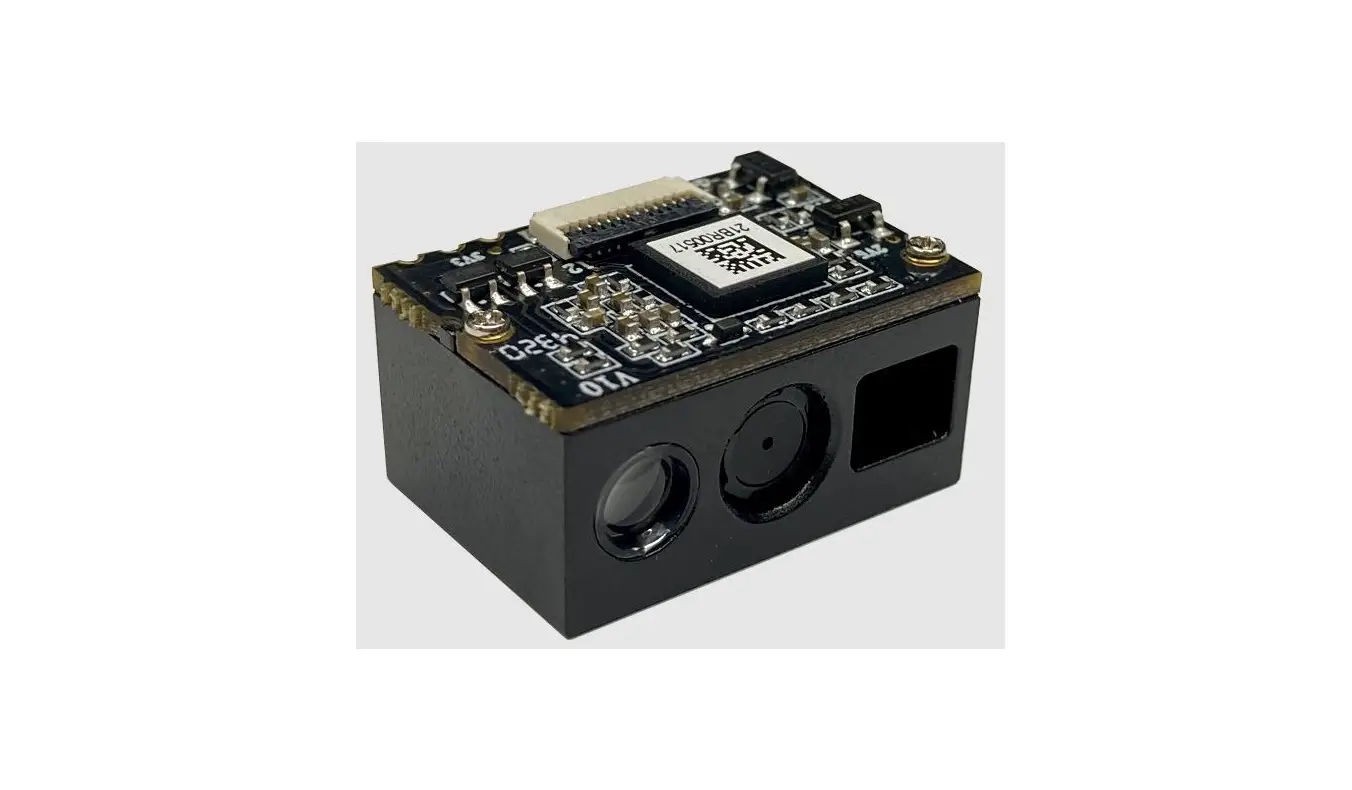
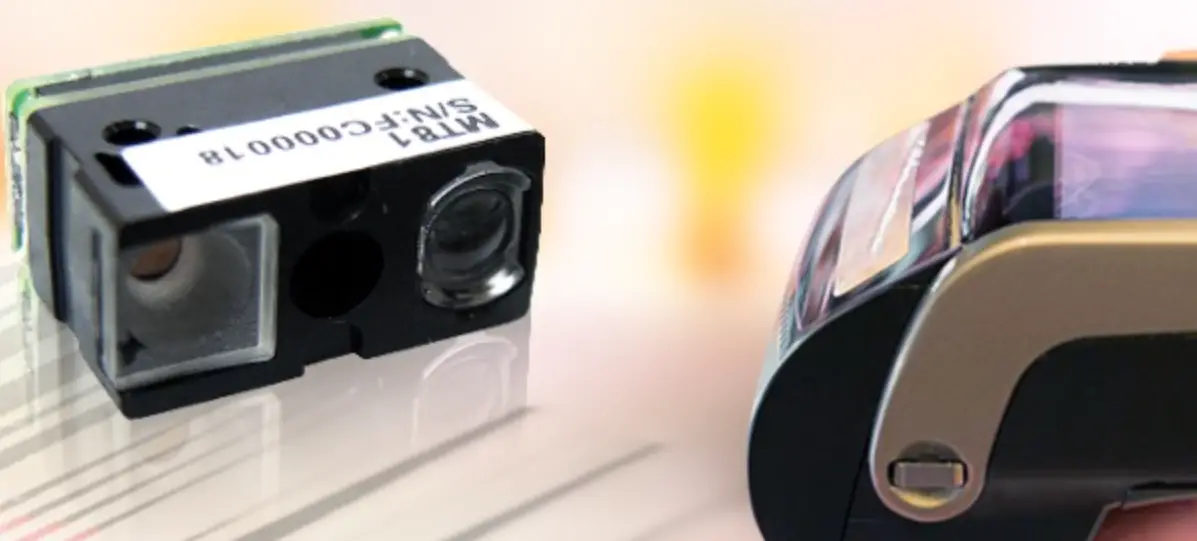
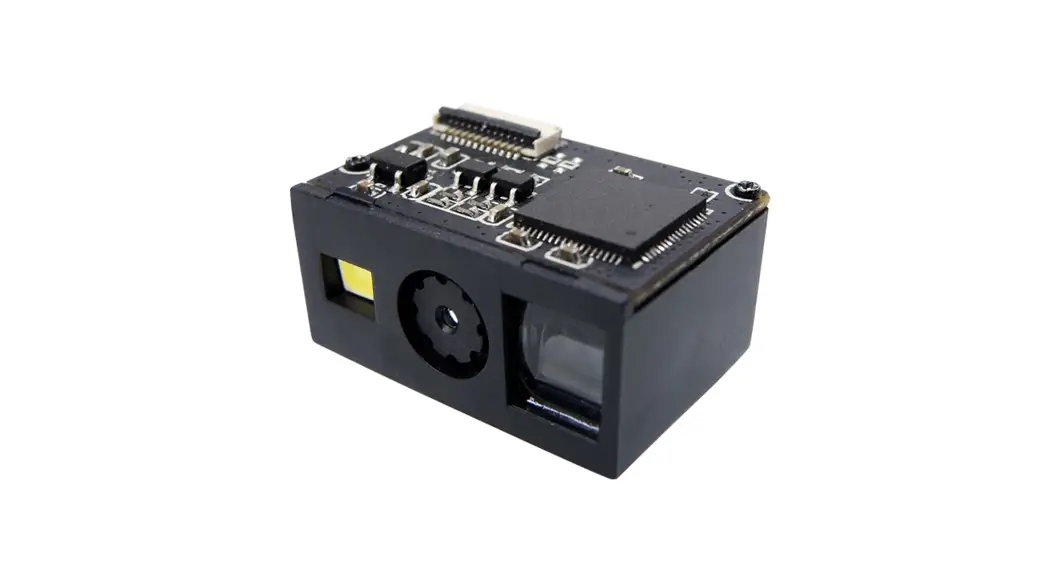
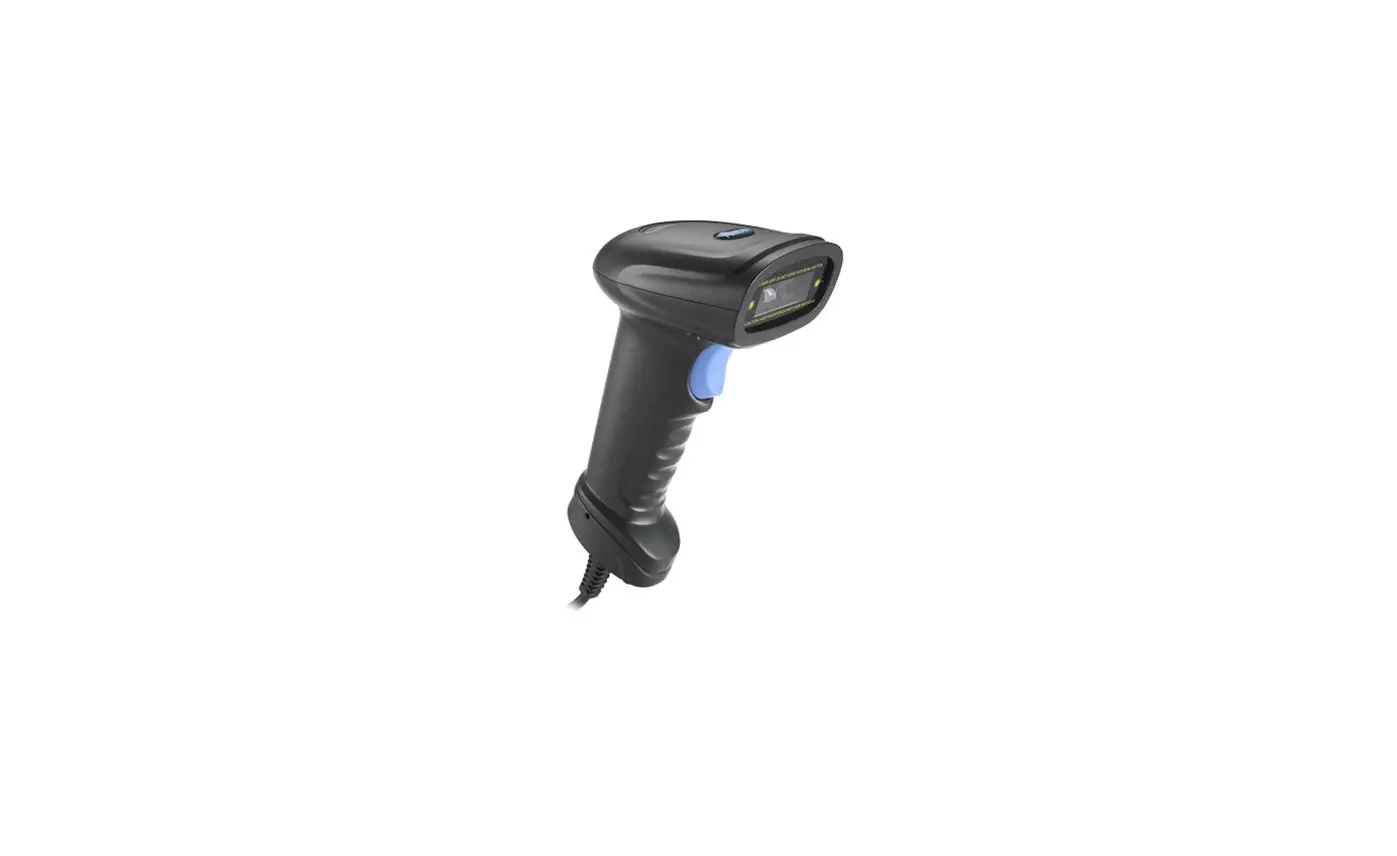
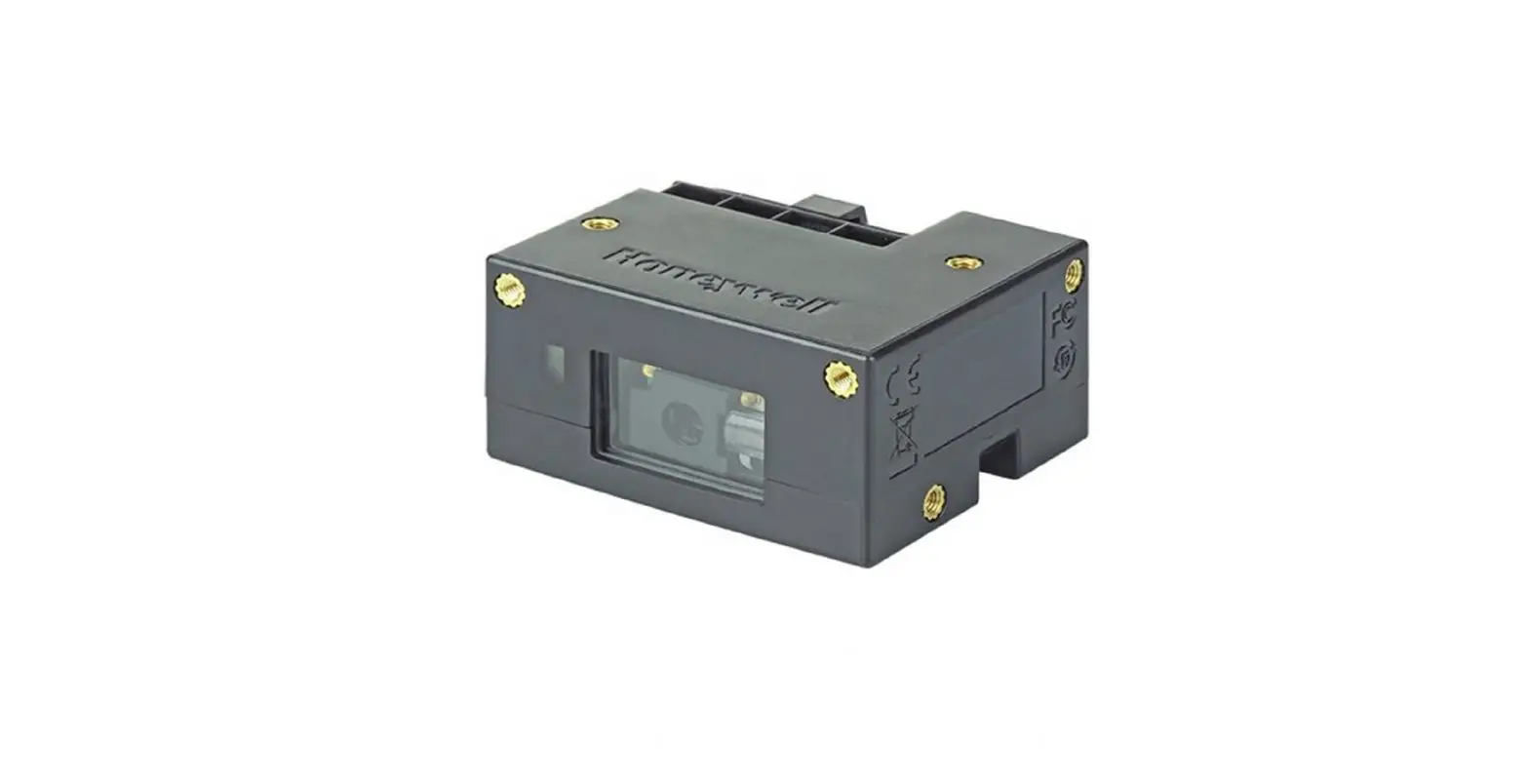
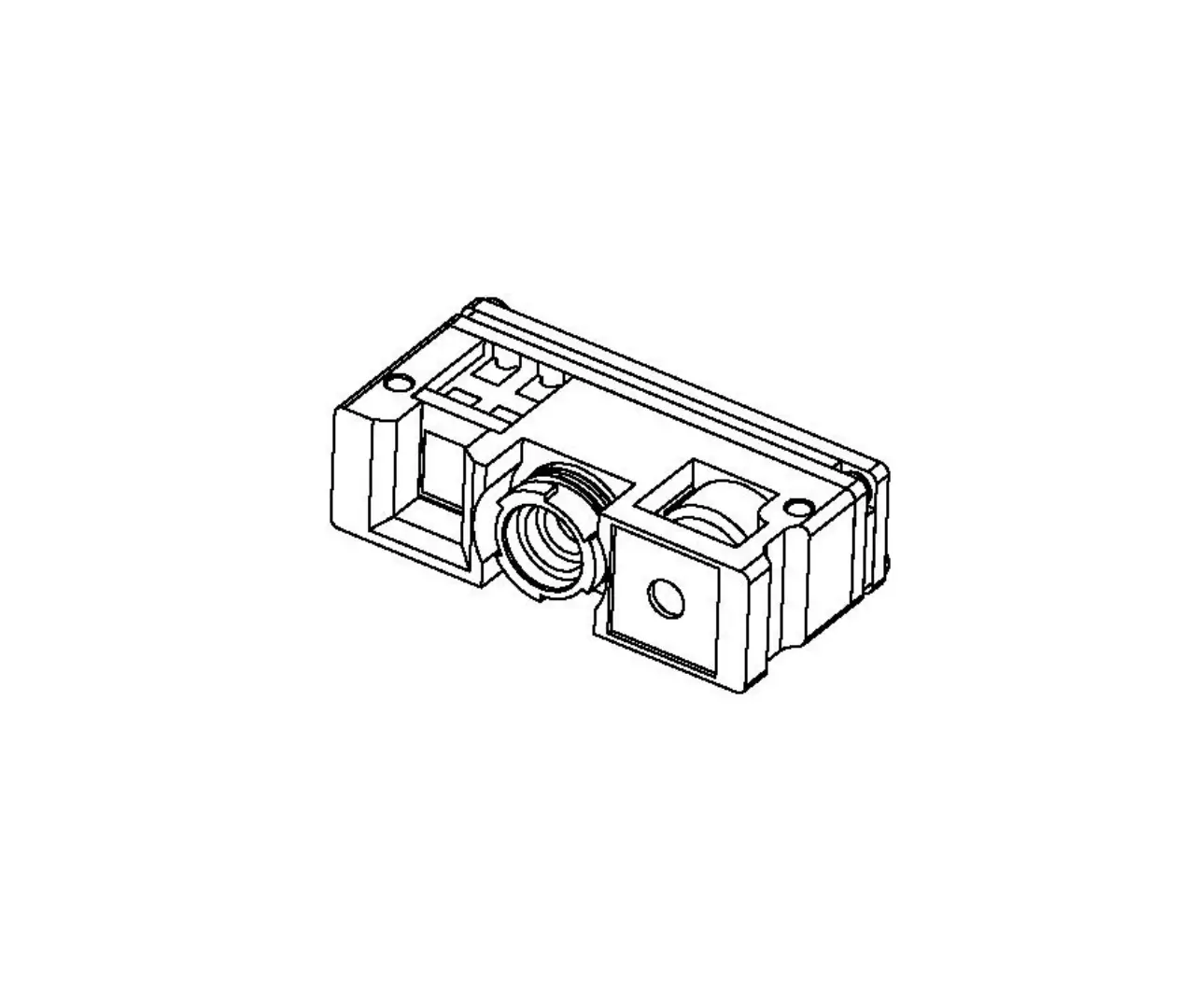
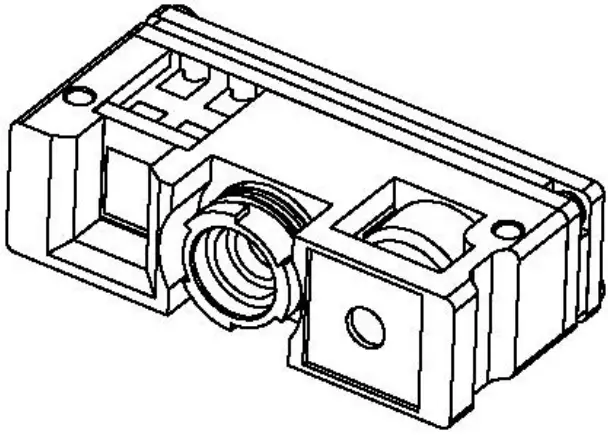
The MT86V 2D Imager is designed for 1D and 2D barcodes scanning with optimal performance and easy integration. MT86V is ideal for integration into data terminals and mobile devices.
The MT86V 2D Imager consists of 1 illumination LED, 1 Laser aimer and a powerful image sensor that delivers high-quality image to host.
This powerful, reliable mini 2D imager is an ideal choice for a variety of applications, including ticketing, access control, mobile payment and manufacturing.
ELECTRIC INTERFACE
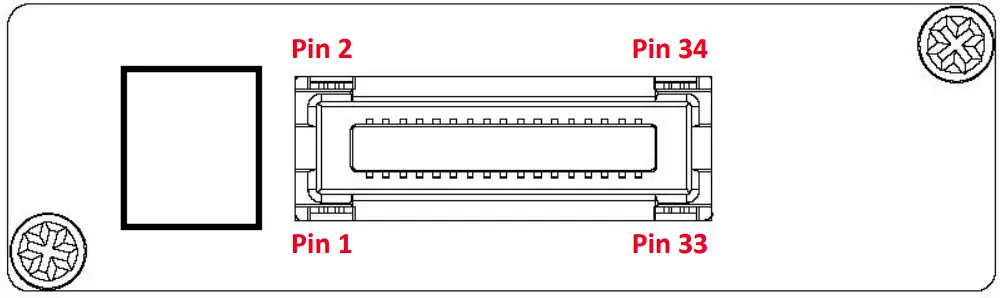
| Pin# | Name | I/O | Description | Schematic Example |
| 1 | GND | ———— | Power and signal ground. | 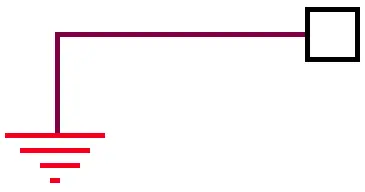 |
| 2 | GND | ———— | Power and signal ground. | |
| 3 | VCC_ILLUM | Input | Supply Power | Operating Voltage: 3.3V±5% Max current: 300mA |
| 4 | MDN0 | Output | MIPI Data- <0> | ———— |
| 5 | VCC_ILLUM | Input | Supply Power | Operating Voltage: 3.3V±5% Max current: 300mA |
| 6 | MDP0 | Output | MIPI Data+ <0> | ———— |
| 7 | NC | ———— | ———— | ———— |
| 8 | GND | ———— | Power and signal ground. | |
| 9 | MCLK | I/O | I2C Clock | High = 3.3V, Low = 0V |
| 10 | MDN1 | Output | MIPI Data- <1> | ———— |
| 11 | GND | ———— | Power and signal ground. | |
| 12 | MDP1 | Output | MIPI Data+ <1> | ———— |
| 13 | MDAT | I/O | I2C Data | High = 3.3V, Low = 0V |
| 14 | GND | ———— | Power and signal ground. | |
| 15 | NC | ———— | ———— | ———— |
| 16 | MCN | Output | MIPI Clock- | ———— |
| 17 | NRST | Input | Reset signal | ———— |
| 18 | NC | ———— | ———— | ———— |
| 19 | POWER_EN | Input | Reserved | TBD |
| 20 | MCP | Output | MIPI Clock+ | ———— |
| 21 | EXT_ILLUM_EN | Output | Reserved | Floating |
| 22 | GND | ———— | Power and signal ground. | |
| 23 | ILLUM_ON | Input | Reserved | TBD |
| 24 | NC | ———— | ———— | ———— |
| 25 | AIM_ON | Input | Reserved | TBD |
| 26 | NC | ———— | ———— | ———— |
| 27 | NC | ———— | ———— | ———— |
| 28 | GND | ———— | Power and signal ground. | |
| 29 | VCC | Input | Aim, Logic and Sensor Power | Operating Voltage: 3.3V±5% |
| 30 | NC | ———— | ———— | ———— |
| 31 | VCC | Input | Aim, Logic and Sensor Power | Operating Voltage: 3.3V±5% |
| 32 | NC | ———— | ———— | ———— |
| 33 | GND | ———— | Power and signal ground. | |
| 34 | GND | ———— | Power and signal ground. | |
Illumination & Aimer Control
Slave address = 0x20
| Address | Register | Default Value | Descirption |
| 0x0001 | illumination | 0xA | Bit[7:4]:Reserved Bit[3:0] 0x0: OFF 0x1 : minimum brightness 0xA: maximum brightness |
| 0x0002 | Aimer | 0x1 | Bit[7:1]:Reserved Bit[0] 0x0 : OFF 0x1 : Aimer on |
SCCS single read trom random location

SCCS single write to random location

Power-up Sequence
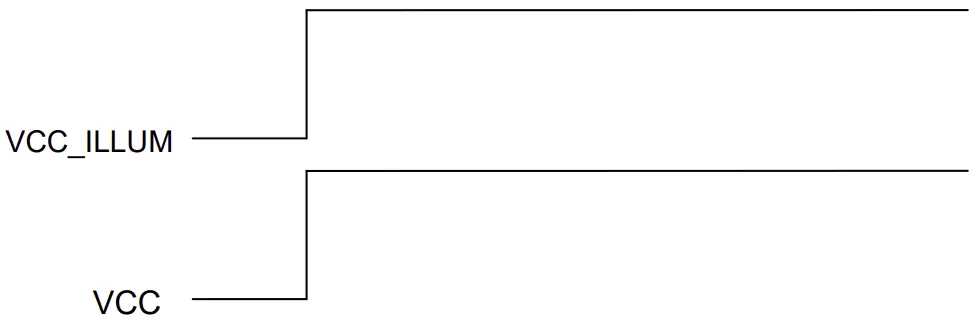
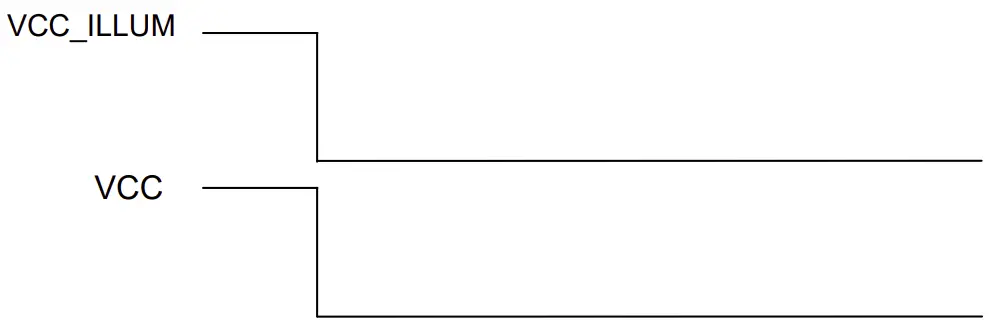
Power-down Sequence
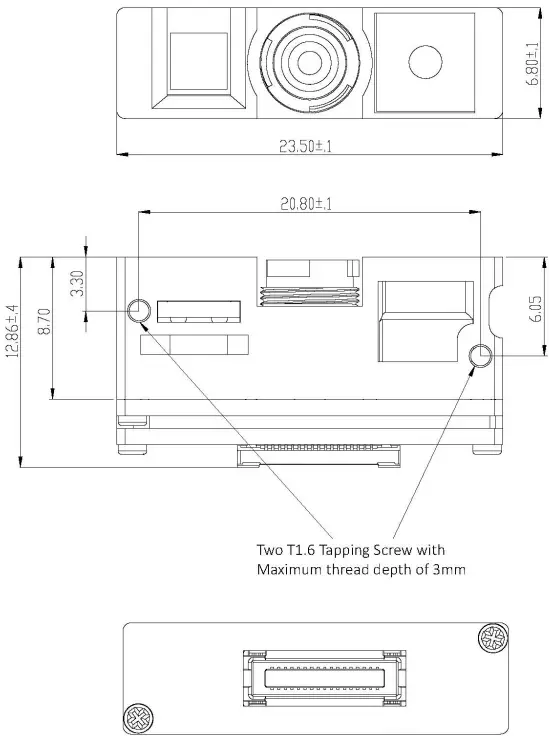
DIMENSION
(Unit = mm)
SPECIFICATIONS
| Optic & Performance | ||
| Light Source | 5700K CCT white LED | |
| Aiming | 625nm visible red Laser | |
| Sensor | 1280 x 800 pixels | |
| Resolution | 4mil (Code39), 8mil (QR Code) | |
| Field of View | Horizontal 41°, Vertical 26° | |
| Scan Angle | Pitch Angle ±60° Skew Angle ±45° Roll Angle 360° | |
| Print Contrast Ratio | 30% | |
| Width of Field | 200mm (13Mil Code39) | |
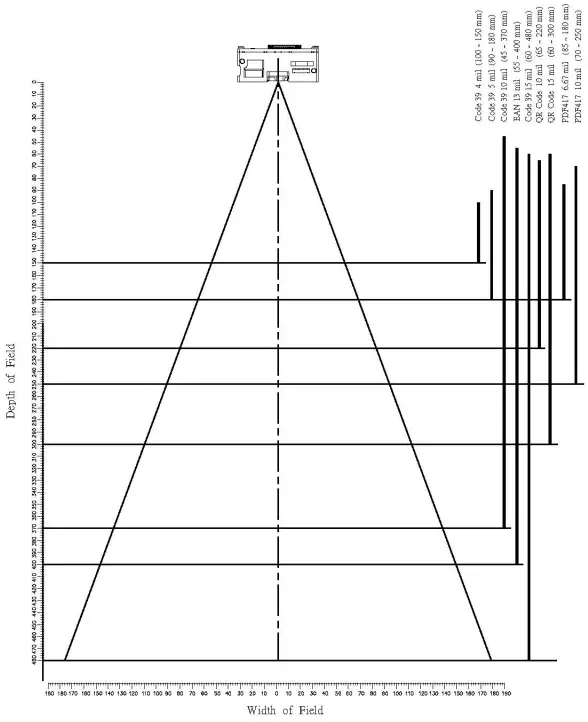
| Guaranteed Depth Of Field (Environment: 800 lux) | 4 Mil Code39: | 100 ~ 150mm |
| 5 Mil Code39: | 90 ~ 180mm | |
| 10 Mil Code39: | 45 ~ 370mm | |
| 15 Mil Code39: | 60 ~ 480mm | |
| 13 Mil UPC/ EAN: | 55 ~ 400mm | |
| 10 Mil QR Code: | 65 ~ 220mm | |
| 15 Mil QR Code: | 60 ~ 300mm | |
| 6.67 Mil PDF417: | 85 ~ 180mm | |
| 10 Mil PDF417: | 70 ~ 250mm | |
| Physical Characteristics | ||
| Dimension | W23.5 x L10.7 x H6.8 mm | |
| Weight | 2.4g | |
| Color | Black | |
| Material | PC | |
| Connector | 34pin Board-to-Board Connector (pitch=0.4mm) | |
| Electrical | ||
| Operation Voltage | 3.3 ± 0.15 VDC | |
| Working Current | < 220 mA | |
| Standby Current | < 80 mA | |
| Connectivity | ||
| Interface | MIPI | |
| User Environment | ||
| Operating Temperature | -20°C ~ 60°C | |
| Storage Temperature | -30°C ~ 70°C | |
| Humidity | 0% ~ 95%RH (Non-condensing) | |
| Drop Durability | 1.5M | |
| Ambient Light | 100,000 Lux (Sunlight) | |
| Regulatory | ||
| ESD | Functional after 4KV contact, 8KV air discharge (It requires housing that is designed for ESD protection and stray from electric fields.) | |
| EMC | TBA | |
| Safety Approval | TBA | |
| Environmental | WEEE, RoHS 2.0 | |
SCANNING RANGE
MECHANICAL INTEGRATION
The scan engine is designed specifically for integration into customer’s housing for OEM applications. However, the scan engine’s performance will be adversely affected or permanently damaged when mounted into an unsuitable enclosure.
Warning: The limited warranty is void if the following recommendations are not adhered to when mounting the scan engine.
Electrostatic Discharge Cautions
All scan engines are shipped in ESD protective packaging due to the sensitive nature of the exposed electrical components.
- ALWAYS use grounding wrist straps and a grounded work area when unpacking and handling the scan engine.
- Mount the scan engine in a housing that is designed for ESD protection and stray electric fields.
Mounting MT86V
First of all, the MT86V should be fixed with tow self-forming screws on the host PCBA. To secure MT86V the maximum thread depth is 3.0 mm and operator must use safe ESD practices when handling and mounting the MT86V:
- The thickness of PCBA: 0.8 ~ 1.0 mm
- The size of screw hole: 1.6mm dia.
- The size of screw: T1.6mm X 3.0 mm
- The torque of screwdriver:≦1kg-cm (0.86 lb-in)
Connector Specification
Below is the recommended 34-pin board-to-board connector (P/N: 55909 3474) on the host side.
asc
Window Materials
Following are descriptions of three popular window materials:
- Poly-methyl Methacrylic (PMMA)
- Allyl Diglycol Carbonate (ADC)
- Chemically tempered float glass
Cell Cast Acrylic (ASTM: PMMA)
Cell cast Acrylic, or Poly-methyl Methacrylic is fabricated by casting acrylic between two precision sheet of glass. This material has very good optical quality, but is relatively soft and susceptible to attack by chemicals, mechanical stress and UV light. It is strongly recommended to have acrylic hard-coated with Polysiloxane to provide abrasion resistance and protection from environmental factors. Acrylic can be laser-cut into odd shapes and ultrasonically welded.
Cell Cast ADC, Allyl Diglycol Carbonate (ASTM: ADC)
Also known as CR-39TM, ADC, a thermal setting plastic widely used for plastic eyeglasses, has excellent chemical and environmental resistance. It also has an inherently moderate surface hardness and therefore does not require hard-coating. This material cannot be ultrasonically welded.
Chemically Tempered Float Glass
Glass is a hard material which provides excellent scratch and abrasion resistance. However, un-annealed glass is brittle. Increased flexibility strength with minimal optical distortion requires chemical tempering. Glass cannot be ultrasonically welded and is difficult to cut into odd shapes.
| Property | Description |
| Spectral Transmission | 85% minimum from 635 to 690 nanometers |
| Thickness | < 1 mm |
| Coating | Both sides to be anti-reflection coated to provide 1% maximum reflectivity from 635 to 690 nanometers at nominal window tilt angle. An anti-reflection coating can reduce the light that is reflected back to the host case. Coatings will comply with the hardness adherence requirements of MIL-M-13508. |
Window Specifications
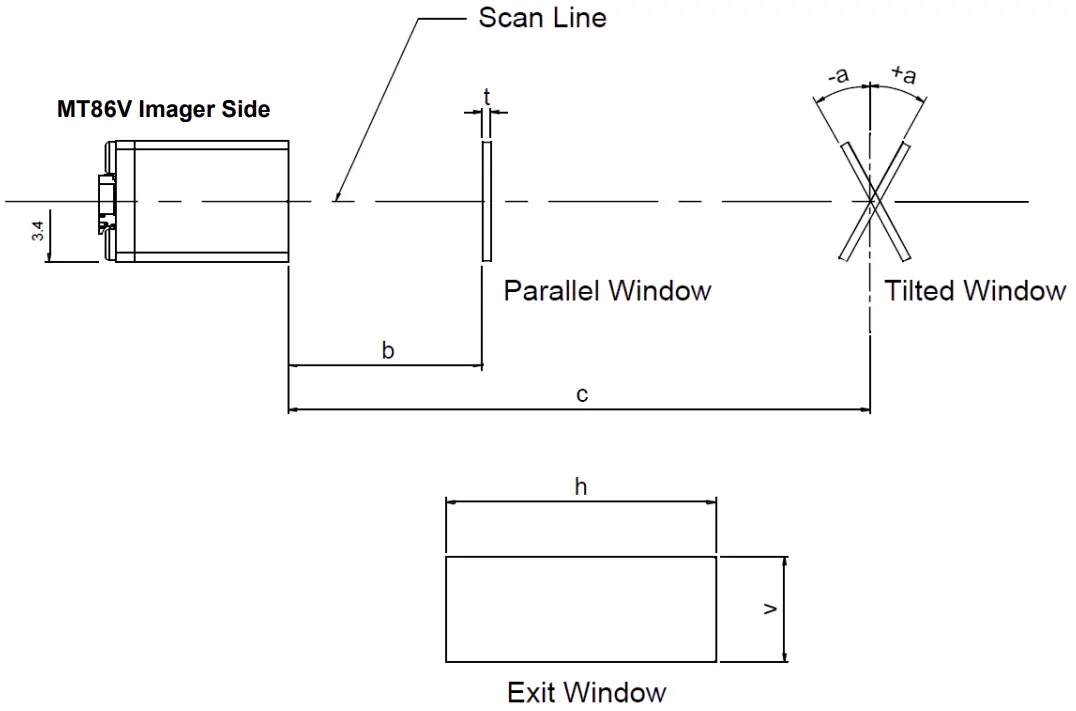
| Window Specifications for MT86V Integration | |||||
| Tilt Angle (a) | Minimum Window Size | ||||
| Horizontal (h) | Vertical (v) | Thickness (t) | |||
| 0 | 0 | 24 mm | 7 mm | < 1 mm | |
Window Care
In the aspect of window, the performance of MT86V will be reduced due to any kind of scratch. Thus, reducing the damage of window, there are few things have to be noticed.
- Avoid touching the window as much as possible.
- When cleaning the window surface, please use non-abrasive cleaning cloth,and then gently wipe the host window with the cloth that is already sprayed with glass cleaner.
REGULATIONS
The MT86V 2D imager conforms to the following regulations:
- Electromagnetic Compliance – TBA
- Electromagnetic Interference – TBA
- Photobiological Safety – TBA
- Environmental Regulations – RoHS 2.0, WEEE
VERSION HISTORY
| Rev. | Date | Description | Issued | Checked |
| 1.0 | 2020.07.24 | Initial Draft Release | Shaw | Kenji & Alice |
| 1.1 | 2022.02.11 | Updated VCC_ILLUM, EXT_ILLUM_EN, VCC Added Power-up/down Sequence | Shaw | Kenji |
| 1.2 | 2022.09.07 | Removed Scan Rate | Shaw | Kenji |
Marson Technology Co., Ltd.
9F., 108-3, Minquan Rd., Xindian Dist., New Taipei City, Taiwan
TEL: 886-2-2218-1633
FAX: 886-2-2218-6638
E-mail: [email protected]
Web: www.marson.com.tw

 Barcode Scanner | Scan Engines | RFID Reader | Custom Manufacturer AIDC solution - Marson