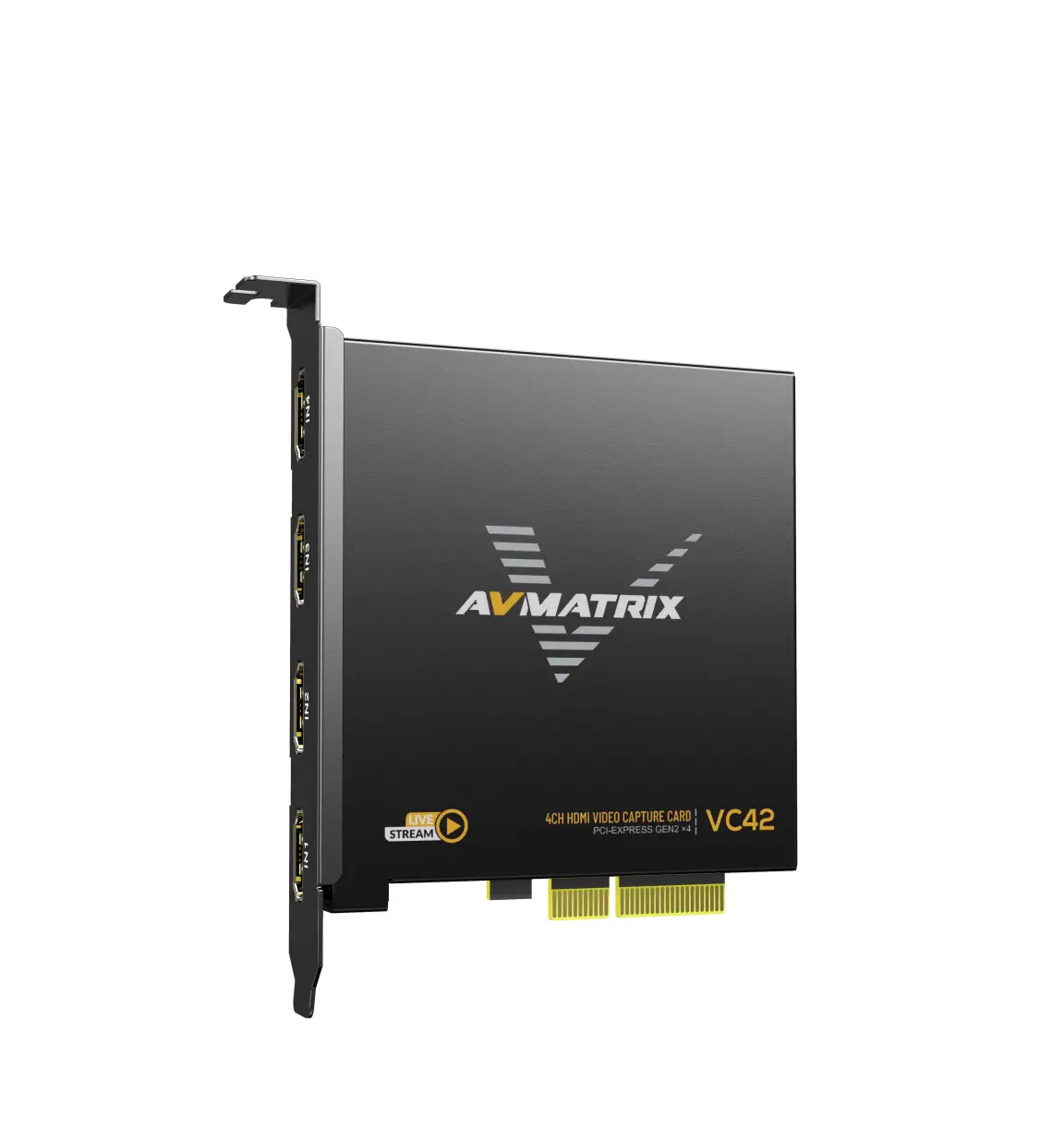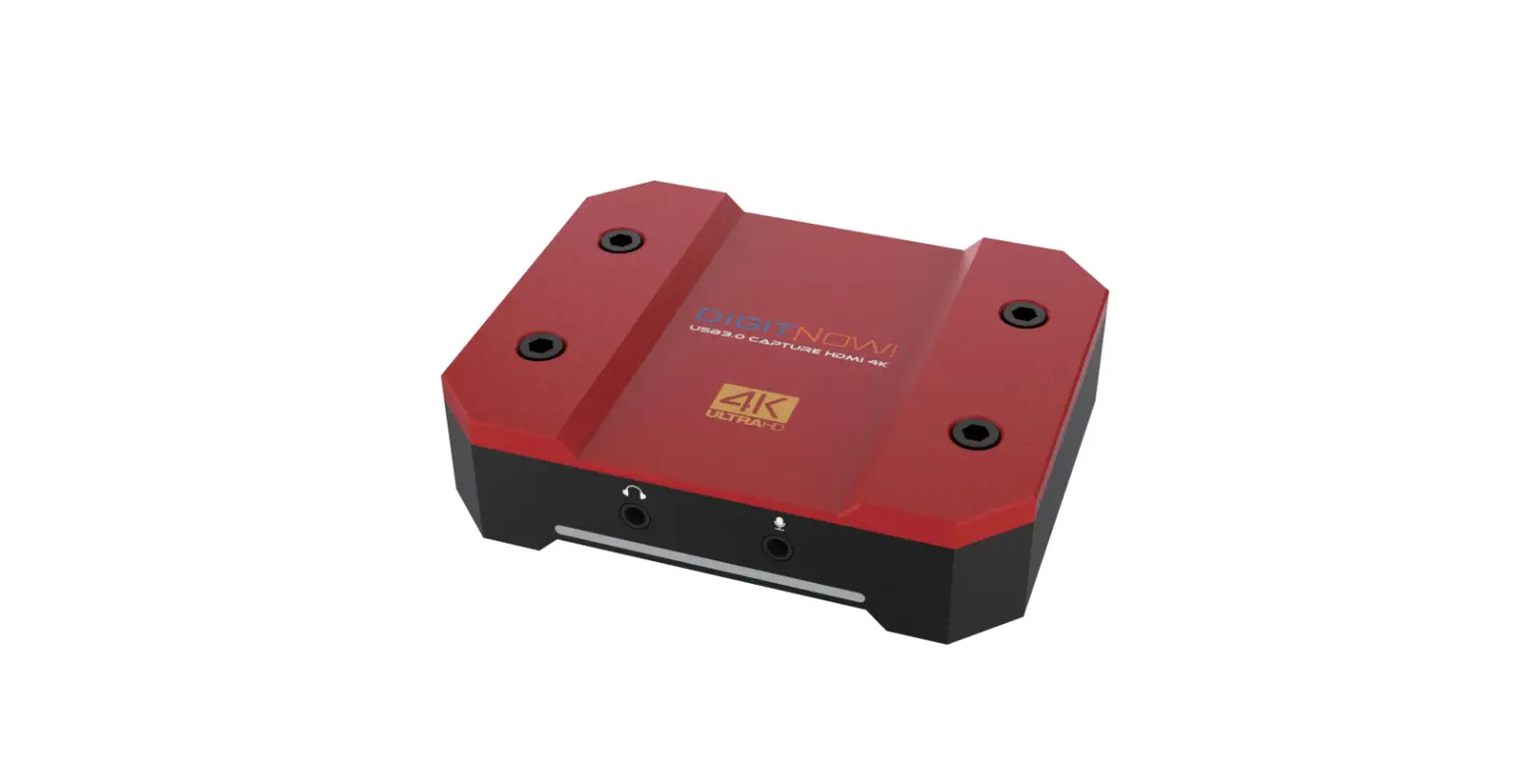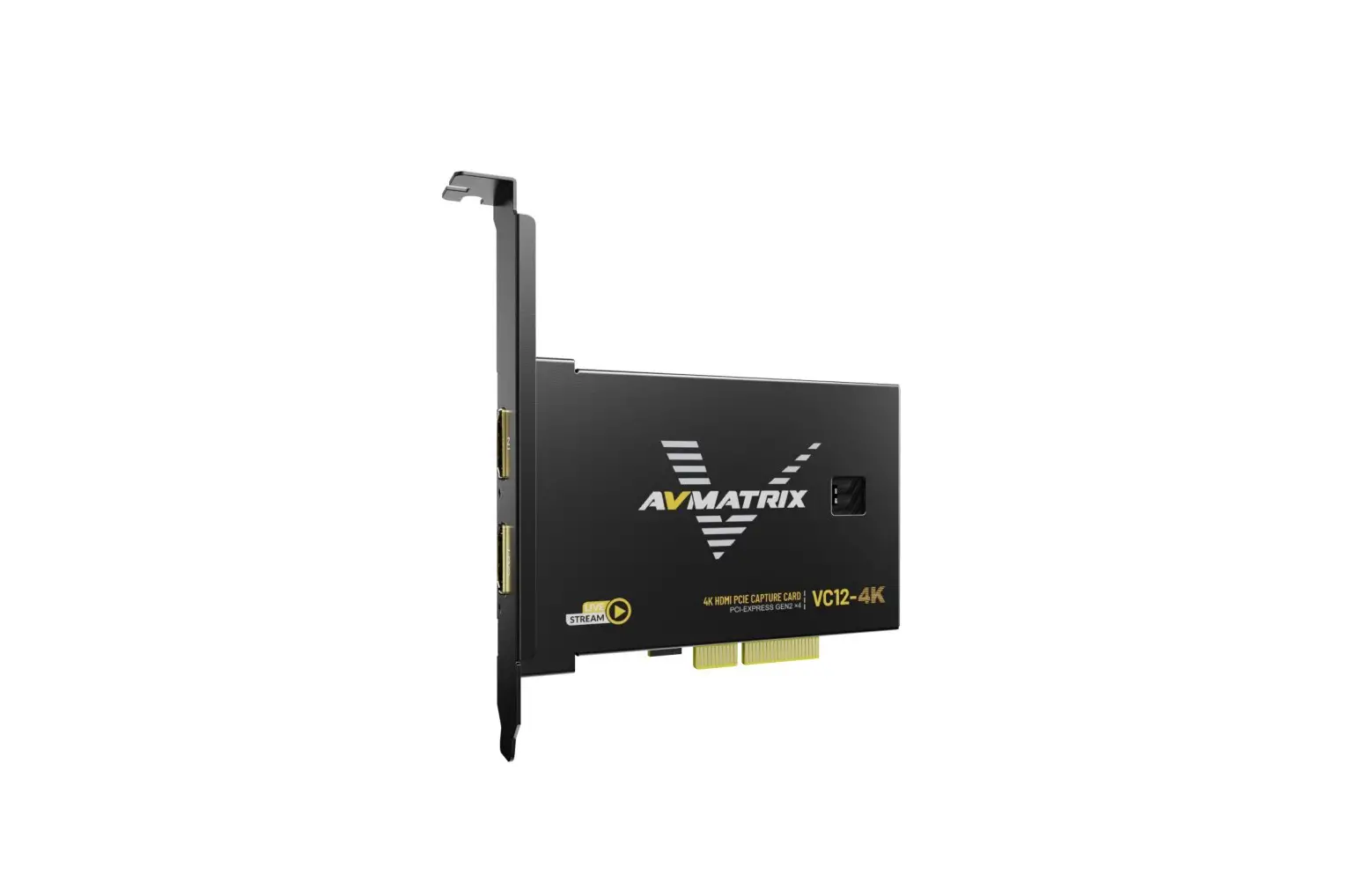
AVMATRIX VC12-4K 4K HDMI PCIE Video Capture Card User Manual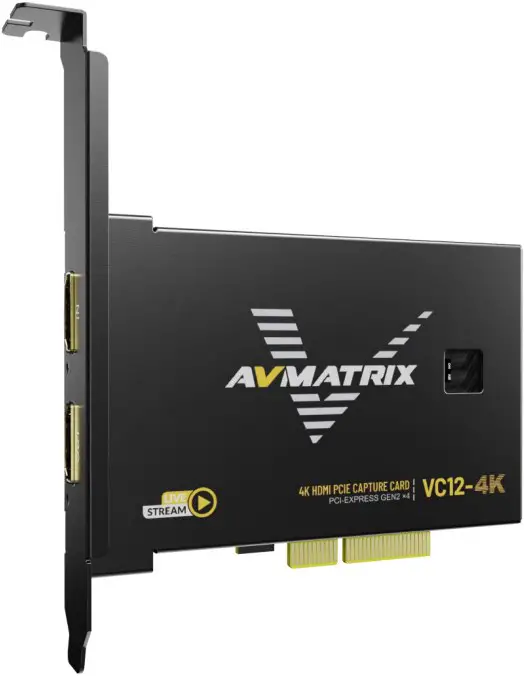
Brief Introduction
Overview
VC12-4K is a 4K HDMI PCIE video capture card, it supports 4K HDMI inputs and capture,and compatible with console or PC games and digital cameras. HD video capture up to 4K60 with bit rates up to 800 Mbps,transfer bandwidth up to 2.5GB/S, VC12-4K can meet the needs of high-bandwidth, high-performance image acquisition and processing applications,ideal for use in live streaming platforms.
Main Features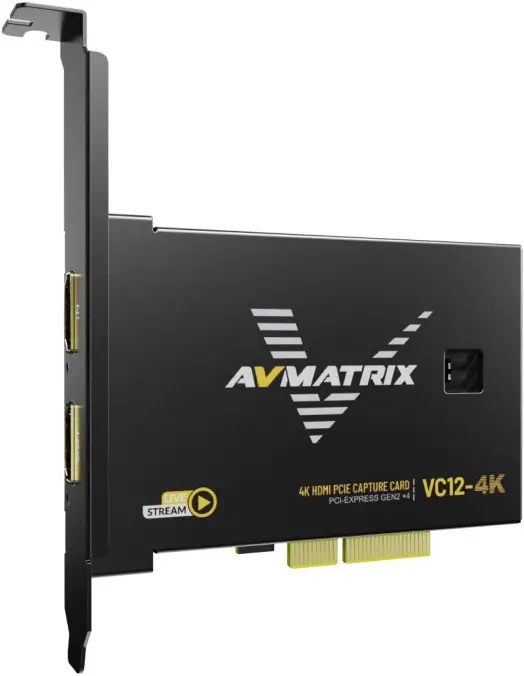
- 4K HDMI PCIE capture card
- 1-channel HDMI 2.0 input loop-out
- Input and capture support up to 4K60 with bit rates up to 800Mbps
- Support YUV2 uncompressed video
- PCIE GEN2 x4, 2.5GB/S transfer bandwidth
- Compatible with Windows 7 and above, Linux 18.04 and above
- Compatible with OBS/PotPlayer/XSplit and other live recording software
- Stable operation, 24 hours non-stop work
- Support one machine with multiple cards for multi-channel live streaming and recording
Interfaces
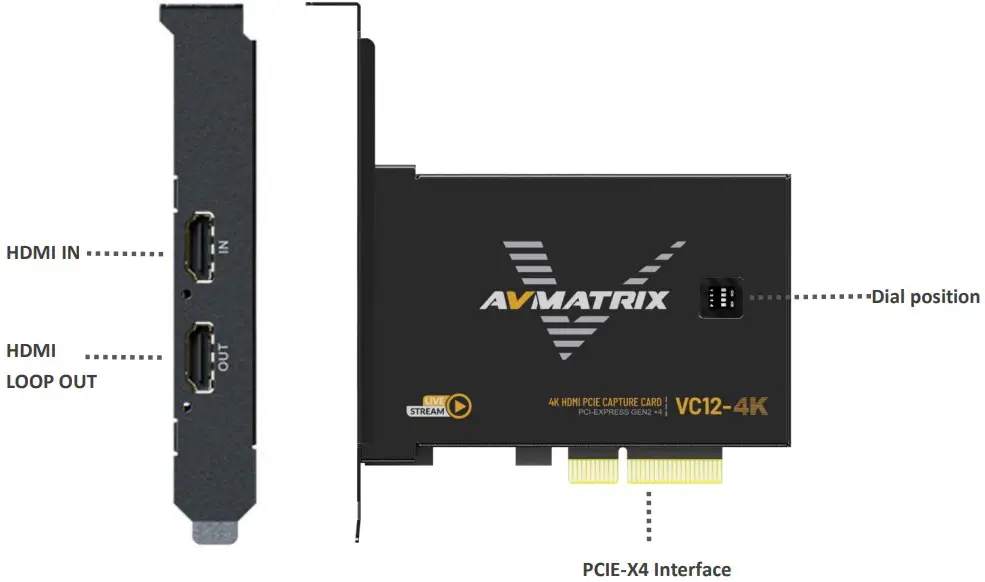
Specification
SUPPORTSDevice Support OTHERSPower consumption
| CONNECTIONS | Host Interface | PCIE2.0×4, 2.5GB/s transfer bandwidth |
| Video Interfaces | 1×HDMI2.0 input, 1×HDMI2.0 loopout | |
| HDMI Input Format | Up to 4K60hz, 1440p144hz, 1080p240hz | |
| Capture Format | 4096×2160, 3840×2160, 3440×1440 , 2560×2048,2560×1920, 2560×1440, 2560×1080, 1920×1200,1920×1080, 1600×1200, 1440×900, 1280×1024,1280×800, 1280×720, 1024×768, 800×600,720×576, 720×480 60fps4096×2160 , 3840×2160, 2560×1440,1920×1080, 1280×720 50fps | |
| 4096×2160, 3840×2160, 2560×1440, 1920×1080,1280×720, 800×600, 720×576, 720×480 30fps4096×2160 , 3840×2160, 2560×1440,1920×1080, 1280×720 25fps 2560×1440, 1920×1080, 1280×720 144fps 2560×1440, 1920×1080, 1280×720 120fps 1920×1080, 1280×720 240fps 1920×1080, 1280×720 59.49fps | ||
| Capture Color Space | YUY2, uncompressed | |
| Audio Capture | 1×HDMI embedded audio capture | |
| Audio Codec | 16 bit PCM, 48kHz, 1536kbps | |
| Other Features | Support 1080i hardware de-interlacing, 3D noise reduction algorithm | |
| Support XBOX, PS4, SWITCH, Video player, TV box and media box, etc. | ||
| OS Support | Windows 7 and above, Linux 18.04 and above | |
| Software Compatible | OBS, XSplit, VLC, VirtualDub, VMix, VidBlaster, Wirecast, Microsoft Media Encoder, Adobe Flash Media Encoder, Any other DirectShow/V4L2/AVCaptureSession encoding/streaming software | |
| APIs Support | Windows(DirectShow, DirectSound/WASAPI) Linux(V4L2, ALSA) | |
| ≤2.0W | ||
| Temperature | Operating temperature: 0℃~60℃Storage Temperature: -20℃~70℃ | |
| Relative Humidity | 5%~90% non-condensing | |
| Dimension | 120.1×95.7×21.6mm | |
| Weight | Net weight: 100g, Gross Weight: 145g |
Installation
 Note: Only hold the edge of the card or the metal bracket when taking the card, do not touch the electronic components to prevent the chip from being harmed by static electricity. The PCIE Card must not be plugged or unplugged while the system is powered.When the PCIE card are added to or removed from the system, should be ensured that the computer is turned off.
Hardware Installation
Step 1.Power off the computer device before the pcie capture card installation, unplug the power cable. Step2.Remove the cover from the computer case.Insert the PCIE capture card into the PCIe-X4 Gen2 slot in your computer chassis and lock.
Step 3.Connect the HDMI interface device signal source to the PCIE card interface and make sure the cable is connected properly.
Step 4.Connect the power cable to the power supply, turn on the computer, beginning to install the PCIE capture card drivers.
Driver Installation
Step1.Download the driver from the AVMATRIX website at www.avmatrix.com and opening the driver.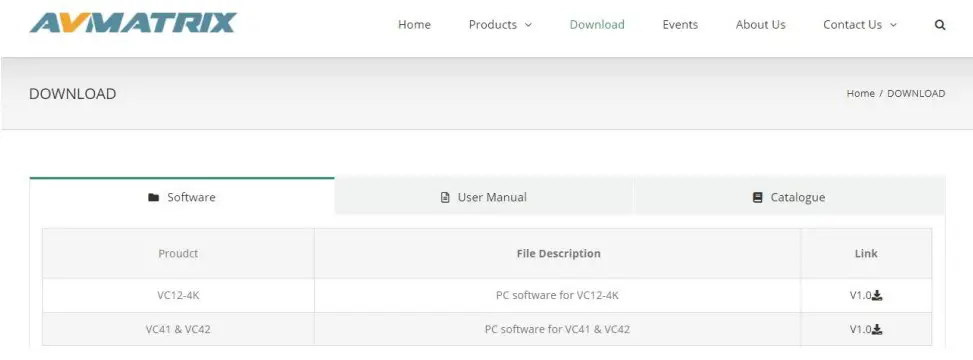
Step 2. When the driver is opened a notification of “Find Video Capture Card Driver: 1” will popup, which indicates that the PCIE capture card has been recognized, then click “Install”. Finally, Click “OK” to complete the installation.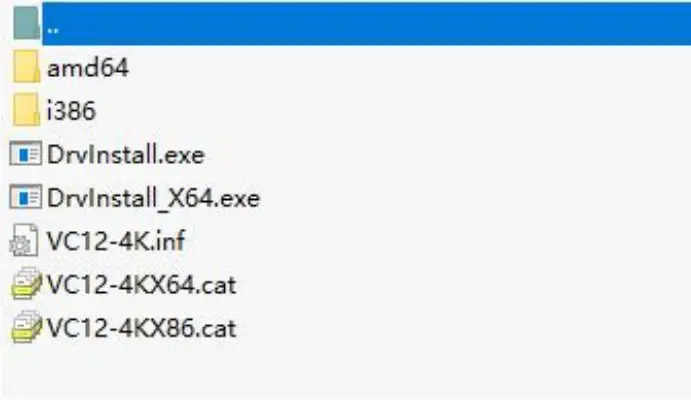
Note: Supported Windows 7 and above, Linux 18.04 and above Operating Systems.
DIP Functions
Multiple PCIE capture cards can be installed on one computer to work simultaneously to realize multiple live streaming and capture. When working with multiple PCIE capture cards at the same time, you need to adjust the dip switches on the PCIE card. The dip switch on the PCIE card provides the following settings.Make sure the setup dip code is different for each pcie card.
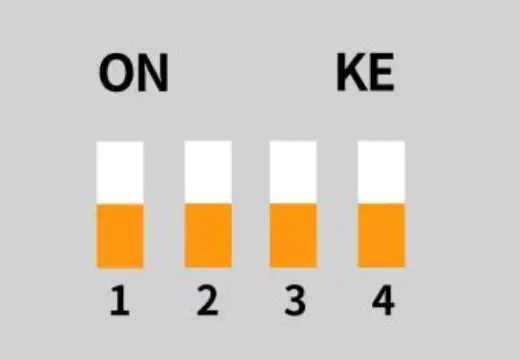 | 1.First card When( SW1, SW2, SW3, SW4 ) is set to downard,it sets the PCIE capture card to first card. |
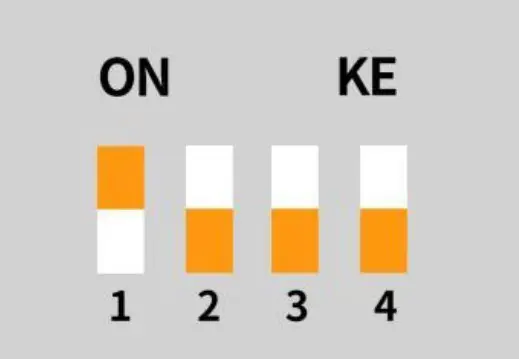 | 2.Second card When( SW1 ) is set to upward, and ( SW2, SW3, SW4 ) is set to downward, it sets the PCIE capture card to second card. |
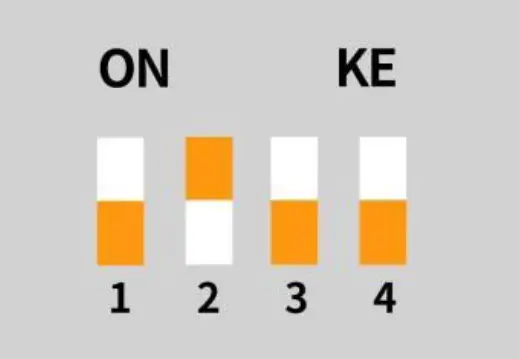 | 3.Third card When( SW2 ) is set to upward, and ( SW1, SW3, SW4 ) is set to downward, it sets the PCIE capture card to third card. |
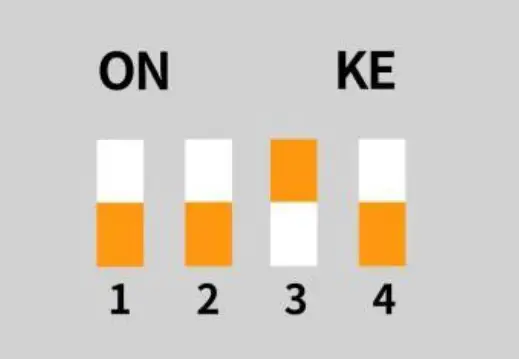 | 4.Fourth card When( SW3 ) is set to upward, and ( SW1, SW2, SW4 ) is set to downward, it sets the PCIE capture card to fourth card. |
Operating Instructions
Step1. Open OBS Studio , click ”+” and select ”Video Capture Device”.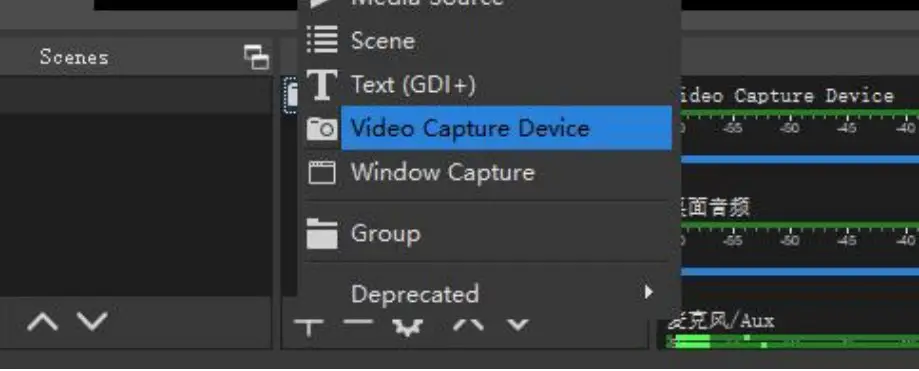
Rename the name of the signal source and click OK.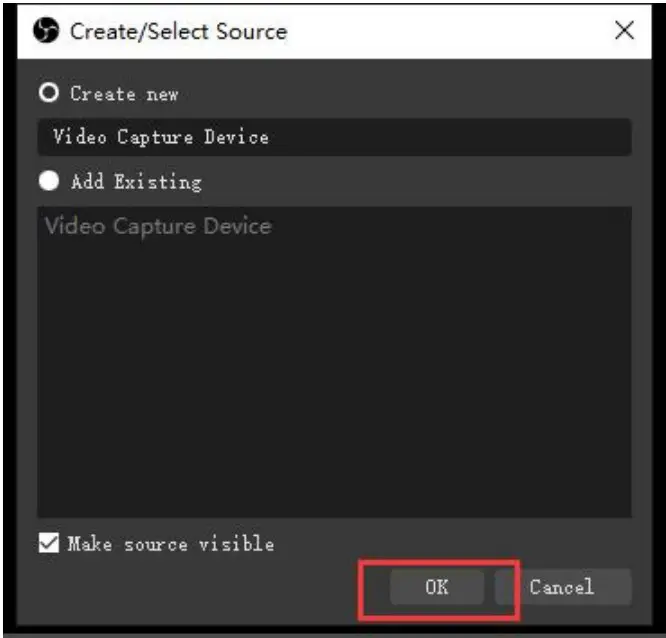
Step2. Right-click “Video Capture Device” and select properties, enter the properties interface, andselectthe signal source as your device. Users can set other parameter setting in the properties pages andthenclick OK.
Step3. Click on the audio setting icon to setting audio, as shown in the picture. Then enter theproperties,and select the device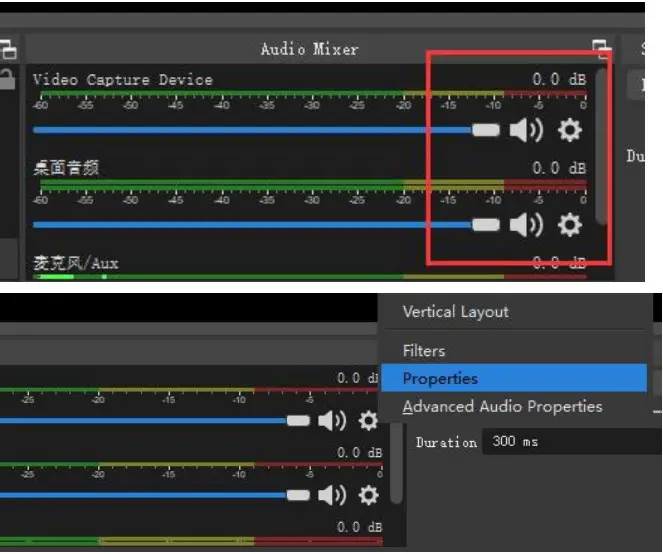
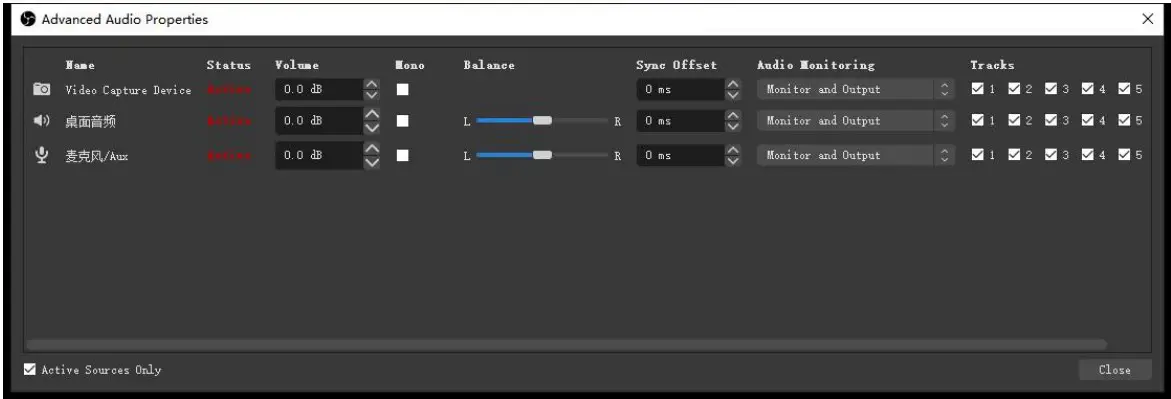
Step4. Enter “Advanced Audio properties” can change the setting about the volume, balance, audiomonitoring, and Tracks etc.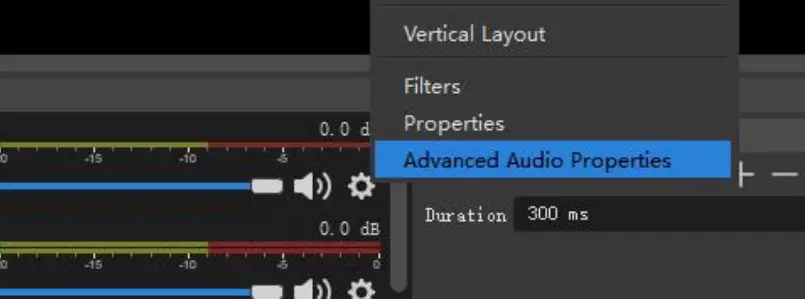
 HOME - AVMATRIX