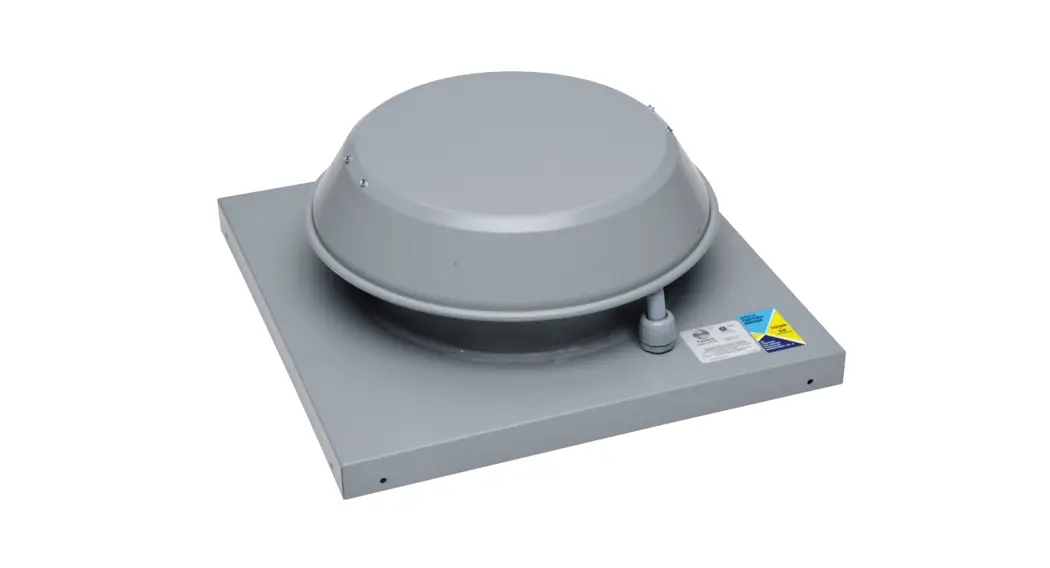
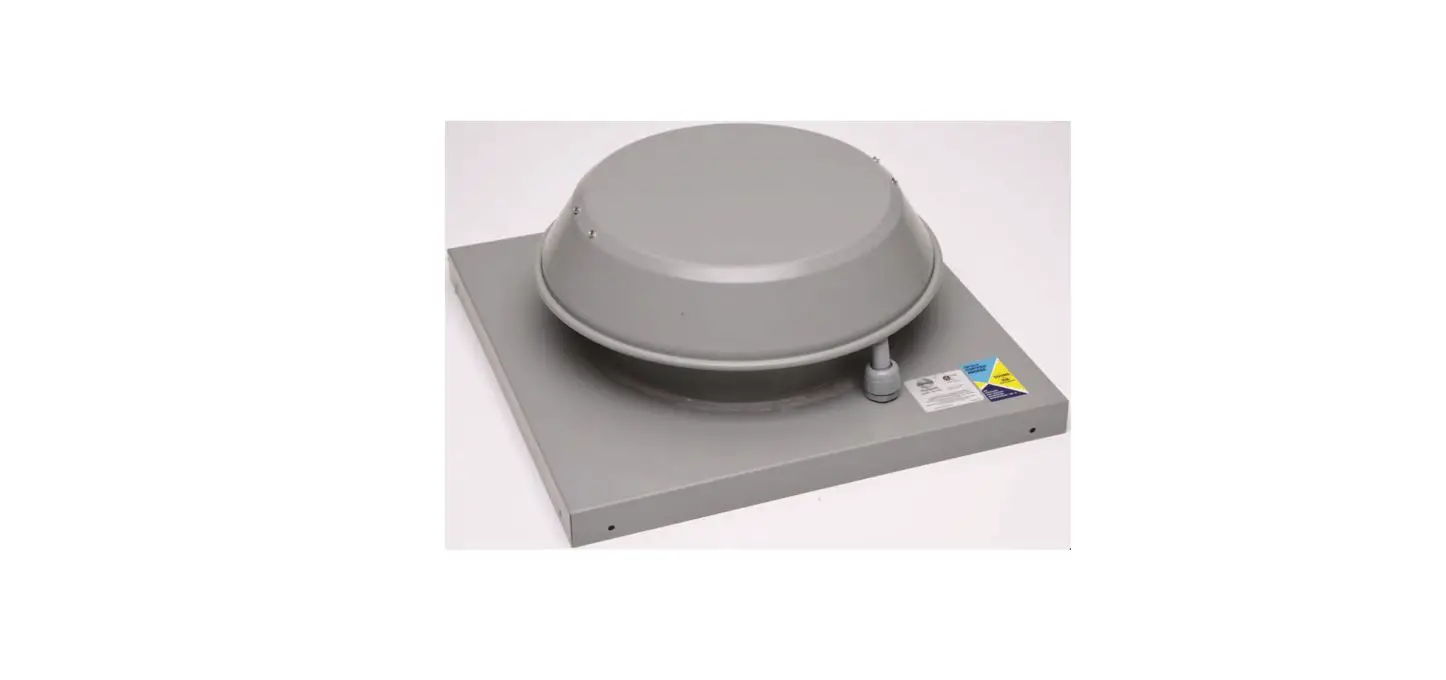
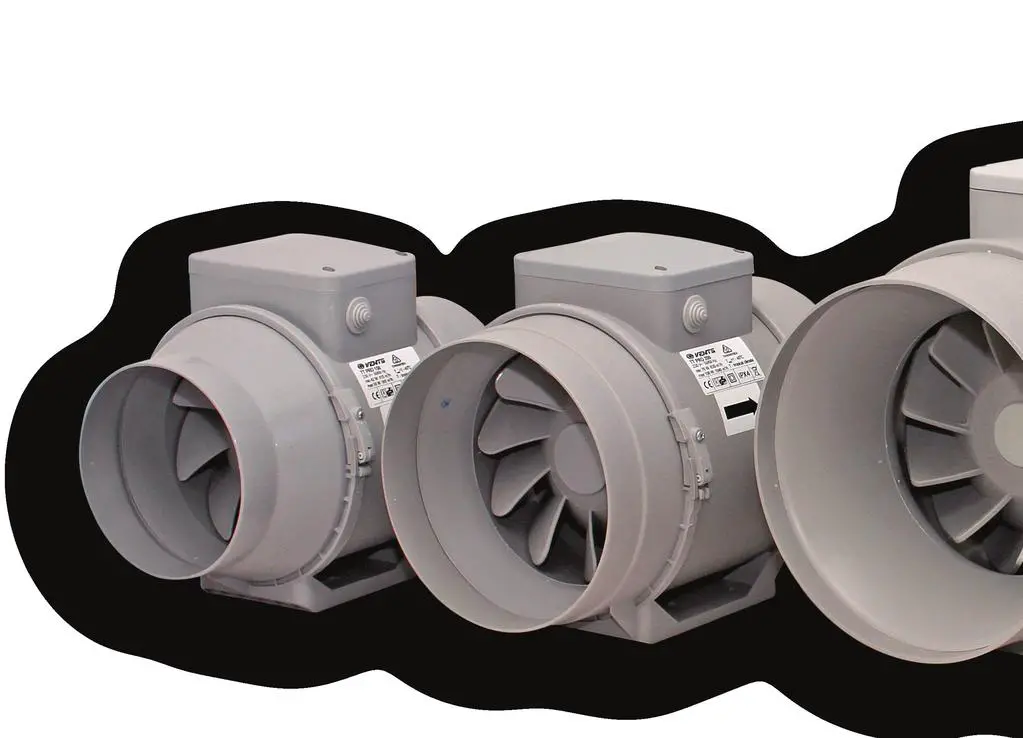
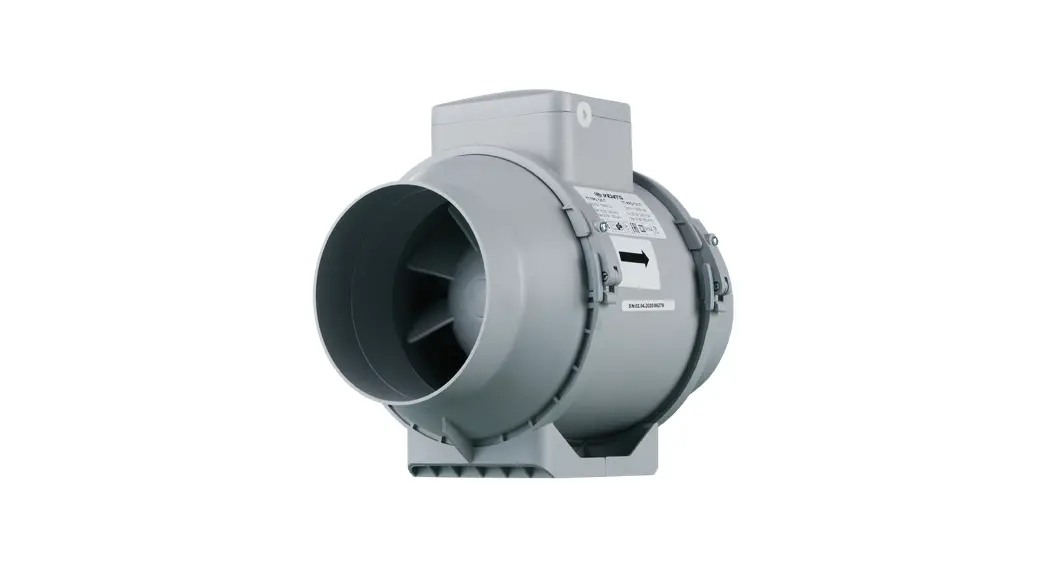
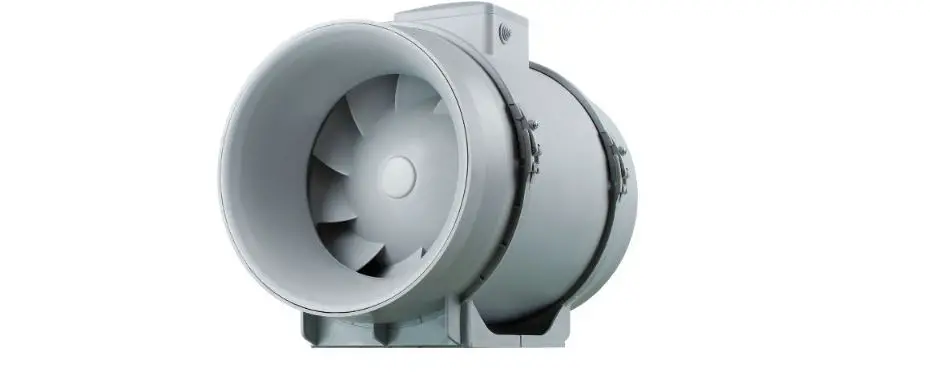
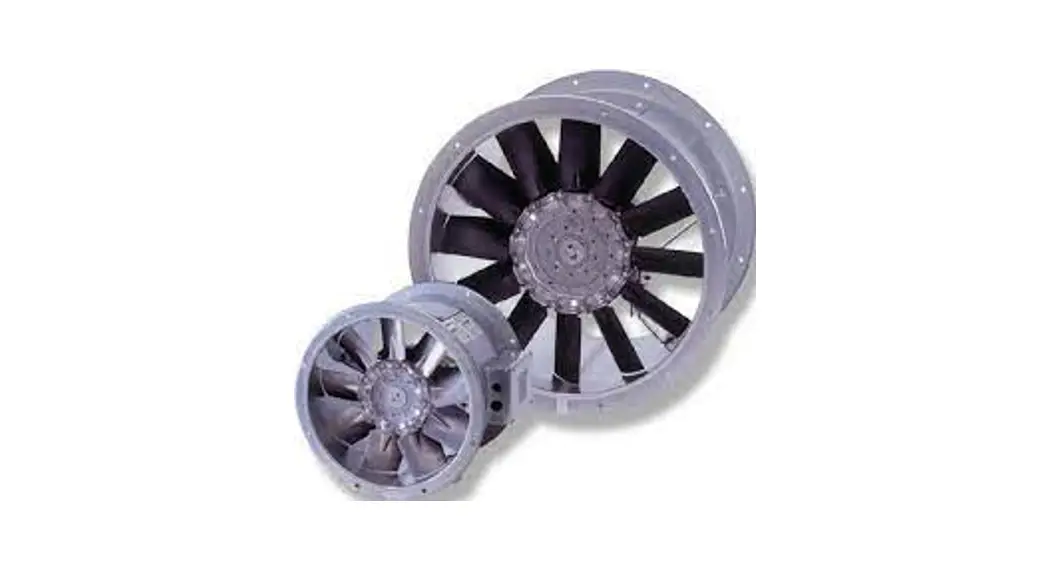
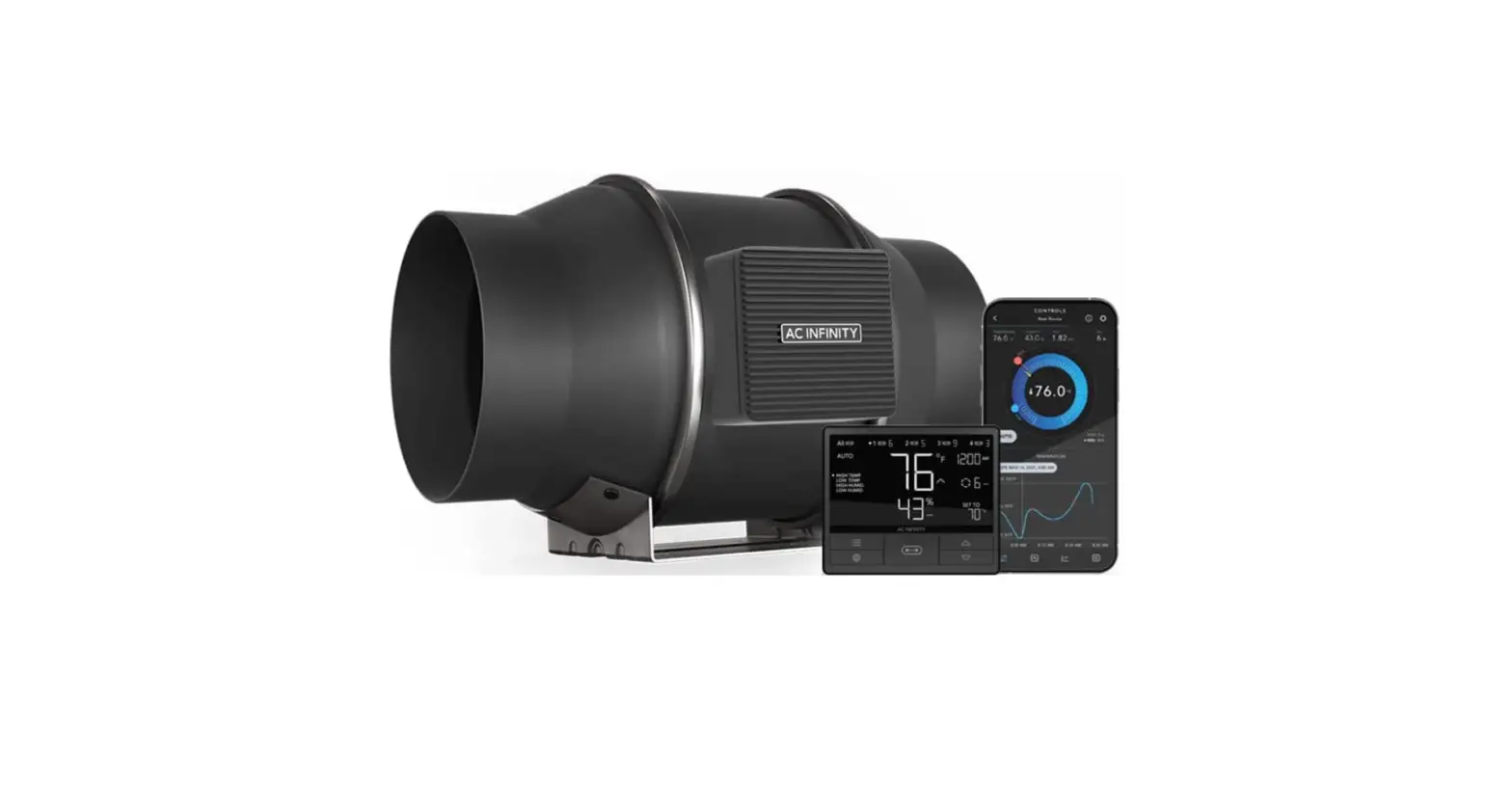
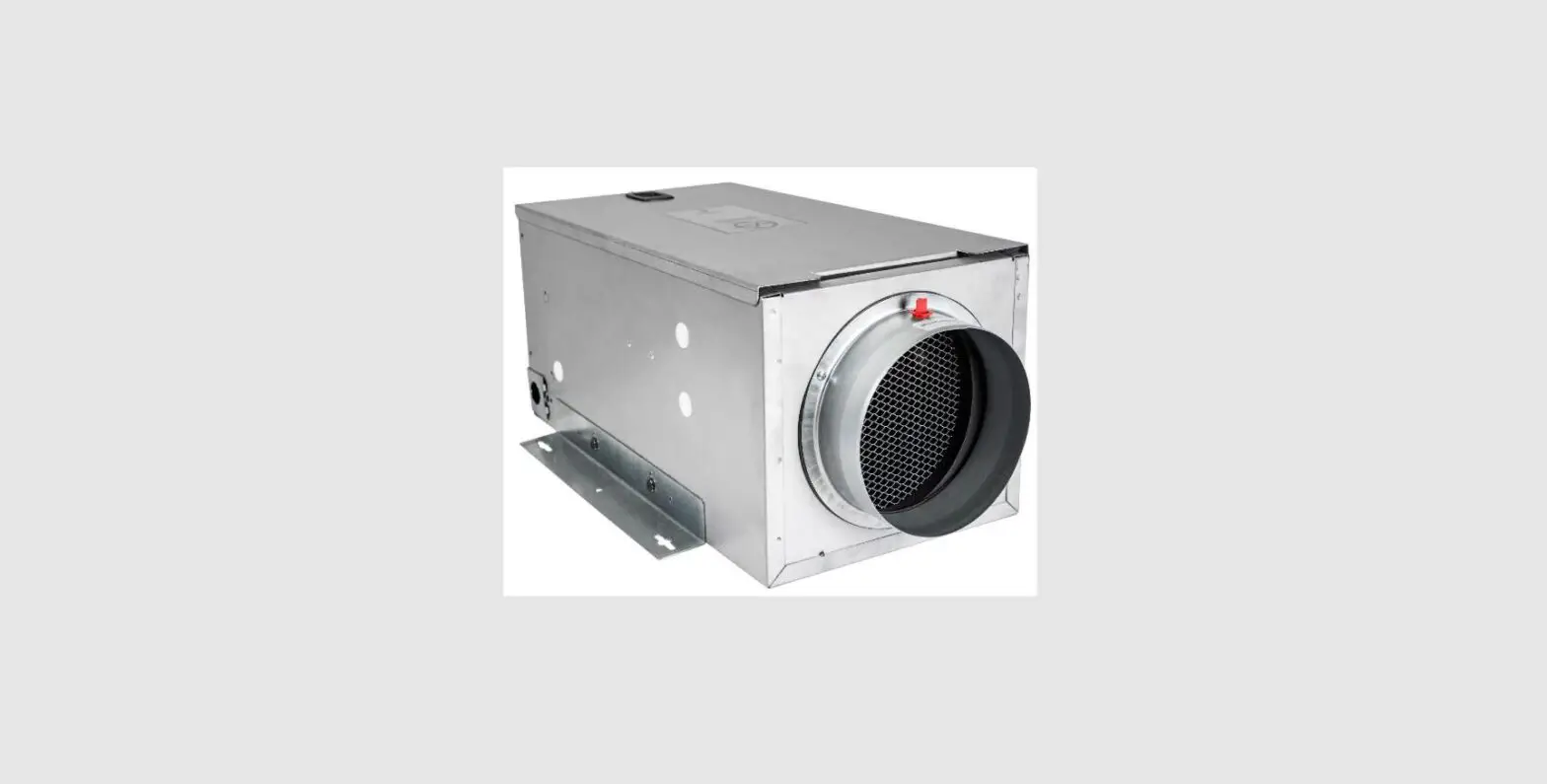
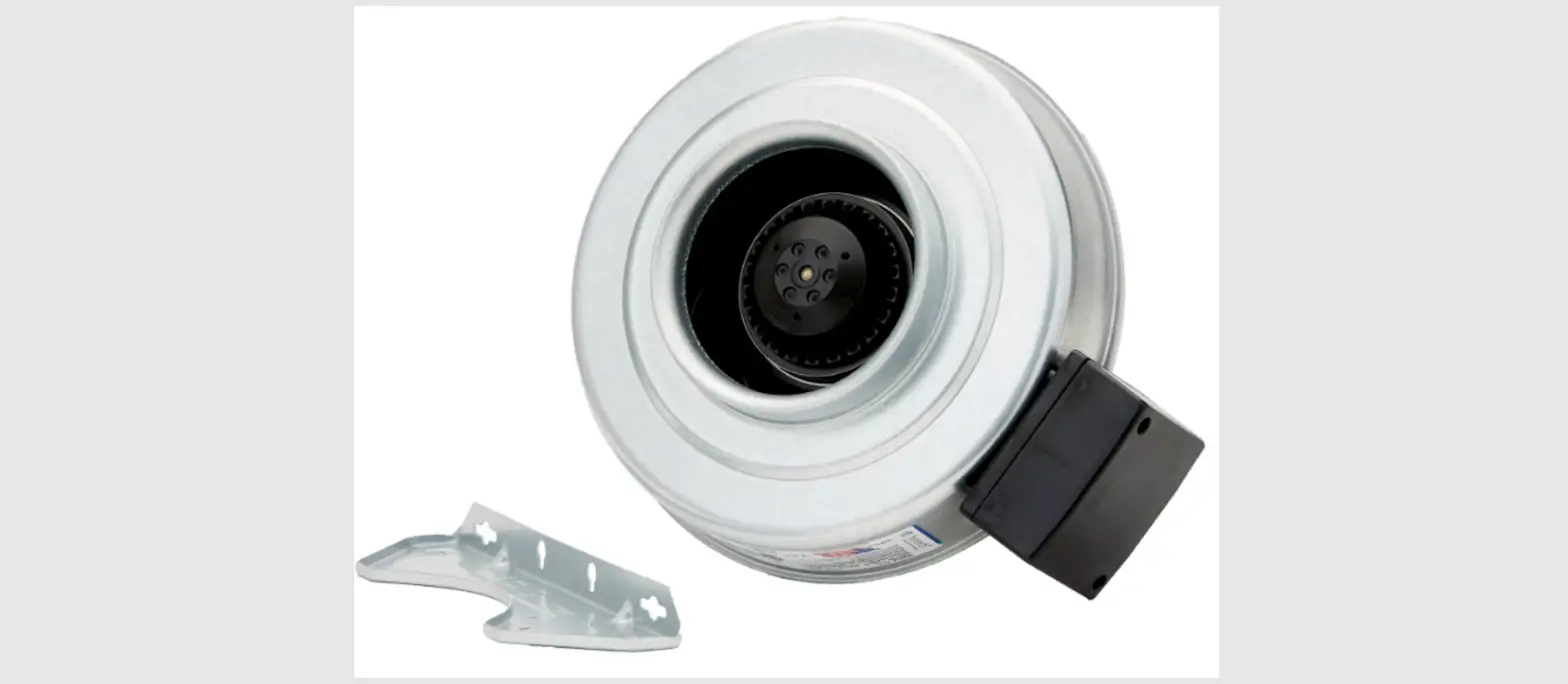
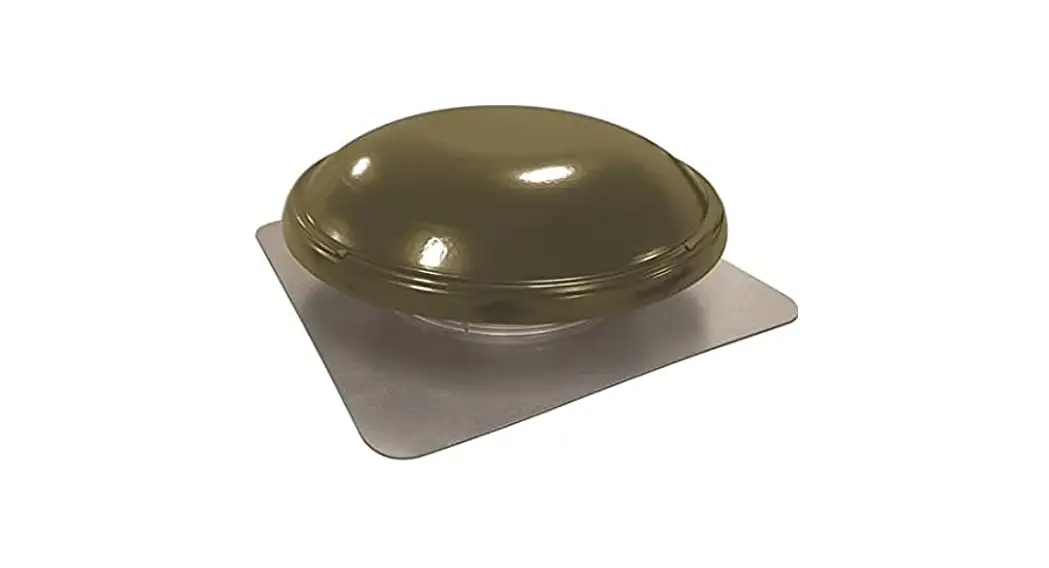
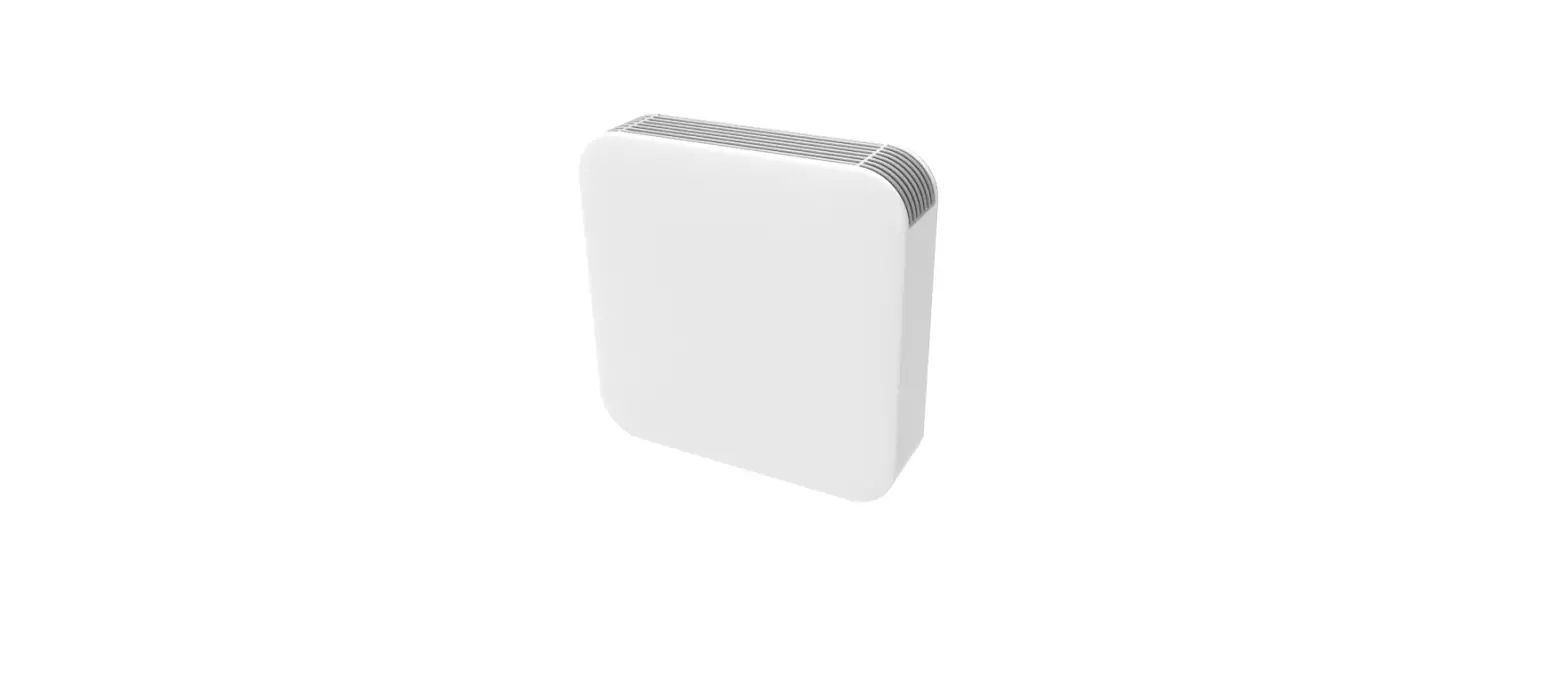
KSQ Rooftop Supply Mixed Flow Fans
Product Information
Model: KSQ Direct Drive
Type: Rooftop Supply Mixed Flow Fans
Document Number: 486132
Features:
- Direct-driven with mixed flow wheels
- Rigid construction
- High efficiency
- Low sound levels
- Designed for filtered roof supply applications
- Available in twelve sizes
- Permanent, washable aluminum filters
Product Usage Instructions
- Read and save the instructions for future reference.
- Before attempting to assemble, install, operate, or maintain
the product, read the instructions carefully. - Observe all safety information to protect yourself and
others. - Only qualified personnel should install the fan.
- Ensure that personnel have a clear understanding of the
instructions and general safety precautions. - Comply with all local electrical and safety codes, as well as
the National Electrical Code (NEC) and the National Fire Protection
Agency (NFPA). - In Canada, follow the Canadian Electric Code (CEC).
- Ensure that the rotation of the fan wheel is free and does not
strike or rub any stationary objects. - Securely and adequately ground the motor.
- Avoid spinning the fan wheel faster than the maximum cataloged
fan speed. - Always disconnect, lock, and tag the power source before
installing or servicing to avoid fire, shock, or serious
injury. - Allow the motor to cool before servicing to prevent injury from
the hot motor.
Receiving
1. Unpack the unit and verify that all required parts and the
correct quantity of each item have been received.
2. Report any shortages to your local representative to arrange
for obtaining missing parts.
3. Note that due to transportation and truck space availability,
all items for the unit may not be shipped together.
4. Confirm the shipment(s) based on the items listed on the bill
of lading.
Handling
1. Lift the fans with care to avoid damaging the housing.
2. Use the isolator holes on top of the unit or the skid when
using a forklift to rig and move the fans.
3. The isolator holes are located on the top four corners of the
unit.
4. Use a minimum of four lifting straps.
5. Handle the fans in a manner that prevents scratching or
chipping the coating, as damaged finish may reduce the fan’s
ability to resist corrosion.
Storage
1. If the unit cannot be installed and operated immediately,
take precautions to prevent deterioration during storage.
2. The user assumes responsibility for the fan and accessories
while in storage.
3. The manufacturer will not be responsible for any damage that
occurs during storage.
4. These suggestions are provided as a convenience to the
user.
Document 486132
Model KSQ Direct Drive
®
Rooftop Supply Mixed Flow Fans
Installation, Operation and Maintenance Manual
Please read and save these instructions for future reference. Read carefully before attempting to assemble, install, operate or maintain the product described. Protect yourself and others by observing all safety information. Failure to comply with these instructions will result in voiding of the product warranty and may result in personal injury and/or property damage.
Rooftop Supply Mixed Flow Fans
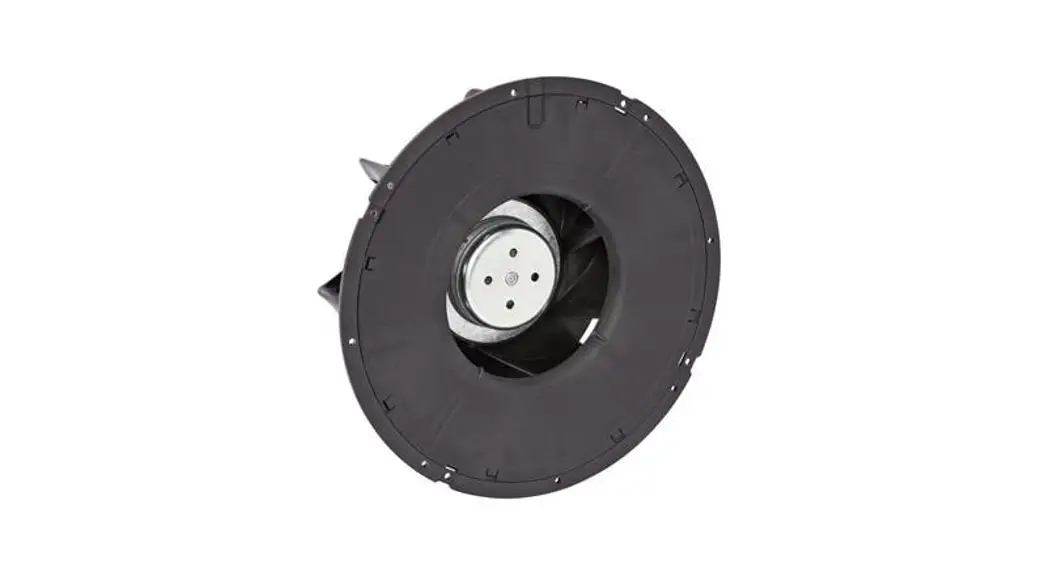
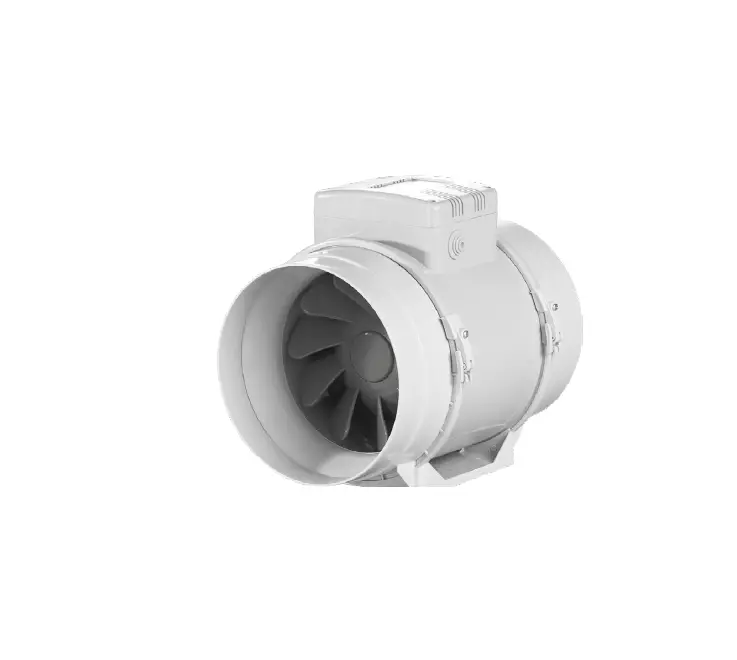
Fans are direct-driven with mixed flow wheels and feature rigid construction, high efficiency, and low sound levels. These fans are designed for filtered roof supply applications such as providing non-tempered make-up air. The fans are available in twelve sizes and feature permanent, washable aluminum filters.
General Safety Information
Only qualified personnel should install this fan. Personnel should have a clear understanding of these instructions and should be aware of general safety precautions. Improper installation can result in electric shock, possible injury due to coming in contact with moving parts, as well as other potential hazards. If more information is needed, contact a licensed professional engineer before moving forward.
1. Follow all local electrical and safety codes, as well as the National Electrical Code (NEC) and the National Fire Protection Agency (NFPA), where applicable. Follow the Canadian Electric Code (CEC) in Canada.
2. The rotation of the wheel is critical. It must be free to rotate without striking or rubbing any stationary objects.
3. Motor must be securely and adequately grounded. 4. Do not spin fan wheel faster than max cataloged fan
RPM. This could cause catastrophic wheel failure. Adjustments to fan speed significantly affects motor load. If the fan RPM is changed, the motor current should be checked to make sure it is not exceeding the motor nameplate amps. 5. Do not allow the power cable to kink or come in contact with oil, grease, hot surfaces or chemicals. Replace cord immediately if damaged. 6. Verify that the power source is compatible with the equipment. 7. Never open access doors to a duct or fan while the fan is running. 8. Never remove covers protecting electrical components while fan is energized.
®
DANGER Always disconnect, lock, and tag power source before installing or servicing. Failure to disconnect power source can result in fire, shock, or serious injury.
CAUTION When servicing the fan, motor may be hot enough to cause pain or injury. Allow motor to cool before servicing.
DANGER Pour écarter les risques d’incendie, de choc électrique ou de blessure grave, veiller à toujours débrancher, verrouiller et étiqueter la source de courant avant l’installation ou l’entretien.
ATTENTION Lors de toute intervention sur la soufflante, le moteur peut être suffisamment chaud pour provoquer une douleur voire une blessure. Laisser le moteur refroidir avant toute maintenance.
Rooftop Supply Mixed Flow Fans 1
Receiving
Upon receiving the product check to ensure all items are accounted for by referencing the delivery receipt or packing list. Inspect each crate or carton for shipping damage before accepting delivery. Alert the carrier of any damage detected. The customer will make a notation of damage (or shortage of items) on the delivery receipt and all copies of the bill of lading which is countersigned by the delivering carrier. If damaged, immediately contact your local representative. Any physical damage to the unit after acceptance is not the responsibility of the manufacturer.
Unpacking
Verify that all required parts and the correct quantity of each item have been received. If any items are missing, report shortages to your local representative to arrange for obtaining missing parts. Due to availability of transportation and truck space all items for the unit may not be shipped together. Confirmation of shipment(s) must be limited to only items on the bill of lading.
Handling
Lifting the fans must be done with care to avoid damaging the housing. Fans are to be rigged and moved by the isolator holes on top of the unit or by the skid when a forklift is used. Location of the isolator holes will always be on the top four corners. Use a minimum of four lifting straps. Handle in such a manner as to keep from scratching or chipping the coating (if applicable). Damaged finish may reduce the ability of the fan to resist corrosion.
Move fan to desired location and determine position of access panels, discharge and motor. Make sure the inlet and outlet have at least 3 times the duct diameter of straight duct before any obstructions like an elbow or transition. Attach the fan to a suitable framework as specified by others; hanging or base vibration isolators are recommended. See Dimensional Data (page 3) for physical dimensions. The motor’s amperage and voltage ratings must be checked for compatibility to supply power prior to final electrical connection. Electrical leadin wires are then connected to the electrical wires run to the external factory supplied junction box. All wiring must conform to local and national codes.
Storage
Fans are protected against damage during shipment. If the unit cannot be installed and operated immediately, precautions need to be taken to prevent deterioration of the unit during storage. The user assumes responsibility of the fan and accessories while in storage. The manufacturer will not be responsible for damage during storage. These suggestions are provided solely as a convenience to the user.
Storage Environment
The ideal environment for the storage of fans and accessories is indoors, above grade, in a low humidity atmosphere which is sealed to prevent the entry of blowing dust, rain or snow. Temperatures should be evenly maintained between 30° to 110°F (-1° to 43°C) (wide temperature swings may cause condensation and “sweating” of metal parts). All accessories must be stored indoors in a clean, dry atmosphere.
Remove any accumulations of dirt, water, ice or snow and wipe dry before moving to indoor storage. To dry parts and packages, use a portable electric heater to get rid of any moisture buildup. Leave coverings loose to permit air circulation and to allow for periodic inspection.
The unit should be stored at least 3-1/2 inches (89 mm) off the floor on wooden blocks covered with moisture proof paper or polyethylene sheathing. Aisles between parts and along all walls should be provided to permit air circulation and space for inspection.
Inspection and Maintenance During Storage
While in storage, inspect fans once per month. Keep a record of inspection and maintenance performed.
If moisture or dirt accumulations are found on parts, the source should be located and eliminated. At each inspection, rotate the wheel by hand ten to fifteen revolutions to distribute lubricant in motor. If paint deterioration begins, consideration should be given to touch-up or repainting. Fans with special coatings may require special techniques for touch-up or repair.
Machined parts coated with rust preventive should be restored to good condition promptly if signs of rust occur. Immediately remove the original rust preventive coating with petroleum solvent and clean with lint-free cloths. Polish any remaining rust from surface with crocus cloth or fine emery paper and oil. Do not destroy the continuity of the surfaces. Thoroughly wipe clean with Tectyl® 506 (Ashland Inc.) or the equivalent. For hard to reach internal surfaces or for occasional use, consider using Tectyl® 511M Rust Preventive, WD-40® or the equivalent.
Removing From Storage
As fans are removed from storage to be installed in their final location, they should be protected and maintained in a similar fashion until the fan equipment goes into operation.
2 Rooftop Supply Mixed Flow Fans ®
Dimensional Data
Intake Configurations
A
B
E
C D
A
B
E
C
HORIZONTAL INTAKE
BOTTOM INTAKE
Fan
Horizontal Intake
Bottom Intake
Size
A
B
C
D
E
A
B
C
E
KSQ-7 32-1/2
17
16-3/8
11-3/8
15-1/4
36
20-3/8
16-3/8
15-1/4
KSQ-9 36-1/2
19
20-7/8
16
19
41-3/4
25-1/4
20-7/8
19
KSQ-12 43-1/2
22-1/2
23-1/4
18-1/4
22-1/8
50
29
23-1/4
22-1/8
KSQ-15 54-3/4
29-1/4
27
22
25-7/8
62-1/8
36-1/2
27
25-7/8
KSQ-16
57
30-3/8
29
24
28
65-1/4
38-3/4
29
28
KSQ-18 59-1/4
31-1/2
31-5/8
26-5/8
30-1/2
69
41-1/4
31-5/8
30-1/2
KSQ-20 64 3/4
34-1/2
64-1/4
29-1/4
33
75-1/2
45-1/4
34-1/4
33
KSQ-22 71-1/4
38-1/8
37
32
36
82-3/4
49-5/8
37
36
KSQ-24 78-1/2
42
40-1/2
35-1/2
39-3/8
91-1/2
54-7/8
40-1/2 39 23/63
KSQ-27
86
46
44
39
42-7/8 100-1/8 60-1/8
44
42-7/8
KSQ-30 94-1/2 50- 1/2
48
43
46-7/8 100-1/4 66-1/4
48
46-7/8
KSQ-33 103-3/4 55-3/8
52-1/4
47-1/4
41-1/4 121 3/8 72 7/8 52 1/4
41 1/4
All dimensions in inches and weight is shown in pounds. ^Weight shown is standard galvanized construction and largest cataloged totally enclosed motor.
Max. Fan Weight^
55 76 99 138 163 212 243 297 350 486 575 699
Discharge Configurations
Fan Size
Horizontal Discharge
F Sq.
K
L
(Hole Spacing) (Holes per side)
KSQ-7 11-3/8
6-1/2
3
KSQ-9 15-1/8
8-1/4
3
KSQ-12 18-1/4
9-7/8
3
KSQ-15 22
11-3/4
3
KSQ-16 24
8-1/2
4
KSQ-18 26-5/8
9-3/8
4
KSQ-20 29-1/4 10-1/4
4
KSQ-22 32
11-1/4
4
KSQ-24 35-1/2
9-1/4
5
KSQ-27 39
10-1/8
5
KSQ-30 43
11-1/8
5
KSQ-33 47-1/4
9-3/4
6
All dimensions in inches.
Bottom Discharge
F Sq.
G
H
8-1/4 11-1/4 14-1/4 18-1/4 18-1/4 22-1/4 24-1/4 27-1/4 30-1/4 33-1/4 36-1/4 40-1/4
11-1/2 15-1/4 18-1/4
22 24 26-3/4 29-1/4 32-1/4 35-1/2 39 43 47-1/2
14-1/4 16-1/4 19-1/4 24-1/4 25-1/4 26-1/4
29 31-3/4 35-1/4 38-1/2 42-3/4
47
®
K/L
F SQ. HORIZONTAL DISCHARGE
SUPPLY DUCT
H
RECOMMENDED CURB WIDTH
F SQ. G
RECOMMENDED CURB WIDTH
BOTTOM DISCHARGE
Rooftop Supply Mixed Flow Fans 3
Pre Start-Up Checks
Before Fan Installation
Before starting up or operating fan, check all fasteners for tightness. In particular, check the cap screws in wheel bushing.
Wheel Alignment 1. Rotate the fan wheel by hand and assure no parts
are rubbing. The wheel should rotate freely and be aligned as shown in Figure 1. Wheel position is preset and the unit is tested at the factory. 2. Movement may occur during shipment, and realignment may be necessary. Radial Gap – If necessary, adjust inlet cone position such that the radial gap between the wheel cone and inlet cone is evenly distributed around the wheel. Alignment – If necessary, adjust wheel position by loosening the wheel hub (see Tapered Bushing Installation and Removal on page 9) from the motor shaft so that a straight edge held tight to the wheel cone just touches the inlet cone. Refer to Figure 1.
Straight Edge
Wheel Cone
Gap Inlet Cone
Operation
IMPORTANT: The fan has been checked for mechanical noise at the factory prior to shipment. If mechanical noise should develop, suggested corrective actions are offered in the Troubleshooting section (page 10).
1. After the fan is installed, disconnect and lock-out all power switches to fan.
2. Before connecting the fan to power, turn the fan wheel by hand to be sure it is not striking the inlet cone (venturi) or any obstacle.
3. Start the fan and shut it off immediately to check rotation of the wheel, see Figure 2. Wheel Rotation – Direction of wheel rotation is critical. Reversed rotation will result in poor air performance, motor overloading and possible burnout. Rotation should be counterclockwise when viewed from the fan inlet as shown in Figure 2. If wheel rotation is incorrect, switch two of the wiring leads for 3 phase power supply or check motor wiring for single phase power supply. Fan rpm should be checked and verified with a tachometer.
Figure 1
Recommended Fastener Torque
Recommended
Size
Type
Torque inlb (ftlb) Application
Min. Max.
#12
Self-Drilling Sheet Metal Screw
25 (2)
30 (2.5) Outdoor Panels
1/4 in.
Hex Bolt/Thumb Screw
96 (8)
108 (9)
Ductwork and Accessory Mounting
1/4 in. x 20
Cap Screw
120 (10) 120 (10)
QT Bushing (Size 7-24)
1/4 in. x 20
Cap Screw
108 (9) 108 (9)
SD Bushing (Size 27-33)
5/16 in. Semi-Gimlet Bolt 132 (11) 144 (12) Fan Construction
3/8 in. 1/2 in.
Serrated Flange Bolt/Nut
Serrated Flange Bolt/Nut
252 (21) 288 (24) 564 (47) 636 (53)
Motor Mount Motor Mount
Figure 2
4. When the fan is started, observe the operation and check for any unusual noises.
5. With the system in full operation and all ductwork attached, measure current input to the motor and compare with the nameplate rating to determine if the motor is operating under safe load conditions.
6. Keep inlets and approaches to fan clean and free from obstruction.
Inspection
Inspection of the fan should be conducted at the first 30 minute and 24 hour intervals of satisfactory operation.
30 Minute Interval – Inspect bolts, setscrews and motor mounting bolts. Adjust and tighten as necessary.
24 Hour Interval – Check all internal components.
4 Rooftop Supply Mixed Flow Fans ®
Typical Installation
Roof Mounting
STEP 1 – Roof Opening (bottom discharge units only) · Cut an appropriately sized hole in the roof surface.
STEP 2 – Install Roof Curb · Position curb on the roof and install curb per
manufacturer’s instructions. Caulk and flash curb to ensure a water tight seal.
STEP 3 Install Ductwork (bottom discharge units only) · Good duct practices should be followed in
accordance with SMACNA and AMCA guidelines, NFPA 96 and any local codes. The discharge should have approximately three duct diameters of straight duct to achieve cataloged performance (see table below). The ductwork should extend far enough above the roofline to meet the supply unit once it is installed. A duct adapter is recommended for bottom discharge to align ductwork with the unit. The duct adapter is only a guide and is not to be used as a support for the ductwork.
Wiring by Others to Optional Disconnect
12 in. Minimum Curb Height
0.75 in.
STEP 4 – Apply Sealant
· Before installing supply unit, apply a sealant around
the perimeter of the supply duct to isolate the fan
and minimize vibration.
Ductwork with duct adapter installed
Sealant
STEP 5 – Install Unit · Use a crane and set of spreader bars hooked to the
isolator holes on the top of the unit to lift and center the unit on the curb in the correct orientation. Use self-tapping sheet metal screws to fasten unit to the curb through provided holes. Electrical connections can be made at this time. NOTE: Always use all four lifting holes when using a sling.
STEP 6 – Assemble Filter Tracks x2
· Retrieve ship loose intake hood/cover package and prepare parts to be installed on the fan
· Align the holes on the top and bottom filter tracks and install a spring nut over the two overlapping holes. The top tracks for sizes 30 and 33 utilize a different design than shown. Spring nuts
Recommended Duct/Damper
Size
Recommended Roof Opening
Fan Size
Bottom Discharge Duct Size
KSQ-7
8 1/4 x 8 1/4
KSQ-9
11 1/4 x 11 1/4
KSQ-12
14 1/4 x 14 1/4
KSQ-15
18 1/4 x 18 1/4
KSQ-16
18 1/4 x 18 1/4
KSQ-18
22 1/4 x 22 1/4
KSQ-20
24 1/4 x 24 1/4
KSQ-22
27 1/4 x 27 1/4
KSQ-24
30 1/4 x 30 1/4
KSQ-27
33 1/4 x 33 1/4
KSQ-30
36 1/4 x 36 1/4
KSQ-33
40 1/4 x 40 1/4
All dimensions in inches.
Recommended Roof Opening 10 1/2 x 13 1/4 14 1/4 x 15 1/4 17 1/4 x 18 1/4
21 x 23 1/4 23 x 24 1/4 25 1/2 x 25 1/2
28 x 28 31 x 31 34 1/2 x 34 1/2 37 3/4 x 37 3/4 42 x 42 46 1/4 x 46 1/4
Bottom track
Top track
STEP 7 – Fasten Filter Tracks to Side Panels
· Position filter tracks on the opposite side of the side panel flanges
· Install a 1/4 inch thumb screw in the slot and 1/4 inch bolt in the hole to tighten into the spring nuts
Side panel
Filter Track
Rooftop Supply Mixed Flow Fans 5
®
STEP 8 – Install Side Panels
· Apply sealant to the mating surface of the inlet panel
· Use the provided 5/16 inch fasteners to install both side panels to the inlet of the fan with filter tracks facing each other, do not fully tighten Mating surface
STEP 11 – Install End Caps
· TAKE CARE NOT TO DAMAGE THE FOAM TAPE ON THESE PARTS
· With the flanges oriented away from the fan, align the half-moon cutouts on the end cap with the screws on the inlet and outlet
· Use the provided self-tapping sheet metal screws to fasten the end cap to the fan DO NOT OVER-TIGHTEN
· Install remaining end cap on the opposite side using
provided self-tapping sheet metal screws DO NOT
OVER-TIGHTEN
End caps
STEP 9 – Install Top Panel
· Apply sealant to the mating surface of the inlet panel
· Place the top panel on top of both side panels and against the inlet panel (ensure side panels are inside the top panel)
· Use the provided 5/16 inch fasteners to attach the top panel to the inlet of the fan
· Use provided sheet metal screws to fasten the top panel to the side panels
· Fully tighten the 5/16 inch fasteners holding the side plates to the inlet plate
Half-moon cutout
STEP 12 (Sizes 18-33 only) – Install Side Mullions · Install the left and right side mullions using two self-
tapping sheet metal screws per side Mullion
Mating surface
STEP 10 (Horizontal Discharge Only) Install Ductwork
· Apply sealant to the mating surface of fan outlet
· Use the provided holes to mount ductwork and/or duct
adapters to the horizontal discharge of fan (hardware
supplied by others) a C-clamp locking pliers can be
used to hold the duct
Fan Size
Horizontal Discharge Duct Size
Mating surface
KSQ-7 11 1/ 2 x 11 1/2
KSQ-9
15 1/4 x 14 1/4
KSQ-12 18 1/4 x 1/ 1/4
KSQ-15
22 x 22
KSQ-16
24 x 24
KSQ-18 26 3/4 x 26 3/4
KSQ-20 29 1/4 x 29 1/4
KSQ-22 32 1/4 x 32 1/4
KSQ-24 35 1/2 x 35 1/2
KSQ-27
39 x 39
KSQ-30
43 x 43
KSQ-33 47 1/2 x 47 1/2
All dimensions in inches.
TOP BOTTOM
6 Rooftop Supply Mixed Flow Fans ®
STEP 13 – Install Side Panels
· Install with the drip edge down and align the half-moon cutouts on the side panel with the inlet and outlet fasteners
· Fasten the side panels to the fan with the provided self-tapping sheet metal screws
· Sizes 18-33 have two (2) panels per side, which are fastened to the mullions and to the inlet and outlet plates
STEP 16 – Route Wiring to Junction Box
· Route the wiring from the junction box to the disconnect through all conduit
· Junction boxes (and “Dial on Fan” if Vari-Green®) on top of the fan are inaccessible when outdoor cover is fully installed
STEP 17 – Install Top Panel(s) of Cover
· TAKE CARE NOT TO DAMAGE THE FOAM TAPE ON THESE PARTS
· Size 7-16: Install the top panel of the outdoor cover to the fan using the provided self-tapping sheet metal screws
SIZE 18-33
SIZE 7-16
STEP 14 – Mount Disconnect Switch (if applicable) · Determine ideal location for the disconnect switch · Install disconnect per manufacturer’s suggestions
STEP 15 – Install Conduit · Connect the provided flexible metal conduit (FMC) to
the power junction box · Route the opposite end of the conduit assembly with
the female connector to the hole in end cap · Insert the liquid-tight connector into the hole in the end
cap and screw into the female connector, as shown · Cut the liquid-tight conduit (supplied by others) to
length, and install from the elbow to the disconnect switch or power supply
· Sizes 18-33:
SIZE 7-16
1. Install the first top panel with the single return flange using the provided self-tapping sheet metal screws (reference 1)
2. Install the second top panel with the double return flange by hinging it around the first panel as illustrated (reference 2)
2
1
FOAM TAPE
3. Use the self-tapping sheet metal screws to mount second panel
SIZE 18-33 Rooftop Supply Mixed Flow Fans 7
®
STEP 18 – Install Filter(s) · Loosen both thumb screws on the intake hood and
drop filter tracks
· Aluminum washable filters come standard with the unit
· MERV13 pleated filters are optional and stack on top of the aluminum filters
· Return the filter tracks up to the operating position and tighten the thumb screws
· Follow filter replacement and/or cleaning intervals recommended by the filter supplier
Fan Size 7 9 12 15 16 18 20 22 24 27 30 33
Filter Size (in.)
Qty.
18 1/4 x 10 1/2
1
22 x 14 1/4
1
26 3/4 x 17 1/2
1
34 1/2 x 21 1/4
1
36 1/2 x 23 1/4
1
39 1/4 x 25 3/4
1
28 1/2 x 21 1/2
2
31 1/4 x 23 3/4
2
34 3/4 x 26 1/2
2
38 1/4 x 29
2
40 x 21 1/4
3
40 x 23 1/2
3
Parts List
Each fan bears a manufacturer’s nameplate with model number and serial number embossed. This information will assist the local representative and the factory in providing service and replacement parts. Before servicing, assure unit is not capable of operation during repairs.
Housing
Intake Hood
Motor Motor Plate
Mounting Rails
Inlet Cone
Mixed Flow Wheel
NOTE: Fan size 18 and larger have additional internal structural supports.
8 Rooftop Supply Mixed Flow Fans ®
Maintenance
DANGER
Always disconnect, lock and tag power source before servicing. Failure to disconnect power source can result in fire, shock or serious injury.
WARNING
This unit should be made non-functional when cleaning the wheel or housing (fuses removed, disconnect locked off).
DANGER
Pour écarter les risques d’incendie, de choc électrique ou de blessure grave, veiller à toujours débrancher, verrouiller et étiqueter la source de courant avant l’installation ou l’entretien.
AVERTISSEMENT
L’appareil doit être rendu non opérationnel lors du nettoyage de la turbine ou du caisson (fusibles retirés, sectionneur verrouillé).
Installation and maintenance are to be performed only by qualified personnel who are familiar with local codes and regulations and who are experienced with this type of equipment.
Motor
Motor maintenance is generally limited to cleaning and lubrication (where applicable). Cleaning should be limited to exterior surfaces only. Removing dust buildup on motor housing ensures proper motor cooling.
Greasing of motors is only intended when fittings are provided. Many fractional horsepower motors are permanently lubricated and should not be lubricated after installation. Motors supplied with grease fittings should be greased in accordance with manufacturers’ recommendations. As a general rule where motor temperatures do not exceed 104ºF (40ºC), the grease should be replaced after 2,000 hours of running time.
Wheel
Wheels require very little attention when moving clean air. Occasionally, oil and dust may accumulate causing imbalance. When this occurs the wheel and housing should be cleaned to ensure smooth and safe operation.
IMPORTANT: Uneven cleaning of the wheel will produce an out of balance condition that will cause vibration in the fan.
Tapered Bushing Hub
For wheel hubs utilizing a tapered bushing interface, follow this procedure for installation and removal.
Bushing Removal 1. If present, loosen the setscrew holding the bushing
and shaft key in place. 2. Loosen and remove the socket head cap screws
which fasten the bushing to the hub as shown in Figure 3. 3. Take the socket head cap screws that were removed and install them into the visibly threaded holes on the wheel hub. 4. Once socket head cap screws are installed, tighten them an eighth of a turn at a time, alternating until the bushing comes loose.
Bushing Installation
Cap Screws
Figure 3
1. Clean all surfaces of hub and bushing to remove any oil or residue present and do not use any lubricant to install bushing into the hub.
2. Slide the bushing and shaft key onto the fan shaft followed by the wheel and hub assembly. If present, use the keyway setscrew to hold the shaft key and bushing in place but DO NOT overtighten as this can damage the bushing. Align the unthreaded holes of the hub with the threaded holes of the tapered bushing.
3. The socket head cap screws are adjustable from the inlet of the fan. Install the bushing socket head cap screws into the aligned holes by hand (or without excessive torque).
4. Adjust the axial location of the wheel in the fan relative to the inlet cone (venturi) as shown in Figure 1, page 9. Then tighten the socket head cap screws an eighth turn at a time in an alternating fashion and to a torque of 10 ftlbs for QT bushings and 9 ftlbs for SD bushings. NOTE: QT or SD is labeled on the outer edge of the bushing. QT bushings have two cap screws and SD bushings have three cap screws.
Rooftop Supply Mixed Flow Fans 9
®
Filters
One-inch washable aluminum mesh filters are standard on model KSQ. Optional two-inch MERV 13 filters may be supplied on some Bottom intake configurations. Filters should be cleaned and/or replaced on a regular basis for optimum efficiency. To remove the filters, loosen thumb screw on the sides of the Weatherhood and drop down the filter tray. Then slide the filters out the front of the hood. AL filters can be washed in a mild detergent solution. If desired, an adhesive spray available at most filter distributors can be applied to increase filter efficiency. Follow filter manufactures guidelines for replacement intervals on pleated filters.
All fasteners should be checked for tightness each time maintenance checks are performed prior to restarting unit.
A proper maintenance program will help these units deliver years of dependable service.
Troubleshooting
WARNING
Before taking any corrective action, make certain unit is not capable of operation during repairs.
AVERTISSEMENT
Avant d’entreprendre toute action corrective, s’assurer que l’appareil ne pourra pas fonctionner durant les réparations.
PROBLEM CAUSE
CORRECTIVE ACTION
Ventilator Inoperative
Blown fuse or breaker Incorrectly wired Defective motor
Replace or repair Shut power OFF and check wiring for proper connections Replace or repair
Clogged filters
Clean or replace
Incorrect wheel rotation
Correct rotation, see page 4, step 3 to correct wheel rotation
Excessive dirt build up on wheel
Clean wheel
Insufficient Airflow
Improper wheel alignment Fan RPM to slow Damper closed
Center wheel on inlet cone, see figure 1 (page 4) Adjust speed with Vari-Green® control or VFD (if applicable) Inspect/repair damper
Loose fitting duct sections permitting air loss
Check for secure connection where duct sections are joined (suggest duct tape at seams for sealed closure)
System resistance to high
Check system: proper orientation and operation of backdraft or control dampers, obstructions in ductwork.
Accumulation of material on wheel Clean wheel
Loose wheel
Tighten set screws
Excessive Noise or Vibration
Wheel improperly aligned and rubbing Wheel out of balance Foreign objects in wheel or housing
Center wheel on inlet cone, see figure 1 (page 4)
Check wheel balance, rebalance in place if necessary Remove objects and check for damage or imbalance
Ventilator base not securely anchored
Secure properly
Motor Overlaoads or Overheats
Incorrect wheel rotation Shorted motor winding Over/Under line voltage
Check motor wiring Replace motor Contact power company
For Vari-Green® motor troubleshooting, refer to the Vari-Green Motor Installation, Operation, and Maintenance Manual.
10 Rooftop Supply Mixed Flow Fans ®
Maintenance Log
Date ___________________Time _____________ AM/PM Notes: ___________________________________________ _________________________________________________ _________________________________________________ _________________________________________________ _________________________________________________
Date ___________________Time _____________ AM/PM Notes: ___________________________________________ _________________________________________________ _________________________________________________ _________________________________________________ _________________________________________________
Date ___________________Time _____________ AM/PM Notes: ___________________________________________ _________________________________________________ _________________________________________________ _________________________________________________ _________________________________________________
Date ___________________Time _____________ AM/PM Notes: ___________________________________________ _________________________________________________ _________________________________________________ _________________________________________________ _________________________________________________
Date ___________________Time _____________ AM/PM Notes: ___________________________________________ _________________________________________________ _________________________________________________ _________________________________________________ _________________________________________________
Date ___________________Time _____________ AM/PM Notes: ___________________________________________ _________________________________________________ _________________________________________________ _________________________________________________ _________________________________________________
Date ___________________Time _____________ AM/PM Notes: ___________________________________________ _________________________________________________ _________________________________________________ _________________________________________________ _________________________________________________
Date ___________________Time _____________ AM/PM Notes: ___________________________________________ _________________________________________________ _________________________________________________ _________________________________________________ _________________________________________________
Date ___________________Time _____________ AM/PM Notes: ___________________________________________ _________________________________________________ _________________________________________________ _________________________________________________ _________________________________________________
Date ___________________Time _____________ AM/PM Notes: ___________________________________________ _________________________________________________ _________________________________________________ _________________________________________________ _________________________________________________
Date ___________________Time _____________ AM/PM Notes: ___________________________________________ _________________________________________________ _________________________________________________ _________________________________________________ _________________________________________________
Date ___________________Time _____________ AM/PM Notes: ___________________________________________ _________________________________________________ _________________________________________________ _________________________________________________ _________________________________________________
Rooftop Supply Mixed Flow Fans 11
®
Our Commitment
As a result of our commitment to continuous improvement, Greenheck reserves the right to change specifications without notice. Product warranties can be found online at Greenheck.com, either on the specific product page or in the literature section of the website at Greenheck.com/Resources/Library/Literature.
AMCA Publication 410-96, Safety Practices for Users and Installers of Industrial and Commercial Fans, provides additional safety information. This publication can be obtained from AMCA International, Inc. at www.amca.org.
®
Phone: 715.359.6171 · Fax: 715.355.2399 · Parts: 800.355.5354 · E-mail: [email protected] · Website: www.greenheck.com
12 486132 · KSQ, Rev. 1, June 2023
Copyright 2023 © Greenheck Fan Corporation
 Greenheck | Building Value in Air
 AMCA - Air Movement and Control Association International, Inc.