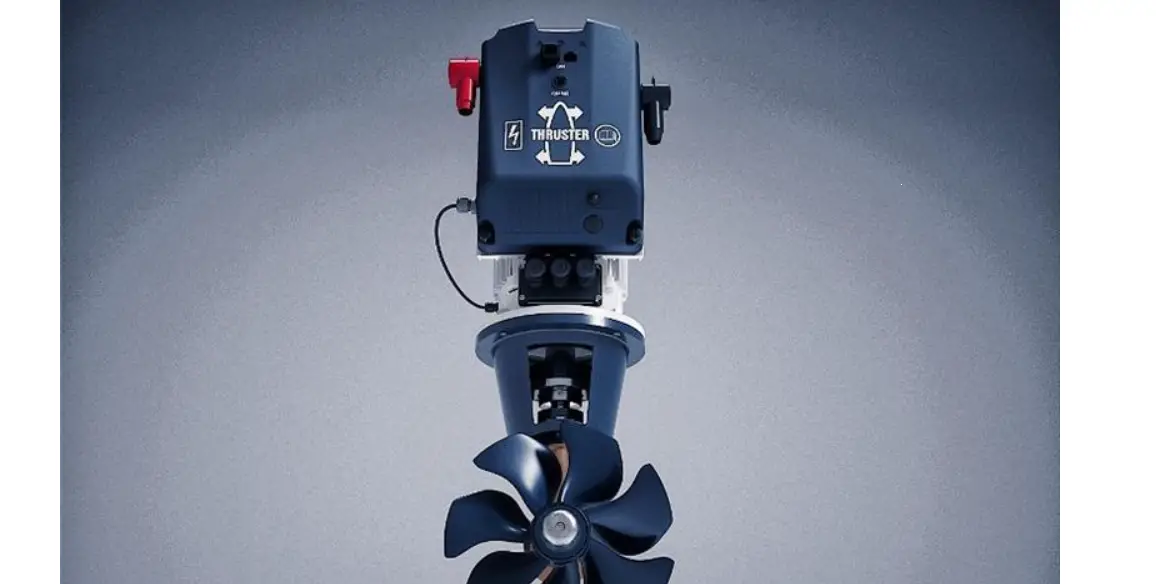
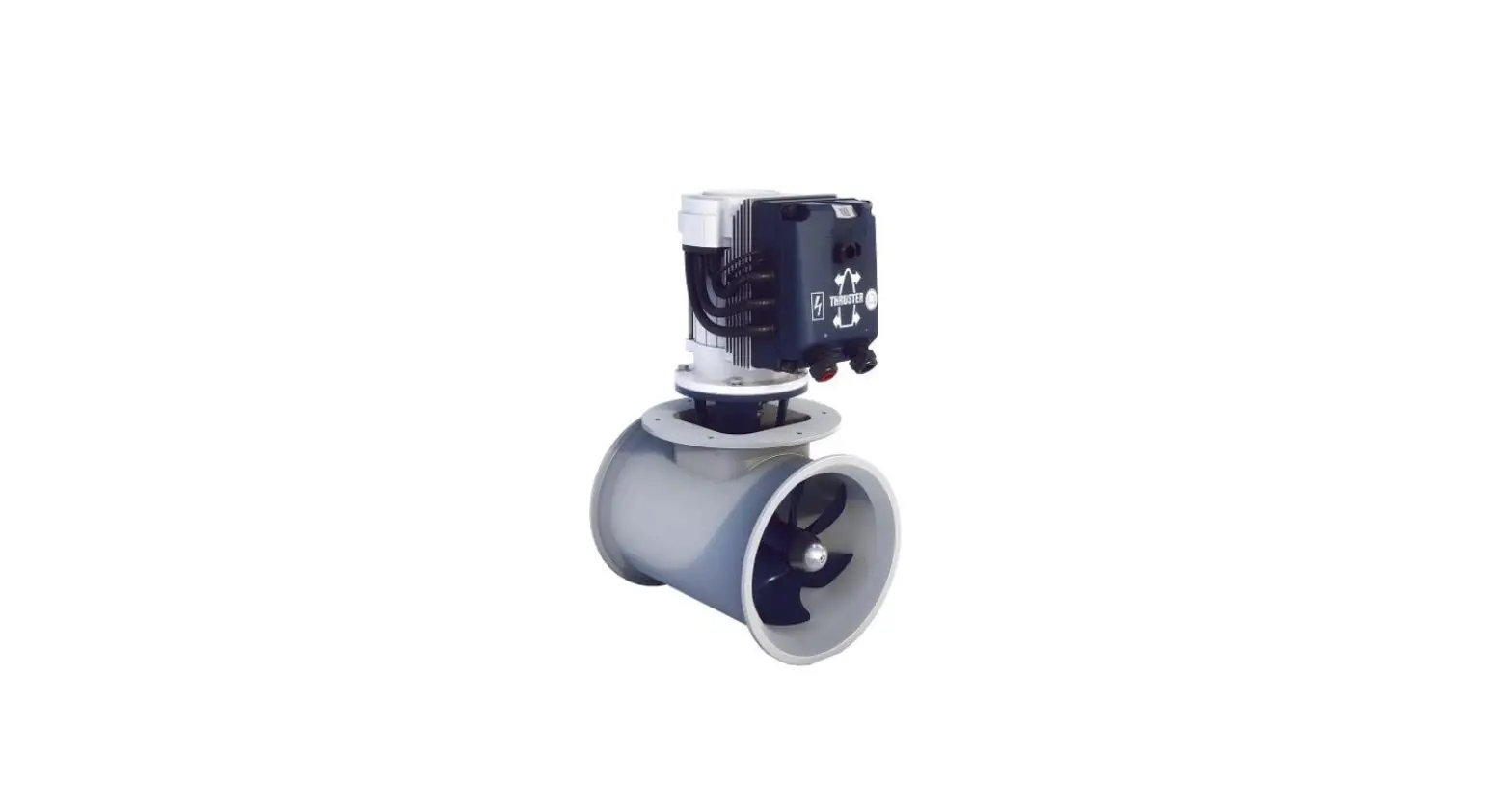
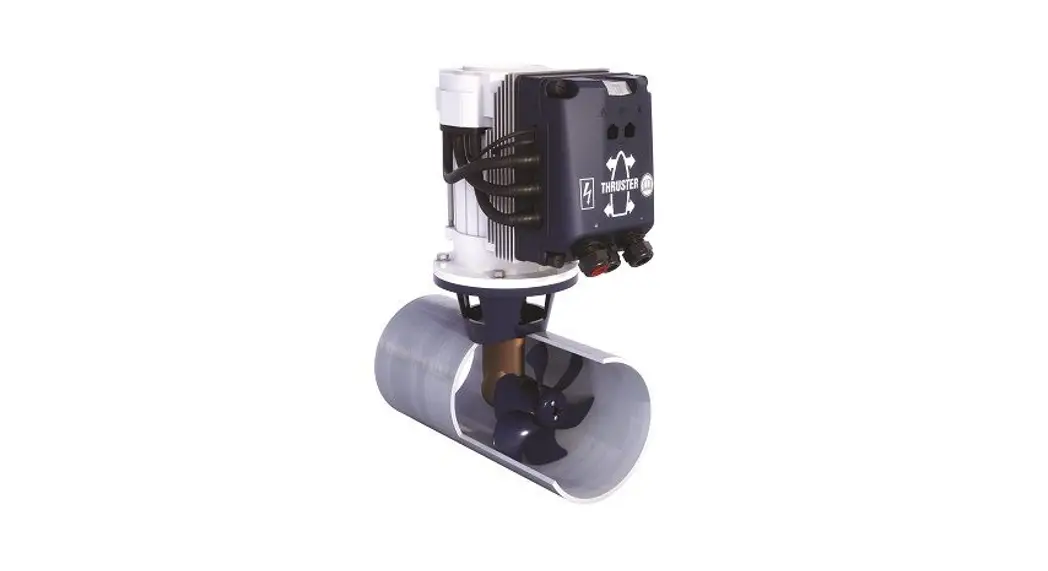
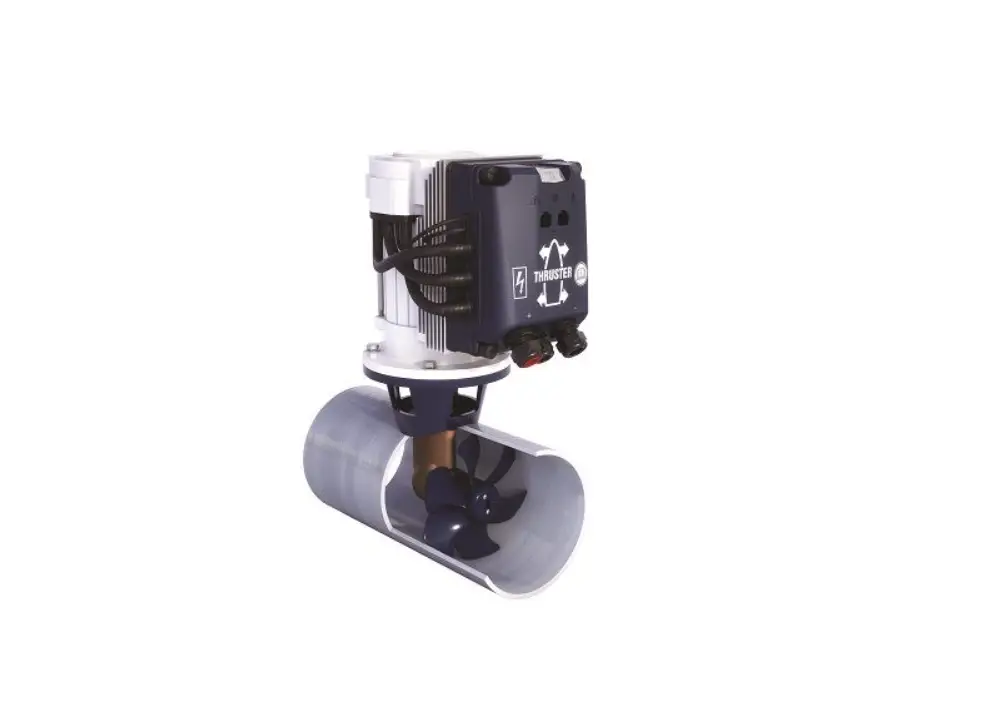
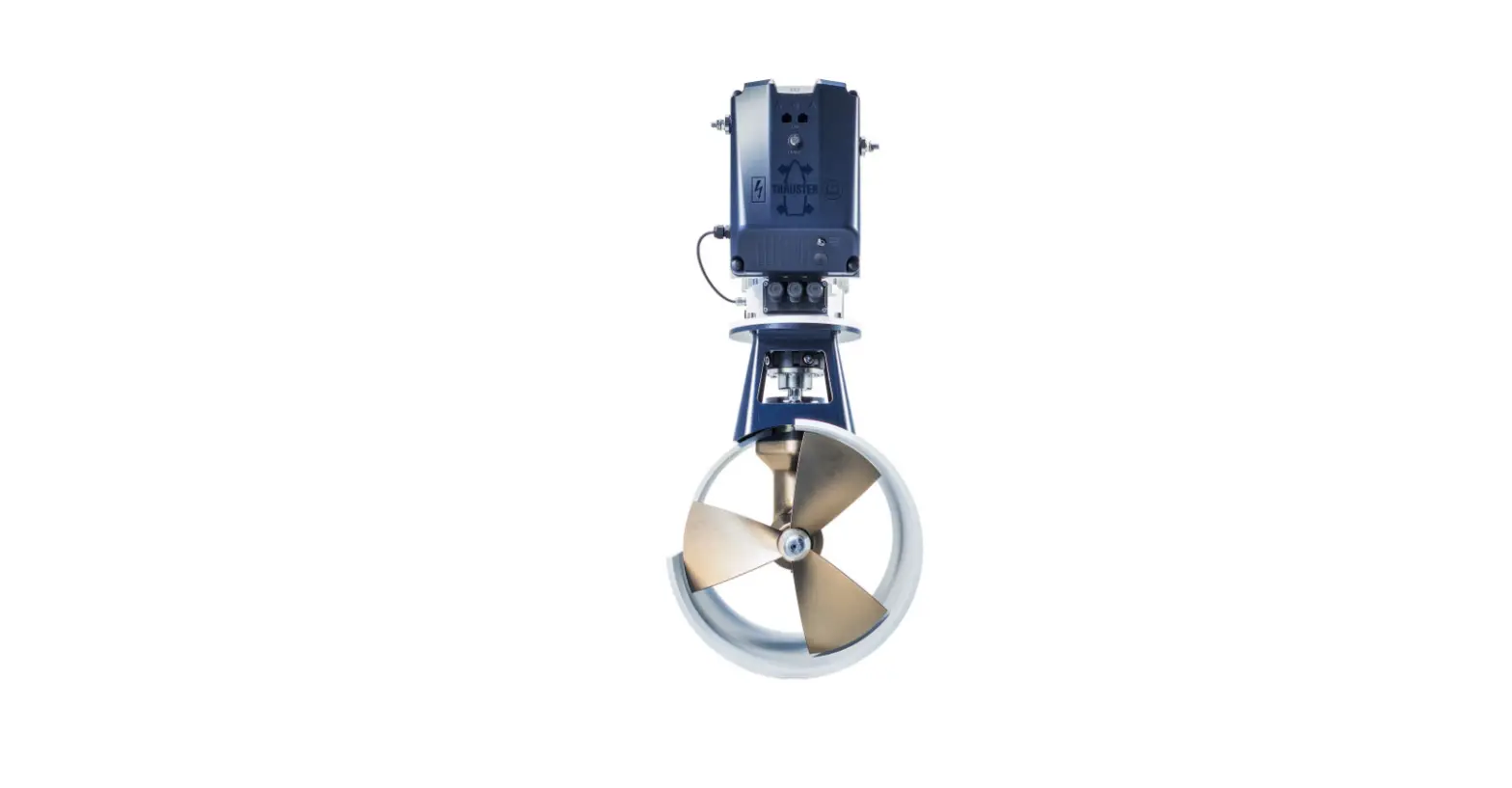
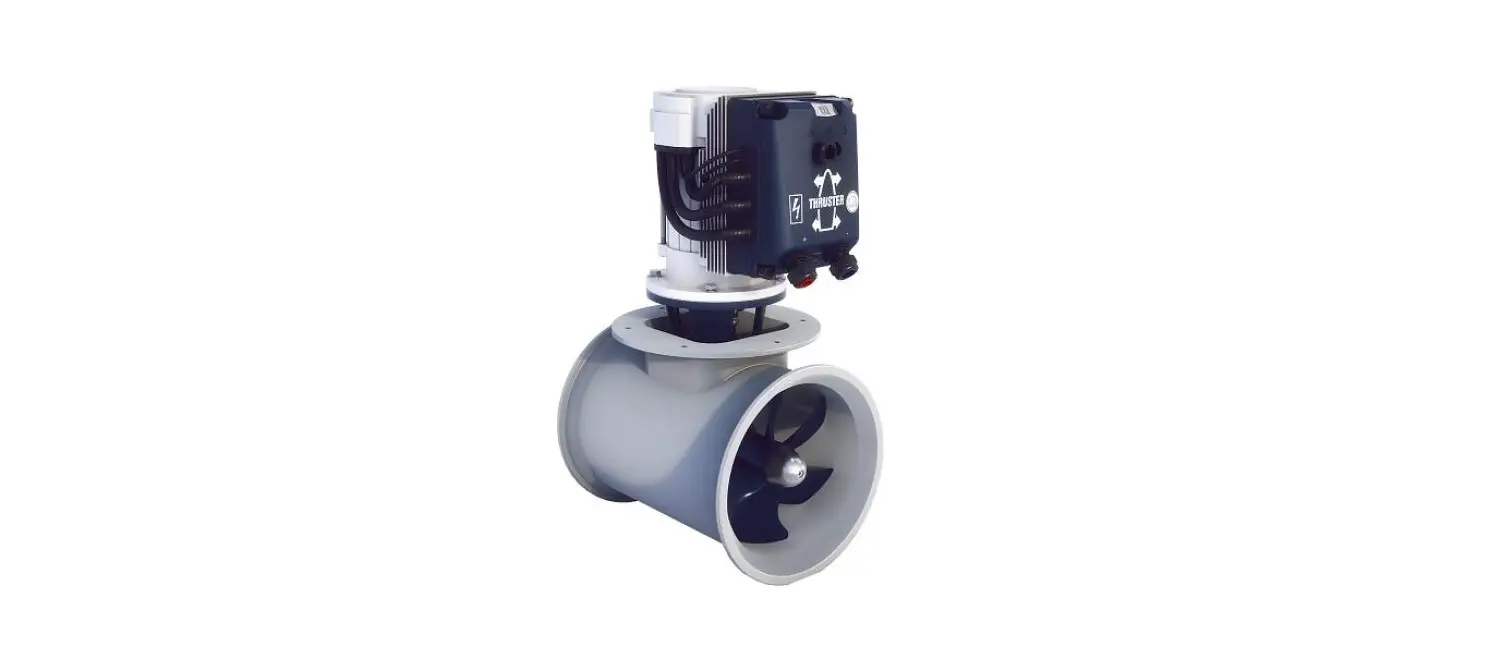
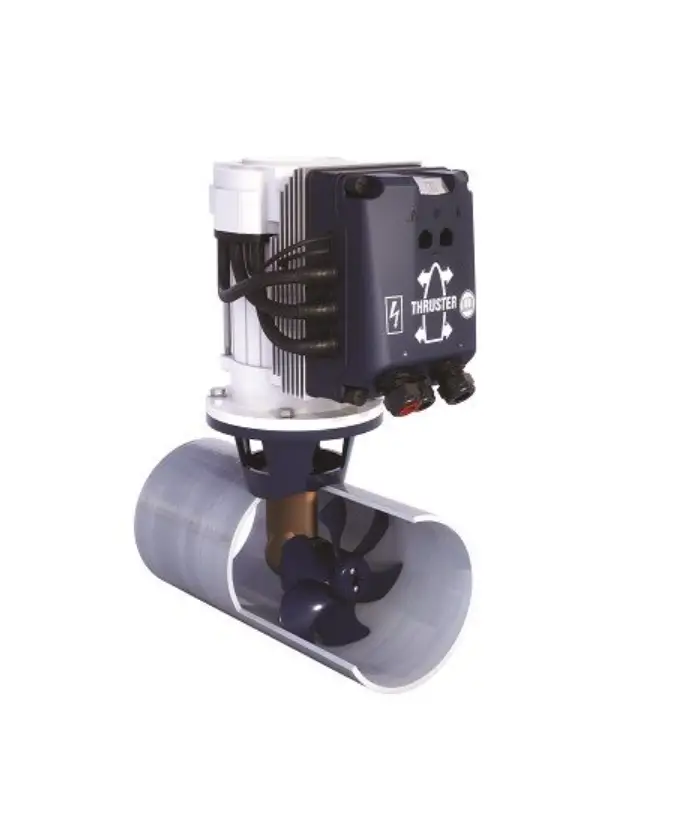
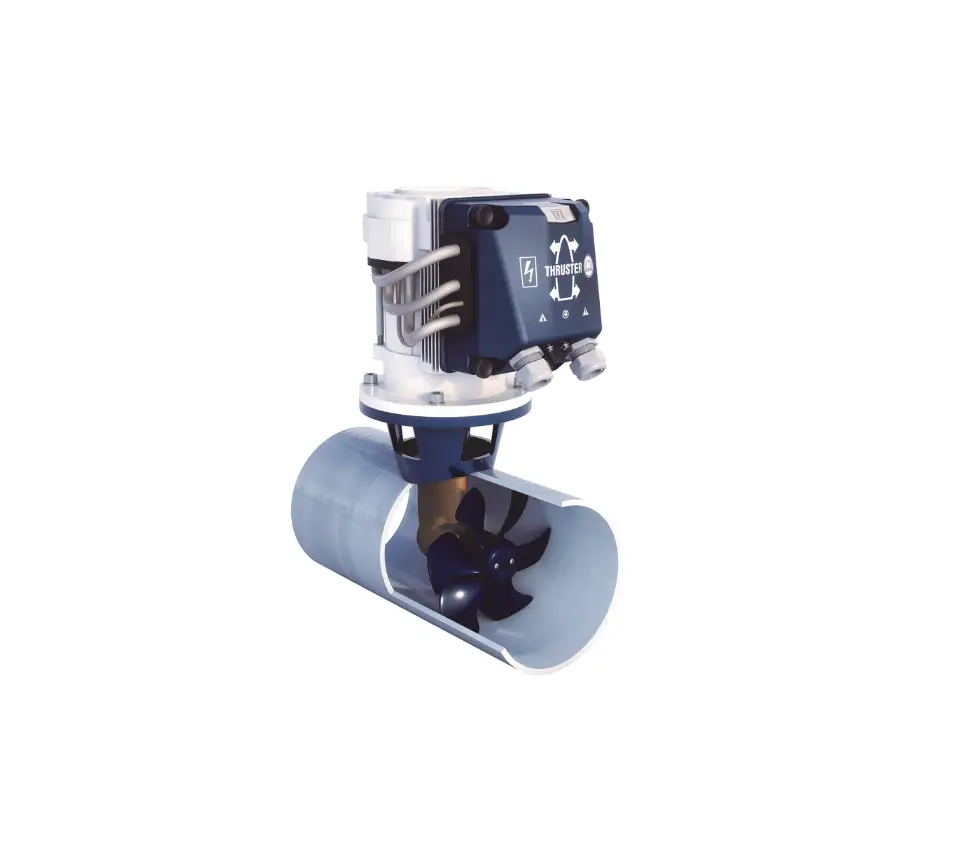
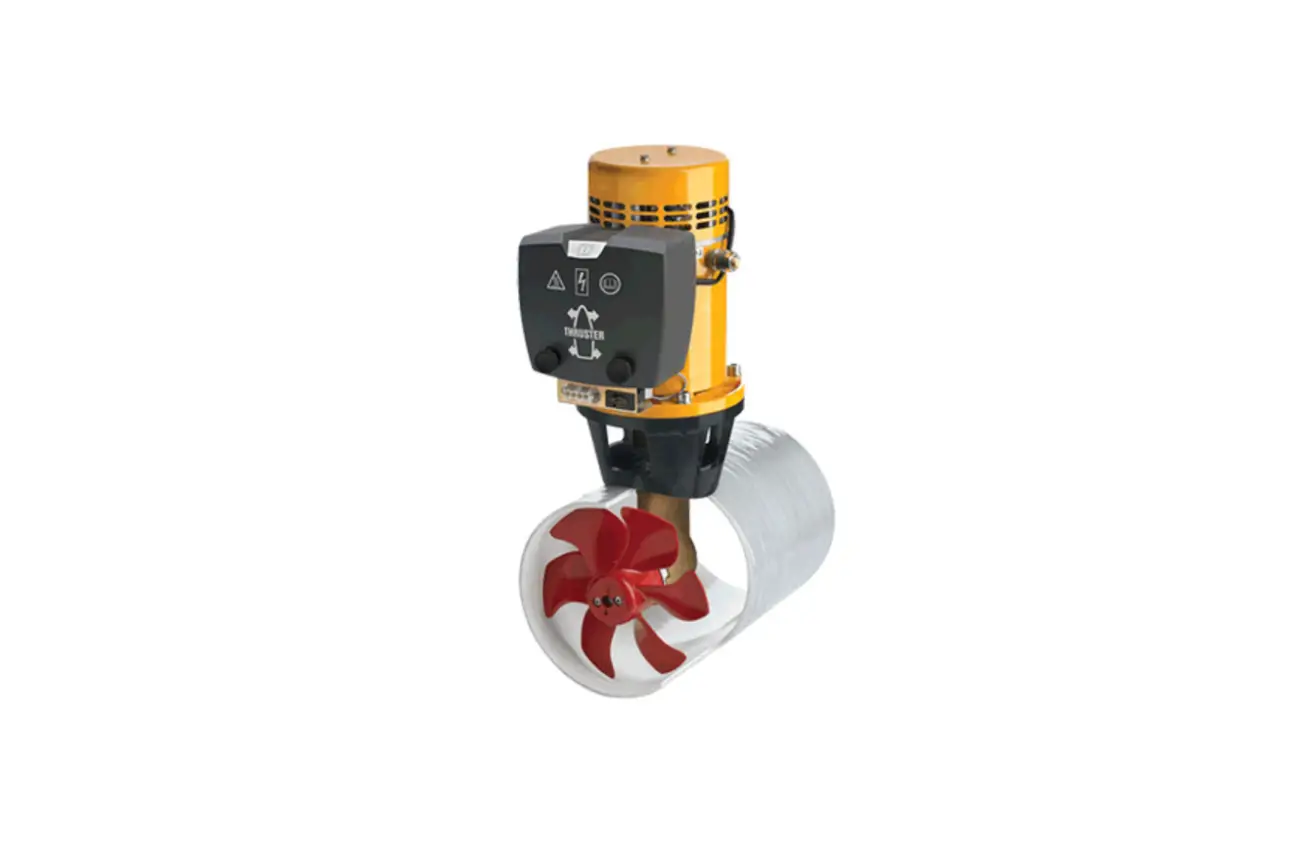
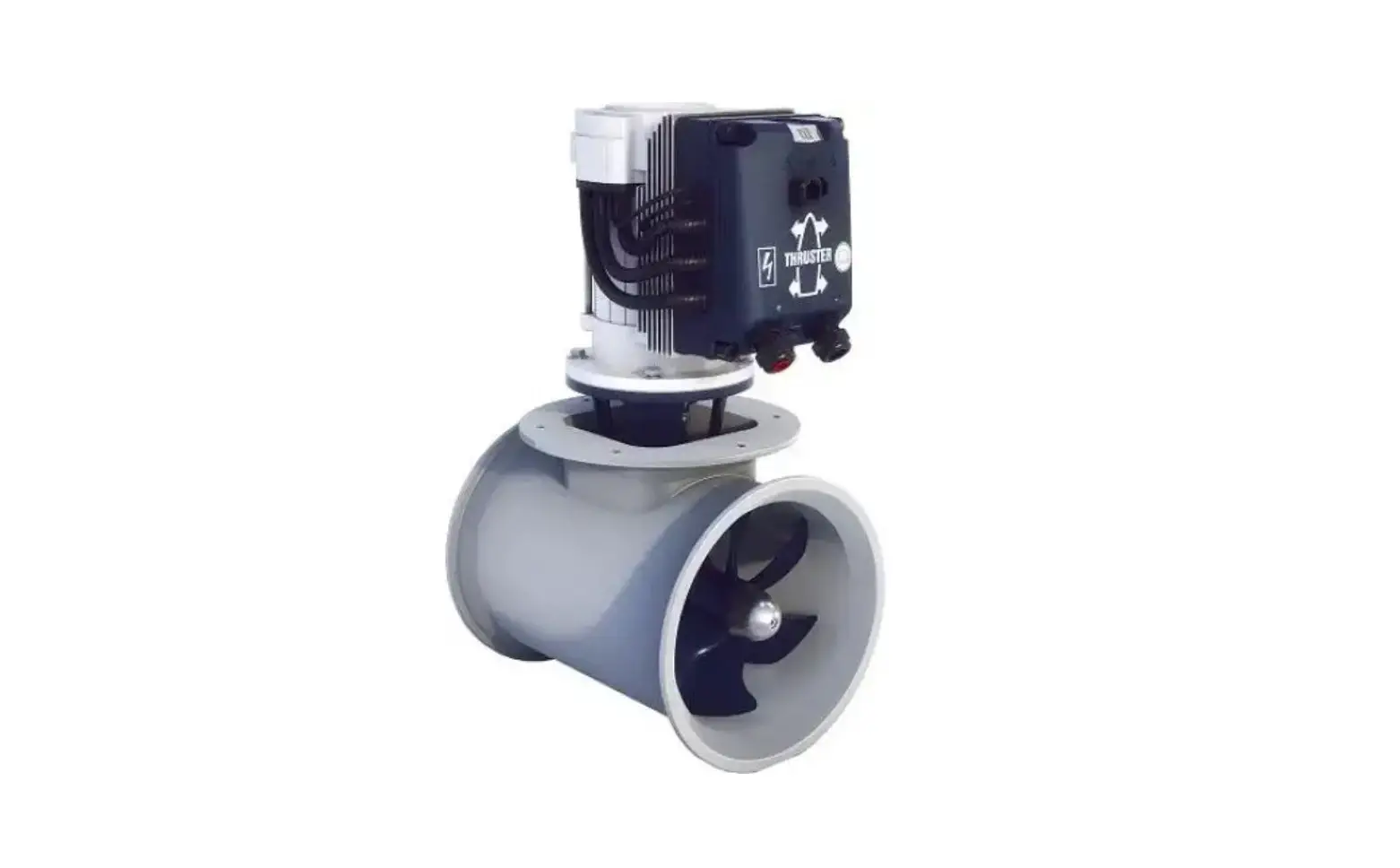
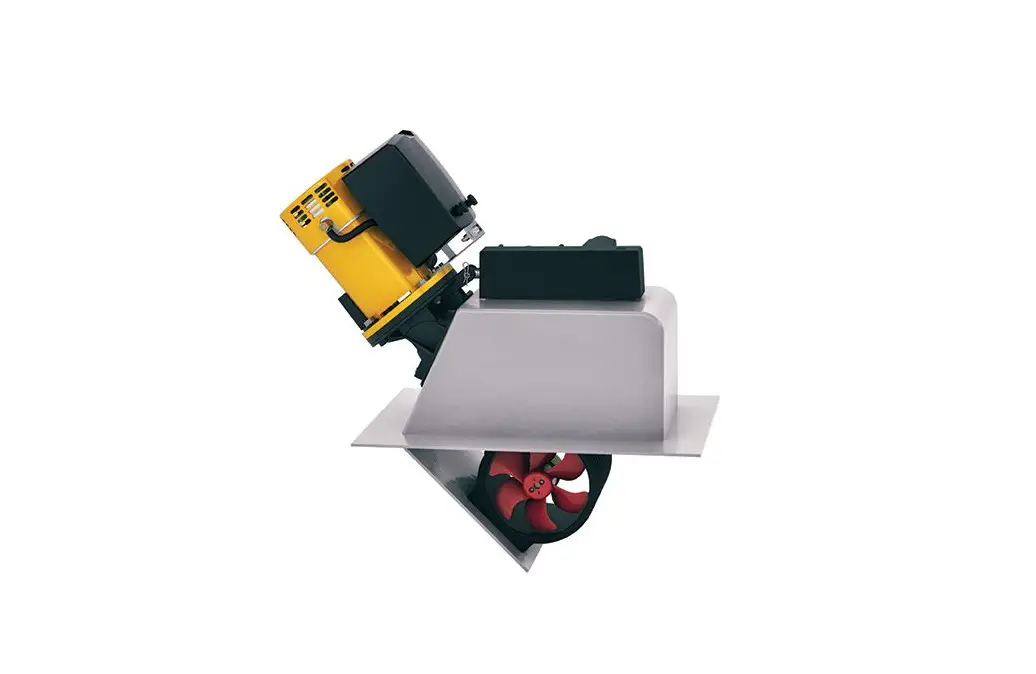
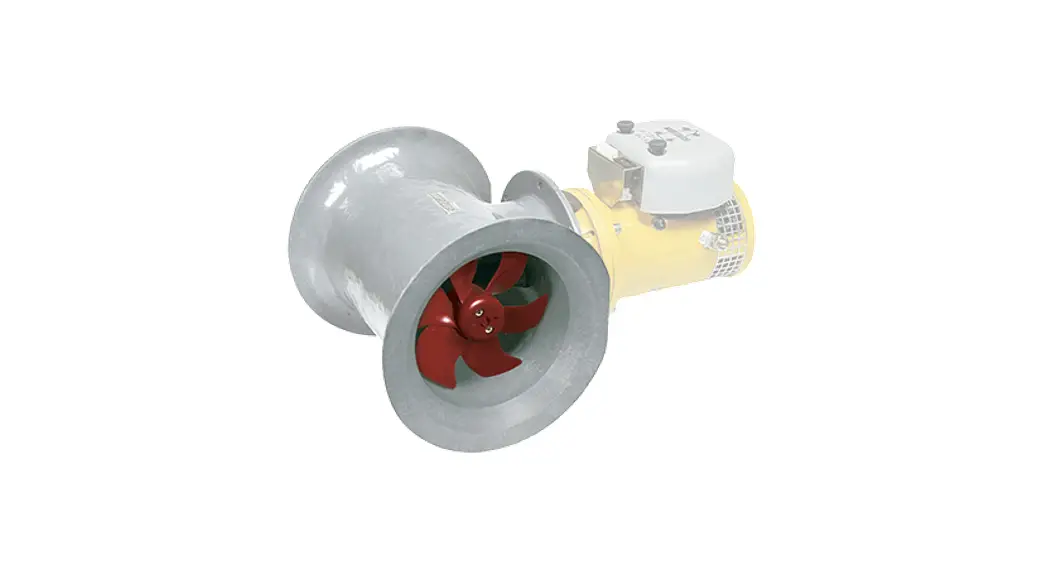
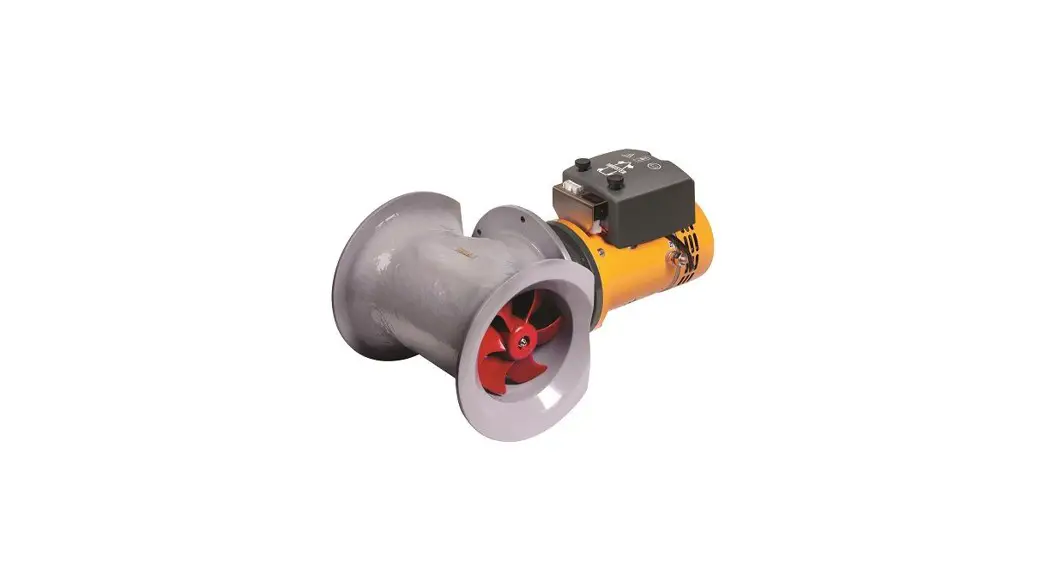
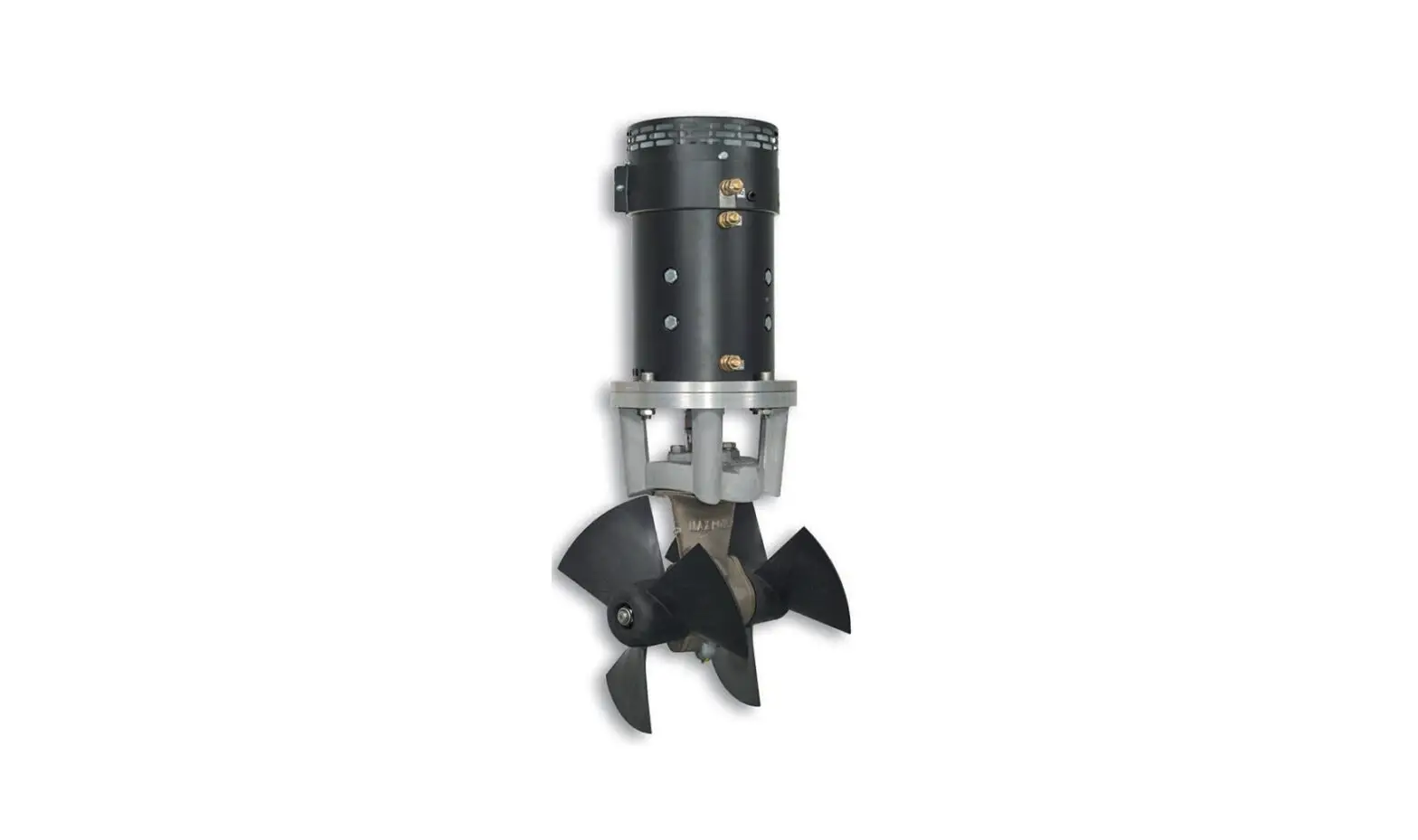
BOWA0651 A’ Series Thrusters
error
{
“error”: {
“message”: “You exceeded your current quota, please check your plan and billing details.”,
“type”: “insufficient_quota”,
“param”: null,
“code”: null
}
}
the following is the text from the user manual / instructions:
NEDERLANDS
7
ENGLISH
15
DEUTSCH
23
31
39
ITALIANO
47
DANSK
55
SVENSKA
63
NORSK
71
SUOMEKSI
79
POLSKI
87
Manuale d’installazione Installationsvejledning Installationsmanual
Installasjons handbook Asennusopas Instrukcja instalacji
Installation manual
BOW PRO ‘A’ Series Thrusters
BOWA0651 – BOWA0764
020806.08
Zorg er voor dat de eigenaar van het schip over deze handleiding kan beschikken. Make sure that the user of the vessel is supplied with the owner’s manual.
2 020806.08
Inhoud
Content
Inhalt
1 Veiligheid . . . . . . . . . . . . . . . . . . . . . . . . 7
2 Inleiding . . . . . . . . . . . . . . . . . . . . . . . . . 7
3 Installatieaanbevelingen . . . . . . . . . 8 3.1 Opstelling van de tunnelbuis . . . . . . 8 3.2 Opstelling boegschroef in
tunnelbuis . . . . . . . . . . . . . . . . . . . . . . . 8 3.3 Overgang van tunnelbuis naar
scheepsromp . . . . . . . . . . . . . . . . . . . . . 9 3.4 Spijlen in de tunnelbuis-openingen 9 3.5 Aanbrengen van de tunnelbuis . . . 10 3.6 Aanbrengen van de gaten in de
tunnelbuis . . . . . . . . . . . . . . . . . . . . . . 10 3.7 Bescherming van de
boegschroef tegen corrosie . . . . . . 10
4 Inbouw . . . . . . . . . . . . . . . . . . . . . . . . . 11 4.1 Inleiding . . . . . . . . . . . . . . . . . . . . . . . . 11 4.2 Montage staartstuk en tussenflens 11 4.3 Eindmontage. . . . . . . . . . . . . . . . . . . . 12
5 Elektrische installatie. . . . . . . . . . . . 13 5.1 De keuze van de accu . . . . . . . . . . . . 13 5.2 Hoofdstroomkabels (accukabels) . 13 5.3 Hoofdschakelaar. . . . . . . . . . . . . . . . . 13 5.4 Zekeringen . . . . . . . . . . . . . . . . . . . . . . 13 5.5 Aansluiten hoofdstroomkabels
en configureren van de boegen/of hekschroef. . . . . . . . . . . . . . . . . 13 5.6 Aansluiten CAN-bus (stuurstroom) kabels . . . . . . . . . . . . . 14
6 Technische gegevens. . . . . . . . . . . . 14
7 Hoofdafmetingen . . . . . . . . . . . . . . . 95
8 Aansluitschema’s. . . . . . . . . . . . . . . . 97
9 Accucapaciteit, accukabels . . . . . 106
1 Safety . . . . . . . . . . . . . . . . . . . . . . . . . . 15
2 Introduction . . . . . . . . . . . . . . . . . . . . 15
3 Installation recommendations . . . 16 3.1 Positioning of the thruster tunnel . 16 3.2 Positioning of the bow thruster
in the thrust-tunnel . . . . . . . . . . . . . . 16 3.3 Connection of thrust tunnel to
ship’s hull . . . . . . . . . . . . . . . . . . . . . . . 17 3.4 Grid bars in the tunnel openings . . 17 3.5 Installation of the thrust tunnel . . . 18 3.6 Drilling the holes in the thrust-
tunnel . . . . . . . . . . . . . . . . . . . . . . . . . . 18 3.7 Protection of the bow thruster
against corrosion . . . . . . . . . . . . . . . . 18
4 Installation. . . . . . . . . . . . . . . . . . . . . . 19 4.1 Introduction. . . . . . . . . . . . . . . . . . . . . 19 4.2 Installation tailpiece and
intermediate flange . . . . . . . . . . . . . . 19 4.3 Final assembly . . . . . . . . . . . . . . . . . . . 20
5 Electrical installation . . . . . . . . . . . . 21 5.1 Choice of battery . . . . . . . . . . . . . . . . 21 5.2 Main power cables (battery cables) 21 5.3 Main switch . . . . . . . . . . . . . . . . . . . . . 21 5.4 Fuses . . . . . . . . . . . . . . . . . . . . . . . . . . . 21 5.5 Connecting the main power
Installatiehandleiding Installationshandbuch Manuel d’ installation Manual de instalación
NEDERLANDS
7
ENGLISH
15
DEUTSCH
23
FRANÇAIS
31
ESPAÑOL
39
ITALIANO
47
DANSK
55
SVENSKA
63
NORSK
71
SUOMEKSI
79
POLSKI
87
Manuale d’installazione Installationsvejledning Installationsmanual
Installasjons handbook Asennusopas Instrukcja instalacji
Installation manual
BOW PRO ‘A’ Series Thrusters
BOWA0651 – BOWA0764
65 kgf – 76 kgf – ø 185 mm
Copyright © 2021 Vetus b.v. Schiedam Holland
020806.08
Zorg er voor dat de eigenaar van het schip over deze handleiding kan beschikken. Make sure that the user of the vessel is supplied with the owner’s manual.
Sorgen Sie dafür, daß dem Schiffseigner die Gebrauchsanleitung bereitgestellt wird. Veillez à ce que le propriétaire du bateau puisse disposer du mode d’emploi.
Asegurarse de que el propietario de la embarcación puede disponer de las instrucciones para el usuario. Assicurarsi che il proprietario dell’imbarcazione disponga del manuale. Sørg for, at denne brugsanvisning er til rådighed for skibets ejer. Se till att båtens ägare har tillgång till bruksanvisningen. Sørg for at skipets eier kan disponere over bruksanvisningen. Käyttöohje tulee olla alusta käyttävien henkilöiden käytettävissä. Upewni si, e uytkownik statku jest zaopatrzony w instrukcj obslugi.
2 020806.08
BOWA0651 – 65 kgf – ø 185 mm – 12 Volt BOWA0764 – 76 kgf – ø 185 mm – 48 Volt
vetus® Installation manual BOW PRO Series Thrusters: BOWA0651 and BOWA0764
Inhoud
Content
Inhalt
1 Veiligheid . . . . . . . . . . . . . . . . . . . . . . . . 7
2 Inleiding . . . . . . . . . . . . . . . . . . . . . . . . . 7
3 Installatieaanbevelingen . . . . . . . . . 8 3.1 Opstelling van de tunnelbuis . . . . . . 8 3.2 Opstelling boegschroef in
tunnelbuis . . . . . . . . . . . . . . . . . . . . . . . 8 3.3 Overgang van tunnelbuis naar
scheepsromp . . . . . . . . . . . . . . . . . . . . . 9 3.4 Spijlen in de tunnelbuis-openingen 9 3.5 Aanbrengen van de tunnelbuis . . . 10 3.6 Aanbrengen van de gaten in de
tunnelbuis . . . . . . . . . . . . . . . . . . . . . . 10 3.7 Bescherming van de
boegschroef tegen corrosie . . . . . . 10
4 Inbouw . . . . . . . . . . . . . . . . . . . . . . . . . 11 4.1 Inleiding . . . . . . . . . . . . . . . . . . . . . . . . 11 4.2 Montage staartstuk en tussenflens 11 4.3 Eindmontage. . . . . . . . . . . . . . . . . . . . 12
5 Elektrische installatie. . . . . . . . . . . . 13 5.1 De keuze van de accu . . . . . . . . . . . . 13 5.2 Hoofdstroomkabels (accukabels) . 13 5.3 Hoofdschakelaar. . . . . . . . . . . . . . . . . 13 5.4 Zekeringen . . . . . . . . . . . . . . . . . . . . . . 13 5.5 Aansluiten hoofdstroomkabels
en configureren van de boegen/of hekschroef. . . . . . . . . . . . . . . . . 13 5.6 Aansluiten CAN-bus (stuurstroom) kabels . . . . . . . . . . . . . 14
6 Technische gegevens. . . . . . . . . . . . 14
7 Hoofdafmetingen . . . . . . . . . . . . . . . 95
8 Aansluitschema’s. . . . . . . . . . . . . . . . 97
9 Accucapaciteit, accukabels . . . . . 106
1 Safety . . . . . . . . . . . . . . . . . . . . . . . . . . 15
2 Introduction . . . . . . . . . . . . . . . . . . . . 15
3 Installation recommendations . . . 16 3.1 Positioning of the thruster tunnel . 16 3.2 Positioning of the bow thruster
in the thrust-tunnel . . . . . . . . . . . . . . 16 3.3 Connection of thrust tunnel to
ship’s hull . . . . . . . . . . . . . . . . . . . . . . . 17 3.4 Grid bars in the tunnel openings . . 17 3.5 Installation of the thrust tunnel . . . 18 3.6 Drilling the holes in the thrust-
tunnel . . . . . . . . . . . . . . . . . . . . . . . . . . 18 3.7 Protection of the bow thruster
against corrosion . . . . . . . . . . . . . . . . 18
4 Installation. . . . . . . . . . . . . . . . . . . . . . 19 4.1 Introduction. . . . . . . . . . . . . . . . . . . . . 19 4.2 Installation tailpiece and
intermediate flange . . . . . . . . . . . . . . 19 4.3 Final assembly . . . . . . . . . . . . . . . . . . . 20
5 Electrical installation . . . . . . . . . . . . 21 5.1 Choice of battery . . . . . . . . . . . . . . . . 21 5.2 Main power cables (battery cables) 21 5.3 Main switch . . . . . . . . . . . . . . . . . . . . . 21 5.4 Fuses . . . . . . . . . . . . . . . . . . . . . . . . . . . 21 5.5 Connecting the main power
cables and configuring the bow and/or stern thruster . . . . . . . . . . . . . 21 5.6 Connecting CAN bus (control current) cables. . . . . . . . . . . . . . . . . . . 22
6 Technical data. . . . . . . . . . . . . . . . . . . 22
7 Principal dimensions . . . . . . . . . . . . 95
8 Wiring diagrams . . . . . . . . . . . . . . . . 97
9 Battery capacity, battery cables 106
1 Sicherheitsbestimmungen . . . . . . 23
2 Einleitung. . . . . . . . . . . . . . . . . . . . . . . 23
3 Einbauhinweise . . . . . . . . . . . . . . . . . 24 3.1 Aufstellung vom tunnelrohr . . . . . . 24 3.2 Aufstellung der Bugschraube ins
Tunnelrohr . . . . . . . . . . . . . . . . . . . . . . 24 3.3 Übergang vom tunnelrohr zum
schiffsrumpf . . . . . . . . . . . . . . . . . . . . . 25 3.4 Gitterstäbe in den
Tunnelrohröffnungen . . . . . . . . . . . . 25 3.5 Anbringen vom Tunnelrohr. . . . . . . 26 3.6 Anbringen der Löcher ins
Tunnelrohr . . . . . . . . . . . . . . . . . . . . . . 26 3.7 Korrosionsschutz der bugschraube 26
4 Einbau . . . . . . . . . . . . . . . . . . . . . . . . . . 27 4.1 Einleitung . . . . . . . . . . . . . . . . . . . . . . . 27 4.2 Befestigung des
Unterwasserteils und des Zwischenflansches. . . . . . . . . . . . . . . 27 4.3 Endmontage . . . . . . . . . . . . . . . . . . . . 28
5 Stromversorgung . . . . . . . . . . . . . . . 29 5.1 Wahl des Akku. . . . . . . . . . . . . . . . . . . 29 5.2 Hauptstromkabel (Akkukabel) . . . . 29 5.3 Hauptschalter . . . . . . . . . . . . . . . . . . . 29 5.4 Sicherungen. . . . . . . . . . . . . . . . . . . . . 29 5.5 Anschließen der
Hauptstromkabel und Konfigurieren des Bug- und/ oder Heckstrahlruders . . . . . . . . . . . 29 5.6 Anschließen von CAN-Bus (Steuerstrom)-Kabeln . . . . . . . . . . . . 30
6 Technische daten . . . . . . . . . . . . . . . 30
7 Hauptabmessungen . . . . . . . . . . . . 95
8 Schaltplan . . . . . . . . . . . . . . . . . . . . . . 97
9 Akkukapazität, akkukabel . . . . . . 106
vetus® Installation manual BOW PRO Series Thrusters: BOWA0651 and BOWA0764
020806.08 3
Sommaire
Índice
Indice
1 Sécurité . . . . . . . . . . . . . . . . . . . . . . . . 31
2 Introduction . . . . . . . . . . . . . . . . . . . . 31
3 Recommandations . . . . . . . . . . . . . . 32 3.1 Position de la tuyere . . . . . . . . . . . . . 32 3.2 Position de l’hélice d’étrave dans
la tuyere . . . . . . . . . . . . . . . . . . . . . . . . 32 3.3 Adaption de la tuyère à l’étrave . . . 33 3.4 Barres dans les ouvertures de la
tuyère. . . . . . . . . . . . . . . . . . . . . . . . . . . 33 3.5 Installation de la tuyère . . . . . . . . . . 34 3.6 Percer les trous dans la tuyère . . . . 34 3.7 Protection de l’helice d’etrave
contre la corrosion . . . . . . . . . . . . . . . 34
4 Installation. . . . . . . . . . . . . . . . . . . . . . 35 4.1 Introduction. . . . . . . . . . . . . . . . . . . . . 35 4.2 Montage de l’embase et de la
bride intermédiaire . . . . . . . . . . . . . . 35 4.3 Montage final . . . . . . . . . . . . . . . . . . . 36
5 L’alimentation électrique . . . . . . . . 37 5.1 Le choix de la batterie . . . . . . . . . . . . 37 5.2 Câbles du courant principal
(câbles de la batterie) . . . . . . . . . . . . 37 5.3 Interrupteur principal . . . . . . . . . . . . 37 5.4 Fusibles . . . . . . . . . . . . . . . . . . . . . . . . . 37 5.5 Raccordement des fils
de courant principal et configuration de l’hélice d’étrave et/ou de poupe . . . . . . . . . . . . . . . . . . 37 5.6 Connexion des câbles du Bus CAN (courant de commande) . . . . 38
6 Renseignements techniques. . . . . 38
7 Dimensions principales. . . . . . . . . . 95
8 Diagrammes de câblage. . . . . . . . . 97
9 Capacité de la batterie, câbles de batterie . . . . . . . . . . . . . . . . . . . . . 106
1 Seguridad . . . . . . . . . . . . . . . . . . . . . . 39
2 Introducción . . . . . . . . . . . . . . . . . . . . 39
3 Recomendaciones. . . . . . . . . . . . . . . 40 3.1 Situar el conducto de propulsión . 40 3.2 Situar la hélice de proa en el
conducto de propulsión. . . . . . . . . . 40 3.3 Acoplamiento del conducto de
propulsión al casco . . . . . . . . . . . . . . 41 3.4 Barras en los orificios del
conducto de propulsión. . . . . . . . . . 41 3.5 Instalación del conducto de
propulsión . . . . . . . . . . . . . . . . . . . . . . 42 3.6 Perforación de los orificios en el
conducto de propulsión. . . . . . . . . . 42 3.7 Protección de la hélice de proa
contra la corrosión . . . . . . . . . . . . . . . 42
4 Incorporación . . . . . . . . . . . . . . . . . . . 43 4.1 Introducción . . . . . . . . . . . . . . . . . . . . 43 4.2 Instalación de la parte posterior
y la brida intermedia . . . . . . . . . . . . . 43 4.3 Montaje final . . . . . . . . . . . . . . . . . . . . 44
5 El suministro de corriente . . . . . . . 45 5.1 La elección de batería . . . . . . . . . . . . 45 5.2 Cables de corriente principal
(cables de batería) . . . . . . . . . . . . . . . 45 5.3 Interruptor principal . . . . . . . . . . . . . 45 5.4 Fusibles . . . . . . . . . . . . . . . . . . . . . . . . . 45 5.5 Conexión de los cables
de corriente principal y configuración de la hélice de proa y/o de popa . . . . . . . . . . . . . . . . 45 5.6 Conectar los cables CAN bus (corriente de control) . . . . . . . . . . . . 46
6 Especificaciones técnicas . . . . . . . 46
7 Dimensiones principales . . . . . . . . 95
8 Diagramas de cableado . . . . . . . . . 97
9 Capacidad de las baterías, cables de baterías . . . . . . . . . . . . . . 106
1 Sicurezza . . . . . . . . . . . . . . . . . . . . . . . 47
2 Introduzione . . . . . . . . . . . . . . . . . . . . 47
3 Suggerimenti per l’installazione . 48 3.1 Collocazione del tunnel . . . . . . . . . . 48 3.2 Collocazione dell’elica di prua
nel tunnel . . . . . . . . . . . . . . . . . . . . . . . 48 3.3 Montaggio del tunnel allo scafo . . 49 3.4 Sbarre nelle aperture del tunnel . . 49 3.5 Installazione del tunnel . . . . . . . . . . 50 3.6 Come praticare i fori nel tunnel . . . 50 3.7 Protezione dell’elica di prua
contro la corrosione. . . . . . . . . . . . . . 50
4 Installazione . . . . . . . . . . . . . . . . . . . . 51 4.1 Introduzione . . . . . . . . . . . . . . . . . . . . 51 4.2 Montaggio del piedino e della
flangia intermedia . . . . . . . . . . . . . . . 51 4.3 Assemblaggio finale . . . . . . . . . . . . . 52
5 L’alimentazione . . . . . . . . . . . . . . . . . 53 5.1 La scelta della batteria . . . . . . . . . . . 53 5.2 Cavi (della batteria) . . . . . . . . . . . . . . 53 5.3 Interruttore principale . . . . . . . . . . . 53 5.4 Fusibili . . . . . . . . . . . . . . . . . . . . . . . . . . 53 5.5 Allacciamento dei cavi elettrici
principali e configurazione delle eliche di prua e/o poppa . . . . . . . . . 53 5.6 Collegamento dei cavi CAN bus (corrente di controllo) . . . . . . . . . . . . 54
6 Dati tecnici. . . . . . . . . . . . . . . . . . . . . . 54
7 Dimensioni principal . . . . . . . . . . . . 95
8 Schemi Elettrici . . . . . . . . . . . . . . . . . 97
9 Batterikapacitet, cavi della batteria . . . . . . . . . . . . . . . . . . . . . . . . . . . 106
4 020806.08
vetus® Installation manual BOW PRO Series Thrusters: BOWA0651 and BOWA0764
Indhold
Innehåll
Innhold
1 Sikkerhed . . . . . . . . . . . . . . . . . . . . . . . 55
2 Indledning . . . . . . . . . . . . . . . . . . . . . . 55
3 Anbefalinger til montering . . . . . . 56 3.1 Placering af tunnelrøret . . . . . . . . . . 56 3.2 Placering af bovskruen i
tunnelrøret . . . . . . . . . . . . . . . . . . . . . . 56 3.3 Overgang fra tunnelrør til
skibsskrog. . . . . . . . . . . . . . . . . . . . . . . 57 3.4 Stænger i tunnelrørsåbningen . . . . 57 3.5 Installering af tunnelrøret . . . . . . . . 58 3.6 Boring af hullerne i tunnelrøret . . . 58 3.7 Beskyttelse af bovskruen mod
tæring . . . . . . . . . . . . . . . . . . . . . . . . . . 58
4 Indbygning . . . . . . . . . . . . . . . . . . . . . 59 4.1 Indledning . . . . . . . . . . . . . . . . . . . . . . 59 4.2 Montering af endestykke og
mellemflange . . . . . . . . . . . . . . . . . . . 59 4.3 Slutmontering . . . . . . . . . . . . . . . . . . . 60
5 Strømforsyning . . . . . . . . . . . . . . . . . 61 5.1 Valg af batteri . . . . . . . . . . . . . . . . . . . 61 5.2 Hovedstrømskaber (batterikabler) 61 5.3 Hovedafbryder . . . . . . . . . . . . . . . . . . 61 5.4 Sikringer . . . . . . . . . . . . . . . . . . . . . . . . 61 5.5 Tilslutning af hovedstrømkabler
og konfiguration af bov-og/eller hækskrue . . . . . . . . . . . . . . . . . . . . . . . 61 5.6 Tilslutning af CAN-buskabler (kontrolstrøm) . . . . . . . . . . . . . . . . . . . 62
6 Tekniske specifikatione. . . . . . . . . . 62
7 Mål . . . . . . . . . . . . . . . . . . . . . . . . . . . . . 95
8 Strømskemaer . . . . . . . . . . . . . . . . . . 97
9 Batteriets kapacitet, Batterikabler . . . . . . . . . . . . . . . . . . . . . . . . . . . . 106
1 Säkerhet . . . . . . . . . . . . . . . . . . . . . . . . 63
2 Inledning . . . . . . . . . . . . . . . . . . . . . . . 63
3 Rekommendationer för montering . . . . . . . . . . . . . . . . . . . . . . 64
3.1 Tunnelns placering . . . . . . . . . . . . . . 64 3.2 Bogpropellerns placering i
tunnelröret . . . . . . . . . . . . . . . . . . . . . . 64 3.3 Tunnelns övergång till båtens skrov 65 3.4 Gallerstänger i rörets öppningar . . 65 3.5 Montering av tunnelröret . . . . . . . . 66 3.6 Att göra hål i tunnelröret . . . . . . . . . 66 3.7 Bogpropellerns rostskydd . . . . . . . . 66
4 Montering . . . . . . . . . . . . . . . . . . . . . . 67 4.1 Introduktion. . . . . . . . . . . . . . . . . . . . . 67 4.2 Montering av växelhus och
mellanfläns. . . . . . . . . . . . . . . . . . . . . . 67 4.3 Slutmontering . . . . . . . . . . . . . . . . . . . 68
5 Elförsörjning . . . . . . . . . . . . . . . . . . . . 69 5.1 Val av batteri . . . . . . . . . . . . . . . . . . . . 69 5.2 Drivströmkablar (batterikablar) . . . 69 5.3 Huvudströmbrytare. . . . . . . . . . . . . . 69 5.4 Säkringar. . . . . . . . . . . . . . . . . . . . . . . . 69 5.5 Ansluta huvudströmkablar
och konfigurera bog- och/eller akterpropellern . . . . . . . . . . . . . . . . . . 69 5.6 Ansluter CAN-buss (styrström) kablar . . . . . . . . . . . . . . . . . . . . . . . . . . . 70
6 Tekniska uppgifter . . . . . . . . . . . . . . 70
7 Huvudmått . . . . . . . . . . . . . . . . . . . . . 95
8 Kopplingsscheman. . . . . . . . . . . . . . 97
9 Battery capacity, Batterikablar. . 106
1 Sikkerhet . . . . . . . . . . . . . . . . . . . . . . . 71
2 Innledning . . . . . . . . . . . . . . . . . . . . . 71
3 Anbefalinger for installasjon . . . . 72 3.1 Plassering av tunnelrøret . . . . . . . . . 72 3.2 Plassering av baugpropellen i
tunnelrøret . . . . . . . . . . . . . . . . . . . . . . 72 3.3 Overgang fra tunnelrør til
skipsskrog. . . . . . . . . . . . . . . . . . . . . . . 73 3.4 Stenger i tunnelrøråpningen . . . . . 73 3.5 Installering av tunnelrøret . . . . . . . . 74 3.6 Boring av hullene i tunnelrøret . . . 74 3.7 Beskyttelse av baugpropellen
mot korrosjon . . . . . . . . . . . . . . . . . . . 74
4 Innbygging . . . . . . . . . . . . . . . . . . . . . 75 4.1 Introduksjon . . . . . . . . . . . . . . . . . . . . 75 4.2 Montering av halestykke og
mellomflens . . . . . . . . . . . . . . . . . . . . . 75 4.3 Sluttmontasje . . . . . . . . . . . . . . . . . . . 76
5 Strømforsyning . . . . . . . . . . . . . . . . . 77 5.1 Valg av batteri . . . . . . . . . . . . . . . . . . . 77 5.2 Hovedstrømkabler (batterikabler). 77 5.3 Hovedbryter. . . . . . . . . . . . . . . . . . . . . 77 5.4 Sikringer . . . . . . . . . . . . . . . . . . . . . . . . 77 5.5 Koble til hovedstrømkabler
og konfigurere baug- og/eller akterpropell . . . . . . . . . . . . . . . . . . . . . 77 5.6 Koble til CAN bus (kontrollstrøm) kabler . . . . . . . . . . . . . . . . . . . . . . . . . . . 78
6 Tekniske data . . . . . . . . . . . . . . . . . . . 78
7 Viktigste mål . . . . . . . . . . . . . . . . . . . . 95
8 Koblingsskjemaer . . . . . . . . . . . . . . . 97
9 Batterikapasitet, batterikabler. . . . . . . . . . . . . . . . . . . 106
vetus® Installation manual BOW PRO Series Thrusters: BOWA0651 and BOWA0764
020806.08 5
Sisältö
Spis tresci
1 Turvallisuus . . . . . . . . . . . . . . . . . . . . . 79
2 Esipuhe . . . . . . . . . . . . . . . . . . . . . . . . . 79
3 Sijoitussuosituksia . . . . . . . . . . . . . . 80 3.1 Keulapotkurin sijoittaminen . . . . . . 80 3.2 Keulapotkurin sijoittaminen
tunneliin . . . . . . . . . . . . . . . . . . . . . . . . 80 3.3 Tunnelin liittäminen aluksen
runkoon. . . . . . . . . . . . . . . . . . . . . . . . . 81 3.4 Ristikko tunnelin suulla. . . . . . . . . . . 81 3.5 Tunnelin asennus . . . . . . . . . . . . . . . . 82 3.6 Asennusreikien tekeminen
tunneliin . . . . . . . . . . . . . . . . . . . . . . . . 82 3.7 Keulapotkurin suojaaminen
korroosiolta . . . . . . . . . . . . . . . . . . . . . 82
4 Asennus . . . . . . . . . . . . . . . . . . . . . . . . 83 4.1 Johdanto. . . . . . . . . . . . . . . . . . . . . . . . 83 4.2 Kulmavaihteiston ja
moottorilaipan asennus . . . . . . . . . . 83 4.3 Lopullinen asennus . . . . . . . . . . . . . . 84
5 Virransyöttö . . . . . . . . . . . . . . . . . . . . 85 5.1 Akun valinta . . . . . . . . . . . . . . . . . . . . . 85 5.2 Päävirtakaapelit (akkukaapelit) . . . 85 5.3 Pääkytkin . . . . . . . . . . . . . . . . . . . . . . . 85 5.4 Sulakkeet . . . . . . . . . . . . . . . . . . . . . . . 85 5.5 Päävirtakaapelien liitäntä
ja keulapotkurin ja/tai peräohjailupotkurin konfigurointi. 85 5.6 CAN-väylän (ohjausvirran) kaapeleiden liittäminen . . . . . . . . . . 86
6 Tekniset tiedot . . . . . . . . . . . . . . . . . . 86
7 Päämitat . . . . . . . . . . . . . . . . . . . . . . . . 95
8 Kytkentäkaaviot . . . . . . . . . . . . . . . . 97
9 Akkukapasiteetti, akkukaapelit 106
1 Bezpieczestwo. . . . . . . . . . . . . . . . . 87
2 Wprowadzenie . . . . . . . . . . . . . . . . . . 87
3 Zalecenia dotyczce instalacji . . . 88 3.1 Pozycjonowanie tunelu silnika
sterujcego. . . . . . . . . . . . . . . . . . . . . . 88 3.2 Pozycjonowanie silników
sterujcych w tunelu sterujcym. . 88 3.3 Podlczenie tunelu sterujcego
do kadluba okrtu . . . . . . . . . . . . . . . 89 3.4 Kraty w otworach tunelu . . . . . . . . . 89 3.5 Instalacja silnika sterujcego . . . . . 90 3.6 Wiercenie otworów w tunelu . . . . . 90 3.7 Zabezpieczenie silnika
sterujcego przed korozj . . . . . . . . 90
4 Instalacja . . . . . . . . . . . . . . . . . . . . . . . 91 4.1 Wprowadzenie . . . . . . . . . . . . . . . . . . 91 4.2 Instalacja czci kocowej i
kolnierza poredniego . . . . . . . . . . . 91 4.3 Monta kocowy . . . . . . . . . . . . . . . . 92
5 Instalacja elektryczna . . . . . . . . . . . 93 5.1 Wybór baterii . . . . . . . . . . . . . . . . . . . . 93 5.2 Glówne kable zasilajce (kable
akumulatorowe) . . . . . . . . . . . . . . . . . 93 5.3 Przelcznik glówny . . . . . . . . . . . . . . 93 5.4 Bezpiecznik . . . . . . . . . . . . . . . . . . . . . 93 5.5 Podlczanie glównych kabli
zasilajcych oraz konfiguracja pdnika dziobowego i/lub rufowego . . . . . . . . . . . . . . . . . . . . . . . 93 5.6 Podlczanie przewodów magistrali CAN. . . . . . . . . . . . . . . . . . . 94
6 Dane techniczne . . . . . . . . . . . . . . . . 94
7 Glówne wymiary . . . . . . . . . . . . . . . . 95
9 Schemat okablowania. . . . . . . . . . . 97
8 Pojemno akumulatora,kable akumulatora . . . . . . . . . . . . . . . . . . . 106
6 020806.08
vetus® Installation manual BOW PRO Series Thrusters: BOWA0651 and BOWA0764
NEDERLANDS
1 Veiligheid
Waarschuwingsaanduidingen In deze handleiding worden in verband met veiligheid de volgende waarschuwingsaanduidingen gebruikt:
Gevaar Geeft aan dat er een groot potentieel gevaar aanwezig is dat ernstig letsel of de dood tot gevolg kan hebben.
WaarschuWinG Geeft aan dat er een potentieel gevaar aanwezig is dat letsel tot gevolg kan hebben.
voorzichtiG Geeft aan dat de betreffende bedieningsprocedures, handelingen, enzovoort, letsel of fatale schade aan de machine tot gevolg kunnen hebben. Sommige VOORZICHTIG-aanduidingen geven tevens aan dat er een potentieel gevaar aanwezig is dat ernstig letsel of de dood tot gevolg kan hebben.
Let op Legt de nadruk op belangrijke procedures, omstandigheden, enzovoort.
Symbolen
Geeft aan dat de betreffende handeling moet worden uitgevoerd.
Geeft aan dat een bepaalde handeling verboden is.
Deel deze veiligheidsinstructies met alle gebruikers.
Algemene regels en wetten met betrekking tot veiligheid en ter voorkoming van ongelukken dienen altijd in acht te worden genomen.
Let op Raadpleeg, indien nodig, de installatiehandleidingen van alle onderdelen alvorens u het complete systeem in gebruik neemt. Raadpleeg voor onderhoud en garantie het `onderhouds- en garantieboek’.
De kwaliteit van de inbouw is maatgevend voor de betrouwbaarheid van de boegschroef en/of hekschroef. Bijna alle storingen die naar voren komen zijn terug te leiden tot fouten of onnauwkeurigheden bij de inbouw. Het is daarom van het grootste belang de in de installatieinstructies genoemde punten tijdens de inbouw volledig op te volgen en te controleren.
Eigenmachtige wijzigingen aan de boegschroef sluiten de aansprakelijkheid van de fabriek voor de daaruit voortvloeiende schade uit.
Afhankelijk van de windvang, de waterverplaatsing en de vorm van het onderwaterschip zal de door de boegschroef en/of hekschroef geleverde stuwkracht op ieder schip een verschillend resultaat geven.
De nominaal opgegeven stuwkracht is alleen haalbaar onder optimale omstandigheden:
· Zorg tijdens gebruik voor een correcte accuspanning.
· De installatie is uitgevoerd met inachtname van de aanbevelingen zoals gegeven in deze installatieinstructie, in het bijzonder met betrekking tot:
– Voldoende grootte van de draaddoorsnede van de accukabels, om zodoende het spanningsverlies zo veel mogelijk beperkt te houden.
– De wijze waarop de tunnelbuis op de scheepsromp is aangesloten.
– Spijlen in de tunnelbuis-openingen.
Deze spijlen alleen dan zijn aangebracht indien dit strikt noodzakelijk is (indien regelmatig in sterk vervuilde wateren wordt gevaren).
– Deze spijlen volgens de aanbevelingen zijn uitgevoerd.
2 Inleiding
Deze handleiding geeft richtlijnen voor de inbouw van de VETUS boegschroef en/of hekschroef uit de BOW PRO serie, type `BOWA0651′ en ‘BOWA0764′.
Het boeg- of hekschroef systeem bestaat uit de volgende basis onderdelen: – Dwarsschroef – Tunnel – Energieopslag – Energietoevoer – Bediening
Let op De ruimte waarin de boegschroef wordt opgesteld en de ruimte waarin de accu wordt opgesteld dienen droog en goed geventileerd te zijn.
Let op Controleer op mogelijke lekkage onmiddellijk nadat het schip te water is gelaten.
Let op De maximale aaneengesloten gebruiksinschakelduur en de stuwkracht zoals gespecificeerd bij de technische gegevens zijn gebaseerd op de aanbevolen accucapaciteiten en accuaansluitkabels.
vetus® Installation manual BOW PRO Series Thrusters: BOWA0651 and BOWA0764
020806.08 7
3 Installatieaanbevelingen
3.1 Opstelling van de tunnelbuis
Enige inbouwvoorbeelden:
Bij het kiezen van de positie waar de tunnelbuis wordt geplaatst dient voor een optimaal resultaat met het volgende rekening te worden gehouden:
– De in de tekening aangegeven maat A dient minimaal 0,5 x D (D is de buisdiameter) te bedragen.
– De lengte van de tunnelbuis (afmeting B) dient 2 x D tot 4 x D te bedragen.
Opstelling 2 boegschroeven in
catamaran
A
D
D
A D = 185 mm A = 100 mm
==
A
B = 370…740 mm
B
Om een optimaal resultaat te bereiken dient de tunnelbuis zover mogelijk vooraan in het schip te worden geplaatst.
Indien behalve de bewegingen van de boeg van het schip ook de bewegingen van de spiegel in zijwaartse richting beheerst moeten kunnen worden kan ook een `boeg’schroef ter hoogte van de achterzijde van het schip worden geïnstalleerd.
3.2 Opstelling boegschroef in tunnelbuis
Bij het kiezen van de plaats waar de boegschroef in de tunnelbuis wordt geplaatst dient er rekening mee te worden gehouden dat de schroef NIET buiten de tunnelbuis mag uitsteken.
Plaats bij een planerend schip de tunnel, indien mogelijk, dusdanig dat deze in plané boven water komt, waardoor er van enige weerstand geen sprake meer is.
De schroef dient zich bij voorkeur op de hartlijn van het schip te bevinden, maar moet van buiten wel altijd bereikbaar zijn.
180º
<60º
Installatie van 2 boegschroeven achter elkaar voor grotere schepen. Bij deze opstelling kunnen, afhankelijk van weersomstandigheden e.d., één of beide boegschroeven worden gebruikt.
tip: Wij raden de installatie van 2 boegschroeven in één (1) tunnelbuis af; er wordt geen verdubbeling van de stuwkracht bereikt!
Max. niveau bilge-water
– De boegschroef kan in verschillende standen worden ingebouwd, van horizontaal tot vertikaal naar boven.
– Als de motor horizontaal of schuin wordt opgesteld dan is ondersteuning absoluut noodzakelijk.
– De elektromotor dient steeds boven het maximale niveau van het bilge-water te worden opgesteld.
8 020806.08
vetus® Installation manual BOW PRO Series Thrusters: BOWA0651 and BOWA0764
3.3 Overgang van tunnelbuis naar scheepsromp
NEDERLANDS
Met een directe overgang van de tunnelbuis op de scheepsromp, zonder schelp, worden redelijke resultaten behaald.
A
B
C
D D = 185 mm
R
R
R = 20 mm
C C = 20 … 30 mm
A Een directe overgang op de scheepsromp kan scherp worden gemaakt.
B Beter is het de overgang af te ronden met een straal `R’ van ca. 0,1 x D.
C Nog beter is het om schuine zijden `C’ van 0,1 à 0,15 x D toe te passen.
Met een schelp in de overgang van de tunnelbuis op de scheepsromp wordt een lagere rompweerstand tijdens de normale vaart verkregen.
A
D D = 185 mm
B
R
R
R = 20 mm
C
C C = 20 … 30 mm
Indien de overgang van tunnelbuis op scheepsromp met een schuine zijde wordt uitgevoerd dient deze volgens de tekening te worden uitgevoerd.
Maak de schuine zijde (C) 0,1 à 0,15 x D lang en zorg er voor dat de hoek die de tunnelbuis maakt met de schuine zijde gelijk is aan de hoek die de scheepsromp maakt met de schuine zijde.
C
C
Scherp
C = 20…30 mm D = 185 mm = =
3.4 Spijlen in de tunnelbuis-openingen
Hoewel de stuwkracht hierdoor ongunstig wordt beïnvloed kunnen, ter bescherming van de schroef, in de openingen van de tunnelbuis spijlen worden aangebracht.
Om het nadelige effect hiervan op de stuwkracht en op de rompweerstand tijdens de normale vaart zoveel mogelijk te beperken dient met het volgende rekening te worden gehouden:
– Breng niet meer spijlen aan
per opening dan in de teken-
3 x
ing is aangegeven.
A De overgang met schelp op de scheepsromp kan scherp worden gemaakt.
B Beter is het de overgang met schelp, af te ronden met een straal `R’ van ca. 0,1 x D.
C Het beste is een overgang met schelp, met een schuine zijde `C’ van 0,1 à 0,15 x D.
tip: De wijze waarop de tunnelbuis overgaat in de scheepsromp is van grote invloed op de door de boegschroef geleverde stuwkracht en op de rompweerstand tijdens de normale vaart.
ca. 0,7 x 0,7 mm
min. 20 mm max. 40 mm 3 mm
185 mm ø …
– De spijlen moeten een rechthoekige doorsnede hebben. – Pas geen ronde spijlen toe.
– De spijlen moeten een ze-
kere overlapping te hebben.
Overlapping
=
: min. 0º max. 15º
D = 185 mm L = 200 … 600 mm
LD
– Kies de lengte `L’ voor een schelp tussen 1 x D en 3 x D.
– Een schelp dient zodanig in de scheepsromp te zijn opgenomen dat de hartlijn van de schelp samenvalt met de te verwachten vorm van de boeggolf.
=
90º : min. 0º max. 15º
– De spijlen moeten zodanig zijn opgesteld dat ze loodrecht staan op de te verwachten golfvorm.
vetus® Installation manual BOW PRO Series Thrusters: BOWA0651 and BOWA0764
020806.08 9
3.5 Aanbrengen van de tunnelbuis
· Boor 2 gaten in de scheepsromp, daar waar de hartlijn van de tunnelbuis moet komen, overeenkomstig de diameter van het aftekengereedschap.
· Steek het aftekengereedschap (zelf te vervaardigen) door beide voorgeboorde gaten en teken de omtrek van de tunnelbuis-buitendiameter op de romp af.
D [mm]
Staal Polyester Aluminium
D
194
196
196
· Breng de gaten aan, afhankelijk van het materiaal van de scheepsromp met een decoupeerzaag of een snijbrander.
· Monteer de tunnelbuis.
3.6 Aanbrengen van de gaten in de tunnelbuis
– Teken, met behulp van de tussenflens, de plaats af waar de boegschroef gemonteerd moet worden.
– Gebruik de meegeleverde boormal om de juiste plaats van de te boren gaten te bepalen.
Belangrijk: Het gatenpatroon dient exact op de hartlijn van de tunnelbuis te liggen.
Raadpleeg de boormal voor de afmetingen van de te boren gaten. Breng de gaten aan in de tunnelbuis en werk deze braamvrij af.
Printed in the Netherlands 010119.01 2019-07 3
ø 185 mm Schaal 1:1 Scale 1:1 Maßstab 1:1 Echelle 1:1 Escala 1:1 Scala 1:1 Skala 1:1 Skala 1:1 Målestokk 1:1 Suhde 1:1 Skala 1:1
22 (7/8″) 22 (7/8″)
ø 9 (3/8″)
ø 30 (1 3/16″) ø 9 (3/8″)
37 (1 29/64″)
77 (3 1/32″)
vetus b.v.
FOKKERSTRAAT 571 – 3125 BD SCHIEDAM – HOLLAND TEL.: +31 0(0)88 4884700 – [email protected] – www.vetus.com
Polyester tunnelbuis:
Hars: Het voor de polyester tunnelbuis toegepaste hars is isophtaalzure polyesterhars (Norpol PI 2857).
Voorbehandeling: De buitenzijde van de buis moet worden opgeruwd. Verwijder de volledige toplaag tot op het glasweefsel, gebruik hiervoor een slijpschijf.
Belangrijk: Behandel de uiteinden van de buis, nadat deze op lengte is gezaagd, met hars. Hiermee wordt voorkomen dat vocht in het materiaal naar binnen kan dringen.
Lamineren: Breng als eerste laag, een laag hars aan. Breng een glasmat aan en impregneer deze met hars, herhaal dit tot een voldoende aantal lagen is opgebracht.
Een polyester tunnelbuis dient als volgt te worden afgewerkt:
· Ruw de uitgeharde hars/glasmat op. Breng een laag hars (topcoat) aan.
· Behandel de zijde van de buis die met het water in aanraking komt met b.v. `epoxyverf’ of 2-componenten polyurethaanverf.
· Breng hierna eventueel een antifouling aan.
3.7 Bescherming van de boegschroef tegen corrosie
Om corrosieproblemen te voorkomen dient absoluut geen koperoxide bevattende anti-fouling te worden aangebracht. Kathodische bescherming is absoluut noodzakelijk voor het behoud van alle metalen delen die zich onder water bevinden. Om het staartstuk van de boegschroef te beschermen tegen corrosie is het staartstuk reeds voorzien van een zinkanode.
Isolatiebus
Pakking Isolatiebus
Bij een stalen of aluminium tunnelbuis kan vermindering van corrosie worden bereikt door het volledig geisoleerd opstellen van het staartstuk in de tunnelbuis.
N.B. De meegeleverde pakkingen zijn reeds elektrisch isolerend. De boutjes en de schacht dienen echter te worden voorzien van isolatiemateriaal, b.v. nylon busjes.
10 020806.08
vetus® Installation manual BOW PRO Series Thrusters: BOWA0651 and BOWA0764
4 Inbouw
4.1 Inleiding
Let op De ruimte waarin de elektromotor van de boegschroef wordt opgesteld en de ruimte waarin de accu wordt opgesteld dienen droog en goed geventileerd te zijn.
Voor hoofdafmetingen zie tek. pag. 95.
De boegschroef wordt zoals is afgebeeld in onderdelen geleverd.
NEDERLANDS
ø 185 mm
4.2 Montage staartstuk en tussenflens
· Zorg dat de kunststof vulplaat (1) op het staartstuk is geplaatst. 2
· Breng één pakking (2) aan tussen staartstuk en tunnelbuis.
1
· Breng tussen staartstuk en pakking en tussen pakking en tunnel-
buiswand een afdichtmiddel (poly-urethaan* of siliconen)aan.
· Plaats het staartstuk in het gat in de tunnelbuis.
Extra pakkingen dienen om het staartstuk te kunnen uitvullen.
*) b.v. Sikaflex®-292.
· Vet het gat in de tussenflens in en breng de tussenflens op zijn plaats.
· Monteer de bouten, vet de schroefdraad van de bouten in met `outboard gear grease’ *) alvorens deze te monteren.
Let op Controleer op mogelijke lekkage onmiddellijk nadat het schip te water is gelaten
*) Een geschikt vet is VETUS `Shipping Grease’, Art. code: VSG.
vetus® Installation manual BOW PRO Series Thrusters: BOWA0651 and BOWA0764
Outboard Gear Grease
M8
6
12 – 15 Nm
020806.08 11
4.3 Eindmontage
· Vet de schroefas in met `outboard gear grease’ *) en monteer de schroef.
Outboard Gear Grease
1
2
3
4
De schroef dient nu rondom minimaal 1,5 mm van de tunnelbuiswand vrij te lopen.
· Schuif de flexibele koppeling op de elektromotor-as, zo ver dat het einde van de elektromotor-as (A) en de onderzijde van de flens (B) samenvallen.
5
PH2
· Draai de borgschroef (C) vast.
· Vet de ingaande as in met montagepasta; b.v. `Molykote® G-n plus’. · Vet de schroefdraad van de bouten in met `outboard gear grease’ *)
en monteer de elektromotor op de tussenflens.
· Draai ter controle met de hand de schroef rond, deze moet gemakkelijk zijn rond te draaien, waarbij de elektromotors wordt meegenomen.
M5
2.5
3 Nm
Outboard Gear Grease
M10 17 20 – 25 Nm
*) Een geschikt vet is VETUS `Shipping Grease’, Art. code: VSG.
Molykote® G-n plus
12 020806.08
vetus® Installation manual BOW PRO Series Thrusters: BOWA0651 and BOWA0764
NEDERLANDS
5 Elektrische installatie
5.1 De keuze van de accu
De totale accu-capaciteit moet op de grootte van de boegschroef zijn afgestemd. Zie pagina 106 voor de toe te passen accucapaciteit.
Deze zekering beschermt het boordnet tegen kortsluiting. Voor alle zekeringen kunnen wij ook een zekeringhouder leveren, VETUS art. code: ZEHC100. Zie pagina 106 voor de grootte van de toe te passen zekering.
In de tabel is de minimale accucapaciteit opgegeven; bij een grotere accucapaciteit zal de boegschroef nog beter presteren!
Wij bevelen VETUS onderhoudsvrije scheepsaccu’s aan; welke leverbaar zijn in de navolgende grootten : 55 Ah, 70 Ah, 90 Ah, 108 Ah, 120 Ah, 143 Ah, 165 Ah, 200 Ah en 225 Ah. Ook bevelen wij aan om voor de (elke) boegschroef een aparte accu of accu’s te gebruiken. De accu(‘s) kunnen dan zo dicht mogelijk bij de boegschroef worden geplaatst; de hoofdstroomkabels kunnen dan kort zijn en spanningsverliezen door lange kabels worden vermeden.
Gebruik altijd accu’s waarvan type, capaciteit en staat van dienst overeenkomen.
Let op
Pas uitsluitend `gesloten’ accu’s toe indien de accu’s in hetzelfde compartiment worden geplaatst als de boegschroef. De VETUS gesloten onderhoudsvrije accu’s type `SMF’ en `AGM’ zijn hiervoor bij uitstek geschikt. Bij accu’s die niet `gesloten’ zijn kunnen tijdens het laden kleine hoeveelheden explosief gas kunnen worden geproduceerd.
5.5 Aansluiten hoofdstroomkabels en configureren van de boeg- en/of hekschroef
Let op dat bij het aansluiten van elektrische kabels geen andere elektrische delen los komen.
Controleer na 14 dagen alle elektrische verbindingen. Ten gevolg van temperatuurschommelingen kunnen elektrische delen (bijvoorbeeld bouten en moeren) los komen
· Neem de kap los. · Voer de accukabels door de invoerwartels in de kap. · Breng kabelschoenen aan op de accukabels en sluit de kabels aan
op de motorregelaar. Let er op dat de kabelschoen van de min-kabel geen kortsluiting kan veroorzaken met de onderste van de 3 aansluitingen van de motor op de regelaar!
5.2 Hoofdstroomkabels (accukabels)
De minimale draaddoorsnede en accucapaciteit dienen op de grootte van de boegschroef te zijn afgestemd. Raadpleeg de tabel op pagina 106 voor de juiste waarden.
Let op Het aandraaimoment van bouten in de motorregelaar is maximaal 10 Nm.
In de tekening is aangegeven hoe de kabels gelegd moeten worden om de kap weer te kunnen plaatsen.
Let op
De stuwkracht zoals gespecificeerd bij de technische gegevens in de installatie- en bedieningshandleiding van uw boegschroef zijn gebaseerd op de aanbevolen minimale accucapaciteiten en accuaansluitkabels.
Let op
Controleer of de spanning, vermeld op het typeplaatje van de motor, overeenkomt met de boordspanning.
5.3 Hoofdschakelaar
zie pag. 104 In de `plus-kabel’ moet een hoofdschakelaar worden opgenomen. Als schakelaar is een VETUS-accuschakelaar type BATSW250 zeer geschikt. De BATSW250 is ook verkrijgbaar in een 2-polige uitvoering, VETUS art.code BATSW250T.
8 – 10 Nm
5.4 Zekeringen
Voor aansluitschema’s zie ook pagina 104
Hoofdstroomzekering 1, zie pag. 104 In de `plus-kabel’ moet voor de hoofdschakelaar, zo dicht mogelijk bij de accu, ook een zekering worden opgenomen.
Let op
Om in de CAN-bus keten de boegschroef of de hekschroef te kunnen onderscheiden moet deze als zodanig geconfigureerd worden.
vetus® Installation manual BOW PRO Series Thrusters: BOWA0651 and BOWA0764
020806.08 13
Boegschroef De configuratie zoals geleverd is voor toepassing als boegschroef. Hekschroef Configureer een hekschroef door de rode draad door te knippen zoals is aangegeven in de tekening. · Plaats de kap weer terug en zet de invoerwartels vast.
Rood
Hoofdstroomzekering 2 In de aansluitkast bevindt zich op de regelaar een hoofdstroomzekering. Deze zekering beschermt de regelaar en de motor tegen kortsluiting/overbelasting en deze moet onder alle omstandigheden gehandhaafd blijven.
Let op Bij vervanging uitsluitend een zekering met dezelfde waarde toepassen.
5.6 Aansluiten CAN-bus (stuurstroom) kabels
Zie schema’s vanaf pagina 97 indien er meerdere panelen moeten worden aangesloten.
Let op De CAN-bus voeding moet altijd op 12 Volt (10 V, 16 V)
worden aangesloten.
voorzichtiG Zoals de internationale normen voorschrijven, moeten alle neutrale (negatieve) geleiders van het gelijkstroomsysteem op één centraal punt worden verbonden. Dit voorkomt niet alleen gevaarlijke situaties en corrosieproblemen, maar ook foutmeldingen in het CAN-bussysteem.
6 Technische gegevens
Type
: BOWA0651
BOWA0764
Electromotor
Type
:
EC Motor (8VAC-2.7kW)
EC Motor (15VAC-3.1kW)
Spanning
:
12 V =
48 V =
Stroom (In)
237 A @ 12,0 V :
271 A @ 10,5 V
82 A @ 48,0 V 93 A @ 42,0 V
Opgenomen vermogen :
2,9 kW
3,9 kW
Inschakelduur
:
S2 – 10 min. [1]
Bescherming
:
IP44
Isolatieklasse
:
F
Motorcontroller
MCV
:
MCV30024 + MCV0651S
MCV25048C + MCV0764S
Transmissie
Tandwielen
:
Conisch, spiraal vertanding
Overbrengverhouding staartstuk
:
1,7 : 1
Smering
:
oliebad, outboard gear oil SAE80W-90 of EP 90
:
ca. 0,06 liter
Schroef
Aantal bladen
:
6
Profiel
:
asymmetrisch
Materiaal
:
polyacetaal (Delrin®)
Stuwkracht nominaal : 650 N (65 kgf )
900 N (90 kgf )
Stuurstroom
Zekering
:
Steekzekering `ATO’ 5 A
Stuurstroomkabels
:
2 x 2x 0,5 mm2 (2 x 2 x AWG20) Twisted pair
Lengte tussenkabel :
5, 10, 15, 20 of 25 m
Tunnelbuis
Stalen uitvoering
afmetingen
: Uitw. ø 194 mm, wanddikte 5,6 mm
behandeling
gestraald, en voorzien van SikaCor : Steel Protect. Geschikt als grondlaag
voor alle verfsystemen.
Kunststof uitvoering
afmetingen
: inw. ø 185 mm, wanddikte 5 mm
materiaal
:
glasvezel versterkt polyester
Aluminium uitvoering
afmetingen
: inw. ø 185 mm, wanddikte 5,5 mm
materiaal
: aluminium, 6060 of 6062 (AlMg1SiCu)
Gewicht
Excl. tunnelbuis
:
35 kg
[1] S2 `t’ min. Gebruiksinschakelduur `t’ min. continu of max. `t’ min. per uur bij maximaal vermogen.
14 020806.08
vetus® Installation manual BOW PRO Series Thrusters: BOWA0651 and BOWA0764
ENGLISH
1 Safety
Warning indications The following warning indications are used in this manual in the context of safety:
DanGer Indicates that great potential danger exists that can lead to serious injury or death.
WarninG Indicates that a potential danger that can lead to injury exists.
caution Indicates that the usage procedures, actions etc. concerned can result in serious damage to property. Some CAUTION indications also advise that a potential danger exists that can lead to serious injury or death.
note If necessary, consult the installation manuals for all components before putting the complete system into operation. For maintenance and warranty, please refer to the ‘Maintenance and Warranty Manual’.
The quality of installation will determine how reliably the bow and/or stern thruster performs. Almost all faults can be traced back to errors or inaccuracies during installation. It is therefore imperative that the steps given in the installation instructions are followed in full during the installation process and checked afterward.
Alterations made to the bow thruster by the user will void any liability on the part of the manufacturer for any damages that may result.
The actual thrust generated by the bow and/or stern thruster will vary from vessel to vessel depending on the windage, the hull displacement, and the shape of the underwater section.
note Emphasises important procedures, circumstances etc. Symbols
Indicates that the relevant procedure must be carried out.
Indicates that a particular action is forbidden.
Share these safety instructions with all users. General rules and laws concerning safety and accident prevention must always be observed.
The nominal thrust quoted can only be achieved under normal conditions:
· During use ensure the correct battery voltage is available.
· The installation is carried out in compliance with the recommendations given in this installation instruction, in particular with regard to:
– Sufficiently large diameter of the battery cables so that voltage drop is reduced to a minimum.
– The manner in which the tunnel has been connected to the hull.
– Use of bars in the tunnel openings.
These bars should only be used where this is strictly necessary (if sailing regularly in severely polluted water.)
– The bars must have been fitted correctly.
2 Introduction
This manual give guidelines for installing a VETUS bow and/or stern thruster from the BOW PRO series, model `BOWA0651′ and ‘BOWA0764′.
The bow or stern thruster system consists of the following basic components: – Side thruster – Tunnel – Energy storage – Energy supply – Operation
note The areas in which the electric motor(s) of the thruster(s) and batteries are positioned must be dry and well ventilated.
note Check for possible leaks immediately the boat is relaunched.
note The maximum continuous length of usage and the thrust as specified in the technical details are based on the recommended battery capacities and battery cables.
vetus® Installation manual BOW PRO Series Thrusters: BOWA0651 and BOWA0764
020806.08 15
3 Installation recommendations
3.1 Positioning of the thruster tunnel
Several installation examples.
When choosing the location for the thrust tunnel, take the following into account for optimum performance:
– The distance A shown in the drawing must be at least 0.5 x D (where D is the tunnel diameter).
– The length of the tunnel (distance B) should be between 2 x D and 4 x D.
Set-up: 2 bow thrusters in a catamaran
A
D
D
A D = 185 mm (7 5/16″) A = 100 mm (4″)
==
A
B = 370…740 mm
B
(15…30″)
To achieve the optimum performance, position the thruster tunnel as far forward as possible.
3.2 Positioning of the bow thruster in the thrust-tunnel
When determining the exact position of the bow thruster in the thrust tunnel, the tailpiece MUST NOT protrude from the tunnel end.
If, in addition to controlling the movement of the bow, the stern of the vessel is required to move sideways, then a second thruster may be installed at the stern.
For a planing boat the tunnel should, if possible, be so situated so that when the vessel is planing it is above the water level thus causing no resistance.
The propeller should preferably be situated on the centreline of the vessel, but it must always be accessible from the outside.
180º
<60º
Installation of two bow thrusters in tandem (for larger boats). In this case, depending on weather conditions, one or both bow thrusters may be used.
Max. bilge water level
tip:
We do not advise fitting 2 bow thrusters into one tunnel; this does not result in doubling the thrust!
– The electric motor can be installed in various positions.
– If the motor is set up horizontally or at an angle, support is absolutely essential.
– The electric motor must be positioned in such a way that it is always well clear from the maximum bilge water level.
16 020806.08
vetus® Installation manual BOW PRO Series Thrusters: BOWA0651 and BOWA0764
3.3 Connection of thrust tunnel to ship’s hull
ENGLISH
Direct connection of the tunnel to the hull, without a fairing, produces reasonable results.
A
B
C
D
D = 185 mm (7 5/16″)
R
R
R = 20 mm (3/4″)
C
C = 20 … 30 mm (3/4 …1 3/16″)
A The connection to the hull can be abrupt. B It is better to make the connection rounded with radius `R’ of
about 0.1 x D. C It is even better to use sloping sides `C’ with dimensions 0.1 to
0.15 x D.
Connection of the thrust tunnel to the ship’s hull with a fairing results in lower hull-resistance during normal sailing.
A
D D = 185 mm
(7 5/16″)
B
R
R
R = 20 mm (3/4″)
C
C C = 20 … 30 mm
(3/4 …1 3/16″)
If the connection of the thrust tunnel and the boat’s hull is to be made with a sloped side, it should be executed in accordance with the drawing.
Make the sloped side (C) with a length of 0.1 to 0.15 x D and make sure that the angle between the tunnel and the sloped side will be identical to the angle between the sloped side and the ship’s hull.
C
C
Sharp
C = 20…30 mm (3/4…1 3/16″) D = 185 mm (7 5/16″) = =
3.4 Grid bars in the tunnel openings
Although the thrust force will be adversely affected, grid bars may be placed into the tunnel openings, for protection of the thruster.
In order to limit the negative effect of this on the thrust and on hull resistance during normal operation as much as possible, the following must be taken into account:
– Do not fit more bars per
opening than is indicated in
3 x
the drawing.
A The connection with a fairing can be abrupt. B It is better to make the connection with a fairing rounded with
radius `R’ of about 0.1 x D. C The best connection is with a fairing using sloping side `C’ with
dimensions 0.1 to 0.15 x D.
tip: The manner, in which the thrust tunnel is connected to the hull, has a great influence on the actual performance of the bow thruster and to the drag the hull experiences when underway.
ca. 0.7 x 0.7 mm (1/32″ x 1/32″) min. 20 mm (3/4″) max. 40 mm (11/2″)
3 mm (1/8″)
185 mm ø …
– The bars must have a rectangular cross-section. – Do not fit round bars.
– The bars must overlap a cer-
tain amount.
Overlap
=
: min. 0º max. 15º
LD
D = 185 mm (7 5/16″) L = 200 … 600 mm (8…24″)
– Length `L’ of the fairing should be between 1 x D and 3 x D.
– This fairing should be embodied in the ship’s hull in such a way that the centreline of the fairing will correspond with the anticipated shape of the bow-wave.
=
90º : min. 0º max. 15º
– The bars must be installed so they are perpendicular to the expected waveform.
vetus® Installation manual BOW PRO Series Thrusters: BOWA0651 and BOWA0764
020806.08 17
3.5 Installation of the thrust tunnel
· Drill 2 holes in the hull, where the centreline of the thrust tunnel will be, in accordance with the diameter of the marking tool.
· Pass the marking tool (home-made) through both pre-drilled holes and mark the outside diameter of the thrust-tunnel on the hull.
D [mm] (inches)
Steel
GRP Aluminium
D
194
196
196
(7 41/64″) (7 23/32″) (7 23/32″)
· Dependent on the vessel’s construction material, cut out the holes by means of a jigsaw or an oxy-acetylene cutter.
· Install the thrust-tunnel.
3.6 Drilling the holes in the thrust-tunnel
– Mark the installation position of the bow thruster by means of the intermediate flange.
– Use the drill pattern supplied, to determine the correct position of the holes to be drilled.
Important: The pattern of the holes must be positioned precisely on the centreline of the tunnel.
Consult the template for the dimensions of the holes to be drilled. Drill the holes through the thrust tunnel and take care that the holes are free of burrs.
Printed in the Netherlands 010119.01 2019-07 3
ø 185 mm Schaal 1:1 Scale 1:1 Maßstab 1:1 Echelle 1:1 Escala 1:1 Scala 1:1 Skala 1:1 Skala 1:1 Målestokk 1:1 Suhde 1:1 Skala 1:1
22 (7/8″) 22 (7/8″)
ø 9 (3/8″)
ø 30 (1 3/16″) ø 9 (3/8″)
37 (1 29/64″)
77 (3 1/32″)
vetus b.v.
FOKKERSTRAAT 571 – 3125 BD SCHIEDAM – HOLLAND TEL.: +31 0(0)88 4884700 – [email protected] – www.vetus.com
Polyester thrust tunnel:
Resin: The resin used for the polyester thrust tunnel is Isophtalic polyester resin (Norpol Pl 2857).
Pre-treatment: The outside of the tunnel must be roughened. Remove all of the top surface down to the glass-fibre. Use a grinding disc for this.
Important: After the tunnel been sawn to length, treat the end of the tube with resin. This will prevent water seeping in.
Laminating: Apply a coat of resin as the first coat. Lay on a glassfibre mat and impregnate with resin. Repeat this procedure until you have built up a sufficient number of layers.
3.7 Protection of the bow thruster against corrosion
To prevent corrosion problems, do not use copper based antifouling. Cathodic protection is a `must’ for the protection of all metal parts under water and the bow thruster is supplied with a zinc anode for this purpose.
Insulation bush
Gasket Insulation bush
A polyester thrust tunnel should be finished as follows:
· Roughen the hardened resin/glass-fibre. Apply a top coat of resin.
· Treat the side of the tunnel which comes into contact with water with `epoxy paint’ or 2-component polyurethane paint.
· Then apply anti-fouling treatment if required.
Corrosion of a steel or aluminium thrust tunnel can be reduced by ensuring that the tail piece is completely insulated from the thrust-tunnel.
NOTE: The gaskets supplied are already electrically insulated. However the bolts and the shaft need to be fitted with insulation material, for example nylon bushes.
18 020806.08
vetus® Installation manual BOW PRO Series Thrusters: BOWA0651 and BOWA0764
4 Installation
4.1 Introduction
note The areas in which the electric motor(s) of the bow thruster(s) and the batteries are positioned must be dry and well ventilated.
For overall dimensions see drawing, page 95
The bow thruster is supplied in parts as shown.
ENGLISH
ø 185 mm
4.2 Installation tailpiece and intermediate flange
· Ensure that the plastic shim plate (1) has been positioned on the
tail piece.
2
1 · Place one packing (2) between the tail piece and the tunnel.
· Apply a sealant (e.g. polyurethane*) or silicone) between the tail piece and packing, and between the packing and the tunnel wall.
· Place the tail piece in the hole in the tunnel.
Any extra packings used should be ones capable of justifying the tail piece.
*) e.g. Sikaflex®-292.
· Grease the hole of the intermediate flange and position this flange.
· Grease the threads of the bolts with `outboard gear grease’ *) before inserting and tightening them.
note Check for any leaks immediately the vessel returns to the water.
Outboard Gear Grease
*) A suitable grease is VETUS `Shipping Grease’, Art. code: VSG. vetus® Installation manual BOW PRO Series Thrusters: BOWA0651 and BOWA0764
M8
6
12 – 15 Nm (9 – 11 ft.lbf )
020806.08 19
4.3 Final assembly
· Grease the propeller shaft with `outboard gear grease’ *) and install the propeller.
Outboard Gear Grease
1
2
3
4
The propeller should run a minimum of 1.5 mm (1/16″) free of the thrust tube wall, around the complete circumference.
· Slide the flexible coupling onto the output spindle of the electric motor as far as necessary to allow the end of the output spindle (A) and the underside of the flange (B) to become aligned.
5
PH2
· Tighten the lock-screw (C) to the specified torque.
· Grease the input shaft with an installation compound, such as `Molykote® G-n plus’.
· Grease the threads of the fastenings bolts with `outboard gear grease’ and install the electric motor to the intermediate flange.
· For a first check, turn the propeller by hand – it should turn easily, while connected to the output spindle of the electric motor.
M5
2.5
3 Nm (2.2 ft.lbf )
Outboard Gear Grease
M10 17 20 – 25 Nm
*) A suitable grease is VETUS `Shipping Grease’, Art. code: VSG.
Molykote® G-n plus
20 020806.08
vetus® Installation manual BOW PRO Series Thrusters: BOWA0651 and BOWA0764
5 Electrical installation
ENGLISH
5.1 Choice of battery
The total battery capacity must be sufficient for the size of the bow thruster; see the table. See page 106 for the applicable battery capacity.
The minimum battery capacity is specified in the table; with a larger battery capacity, the bow thruster will perform even better!
For all fuses we can suppy a fuse holder, VETUS part no.: ZEHC100. See page 106 for the size of the fuse to be used.
5.5 Connecting the main power cables and configuring the bow and/or stern thruster
We recommend VETUS maintenance free marine batteries; these can be supplied in the following sizes: 55 Ah, 70 Ah, 90 Ah, 108 Ah, 120 Ah, 143 Ah, 165 Ah, 200 Ah and 225 Ah. We also recommend that each bow thruster is powered by its own separate battery or batteries. This allows the battery bank to be placed as close as possible to the bow thruster; the main power cables can then be short thus preventing voltage losses caused by long cables.
Always use batteries whose type and capacity are compatible for their use.
note
Be sure to only use `sealed’ batteries if the batteries are located in the same compartment as the bow thruster. VETUS `SMF’ and `AGM’ maintenance-free batteries are ideal for this application. Batteries that are not `sealed’ may produce small amounts of explosive gas during the charging cycle.
5.2 Main power cables (battery cables)
The minimum diameter and battery capacity must be sufficient for the bow thruster’s current draw in use. Consult the table on page 106 for the correct values.
note
The maximum operating time and the thrust, as specified by the technical details in your bow thruster installation and operating manual, are based on the recommended battery capacities and battery connection cables.
Make sure that no other electrical parts come loose when connecting the electric cables.
Check all electrical connections after 14 days. Electrical parts (such as bolts and nuts) may come loose as a result of fluctuations in temperature.
· Take off the cover. · Feed the battery cables through the input glands in the cover. · Apply cable terminals to the battery cables and connect the ca-
bles to the motor controller. Make sure that the cable terminal on the negative cable cannot cause a short circuit to the lowest of the three motor connections on the controller!
note The tightening torque of bolts in the motor regulator is a maximum of 10 Nm (7 ft-lbf).
The drawing shows how the cables must be laid in order for the cover to be replaced again.
note Make sure that the voltage stated on the motor type plate is identical to the boat’s power supply voltage.
5.3 Main switch see page 104
The main switch must be fitted to the `positive cable’. The VETUS battery switch type BATSW250 is a suitable switch, which is also available in a 2-pole version, VETUS part number BATSW250T.
5.4 Fuses
Main power fuse 1, see page 104
A fuse must be included in the `positive cable’ for the main switch, as close to the battery as possible. This fuse protects the on-board power cabling from short circuits.
8 – 10 Nm (6- 7 ft-lbf )
For connection diagrams, see also page 104.
note To allow the bow thruster or stern thruster to be distinguished on the CAN bus, these must be configured appropriately.
vetus® Installation manual BOW PRO Series Thrusters: BOWA0651 and BOWA0764
020806.08 21
Bow thruster The configuration as supplied is for application as a bow thruster. Stern thruster Configure a stern thruster by cutting through the red wire as indicated in the drawing. · Reinstall the cover and tighten the glands.
Red
Main power fuse 2 In the connection unit, there is a main power fuse on the controller. This fuse protects the controller and motor against short circuit/overloading and it must remain present under all circumstances.
note When replacing the fuse, the replacement must be of the same rating.
5.6 Connecting CAN bus (control current) cables
See diagrams from page 97 if multiple panels have to be connected.
note The CAN bus power supply must always be connected to 12 Volt (10 V, 16 V). Use the E-Drive MPE1KB key switch as power supply.
6 Technical data
Type
: BOWA0651
BOWA0764
Electromotor
Type
:
EC Motor (8VAC-2.7kW)
EC Motor (15VAC-3.1kW)
For DC systems
:
12 V =
48 V =
Current (In)
237 A @ 12,0 V :
271 A @ 10,5 V
82 A @ 48,0 V 93 A @ 42,0 V
Power consumption :
2,9 kW
3,9 kW
Rating
:
S2 – 10 min. [1]
Protection
:
IP44
Insulation class
:
F
Motor controller
MCV
:
MCV30024 + MCV0651S
MCV25048C + MCV0764S
Transmission
Gears
:
Bevel gear helical teeth
Gear ratio
:
1,7 : 1
Lubrication
: oilbath, outboard gear oil SAE80W or EP 90
:
ca. 0.06 litre (2.1 fl.oz.)
Propeller
No. of blades
:
6
Profile
:
asymmetrical
Material
:
polyacetal (Delrin ®)
Rated thrust
: 650 N (65 kgf )
900 N (90 kgf )
Control circuit
Fuse
:
Blade type fuse `ATO’ 5 A
Control circuit wires : 2 x 2x 0,5 mm2 (2 x 2 x AWG20) Twisted pair
Extension cable : 5, 10, 15, 20 or 25 m (16′, 33′, 49′, 66, or 82′)
Thrust-tunnel
Steel model
dimensions
: O.D. outside 194 mm, wall thickness 5,6mm
treatment
:
blasted, coated with: SikaCor Steel Protect. Suitable for all kinds of protection systems.
Plastic model
dimensions
: I.D. inside 185 mm, wall thickness 5 mm
material
:
glass fibre reinforced polyester
Aluminium model
dimensions
: I.D. inside 185 mm, wall thickness 5,5 mm
material
: aluminium, 6060 or 6062 (AlMg1SiCu)
Weight
Excl. thrust-tunnel :
35 kg (77 lbs)
caution
As required by international standards, all neutral (negative) conductors of the DC system must be connected to one central point. This prevents not only dangerous situations and corrosion problems, but also error messages in the CAN bus system.
[1] S2 `t’ min. Activation time `t’ min. continuously or a max. of `t’ min. per hour at maximum power.
22 020806.08
vetus® Installation manual BOW PRO Series Thrusters: BOWA0651 and BOWA0764
NEDDEREULATNSCDHS
1 Sicherheitsbestimmungen
Gefahrenhinweise In dieser Anleitung werden zum Thema Sicherheit folgende Gefahrenhinweise verwendet:
Gefahr Weist darauf hin, dass ein hohes Potenzial an Gefahren vorhanden ist, die schwere Verletzungen oder den Tod zur Folge haben können.
WarnunG Weist darauf hin, dass ein Potenzial an Gefahren vorhanden ist, die Verletzungen zur Folge haben können.
vorsicht Weist darauf hin, dass die betreffenden Bedienungsschritte, Maßnahmen usw. Verletzungen oder schwere Schäden an der Maschine zur Folge haben können. Manche VORSICHT-Hinweise weisen auch darauf hin, dass ein Potenzial an Gefahren vorhanden ist, die schwere Verletzungen oder den Tod zur Folge haben können.
achtunG Besonderer Hinweis auf wichtige Schritte, Umstände usw.
Symbole
Weist darauf hin, dass die betreffende Handlung durchgeführt werden muss.
Weist darauf hin, dass eine bestimmte Handlung verboten ist.
Geben Sie diese Sicherheitshinweise an alle Benutzer weiter.
Allgemein geltende Gesetze und Richtlinien zum Thema Sicherheit und zur Vermeidung von Unglücksfällen sind stets zu beachten.
achtunG Ziehen Sie, falls erforderlich, die Installationshandbücher aller Komponenten zu Rate, bevor Sie das komplette System in Betrieb nehmen. Hinweise zu Wartung und Garantie finden Sie im ‘Wartungs- und Garantiehandbuch’.
Für die Zuverlässigkeit, mit der die Bugschraube und/oder Heckstrahlruder funktioniert, kommt es entscheidend auf die Qualität des Einbaus an. Fast alle auftretenden Störungen sind auf Fehler oder Ungenauigkeiten beim Einbau zurückzuführen. Es ist daher von größter Wichtigkeit, die in der Einbauanleitung genannten Punkte während des Einbaus in vollem Umfang zu beachten bzw. zu kontrollieren.
Bei Änderungen des Bugschraube durch den Benutzer erlischt jegliche Haftung des Herstellers für eventuelle Schäden.
Je nach Takelage, Wasserverdrängung und Unterwasser-schifform führt die Antriebskraft durch die Bugschraube und/oder Heckstrahlruder auf jedem Schiff zu anderen Ergebnissen.
Die angegebene Nennantriebskraft ist nur unter optimalen Umständen erreichbar:
· Während des Gebrauchs für die richtige Akkuspannung sorgen.
· Die Montage erfolgt in Übereinstimmung mit den Empfehlungen in dieser Montageanleitung, insbesondere in Bezug auf:
– Der Kabeldurchschnitt der Akkukabel ist groß genug, daß Spannungsverluste auf ein Minimum beschränkt sind.
– Das Tunnelrohr ist richtig am Schiffsrumpf angeschlossen.
– Gitterstäbe in den Tunnelrohröffnungen.
– Die Gitterstäbe sind nur dann angebracht, wenn dies unbedingt notwendig ist (wenn regelmäßig in stark verschmutzten Gewässern gefahren wird).
– Die Gitterstäbe sind entsprechend den Empfehlungen ausgeführt.
2 Einleitung
Diese Einbauanleitung enthält Richtlinien für den Einbau der VETUS Bugschraube und/oder Heckstrahlruder aus der BOW PRO-Serie, Typ ,,BOWA0651″ und ,,BOWA0764″.
Das Bugstrahlruder oder Heckstrahlruder-System besteht aus den folgenden Grundkomponenten: – Seitenstrahlruder – Tunnel – Energiespeicher – Energiezufuhr – Bedienung
achtunG Der Raum, in dem die Bugschraube installiert wird, und der Raum, in dem der Akku installiert wird, muss trocken und gut belüftet sein.
achtunG Überprüfen Sie mögliche Lecks sofort, wenn das Schiff sich wieder im Wasser befindet.
achtunG! Die maximale Gebrauchseinschaltdauer hintereinander und die Antriebskraft, wie in den technischen Daten angegeben, basieren auf den empfohlenen Akkukapazitäten und Akkuanschlußkabeln.
vetus® Installation manual BOW PRO Series Thrusters: BOWA0651 and BOWA0764
020806.08 23
3 Einbauhinweise
3.1 Aufstellung vom tunnelrohr
Einbaubeispiele (Auswahl)
Bei der Platzbestimmung des Tunnelrohrs soll für die bestmöglichen Ergebnisse folgendes beachtet werden:
– Das in der Zeichnung angegebene Maß A muß mindestens 0,5 x D (D ist der Rohr-durchmesser) sein.
– Die Länge des Tunnelrohrs (Maß B) muß 2
Position bei 2 Bugschrauben in einem Katamaran
A
D
D
A D = 185 mm A = 100 mm
==
A
B = 370…740 mm
B
Für optimale Ergebnisse soll das Tunnelrohr möglichst weit nach vorne in den Bug montiert werden.
3.2 Aufstellung der Bugschraube ins Tunnelrohr
Bei der Platzwahl wo die Bugschraube in das Tunnelrohr eingebaut werden soll, ist zu bedenken daß die Bugschraube NIE aus dem Tunnelende herausragen darf.
Sollte, neben den Bewegungen vom Bug, auch die seitlichen Bewegungen vom Heck zu beherrschen sein, so könnte eine `Bug’schraube auch zum Schiffshinterteil installiert werden.
Bei einem segelnden Schiff den Tunnel wenn möglich so anbringen, daß er beim Gleiten über Wasser kommt und kein Widerstand mehr vorliegt.
Vorzugsweise befindet sich die Schraube auf der Schiffsachse, muß aber von außen jederzeit erreichbar sein.
180º
<60º
Einbau von 2 Bug-schrauben hintereinander für größere Schiffe. Hierbei kann man, abhängig vom Wetter, eine oder beide Bugschrauben benutzen.
Max. Stand Bilgewasser
tipp:
Wir raten davon ab, 2 Bugschrauben in einem (1) Tunnelrohr einzu-bauen. Eine Verdoppelung der Antriebskraft wird dadurch nicht erreicht!
– Der Elektromotor kann in verschiedenen Aufstellungen eingebaut werden.
– Wird der Motor horizontal oder schräg installiert, ist eine Abstützung in jedem Fall notwendig.
– Der Elektromotor soll immer oberhalb des höchstmöglichen Bilgenwasserniveaus aufgestellt werden.
24 020806.08
vetus® Installation manual BOW PRO Series Thrusters: BOWA0651 and BOWA0764
3.3 Übergang vom tunnelrohr zum schiffsrumpf
NEDDEREULATNSCDHS
Eine Direktverbindung vom Tunnelrohr zum Schiffsrumpf, ohne Muschel, ergibt einen befriedigenden Erfolg.
A
B
C
D D = 185 mm
R
R
R = 20 mm
C C = 20 … 30 mm
A Ein Direktübergang zum Schiffsrumpf kann scharfkantig sein. B Es ist jedoch besser, den Übergang mit einem Radius `R’ von ca.
0,1 x D abzurunden. C Noch besser ist es, schräge Seiten `C’ von 0,1 bis 0,15 x D zu ver-
wenden.
Wenn der Übergang vom Tunnelrohr zum Schiffsrumpf mit abgeschrägter Seite versehen wird, so soll die Ausführung laut obenstehender Zeichnung durchgeführt werden.
Die abgeschrägte Seite (C) bekommt eine Länge von 0,1 bis 0,15 x D und es soll darauf geachtet werden daß der Winkel zwischen Tunnelrohr und Schiffsrumpf identisch ist mit dem Winkel zwischen Schiffsrumpf und der schrägen Seite.
C
C
Scharf
C = 20…30 mm D = 185 mm = =
3.4 Gitterstäbe in den Tunnelrohröffnungen
Der Übergang vom Tunnelrohr zum Schiffsrumpf, mit Muschel, produziert einen niedrigeren Rumpfwiderstand während der normale Fahrt.
A
B
C
Obwohl die Schubkraft dadurch ungünstig beeinflusst wird, könnten zu den Tunnelöffnungen Gitterstäbe montiert werden, zum Schutz der Schraube. Um die nachteiligen Auswirkungen auf die Schubkraft und den Rumpfwiderstand bei normaler Fahrt möglichst zu begrenzen, sollten folgende Punkte berücksichtigt werden:
R
R
– Montieren Sie pro Rumpföff-
nung nicht mehr Gitterstäbe
3 x
D
C
als in der Zeichnung darge-
D = 185 mm
R = 20 mm
C = 20 … 30 mm
stellt.
A Der Übergang zum Schiffsrumpf, mit Muschel, kann scharfkantig gemacht werden.
B Besser ist es, den Übergang mit Muschel mit einem Radius `R’ von ca. 0,1 x D abzurunden.
C Das beste ist ein Übergang mit Muschel mit einer schrägen Seite `C’ von 0,1 bis 0,15 x D.
ca. 0,7 x 0,7 mm
min. 20 mm max. 40 mm 3 mm
185 mm ø …
tipp:
Die Art und Weise worauf das Tunnelrohr zum Schiffsrumpf übergeht, beeinflusst sehr den von der Bugschraube gelieferten Schubkraft, sowie auch den Rumpfwiderstand während normaler Fahrt.
– Die Gitterstäbe müssen eine rechteckige Form (im Durchschnitt) haben.
– Verwenden Sie keine runden Stäbe.
– Die Gitterstäbe müssen ein
bestimmtes Maß Überlap-
Überlappung
=
pung aufweisen.
: min. 0º max. 15º
D = 185 mm L = 200 … 600 mm
LD
– Die Länge `L’ des Muschels soll zwischen 1 x D und 3 x D sein.
– Ein Muschel soll auf solcher Art und Weise in den Schiffsrumpf aufgenommen werden, daß die Herzlinie des Muschels mit der zu erwartenden Form der Bugwelle zusammenfällt.
=
90º : min. 0º max. 15º
– Die Stäbe müssen so angebracht werden, dass sie senkrecht zu der zu erwartenden Bugwellenform stehen.
vetus® Installation manual BOW PRO Series Thrusters: BOWA0651 and BOWA0764
020806.08 25
3.5 Anbringen vom Tunnelrohr
· Zwei Löcher in den Schiffsrumpf einbohren, dort wo die Herzlinie des Tunnelrohrs kommen soll, dem Durchmesser des Anreiß-Werkzeugs entsprechend.
· Das selber anzufertigende AnreißWerkzeug durch die beiden vorgebohrten Löcher führen und den Außendurchmesser des Tunnelrohrs auf den Rumpf anreißen.
D [mm]
Stahl Polyester Aluminium
D
194
196
196
· Abhängig vom Baumaterial des Schiffes, die Löcher ausschneiden mit Hilfe einer Stichsäge oder eines Schneidbrenners.
3.6 Anbringen der Löcher ins Tunnelrohr
– Mit Hilfe des Zwischen¬flansches den Platz markieren wo die Bugschraube installiert werden soll.
– Die mitgelieferte Schablone für die richtige Platzbestimmung der zu bohrenden Löcher verwenden.
Wichtig: Die Löcher sollen exakt auf der Herzlinie des Tunnels angebracht werden.
Bezüglich der Maße der zu bohrenden Löcher beachten Sie bitte die Bohrschablone. Die Löcher des Tunnels bohren und sorgfältig abgraten.
Printed in the Netherlands 010119.01 2019-07 3
ø 185 mm Schaal 1:1 Scale 1:1 Maßstab 1:1 Echelle 1:1 Escala 1:1 Scala 1:1 Skala 1:1 Skala 1:1 Målestokk 1:1 Suhde 1:1 Skala 1:1
· Tunnelrohr montieren.
22 (7/8″) 22 (7/8″)
ø 9 (3/8″)
ø 30 (1 3/16″) ø 9 (3/8″)
37 (1 29/64″)
77 (3 1/32″)
vetus b.v.
FOKKERSTRAAT 571 – 3125 BD SCHIEDAM – HOLLAND TEL.: +31 0(0)88 4884700 – [email protected] – www.vetus.com
Polyester-Tunnelrohr:
Harz: Für das Polyester-Tunnelrohr wird isophtal-saures Polyesterharz (Norpol PI 2857) benutzt.
Vorbehandlung: Die Außenseite der Rohre ist aufzurauhen. Die gesamte, obere Schicht bis zum Glasfibergewebe entfernen, dafür eine Schleifscheibe benutzen.
Wichtig: Die Enden des Rohrs, nachdem sie auf die richtige Länge gesägt wurden, mit Harz behandeln. Damit wird vermieden, daß Feuchtigkeit in das Material eindringen kann.
Laminierung: Als erste Schicht eine Lage Harz auftragen. Eine Glasfibermatte anbringen und diese mit Harz beschichten. Diesen Vorgang wiederholen, bis eine hinreichende Anzahl Schichten aufgetragen wurde.
3.7 Korrosionsschutz der bugschraube
Verwenden Sie keinesfalls Kupferoxydhaltige Antibewuchsfarbe. Katodischer Schutz ist een `Müssen’ für alle Metallteile unter Wasser. Um das Endstück der Bugschraube gegen Korrosion zu schützen, ist es bereits mit einer Zinkanode ausgestattet.
Isolierbuchse
Dichtung Isolierbuchse
Ein Polyester-Tunnelrohr ist wie folgt zu bearbeiten:
· Die ausgehärtete Harz- u. Glasfibermatte aufrauhen. Eine Schicht Harz auftragen (Abschlußbeschichtung).
· Die Seite des Rohrs, die mit dem Wasser in Berührung kommt, mit beispielsweise Epoxidlack oder 2-Komponenten-Polyurethanlack behandeln.
· Danach gegebenenfalls ein bewuchsverhinderndes Mittel auftragen.
Korrosion eines Stahl- oder Aluminium-Tunnelrohrs kann verringert werden durch vollständig isolierte Montage des Unterwasserteils in das Tunnelrohr.
ACHTUNG: Die mitgelieferten Dichtungen sind bereits elektrisch isolierend. Die Schrauben und der Schaft müssen jedoch noch mit Isolationsmaterial, z.B. Nylonbuchsen, versehen werden.
26 020806.08
vetus® Installation manual BOW PRO Series Thrusters: BOWA0651 and BOWA0764
4 Einbau
4.1 Einleitung
achtunG! Der Raum, in dem der Elektromotor der Bugschraube aufgestellt wird, und der Raum, in dem der Akku aufgestellt wird, müssen trocken und gut belüftet sein.
Für Einbauabmessungen, siehe Zeichnung auf Seite 95.
Das Bugstrahlruder wird wie abgebildet in Teilen geliefert.
DEUTSCH
ø 185 mm
4.2 Befestigung des Unterwasserteils und des Zwischenflansches
· Achten Sie darauf, dass das Kunststoff-Passelement (1) auf dem Endstück angebracht ist.
· Montieren Sie eine Dichtung (2) zwischen Unterwasserteil und Tunnelrohr.
· Zwischen Unterwasserteil und Dichtung und zwischen Dichtung und Tunnelrohrwand bitte ein Abdichtmittel (auf Polyurethan-* oder Silikonbasis) verwenden.
· Montieren Sie das Unterwasserteil in dem Loch im Tunnelrohr. Die zusätzlichen Dichtungen sind dafür bestimmt, das Unterwasserteil ausfüllen zu können. *) Z.B. Sikaflex® – 292.
· Das Loch des Zwischen-flansches einfetten und den Flansch aufstellen.
· Die Bolzengewinden zuerst mit `outboard gear grease’ *) einfetten.
achtunG! Unmittelbar nach dem Stapellauf des Schiffes auf mögliche Lecks prüfen
2 1
Outboard Gear Grease
*) Ein geeignetes Fett ist das VETUS ,,Shipping Grease”, Artikelcode: VSG. vetus® Installation manual BOW PRO Series Thrusters: BOWA0651 and BOWA0764
M8
6
12 – 15 Nm
020806.08 27
4.3 Endmontage
· Die Schraubenwelle mit `outboard gear grease’ *) einfetten und die Schraube montieren.
Outboard Gear Grease
1
2
3
4
Zwischen Tunnelrohrwand und Schraube muß sich nun ringsherum ein freier Spielraum von mindestens 1,5 mm befinden.
· Die flexible Kupplung so weit auf die Elektromotorachse schieben, bis das Ende der Elektromotorachse (A) und die Unterseite des Flansches (B) ineinander fallen.
5
PH2
· Die Sicherungsschraube C festdrehen.
· Die eingehende Welle mit einer Montagepaste (z.B. `Molykote ® G-n plus’) einfetten.
· Das Gewinde der Bolzen mit `outbourd gear grease’ *) einfetten und den Elektromotor zum Zwischenflansch montieren.
· Als erste Probe den Propeller von Hand drehen; das sollte reibungslos geschehen, als zugleich die Welle des Elektromotors mitgenommen wird.
M5
2.5
3 Nm
Outboard Gear Grease
M10 17 20 – 25 Nm
*) Ein geeignetes Fett ist das VETUS ,,Shipping Grease”, Artikelcode: VSG.
Molykote® G-n plus
28 020806.08
vetus® Installation manual BOW PRO Series Thrusters: BOWA0651 and BOWA0764
DEUTSCH
5 Stromversorgung
5.1 Wahl des Akku
Die Gesamtkapazität des Akkus muß auf die Größe der Bugschraube abgestimmt sein. Siehe Tabelle. Vgl. die Hinweise auf Seite 106 zur vorgeschriebenen Akkukapazität
In der Tabelle ist die minimale Akkuleistung genannt; bei einer höheren Akkuleistung wird die Bugschraube noch besser funktionieren!
Wir empfehlen wartungsfreie Schiffsakkus von VETUS. Sie sind in folgenden Größen lieferbar: 55 Ah, 70 Ah, 90 Ah, 108 Ah, 120 Ah, 143 Ah, 165 Ah, 200 Ah und 225 Ah. Außerdem empfehlen wir, für jede Bugschraube einen oder mehrere eigene Akkus zu verwenden. Ein Akku kann dann so nah wie möglich bei der Bugschraube aufgestellt werden, die Hauptstromkabel können kurz sein, und Spannungsverluste durch lange Kabel werden vermieden. Verwenden Sie immer Akkus, bei denen Typ, Kapazität und Dienstzustand übereinstimmen.
achtunG
Verwenden Sie ausschließlich “geschlossene” Akkus, wenn die Akkus in der gleichen Sektion des Schiffes untergebracht werden wie die Bugschraube. Die geschlossenen, wartungsfreien VETUS-Akkus Typ”SMF”und”AGM”sind hierfür sehr gut geeignet. Bei Akkus, die nicht “geschlossen” sind, können während des Ladens kleine Mengen eines explosiven Gases freigesetzt werden.
5.2 Hauptstromkabel (Akkukabel)
Der Mindestkabeldurchschnitt und die Batteriekapazität müssen an die Größeder Bugschraube angepasst werden. Die korrekten Werte finden Sie in die Tabelle auf Seite 106
achtunG
Die maximale Einschaltdauer im Betrieb und die Schubkraft, die in den technischen Daten der Installations- und Bedienungsanleitung für Ihre Bugschraube angegeben sind, basieren auf der empfohlenen Batterieleistung und den empfohlenen Batterie-Anschlusskabeln.
Wir können auch einen Sicherungshalter für alle Sicherungen liefern, VETUS Artikel-Nr.: ZEHC100. Vgl. Seite 106 zur Größe der einzubauenden Sicherung.
5.5 Anschließen der Hauptstromkabel und Konfigurieren des Bug- und/oder Heckstrahlruders
Achten Sie darauf, dass beim Anschließen der elektrischen Kabel keine anderen elektrischen Teile gelöst werden.
Überprüfen Sie alle elektrischen Verbindungen nach 14 Tagen. Elektrische Teile (wie Schrauben und Muttern) können sich aufgrund von Temperaturschwankungen lösen.
· Nehmen Sie den Deckel ab. · Führen Sie die Akkukabel durch die Kabelverschraubung im Deckel. · Bringen Sie an den Akkukabeln Kabelschuhe an und schließen Sie
die Kabel an die Motorrege-lung an. Achten Sie darauf, dass der Kabelschuh des Minus-Kabels keinen Kurzschluss mit dem untersten der 3 Anschlüsse des Motors an die Regelung verursachen kann!
achtunG Das Anzugsdrehmoment der Schrauben in der Motorregelung beträgt maximal 10 Nm.
achtunG Stellen Sie sicher, dass die auf dem Motortypenschild angegebene Spannung mit der Versorgungsspannung des Schiffes identisch ist.
In der Zeichnung ist dargestellt, wie die Kabel liegen müssen, damit der Deckel wieder aufgesetzt wer-den kann.
5.3 Hauptschalter siehe Seite 104
Der Hauptschalter muss an der “Plusleitung” montiert werden. Der VETUS Batterieschalter vom Typ BATSW250 ist ein geeigneter Schalter. Der BATSW250 ist auch in 2-poliger Ausführung erhältlich, VETUS Artikel-Nr. BATSW250T.
5.4 Sicherungen
8 – 10 Nm
Zu Anschlussskizzen vgl. auch Seite 104.
Hauptnetzsicherung 1, siehe Seite 104
In das,,Plus-Kabel” muss vor dem Hauptschalter und so nah wie möglich am Akku ebenfalls eine Sicherung eingebaut werden. Diese Sicherung schützt das Bordnetz gegen einen Kurzschluss.
achtunG
Um das Bugstrahlruder und das Heckstrahlruder im CAN-BusSystem unterscheiden zu können, müssen diese als solche konfiguriert werden.
vetus® Installation manual BOW PRO Series Thrusters: BOWA0651 and BOWA0764
020806.08 29
Bugstrahlruder Die Konfiguration im Lieferzustand gilt für den Einsatz als Bugstrahlruder. Heckstrahlruder Konfigurieren Sie ein Heckstrahlruder, indem Sie den roten Draht so durchschneiden wie in der Zeichnung angegeben. · Bringen Sie den Deckel wieder an.
Rot
Hauptnetzsicherung 2 Beim Austauschen der Sicherung muss der Austausch die gleiche Leistung haben. Diese Sicherung schützt die Regelung und den Motor gegen Kurzschluss/Überlastung und muss unter allen Umständen eingebaut bleiben.
achtunG Verwenden Sie beim Austausch nur eine Sicherung mit demselben Wert. 5.6 Anschließen von CAN-Bus (Steuerstrom)-Kabeln Siehe Diagramme von Seite 97 wenn mehrere Schaltfelder angeschlossen werden müssen.
achtunG Die CAN-Bus-Spannungsversorgung muss immer an 12 Volt (10 V, 16 V) angeschlossen werden. Verwenden Sie den EDrive MPE1KB Schlüsselschalter als Spannungsversorgung.
vorsicht Wie von internationalen Standards gefordert, müssen alle neutralen (negativen) Leiter des DC-Systems mit einer zentralen Stelle verbunden sein. Dies verhindert nicht nur gefährliche Situationen sowie Korrosionsprobleme, sondern auch Fehlermeldungen im CAN-Bus-System.
6 Technische daten
Typ
: BOWA0651
BOWA0764
Elektromotor
Typ
:
EC Motor (8VAC-2.7kW)
EC Motor (15VAC-3.1kW)
Für Gleichstromsysteme
:
12 V =
48 V =
Strom (In)
237 A @ 12,0 V :
271 A @ 10,5 V
82 A @ 48,0 V 93 A @ 42,0 V
Aufgenommene Leistung
:
Einschaltdauer
:
2,9 kW
3,9 kW
S2 – 10 min. [1]
Sicherung
:
IP44
Isolationsklasse :
F
Motorsteuerung
MCV
:
MCV30024 + MCV0651S
MCV25048C + MCV0764S
Übertragung
Zahnräder
:
Konische Spiralverzahnung
Übersetzung
:
1,7 : 1
Schmierung
: Ölbad, outboard gear oil SAE80W-90 oder EP 90
:
ca. 0,06 Liter
Schraube
Blattzahl
:
6
Profil
:
asymmetrisch
Material
:
polyacetaal (Delrin®)
Staudruck nominal : 650 N (65 kgf )
900 N (90 kgf )
Steuerstrom
Sicherung
:
Flachsicherung `ATO’ 5 A
Steuerstromkabel : 2 x 2x 0,5 mm2 (2 x 2 x AWG20) Twisted pair
Länge des Zwischenkabels
:
5, 10, 15, 20 oder 25 m
Tunnelrohr
Ausführung Stahl
Abmessungen
: Aussenmaß 194 mm, Wandstärke 5,6 mm
Behandlung
gestrahlt, gestrichen mit: SikaCor Steel : Protect. Geeigenet als Grunderung für alle
Farbsysteme.
Ausführung Kunststoff
Abmessungen
: Lichtes Maß ø 185 mm, Wandstärke 5 mm
Material
:
glasfaser-verstärktes Polyester
Ausführung Aluminium
Abmessungen
: Lichtes Maß ø 185 mm, Wandstärke 5,5 mm
Material
: Aluminium, 6060 oder 6062 (AlMg1SiCu)
Gewicht
Ohne Rohr
:
35 kg
[1] S2 ,,t” min. Einschaltdauer ,,t” Min. kontinuierlich oder max. ,,t” Min. pro Stunde bei maximaler Leistung.
30 020806.08
vetus® Installation manual BOW PRO Series Thrusters: BOWA0651 and BOWA0764
FRANÇAIS
1 Sécurité
Messages d’avertissement Les messages d’avertissement suivants relatifs à la sécurité sont utilisés dans ce manuel :
attention
En cas de besoin, consultez les manuels d’installation de tous les composants avant de mettre le système complet en service. En ce qui concerne l’entretien et la garantie, veuillez vous référer au ‘Manuel d’entretien et de garantie’.
DanGer Indique qu’il existe un danger potentiel important pouvant entrainer des lésions graves ou même la mort.
avertissement Indique qu’il existe un danger potentiel pouvant entrainer des lésions.
pruDence Indique que les procédures de maniement, manipulations etc. concernées, peuvent entraîner des lésions ou des dommages fatals à la machine. Certaines indications de PRUDENCE indiquent également qu’il existe un danger potentiel pouvant entrainer des lésions graves ou même la mort.
attention Insiste sur les procédures importantes, les conditions d’utilisation et cætera.
Symboles
Indique que l’opération en question doit être effectuée.
Indique qu’une opération spécifique est interdite.
Partagez ces consignes de sécurité avec tous les utilisateurs.
Les réglementations et la législation générales en matière de sécurité et de prévention d’accidents doivent être respectées à tout moment.
La qualité du montage est déterminante pour la fiabilité de fonctionnement de l`hélice d`étrave et / ou propulseur de poup. Quasiment toutes les pannes qui se produisent résultent d`un montage défectueux ou incorrect. Il est donc essentiel de procéder à l`installation en respectant et en vérifiant scrupuleusement les points cités dans les instructions d`installation.
Toute modification apportée au propulseur d’étrave par l’utilisateur annulerait sa garantie en cas de dommagespotentiels.
Selon la prise de vent, le déplacement d’eau et la forme des oeuvres vives, la force de propulsion fournie par l’hélice d’étrave et/ou propulseur de poup entraînera un résultat différent sur chaque bateau.
La force de propulsion nominale indiquée n’est réalisable que dans des circonstances optimales:
· Veillez à ce que la tension de batterie soit correcte pendant l’emploi.
· L’installation doit se faire conformément auxrecommandationslivrées dans cette notice d’installation, et plus particulièrement en ce qui concerne :
– Une grosseur suffisante de la section de fil des câbles de batterie, afin de limiter autant que possible les pertes de tension.
– La façon dont la tuyère est raccordée à la coque de bateau.
– Les barres dans les ouvertures de la tuyère.
Ces barres n’ont été montées que si cela est strictement nécessaire (si l’on navigue régulièrement dans des eaux très sales).
– Ces barres ont été réalisées selon les recommandations.
2 Introduction
Les présentes instructions d’installation fournissent les directives de montage pour l’hélice d’étrave et/ou propulseur de poupe VETUS de la série BOW PRO, type « BOWA0651» et « BOWA0764 ».
Le système de propulseur d’étrave ou de poupe se compose des éléments de base suivants : – Propulseur latéral – Tunnel – Système de stockage d’énergie – Alimentation en énergie – Fonctionnement
attention Les espaces dans lesquels l’hélice d’étrave et la batterie sont placées doivent être secs et suffisamment aérés.
attention Vérifiez immédiatement l’absence defuites avant de mettre le bateau à l`eau.
attention! La durée maximale de fonctionnement ininterrompu et la force de propulsion telles qu’elles sont spécifiées dans les données techniques sont basées sur les capacités de batterie et les câbles de raccordement de batterie conseillés.
vetus® Installation manual BOW PRO Series Thrusters: BOWA0651 and BOWA0764
020806.08 31
3 Recommandations
3.1 Position de la tuyere
Quelques exemples d’installation.
Afin d’obtenir les meilleurs résultats, il faut observer ce qui suit, a la détermination de l’endroit de la tuyère:
– La dimension A indiquée sur le plan doit être au minimum de 0,5 x D (D étant le diamètre du tube).
– La longueur du tunnel tubulaire (dimension B) doit être de 2 x D à 4 x D.
Configuration avec 2 hélices d’étrave sur un catamaran
A
D
D
A D = 185 mm A = 100 mm
==
A
B = 370…740 mm
B
Afin d’obtenir le meilleur résultat, la tuyère doit être installée le plus à l’avant possible.
3.2 Position de l’hélice d’étrave dans la tuyere
En choisissant l’endroit où l’hélice d’étrave sera posée, il faut tenir compte que l’hélice ne débordera pas l’ouverture du tunnel.
Au cas où il faut contrôler également les mouvements latéraux de l’arrière du bateau (à part des mouvements de l’étrave) une hélice `d’étrave’ pourra être utilisée comme hélice de poupe.
Sur un bateau planeur, installer si possible la tuyère de façon à ce qu’elle dépasse la surface de l’eau en plané, éliminant ainsi toute résistance.
L’hélice doit de préférence se trouver dans l’axe du bateau mais elle doit toujours rester accessible de l’extérieur.
180º
<60º
Installation de 2 hélices d’étrave l’une derrière l’autre (pour grands bateaux). Dans ce type de montage, on utilise une ou deux hélices selon l’état du temps.
Niveau de l’eau de cale max.
conseiL:
Nous déconseillons l’installation de 2 hélices d’étrave dans un seul tunnel tubulaire ; on n’obtiendra pas une force de propulsion double !
– Le moteur électrique peut être installé en diverses positions.
– Si le moteur est installé de manière horizontale ou inclinée, il doit impérativement être calé.
– Assurez-vous que la position du moteur électrique est toujours bien au dessus le niveau de l’eau de cale.
32 020806.08
vetus® Installation manual BOW PRO Series Thrusters: BOWA0651 and BOWA0764
3.3 Adaption de la tuyère à l’étrave
FRANÇAIS
Une jonction directe de la tuyère à la coque, sans coquille, produira des résultats raisonnables.
A
D D = 185 mm
B
R
R
R = 20 mm
C
C C = 20 … 30 mm
A Une jonction directe sur la coque du bateau peut être aiguë. B Il est mieux d’arrondir la jonction avec un rayon `R’ d’environ 0,1 x
D. C Il est encore mieux d’utiliser des côtés chanfreinés`C’de 0,1 à 0,15
x D.
Une jonction de la tuyère à la coque du bateau avec application d’une coquille donnera une résistance de la coque plus basse durant la navigation normale.
A
D D = 185 mm
B
R
R
R = 20 mm
C
C C = 20 … 30 mm
Quand la jonction entre la tuyère et la coque du bateau aura un côté chanfreiné, s’assurer que l’exécution sera faite selon le croquis ci-dessus.
Le côté chanfreiné (C) aura une longueur de 0,1 a 0,15 x D et l’angle entre la tuyère et la coque doit etre identique a la l’angle entre la coque et le côté chanfreiné.
C
C
Aigu
C = 20…30 mm D = 185 mm = =
3.4 Barres dans les ouvertures de la tuyère
Afin de protéger l’hélice, il sera possible d’installer des barres dans les ouvertures de la tuyère, bienque ceci exercera une mauvaise influence sur la poussée de l’hélice d’étrave.
Afin de réduire le plus possible cet effet négatif sur la propulsion et sur la résistance de la coque à vitesse normale, il faudra tenir compte des points suivants :
– Ne pas installer plus de
barres dans l’ouverture qu’il
3 x
est indiqué sur le dessin.
A La jonction avec une coquille sur la coque peut être aiguë. B Il est mieux d’arrondir la jonction avec coquille avec un rayon `R’
d’environ 0,1 x D. C Le mieux est une jonction avec coquille, avec un côté chanfreiné
`C’ de 0,1 à 0,15 x D.
conseiL: La méthode de jonction de la tuyère à la coque du bateau, agit bien fort sur la poussée effective de l’hélice d’étrave ainsi que sur la résistance de la coque dans l’eau, à vitesse normale.
ca. 0,7 x 0,7 mm
min. 20 mm max. 40 mm 3 mm
185 mm ø …
– Les barres devront être de section rectangulaire. – Ne pas utiliser de barres rondes.
– Les barres devront se che-
vaucher.
Chevauchement
=
: min. 0º max. 15º
D = 185 mm L = 200 … 600 mm
LD
– La longueur `L’ de la coquille sera entre 1 x D et 3 x D.
– Cette coquille sera incorporée dans la coque du bateau de telle sorte, que la ligne centrale se confondra avec la forme de la vague de l’étrave prévue.
=
90º : min. 0º max. 15º
– Les barres devront être placées de telle façon qu’elles soient perpendiculaires à la forme de la vague prévue.
vetus® Installation manual BOW PRO Series Thrusters: BOWA0651 and BOWA0764
020806.08 33
3.5 Installation de la tuyère
– Percer deux trous dans l’étrave du bateau, selon le diamètre de l’outil à marquer et à l’endroit où l’axe central de la tuyère sera posé.
– Passer l’outil à marquer (à construire par vous-même) à travers les 2 trous percés et marquer le diamètre extérieur de la tuyère sur la coque.
D [mm]
Acier Poliéster Aluminio
194
196
196
D
– Dépendant au matériau de construction du bateau, couper les trous à l’aide d’une scie ou d’un brûleur à découper.
– Installer la tuyère.
3.6 Percer les trous dans la tuyère
– Marquer l’endroit de l’installation de l’hélice à l’aide de la bride intermédiaire.
– Afin de déterminer la position correcte des trous à percer, utiliser le gabarit fourni.
Important: Les trous doivent être percés exactement à l’axe central de la tuyère.
Se référer au gabarit de perçage pour déterminer les dimensions des trous à percer. Percer les trous dans la tuyère et les ébarber avec soin.
Printed in the Netherlands 010119.01 2019-07 3
ø 185 mm Schaal 1:1 Scale 1:1 Maßstab 1:1 Echelle 1:1 Escala 1:1 Scala 1:1 Skala 1:1 Skala 1:1 Målestokk 1:1 Suhde 1:1 Skala 1:1
22 (7/8″) 22 (7/8″)
ø 9 (3/8″)
ø 30 (1 3/16″) ø 9 (3/8″)
37 (1 29/64″)
77 (3 1/32″)
vetus b.v.
FOKKERSTRAAT 571 – 3125 BD SCHIEDAM – HOLLAND TEL.: +31 0(0)88 4884700 – [email protected] – www.vetus.com
Tuyère en polyester:
Résine: La résine utilisée pour la tuyère en polyester est une résine polyester isophtalique (Norpol PI 2857).
Traitement préalable: L’extérieur de la tuyère doit être poncée. Enlever complètement la couche de surface jusqu’à la fibre de verre. Utiliser pour cela un disque ponceur.
Important: Traiter les extrémités de la tuyère avec de la résine, une fois qu’elles ont été sciées. On évitera ainsi que l’humidité pénètre dans le matériau.
Laminage: Appliquer une première couche de résine. Appliquer ensuite un tapis de verre et l’imprégner de résine. Répéter cette opération jusqu’à ce qu’il y ait suffisamment de couches.
3.7 Protection de l’helice d’etrave contre la corrosion
N’appliquer absolument pas de l’anti-fouling contenant d’oxyde de cuivre. La protection cathodique est indispensable pour la protection de toutes pièces métalliques sous l’eau. L’embase de l’hélice d’étrave est déjà pourvue d’une anode de zinc qui la protège contre la corrosion.
Manchon isolant
Joint Manchon isolant
La finition de la tuyère en polyester doit être réalisée comme suit:
· Poncer la résine durcie/ le tapis de verre. Appliquer une couche de résine (couche de finition).
· Traiter le côté de la tuyère qui est en contact avec l’eau avec par exemple de la peinture époxyde ou une peinture polyuréthane à 2 composants.
· Appliquer ensuite éventuellement une peinture maritime antisalissure.
La corrosion d’une tuyère en acier ou en aluminium pourra être réduite par une installation entièrement isolée de l’embasse dans la tuyère.
NOTE: Les joints fournies assurent déjà une isolation électrique. Par contre, les petits boulons et la gaine doivent être munis de matériau isolant, par exemple manchons en nylon.
34 020806.08
vetus® Installation manual BOW PRO Series Thrusters: BOWA0651 and BOWA0764
4 Installation
4.1 Introduction
attention ! L’espace où se trouve le moteur électrique de l’hélice d’étrave et l’espace où est placée la batterie doivent être secs et bien aérés.
Pour les dimensions principales voir dessin page 95.
Le propulseur d’étrave est fourni en pièces comme indiqué.
FRANÇAIS
ø 185 mm
4.2 Montage de l’embase et de la bride intermédiaire
· Veiller à ce que la plaquette en plastique (1) soit placée sur l’em-
base.
2
1 · Mettre un joint (2) entre l`embase et la tuyère.
· Appliquer du joint d`étanchéité (silicone ou polyuréthane) entre l`embase et le joint et entre le joint et la paroi de la tuyère.
· Installer l`embase dans le trou de la tuyère.
Les joints supplémentaires peuvent servir à maintenir l`embase.
*) par exemple du Sikaflex®-292.
· Graisser le trou dans la bride intermédiaire et poser cette bride. · Graisser d’abord le filetage des boulons avec de l’`outboard gear
grease’ *).
attention ! Vérifier l’étanchéité dès la mise à l’eau du bateau.
Outboard Gear Grease
*) La graisse « Shipping » VETUS est parfaite pour ce type d’application. Code d’article : VSG.
vetus® Installation manual BOW PRO Series Thrusters: BOWA0651 and BOWA0764
M8
6
12 – 15 Nm
020806.08 35
4.3 Montage final
· Graisser l’arbre d’hélice avec de l’ `outboard gear grease’ *) et installer l’hélice.
Outboard Gear Grease
1
2
3
4
A présent l’hélice doit tourner librement à 1,5 mm minimum de la paroi de la tuyère.
· Glissez le raccord souple sur l’arbre de l’électromoteur jusqu’à ce que l’extrémité de l’arbre de l’électromoteur (A) coïncide avec la partie inférieure de la bride (B).
5
PH2
· Serrez la vis de blocage (C).
· Graisser l’arbre avec une pâte de montage (comme, par example, `Molykote ® G-n plus’).
· Graisser les filetages des boulons avec de l”outbourd gear grease’ *) et poser le moteur électrique sur la bride intermédiaire.
· Contrôler que l’arbre de la queue et l’arbre de l’électromoteur ne se touchent pas.
M5
2.5
3 Nm
Outboard Gear Grease
M10 17 20 – 25 Nm
*) La graisse « Shipping » VETUS est parfaite pour ce type d’application. Code d’article : VSG.
Molykote® G-n plus
36 020806.08
vetus® Installation manual BOW PRO Series Thrusters: BOWA0651 and BOWA0764
FRANÇAIS
5 L’alimentation électrique
5.1 Le choix de la batterie
La capacité totale de la batterie doit correspondre à la taille de l’hélice d’étrave, voir le tableau. Voir à la page 106 les spécifications concernant la capacité de la batterie.
La capacité minimale de la batterie est indiquée dans le tableau ; en cas de capacité supérieure, l’hélice d’étrave offre de plus grandes performances !
Nous recommandons les batteries pour bateaux sans entretien de VETUS ; elles sont disponibles dans les modèles suivants: 55 Ah, 70 Ah, 90 Ah, 108 Ah, 120 Ah, 143 Ah, 165 Ah, 200 Ah et 225 Ah. Nous recommandons également d’utiliser une batterie séparée pour chaque hélice d’étrave. La ou les batteries peuvent alors être placées le plus près possible de l’hélice d’étrave ; les câbles du courant principal sont alors courts et on évite ainsi les pertes de tension dues à des câbles longs. Utiliser toujours des batteries dont le type, la capacité et l’état de service sont compatibles.
attention
Utilisez exclusivement des batteries «fermées» si les batteries sont placées dans le même compartiment que celui de l’hélice d’étrave. Les batteries VETUS type « SMF » et «AGM», fermées et qui ne requièrent pas d’entretien, se révèlent parfaites pour ce type de configuration. Dans le cas de batteries « non fermées», de petites quantités de gaz explosif peuvent se dégager lors du chargement.
5.2 Câbles du courant principal (câbles de la batterie)
Le diamètre minimum du câble et la capacité de la batterie doivent être adaptées à la taille de l’hélice d’étrave . Consultez le tableau en page 106 pour les valeurs correctes.
attention
La durée maximale de mise en marche et la force de propulsion qui sont indiquées dans les spécifications techniques du manuel d’installation et de commande de votre hélice d’étrave sont basées sur les capacités recommandées des batteries et des câbles de connexion.
veillant à poser ce dernier le plus près possible de la batterie. Nous pouvons également fournir un porte-fusible pour tous les fusibles, VETUS art. Code: ZEHC100. Voir page 106 pour la taille du fusible à utiliser.
5.5 Raccordement des fils de courant principal et configuration de l’hélice d’étrave et/ou de poupe
Vérifiez qu’aucun autre élément électrique n’est lâche lorsque vous reliez les câbles électriques.
Vérifiez toutes les connexions électriques après 14 jours. Les éléments électriques (tels que les boulons et les écrous) peuvent se relâcher suite à des variations de température.
· Retirer le cache. · Faire passer les câbles de la batterie dans les gaines d’entrée du
cache. · Poser les cosses sur les câbles de la batterie et brancher ces der-
niers sur le dispositif de réglage du moteur. Veiller à ce que la cosse du fil négatif (« – ») n’entre pas en court-circuit avec le dessous des 3 raccords du moteur du contrôleur !
attention Le couple de serrage maximum des écrous est de 10 Nm.
Consulter l’illustration afin de voir comment les câbles doivent être disposés pour pouvoir reposer le cache.
attention Vérifiez que la tension indiquée sur la plaque nominative du moteur correspond à la tension d’alimentation du bateau.
5.3 Interrupteur principal
voir page 104 L’interrupteur principal doit être monté sur le «câble positif». Le commutateur de batterie VETUS type BATSW250 est un commutateur approprié. Le BATSW250 est également disponible en version bipolaire, VETUS art. Code BATSW250T.
8 – 10 Nm
Voir également p. 104 pour les schémas de raccordement.
5.4 Fusibles
Fusible principal 1, voir page 104 Pour éviter le court-circuitage du circuit de bord, il est également nécessaire d’équiper l’interrupteur du fil positif (« + ») d’un fusible en
attention
Le bus CAN doit être configuré de manière à pouvoir différencier l’hélice d’étrave de l’hélice de poupe.
vetus® Installation manual BOW PRO Series Thrusters: BOWA0651 and BOWA0764
020806.08 37
Hélice d’étrave Le dispositif livré est paramétré sur le mode hélice d’étrave.
6 Renseignements techniques
Hélice de poupe Procéder à la configuration d’une l’hélice de poupe en sectionnant le fil rouge comme indiqué sur l’illustration.
· Reposer le cache.
Type
: BOWA0651
Moteur électriques
Type
:
EC Motor (8VAC-2.7kW)
Pour les systèmes à tension égale
:
12 V =
BOWA0764
EC Motor (15VAC-3.1kW)
48 V =
Consommation (In)
237 A @ 12,0 V :
271 A @ 10,5 V
82 A @ 48,0 V 93 A @ 42,0 V
Puissance consommée :
2,9 kW
3,9 kW
Etalonage
:
S2 – 10 min. [1]
Protection
:
IP44
Catégorie d’isolation :
F
Rouge
Commande moteur
MCV
:
MCV30024 + MCV0651S
MCV25048C + MCV0764S
Transmission
Pignons
:
Denture spiro-conique
Rapport de transmission :
1,7 : 1
Fusible principal 2 Dans l’unité de raccordement, il ya un fusible d’alimentation principal sur le contrôleur.
Lubrification
Hélice Nombre de pales Profil
:
en bain d’huile, huile de transmission hors-bord SAE80W-90 ou EP 90
:
ca. 0,06 litre
:
6
:
asymmétrique
Ce fusible protège le variateur et le moteur contre les courts-circuits/surcharges et doit être maintenu en place, quelles que soient les circonstances.
Matière
:
Poussée nominal
:
Circuit de commande
Fusible
:
Câble de circuit de controle
:
polyacetaal (Delrin®)
650 N (65 kgf )
900 N (90 kgf )
Fusible plat `ATO’ 5 A
2 x 2x 0,5 mm2 (2 x 2 x AWG20) Twisted pair
attention
Longeuer du câble de raccordement
:
5, 10, 15, 20 ou 25 m
Lors du remplacement du fusible, le remplacement doit être de la même capacité.
Tuyère Type acier
5.6 Connexion des câbles du Bus CAN (courant de commande)
Voir les schémas sur page 97 si plusieurs tableaux doivent être raccordés.
dimensions traitement de surface
:
Extérieur ø 194 mm, epaisseur de parois 5,6 mm
sablé, peint : SikaCor Steel Protect. : Primer convenant à toutes peintures de
protection.
Type polyester
attention
L’alimentation du bus CAN doit toujours être raccordée sur le 12 V (10 V et 16 V). Utilisez pour cela le contact MPE1KB E-Drive.
dimensions
matière Type aluminium
:
intérieur ø 185 mm, epaisseur de parois 5 mm
: polyester renforcé fibre de verre
pruDence Conformément aux normes internationales, tous les conducteurs neutres (négatifs) du système CC doivent être connectés à un point central. Cela évite non seulement les situations dangereuses et les problèmes de corrosion, mais également les messages d’erreur dans le système de bus CAN.
38 020806.08
dimensions
matière Poids Sans tuyère
:
intérieur ø185 mm, epaisseur de parois 5,5 mm
: aluminium, 6060 ou 6062 (AlMg1SiCu)
:
35 kg
[1] S2 `t’ min. Durée de mise en marche `t’ min en continu ou au maximum `t’ min par heure en cas de puissance optimale.
vetus® Installation manual BOW PRO Series Thrusters: BOWA0651 and BOWA0764
ESPAÑOL
1 Seguridad
Indicadores de advertencias En este manual se usan los siguientes indicadores de advertencias sobre seguridad:
peLiGro Indica que existe un gran peligro potencial que puede causar graves daños o la muerte.
La fiabilidad del funcionamiento de la hélice de proa y/o hélice de popa depende en gran parte de la calidad de la instalación. Casi todas las averías que aparecen se deben a errores o imprecisiones a la hora de instalarla. Por lo tanto, es de suma importancia que se sigan al pie de la letra y se comprueben los pasos de las instrucciones de instalación.
Las alteraciones hechas a la hélice de proa por el usuario invalidarán cualquier responsabilidad por parte del fabricante por cualquier daño que pueda resultar.
aDvertencia Indica la existencia de un peligro potencial que puede causar daños.
tenGa cuiDaDo Indica que los procedimientos de uso, acciones, etc., correspondientes pueden causar daños graves o romper el motor. Algunas indicaciones de TENGA CUIDADO también avisan de la existencia de un peligro potencial que puede causar graves daños o la muerte.
atención Destaca procesos o circunstancias importantes, etc.
Símbolos
Indica que el proceso correspondiente se debe llevar a cabo.
Indica que una acción determinada está prohibida.
Comparta estas instrucciones de seguridad con todos los usuarios.
Siempre deben respetarse las normas y leyes generales sobre seguridad y prevención de accidentes.
En función de la amurada, el desplazamiento de agua y la forma subacuática de la embarcación, la fuerza de propulsión generada por la hélice de proa y/o hélice de popa dará un resultado distinto en cada embarcación.
La fuerza de propulsión nominal indicada únicamente se puede realizar bajo circunstancias óptimas:
· Asegurarse durante el uso de una tensión de batería correcta.
· La instalación se lleva a cabo de acuerdo con las recomendaciones dadas en estas instrucciones de instalación, en particular con respecto a:
– Suficiente diámetro del hilo de los cables de batería para limitar en lo posible la pérdida de tensión.
– La forma en que el conducto de propulsión ha sido conectado en el casco de la embarcación.
– Barras en los orificios del conducto de propulsión.
Estas barras solamente estarán aplicadas en caso de absoluta necesidad (si se navega con frecuencia por aguas muy contaminadas).
– Dichas barras habrán sido realizadas de acuerdo con las recomendaciones.
2 Introducción
Estas instrucciones de instalación son una guía para la incorporación de la hélice de proa y/o hélice de popa de la serie BOW PRO, tipo `BOWA0651′ y ‘BOWA0764’..
El sistema de maniobra de proa y popa consiste en los siguientes componentes básicos: – Hélice lateral – Túnel – Almacenamiento de energía – Abastecimiento de energía – Operación
atención En caso de que sea necesario, consulte los manuales de instalación para ver todos los componentes antes de poner en funcionamiento el sistema completo. Para mantenimiento y garantía, refiérase al ‘Manual de Mantenimiento y Garantía’.
atención El espacio donde se vaya a instalar la hélice de proa y el espacio donde se vaya a instalar la batería deberán estar secos y bien ventilados.
atención Comprobar la existencia de posibles fugas inmediatamente que el buque regrese al agua.
¡atención! La duración máxima de activación ininterrumpida para el uso y la fuerza de propulsión indicadas en las especificaciones técnicas están basadas en las capacidades de batería y cables de conexión a la batería recomendados.
vetus® Installation manual BOW PRO Series Thrusters: BOWA0651 and BOWA0764
020806.08 39
3 Recomendaciones
3.1 Situar el conducto de propulsión
Modelos de montaje.
A la hora de determinar la posición donde instalar el conducto de propulsión, para un resultado óptimo se tomarán en consideración los puntos siguientes:
– La medida A indicada en el croquis será al menos 0,5 x D (siendo D el diámetro del conducto).
– El largo del conducto de propulsión (tamaño B) será 2 x D hasta 4 x D.
Opstelling 2 Configuration avec 2 hélices d’étrave sur un catamaran
A
D
D
A D = 185 mm A = 100 mm
==
A
B = 370…740 mm
B
Para obtener el mejor resultado, situar el conducto de propulsión lo más delantero posible en el barco.
3.2 Situar la hélice de proa en el conducto de propulsión
Al determinar el lugar donde colocar la hélice de proa en el conducto, se debe tomar en cuenta que la hélice NO puede salir del conducto.
Si al lado de los movimientos de la proa del barco, es preciso controlar también los movimientos del espejo en sentido lateral, se puede instalar además una hélice de `proa’ a la altura del lado posterior del barco.
Colocar el conducto de propulsión en una embarcación que está planeando, si fuera posible, de forma que en situación planeada sobresalga del agua, eliminándose cualquier resistencia.
La hélice quedará preferiblemente en el eje central de la embarcación, siempre que quede accesible desde fuera.
180º
<60º
Instalación de 2 hélices de proa una detrás de otra para buques más grandes. En este caso, dependiendo de las condiciones climatológicas, se pueden utilizar una o ambas hélices de proa.
consejo: Desaconsejamos la instalación de 2 hélices de proa en un solo conducto de propulsión (1); ¡no se logra ninguna duplicación de la fuerza de propulsión!
Nivel máximo del agua de sentina
– El electromotor se puede incorporar en diferentes posiciones. – Si el motor se instala horizontalmente o inclinado, es absoluta-
mente necesario darle un soporte. – El electromotor en todo momento deberá instalarse por encima
del nivel máximo del agua de sentina.
40 020806.08
vetus® Installation manual BOW PRO Series Thrusters: BOWA0651 and BOWA0764
3.3 Acoplamiento del conducto de propulsión al casco
ESPAÑOL
Con una conexión directa del conducto al casco, sin enmaestrado, se logran resultados aceptables.
A
B
C
D D = 185 mm
R
R
R = 20 mm
C C = 20 … 30 mm
A Una conexión directa al casco se puede hacer de forma aguda. B Es preferible redondear la conexión con un radio `R’ de aprox. 0,1
x D. C Lo mejor será aplicar lados oblicuos `C’ de 0,1 a 0,15 x D.
Si se realizará la conexión del conducto al casco con un lado oblicuo, éste se debe de realizar de acuerdo con el croquis.
Hacer el lado oblicuo (C) 0,1 a 0,15 x D de largo y asegurar que el ángulo del conducto con respecto al lado oblicuo sea igual al ángulo del casco con respecto al lado oblicuo.
C
C
Agudo
C = 20…30 mm D = 185 mm = =
3.4 Barras en los orificios del conducto de propulsión
Un enmaestrado en la conexión del conducto al casco resulta en una más baja resistencia del casco durante la navegación normal.
A
D D = 185 mm
B
R
R
R = 20 mm
C
C C = 20 … 30 mm
Aunque ello influye negativamente la fuerza de propulsión, se pueden colocar barras en los orificios del conducto para proteger la hélice.
Para limitar lo más posible el efecto negativo en la propulsión y la resistencia del casco durante la navegación normal, hay que tener en cuenta lo siguiente:
– No coloque más barras por
abertura de las que se indi-
3 x
can en la ilustración.
A La conexión con enmaestrado al casco se puede hacer de forma aguda.
B Es preferible redondear la conexión con enmaestrado con un radio `R’ de aprox. 0,1 x D.
C Lo mejor será una conexión con enmaestrado con un lado oblicuo `C’ de 0,1 a 0,15 x D.van 0,1 à 0,15 x D.
consejo: La forma en que el conducto de propulsión se acopla al casco tiene gran influencia sobre la fuerza de propulsión facilitada por la hélice de proa así como sobre la resistencia que produce el casco durante la navegación normal.
=
ca. 0,7 x 0,7 mm
min. 20 mm max. 40 mm 3 mm
185 mm ø …
– Las barras tienen que tener un corte cuadrado. – No coloque barras redondeadas.
– Las barras tienen que estar un poco montadas unas encima de otras.
Superposición
: min. 0º max. 15º
D = 185 mm L = 200 … 600 mm
LD
– Elija el largo `L’ para un enmaestrado de entre 1 x D y 3 x D.
– Un enmaestrado se incorporará de tal modo en el casco que el eje central del enmaestrado coincida con la forma prevista de la ola de proa.
=
90º : min. 0º max. 15º
– Las barras tienen que estar instaladas de tal forma que estén perpendiculares al oleaje que se espere.
vetus® Installation manual BOW PRO Series Thrusters: BOWA0651 and BOWA0764
020806.08 41
3.5 Instalación del conducto de propulsión
– Perforar dos orificios en el casco, donde quedará el eje central del conducto de propulsión, de acuerdo con el diámetro de la herramienta de marcación.
– Pasar la herramienta de marcación (a ser elaborada por uno mismo) por ambos orificios preperforados y marcar la circunferencia del diámetro exterior del conducto en el casco.
D [mm]
Acero Poliéster Aluminio
D
194
196
196
– Realizar los orificios, según el material del casco, con ayuda de una sierra de calar o un cortador sopletista.
3.6 Perforación de los orificios en el conducto de propulsión
– Marcar, con ayuda de la brida intermedia, el lugar donde se montará la hélice de proa.
– Utilizar la plantilla de perforación suministrada para determinar el lugar correcto donde taladrar los orificios.
Importante: El patrón de orificios debe de quedar exactamente sobre el eje central del conducto de propulsión.
Compruebe el calibre del taladro para las medidas de los agujeros que haya que taladrar. Realizar los orificios en el conducto de propulsión y desbarbar los mismos.
Printed in the Netherlands 010119.01 2019-07 3
ø 185 mm Schaal 1:1 Scale 1:1 Maßstab 1:1 Echelle 1:1 Escala 1:1 Scala 1:1 Skala 1:1 Skala 1:1 Målestokk 1:1 Suhde 1:1 Skala 1:1
– Montar el conducto de propulsión.
22 (7/8″) 22 (7/8″)
ø 9 (3/8″)
ø 30 (1 3/16″) ø 9 (3/8″)
37 (1 29/64″)
77 (3 1/32″)
vetus b.v.
FOKKERSTRAAT 571 – 3125 BD SCHIEDAM – HOLLAND TEL.: +31 0(0)88 4884700 – [email protected] – www.vetus.com
Conducto de propulsión de poliéster:
Resina: La resina empleada para el conducto de propulsión de poliéster es resina de poliéster de ácido de isoftal (Norpol PI 2857).
Pretratamiento: Es preciso lijar el exterior del tubo. Eliminar la capa superior por completo hasta llegar al tejido de fibra de vidrio, utilizar para ello un pulidor.
Importante: Una vez serrado el tubo con el largo adecuado, tratar los extremos del tubo con resina, evitando de esta manera la infiltración de humedad dentro del material.
Laminación: Aplicar como primera capa una capa de resina. Aplicar un tejido de fibra de vidrio y impregnarlo con resina, repetir este procedimiento hasta haber aplicado capas suficientes.
3.7 Protección de la hélice de proa contra la corrosión
No aplicar en absoluto un producto anti-ensuciamiento que contiene óxido de cobre. La protección catódica es imprescindible para la protección de todas las piezas metálicas debajo del agua. Para proteger la cola de la hélice de proa contra la corrosión, la cola ya está provista de un ánodo de zinc.
Manguito de aislamiento
Junta Manguito de aislamiento
Un conducto de prolpulsión de poliéster se acabará de la siguiente manera:
· Lijar la resina/ el tejido de fibra de vidrio endurecidos. Aplicar una capa de resina (capa superior).
· Tratar el lado del conducto que estará en contacto con el agua con, por ejemplo, pintura epoxi o pintura de poliuretanode 2 componentes.
· Seguidamente aplicar, eventualmente, un producto contra la incrustación.
La corrosión de un conducto en acero o en aluminio se puede reducir por medio de una instalación enteramente aislada de la cola dentro del conducto de propulsión.
NOTA: Las juntas suministradas ya aíslan eléctricamente. Sin embargo, se han de dotar los pernos y el mango de material aislante, por ejemplo, de manguitos de nailó.
42 020806.08
vetus® Installation manual BOW PRO Series Thrusters: BOWA0651 and BOWA0764
4 Incorporación
4.1 Introducción
¡atención! El espacio donde se sitúa el electromotor de la hélice de proa y el espacio donde se sitúa la batería han de estar secos y bien ventilados.
Para las dimensiones principales, véanse los croquis en la pág. 95.
La hélice de proa se suministra en partes como se muestra.
ESPAÑOL
ø 185 mm
4.2 Instalación de la parte posterior y la brida intermedia
· Asegúrese de que el bloque de plástico (1) esté colocado sobre la
pieza posterior.
2
1 · Coloque una junta (2) entre la pieza posterior y el tubo túnel.
· Aplique un sellador (p. ej. poliuretano* o silicona) entre la parte posterior y la junta, y entre la junta y la pared del conducto de propulsión.
· Coloque la parte posterior en el orificio del conducto de propulsión.
Las juntas extra son para rellenar la parte posterior.
*) por ejemplo, Sikaflex ®-292.
· Engrasar el orificio en la brida intermedia y poner ésta en su sitio. · Engrasar la rosca de los tornillos con `outboard gear grease’ *) an-
tes de montarlos.
¡atención! Controlar si se presentan fugas inmediatamente tras la botadura de la embarcación.
Outboard Gear Grease
* ) Una grasa adecuada es VETUS Shipping Grease (Grasa náutica), Código de art.: VSG.
vetus® Installation manual BOW PRO Series Thrusters: BOWA0651 and BOWA0764
M8
6
12 – 15 Nm
020806.08 43
4.3 Montaje final
· Engrasar el eje de la hélice con `outboard gear grease’ *) y montar la hélice.
Outboard Gear Grease
1
2
3
4
Ahora la hélice debe girar libremente en toda su vuelta como mínimo a 1,5 mm con respecto a la pared del conducto de propulsión.
· Deslizar el acoplamiento flexible sobre el eje del electromotor, hasta el punto de hacer coincidir el extremo del eje del electromotor (A) con la parte inferior de la brida (B).
5
PH2
· Apretar el tornillo de seguridad (C).
· Engrasar el eje entrante con la pasta de montaje; por ejemplo, `Molykote ® G-n plus’.
· Engrasar la rosca de los tornillos con `outboard gear grease’ *) y montar el electromotor en la brida intermedia.
· Para controlar, girar con la mano la hélice, que debe girar sin fricción, haciendo girar al tiempo el eje del electromotor.
M5
2.5
3 Nm
Outboard Gear Grease
M10 17 20 – 25 Nm
* ) Una grasa adecuada es VETUS Shipping Grease (Grasa náutica), Código de art.: VSG.
Molykote® G-n plus
44 020806.08
vetus® Installation manual BOW PRO Series Thrusters: BOWA0651 and BOWA0764
ESPAÑOL
5 El suministro de corriente
5.1 La elección de batería
La capacidad total de batería ha de estar acoplada al tamaño de la hélice de proa, véase la tabla. Consulte la página 106 para ver la capacidad de la batería que se tiene que utilizar.
En la tabla se indica la capacidad mínima de la batería; ¡en caso de una mayor capacidad de la batería, la hélice de proa tendrá un rendimiento aún mejor!
Recomendamos baterías VETUS para embarcaciones, que no requieren mantenimiento; disponibles en las siguientes versiones: 55 Ah, 70 Ah, 90 Ah, 108 Ah, 120 Ah, 143 Ah, 165 Ah, 200 Ah y 225 Ah. Asimismo recomendamos emplear una batería o baterías aparte(s) para la (cada) hélice de proa. De este modo la(s) batería(s) se puede(n) situar lo más cercana(s) posible a la hélice de proa; el cableado de corriente principal entonces puede ser corto, evitándose pérdidas de tensión debidas a cables largos. Utilizar siempre baterías cuyo tipo, capacidad y antecedentes coincidan.
atención
Si las baterías se colocan en el mismo compartimento que la hélice de proa, recurra únicamente a baterías “cerradas”. Las baterías VETUS sin mantenimiento tipo “SMF” y “AGM” son perfectas para este fin. En las baterías no “cerradas” es posible que se produzcan pequeñas cantidades de gas explosivo durante el proceso de carga.
5.2 Cables de corriente principal (cables de batería)
El diámetro mínimo del cable y la capacidad de la batería deben adaptarse al tamaño de la hélice de proa. Consultar la tabla de la página 106 para conocer los valores correctos.
atención
La duración máxima de uso encendido y la propulsión tal y como se especifican en los datos técnicos del manual de instalación y control de su hélice de proa se basan en las capacidades recomendadas y los cables de conexión de la batería.
terruptor principal, lo más cerca posible de la batería. Este fusible protege la red de a bordo contra cortocircuitos. También podemos proporcionar un portafusibles para todos los fusibles, VETUS art. código: ZEHC100. Ver la página 106 para consultar el tamaño del fusible a utilizar.
5.5 Conexión de los cables de corriente principal y configuración de la hélice de proa y/o de popa
Asegúrese de que ninguna otra pieza eléctrica este flojas al conectar los cables eléctricos.
Compruebe todas las conexiones eléctricas después de 14 días. Componentes eléctricos (tales como pernos y tuercas) pueden aflojarse como resultado de las fluctuaciones de temperatura.
· Retire la cubierta. · Introduzca los cables de la batería por los prensaestopas en la cu-
bierta. · Coloque terminales de cables en los cables de la batería y conecte
los cables en el regulador de motor. ¡Asegúrese de que el terminal de cable del cable negativo no pueda provocar un cortocircuito con el conector inferior de los 3 conectores del motor en el regulador!
atención El punto de apriete de los pernos en el regulador del motor es como máximo 10 Nm.
El dibujo muestra cómo se deben tender los cables para poder reemplazar el capó.
atención Asegúrese de que el voltaje indicado en la placa de características del motor es idéntico a la tensión de alimentación de la embarcación.
5.3 Interruptor principal ver página 104
El interruptor principal debe ser montado en el “cable positivo”. Elinterruptor de batería VETUS tipo BATSW250 es un interruptor adecuado. El BATSW250 también está disponible en una versión de 2 polos, VETUS art. código BATSW250T.
8 – 10 Nm
Para los esquemas de conexión ver también la página 104.
5.4 Fusibles
El fusible de alimentación principal 1, véase página 104
En el «cable positivo» hay que instalar también un fusible para el in-
atención
Para poder diferenciar la hélice de proa o la hélice de popa en la cadena CAN-bus, esta deberá configurarse como tal.
vetus® Installation manual BOW PRO Series Thrusters: BOWA0651 and BOWA0764
020806.08 45
Hélice de proa La configuración tal y como suministrada es para la aplicación como hélice de proa.
6 Especificaciones técnicas
Tipo
: BOWA0651
BOWA0764
Hélice de popa Configure una hélice de popa cortando el cable rojo tal y como se indica en el dibujo.
· Coloque de nuevo la cubierta.
Motor eléctrico
Tipo
:
EC Motor (8VAC-2.7kW)
Para sistemas de corriente continua
:
12 V =
EC Motor (15VAC-3.1kW)
48 V =
Corriente (In)
237 A @ 12,0 V :
271 A @ 10,5 V
82 A @ 48,0 V 93 A @ 42,0 V
Potencia absorbida
:
2,9 kW
3,9 kW
Duración de activación :
S2 – 10 min. [1]
Protección
:
IP44
Clase de aislamiento
:
F
Controlador de motor
Rojo
MCV
:
MCV30024 + MCV0651S
MCV25048C + MCV0764S
Transmisión
Ruedas dentadas
:
Engranaje cónico espiral
Relación de transmissión :
1,7 : 1
Engrase
:
baño de aceite, outboard gear oil SAE80W-90 o EP 90
Fusible principal 2 Dans l’unité de raccordement, il ya un fusible d’alimentation principal sur le contrôleur.
Hélice Número de palas Perfil Material
:
ca. 0,06 litro
:
6
:
asimétrico
:
polyacetaal (Delrin®)
Este fusible protege el regulador y el motor contra cortocircuitos/sobrecargas y debe mantenerse en cualquier circunstancia.
Fuerza de propulsión nominal Corriente de mando
Fusible
Cables de corriente de mando
: 650 N (65 kgf ) 900 N (90 kgf )
: Fusible de cuchilla `ATO’ 5 A
:
2 x 2x 0,5 mm2 (2 x 2 x AWG20) Twisted pair
atención Al sustituir el fusible, la sustitución debe ser de la misma capacidad.
5.6 Conectar los cables CAN bus (corriente de control)
Véase los diagramas de la página 97 si necesita conectar varios paneles.
Largo del cable intermedio :
5, 10, 15, 20 o 25 m
Corriente de mando
Versión en acero
dimensiones
:
Exterior ø 194 mm, grosor pared de 5,6 mm
tratamiento
a chorro, pintado con: SikaCor Ste: el Protect. Apto para capa de base
para todos los sistemas de pintura.
atención
La fuente de alimentación para los sistemas de bus CAN siempre debe conectarse a 12 V (10 V, 16 V). Como fuente de alimentación debe utilizarse la cerradura de encendido E-Drive MPE1KB.
Versión sintética dimensiones material Versión en aluminio
:
interior ø 185 mm, grosor pared de 5 mm
: poliéster reforzado con fibra de vidrio
tenGa cuiDaDo
Como requisito de las normas internacionales, todos los conductores neutros (negativos) del sistema DC deben estar conectados a un punto central, lo que evita no sólo las situaciones peligrosas y los problemas de corrosión, sino también los mensajes de error en el sistema CAN bus.
dimensiones
material Peso Excluido conducto
:
interior ø 185 mm, grosor pared de 5,5 mm
: aluminio, 6060 o 6062 (AlMg1SiCu)
:
35 kg
1] S2 `t’ min. Duración de activación de uso `t’ min. de forma continua o como máximo `t’ min. por hora con máxima potencia.
46 020806.08
vetus® Installation manual BOW PRO Series Thrusters: BOWA0651 and BOWA0764
ITALIANO
1 Sicurezza
Indicazioni di avvertimento Nel presente manuale sono state impiegate le seguenti indicazioni di avvertimento ai fini della sicurezza:
pericoLo Indica un potenziale pericolo che può essere causa di gravi infortuni o di morte.
avvertimento Indica un potenziale pericolo che può essere causa di infortuni.
cauteLa Indica che le procedure di comando e le azioni effettuate possono causare danni o danneggiare irrimediabilmente la macchina. Alcune indicazione di CAUTELA segnalano anche potenziali pericoli che possono essere causa di gravi infortuni o di morte.
attenzione Evidenzia procedure importanti, situazioni particolari, ecc.
Simboli
Indica che deve essere effettuata una determinata operazione.
Indica che è vietato effettuare una determinata operazione.
Condividere queste istruzioni di sicurezza con tutti gli utenti.
Osservate sempre tutte le norme e disposizioni di legge relative alla sicurezza ed alla prevenzione degli infortuni.
attenzione Se necessario, fare riferimento ai manuali di installazione di tutti i componenti prima di mettere in funzione il sistema completo. Per la manutenzione e la garanzia, consultare il “Manuale di manutenzione e garanzia”.
Un’installazione accurata è fondamentale per rendere affidabile l’elica di prua e/o elica di poppa. La maggior parte dei guasti, infatti, è da ricondursi ad errori o a una mancanza di precisione nella fase di installazione. È quindi fondamentale seguire i passi illustrati nelle istruzioni e verificarne la corretta esecuzione.
Le modifiche apportate all’elica di prua dall’utente rendono nulla la responsabilità del produttore per eventuali danni che ne possano derivare.
In base alla superficie laterale esposta al vento, alla stazza e alla forma dell’opera viva, la spinta generata dall’elica di prua e/o elica di poppa darà un risultato diverso su ogni imbarcazione.
La spinta nominale è raggiungibile soltanto in condizioni ottimali:
· Sincerarsi che durante l’uso la tensione della batteria sia quella giusta.
· L’installazione è effettuata in conformità con le raccomandazioni fornite in queste istruzioni di montaggio, in particolare per quanto riguarda:
– Limitare le perdite di tensione lungo i cavi della batteria utilizzando un diametro sufficiente.
– Il modo in cui il tunnel è collegato allo scafo.
– Griglie alle estremità del tunnel.
Applicarle soltanto se strettamente necessario (se navigate con regolarità in acque molto sporche).
– Le griglie devono essere applicate rispettando le raccomandazioni.
2 Introduzione
Queste istruzioni si riferiscono al montaggio dall’elica di prua e/o elica di poppa VETUS della serie BOW PRO, tipo `BOWA0651′ e ‘BOWA0764′.
Il sistema dell’elica di prua o di poppa consiste nei seguenti componenti di base: – L’elica laterale – Il tunnel – L’immagazzinamento dell’energia – L’alimentazione – Operazione
attenzione L’area di installazione dell’elica di prua e quello di installazione della batteria devono essere asciutti e ben ventilati.
attenzione Controllare eventuali perdite appena la nave ritorna in acqua.
attenzione! La durata massima di azionamento e la propulsione indicate nei dati tecnici si basano sulle raccomandazioni relative alla capacità della batteria e alla lunghezza dei cavi.
vetus® Installation manual BOW PRO Series Thrusters: BOWA0651 and BOWA0764
020806.08 47
3 Suggerimenti per l’installazione
3.1 Collocazione del tunnel
Alcuni esempi di installazione.
Al momento di scegliere la posizione del tunnel, per un risultato ottimale, è necessario tenere presente i seguenti fattori:
– La dimensione A indicata nel disegno deve essere almeno 0,5 x D (D è il diametro del tunnel).
– La lunghezza del tunnel (dimensione B) deve essere 2 x D fino a 4 x D.
Installazione di 2 eliche di prua
in un catamarano
A
D
D
A D = 185 mm A = 100 mm
==
A
B = 370…740 mm
B
Per ottenere un risultato ottimale, collocare il tunnel dell’elica il più possibile verso la prua dell’imbarcazione.
3.2 Collocazione dell’elica di prua nel tunnel
Al momento di determinare l’esatta posizione dell’elica nel tunnel è necessario tenere presente che l’elica NON deve fuoriuscire dal tunnel.
Se, oltre ai movimenti della prua della nave, è necessario controllare anche i movimenti laterali della poppa, è possibile installare anche un’elica di prua all’altezza della parte posteriore della nave.
L’elica, di preferenza, deve trovarsi sull’asse di simmetria della nave.
In una imbarcazione planante, se possibile collocare il tunnel in modo tale che questo si trovi sopra il livello dell’acqua durante la velocita di crociera, così da evitare qualsiasi attrito.
180º
<60º
Installazione di due eliche di prua l’una dietro l’altra per le imbarcazioni di grosse dimensioni. In questo caso, a seconda delle condizioni meteorologiche, le eliche possono essere usate singolarmente o simultaneamente.
suGGerimento: Sconsigliamo l’installazione di 2 eliche di prua in un solo (1) tunnel; la propulsione non raddoppia!
Livello massimo dell’acqua di sentina
– Il motore può essere montato in diverse posizioni. – Se il motore viene montato in posizione orizzontale o inclinata, è
assolutamente necessario provvedere a un supporto. – Il motore deve essere sempre collocato al di sopra del livello mas-
simo dell’acqua di sentina.
48 020806.08
vetus® Installation manual BOW PRO Series Thrusters: BOWA0651 and BOWA0764
3.3 Montaggio del tunnel allo scafo
ITALIANO
Risultati soddisfacenti si ottengono con un collegamento diretto del tunnel allo scafo, senza carenatura.
A
B
C
D D = 185 mm
R
R
R = 20 mm
C C = 20 … 30 mm
A Il collegamento diretto allo scafo può anche essere a filo dello scafo stesso.
B È meglio realizzare un collegamento stondato con un raggio `R’ di circa 0,1 x D.
C Ancora meglio è applicare lati obliqui `C’ di 0,1 – 0,15 x D.
Se il collegamento del tunnel allo scafo è stato eseguito con un lato obliquo, quest’ultimo va eseguito seguendo il disegno.
La lunghezza del lato obliquo (C) deve essere compresa fra i 0,1 e i 0,15 x D. Assicurarsi che l’angolo fra il tunnel ed il lato obliquo, sia uguale all’angolo fra lo scafo e il lato obliquo.
C
C
Acuto
C = 20…30 mm D = 185 mm = =
3.4 Sbarre nelle aperture del tunnel
Un collegamento fra tunnel e scafo con un `invito’ provoca un minore attrito dello scafo durante la navigazione normale.
A
B
C
Per proteggere l’elica si possono mettere delle sbarre nelle aperture del tunnel, anche se questo influenza negativamente la propulsione.
Per limitare il più possibile l’effetto negativo sulla spinta propulsiva e sulla resistenza dello scafo durante la navigazione a velocità normale, è necessario tenere conto di quanto segue:
R
R
– Non applicate più sbarre per
D
C
ciascuna apertura di quelle
3 x
indicate nel disegno.
D = 185 mm
R = 20 mm
C = 20 … 30 mm
A Il collegamento con carenatura sullo scafo può essere stondato. B E’ meglio realizzare un collegamento stondato con carenatura,
con un raggio `R’ di circa 0,1 x D. C La soluzione migliore è un collegamento con carenatura, con un
lato obliquo `C’ di 01- 0,15 x D.
ca. 0,7 x 0,7 mm
min. 20 mm max. 40 mm 3 mm
185 mm ø …
suGGerimento: Il modo in cui il tunnel è collegato allo scafo influenza enormemente la propulsione dell’elica e l’attrito esercitato dallo scafo durante la navigazione normale.
=
– Le sbarre devono avere una sezione quadrangolare. – Non utilizzate sbarre tonde.
– Le sbarre devono presentare una certa sovrapposizione.
Sovrapposizione
: min. 0º max. 15º
D = 185 mm L = 200 … 600 mm
LD
– La lunghezza `L’ della carenatura deve essere compresa fra i 1 x D e i 3 x D.
– La carenatura deve essere montata sullo scafo in modo tale che l’asse di simmetria della carenatura corrisponda all’onda di prua prevista.
=
90º : min. 0º max. 15º
– Le sbarre devono esse inserite in maniera tale da essere perfettamente perpendicolari alla formazione d’onda prevista.
vetus® Installation manual BOW PRO Series Thrusters: BOWA0651 and BOWA0764
020806.08 49
3.5 Installazione del tunnel
– Praticare 2 fori nello scafo, nel punto in cui deve venire a trovarsi l’asse di simmetria del tunnel, come base di riferimento secondo il materiale con cui è.
– Far passare lo strumento utilizzato per contrassegnare (fatto da voi!) attraverso ambedue i fori pre-praticati, e contrassegnare il diametro esterno del tunnel sullo scaf o.
D [mm]
Acciaio Poliestre Alluminio
D
194
196
196
– Costruito lo scafo fare i due fori con utensili a apropriati.
3.6 Come praticare i fori nel tunnel
– Per mezzo della flangia intermedia, contrassegnare il punto in cui deve essere montata l’elica di prua.
– Utilizzare la sagoma in dotazione per indicare il punto esatto in cui praticare i fori.
Attenzione: I fori devono essere contrassegnati precisamente al centro del tunnel.
Utilizzate la maschera di foratura per stabilire le dimensioni dei fori. Praticare i fori nel tunnel e ripulirli bene.
Printed in the Netherlands 010119.01 2019-07 3
ø 185 mm Schaal 1:1 Scale 1:1 Maßstab 1:1 Echelle 1:1 Escala 1:1 Scala 1:1 Skala 1:1 Skala 1:1 Målestokk 1:1 Suhde 1:1 Skala 1:1
vetus b.v.
FOKKERSTRAAT 571 – 3125 BD SCHIEDAM – HOLLAND TEL.: +31 0(0)88 4884700 – [email protected] – www.vetus.com
– Montare il tunnel.
22 (7/8″) 22 (7/8″)
ø 9 (3/8″)
ø 30 (1 3/16″) ø 9 (3/8″)
37 (1 29/64″)
77 (3 1/32″)
Tunnel in poliestere:
Resina: La resina utilizzata per il tunnel in poliestere è resina poliestere a base di acido isoftalico (Norpol PI 2857).
Trattamento: L’esterno del tunnel deve essere pulito. Utilizzando un disco per molatura, rimuovere tutto lo strato superiore fino alla fibra di vetro.
Importante: Trattare con della resina le estremità del tunnel, dopo aver segato quest’ultimo alla lunghezza desiderata. Così si eviterà che l’umidità penetri nel materiale.
Laminare: Come primo strato applicare uno strato di resina. Applicare un feltro di fibra di vetro e impregnarlo con la resina, ripetendo questa operazione finché non sarà stato applicato un numero sufficiente di strati.
3.7 Protezione dell’elica di prua contro la corrosione
Per evitare i problemi legati alla corrosione, non applicare per nessun motivo dell’anti-fouling contenente ossido di rame. La protezione catodica è indispensabile per la protezione di tutte le parti metalliche che si trovano sott’acqua. La parte terminale dell’elica di prua è dotata di un anodo di zinco per la protezione dalla corrosione.
Boccola di isolamento
Guarnizione Boccola di isolamento
Un tunnel in poliestere deve essere rifinito come segue:
· Pulire il feltro di fibra di vetro/ resina indurito. Applicare uno strato di resina (topcoat).
· Trattare i lati del tunnel che vengono in contatto con l’acqua con ad es. `vernice epossidica’ o cun una vernice con poliuretane a 2 componenti.
· Applicare successivamente un eventuale anti-incrostante.
La corrosione di un tunnel in acciaio o alluminio può essere ridotta tramite il montaggio isolato del piedino nel tunnel. N.B. Le guarnizioni in dotazione sono già elettricamente isolate. Al contrario, i bulloni ed il fuso devono essere dotati di materiale isolante, ad esempio bussole in nylon.
50 020806.08
vetus® Installation manual BOW PRO Series Thrusters: BOWA0651 and BOWA0764
4 Installazione
4.1 Introduzione
attenzione! Il luogo in cui viene installato il motore elettrico dell’elica di prua e quello in cui viene collocata la batteria devono essere asciutti e ben ventilati.
Per le dimensioni principali vedi i disegni alla pag. 95.
L’elica di prua viene fornita con
 Making boating easy and carefree all over the world - VETUS