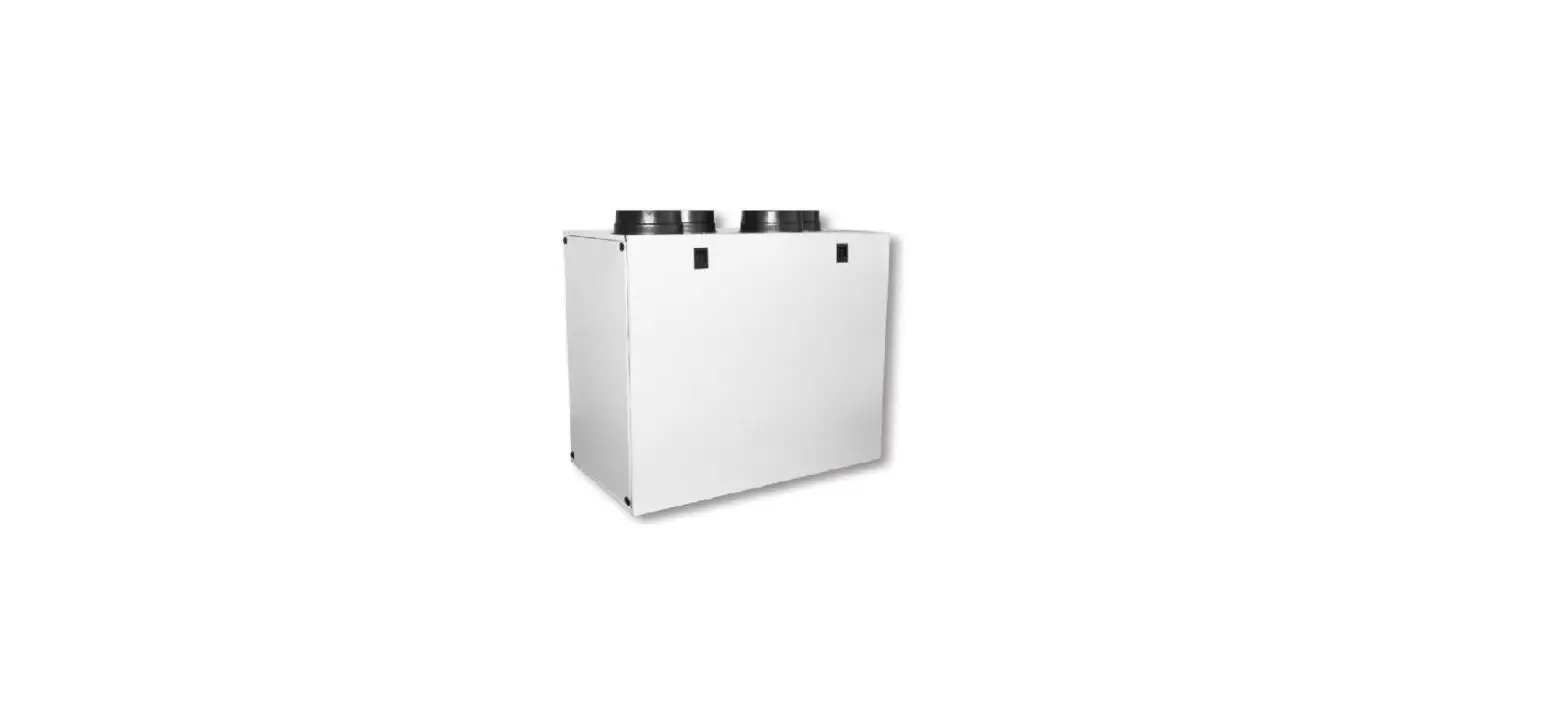
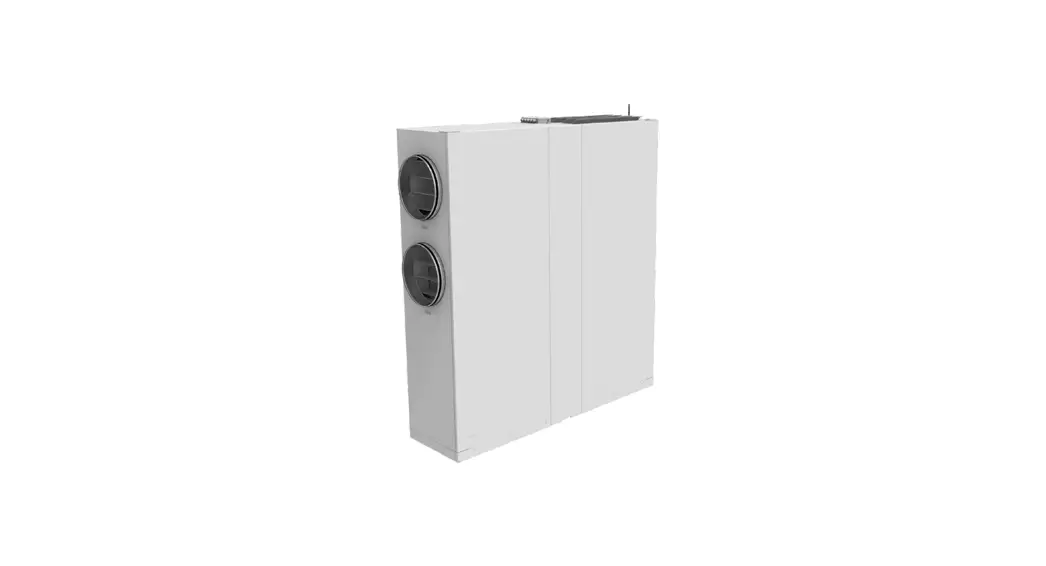
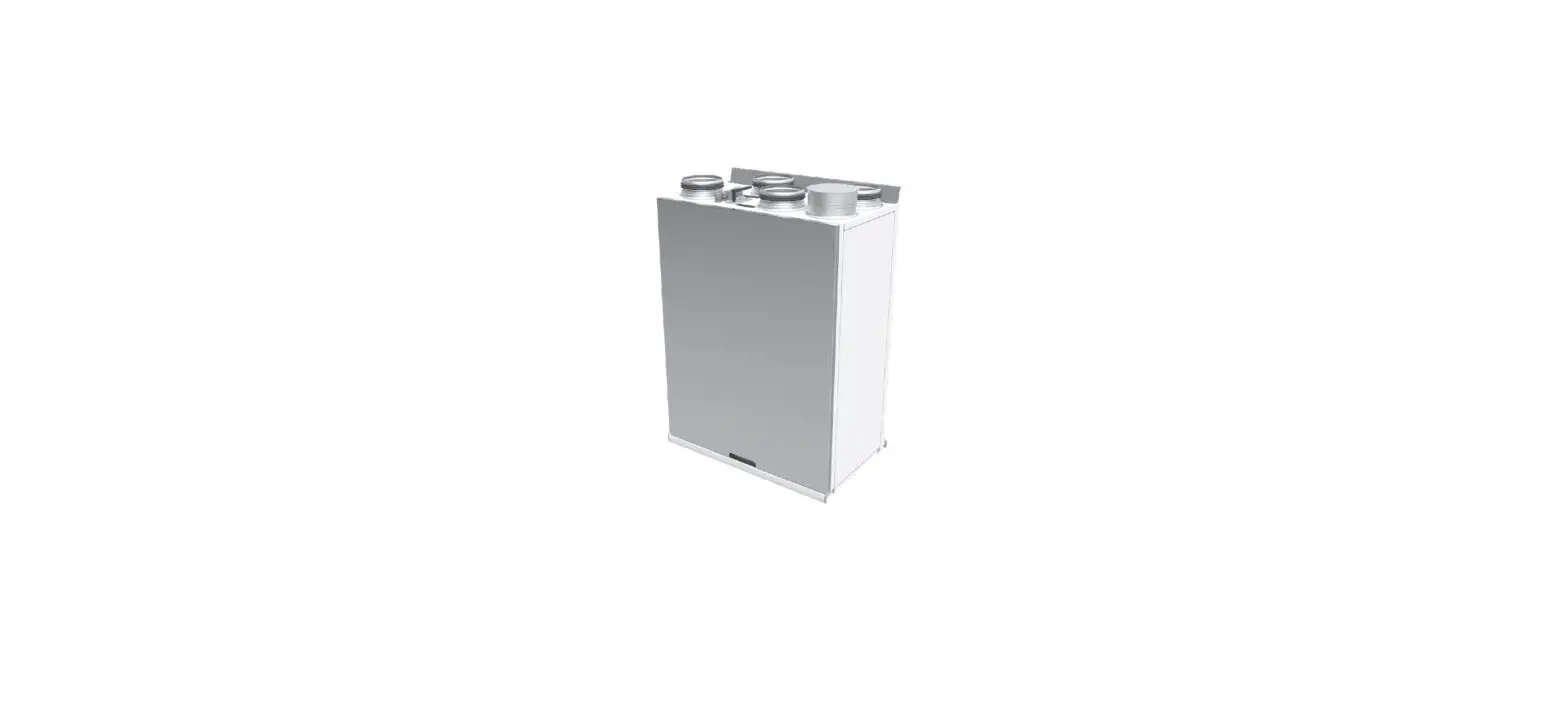
SITALI CXRA 120 Controlled Mechanical Ventilation
SITALI CXRA 120
Installation, use, and maintenance manual
Product Information
General information:
- Manufacturer: Olimpia Splendid SpA
- Address: Via Industriale 1/3, 25060 Cellatica (BS)
- Website: www.olimpiasplendid.it
- Email: [email protected]
Product features:
- The product is designed for installation and use in various
settings. - The product has specific dimensions and weight.
- The product requires specific pipe connections.
- The product requires a certain amount of space for
installation. - The product has a data label for identification.
Product Usage Instructions
Transportation and Storage
Before proceeding with installation, please ensure that you have
read and understood the warnings and precautions mentioned in
Chapter 2.
Installation
1. Remove the packaging materials from the product.
2. Determine the appropriate location for installation (ceiling
or wall).
3. Follow the specific installation instructions for ceiling or
wall installation as described in sections 5.3.1 and 5.3.2
respectively.
4. Connect the pre-wired electrical connections as instructed in
section 5.4.
5. If additional electrical connections are required, follow the
instructions in section 5.5.
Commissioning
Before starting the system, ensure the following:
- The main switch of the electrical system is turned off.
- Any anomalies in the operation of the product are reported to a
qualified technician.
Operation
The product can be operated using remote enable or control via
Modbus. Please refer to sections 7.2 and 7.3 for detailed
instructions.
Maintenance
Regular and extraordinary maintenance is required to ensure
optimal performance of the product.
Regular maintenance:
- Refer to the component list in section 8.1.
- Follow the instructions in section 8.3 for regular
maintenance.
Extraordinary maintenance:
- Refer to the component list in section 8.1.
- Follow the instructions in section 8.4 for extraordinary
maintenance.
If any malfunctions occur, refer to section 8.5 for
troubleshooting.
Disposal and Recycling
Proper disposal and recycling procedures should be followed when
the product reaches the end of its life cycle. Refer to section 9
for more information.
Technical Specifications (ErP)
Refer to section 10 for detailed technical specifications.
Note: This is a partial extract from the user manual. Please
refer to the complete user manual for comprehensive instructions
and information.
SITALI CXRA 120
IT MANUALE DI INSTALLAZIONE ED USO E MANUTENZIONE
2
EN INSTALLATION, USE AND MAINTENANCE MANUAL
16
Olimpia Splendid SpA Via Industriale 1/3, 25060 Cellatica (BS) www.olimpiasplendid.it – [email protected] I dati tecnici e le caratteristiche estetiche dei prodotti possono subire cambiamenti. Olimpia Splendid si riserva di modificarli in ogni momento senza preavviso.
IT
SITALI CXRA 120 Unità di ventilazione con recupero di calore
Leggere questo manuale attentamente prima di utilizzare il prodotto e conservarlo in un posto sicuro così da poterlo consultare all’occorrenza. Il prodotto è costruito a regola d’arte e nel rispetto delle normative vigenti in materia di apparecchiature elettriche e deve essere installato da personale tecnicamente qualificato. La ditta costruttrice non si assume responsabilità per danni a persone o cose derivanti dalla mancata osservanza delle norme contenute nel presente libretto.
1 INDICE
1 Indice
2
2 Avvertenze e Precauzioni
3
3 Informazioni di prodotto
3
3.1 Generale
3
3.2 Dimensioni e Peso
4
3.3 Connessioni delle tubazioni
4
3.4 Spazio richiesto
4
3.5 Etichetta dati
4
4 Trasporto e Stoccaggio
4
5 Installazione
5
5.1 Rimozione dell’imballo
5
5.2 Dove/come installarlo
5
5.3.1 Installazione a soffitto
5
5.3.2 Installazione a parete
6
5.4 Collegamento elettrico precablato
7
5.5 Collegamenti elettrici aggiuntivi
8
6 Messa in servizio
9
6.1 Settaggio velocità dei ventilatori
9
6.2 Prima di avviare il sistema
10
7 Funzionamento
10
7.1 Funzionamento a 3 velocità con comando remoto CTRL-V1 (in dotazione)
11
7.2 Remote Enable
12
7.3 Controllo tramite Modbus
12
8 Manutenzione ordinaria e straordinaria
12
8.1 Lista componenti
12
8.2 Descrizione dei Componenti
13
8.3 Manutenzione ordinaria
13
8.4 Manutenzione straordinaria
14
8.5 Risoluzione guasti
15
9 Smaltimento e riciclaggio
15
10 Fiche tecnica ErP
29
2
2 AVVERTENZE E PRECAUZIONI
ATTENZIONE Assicurarsi che l’interruttore generale dell’impianto sia spento prima di qualsiasi operazione di installazione, manutenzione
ordinaria o straordinaria o collegamento elettrico!
ATTENZIONE L’installazione e la manutenzione dell’unità e del sistema di ventilazione completo devono essere eseguite da un installatore
autorizzato e in conformità alle leggi e ai regolamenti vigenti.
ATTENZIONE Qualora si rilevi un’anomalia di funzionamento, scollegare il prodotto dalla rete elettrica e contattare immediatamente un
tecnico qualificato.
Trasporto e stoccaggio · Non lasciare l’apparecchio esposto ad agenti atmosferici (pioggia, sole, neve, etc.). · I raccordi per la connesione alle tubazioni devono essere protetti durante lo stoccaggio e l’installazione.
Installazione · Dopo aver rimosso il prodotto dall’imballo, verificarne l’integrità. Non lasciare parti dell’imballo alla portata di bambini o
persone diversamente abili. · Fare attenzione agli angoli taglienti. Utilizzare guanti di protezione. · L’apparecchio non deve essere impiegato come attivatore di scaldabagni, stufe, ecc., né deve scaricare in condotti adibiti
all’evacuazione di aria calda/fumi derivanti da alcun tipo di apparecchio a combustione. Esso deve espellere l’aria all’esterno tramite un proprio condotto specifico. · Qualora nell’ambiente in cui è installato il prodotto sia presente un apparecchio funzionante a combustibile (scaldacqua, stufa a metano etc., di tipo non a “camera stagna”), è indispensabile assicurare un adeguato ingresso d’aria, per garantire una buona combustione e il corretto funzionamento di tali apparecchi. · L’impianto elettrico a cui è collegato il prodotto deve essere conforme alle normative vigenti. · Prima di collegare il prodotto alla rete di alimentazione o alla presa elettrica accertarsi che: – i dati di targa (tensione e frequenza) siano rispondenti a quelli della rete di distribuzione elettrica; – la portata dell’impianto/presa sia adeguata alla potenza massima dell’apparecchio. · Per l’installazione occorre prevedere nella rete di alimentazione, conformemente alle regole di installazione, un interruttore onnipolare che consenta la disconnessione completa nelle condizioni della categoria di sovratensione III (distanza dei contatti uguale o superiore a 3mm).
Utilizzo · L’apparecchio non deve essere utilizzato in applicazioni diverse da quelle indicate in questo manuale. · Questo apparecchio può essere utilizzato da bambini di età non inferiore ad 8 anni e da persone con ridotte capacità fisiche,
sensoriali o mentali o con esperienza e conoscenze insufficienti, purché attentamente sorvegliate o istruite su come utilizzare in modo sicuro l’apparecchio e sui pericoli che ciò comporta. Assicurarsi che i bambini non giochino con l’apparecchio. Pulizia e manutenzione da parte dell’utente non devono essere eseguite da bambini senza supervisione. · Non toccare l’apparecchio con mani/piedi umidi o bagnati. · L’apparecchio è destinato ad estrarre solo aria pulita, ossia senza elementi grassi, fuliggine, agenti chimici e corrosivi, miscele infiammabili o esplosive. · Non impiegare il prodotto in presenza di sostanze o vapori infiammabili, come alcool, insetticidi, benzina, etc. · Il sistema deve rimanere in funzione continuamente e fermato solo durante le operazioni di manutenzione ordinaria e straordinaria. · Non ostruire la griglia di aspirazione o di espulsione per garantire l’ottimale passaggio dell’aria. · Non immergere I’apparecchio o altre sue parti in acqua o liquidi. · Temperatura di funzionamento: da 0°C fino a +40°C.
Manutenzione straordinaria · Sebbene il prodotto sia stato disconnesso dalla rete elettrica, sussiste il rischio di lesioni a causa delle parti ancora in movimento. · Fare attenzione agli angoli taglienti. Utilizzare guanti di protezione. · In caso di riparazione utilizzare solo ricambi originali.
3 INFORMAZIONI DI PRODOTTO
3.1 Generale Questo documento è il Manuale di Installazione, Uso e Manutenzione delle unità di ventilazione con recupero di calore SITALI CXRA 120. Esso include informazioni di base e raccomandazioni relative all’installazione, alla messa in servizio e alle operazioni di manutenzione per assicurarne il funzionamento corretto. Per ottenere il funzionamento corretto e sicuro del prodotto, leggere questo manuale con attenzione, utilizzare l’unità seguendo le linee guida di seguito elencate e attenersi a tutte le prescrizioni di sicurezza. Il modello SITALI CXRA 120 è fornito con il pannello di comando remoto CTRL-V1.
3
534
250
127
3.2 Dimensioni e Peso
88099
3333
774433
111122
551199
OUTSIDE AIR
275
3333 111122
RETURN AIR
127
102
253
EXAUST AIR
237
159
A 347
SUPPLY AIR
112277O 97
1 12277
OØ9977 8855
117711
119900 116600
110044
225511
553344 250
225500
2 27755
Scarico condensa
225533
110022
EXAUST AIR
223377
115599
239
Fig.3.a
160
Dimensioni in mm
155
85
334747 A A
348
SUPPLY AIR
112277O 97
127
CONDENSATION DRAIN Ø16
DETAIL A
DETAIL A
29 29
9
9
Peso Kg 11,5
171
O 97
104 190
190
85
CON3DE.N3SATICON onnessioni delle tubazioni
DRAIN Ø16
85
559
OUTSIDE AIR
A INTAKE
CONDENSATION
DRAIN
E
504
B
EXHAUST
EXAUST AIR
RETURN AIR
741
SUPPLY AIR
RETURN AIR
aerauliqa
D EXTRACT
34
SUPPLY
C
SUPPLY AIR
A Ingresso aria dall’esterno B Espulsione aria verso l’esterno C Aria fornita all’interno D Aria estratta dall’interno E Scarico condensa
Fig.3.b
171
O 97
O 97 171
3.4 Spazio richiesto mm Assicurarsi che attorno all’unità vi sia spazio sufficiente per lo svolgimento delle attività di manutenzione (accessibilità ai filtri e
alla scatola collegamenti elettrici e rimozione dei pannelli di ispezione).
O 16
O 16
3.5 Etich7e41tta da3t4i
34
741
34
809
809
aerauliqa
aerauliqa
Fig.3.c Etichetta dati
4 TRASPORTO E STOCCAGGIO
ATTENZIONE Assicurarsi che le avvertenze e le precauzioni indicate nel Capitolo 2 siano attentamente lette, comprese e rispettate!
Il prodotto è fornito in una scatola di cartone. Il prodotto deve essere stoccato e trasportato in modo che sia sempre protetto da danni fisici che possono guastare le bocche, la carcassa, il comando remoto, ecc… Deve essere coperto in modo che la polvere, la pioggia e la neve non possano entrare e danneggiare l’unità e i suoi componenti.
4
127
O 97
5 INSTALLAZIONE
ATTENZIONE Assicurarsi che le avvertenze e le precauzioni indicate nel Capitolo 2 siano attentamente lette, comprese e rispettate! Questa sezione descrive come installare l’unità correttamente. L’unità deve essere installata seguendo queste istruzioni.
5.1 Rimozione dell’imballo Verificare che l’unità (e gli eventuali accessori) siano conformi a quanto ordinato prima di procedure all’installazione. Eventuali discrepanze rispetto a quanto ordinato devono essere comunicate al fornitore.
5.2 Dove/come installarlo ·Tutte le unità SITALI sono intese per installazione all’interno, in zone riscaldate. ·Montare l’unità su superfici piane. ·E’ preferibile posizionare l’unità in una stanza separata (ad es. magazzino, lavanderia o similare). ·Scegliendo la zona prestare attenzione che l’unità richiede di una manutenzione periodica e che il pannello di ispezione deve
rimane facilmente accessibile. ·Lasciare spazio libero per l’apertura del pannello e per l’estrazione dei principali componenti (§3.4). ·La bocca di immissione dell’aria esterna deve essere, se possibile, posizionata nel lato nord o est dell’edificio e comunque
lontana da altre bocche di espulsione, ad esempio quelle previste di estrattori installati in cucina o in lavanderia. ·La struttura è provvista di 1 scarico della condensa.
5.3.1 Installazione a soffitto L’unità deve essere installata come segue. E’ importante che l’unità sia installata con i distanziali in dotazione per garantire che lo scarico condensa funzioni correttamente.
DETAIL A
29
9
2°2°
Spiritlevel
Fig 5.a
Scarico coSCnOCdANRDeIECNnOSsACTOaINODNENDSRAAIN
2 x
distanziale
OK!!
250
O 97
127
85
85
min. 60 mm
2°
Fig. 5.b
H H=min. 60mm Fig. 5.c
min. 60 mm
Ø100
Ø100
Fig. 5.d
SCARICO CONDENS
5
5.a Preparare la superficie sulla quale l’unità deve essere montata. Assicurarsi che essa sia piana, livellata e che sia costruita in modo da poter sostenere il peso dell’unità. Effettuare l’installazione conformemente a quanto richiesto dalle norme e regolamenti locali in vigore.
5.b E’ importante che l’unità sia inclinata di 2° affinché lo scarico condensa funzioni appropriatamente: a tale scopo usare i 2 distanziali in dotazione che devono essere montati sulle staffe di fissaggio del lato con scarico condensa. Utilizzare i tasselli, tiranti o la viteria appropriata (non fornita) per fissare l’unità al soffitto. Si raccomanda di montare l’unità utilizzando dei giunti antivibranti (non forniti).
5.c Collegare il raccordo di scarico della condensa al punto di drenaggio. Assicurarsi che la tenuta all’acqua e all’aria sia sempre garantita. Un tubo sifonato (o similare) deve essere previsto sul canale di scarico.
5.d Connettere l’unità al sistema di tubazioni.Assicurarsi che vengano utilizzati tutti gli accessori necessari per realizzare un sistema di ventilazione funzionale. Collegare elettricamente l’unità come indicato nel § 5.4. Verificare che si attivi correttamente.
5.3.2 Installazione a parete L’unità deve essere installata come segue:
Ø100
Ø100
min. 60 m
min. 60 mm
erire tu la dimensione “ø100” per
Fig 5.e
Fig. 5.f
H H=min. 60mm
Fig. 5.g
5.e Preparare la superficie sulla quale l’unità deve essere montata. Assicurarsi che essa sia piana, livellata e che sia costruita in modo da poter sostenere il peso dell’unità. Effettuare l’installazione conformemente a quanto richiesto dalle norme e regolamenti locali in vigore. Utilizzare i tasselli, tiranti o la viteria appropriata (non fornita) per fissare l’unità alla parete. Si raccomanda di montare l’unità utilizzando dei giunti antivibranti (non forniti).
5.f Collegare il raccordo di scarico della condensa al punto di drenaggio. Assicurarsi che la tenuta all’acqua e all’aria sia sempre garantita. Un tubo sifonato (o similare) deve essere previsto sul canale di scarico.
5.g Connettere l’unità al sistema di tubazioni. Assicurarsi che vengano utilizzati tutti gli accessori necessari per realizzare un sistema di ventilazione funzionale. Collegare elettricamente l’unità come indicato nel § 5.4.Verificare che si attivi correttamente.
519
6
5.4 Collegamento elettrico precablato
ATTENZIONE Assicurarsi che l’interruttore generale dell’impianto sia spento prima di qualsiasi operazione di installazione, manutenzione
ordinaria o straordinaria o collegamento elettrico!
ATTENZIONE L’installazione e la manutenzione dell’unità e del sistema di ventilazione completo devono essere eseguite da un installatore
autorizzato e in conformità alle leggi e ai regolamenti vigenti.
L’unità necessita della messa a terra. I collegamenti interni sono eseguiti durante l’assemblaggio in fabbrica. L’unità viene fornita pre-cablata con: – cavo di alimentazione (3 fili: marrone, blu, giallo/verde). – cavo di collegamento a comando esterno CTRL-V1 in dotazione (6 fili: marrone, giallo, bianco, verde, grigio, rosa). Settaggio di fabbrica: velocità 1 impostata al 40%, velocità 2 impostata al 70% e velocità 3 impostata al 100%.
CONTROLLO
ALIMENTAZIONE
GIALLO-VERDE BLU MARRONE
ROSA GRIGIO VERDE BIANCO GIALLO MARRONE
+12V Alm GND S3 S2 S1 Scom
Fig. 5.h Precablaggio
CTRL-V1
Fig. 5.i CTRL-V1 (accessorio in dotazione)
7
5.5 Collegamenti elettrici aggiuntivi
ATTENZIONE Assicurarsi che l’interruttore generale dell’impianto sia spento prima di qualsiasi operazione di installazione, manutenzione
ordinaria o straordinaria o collegamento elettrico!
ATTENZIONE L’installazione e la manutenzione dell’unità e del sistema di ventilazione completo devono essere eseguite da un installatore
autorizzato e in conformità alle leggi e ai regolamenti vigenti.
L’unità necessita della messa a terra. I collegamenti interni sono eseguiti durante l’assemblaggio in fabbrica. In caso in allungamento del cavo tra il comando esterno CTRL-V1 e la scheda madre del SITALI CXRA 120, utilizzare un cavo 6 poli di lunghezza max. 30 metri. Le immagini successive mostrano lo schema elettrico.
TRASFORMATORE
ROSA GRIGIO VERDE BIANCO GIALLO MARRONE
CTRL-V1
Ingresso (Air Quality e.g. SEN-HY)
+12V Alm GND S3 S2 S1 Scom
Fig. 5.j Collegamenti elettrici sulla scheda madre fissata all’interno della scatola portacontatti
Ingressi/comandi N°1 connettore alimentazione AC. N°2 ingressi on/off (contatti puliti), per sensori ambiente (chiamato In1, In2). N°1 connettore a 6 poli per CTRL-V1.
GIALLO/VERDE BLU
MARRONE
8
6 MESSA IN SERVIZIO
6.1 Settaggio velocità dei ventilatori La velocità dei ventilatori può essere regolata durante l`installazione in base al tasso di ventilazione richiesta, impostando i relativi dip switch. La figura 6. a rappresenta la curva di prestazione alle diverse regolazioni del segnale 0-10V fornito ai motori. L’assorbimento indicato si riferisce ai 2 motori. La tabella 6. b indica l’efficienza del pacco scambiatore e la condensa prodotta in diverse condizioni climatiche, per aiutare la decisione, demandata al progettista o all’installatore dell’impianto, di collegare uno o entrambi gli scarichi condensa. Una elevata produzione di condensa è conseguenza diretta di elevata efficienza e del grado di umidità. La tabella 6. c indica i livelli sonori alle diverse velocità.
DIP1
0 0 0 0 1 1 1 1
DIP2
0 0 1 1 0 0 1 1
DIP3
0 1 0 1 0 1 0 1
Velocità I
40% 25% 30% 35% 45% 50% 55% 60%
DIP5
0 0 0 0 1 1 1 1
DIP6
0 0 1 1 0 0 1 1
DIP7
0 1 0 1 0 1 0 1
Velocità II
70% 40% 50% 55% 60% 65% 80% 90%
DIP4 Velocità III
0
100%
1
95%
480
400
Pressione statica – Pa
320
100%
240
80%
160
60%
80
40%
20%
0
0
25
50
75
100
125
Portata d’aria – m3/h
Fig. 6.a Curva di immissione in accordo al Reg. 1253/2014 (ErP) e impostazione dip switch.
Velocità %
20 40 60 80 100
W max
9 13 20 32 56
m3/h max
22 48 71 96 114
150
ESTERNO
INTERNO
30 m3/h
60 m3/h
90 m3/h
120 m3/h
T
R. H.
T
R. H.
H2O
H2O
H2O
H2O
°C
%
°C
%
%
kg/h
%
kg/h
%
kg/h
%
kg/h
-18
60
20
30
93,4
0,09
89,7
0,17
86,4
0,24
83,7
0,3
-18
70
20
40
94,3
0,13
91,1
0,25
88,3
0,36
86
0,46
-18
80
20
50
95
0,17
92,3
32
89,9
0,47
87,9
0,61
-10
60
20
30
93
0,06
88,9
0,1
85,3
0,13
82,1
0,16
-10
70
20
40
94
0,09
90,6
0,17
87,5
0,24
85
0,45
-10
80
20
50
94,9
0,13
92
0,24
89,5
0,35
87,3
0,00
0
20
30
91,2
0,0
86,3
0,00
82,1
0,00
78,7
0,00
0,06
0
20
40
92,7
0,03
88,4
0,05
84,4
0,06
80,8
0,06
0,19
0
20
50
94
0,06
90,5
0,11
87,4
0,14
84,7
0,19
0,00
10
50
20
40
91,2
0,00
86,3
0,00
82,1
0,00
78,7
0,00
10
60
20
50
91,2
0,00
86,3
0,00
82,1
0,00
78,7
0,00
10
70
20
60
92,2
0,01
87,3
0,01
82,7
0,01
78,7
0,00
35
60
26
50
91,3
0,00
86,5
0,00
82,3
0,00
78,9
0,00
35
70
26
55
93,8
0,02
89,9
0,04
86,2
0,05
82,7
0,05
35
80
26
60
96,3
0,05
94,1
0,1
92,2
0,15
90,5
0,19
40
60
26
50
94,3
0,05
90,7
0,08
87,4
0,1
84,3
0,12
Tabella. 6.b Efficienza termica dello scambiatore e produzione media acqua di condensa.
9
Velocità 100%
Lw dB – LIVELLO DI POTENZA SONORA PER BANDA DI OTTAVA 125 250 500 1 K 2 K 4 K 8K Tot 48 52 58 54 47 43 36 61
LwA dB(A) 58
Lp dB(A) @3m 38
Velocità 80%
Lw dB – LIVELLO DI POTENZA SONORA PER BANDA DI OTTAVA 125 250 500 1 K 2 K 4 K 8K Tot 43 52 53 49 42 37 28 57
LwA dB(A) 53
Lp dB(A) @3m 33
Velocità 60%
Lw dB – LIVELLO DI POTENZA SONORA PER BANDA DI OTTAVA 125 250 500 1 K 2 K 4 K 8K Tot 38 46 45 43 36 29 18 50
LwA dB(A) 46
Lp dB(A) @3m 26
Velocità 40%
Lw dB – LIVELLO DI POTENZA SONORA PER BANDA DI OTTAVA 125 250 500 1 K 2 K 4 K 8K Tot 34 40 37 35 26 18 14 43
LwA dB(A) 39
Lp dB(A) @3m 18
Velocità 20%*
Lw dB – LIVELLO DI POTENZA SONORA PER BANDA DI OTTAVA
125 250 500 1 K 2 K 4 K 8K Tot
–
–
–
–
–
–
–
–
LwA dB(A) –
Tabella 6.c Emissioni sonore: I dati dB(A) sono valori medi in propagazione sferica in campo libero e riportati a scopo comparativo. *misure comparabili con rumore di fondo della camera di prova.
Lp dB(A) @3m < 9
6.2 Prima di avviare il sistema Ad installazione ultimata, prima di avviare l’unità verificate che: ·I filtri siano correttamente inseriti. ·L’unità sia installata conformemente a quanto indicato in questo manuale. ·I collegamenti elettrici dell’unità siano stati eseguiti correttamente. ·Eventuali serrande esterne o in estrazione e i silenziatori siano installati e che le connessioni alle tubazioni siano corrette. ·Tutti i condotti siano sufficientemente isolati e installati in conformità alle norme e regolamenti locali in vigore. ·L’ingresso dell’aria esterna sia posizionato ad una distanza sufficiente da fonti di inquinamento (estrattori fumi di cottura,
sistemi di aspirazione centralizzata o similare). ·L’unità sia stata configurata e messa in servizio correttamente.
7 FUNZIONAMENTO
ATTENZIONE Assicurarsi che le avvertenze e le precauzioni indicate nel Capitolo 2 siano attentamente lette, comprese e rispettate!
559 504 190 O 97 171 O 97 171
OUTSIDE AIR
A INTAKE
CONDENSATION
DRAIN
E
B
EXHAUST
EXAUST AIR
Fig.7.a
10
RETURN AIR
SUPPLY AIR
RETURN AIR
D EXTRACT
SUPPLY
C
SUPPLY AIR
A Ingresso aria dall’esterno B Espulsione aria verso l’esterno C Aria fornita all’interno D Aria estratta dall’interno E Scarico condensa
O 16
O 16
7.1 Funzionamento a 3 velocità con comando remoto CTRL-V1 (in dotazione)
f
g
h
i
j
k
l
a b cd e
a Per attivare/spegnere l’unità ventilante
b Per diminuire la velocità preimpostata
c Per aumentare la velocità preimpostata
d Per attivare manualmente la velocità Boost
e Per resettare l’Allarme Filtro f Led verde: velocità 1 selezionata g Led verde: velocità 2 selezionata h Led verde: velocità 3 selezionata i Led blu: attivazione anti-frost j Led rosso: segnalazione malfunzionamento k Led giallo: i filtri necessitano di manutenzione/sostituzione l Led giallo: blocco tastiera
Fig. 7.b CTRL-V
FUNZIONALITÀ
DESCRIZIONE
TASTO
ICONA LED
COLORE LED
On/Off
Agendo sull’apposito tasto l’unità si attiva/disattiva
–
–
Velocità di funzionamento continuo
La velocità I viene impostata in fabbrica al 40%: se necessario può
essere regolata agendo sui dip switch interni alla scatola morsettiera
e
come indicato in Fig. 6.a
I
verde
La velocità II viene impostata in fabbrica al 70%: se necessario può
essere regolata agendo sui dip switch interni alla scatola morsettiera
e
II
verde
come indicato in Fig. 6.a
La velocità III viene impostata in fabbrica al 100%: se necessario può
essere regolata agendo sul dip switch interno alla scatola morsettiera
e
III
verde
come indicato in Fig. 6.a
Funzionamento BOOST
L’unità funziona alla velocità III per un intervallo di tempo fisso di 15′. Allo scadere della temporizzazione l’unità ritorna funzionare alla velocità precedentemente impostata
III
verde lampeggiante
Reset filtro
Ogni 3 mesi l’unità avvisa l’utente di effettuare la manutenzione del
filtro. Tenendo premuto l’apposito tasto per almeno 1 secondo, la
giallo
temporizzazione si riattiva.
Antigelo
L’unità è provvista di un termistore che, quando necessario,
riduce la velocità del ventilatore di immissione per evitare che
si formi ghiaccio nello scambiatore, cosa che danneggerebbe
–
blu
irreparabilmente lo scambiatore stesso. Quando le condizioni
ritornano normali, la funzione si disattiva automaticamente
Anomalia motore
In caso di malfunzionamento di un motore, si accende il led rosso. Contattare l’assistenza tecnica.
–
Blocco tastiera
rosso
I tasti del comando remoto CTRL-V1 possono essere bloccati. Tenere premuti i tasti e contemporaneamente per almeno 5 secondi
e
(tenere premuti i tasti per alemo 5
giallo
Per sbloccarla eseguire la stessa procedura
secondi)
In assenza di allarmi, il comando remoto CTRL-V1 entra in modalità stand by (nessun led accesso) dopo 3 minuti dall’ultima
pressione pulsante: per riattivarlo, premere un pulsante qualsiasi.
11
7.2 Remote Enable Permette di attivare/disattivare l’unità da remoto mediante un contatto pulito connesso all’ingresso In1 di Fig. 5.j. Per abilitare questa funzione è necessario agire sul dip switch 8.
DIP8
0 1
Remote Enable
non abilitato abilitato
7.3 Controllo tramite Modbus L’unità è predisposta per comunicare via Modbus RTU su RS485. Per le specifiche contattare il servizio clienti.
8 MANUTENZIONE ORDINARIA E STRAORDINARIA
ATTENZIONE Assicurarsi che le avvertenze e le precauzioni indicate nel Capitolo 2 sia attentamente lette, comprese e rispettate!
La manutenzione ordinaria può essere eseguita dall’utente. La manutenzione straordinaria deve essere eseguita unicamente da un installatore autorizzato e in conformità alle norme e regolamenti locali in vigore. Per qualunque quesito relativo all’installazione, utilizzo, manutenzione ordinaria e straordinaria dell’unità rivolgetevi al vostro installatore o luogo di acquisto!
8.1 Lista componenti
2
4 11
3
1
7
1 FILTRO G4 – ARIA ESTRATTA DALL’INTERNO
2 FILTRO G4 – ARIA IMMESSA DALL’ESTERNO
3 SCAMBIATORE
4 RACCORDO SCARICO CONDENSA
5 TERMISTORE 6 VENTILATORE DI IMMISIONE
7 VENTILATORE DI ESPULSIONE
8 SCATOLA COLLEGAMENTI ELETTRICI
9 CAVO DI CONTROLLO
10 CAVO DI ALIMENTAZIONE
11 VASSOIO RACCOGLI CONDENSA
5
10 8 9
6
Fig. 8.a Componenti interni
12
8.2 Descrizione dei Componenti Ventilatori I ventilatori sono costituiti da motori a rotore esterno di tipo EC che possono essere controllati continuamente ciascuno tra il 10-100%. I cuscinetti a sfera rimangono lubrificati per tutta la loro durata e non necessitano di manutenzione. Se necessario è possibile scollegare e sostituire i ventilatori con estrema facilità.
Filtri L’unità é provvista di 2 filtri di tipo G4 posti sul lato immissione ed estrazione. Durante le operazioni di manutenzione ordinaria essi necessitano di essere puliti regolarmente (e sostituiti se intasati). I filtri di ricambio possono essere acquistati presso il vostro installatore o rivenditore.
Pacco scambiatore L’unità é provvista di scambiatore a piastre ad altissima efficienza, di tipo contro-corrente. La temperatura dell’aria in immissione si mantiene stabile senza il bisogno di aggiungere ulteriore calore. Il pacco scambiatore è rimovibile per la pulizia e la manutenzione durante l’operazione di manutenzione straordinaria.
Scarico condensa A seconda del tasso di umidità relativo presente nell’aria estratta, può formarsi condensa sulle superfici fredde del pacco scambiatore (Tabella. 6.b). L’acqua di condensa è espulsa attraverso i raccordi di scarico condensa.
Termistore La sonda di temperatura attiva o meno le funzioni che dipendono dalla combinazione delle temperature esterne e interne.
8.3 Manutenzione ordinaria
ATTENZIONE Assicurarsi che l’interruttore generale dell’impianto sia spento prima di qualsiasi operazione di installazione, manutenzione
ordinaria o straordinaria o collegamento elettrico! · Tenere la superficie dell’unità pulita dalla polvere. · Ogni 3 mesi (periodo fisso) l’unità avvisa l’utente, tramite segnalazione visiva (Fig. 7.b – k ), di effettuare la manutenzione del
filtro. La necessità di eseguire questa operazione può variare da caso in caso a seconda delle condizioni ambientali interne ed esterne. · Pulire i filtri con un aspirapolvere come illustrato nelle seguenti immagini (Fig. 8.b-c-d). · Premendo il tasto e sul CTRL-V1 (Fig. 7.b) la temporizzazione si riattiva. · I filtri devono essere sostituiti ogni anno.
Fig. 8.b
Fig. 8.c
Fig. 8.d
13
8.4 Manutenzione straordinaria
ATTENZIONE Assicurarsi che l’interruttore generale dell’impianto sia spento prima di qualsiasi operazione di installazione, manutenzione
ordinaria o straordinaria o collegamento elettrico!
ATTENZIONE L’installazione e la manutenzione dell’unità e del sistema di ventilazione completo devono essere eseguite da un installatore
autorizzato e in conformità alle leggi e ai regolamenti vigenti. · Tenere la superficie dell’unità pulita dalla polvere. · Ogni 3 mesi (periodo fisso) l’unità avvisa l’utente, tramite segnalazione visiva (Fig. 7.b – k ), di effettuare la manutenzione del
filtro. La necessità di eseguire questa operazione può variare da caso in caso a seconda delle condizioni ambientali interne ed esterne. · Pulire i filtri con un aspirapolvere come illustrato nelle seguenti immagini (Fig. 8.e-f-g). · Premendo il tasto e sul CTRL-V1 (Fig. 7.b) la temporizzazione si riattiva. · I filtri devono essere sostituiti ogni anno.
Fig. 8.e
Fig. 8.f
Fig. 8.g
· Pulire lo scambiatore ogni anno con un aspirapolvere. La necessità di eseguire questa operazione può variare da caso in caso a seconda delle condizioni ambientali interne ed esterne e della frequenza con la quale vengono puliti i filtri (Fig. 8.e-h-i-j).
Fig. 8.h
Fig. 8.i
Fig. 8.j
14
· Pulire i ventilatori ogni anno con un aspirapolvere. La necessità di eseguire questa operazione può variare da caso in caso a seconda delle condizioni ambientali interne ed esterne. Non rimuovere mai le graffette di bilanciatura presenti sul motore (Fig. 8.e-h-k).
Fig. 8.k
8.5 Risoluzione guasti I ventilatori non si attivano 1. Verificare che l’unità sia sotto tensione. 2. Verificare che tutti i collegamenti funzionino correttamente (collegamenti nella scatola collegamenti elettrici e al gruppo dei ventilatori in immissione ed estrazione).
Indicatori led accesi su controllo remoto CTRL-V1 1.Vedere specifiche di paragrafo 7
Volume d’aria ridotto 1. Verificare la regolazione della velocità dei ventilatori nelle scatole collegamenti elettrici o sui comandi remoti. 2. Verificare i filtri. E’ necessario cambiarli? 3. Verificare il sistema di diffusione dell’aria. E’ necessario resettare o pulire le griglie/diffusori? 4. Verificare i ventilatori e lo scambiatore. E’ necessario pulirli? 5. Verificare se l’ingresso e l’uscita dell’aria sono intasati. 6. Verificare il sistema di tubazioni in caso sia danneggiato o si sia accumulato dello sporco.
Ventilatori rumorosi/vibrazioni 1. Verificare le ventole dei ventilatori. E’ necessario pulirle? 2. Verificare che i ventilatori siano ben fissati all’interno dell’unità.
Eccessivo rumore dell’aria 1. Verificare la regolazione della velocità dei ventilatori sul pannello di comando. 2. Verificare griglie e diffusori. E’ necessario resettare o pulire le griglie/diffusori?
Gorgoglio 1. Il sistema di scarico della condensa non é stato fissato correttamente. 2. Il sistema di scarico della condensa contiene troppo poca acqua e deve essere riempito.
Odori spiacevoli 1. Il sistema di scarico della condensa non é stato fissato correttamente. 2. Il sistema di scarico della condensa contiene troppo poca acqua e deve essere riempito. 3. Verificare i filtri. E’ necessario cambiarli? 4. Verificare il sistema di tubazioni, le griglie e i diffusori. E’ necessario pulirli?
Perdita d’acqua nelle vicinanze dell’unità 1. Il sistema di scarico della condensa non é stato installato correttamente. E’ necessario controllarlo? 2. Il sistema di scarico della condensa é sporco. E’ necessario pulirlo?
9 SMALTIMENTO E RICICLAGGIO
Informativa sullo smaltimento delle unità a fine vita. Questo prodotto è conforme alle Direttiva EU 2002/96/EC. Il simbolo del cassonetto barrato riportato sull’apparecchiatura indica che il prodotto alla fine della propria vita utile deve essere raccolto separatamente dagli altri rifiuti. L’utente dovrà, pertanto, conferire l’apparecchiatura giunta a fine vita agli idonei centri di raccolta differenziata dei rifiuti elettronici ed elettrotecnici,oppure riconsegnarla al rivenditore al momento dell’acquisto di una nuova apparecchiatura di tipo equivalente. L’adeguata raccolta differenziata per l’avvio successivo dell’apparecchiatura dimessa al riciclaggio, al trattamento e allo smaltimento ambientale compatibile contribuisce ad evitare possibili effetti negativi sull’ambiente e sulla salute e favorisce il riciclo dei materiali di cui è composta l’apparecchiatura. Lo smaltimento abusivo del prodotto da parte dell’utente può implicare sanzioni amministrative previste dalla normativa vigente.
15
G
SITALI CXRA 120 Heat Recovery Ventilation Unit
Read this manual carefully before using the product and keep it in a safe place for reference as necessary. This product was constructed up to standard and in compliance with regulations relating to electrical equipment and must be installed by technically qualified personnel. The manufacturer assumes no responsibility for damage to persons or property resulting from failure to observe the instructions contained in this manual.
1 INDEX
1 Index
16
2 Precautions
17
3 Product information
17
3.1 General
17
3.2 Dimensions and Weight
18
3.3 Duct connections
18
3.4 Space required
18
3.5 Rating label
18
4 Transport and Storage
18
5 Installation
19
5.1 Unpacking
19
5.2 Where/how to install
19
5.3.1 Ceiling installation
19
5.3.2 Wall installation
20
5.4 Precabled electric connections
21
5.5 Additional electric connections
22
6 Commissioning
23
6.1 Setting Fan speed
23
6.2 Before Starting the System
24
7 Operation
24
7.1 3-speed operation with remote control CTRL-V1 (supplied as standard)
25
7.2 Remote Enable
26
7.3 Modbus Control
26
8 Maintenance and service
26
8.1 Components list
26
8.2 Description of Components
27
8.3 Maintenance
27
8.4 Service
28
8.5 Troubleshooting
29
9 Disposal and Recycling
29
10 ErP Product Fiche
30
16
2 PRECAUTIONS
WARNING Make sure that the mains supply to the unit is disconnected before performing any installation, service, maintenance or
electrical work! WARNING
The installation and service of the unit and complete ventilation system must be performed by an authorized installer and in accordance with local rules and regulations. WARNING
If any abnormality in operation is detected, disconnect the device from the mains supply and contact a qualified technician immediately.
Transport and storage · Do not leave the device exposed to atmospheric agents (rain, sun, snow, etc.). · Duct connections/duct ends must be covered during storage and installation. Installation · After removing the product from its packaging, verify its conditions. Do not leave packaging within the reach of children or
people with disabilities. · Beware of sharp edges. Use protective gloves. · The device should not be used as an activator for water heaters, stoves, etc., nor should it discharge into hot air/fume vent
ducts deriving from any type of combustion unit or tumble dryer. It must expel air outside via its own special duct. · If the environment in which the product is installed also houses a fuel-operating device (water heater, methane stove etc., that
is not a “sealed chamber” type), it is essential to ensure adequate air intake, to ensure good combustion and proper equipment operation. · The electrical system to which the device is connected must comply with local regulations. · Before connecting the product to the power supply or the power outlet, ensure that: – the data plate (voltage and frequency) correspond to those of the electrical mains – the electrical power supply/socket is adequate for maximum device power. · For installation an omnipolar switch should be incorporated in the fixed wiring, in accordance with the wiring rules, to provide a full disconnection under overvoltage category III conditions (contact opening distance equal to or greater than 3mm). Use · The device should not be used for applications other than those specified in this manual. · This appliance can be used by children aged from 8 years and above and persons with reduced physical, sensory or mental capabilities or lack of experience and knowledge if they have been given supervision or instruction concerning use of the appliance in a safe way and understand the hazards involved. Children shall not play with the appliance. Cleaning and user maintenance shall not be made by children without supervision. · Do not touch the appliance with wet or damp hands/feet. · The device is designed to extract clean air only, i.e. without grease, soot, chemical or corrosive agents, or flammable or explosive mixtures. · Do not use the product in the presence of inflammable vapours, such as alcohol, insecticides, gasoline, etc. · The system should operate continuously, and only be stopped for maintenance/service. · Do not obstruct ducts or grilles to ensure optimum air passage. · Do not immerse the device or its parts in water or other liquids. · Operating temperature: 0°C up to +40°C. Service · Although the mains supply to the unit has been disconnected there is still risk for injury due to rotating parts that have not come to a complete standstill. · Beware of sharp edges. Use protective gloves. · Use original spare parts only for repairs.
3 PRODUCT INFORMATION
3.1 General This is the Installation, Use and Maintenance Manual of the heat recovery ventilation units, model SITALI CXRA 120. This manual consists of basic information and recommendations concerning installation, commissioning, use and service operations to ensure a proper fail-free operation of the unit. The key to proper, safe and smooth operation of the unit is to read this manual thoroughly, use the unit according to given guidelines and follow all safety requirements. The SITALI CXRA 120 is supplied with the CTRL-V1 remote control panel.
17
534
250
127
3.2 Dimensions and Weight
88099
3333
774433
111122
551199
OUTSIDE AIR
275
3333 111122
RETURN AIR
127
102
253
EXAUST AIR
237
159
A 347
SUPPLY AIR
112277O 97
1 12277
OØ9977 8855
117711
119900 116600
110044
225511
553344 250
225500
2 27755
104 190
Condensation drainage
225533
110022
EXAUST AIR
223377
115599
239
Fig.3.a
160
Dimensions in mm 155
190
3.3 Duct connections
CONDENSATION DRAIN Ø16
OUTSIDE AIR
A INTAKE
CONDENSATION
DRAIN
E
504
RETURN AIR
741
559
334747 A A
348
O 97
SUPPLY AIR
112277O 97
127
CONDENSATION DRAIN Ø16
DETAIL A
DETAIL A
29 29
9
9
85
171
85
85
RETURN AIR
aerauliqa
D EXTRACT
34
B
EXHAUST
EXAUST AIR
SUPPLY AIR
SUPPLY
C
SUPPLY AIR
Weight Kg 11,5
A Intake air from outiside B Exhaust air to outside C Supply air to inside D Extract air from inside E Condensation drainage
Fig.3.b
171
O 97
O 97 171
3.4 Space required Make sure that enough space is left around the unit to allow easy maintenance (access to filters, terminal box and inspection mm panel removal).
O 16
O 16
3.5 Ratin74g1 labe3l4
34
741
34
809
809
aerauliqa
aerauliqa
Fig.3.c Etichetta dati
4 TRANSPORT AND STORAGE
WARNING Make sure that specific warnings and cautions in Chapter 2 are carefully read, understood and applied! The appliance is delivered in one carton box. The appliance should be stored and transported in such a way that it is protected against physical damage that can harm spigots, casing, display etc… It should be covered so that dust, rain and snow cannot enter and damage the unit and its components.
18
127
O 97
5 INSTALLATION
WARNING Make sure that specific warnings and cautions in Chapter 2 are carefully read, understood and applied! This section describes how to install the unit correctly. The unit must be installed according to these instructions. 5.1 Unpacking Verify that the unit (and eventual accessories) delivered is according to order before starting the installation. Any discrepancies from the ordered equipment must be reported to the supplier. 5.2 Where/how to install · All SITALI units are meant for indoor installation in a heated space. · Mount the unit on flat surface. · Place the unit preferably in a separate room (e.g. storage, laundry room or similar). · When choosing the location it should be kept in mind that the unit requires maintenance regularly and that the inspection door should be easily accessible. · Leave free space for opening the removable panel and for removal of the main components (§3.4). · The outdoor air intake of the building should if possible be put in the northern or eastern side of the building and away from other exhaust outlets like kitchen fan exhausts or laundry room outlets. · The unit casing is provided with 1 condensation drainage.
5.3.1 Ceiling installation The unit must be installed in the following position. It is important that the unit is mounted with the supplied spacers for condensation drainage to work properly.
DETAIL A
29
9
2°2°
Spiritlevel
Fig 5.a
CondensaSCOtCiANoRDIEnCNOSACTOINODNENDSRAAIN drainage
2 x
spacers
OK!!
250
O 97
127
85
85
min. 60 mm
2°
Fig. 5.b
H Fig. 5.c
min. 60 mm
Ø100
Ø100
Fig. 5.d
SCARICO CONDENS
19
5.a Prepare the surface where the unit is to be mounted. Make sure that the surface is flat, leveled and that it supports the weight of the unit. Perform the installation in accordance with local rules and regulations.
5.b It is important that the unit is tilted by 2° in order for the condensate drain to function properly: use the spacers supplied which must be mounted on the fixing brackets of the side with the condensate drain. Use appropriate plugs and rods or screws (not supplied) to fix the unit to the ceiling. It is recommended to fit the unit with anti-vibration mounts (not supplied).
5.c Connect the drain connection to the drainage hole. Make sure of water and air tightness of all connections. It is recommended to use a U-bend (or similar) in the condensation drainage pipe.
5.d Connect the unit to the duct system. Make sure that all necessary accessories are used to create a functional ventilation solution. Connect the unit electrically according to §5.4. Check that it starts up correctly.
5.3.2 Wall installation The unit must be installed in the following position:
Ø100
Ø100
min. 60 m
min. 60 mm
erire tu la dimensione “ø100” per
Fig 5.e
Fig. 5.f
H H=min. 60mm
Fig. 5.g
5.e Prepare the surface where the unit is to be mounted. Make sure that the surface is flat, leveled and that it supports the weight of the unit. Perform the installation in accordance with local rules and regulations. Use appropriate plugs and rods or screws (not supplied) to fix the unit to the ceiling. It is recommended to fit the unit with anti-vibration mounts (not supplied).
5.f Connect the drain connection to the drainage hole. Make sure of water and air tightness of all connections. It is recommended to use a U-bend (or similar) in the condensation drainage pipe.
5.g Connect the unit to the duct system. Make sure that all necessary accessories are used to create a functional ventilation solution. Connect the unit electrically according to §5.4. Check that it starts up correctly.
519
20
5.4 Precabled electric connections WARNING
Make sure that the mains supply to the unit is disconnected before performing any installation, service, maintenance or electrical work!
WARNING The installation and service of the unit and complete ventilation system must be performed by an authorized installer and in
accordance with local rules and regulations. The unit must be earthed. The unit is wired internally from factory. Unit comes pre-wired with: – power supply cable (3-core: brown, blue, yellow/green). – control cable, for connection to CTRL-V1 supplied (6-core: brown, yellow, white, green, grey, pink). Factory setting: speed 1 at 40%, speed 2 at 70% and speed 3 at 100%.
CONTROL
POWER SUPPLY
YELLOW-GREEN BLUE BROWN
PINK GREY GREEN WHITE YELLOW BROWN
+12V Alm GND S3 S2 S1 Scom
Fig. 5.h Precabling
CTRL-V1
Fig. 5.i CTRL-V1 (supplied as standard)
21
5.5 Additional electric connections WARNING
Make sure that the mains supply to the unit is disconnected before performing any installation, service, maintenance or electrical work! WARNING
The installation and service of the unit and complete ventilation system must be performed by an authorized installer and in accordance with local rules and regulations.
The units must be earthed. The unit is wired internally from factory. To connect the the CTRL-V1 to the mother board use a 6-core cable: 30m max length. Figures below show the wiring diagram.
TRANSFORMER
PINK GREY GREEN WHITE YELLOW BROWN
CTRL-V1
Input (Air Quality e.g. SEN-HY)
+12V Alm GND S3 S2 S1 Scom
Fig. 5.j Electrical connections on the motherboard fitted in the terminal box.
Inputs/commands N°1 AC supply connector. N°2 on/off inputs (volt-free contacts), for ambient sensors (named In1, In2). N°1 6-pole connector for CTRL-V1.
YELLOW/GREEN BLUE BROWN
22
6 COMMISSIONING
6.1 Setting Fan speed The speed of the unit can be adjusted during installation according to required ventilation rate, by setting the relevant dip switch. Figure 6. a below shows performance curve at different settings of the 0-10V signal to the motors. Consumption refers to the 2 motors. Table 6. b indicates the efficiency of the heat exchanger and of the condensation produced in different climatic conditions, to help the installer or the designer of the ventilation system to decide if to connect one or both condensation drainages. High production of condensation is the direct consequence of a high efficiency level as well as of the humidity rate. Table 6. c indicates the sound level at the different speeds.
DIP1
0 0 0 0 1 1 1 1
DIP2
0 0 1 1 0 0 1 1
DIP3
0 1 0 1 0 1 0 1
Speed I
40% 25% 30% 35% 45% 50% 55% 60%
DIP5
0 0 0 0 1 1 1 1
DIP6
0 0 1 1 0 0 1 1
DIP7
0 1 0 1 0 1 0 1
Speed II
70% 40% 50% 55% 60% 65% 80% 90%
DIP4
Speed III
0
100%
1
95%
480
400
Static Pressure – Pa
320
100%
240
80%
160
60%
80
40%
20%
0
0
25
50
75
100
125
Airflow – m3/h
Fig. 6.a Intake curve according to Reg. 1253/2014 (ErP) and dip switch setting.
Speed %
20 40 60 80 100
W max
9 13 20 32 56
m3/h max
22 48 71 96 114
150
EXTERNAL
INTERNAL
30 m3/h
60 m3/h
90 m3/h
T
R. H.
T
R. H.
H2O
H2O
H2O
°C
%
°C
%
%
kg/h
%
kg/h
%
kg/h
-18
60
20
30
93,4
0,09
89,7
0,17
86,4
0,24
-18
70
20
40
94,3
0,13
91,1
0,25
88,3
0,36
-18
80
20
50
95
0,17
92,3
32
89,9
0,47
-10
60
20
30
93
0,06
88,9
0,1
85,3
0,13
-10
70
20
40
94
0,09
90,6
0,17
87,5
0,24
-10
80
20
50
94,9
0,13
92
0,24
89,5
0,35
0
20
30
91,2
0,0
86,3
0,00
82,1
0,00
78,7
0
20
40
92,7
0,03
88,4
0,05
84,4
0,06
80,8
0
20
50
94
0,06
90,5
0,11
87,4
0,14
84,7
10
50
20
40
91,2
0,00
86,3
0,00
82,1
0,00
10
60
20
50
91,2
0,00
86,3
0,00
82,1
0,00
10
70
20
60
92,2
0,01
87,3
0,01
82,7
0,01
35
60
26
50
91,3
0,00
86,5
0,00
82,3
0,00
35
70
26
55
93,8
0,02
89,9
0,04
86,2
0,05
35
80
26
60
96,3
0,05
94,1
0,1
92,2
0,15
40
60
26
50
94,3
0,05
90,7
0,08
87,4
0,1
Tabella. 6.b Thermal efficiency of the heat exchanger and average production of condensation water.
120 m3/h
H2O
%
kg/h
83,7
0,3
86
0,46
87,9
0,61
82,1
0,16
85
0,45
87,3
0,00
0,00
0,06
0,06
0,19
0,19
0,00
78,7
0,00
78,7
0,00
78,7
0,00
78,9
0,00
82,7
0,05
90,5
0,19
84,3
0,12
23
Speed 100%
Lw dB – SOUND POWER OCTAVE BAND 125 250 500 1 K 2 K 4 K 8K 48 52 58 54 47 43 36
Lp dB(A)
LwA dB(A)
Tot
@3m
61
58
38
Speed 80%
Lw dB – SOUND POWER OCTAVE BAND 125 250 500 1 K 2 K 4 K 8K 43 52 53 49 42 37 28
Lp dB(A)
LwA dB(A)
Tot
@3m
57
53
33
Speed 60%
Lw dB – SOUND POWER OCTAVE BAND 125 250 500 1 K 2 K 4 K 8K 38 46 45 43 36 29 18
Lp dB(A)
LwA dB(A)
Tot
@3m
50
46
26
Speed 40%
Lw dB – SOUND POWER OCTAVE BAND 125 250 500 1 K 2 K 4 K 8K 34 40 37 35 26 18 14
Lp dB(A)
LwA dB(A)
Tot
@3m
43
39
18
Speed 20%*
Lw dB – SOUND POWER OCTAVE BAND
125 250 500 1 K 2 K 4 K 8K
–
–
–
–
–
–
–
Tabella 6.c Sound level: dB(A) figures are average spherical free-field, for comparitive use only. *measurements compared with chamber background noise.
Lp dB(A)
LwA dB(A)
Tot
@3m
–
–
< 9
6.2 Before Starting the System When the installation is finished, check that: · Filters are mounted correctly. · The unit is installed in accordance with the instructions. · The unit is correctly wired. · Eventual outdoor and exhaust air dampers and silencers are installed and that the duct system is correctly connected to the unit. · All ducts are sufficiently insulated and installed according to local rules and regulations. · Outdoor air intake is positioned with sufficient distance to pollution sources (kitchen ventilator exhaust, central vacuum system
exhaust or similar). · The unit is correctly set and commissioned.
7 OPERATION
WARNING Make sure that specific warnings and cautions in Chapter 2 are carefully read, understood and applied!
559 504 190 O 97 171 O 97 171
OUTSIDE AIR
A INTAKE
CONDENSATION
DRAIN
E
B
EXHAUST
EXAUST AIR
Fig.7.a
24
RETURN AIR
SUPPLY AIR
RETURN AIR
D EXTRACT
SUPPLY
C
SUPPLY AIR
A Intake air from outiside B Exhaust air to outside C Supply air to inside D Extract air from inside E Condensation drainage
O 16
O 16
7.1 3-speed operation with CTRL-V1 remote controller (supplied as standard)
f
g
h
i
j
k
l
a b cd e
Fig. 7.b CTRL-V1
a to activate/deactivate the unit
b to change the speed
c to change the speed d to manually activate the Boost function
e to reset the filter alarm f green led: speed 1 indicator g green led: speed 2 indicator h green led: speed 3 indicator i blue led: anti-frost activation indicator j red led: malfunction indicator k yellow led: filter maintenance/replacement indicator l yellow led: keypad lock indicator
FUNCTIONALITY
DESCRIPTION
On/Off
Pressing the touch buttom the unit is activated/deactivated
TOUCH BUTTON
ICON
LED COLOUR
–
–
Continuous running speed
Speed I factory set is 40%: if necessary it can be adjusted by acting on the dip switch inside the terminal box as indicated in Fig. 6.a
and
to change the speed
I
green
Speed II factory set is 70%: if necessary it can be adjusted by acting on dip switch inside the terminal box as indicated in Fig. 6.a
and
II
to change the speed
green
BOOST
Speed III factory set is 100%: if necessary it can be adjusted by acting on dip switch inside the terminal box as indicated in Fig. 6.a
and
to change the speed
III
green
The unit will run at speed III for a fixed period of 15′. At the end of this time, the unit returns to the previously set speed.
III
green flashing
Filter reset Antifrost
Motor anomaly Keypad lock
Every 3 months the controller alerts the user to perform filter maintenance. By pressing the button for at least 1 second, the timing is reactivated
The unit is equipped with a thermistor that, when necessary, reduces
the speed of the inlet fan to prevent the formation of ice in the
exchanger, which would irreparably damage the exchanger itself.
–
When conditions return to normal, the function is automatically
deactivated.
In case of a motor malfunction, the red led lights up. Contact technical assistance.
–
The CTRL-V1 buttons can be blocked. Keep the and pressed contemporaneously for at least 5 seconds. Repeat this opeartion to unlock
buttons
and
(keep pressed for at least 5 seconds)
yellow blue red yellow
In the absence of alarms, the CTRL-V1 remote control goes into standby mode (no LEDs on) 3 minutes after the last button press. 25
7.2 Remote Enable It allows to activate/deactivate the unit from remote by means of a volt-free contact by connecting the In1 input as per fig.5.j. To enable this function it is necessary to act on dip switch 8.
DIP8 Remote Enable
0
disable
1
enable
7.3 Modbus control The unit can be controlled via Modbus (Modbus RTU over RS485). For specification, contact our customer service.
8 MAINTENANCE AND SERVICE
WARNING Make sure that specific warnings and cautions in Chapter 2 are carefully read, understood and applied!
Maintenance can be carried out by the user. Service must be performed only by an authorized installer and in accordance with local rules and regulations. Questions regarding installation, use, maintenance and service of the unit should be answered by your installer or place of purchase! 8.1 Components list
2
4 11
3
1
7
1 G4 FILTER – EXTRACT AIR
2 G4 FILTER – SUPPLY AIR
3 HEAT EXCHANGER
4 CONDENSATION DRAINAGE
5 THERMISTOR 6 FAN, INTAKE AIR 7 FAN, EXHAUST AIR 8 TERMINAL BOX 9 CONTROL CABLE 10 POWER SUPPLY CABLE 11 CONDENSATION TRAY
5
10 8 9
6
Fig. 8.a Internal components
26
8.2 Description of Components Fans The fans have external rotor motors of EC type which can be steplessly controlled individually between 10-100%. The motor bearings are life time lubricated and maintenance free. It is possible to easily disconnect and replace the fans if necessary. Filters The 2 filters are of filter quality G4 for both the supply air and extract air filter. The filters need to be cleaned regularly (and replaced when polluted) during maintenance. New sets of filters can be acquired from your installer or wholesaler. Heat exchanger The unit is equipped with a highly efficient, counter-flow plate heat exchanger. Supply air temperature is therefore normally maintained without adding additional heat. The heat exchanger is removable for cleaning and maintenance during service. Condensation drainage Depending on the relative humidity in the extract air, condensation may occur on the cold surfaces of the heat exchanger (Table. 6.b). The condensate water is led out through drainage pipe. Thermistor Temperature probe to implement temperature dependent functions.
8.3 Maintenance WARNING
Make sure that the mains supply to the unit is disconnected before performing any installation, service, maintenance or electrical work!
· Keep the unit surface free from dust. · Once every 3 months (fixed period), the unit warns the user to perform the filter maintenance (Fig. 7.b – k ). The actual need
to perform this operation may vary depending on indoor and outdoor ambient conditions. · Clean the filters every 3 months with a vacuum cleaner (Fig. 8.b-c-d). · Press the CTRL-V1 button e (Fig. 7.b) to reactivate the filter alarm. · Replace the filters every year.
Fig. 8.b Fig. 8.d
Fig. 8.c
27
8.4 Service
WARNING Make sure that the mains supply to the unit is disconnected before performing any installation, service, maintenance or
electrical work!
WARNING The installation and service of the unit and complete ventilation system must be performed by an authorized installer and in
accordance with local rules and regulations. · Keep the unit surface free from dust. · Once every 3 months (fixed period), the unit warns the user to perform the filter maintenance (Fig. 7.b – k ). The actual need
to perform this operation may vary depending on indoor and outdoor ambient conditions. · Clean the filters every 3 months with a vacuum cleaner (Fig. 8.e-f-g). · Press the CTRL-V1 button e (Fig. 7.b) to reactivate the filter alarm. · Replace the filters every year.
Fig. 8.e
Fig. 8.f
Fig. 8.g
· Clean the heat exchanger every year with a vacuum cleaner. This may differ per situation depending on internal and external environmental conditions and on frequency of filter cleaning (Fig. 8.e-h-i-j).
Fig. 8.h
Fig. 8.i
Fig. 8.j
28
· Clean the fans every year with a vacuum cleaner. This may differ per situation depending on internal and external environmental conditions and on frequency of filter cleaning. Do not move the balance clips of the fan (Fig. 8.e-h-k).
Fig. 8.k
8.5 Troubleshooting Fans do not start 1. Check that main supply gets to the unit. 2. Check that all connections are working (all connections in terminal box and fast couplings of intake and exhaust air fans). Led on CTRL-V1 lights on 1.Check paragraph 7 Reduced airflow 1. Check setting of fan speed in the terminal box or remote controller. 2. Check filters. Change of filters required? 3. Check diffusers. Re-setting or cleaning of grilles and diffusers required? 4. Check fans and heat exchange block. Cleaning required? 5. Check if air intake and exhaust have been clogged. 6. Check ducting system for damage and/or dirt accumulation. Fan noise/vibrations 1. Clean fan impellers. Cleaning required? 2. Check that the fans are firmly in place within the unit. Excessive air noise 1. Check setting of fan speed in the terminal box or remote controller. 2. Check grilles and diffusers. Re-setting or cleaning of grilles and diffusers required? Gurgling noise 1. Drain connections have not been installed correctly. 2. Drain connection has a too low water level, fill it up with water. Unpleasant smell 1. Drain connections have not been installed correctly. 2. Drain connection has a too low water level, fill it up with water. 3. Check filters. Change of filters required? 4. Check ducting system and grilles and diffusers. Cleaning required? Water leakage near the unit 1. Drain connections have not been installed correctly. Checking necessary? 2. Drain connections are dirty. Cleaning necessary?
9 DISPOSAL AND RECYCLING
Information on disposal of units at the end of life. This product complies with EU Directive 2002/96/EC. The symbol of the crossed-out dustbin indicates that this product must be collected separately from other waste at the end of its life. The user must, therefore, dispose of the product in question at suitable electronic and electro-technical waste disposal collection centres, or else send the product back to the retailer when purchasing a new, equivalent type device. Separate collection of decommissioned equipment for recycling, treatment and environmentally compatible disposal helps to prevent negative effects on the environment and on health and promotes the recycling of the materials that make up the equipment. Improper disposal of the product by the user may result in administrative sanctions as provided by law.
29
10. Direttiva ErP – Regolamenti 1253/2014 – 1254/2014 ErP Directive – Regulations 1253/2014 – 1254/2014
a) Marchio – Mark
b) Modello – Model
c) Classe SEC – SEC class
c1) SEC climi caldi – SEC warm climates
c2) SEC climi temperati – SEC average climates
c3) SEC climi freddi – SEC cold climates
Etichetta energetica – Energy label
d) Tipologia unità – Unit typology
e) Tipo azionamento – Type of drive
f)
Sistema di recupero calore Type of Heat Recovery System
g) Efficienza termica – Thermal efficiency of heat recovery
h) Portata massima @100Pa – Maximum flow rate @100Pa
i)
Potenza elettrica (alla portata massima) Electric power input at maximum flow rate
j)
Livello
potenza
sonora
(LWA)
–
Sound
power
level
(L ) WA
k) Portata di riferimento – Reference flow rate
l)
Differenza di pressione di riferimento Reference pressure difference
m)
Potenza assorbita specifica (SPI) Specific power input (SPI)
n1) Fattore di controllo – Control factor
kWh/m2.a kWh/m2.a kWh/m2.a % m3/h W dBA m3/h Pa W/(m3/h) –
A -14,1 -38,9 -82,2
0,65
OLIMPIA SPLENDID
SITALI CXRA 120
A
-10,4
-34,5
-76,7 Si Yes
Residenziale – bidirezionale Residential – bidirectional Azionamento a velocità variabile
Variable speed drive A recupero Heat recovery 82
91
58
50
64
50
0,391
0,85
B -7,3 -30,6 -66,6
1
n2) Tipologia di controllo – Control typology
–
o1)
Trafilamento interno massimo Maximum internal leakage rate
%
o2)
Trafilamento esterno massimo Maximum external leakage rate
%
p1) Tasso di miscela interno – Internal mixing rate
%
p2) Tasso di miscela esterno – External mixing rate
%
q) Segnale avvertimento filtro – Visual filter warning
–
r)
Istruzioni installazione griglie Instructions to install regulated grilles
–
s)
Indirizzo Internet istruzioni di pre/disassemblaggio Internet address for pre/disassembly instructions
–
t)
Sensibilità del flusso alle variazioni di pressione Airflow sensitivity to pressure variations
%
u)
Tenuta all’aria interna/esterna Indoor/outdoor air tightness
m3/h
v1)
Consumo annuo di energia (AEC) climi caldi AEC – Annual electricity consumption – warm climates
kWh
v2)
Consumo annuo di energia (AEC) climi temperati AEC – Annual electricity consumption – average climates
kWh
v3)
Consumo annuo di energia (AEC) climi freddi AEC – Annual electricity consumption – cold climates
kWh
w1)
Risparmio di riscaldamento annuo (AHS) climi caldi AHS – Annual heating saved – warm climates
kWh
w2)
Risparmio di riscaldamento annuo (AHS) climi temperati AHS – Annual heating saved – average climates
kWh
w3)
Risparmio di riscaldamento annuo (AHS) climi freddi AHS – Annual heating saved – cold climates
kWh
Controllo ambientale locale
Local demand control
Controllo ambientale centrale
Central demand control
Controllo manuale (no DCV)
Manual control (no DCV)
2
1
N/A
N/A Avviso su display “FILTER” Visual filter warning on display
N/A
www.olimpiasplendid.it
N/A
N/A
2,6
3,8
4,9
2,6
3,8
5,3
2,6
3,8
10,7
20,5
20,0
19,6
45,3
44,1
43,3
88,6
86,3
84,6
NOTE
31
Olimpia Splendid SpA Via Industriale 1/3, 25060 Cellatica (BS) www.olimpiasplendid.it – [email protected] I dati tecnici e le caratteristiche estetiche dei prodotti possono subire cambiamenti. Olimpia Splendid si riserva di modificarli in ogni momento senza preavviso.
005844 – 00 – 1122
 AERAULIQA – Air & Life Quality
 Climatizzatori Portatili, Fissi e Senza Unità Esterna, Riscaldamento | Olimpia Splendid