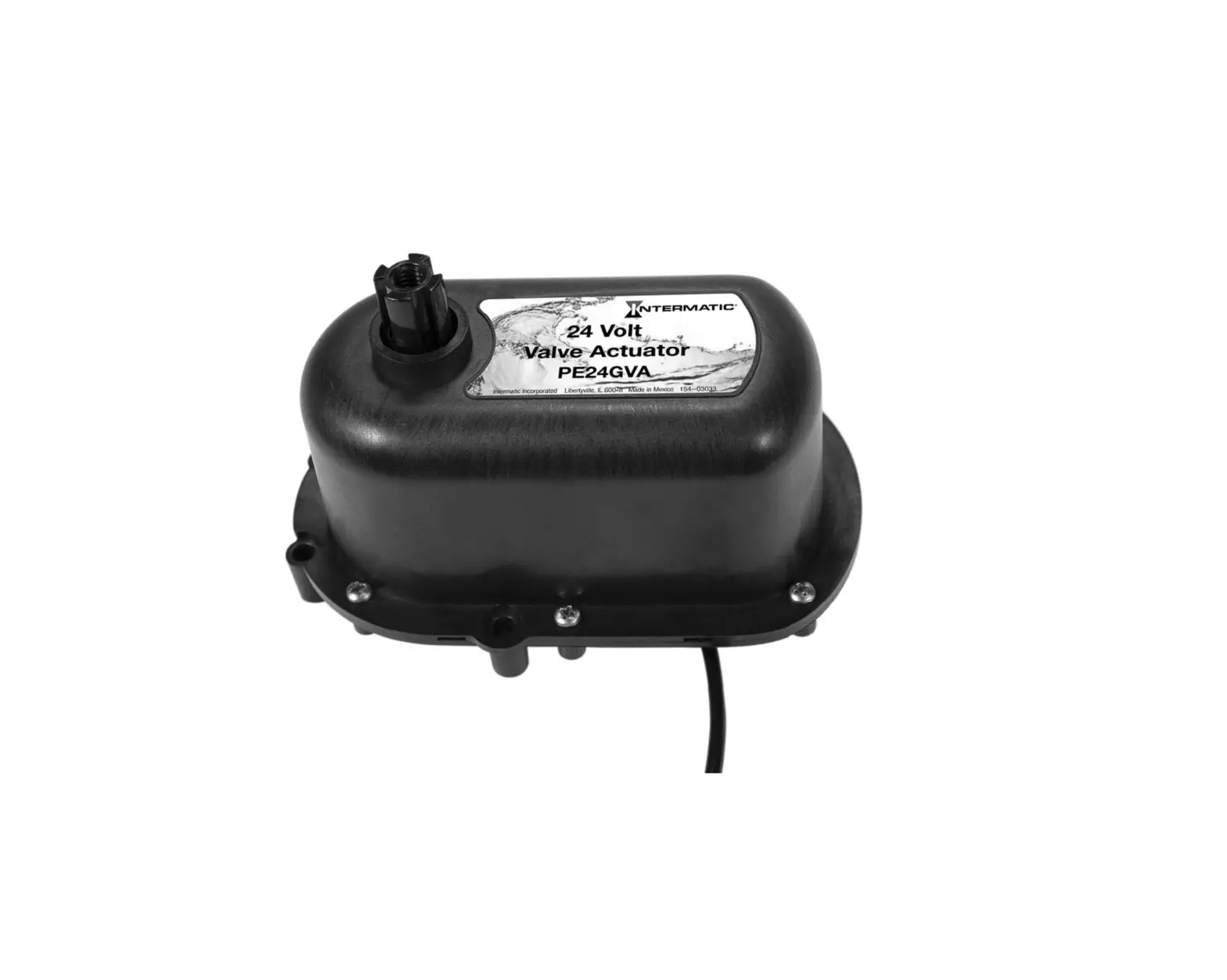
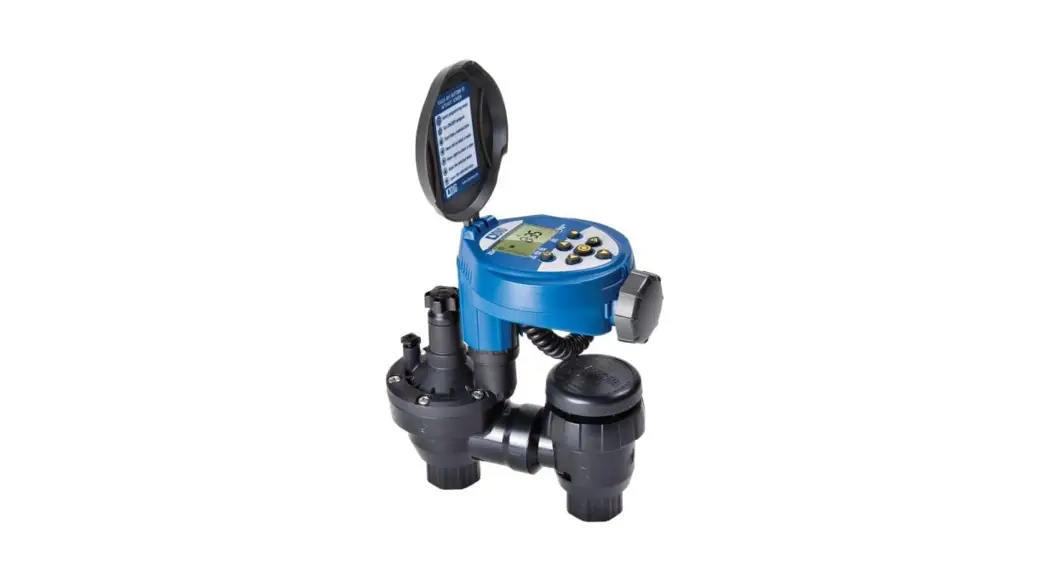
CL Series Automatic Actuator and Anti-Siphon Valve Repair
Product Information: Automatic Actuator & Anti-Siphon Valve
Repair
The Automatic Actuator & Anti-Siphon Valve Repair kits are
designed to repair the CL Series Classic Actuators and AA / AB
Series Compact Actuators, as well as AS466 Series Anti-Siphon
Valves. The kits contain all the necessary parts for repairing the
actuators and valves.
Actuator Repair Kits
The Actuator Repair Kits are available for CL Series Classic
Actuators and AA / AB Series Compact Actuators. The kits contain
different parts depending on the manufacturing date of the
actuator.
CL Series Classic Actuators
- For actuators manufactured prior to 2014, the RK-25C kit
contains parts such as Flow Control Bleed Screw & O-Ring,
Diaphragm Assembly Screw Diaphragm 3.75 Dia., Solenoid Coil
Solenoid O-Ring, and others. - For actuators manufactured after 2014, the RK-25C kit contains
parts such as Bleed Screw & O-Ring, Diaphragm Support &
O-Ring, Ridged Diaphragm, Metering Rod, and others. For actuators
manufactured after 2014 with the manufactured date code on the
neck, the RK-25C kit contains different parts such as SOLENOID
COIL, SOLENOID TUBE SOLENOID O-RING, STEEL DIAPHRAGM SUPPORT
WASHERS, and others.
AA / AB Series Compact Actuators
- For compact actuators manufactured before 2016 with the
manufactured date code on the top between the screws, the RK-17C
kit contains parts such as Bleed Screw & O-Ring, Long Brass
Diaphragm Screw Diaphragm 32..755Dia., Medium O-Ring Diaphragm
Support, and others. - For compact actuators manufactured in or after 2016 with the
manufactured date code on the neck, the RK-18C kit contains parts
such as SOLENOID COIL, SOLENOID TUBE SOLENOID O-RING, SOLENOID
ARMATURE, COMPACT DIAPHRAGM (WITH RIDGE), and others.
Anti-Siphon Valve Repair Kits
The Anti-Siphon Valve Repair Kits are available for AS466 Series
Anti-Siphon Valves. The RK-1C kit is for 3/4 valves, while the
RK-2C kit is for 1 valves. The kits contain all the necessary parts
for repairing the anti-siphon valves.
Product Usage Instructions: Automatic Actuator &
Anti-Siphon Valve Repair
- Identify the brand and date of manufacture of the actuator or
valve. The date stamp should read as follows:- Date code between two screws (i.e. 04/02)
- Date code on hexagon neck (i.e. 06/16)
- Refer to the corresponding RK part number for the repair kit
needed based on the manufacturing date of the actuator or
valve. - Open the repair kit and ensure that all necessary parts are
included. - Follow the instructions provided in the repair kit to replace
the damaged or worn-out parts in the actuator or valve. - Test the repaired actuator or valve to ensure proper
functioning. - If the actuator or valve still does not function properly, seek
professional assistance.
Automatic Actuator & Anti-Siphon Valve Repair
Features & Benefits · High quality brass construction for years of service. · Available in Classic (“CL”) and Compact (“AA”/”AB”) models. · Easily converts manual valves to automatic operations. · Manual bleed screw and flow control. · Fully repairable with Champion Irrigation actuator repair kits.
· Rated to 150 PSI max.
· Minimum flow: 5 GPM. · Available in 3/4″ and 1″ NPT connections.
· Available factory-installed in anti-siphon valve bodies
Electrical Specifications · 24VAC / 60hz solenoid with 14″ lead wires. · Inrush current: 0.59 AMPS (14.2 VA). · Holding current: 0.33 AMPS (7.9 VA).
Arrowhead Brass 5147 Alhambra Ave., Los Angeles, CA 90032 Tel: (323) 221-9137 | Fax: (323) 221-2579 | Email: [email protected] | Website: www.arrowheadbrass.com © Copyright: 2019 Arrowhead Brass.
Actuator Repair Kits
Identify Brand & Date of Manufacture
Start by double checking that you have a Champion brand actuator. All Champion actuators will have “CHAMPION” stamped on the top of the actuator, as in the image below. If the actuator has a different brand stamped on it, please refer to that manufacturers repair information. Next, identify the manufacturing date of the actuator. If the original documentation is unavailable, you can locate the original manufacturing date on the actuator. The date stamp is located between two of the screws around the top or along the side of the hexagon neck above the threads (see images below).
The date stamp should read as follows:
Date code between two screws (i.e. 04/02)
Date code on hexagon neck (i.e. 06/16)
i.e 06/16
If your date code is located like above: · Category 1- Date codes older than 2014, skip to page 4 · Category 2- Date codes from or after 2014, skip to page 5
If your date code is located on the neck, like above,: · Catagory 3- Skip to page 6
Actuator Repair Kits
CL Series Classic Actuators
For actuators manufactured prior to 2014, the diagram shows the available parts sold. Please refer to the “RK” part numbers below for the corresponding repair kits: 1. RK-25C
· For 3/4″ & 1″ actuators · Includes replacement diaphragm, seat washer,
O-rings, red-fiber gaskets and the short brass metering screw · Flat 3-3/4″ diaphragm with 11 holes total
2. RK-28C · Replacement Solenoid
3. RK-29C · Replacement brass bleed screw with o-ring (2 pack)
Flow Control Bleed Screw & O-Ring
Diaprhagm Assembly Screw Diaphragm 3.75″ Dia.
Medium O-Ring Diaphragm Support
Solenoid Coil Solenoid O-Ring
Solenoid Armature
Flow-Control Stem & O-Ring
Diaphragm Spring Diaphragm Metal Washer
Metering Rod Diaphragm Sha
Seat Washer Meter Screw
Red Fiber Gasket
Actuator Repair Kits
CL Series Classic Actuators
For actuators manufactured after 2014, the diagram shows the available parts sold. Please refer to the “RK” part numbers below for the corresponding repair kits: 1. RK-25C
· For 3/4″ & 1″ actuators · Includes replacement diaphragm, seat washer,
O-rings, red-fiber gaskets and the short brass metering screw · Ridged diaphragm with outside ring.
2. RK-28C · Replacement Solenoid
3. RK-29C · Replacement brass bleed screw with o-ring (2 pack)
Bleed Screw & O-Ring
Diaphragm Support & O-Ring
Ridged Diaphragm
Metering Rod
Flow Control Solenoid Coil
Solenoid O-Ring
Solenoid Armature
Flow Control Stem & O-Ring
Diaphragm Spring
Diaphragm Metal Washer Diaphragm Shaft
Seat Washer Metering Screw
Red Fiber Gasket
Actuator Repair Kits
CL Series Classic Actuators
For actuators manufactured after 2014, with the manufactured date code on the neck, the diagram shows the available parts. Note: This actuator has an “external” spring visible right below the threads. Please refer to the “RK” part numbers below: 1. RK-25C
· For 3/4″ & 1″ actuators · Includes replacement diaphragm, seat washer,
O-rings, red-fiber gaskets and the short brass metering screw · Flat diaphragm with 11 holes
2. RK-28C · Replacement Solenoid
3. RK-29C · Replacement brass bleed screw with o-ring (2 pack)
SOLENOID COIL
SOLENOID TUBE SOLENOID O-RING
STEEL DIAPHRAGM SUPPORT WASHERS
FLOW CONTROL STEM O-RING
BLEED SCREW BLEED SCREW O-RING
BRASS RETAINING NUT FLAT DIAPHRAGM (3-3/4″ DIA.)
SMALL FIBER GASKET
FIBER GASKET DIAPHRAGM SHAFT
SEAT WASHER
MEDIUM O-RING SEAT WASHER NUT
Actuator Repair Kits
AA / AB Series Compact Actuators
For compact actuators manufactured before 2016, with the manufactured date code on the top between the screws, the diagram shows part breakdown. Please refer to the “RK” part numbers below: 1. RK-17C
· Actuator repair kit for 3/4″ & 1″ compact actuators (made before 2016)
· Includes replacement diaphragm, seat washer, O-rings, red-fiber gaskets, diaphragm screw and the metering screw
· Flat diaphragm with 9 holes
2. RK-28C · Replacement Solenoid
3. RK-29C · Replacement brass bleed screw with o-ring (2 pack)
Bleed Screw & O-Ring
Long Brass Diaphragm Screw Diaphragm 32..755″”Dia. Medium O-Ring Diaphragm Support
Flow Control
Solenoid Coil
Solenoid O-Ring
Solenoid Armature
Flow Control Stem & O-Ring Diaphragm Spring
Diaphragm Washer
Metering Rod Diaphragm Sha
Seat Washer Meter Screw
Red Fiber Gasket
Actuator Repair Kits
AA / AB Series Compact Actuators
For compact actuators manufactured in or after 2016, with the manufactured date code on the neck, the diagram shows the parts breakdwon. Note: This actuator has an “external” spring visible right below the threads. Please refer to the “RK” part numbers below: 1. RK-18C
· For 3/4″ & 1″ Compact actuators made in 2016 or after.
· Includes replacement diaphragm, seat washer, O-rings, fiber gaskets, nuts and steel washers
· Ridged diaphragm
2. RK-28C · Replacement Solenoid
3. RK-29C · Replacement brass bleed screw with o-ring (2 pack)
SOLENOID COIL
SOLENOID TUBE SOLENOID O-RING SOLENOID ARMATURE
COMPACT DIAPHRAGM (WITH RIDGE)
DIAPHRAGM SUPPORT WASHER
SOLENOID NUT
FLOW CONTROL FLOW CONTROL O-RING
METERING ROD
BLEED SCREW & O-RING BRASS RETAINING NUT
DIAPHRAGM SUPPORT WASHER SMALL FIBER GASKET
SPRING
FIBER GASKET DIAPHRAGM SHAFT
SOLENOID NUT
O-RING SEAT WASHER
Anti-Siphon Valve Repair Kits
AS466 Series Anti-Siphon Valves
Champion Anti-Siphon Valves connect to the inlet and outlet pipes and are operated manually, or with an added automatic actuator: 1. RK-1C (3/4″ valves) or RK-2C (1″ valves
· Stem rebuild kit: Packing washer, seat washer & red fiber gasket (manual valves only)
2. RK-4C (3/4″ valves) or RK-5C (1″ valves) · Anti-siphon rebuild kit: Float, float washer & red fiber gasket
Packing Washer
Seat Washer Red Fiber Gasket
Float Washer Anti-Siphon Float
Red Fiber Gasket
3. RK-30C (3/4″ valves) or RK-31C (1″ valves) · Full rebuild kit, including Union Gasket · RK-30C contains parts in RK-1C & RK-4C · RK-31C contains parts in Rk-2C & RK-5C
*The above repair kits do not repair Champion model 350. Contact Champion Irrigation Customer Service for assistance.
Union Gasket
*In order to rebuild, both the brass anti-siphon cap and the manual stem must be removed. **Automatic valves will not have the manual flow control stem. Actuators must be removed to repair anti-siphon valve.
Troubleshooting Guide
Common Problems and Solutions
#1: Valve has continuous slow leak or will not fully shut off/close · Solenoid failure: If the solenoid is not seating properly, water may leak.
1. Remove the solenoid and check the solenoid for dirt or debris. There should be no dirt or rust on the inside of the solenoid rod/chamber or on the armature. Clean with water if necessary or replace the solenoid.
2. Clean the holes at the flat base of the solenoid port. Use a paper clip or similar tool to clean debris build up inside the 2 holes passing into the top of the actuator.
3. Ensure the solenoid o-ring is in good condition. Replace the o-ring if broken or damaged.
· Damaged Diaphragm: If the diaphragm has lost elasticity or if there are cracks or pin holes, it will cause water to leak into your sprinklers.
1. Replace the diaphragm and other components using the corresponding repair kit.
2. Clean the actuator and metering rod using water or an emery cloth.
· Damaged or worn seat washer or metering screw:
1. Test by opening manual bleed screw. If no water leaks from the bleed screw, it’s likely caused by debris or build up at the washer, the metering screw, or the metering rod inside.
2. Remove actuator from valve and check the seat washer. If washer is pitted, damaged or overly worn, flip the washer over or replace it.
3. Clean the valve seat of any debris. If there are any blemishes or nicks on the valve seat, you can gently polish it with 400-600 grit wet/dry sandpaper.
4. For actuator models before 2014, if the center hole of the meter screw has become enlarged, replace the screw with components from the corresponding repair kit.
· Water Pressure:
1. Check for obvious leaks on the actuator. It should be dry under normal use. Replace O-rings and other parts to stop leaks. Tighten screws if leaks occur between top and bottom brass bodies of actuator.
2. Check your water pressure. Champion actuators are rated to a maximum of 125 PSI, but the optimal range is 80 – 100 PSI for best performance and water conservation. Pressure above 100 PSI may cause performance problems or abnormal wear on the valve.
#2: Valve will not open, or only opens part way, when energized
· Solenoid failure or is not receiving power:
1. With the controller/timer activated to the valve, place your fingers on the outside of the solenoid.
2. If a slight vibration is felt, the solenoid is receiving power and is not the cause. Ensure the solenoid is not screwed too deeply into the seat and that the O-ring is not damaged.
3. If the solenoid does not vibrate or hum when activated, use a volt meter to ensure 24 volts (+/- 2 volts) are present out of the controller as well as at the solenoid. If the controller output is sufficient (24 VAC) but the solenoid does not vibrate or hum, check the wiring using the volt meter at the solenoid
· Damaged diaphragm or brass diaphragm shaft:
1. Disassemble the actuator and check the diaphragm for damage. If the diaphragm is damaged, replace the diaphragm and assembly parts.
2. Check the brass shaft below the diaphragm for damage or enlarged opening. If the shaft is damaged, replace the actuator
Troubleshooting Guide
Common Problems and Solutions
#3: The valve does not shut off automatically · Controller malfunction or clogged /damaged actuator.
1. Check the controller to see if it is sending power to the station.
2. If the valve is not getting power from the controller and valve continues to run, try tapping the actuator with a rubber mallet. If the actuator closes after tapping it, the actuator may need a through cleaning to prevent it from sticking. You may want to disassemble and replace the seat washer, meter screw, solenoid and other parts.
3. If the valve does not turn off after tapping it, ensure the bleed screw is tightened down and the O-ring is intact. Clean out the solenoid ports to ensure it is not stuck open, and check the diaphragm for ruptures, pin-holes or tears.
#4: Water leaks out of the actuator
· Worn O-rings
1. Check the O-ring on the bleed screw and solenoid. Ensure the bleed screw threads are not stripped. Replace bleed screw, solenoid and O-rings as needed.
2. Disassemble the actuator and check the O-ring on the flow control stem. Replace as needed and apply silicone grease to the O-ring before reassembling.
· Leaks between top & bottom of actuator sections
1. Disassemble and check the diaphragm. Clean the actuator and replace parts as needed.
2. Re-assemble the actuator, ensuring the screws are tightened evenly in a cross-pattern order.
3. If water still leaks between top & bottom sections, place vise grips between two screws and squeeze the sections together while tightening the screws. Repeat the process between all other screws.
· Water leaks from where the actuator threads into the valve body
1. Check and replace the red fiber gasket
#5: Loud buzzing from the valve
· Wiring size may be too small to allow enough voltage to turn the actuator on.
1. Determine if the timer is the problem by switching the wires at the timer. For example, if the valve at station 1 buzzes, but station 2 does not, swap the wires for stations 1 & 2 at the controller. If the buzzing at station 1 stops and now station 2 buzzes, the timer is not functioning normally.
2. If the buzzing continues with station 1, check the solenoid and replace as needed.
#6: Constant leaks out of the anti-siphon valve
· Worn out float, washer or gasket 1. Remove the anti-siphon cap (12-sided brass cover). Use Calcium/ Lime/Rust remover if the cap is stuck.
2. Pull out all parts and check for damage: red fiber gasket, plastic float & washer.
3. Ensure the brass cap is not damaged, specifically inspect the brass rod in the center to ensure it is clean & straight.
4. Replace the anti-siphon components with the corresponding repair kit. Ensure the plastic float is centered on the brass rod on the cap when reassembled.
· Sprinklers, gravity or other cause:
1. Ensure the anti-siphon valve is above the sprinklers it is supplying. Water will leak out of the anti-siphon valve if sprinklers are up-hill. Antisiphon valve should not be installed under ground.
2. Blockage in the sprinkler supply lines can cause leaks.
 Arrowhead Home - Arrowhead Brass