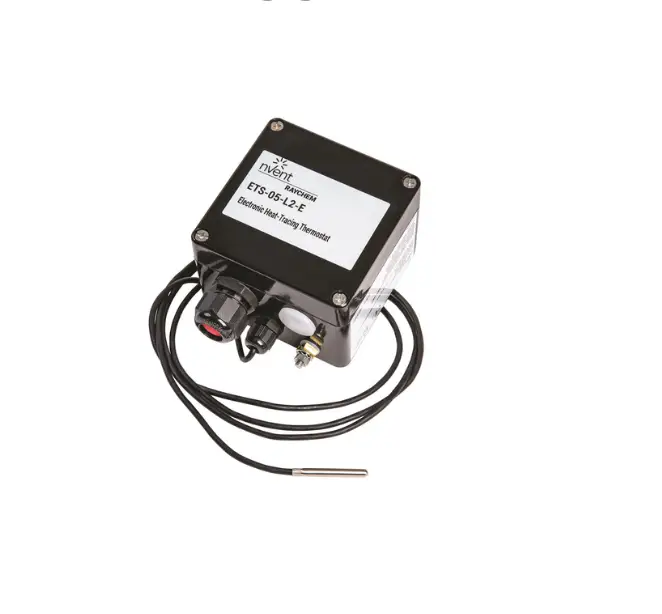
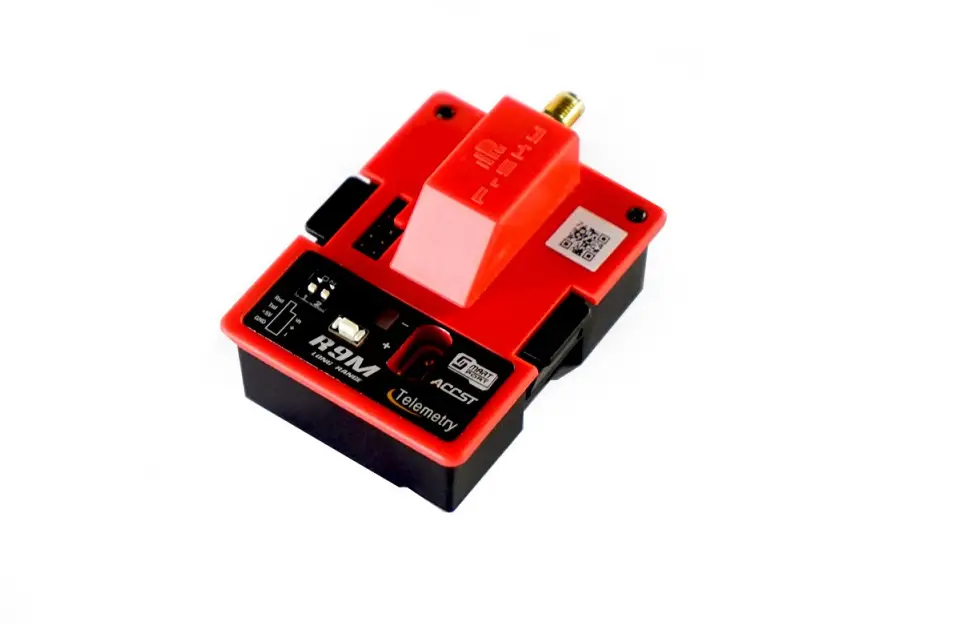
NGC-30-CR RMM3 Remote Temperature Module
Product Information:
The NGC-30 is a modular component used with the nVent RAYCHEM
system. It is available in different models: NGC-30-CR, NGC-30-CRM,
NGC-30-CRMS, NGC-30-CTM, and NGC-30-CVM. It is suitable for both
non-hazardous and hazardous locations.
The NGC-30 has been tested and found to comply with various
safety standards, including DEMKO 19 ATEX 2239 X, UL22UKEX2484X,
IECEx UL 19.0064 X. It is designed to provide reasonable protection
against harmful interference in a residential installation.
Product Usage Instructions:
1. Mounting: The NGC-30 must be mounted in an
ATEX/IECEx/UKEX certified Zone 2 enclosure that provides a minimum
ingress protection of IP54 when used in a Zone 2 environment. The
enclosure should only be accessible with the use of a tool.
2. Transient Protection: Provisions should be
made, external to the apparatus, to provide a transient protection
device set at a level not exceeding 140% of the rated voltage at
the input terminals of this apparatus.
3. General Installation:
- The NGC-30 components must be protected by external overcurrent
and disconnect devices, such as circuit breakers or a combination
of disconnect switch and fuses. - For overvoltage protection, an external protection needs to be
provided to limit any transients to 140% of the rated input
voltage. - Supply wiring insulation must be rated for the highest voltage
and temperature expected in the application. - Conductors must be sized appropriately for the application and
be protected by an external overcurrent device. - If there are multiple power sources, all must be de-energized
before performing any maintenance on a controller circuit.
4. Safety Precautions:
- Do not use substitute parts. Only use nVent-specified
parts. - Ensure proper installation to prevent shock or fire. Follow all
installation instructions and warnings provided. - Do not use the NGC-30 outside of its ratings or for
applications other than intended. - Verify that the intended location is classified as an approved
area for the product.
For technical support, contact nVent at +32 16 213511 or +1 800
5456258, or reach out to your local representative.
Contact Address: nVent, 899 Broadway Redwood City, CA 94063
United States. Tel: +1.800.545.6258, Fax: +1.800.527.5703, Email:
[email protected]
NGC-30-CR NGC-30-CRM NGC-30-CRMS NGC-30-CTM NGC-30-CVM
NGC-30
Non-hazardous Locations 1
Hazardous Locations 2 DEMKO 19 ATEX 2239 X UL22UKEX2484X IECEx UL 19.0064 X,
II 3 G Ex ec nC IIC T5 Gc Class I, Div. 2, Groups A,B,C,D T5 Ex nC IIC T5 Gc Class I, Zone 2, AEx nC IIC T5 Gc RU C-BE.58..01718/21 2Ex e nC IIC T5 Gc X 40°C..+60°C
1 Nicht-Ex-Bereiche / Zones non explosibles / 2 Explosionsgefährdete Bereiche / Zones explosibles / 3 (Russland, Kasachstan, Weißrussland) Für andere Länder wenden Sie sich bitte an Ihre lokale nVent Vertretung. / (Russie, Kazakhstan, Belarus)
Pour les autres pays, contactez votre représentant nVent local./ (, , ) nVent. 4 außer RMM3/ RMM3 exclus/ RMM3
2 | nVent.com/RAYCHEM
ENGLISH
EN
Modules for use with the nVent RAYCHEM NGC-30
Conducted and radiated emissions – Statement of compliance
DE
WARNING: This component is an electrical device that must be This equipment has been tested and found to comply with the limits
FR
installed correctly to ensure proper operation and to prevent shock
for a Class A digital device, pursuant to Part 15 of the FCC Rules.
or fire. Read these important warnings and carefully follow all of the These limits are designed to provide reasonable protection against
RU
installation instructions.
harmful interference in a residential installation. This equipment
generates, uses and can radiate radio frequency energy and, if
· Component approvals and performance are based on the use of not installed and used in accordance with the instructions, may
nVent-specified parts only. Do not use substitute parts.
cause harmful interference to radio communications. However,
· Keep components dry before and during installation
there is no guarantee that interference will not occur in a particular
· Leave these instructions with the end user for reference and future use.
installation. If this equipment does cause harmful interference to radio or television reception, which can be determined by turning the equipment off and on, the user is encouraged to try to correct the
For technical support, call nVent at +32 16 213511 or
interference by one or more of the following measures:
+1 800 5456258 or your local representative.
· Reorient or relocate the receiving antenna.
ATEX/IECEx/UKEX ZONE 2 conditions of safe use
1. This equipment must be mounted in an ATEX/IECEx/UKEX certified Zone 2 enclosure that provides a minimum ingress protection of IP54 when used in a Zone 2 environment.
2. The enclosure shall only be accessible with the use of a tool. 3. Device shall only be used in an area of not more than pollution
degree 2. 4. Provisions shall be made, external to the apparatus, to provide
the transient protection device to be set at a level not exceeding 140% of the rated voltage at the input terminals of this apparatus.
General installation instructions
1. The NGC-30 components must be installed:
In compliance with all local electrical and safety codes
· Increase the separation between the equipment and receiver. · Connect the equipment into an outlet on a circuit different from
that to which the receiver is connected. · Consult the dealer or an experienced radio/TV technician for
help.
This Class A digital apparatus complies with Canadian ICES-003.
Contact address
nVent 899 Broadway Redwood City, CA 94063 United States Tel +1.800.545.6258 Fax +1.800.527.5703 [email protected]
In an enclosure suitable for the application environment. When used in Zone 2 hazardous locations, a minimum IP54 enclosure is required. The enclosure shall only be accessible with the use of a tool.
2. The NGC-30 components must be protected by external overcurrent and disconnect devices. This may be a circuit breaker or a combination of disconnect switch and fuses. Also for Overvoltage protection, an external protection needs to be provided to limit any transients to 140% of the rated input voltage. The disconnect device:
Must disconnect all ungrounded, current-carrying conductors Should be located in close proximity to the equipment Be within easy reach of the Operator Be marked as the disconnecting device for the equipment
3. Supply wiring insulation must be rated for the highest voltage and temperature to be encountered in the application. Conductors must be sized for the application and be protected by an external overcurrent device.
4. Some wiring configurations will use more than one power source and all must be de-energized prior to performing any maintenance on a controller circuit.
5. Protection provided by this equipment may be impaired if the device is used outside of its ratings or for applications other than is intended.
6. Always be sure that the intended location is classified as an area for which the product is approved.
7. CRM(S) and CTM modules must be handled with care when installed in a panel. Components should not be subject to mechanical stress.
8. Wear an anti-static wrist strap connected to ground in order to avoid component damage when installing the CRM(S) or CTM modules.
nVent.com/RAYCHEM | 3
EN
NGC-30-CRM/-CRMS and NGC-30-CTM
General
DE
Description
Supply Voltage 12 Vdc ± 10%
FR
The nVent RAYCHEM NGC-30-CRM/-CRMS and NGC-30-CTM provide ground-fault and line current sensing, alarming, switching
Internal power consumption
< 5 W per NGC-30-CRM/-CRMS
RU
and RTD inputs for five heat-tracing circuits when used with the NGC-UIT. The NGC-30-CRM is used to control Electromechanical
Ambient operating 40°F to 140°F (40°C to 60°C) temperature
Relays (EMRs) and the NGC-30-CRMS is used to control Solid State Ambient storage 40°F to 167°F (40°C to 75°C)
Relays (SSRs).
temperature
Tools Required
· Screw driver small blade – standard · RJ11 stripping/crimping tool
· Wire cutters · RJ11 connectors
Environment Max. altitude
PD2, CAT III 2000 m
Humidity
0 90% non-condensing
Electromagnetic Compatibility
Additional Materials
Immunity
Heavy Industrial
· Power supply – 12 Vdc @ 400 mA-per NGC-30-CRM/-CRMS board Emission
Industrial Environment
· RJ11 4 conductor cable
Temperature Sensors
Type
100-ohm platinum RTD, 3-wire, = 0.00385 ohms/ohm/°C. Can be extended with a 3-conductor shielded cable of 20 ohm maximum per conductor
Quantity
Up to five wired directly to each NGC-30-CRM/-CRMS
D A
C B
Current Sensors
Mounting Quantity per NGC-30-CTM
Din Rail 35 mm
Five for ground-current measurement Five for line current measurement
Line Current Sensors
Max current
60 Aac 50/60 Hz
Accuracy
± 2% of reading
Ground Fault Sensor
Range Accuracy
10 200 mA ± 4% of range at 30 A line current
Kit Contents
Item Qty Description
A
1
NGC-30-CRM or CRMS (card rack module with connectors)
B 1 NGC-30-CTM (current transformer module)
C 1 NGC-30-CR (card rack)
D 1 NGC-30-CVM (voltage monitoring module) – optional
Cleaning instructions
If dust accumulates on the NGC-30-CRM/-CRMS circuit board use dried compressed air to remove the dust. Turn off all power to the NGC-30 panel. Carefully disconnect all cables from a single NGC-30-CRM/-CRMS card, making sure to label cables so that they can be reconnected after board cleaning. Wear an anti-static wrist strap connected to ground in order to avoid component damage. Remove the CRM/CRMS circuit card from the card cage and place on a clean lint-free surface.
Use dry compressed air from a can for cleaning circuit boards. (Avoid factory compressed air since it may contain enough moisture or oil to cause permanent damage.) Use short quick blasts to remove dust build-up as necessary. After cleaning, replace the CRM/ CRMS in the same card cage position and reconnect all cables. Remove only one card at a time for cleaning to avoid any problems during re-installation.
Voltage Sensor Range Accuracy
80 290 Vac 50/60 Hz ± 1% of span
Outputs CRM output relays
CRMS SSR outputs Alarm Relay
Form A 3-Amp @ 277 Vac max 50/60 Hz (CSA), 1.5 A MAX @ 277 Vac max 50/60 Hz (IECEx/ATEX/UKEX) 12 Vdc @ 30 mA max per output
Form C 3 A MAX @ 277 Vac max 50/60 Hz (CSA), 1.5 A MAX @ 277 Vac max 50/60 Hz (IECEx/ATEX/UKEX)
Communication to NGC-UIT
Type
2 wire RS-485
Cable Length Quantity
One shielded twisted pair
4000 ft. (1200 M) maximum* Up to 52 NGC-30-CRM/-CRMS may be connected to one NGC-UIT
Connection Terminals
Power supply/ Pilot Relay/ RTD/ Comm Port (RS485)
0.8 – 3.3 mm2 (18-12 AWG) Minimum rating of client provided wiring, 70°C or higher Tightening torque: min 0.5 Nm, max 0.6 Nm
* If required a Repeater can be used.
4 | nVent.com/RAYCHEM
EN
NGC-30-CRM/-CRMS installation instructions
DE
NGC-30-CRM/CRMS bk
FR
RU
MSB LSB
TB 12
TB 7
1
2
9
TB 1
1 2 3
TB 19 TB 6 TB 13
3 456 7
TB 2 TB 14
TB 3
TB 15
8
TB 4 TB 16
TB 5 TB 17
Alarm Relay 2 Relay 4
Rx Relay 5
1 Alarm output 2 Relay outputs (5x) 3 LEDs (9x) 4 Fuse 5 12 Vdc Inputs (2x)
6 End of Line (EOL) jumper 7 RS-485 Communications 8 Line & ground-fault sensor
inputs (5x)
9 RTD Inputs bk Address Switches
Power Relay 1 Relay 3 Tx
LED functions
Power Supply
The power supply connector (TB19) is a dual two pin connector. Either connector allows for power in (pin #1 (+), pin #2 () and bussing of power to other NGC-30-CRM modules).
Note: Power supply must be sized correctly based on the number of NGC-30-CRM/-CRMS modules.
RS-485 Communications
The RS-485 connector (TB6) is a dual three pin connector. Either connector allows for RS-485 input signals (pin #1 (shield), pin #2 (+), pin #3 ()) and bussing of RS485 signal to other NGC-30-CRM modules.
End of Line (EOL) Jumper
If this device (NGC-30-CRM/-CRMS) is the last device in the RS-485 network, the J1 jumper needs to be moved from terminals 2 & 3 to terminals 1 & 2.
1 21 2
123 123
Normal position
End of Line position
123 123
178 mm (7.00″)
273 mm (10.75″)
nVent.com/RAYCHEM | 5
EN
RTD Inputs Ordinary Area
3 wire RTDs with shield may be connected
DE
to RTD Ch1 thru Ch 5 (TB1 – TB5). The
two common wires (usually red, red) are
FR
connected to terminals 2 & 3, the source
(usually white) to terminal 1 and the braid to
RU
1234
terminal 4 (earth ground).
Note: RTD’s are not required if monitoring current/ground-faults only or if RTD’s are connected via RMM3.
Terminal block
Hazardous area
RTD Inputs Hazardous Area
For all RTD terminations in a hazardous area, the RTD field wires must be terminated on a panel-mounted terminal block.
NGC-30-CRM/CRMS Board
4 3 2 1
Factory wired RTD
RTD connected directly to CRM board
RTD
1 2 3
4 Shield
RTD1
RTD
1
2
RTD2
3
4 Shield
RTD
1
2
RTD3
CRM
3
4 Shield
PCB
RTD
1
2
RTD4
3
4 Shield
RTD
1
2
RTD5
3
4 Shield
Chassis Ground
Relay Output Connections to Contactors or Solid State Devices (TB7)
10-RLY3 8-RLY2 12-RLY4
7 8 9 10 11 12
123456
1-COM
6-RLY5
3-RLY1
This connector switches voltage to the contactor coils or solid state relays. The pilot relay will switch the supply voltage (up to 277 Vac) to the contactor coil (using an NGC-30-CRM) or 12 Vdc to the solid state device (using an NGC-30-CRMS).
Refer to system layout diagram for detail wiring.
NGC-30-CR installation instructions
Mounting of Card Rack
Use the mounting template (on page 7) to mount the rack on a panel backplane. There are four holes (0,48 cm dia.) to secure it to the mounting surface using #8 screws.
Once the card rack is installed, a earth bonding wire must be connected to the card rack using the ground screw provided.
Note: The card rack must be installed on a non-combustible surface.
Common Alarm
The common alarm terminal block (TB12) provides a form C dry contact, rated at 277 Vac max (3 A).
When the nVent RAYCHEM NGC-30 system
123
is powered on, the common alarm relay
coil is energized and pin 2 is connected
to pin 1 (common). This is the “No Alarm”
condition for the CRM/CRMS board.
If the alarm occurs, or the CRM/CRMS board loses power, the relay coil is de-energized and pin 1 (common) is disconnected from pin 2 and connected to pin 3 to indicate an alarm condition exits.
279 mm (10.97″)
183 mm (7.20″)
283 mm (11.15″)
Grounding screw
8 COM N.C. N.O.
Address Switches (SW1 & SW2)
MSB
LSB
SW2 SW1
3
Each NGC-30-CRM/-CRMS must have a unique communication address selected. The valid address switch range when using the NGC-UIT is 1-99. SW1 is the ones digit (09) and SW2 is the tens digit (0 or 9).
Note: When adding an NGC-30-CRM/-CRMS to the system, you must perform a network update at the NGC-UIT.
6 | nVent.com/RAYCHEM
System layout NGC-30-CRM
12 Vdc 230 Vac in Power
Supply
230 Vac contactor power L N
Alarm relay output AC voltage up to 277 Vac
L
N
230 Vac
Relay drivers
1
1
3
2 8
3 10
4 12
5 6
Pilot relays Contactor located on coils circuit board
To heater’s power junction box
To contactor coils (see detail)
EN
DE
NGC-UIT
Touch
FR
Screen
RU
RTDs
NGC-30-CRM
NGC-30-CTM
Distribution panel board with standard circuit breakers
ø1 ø2 ø3 N
nVent.com/RAYCHEM | 7
EN
NGC-30-CTM installation instructions
DE
FR
RU
DIN rail mounting foot
(X2)
3.5 in (89.9 mm)
top of DIN rail
DIN rail
9.75 in (248 mm)
Ground-Fault/Line Current Sensors
Connections from NGC-30-CRM/-CRMS to NGC-30-CTM. Using an RJ11 connector/cable assembly, connect one end to an RJ11 input (TB13-TB17) and the other end to the appropriate NGC-30-CTM RJ11 connector.
Typical connection (1 of 5) 8
Ground-Fault/Line Current Cable Assembly In EMEAI the cables are not available as loose item. Cables are project specific and will be custom made. In North America a complete cable may be ordered as part number: 205780100-XXX, with XXX = length (L) in inches.
(L)
Mounting of NGC-30-CTM
Each NGC-30-CTM mounts on a DIN 35 rail. It should be located between the circuit breaker or terminal block and contactor or SSR in the panel.
Optional Voltage Sensor
The optional voltage sensor can monitor 80 290 Vac. This voltage connects to one of the five line current/ground-fault inputs on the NGC-30-CRM.
Note: By using the optional voltage sensor, you lose the ability to monitor the ground-fault and current for that circuit.
Voltage Sensor Cable Preparation Notes:
1. Cut one end off of a ground-fault /line current cable.
2. Strip insulation approx. 2,5 cm from cut end.
3. Strip the red and black wire insulation approx. 0,5 cm.
4. Connect red and black wire to the two position terminal plug. No need to be concerned about polarity.
5. Trim brown and orange wires from cut end.
8 | nVent.com/RAYCHEM
System layout NGC-30-CRMS
12 Vdc 230 Vac in Power
Supply
Internal 12 Vdc SSR power
Alarm relay output AC voltage up to 277 Vac
Note: 12 Vdc power provided by NGC-30-CRMS board
Internal 12 Vdc
+
To SSR DC input (see detail)
1 Output driver
13
SSR SSR
28
SSR
3 10
SSR
4 12
SSR
56
SSR
To heater’s power junction box
(typical 5)
SSR SSR
SSR SSR SSR SSR
EN
DE
NGC-UIT
Touch
FR
Screen
RU
RTDs
NGC-30-CRMS
NGC-30-CTM
Distribution panel board with standard circuit breakers
ø1 ø2 ø3 N
nVent.com/RAYCHEM | 9
EN
DE
FR
RU
10 | nVent.com/RAYCHEM
18 cm (7.00″)
Top of Card Rack
NGC-30-CR Wall mounted hole template
(Note: Ensure the printed template has scaled correctly.
6,2 cm (2.4″)
25 cm (9.75″)
ø 0,5 cm
(0.188″)
1,5 cm (0.625″)
DEUTSCH
EN
Regel- und überwachungsmodule zum nVent RAYCHEM NGC-30
6. Es ist stets darauf zu achten, dass das Produkt nur für den
DE
WARNUNG: Bei dieser Komponente handelt es sich um ein
Anwendungsfall eingesetzt wird, für welchen die entsprechenden
Zulassungen vorliegen.
FR
elektrisches Gerät, welches entsprechend den Vorgaben eingebaut und betrieben werden muss, damit der einwandfreie Betrieb sichergestellt ist und die Gefahr eines Stromschlags oder eines Brandes ausgeschlossen werden kann. Lesen Sie diese wichtigen
7. Beim Einbau der Module CRM(S) und CTM in einen Schaltschrank ist Sorgfalt geboten. Die Bauteile dürfen keiner mechanischen Belastung ausgesetzt werden.
RU
Warnhinweise, und befolgen Sie alle Montageanweisungen genau.
8. Tragen Sie beim Einbau der Module CRM(S) oder CTM ein mit
Masse verbundenes Antistatik-Armband, damit die Komponenten
· Zulassungen und Leistungsangaben gelten nur, wenn
nicht beschädigt werden.
Originalteile von nVent verwendet werden. Verwenden Sie keine
Fremdkomponenten.
Elektromagnetische verträglichkeit erklärung über die einhaltung
· Komponenten vor und während der Montage trocken halten.
der gesetzlichen bestimmungen
· Übergeben Sie diese Montageanleitung an den Betreiber der Anlage.
Falls Sie technische Unterstützung benötigen, wenden Sie sich an nVent unter der Telefonnummer + 00 32 16 213511 oder an einen Vertreter in Ihrer Region.
ATEX/IECEx/UKEX ZONE 2 Sichere Einsatzbedingungen
1. Dieses Gerät muss in einem ATEX/IECEx/UKEX-zertifizierten Gehäuse der Zone 2 montiert werden, das bei Verwendung in einer Umgebung der Zone 2 mindestens die Schutzart IP54 aufweist.
2. Das Gehäuse darf nur mit Hilfe eines Werkzeugs zugänglich sein. 3. Das Gerät darf nur in einem Bereich mit maximalem
Verschmutzungsgrad 2 eingesetzt werden. 4. Es müssen Vorkehrungen außerhalb des Geräts getroffen
werden, damit die Überspannungsschutzeinrichtung auf einen Wert von höchstens 140 % der Nennspannung an den Eingangsklemmen dieses Geräts eingestellt werden kann.
Allgemeine montageanleitung
Dieses Gerät wurde getestet und entspricht den Grenzwerten für digitale Geräte der Klasse A gemäß Teil 15 der FCC-Richtlinien. Diese Grenzwerte wurden für einen angemessenen Schutz gegen Störstrahlungen in Wohngebieten entwickelt. Dieses Gerät kann Funkfrequenzenergie erzeugen, verwenden und abstrahlen. Wenn es nicht gemäß den Anweisungen installiert und verwendet wird, kann es Störstrahlungen bei Funkübertragungen hervorrufen. Es kann jedoch nicht ausgeschlossen werden, dass bei bestimmten Installationen doch Störstrahlungen auftreten. Falls dieses Gerät den Radio- oder Fernsehempfang stört, was durch Aus- und Einschalten des Geräts festgestellt werden kann, sollte der Benutzer zur Behebung der Störung mindestens eine der folgenden Maßnahmen ergreifen:
· Die Empfangsantenne neu ausrichten oder an einer anderen Stelle aufstellen.
· Den Abstand zwischen dem Gerät und dem Empfänger vergrößern.
· Das Gerät an eine andere Steckdose anschließen, die nicht zu dem Schaltkreis gehört, an den der Empfänger angeschlossen ist.
1. Die NGC-30-Komponenten müssen installiert werden:
Unter Einhaltung aller lokalen Vorschriften und Sicherheitsrichtlinien
· Den Händler oder einen erfahrenen Radio-/Fernsehtechniker um Hilfe bitten.
Dieses Gerät entspricht EN ICES-003.
In einem für die Anwendung geeigneten Gehäuse. Bei Verwendung in Ex-Bereichen (Klasse I, Div. 2 oder Zone 2) ist mindestens
2. Die NGC-30-Komponenten sind durch externe Überstrom- und Trennvorrichtungen zu schützen. Dabei kann es sich um einen Schutzschalter oder eine Kombination aus Trennschalter und Sicherungen handeln.
Die Trennvorrichtung:
Kontakt
nVent 899 Broadway Redwood City, CA 94063 United States Tel +1.800.545.6258 Fax +1.800.527.5703 [email protected]
Muss alle nicht geerdeten, stromführenden Leiter trennen
Sollte sich in unmittelbarer Nähe des Geräts befinden
Muss für den Bediener leicht erreichbar sein
Ist als Trennvorrichtung für das Gerät zu kennzeichnen
3. Die Verdrahtung ist entsprechend der vorgesehenen Anschlussspannung bzw. des Nennstroms entsprechende und der maximal auftretenden Temperatur auszulegen. Die eingesetzten Anschlusskabel sind auf die Anwendung abzustimmen und durch eine externe Überstromvorrichtung zu schützen.
4. Einige Bauteile nutzen mehrere Stromquellen welche alle abgeschaltet werden müssen, bevor Wartungsarbeiten ausgeführt werden dürfen.
5. Der von dieser Vorrichtung ausgehende Schutz kann beeinträchtigt werden, wenn die Nennwerte des Geräts überschritten werden oder wenn das Gerät für andere als die vorgesehenen Anwendungen verwendet wird.
nVent.com/RAYCHEM | 11
EN
NGC-30-CRM/-CRMS and NGC-30-CTM
Hinweis zur reinigung
DE
Beschreibung
Falls sich auf der NGC-30-CRM/-CRMS-Karte Staub ansammelt, können Sie diesen mit trockener Druckluft entfernen. Trennen Sie
FR
Das nVent RAYCHEM NGC-30 ist ein elektronisches Mehrkanalsystem zur Regelung und Überwachung von
den NGC-30-Schaltschrank von der Stromversorgung. Trennen Sie vorsichtig alle Kabel von einer NGC-30-CRM/-CRMS-Karte.
RU
Begleitheizungssystemen. Es findet beispielsweise Anwendung bei Prozesstemperaturhaltung und Frostschutz an Rohrleitungen.
Kennzeichnen Sie dabei die Kabel so, dass sie nach der Reinigung der Karte wieder richtig angeschlossen werden können. Tragen
Die Systeme NGC-30-CRM/-CRMS und NGC-30-CTM beinhalten
Sie ein mit Masse verbundenes Antistatik-Armband, damit
die Fehlerstrom- und Heizstromüberwachung sowie Alarm-,
die Komponenten nicht geschädigt werden (elektrostatische
Schalt- und Fühlereingänge für fünf Heizkreise. Die Visualiserung
Entladung). Entfernen Sie die CRM/CRMS-Karte aus dem
erfolgt über das Touchpanel NGC-30-UIT. Das NGC-30-CRM steuert
Baugruppenträger, und legen Sie sie auf einer sauberen, fusselfreien
die elektromechanischen Relais (EMR), das NGC-30-CRMS die
Oberfläche ab.
elektronischen Lastrelais (SSRs).
Reinigen Sie die Karten mit trockener Druckluft. (Vermeiden Sie
Fabrikdruckluft, da diese verhältnismäßig viel Feuchtigkeit oder
Erforderliche Werkzeuge
Öl enthalten und dauerhafte Schäden verursachen kann.)
· 3 mm Längsschlitzschraubendreher · Seitenschneider
· RJ11-Abisolier-/Crimp-Werkzeug
· RJ11-Stecker
Beseitigen Sie den angesammelten Staub mit kurzen, schnellen Sprühstößen. Setzen Sie die CRM/CRMS-Karte nach der Reinigung wieder in die ursprüngliche Position in den Baugruppenträger
ein, und schließen Sie wieder alle Kabel an. Entfernen Sie die
Weiteres Material
Karten einzeln nacheinander, um sie zu reinigen. So treten beim
· Netzteil DC 12 V bei 400 mA pro NGC-30-CRM/-CRMS-Karte
Wiedereinsetzen keine Probleme auf
· RJ11-Kabel mit vier Leitern
Allgemeines
Betriebsspannung
12 Vdc ± 10%
Interne Leistungsaufnahme
< 5 W pro NGC-30-CRM/-CRMS
Einsatztemperaturbereich 40°C bis 60°C (40°F to 140°F)
Lagertemperaturbereich 40°C bis 75°C (40°F to 167°F)
Umgebungsbedingungen PD2, CAT III
Max. Höhe
2000 m
D
Luftfeuchtigkeit
0 90 % nicht kondensierend
A
Elektromagnetische Verträglichkeit
Störaussendung
Nach Klasse A (Industrieumgebungen).
Entspricht CE-Standard
EN 61000-6-4:2001
C
Störfestigkeit
Nach CE 61000-6-2
B
Lieferumfang
Position Menge Beschreibung
A
1
NGC-30-CRM oder CRMS (Steckmodul für 5 Heizkreise)
B
1
NGC-30-CTM (Stromwandlermodul)
C
1
NGC-30-CR (Baugruppenträger)
D
1
NGC-30-CVM (Spannungsüberwachungsmodul) optional
Temperatursensoren Typ
Anzahl
100-Ohm-Platinfühler PT100 in 3-Leitertechnik. = 0,00385 Ohm/Ohm/°C verlängerbar mit einem geschirmten 3-adrigem Kabel, max. 20 Ohm pro Leiter
Bis zu 5 PT100 (3-Leiter) können direkt an einem NGC-30-CRM/-CRMS angeschlossen werden
Stromwandler Montage Anzahl pro NGC-30-CTM
DIN-Schiene 35 mm
Fünf zur Fehlerstrommessung Fünf zur Heizstromüberwachung
12 | nVent.com/RAYCHEM
Stromwandler für Fehlerstrom
Max. Strom
60 Aac 50/60 Hz
Genauigkeit
± 2% des angezeigten Wertes
Stromwandler für Heizstrom
Bereich
10 200 mA
Genauigkeit
± 2% des Bereichs
Kommunikation mit NGC-UIT
EN
Typ Kabel
RS-485, zweiadrig
DE
geschirmtes Twisted Pair-Kabel
(verdrillte Leitung)
FR
Länge Anzahl
max. 1.200 m*
Bis zu 52 NGC-30-CRM/-CRMS können an
RU
ein NGC-UIT angeschlossen werden
Spannungssensor Bereich Genauigkeit Ausgänge CRM-Ausgangsrelais
CRMS SSR-Ausgänge Alarmrelais
AC 80 290 V, 50/60 Hz ± 1 % des Bereichs
Form A, 3 A bei AC 277 V max. 50/60 Hz (CSA), 1.5A max. bei AC 277 V max. 50/60 Hz (IECEx/ATEX/UKEX) DC 12 V bei 30 mA max. pro Ausgang Einpolige Kontakte C 3A max. bei AC 277 V max. 50/60 Hz (CSA), 1.5A max. bei AC 277 V max. 50/60 Hz (IECEx/ATEX/UKEX)
Anschlussklemmen
Netzteil/Steuerrelais/ Fühler/ Comm-Port (RS485)
0,8 3,3 mm2
* Evtl. sind Repeater erforderlich
Montageanleitung NGC-30-CRM/CRMS
NGC-30-CRM/CRMS bk
MSB LSB
TB 12
TB 7
1
2
9
TB 1
1 2 3
TB 19 TB 6 TB 13
3 456 7
TB 2 TB 14
TB 3
TB 15
8
TB 4 TB 16
TB 5 TB 17
1 Alarmausgang 2 Relaisausgänge (5x) 3 LEDs (9x) 4 Sicherung 5 DC 12 V-Eingänge (2x) 6 Abschlusswiderstand 7 RS-485-Kommunikation 8 Heiz- und Fehlerstrom-
Eingänge (5x) 9 Fühlereingänge bk Schwarze Adressschalter
Betrieb Relais 1 Relais 3 Senden Tx
LED Funktionen
Alarm Relais 2 Relais 4 Emphang Rx Relais 5
178 mm (7.00″)
273 mm (10.75″)
nVent.com/RAYCHEM | 13
EN
Spannungsversorgung
RTD wird direct am CRM angeschlossen
Beim Anschluss (TB19) handelt es sich
DE
um zwei zweipolige Stecker. An beiden
Steckern besteht die Möglichkeit die
1 21 2
FR
Spannungsversorgung (Kontakt 1 (+), Kontakt
Pt 100
1
2
RTD1
3
4 Abschirmung
2 ()) anzuschließen, bzw. die anderen NGC-
RU
30-CRM-Module mit Spannung zu versorgen.
Anmerkung: Die Spannungsversorgung muss genau auf die Anzahl der
Pt 100
1
2
RTD2
3
4 Abschirmung
NGC-30-CRM/-CRMS-Module abgestimmt werden.
RS-485 Kommunikation Bei dem RS-485-Anschluss (TB6) handelt es
Pt 100
1
2
RTD3
CRM
3
4 Abschirmung
PCB
sich um zwei dreipolige Stecker. Es kann ein RS-485-Eingangssignale (Kontakt 1 (Schirmung), Kontakt 2 (+), Kontakt 3 ()) angeschlossen werden, bzw. das RS485-
123 123
Pt 100
1
2
RTD4
3
4 Abschirmung
Signal wird zu den anderen NGC-30-CRMModulen weitergeleitet.
Abschlusswiderstand
Pt 100
1
2
RTD5
3
4 Abschirmung
Wenn dieses Gerät (NGC-30-CRM/-CRMS) das letzte Gerät im RS-485-Netzwerk ist, muss der Jumper J1 von den Anschlüssen 2 und 3 zu den Anschlüssen 1 und 2 versetzt werden.
Normale Position am Ende position des Netzwerks 123 123
Fühlereingänge Nicht-Ex-Bereiche
1234
Pt 100 in 3-Leitertechnik mit Schirmung können an den Fühlerkanal TB1 – TB5 angeschlossen werden. Die beiden gemeinsamen Drähte (üblicherweise rot, rot) werden mit den Anschlüssen 2 und 3 verbunden, die Quelle (üblicherweise weiß) mit Anschluss 1 und das Geflecht mit Anschluss 4 (Masse).
Gehause Erde
Ansteuerung von Schützen oder elektronischen Lastrelais (TB7)
Dieser Ausgang schaltet die
10-RLY3 8-RLY2 12-RLY4
7 8 9 10 11 12
Spannung zu den Schützspulen oder
elektronischen Lastrelais (Solid State
123456
Relays). Das Steuerrelais schaltet die Versorgungsspannung (bis zu AC 277 V)
1-COM
6-RLY5
3-RLY1
zur Schützspule (mit Hilfe von NGC-30-
CRM) oder DC 12 V zum elektronischen
Lastrelais (mit Hilfe von NGC-30-CRMS) um. Die detaillierte
Verdrahtung können Sie dem Anschlussschema entnehmen.
Anmerkung: Es sind keine Fühler erforderlich, wenn nur der Strom/Fehlerstrom überwacht wird oder wenn die Fühler über RMM3 angeschlossen sind.
RTD Fühlereingänge Ex-Bereich
Alle RTD-Anschlüsse aus dem Ex-Bereich müssen an der im Schrank dafür vorgesehenen Klemmleiste angeschlossen werden.
NGC-30-CRM/CRMS Karte
4
3 2 1
werksseitig
RTD
vorverdrahtet
Sammelstörmeldung
Der Sammelalarm-Anschlussblock (TB12)
liefert einen einpoligen Wechselkontakt
bei einer Nennspannung von max.
AC 277 V (3 A). Beim Einschalten des
123
Systems nVent RAYCHEM NGC-30 wird
der Relaiskontakt (Kontakt 1/Kontakt 2)
geschlossen. Der geschlossene Kontakt
bedeutet ,,KEIN ALARM” für die jeweilige
CRM/CRMS-Karte. Bei einem Alarm, bzw. bei
einer Unterbrechung der CRM/CRMS-Spannungsversorgung, fällt
das Relais ab, und Kontakt 1/Kontakt 2 wird geöffnet bzw.
Kontakt 1/Kontakt 3 geschlossen.
Klemmleiste
Ex-Bereich
8 COM N.C. N.O.
3
Adresswahlschalter (SW1 und SW2)
Adresswahlschalter (SW1 und SW2) Jedem NGC-30-CRM/-CRMS muss eine eindeutige Adresse zugewiesen werden. Der gültige Bereich Adresswahlschalters, bei Verwendung des NGC-UIT, ist 1-99. SW1 steht für die Einerstellen (0-9), SW2 für die Zehnerstellen (0 oder 9).
MSB
LSB
SW2 SW1
Anmerkung: Wenn ein NGC-30-CRM/-CRMS zum System hinzugefügt wird, müssen Sie am NGC-UIT eine Netzwerkaktualisierung vornehmen.
14 | nVent.com/RAYCHEM
Montageanleitung NGC-30-CR
EN
Montieren des Baugruppenträgers
Montieren Sie den Baugruppenträger mit Hilfe einer Montageschablone (auf Seite 7) an der Rückwand des Schaltschranks. Für die
DE
Befestigung des Baugruppenträgers sind vier Bohrungen 4,8 mm vorgesehen.
FR
Nach dem Einbau des Baugruppenträgers muss dieser entsprechend den Vorgaben an der entsprechenden Erdungsschraube geerdet werden.
RU
Anmerkung: Der Baugruppenträger ist auf einer nicht brennbaren Oberfläche zu montieren.
279 mm (10.97″)
183 mm (7.20″)
283 mm (11.15″)
Erdungsschraube
Anschlussschema NGC-30-CRM
230 Vac in
Netzteil DC 12 V
AC 230 V Steuerspannung Leistungsschütze L N
Alarmrelaisausgang
Wechselstrom bis zu AC 277 V
L
N
230 Vac
Relaisansteuerung
1
1
3
2 8
3 10
4 12
5 6
Steuerrelais Schützspulen auf der Platine
Zum Anschlusskasten der Heizleitungung
Zu Schützspulen (siehe Detail)
Touchscreen NGC-UIT
Pt 100 Sensor/Fühler NGC-30-CRM
NGC-30-CTM
Schaltschrank mit standardmäßigen Leitungs-Schutzschaltern
ø1 ø2 ø3 N
nVent.com/RAYCHEM | 15
EN
Montage des NGC-30-CTM
DE
FR
RU
DIN-Schiene Montagefuß
(X2)
3.5 in (89.9 mm)
Oberseite DIN-Schiene
DIN-Schiene
9.75 in (248 mm)
Fehlerstrom-/ Heizstromwandler
Verbindungen vom NGC-30-CRM/-CRMS zum NGC-30-CTM. Verbinden Sie den RJ11-Eingang (TB13-TB17) und den NGC-30-CTM RJ11-Anschluss mit einem RJ11-Anschlusskabel.
Fehlerstrom-/ Heizstrom-Anschlusskabel
Kabel sind nicht lose erhältlich. Sie müssen vom Projektteam während der Montage des Schaltschranks zusammengestellt werden.
8
Typischer Anschluss (1 von 5)
(L)
Montage des NGC-30-CTM
Jedes NGC-30-CTM wird auf einer DIN-35-Schiene montiert. Es sollte zwischen dem Schutzschalter oder der Klemmleiste und dem Schütz oder Solid State Relay im Schaltschrank montiert werden.
Optionaler Spannungssensor
Vorbereitung des Kabels Anmerkungen:
Der optionale Spannungssensor kann AC 80 – 290 V überwachen. Diese Spannung wird mit einem der fünf Leitungsstrom- / Fehlerstromeingänge am NGC-30-CRM verbunden.
Anmerkung: Wenn Sie den optionalen Spannungssensor verwenden, können Sie den Fehler- und Heizstrom für diesen Heizkreis nicht mehr überwachen.
1. Schneiden Sie von einem Fehlerstrom-/ Heizstromkabel ein Ende ab.
2. Isolieren Sie am abgeschnittenen Kabelende ca. 2,5 cm ab.
3. Isolieren Sie am roten und schwarzen Draht ca. 0,5 cm ab.
4. Schließen Sie den roten und schwarzen Draht an den Anschlussklemmen des Spannungssensors an Dabei brauchen Sie nicht auf die Polarität zu achten.
5. Schneiden Sie den braunen und orangefarbenen Draht ab.
16 | nVent.com/RAYCHEM
Anschlussschema NGC-30-CRM 230 Vac in Netzteil DC 12 V
EN
Touchscreen
DE
NGC-UIT
FR
RU
Pt100 Sensor/Fühler
Interne DC 12 V SSR-Stromversorgung Alarmrelaisausgang
Wechselstrom bis zu AC 277 V
Anmerkung: DC 12 V-Stromversorgung
wird von der NGC-30-CRMS-Karte
geliefert
DC-Eingang
Intern
(siehe Detail)
+ 12 Vdc Ausgangstreiber Koppelrelais
1
13
SSR SSR
SSR SSR
SSR
28
SSR
SSR
3 10
SSR
4 12
SSR
56
SSR
SSR
SSR Zum Anschusskasten
der Heizleitung
NGC-30-CRMS
NGC-30-CTM
Schaltschrank mit standardmäßigen Leitungs-Schutzschaltern
ø1 ø2 ø3 N
nVent.com/RAYCHEM | 17
EN
DE
FR
RU
18 | nVent.com/RAYCHEM
18 cm (7.00″)
Oberseite des Baugruppenträgers
NGC-30-CR Bohrungsschablone für die Wandmontage
(Anmerkung: Achten Sie darauf, dass die gedruckte Schablone maßstabsgerecht ist.
6,2 cm (2.4″)
25 cm (9.75″)
ø 0,5 cm
(0.188″)
1,5 cm (0.625″)
FRANÇAIS
EN
Modules de régulation et surveillance à utiliser avec
6. S’assurer que l’emplacement choisi est compatible avec
DE
nVent RAYCHEM NGC-30
la classification pour laquelle le produit est agréé.
AVERTISSEMENT: Ce composant est un équipement électrique qui doit être installé dans les règles de l’art pour garantir un
7. Manipuler les modules CRM(S) et CTM avec précautions lors de leur installation, en évitant les chocs mécaniques.
FR RU
fonctionnement correct et prévenir tout risque d’électrocution ou
8. Lors de l’installation des modules, porter un bracelet antistatique
d’incendie. Lire et respecter scrupuleusement les instructions
relié à la terre pour éviter que des décharges électrostatiques
d’installation.
n’endommagent les composants.
· Les agréments et performances des composants sont basés sur l’utilisation exclusive de pièces nVent spécifiées. Ne pas utiliser de pièces de substitution.
· Conserver les composants à l’abri de l’humidité avant et pendant l’installation.
· Remettez ces instructions à l’utilisateur final pour consultation ultérieure.
Pour de l’assistance technique, appelez nVent au + 00 32 16 213511 ou contactez votre représentant.
ATEX/IECEx/UKEX ZONE 2 conditions of safe use
1. Cet équipement doit être monté dans un boîtier certifié IECEx/ATEX/UKEX pour zone 2 qui offre un indice de protection minimal de IP54 lorsqu’il est utilisé dans un environnement de zone 2.
2. Le boîtier doit être accessible uniquement à l’aide d’un outil.
3. Le dispositif ne doit être utilisé que dans une zone dont le degré de pollution ne dépasse pas 2.
4. Des dispositions doivent être prises, à l’extérieur de l’appareil, pour que le dispositif de protection contre les transitoires soit réglé à un niveau n’excédant pas 140% de la tension nominale aux bornes d’entrée de cet appareil.
Émissions electromagnétiques déclaration de conformité
Cet équipement a été testé et jugé conforme aux exigences des équipements numériques Classe A, conformément au chapitre 15 de la réglementation FCC. Ces limites sont conçues pour fournir une protection raisonnable contre les interférences nocives dans les installations résidentielles. Cet équipement génère, utilise et peut émettre des ondes hertziennes et, lorsqu’il n’est pas installé et utilisé conformément aux instructions, peut perturber considérablement les communications radio.
Il n’existe toutefois aucune garantie qu’une installation soit exempte d’interférences. Si l’équipement perturbe la réception des ondes radio ou télévisuelles ce qui se constate en éteignant et rallumant l’équipement il incombe à l’utilisateur de tenter de remédier à la situation comme suit:
· Réorienter ou déplacer l’antenne de réception.
· Augmenter la distance entre l’équipement et le récepteur.
· Brancher l’équipement sur une prise appartenant à un autre circuit que celui auquel est raccordé le récepteur.
· Consulter le revendeur ou un technicien radio/TV expérimenté.
Cet équipement numérique Classe A est conformé à la norme canadienne ICES-003.
Instructions d’installation généralités
1. Les composants NGC-30 doivent être installés:
Conformément aux normes en vigueur en matière d’installations électriques et de sécurité
In an enclosure suitable for the application environment. When used in hazardous (Class I, Div. 2 or Zone 2) locations, a minimum IP54 enclosure is required.
2. Les composants NGC-30 doivent être protégés par des dispositifs externes de coupure et de protection contre les surtensions (disjoncteur, fusible, etc.).
L’équipement de déconnexion doit:
déconnecter tous les conducteurs sous tension non mis à la terre
être situé à proximité de l’équipement
être facilement accessible par l’opérateur
être identifié comme équipement de déconnexion de l’équipement
3. L’isolant du câblage d’alimentation doit être dimensionné pour les tensions et températures maximales de l’application. Les conducteurs doivent être dimensionnés pour l’application et protégés par un dispositif externe de protection contre les surtensions.
4. Certaines configurations utilisent plusieurs sources d’alimentation. Elles doivent être mises hors tension avant de procéder à toute intervention sur un circuit contrôlé par le régulateur.
5. La sécurité du matériel peut être compromise s’il est utilisé au-delà de ses spécifications ou à des fins non conformes à sa destination initiale.
Contact
nVent 899 Broadway Redwood City, CA 94063 United States Tel +1.800.545.6258 Fax +1.800.527.5703 [email protected]
nVent.com/RAYCHEM | 19
EN
NGC-30-CRM/CRMS et NTC-30-CTM
Généralités
Description
DE
Le nVent RAYCHEM NGC-30 est un système de régulation, de
Tenssion d’alimentation 12 V cc ± 10% Consommation interne < 5 W par NGC-30-CRM/-CRMS
FR
surveillance et de distribution électrique pour les applications
Température ambiante de 40°C à 60°C
de traçage multicircuit, spécialement conçu pour le maintien en
service
RU
température des lignes de process et la mise hors gel. Les
Température ambiante de 40°C à 75°C
NGC-30-CRM/-CRMS et NGC-30-CTM détectent les courants de fuite stockage
et de ligne et assurent les fonctions d’alarme, de commutation et d’entrées RTD pour cinq circuits de traçage en cas d’utilisation avec
Environnement
PD2, CAT III
le terminal d’interface utilisateur NGC-UIT. Le NGC-30-CRM assure le Altitude max.
2000 m
contrôle des relais électromécaniques et le NGC-30-CRMs, celui des Humidité
0 – 90% sans condensation
relais statiques.
Compatibilité électromagnétique
Outillage
Émissions
Testé selon Classe A (environnements
· Tournevis fin – standard
· Pince coupante
industriels). Selon norme CE NE
· Pince à dénuder/à sertir RJ11 Matériaux supplémentaires
· Câble RJ11
Immunité
61000-6-4:2001 Testé selon CE 61000-6-2
· Alimentation 12 V cc @ 400 mA – par carte NGC-30-CRM/-CRMS
· Câble conducteur RJ11 4 conducteurs
Sondes de température Type
RTD 100 platine, 3 fils, = 0,00385 //°C. Extensible à l’aide d’un câble blindé 3 conducteurs de max.
20 par conducteur
Quantité
Jusqu’à 5 PT 100 3 conducteurs connectées directement à chaque
N GC-30-CRM/-CRMS
D A
C B
Capteur de courant Montage Précision
Rail DIN – 35 mm
Cinq pour mesure du courant de terre. Cinq pour mesure du courant de ligne.
Capteurs de courant de ligne
Courant maximal
60 Aac 50/60 Hz
Précision
± 2% de la valeur
Capteur de défaut de terre
Plage Précision
10 200 mA ± 2% de la plage
Contenu du kit
Réf. Qté Description
A 1 NGC-30-CRM ou CRMS (module Card Rack avec connecteurs)
B 1 NGC-30-CTM (module transformateur de courant)
C 1 NGC-30-CR (Card Rack)
D 1 NGC-30-CVM (module de contrôle de tension) option
Nettoyage
En cas d’accumulation de poussière sur les cartes NGC-30-CRM/-CRMS, nettoyer à l’air comprimé sec. Mettre le panneau NGC-30 hors tension. Déconnecter prudemment tous les câbles d’une carte NGC-30-CRM/CRMS, en veillant à les étiqueter pour en faciliter le rebranchement après nettoyage. Porter un bracelet antistatique relié à la terre pour éviter d’endommager les composants. Retirer la carte CRM/CRMS de son logement et posez-la sur une surface propre non pelucheuse.
Utiliser un aérosol d’air comprimé pour nettoyer les cartes (éviter d’utiliser un compresseur industriel parce que l’air qu’il propulse est susceptible de contenir de l’humidité ou de l’huile pouvant endommager les composants). Respecter les instructions d’utilisation noté sur l’aérosol. Procéder par à-coups pour éliminer la poussière accumulée. Après nettoyage, remettre la carte CRM/ CRMS en place et rebrancher les câbles. Pour éviter tout problème lors de la réinstallation, ne retirer qu’une seule carte à la fois pour procéder à son nettoyage.
Capteur de tension Plage Précision
80 290 V ca 50/60 Hz ± 1% de la plage
Sorties Relais sortie CRM
Sorties SSR CRMS Relais d’alarme
Forme A 3 A @ 277 V ca max. 50/60 Hz (CSA), 1.5A max. @ 277 V ca max. 50/60 Hz (IECEx/ATEX/UKEX)
12 V cc @ 30 mA max. par sortie
SPDT C 3 A @277 V ca max. 50/60 Hz (CSA), 1.5A max @ 277 V ca max. 50/60 Hz (IECEx/ATEX/UKEX)
Communication vers NGC-UIT
Type
RS-485 bifilaire
Câble
Un câble blindé à paire torsadée
Longueur
Maximum 1200 m*
Quantité
Jusqu’à 52 NGC-30-CRM/-CRMS peuvent être connectés à un NGC-UIT
Borniers de connexion
Alimentation/Relais pilote/ RTD/Port Comm (RS485)
0,8 3,3 mm2
* Des répétiteurs peuvent être nécessaires
20 | nVent.com/RAYCHEM
Instructions d’installation NGC-30-CRM/CRMS
EN
NGC-30-CRM/CRMS bk
DE
FR
MSB LSB
RU
TB 12
TB 7
1
2
9
TB 1
1 2 3
TB 19 TB 6 TB 13
3 456 7
TB 2 TB 14
TB 3
TB 15
8
TB 4 TB 16
TB 5 TB 17
1 Sortie d’alarme 2 Sorties relais (5x) 3 Diodes (9x) 4 Fusible 5 Entrées 12 V cc (2x) 6 Cavalier fin de ligne (EOL) 7 Communications RS-485 8 Entrées sonde ligne et
défaut de terre (5x)
9 Entrées RTD bk Commutateurs d’adresse
Alimentation Relais 1 Relais 3 Tx
Fonctions diode
Alarme Relais 2 Relais 4
Rx Relais 5
178 mm (7.00″)
273 mm (10.75″)
nVent.com/RAYCHEM | 21
EN
Alimentation
L’alimentation s’effectue par un double
DE
connecteur à deux broches (TB19). Chaque connecteur assure l’entrée de l’alimentation
1 21 2
FR
électrique (broche #1 (+), pin #2 (-) et sert
de bus d’alimentation vers d’autres modules
RU
NGC-30-CRM).
Remarque: L’alimentation électrique doit être dimensionnée en fonction du nombre de modules NGC-30-CRM/-CRMS.
Communications RS-485
Le connecteur RS-485 (TB6) est un double connecteur à trois broches. Chaque connecteur prend en charge les signaux d’entrée RS-485 (broche #1 (blindage), broche #2 (+), broche #3 ()) et sert de bus de signal RS485 vers d’autres modules NGC-30-CRM.
123 123
Cavalier fin de ligne (EOL)
Si le contrôleur est à la fin du réseau RS485, le strap doit être retiré des bornes 2 & 3 et placé entre les bornes 1 & 2.
Position normale
Position fin de ligne
123 123
RTD connectée directement à la carte CRM
RTD RTD RTD RTD RTD
1
2
RTD1
3
4 Blindage
1
2
RTD2
3
4 Blindage
1
2
RTD3
3
4 Blindage
1
2
RTD4
3
4 Blindage
1
2
RTD5
3
4 Blindage
Mise à la terre
CRM PCB
Entrées RTD zone ordinaire
1234
Des RTD à 3 brins et blindage peuvent être connectés à RTD Ch1 via Ch 5 (TB1 – TB5). Les deux conducteurs communs (généralement rouge, rouge) se connectent aux bornes 2 et 3, la source (généralement blanc) à la borne 1 et la tresse à la borne 4 (à la mise à la terre).
Remarque: les RTD ne sont pas nécessaires en cas de seul contrôle du courant d’alimentation ou de terre, ou lorsque les sondes RTD sont connectées via RMM3.
Entrées RTD zone explosive
Pour toutes les terminaisons de RTD dans une zone explosive, les fils du RTD sur le terrain doivent être terminés sur un bornier monté sur panneau.
carte NGC-30-CRM/CRMS
4 3 2 1
Câblage en usine RTD
Connexions sortie relais vers contacteurs ou relais statiques (TB7)
Ce connecteur commute la tension vers les bobinages des contacteurs ou vers les relais électroniques. Le relais pilote commute la tension d’alimentation (jusqu’à 277 V ca) vers le bobinage du contacteur (via un NGC-30-CRM) ou du 12 V cc vers les relais électroniques (via un NGC-30-CRMS). Voir le schéma de câblage du système.
Alarme générale
Le bornier TB12 donne la position N.O. et N.F. du relais d’alarme. Il est calibré à 3 A max. sous 277 V ac À la mise sous tension du NGC 30 le relais de position d’alarme met en contact les borniers 1 et 2. C’est la position “sans alarme” du contrôleur. Dès l’apparition d’une alarme, ou une rupture d’alimentation, le relais de position d’alarme met en contact les borniers 1 et 3.
10-RLY3 8-RLY2 12-RLY4
7 8 9 10 11 12
123456
1-COM
6-RLY5
3-RLY1
123
Bornier
zone explosive
8 COM N.C. N.O.
3
Commutateurs d’adresse (SW1 & SW2)
Une adresse de communication unique doit être sélectionnée pour chaque NGC30-CRM/-CRMS. Avec le NGC-UIT, la plage d’adresses valables s’étend de 1 à 99. SW1 correspond aux unités (09) et SW2 aux dizaines (0 ou 9).
MSB
LSB
SW2 SW1
Remarque: lors de l’ajout d’un
NGC-30-CRM/-CRMS au système, il convient d’effectuer une mise à jour du NGC-UIT.
22 | nVent.com/RAYCHEM
Notice d’installation NGC-30-CR
EN
Montage du Card Rack
Le gabarit de montage (page 7) permet de monter le rack sur le panneau arrière de l’armoire électrique. Quatre trous de Ø 0,48 cm
DE
permettent de le fixer à l’aide de vis #8.
FR
Une fois le Card Rack installé, mettre à la terre en connectant un câble entre le rack et la vis prévue à cet effet.
RU
Remarque: Le rack doit être installé sur une surface non combustible.
279 mm (10.97″)
183 mm (7.20″)
283 mm (11.15″)
Vis de mise à la terre
Configuration du système NGC-30-CRM
Entrée 230 V ca
Alimentation 12 V cc
Alimentation contacteur
230 V ca
L
N
Sortie relais alarme Tension ca jusqu’à 277 V ca
L 230 V ca
Contacts pour relais
Vers bobines des contacteurs
(voir détails)
N
Vers boîte de raccordement alimentation câble chauffant
1
1
3
2 8
3 10
4 12
5 6
Relais Bobines des pilotes sur contacteurs
circuit imprimé
Écran tactile NGC-UIT
RTD
NGC-30-CRM
Tableau de distribution avec disjoncteurs standards
NGC-30-CTM
ø1 ø2ø3 N
nVent.com/RAYCHEM | 23
EN
Notice d’installation NGC-30-CTM
DE
FR
RU
DIN rail mounting foot
(X2)
3.5 in (89.9 mm)
top of DIN rail
DIN rail
9.75 in (248 mm)
Capteurs de défaut de terre et de ligne
Connexions du NGC-30-CRM/-CRMS au NGC-30-CTM. À l’aide d’un connecteur ou rallonge RJ11, connecter une extrémité à une entrée RJ11 (TB13-TB17) et l’autre extrémité au connecteur RJ11 NGC-30CTM approprié.
8
Connexion type (1 ou 5)
Câble de rallonge défaut de terre et de ligne Les câbles de liaison ne sont pas fournis. Ils doivent être fabriqués lors de l’assemblage du tableau électrique.
(L)
Montage du NGC-30-CTM
Chaque NGC-30-CTM se monte sur un rail DIN 35. Il doit être installé entre le disjoncteur ou le bornier et le contacteur ou le relais statique dans l’armoire électrique.
Capteur de tension option
Le capteur de tension en option surveille des tensions de 80 à 290 V ca. Ce capteur de tension se connecte sur l’une des cinq entrées courant de ligne/de terre du NGC-30-CRM.
Remarque: En utilisant le capteur de tension, vous perdez la possibilité de surveiller le défaut de terre et l’alimentation du circuit concerné.
Préparation du câble
Remarques:
1. Couper une extrémité d’un câble de défaut de terre/de ligne.
Fils brun et orange
2. Dénuder l’isolant sur environ 2,5 cm.
3. Dénuder l’isolant rouge et noir sur environ 0,5 cm.
Fils rouge et noir
4. Connecter les fils rouge et noir au bornier. La connexion n’est pas sensible à la polarité.
5. Couper les fils brun et orange qui dépassent de l’extrémité.
24 | nVent.com/RAYCHEM
Configuration du système NGC-30-CRMS
Entrée 230 V ca
Alimentation 12 V cc
Alimentation interne SSR
12 V cc
Sortie relais alarme
Tension ca jusqu’à
277 V ca
Remarque: Alimentation
12 V cc fournie par
le NGC-30-CRMS
Vers entrée
cc SSR
Interne
(voir détails)
12 Vdc
+
1 Générateur sortie
13
SSR SSR
SSR SSR
SSR
28
SSR
3 10
SSR
SSR
4 12
SSR
56
SSR
SSR
SSR
Vers boîte de raccordement alimentation câble chauffant
(typique 5)
EN
DE
Écran tactile
FR
NGC-UIT
RU
RTD
NGC-30-CRMS
NGC-30-CTM
Tableau de distribution avec disjoncteurs standards
ø1 ø2 ø3 N
nVent.com/RAYCHEM | 25
EN
DE
FR
RU
26 | nVent.com/RAYCHEM
18 cm (7.00″)
Haut du Card Rack
NGC-30 CR. Gabarit de perçage pour montage mural.
(Remarque: vérifier que le gabarit est imprimé à la bonne échelle.)
6,2 cm (2.4″)
25 cm (9.75″)
ø 0,5 cm
(0.188″)
1,5 cm (0.625″)
P
EN
nVent RAYCHEM NGC-30 3.
DE
,
.
FR
:
,
.
RU
, , . .
4. , .
· , nVent. .
5. , , , , , .
· .
6. ,
·
.
. nVent.
7. CRM (S) CTM .
.
ATEX/IECEx/UKEX 2
8. CRM (S) CTM
1.
.
ATEX/IECEx/UKEX 2 , IP54 .
–
2. .
3. 2- .
4. , 140% , .
1. NGC-30 :
, . 2 IP54. .
15 FCC. . , , , , . , . , , :
· ;
· ;
· , , ;
2. NGC-30 . . , , 140% .
· /.
ICES-003.
:
;
.: +7.495.926.18.85 : +7.495.926.18.86 [email protected]
;
;
.
.: +7.7122.325.554 : +7.7122.586.017 [email protected]
nVent.com/RAYCHEM | 27
EN DE
nVent RAYCHEM NGC-30-CRM/CRMS NGC-30-CTM nVent RAYCHEM NGC-30-CRM/CRMS NGC-30-CTM
, . ( ,
FR
, , , ,
, .) , CRM/CRMS
RU
, 5-
. , –
NGC-UIT.
.
NGC-30-CRM (EMR), NGC-30-CRM – (SSR).
· ·
/- RJ11
· · RJ11
· 12 . 400 NGC-30-CRM/CRMS
· 4- RJ11
12 . +/ 10%
< 5 NGC-30-CRM/-CRMS
40…60°C (40°F ….140°F)
.
40…75°C (40°F ….167°F)
. PD2, CAT III
2,000 .
0 90%
D A
C
“100 , 3- , = 0,00385°C-1. 3- 20 . ”
, NGC-30-CRM/CRMS
B
– NGC-30-CTM
DIN- 35 .
–
A
1
NGC-30-CRM CRMS ( )
B
1
NGC-30-CTM ( )
C
1
NGC-30-CR ( )
D
1
NGC-30-CVM ( ) –
.
60 Aac 50/60 Hz ± 2%
10-200
± 4% 30
, NGC-30CRM / -CRMS, . NGC-30. NGC-30-CRM / -CRMS, . CRM / CRMS . .
CRM
80 290 . 50/60 ± 1%
3 A / . 277 . , 50/60 (CSA), 1,5 A / . 277 . , 50/60 (IECEx/ATEX/UKEX)
28 | nVent.com/RAYCHEM
CRMS
12 . , 30 .
EN
(SSR)
/ 0,8 3,3 2
/ ,
DE
3 A / . 277 . , 50/60 (CSA), 1,5 A
/
, 70°C . : . 0,5 , .
FR
/ . 277 . , 50/60 (IECEx/ATEX/UKEX)
(RS485)
0,6
RU
NGC-UIT
*
2- RS-485
–
. 1,200 *. (4,000 ) 52 NGC-30-CRM/-CRMS NGC-UIT
NGC-30-CRM/-CRMS
NGC-30-CRM/CRMS bk
MSB LSB
TB 12
TB 7
1
2
9
TB 1
1 2 3
TB 19 TB 6 TB 13
3 456 7
TB 2 TB 14
TB 3
TB 15
8
TB 4 TB 16
TB 5 TB 17
1 2 (5x) 3
(9x)
4 5 12 . (2x)
6 7
RS-485
8
9 bk
1 3 Tx
2 4 Rx 5
178 . (7.00″)
273 . (10.75″)
nVent.com/RAYCHEM | 29
EN
(TB19)
DE
2- .
(#1 ( + ) #2 ( ))
FR
NGC-30-CRM.
RU
:
NGC-30-CRM/-CRMS.
1 21 2
CRM
1
2
1
3
4
1
2
2
3
4
C RS-485
RS-485 (TB6) 3- . (#1 ( ), #2 (+), #3 ()) RS-485 NGC-30-CRM.
(NGC-30-CRM/ – CRMS) RS-485, J1 2 3 1 2.
123 123
123 123
–
1234
3- 1 5 (TB1 TB5). ( , ) 2 3, “” ( ) 1, 4 ().
: , / , RMM3.
RTD , RTD , .
NGC-30-CRM/CRMS
4
3 2 1
RTD
1
2
3
CRM
3
4 PCB
1
2
4
3
4
1
2
5
3
4
(TB7)
10-RLY3 8-RLY2 12-RLY4
7 8 9 10 11 12
NGC-30-
CRM/CRMS ( 277 )
123456
1-COM
6-RLY5
3-RLY1
(12
)
. , .
.
(TB12)
C,
277 . (3A).
123
nVent RAYCHEM NGC-30 , , 2 1 (). CRM/CRMS , .
, CRM/CRMS , , 1 () 2 3 .
8 COM N.C. N.O.
30 | nVent.com/RAYCHEM
3
(SW1 SW2)
NGC-30-CRM / -CRMS . NGC-UIT 1 99, SW1 – (09), SW2 – (0 9).
MSB
LSB
SW2 SW1
: NGC-30-CRM / -CRMS NGC-UIT. correspond aux unités (09) et SW2 aux dizaines (0 ou 9).
Remarque: lors de l’ajout d’un NGC-30-CRM/-CRMS au système, il convient d’effectuer une mise à jour du NGC-UIT.
NGC-30-CR
EN
DE
( . 7).
8, (0,48 . ), .
FR
,
RU
.
: .
279 . (10.97″)
183 . (7.20″)
283 . (11.15″)
NGC-30-CRM
230 . 12
.
230 . L N
277 .
L
230 .
1
1
3
2 8
3 10
4 12
5 6
N
(. )
NGC-UIT
NGC-30-CRM
NGC-30-CTM
ø1 ø2 ø3 N
nVent.com/RAYCHEM | 31
EN
NGC-30-CTM
DE
FR
RU
(5) (5) (5)
/
3.5 in (89.9 mm)
DIN-
DIN-
DIN-
(X2)
9.75 in (248 mm)
/
NGC-30-CRM / -CRMS NGC-30-CTM.
RJ11, RJ11 (TB13-TB17), NGC-30-CTM RJ11.
/
, , .
8 (1 5)
(L)
80 290 . / NGC-30-CRM.
: , .
NGC-30-CTM
NGC-30-CTM DIN- 35 .
:
1. / .
2. , 2,5 . .
3. , 0,5 . .
4. 2- , .
5. .
32 | nVent.com/RAYCHEM
NGC-30-CRMS
230 . 12
.
. 12 .
277 .
: 12 .
NGC-30-CRMS
. 12 .
+
. (.
)
1
3 1
SSR SSR
SSR SSR
SSR
8
SSR
2
SSR
10
SSR
3
12
SSR
4
6
SSR
SSR
5
SSR
( 5)
EN
DE
NGC-UIT
FR
RU
NGC-30-CRMS
NGC-30-CTM
ø1 ø2 ø3 N
nVent.com/RAYCHEM | 33
EN
DE
FR
RU
34 | nVent.com/RAYCHEM
18 . (7.00″)
NGC-30-CR
(, ).
6,2 . (2.4″)
25 . (9.75″)
ø 0,5 .
(0.188″)
1,5 . (0.625″)
nVent.com/RAYCHEM | 35
North America Tel +1.800.545.6258 Fax +1.800.527.5703 [email protected]
Europe, Middle East, Africa Tel +32.16.213.511 Fax +32.16.213.604 [email protected]
Asia Pacific Tel +86.21.5426.2937 Fax +86.21.2412.1688 [email protected]
Latin America Tel +1.713.868.4800 Fax +1.713.868.2333 [email protected]
©2023 nVent. All nVent marks and logos are owned or licensed by nVent Services GmbH or its affiliates. All other trademarks are the property of their respective owners. nVent reserves the right to change specifications without notice.
RAYCHEM-IM-H57723-NGC30-ML-2306
nVent.com/RAYCHEM
 Electrical Heat Tracing | Heat Tracing | nVent RAYCHEM