 Telecom Technology NB-IoT Wireless Transparent Transmission Module
User Manual
Overview
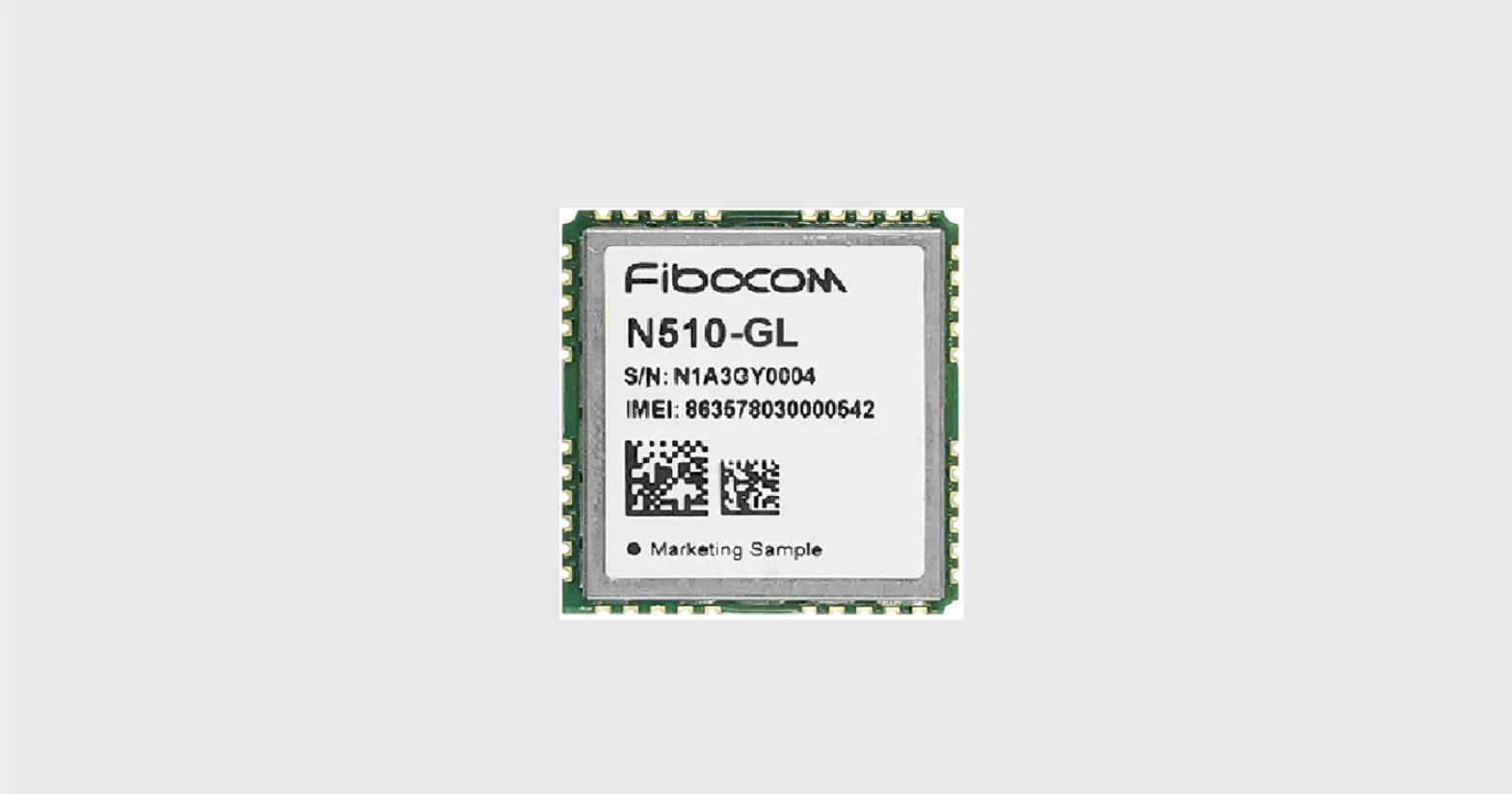
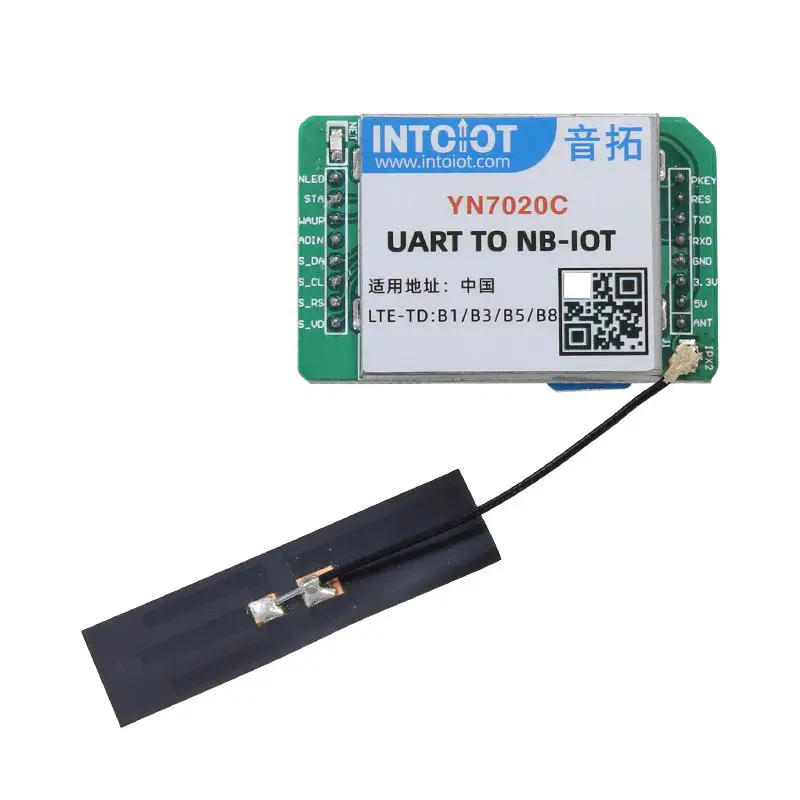
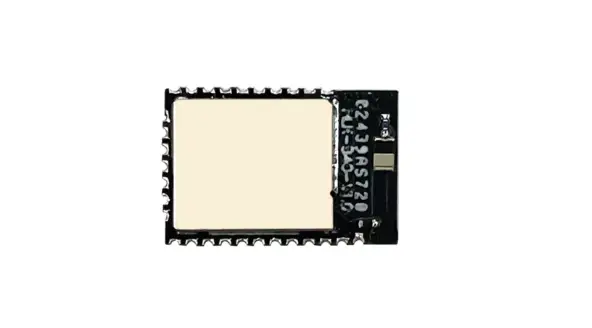
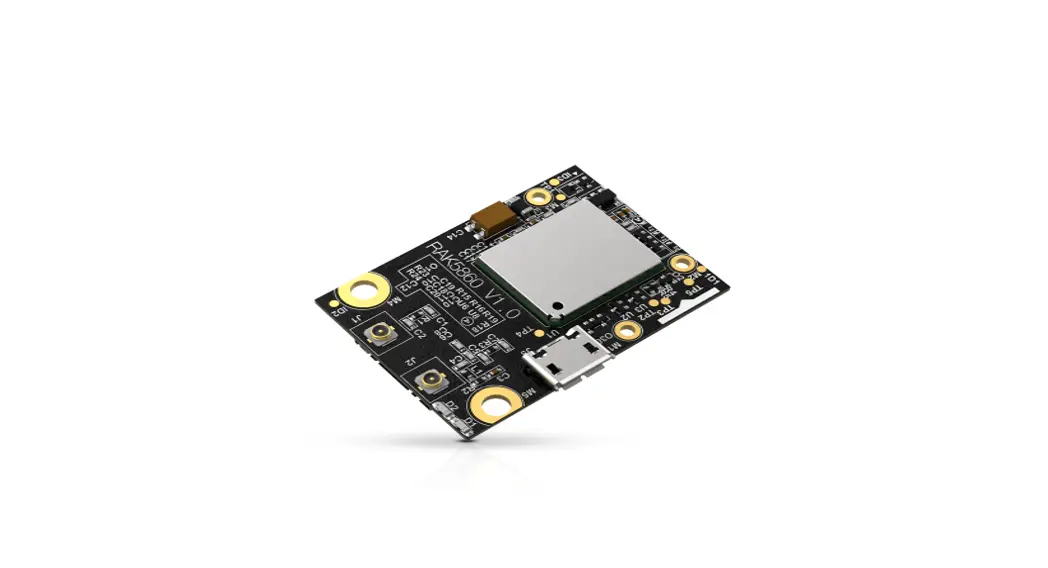
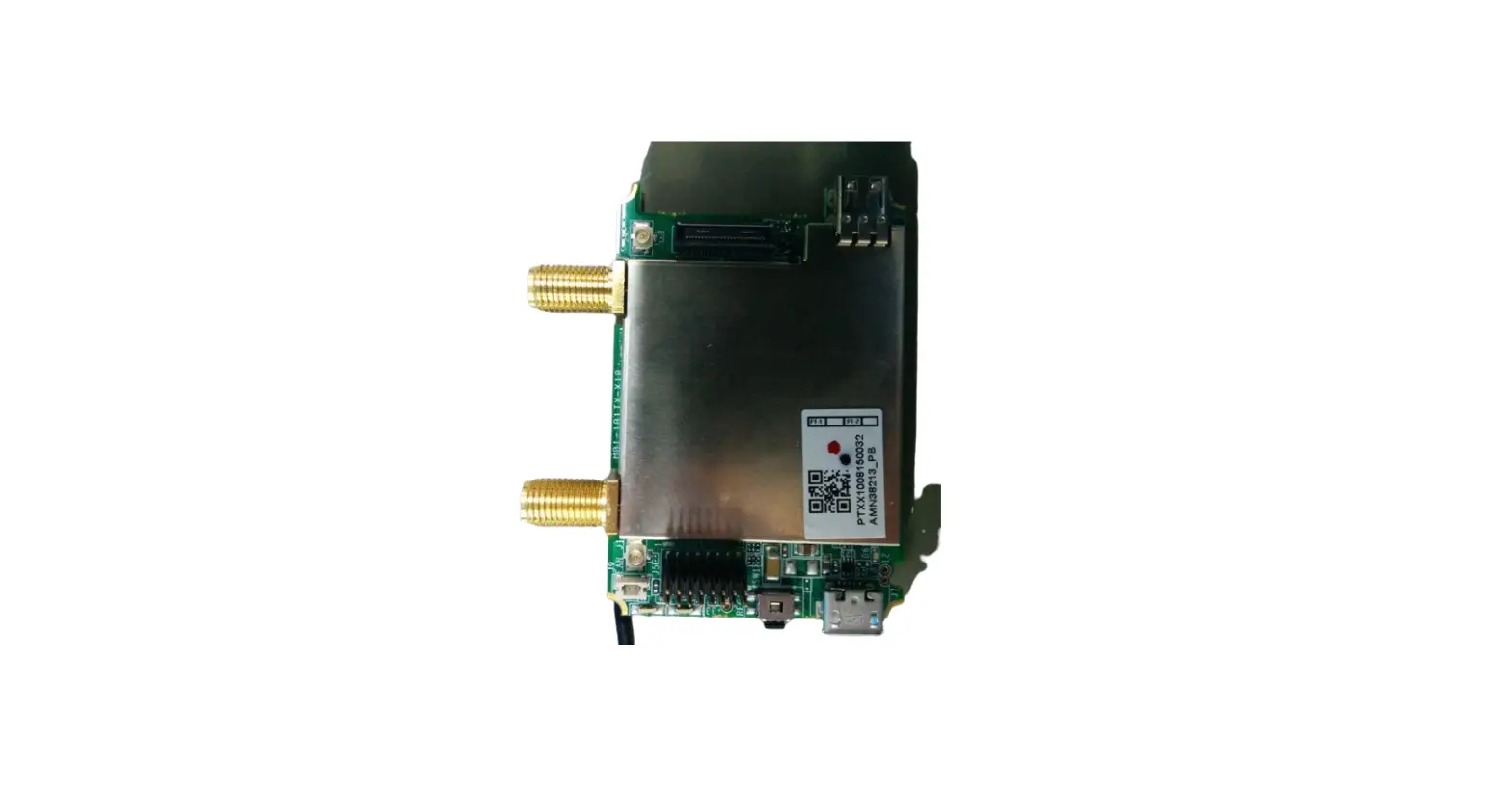
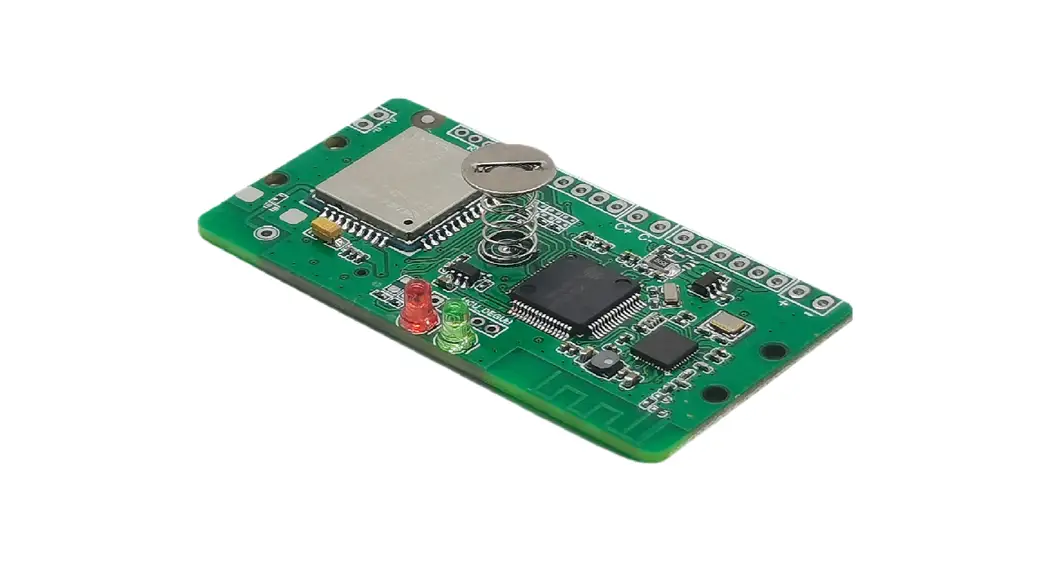
HAC-NBi module is an industrial-grade RF product independently developed by Shenzhen HAC Telecom Technology Co., Ltd. By using NB-IoT module modulation and demodulation, it solves the small data decentralized communication problem in ultra-long range environments. Compared with the traditional modulation, HAC-NBi module has obvious advantages of resisting co-channel interference, balancing the interference and distance, avoiding high power consumption, and installation of central gateway, which traditional solutions fail to take into account. In addition, the module has adjustable +23dBm power amplifier, achieving receiver sensitivity down at -129dBm and industry-leading level link budge as well. Therefore, the module is the perfect for applications that require long-distance transmission and extremely high reliability.
Module performance:
- RF parameter
– NB-IoT module modem;
– Central gateway is not required, but NB-IoT signal of base station must be available.
– The working frequency band is 850M (Band5), which belongs to the NB-IoT dedicated frequency band.
– Peak output power + 23dBm;
– Receiving sensitivity down at -129dBm; - Power consumption
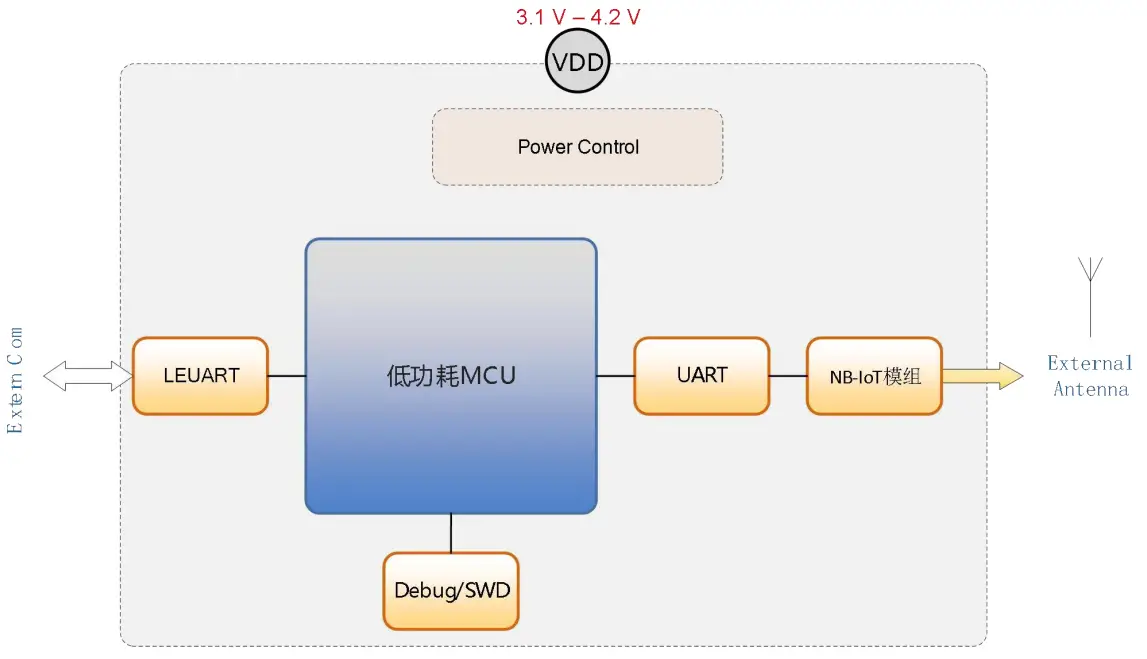
– Working voltage 3.1V ~ 4.2V, typically 3.6V;
– Support multiple low-power operation modes;
– Sleep power <10uA;
– Peak working current 260mA; - Basic skills
– 32 bits high-performance micro controller;
– Support low-power serial communication (LEUART), TTL level 3V, baud rate up to 9600bps;
– Semi-transparent/transparent communication method, directly communicate with the server through low-power serial port
– Supports AES128 encryption
– Compatible with Nano Sim\eSIM;
– Read parameters, set parameters, report data, and issue instructions through the low-power serial port - Size
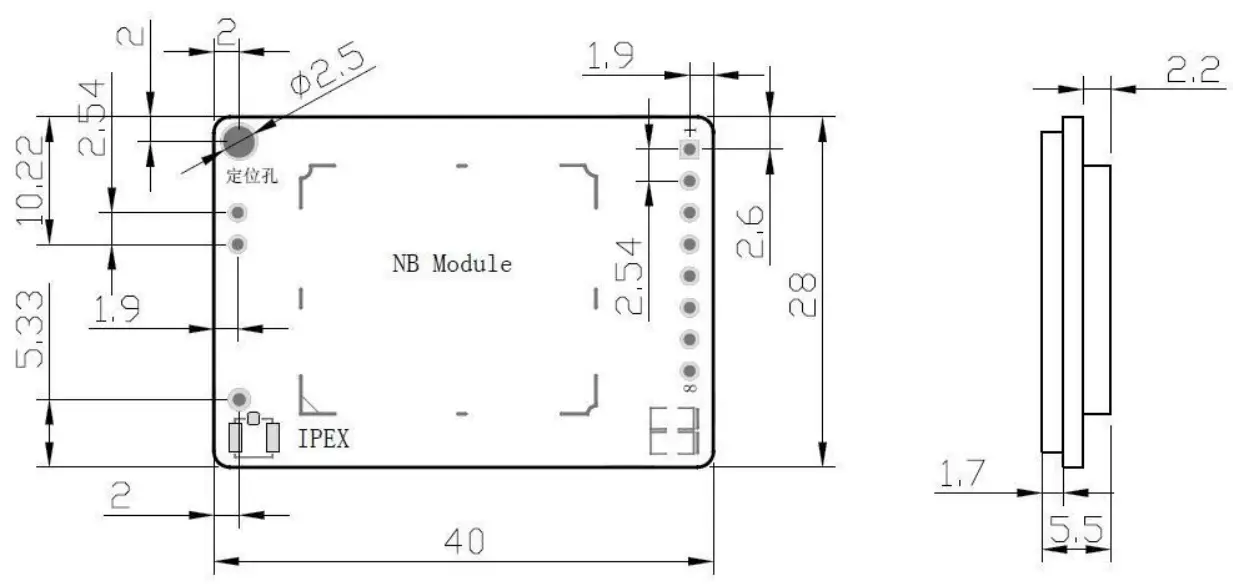
– L* W* H : 40mm * 28mm * 5.5mm
Application area
Wireless automatic meter reading (including water, gas, heat, electricity meters, etc.)Wireless automated data acquisition
Home and building automation
Industrial monitoring and control
Wireless alarm and security system
IoT Sensor (including smoke, gas, water detector etc.)Smart home (including door locks, appliances, etc.)
Intelligent transportation (including parking, charging piles, etc.)Smart cities (including street lights, logistics, cold chain, etc.)
System chat
Electrical characteristics
Working conditions:
| Parameter | Min | Typ | Max | Units |
| Operating Voltage | 3.1V | 3.6 | 4.2 | V |
| Power on time | – | – | 60 | ms |
| working temperature range | -35 | 25 | 75 | °C |
Limit parameters:
| Parameter | Min | Typ | Max | Units |
| voltage | -0.3 | – | 4.2 | V |
| I / O level | -0.3 | – | VDD+0.3 | V |
| storage temperature | -40 | – | 85 | °C |
RF parameters:
Referring to NB module parameters
Basic parameter:
| Parameter | Min | Typ | Max | Units |
| overall module sleep current | – | 6.0 | 10.0 | uA |
| Input low | – | – | 0.9 | V |
| Input high | 2.1 | – | – | V |
- Except as otherwise noted, all voltage values are specified relative to GND;
- Exceeding the maximum absolute ratings may cause permanent damage to the equipment.Prolonged use under conditions of absolute maximum ratings may affect device reliability;
- Storage at extreme temperatures may degrade device performance.
- Electrostatic discharge may permanently damage the device. Some application environments may require external ESD or TVS protection.


Module characteristics
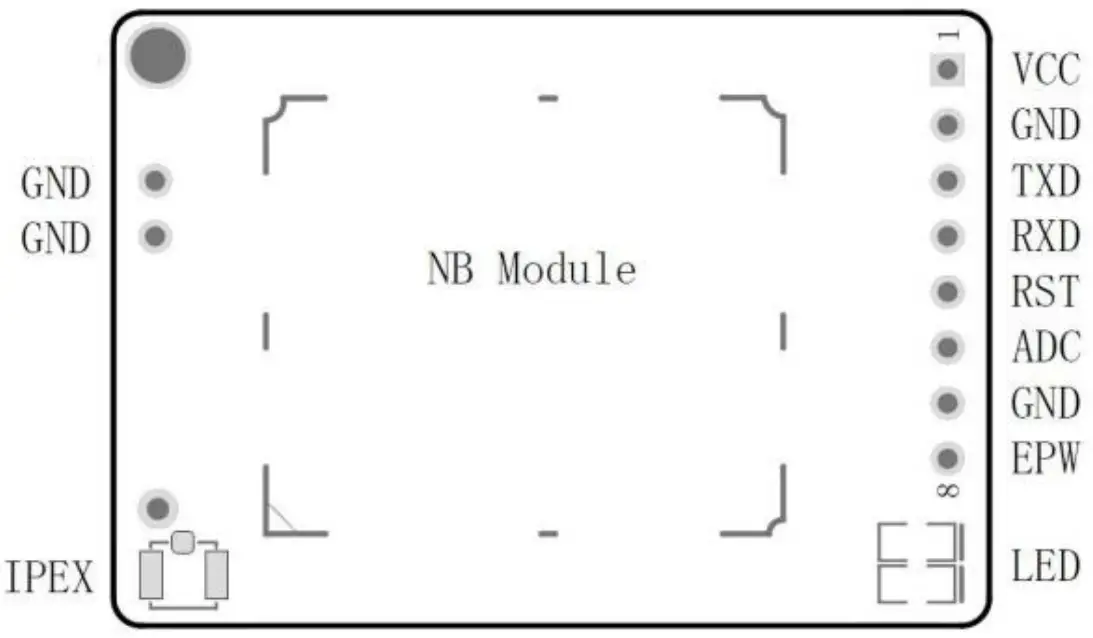
4.1. General Pin Definition
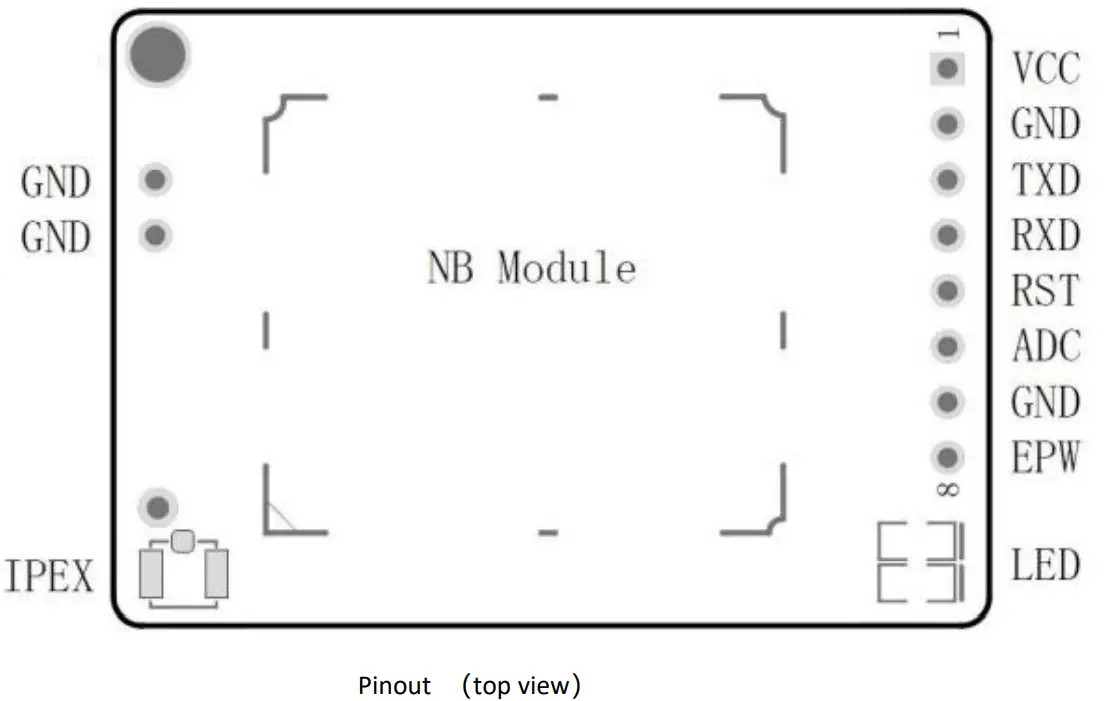
General pin description:
| Pin | Name | function | Description |
| 1 | VCC | Power | Positive power input, 3.1V-4.2V |
| 2 | GND | Power | Negative power, ground |
| 3 | TXD | Digital I/O | TX side of LEUART, baud rate is 9600bps |
| 4 | RXD | Digital I/O | LEUART RX side, baud rate is 9600bps |
| 5 | RST | Digital I/O | Reset signal input |
| 6 | ADC | Digital I/O Analog In | GPIO Analog signal input |
| 7 | GND | Power | Power ground |
| 8 | EPW | Power | 3.0V controllable power output |
| 9 | ANT | Analog In | Antenna access port, interface type (IPEX) |
Remarks:
- VCC: connecting to positive pole of the ER 18505 battery .
- EPW: The standard is to provide a regulated power supply for the outside, and the maximum current is 5mA. The current function is adjustable and can be customized.
- The back of the module is the programming pin and test pin, which is used by the supplier for production testing. It is not open to customers.
External serial communication protocol
5.1. Overall structure of communication protocol data frame
| Name | length | Description | ||||||
| HEAD | 3 bytes | Frame header: 0x48 0x41 0x43 | ||||||
| VER | 1 byte | Protocol version: Initial version is 0x01 | ||||||
| TYPE | 1 byte | bit7: Transmission direction dir = 0x80: uplink; dir = 0x00: downlink; bit6-bit0: Frame type: frame type = 0x0A: user data reporting/ delivering frame type = 0x05: command input/reply Other: reserved | ||||||
| DATLEN | 2 bytes | Data field length, low byte first, high byte last | ||||||
| DATA | – | Data field (optional). When the frame type is user data reporting / delivering, the data fields are all user data. When the frame type is not a user data field, multiple data items can be included at the same time, and each data items considered as an instruction. The data item format is as follows:
The specific Meaning of the data items is describe in the following chapters. | ||||||
| CS | 1 byte | checksum. Starting from the first byte of the data frame and continuing to the last byte before the checksum, the sum of all bytes takes the lower 8 bits. | ||||||
| END | 1 byte | End of frame: 0xED |
The above is the overall frame structure of the communication protocol data frame. The data items in the data field have different meanings, see the following sections.
5.2. Data fields in communication protocol data frames
- User data
When the frame type is user data reporting/delivering, the data fields are all user data. From the perspective of the terminal, the module does not do any processing to this data, and only uploads or sends the data through the serial port for the user; from the perspective of the server, the user data of the terminal has been packaged by the COAP + JSON protocol, and the data is upload to the server safely and correctly. - Module instructions
When the frame type is instruction input/reply, the data field is a collection of data items. When the module receives the data item instruction, it will process the instruction in sequence and return the reply data frame. The data item code list is as follows:NO Data item code 1st byte Data item code 2nd byte Data item content Read and write permissions Read command code Write command code Parameter rcode Parameter function Content format 1 0xA5 0x5A 0x11 IP ASCII W/R 2 0xA5 0x5A 0x12 APN ASCII W/R 3 0xA5 0x5A 0x13 Frequency ASCII W/R 4 0xA5 — 0x14 IMSI ASCII R 5 0xA5 — 0x15 IMEI ASCII R 6 0xA5 0x5A 0x16 PORT ASCII W/R 7 0xA5 0x5A 0x17 PLMN ASCII W/R 8 0xA5 — 0x18 ICCID ASCII R 9 0xA5 — 0x19 Band ASCII R 10 0xA5 — 0x1A Communication boar diversion number R 11 0xA5 — 0x1B Module version number ASCII R 12 0xA5 — 0x1C RSRP, SNR [2], CC, PCI [2], CSQ HEX R 13 — 0x5A 0xFE Start the upgrade process HEX W
Basic instructions
6.1. Initial settings
- The module is set up with common parameters when it leaves the factory. Generally, no special parameters need to be set;
- The parameters can, if you need, be modified through the above protocol instructions, and the parameters can be saved after power-off, avoiding the repeating setting;
6.2. Work flow
- After the initial setting is done, user data can be sent and received through the serial port. The communication mode can use two methods of package communication and transparent communication. It is recommended that users use package communication. The above are the differences in the data communication methods on the serial port side, which have nothing to do with the server side communication. Both methods will eventually be packaged with the COAP + JSON protocol and uploaded to the server side without error;
- After the module is powered on, it is in the sleep mode by default. You need to actively send data to the serial port to start the data communication of sending and receiving process;
- Package communication method: Sending data:
User data is packaged according to the above protocol and then sent to the serial port. This method is the most secure, avoiding faulty operation; - Packet communication method: Receive data
After the user receives data from the serial port, if the uploaded data is packaged, the received data packet also needs to be unpacked according to our agreement. Then user data issued by the server can be obtained; - Transparent communication method: Send data:
User data can be directly sent to the serial port, as long as it does not conform to the data frame format of our protocol. You can also directly upload data, but it does not rule out that there is a small probability of misoperation; - Transparent communication method: Receive data
If the uploaded data is transparently transmitted, the data received by user from the serial port is complete user data;
6.3. Operating frequency band
The working frequency band of the NB module belongs to the original LTE frequency band. The frequency band of a single module is locked and cannot be switched. The currently used frequency band is Band 5 frequency band (850M). If customers need other frequency bands, please consult our sales staff.
6.4. Other considerations
- The external power supply voltage needs to be matched;
- The baud rate and level of the external serial port need to match;
- The SIM card must use a special Internet of Things card. There are two types of packages: traditional SIM card and eSIM card. If you need to apply for an IoT card, please contact the communication carrier for details;
- The use of our module must match our communication protocol correctly. If customers have customized protocol requirements, please contact our sales staff;
- The server-side protocol is COAP + JSON parsing
Structure size
(A) Mechanical package (Unit : mm)
(B) Pin out
Address:
9th floor, Block A,Building 1,International Innovation Valley,
Xingke 1st street,Nanshan district,Shenzhen,Guangdong
Telephone : 0755-23981078
Fax : 0755-23981007
Website: www.rf-module-china.com
 LoRaWAN Module, NB-IoT Module, Pulse Reader, AMR System -HAC