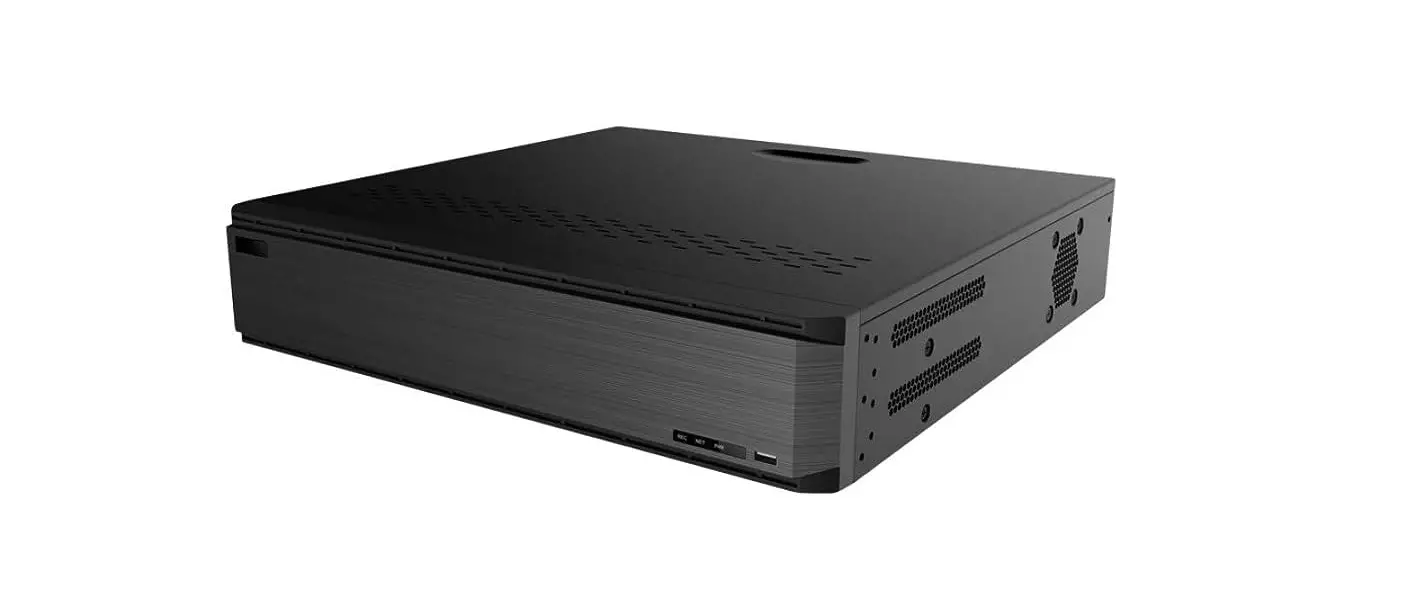
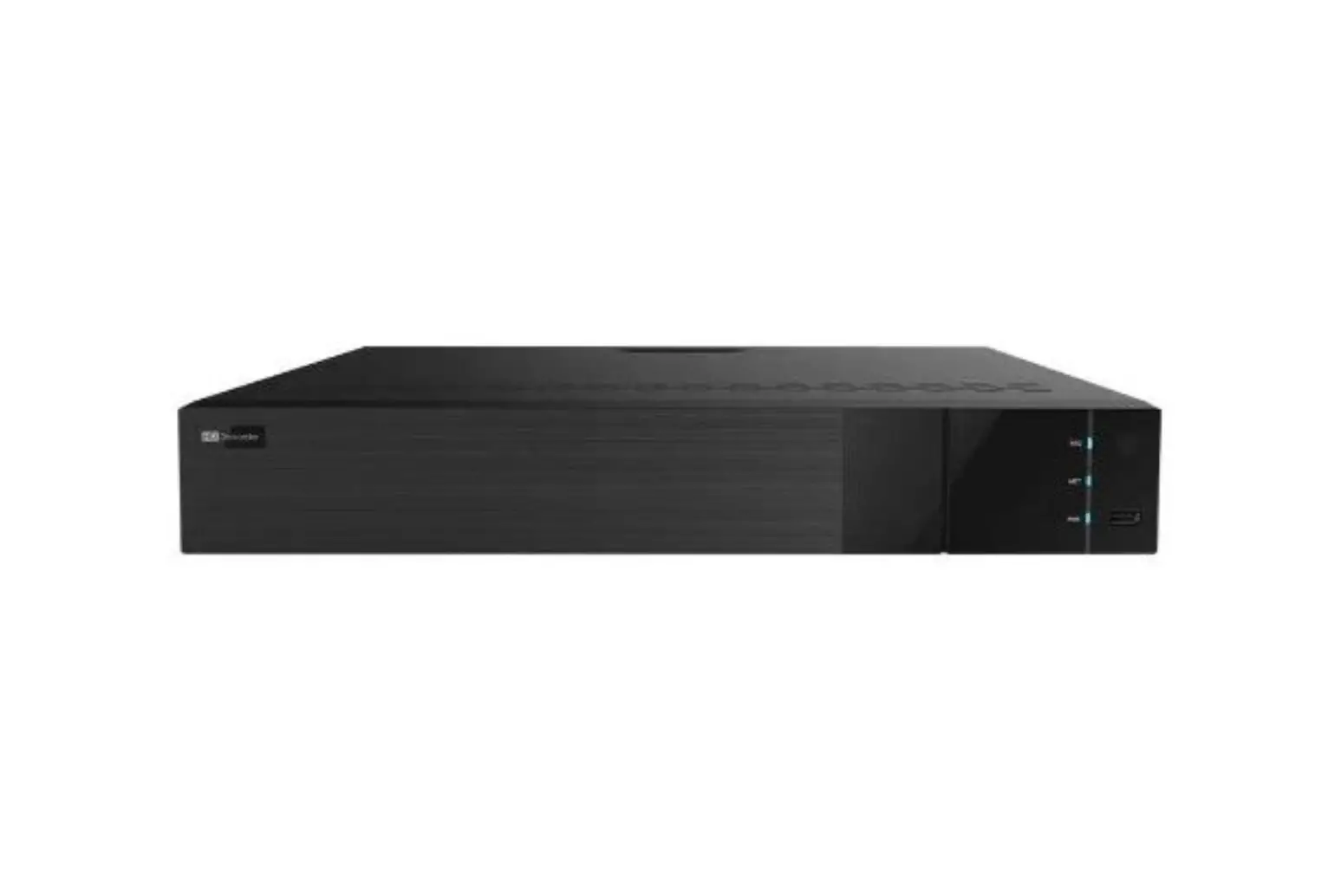
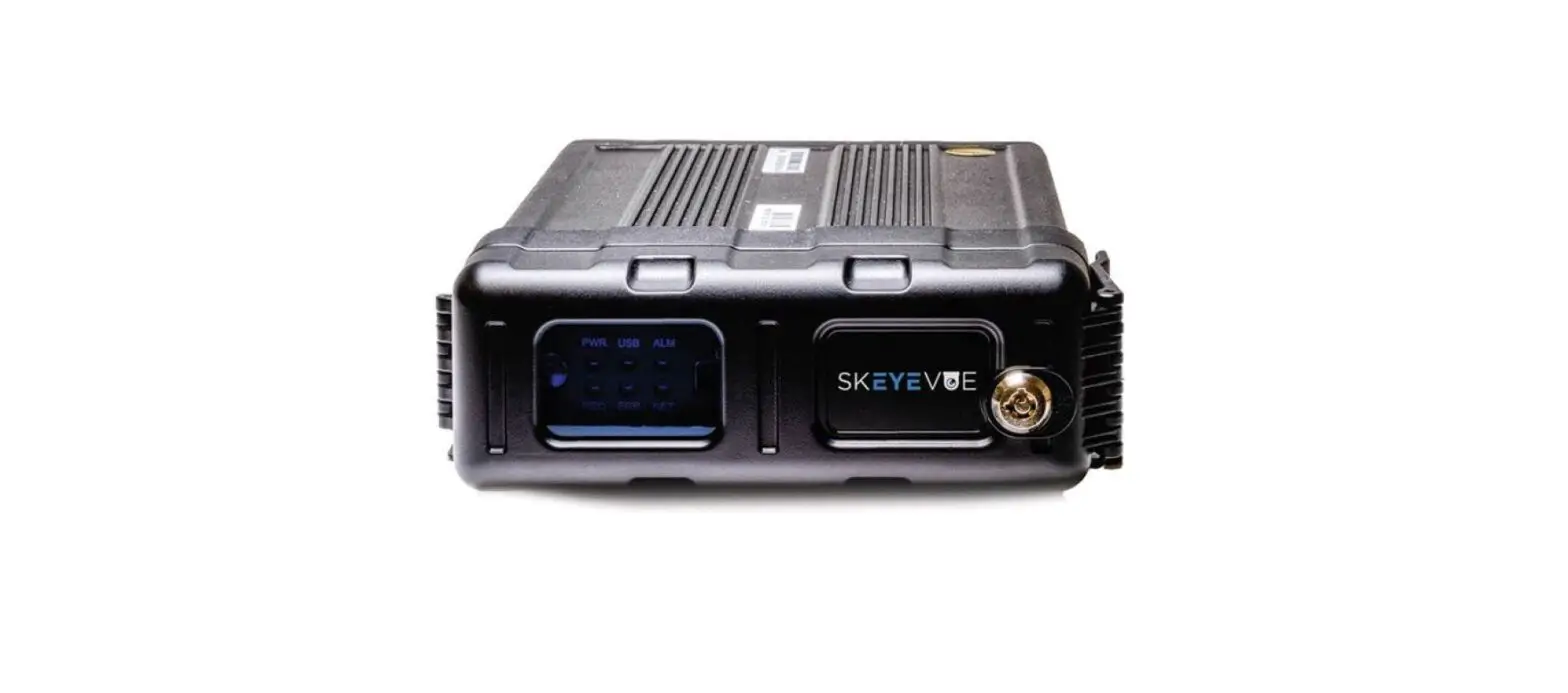
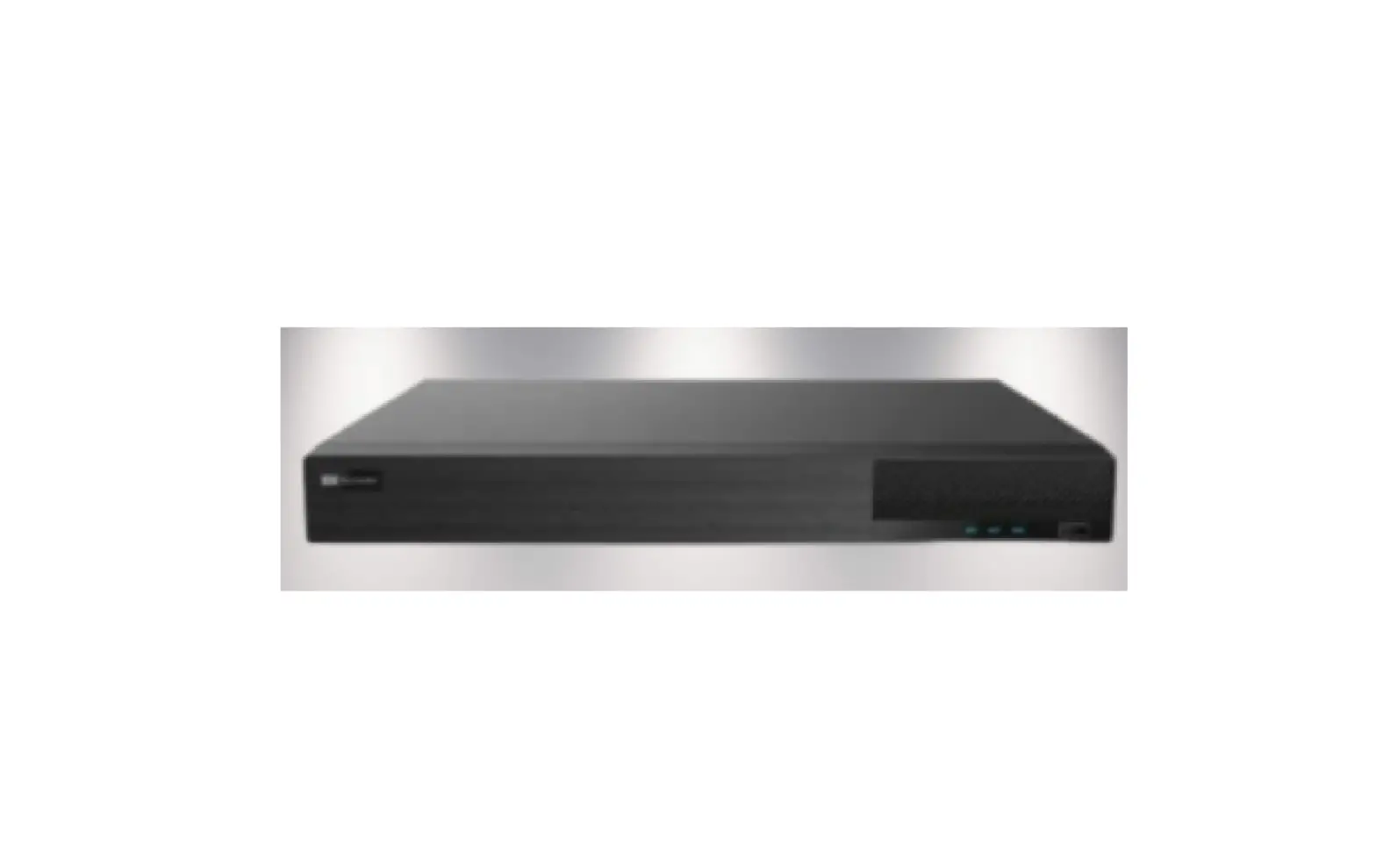
TD-2700TE-HP Digital Video Recorder
Product Information
The Digital Video Recorder (DVR) is a device that allows you to
record and store video footage from analog cameras. It supports up
to 16 channels and is equipped with various interfaces for
connecting external devices such as alarms, sensors, monitors,
sound boxes, microphones, keyboards, and more.
The device features 2 SATA hard drive slots for storage, a VGA
and HDMI port for connecting high-definition display devices, a LAN
port for network connectivity, USB ports for connecting storage
devices or a mouse, an e-SATA interface for connecting an
additional HDD, and an RS485 port for connecting a keyboard or
speed dome.
The rear panel of the 16-channel DVR includes interfaces such as
ALARM OUT, ALARM IN, GND, VIDEO IN, CVBS, AUDIO OUT, AUDIO IN,
HDMI, VGA, LAN, USB, e-SATA, RS485, and DC12V. The rear panel of
the 8-channel DVR includes interfaces such as ALARM OUT, ALARM IN,
CVBS, COM1 NO1 GND, COM2 NO2 GND, AUDIO IN, VIDEO IN, AUDIO OUT,
VGA, e-SATA, B A LAN, USB, RS485, and DC12V.
The device requires a power source of DC12V and should be
operated with the correct voltage. Please ensure that the device is
powered off before performing any installation or maintenance
procedures.
Product Usage Instructions
1. Notes
- Read the instruction manual carefully and keep it for future
reference. - The examples and pictures provided in the manual are for
reference only. - The contents of the manual are subject to change without
notice. - Operate the device only with the specified power source
indicated on the marking label. - Verify the voltage of the power source before using the
device.
2. Packing Check
After receiving the device, check for any damages, shortages, or
defects in both the device and its accessories. If any issues are
found, contact your dealer immediately.
3. HDD Installation
Before installing the HDD:
- Ensure that the device is powered off.
- Use the real object as a reference for installation, not just
the provided pictures.
HDD Installation Steps:
- Loosen the screws to open the cover.
- Screw the screws into the holes of the HDD but do not tighten
them. - Place the HDDs onto the bottom of the machine.
- Turn over the machine and secure the HDDs with the screws.
- Connect the power and data cables.
4. Rear Panel Instruction
The interfaces on the rear panel are for reference only. The
connections and functions of each interface are described as
follows:
- ALARM OUT: Relay output for connecting to an external
alarm. - ALARM IN: Alarm input for connecting a sensor.
- GND: Grounding connection.
- VIDEO IN: Video input for connecting analog cameras.
- CVBS: Video output for connecting a monitor.
- AUDIO OUT: Audio output for connecting a sound box.
- AUDIO IN: Audio input for connecting a microphone or
pickup. - HDMI: Connect to a high-definition display device using an HDMI
cable. - VGA: Connect to a monitor using a VGA cable.
- LAN: Connect to a network using an Ethernet cable.
- USB: Connect to a USB storage device or USB mouse.
- e-SATA: Connect to an HDD with an e-SATA interface.
- RS485: Connect to a keyboard or speed dome.
- DC12V: Power input for the device.
5. Startup & Shutdown
Startup Steps:
- Connect the monitor and the power.
- The device will boot, and the power indicator will display
blue. - A wizard window will pop up.
Shutdown Steps:
- Click Start and then select the Shutdown icon.
- A shutdown window will appear.
- Click the OK button to shut down the device.
- Disconnect the power.
Tips:
- Check the inside structure and cable connections before
installing the cover back. - Format the HDD before using it.
6. Login
The default username is “admin” and the default password is
“123456”. Follow these steps to log in:
- Click Start and select Login.
- A login box will appear.
- Enter the default username and password.
- Click the Login button to see the live image.
7. Analog Camera Connection
To connect an analog camera to the DVR:
- Connect the camera to the DVR.
- Go to Start > Settings > Camera > Manage Camera >
Camera Signal. - Checkmark the video mode that corresponds to the actual signals
input. - Refer to the User Manual for more details.
Digital Video Recorder
Internet
Quick Start Guide
1. Notes
Please read this instruction carefully for using the product and keep it for further reference. All the examples and pictures used here are for reference only. The contents of this manual are subject to change without notice. This device should be operated only from the type of power source indicated on the marking label. The voltage of the power must be verified before using the same.
2. Packing Check
Please check the device and the accessories after getting the device. If there are any damages, shortages or defects, please contact your dealer immediately.
3. HDD Installation
This series of the product supports 2 SATA hard drives. Please make sure that the device is powered off before the installation. The pictures of the installation are only for reference, please take the real object as the standard. Loosen the screws to open the cover. Screw the screws into the holes of the HDD but not tighten them. Put the HDDs onto the bottom of the machine. Turn over the machine and secure the HDDs with the screws. Connect the power and data cables.
Name ALARM OUT ALARM IN GND VIDEO IN CVBS AUDIO OUT AUDIO IN HDMI VGA LAN USB e-SATA RS485 DC12V
Rear Panel for 16CH
Description Relay output; connect to external alarm Alarm input for connecting sensor Grounding Video input CVBS Video output; connect to monitor Audio output; connect to sound box Audio input; connect to microphone or pickup Connect to high definition display device Connect to monitor Network port Connect to USB storage device or USB mouse Connect to HDD with e-SATA interface Connect to keyboard or speed dome. A is TX+,B is TXPower input
5. Startup & Shutdown
Startup Connect the monitor and the power.
The device will boot and the power indicator will display blue.
A wizard window will pop up. Shutdown Click “Start” and then select “Shutdown” icon. This will bring up a shutdown window. The device will shut down by clicking “OK” button. Then disconnect the power.
Install back the cover and secure it with the screws. Tips: Please check the inside structure of the device and make sure the cables connected well before installing the cover back. Please format the HDD before using.
4. Rear Panel Instruction
The interfaces of the rear panels are for reference only.
ALARM OUT ALARM IN 1
3
5
7
COM1 NO1 GND 1 3 5 7
1
3
5
7
CVBS
COM2 NO2 GND 2 4 6 8
2
4
6
8
AUDIO IN
2
4
6
8
VIDEO IN
AUDIO OUT
Rear Panel for 8CH
VGA
e SATA B A LAN USB RS485 DC12V
6. Login
The default username is admin and the default password is 123456. You must configure the wizard if you start the DVR for the first time and you may change the password when you configure the wizard for the first time. You can skip the settings of wizard next time. Click “Start” and select “Login”. This will take you to see a login box. Input default username and password you set and you can see the live image.
Username Password
Login
admin Enter Password
Display Password
Log In Automatically
Edit Security Question
Login
Cancel
7. Analog Camera Connection
First connect the camera to the DVR. Then go to Start Settings Camera Manage Camera Camera Signal to checkmark the video mode. The actual signals input shall correspond to the video mode. Please refer to User Manual for details.
8. Network Configuration & Add IP Camera
After you finish adding IP cameras, you can see the live images through the monitor of the DVR. The following will mainly introduce how to add the IP cameras via LAN/WAN.
LAN Set the network of the DVR. Go to Start Settings Network TCP/IP. Input IP address, subnet mask, gateway, etc. If using DHCP, please enable DHCP in both the DVR and the router. Go to Start Settings Network Port. Input HTTP port (the default value is 80), server port (the default port is 6036). Click “Apply” to save the settings.
IP Address Settings
Ethernet Port 1 ( Online )
Obtain an IPv4 address automatically
Address
192 . 168 . 1 . 2
Subnet Mask
0 . 0 . 0. 0
Gateway MTU
192 . 168 . 1 . 1 1500
Obatin DNS server address automatically Preferred DNS 192 . 168 . 1 . 1
Alternate DNS
0 . 0 . 0. 0
Obtain an IPv6 address automatically Address
Mask Length
0
Gateway
Go to Start Settings Camera Add Camera. The DVR will automatically refresh the cameras searched. The IPC which supports the Onvif protocol may be added manually. If the IPC searched is not in the same local network as the DVR, you should select the device and click to modify the IP address.
Quickly Add Manually Add
Add Camera
No. Address 1 192.168.2.45
Port Edit 80
Subnet Mask 255.255.255.0
Protocol XXX
Model XXX
Version 4.0.0.1.beta1
Selected: 1/1 Remain Bandwidth: 10 / 10 Mb
Mac Address Address Subnet Mask Gateway Username Password
Default Password
Add
Cancel
Edit IP CE :98 :23 :75 :35 :22 192 .168 . 1 . 45 255 . 255 . 255 . 0 192 .168 . 1 . 1 admin
Sync to IPC
OK
Cancel
Checkmark the device you want to add and then click “Add” button.The DVR will automatically refresh the cameras and return to “Edit Camera” interface. “Online” status means connecting the device successfully and you will see the live image. You may select the added device and click button to modify channel, IP address, ect.
Camera Signal Edit Camera IP Planning
Search Camera
No.
Camera Name Address
Port Status Protocol Model Preview
Edit
1
IP Camera 1
192.168.1.45 80 Online
XXX
2
[A01]Camera1XXX
3
[A02]Camera24
[A03]Camera35
[A04]Camera4Upgrade
Version 4.1.0.0
Camera Name Address Port Protocol Model Username Password
Edit Camera IP Camera 1 192 .168 . 1 . 58 80 XXX XXX admin
Sync to IPC
Test
OK
Cancel
WAN Set the network of the DVR. Go to Start Settings Network PPPoE. Input static IP address or enable PPPoE and then input the user name and password received from your ISP. Go to Start Settings Camera. Click “Add Camera” or behind the column of the search camera and select “Manually Add” to add the IP cameras. Input IP address, server port, username and password of the IP camera. The IP camera must be connected over WAN. And here the IP address of the IP camera must be a WAN IP address.
9. UPnP
You can use the UPnP function to enable the fast connection of the device to WAN via a router without port mapping. Go to Start Settings Network UPnP, and enable UPnP and then click “Apply” button to save. Enable the UPnP function in the router. Click “Refresh” button to refresh the UPnP status. If the UPnP status were still “Invalid UPnP” after refreshing it for several times, the port would be wrong. Please change the mapping type to “Manual” and then click to modify the port until the UPnP status turns to “valid UPnP”.
UPnP
Enable Map Type
Auto
Port Type HTTP Port HTTPS Port Server Port RTSP Port
External Port 80 443 6036 554
External Address 183.17.254.19 183.17.254.19 183.17.254.19 183.17.254.19
Port
UPnP Status
Edit
80
Valid UPnP
443
Valid UPnP
6036 554
Valid UPnP Invalid UPnP
Refresh
Apply
10. NAT
NAT Settings The DVR shall be powered on and connected to the network. Go to Start Settings Network TCP/IP. You can obtain the IP address, subnet mask and gateway automatically. You can also manually enter them according to the actual network situation. Please make sure the network segment is the same as that of the network which is used. Set the preferred or alternative DNS Server. Click “Apply” to save the parameters. Go to Start Settings Network NAT tab. Enable NAT and select the NAT Server Address (The default NAT Server Address is nat.autonat.com). Click “Apply” to save the parameters.
NAT
Visit Address Enable
www.autonat.com
NAT Server Address nat.autonat.com
Apply
NAT Access After finishing the NAT settings, you can input www.autonat.com in the IE address bar and then press enter to go to the following interface. If you are the first time to access the NAT, you shall download and install the ActiveX according to the popup tips. After installing ActiveX successfully, it will pop the login box.
Enter device serial number Enter Username Enter Password
Login
Device Serial Number: Click on the menu bar at the bottom of the live interface to check the serial number or go to Start Settings Network Network Status to check the serial number of the DVR). Username: The username of the DVR. The default username is admin. Password: The password of the DVR. The password is set by yourself when you configure the wizard for the first time.
11. Manual Recording
Before recording, please install and format a HDD. In the live interface
you can see the menu toolbar. Click button to start recording. Click
it again to stop recording. You can also click the recording.
to check the status of
12. Playback
Instant playback Click “Instant Playback” in the right-click menu of the camera’s preview window to select or drag the playback progress bar to change the playback time to play back the record.
General playback Click on the tool bar at the bottom of the live preview interface or click Start Playback to go to the playback interface as shown below. You can also add the playback cameras manually. Click in the playback window to pop up the “Add Camera” window. Check the cameras in the window and then click “Add” to add playback camera. The record files of the added playback camera will be played in the playback interface.
450041001147 A0
 IIS Windows Server
 autonat.com