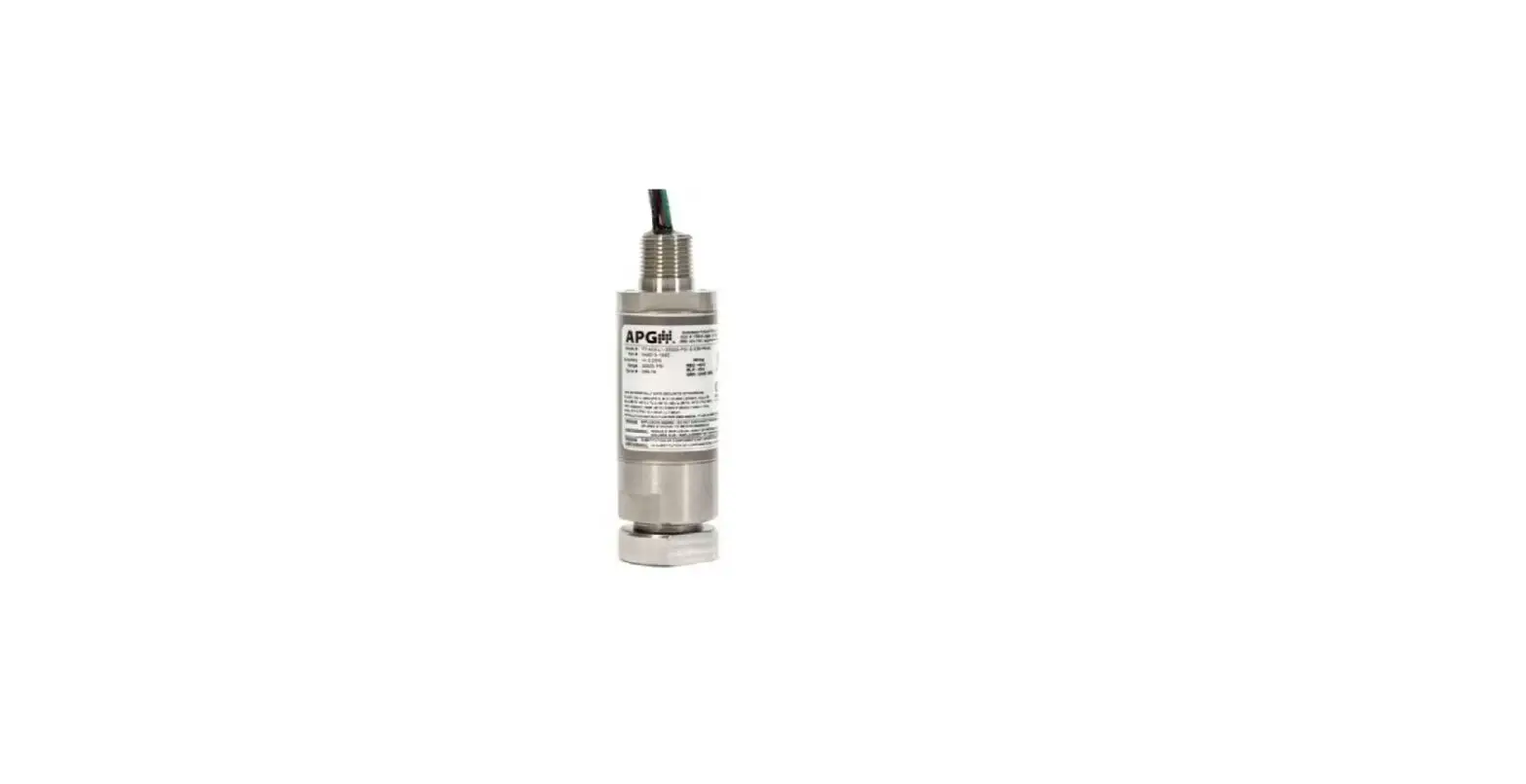
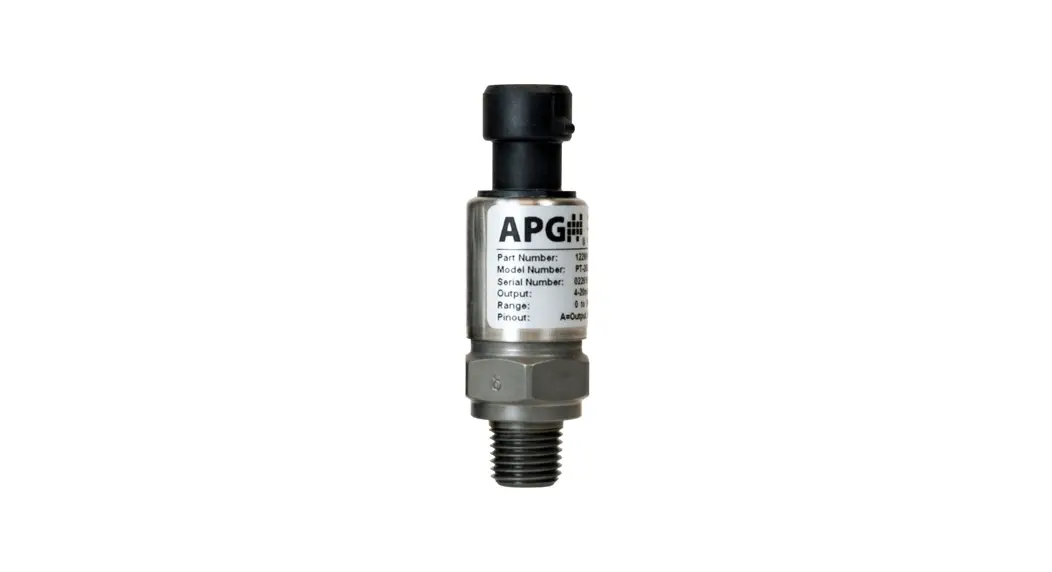
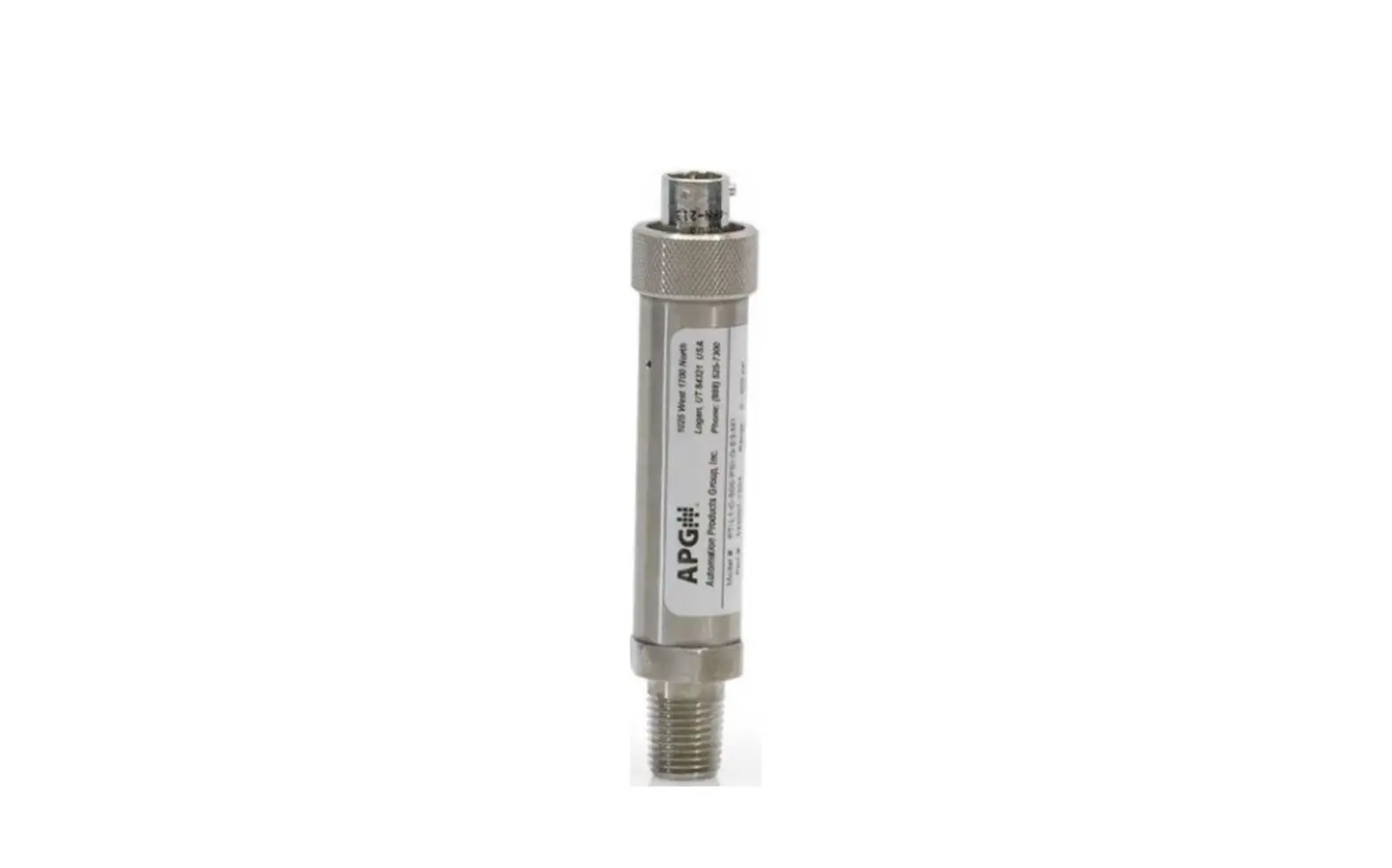
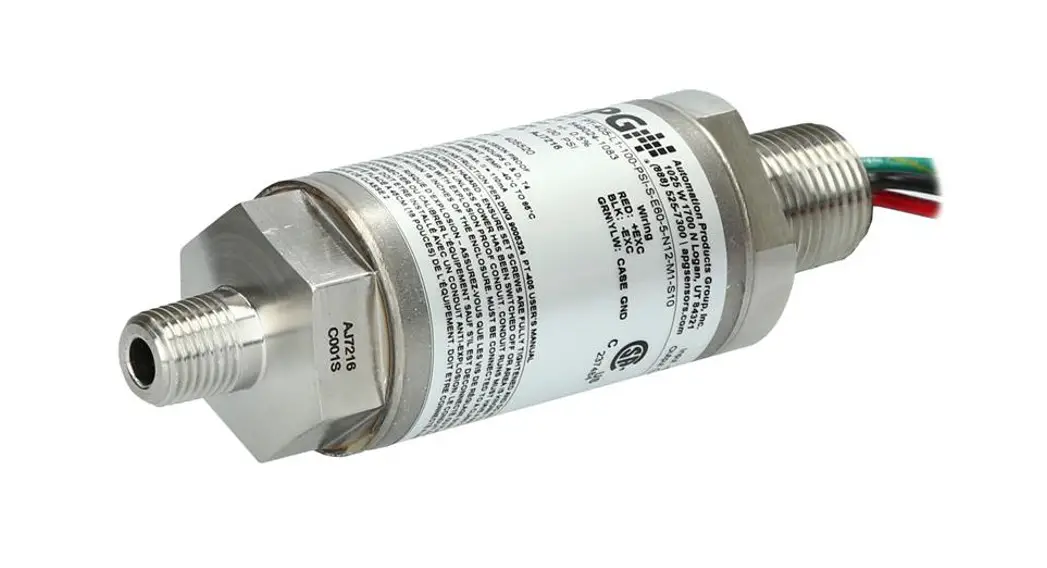
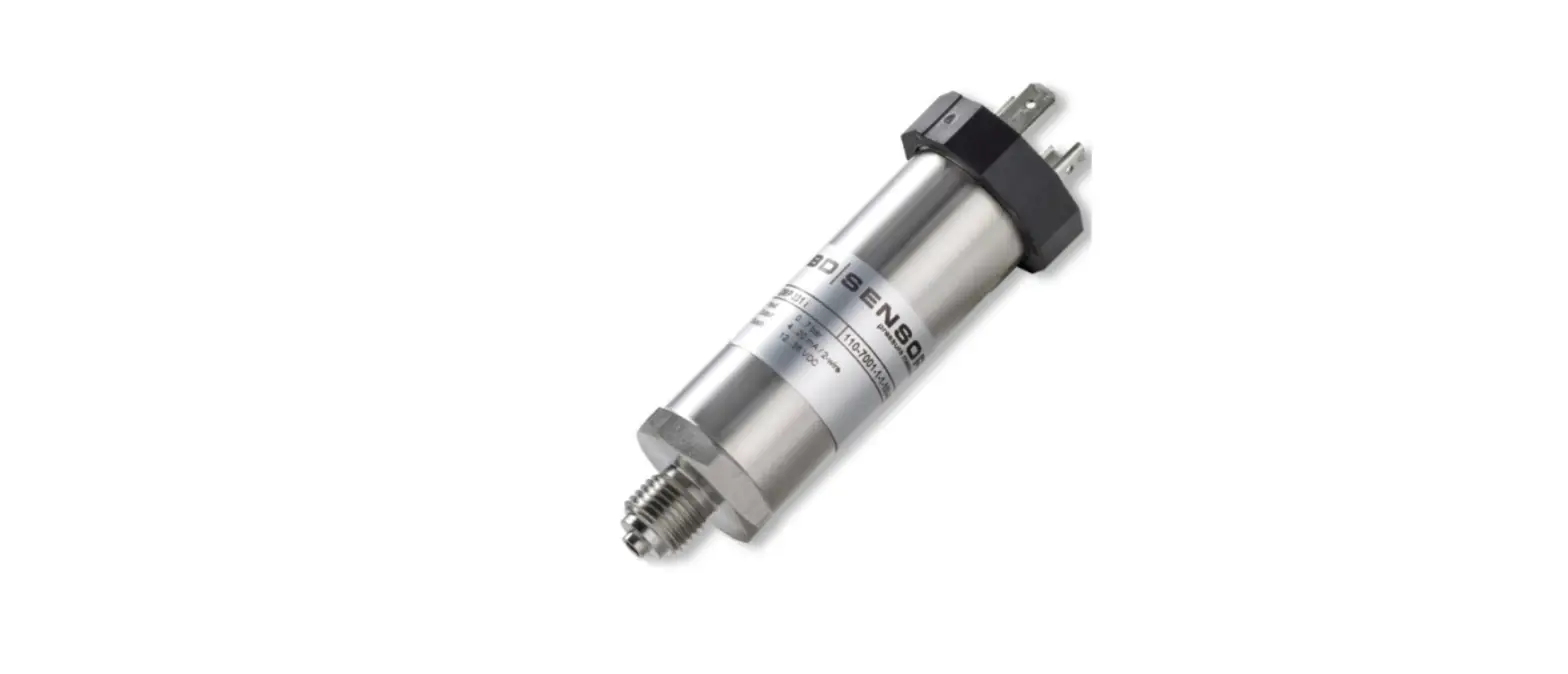
PT-200 0.5 Percent Industrial Pressure Transmitter
0.5% Industrial Pressure Transmitter User Manual
Series PT-200
APG
R
Doc #9004739 Rev C, 01/23
Table of Contents
Introduction …………………………………………………………………………………………………. iii
Warranty and Warranty Restrictions………………………………………………………….. iv
Chapter 1: Specifications and Options…………………………………………………………… 1
Dimensions ……………………………………………………………………………………………………………………….1 Specifications ………………………………………………………………………………………………………………….. 2 Model Number Configurator……………………………………………………………………………………………. 3 Electrical Connectors, Pinout Table, and Supply Power Table………………………………………. 4 Wiring Diagram ……………………………………………………………………………………………………………….. 4
Chapter 2: Installation and Removal Procedures and Notes…………………………5
Tools Needed……………………………………………………………………………………………………………………. 5 Mounting Instructions ……………………………………………………………………………………………………. 5 Electrical Installation ……………………………………………………………………………………………………… 5 Removal Instructions ……………………………………………………………………………………………………… 5
Chapter 3: Maintenance …………………………………………………………………………………6
General Care …………………………………………………………………………………………………………………….. 6 Repair and Returns………………………………………………………………………………………………………….. 6
ii
Tel: 1/888/525-7300 · Fax: 1/435/753-7490 · www.apgsensors.com · [email protected]
Introduction
Thank you for purchasing a series PT-200 0.5% industrial pressure transmitter from APG. We appreciate your business! Please take a few minutes to familiarize yourself with your PT-200 and this manual.
The series PT-200 pressure transmitters are rugged, general purpose sensors that offer reliable and accurate measurements under harsh conditions. The sensor fitting is machined from a solid piece of 174PH to provide stable operation when subjected to shock and vibration. PT-200s also incorporate digital compensation and temperature correction for high accuracy and stability.
Reading your label
Every APG instrument comes with a label that includes the instrument’s model number, part number, serial number, and a wiring pinout table. Please ensure that the part number and pinout table on your label match your order.
Tel: 1/888/525-7300 · Fax: 1/435/753-7490 · www.apgsensors.com · [email protected]
iii
Warranty and Warranty Restrictions
This product is covered by APG’s waranty to be free from defects in material and workmanship under normal use and service of the product for 24 months. For a full explanation of our Warranty, please visit https://www.apgsensors.com/about-us/terms-conditions. Contact Technical Support to recieve a Return Material Authorization before shipping your product back.
Scan the QR code below to read the full explanation of our Warranty on your tablet or smartphone.
iv
Tel: 1/888/525-7300 · Fax: 1/435/753-7490 · www.apgsensors.com · [email protected]
Chapter 1: Specifications and Options
· Dimensions
.485″ 12.32mm
1.080″ 27.43mm
2.853″ 72.47mm
1.028″
26.11mm
Pin A
7/8 HEX 1/4″-18 NPT FITTING
Product Label
Packard Connector
Pin B Pin C
.485″ 12.32mm
2.148″ 54.56mm
1.068″
1.080″
27.13mm
27.43mm
7/8 HEX 1/4″-18 NPT FITTING
Product Label
3-Conductor Pigtail
Bare Shield Red Black White
Cable Length 60 cm (23.6″)
.485″ [12.32mm]
1.080″
2.588″ [65.74mm] [27.43mm]
1.068″
[27.13mm]PIN 4 NOT USED
1/4-18 NPT FITTING
.875 HEX
PRODUCT LABEL
PIN 1 SUPPLY
M12 Connector
PIN 3 NOT USED
PIN 2 4-20mA
M12 Connector for 100 psi and 150 psi Units
Tel: 1/888/525-7300 · Fax: 1/435/753-7490 · www.apgsensors.com · [email protected]
1
· Specifications
Performance
Pressure Ranges Analog Output Proof Pressure Burst Pressure Life span
Accuracy
Linearity, Hysteresis & Repeatability Thermal Zero Shift Thermal Span Shift Long Term Stability Zero Span Offset Tolerance
Environmental
Operating Temperature
Compensated Temperature
0 to 10K PSIG 4-20mA 2X Full Scale 3.5X Full Scale or 3x Full Scale* 4 million full scale cycles
±0.5% of Full Scale (BFSL) ±0.01% FSO/°C (±0.02% FSO/°F) or ±1.5% FS* ±0.02% FSO/°C (±0.04% FSO/°F) or ±2% FS* <±0.35% FSO/year or< ±0.25% FS/year* ±1.75% FSO or ±1.5%FSO*
-10 to 100°C (14 to 212°F) or -10° to 85°C (14° to 185°F)* 0 to 85°C (32 to 185°F) or 0° to 70°C (32° to 158°F)*
Electrical
Supply Voltage (at sensor) Loop Resistance
Materials of Construction
Wetted Materials
Mechanical
Process Connection
Environmental
Enclosure Protection
9-32 VDC < 100 17-4PH Stainless Steel 1/4″-18 Male NPT
IP65
Note: *This option refers to M12 connectors with 100 psi and 150 psi units only
2
Tel: 1/888/525-7300 · Fax: 1/435/753-7490 · www.apgsensors.com · [email protected]
· Model Number Configurator
Model Number: PT-200 -_____ – __________ – _____ – _____
A BC
D E
A. Output
L1 4-20 mA
B. Common Pressure Ranges
100 200
250 300
500 1000
2500 5000
10000
C. Unit of Measure
PSIG Gauge
D. Electrical Connection
E4 E5 E51
M12 Connector Pigtail with 2 ft. (60 cm) of cable Packard Connector
E. Process Connection
P0 1/4″-18 Male NPT
Tel: 1/888/525-7300 · Fax: 1/435/753-7490 · www.apgsensors.com · [email protected]
3
· Electrical Connectors, Pinout Table, and Supply Power Table
PT-200 Pin Out Table
Excitation Excitation + No Connection
Gnd
Packard Connector
A B C –
Pigtail 3/C with Shield
Black Red White Shield
M12 Connector
Pin 2 Pin 1 Pins 3,4
N/C indicates no connection
PT-200 Series Supply Power Table
4-20 mA Power Supply 9-32 VDC
Pin A
Pin B Pin C
Packard Connector
PIN 4 NOT USED
PIN 3 NOT USED
PIN 1 SUPPLY
M12 Connector
PIN 2 4-20mA
· Wiring Diagram
PT-200 + Excitation Excitation
4-20 mA Current
Loop
Process Controller
+VDC
RL
4-20 mA Output Wiring Diagram
The 4-20 mA PT-200 is a 2 wire, loop powered transducer/transmitter. A voltage of between 9 and 32 VDC must be maintained at this connection. Completion of the earth or system ground is recommended for proper circuit protection.
Power supply voltage must be sufficient to maintain a minimum of 9 VDC at the transducer/transmitter terminals after “dropping” voltage across RL at full scale current (20 mA). Example: If RL = 250 then “drop” is 0.02 Amps X 250 = 5 volts. Therefore power supply minimum is 5 V + 9 V = 14 V.
4
Tel: 1/888/525-7300 · Fax: 1/435/753-7490 · www.apgsensors.com · [email protected]
Chapter 2: Installation and Removal Procedures and Notes
· Tools Needed
· 7/8″ Hex wrench. · Thread tape or sealant compound for threaded connections.
· Mounting Instructions
Mounting your pressure transducer is easy if you follow a few simple steps: · Never over-tighten the sensor. This can compress the diaphragm, changing how it reacts to pressure. In all cases, tighten the sensor as little as possible to create an adequate seal. · Always use thread tape or sealant compound on tapered threads. Wrap thread tape in the opposite direction of the threads so it does not unravel as you screw the sensor into place. Unraveling can cause uneven distribution and seal failure. · Always start screwing in your sensor by hand to avoid cross-threading. Thread failure can be a problem if you damage threads by over-tightening them or by crossing threads.
· Electrical Installation
· Check the pinout table on your PT-200 against your order. · Check that your electrical system wiring matches the pinout table on your PT-200. · For instruments with connectors, make the connection. For instruments with pigtails, run the cable to
a junction box in a suitable location to connect to your system.
· Removal Instructions
Removing your PT-200 from service must be done with care. It’s easy to create an unsafe situation, or damage your sensor, if you are not careful to follow these guidelines:
· Make sure the pressure is completely removed from the line or vessel where your sensor is installed. Follow any and all procedures for safely isolating any media contained inside the line or vessel.
· Remove the sensor with an 7/8″ Hex wrench. · Carefully clean the sensor’s fitting and diaphragm of any debris (see General Care) and inspect for
damage. · Store your sensor in a dry place, at a temperature between -20 to 125°C (-4 to 257°F).
DANGER: Removing your PT-200 Pressure Transmitter while there is still pressure in
the line could result in injury or death.
Tel: 1/888/525-7300 · Fax: 1/435/753-7490 · www.apgsensors.com · [email protected]
5
Chapter 3: Maintenance
· General Care
Your series PT-200 pressure transmitter is very low maintenance and will need little care as long as it was installed correctly. However, in general, you should:
· Keep the transmitter and the area around it generally clean. · Avoid applications for which the transmitter was not designed, such as extreme temperatures, contact
with incompatible corrosive chemicals, or other damaging environments. · Inspect the threads whenever you remove the transmitter from duty or change its location. · Avoid touching the diaphragm. Contact with the diaphragm, especially with a tool, could permanently
shift the output and ruin accuracy. · Clean the diaphragm or the diaphragm bore with extreme care. If using a tool is required, make sure it
does not touch the diaphragm.
IMPORTANT: Any contact with the diaphragm can permanently damage the sensor.
Use extreme caution.
· Repair and Returns
Should your series PT-200 pressure transmitter require service, please contact the factory via phone, email, or online chat. We will issue you a Return Material Authorization (RMA) number with instructions.
· Phone: 888-525-7300 · Email: [email protected] · Online chat at www.apgsensors.com
Please have your PT-200’s part number and serial number available. See Warranty and Warranty Restrictions for more information.
6
Tel: 1/888/525-7300 · Fax: 1/435/753-7490 · www.apgsensors.com · [email protected]
Tel: 1/888/525-7300 · Fax: 1/435/753-7490 · www.apgsensors.com · [email protected]
7
APG
R
Automation Products Group, Inc.
Tel: 1/888/525-7300 · Fax: 1/435/753-7490 · www.apgsensors.com · [email protected]
 VisionXE
 Industrial Sensor Manufacturer | APG, Inc.