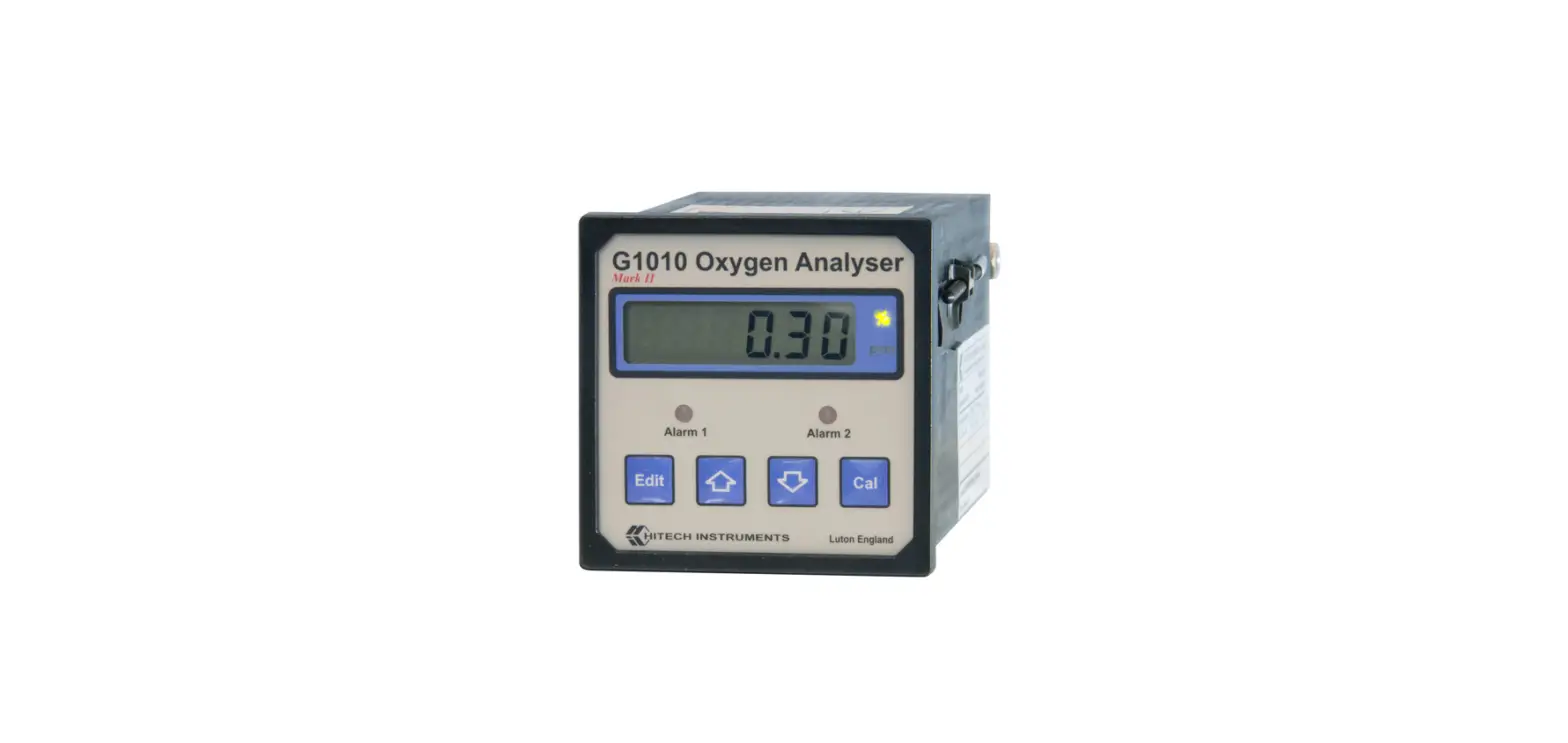
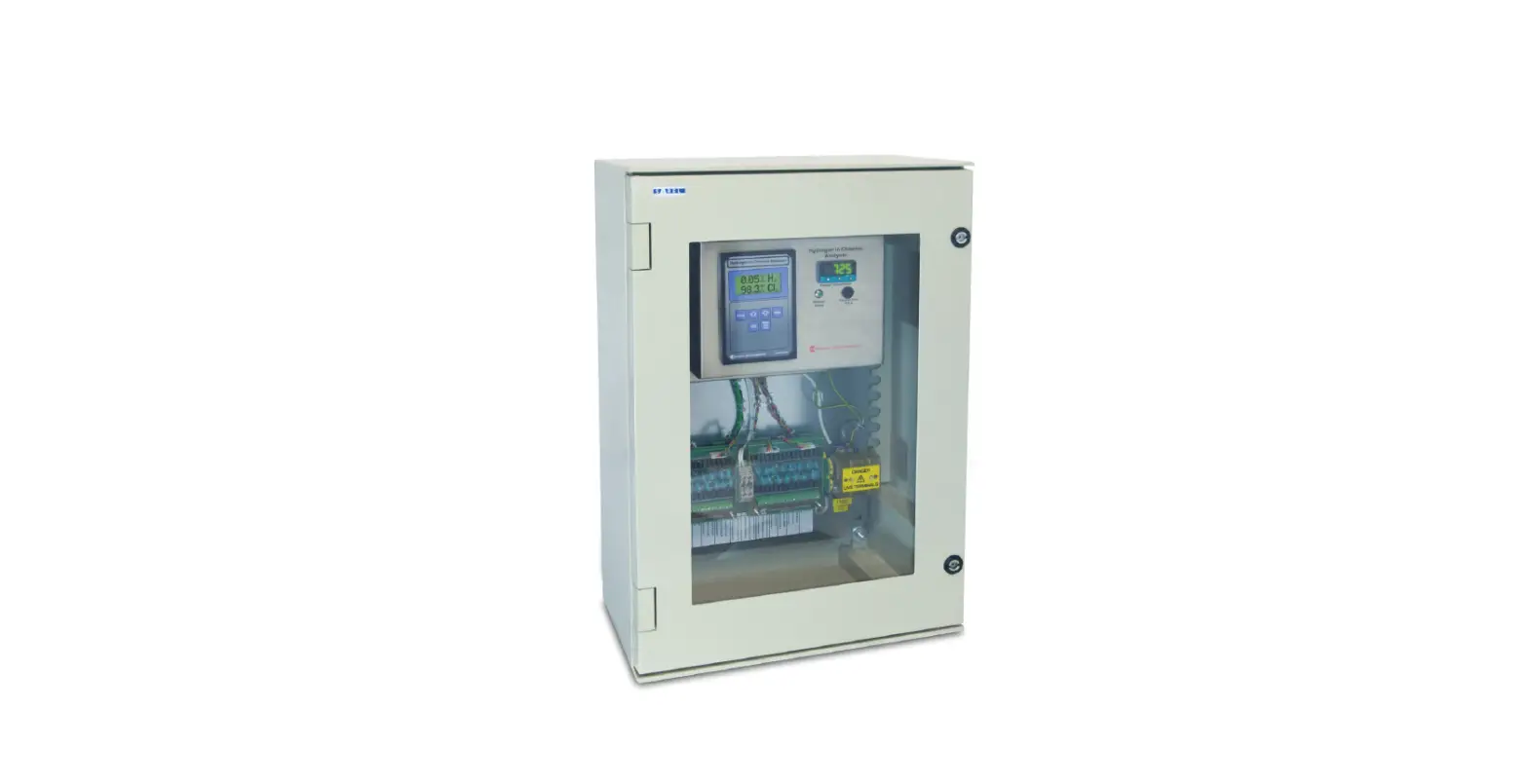
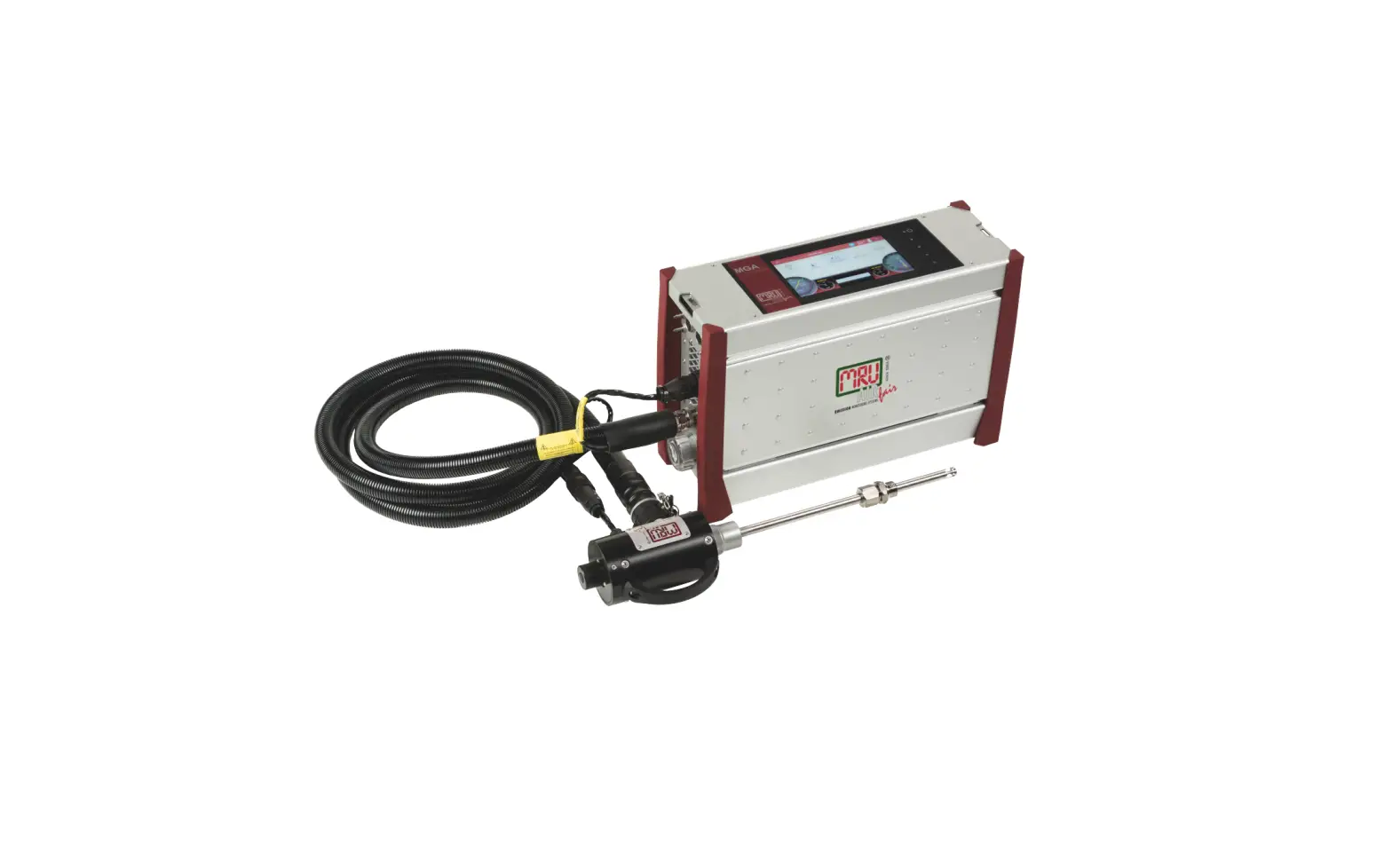
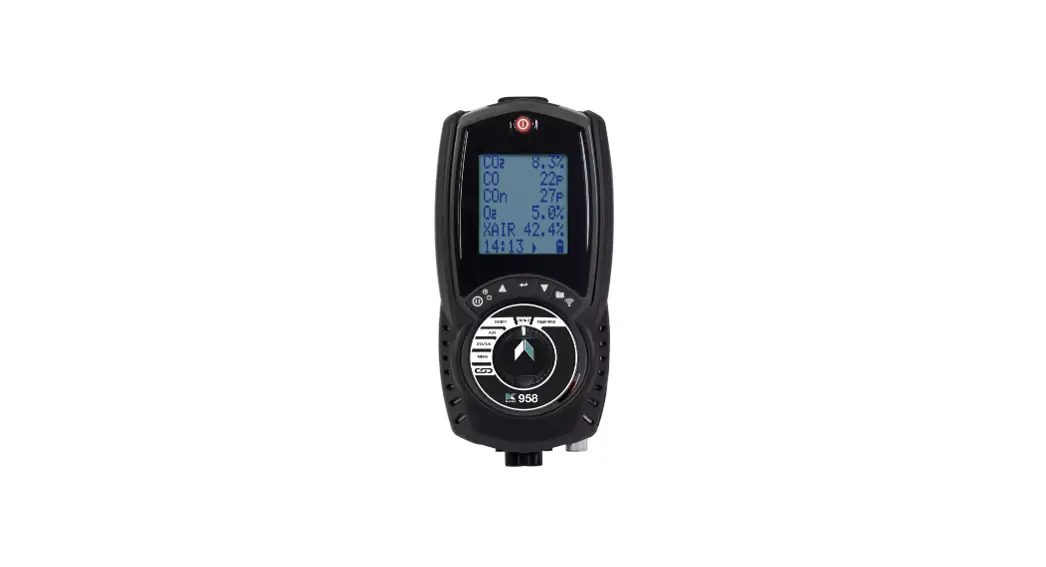
TN08 520-1007 MTL Gas Analysers and Systems
Product Information
The MTL gas analysers & systems are used for measuring the
air/fuel ratio in pre-mix burners that are used for heating and
surface treatment. These analysers are designed to ensure efficient
combustion and create the correct surface tension in flame
treatment processes. They can measure the oxygen concentration in
the unreacted fuel air mix and determine the air fuel ratio.
The MTL Z1915C and MTL Z3000 models are specifically used in
this type of application.
Product Usage Instructions
- Ensure the MTL gas analyser is properly connected to the
pre-mix burner system. - Turn on the MTL gas analyser and allow it to initialize.
- Select the appropriate measurement mode for determining the
air/fuel ratio. This can be done by either measuring the oxygen in
the unreacted fuel air mix or by pre-burning a small amount of the
mixture and measuring the remaining oxygen. - If measuring the oxygen in the unreacted fuel air mix, ensure
that the MTL gas analyser is calibrated to accurately determine the
air/fuel ratio based on the oxygen concentration. - If pre-burning a small amount of the mixture, follow the
instructions provided by the MTL gas analyser to accurately measure
the remaining oxygen. - Monitor the readings on the MTL gas analyser to determine if
the air/fuel ratio is within the desired range for efficient
combustion. - Make adjustments to the burner system as necessary to maintain
the optimal air/fuel ratio. - Refer to the neutralisation curve graph (Figure 2) provided in
the user manual to understand the ideal proportions of reactants
for no excess of either.
For further technical assistance or support, please contact
Eaton Electric Limited using the provided contact information.
Technical note
MTL gas analysers & systems
October 2016 TN08 520-1007 Rev 3
Measuring the Air/Fuel Ratio for Pre-Mix Burners Used for Heating and Surface Treatment
When hydrocarbon fuels burn in air they do so according to a precise chemical equation. An example of such an equation is shown below.
This equation illustrates the combustion of methane (CH4) in air (approximately 21% oxygen + 79% inerts).
CH4 + 2O2 + 7.52 Inerts = CO2 + 2H2O + 7.52 Inerts
Air This equation shows amounts (volumes) of each component required to perform a complete reaction of the methane and air. A mix of reactants where each is in a proportion to react completely is called a ‘stoichiometric’ mixture. Similar equations can be written for other fuels.
Typically mixtures of air and gas burnt for heating etc. contain a small amount of excess air for optimum efficiency.
Measuring and controlling the air/fuel ratio is crucial to maintaining an efficient combustion and to create the correct surface tension in flame treatment processes.
One way of measuring the ratio is to measure the oxygen in the unreacted fuel air mix. For methane the oxygen concentration in the unreacted mixture at stoichiometry would be:
2 x 100 = 19.01% 1+2+7.52
So the change in oxygen concentration from air to a stoichiometric mixture is only 2% (21-19). Although oxygen analysers exist to measure these concentrations, to get any appreciable accuracy (± 0.01% at least) requires a very expensive device.
An alternative way of determining the air fuel ratio is to pre-burn a small amount of the mixture and measure the oxygen remaining. In this way, the difference in oxygen from air to a stoichiometric mix is 21% – i.e. more than ten times the shift in the in-reacted mixture. The graph above illustrates the difference.
MTL Zirconia oxygen analysers are ideal for measuring oxygen in these combusted mixtures for two main reasons. Firstly, they operate at elevated temperatures (600+°C/1100+°F) and so it is not necessary to cool or otherwise condition the sample. Secondly, they can measure the low levels of oxygen present at stoichiometry (and beyond into the reducing zone if necessary) with high accuracy. This equates to an accuracy in the unreacted mixture of about ± 0.002% – significantly better than any alternative. They measure oxygen concentration in a way
% Oxygen
Illustration for the Combustion of Methane 25
21
20
Oxygen Concentration in Un-reacted Mix
19
15 10
Oxygen
Concentration
in
Zones of Optimum Efficiency 19.0 to 19.2% in unreacted mix 0 to 2% oxygen in reacted mix
Reacted Mix
5
0
Increasing Fuel
Stoichiometric Mix
Figure 1 – Methane combustion
Figure 2 – Neutralisation curve
analogous to pH electrodes measuring acidity. And in a similar way to a pH electrode being used to monitor the neutralising of an acid by an alkali so a MTL zirconia oxygen sensor can be used to monitor a “neutralisation” of oxygen with the fuel. The graph in Figure 2 shows the classic ‘neutralisation’ curve for such a process. The “neutralisation” point is where the reactants are in exactly the correct proportions to produce no excess of either.
Note: The MTL Z1915C and MTL Z3000 models are used in this type of application.
Eaton Electric Limited, Great Marlings, Butterfield, Luton Beds, LU2 8DL, UK. Tel: + 44 (0)1582 435600 Fax: + 44 (0)1582 422283 www.mtl-inst.com E-mail: [email protected]
© 2016 Eaton All Rights Reserved Publication No. TN08 520-1007 Rev 3 191016 October 2016
EUROPE (EMEA): +44 (0)1582 723633 [email protected]
THE AMERICAS: +1 800 835 7075 [email protected]
ASIA-PACIFIC: +65 6 645 9888 [email protected]
The given data is only intended as a product description and should not be regarded as a legal warranty of properties or guarantee. In the interest of further technical developments, we reserve the right to make design changes.