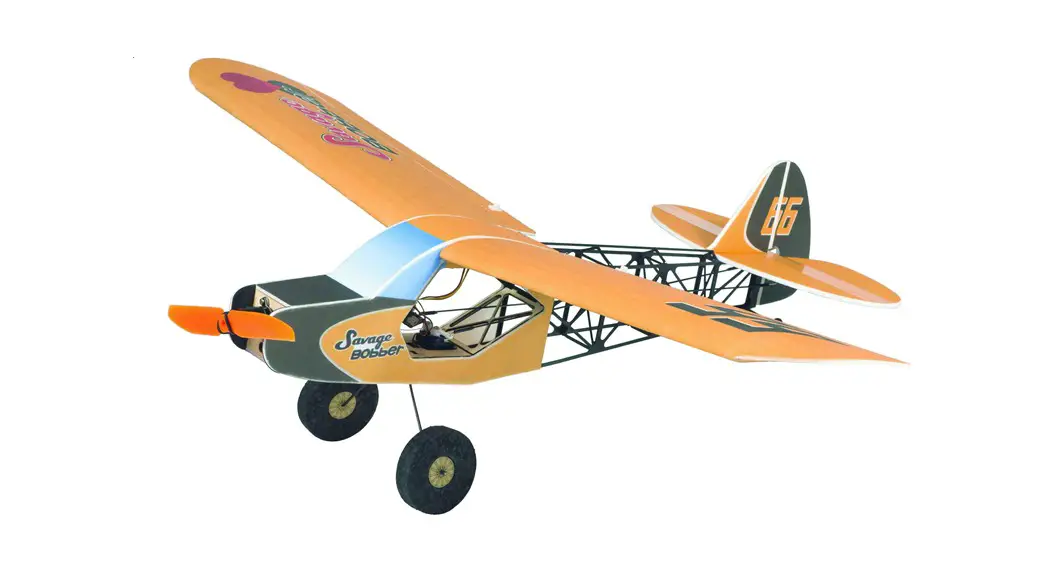
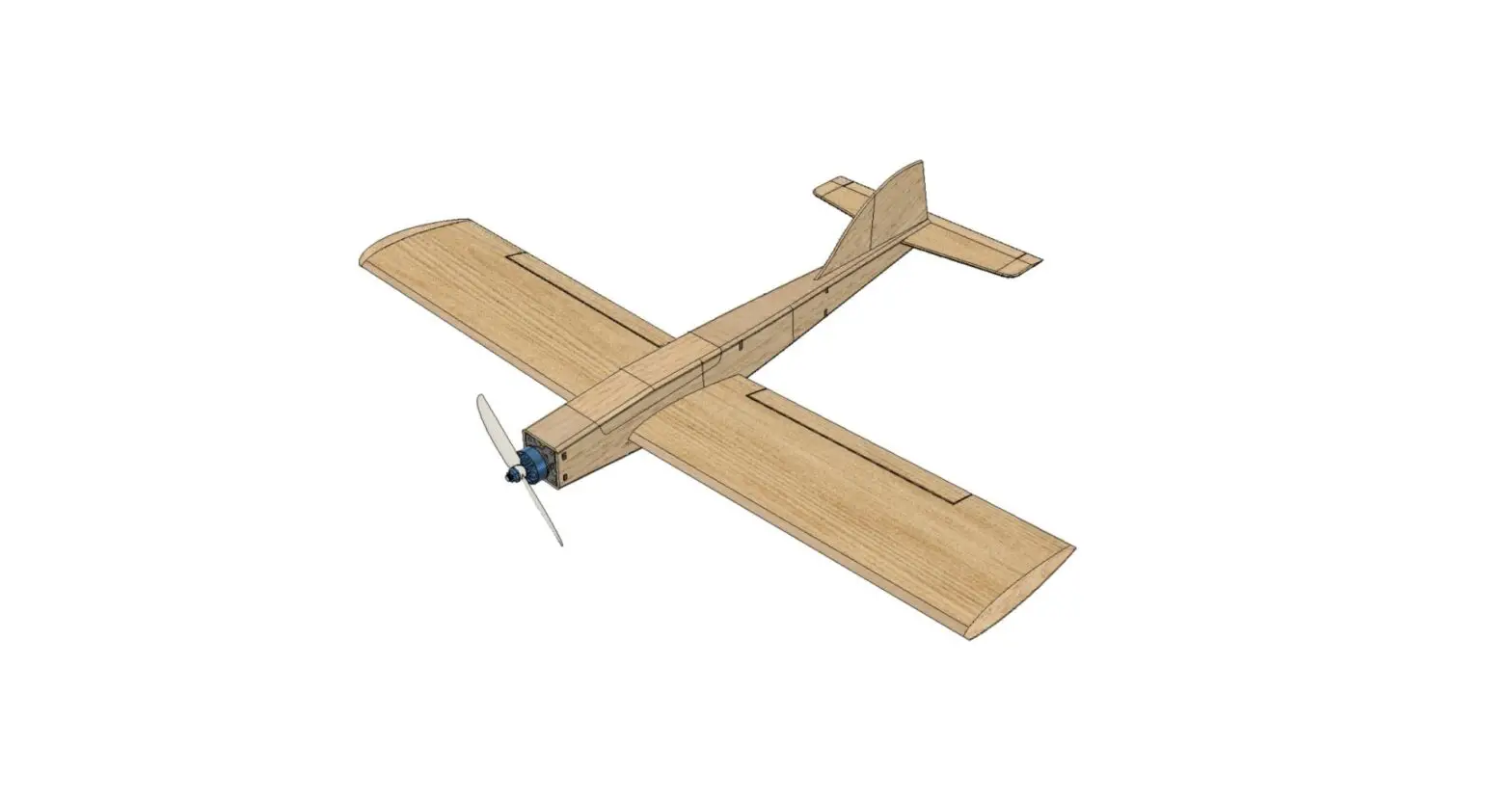
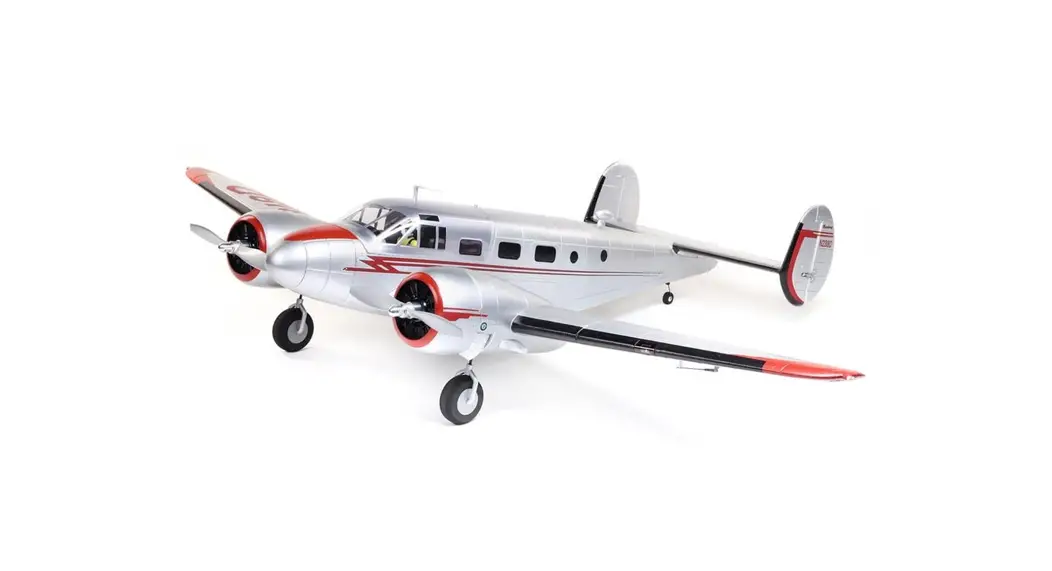
SCG24 Balsawood Scale Airplane
Product Information
The Balsawood Scale Airplane SCG24 is a sophisticated and
high-performance flying model. It is not a toy and should be
operated with caution. The wingspan of the airplane is 1.58 meters
(62 inches), the fuselage length is 1.20 meters (47 inches), and
the flying weight is 2.0 kilograms. The suggested equipment for
this airplane includes a motor with specifications 2815-2820
1000-900KV, a 12-inch propeller, an ESC40-60A4S, a 4S 2200-2800mAh
battery, two 9g servos, two 25g servos, and a 4-channel radio.
Product Usage Instructions
- Pre-Flight Checks:
- Check and adjust servo centering to optimize control surface
performance. - Double-check the spinning direction of the motor before first
usage to ensure it is suitable for your model. - Set the center of gravity (CG) at the position marked in the
manual. If necessary, add weight to the nose or tail for optimal
flight performance. - Check the inside of the fuselage to ensure all equipment is
correctly connected and secure. Verify the surface of the
heat-shrink covering material and tighten all screws and
bolts. - Take care when connecting/disconnecting the battery. Replace
the battery immediately if low voltage or damage is detected. - The connection of internal devices in the fuselage depends on
your transmitter-receiver device. Simplify the connection based on
your device’s features. Refer to your device’s manual for
details. - When pairing the power system and transmitter-receiver device
for the first time, set the maximum stroke of the throttle as
required.
- Check and adjust servo centering to optimize control surface
- Safety Precautions:
- This product is not a toy and should be operated responsibly.
Improper usage can cause injury to you or your family members.
Children under the age of 14 should be accompanied by an adult
while operating this product. - Avoid flying around restricted locations such as airports,
military bases, and residential areas. - Perform a range check on the transmitter to ensure no
interference is present. - Always turn on the transmitter before the receiver and turn off
the receiver before the transmitter. - If you are a beginner, seek assistance or advice from advanced
expert fliers before attempting to fly the model. - Keep relevant items out of reach of children.
- If engaging in high-stress flying, take necessary steps to
control movement range and reinforce the body strength of the
airplane. - Some parts of this product may cause discomfort to the eyes and
skin. Use goggles or dust-proof clothes when necessary. - The glue mentioned in the manual may not be included due to air
traffic safety control. Purchase the required glue from a local
stationery store.
- This product is not a toy and should be operated responsibly.
For more information about the product, visit http://www.dwhobby.com/
PRE-FLIGHT CHECKS
Check/adjust servo centering, in order to adjust the control surface better.
Double-check the spinning direction of motor at first usage, and sure it’s suitable for your model.
CG Set the center of gravity (CG) at the position that manual already marked out. If necessary, add weight to the nose or tail to ensure the best flight performance.
Double-check the inside of the fuselage, make sure all the equipments are correctly connected; Check the heat-shrink covering material’s surface, Make certain all screws, bolts, cabin and canopy remain secure.
Take great care when connecting/disconnecting the battery, pls replace the battery immediately once found low voltage or damage to battery.
The way the internal devices of the fuselage are connected will be related to your transmitter-receiver device. For those transmitter-receiver devices with more functions, you can simplify the connection of the internal devices of the fuselage. Check your device for details to see if it meets the features you need.
When the power system and transmitter-receiver device are paired for the first time, you may need to set the maximum stroke of the throttle. Please set it yourself.
SAFETY PRECAUTIONS
14 This product should not be considered a toy, but rather a complicated and sophisticated flying model. Your safety depends on how you use and fly it, If not correctly operated, could cause injury to you or your family members. Children must be accompanied by an adult at all times if operating this product. Not suitable for children under the age of 14. THIS IS NOT A TOY.
Do not fly around some restricted location like airports, military bases, residential areas, etc.
You will need to range check the transmitter to be sure you are not experiencing any interference.
Always turn on the receiver last after turning on the transmitter and shut off the receiver first before turning off the transmitter.
If you are only a beginner to the radio control model flying, do not attempt to fly your model without any assistance or advice from advanced expert fliers.
Keep relevant items out of reach of children.
This product has been flight tested to meet or exceed our rigid performance and reliability standards in normal use,if you plan to perform any high-stress flying, you are solely responsible for taking any and all necessary steps to control movement range and reinforce the body strength.
This product may include some fiberglass and carbon-fiber reinforced plastic parts,which may cause eye and skin discomfort,pls wear the goggles or dust-proof clothes when needed.
Due to air traffic safety control, the products you receive may not have the glue that appears in the list. Please understand and purchase the glue you need at your local stationery store.
http://www.dwhobby.com/
Balsawood Scale Airplane
SCG24
ARF
Specification
:1.58M62″ :1.20M47″ : 2.0kg
Wingspan:1.58M62″ Fuselage Length:1.20M47″ Flying Weight:2.0kg
Suggested Equipment
2815-2820 1000-900KV 12inch 40-60A4S 4S 2200-2800mAh 9g*2pcs ; 25g*2pcs 4CH+
Motor : 2815-2820 1000-900KV Prop : 12inch ESC40-60A4S Battery4S 2200-2800mAh Servo : 9g*2pcs ; 25g*2pcs Radio4CH+
Tools Needed
SCG24-E
SCG24-A SCG24-D
/ Photos shown here just for reference, the product you received maybe slightly differ from the photos due to continuous improvement on products.
SCG24-F
SCG24-B
SCG24-C M
J
L
SCG24-G I
K
SCG24-H
SCG24-A: Fuselage SCG24-B: Wing SCG24-C: Dummy Engine
SCG24-D: Motor Mounting SCG24-E: Cowling
SCG24-F: Horizontal tail/ Vertical tail SCG24-G: Landing Gear+ Wheels
SCG24-H Screws and accessories Rudder horn Wood block; Wood rod Connecting rod Stay wire
I: Tail wheel
J: Carbon tube
K:PVC PVC window shield
L: Dummy gun
M: Servo mount
Assembly symbol guide
Ensure free rotation
Use medium CA
Use thin CA
Use a pencil
Push tightly
x2 Repeat multiple times
1
Use hobby knife with
Apply threadlock
Fully Tighten
OIL Apply Oil
Assemble right and left
Epoxy glue Use epoxy adhesive
01 Assemble the Landing Gear 01-1
01-2
M3*15mm++ Screw+Nut+Self-locking nut
Install the screws and nuts in the sequence shown in the figure.
01-3
X2
Self-tapping screw M3x15mm
Install the bracket assembled in step 1 into the fuselage as shown in the figure, and install the spring here is the shock absorbing mechanism of the landing gear.
Self-tapping screw M3x15mm
01-4
CA Insert the landing gear bracket and fix it with CA glue.
01-5
M3*10mm+ Screw+Self-locking nut
+
X2
M3 Nut
M3 Nut
2
01-6
1
M3*15mm+ Screw+Self-locking nut
Install the screws and nuts in the sequence shown in the figure 1
234
02-3
1 Insert
2
Install according to the numerical order of identification.
02-1 CA The vertical tail is connected with the bracket installed in step 02-1 through paper hinges, and the tail wheel set is installed as shown in the figure. After adjustment, the joint of the paper hinges and the tail wheel set are fixed with CA quick-drying adhesive, and the vertical tail wing can swing freely.
02-4
21 01-7
2
M3 Self-locking nut
M5 Nut
02 Assemble the Tail Wing and Tail Wheel
02-1
Epoxy glue
Insert the landing gear bracket, adjust it to be perpendicular to the fuselage, and fix it with epoxy glue
02-2
3
3
4
X2
M3 Self-locking nut
X2
Install the rudder horn on the vertical stabilizer.
02-4-102-4-2
Install the horizontal tail rotor mechanism. Refer to the
02-4-1 and 02-4-2 separately
for details.
02-4-1
Epoxy glue
02-4-2
Square carbon rod
02-5 02-6
X2
Square carbon rod
Epoxy glue
Install the horizontal tail, insert it into the square carbon rod, and adjust the distance so that the tail does not interfere with the fuselage when it rotates. The joint shall be bonded with epoxy adhesive.
2
CA
Note that the two rudder
horns are at the inner side
of the bracket, adjust the
distance, and use CA quick
drying adhesive to fix the
joint with the square carbon
rod.
X2
Install the nylon stay wire, fix it with self-tapping screws, and lock the wire connector with an aluminum buckle.
Self-tapping screw M2x10mm
4
03 Installation of control servos for horizontal tail and vertical tail
04 Wing installation
03-1
04-1
M
04-2
04-3
03-2
0.8mm steel wire
See the following figure and schematic diagram for details of steel wire connection.
03-3
The rudder arm is connected with the upper rudder horn of the tail wing through steel wire, and the end is fastened with an aluminum buckle.
Wire connection diagram
03-2 Elevator
03-3 Rudder
5
04-4
Epoxy glue
Self-tapping screw M2x10mm
The servo line shall be led out from the side of the wing, and the carbon sheet shall be inserted as shown in the figure, which shall be bonded with epoxy adhesive.
04-5
EZ-connector
CA The aileron is connected to the wing through paper hinges and is cemented with CA glue. Keep the aileron free to swing after being glued.
Z The rudder horn is installed on the aileron, and the steel wire connecting rod is installed to connect the servo. One end of the Z-shaped steel wire connecting rod goes through the rudder arm, and the other end connects the rudder horn through the EZ-connector.
04-6
04-7
Self-tapping screw M1.5x10mm
04-8
Carbon tube
The other half of the wing is installed in the same way as the above steps, and carbon rods are inserted into the left and right wings. After installation, the left and right wings are fixed with screws.
M3*15mm Screw M3*15mm
6
05 Install the motor and cowling
05-1
Install the scale parts and stay wire bracket.
05-2
05-3
Epoxy glue
05-4
M3*15mm+ Screw+Self-locking nut
X2
1 Detail 1
05-5
Paste the dummy engine
3 Detail 3
2 Detail 2
X2 4 Detail 4
05-6
06 Install the stay wire
1
11
Detail 1
Tie
2 Detail 2
3 Detail 3
3
3
05-4,05-6 In combination with steps 05-4 and 05-6, adjust the position of the motor base according to the size of the motor, and then use epoxy adhesive to fix the motor base.
Note: The motor base has been designed with right pull and pull down angles.
05-7
4 Detail 4
2 4
2
4
Install the propeller and fix it with prop adapter.
2 There are two stay wires, which are threaded and installed in numerical order. Pay attention to several installation details during installation.
1 Stay wire 1 12341 2 Stay wire 2 12341
X2
08 Set and Adjust
Display the C.G
90-95mm C.G
7
8
Usually, the control throws set as below:
90-95mm
C.G
Aileron
20°-35° 20°-35°
25° 25°
Elevator
25° 25°
Rudder
(Normal Flying)
3D (3D Flying only support some models)
Aileron
±15°-30°
±40° (or larger)
Elevator
±15°
±40° (or larger)
Rudder
±15°
±40° (or larger)
Flap take-off15°-20° Landing20°-40°
V Some special models will have V-tails, flaps, leading edge wings, etc., which can be used as a reference for conventional flight angles. If you do not confirm and there is no experienced person to guide you, we recommend that you first test at a small angle to confirm that your settings are correct.
Control Directions Tests
Lifting rod down
Elevator
Lifting rod up
Steering rod to the right
Aileron
Steering rod to the left
Direction rod to the right
Rudder
Direction rod to the left
More details about power system adjustment, please refer to below link: (You can scan QR Code directly.)
http://www.dwhobby.com/art/connection
9
10
 DancingWingsHobby AEOrc ELErc HOBBY, RC PLANE,Balsawood Airplane,EPP Foamy Plane,BRUSHLESS MOTOR ,EDF,BLADE,PROPELLER