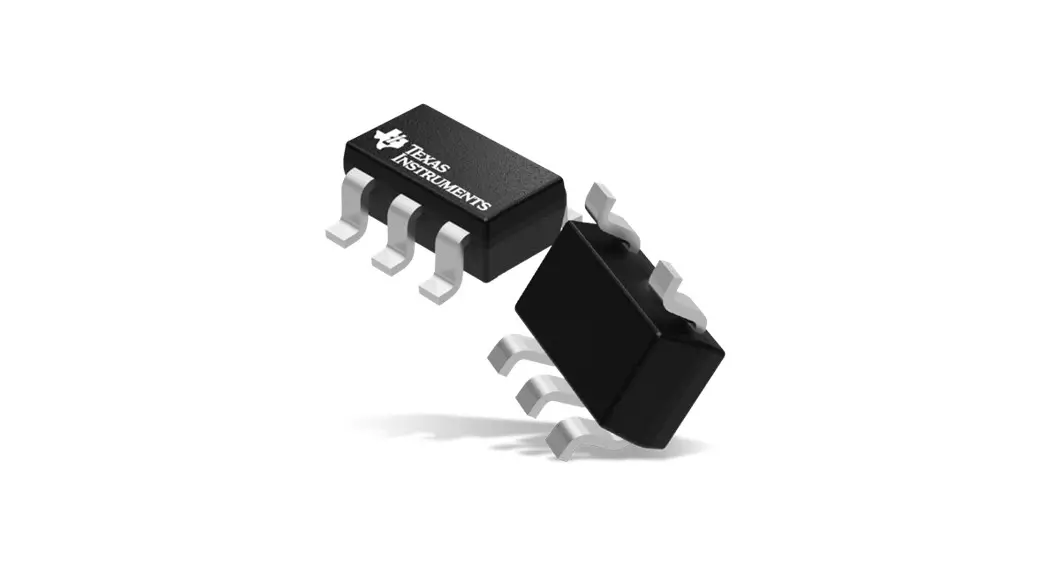
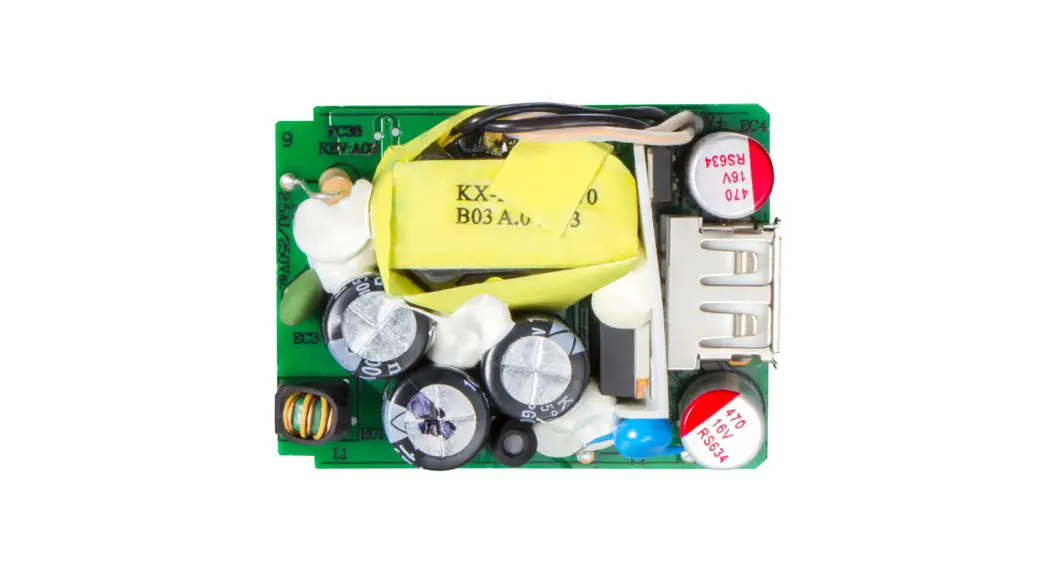
AP61300 EV M 2.3v To 5.5v Input 3a Synchronous Buck Converter
Product Information:
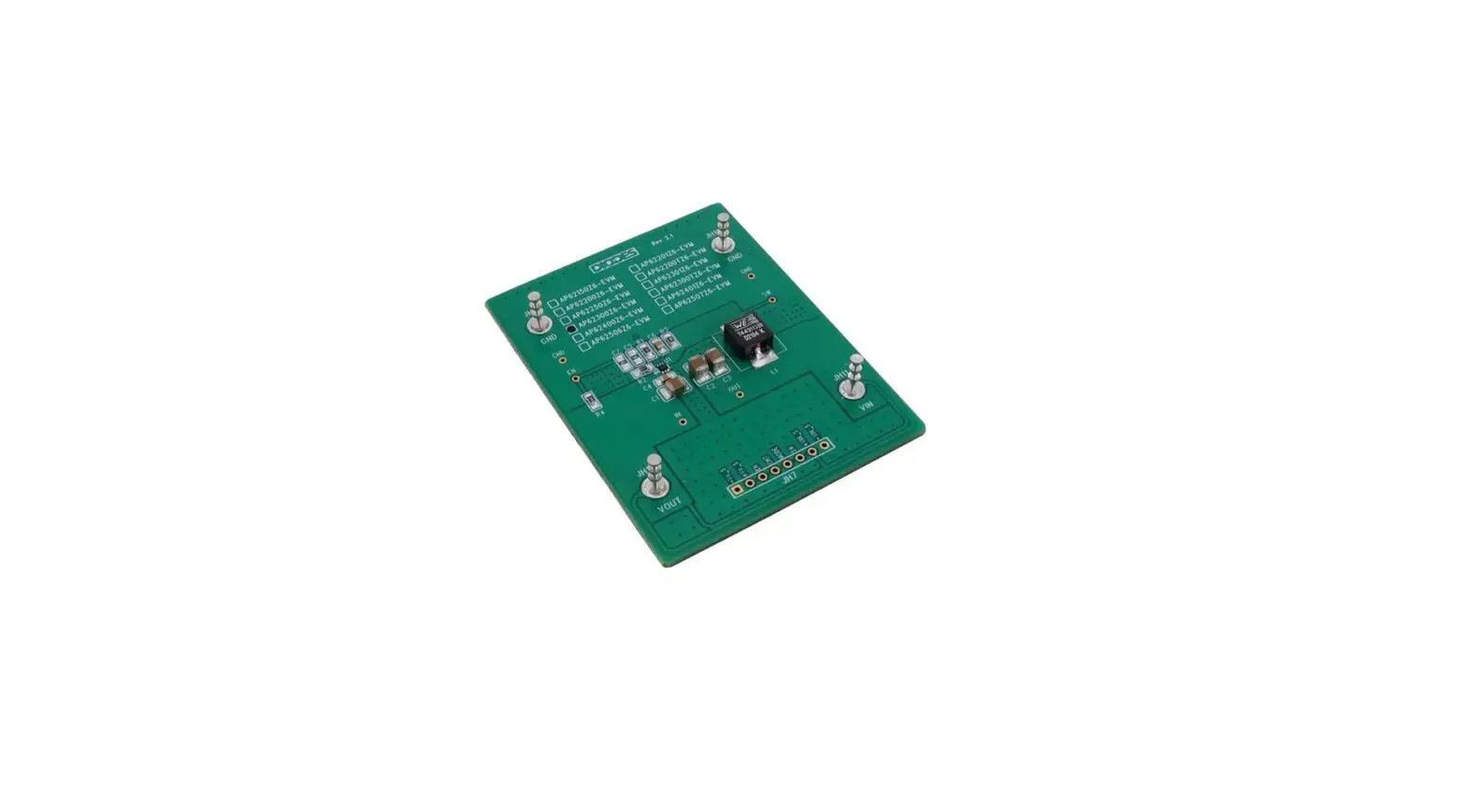
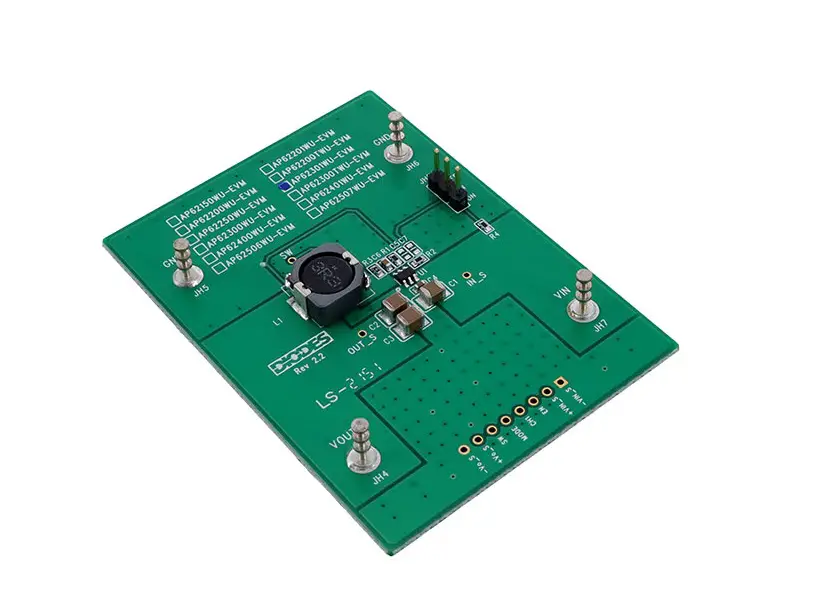
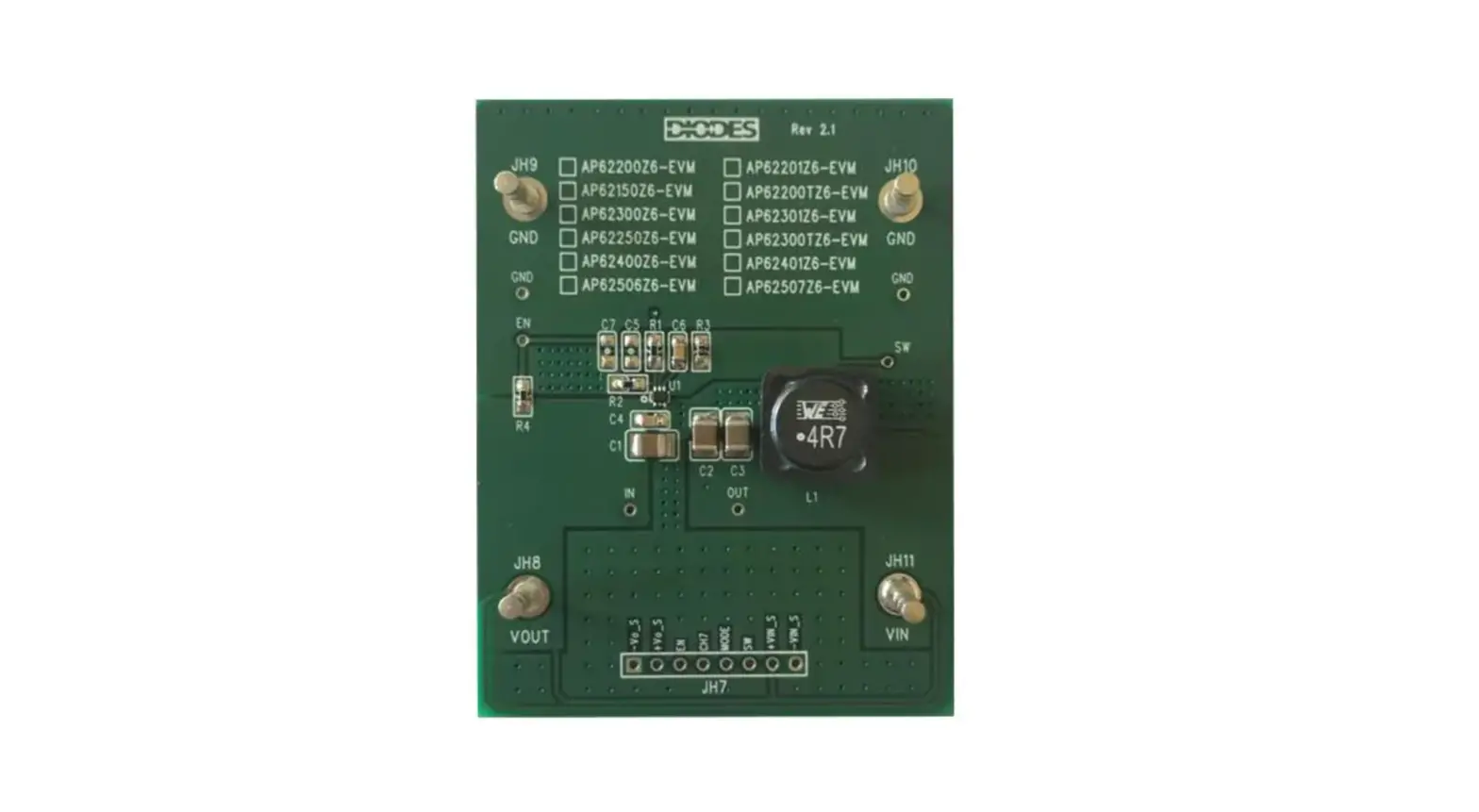
Product Name: AP61300Z6-EVM
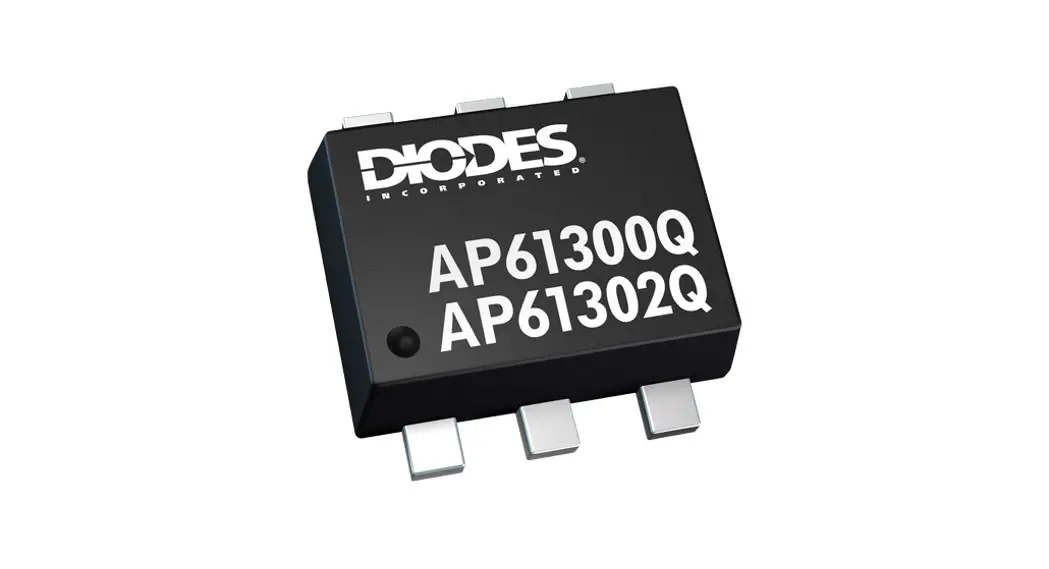
Description: The DIODESTM AP61300 is a 3A,
synchronous buck converter with an input voltage range of 2.4V to
5.5V. It features a 70m high-side power MOSFET and a 50m low-side
power MOSFET, providing high-efficiency step-down DC-DC
conversion.
Pin Assignments: The AP61300 device is designed
to minimize the external component count and adopts constant
on-time (COT) control for fast transient responses, ease loop
stabilization, and low output voltage ripple. It also features
force PWM mode control through the EN pin. The device is available
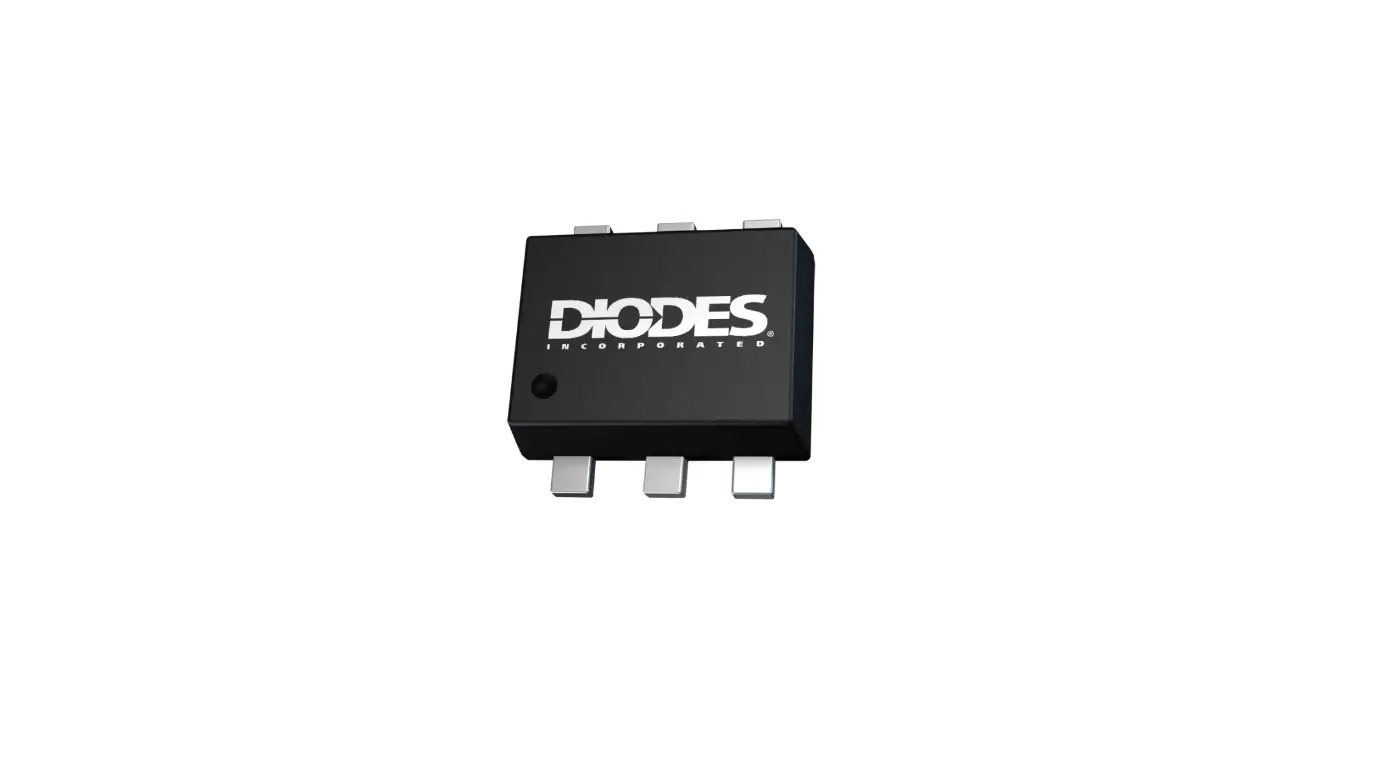
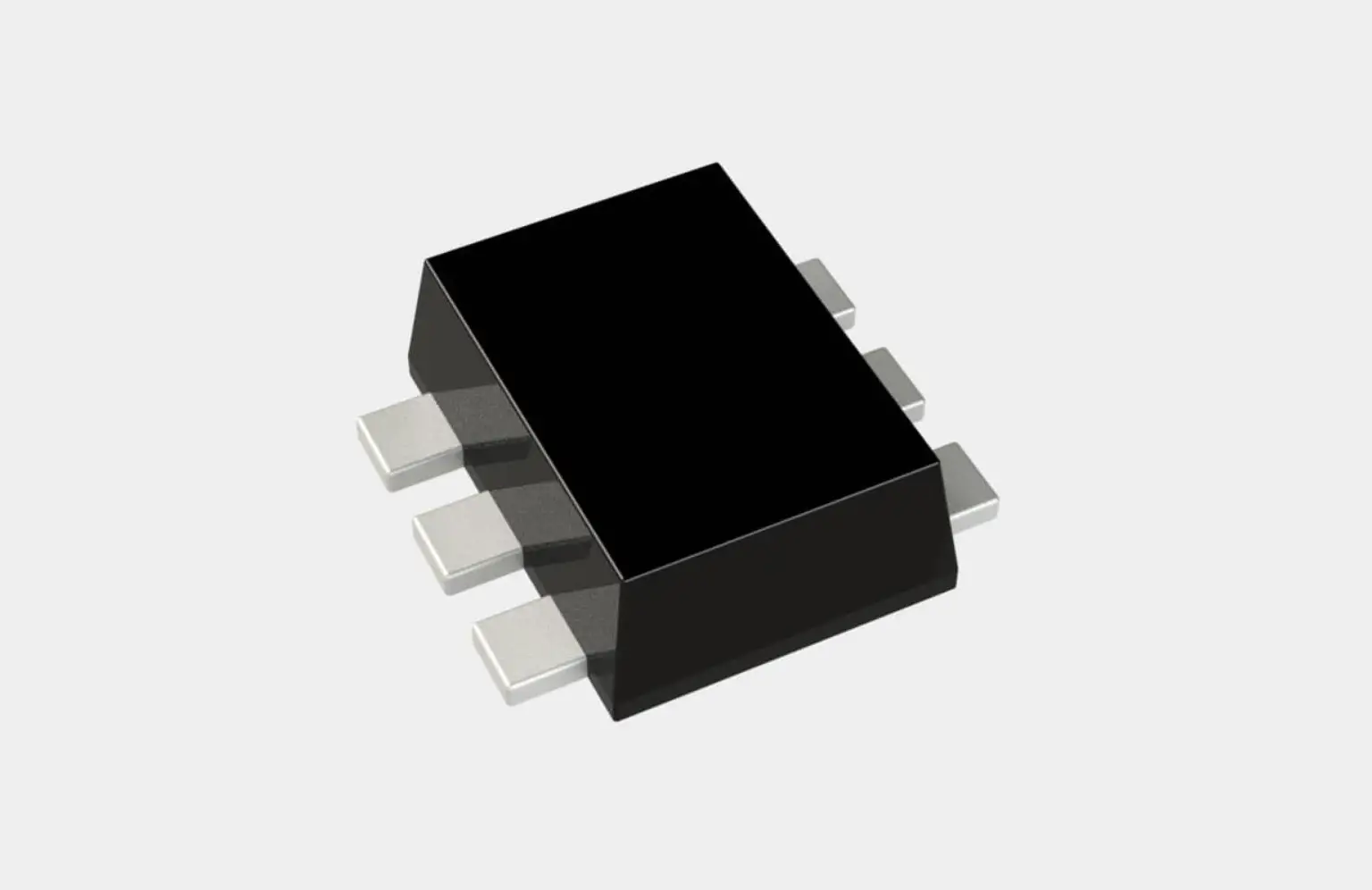
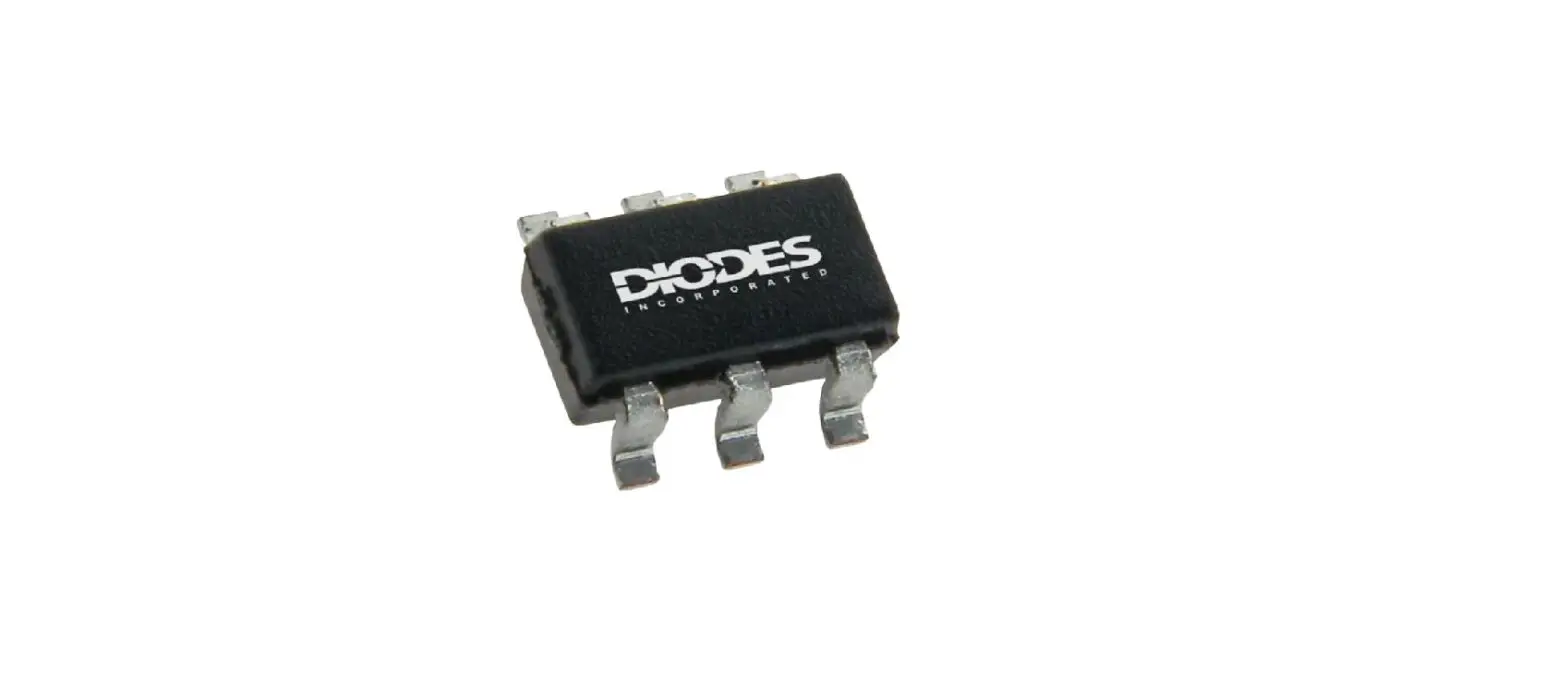
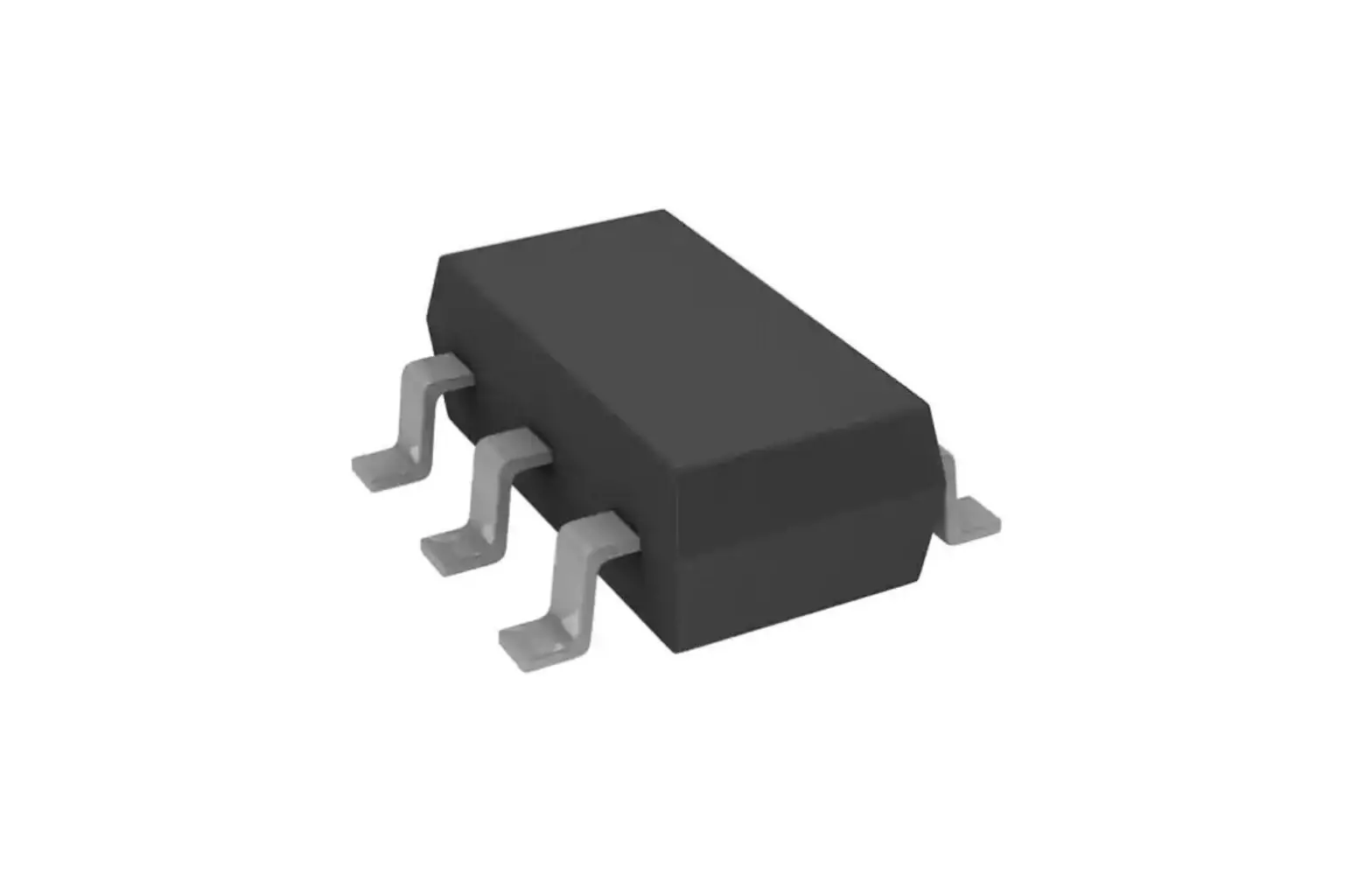
in a SOT563 package.
Features:
- Undervoltage Lockout (UVLO) protection circuitry
- VIN Overvoltage Protection (OVP)
- Peak Current Limit
- Valley Current Limit
- Thermal Shutdown
Applications:
- 5V Input Distributed Power Bus Supplies
- White Goods and Small Home Appliances
- FPGA, DSP, and ASIC Supplies
- Network Video Cameras
- Wireless Routers
- Consumer Electronics
- General Purpose Point of Load
Product Usage Instructions:
Quick Start Guide:
- Connect a power supply to the input terminals VIN and GND,
configuring the evaluation board at VOUT=1.8V. - Set the input voltage (VIN) to 5V.
- Connect the positive terminal of the electronic load to VOUT
and the negative terminal to GND. - To enable the IC, place a jumper to the H position. To disable
the IC, jump to the L position.
Measurement Performance Guidelines:
- When measuring the output voltage ripple, ensure that the
oscilloscope probe has the shortest possible ground lengths. Long
ground leads can introduce high frequency noise into the measured
ripple.
AP61300Z6-EVM
2.3V TO 5.5V INPUT, 3A SYNCHRONOUS BUCK CONVERTER
Description
The DIODESTM AP61300 is a 3A, synchronous buck converter with an input voltage range of 2.4V to 5.5V and fully integrates a 70m highside power MOSFET and a 50m low-side power MOSFET to provide high-efficiency step-down DC-DC conversion.
Pin Assignments
The AP61300 device is easily used by minimizing the external component count due to its adoption of constant on-time (COT) control to achieve fast transient responses, ease loop stabilization, and low output voltage ripple. Moreover, AP61300 also features force PWM mode control through EN pin.
The device is available in a SOT563 package.
Features
Input Range: 2.4V to 5.5V Wide Output Voltage Range: 0.6V to VIN 3A Continuous Output Current 0.6V ± 2% Reference Voltage 19µA Ultralow Quiescent Current (Pulse Frequency Modulation) 2.2MHz Switching Frequency Programmable Modulation Mode Through EN
o PFM (Vin VEN < 200mV) o PWM Regardless of Output Load ( Vin VEN > 200mV )
Protection Circuitry o Undervoltage Lockout (UVLO)
o VIN Overvoltage Protection (OVP)
o Peak Current Limit
o Valley Current LimitThermal Shutdown
Applications
5V Input Distributed Power Bus Supplies White Goods and Small Home Appliances FPGA, DSP, and ASIC Supplies Network Video Cameras Wireless Routers Consumer Electronics General Purpose Point of Load
Issue 1 December, 2022
© Diodes Incorporated
1 of 9
www.didoes.com
Functional Block
AP61300Z6-EVM
2.3V TO 5.5V INPUT, 3A SYNCHRONOUS BUCK CONVERTER
Figure 1. Functional Block Diagram
Absolute Maximum Ratings (Note 1) At TA = +25°C, unless otherwise specified.)
Symbol
VIN
VFB
VSW
VEN TST TJ TL ESD Susceptibility (Note 2) HBM CDM
Parameter
Supply Pin Voltage Feedback Pin Voltage
Switch Pin Voltage Enable Pin Voltage Storage Temperature Junction Temperature Lead Temperature
Human Body Model Charged Device Model
Rating
Unit
-0.3 to +6.5 (DC) V
-0.3 to + 7.0 (400ms)
-0.3 to VIN + 0.3
V
-1.0 to VIN + 0.3 (DC)
-2.5 to VIN + 2.0 (20ns)
V
-0.3 to VIN + 0.3
V
-65 to +150
°C
+160
°C
+260
°C
6000
V
1500
V
Notes:
1. Stresses greater than the Absolute Maximum Ratings specified above may cause permanent damage to the device. These are stress ratings only; functional operation of the device at these or any other conditions exceeding those indicated in this specification is not im plied. Device reliability may be affected by exposure to absolute maximum rating conditions for extended periods of time.
2. Semiconductor devices are ESD sensitive and may be damaged by exposure to ESD events. Suitable ESD precautions should be take n when handling and transporting these devices.
Issue 1 December, 2022
© Diodes Incorporated
2 of 9
www.didoes.com
AP61300Z6-EVM
2.3V TO 5.5V INPUT, 3A SYNCHRONOUS BUCK CONVERTER
Recommended Operating Conditions (At TA = +25°C, unless otherwise specified.)
Symbol
Parameter
Min
Max
Unit
VIN
Supply Voltage
2.4
5.5
V
VOUT
Output Voltage
0.6
VIN
V
TA
Operating Ambient Temperature Range
-40
+85
°C
TJ
Operating Junction Temperature Range
-40
+125
°C
Quick Start Guide:
The AP61300Z6-EVM has a simple layout and allows access to the appropriate signals through test points. To evaluate the performance of the AP61300Z6, follow the procedure below:
1. For evaluation board configured at VOUT=1.8V, connect a power supply to the input terminals VIN and GND. Set VIN to 5V. 2. Connect the positive terminal of the electronic load to VOUT and negative terminal to GND. 3. For Enable, place a jumper to “H” position to enable IC. Jump to “L” position to disable IC.
4. The evaluation board should now power up with a 1.8V output voltage. 5. Check for the proper output voltage of 1.8V (±1%) at the output terminals VOUT and GND. Measurement can also be done with a multimeter with the positive and negative leads between VOUT and GND. 6. Set the load to 3A through the electronic load. Check for the stable operation of the SW signal on the oscilloscope. Measure the switching frequency.
Measurement Performance Guidelines:
1) When measuring the output voltage ripple, maintain the shortest possible ground lengths on the oscilloscope probe. Long ground leads can erroneously inject high frequency noise into the measured ripple.
2) For efficiency measurements, connect an ammeter in series with the input supply to measure the input current. Connect an electronic load to the output for output current. Test the input capacitor voltage and output capacitor voltage with a multimeter as input voltage and output voltage.
Issue 1 December, 2022
© Diodes Incorporated
3 of 9
www.didoes.com
AP61300Z6-EVM
2.3V TO 5.5V INPUT, 3A SYNCHRONOUS BUCK CONVERTER
Setting the Output Voltage of AP61300
1) Setting the output voltage
The AP61300 features external programmable output voltage by using a resistor divider network R1 and R2 as shown in the typical application circuit. The output voltage is calculated as below,
VOUT
0.6
R1
R2
R
2
First, select a value for R2 according to the value recommended in the table 1. Then, R2 is determined. The output voltage is given by Table 1 for reference. For accurate output voltage, 1% tolerance is required.
Table 1. Resistor selection for output voltage setting
Evaluation Board Schematic
VIN=5V
C1 Open
H EN
L
VIN
C2 22uF
R3 100k
EN
AP61300
VOUT SW
FB GND
SW
L
1.0uH
C5 Open
R1 200k
R2 100k
Figure 2. Typical Application Circuit
VOUT=1.8V
C3 C4 22uF Open
Issue 1 December, 2022
© Diodes Incorporated
4 of 9
www.didoes.com
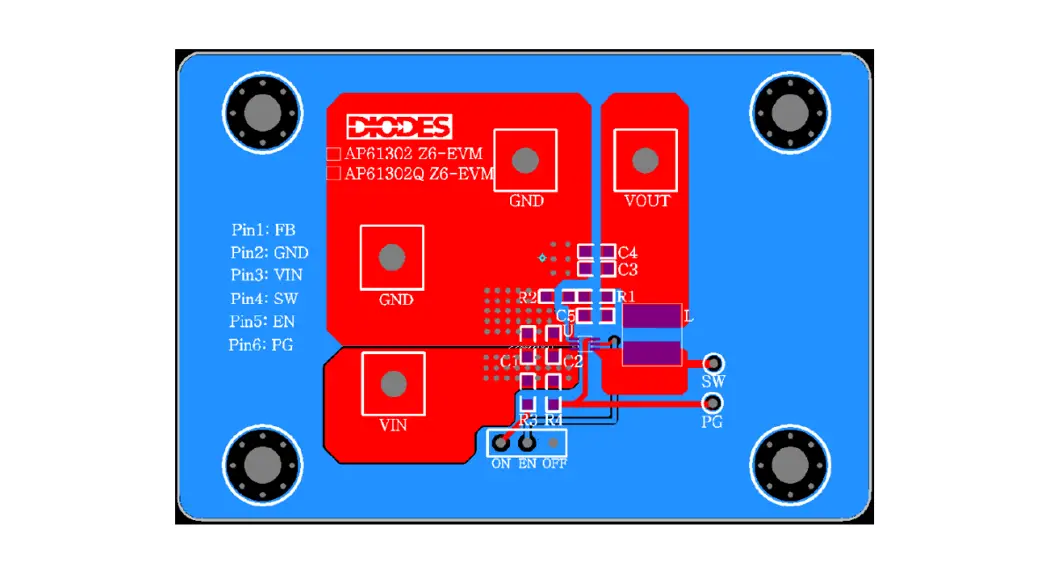
PCB Top Layout
AP61300Z6-EVM
2.3V TO 5.5V INPUT, 3A SYNCHRONOUS BUCK CONVERTER
PCB Bottom Layout
Figure 3. AP61300Z6 – EVM – Top Layer
Issue 1 December, 2022
© Diodes Incorporated
Figure 4. AP61300Z6 – EVM – Bottom Layer 5 of 9
www.didoes.com
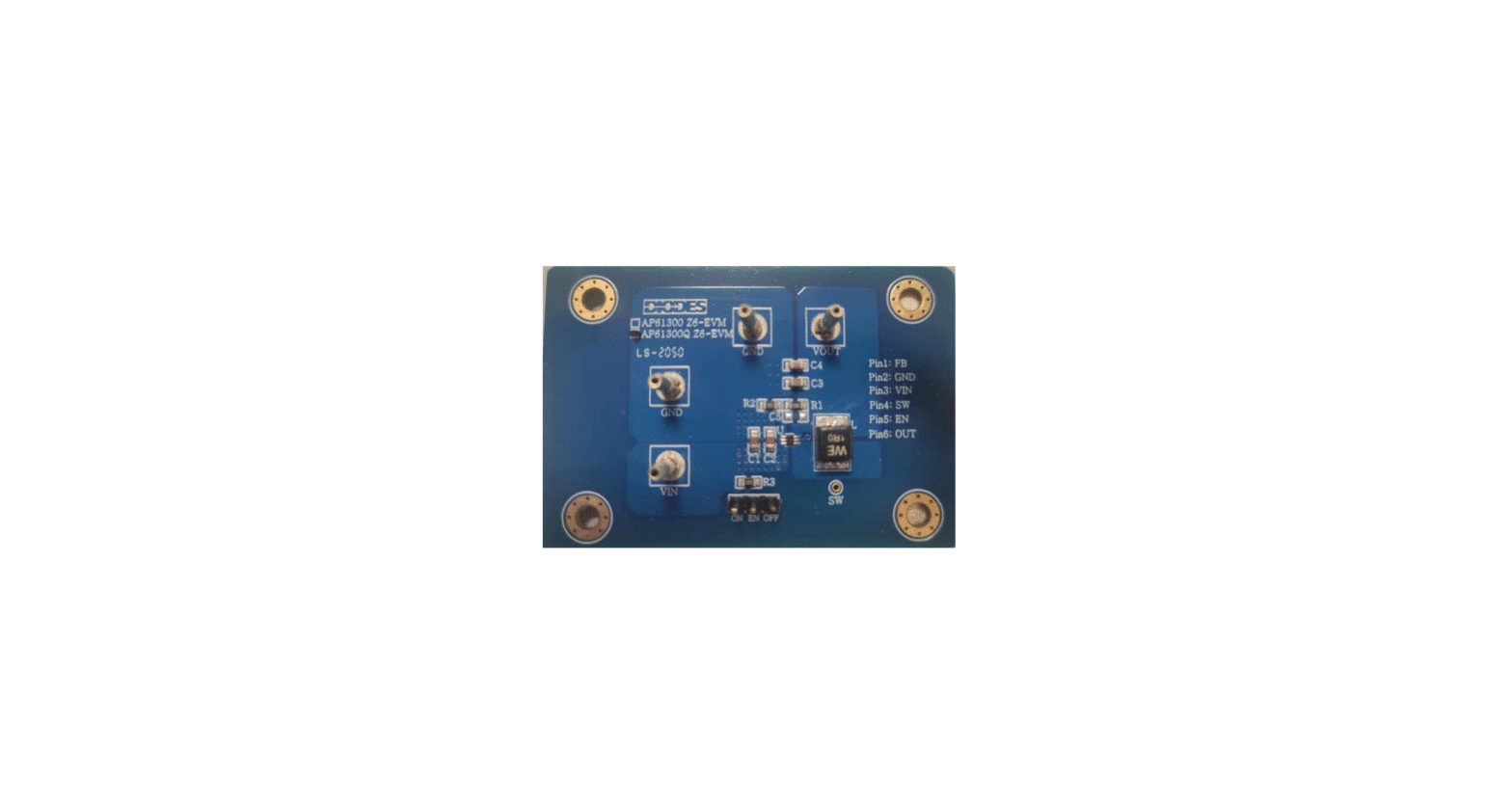
EV Board View
AP61300Z6-EVM
2.3V TO 5.5V INPUT, 3A SYNCHRONOUS BUCK CONVERTER
Figure 5. AP61300Z6 EV Board View
Bill Of Materials for AP61300Z6-EVM (VOUT=1.8V)
Item
Value
Type
Rating
Descriptio n
C2
22µF
X5R/X7R, Ceramic/0805
10V
Input coupling CAP
C3
22µF
X5R/X7R, Ceramic/0805
10V
Output coupling CAP
L
1.0µH
SMD
>5A
Inductor
R1
200K
R2
100K
R3
100K
U1
0805 0805 0805 AP61300
1% Voltage set RES*
1%
1%
EN RES*
SOT563
Descriptio n TAIYO YUDEN EMK212ABJ106KD-T TAIYO YUDEN EMK212ABJ106KD-T WURTH ELEC 744 383 560 10
Diodes BCD
Issue 1 December, 2022
© Diodes Incorporated
6 of 9
www.didoes.com
AP61300Z6-EVM
2.3V TO 5.5V INPUT, 3A SYNCHRONOUS BUCK CONVERTER
Typical Performance Characteristics
Figure 6. PFM Efficiency vs. Output Current
Figure 7. PWM Efficiency vs. Output Current
Issue 1 December, 2022
© Diodes Incorporated
7 of 9
www.didoes.com
AP61300Z6-EVM
2.3V TO 5.5V INPUT, 3A SYNCHRONOUS BUCK CONVERTER
Figure 8. Output Voltage Ripple, IOUT = 50mA
Issue 1 December, 2022
© Diodes Incorporated
Figure 9. Output Voltage Ripple, IOUT =3A 8 of 9
www.didoes.com
AP61300Z6-EVM
2.3V TO 5.5V INPUT, 3A SYNCHRONOUS BUCK CONVERTER
IMPORTANT NOTICE
1.
DIODES INCORPORATED (Diodes) AND ITS SUBSIDIARIES MAKE NO WARRANTY OF ANY KIND, EXPRESS OR IMPLIED,
WITH REGARDS TO ANY INFORMATION CONTAINED IN THIS DOCUMENT, INCLUDING, BUT NOT LIMITED TO, THE IMPLIED
WARRANTIES OF MERCHANTABILITY, FITNESS FOR A PARTICULAR PURPOSE OR NON -INFRINGEMENT OF THIRD PARTY
INTELLECTUAL PROPERTY RIGHTS (AND THEIR EQUIVALENTS UNDER THE LAWS OF ANY JURISDICTION).
2.
The Information contained herein is for informational purpose only and is provided only to illustrate the operation of Diodes’ products
described herein and application examples. Diodes does not assume any liability arising out of the application or use of this document or any
product described herein. This document is intended for skilled and technically trained engineering customers and users who design with
Diodes’ products. Diodes’ products may be used to facilitate safety-related applications; however, in all instances customers and users are
responsible for (a) selecting the appropriate Diodes products for their applications, (b) evaluating the suitability of Diodes’ p roducts for their
intended applications, (c) ensuring their applications, which incorporate Diodes’ products, comply the applicable legal and regulatory
requirements as well as safety and functional-safety related standards, and (d) ensuring they design with appropriate safeguards (including
testing, validation, quality control techniques, redundancy, malfunction prevention, and appro priate treatment for aging degradation) to minimize
the risks associated with their applications.
3.
Diodes assumes no liability for any application-related information, support, assistance or feedback that may be provided by Diodes
from time to time. Any customer or user of this document or products described herein will assume all risks and liabilities associated with such
use, and will hold Diodes and all companies whose products are represented herein or on Diodes’ websites, harmless against al l damages and
liabilities.
4.
Products described herein may be covered by one or more United States, international or foreign patents and pending patent
applications. Product names and markings noted herein may also be covered by one or more United States, i nternational or foreign trademarks
and trademark applications. Diodes does not convey any license under any of its intellectual property rights or the rights of any third parties
(including third parties whose products and services may be described in this document or on Diodes’ website) under this document.
5.
Diodes’ products are provided subject to Diodes’ Standard Terms and Conditions of Sale
(https://www.diodes.com/about/company/terms-and-conditions/terms-and-conditions-of-sales/) or other applicable terms. This document does
not alter or expand the applicable warranties provided by Diodes. Diodes does not warrant or accept any liability whatsoeve r in respect of any
products purchased through unauthorized sales channel.
6.
Diodes’ products and technology may not be used for or incorporated into any products or systems whose manufacture, use or sa le is
prohibited under any applicable laws and regulations. Should customers or users use Diodes’ products in contravention of any applicable laws
or regulations, or for any unintended or unauthorized application, customers and users will (a) be solely responsible for any damages, losses or
penalties arising in connection therewith or as a result thereof, and (b) indemnify and hold Diodes and its representatives and agents harm less
against any and all claims, damages, expenses, and attorney fees arising out of, directly or indirectly, any claim relating to any noncompliance
with the applicable laws and regulations, as well as any unintended or unauthorized application.
7.
While efforts have been made to ensure the information contained in this document is accurate, complete and current, it may c ontain
technical inaccuracies, omissions and typographical errors. Diodes does not warrant that information contained in this document i s error-free
and Diodes is under no obligation to update or otherwise correct this information. Notwithstanding the foregoing, Diodes reserves the right to
make modifications, enhancements, improvements, corrections or other changes without further notice to this document and any product
described herein. This document is written in English but may be translated into multiple languages for reference. Only the English version of
this document is the final and determinative format released by Diodes.
8.
Any unauthorized copying, modification, distribution, transmission, display or other use of this document (or any portion hereof) is
prohibited. Diodes assumes no responsibility for any losses incurred by the customers or users or any third parties arising fro m any such
unauthorized use.
9. This Notice may be periodically updated with the most recent version available at https://www.diodes.com/about/company/terms-andconditio ns/i mportant-notic e
DIODES is a trademark of Diodes Incorporated in the United States and other countries. The Diodes logo is a registered trademark of Diodes Incorporated in the United States and other countries. All other trademarks are the property of their respective owners © 2022 Diodes Incorporated. All Rights Reserved.
www.diodes.com
Issue 1 December, 2022
© Diodes Incorporated
9 of 9
www.didoes.com
 didoes.com
 Diodes Incorporated - Analog, Discrete, Logic, Mixed-Signal