AP3428 Step-Down DC-DC Converter
Product Information:
The product is the AP3428 Application Note. It is a document
provided by the AE Department. The current revision of the document
is Ver1.0, released in January 2016. The document contains general
information and key features of the product.
Product Usage Instructions:
- Read the AP3428 Application Note carefully to understand its
content. - Take note of the revision information, including the revision
date and description. - Review the general description section to gain an understanding
of the product’s purpose and application. - Identify the key features of the product to determine its
capabilities and functionalities. - Refer to the mentioned Rev. V1.0 Mar. 2016 for any specific
information related to that revision. - If required, consult with the AE Department for further
clarifications or assistance.
AP3428 Application Note
AP3428 Application Note
AE Department
1. Revision Information
Date Revision 2016/01 Ver1.0
Description Initial release
Comment
2. General Description
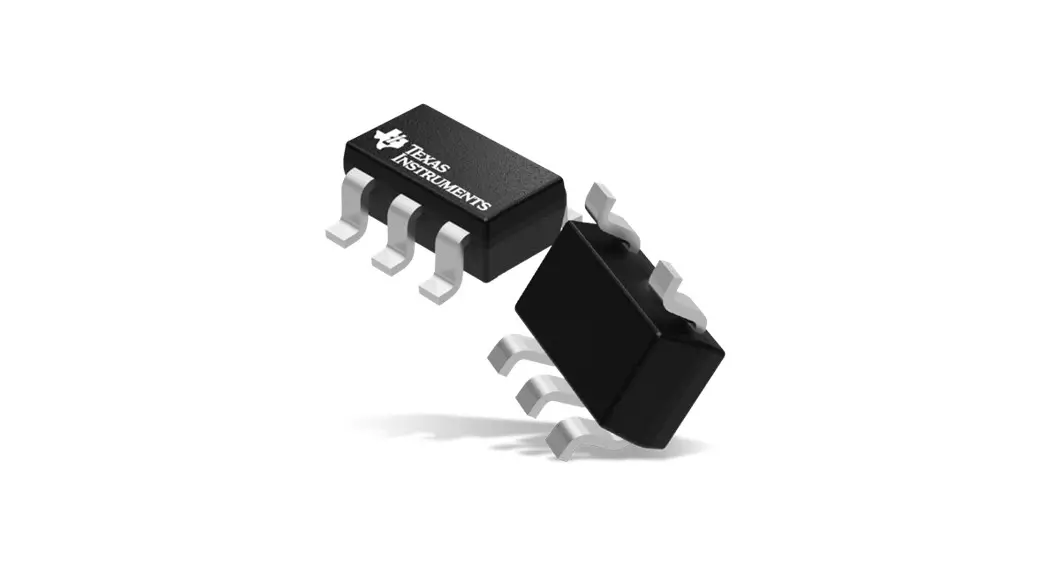
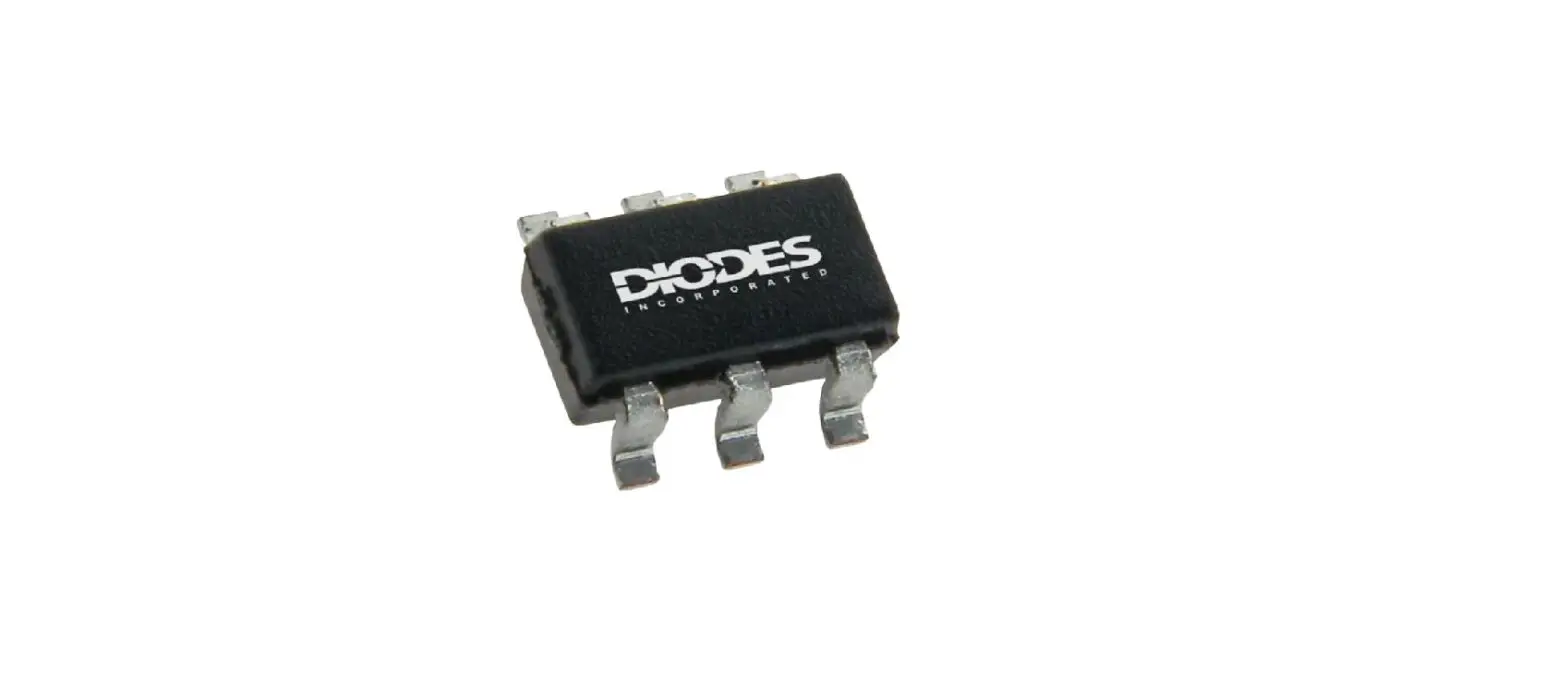
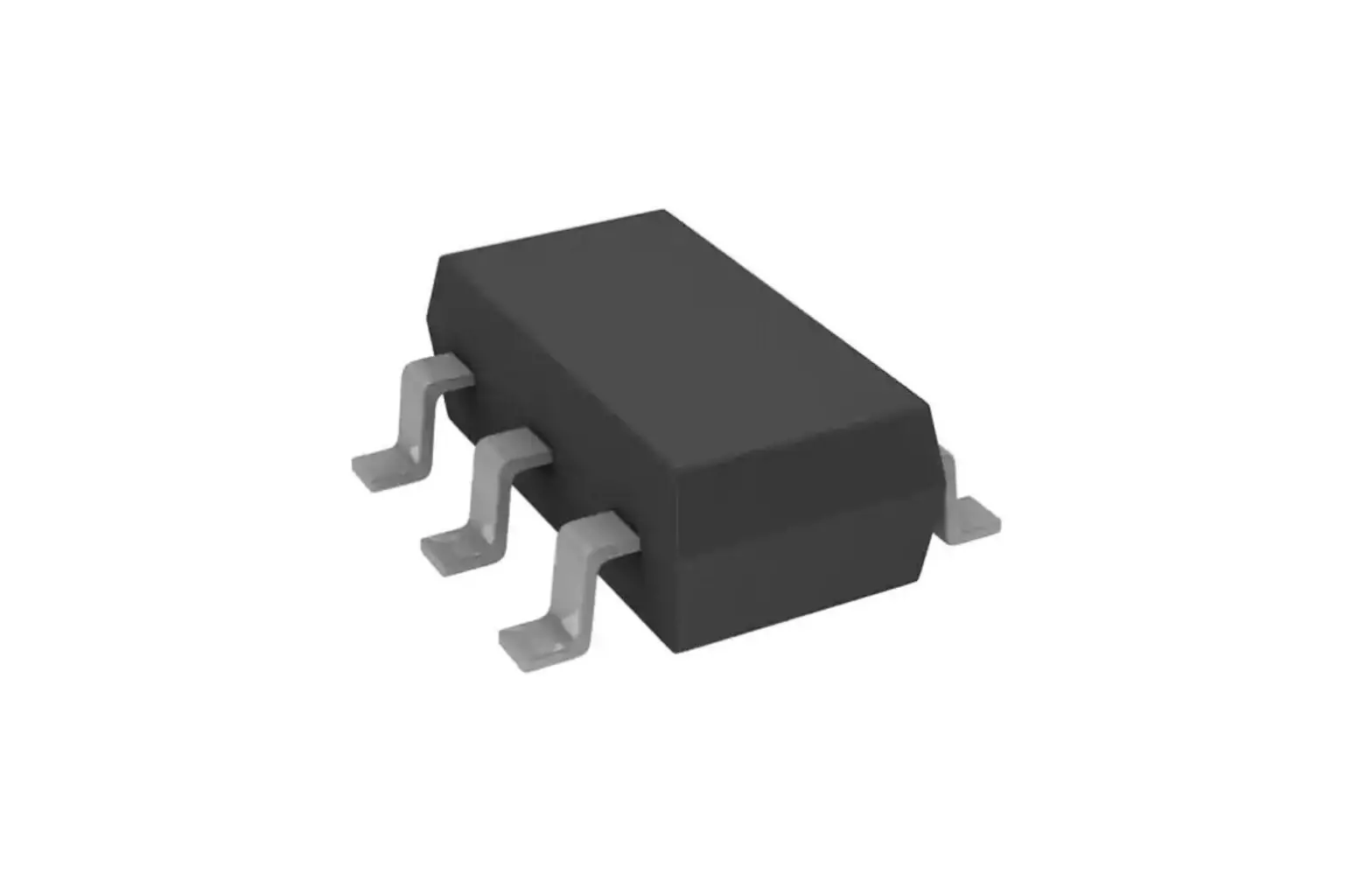
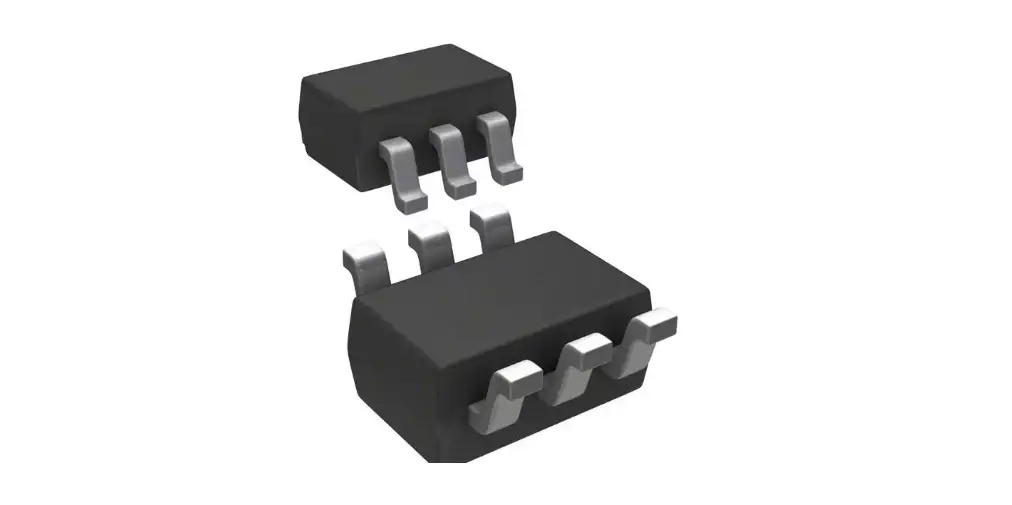
The AP3428 is a 1A step-down DC-DC converter. At heavy load, the constant-frequency PWM control performs excellent stability and transient response. No external compensation components are required. The AP3428 supports a range of input voltages from 2.5V to 5.5V, allowing the use of a single Li+/Li-polymer cell, multiple Alkaline/NiMH cell, and other standard power sources. The output voltage is adjustable from 0.6V to the input voltage. The AP3428 employs internal power switch and synchronous rectifier to minimize external part count and realize high efficiency. During shutdown, the input is disconnected from the output and the shutdown current is less than 1A. Other key features include over-temperature and short circuit protection, and under-voltage lockout to prevent deep battery discharge. The AP3428 delivers 1A maximum output current while consuming only 40A of no-load quiescent current. Ultra-low RDS(ON) integrated MOSFETs and 100% duty cycle operation make the AP3428 an ideal choice for high output voltage, high current applications which require a low dropout threshold. The AP3428 is available in SOT23-5, DFN2020-6 packages.
3. Key Features
Output Current: Up to 1A Output Voltage: 0.6V to VIN Input Voltage: 2.5V to 5.5V 0.6V Reference Voltage With ±2% Precision
1
Rev. V1.0 Mar. 2016
40A (Typ) No Load Quiescent Current Shutdown Current: <1A 100% Duty Cycle Operation 1.5 MHz Switching Frequency Internal Soft Start No External Compensation Required Current Limit Protection Thermal Shutdown
4. Applications
Post DC-DC voltage regulation Set Top Boxes Notebook computer PAD
5. Typical Application Schematic
VIN=2.5V to 5.5V VIN EN
CIN 10mF
LX
AP3428
GND
FB
AP3428 Application Note
ON OFF
L1 2.2mH
CF 22pF
R1 300 K
VOUT=1.8V
COUT 10mF
R2 150K
6. Application Information
(1) Setting the output voltage
The output voltage is set using a resister voltage divider from the output to FB. The output voltage is calculated as below:
VOUT
0.6
R1 R2 R2
First, select a value for R2, then R1 is determined. The output voltage is given by Table 1.
Rev. V1.0 Mar. 2016 2
AP3428 Application Note
Vo
R1
R2
C3
1.0V
91K
120 K
22 pF
1.2V
100K
100 K
22 pF
1.5V
150K
100 K
22 Pf
1.8V
300 K
150 K
22 pF
2.5V
380K
120K
22 pF
2.8V
440K
120K
22 pF
3.3V
450K
100K
22 pF
Table 1: Resistor selection for output voltage setting
(2) Inductor selection
The inductor is used to supply smooth current to output when it is driven by a switching voltage. Its value is determined based on the operating frequency, load current, ripple current, and duty cycle. For most application, the value of the inductor will fall in the range of 2.2uH to 4.7uH. Choose an inductor that has small DC resistance, has enough current rating and is hard to cause magnetic saturation.
(3) Input capacitor
Good quality input capacitor is necessary to filter noise at input voltage source and limit the ripple voltage of input while supplying most of the switch current during the on-time. For input capacitor selection, ceramic capacitors are recommended because they provide both low impedance and small footprint. But tantalum or low electrolytic capacitor is also sufficed. The important parameters for the input capacitor are the voltage rating and the RMS current rating. The voltage rating should be at least 1.25 times greater than the maximum input voltage, while a voltage rating of 1.5 times is conservative. The RMS of input capacitor current is calculated as:
ICIN _ RMS IOUT ( MAX )
VOUT VIN
1
VOUT VIN
ICIN _ RMS : The RMS of input capacitor current
As indicated by the RMS ripple current equation, highest requirement for RMS current rating occurs at 50% duty cycle. So the RMS ripple current rating of input capacitor should be greater than half the output current under this worse case. For reliable operation and best performance, ceramic capacitors are preferred for input capacitor because their low ESR and high ripple current rating. And X5R or X7R type dielectric ceramic capacitors are preferred
Rev. V1.0 Mar. 2016 3
AP3428 Application Note
for their better temperature and voltage characteristic. Additional, when selecting ceramic capacitor, make sure it has enough capacitance to provide sufficient charge to prevent excessive input voltage ripple. The capacitance of CIN should be more than or equal to10uF.
(4) Output capacitor
The output capacitor is selected based upon the desired output ripple and transient response. The output voltage ripple depends directly on the ripple current and it is affected by two parameters from the output capacitor: total capacitance and the equivalent series resistance (ESR). The output ripple voltage can be found from:
VO
I L
RESR
8
1 C2
fSW
VO : The output ripple voltage. RESR : The equivalent series resistance of output capacitor. For lower output ripple voltage across the entire operating temperature range, X5R or X7R dielectric type of ceramic, or other low ESR tantalum capacitor or aluminum electrolytic capacitor is recommended. The capacitance of COUT should be more than or equal to 10uF and the output capacitor voltage rating should be greater than 1.5 times of maximum output voltage.
(5) PCB Layout Guideline
PCB layout is an important part of DC-DC converter design. Poor board layout can disrupt the performance of the converter and surrounding circuitry by contributing to EMI.
1) power path length
The power path of AP3428 includes an input capacitor, output inductor and output capacitor. Place them on the same side of PCB. The GND trace, the SW trance and the VIN trance should be kept short, direct and wide. CIN must be close to Pins VIN and GND. The loop area formed by CIN and GND must be minimized.
2) Feedback Net
Special attention should be paid to the route of the feedback wring. The feedback trace should be routed far away from the inductor and noisy power trace. Try to minimize trace length to the FB pin and connect feedback network behind the output capacitors.
3) Via Hole
Be careful to via hole. Via will result high resistance and inductance to the power path. If heavy switching currents must be routed through vias and/or internal planes, use multiple
Rev. V1.0 Mar. 2016 4
AP3428 Application Note
vias parallel to reduce their resistance and inductance. Figure 6 and 7 are examples of AP3428 layer.
4) Pad PCB Design
It is recommended that the PCB lead finger pad be designed 0.4mm toe length beyond the package body as a stander to optimize solder volume and extended 0.05mm towards the center line of the package. The dimensions of the thermal pad on the PCB should be equal to the exposed pad on the DFN. The pad must be physically connected to the PCB substrate with solder.
Figure 6: Top Layer
Figure 7: Bottom Layer
Rev. V1.0 Mar. 2016 5