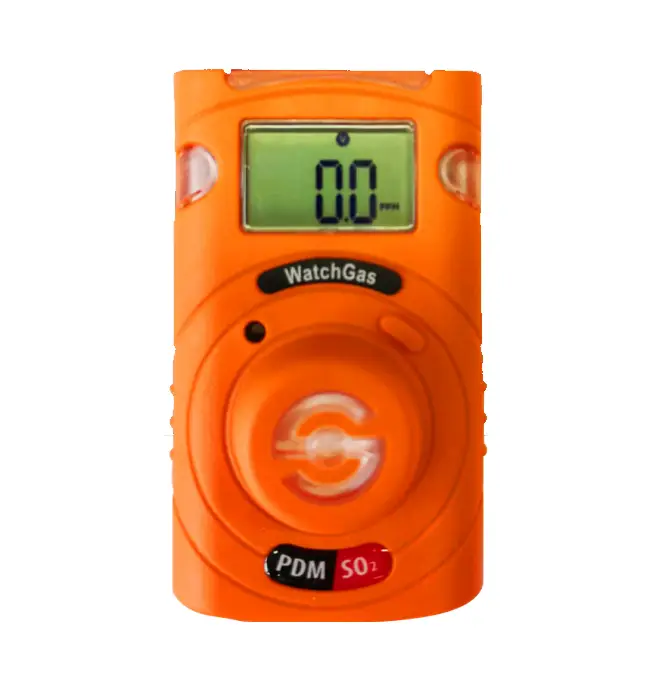
NS II Gas Detection Transmitter
Product Information
The DEGA NS II Gas Detection Transmitter is a device that is
designed to detect gas leaks in an environment. The device is
intended to be installed by a certified technician only. The
product is certified according to the regulations CSN EN 60079-29-1
and CSN EN 50271 and is functionally and technically qualified only
with original DEGA accessories. The device must be installed in
such a way that the sensor part is facing downwards and must be
used in an environment with a degree of pollution of at most 2 as
defined in IEC 60664-1. The overvoltage protection must be set to a
level not exceeding 140% of the peak supply voltage on the device’s
power terminals.
Product Usage Instructions
Before using the DEGA NS II Gas Detection Transmitter, please
read all safety instructions and follow them carefully. Always use
the device with appropriate certified DEGA products only. Do not
touch the electronic components directly as they are sensitive to
static electricity and may get damaged. The product is designed for
installation only by a certified technician. In case of
malfunction, immediately unplug from the power supply and do not
continue its operation as it could result in injury or property
damage.
Do not open the transmitter and do not replace the sensors in
the transmitter in a potentially explosive atmosphere. If service
is necessary, first unplug the device from the power supply, make
certain there is no explosive atmosphere present and only then the
transmitter may be disassembled and the sensors replaced. Do not
disassemble the product and ensure against the contact of its
internal components with water as it may cause an electric
shock.
Use appropriate cable types as recommended in the manual to
connect the product to other devices or power. Dispose of used
products and transmitter sensors with respect to the environment as
transmitter sensors contain hazardous substances. Dispose of them
in accordance with the current legislation on environmental
protection.
INSTALLATION MANUAL
Gas Detection Transmitter
DEGA NS II
Reproduction of this manual, or any part thereof, in any form, without the prior permission of DEGA.CZ s.r.o. is prohibited. DEGA CZ s.r.o. reserves the right to alter the specifications of the hardware and software described in this manual at any time and without prior notice. DEGA CZ s.r.o. bears no liability for any damage resulting from use of this device.
Content
For your safety ……………………………………………………………………………………………………………………………………………………………. 3 Technical data and information……………………………………………………………………………………………………………………………………..4 Operational and storage conditions ………………………………………………………………………………………………………………………………. 4 Terminology ……………………………………………………………………………………………………………………………………………………………….. 5 Product description………………………………………………………………………………………………………………………………………………………5 Assembly and disassembly of the transmitter………………………………………………………………………………………………………………….6
1. Assembly of the transmitter ……………………………………………………………………………………………………………………………….6 2. Replacement of the sensor module……………………………………………………………………………………………………………………..7 3. Replacement of the battery………………………………………………………………………………………………………………………………..7 4. Connecting the transmitter via current loop to the controller DEGA UPA II DEGA UPA III a DEGA UDA III……………………7 5. Connecting the sensor via RS485 to the controller DEGA UPA III/UDA III………………………………………………………………….7 6. Installation of wiring for RS485 and power supply ……………………………………………………………………………………………….. 7 Selecting the appropriate type of cable depends on the fire report and the protocol for determining external influences. …. 8 7. Setting the RS485 address of the transmitter ……………………………………………………………………………………………………….8 8. Termination resistor ………………………………………………………………………………………………………………………………………….8 9. Communication protocol switch DEGA/MODBUS ………………………………………………………………………………………………….8 Transmitter functions ………………………………………………………………………………………………………………………………………………….. 8 1. Turning on the transmitter …………………………………………………………………………………………………………………………………8 2. Gas detection ……………………………………………………………………………………………………………………………………………………8 3. Malfunction………………………………………………………………………………………………………………………………………………………9 4. Monitoring the calibration periods………………………………………………………………………………………………………………………9 5. Reading the record of measured concentrations and alarms ………………………………………………………………………………….9 Operation, maintenance, inspection and service of the transmitter ………………………………………………………………………………….. 9 1. Usage limits………………………………………………………………………………………………………………………………………………………9 2. Operation …………………………………………………………………………………………………………………………………………………………9 3. Operation/Maintenance …………………………………………………………………………………………………………………………………….9 Accessories and basic types of transmitters…………………………………………………………………………………………………………………..10 1. Calibration adapter/connection to the gas pump DEGA GAS INLET ……………………………………………………………………….10 2. Cover against splashing water DEGA WATER CAP………………………………………………………………………………………………..10 3. Funnel for gas collection DEGA COLLECT CAP ……………………………………………………………………………………………………..10 4. Additional Ex ,,e” bushing DEGA BUSHING for NSxII…………………………………………………………………………………………….10 Basic types of transmitters ………………………………………………………………………………………………………………………………………….11 1. Transmitters with a catalytic sensor NSx-CL II ……………………………………………………………………………………………………..11 2. Transmitters with an electrochemical sensor NSx-EL II…………………………………………………………………………………………11 3. Transmitters with an infrared sensor NSx-IL II……………………………………………………………………………………………………..13 4. Transmitters with a semiconductor sensor NSx-SL II…………………………………………………………………………………………….13 5. Transmitters with a PID sensor NSx-PID II …………………………………………………………………………………………………………..14 Attachments……………………………………………………………………………………………………………………………………………………………… 14 1. Chart for setting the transmitter address……………………………………………………………………………………………………………14 2. Signalization transmitted by the 4-20mA current loop …………………………………………………………………………………………14 3.Conversion between volumetric concentration and lower explosion limit of methane ………………………………………………..14 4. Package content………………………………………………………………………………………………………………………………………………14 General warranty terms and conditions………………………………………………………………………………………………………………………..15
2
For your safety
Beware of static electricity Electronic components are sensitive to static electricity. Do not touch them directly – they may get damaged.
The device is intended to be installed by a trained person The product is designed for installation only by a certified technician. The manufacturer is not liable for damages resulting from incorrect or improper handling.
In case of malfunction, immediately unplug from the power supply If you notice an unusual smell or smoke emitting from the product, unplug it from the power supply, battery backup and all other attachments. Continued operation could result in injury or property damage.
Do not open the transmitter and do not replace the sensors in the transmitter in a potentially explosive atmosphere Opening the cover, manipulating electronics, connecting the wiring in the sensor and replacing the sensor in a potentially explosive atmosphere can cause an explosion. If service is necessary, first unplug the device from the power supply, make certain there is no explosive atmosphere present and only then the transmitter may be disassembled and the sensors replaced.
Do not disassemble the product and ensure against the contact of its internal components with water Contact with internal components of the product may cause an electric shock. In case of any malfunction entrust the servicing of the product exclusively to a certified service centre. Contact of internal components with water can create a short circuit in the product and consequent damage of the product, damage to property or personal injury.
Use appropriate cable types To ensure compliance with the parameters of the product, use only the recommended cables described in this manual to connect the product to other devices or power.
Dispose of used products and transmitter sensors with respect to the environment Transmitter sensors contain hazardous substances. Dispose of them in accordance with the current legislation on environmental protection.
Use the transmitter only with the appropriate certified DEGA products The device is certified as functionally and technically qualified only with original “DEGA” accessories. In case of using the device with any other products, the manufacturer is not liable for any damages that may occur.
Undertake regular functional checks and calibrations of the transmitter Perform regular “CALIBRATION” (setting the detection limits, checking the responsiveness of the sensor, checking the functionality of the transmitter) and “OPERATIONAL AND FUNCTIONAL CHECKS” of the entire detection system (sensor excitation with subsequent control of optical and audible alarms, triggering fans, shutdown technology, etc.). Perform calibration and operational and functional checks only at certified service centers with a valid certificate of competence or the manufacturer.
Certification according to standards Certification according to the regulations CSN EN 60079-29-1 and CSN EN 50271 applies only to NSM-CL II.
Special condition The device must be installed in such a way that the sensor part is facing downwards.
Special condition The product must be used in an environment with a degree of pollution of at most 2 as defined in IEC 60664-1.
Special condition The overvoltage protection must be set to a level not exceeding 140 % of the peak supply voltage on the device’s power terminals.
Warning: The transmitter automatically checks it’s calibration period – the period of validity of it’s calibration. After 12 months since the last calibration (max. calibration period) the transmitter will transmit this fact to the host system. The transmitter must be calibrated immediately at a certified service center with a valid certificate of competence or the manufacturer. See section “Monitoring the calibration periods”.
3
Technical data and information
Supply voltage: Cable connections via 4-20 mA:
Cable connections via RS485:
Cable diameter range:
24 V nominal, operational range 8-30 V shielded cable 3 x 1 mm (max. 1200 m) shielded cable 3 x 1,5 mm (max. 2400 m) shielded cable 4 x 0,8 mm (max. 1200 m) – see section “Installation of wiring for RS485” 0,08 – 2,5mm 2 , shielded wire 0,25 – 1,5 mm2 shielded wire with cable cavity
Output: Functional safety EN61508: ATEX certificate:
4 – 20 mA, RS485 – protocol DEGA, or MODBUS SIL 2 FTZÚ 15 ATEX 0041X
Labeling according to ATEX:
NSx-EL II
II 3 G Ex nA IIC T5 Gc Tamb:-20°C- +60°C
NSx-CL II
II 3 G Ex d nA IIC T5 Gc Tamb:-20°C- +60°C
NSx-CL II
II 3 G Ex d nA IIC T4 Gc Tamb:-20°C- +40°C
NSx-PL II PID
II 3 G Ex ic ec nC IIC T4 Gc Tamb:0°C- +40°C
II equipment group non mining 3 G zone 2 (atmosphere with the danger of explosion) Ex db ec protection type – flameproof enclosure “d”, secured “ec”, intrinsically safe “ic” IIC gas group T4/T5 temperature class Gc protection type EPL Tamb ambient temperature
Dimensions without bushings: Dimensions of box: Weight:
Capacity of the internal memory of history:
140x140x70 mm (WxHxD) 175x140x70 mm (WxHxD) 0,7 kg
44 days at 60s recording interval
Interval record storage memory: Dead band
60 s (adjustable range 1-255 s) 5% of range
Consumption/input at 24V (output RS485)
DEGA NSx-EL II
25 mA/0,6 W
DEGA NSx-CL II
70 mA/1,7 W
DEGA NSx-IL II
50 mA/1,2 W
DEGA NSx-PL II PID 70 mA/1,7 W
Consumption/input at 24V (output 4-20mA)
DEGA NSx-EL II
45 mA/1,1 W
DEGA NSx-CL II DEGA NSx-IL II DEGA NSx-PL II PID Response time (T90) DEGA NSx-EL II
DEGA NSx-CL II DEGA NSx-IL II DEGA NSx-PL II PID
90 mA/2,2 W 70 mA/1,7 W 90 mA/2,2 W
max. 180 s – based on
sensor type
T50=37s T90=98s max. 15 s max. 60 s
Warm-Up time
DEGA NSx-EL II
max. 180 s
DEGA NSx-CL II
max. 30 s
DEGA NSx-IL II
max. 15 s
DEGA NSx-PL II PID max. 15 s
Time to stabilize (>5day without power)
DEGA NSx-EL II DEGA NSx-CL II
Up to several hours – based on
sensor type
max. 1 h
DEGA NSx-IL II
max. 30 min
DEGA NSx-PL II PID max. 30 min
Sensor lifetime in a clean environment
DEGA NSx-EL II
2 years
DEGA NSx-CL II DEGA NSx-IL II DEGA NSx-PL II PID
2 years 5+ years 5000 hours
Operational and storage conditions
Ambient temperature:
Relative humidity: Air pressure: Oxygen content in the air: Flow of ambient air:
-20 °C to +60 °C (electrochemical and catalytic sensors), -20 °C to +40 °C (infrared sensors) and 0 °C to + 40 °C (PID sensors) 0-95 % RH 86 – 108 kPa 17 – 24 % vol. (This applies for the catalytic and semiconductor sensors) max. 2 m/s – flow directly to the sensor in not allowed
4
Protection level with a cover: Location:
IP 54, with a DEGA WATER CAP IP66 cover BE3N2 – explosive atmospheres – zone 2
Terminology
The marking system for sensors DEGA NSx-yL II:
Gas sensor DEGA
NSx-yL II PID
Series of detectors in potentially explosive atmospheres Type of detected gas Sensor type with linear output Second generation product with new DEGA design Photoionization sensor
DEGA NSx-EL II with an electrochemical sensor They operate on the principle of change of electrical parameters on the electrodes stored in electrolyte, due to oxidation/reduction reactions of the detected gas on it’s surface. These sensors have good selectivity and the ability to detect very low concentrations of toxic gases. DEGA NSx-CL II with a catalytic sensor (Pelistor) They operate on the principle of catalytic combustion – gas concentration is measured based on the amount of heat released in a controlled combustion reaction. The reaction is supported by a suitable temperature and the presence of a catalyst. These sensors can be used to detect a broad range of flammable gases. The sensors are characterized by fast response, a long lifetime and high stability. A minimum of 10 % of Oxygen in the air is required for their proper function. DEGA NSx-IL II with an infrared sensor (NDIR) Top quality scanning method. They operate on the principle of infrared spectroscopy. The sensors have excellent selectivity in organic matter, do not require any oxygen in the atmosphere and are resistant to catalyst poisons (sulfur and silicon compounds) which cause a change of sensitivity in catalytic sensors. The sensors are characterized by high stability and a long lifetime. DEGA NSx-PL II PID with photoinitiator sensor Sensitive scanning method to detect a wide range of VOC – volatile organic compounds. The sensor non-selectively detects all VOCs in the air already at concentrations in ppm.
Product description
1 Ex ,,e” bushing
5
Cover against splashing water (optional
accessories)
2 Body of the transmitter
3
Optional Ex ,,e” bushing
5
4
Body of the removable sensor
1 Mounting holes
5
Body of the removable sensor
9 Terminal block
RS485 A
17 Battery CR2032
21 Status LED
2
PCB electronics
3 Ex ,,e” bushing
4 Optional Ex ,,e” bushing
6
Power supply terminal block+24V DC
7
Power supply terminal block GND
8 Signal terminal block 4-20mA
10
Terminal block RS485 B
15
Jumper connector of the terminal resistor
16
Jumper connector of the communication protocol
RS485
(DEGA/MODBUS)
18 DIP switch for the RS485 address
19 Programming connector
20 LCD display connector
22 Calibration jumpers
Assembly and disassembly of the transmitter
Before assembling, read the valid installation standards EN 60079-29-2 (Selection, installation, use and maintenance of detectors for combustible gases and oxygen) and EN 45544-4 (Guidelines for the selection, installation, use and maintenance of detectors of toxic substances). In explosive environments the electrical installation must be performed according to DIN EN 60079.14 (Electrical installation in hazardous areas). Secure that the sensor is reachable by air. The transmitter must be in a free area with no obstacles in its way (furniture etc.) Ensure that the input of the sensor cannot be polluted by layers of dust or other contamination. To preserve the IP protection, the sensors must be mounted with the sensor down.
1. Assembly of the transmitter
The transmitter consists of four parts – the body of the transmitter, the removable sensor and Ex ,,e” bushings.
Transmitter assembly procedure is as follows: a) Disassemble the transmitter with the four 4 mm hexagon socket screws b) Mount the transmitter on a flat surface with four 6 mm fasteners in height above the floor with the gas entrance facing downwards, as specified by the detected substance. c) Pull the cable through the bushing and, if necessary, secure it with a cable bridle. d) Connect the wiring to the terminal block of the sensor according to the chapters “Connecting the transmitter to the controllers”. When using the second ex . ,,e” bushing, drill a hole with a diameter of max 16 mm. Only certified Ex “e” bushings with the M20x1,5 thread are allowed. While drilling make sure to not damage the transmitter electronics. e) Assemble the transmitter with the four 4 mm hexagon sockets screws.
6
2. Replacement of the sensor module This activity must not be performed when the sensor is energized.
In case of need to replace the sensor module with a new piece, unscrew and remove the cover. On the sensor module, unscrew a pair of 3mm hexagon socket screws and remove the sensor module using a tool to prise it from the inside. Carefully insert a new module – the pins may not be bent. Secure with a pair of screws and slide the cover on the device, then secure it.
3. Replacement of the battery
The battery lifetime in the sensor is approximately 5 years. After this time Panasonic BR2032 some functions of the detector may not work properly. Remove the battery
from the holder and replace it with one of the recommended types. Replacing the battery in a transmitter, which is not connected to the power, will erase the internal clock.
4.
Connecting the transmitter via current loop to the controller DEGA UPA II DEGA UPA III a DEGA UDA III
Connect one transmitter to each channel of the controller as shown in the picture below.
5. Connecting the sensor via RS485 to the controller DEGA UPA III/UDA III
6.
Installation of wiring for RS485 and power supply
Wiring must be installed using bus topology and in compliance with the RS485 policy.
The maximum number of connected transmitters per controller channel is 32 (may be less depending on the configuration of the controller), while the total length of the controller (electrical distance between the controller and the last transmitter) should not exceed 1200 meters. Because of the voltage drops caused by individual sensors,
7
the total sum of the distances between the individual transmitters, the total sum of the distances between the
individual sensors and the controller L1 + L2 + L3 + … + L16… can be maximally:
Cable type
NSx-CL II NSx-IL II NSx-EL II NSx-PL II PID
Shielded 4×0,8mm 2,1 km 2,9 km 4,2 km 2,1 km
Shielded 4x1mm 3,3 km 4,4 km 6,5 km 3,3 km
Shielded 4×1,5mm 6,2 km 7,3 km 11,6 km 6,2 km
Shielded 4×2,5mm 10,1 km 13,5 km 20,1 km 10,1 km
Selecting the appropriate type of cable depends on the fire report and the protocol for determining external influences.
7. Setting the RS485 address of the transmitter
Each transmitter must have a unique address within the entire bus, otherwise there will be communication collisions and malfunctions. The transmitter address can either be set internally using the DegaConfig program or using the DIP switch on the PCB. If the position 6 (labeled ADD) is in the ON position, then the address is set according to the setting of pins 1-5. Otherwise the address set in DegaConfig is accepted. The address can be set from in the range of 1-31 using binary values. A table with DIP switch settings for the individual addresses is provided in Attachment 1.
8. Termination resistor
According to the RS485 specifications, the last device on the bus must end with the termination resistor 120R. Plug a jumper on the JP2 connector of the last device on the bus to include the 120R terminating resistor. In the default configuration the jumper connector is not plugged.
9. Communication protocol switch DEGA/MODBUS
Plugging a jumper in the JP1 connector will switch from the DEGA communication protocol to the MODBUS communication protocol.
Transmitter functions
The detector’s motherboard is equipped by status LEDs, which help in detecting problems during the installation.
LED ,,POW” shines at correct power LED ,,TxD” flashes when transmitting a packet via RS485 LED ,,RxD” flashes when a packet is correctly received via RS485 LED ,,ERR” shines/flashes in case of malfunction or substandard situations
1. Turning on the transmitter After turning on the power the LED “POW” starts shining and the LED “ERR” starts flashing, indicating a forming sequence of the sensor and automatic testing procedures, which can take up to 180s depending on the sensor used. The output of the current loop is 1mA. During this sequence, testing of internal electronics and stabilization of the sensor in order to eliminate false alarms after turning on take place. After the completion of the formation, a 4mA current begins to flow on the output of the current loop and the transmitter starts working according to its settings.
2. Gas detection The transmitter continuously measures the detected gas concentration in the atmosphere and converts its current value into a 4-20 mA signal or transmits its value to the evaluation unit via DEGA/MOBUS protocol.
8
3. Malfunction If a malfunction of electronics or the sensor is detected during operation, the transmitters starts transmitting via a 0,5mA current loop. On the PCB this state is indicated by the yellow LED “ERR”.
4. Monitoring the calibration periods The transmitter continuously checks the calibration validity of the connected sensor.
After 12 months since the last calibration (max. calibration interval) the LED “ERR” starts flashing. The connected sensor must be calibrated immediately. The transmitter will transmit the information about the ending calibration via current loop. The transmission will be as follows: 10s of transmitting a 4-20mA signal informing about the actual gas concentration followed by a 1 second interval of 2mA current.
5. Reading the record of measured concentrations and alarms The transmitter periodically stores the current detected concentration into its internal memory after 60s. The internal memory retains data from the last 64260 measurements (cca. 44 days). In order to read this information, the program DegaConfig is required. See the DegaConfig program instruction manual.
Operation, maintenance, inspection and service of the transmitter
1. Usage limits
To maintain proper operation of the transmitter, it is necessary to respect the fact that step changes of humidity, condensation or rapid changes of pressure can cause incorrect indication of the measured value. Each sensing technology is suited for different methods of application, as described below. All sensors are characterized by a smaller or larger crosssensitivity to other gases than those they are set for. Therefore we recommend that you have the air in the deployment area of the detection system analyzed before processing project documentation. a) catalytic sensors: Trace amount of vapors of silicon compounds and sulfur compounds cause a permanent loss of sensitivity, which requires recalibration or replacement of the sensor. Long term crossing of the measuring range causes a decrease in sensitivity. In case of an atmosphere with oxygen content of less than 17 %, the measured value will be undervalued. In case of an atmosphere with oxygen content of more than 25 %, the measured value will be overvalued. b) electrochemical sensors: Constant exposure to toxic gases or short-term exposure to gases, which greatly exceed the maximum range of the sensor, can damage the electrochemical sensor, which requires recalibration or replacement. High temperature along with low relative humidity have a negative effect on the sensor’s lifetime. In case of an atmosphere with oxygen content of less than 1 % for longer than 1 hour, the measured value will be undervalued. c) infrared sensors: Acids and alkali vapors may etch the optical system and distort the measurements. A check or a calibration may be necessary. d) photoionization sensors: it is necessary to clean the UV lamp regularly, its clogging may cause loss of signal.
2. Operation To maintain proper operation of the transmitter it is necessary to respect the fact that the presence of certain concentrations of gases or vapors, other than those for which the sensor is set, can cause an alarm set off, even if the concentration of the gas does not exceed the set level. Given the range of disturbing gases or vapors (diluents, exhaust gases, vapors of organic substances, disinfectants, etc.) a generally allowable concentration of interfering gases can not be determined. Data on cross-sensitivity to certain gases are included at the respective sensors. Therefore we recommend to that you have the air in the deployment area of the detection system analyzed before processing project documentation.
3. Operation/Maintenance In case of contamination the surface can be cleaned with a slightly moistened cloth. The sensors have a different lifetime depending on the sensing technology used and environmental conditions. Characteristics of the sensors vary over time. Therefore it is required to perform regular checks and calibrations, which can be done in two ways:
9
a) 1x every six months carry out a ,,calibration” and functional control – adjust the sensitivity of the sensor using calibration gas and check the functionality of the system. The exact interval depends on the purity of the environment, required accuracy and the occurrence of disturbing gases in the atmosphere.
b) 1x every twelve months carry out a ,,calibration” – adjust the sensitivity of the sensor using calibration gas and check the functionality of the system. The exact interval depends on the purity of the environment, required accuracy and the occurrence of disturbing gases in the atmosphere. Also carry out a ,,functional control” 1 x every three months – checking the function of the entire detection system using a test gas, which does not exceed the range of the sensor. We recommend using gas intended for laboratory use.
Means for testing fire alarm detectors may not be used for the ,,functional control”! Perform calibration only at certified service centers with a valid certificate of competence or at the manufacturer. For the Czech Republic only DEGA CZ s.r.o.
Accessories and basic types of transmitters
1. Calibration adapter/connection to the gas pump DEGA GAS INLET
2. Cover against splashing water DEGA WATER CAP
3. Funnel for gas collection DEGA COLLECT CAP
4. Additional Ex ,,e” bushing DEGA BUSHING for NSxII
M20x1,5
10
Basic types of transmitters
1. Transmitters with a catalytic sensor NSx-CL II
Product code
30100069 30100070 30100071
30100068
Transmitter type
DEGA NSM-CL 100 II DEGA NSP-CL 100 II DEGA NSH-CL 100 II
DEGA NSHC-CL 100 II
Detected gas
Methane (CH4) Natural gas CNG
Butane (C4H10) Propan-Butane
LPG
Hydrogen (H2)
Other flammable and
combustible gases and
vapors according to the
selectivity of the sensor
Measurement range
0100 % LEL 0100 % LEL 0100 % LEL
0100 % LEL
2. Transmitters with an electrochemical sensor NSx-EL II
Product code
30100022 30100019 30100020 30100021 30100022
Transmitter type
DEGA NSCO-EL 1000 II DEGA NSCO-EL 200 II DEGA NSCO-EL 500 II DEGA NSCO-EL A500 II DEGA NSCO-EL 2000 II
Detected gas
Carbon Monoxide (CO)
Carbon Monoxide (CO)
Carbon Monoxide (CO)
Carbon Monoxide (CO)
Carbon Monoxide (CO)
Measurement range
01000 ppm 0200 ppm 0500 ppm 0- A500 ppm 02000 ppm
30100039
DEGA NSA-EL 100 II
Ammonia (NH3)
0-100 ppm
Measurement of current loop (4-20mA) 0-20 % LEL 0-20 % LEL 0-20 % LEL
0-20 % LEL
Measurement of current loop (4-20mA) 0-130 ppm 0-200 ppm 0-500 ppm 0-500 ppm 0-2000 ppm
0-50 ppm
Resolution 0,1 % LEL 0,1 % LEL 0,1 % LEL
0,1 % LEL
Resolution 1 ppm 0,1 ppm 0,1 ppm 1 ppm 1 ppm 0,1 ppm
Calibration gas
Methane 0,88 %
Butane 0,32 %
Hydrogen 0,8 %
According to the selectivity of the sensor
Calibration gas Carbon Monoxide
130 ppm Carbon Monoxide
130 ppm Carbon Monoxide
130 ppm Carbon Monoxide
130 ppm Carbon Monoxide
130 ppm Ammonia 100 ppm
30100041
DEGA NSA-EL 1000 II
Ammonia (NH3)
0-1000 ppm
0-300 ppm
1 ppm
Ammonia 100 ppm
30100044 30100040
30100043 30100042 30100016 30100017 30100051 30100052 30100053 30100054 30100055 30100035
DEGA NSA-EL 10000 II
DEGA NSA-EL 500 II
DEGA NSA-EL 5000 II
DEGA NSA-EL 2000 II DEGA NSCL2-EL 20 II DEGA NSCL-EL 200 II
DEGA NSO2-EL 1 II DEGA NSO2-EL 100 II DEGA NSO2-EL T100 II
DEGA NSO3-EL 5 II DEGA NSO3-EL 100 II DEGA NSHCL-EL 20 II
Ammonia (NH3)
0-10000 ppm
Ammonia (NH3)
0-500 ppm
Ammonia (NH3)
0-5000 ppm
Ammonia (NH3)
Chlorine (Cl2)
Chlorine (Cl2))
Oxygen (O2)
Oxygen (O2)
Oxygen (O2)
Ozone (O3)
Ozone (O3) Hydrogen chloride (HCl)
0-2000 ppm
0-20 ppm 0-200 ppm 0-1 % 0-100 % 0-100 % 0-5 ppm 0-100 ppm 0-20 ppm
0-10000 ppm
0-500 ppm
0-5000 ppm
0-2000 ppm 0-5 ppm
0-200 ppm 0-1 % 0-30 % 0-30 %
0-0,2ppm 0-100 ppm 0-10 ppm
1 ppm
1 ppm
1 ppm
1 ppm
0,01 ppm 0,1 ppm 0,01 % 0,1 % 0,1 % 0,01ppm 0,1ppm 0,01 ppm
Ammonia 100 ppm
Ammonia 100 ppm
Ammonia 100 ppm
Ammonia 100 ppm
Chlorine 5 ppm Chlorine 50 ppm
Air
Air
Air
Chlorine 5 ppm
Chlorine 5 ppm
Hydrogen chloride 10 ppm
11
30100036 30100032 30100030 30100029 30100031 30100048 30100049 30100050 30100046
30100045
30100047 30100064 30100065 30100066 30100061 30100062 30100063 30100005 30100007 30100006 30100008 30100009 30100010 30100011 30100012 30100013 30100014 30100024 30100025 30100026 30100037 30100059 30100056 30100057 30100058 30100060
DEGA NSHCL-EL 200 II DEGA NSH2S-EL 50 II DEGA NSH2S-EL 500 II DEGA NSH2S-EL 100 II DEGA NSH2S-EL 2000 II DEGA NSNO2-EL 20 II DEGA NSNO2-EL 100 II DEGA NSNO2-EL 500 II DEGA NSNO-EL 250 II
DEGA NSNO-EL 25 II
DEGA NSNO-EL 1000 II DEGA NSSO2-EL 20 II DEGA NSSO2-EL 200 II DEGA NSSO2-EL 2000 II DEGA NSSO2-EL 100 II DEGA NSSO2-EL 1000 II DEGA NSSO2-EL 10000 II DEGA NSCH2O-EL 10 II DEGA NSCH2O-EL 1000 II DEGA NSCH2O-EL 50 II DEGA NSC2H4-EL 10 II DEGA NSC2H4-EL 1500 II DEGA NSC2H4-EL 200 II DEGA NSC2H4O-EL 10 II DEGA NSC2H4O-EL 100 II DEGA NSC2H4O-EL 1000 II DEGA NSC2H4O-EL 500 II DEGA NSH-EL 1000 II DEGA NSH-EL 4000 II DEGA NSH-EL 400000 II DEGA NSHCN-EL 50 II DEGA NSPH3-EL 5 II DEGA NSPH3-EL 20 II DEGA NSPH3-EL 200 II DEGA NSPH3-EL 2000 II DEGA NSSIH4-EL 50 II
Hydrogen chloride (HCl)
Hydrogen sulfide (H2S)
Hydrogen sulfide (H2S)
Hydrogen sulfide (H2S)
Hydrogen sulfide (H2S)
Nitrogen dioxide (NO2)
Nitrogen dioxide (NO2)
Nitrogen dioxide (NO2)
Nitric oxide (NO)
Nitric oxide (NO)
Nitric oxide (NO)
Sulfur dioxide (SO2)
Sulfur dioxide (SO2)
Sulfur dioxide (SO2)
Sulfur dioxide (SO2)
Sulfur dioxide (SO2)
Sulfur dioxide (SO2)
Formaldehyde (CH2O)
Formaldehyde (CH2O)
Formaldehyde (CH2O)
Ethylene (C2H4)
0-200 ppm 0-50 ppm 0-500 ppm 0-100 ppm 0-2000 ppm 0-20 ppm 0-100 ppm 0-500 ppm 0-250 ppm 0-25 ppm 0-1000 ppm 0-20 ppm 0-200 ppm 0-2000 ppm 0-100 ppm 0-1000 ppm 0-10000 ppm 010 ppm 01000 ppm 050 ppm 010 ppm
Ethylene (C2H4)
01500 ppm
Ethylene (C2H4)
Ethylene oxide (C2H4O)
Ethylene oxide (C2H4O)
Ethylene oxide (C2H4O)
Ethylene oxide (C2H4O)
Hydrogen (H2)
Hydrogen (H2)
Hydrogen (H2)
Hydrogen cyanide (HCN)
Phosphine (PH3)
Phosphine (PH3)
Phosphine (PH3)
Phosphine
(PH3)
Silane (SiH4)
0200 ppm 010 ppm 0100 ppm 01000 ppm 0500 ppm 01000 ppm 04000 ppm 0400000 ppm 050 ppm 05 ppm 020 ppm 0200 ppm 02000 ppm
050 ppm
0-200 ppm 0-15 ppm 0-500 ppm 0-100 ppm 0-2000 ppm 0-15 ppm 0-100 ppm 0-500 ppm 0-15 ppm
0-25 ppm
0-100 ppm 0-3,5 ppm 0-200 ppm 0-2000 ppm 0-100 ppm 0-1000 ppm 0-10000 ppm 0-0,7 ppm 0-1000 ppm 0-50 ppm 0-10 ppm 0-1500 ppm 0-200 ppm 0-1,5 ppm 0-100 ppm 0-1000 ppm 0-500 ppm 0-400 ppm 0-4000 ppm 0100 % LEL 0-50 ppm 0-0,2 ppm 0-20 ppm 0-200 ppm 0-2000 ppm 0-5 ppm
0,1 ppm 0,1 ppm 1 ppm 0,1 ppm 1 ppm 0,01 ppm 0,1 ppm 1 ppm 0,1 ppm
0,1 ppm
1 ppm 0,01 ppm 0,1 ppm
1 ppm 0,1 ppm 1 ppm 1 ppm 0,01 ppm 1 ppm 0,1 ppm 0,01 ppm 1 ppm 0,1 ppm 0,01 ppm 0,1 ppm 1 ppm 1 ppm
1ppm 1ppm 0,1 % 1 ppm 0,01 ppm 0,01 ppm 0,1 ppm 1 ppm 0,1 ppm
12
Hydrogen chloride 25 ppm
Hydrogen sulfide 25 ppm Hydrogen sulfide 500 ppm Hydrogen sulfide 25 ppm Hydrogen sulfide 2000 ppm Nitrogen dioxide 20 ppm Nitrogen dioxide 20 ppm Nitrogen dioxide 100 ppm
Nitric oxide 150 ppm
Nitric oxide 15 ppm
Nitric oxide 150 ppm
Sulfur dioxide 4 ppm Sulfur dioxide 50 ppm Sulfur dioxide 1000 ppm Sulfur dioxide 50 ppm Sulfur dioxide 1000 ppm Sulfur dioxide 1000 ppm Carbon Monoxide 130 ppm Carbon Monoxide 450 ppm Carbon Monoxide 130 ppm
Ethylene 2 ppm Ethylene 200 ppm Ethylene 200 ppm Ethylene oxide 2 ppm Ethylene oxide 100 ppm Ethylene oxide 100 ppm Ethylene oxide 100 ppm
Hydrogen 1000 ppm Hydrogen 1000 ppm 0,8 % obj Hydrogen sulfide 1 ppm Hydrogen sulfide 25 ppm Hydrogen sulfide 25 ppm Hydrogen sulfide 25 ppm Hydrogen sulfide 250 ppm Hydrogen sulfide 25 ppm
30100018 30100027 30100028 30100033 30100034 30100038 30100067 30100003 30100004 30100002 30100015
DEGA NSCLO2-EL 5 II DEGA NSH2O2-EL 100 II DEGA NSH2O2-EL 500 II
DEGA NSHBr-EL 20 II DEGA NSHBr-EL 200 II DEGA NSHF-EL 10 II DEGA NSVOC-EL 20 II DEGA NSBR2-EL 20 II DEGA NSBR2-EL 200 II DEGA NSALC-EL 200 II DEGA NSRCOOH-EL 100 II
Chlorine dioxide (ClO2)
Hydrogen peroxide (H2 O2) Hydrogen peroxide (H2 O2) Hydrogen bromide
(HBr) Hydrogen bromide
(HBr) Hydrogen fluoride (HF)
VOC
Bromine (Br)
Bromine (Br)
Alkohol
Organic acids
0-1 ppm 0-100 ppm 0-500 ppm 0-20 ppm 0-200 ppm 0-10 ppm 0-20 ppm 0-20 ppm 0-200 ppm 0-200 ppm 0-100 ppm
0-0,4 ppm 0-100 ppm 0-500 ppm 0-20 ppm 0-200 ppm 0-10 ppm 0-20 ppm 0-20 ppm 0-200 ppm 0-200 ppm 0-100 ppm
0,01 ppm 0,1 ppm 1 ppm 0,01 ppm 0,1 ppm 0,01 ppm 0,01 ppm 0,01 ppm 0,1 ppm 0,1 ppm 0,1 ppm
3. Transmitters with an infrared sensor NSx-IL II
Product code
30100075 30100076 30100077 30100079 30100080 30100084 30100082 30100083 30100081 30100087 30100088 30100086 30100085
30100078
Transmitter type
DEGA NSCO2-IL 5 II DEGA NSCO2-IL HC II DEGA NSCO2-IL 500 II DEGA NSM-IL 100 II
DEGA NSP-IL 100 II DEGA NSC2H6-IL 100 II DEGA NSC2H5OH-IL 100 II DEGA NSC2H4-IL 100 II DEGA NSC2H4O-IL 100 II DEGA NSC6H14-IL 100 II
DEGA NSN2O-IL 1 II DEGA NSC5H12-IL 100 II DEGA NSC3H6-IL 100 II
DEGA NSHC-IL 100 II
Detected gas
Carbon dioxide (CO2)
Carbon dioxide (CO2)
Carbon dioxide (CO2)
Methane (CH4) / Natural gas
/Coal gas / CNG Butane / LPG / Propane-Butane
Ethane (C2 H6)
Ethanol (C2 H5OH)
Ethylen (C2H4)
Etyhelen oxide (C2H4O)
Hexane (Petrol)
Nitrous oxide (N2O)
Pentane (C5H12)
Propylene (C3H6)
Other flammable and combustible gases and vapors according to the selectivity of the
sensor
Measurement range
0-5 % vol. 0-100 % vol. 0-500 ppm 0100 % LEL 0100 % LEL 0100 % LEL 0100 % LEL 0100 % LEL 0100 % LEL 0100 % LEL 0-1 % LEL 0100 % LEL 0100 % LEL
0100 % LEL
Measurement of current loop (4-20mA) 0-2,5 % vol. 0-2,5 % vol. 0-2,5 % vol. 0-20 % LEL 0-20 % LEL 0-20 % LEL 0-20 % LEL 0-20 % LEL 0-20 % LEL 0-20 % LEL 0-0,5 % LEL 0-20 % LEL 0-20 % LEL
0-20 % LEL
Resolution 0,1 % 0,1 % 0,1 % 0,1 % 0,1 % 0,1 % 0,1 % 0,1 % 0,1 % 0,1 % 0,01 % 0,1 % 0,1 %
0,1 %
Chlorine 5 ppm
Sulfur dioxide 25 ppm
Sulfur dioxide 250 ppm
Hydrogen sulfide 25 ppm
Hydrogen sulfide 250 ppm
Nitrogen dioxide 20ppm VOC 20ppm Chlorine 5 ppm Chlorine 50 ppm
Ethanol 200 ppm Ammonia 300 ppm
Calibration gas Carbon dioxide
2,5 % vol. Carbon dioxide
2,5 % vol. Carbon dioxide
2,5 % vol. Methane 0,88 % LEL
Butane 0,32 % LEL Ethane 20 % LEL Ethanol 20 % LEL Ethene 20 % LEL Etyhelen oxide 20 % LEL Hexane 20 % LEL Nitrous oxide 0,5 % LEL Pentane 20 % LEL Propylene 20 % LEL
Hexane 0,18 % LEL
4. Transmitters with a semiconductor sensor NSx-SL II
Product code
30100074 30100073 30100072
Transmitter type
DEGA NSY-SL 100 II DEGA NSR-SL 2000 II DEGA NSHFO-SL 2000 II
Detected gas
Acetylene (C2H2)
Refrigerant: R401A, R404A,
R407C, R32, R410A, R12, R22
Refrigerant: R1234yf
Measurement range
0100 % LEL
02000 ppm
02000 ppm
Measurement of current loop (4-20mA) 0-20 % LEL
0-20 % LEL
0-2000 ppm
Resolution 0,1 % 1 ppm 1 ppm
13
Calibration gas 20 % LEL
According to the type of refrigerant According to the type of refrigerant
5. Transmitters with a PID sensor NSx-PID II
Product code
30100089
Transmitter type
DEGA NSVOC-PID II
Detected gas VOC
Measurement range
04000 ppm
Measurement of current loop (4-20mA)
0-500 ppm
Resolution 0,1ppm
LEL – Lowest explosion level ALARM “PEL”: Permitted exposure limit – maximal permitted value of the average concentration over time. Alarm settings can be chosen freely within measurement range according to customer requirements
Calibration gas Izobutylene 300ppm
Attachments
1. Chart for setting the transmitter address
address 1 2 3 4 5 6 7 8 9 10 11 12 13 14 15 16
1
2
3
4
5
ON OFF OFF OFF OFF
OFF ON OFF OFF OFF
ON ON OFF OFF OFF
OFF OFF ON OFF OFF
ON OFF ON OFF OFF
OFF ON ON OFF OFF
ON ON ON OFF OFF
OFF OFF OFF ON OFF
ON OFF OFF ON OFF
OFF ON OFF ON OFF
ON ON OFF ON OFF
OFF OFF ON ON OFF
ON OFF ON ON OFF
OFF ON ON ON OFF
ON ON ON ON OFF
OFF OFF OFF OFF ON
address 17 18 19 20 21 22 23 24 25 26 27 28 29 30 31 32
1
2
3
4
5
ON OFF OFF OFF ON
OFF ON OFF OFF ON
ON ON OFF OFF ON
OFF OFF ON OFF ON
ON OFF ON OFF ON
OFF ON ON OFF ON
ON ON ON OFF ON
OFF OFF OFF ON ON
ON OFF OFF ON ON
OFF ON OFF ON ON
ON ON OFF ON ON
OFF OFF ON ON ON
ON OFF ON ON ON
OFF ON ON ON ON
ON ON ON ON ON
OFF OFF OFF OFF ON
2. Signalization transmitted by the 4-20mA current loop
Measurement: The measure concentration is directly proportional to 4-20mA current output Exceeding the range of measured concentrations: Current output ranges from 20 to 22mA End of valid calibration: Current output transmits the actual measured concentration for 9s in a 4-20mA range and for 1s 2mA current Malfunction: Current output will be set to 0,5mA Maintenance (sensor preheating sequence): Current output will be set to 1mA
3.Conversion between volumetric concentration and lower explosion limit of methane
%DMV %obj 4,4
level of lower explosion limit concentration in % volume sample of gas lower explosive limit of methane (4.4 % by volume)
4. Package content
1x sensor 1x bushing
14
General warranty terms and conditions
When following the instructions for installation, operation and maintenance, the manufacturer guarantees 24 months from the date of receipt for the product. Should the product purchased be put into operation by an entity other than the seller, the warranty period commences from the date that the product is put into operation, provided that the buyer ordered its commissioning within three weeks of its receipt. The customer expressly acknowledges that during the warranty period that extends beyond the length of the warranty period that is specified in the Commercial Code (the statutory warranty) s/he can neither require replacement of the product nor may s/he withdraw from the contract.
1. When claiming a product defect it is necessary to submit a proof of purchase of the item containing the following information: name and surname, name and business name of the seller, his identification number, in case of a legal person their name, identification number and registered office, in case of a physical person their name, surname, place of residence and warranty certificate, provided the buyer received one from the seller. The validity of the warranty shall not be affected by non-compliance with the obligations related to the issuance of the warranty card.
2. Claims concerning the product (for a warranty repair only complete devices are accepted) may be filed during the warranty period only with the seller from which it was purchased; subsequently the seller is required to forward the product to an authorized service centre or to the manufacturer.
3. A condition for the recognition of the rights under the warranty is the installation of the product having been undertaken by an authorized person in possession of a valid certificate from the manufacturer.
5. Claims regarding a product defect that can be dealt with reasonably quickly and without additional consequences will be resolved by remedying the defect (repair) or by replacement of the concerned product part, because in such a case replacing the entire product would contradict the standard norms (§ 616, paragraph 4 of the Commercial Code).
6. The buyer who exercises the right of warranty repair is not entitled to the return of the parts that have been replaced. 7. The warranty period can be extended for up to 48 months and its validity can be extended beyond the standard length on the basis of
the conclusion of an individual warranty contract. Further information may be obtained through a specific business meeting.
This warranty is not applicable to: · a transmitter that has not been put into operation by the manufacturer or by a certified employee in possession of a valid certificate
issued by the manufacturer · a product that did not have regularly performed calibrations and functional checks by the manufacturer or by a certified employee in
possession of a valid certificate issued by the manufacturer · damage caused by fire, water, static electricity, power surges in the electric supply or in the public network, accident, improper use of
the product, wear and tear · contamination of the product and its subsequent cleaning · damage caused by improper installation, any adjustment, modification or improper manner of use inconsistent with the instruction
manual, the technical standards or the applicable safety regulations in the Czech Republic · damage to the product during transportation caused by improper handling or handling of the product in a manner contrary to the
advice provided in the instruction manual · DEGA products that have been used in association with other than original DEGA products, including consumables and accessories · calibration of sensors, i.e. setting detection limits
· wear or damage of the transmitter sensors, including the necessity of their replacement · wear parts and consumables (such as the key for removing the sensor, seals, etc.), which are detrimental to normal wear and tear
during operation, together with wear and tear of the product and its parts caused by their normal use
For the complete version of the general business conditions and of the claims procedure go to www.dega.cz
Manufacturer: DEGA CZ s.r.o., Malesická 2850/22c, 130 00 Praha 3, Czech republic VAT: CZ 279 029 43, Telephone +420 774 447 660 E-mail: [email protected] , Web: www.dega.cz
© 2014 DEGA CZ s.r.o.
User Manual ver.: 05.08.2020 14:52:00
15
 DEGA CZ – Výrobce detektorů plynů