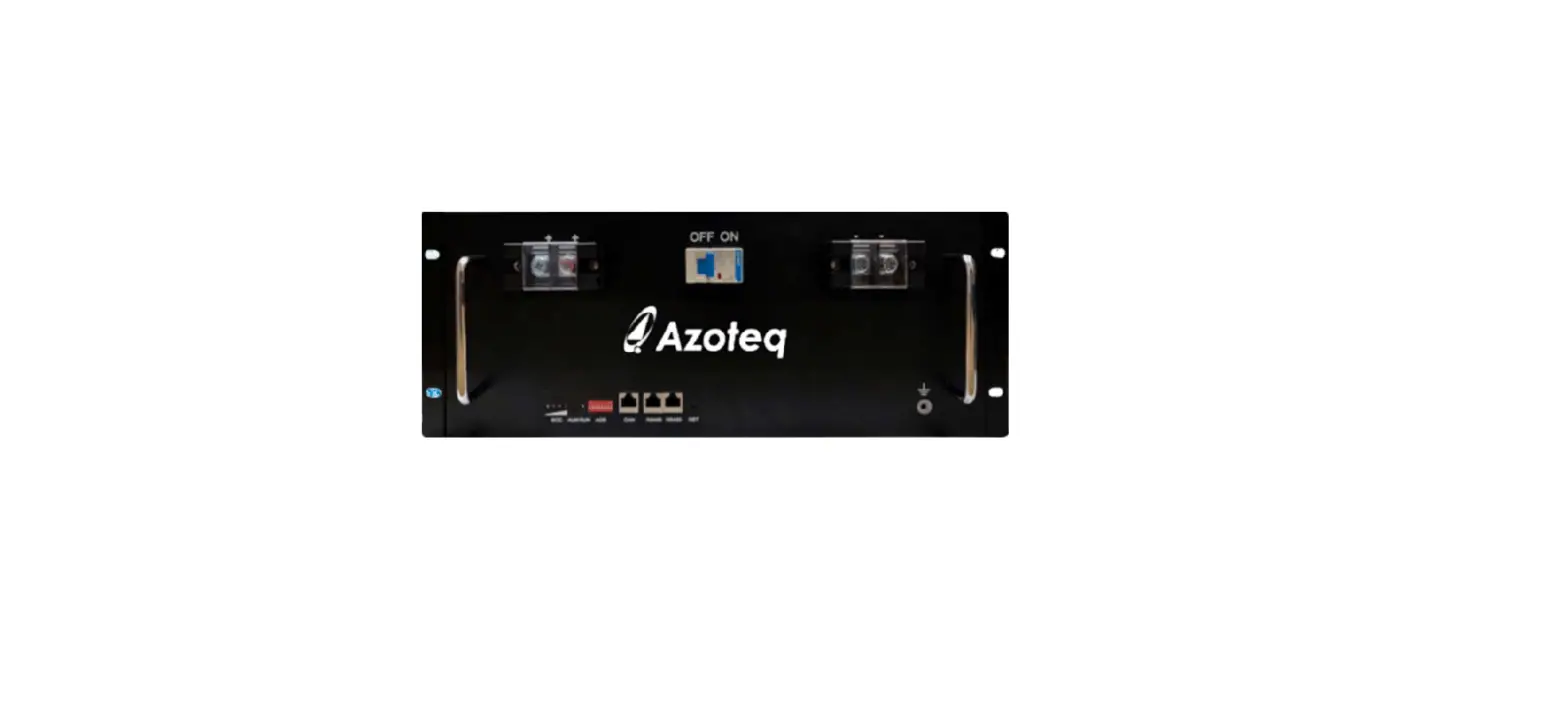
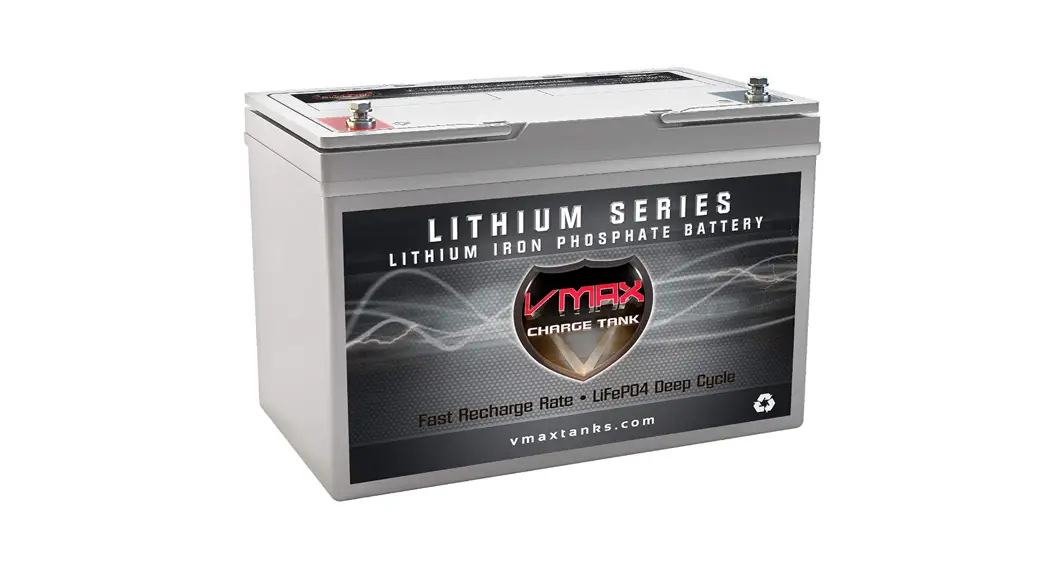
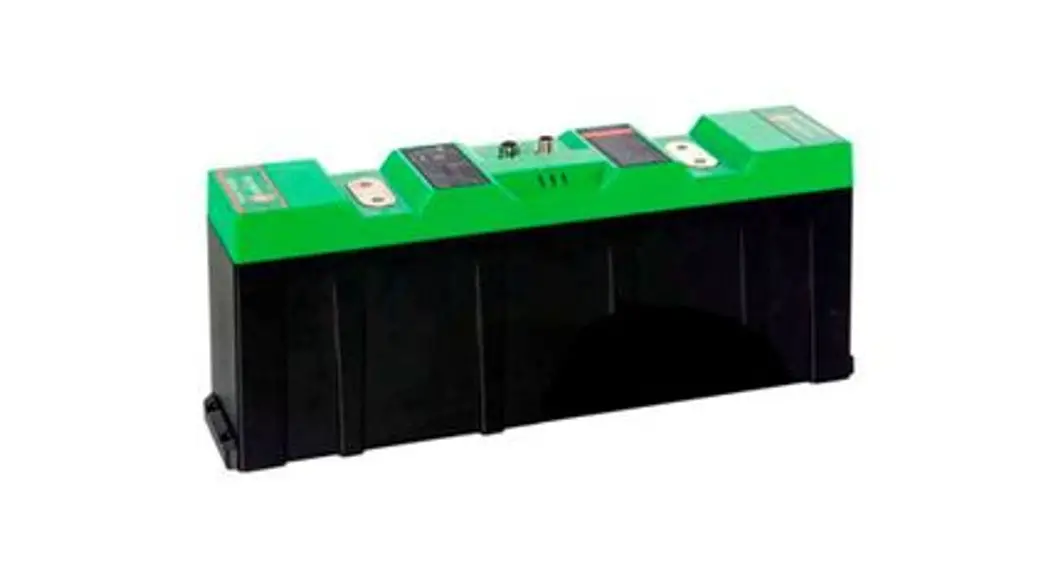
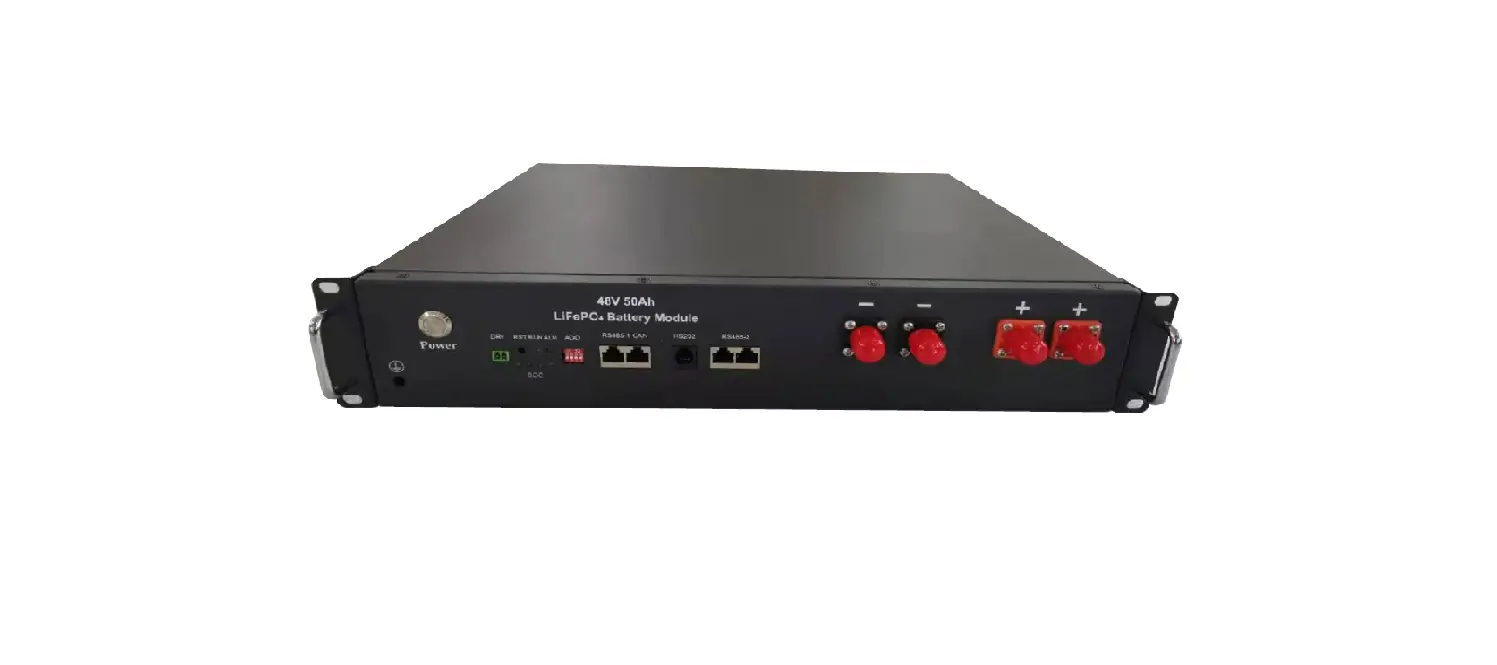
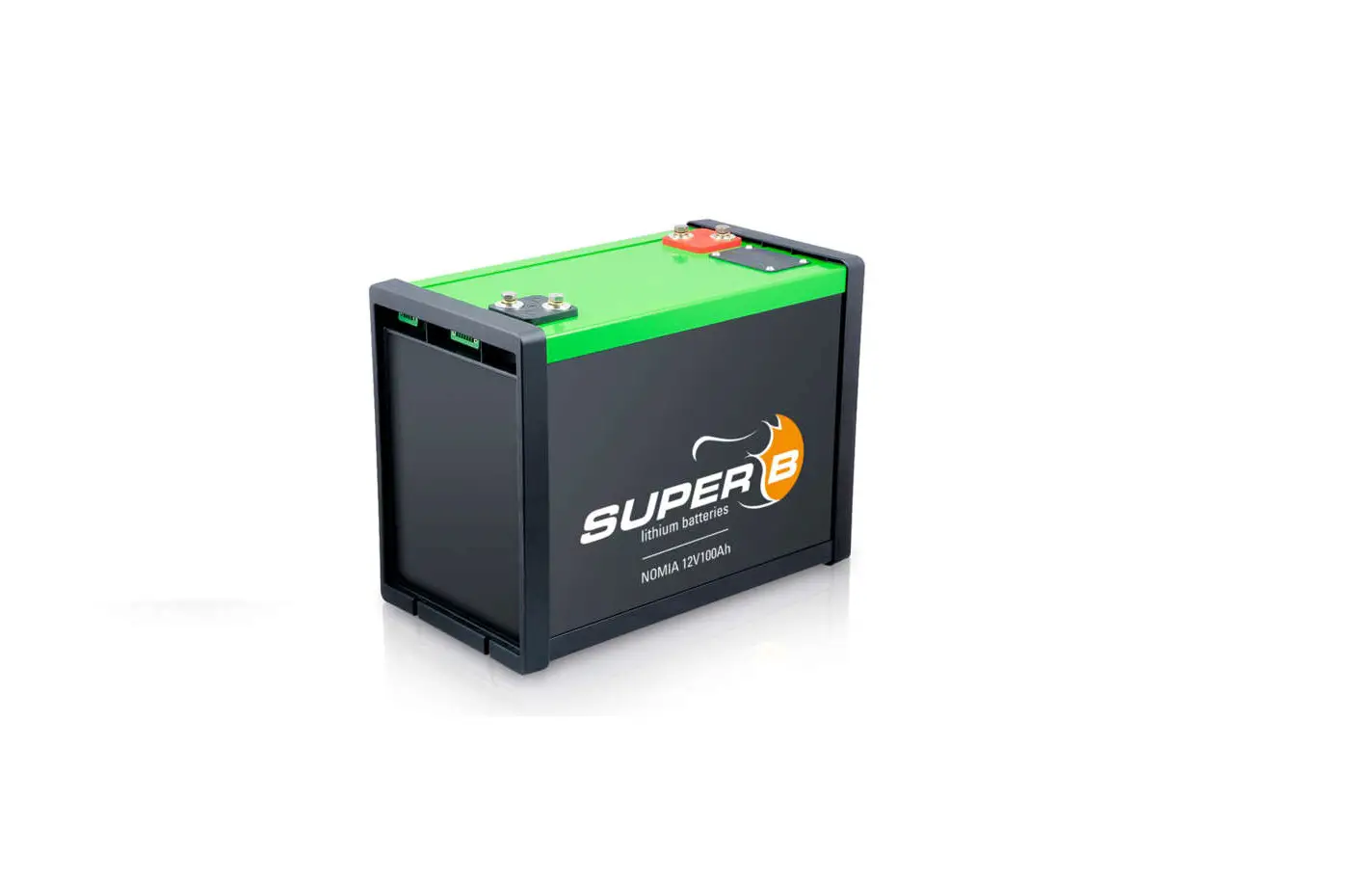
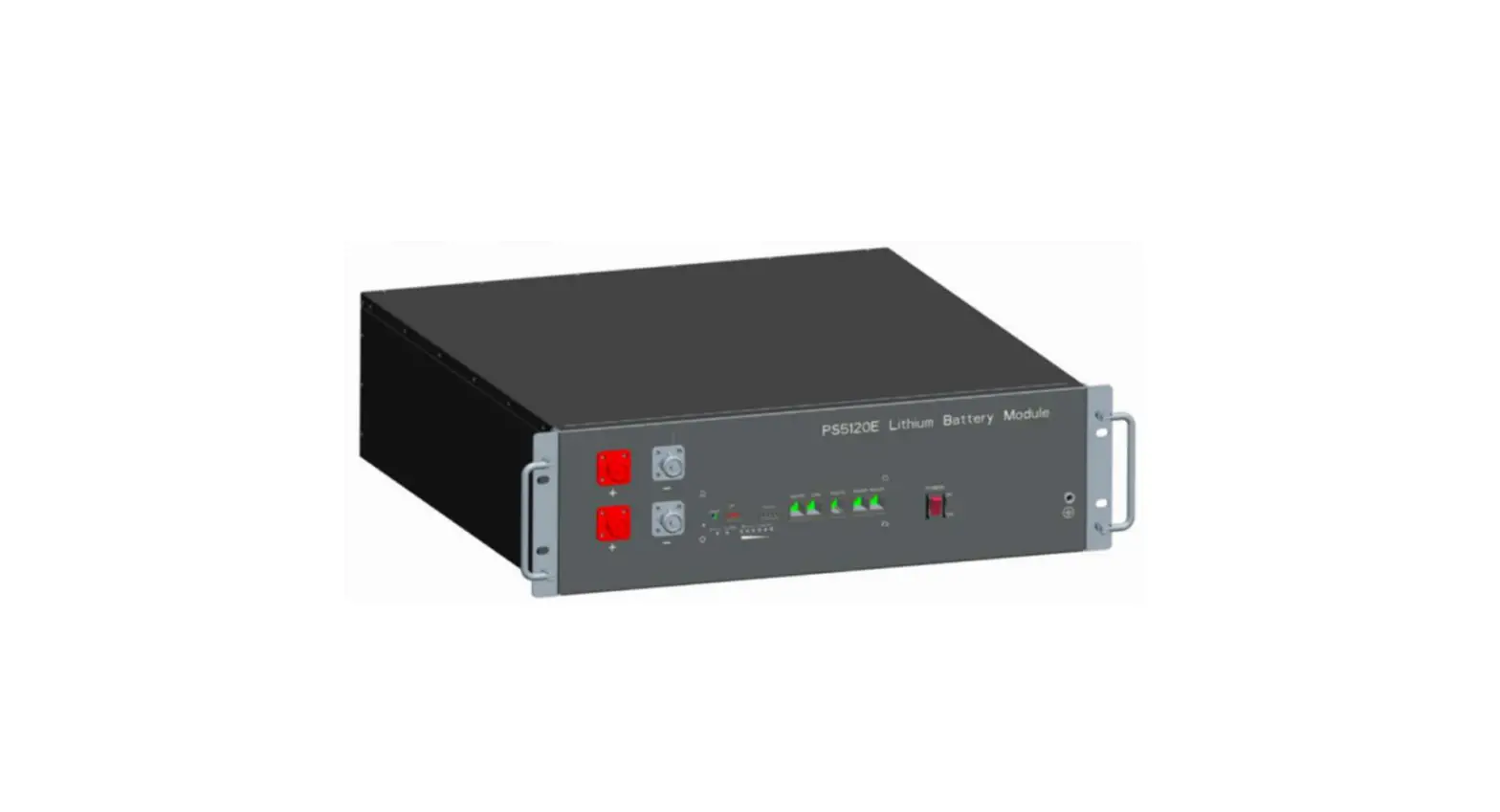
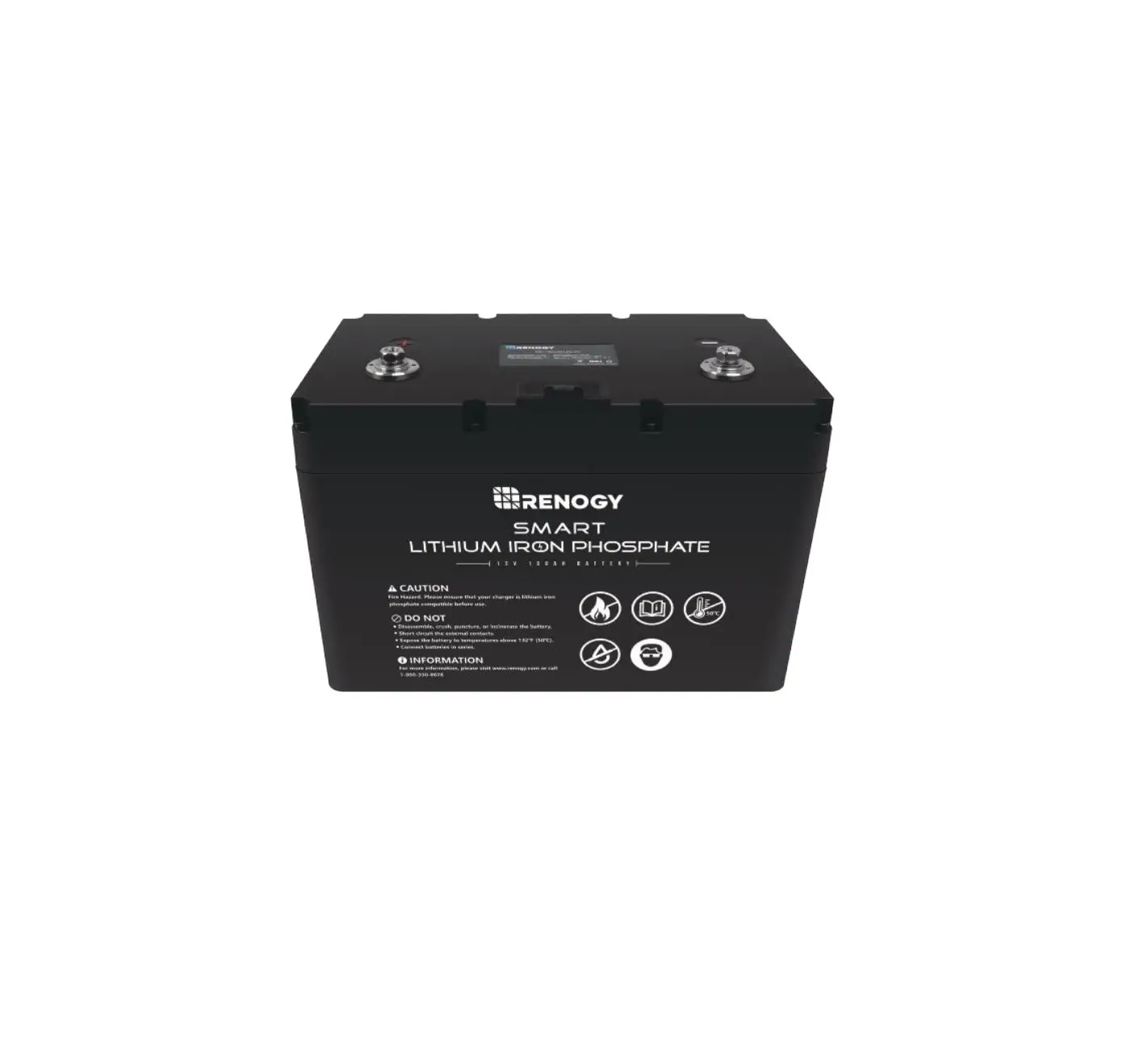
SLAUMXLI100-48 Lithium Iron Phosphate Battery
Lithium Iron Phosphate (LiFePO4) Battery
The LiFePO4 battery is a type of lithium-ion battery that offers
several advantages over traditional lead acid batteries. It is
designed for various applications such as electric vehicles,
solar/wind energy storage systems, UPS backup power,
telecommunication, medical equipment, and lighting.
Features of LiFePO4 Battery:
- Longer Cycle Life: Offers up to 20 times longer cycle life and
five times longer float/calendar life than lead acid batteries,
reducing replacement cost and total cost of ownership. - Lighter Weight: Approximately 40% of the weight of a comparable
lead acid battery, making it a convenient ‘drop in’
replacement. - Higher Power: Delivers twice the power of lead acid batteries,
even at high discharge rates, while maintaining high energy
capacity. - Wider Temperature Range: Operates in temperatures ranging from
-20°C to 60°C. - Superior Safety: Lithium Iron Phosphate chemistry eliminates
the risk of explosion or combustion due to high impact,
overcharging, or short circuit situations. - Increased Flexibility: Modular Design enables deployment of up
to ten batteries in parallel.
BMS Specification:
- Overcharge detection function
- Over discharge detection function
- Over current detection function
- Temperature protection
- Short detection function
- Balance function
Electrical Characteristics:
- Nominal Voltage: 48.0V
- Nominal Capacity: 100Ah
- Energy: 4800Wh
- Internal Resistance: 50mΩ
- Cycle Life: 2000 cycles @ 1.0C, 100% DOD
- Self Discharge: 3% per month
- Efficiency of Charge: 100% @ 0.2C
- Efficiency of Discharge: 100% @ 0.2C
Environmental Characteristics:
- Charge Temperature: 0°C to 60°C
- Discharge Temperature: -20°C to 60°C
- Storage Temperature: -20°C to 60°C
- Water and Dust Resistance: Yes
Mechanical Characteristics:
- Dimensions (in./mm.): 650 x 438 x 178
- Weight (lbs./kg.): Approximately 55kg
- Gravimetric Specific Energy: 85Wh/kg
- Shell Material: Not specified
Safety Certification:
- Not provided in the text extract.
Note: For detailed charging and discharging characteristics,
please refer to the provided graphs and tables in the user
manual.
Product Usage Instructions:
1. Before using the LiFePO4 battery, ensure that it is fully
charged. Connect the battery to a compatible charger using the
appropriate charging current mentioned in the user manual.
2. When connecting the battery to an electrical device or
system, make sure to follow the correct polarity (positive and
negative terminals).
3. Monitor the battery’s state of charge using the provided LED
indicator or optional SOC protocol.
4. Avoid overcharging the battery by disconnecting it from the
charger once it reaches the recommended charge cut-off voltage.
5. During discharge, ensure that the electrical load does not
exceed the maximum continuous discharge current specified in the
user manual.
6. Operating the LiFePO4 battery within the recommended
temperature range (-20°C to 60°C) will help maintain optimal
performance and prolong its lifespan.
7. When storing the battery, keep it in a cool and dry place
within the specified storage temperature range (-20°C to 60°C).
8. If multiple batteries are used in parallel, ensure that they
are properly connected and balanced to distribute the load
evenly.
9. Follow all safety guidelines and precautions mentioned in the
user manual to prevent accidents or damage.
For more detailed information on specific applications and usage
scenarios, refer to the user manual provided by the
manufacturer.
Lithium Iron Phosphate (LiFePO4)Battery
Features of LiFePO4 battery
Longer Cycle Life: Offers up to 20times longer cycle life and five times longer float /calendar life than lead acid battery, helping to minimize replacement cost and reduce total cost of ownership.
Battery model: 6 / $ 80; / ,
Lighter Weight: About 40% of the weight of a comparable lead acid battery. A ‘drop in’ replacement for lead acid batteries.
Higher Power: Delivers twice power of lead acid battery ,even high discharge rate, while maintaining high energy capacity. Wider Temperature Range: -20~60.
Superior Safety: Lithium Iron Phosphate chemistry eliminates the risk of explosion or combustion due to high impact, overcharging or short circuit situation.
Increased Flexibility: Modular Design enables deployment of up to up to ten battery in parallel.
BMS Specification
Application
Overcharge detection function Over discharge detection function Over current detection function Temperature protection Short detection function Balance function
Specification
Electric Vehicles,electric mobility Solar/wind energy storage system UPS,backup power Telecommunication Medical equipment Lighting And so on
Electrical Characteristics
Standard Charge Standard Discharge
Environmental
Mechanical
Nominal Voltage
48.0V
Nominal Capacity Energy Internal Resistance Cycle Life Months Self Discharge Efficiency of Charge
10 0 A h
4800Wh 50m 2000cycles @1.0C 100%DOD 3% 100%@0.2C
Efficiency of Discharge Charge Voltage Charge Mode Charge Current Max. Charge Current Charge Cut-off Voltage
96~99%@0.5C 5 4 . 8±0 . 1 V 0.2C to 57.6V,then 57.6V,charge current to0.02C(CC/CV) 50A 80A 58.5V±0. 2
Continuous Current Max continuous discharge current
Discharge Cut-off Voltage Charge Temperature Discharge Temperature
80A 10 0 A 37.5V 0 to 45 (32F to 113F) @60±25% Relative Humidity -20 to 60 (-4F to 140F) @60±25% Relative Humidity
Storage Temperature Water Dust Resistance Cell & Method Shell material
0 to 40 (32F to 104F) @60±25% Relative Humidity IP56 32700 6.5Ah 15S16P Iron(SPCC)
Dimensions (in./mm.)
650 x 438 x 178
Weight (lbs./kg.) Gravimetric specific energy
Approx:55Kg 85WH/KG
Protocol (optional) SOC (optional)
RS485/RS232 LED
1
Ultra Max Batteries, Watkins House Pegamoid Rd., Montagu Industrial Estate, London N18 2NG Tel: 020 8803 8899 F: 020 8803 8939 E: [email protected] W: www.ultramax.co.uk SLAUMXLI100-48_TEC-XAM -V1D23
Charging Current (A)
DiffCerheanrtaRctaeterisDtiisccshCarugreveCurve
Different Rate Discharge Curve @25
58.0
0.1C
55.5
0.2C 0.5C
1C
53.0
2C
51.5
49.0
46.5
44.0
41.5
2C 1C
0 20min 40min 60min
0.5C 2h
Discharge Time
0.2C 0.1C 5h 10h
StaCtehoafraCchtaerrgisetCicusrvCeurve
State of Charge Curve @0.5C 25
58.0
56.0
54.0
52.0 50.0
48.0
46.0 44.0
State of Charge
42.0 0
30
60
90
120
Charging Time (Minutes)
100 90 80
70 60 50 40 30 20 10 0 150
Cycle Life Curve
Different DOD Discharge Cycle Life Curve @1C
Remaining Capacity (%)
100
90
30%
50%
80
80%
100% 70
60 0 1000 2000 3000 4000 5000 6000 7000 8000
Number of Cycles
State of Charge
Safety certification
DiCffhearreancteTreismticpserCautruvree Discharge Curve
Different Temperature Discharge Curve @0.5C
58.0 55.5 53.0 51.5 49.0 46.5 44.0 41.5 0
50 40 30 20 10
0 -10
10 20
30 40 50 60 Capacity(%rated)
70 80
90 100
ChCahragrinacgtCerhisartiaccsteCriusrtivces
Charging Characteristics @0.5C 25
58.0
56.0
40.0
54.0
52.0
50.0
20.0
48.0
46.0
44.0
Charging Current
0.8
42.0
0
0
20 40 60
80 100 120
Charging Capacity (%)
Self Discharge Characteristics Curve
Different Temperature Self Discharge Curve
Remaining Capacity (%)
100
10
90
25
30
80
40
50 70
60
0
2
4
6
8
10
12
Storage Time(Months)
2
Ultra Max Batteries, Watkins House Pegamoid Rd., Montagu Industrial Estate, London N18 2NG Tel: 020 8803 8899 F: 020 8803 8939 E: [email protected] W: www.ultramax.co.uk SLAUMXLI100-48_TEC-XAM -V1D23
 Lithium Iron Phosphate LiFePO4 Battery Manufacturer UK | UltraMax Batteries