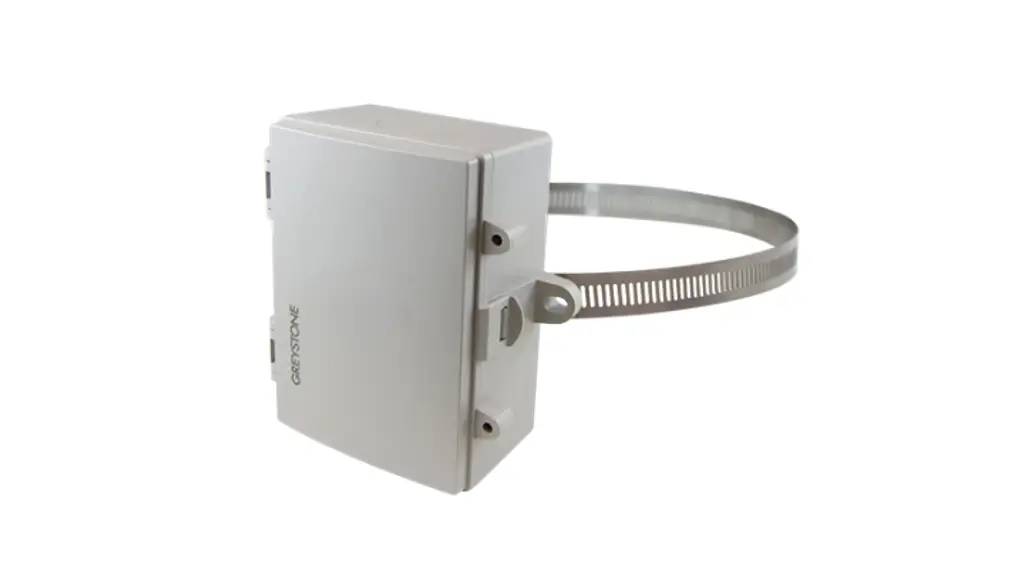
TLFLF24X01 Flying Lead Low Limit Thermostat
Product Information: Flying Lead Low Limit Thermostat
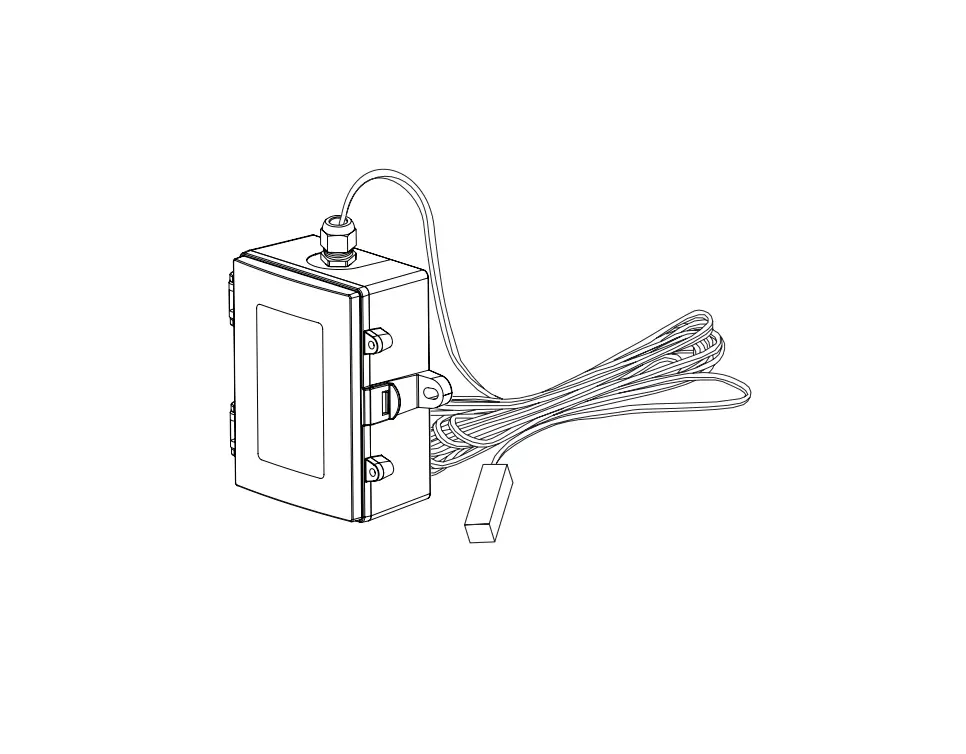
The Flying Lead Low Limit Thermostat (TLFL Series) is a
temperature sensor that is designed for single point temperature
monitoring in various applications. It can be used in air ducts or
to measure pipe temperature. The thermostat comes with a hinged
enclosure with a latch for protection.
Key Features:
- Flying lead sensor for easy installation
- Suitable for air duct or pipe temperature monitoring
- Can be used with thermal compound for improved heat
transfer - Includes a hinged enclosure with latch for added
protection - Wiring connections are illustrated on page 2 of the manual
Warnings and Limitations:
- Do not use the thermostat in an explosive or hazardous
environment - Avoid using it with combustible or flammable gases
- Do not exceed the device ratings
- Failure to follow the instructions may result in product
damage
Typical Applications:
The Flying Lead Low Limit Thermostat can be used in the
following applications:
- Air duct temperature monitoring
- Pipe temperature monitoring
Product Usage Instructions:
Mounting the Thermostat in an Air Duct:
- Select a suitable installation area in the middle of the air
duct. - Drill a 3/8″ hole in the top of the duct.
- Slide the probe through the hole.
- Mount a length of flexible duct hanger from top to bottom of
the duct. - Secure the probe to the duct hanger using a tube clamp or wire
tie.
Refer to Figure 1 in the manual for a visual representation of
the mounting process.
Measuring Pipe Temperature:
- Select a suitable spot along the pipe.
- If insulation is present, remove a small section and set it
aside. - Apply thermal compound on the pipe to improve heat
transfer. - Lay the probe in the thermal compound and secure it to the pipe
using a worm gear clamp (not included). - For added protection, wrap the probe cable around the pipe 1-2
times.
Re-install the insulation if necessary, allowing the sensor
cable to protrude. See Figure 2 in the manual for a visual
representation of the process.
Enclosure Installation:
- Open the hinged cover of the enclosure by pulling slightly on
the latch on the right side. - If needed, screw the EMT connector or cable gland connector
into the provided 1/2″ NPT threaded connection hole at the bottom
of the enclosure. - Make wiring connections as per the wiring illustrations on page
2 of the manual. - Close the enclosure’s swing door until securely latched. For
added security, use the provided screws on the integrated screw
tabs.
Refer to Figures 3, 4, and 5 in the manual for visual
representations of the enclosure installation process.
For detailed wiring instructions, refer to Figures 6, 7, 8, 9,
and 10 in the manual.
Flying Lead Low Limit Thermostat
TLFL Series – Installation Instructions
INTRODUCTION
The single point flying lead low limit thermostat incorporates a precision thermistor temperature sensor and provides a Form C relay output (NO/NC) with an adjustable setpoint. The sensor is encapsulated in a 6 mm (0.236″) OD X 50 mm (2″), 304 series stainless steal probe. Standard wire length is 3.05m (10′). All probes are constructed to provide excellent heat transfer, fast response and are potted to resist moisture penetration. A hinged and gasketed Polycarbonate enclosure is provided for ease of installation.
BEFORE INSTALLATION
Read these instructions carefully before installing and commissioning the temperature
sensor. Failure to follow these instructions may result in product damage. Do not use
in an explosive or hazardous environment, with combustible or flammable gases, as
a safety or emergency stop device or in any other application where failure of the
MOUNTING
product could result in personal injury. Do not exceed the device ratings.
The flying lead sensor can be used in several different types of applications where single point temperature monitoring is required.
Listed below are some typical applications
The flying lead sensor can be installed directly into any air duct. Select a suitable installation area in the middle of the duct. To achieve the best reading, do not place in an area where air stratification may be present. Avoid areas where the sensor is exposed to vibrations or rapid temperature changes.
Once a suitable spot is selected, drill a 3/8″ hole in the top of the duct and slide the probe through, mount a length of flexible duct hanger from top to bottom of the duct. Mount the probe to the duct hanger using a tube clamp or wire tie. See Figure 1.
Figure 1
The flying lead could also be used to measure pipe temperature. Select a suitable spot along the pipe, remove a small section of insulation if present and set aside. It is recommended that thermal compound be used to improve heat transfer. Spread a liberal amount on the pipe. Lay probe in thermal compound and secure sensor to pipe using a worm gear clamp (not included).
For added protection it is recommended to wrap the probe cable around the pipe 1-2 times. Re-install insulation if present, allowing sensor cable to protrude. See Figure 2.
The enclosure has a hinged cover with latch. Open cover by pulling slightly on the latch on the right side of the enclosure. At the same time pulling on the cover, as shown in Figure 3.
Figure 2
A 1/2″ NPT threated connection hole is provided in the bottom of the enclosure. Screw the EMT connector or cable gland connector in until tight. See Figure 4. It is recommended that weatherproof conduit or cable gland fittings be used. An optional 1/2″ NPT to M16 thread adapter and cable gland fitting is available.
Make wiring connections as per the “Wiring” illustrations on Page 2.
Swing door closed until securely latched. For added security, 2 screws are provided that may be installed in the integrated screw tabs. See Figure 5.
Figure 3
Figure 4
Figure 5
Thread adapter and cable gland fitting
IN-GE-TLFLXXX-003
EMT Connector Copyright © Greystone Energy Systems, Inc. All Rights Reserved Phone: +1 506 853 3057 Web: www.greystoneenergy.com
Page 1
WIRING
· Deactivate the 24 Vac/dc power supply until all connections are made to the device to prevent electrical shock or equipment damage. · Use 14-22 AWG shielded wiring for all connections and do not locate the device wires in the same conduit with wiring used to supply inductive loads such as
motors. Make all connections in accordance with national and local codes. · The temperature thermostat comes with the temperature sensor pre-wired to the PCB. If removal is required for installation then it may be re-wired as shown
in Figure 6. · Pull at least six inches of control wire into the enclosure, then complete the wiring connection according to the wire diagram for the applicable power supply
as shown in Figure 7. · Connect the DC positive or the AC voltage hot side to the PWR terminal. The supply common is connected to the COM terminal. See Figure 7. · The relay has both Normally Open (NO) and Normally Closed (NC) contacts available. The relay output is available on the NO/COM/NC terminal. Make
connections before applying power as shown in Figure 8. · The setpoint differential has 3 jumper selectable settings (Low/Mid/High). Set jumper to desired differential as shown in Figure 9. · To set the switching setpoint, turn the setpoint potentiometer to the desired temperature setting as shown in Figure 10. · Once all connections settings are made and checked, power can be applied.
Figure 6 Temperature sensor wiring to PCB (Factory Wiring)
No Polarity
Figure 8
Relay Output Wiring
DIFFERENTIA L
HIGH MID LOW
NO COM NC
TEMP COM PWR
Figure 9 Setpoint Differential Setting
DIFFERENTIAL
HIGH MID LOW
HIGH = 5.6°C/10°F MID = 2.8°C/5°F LOW = 1.1°C/2°F
Figure 7
NO
+24 Vdc Digital
Power Supply Wiring
COM
DI
INPUT
NC
Controller
Temperature Sensor
COM PWR
COMMON +24 Vdc
24 Vdc Power Supply
NO
+24 Vdc
COM
COMMON
Figure 10
Setpoint Adjustment
NC
24 Vdc Power Supply
3C/38F
COMMON
1C/33F
5C/42F
COM
COMMON
DI
-2C/29F
8C/46F
PWR
24 Vac
Controller
-4C/25F SETPOINT 10C/50F
24 Vac Transformer
SPECIFICATIONS:
Power Supply:…………………………………..12 to 28 Vac/dc Consumption:…………………………………..50 mA max Relay Contacts:…………………………………SPDT, Form C contacts (N.O. and N.C.)
5 Amps @ 30 Vac/250 Vac resistive 1.5 Amps @ 30 Vdc/250 Vac inductive Relay Action:……………………………………..Activates on temperature fall – Auto reset Setpoint Operation:………………………..Single-turn knob-pot on PCB Adjustable Setpoint:……………………….-4 to 10°C (25 to 50°F) Temperature Differential:………………Low: 1.1°C (2°F) Mid: 2.8°C (5°F) High: 5.6°C (10°F) Jumper selectable Temperature Sensor:………………………10K ohm curve matched precision thermistor Sensor Accuracy:……………………………..±0.2°C, 0 to 70°C (±0.36°F, 32 to 158°F) Probe Sensing Range:…………………….-40 to 60°C (-40 to 140°F) Probe Material: …………………………………304 Series Stainless Steel Probe Diameter:……………………………….6 mm (0.236″) Wire Material: ……………………………………FT-6 Plenum-rated cable Wire Length: ……………………………………..3.05m (10′) Operating Conditions:……………………-10 to 50°C (14 to 122°F), 5 to 95% RH, non-condensing Storage Conditions: ………………………..-30 to 70°C (-22 to 158°F), 5 to 95% RH, non-condensing Wiring Connections:……………………….Screw terminal block (14 to 22 AWG) Enclosure:…………………………………………..Grey Polycarbonate UL94-V0, IP65 (NEMA 4X) Optional thread adapter (1/2″ NPT to M16) and cable gland fitting Country of Origin:……………………………Canada
DIMENSIONS
112.5 mm 4.43″
99.7 mm 3.93″
53.7 mm 2.11″
0.5″ NPT
116.5 mm 4.58″
3.05 m 10.00′
FT-6 Rated Plenum Cable, 22 AWG
50 mm 2″
6.0 mm 0.236″
304 Series S/S Probe
PRINTED IN CANADA
IN-GE-TLFLXXX-003
Copyright © Greystone Energy Systems, Inc. All Rights Reserved Phone: +1 506 853 3057 Web: www.greystoneenergy.com
Page 2
 Greystone Energy Systems – HVAC Sensors and Transmitters