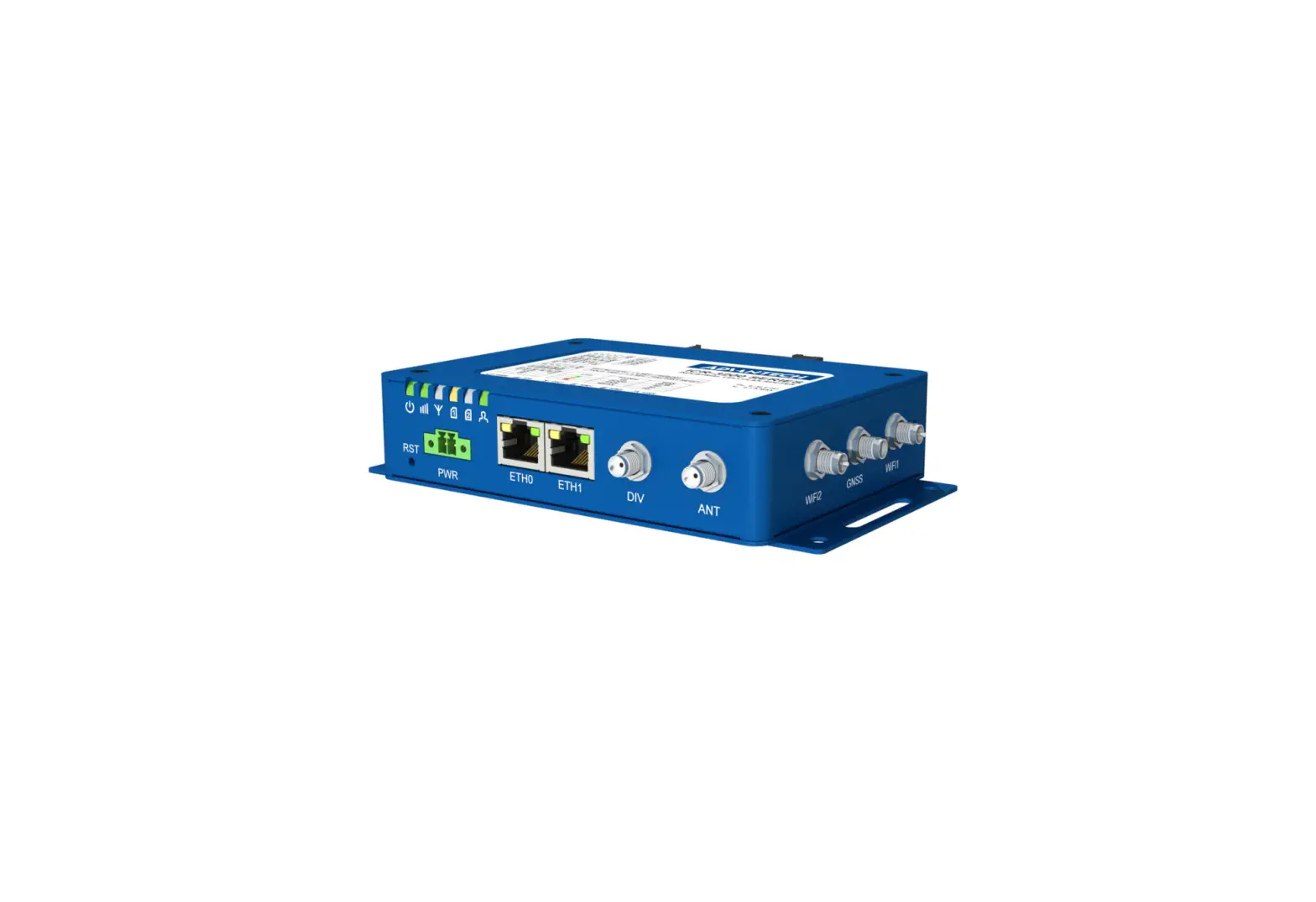
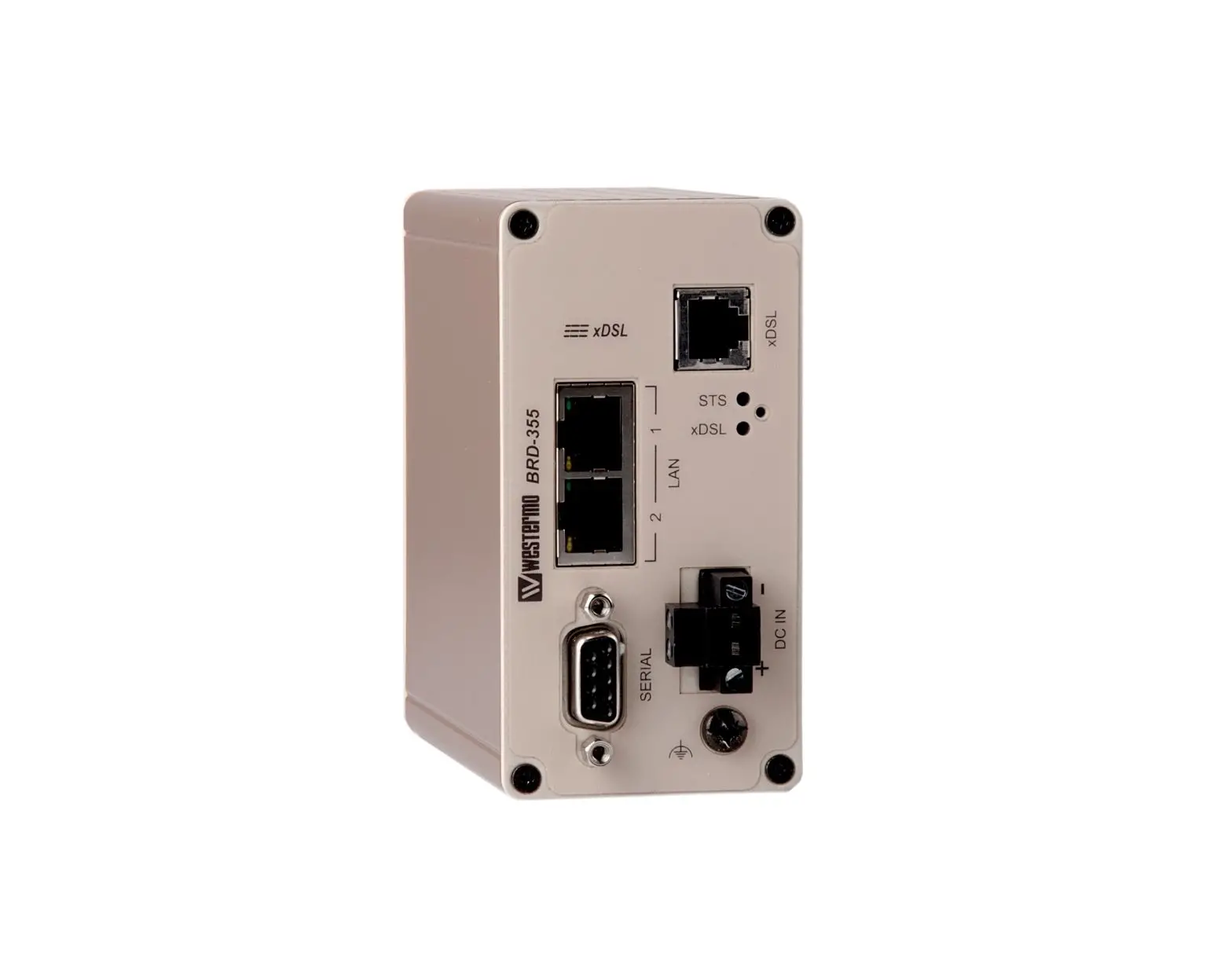
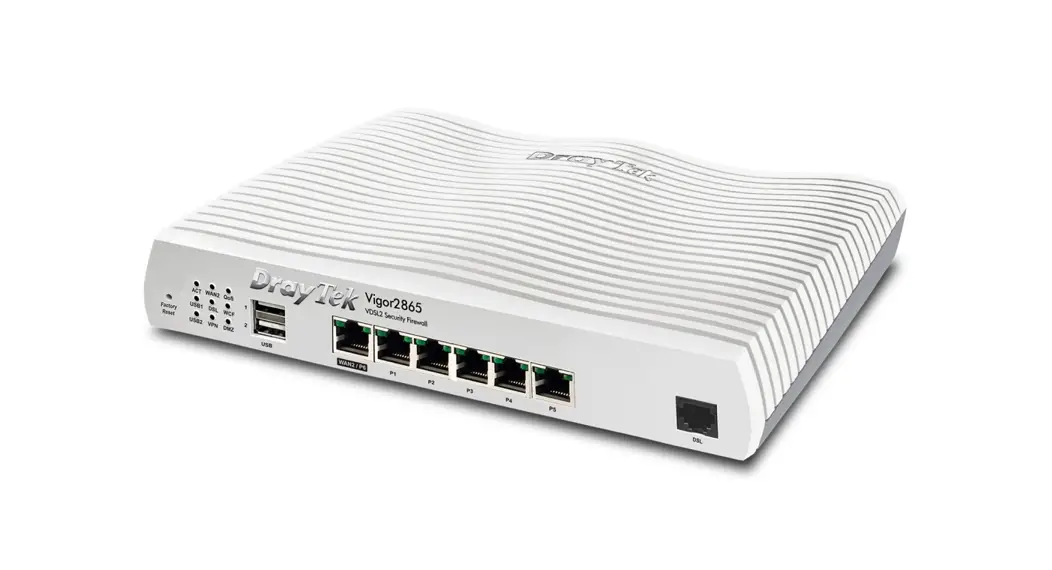
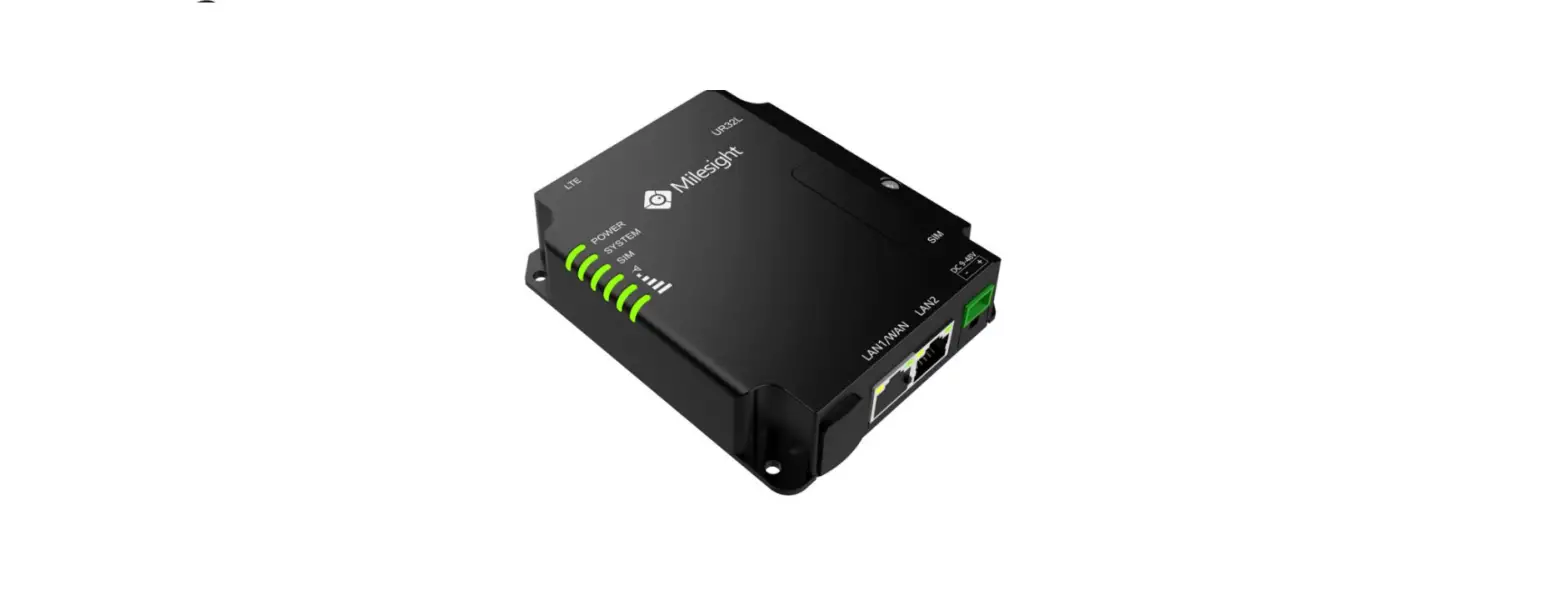
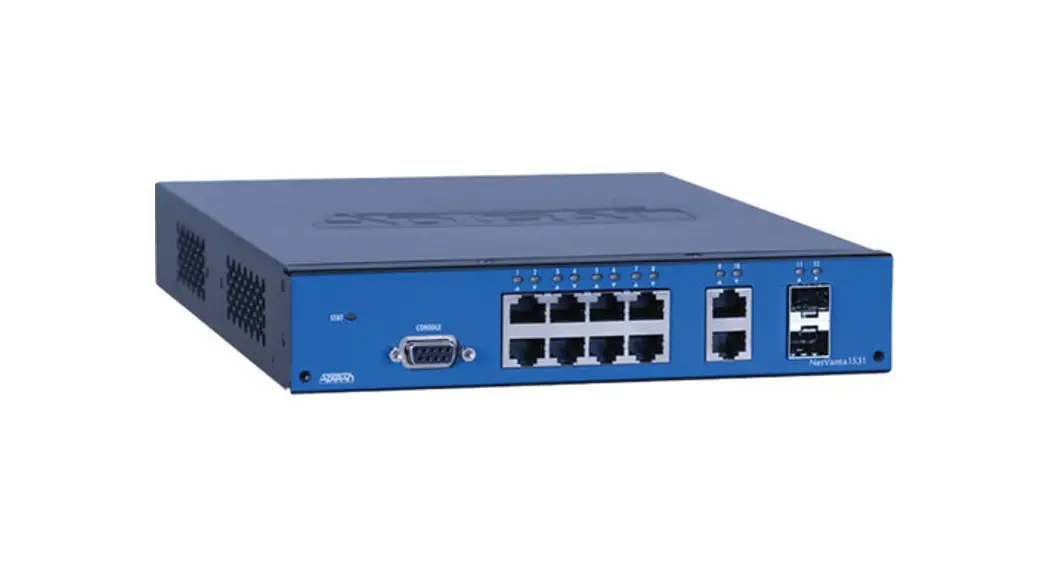
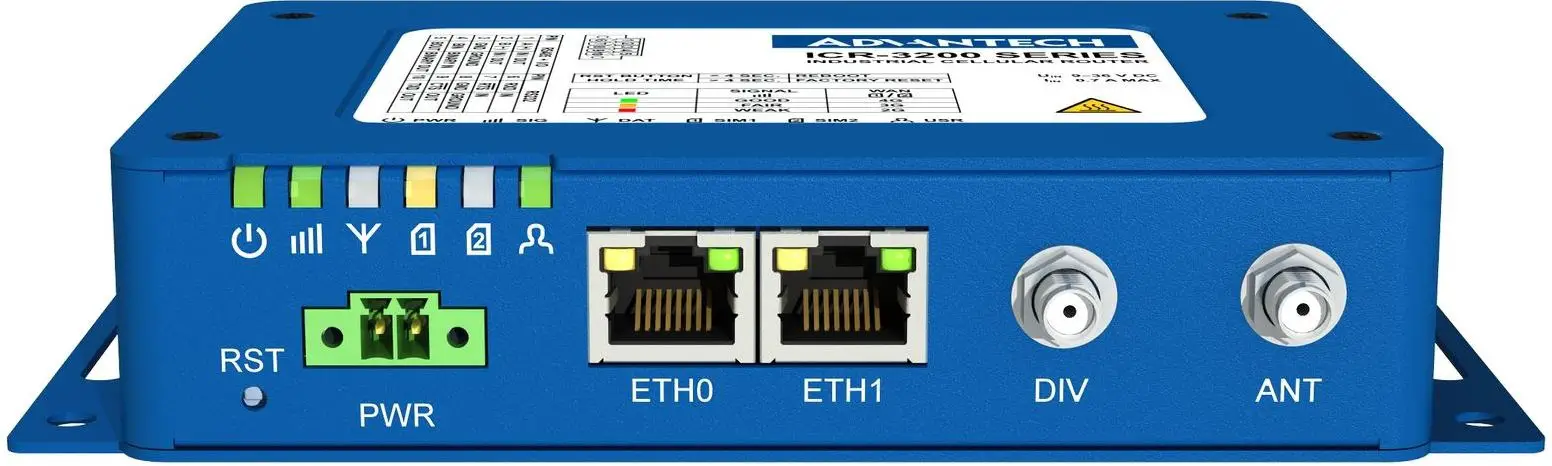
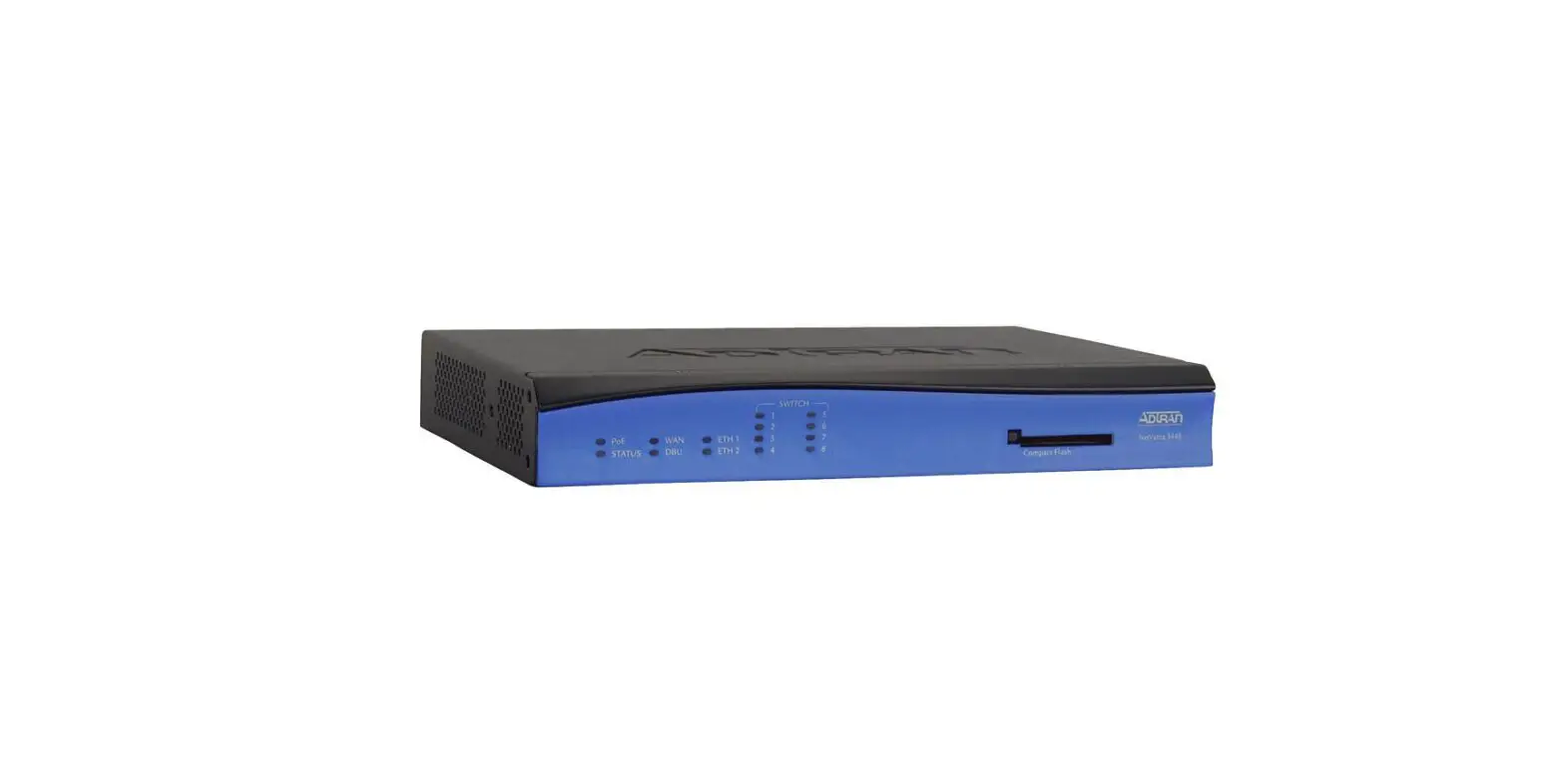
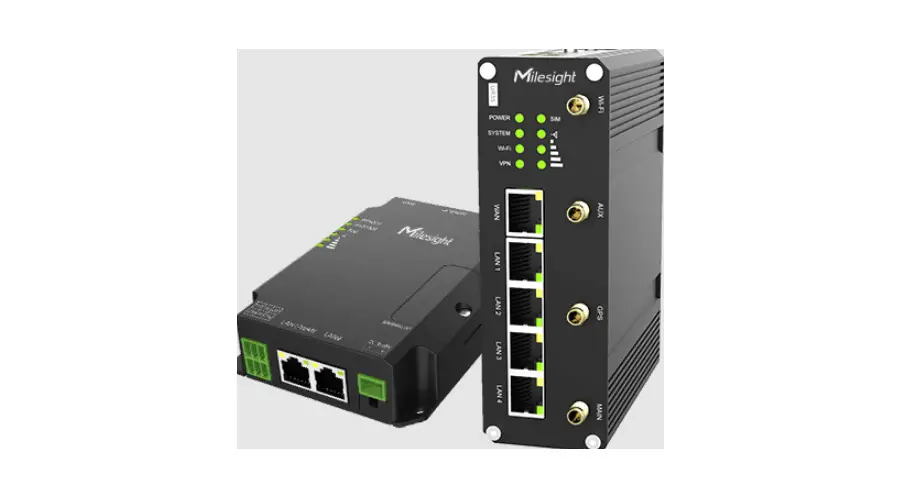
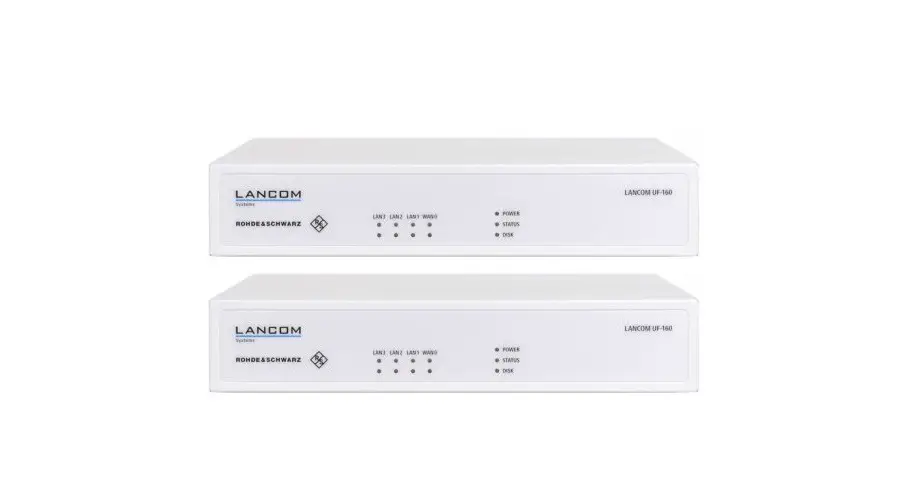
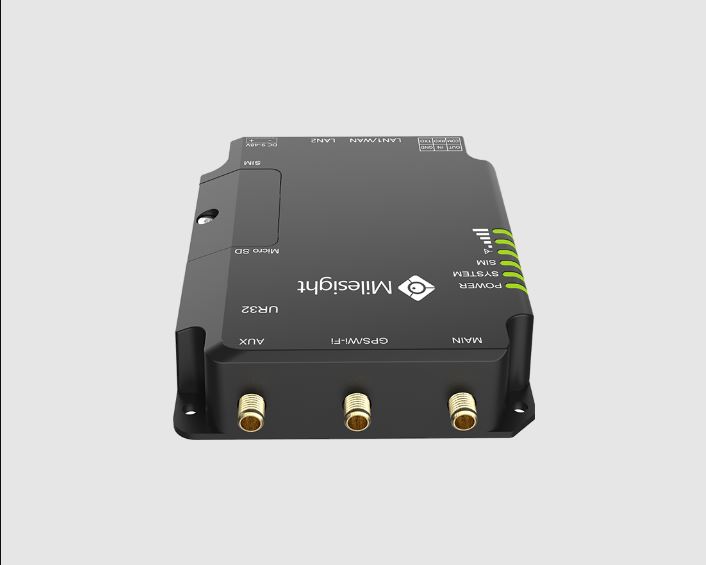
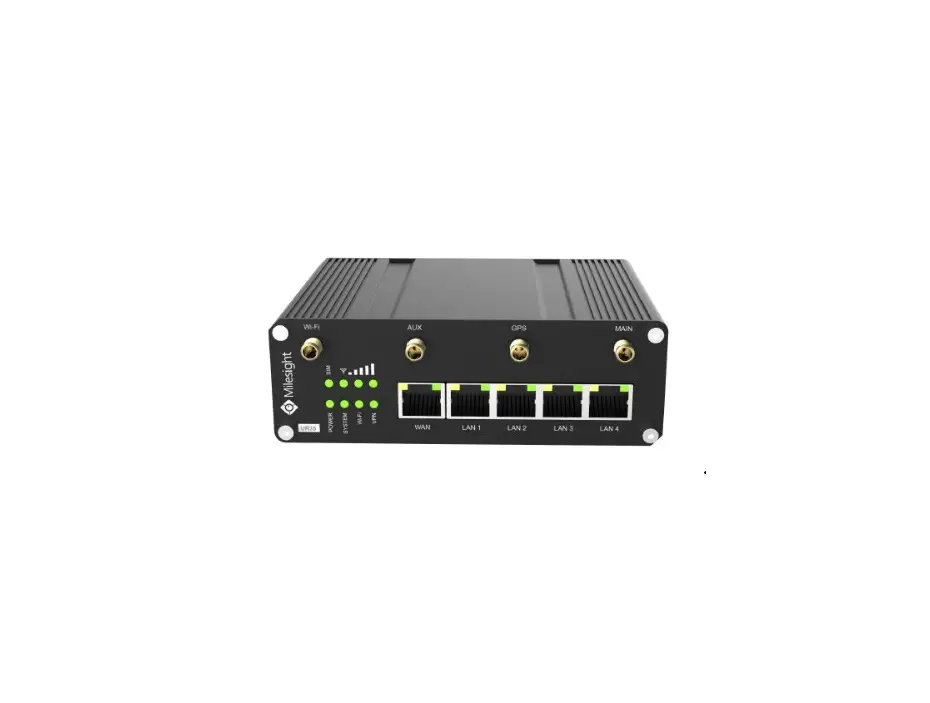
IRF3000 Series Industrial Router and Firewall
Product Information
The IRF3000 series is an industrial router and firewall designed
for various applications. It comes with multiple features and
options to enhance connectivity and functionality. The product
includes digital I/O ports, Modbus-RTU support, and optional
accessories such as SIM card slots and antennas.
The package includes:
- 1 x Industrial router and firewall, type IRF3xxx
- 1 x 4-pin plug for power supply
- 1 x 3-pin plug for Modbus RTU
- 1 x 4-pin plug (grey) for digital I/O #2
- Only with IRF38: 1 x 8-pin plug for digital I/Os #3…5
- 1 x Quick-start guide (this document)
- Optional: 2 x Mobile communications antenna
- Optional accessory: 1 x VESA holder
Product Usage Instructions
1. Safety
Ensure all installation and service work is performed under
safe, secure, and de-energized conditions to avoid personal
injuries and property damage. Adhere to safety measures for
handling components at risk of electrostatic discharges.
2. Assembly
4.1 Attaching to top-hat rail:
- Position the IRF on the top-hat rail from below at an
angle. - Pull the top-hat rail locking mechanism upwards using a
screwdriver. - Push the device onto the upper side of the top-hat rail and
remove the screwdriver. - Check that the IRF is securely seated on the top-hat rail.
4.2 Detaching from top-hat rail:
To detach the IRF from the top-hat rail, pull the top-hat rail
locking mechanism upwards using a screwdriver and remove the device
downwards at an angle.
4.3 Optional accessory: Attaching the VESA
holder:
Screw the mounting plate directly onto the device label using
the provided screws. The positions of the screw holes are marked
with target crosses on the label.
3. Optional: Inserting SIM card / smart card / microSD
You can insert a SIM card for mobile communications into the
bottom slot (SIM1). The smart card, used for configuration data
backup or connecting to Big-LinX, should be inserted into the top
slot (SC/SIM2). A microSD card can also be inserted into the left
slot as a memory expansion.
5. Installation
5.1 Modbus RTU (RS-485) (electrically
isolated):
Connect Modbus-RTU devices to the IRF using the following
electrical bus load and impedance specifications:
- Electrical bus load: 1/8 unit load
- Impedance: 96 k
Data Signal Connections:
- GND: Reference potential (common) for the data signals
- D-: Inverted data signal
- D+: Non-inverted data signal
5.2 Digital I/O #2 (electrically isolated):
Connect digital input and output devices to the IRF’s
electrically isolated Digital I/O #2 using the following
connections:
- V+: Power supply voltage (10-30 VDC)
- DI2: Digital input #2
- DO2: Digital output #2 (max. 0.5 A)
- GND: Reference potential (common)
5.4 Only IRF38xx: Digital I/Os 3…5 (electrically
isolated):
For IRF38xx models, connect digital input and output devices to
the electrically isolated Digital I/Os 3…5 using the following
connections:
- V+: Power supply voltage (10-30 VDC)
- DIx: Digital input #3…5
- DOx: Digital output #3…5 (combined max. 1.5 A)
- GND: Reference potential (common)
6. Initial Setup:
Follow the provided quick start guide for the initial setup
process.
Please refer to the complete user manual for more detailed
instructions and information.
Schnellstartanleitung IRF3000 Serie
1. Sicherheit
4. Montage
ACHTUNG
Personen- und Sachschäden durch unsachgemäße Handhabung Montage- und Servicearbeiten am Gerät sind nur in gesichertem und spannungsfreiem Zustand erlaubt!
Hinweis: Achten Sie bei der Handhabung elektrostatisch gefährdeter Bauteile auf die relevanten Sicherheitsmaßnahmen gemäß DIN EN 61340-5-1/-2.
4.1 An Hutschiene anbringen
1. Setzen Sie die IRF von unten schräg an der Hutschiene an (1).
2. Ziehen Sie die Hutschienenverriegelung (2) mit einem Schraubendreher nach oben, drücken das Gerät oben an die Hutschiene und entfernen den Schraubendreher.
3. Die Hutschienenverriegelung springt in ihre Ausgangsposition zurück.
4. Überprüfen Sie den Sitz der IRF an der Hutschiene.
2. Lieferumfang
1 x Industrial Router & Firewall Typ IRF3xxx 1 x 4-poliger Stecker für Spannungsversorgung 1 x 3-poliger Stecker für Modbus-RTU 1 x 4-poliger Stecker (grau) für digitale E/As Nr. 2 Nur bei IRF38: 1 x 8-poliger Stecker für digitale E/As Nr. 3…5 1 x Schnellstartanleitung (dieses Dokument) Optional: 2 x Mobilfunkantenne Optionales Zubehör: 1 x VESA-Adapterplatte
3. Optional: SIM-Karte / Smartcard / microSD einlegen
4.2 Von Hutschiene lösen Um die IRF von der Hutschiene zu lösen, ziehen Sie die Hutschienenverriegelung (2) mit einem Schraubendreher nach oben und kippen das Gerät nach schräg unten weg.
4.3 Optionales Zubehör: VESA-Adapterplatte anschrauben
Die Halteplatte mit den mitgelieferten Schrauben direkt auf das Geräteetikett
schrauben. Die Positionen der Schraublöcher sind mit Zielkreuzen ( ) auf dem Etikett gekennzeichnet.
Verwendet werden können SIM-Karten und Smartcards (SC) im Format ID-000 gemäß ISO 7816 (25×15 mm).
Die SIM-Karte für den Mobilfunk muss im unteren Steckplatz (SIM1) gesteckt werden.
Die Smartcard ist für ein Backup der Konfigurationsdaten oder für die Verbindung zu Big-LinX vorgesehen und muss im oberen Steckplatz (SC/SIM2) gesteckt werden.
In den linken Steckplatz können Sie eine microSD-Karte mit bis zu 2048 GB als Speichererweiterung stecken.
· Stecken Sie die Karten jeweils in der gezeigten Ausrichtung:
4.4 Optional: Antennen anbringen
Schrauben Sie die Mobilfunkantennen direkt oder über ein SMA-Verlängerungskabel auf die Antennenanschlüsse (WWAN AUX/MAIN).
Nur IRF38xx: GNSS = Anschluss für eine GPS-Antenne
5. Installation
5.1 Modbus-RTU (RS-485) (galvanisch getrennt) Elektrische Busbelastung: 1/8 Einheit (Unit load), Impedanz: 96 k).
GND Bezugspotenzial (Common) für die Datensignale
D-
Invertiertes Datensignal
D+
Nicht-invertiertes Datensignal
5.2 Digitale E/A Nr. 2 (galvanisch getrennt)
V+
Spannungsversorgung +24 VDC ± 20 %
DI2
Digitaler Eingang Nr. 2
DO2
Digitaler Ausgang Nr. 2, max. 0,5 A
GND Bezugspotenzial
5.3 Spannungsversorgung des Geräts und DI Nr. 1
DI
Digitaler Eingang Nr. 1: +24 VDC ± 20 %
Bezugspotenzial ist 0V des Geräts
FE
Funktionserde (erforderlich für EMV)
0V
Bezugspotenzial
V+
Versorgungsspannung +24 VDC ± 20 %
5.4 Nur IRF38xx: Digitale E/As 3…5 (galvanisch getrennt)
V+
Versorgungsspannung +10…30 VDC
DIx
Digitaler Eingang Nr. 3…5
DOx
Digitaler Ausgang Nr. 3…5, zusammen max. 1,5 A
GND Bezugspotenzial
6. Erstinbetriebnahme
6.1 IRF an einen PC anschließen Für die Erstinbetriebnahme muss das Gerät an einen PC angeschlossen werden. Verbinden Sie den Anschluss ETH2 der IRF mithilfe eines Patchkabels mit Ihrem PC. 6.2 Konfiguration des LAN-Netzwerkadapters Ihres PCs Öffnen Sie die Eigenschaften-Karte des verwendeten Netzwerkadapters und tragen Folgendes ein: IP-Adresse: 192.168.0.100 Subnetzmaske: 255.255.255.0 (oder je nach Betriebssystem: ,,24″) Die letzte Zahl der IP-Adresse muss eine Zahl zwischen 1 und 253 sein, z.B. ,,100″. 6.3 Aufruf des Webinterface der IRF Um das Webinterface des Geräts zu öffnen, starten Sie Ihren Web-Browser. Geben Sie folgende IP-Adresse in die Adresszeile des Browsers ein:
http://192.168.0.254 Bestätigen Sie Ihre Eingabe. Geben Sie die Default-Zugangsdaten ein:
Benutzername: admin Passwort: admin Das Webinterface des Geräts öffnet sich. Folgen Sie den Anweisungen des Inbetriebnahme-Assistenten.
Weitere Informationen sowie Zubehör finden Sie auf unserer Website www.ads-tec.com
DZ-HAND-91096-0/B 2023-01-11
v1.1
© ads-tec Industrial IT GmbH · Heinrich-Hertz-Str. 1 · 72622 Nürtingen · Germany
Quick Start Guide IRF3000 series
1. Safety
4. Assembly
5. Installation
ATTENTION Personal injuries and damage to property through improper use All installation and service work performed on the device must be performed only under safe, secure and de-energised conditions!
Note: Always adhere to the safety measures applicable when handling components at risk of being damaged by electrostatic discharges in accordance with EN 61340-5-1/-2.
2. Scope of delivery
1 x Industrial router and firewall, type IRF3xxx 1 x 4-pin plug for power supply 1 x 3-pin plug for Modbus RTU 1 x 4-pin plug (grey) for digital I/O #2 Only with IRF38: 1 x 8-pin plug for digital I/Os #3…5 1 x Quick-start guide (this document) Optional: 2 x Mobile communications antenna Optional accessory: 1 x VESA holder
3. Optional: Inserting SIM card / smart card / microSD
SIM cards and smart cards (SC) in the ID-000 format as defined in ISO 7816 (25×15 mm) can be used. The SIM card for mobile communications must be inserted into the bottom slot (SIM1). The smart card is intended for backing up the configuration data or for connecting to Big-LinX and must be inserted into the top slot (SC/SIM2). You can insert a microSD card with up to 2048 GB as a memory expansion into the left slot.
· Insert the cards the right way round as shown in the figure.
4.1 Attaching to top-hat rail 1. Position the IRF on the top-hat rail from below at an angle (1). 2. Pull the top-hat rail locking mechanism (2) upwards using a screwdriver, push
the device onto the upper side of the top-hat rail and remove the screwdriver. 3. The top-hat rail locking mechanism springs back to its original position. 4. Check that the IRF is seated securely on the top-hat rail.
4.2 Detaching from top-hat rail To detach the IRF from the top-hat rail, pull the top-hat rail locking mechanism (2) upwards using a screwdriver and remove the device downwards at an angle. 4.3 Optional accessory: Attaching the VESA holder
Screw the mounting plate directly onto the device label using the screws provided.
The positions of the screw holes are marked with target crosses ( ) on the label.
5.1 Modbus RTU (RS-485) (electrically isolated) Electrical bus load: 1/8 unit load; impedance: 96 k.
GND Reference potential (common) for the data signals
D-
Inverted data signal
D+
Non-inverted data signal
5.2 Digital I/O #2 (electrically isolated)
V+
Supply voltage +24 VDC ± 20 %
DI2
Digital input #2
DO2
Digital output #2, max. 0.5 A
GND Reference potential
5.3 Power supply of the device and digital input #1
DI
Digital Input #1: +24 VDC ± 20 %
Reference potential is 0V of the device.
FE
Functional earth (required for EMC)
0V
Reference potential
V+
Supply voltage +24 VDC ± 20 %
5.4 Only IRF38xx: Digital I/Os 3…5 (electrically isolated)
V+
Supply voltage +10…30 VDC
DIx
Digital inputs #3…5
DOx
Digital outputs #3…5, together max. 1.5 A
GND Reference potential
4.3 Optional: Attaching antennas
Screw the mobile communications antennas to the antenna connections directly or via SMA extension cables.
Only with IRF38: GNSS = connection for a GPS antenna
6. Commissioning
6.1 Connecting IRF to PC During initial setup, the IRF must be connected to a PC. Connect the connection ETH2 of the IRF to your PC using a patch cable. 6.2 Configuring LAN network adapter of your PC Open the Properties of the used network adapter and enter the following parameters:
IP address: 192.168.0.100 Subnet mask: 255.255.255.0 (or, depending on the OS: “24”) The last number of the IP address must be a number between 1 and 255, e.g. “100”. 6.3 Calling web interface of IRF To access and open the device web interface, start up your web browser. Enter the following IP address in the address field of the browser:
http://192.168.0.254 Confirm your entry. Then, enter the default log-in details:
User name: admin Password: admin The web interface of the device opens. Follow the instructions of the setup wizard.
Further information as well as accessories can be found on our website www.ads-tec.de
DZ-HAND-91096-0/B 2023-01-11
v1.1
© ads-tec Industrial IT GmbH · Heinrich-Hertz-Str. 1 · 72622 Nürtingen · Germany
 ADS-TEC
 ads-tec.de