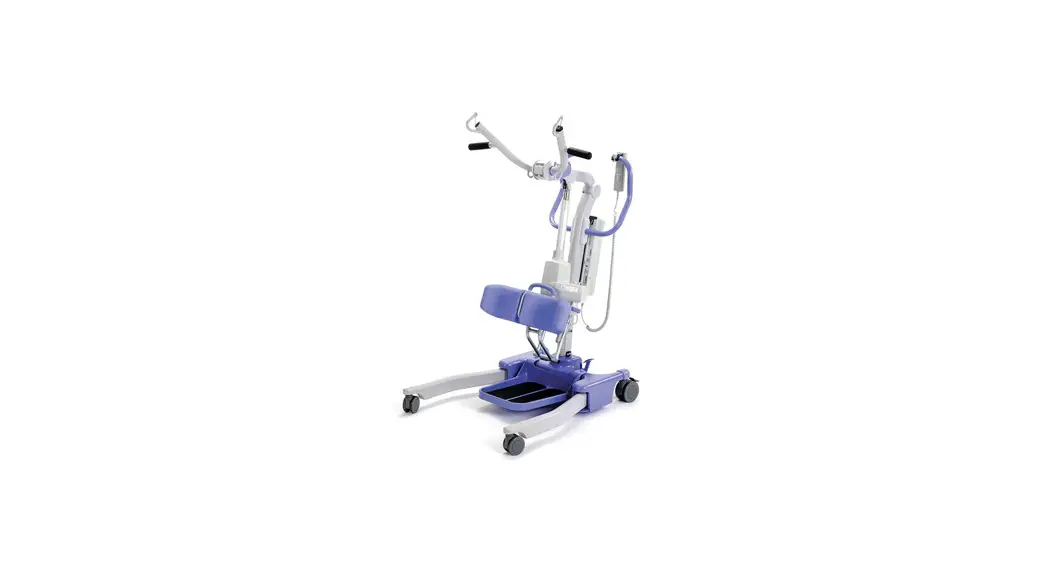
Mini 140 Classic Lift Range
User Instruction Manual
To avoid injury, read user manual prior to use. For alternative
languages, contact your authorised service provider. Always refer
to Joerns.co.uk for latest revision.
English
Contents
- 1. Oxford Classic Lift Range
- 2. Introduction: About Your Lift
1. Oxford Classic Lift Range
- Oxford Mini 140:
- Oxford Midi 180:
- Hydraulic ram (Replaces actuator on hydraulic models)
- Leg actuator (Replaces foot pedal on electric leg models)
Fig. 1
- Hydraulic ram (Replaces actuator on hydraulic models)
- Leg actuator (Replaces foot pedal on electric leg models)
Fig. 2
- Oxford Major 200:
English
- Oxford Maxi 180:
- Hydraulic ram (Replaces actuator on hydraulic models)
- Leg actuator (Replaces foot pedal on electric leg models)
Fig. 3
- Leg actuator (Replaces foot pedal on electric leg models)
Fig. 4
2. Introduction: About Your Lift
The Oxford Classic Lift range is available with hydraulic or
electric powered options with the exception of the Maxi 180 which
is electric only. This manual covers both options.
Each lift is fully assembled, load tested and certified before
being partially dismantled for packing. The packing consists of a
strong, purpose built carton and is used for both export and
domestic markets to ensure the safe arrival of the lift.
Recycling of Packaging:
In an effort to reduce levels of waste and environmental impact,
Joerns Healthcare operate a free of charge recycling service in the
UK. This is specifically for the foam inserts that accompany the
lift packaging – inside of the carton.
When you are ready to return the foam inserts, simply present
them to the Joerns Delivery Service Driver on their next visit and
they will return them to us for recycling.
Accompanying Documents:
A number of documents are supplied in a wallet packed with each
lift and should be retained for future reference.
The TEST CERTIFICATE is an important document
and is required for your insurance records. It is valid for 6
months and once expired, the lift should be inspected and serviced
for the following six month period. Servicing and periodic LOLER
testing can be carried out by your supplier. Please ensure your
lift is included in their maintenance schedule.
WARNING
Prior to each daily use of your lift the checks detailed in the
daily checklist within this manual should be carried out.
The CE mark: The Oxford Classic Lifts carry the
CE mark and comply with the following EC directives:
Statement of Intended Use:
The intended use of this lifting device is to transfer an
individual from one resting surface to another (such as a bed to a
wheelchair). Moving a person in a sling over extended distances is
not recommended. Oxford Classic Lifts are suitable for patients in
the SITTING, SITTING/RECUMBENT
User Instruction Manual
Oxford® Classic Lifts (Mini · Midi · Major · Maxi)
To avoid injury, read user manual prior to use. For alternative languages, contact your authorised service provider. Always refer to Joerns.co.uk for latest revision.
Manuel de l’utilisateur
Oxford® Classic Lifts (Mini · Midi · Major · Maxi)
Afin d’éviter tout accident, veuillez lire attentivement la notice avant utilisation. Pour obtenir ces informations dans une autre langue, veuillez contacter votre prestataire de service agréé.
Reportez-vous toujours à Joerns.co.uk pour la dernière révision.
Benutzerhandbuch
Oxford® Classic Lifts (Mini · Midi · Major · Maxi)
Um Verletzungen zu vermeiden, lesen Sie bitte die Gebrauchsanweisung vor der ersten Benutzung. Für andere Sprachen wenden Sie sich an Ihren autorisierten Dienstanbieter.
Beziehen Sie sich immer auf Joerns.co.uk für die neueste Version.
Manual de Instrucciones
Oxford® Classic Lifts (Mini · Midi · Major · Maxi)
Para evitar posibles daños, lea previamente el manual de usuario. Para otros idiomas, póngase en contacto con su proveedor de servicios autorizado. Consulte siempre Joerns.co.uk para obtener la última revisión.
Gebruikershandleiding
Oxford® Classic Lifts (Mini · Midi · Major · Maxi)
Lees voor gebruik de handleiding om letsel te voorkomen. Neem voor andere talen contact op met uw erkende dienstverlener. Raadpleeg altijd Joerns.co.uk voor de laatste revisie.
Manuale d’uso per l’utente
Oxford® Classic Lifts (Mini · Midi · Major · Maxi)
Per evitare possibili lesioni, prima dell’uso leggere questo manuale. Per altre lingue, contattare un Centro di assistenza autorizzato. Fare sempre riferimento
a Joerns.co.uk per l’ultima revisione.
Oxford® Classic Lifts
English
Contents
1. Oxford Classic Lift Range…………………………………………………………………………………….. 3 2. Introduction: About Your Lift………………………………………………………………………………….. 5 3. Assembly & Commissioning Instructions………………………………………………………………… 6 4. Safety Precautions ……………………………………………………………………………………………. 10 5. SmartTM Monitor & Handset………………………………………………………………………………… 12 6. Operating Instructions ……………………………………………………………………………………….. 16 7. Charging Instructions (Electric models only) …………………………………………………………. 19 8. Maintenance Schedule & Daily Check List……………………………………………………………. 21 9. Technical Specifications …………………………………………………………………………………….. 24 10. Warranty ………………………………………………………………………………………………………….. 29
2
English
1. Oxford Classic Lift Range
Oxford Mini 140:
Oxford® Classic Lifts
Oxford Midi 180:
Hydraulic ram (Replaces actuator on hydraulic models)
Leg actuator (Replaces foot pedal on electric leg models)
Fig. 1
Hydraulic ram (Replaces actuator on hydraulic models)
Leg actuator (Replaces foot pedal on electric leg models)
Fig. 2
3
Oxford® Classic Lifts
Oxford Major 200:
English
Oxford Maxi 180:
Hydraulic ram (Replaces actuator on hydraulic models)
Leg actuator (Replaces foot pedal on electric leg models)
Fig. 3
Leg actuator (Replaces foot pedal on electric leg models)
Fig. 4
4
English
Oxford® Classic Lifts
2. Introduction: About Your Lift
The Oxford Classic Lift range is available with hydraulic or electric powered options with the exception of the Maxi 180 which is electric only. This manual covers both options.
Each lift is fully assembled, load tested and certified before being partially dismantled for packing. The packing consists of a strong, purpose built carton and is used for both export and domestic markets to ensure the safe arrival of the lift.
Recycling of Packaging:
In an effort to reduce levels of waste and environmental impact, Joerns Healthcare operate a free of charge recycling service in the UK. This is specifically for the foam inserts that accompany the lift packaging – inside of the carton.
When you are ready to return the foam inserts, simply present them to the Joerns Delivery Service Driver on their next visit and they will return them to us for recycling.
Accompanying Documents:
A number of documents are supplied in a wallet packed with each lift and should be retained for future reference.
· Test Certificate
· User Manual
The TEST CERTIFICATE is an important document and is required for your insurance records. It is valid for 6 months and once expired, the lift should be inspected and serviced for the following six month period. Servicing and periodic LOLER testing can be carried out by your supplier. Please ensure your lift is included in their maintenance schedule.
WARNING
Prior to each daily use of your lift the checks detailed in the daily checklist within this manual should be carried out.
The CE mark: The Oxford Classic Lifts carry the CE mark and comply with the following EC directives:
· Medical Device Regulation 2017/745 · EMC Directive 2014/30/EU · Low Voltage Directive 2014/35/EU
Statement of Intended Use:
The intended use of this lifting device is to transfer an individual from one resting surface to
another (such as a bed to a wheelchair). Moving a person in a sling over extended distances is not
recommended. Oxford Classic Lifts are suitable for patients in the SITTING, SITTING/RECUMBENT
and RECUMBENT positions.
WARNING
Oxford Patient Lifts should only be operated by fully trained/competent care givers.
Expected Service Life:
Oxford Classic mobile lifts are designed and tested for a minimum service life of seven (7) years, subject to the use and maintenance procedures stated in this manual. Use other than in accordance with these instructions may compromise service life.
Serious Incident Reporting:
In the event of a serious incident taking place during use of this product, affecting the patient and/or
care-giver, it must be reported to the product manufacturer or authorised distributor. Should the incident
take place within the European Union (EU), it must also be reported to the local competent authority
within the member state.
5
Oxford® Classic Lifts
English
3. Assembly and Commissioning Instructions
Place the carton in a clear working area and open carefully. The carton contains:
· Main wheeled chassis · Mast and boom assembly · Battery pack (electric lifts only)
· Wallet containing documents · Battery charger (electric lifts only) · Hand control (electric lifts only)
1. Remove all the parts from the carton and place on the floor, taking care to protect the finish from damage.
WARNING
Some of the parts are heavy and will need to be lifted with care. You may need assistance with the heavier assemblies.
2. Apply the rear castor brakes by pushing the brake levers (Fig. 5) downwards.
3. Fit the mast assembly to the chassis. The mast is located into the rectangular socket on the top centre of the chassis. (Fig. 5 – manual leg model shown).
WARNING
Avoid trapping fingers. Keep fingers away from the end of the mast when inserting into the socket. To avoid any inadvertent damage to the leg opening actuator, ENSURE the legs are set in the open position before inserting the mast into the socket on electric leg variants.
Mast Assembly
Brake Lever
Rectangular Socket
Mast Locking Knob
Brake Lever
Fig. 5
4. When the mast is fully engaged within the socket, turn the mast locking knob (Fig. 5) clockwise, until fully tightened.
WARNING
Full engagement of the mast is indicated by the label on the side of the mast.
6
English
Oxford® Classic Lifts
5. Electric Leg Operation: There is some minor assembly required in order to connect the leg actuator to the leg adjustment mechanism. Gently swing the actuator into place over the leg pivot bracket ensuring the corresponding holes are in alignment. Insert the clevis pin, ensuring the plastic wear washers remain in place. To finish, fit the spring clip through the
hole in the clevis pin and confirm secure attachment.
Clevis pin
Spring clip
Fig. 6
Foot Pedal Leg Operation: If your lift is fitted with foot pedal operated legs, release the brakes and confirm they open and close satisfactorily by operating the push pedals (Fig. 7). Hold onto the push handle for stability.
Push Pedal (Open)
Push Pedal (Close) Fig. 7
7
Oxford® Classic Lifts
English
Electric Models Only:
6. Clip the battery onto the control box and ensure the red emergency stop button, located on the controller is in the out (ON) position by turning clockwise (Fig. 8).
Electric Leg Redundant Control
(Legs Open)
(Model dependent)
Emergency Stop Button
Redundant Control (Emergency Lower)
Electric Leg Redundant Control (Legs Close)
(Model dependent)
Fig. 8
7. Push the UP and DOWN buttons on the hand control and confirm the boom will raise and lower accordingly (Fig. 9).
NOTE: If your lift incorporates electric leg operation, confirm the legs open and close by pushing the OPEN and CLOSE buttons on the hand control.
UP (Raise)
Legs Open
(Model dependent)
DOWN (Lower)
Legs Close
(Model dependent)
Fig. 9
8. Prior to initial use, the service counter must be zeroed by an authorised dealer. 9. The lift is now ready for use.
8
English
Oxford® Classic Lifts
Hydraulic Models Only:
6. Close the hydraulic unit release valve (Fig. 10) by turning the knurled black knob on the unit fully clockwise.
Pump Handle
Release Valve Knob
Fig. 10
NOTE: The release valve requires only minimal tightening to operate and should only be closed finger tight.
WARNING
DO NOT apply excessive force to the release valve knob as this will result in damage to the valve.
7. Pump the handle (Fig. 10) of the hydraulic unit and confirm the ram raises the boom. 8. Open the release valve fully anti-clockwise and check the boom descends.
NOTE: An unloaded boom will not come down under its own weight, it will be necessary to apply some pressure to the boom before it will descend.
WARNING
The release valve is fully open and encounters a positive end stop in less than two full turns of the knob. DO NOT force the valve past the end stop as this will result in damage to the valve. 9. Close the release valve by turning the knurled black knob clockwise. 10. The lift is now ready for use.
9
Oxford® Classic Lifts
English
4. Safety Precautions
Please read and follow the safety precautions listed below. The operation and use of Oxford patient lifts is simple and straightforward. Following these few basic safety precautions will make lifting operations easy and trouble free. READ AND UNDERSTAND THE USER INSTRUCTION MANUAL BEFORE USING YOUR “CLASSIC” LIFT WARNING: Important safety information for hazards that might cause serious injury. CAUTION: Information for preventing damage to the product. NOTE: Information to which you should pay special attention.
WARNING
· Oxford Patient Lifts should only be operated by fully trained/competent care givers.
· ALWAYS plan your lifting operations before commencing.
· ALWAYS carry out the DAILY CHECK LIST before using the lift.
· ALWAYS familiarise yourself with the operating control and safety features of a lift before lifting a patient.
· DO NOT use a sling unless it is recommended for use with the lift.
· ALWAYS check the sling is suitable for the particular patient and is of the correct size and capacity.
· NEVER use a sling which is frayed or damaged.
· ALWAYS fit the sling according to the instructions provided (user instructions).
· ALWAYS check the safe working load of the lift is suitable for the weight of the patient.
· ALWAYS carry out lifting according to the instructions in the user manual.
· NEVER disconnect or bypass a control or safety feature because it seems easier to operate the lift.
· NEVER force an operating or safety control. All controls are easy to use and do not require excessive force to operate. If a control is not working easily there will be a reason. Forcing will only strain or damage the lift and may compromise safety. If in doubt, contact your authorised Oxford Service Provider or Joerns Healthcare.
· DO NOT lift a patient with the castor brakes on.
· DO NOT attempt to manoeuvre the lift by pushing on the mast, boom or patient.
· ALWAYS manoeuvre the lift using the handles provided. DO NOT attempt to apply additional side force to the boom or legs of the lift in order to manoeuvre the product.
10
English
Oxford® Classic Lifts
WARNING
· ALWAYS lower the patient to the lowest comfortable position before transfers.
· DO NOT push a loaded lift at speeds which exceed a slow walking pace (3 kilometers/ hour 0.8 metres/second).
· DO NOT push the lift over uneven or rough ground, particularly if loaded.
· DO NOT attempt to push or pull a loaded lift over a floor obstruction which the castors are unable to ride over easily.
· DO NOT bump the lift down steps, loaded or unloaded.
· DO NOT attempt to negotiate a loaded lift on a slope which exceeds 1:12 (approximately 5 degrees). Joerns Healthcare recommend a second helper is present when moving a patient on a slope.
· DO NOT park a loaded lift on ANY sloping surface.
· DO NOT use electric lifts in a shower.
· DO NOT charge an electric lift in a bathroom or shower room.
· DO NOT lift a patient unless you are trained and competent to do so.
· Your lift is for patient lifting. DO NOT use it, or allow it to be used, for any other purpose.
· The Oxford Classic Range is not intended for continuous use/storage in condensing humid conditions.
· The MINIMUM load required to manually lower the hoist using the mechanical emergency down function is 30 kg (where fitted).
11
Oxford® Classic Lifts
5. Smart Monitor & Handset
Emergency Stop Button Smart Monitor
Emergency Raise & Lower Redundant Controls Legs Open / Close Redundant Controls
(Model dependent)
English
Detachable Battery Pack
Raise & Lower Buttons Legs Open / Close Buttons
(Model dependent)
Handset
Actuator
Handset Connection
Socket
Handset Connection
Plug
Leg Actuator Connection Socket
LCD Information Screen
Actuator
Connection Socket
Fig. 11 12
English
Oxford® Classic Lifts
Intended Use:
The Oxford Smart Monitor is a control system for Oxford Mobile Hoists. The Smart Monitor stores useful servicing information about the hoist that can be recalled when required. This servicing information includes:
· Number of patient lift cycles · Total work done by actuator · Number of lift overloads (attempted lifts above the safe working load) · Number of days since last service interval
The Oxford Smart Monitor contains a microprocessor inside making it possible to read out service data via the on-board LCD screen.
Features:
· Data collection in the control box with data display via LCD screen · Work counter · Intelligent cycle counter · Service indicator · Service interval indicator · Overload information · 3 step battery indicator
Benefits:
· Improved safety for both patient and carer · Accurate service data available at the touch of a button · Optimised product life time · Ease of maintenance for engineers and service technicians
13
Oxford® Classic Lifts
English
LCD Display Screen:
The Oxford Smart Monitor has the option to read out information via the LCD display screen. It is possible to read out total lifting cycles, total work done, overloads and number of days since last service, which can be used to quickly and easily evaluate the condition of the lift actuator (Fig. 12).
This information is accessed by a ½ second press on the `RAISE’ button on the User handset or redundant `RAISE’ button on the Smart Monitor.
Fig. 12
Total Lifting Cycles
Total Work Done (Amps * Seconds) Number of Overloads Number of Days (since last service) / Number of Days (between services)
Service & Usage Information:
Fig. 13
When it is time for a service, the service symbol will appear on the display (Fig. 13). In addition, when the user handset is activated, the Smart Monitor will give an audible signal giving notice to users that a service is required.
The service symbol will be displayed each time the raise or lower keys are depressed on the user handset. When the service symbol is displayed, contact your authorised service provider immediately to arrange a service.
Fig. 14
If the lift stops because of an overload (an attempt to lift more than the safe working load) the overload symbol will appear on the LCD display (Fig. 14) and the lift will cease to operate until the additional load (above the SWL) has been removed.
WARNING
If the LCD display screen on your Smart Monitor has recorded an overload, Joerns Healthcare recommend that ALL routine daily checks are carried out on the lift prior to further use (for a list of daily checks, please refer to your lift user manual). Joerns Healthcare also recommend that you contact your authorised Oxford service provider for additional guidance.
14
English
Oxford® Classic Lifts
On-Board Redundant Controls:
On-board redundant controls enable the lift to be raised or lowered in the event of an emergency (Fig. 15).
Fig. 15
If your lift incorporates powered leg positioning, there are redundant controls to both open and close the legs. (Fig 16).
Fig. 16
Battery Information:
The display showing full battery means that the battery is fully charged and the lift is ready for use (Fig. 17).
Fig. 17
The display showing a half empty battery indicates that it is time to charge the battery (Fig. 18).
Fig. 18
The empty battery symbol showing on the display indicates that the battery has no capacity left and should be placed on charge immediately (Fig. 19).
Fig. 19
WARNING
To avoid possible permanent damage to the battery, the battery should be placed on charge as soon as the display indicates the half empty battery symbol (Fig. 18).
15
Oxford® Classic Lifts
English
6. Operating Instructions
WARNING
Oxford Patient Lifts should only be operated by fully trained/competent care givers
1. Leg adjustment: The legs on Oxford Classic lifts can be opened to enable access around armchairs, wheelchairs and other furniture. For transferring and negotiating narrow doorways and passages, the lift legs should be in the closed position. Electric Leg Operation: Simply press the appropriate button on the hand control in order to open or close the legs. You may also use the redundant control soft keys located on the front of the control box above the LCD display screen. Foot Pedal Leg Operation: Simply operate the push-pads, located at the lower/rear of the mast. To open the legs, simply depress the LEFT push-pad. To close the legs, depress the RIGHT push-pad. In either case, the adjustment can be carried out with the patient in the lift.
2. Castors and braking: The lift has two braked castors which can be applied for parking. When lifting, the castors should be left free and unbraked. The lift will then be able to move to its centre of gravity. If the brakes are applied, it is the patient that will swing to the centre of gravity and this may prove disconcerting and uncomfortable.
3. Direction of travel (Forward motion): The Classic range of mobile lifts are designed to be pushed forwards using the integrated push-handle.
Fig. 20
4. Straight line steering (where fitted): One of the rear castors is fitted with a straight line steering device. To engage the device simply swing the `U’ shaped bar over the rear castor. The device will automatically engage as you move off.
5. Raising and lowering the boom (electric models): The movement of the boom is achieved by a powerful electric actuator which is controlled by a simple hand control unit. The hand control has two buttons with directional arrows RAISE and LOWER. The actuator stops automatically at the limit of travel in both directions. The hand control plugs into a socket at the base of the control box. There is a magnetic backing to the hand control which allows it to be “parked” on the mast or boom when not in use.
6. Emergency stop (Electric only): The red emergency stop button is located on the control box and is activated by pressing in. This will cut all power to the lift and can only be reset by twisting the button clockwise and releasing.
7. Redundant controls: All Oxford Classic Lifts are fitted with raise and lower buttons on the control box. These are located underneath the emergency stop button and can be used to lower/raise the patient should the hand control fail.
16
English
Oxford® Classic Lifts
8. Emergency lower: In the case of a complete electrical failure the electrical actuator is fitted with a mechanical lowering device (RED BOSS). The device must be twisted clockwise by hand to operate. A slow decent will commence. Repeat this process until the patient has been safely lowered.
Fig. 21
WARNING
The emergency lowering device should only be used in the event of electrical failure. It must not be used to lower the patient on a regular basis.
WARNING
If this feature is used, the lift MUST be subsequently checked out by a competent engineer.
WARNING
Continued use of the hoist after using the emergency descent feature may compromise the duty of care and safety of the patient.
9. Batteries: The batteries are protected from deep discharge by a LOW VOLTAGE ALARM. This will sound when the batteries need recharging and the hand control is being operated. It will not sound independently of the hand control being operated. DO NOT IGNORE THIS WARNING ALARM. Complete the lifting operation and place the battery on charge (see charging instructions).
10. Raising and lowering the boom (hydraulic models only): The raising and lowering of the boom is achieved by a powerful hydraulic ram which is operated by two simple controls. The release valve, which is identified by a black knurled knob, and the pump handle which is a long lever on the side of the hydraulic unit. To raise the boom, ensure the release valve is closed. The valve is closed by gently turning the knurled knob fully clockwise. When closed, pump the long handle with smooth even strokes for maximum effect. The handle strokes from an upright position through an arc of 90 degrees. Leave the handle in the upright position when not in use.
WARNING
DO NOT force the handle beyond the upper or lower stops. The hydraulic unit can be rotated to allow the handle to be used from either side of the lift.
17
Oxford® Classic Lifts
English
To lower the boom, turn the release valve anti-clockwise. The release valve is progressive, the more it is opened the faster the descent. The valve is restricted so even when fully open the descent is controlled. This facility allows for a “hands free” descent.
If the release valve is opened a fraction (a quarter turn) a very slow speed of descent will allow the carer to work “hands free” while assisting or comforting the patient.
REMEMBER to close the release valve before commencing lifting operations. The release valve only requires gentle pressure to open or close.
WARNING
DO NOT apply excessive force to the release valve, either to close or to open. It is not necessary and will only damage the valve.
11. Slings: The selected sling is attached to the spreader bar hooks. Each sling is supplied with instructions which should be followed carefully.
The Oxford Classic Lift range is suitable for patients in the SITTING, SITTING/ RECUMBENT and RECUMBENT positions. The core slings suitable for these lifts are listed as follows:
· Oxford Quickfit · Oxford Quickfit Deluxe · Oxford Access
· Oxford Full Back · Oxford Long Seat · Oxford Silkfit
When selecting a sling from the Oxford range, be sure to assess the suitability of the type of sling for the patient to be lifted by conducting a thorough risk assessment prior to lifting.
NOTE: For detailed fitting instructions, please refer to the user guide supplied with each sling.
WARNING
Joerns Healthcare recommends that slings be checked regularly and particularly before each use for signs of fraying or damage. DO NOT use slings that are worn or damaged.
WARNING
OXFORD RECOMMENDS THE USE OF GENUINE OXFORD PARTS. Oxford sling and lift products are designed to be compatible with one another. For country specific guidance on sling use and compatibility, please refer to the sling label or contact your local market distributor or Joerns Healthcare.
WARNING
Refer to maximum weight capacity of lift. Sling capacity is limited by the maximum capacity of the lift.
NOTE: For further guidance on sling selection, please visit www.joerns.co.uk
18
English
Oxford® Classic Lifts
7. Charging Instructions (Electric Models Only)
When the power pack needs charging it is removed from the lift and fitted to an off board charging unit.
Joerns Healthcare recommend an additional battery pack is purchased, so that one pack can be on charge at all times.
1. Remove the power pack from the lift. The pack is retained by a simple latch at the top of the power pack. Lift the latch and the power pack will be released.
2. Fit the power pack to the charging unit. The location and latching of the power pack to the charger is the same system as used on the lift.
3. Plug the charger mains plug into a suitable mains outlet and switch the mains supply ON.
4. Charging is automatic and will fully charge the batteries over a period of four (4) hours. Note: Even if the charger is left plugged in for extended periods it will not allow the batteries to overcharge.
a) Green Light – Indicates main power is on. b) Yellow Light – Indicates battery is charging. c) Battery will be fully charged when yellow light goes off.
Note: It is recommended that the battery be charged immediately upon receipt.
5. To return the lift to service, switch OFF the mains supply and remove the power pack from the charger. Fit the power pack to the lift and make sure the latch holding the pack in place is fully engaged. “Click” in place. The charging of Oxford electric lifts is simple and straightforward, but it is important to follow the charging instructions closely. Please pay particular attention to the following points, they will help you avoid problems with discharged batteries.
WARNING
· The battery, charger, hand control and control box are NOT to be opened by unauthorised personnel. (Contact your distributor for warranty and repairs).
· DO NOT touch battery/charger terminals.
· KEEP the batteries fully charged. Place the battery on charge whenever it is not in use. If it is more convenient to do so, place on charge every night. The charger will not allow the batteries to overcharge.
· NEVER run the batteries completely flat. As soon as the audible warning sounds, complete the lifting operation in hand and place on charge.
· To avoid possible permanent damage to the battery, the battery should be placed on charge as soon as the display indicates the half empty battery symbol.
· NEVER store the battery for long periods without regular charging throughout the storage period.
· ALWAYS make sure the mains power to the charger is switched off before connecting or disconnecting the battery pack.
· NEVER leave the battery pack connected with the charger mains power switched off.
· DO NOT leave the charger switched on with the battery disconnected.
19
Oxford® Classic Lifts
English
WARNING
· DO NOT use the lift while charging is taking place. · CHECK the lift is not charging before moving as the electrical connection may be
damaged. · NEVER disconnect the charger plug by pulling on the cable. · BE CAREFUL not to trip over the charge lead.
· DO NOT charge an electric lift in a bathroom or shower room.
20
English
Oxford® Classic Lifts
8. Maintenance Schedule and Daily Check List
All Oxford products are designed for minimum maintenance, however some safety checks and procedures are required. A schedule of DAILY tasks are detailed below.
Daily checks and a bi-annual service, inspection and test will ensure your lift is kept in optimum safe working condition. A list of spare parts is available upon request.
NOTE: The LOAD TEST and CERTIFICATION should only be carried out by qualified personnel or an authorised service dealer.
Daily Check List:
Joerns Healthcare Ltd strongly recommend the following checks are carried out on a daily basis and before using the lift.
· ENSURE the lift moves freely on its castors.
· ENSURE the spreader bar is free to rotate and swing. Check the spreader bar is firmly attached to the boom.
· EXAMINE the sling hooks on the spreader bar and side suspenders for excessive wear. If in doubt – DO NOT use.
· ENSURE the sling retaining disks on the spreader bar are fitted and function as intended. · ENSURE the legs open and close correctly.
· Operate the hand control or the hydraulic unit to CONFIRM the boom raises and lowers satisfactorily.
· CONFIRM the lift is not sounding a low battery alarm when the hand control is operated (electric lifts only). If the alarm sounds, DO NOT use and place the battery on charge immediately.
· On electric powered lifts CHECK the operation of the emergency stop button. · On hydraulically operated lifts CHECK for hydraulic fluid leakage. Any leakage should be
reported to a service engineer immediately and the lift should not be used until it has been checked out.
· On lifts with detachable masts MAKE SURE the mast is fully engaged and the locking knob is fully tightened.
· EXAMINE slings for fraying or other damage. DO NOT use any sling if damaged or if the sling shows signs of wear.
· EXAMINE all fixings and fasteners and ensure they are secure prior to use.
21
Oxford® Classic Lifts
English
Maintenance, Inspection and Test:
Joerns Healthcare Ltd recommend a thorough inspection and test of the Oxford Mobile Hoist lifting accessories, slings etc. is carried out at least every six months. The examination and test should be conducted according to the recommendations and procedures below. Joerns Healthcare recommend maintenance, inspection and certified testing is carried out by authorised service dealers only.
NOTE: These recommendations are in compliance with the requirements of 1998 No. 2307 Health and Safety: The Lifting Operations and Lifting Equipment Regulations 1998. This is a UK regulation. Outside the UK please check your local requirements.
· SPREADER BAR: Check the spreader bar for freedom of rotation and swing. Check for wear on the central pivot. Check for presence and condition of the wear washer. Check for firm attachment to the boom. Inspect for excessive wear on the sling hooks and any side suspenders used in conjunction with the spreader bar. Check that the sling retaining disks are fitted and function as intended. Lubricate the main suspension point and central pivot with a light mineral based grease or silicon spray.
· BOOM: Check for secure attachment of the boom to the mast. Make sure there is only minimal side movement of the boom and the boom is free to rotate on the boom bearing. Check the boom is centered and does not exhibit signs of damage. Check that the actuator or hydraulic unit mounting on the boom is secure.
· MAST: Check the operation of the mast locking device. Make sure the mast fully engages into the socket. Check that the bottom actuator or hydraulic unit mounting is secure.
· SMART MONITOR (Electric only): Check the function of the emergency stop button. Inspect the hand control socket for correct fitting. Check functioning of the hand control. Check the redundant controls and confirm they operate as intended.
· LEG ADJUSTMENT: Check the leg linkages are secure. Operate the leg adjustment pedals or handset controls (electric leg models only) to confirm smooth opening and closing of the legs. If leg linkages are damaged, they should be replaced. Confirm the leg adjustment mechanism locks/ locates correctly in all open and closed positions. MAINTENANCE: Lubricate the leg adjustment mechanism with a light mineral based grease. NOTE: To ease application of the lubrication, the mast should be removed from the cross member and the grease applied from inside the mast socket (foot pedal operation only).
· LEG PIVOTS: Check the leg pivots are secure and the legs pivot freely. Any stiffness must be investigated. Strip out the leg pivots and lubricate with a light mineral based grease. Make sure there is no excessive play in the leg pivots.
· CASTORS: Check all castors for firm attachment to the legs. Check for free rotation of the castor and the wheels. Remove any build up of threads, hair or fluff. Lubricate if necessary with a light mineral based grease or silicon spray. Check correct operation of the brakes. Confirm all four castors sit firmly on the ground.
· ACTUATORS (Electric models only): The actuators should require no maintenance other than checking for correct operation and listening for unusual noise. Ensure all fixing points are secure. Confirm the anti-crush mechanism is operational (lifting actuator only). If in doubt, DO NOT use
22 and have the unit checked by a qualified person or authorised Oxford Service Provider.
English
Oxford® Classic Lifts
· EMERGENCY RAISE/LOWER AND EMERGENCY DESCENT: Check both the redundant raise/lower controls and the mechanical emergency descent function (if fitted) using the maximum safe working load applied to the end of the boom. Please note that the practice of using a spring balance will not correctly check the function of the emergency descent.
· HYDRAULIC UNIT: The hydraulic unit should require no maintenance other than checking for correct operation in both directions and leakage of hydraulic fluid. Additionally, check the ram for trapped air/sponginess.
· BATTERIES (Electric models only): The batteries are located in the Power Pack and should not require maintenance other than the regular charging as detailed in the charging instructions.
· CLEANING: Clean with ordinary soap and water and/or any hard surface disinfectant. Harsh chemical cleaners or abrasives should be avoided as these may damage the surface finish of the lift. Avoid wetting any of the electrical parts. After cleaning, the unit should be thoroughly dried.
· SLINGS: Check for wear and fraying. DO NOT use any sling that is damaged, or if the sling shows signs of wear.
· LOAD TEST: The load test should be carried out in accordance with the manufacturer’s test procedures and the directive detailed in EN ISO 10535:2006 – Annex B – Periodic Inspection B1 – see excerpt below. It is strongly recommended that an authorised service dealer carry out the test. EN ISO 10535:2006 Annex B
(Informative) Periodic Inspection
B. 1 Periodic inspection of the hoist should be undertaken at the time intervals stated by the manufacturer, but at least once a year. By periodic inspection is meant a visual examination (particularly of the hoist’s load bearing structure and lifting mechanism with attachments, brakes, controls, safety devices and person-support devices) and whatever function tests and maintenance measures may be required, e.g. adjustment of brakes, tightening of fasteners.
Every inspection should include a working load test of one (1) lifting cycle with the maximum load.
· CERTIFICATION: An authorised service dealer will issue an examination certificate after satisfactory completion of the thorough examination load test. This certificate will be valid for six months.
END OF LIFE DISPOSAL:
Battery: All batteries in the product and any accompanying accessories must be recycled separately. Batteries should be disposed of in accordance with local or national regulations. Slings: Slings and associated material accessories should be sorted as combustible waste in accordance with local or national regulations
23
Oxford® Classic Lifts
English
9. Technical Specifications
The drawings below highlight key dimensions for the Oxford Classic range of lifts. Physical measurements for each lift are referenced overleaf.
D
A Fig. 22
B C
E
Fig. 23
F
K J Fig. 24
24
H G
Fig. 25
English
Oxford® Classic Lifts
Safe Working Load Length (A) Maximum Overall Height (B) Minimum Overall Height (C) Spreader Bar Max. Height (D) Spreader Bar Min. Height (E) Spreader Bar Height at Maximum Reach Reach at Maximum Height * Reach at Minimum Height * Maximum Reach Turning Radius (F)
Legs Open (External Width) (G) (Internal Width) (H)
Legs Closed (External Width) (J) (Internal Width) (K)
Overall Height of Legs Ground Clearance Front Twin Castors Rear Braked Castors
MINI 140
Electric Hydraulic
140 kgs 1175 mm 1730 mm 1230 mm 1545 mm 530 mm 1000 mm 420 mm 400 mm 565 mm
140 kgs 1175 mm 1730 mm 1230 mm 1560 mm 540 mm 1000 mm 370 mm 420 mm 565 mm
1150 mm
1150 mm
1060 mm
1060 mm
1000 mm 600 mm
1000 mm 600 mm
540 mm 100 mm
540 mm 100 mm
25 mm
25 mm
75 mm 100 mm
75 mm 100 mm
MIDI 180
Electric Hydraulic
180 kgs 1225 mm 1840 mm 1240 mm 1660 mm 525 mm 1060 mm 420 mm 440 mm 656 mm
180 kgs 1225 mm 1840 mm 1240 mm 1630 mm 500 mm 1060 mm 470 mm 460 mm 656 mm
1235 mm
1235 mm
1170 mm
1170 mm
1070 mm 600 mm
1070 mm 600 mm
540 mm 100 mm
540 mm 100 mm
25 mm
25 mm
75 mm 100 mm
75 mm 100 mm
Weights: Mast & Boom Inc. all fixings Base Assembly Assembled Unit Battery
17.5 kgs 11 kgs 28.5 kgs 2.9 kgs
17.5 kgs 11 kgs 28.5 kgs
–
20.5 kgs 11.5 kgs 32 kgs 2.9 kgs
20.5 kgs 11.5 kgs 32 kgs
–
* Reach = Centre of spreader bar to front of mast 25
Oxford® Classic Lifts
Safe Working Load Length (A) Maximum Overall Height (B) Minimum Overall Height (C) Spreader Bar Max. Height (D) Spreader Bar Min. Height (E) Spreader Bar Height at Maximum Reach Reach at Maximum Height * Reach at Minimum Height * Maximum Reach Turning Radius (F) Legs Open (External Width) (G)
(Internal Width) (H) Legs Closed (External Width) (J)
(Internal Width) (K) Overall Height of Legs Ground Clearance Front Twin Castors Rear Braked Castors
Weights: Mast & Boom Inc. all fixings Base Assembly Assembled Unit Battery
English
MAJOR 200
Electric Hydraulic
200 kgs 1300 mm 1930 mm 1380 mm 1715 mm 565 mm 1200 mm 610 mm 515 mm 720 mm
200 kgs 1300 mm 1930 mm 1380 mm 1705 mm 525 mm 1200 mm 620 mm 510 mm 720 mm
1310 mm
1310 mm
1230 mm
1230 mm
1140 mm 660 mm
1140 mm 660 mm
580 mm 100 mm
580 mm 100 mm
15 mm
15 mm
75 mm 100 mm
75 mm 100 mm
MAXI 180 Electric 180 kgs 1315 mm 2150 mm 1560 mm 1970 mm 780 mm 1420 mm 550 mm 540 mm 730 mm 1310 mm 1230 mm 1140 mm 660 mm 580 mm 100 mm 15 mm 75 mm 100 mm
23 kgs 19 kgs 42 kgs 2.9 kgs
23 kgs 19 kgs 42 kgs
–
24 kgs 19 kgs 43 kgs 2.9 kgs
* Reach = Centre of spreader bar to front of mast 26
English
Oxford® Classic Lifts
Electrical Specifications:
Batteries ………………………………………… 2 x 12 Volt rechargeable sealed lead acid type Battery Capacity …………………………….. 2.9 Ampere hours Charger Rated Input ……………………….. 100-240V AC/24 VDC 50/60 Hz. Max 400MA Charger Rated Output……………………… 29.5 VDC. Max 19W
Electric Shock Protection: Charger …………………………………………. Class II Lift…………………………………………………. Internal Power Source
Degree of Shock Protection: Charger …………………………………………. Type B Lift…………………………………………………. Type B
Environmental Conditions:
Outside this environment functionality and safety may be compromised.
Operating: Temperature ………………………………….. 5°C to 40°C Relative humidity …………………………….. 20% to 90% @ 30°C – not condensing Atmospheric pressure ……………………… 700 to 1060 hPa Noise level……………………………………… 55 dB
Storage: Temperature …………………………………… -10°C to +50°C Relative humidity …………………………….. 20% to 90% @ 30°C – not condensing Atmospheric pressure ……………………… 700 to 1060 hPa
IP Ratings: Control Box ……………………………………. IPX4 Actuator …………………………………………. IPX4 Off Board Charger ………………………….. IPX5 Battery ………………………………………….. IPX5 Handset ………………………………………… IPX5
Duty Cycles: Actuator …………………………………………. 10% (2 min/18 min) Battery ………………………………………….. 10% (2 min/18 min)
27
Oxford® Classic Lifts
English
KEY SYMBOLS:
The following symbols are used on the charger, control unit and battery:
This product is a Medical Device in accordance with EU Medical Device Regulation 2017/745.
Type B equipment, as per EN 60601-1.
Class 2 equipment.
The disposal of batteries should not be mixed with general household waste. Batteries should be disposed of in accordance with local or national regulations.
The disposal of electronics should not be mixed with general household waste.
For indoor use.
ATTENTION, consult accompanying documents.
Refer to the user instructions before use (Blue background).
Certification mark indicating conformity with the applicable requirements for products sold within Great Britain. A point of contact between the non-European medical device manufacturer, the national Competent Authorities (Ministry of Health) and Notified Bodies. A unique device identification intended to provide single, globally harmonised positive identification of medical devices through distribution and use.
Indicates the entity importing the medical device into the locale.
28 WEEE Producers registration number WEE/GG0464RZ
English
Oxford® Classic Lifts
10. Warranty
Joerns Healthcare has an established network of authorised distributors and service agents who will be pleased to handle all of your purchasing, warranty, repair and maintenance enquiries. It is recommended that our products are commissioned by your authorised distributor or service agent.
The distributor or service agent operates the warranty programme, so it is important to keep a record of their name, address and telephone number so they can be contacted should any problem arise. If you are in any doubt as to where your lift was purchased, Joerns Healthcare can trace the supplier if you quote the serial number of the lift.
All warranty claims are subject to the correct use and maintenance in accordance with the user instruction manual provided with each lift. Damage caused by use in unsuitable environmental conditions or failure to maintain the product in accordance with user and service instructions is not covered. Your statutory rights remain unaffected.
REMEMBER: Contact your authorised distributor or service agent for purchases, repairs, servicing and certified maintenance.
Your distributor:
29
Oxford® Lève-personnes Classic
Français
Sommaire
1. Gamme de lève-personnes Oxford Classic ………………………………………………………….. 31 2. Introduction : À propos de votre lève-personne……………………………………………………… 33 3. Instructions de montage et de mise en service ……………………………………………………… 34 4. Consignes de sécurité ……………………………………………………………………………………….. 38 5. Moniteur SmartTM et commande manuelle ……………………………………………………………. 40 6. Fonctionnement………………………………………………………………………………………………… 44 7. Consignes de recharge (modèles électriques uniquement) …………………………………….. 47 8. Calendrier d’entretien et liste de contrôles quotidiens …………………………………………….. 49 9. Spécifications techniques …………………………………………………………………………………… 52 10. Garantie…………………………………………………………………………………………………………… 57
30
Français
Oxford® Lève-personnes Classic
1. Gamme de lève-personnes Oxford Classic
Oxford Mini 140 :
Oxford Midi 180 :
Vérin hydraulique (Remplace le vérin sur les modèles hydrauliques)
Vérin de pieds (Remplace la pédale sur les modèles électriques)
Fig. 1
Vérin hydraulique (Remplace le vérin sur les modèles hydrauliques)
Vérin de pieds (Remplace la pédale sur les modèles électriques)
Fig. 2
31
Oxford® Lève-personnes Classic
Oxford Major 200 :
Français
Oxford Maxi 180 :
Vérin hydraulique (Remplace le vérin sur les modèles hydrauliques)
Vérin de pieds (Remplace la pédale sur les modèles électriques)
Fig. 3
Vérin de pieds (Remplace la pédale sur les modèles électriques)
Fig. 4
32
Français
Oxford® Lève-personnes Classic
2. Introduction : À propos de votre lève-personne
Les lève-personnes de la gamme Oxford Classic incluent des options hydrauliques ou mécaniques, à l’exception du Maxi 180 qui est exclusivement électrique. Le présent manuel aborde les deux options.
Chaque lève-personne est intégralement monté, soumis à un essai de charge et certifié avant d’être partiellement démonté pour être emballé. L’emballage utilisé est un carton résistant spécialement prévu à cet effet et couramment utilisé pour le transport national et international.
Documents joints au matériel :
Vous trouverez à l’intérieur du carton une pochette contenant différents documents qu’il convient de conserver soigneusement pour référence ultérieure.
· Certificat d’essai
· Manuel de l’utilisateur
Le CERTIFICAT D’ESSAI est un document important qui doit être conservé dans votre dossier
d’assurance. Il a une durée de validité de 6 mois et à l’expiration de ce certificat, l’inspection et
l’entretien du lève-personne devront être à nouveau effectués pour les six mois suivants. L’entretien
et les tests périodiques LOLER peuvent être effectués par votre revendeur. Pensez à prendre
rendez-vous auprès de lui.
AVERTISSEMENT
Avant chaque utilisation du lève-personne, référez-vous à la liste des vérifications quotidiennes fournie dans le manuel.
Le marquage CE :
Les lève-personnes Oxford Classic portent le marquage CE et sont conformes aux directives européennes suivantes :
· Medical Device Regulation 2017/745 · Directive EMC 2014/30/EU · Directive relative aux basses tensions 2014/35/EU
Usage prévu
L’usage prévu de cet appareil de levage consiste à transférer un patient depuis un point à un autre (par ex. depuis un lit vers un fauteuil roulant). Il est déconseillé d’utiliser une sangle pour déplacer un patient sur une longue distance. Les lève-personnes Oxford Classic sont prévus pour les patients en position ASSISE, en position ASSISE/ALLONGÉE et en position ALLONGÉE.
AVERTISSEMENT
Les lève-personnes Oxford doivent être manipulés exclusivement par du personnel soignant formé/compétent.
Durée de vie prévue :
Les lève-personnes Oxford Classic sont conçus et testés pour une durée de vie minimum de sept (7) ans, si les consignes d’utilisation et d’entretien énoncées dans le présent manuel sont respectées. Toute utilisation non conforme aux consignes peut compromettre la durée de vie du matériel.
Signalement d’un incident grave :
Tout incident survenant durant l’utilisation de ce produit et ayant des conséquences pour le patient
et/ou le professionnel de santé doit être porté à la connaissance du fabricant du produit ou du
distributeur agréé. SI l’incident se produit au sein de l’Union européenne (UE), il doit également être
signalé aux autorités compétentes de l’État membre.
33
Oxford® Lève-personnes Classic
Français
3. Instructions de montage et de mise en service
Posez le carton dans un espace dégagé et ouvrez-le délicatement. Le carton contient :
· Châssis principal sur roulettes
· Pochette contenant les documents
· L’ensemble mât/bras
· Chargeur de batterie (modèles électriques uniquement)
· Pack de batterie (modèles électriques uniquement)
· Commande manuelle (modèles électriques uniquement)
1. Sortez tous les composants du carton et posez-les au sol en prenant soin de ne pas endommager la peinture.
AVERTISSEMENT
Certains composants pèsent lourd et devront être manipulés délicatement. N’hésitez pas à vous faire aider pour porter les composants plus lourds.
2. Enclenchez les freins des roulettes : il suffit pour cela d’abaisser les leviers de frein (Fig. 5).
3. Installez le mât sur le châssis. Le mât se glisse dans le tube de logement rectangulaire situé au centre du châssis. (Fig. 5 – modèle manuel illustré ici).
AVERTISSEMENT
Faites attention de ne pas vous pincer les doigts. Veillez à ne pas vous pincer les doigts entre l’extrémité du mât et son tube de logement. Pour éviter tout dommage accidentel à l’actionneur d’ouverture des pieds, ASSUREZVOUS que les pieds sont en position ouverte avant d’insérer le mât dans la prise sur les variantes de pieds électriques.
Mât
Levier de frein
Tube de logement rectangulaire
Molette de verrouillage du mât
Levier de frein Fig. 5
4. Une fois que le mât est entièrement enfoncé dans son tube de logement, tournez la molette de verrouillage (Fig. 5) à fond.
AVERTISSEMENT
L’étiquette latérale du mât indique si le mât est correctement inséré. 34
Français
Oxford® Lève-personnes Classic
5. Fonctionnement des pieds électriques : La connexion du vérin au mécanisme de réglage des pieds nécessite quelques réglages mineurs. Basculez délicatement le vérin sur le pivot du pied pour le mettre en position, puis vérifiez que les orifices sont alignés. Insérez la vis à oeillet en veillant à ne pas déloger les rondelles d’usure en plastique. Enfin, insérez l’attache à ressort dans l’orifice de la vis à oeillet et vérifiez que tout est solidement accroché.
Vis à oeillet
Attache à ressort
Fig. 6
Fonctionnement des pédales : Si votre lève-personne est doté de pieds actionnés par pédale, relâchez les freins et vérifiez qu’ils s’ouvrent et se ferment correctement en actionnant les pédales (Fig. 7). Tenez le lève-personne par les poignées pour le stabiliser.
Pédale (ouverte)
Pédale (fermée)
Fig. 7
35
Oxford® Lève-personnes Classic
Français
Modèles électriques uniquement :
6. Accrochez la batterie au boîtier de commande et tournez le bouton rouge d’arrêt d’urgence sur le boîtier de commande (Fig. 8) dans le sens horaire afin de le sortir (position ON).
Commande redondante du pied électrique
(Ouverture des jambes)
(Selon le modèle)
Bouton d’arrêt d’urgence
Commande de secours (abaissement d’urgence) Pied électrique Commande de secours (fermeture des jambes)
(Selon le modèle)
Fig. 8
7. Appuyez sur les boutons Haut et Bas de la commande manuelle (Fig. 9) et vérifiez que le bras s’élève et s’abaisse.
REMARQUE : Si votre lève-personne est doté d’une activation électrique des pieds, appuyez sur les boutons OUVRIR et FERMER de la commande manuelle afin de vérifier que les pieds s’ouvrent et se ferment.
HAUT (Élévation)
Ouverture des jambes
(Selon le modèle)
BAS (Abaissement) Fermeture des jambes
(Selon le modèle)
Fig. 9
8. Avant l’utilisation initiale, le compteur d’entretien doit être réinitialisé par un revendeur agréé.
9. Le lève-personne est maintenant prêt à l’emploi.
36
Français
Oxford® Lève-personnes Classic
Modèles hydrauliques uniquement :
6. Fermez la valve de desserrage de l’unité hydraulique (Fig. 10). Pour cela, tournez la molette noire dans le sens horaire jusqu’à ce qu’elle se ferme.
Poignée de pompe
Molette de valve de desserrage
Fig. 10
REMARQUE : Fermez la valve de desserrage à la main et sans forcer.
AVERTISSEMENT
Ne serrez pas la molette excessivement car cela pourrait endommager la valve.
7. Pompez la poignée (Fig. 10) de l’unité hydraulique et vérifiez que l’action du vérin permet d’élever le bras.
8. Ouvrez entièrement la valve de desserrage en tournant la molette dans le sens anti-horaire et vérifiez que le bras s’abaisse. REMARQUE : Si le bras n’est soumis à aucune contrainte, il ne descendra pas sous son propre poids. Il faudra alors appuyer dessus pour le faire descendre.
AVERTISSEMENT
La valve de desserrage est complètement ouverte et rencontre sa butée d’arrêt en moins de deux tours complets de la molette. Une fois la butée d’arrêt atteinte, ne serrez pas la molette excessivement car cela pourrait endommager la valve.
9. Fermez la valve de desserrage en tournant la molette noire dans le sens horaire.
10. Le lève-personne est maintenant prêt à l’emploi.
37
Oxford® Lève-personnes Classic
Français
4. Consignes de sécurité
Veuillez lire et suivre les consignes de sécurité ci-dessous. Le fonctionnement et l’utilisation des lève-personnes Oxford sont simples et clairs. Si vous suivez ces quelques consignes de sécurité fondamentales, vous serez en mesure d’utiliser ce lève-personne facilement et sans problèmes.
AVANT D’UTILISER VOTRE LÈVE-PERSONNE « CLASSIC », LISEZ LES INSTRUCTIONS DU MANUEL D’UTILISATION ET VEILLEZ À BIEN LES COMPRENDRE AVERTISSEMENT: Consigne de sécurité importante sur un danger pouvant entraîner des blesures graves. ATTENTION: Consigne de précaution pour éviter d’endommager le produit.
REMARQUE: Informations auxquelles il convient de prêter une attention particulière.
AVERTISSEMENT
· Les lève-personnes Oxford doivent être manipulés exclusivement par du personnel soignant formé/compétent.
· Effectuez TOUJOURS vos préparatifs de levage avant de commencer.
· Inspectez TOUJOURS le matériel avant de l’utiliser (voir la liste des contrôles quotidiens).
· Familiarisez-vous TOUJOURS avec les commandes et les caractéristiques de sécurité d’un lève-personne avant de soulever un patient.
· N’utilisez PAS de sangle sans avoir préalablement vérifié sa compatibilité avec le lèvepersonne.
· Vérifiez TOUJOURS que la sangle utilisée convient pour le patient concerné et qu’elle a la taille et la capacité requises.
· N’utilisez JAMAIS une sangle effilochée ou endommagée.
· Placez TOUJOURS la sangle conformément aux consignes fournies (manuel de l’utilisateur).
· Vérifiez TOUJOURS que le poids du patient ne dépasse pas la charge de service maximale du lève-personne.
· Procédez TOUJOURS aux opérations de levage conformément aux instructions énoncées dans le manuel d’utilisation.
· Ne débranchez JAMAIS une option de commande ou de sécurité du lève-personne qui vous semble superflue.
· Actionnez TOUJOURS délicatement les touches de commande ou de sécurité. Toutes les commandes sont faciles à actionner et ne nécessitent pas d’utiliser une force excessive. Si une commande résiste, il y sûrement une raison. Forcer sur la commande ne fera qu’aggraver la situation ou endommager le lève-personne et par conséquent compromettre la sécurité. En cas de doute, contactez votre service d’entretien Oxford agréé ou Joerns Healthcare.
38
Français
Oxford® Lève-personnes Classic
AVERTISSEMENT
· NE soulevez PAS un patient si les freins des roulettes sont serrés.
· N’essayez PAS de manoeuvrer le lève-personne en poussant le mât, le bras ou le patient.
· Manipulez TOUJOURS le lève-personne par la poignée prévue à cet effet. N’appliquez PAS de contrainte latérale supplémentaire sur le bras ou les pieds lors de la manipulation du lève-personne.
· Amenez TOUJOURS le patient à la position la plus confortable et la plus basse avant de le transférer.
· Ne déplacez PAS le lève-personne chargé à une vitesse dépassant une allure de marche lente (3 km/h ou 0,8 m/s).
· NE déplacez PAS le lève-personne sur un terrain inégal ou accidenté, surtout si le lèvepersonne est chargé.
· N’essayez PAS de pousser ou de tirer le lève-personne chargé par dessus un obstacle que les roulettes ne peuvent pas franchir facilement.
· NE faites PAS descendre le lève-personne marche par marche, qu’il soit chargé ou à vide.
· N’essayez PAS de déplacer le lève-personne chargé sur une pente dont l’inclinaison dépasse le rapport 1:12 (environ 5 degrés). Joerns Healthcare préconise la présence d’un second assistant lors du déplacement d’un patient sur une pente.
· N’immobilisez PAS le lève-personne chargé sur une surface inclinée.
· N’utilisez PAS un lève-personne électrique dans la douche.
· Ne rechargez pas un lève-personne électrique dans une salle de bains ou une salle d’eau.
· NE soulevez JAMAIS un patient si vous n’êtes pas qualifié, ni compétent en la matière.
· Votre lève-personne est destiné au levage des patients. NE l’utilisez JAMAIS et ne laissez JAMAIS personne l’utiliser à d’autres fins.
· La gamme Oxford Classic n’est pas prévue pour une utilisation ou un entreposage continu dans un environnement humide.
· La charge MINIMALE requise pour abaisser manuellement le lève-personne à l’aide de la fonction d’abaissement mécanique d’urgence est de 30 kg (le cas échéant).
39
Oxford® Lève-personnes Classic
5. Moniteur Smart et commande manuelle
Français
Bouton d’arrêt d’urgence
Moniteur Smart
Boutons de secours d’élévation et d’abaissement d’urgence Commandes redondantes de pieds ouverts / fermés
(Selon le modèle)
Batterie détachable
Boutons d’élévation et d’abaissement Boutons
Boutons d’ouverture/ fermeture des jambes
(Selon le modèle)
Commande manuelle
Vérin
Commande manuelle Fiche de connexion
Commande manuelle Fiche de connexion
Prise de raccordement du vérin de pieds
Vérin Fiche de connexion
Écran d’affichage LCD Écran ACL
Fig. 11 40
Français
Oxford® Lève-personnes Classic
Utilisation prévue :
Le moniteur Oxford Smart est un système de commande prévu pour les lève-personnes Oxford Mobile. Le moniteur Smart enregistre de précieuses données de service relatives à l’utilisation du lève-personne, lesquelles peuvent être consultées à tout moment. Ces informations d’entretien comprennent :
· Nombre de cycles de levage des patients · Charge de travail totale réalisée par le vérin · Nombre de levages effectués en surcharge (tentatives de levage avec une charge
supérieure à la charge maximale autorisée) · Nombre de jours écoulés depuis le dernier entretien
Le moniteur Oxford Smart contient un microprocesseur qui permet de lire les données de service sur l’écran d’affichage LCD embarqué.
Caractéristiques :
· Collecte des données dans la boîte de commande et affichage des données sur l’écran LCD · Compteur d’opérations · Compteur de cycles intelligent · Indicateur d’entretien · Indicateur d’intervalle entre 2 entretiens · Informations sur l’utilisation en surcharge · Indicateur de batterie à 3 témoins
Avantages :
· Sécurité renforcée pour le patient et l’assistant · Données de service précises sur simple activation d’un bouton · Durée de vie prolongée du produit · Simplicité d’entretien pour les ingénieurs et les techniciens
41
Oxford® Lève-personnes Classic
Français
Écran d’affichage LCD :
Le moniteur Oxford Smart permet l’affichage d’informations sur l’écran LCD. Il peut, par exemple, afficher le nombre total de cycles de levage, la charge de travail totale effectuée, les surcharges et le nombre de jours écoulés depuis le dernier entretien. Ces informations permettent de rapidement évaluer l’état du vérin du lève-personne (Fig. 12).
Ces informations sont accessibles si vous appuyez une demi-seconde sur le bouton « LEVER » du dispositif mobile ou le bouton de commande redondant « LEVER » du moniteur Oxford Smart.
Fig. 12
Total des cycles de levage
Total de la charge de travail effectuée (Ampères * Secondes) Nombre de surcharges Nombre de jours (depuis le dernier entretien) / Nombre de jours (entre deux entretiens)
Information sur l’entretien et l’utilisation :
Fig. 13
Quand arrive le moment de faire faire l’entretien, le symbole Service s’affiche à l’écran (Fig. 13). De plus, lorsque la commande manuelle est activée, le moniteur Smart émet un signal sonore pour attirer l’attention de l’utilisateur sur le fait que l’entretien arrive à échéance.
Le symbole Service s’affichera à l’écran à chaque fois que les touches d’élévation ou d’abaissement sont actionnées sur la commande manuelle. Lorsque le symbole Service s’affiche, contactez immédiatement votre service d’entretien agréé pour prendre rendezvous.
Fig. 14
Si le lève-personne s’arrête en raison d’une surcharge (la charge à lever est supérieure à la charge maximale autorisée), le symbole de surcharge s’affiche sur l’écran LCD (Fig. 14) et le fonctionnement du lève-personne est interrompu jusqu’à ce que l’excès de charge ait été supprimé.
AVERTISSEMENT
Après la détection de surcharge par le lève-personne, Joerns Healthcare recommande d’effectuer TOUTES les vérifications de routine avant de réutiliser l’appareil (vous trouverez la liste des vérifications quotidiennes dans le manuel d’utilisation fourni avec le lève-personne). Joerns Healthcare vous recommande également de contacter votre service d’entretien agréé.
42
Français
Oxford® Lève-personnes Classic
Commandes de secours embarquées :
Les commandes de secours embarquées permettent de lever ou d’abaisser le lève-personne en situation d’urgence (Fig. 15).
Fig. 15
Si votre lève-personne comprend une fonction de positionnement des jambes intégrée, les commandes de fermeture et ouverture des jambes seront inutiles. (Fig. 16).
Fig. 16
Niveau de batterie :
Le symbole de la batterie pleine indique que la batterie est à pleine capacité et le lève-personne est prêt à l’emploi (Fig. 17).
Fig. 17
Le symbole de la batterie à moitié pleine indique qu’il est nécessaire de recharger la batterie (Fig. 18).
Fig. 18
Le symbole de la batterie vide indique que la batterie est complètement déchargée et doit être mise en charge immédiatement (Fig. 19).
Fig. 19
AVERTISSEMENT
Pour éviter tout endommagement irréversible de la batterie, il convient de mettre celle-ci en charge dès que l’écran affiche le symbole de la batterie à moitié pleine (Fig. 18).
43
Oxford® Lève-personnes Classic
Français
6. Fonctionnement
AVERTISSEMENT
Les lève-personnes Oxford doivent être manipulés exclusivement par du personnel soignant formé/compétent.
1. Réglage des pieds : Les pieds des lève-personnes Oxford Classic peuvent être écartés afin de faciliter l’accès aux fauteuils, fauteuils roulants ou autres. Lors des transferts et pour permettre le passage du lève-personne par des embrasures de porte étroites, les pieds doivent être ramenés en position fermée.
Fonctionnement des pieds électriques : Appuyez sur le bouton correspondant de la commande manuelle pour ouvrir ou fermer les pieds du lève-personne. Vous pouvez également utilisez les touches de fonction redondantes du boîtier de commande, au-dessus de l’écran d’affichage LCD.
Fonctionnement des pédales : Appuyez sur les pédales situées au bas et à l’arrière du mât. Pour ouvrir les pieds, enfoncez la pédale GAUCHE. Pour fermer les pieds, enfoncez la pédale DROITE. Dans les deux cas, cet ajustement peut être effectué avec le patient suspendu.
2. Roulettes et freinage :Le lève-personne est doté de deux roulettes freinées qui peuvent servir de frein d’immobilisation. Pendant le levage, les roulettes doivent rester libres de bouger et les freins ne doivent pas être enclenchés. Cela permet au lève-personne de se positionner dans son centre de gravité. Si les freins sont enclenchés, le patient sera balancé vers le centre de gravité, ce qui peut s’avérer déconcertant et désagréable.
3. Sens de déplacement (vers l’avant) : La gamme Classic de lève-personnes mobiles est prévue pour un déplacement vers l’avant à l’aide des poignées de poussée intégrées.
Fig. 20
4. Dispositif de déplacement linéaire (le cas échéant) : L’une des roulettes arrière est dotée d’un dispositif de déplacement linéaire. Pour enclencher le dispositif, il suffit de basculer la barre en `U’ au-dessus de la roulette arrière. Le dispositif s’enclenche automatiquement dès que vous commencez à vous déplacer.
5. Élévation et abaissement du bras (modèles électriques) : Le mouvement du bras se fait par l’intermédiaire d’un puissant vérin électrique actionné par une unité de commande très simple. La commande manuelle possède deux boutons désignés par des flèches HAUT et BAS. Le vérin s’arrête automatiquement dès qu’il a atteint sa limite de déplacement dans l’une ou l’autre direction. La commande manuelle se loge dans le réceptacle situé au bas du boîtier de commande. La commande manuelle possède une bande magnétique qui permet de la ranger sur le mât ou le bras pendant les périodes de non-utilisation.
6. Bouton d’arrêt d’urgence (modèles électriques) : Le bouton rouge d’arrêt d’urgence est situé sur le boîtier de commande. Il suffit de l’enfoncer pour l’actionner. Cela a pour effet de couper l’alimentation du lève-personne. Pour réinitialiser l’arrêt d’urgence, tournez le bouton dans le sens horaire, puis relâchez-le.
44
Français
Oxford® Lève-personnes Classic
7. Commandes de secours :Tous les lève-personnes Oxford Classic sont équipés de boutons d’élévation et d’abaissement sur le boîtier de commande. Ils sont situés sous le bouton d’arrêt d’urgence et peuvent servir à élever / abaisser le patient en cas de panne de la commande manuelle.
8. Abaissement d’urgence :En cas de rupture totale d’alimentation, le vérin électrique est doté d’un dispositif d’abaissement mécanique (RED BOSS). Pour fonctionner, le dispositif doit être tourné manuellement dans le sens horaire. Le bras se met à descendre lentement. Répétez jusqu’à ce que le patient soit complètement redescendu.
Fig. 21
AVERTISSEMENT
Le dispositif d’abaissement d’urgence doit être utilisé uniquement en cas de coupure d’électricité. Il n’est pas prévu pour abaisser les patients de manière répétée.
AVERTISSEMENT
En cas d’utilisation de cette fonctionnalité, il est IMPÉRATIF de faire contrôler par la suite le lève-personne par un technicien compétent.
AVERTISSEMENT
L’utilisation continue du lève-personne après avoir utilisé la fonction d’abaissement d’urgence peut compromettre le fonctionnement de l’appareil et la sécurité des patients.
9. Batteries : Le lève-personne est doté d’une ALARME BASSE TENSION pour éviter que les batteries ne se déchargent totalement. L’avertisseur retentit lorsque vous actionnez la commande manuelle alors que les batteries sont faiblement chargées. Il ne sonne que si la commande manuelle est actionnée. NE PASSEZ PAS OUTRE CETTE ALARME D’AVERTISSEMENT. Terminez votre manoeuvre, puis rechargez les batteries (voir les consignes de recharge).
10. Élévation et abaissement du bras (modèles hydrauliques) : L’élévation et l’abaissement du bras sont exercés par un puissant vérin hydraulique qui fonctionne grâce à deux commandes simples. La valve de desserrage, identifiée par une molette noire, et la pompe manuelle, semblable à un levier placé le long de l’unité hydraulique.
Pour élever le bras, vérifiez que la valve de desserrage est fermée. Pour fermer la valve, tournez la molette délicatement et à fond dans le sens horaire. Une fois la valve fermée, pompez la poignée d’un geste souple et régulier pour un effet optimal. L’amplitude de déplacement de la poignée depuis la position verticale est de 90 degrés. Lorsqu’elle n’est pas utilisée, rangez la poignée en position verticale.
AVERTISSEMENT
NE forcez PAS la poignée au-delà des butées supérieure et inférieure. L’unité
hydraulique peut pivoter pour permettre l’activation de la poignée des deux côtés du
lève-personne.
45
Oxford® Lève-personnes Classic
Français
Pour abaisser le bras, tournez la valve de desserrage dans le sens anti-horaire. La valve de desserrage a une action progressive : plus elle est ouverte, plus la descente s’effectue rapidement. Cependant, même lorsque la valve est entièrement ouverte, la descente se fait de manière contrôlée. Cette caractéristique permet une descente ‘mains libres’.
Si la valve de desserrage est à peine ouverte (un quart de tour), la descente très lente permettra au personnel soignant de travailler en mode ‘mains libres’ et d’assister le patient.
PENSEZ à fermer la valve de desserrage avant de démarrer l’opération de levage. L’ouverture et la fermeture de la valve de desserrage ne nécessite aucune force.
AVERTISSEMENT
Ne serrez pas excessivement la molette de la valve de desserrage, que ce soit pour la fermer ou pour l’ouvrir. Cela est totalement inutile et ne ferait qu’endommager la valve.
11. Sangles: La sangle sélectionnée est accrochée aux crochets de la barre d’écartement. Chaque sangle est fournie avec des consignes qu’il convient de respecter scrupuleusement.
La gamme de lève-personnes Oxford Classic est prévue pour les patients en position ASSISE, en position ASSISE/ALLONGÉE et en position ALLONGÉE. Les sangles compatibles avec ce matériel sont énumérées ci-dessous :
· Oxford Quickfit · Oxford Quickfit Deluxe · Oxford Access
· Oxford Full Back · Oxford Long Seat · Oxford Silkfit
Avant de sélectionner une sangle de la gamme Oxford, procédez à une évaluation des risques afin de déterminer quel type de sangle convient au patient.
REMARQUE : Pour obtenir les consignes de montage détaillées, consultez le manuel d’utilisation fourni avec la sangle.
AVERTISSEMENT
Joerns Healthcare vous recommande de vérifier régulièrement, et en particulier avant chaque utilisation, que les sangles ne sont ni effilochées, ni abîmées. N’utilisez PAS des sangles qui sont usées ou endommagées.
AVERTISSEMENT
OXFORD RECOMMANDE D’UTILISER DES PIÈCES OXFORD. Les sangles et les lève-personnes Oxford ont été conçus pour être compatibles les uns avec les autres. Pour connaître les directives relatives à l’utilisation des sangles et à leur compatibilité spécifiques à votre pays, reportez-vous à l’étiquette de la sangle ou contactez votre revendeur local ou Joerns Healthcare.
AVERTISSEMENT
Respectez la charge maximale du lève-personne. La charge de la sangle est limitée par la charge maximale admissible du lève-personne.
REMARQUE : Pour plus de conseils sur la sélection d’une sangle, rendez-vous sur www.joerns.co.uk 46
Français
Oxford® Lève-personnes Classic
7. Consignes de recharge (modèles électriques uniquement)
Lorsque le bloc d’alimentation nécessite d’être chargé, retirez-le du lève-personne et insérez-le dans le chargeur non transporté.
Joerns Healthcare recommande d’acheter un pack de batteries supplémentaire afin d’avoir toujours à disposition un pack chargé.
1. Retirez le bloc d’alimentation du lève-personne. Le bloc est maintenu en place par un simple loquet fixé en haut. Il suffit de soulever le loquet pour libérer le bloc d’alimentation.
2. Insérez le bloc d’alimentation dans le chargeur. L’orientation et l’enclenchement du bloc d’alimentation dans le chargeur sont les mêmes que lorsqu’il est branché dans le lève-personne.
3. Branchez la fiche du chargeur sur une prise de courant, puis mettez le chargeur SOUS TENSION.
4. La charge est automatique et se poursuivra sur une période de quatre (4) heures jusqu’à recharge complète des batteries.
Remarque : même si le chargeur reste branché pendant une période plus longue que nécessaire, la charge des batteries s’interrompt dès que celles-ci sont pleines. Il n’y a pas de risque de surcharge.
a) Témoin vert – Chargeur sous tension. b) Témoin jaune – Charge en cours. c) L’extinction du témoin jaune indique que la batterie est entièrement chargée.
Remarque : Il est conseillé de charger la batterie dès réception de celle-ci.
5. Pour réutiliser le lève-personne, débranchez la fiche du chargeur et retirez le bloc d’alimentation du chargeur. Insérez le bloc d’alimentation dans le lève-personne. Vérifiez que le loquet qui maintient le bloc en place est bien enclenché. S’il est bien enclenché, il doit émettre un clic. Le processus de charge des lève-personnes électriques Oxford est simple, mais il est important de suivre attentivement les consignes énoncées. Prêtez une attention particulière aux points ci-dessous pour éviter tout problème de batteries déchargées.
AVERTISSEMENT
· La batterie, le chargeur, la commande manuelle et la boîte de commande NE doivent PAS être ouverts par du personnel non autorisé. (Contactez votre distributeur pour toute information sur la garantie et les réparations).
· NE touchez PAS les bornes de la batterie/du chargeur.
· VEILLEZ à ce que les batteries restent en permanence complètement chargées. Pendant les périodes de non-utilisation du lève-personne, mettez la batterie en charge. Vous pouvez également mettre la batterie en charge la nuit. Le chargeur interrompt automatiquement la recharge dès que les batteries sont pleines. Il n’y a pas de risque de surcharge
· NE laissez JAMAIS les batteries se décharger complètement. Dès que l’avertisseur sonore retentit, terminez le levage en cours, puis mettez-les batteries en charge.
· Pour éviter tout endommagement irréversible de la batterie, il convient de mettre celle-ci en charge dès que l’écran affiche le symbole de la batterie à moitié pleine. 47
Oxford® Lève-personnes Classic
Français
AVERTISSEMENT
· N’entreposez JAMAIS la batterie pendant une longue période sans le recharger régulièrement.
· Veillez à TOUJOURS mettre le chargeur hors tension avant de brancher ou de débrancher le bloc d’alimentation.
· Ne laissez JAMAIS le bloc d’alimentation branché au chargeur si ce dernier est hors tension.
· NE LAISSEZ PAS le chargeur sous tension si la batterie est débranchée.
· N’UTILISEZ PAS le lève-personne pendant qu’il est en charge.
· VÉRIFIEZ que le lève-personne n’est pas en charge avant de le déplacer afin d’éviter tout endommagement électrique.
· NE DÉBRANCHEZ JAMAIS le chargeur en tirant sur le câble.
· VEILLEZ à ne pas trébucher sur le câble du chargeur.
· NE RECHARGEZ PAS un lève-personne électrique dans une salle de bains ou une salle d’eau.
48
Français
Oxford® Lève-personnes Classic
8. Calendrier d’entretien et liste de contrôles quotidiens
Tous les produits Oxford ont été conçus pour nécessiter un entretien minimum. Cependant, des contrôles et procédures de sécurité sont requis. Une liste des contrôles quotidiens est présentée ci-dessous.
Les contrôles quotidiens, une révision, une inspection et un test bi-annuel sont la garantie d’un état de fonctionnement optimal du lève-personne. Une liste des pièces détachées est disponible sur demande.
REMARQUE : L’ESSAI DE CHARGE et la CERTIFICATION doivent être effectués par du personnel qualifié ou un revendeur agréé.
Liste de contrôles quotidiens :
Joerns Healthcare Ltd recommande vivement d’effectuer les inspections suivantes, tous les jours et avant d’utiliser le lève-personne.
· VÉRIFIEZ que le lève-personne se déplace librement sur ses roulettes.
· VÉRIFIEZ que rien n’entrave le mouvement de rotation et de pivot de la barre d’écartement. Vérifiez que la barre d’écartement est fermement arrimée au bras.
· INSPECTEZ l’état des crochets de la sangle sur la barre d’écartement et les supports latéraux afin de déceler tout signe d’usure excessive. En cas de doute – N’UTILISEZ PAS la sangle.
· VÉRIFIEZ que les bagues de retenue de la sangle sur la barre d’écartement sont bien installées et fonctionnement convenablement.
· VÉRIFIEZ que les pieds s’ouvrent et se ferment correctement.
Actionnez la commande manuelle ou l’unité hydraulique pour VÉRIFIER que le bras se lève et se baisse normalement.
· VÉRIFIEZ que l’avertisseur de basse tension ne se déclenche pas lorsque vous actionnez la commande manuelle (modèles électriques uniquement). Si l’avertisseur sonore retentit, N’UTILISEZ PAS le lève-personne et chargez immédiatement les batteries.
· Sur les modèles électriques, VÉRIFIEZ le bon fonctionnement du bouton d’arrêt d’urgence.
· Sur les modèles hydrauliques, VÉRIFIEZ qu’il n’y a aucune fuite de liquide hydraulique. Toute fuite doit être immédiatement signalée au technicien d’entretien et le lève-personne remisé jusqu’à ce qu’il ait fait l’objet d’une inspection approfondie.
· Pour les modèles dotés d’un mât amovible, VÉRIFIEZ que le mât est bien logé dans son réceptacle et que le bouton de verrouillage est serré.
INSPECTEZ la sangle afin de vous assurer qu’elle n’est pas effilochée ou endommagée. N’utilisez PAS une sangle endommagée ou montrant des signes d’usure.
· INSPECTEZ toutes les fixations et vérifiez qu’elles sont bien serrées avant utilisation. 49
Oxford® Lève-personnes Classic
Français
Entretien, contrôle et test :
Joerns Healthcare Ltd recommande d’effectuer une inspection approfondie et de tester les sangles, accessoires, etc. des lève-personnes tous les six mois. Le contrôle et le test doivent être effectués conformément aux recommandations et procédures ci-dessous. Joerns Healthcare recommande de confier l’entretien, le contrôle et le test à un revendeur/technicien agréé.
REMARQUE : Ces recommandations sont conformes aux prescriptions de la réglementation 1998 n° 2307 Hygiène et sécurité : Opérations de levage et équipements de levage de 1998. Il s’agit d’une réglementation britannique. En dehors du Royaume-Uni, veuillez vous renseigner sur les réglementations nationales.
· BARRE D’ÉCARTEMENT : Vérifiez que rien n’entrave le mouvement de rotation et de pivot de la barre d’écartement. Vérifiez que le pivot central ne montre pas des signes d’usure. Vérifiez la présence et le bon état de la rondelle d’usure. Vérifiez que le bras est solidement fixé. Inspectez les crochets de la sangle et les éventuels supports latéraux utilisés avec la barre d’écartement afin de déceler tout signe d’usure excessive. Vérifiez que les bagues de retenue de la sangle sont bien installées et fonctionnement convenablement. Lubrifiez le point de suspension principal et le pivot central avec une graisse légèrement minérale ou un spray de silicone.
· BRAS : Vérifiez que le bras est solidement arrimé au mât. Assurez-vous que le mouvement latéral du bras est minime et que le bras tourne librementsur son roulement. Vérifiez que le bras est centré et ne présente aucun signe d’endommagement. Vérifiez que le montage du vérin ou de l’unité hydraulique sur le bras est correct.
· MÂT : Vérifiez le fonctionnement du dispositif de verrouillage du mât. Assurez-vous que le mât est complètement inséré dans son tube de logement. Vérifiez le montage du vérin inférieur ou de l’unité hydraulique.
· MONITEUR SMART (Modèle électrique uniquement) : Vérifiez le bon fonctionnement du bouton d’arrêt d’urgence. Vérifiez le branchement de la prise de la commande manuelle. Vérifiez le fonctionnement de la commande manuelle. Vérifiez que les commandes de secours fonctionnement correctement.
· RÉGLAGE DES PIEDS : Vérifiez que les connexions des pieds sont sécurisées. Actionnez les pédales d’ajustement des pieds ou les touches de la commande manuelle (modèles dotés de pieds électriques uniquement) afin de vérifier que les pieds s’ouvrent et se ferment sans entrave. Si les connexions des pieds sont endommagées, faites-les remplacer. Vérifiez que le mécanisme d’ajustement des pieds se verrouille correctement en position ouverte et fermée. ENTRETIEN : Lubrifiez le mécanisme d’ajustement des pieds à l’aide d’une graisse légèrement minérale.
REMARQUE : Pour faciliter l’application du lubrifiant, sortez le mât et appliquez la graisse à l’intérieur du tube de logement du mât (modèles à pédales uniquement).
· PIVOTS DES PIEDS : Vérifiez que les pivots des pieds sont fermement tenus en place et que les pieds pivotent librement. Toute résistance est anormale et doit faire l’objet d’une inspection. Sortez les pivots des pieds et lubrifiez-les à l’aide d’une graisse légèrement minérale. Évitez la présence de jeu excessif dans les pivots des pieds.
· ROULETTES : Vérifiez que toutes les roulettes sont solidement fixées aux pieds. Vérifiez que les roulettes tournent sans entrave. Éliminez toute éventuelle boule de poils et/ou de peluchage. Lubrifiez si nécessaire avec une graisse légèrement minérale ou un spray de silicone. Vérifiez le bon fonctionnement des freins. Vérifiez que les quatre roulettes reposent fermement au sol.
50
Français
Oxford® Lève-personnes Classic
· VÉRINS (modèles électriques uniquement) : Les vérins ne nécessitent normalement aucun entretien, si ce n’est de vérifier leur bon fonctionnement et de s’assurer qu’ils n’émettent aucun bruit inhabituel. Vérifiez que tous les points de fixation sont bien arrimés. Vérifiez le fonctionnement du mécanisme anti-écrasement (vérin de levage uniquement). En cas de doute, n’utilisez PAS l’appareil et faites inspecter le lève-personne par une personne qualifiée ou un service d’entretien Oxford agréé.
· ÉLÉVATION/ABAISSEMENT D’URGENCE : Vérifiez les commandes redondantes d’élévation et d’abaissement et la fonction de descente mécanique d’urgence (le cas échéant) en appliquant la charge maximale autorisée à l’extrémité du bras. À noter que la pratique consistant à utiliser une balance à ressort n’est pas efficace pour vérifier la fonction de descente d’urgence.
· UNITÉ HYDRAULIQUE : L’unité hydraulique ne nécessite normalement aucun entretien, si ce n’est de vérifier son bon fonctionnement dans les deux sens et l’absence de fuite de liquide hydraulique. Vérifiez également le vérin pour déceler toute éventuelle présence d’air/spongiosité.
· BATTERIES (modèles électriques uniquement) : Les batteries se logent dans le bloc d’alimentation et ne nécessitent aucun entretien à l’exception des recharges régulières qu’il convient d’effectuer conformément aux consignes énoncées à cet égard.
· NETTOYAGE : Nettoyez au savon ordinaire et à l’eau et /ou avec un désinfectant pour sufaces dures. Les produits de nettoyage chimiques corrosifs ou les abrasifs doivent être évités, car il peuvent endommager le fini du lève-personne. Évitez de mouiller les pièces électriques. Après le nettoyage, l’appareil doit être soigneusement séché.
· SANGLES : Inspectez la sangle afin de déceler tout signe d’effilochage et d’usure. N’utilisez PAS une sangle endommagée ou montrant des signes d’usure.
· ESSAIS DE CHARGE : L’essai de charge doit être réalisé selon les exigences et procédures d’essai énoncées par le fabricant et détaillées dans la norme EN ISO 10535:2006 – Annexe B – Contrôle périodique B1, dont un extrait est fourni ci-dessous. Il est vivement recommandé de faire appel à un service agréé pour la réalisation de l’essai. EN ISO 10535:2006 Annexe B (Texte fourni à titre informatif) Contrôle périodique
B. 1 Le contrôle périodique du lève-personne doit être effectué aux intervalles spécifiés par le fabricant et au moins une fois par an. Le contrôle périodique consiste en une inspection visuelle (en particulier de la structure portante et du mécanisme de levage du lève-personne, ainsi que les accessoires, freins, commandes, dispositifs de sécurité et dispositif de soutien), ainsi que tous les essais de fonction et les mesures de maintenance éventuellement requis, comme le réglage des freins et le serrage des éléments de fixation et de visserie.
Chaque inspection doit prévoir un essai de charge en situation réelle d’un (1) cycle de levage à charge maximale.
· CERTIFICATION : Le certificat d’essai sera émis par un centre agréé après la réalisation satisfaisante des essais de charge. Ce certificat aura une validité de six mois.
MISE AU REBUT EN FIN DE VIE :
Batterie : Les batteries présentes dans le produit et tout accessoire connexe doivent être recyclés séparément. Les batteries doivent être éliminées conformément aux réglementations locales et nationales en vigueur.
Sangles : Les sangles et accessoires connexes doivent être éliminés avec les déchets combustibles conformément aux réglementations locales et nationales en vigueur.
51
Oxford® Lève-personnes Classic
Français
9. Spécifications techniques
Le dessin ci-dessous présente les dimensions de la gamme de lève-personnes Oxford Classic. Les mesures chiffrées de chaque lève-personne sont indiquées au verso.
D
A Fig. 22
B C
E
Fig. 23
F
K J Fig. 24
52
H G
Fig. 25
Français
Oxford® Lève-personnes Classic
MINI 140
MIDI 180
Électrique Hydraulique Électrique Hydraulique
Charge maximale d’utilisation Longueur (A) Hauteur maximale hors tout (B) Hauteur minimale hors tout (C) Barre d’écartement Max. Hauteur (D) Barre d’écartement Min. Hauteur (E) Hauteur de barre d’écartement à portée maximale Portée à hauteur maximale * Portée à hauteur minimale * Portée maximale
140 kg 1175 mm 1730 mm 1230 mm 1545 mm 530 mm
1000 mm
420 mm 400 mm 565 mm
140 kg 1175 mm 1730 mm 1230 mm 1560 mm 540 mm
1000 mm
370 mm 420 mm 565 mm
180 kg 1225 mm 1840 mm 1240 mm 1660 mm 525 mm
1060 mm
420 mm 440 mm 656 mm
180 kg 1225 mm 1840 mm 1240 mm 1630 mm 500 mm
1060 mm
470 mm 460 mm 656 mm
Rayon de braquage (F)
1150 mm
1150 mm
1235 mm
1235 mm
Pieds ouverts (Largeur externe) (G) (Largeur interne) (H)
Pieds fermés (Largeur externe) (J) (Largeur interne) (K)
Hauteur des pieds, hors tout
1060 mm 1000 mm 600 mm 540 mm 100 mm
1060 mm 1000 mm 600 mm 540 mm 100 mm
1170 mm 1070 mm 600 mm 540 mm 100 mm
1170 mm 1070 mm 600 mm 540 mm 100 mm
Garde au sol
25 mm
25 mm
25 mm
25 mm
Roulettes jumelées avant Roulettes freinées arrière
75 mm 100 mm
75 mm 100 mm
75 mm 100 mm
75 mm 100 mm
Poids : Mât et bras avec fixations Base Unité montée Batterie
17,5 kg 11 kg 28,5 kg 2,9 kg
17,5 kg 11 kg 28,5 kg
–
20,5 kg 11,5 kg 32 kg 2,9 kg
20,5 kg 11,5 kg 32 kg
–
* Portée = distance entre le centre de la barre d’écartement et l’avant du mât 53
Oxford® Lève-personnes Classic
Français
Charge maximale d’utilisation Longueur (A) Hauteur maximale hors tout (B) Hauteur minimale hors tout (C) Barre d’écartement Max. Hauteur (D) Barre d’écartement Min. Hauteur (E) Hauteur de barre d’écartement à portée maximale Portée à hauteur maximale * Portée à hauteur minimale * Portée maximale Rayon de braquage (F) Pieds ouverts (Largeur externe) (G)
(Largeur interne) (H) Pieds fermés (Largeur externe) (J)
(Largeur interne) (K) Hauteur des pieds, hors tout Garde au sol Roulettes jumelées avant Roulettes freinées arrière
MAJOR 200
MAXI 180
Électrique Hydraulique Électrique
200 kg 1300 mm 1930 mm 1380 mm 1715 mm 565 mm 1200 mm 610 mm 515 mm 720 mm
200 kg 1300 mm 1930 mm 1380 mm 1705 mm 525 mm 1200 mm 620 mm 510 mm 720 mm
180 kg 1315 mm 2150 mm 1560 mm 1970 mm 780 mm 1420 mm 550 mm 540 mm 730 mm
1310 mm
1310 mm
1310 mm
1230 mm
1230 mm
1230 mm
1140 mm 660 mm
1140 mm 660 mm
1140 mm 660 mm
580 mm 100 mm
580 mm 100 mm
580 mm 100 mm
15 mm
15 mm
15 mm
75 mm 100 mm
75 mm 100 mm
75 mm 100 mm
Poids : Mât et bras avec fixations Base Unité montée Batterie
23 kg 19 kg 42 kg 2,9 kg
23 kg 19 kg 42 kg
–
24 kg 19 kg 43 kg 2,9 kg
* Portée = distance entre le centre de la barre d’écartement et l’avant du mât 54
Français
Oxford® Lève-personnes Classic
Spécifications électriques :
Batteries ………………………………………… 2 x 24 volts, de type plomb-acide, scellées et rechargeables Capacité des batteries …………………….. 2,9 A/h Valeur nominale d’entrée du chargeur.. 100-240 V AC / 24 V DC 50/60 Hz. Max 400 MA Valeur nominale de sortie du chargeur 29,5 V DC. Max 19 W
Protection contre l’électrocution : Chargeur ……………………………………….. Classe II Lève-personne ……………………………….. Source d’alimentation interne
Degré de protection contre l’électrocution : Chargeur ……………………………………….. Type B Lève-personne ……………………………….. Type B
Conditions environnementales :
En dehors de cet environnement, le fonctionnement et la sécurité de l’appareil peuvent être compromis.
Fonctionnement : Température ………………………………….. 5°C à 40°C Humidité relative……………………………… 20% – 90% à 30º C (sans condensation) Pression atmosphérique…………………… 700 – 1060 hpa Niveau sonore ………………………………… 55 dB
Stockage : Température …………………………………… -10°C à +50°C Humidité relative……………………………… 20% – 90% à 30º C (sans condensation) Pression atmosphérique…………………… 700 – 1060 hpa
Indices de protection IP : Boîtier de commande ………………………. IPX4 Vérin ……………………………………………… IPX4 Chargeur non transporté …………………. IPX5 Batterie ………………………………………….. IPX5 Commande manuelle ………………………. IPX5
Cycles de service : Vérin ……………………………………………… 10% (2 min / 18 min) Batterie ………………………………………….. 10% (2 min / 18 min)
55
Oxford® Lève-personnes Classic
Français
PRINCIPAUX SYMBOLES :
Vous trouverez les symboles suivants sur le chargeur, l’unité de commande et la batterie :
Ce produit est un dispositif médical conforme à la directive relative aux dispositifs médicaux 2017/745.
Equipement de type B, conformément à EN 60601-1
Equipement de Classe 2
Ne pas jeter la batterie avec les déchets ménagers. Les batteries doivent être éliminées conformément aux réglementations locales et nationales en vigueur.
Ne pas jeter les composants électroniques avec les déchets ménagers.
Utilisation à l’intérieur
ATTENTION, consultez les documents fournis.
Se référer aux instructions d’utilisation avant utilisation (Fond bleu).
Marque de certification indiquant la conformité aux exigences en vigueur pour les produits vendus en Grande Bretagne. Point de contact entre le fabricant de dispositifs médicaux établi en dehors de l’Europe, les autorités nationales compétentes (ministère de la Santé) et les organismes notifiés. Identification unique et harmonisée à l’échelle mondiale des dispositif médicaux commercialisés et utilisés.
Indique l’entité chargée de l’importation du dispositif médical.
Numéro DEEE : WEE/GG0464RZ 56
Français
Oxford® Lève-personnes Classic
10. Garantie
Joerns Healthcare possède un réseau d’agents de service et de distributeurs agréés qui se feront un plaisir de répondre à vos questions relatives à l’achat, la garantie, la réparation et l’entretien de votre matériel. Nous vous recommandons de confier la mise en service de nos produits à votre agent de service ou distributeur agréé.
Le programme de garantie est assuré par votre distributeur ou l’agent de service, il est donc important de conserver soigneusement ses coordonnées (nom, adresse et numéro de téléphone) afin de pouvoir le contacter en cas de problème. An cas de doute sur le lieu d’achat de votre lève-personne, Joerns Healthcare est en mesure d’identifier votre fournisseur à partir du numéro de série du lève-personne.
Toutes les réclamations au titre de la garantie sont conditionnées à l’usage et à l’entretien corrects et conformes au manuel d’utilisation livré avec chaque appareil. Tout endommagement résultant d’une utilisation dans des conditions inadaptées ou du non-respect des consignes d’entretien et d’utilisation n’est pas couvert pas la garantie. La garantie ne porte pas atteinte à vos droits légaux.
N’OUBLIEZ PAS : Contactez votre agent de service ou distributeur agréé pour vos achats, réparations, entretiens et maintenances certifiées.
Votre distributeur :
57
Oxford® Classic Patientenlifter
Deutsch
Inhalt
1. Produktreihe der Oxford Classic Patientenlifter……………………………………………………… 59 2. Einleitung: Über den Patientenlifter ……………………………………………………………………… 61 3. Montage und Inbetriebnahme……………………………………………………………………………… 62 4. Sicherheitshinweise…………………………………………………………………………………………… 66 5. SmartTM Monitor und Handbedienung ………………………………………………………………….. 68 6. Bedienungsanleitung …………………………………………………………………………………………. 72 7. Ladeanleitung (nur für Modelle mit Elektroantrieb)…………………………………………………. 75 8. Wartungsplan und tägliche Prüfliste …………………………………………………………………….. 77 9. Technische Daten ……………………………………………………………………………………………… 80 10. Wartung, Reparaturen, Inspektionen und Tests …………………………………………………….. 85
58
Deutsch
Oxford® Classic Patientenlifter
1. Produktreihe der Oxford Classic Patientenlifter
Oxford Mini 140:
Oxford Midi 180:
Hydraulikkolben (ersetzt den Verstellmotor bei Modellen mit Hydraulik)
Verstellmotor für das Fahrgestell (ersetzt das Fußpedal bei Modellen mit elektrischem Fahrgestell)
Fig. 1
Hydraulikkolben (ersetzt den Verstellmotor bei Modellen mit Hydraulik)
Verstellmotor für das Fahrgestell (ersetzt das Fußpedal bei Modellen mit elektrischem Fahrgestell)
Fig. 2
59
Oxford® Classic Patientenlifter
Oxford Major 200:
Deutsch
Oxford Maxi 180:
Hydraulikkolben (ersetzt den Verstellmotor bei Modellen mit Hydraulik)
Verstellmotor für das Fahrgestell (ersetzt das Fußpedal bei Modellen mit elektrischem
Fahrgestell) Fig. 3
Verstellmotor für das Fahrgestell (ersetzt das Fußpedal bei Modellen mit elektrischem Fahrgestell)
Fig. 4
60
Deutsch
Oxford® Classic Patientenlifter
2. Einleitung: Über den Patientenlifter
Die Oxford Classic Patientenlifter ist mit Hydraulik- oder Elektroantrieb erhältlich, außer dem Maxi 180, der nur mit Elektroantrieb erhältlich ist. Dieses Handbuch gilt für beide Optionen.
Alle Patientenlifter werden vor der Auslieferung komplett montiert, unter Last getestet und zertifiziert, bevor sie für den Versand teilweise demontiert werden. Die Verpackung besteht aus einem stabilen, eigens für diesen Zweck hergestellten Karton, der für Lieferungen ins In- und Ausland verwendet wird, um die sichere Anlieferung des Patientenlifters zu gewährleisten.
Beiliegende Unterlagen:
Mit jedem Patientenlifter werden die zugehörigen Unterlagen in einer beiliegenden Tasche
mitgeliefert, die zur späteren Verwendung aufbewahrt werden müssen.
· Prüfbescheinigung
· Benutzerhandbuch
Die PRÜFBESCHEINIGUNG ist ein wichtiges Dokument und wird für Ihre Versicherungsunterlagen benötigt. Sie ist 6 Monate lang gültig, danach muss für den nächsten Zeitraum von sechs Monaten eine Inspektion und Wartung am Patientenlifter durchgeführt werden. Der Kundendienst und die regelmäßige Überprüfung gemäß den geltenden Unfallverhütungsvorschriften können von Ihrem autorisierten Fachhändler durchgeführt werden. Vergewissern Sie sich, dass der Patientenlifter in dessen Wartungskalender eingetragen ist.
WARNUNG
Vor dem täglichen Gebrauchs Ihres Patientenlifters müssen die in der täglichen Checkliste in dieser Anleitung aufgeführten Überprüfungen durchgeführt werden.
Die CE-Kennzeichnung:
Die Oxford Classic Patientenlifter verfügen über eine CE-Kennzeichnung und entsprechen den folgenden EG-Richtlinien:
· Richtlinie über Medizinprodukte 2017/745 · Richtlinie zur elektromagnetischen Verträglichkeit 2014/30/EU · Niederspannungsrichtlinie 2014/35/EU
Erklärung zur bestimmungsgemäßen Verwendung:
Die bestimmungsgemäße Verwendung dieser Hebevorrichtung ist das sichere Umlagern einer Person von einer Ruhefläche zu einer anderen (wie etwa von einem Bett in einen Rollstuhl). Der Transport von Personen in einem Gurt über größere Entfernungen wird nicht empfohlen. Oxford Classic Patientenlifter sind für Patienten in SITZENDER, SITZENDER/LIEGENDER und LIEGENDER Position geeignet.
WARNUNG
Oxford Patientenlifter dürfen nur von entsprechend geschultem/sachkundigem Pflegepersonal bedient werden.
Erwartete Lebensdauer:
Die mobilen Oxford Classic Patientenlifter sind für eine Lebensdauer von mindestens sieben (7) Jahren ausgelegt und geprüft, vorausgesetzt, die in diesem Handbuch beschriebenen Verfahren für Gebrauch und Wartung werden eingehalten. Bei einer Verwendung, die nicht den Angaben in dieser Anleitung entspricht, kann die Lebensdauer beeinträchtigt werden.
Meldung von schwerwiegenden Vorfällen:
Wenn ein schwerwiegender Vorfall beim Gebrauch dieses Produkts auftritt, der sich auf den Patienten
und/oder die Pflegeperson auswirkt, muss dieser dem Hersteller des Produkts oder dem autorisierten
Fachhändler gemeldet werden. Sollte der Vorfall innerhalb der Europäischen Union (EU) auftreten,
muss er auch die Behörde vor Ort gemeldet werden, die im jeweiligen Mitgliedstaat zuständig ist.
61
Oxford® Classic Patientenlifter
Deutsch
3. Montage und Inbetriebnahme
Stellen Sie den Versandkarton in einem freien Arbeitsbereich auf und öffnen Sie ihn vorsichtig. Der Karton enthält folgendes:
· Hauptfahrgestell mit Laufrollen
· Tasche mit Unterlagen
· Mast- und Auslegerbaugruppe
· Ladegerät (nur für Patientenlifter mit Elektroantrieb)
· Akkueinheit (nur für Patientenlifter mit Elektroantrieb)
· Handbedienung (nur für Patientenlifter mit Elektroantrieb)
1. Nehmen Sie alle Teile aus dem Karton heraus, legen Sie sie auf den Boden und achten Sie darauf, dass dabei die Lackierung des Geräts nicht beschädigt wird.
WARNUNG
Manche Teile sind schwer und müssen vorsichtig angehoben werden. Für die schweren Baugruppen brauchen Sie unter Umständen Hilfe.
2. Stellen Sie die hinteren Laufrollen fest, indem Sie die Bremshebel nach unten drücken (Fig. 5).
3. Bringen Sie die Mastbaugruppe am Fahrgestell an. Der Mast wird in die rechteckige Aufnahme oben in der Mitte des Fahrgestells eingesetzt. (Fig. 5 – Modell mit manuellem Fahrgestell abgebildet).
WARNUNG
Einklemmgefahr für die Finger. Halten Sie beim Einführen des Masten in die Aufnahme die Finger vom Mastende fern.
Um eine unbeabsichtigte Beschädigung des Beinöffnungsaktuators zu vermeiden, STELLEN SIE SICHER, dass die Beine in der geöffneten Position sind, bevor Sie den Mast in die Steckdose der elektrischen Beinvarianten einstecken.
Mastbaugruppe
Bremshebel
Rechteckige Aufnahme
Verriegelungsknopf für den Mast
Bremshebel
Fig. 5
4. Wenn der Mast ganz in der Aufnahme eingerastet ist, drehen Sie den Verriegelungsknopf für den Mast (Fig. 5) im Uhrzeigersinn, bis er ganz angezogen ist.
WARNUNG
Das komplette Einrasten des Masten wird an dem Aufkleber an der Seite des Masten
62
gezeigt.
Deutsch
Oxford® Classic Patientenlifter
5. Betrieb des elektrischen Fahrgestells: Zum Anschließen des Verstellmotors für den Verstellmechanismus des Fahrgestells ist eine geringfügige Montage erforderlich. Schwenken Sie den Verstellmotor vorsichtig über die Halterung für den Drehpunkt des Fahrgestells und achten Sie dabei darauf, dass die Löcher fluchten. Stecken Sie den Gelenkbolzen ein und achten Sie darauf, dass die Unterlegscheiben aus Kunststoff angebracht sind. Zum Abschluss die Federklemme durch das Loch im Gelenkbolzen einstecken und auf festen Sitz überprüfen.
Gelenkbolzen
Federklemme
Fig. 6
Bedienung des Fahrgestells mit dem Fußpedal: Wenn Ihr Patientenlifter mit einem Fahrgestell mit Fußpedalbedienung ausgestattet ist, lösen Sie die Bremsen und überprüfen Sie durch Betätigen der Fußpedale, dass sie sich gut lösen und feststellen lassen (Fig. 7). Halten Sie sich dabei am Schiebegriff fest.
Fußpedal (offen)
Fußpedal (geschlossen)
Fig. 7
63
Oxford® Classic Patientenlifter
Deutsch
Nur für Modelle mit Elektroantrieb:
6. Befestigen Sie die Batterie am Steuerkasten und achten Sie dabei darauf, dass sich der rote Not-Aus-Knopf an der Steuerung in der herausgezogenen (EIN) Stellung befindet, indem Sie ihn entgegen dem Uhrzeigersinn drehen (Fig. 8).
Not-Aus-Taste
Redundantes Bedienelement für elektrisches Fahrgestell (Fahrgestell offen)
(vom Modell abhängig)
Redundantes Bedienelement (Absenken im Notfall)
Elektrisches Fahrgestell Redundantes Bedienelement (Fahrgestell schließen)
(vom Modell abhängig)
Fig. 8
7. Drücken Sie die Tasten AUFWÄRTS und ABWÄRTS an der Handbedienung und überprüfen Sie, dass sich der Ausleger entsprechend nach oben und unten bewegt (Fig. 9).
HINWEIS: Wenn Ihr Patientenlifter mit einer elektrischen Verstellung des Fahrgestells ausgestattet ist, überprüfen Sie, dass das Öffnen und Schließen des Fahrgestells funktioniert, indem Sie die Tasten ÖFFNEN und SCHLIESSEN an der Handbedienung drücken.
UP (Anheben)
Fahrgestell offen
(vom Modell abhängig)
DOWN (Nach unten) Fahrgestell geschlossen
(vom Modell abhängig)
Fig. 9
8. Vor dem erstmaligen Gebrauch muss der Servicezähler von einem autorisierten Fachhändler auf Null gesetzt werden.
9. Der Patientenlifter ist jetzt einsatzbereit.
64
Deutsch
Oxford® Classic Patientenlifter
Nur für Modelle mit Hydraulik:
6. Schließen Sie das Ablassventil für die Hydraulik (Fig. 10), indem Sie das schwarze Rändelrad an der Hydraulik im Uhrzeigersinn bis zum Anschlag drehen.
Handhebel
Rändelrad für Ablassventil
Fig. 10
HINWEIS:Das Ablassventil muss nur leicht angezogen werden, damit es funktioniert und sollte nur von Hand angezogen werden.
WARNUNG
Drehen Sie das Rändelrad des Ventils nicht mit Gewalt, da dadurch das Ventil beschädigt wird.
7. Betätigen Sie den Handhebel (Fig. 10) der Hydraulik und überprüfen Sie, dass der Kolben den Ausleger anhebt.
8. Öffnen Sie das Ablassventil ganz entgegen dem Uhrzeigersinn und überprüfen, Sie dass der Ausleger abgesenkt wird. HINWEIS: Ausleger ohne Last bewegen sich nicht mit ihrem Eigengewicht nach unten, es muss dazu etwas zusätzlicher Druck auf den Ausleger ausgeübt werden, damit er abgesenkt wird.
WARNUNG
Das Ablassventil ist ganz geöffnet und erreicht den mechanischen Endanschlag mit weniger als zwei vollen Umdrehungen des Rades. Drehen Sie das Ventil NICHT mit Gewalt weiter als bis zum Endanschlag, da das Ventil sonst beschädigt wird.
9. Schließen Sie das Ablassventil, indem Sie das schwarze Rändelrad entgegen dem Uhrzeigersinn drehen.
10. Der Patientenlifter ist jetzt einsatzbereit.
65
Oxford® Classic Patientenlifter
Deutsch
4. Sicherheitshinweise
Lesen und befolgen Sie die nachfolgend aufgeführten Sicherheitshinweise. Betrieb und Funktionsweise des Oxford Patientenlifters sind einfach und direkt. Wenn Sie diese grundlegenden Sicherheitsvorkehrungen beachten, ist der Hebebetrieb leicht und problemlos.
DER “CLASSIC” LIFTER DARF NUR VON PERSONEN VERWENDET WERDEN, DIE DIESES BENUTZERHANDBUCH GELESEN UND VERSTANDEN HABEN. WARNUNG: Wichtige Sicherheitsinformationen über Gefahren, die schwere Verletzungen zur Folge haben können.
VORSICHT: Informationen zur Vermeidung von Beschädigungen am Produkt.
HINWEIS: Informationen, auf die Sie besonders achten sollten.
WARNUNG
· Oxford Patientenlifter dürfen nur von entsprechend geschultem/sachkundigem Pflegepersonal bedient werden.
· Planen Sie Ihre Hebevorgänge IMMER zuerst, bevor Sie damit beginnen.
· Gehen Sie vor JEDEM Einsatz des Patientenlifters die TÄGLICHE PRÜFLISTE durch.
· Machen Sie sich vor dem Heben von Patienten IMMER mit den Bedienelementen und Sicherheitseinrichtungen des Patientenlifters vertraut.
· Verwenden Sie NUR Gurte, die zur Verwendung mit diesem Patientenlifter empfohlen werden.
· Prüfen Sie IMMER, ob der Gurt für den jeweiligen Patienten geeignet ist und die korrekte Größe und Tragfähigkeit aufweist.
· Verwenden Sie KEINE ausgefransten oder beschädigten Gurte.
· Bringen Sie den Gurt IMMER gemäß der Anleitung (Benutzerhandbuch) an.
· Überprüfen Sie IMMER, dass die maximale Tragfähigkeit des Patientenlifters für das Körpergewicht des Patienten geeignet ist.
· Führen Sie Hebevorgänge IMMER gemäß der Anleitung im Benutzerhandbuch durch.
· Bedien- oder Sicherheitselemente dürfen AUF KEINEN FALL entfernt oder umgangen werden, um den Betrieb des Patientenlifters zu vereinfachen.
· Bedienelemente oder Sicherheitseinrichtungen NIE mit Gewalt betätigen. Alle Bedienelemente sind leichtgängig und ohne größere Kraftanstrengung zu betätigen. Wenn ein Bedienelement nicht leichtgängig ist, gibt es einen Grund dafür. Übermäßige Kraftaufwendung führt nur zur Belastung oder Beschädigung des Patientenlifters und kann die Sicherheit gefährden. Wenn Sie sich nicht sicher sind, wenden Sie sich an Ihren autorisierten Oxford Fachhändler oder an Joerns Healthcare.
66
Deutsch
Oxford® Classic Patientenlifter
WARNUNG
· Heben Sie Patienten NIEMALS mit festgestellten Laufrollen an. · Manövrieren Sie den Patientenlifter KEINESFALLS durch Schieben am Mast,
Ausleger oder am Patienten. · Manövrieren Sie den Patientenlifter IMMER mit den dafür vorgesehenen Handgriffen.
Bringen Sie KEINE zusätzlichen seitlichen Kräfte auf den Ausleger oder das Fahrgestell des Patientenlifters auf, um ihn zu manövrieren. · Senken Sie den Patienten vor Beginn des Umlagerns · IMMER auf die niedrigste bequeme Position ab. · Schieben Sie den beladenen Patientenlifter NICHT schneller als mit langsamer Schrittgeschwindigkeit (3 Stundenkilometer, 0,8 Meter/Sekunde). · Schieben Sie den Patientenlifter NICHT über unebenen oder rauen Untergrund, vor allem nicht, wenn er beladen ist. · Schieben bzw. ziehen Sie den beladenen Patientenlifter NICHT über Hindernisse am Boden, die die Laufrollen nicht leicht überfahren können. · Der Patientenlifter darf in beladenem oder unbeladenem Zustand KEINE Stufen hinunter geschoben werden. · Führen Sie den beladenen Patientenlifter NICHT über schiefe Ebenen mit einem Gefälle über 1:12 (ca. 5 Grad). Joerns Healthcare empfiehlt, dass eine zweite Person anwesend ist, wenn ein Patient über Steigungen bzw. Gefälle gefahren wird. · Parken Sie den beladenen Patientenlifter NICHT auf schiefen Ebenen. · Benutzen Sie elektrische Patientenlifter NICHT in der Dusche. · Laden Sie elektrische Patientenlifter NICHT in Bädern oder Duschräumen auf. · Heben Sie Patienten NUR, wenn Sie entsprechend geschult wurden. · IHR Patientenlifter ist zum Heben von Patienten bestimmt. Benutzen Sie ihn NICHT für andere Zwecke oder lassen Sie ihn andere nicht für andere Zwecke benutzen. · Die Produktreihe Oxford Classic ist nicht für den Dauerbetrieb bzw. für die Lagerung in feuchten Bedingungen mit Kondensation geeignet. · Die MINDESTLAST zum manuellen Absenken des Patientenlifters mit der mechanischen Notabsenkung beträgt 30 kg (falls eingebaut).
67
Oxford® Classic Patientenlifter
5. Smart Monitor und Handbedienung
Deutsch
Not-Aus-Taste Smart Monitor Redundante Bedienelemente zum Anheben und Absenken im Notfall Redundante Bedienelemente zum Öffnen / Schließen des Fahrgestells
(vom Modell abhängig)
Verstellmotor
Anschlussbuchse für Handbedienung
Anschlussstecker für Handbedienung
Abnehmbare Akkueinheit
Anheben + Absenken Tasten Tasten zum Öffnen / Schließen des Fahrgestells
(vom Modell abhängig)
Handbedienung
Anschlussbuchse für Verstellmotor
LCD Info-Anzeige
Anschlussbuchse für Verstellmotor des Fahrgestells
Fig. 11 68
Deutsch
Oxford® Classic Patientenlifter
Bestimmungsgemäße Verwendung:
Der Oxford Smart Monitor ist ein Steuersystem für mobile Oxford Patientenlifter. Der Smart Monitor speichert nützliche Servicedaten zum Patientenlifter, die bei Bedarf aufgerufen werden können. Zu den Servicedaten gehören:
· Anzahl der mit Patienten durchgeführten Hübe · Gesamtleistung des Verstellmotors · Anzahl der Überlasten am Patientenlifter (Hubversuche über der maximalen Tragfähigkeit) · Anzahl der Tage seit dem letzten Serviceintervall
In den Oxford Smart Monitor ist ein Mikroprozessor eingebaut, mit dem Servicedaten über die eingebaute LCD-Anzeige ausgelesen werden kann.
Funktionen:
· Datensammlung im Steuerkasten mit Anzeige der Daten über eine LCD-Anzeige · Leistungszähler · Intelligenter Hubzähler · Serviceanzeige · Serviceintervallanzeige · Überlastinformationen · 3-stufige Akkuanzeige
Vorteile:
· Mehr Sicherheit für Patienten und Pflegepersonal · Korrekte Servicedaten auf Knopfdruck verfügbar · Optimierte Lebensdauer des Produkts · Einfache Wartung für Mechaniker und Servicemechaniker
69
Oxford® Classic Patientenlifter
Deutsch
LCD Anzeige:
Mit dem Oxford Smart Monitor können Daten über die LCD-Anzeige ausgelesen werden. Es können die Gesamtzahl der Hubvorgänge, Gesamtleistung, Überlasten und Anzahl der Tage seit dem letzten Service ausgelesen werden, die zur schnellen und einfachen Beurteilung des Zustands des Hubverstellmotors verwendet werden können (Fig. 12).
Der Zugriff auf die Daten erfolgt durch Drücken der Taste `RAISE’ an der Handbedienung für ½ Sekunde oder der redundanten Taste `RAISE’ am Smart Monitor.
Fig. 12
Gesamtzahl der Hübe
Gesamtleistung (Ampere * Sekunden)
Anzahl der Überlasten
Anzahl der Tage (seit dem letzten Service) / Anzahl der Tage (zwischen einem Service und dem nächsten)
Informationen zu Service und Verwendung:
Fig. 13
Wenn ein Service fällig ist, erscheint das Service-Symbol auf dem Display (Fig. 13). Wenn die Handbedienung aktiviert ist, gibt der Smart Monitor auch ein akustisches Signal ab, das den Benutzer darauf hinweist, dass ein Service erforderlich ist.
Das Service-Symbol wird jedes Mal angezeigt, wenn die Taste zum Anheben oder Absenken an der Handbedienung gedrückt wird. Wenn das Service-Symbol angezeigt wird, wenden Sie sich sofort an Ihren autorisierten Fachhändler, um einen Termin für einen Service zu vereinbaren.
Fig. 14
Wenn der Patientenlifter wegen einer Überlast (ein Versuch, mehr als die maximal zulässige Tragkraft anzuheben) stoppt, erscheint das Überlast-Symbol auf der LCD-Anzeige (Fig. 14) und der Patientenlifter funktioniert erst wieder, wenn die zusätzliche Last (über der maximalen zulässigen Tragkraft) abgenommen wurde.
WARNUNG
Wenn die LCD-Anzeige auf Ihrem Smart Monitor eine Überlast erfasst hat, empfiehlt Joerns Healthcare, vor der weiteren Benutzung ALLE täglichen Routineprüfungen am Patientenlifter durchzuführen (eine Liste der täglichen Überprüfungen finden Sie im Benutzerhandbuch des Patientenlifters). Joerns Healthcare empfiehlt auch, dass Sie sich für weitere Informationen an Ihren autorisierten Oxford Fachhändler wenden.
70
Deutsch
Oxford® Classic Patientenlifter
Eingebaute redundante Steuerung:
Mit der eingebauten redundanten Steuerung kann der Patientenlifter im Notfall angehoben oder abgesenkt werden (Fig. 15).
Fig. 15
Wenn Ihr Patientenlifter mit einer elektrischen Fahrgestellpositionierung ausgestattet ist, sind redundante Bedienelemente zum Öffnen und Schließen des Fahrgestells vorhanden. (Fig. 16).
Fig. 16
Angaben zum Akku:
Wenn auf dem Display ein voller Akku angezeigt wird, heißt das, dass der Akku ganz aufgeladen und der Patientenlifter betriebsbereit ist (Fig. 17).
Fig. 17
Wenn auf dem Display eine halb leerer Akku angezeigt wird, heißt das, dass der Akku aufgeladen werden muss (Fig. 18).
Fig. 18
Das Symbol mit dem leeren Akku auf dem Display zeigt an, dass der Akku ganz leer ist und sofort aufgeladen werden sollte (Fig. 19).
Fig. 19
WARNUNG
Um eine mögliche Dauerschädigung des Akkus zu vermeiden, sollte der Akku aufgeladen werden, wenn das halb leere Akkusymbol auf dem Display angezeigt wird (Fig. 18).
71
Oxford® Classic Patientenlifter
Deutsch
6. Bedienungsanleitung
WARNUNG
Oxford Patientenlifter dürfen nur von entsprechend geschultem/sachkundigem Pflegepersonal bedient werden.
1. Einstellen der Fahrgestellbreite: Das Fahrgestell von Oxford Classic Patientenliftern kann gespreizt werden, damit es um Sessel, Rollstühle und andere Möbelstücke passt. Zum Transfer und zum Schieben durch enge Türen und Durchgänge muss das Fahrgestell immer zusammengeführt sein.
Bedienung des elektrischen Fahrgestells: Drücken Sie zum Öffnen oder Schließen des Fahrgestells einfach die entsprechende Taste an der Handbedienung. Sie können auch die redundanten Softkeys zur Steuerung verwenden, die sich vorne am Steuerkasten über der LCDAnzeige befinden.
Bedienung des Fahrgestells mit dem Fußpedal: Betätigen Sie einfach die Schiebepedale, die sich unten/hinten am Mast befinden. Drücken Sie zum Öffnen des Fahrgestells einfach das LINKE Schiebepedal nach unten. Zum Schließen des Fahrgestells das RECHTE Schiebepedal nach unten drücken. Das kann in beiden Fällen durchgeführt werden, während sich der Patient im Patientenlifter befindet.
2. Laufrollen und Feststellbremsen:Der Patientenlifter verfügt über zwei feststellbare Laufrollen, die beim Abstellen benutzt werden. Beim Heben müssen die Laufrollen frei und nicht festgestellt sein. Der Patientenlifter kann sich dann zu seinem Schwerpunkt bewegen. Wenn Sie die Bremse betätigen, kann der Patient zum Schwerpunkt geschwenkt werden, das kann beunruhigend oder unangenehm sein.
3. Fahrtrichtung (Bewegung nach vorne): Die Classic Produktreihe von mobilen Patientenliftern ist dafür ausgelegt, dass sie mit dem eingebauten Schiebegriff vorwärts geschoben werden. (Fig. 20).
Fig. 20
4. Linearlenkvorrichtung (falls eingebaut): Eine der hinteren Laufrollen ist mit einer Linearlenkvorrichtung ausgestattet. Um die Vorrichtung zu aktivieren, einfach die ,,U”-förmige Stange über die hintere Laufrolle schwenken. Die Vorrichtung wird automatisch aktiviert, wenn Sie den Patientenlifter in Bewegung setzen.
5. Anheben und Absenken des Auslegers (Modelle mit Elektroantrieb): Die Bewegung des Auslegers erfolgt durch einen leistungsstarken elektrischen Verstellmotor, der durch eine
einfache Handbedienung gesteuert wird. An der Handbedienung befinden sich zwei Tasten mit den Richtungspfeilen AUFWÄRTS und ABWÄRTS. Der Verstellmotor stoppt automatisch in der oberen bzw. unteren Endlage. Die Handbedienung wird an einer Buchse unten am Steuerkasten eingesteckt. Die Rückseite der Handbedienung ist magnetisch, damit kann sie am Mast oder am Ausleger ,,geparkt” werden, wenn sie nicht benutzt wird.
6. Not-Aus (nur bei Modellen mit Elektroantrieb): Der rote Not-Aus-Knopf befindet sich an der Vorderseite des Steuerkastens und wird durch Drücken ausgelöst. Damit wird die gesamte Stromzufuhr zum Patientenlifter unterbrochen. Um den Not-Aus-Zustand aufzuheben, den Knopf im Uhrzeigersinn drehen und loslassen.
7. Redundante Steuerung: Alle Oxford Classic Patientenlifter sind mit Tasten zum Anheben und
Absenken am Steuerkasten ausgestattet. Sie befinden sich unter der Not-Aus-Taste und können
72
beim Ausfall der Handbedienung zum Absenken/Anheben des Patienten verwendet werden.
Deutsch
Oxford® Classic Patientenlifter
8. Absenken im Notfall: Für den Fall eines kompletten Stromausfalls ist der elektrische Verstellmotor mit einem mechanischen Senkmechanismus (ROTER KNOPF) ausgestattet. Um den Mechanismus zu betätigen, den Knopf von Hand im Uhrzeigersinn drehen. Der Patientenlifter wird dann langsam abgesenkt. Wiederholen Sie den Vorgang, bis der Patient sicher unten angekommen ist.
Fig. 21
WARNUNG
Der Absenkmechanismus für den Notfall darf nur bei einem Stromausfall verwendet werden. Er darf nicht zum normalen Absenken des Patienten verwendet werden.
WARNUNG
Wenn diese Funktion benutzt wurde, MUSS der Patientenlifter danach von einem Fachmechaniker überprüft werden.
WARNUNG
Wenn der Patientenlifter nach der Betätigung des Notfallabsenkungsmechanismus weiter benutzt wird, kann dadurch die Sorgfaltspflicht und die Sicherheit des Patienten beeinträchtigt werden.
9. Akkus: Die Akkus sind durch ein ALARMSIGNAL BEI NIEDRIGEM LADESTAND vor der Tiefentladung geschützt. Dieser Alarm ertönt bei der Betätigung der Handbedienung, wenn die Akkus aufgeladen werden müssen. Der Alarm ertönt nur, wenn die Handbedienung betätigt wird. DIESER ALARM IST UNBEDINGT ZU BEACHTEN. Führen Sie den Hebevorgang zu Ende und laden Sie die Akkus auf (siehe ,,Aufladen der Akkueinheit”).
10. Anheben und Absenken des Auslegers (nur bei Modellen mit Hydraulikantrieb): Das Anheben und Absenken des Auslegers erfolgt durch zwei leistungsstarke Hydraulikkolben, die durch zwei einfache Bedienelemente betätigt werden. Das Auslassventil, das am schwarzen Rändelrad erkennbar ist und der lange Handhebel an der Seite der Hydraulik.
Zum Anheben des Auslegers muss das Auslassventil geschlossen sein. Zum Schließen des Ventils das Rändelrad vorsichtig ganz im Uhrzeigersinn drehen. Wenn es geschlossen ist, betätigen Sie den langen Handhebel mit gleichmäßigen Bewegungen auf und ab. Der Takt des Hebels geht von der aufrechten Stellung durch einen 90-Grad-Bogen. Lassen Sie den Hebel in der aufrechten Position, wenn er nicht benutzt wird.
WARNUNG
Bewegen Sie den Hebel NICHT über den oberen oder unteren Anschlag hinaus. Die Hydraulik kann gedreht werden, d.h., der Hebel kann von beiden Seiten des Patientenlifters aus benutzt werden.
73
Oxford® Classic Patientenlifter
Deutsch
Zum Absenken des Auslegers das Ablassventil entgegen dem Uhrzeigersinn drehen. Das Ablassventil ist stufenlos, je weiter es geöffnet wird, umso schneller wird abgesenkt. Das Ablassventil ist begrenzt, d.h., auch wenn es ganz geöffnet ist, wird kontrolliert abgesenkt. Das ermöglicht eine ,,Freihand”-Absenkung.
Wenn das Ablassventil geringfügig (eine Vierteldrehung) geöffnet wird, kann die Pflegeperson ,,Freihand” arbeiten, damit sie den Patienten unterstützen oder beruhigen kann.
DENKEN SIE DARAN, das Ablassventil zu schließen, bevor Sie mit dem Anheben beginnen. Zum Öffnen oder Schließen des Ablassventils ist nur ein sehr leichter Druck erforderlich.
WARNUNG
Öffnen oder schließen Sie das Ablassventil NICHT mit Gewalt. Es ist nicht notwendig und dadurch wird nur das Ventil beschädigt.
11. Gurte: Der gewünschte Gurt wird an den Haken des Spreizbügels befestigt. Alle Gurte werden mit Gebrauchsanweisungen geliefert, die genau zu beachten sind.
Die Produktreihe der Oxford Classic Patientenlifter ist für Patienten in SITZENDER, SITZENDER/LIEGENDER und LIEGENDER Position geeignet. Die wichtigsten Gurte, die für dieses Gerät geeignet sind, werden wie folgt angegeben:
· Oxford Quickfit · Oxford Quickfit Deluxe · Oxford Access
· Oxford Hoher Rücken · Oxford Langer Sitz · Oxford Silkfit
Führen Sie bei der Auswahl eines Gurts aus der Produktreihe Oxford zur Beurteilung der Eignung des Gurts für den Patienten, der gehoben werden soll, vor dem Heben eine umfassende Risikoanalyse durch.
HINWEIS: Für eine ausführliche Anleitung zur Befestigung siehe die Bedienungsanleitung für die Gurte.
WARNUNG
Joerns Healthcare empfiehlt, die Gurte regelmäßig und besonders vor jedem Gebrauch auf Ausfransen oder andere Schäden zu prüfen. Abgenutzte oder beschädigte Gurte NICHT verwenden.
WARNUNG
OXFORD EMPFIEHLT, NUR ORIGINAL ERSATZTEILE VON OXFORD ZU VERWENDEN. Die Gurte und Lifterprodukte von Oxford sind so ausgelegt, dass sie untereinander kompatibel sind. Für Hinweise zur Verwendung und Kompatibilität von Gurten in verschiedenen Ländern siehe das Etikett am Gurt, wenden Sie sich an Ihren Fachhändler vor Ort oder an Joerns Healthcare.
WARNUNG
Bitte beachten Sie die maximale Tragfähigkeit des Patientenlifters. Die Tragfähigkeit der Gurte ist durch die maximale Tragfähigkeit des Patientenlifters begrenzt.
HINWEIS: Für weitere Informationen zur Auswahl von Gurten besuchen Sie bitte www. joerns.co.uk
74
Deutsch
Oxford® Classic Patientenlifter
7. Ladeanleitung (nur für Modelle mit Elektroantrieb)
Wenn die Akkueinheit geladen werden muss, wird sie vom Patientenlifter abgenommen und an ein externes Ladegerät angeschlossen.
Joerns Healthcare empfiehlt, eine zusätzliche Akkueinheit zu beschaffen, damit immer eine Akkueinheit geladen werden kann.
1. Nehmen Sie die Akkueinheit aus dem Patientenlifter heraus. Die Einheit wird von einem einfachen Verschluss oben an der Akkueinheit gehalten. Wenn Sie den Verschluss anheben, wird die Akkueinheit freigegeben.
2. Schließen Sie die Akkueinheit an das Ladegerät an. Die Akkueinheit wird genauso am Ladegerät positioniert und verriegelt wie am Patientenlifter.
3. Stecken Sie den Netzstecker des Ladegeräts in eine geeignete Netzsteckdose ein und schalten Sie die Stromversorgung EIN.
4. Der Ladevorgang erfolgt automatisch und die Akkus sind nach vier (4) Stunden ganz aufgeladen. Hinweis: Auch wenn das Ladegerät für längere Zeit eingesteckt bleibt, sind die Akkus vor Überladung geschützt.
a) Grünes Licht – Zeigt an, dass es eingeschaltet ist. b) Gelbes Licht – Zeigt an, dass der Akku geladen wird. c) Batterie ist ganz aufgeladen, wenn das gelbe Licht ausgeht.
Hinweis: Es wird empfohlen, den Akku sofort nach der Anlieferung aufzuladen.
5. Um den Patientenlifter wieder in Betrieb zu nehmen, schalten Sie die Stromversorgung AUS und nehmen Sie die Akkueinheit vom Ladegerät ab. Setzen Sie die Akkueinheit in den Patientenlifter ein und vergewissern Sie sich, dass der Verschluss, mit dem die Einheit gesichert ist, ganz eingerastet ist. Die Einheit muss mit einem Klickgeräusch einrasten. Das Laden der elektrischen Oxford Patientenlifter ist einfach, aber es ist wichtig, dass die Ladeanleitung genau befolgt wird. Beachten Sie dazu bitte die folgenden Punkte, die Ihnen dabei helfen, Probleme mit entladenen Akkus zu vermeiden.
WARNUNG
· Akku, Ladegerät, Handsteuerung und Steuereinheit dürfen NUR von autorisiertem Personal geöffnet werden. (Wenden Sie sich wegen Garantie und Reparaturen an Ihren Fachhändler).
· Die Akkupole/Pole des Ladegeräts NICHT berühren.
· Die Akkus IMMER ganz aufladen. Lassen Sie die Akkueinheit immer aufladen, wenn sie nicht benutzt wird. Wenn es für Sie einfacher ist, laden Sie sie jede Nacht auf. Das Ladegerät schützt die Akkueinheit vor dem Überladen.
· Die Akkus NIE ganz entladen lassen. Sobald das Alarmsignal ertönt, den Hebevorgang zu Ende führen und die Akkus aufladen.
· Um eine mögliche Dauerschädigung des Akkus zu vermeiden, sollte der Akku aufgeladen werden, wenn das halb leere Akkusymbol auf dem Display angezeigt wird.
· Den Akku IMMER in regelmäßigen Abständen nachladen, wenn er für längere Zeit nicht verwendet wird.
75
Oxford® Classic Patientenlifter
Deutsch
WARNUNG
· STETS darauf achten, dass die Netzspannung zum Ladegerät ausgeschaltet ist, bevor das Akkupaket angeschlossen oder abgenommen wird.
· Das Akkupaket NIE am Ladegerät angeschlossen lassen, wenn die Netzspannung zum Ladegerät ausgeschaltet ist.
· DAS LADEGERÄT NICHT eingeschaltet lassen, wenn der Akku nicht angeschlossen ist. · DEN PATIENTENLIFTER WÄHREND DES LADEVORGANGS NICHT benutzen. · ÜBERPRÜFEN Sie vor dem Verfahren, dass der Patientenlifter nicht aufgeladen wird, da
der elektrische Anschluss sonst dadurch beschädigt werden kann. · DAS LADEGERÄT KEINESFALLS durch Ziehen am Kabel ausstecken. · ACHTEN SIE DARAUF, dass Sie nicht über das Ladekabel stolpern. · LADEN SIE ELEKTRISCHE PATIENTENLIFTER NICHT in Bädern oder Duschräumen auf.
76
Deutsch
Oxford® Classic Patientenlifter
8. Wartungsplan und tägliche Prüfliste
Alle Oxford Produkte sind so auslegt, dass sie nur ein Minimum an Wartung benötigen. Einige Sicherheitsprüfungen und -maßnahmen müssen jedoch durchgeführt werden. Die TÄGLICHEN Überprüfungen sind unten aufgeführt.
Durch die täglichen Überprüfungen und die halbjährliche Inspektion und Prüfung wird gewährleistet, dass der Patientenlifter im optimalen, sicheren Betriebszustand gehalten wird. Eine Ersatzteilliste ist auf Anfrage erhältlich.
HINWEIS: Die BELASTUNGSPRÜFUNG und BESCHEINIGUNG darf nur von Fachpersonal oder einem autorisierten Kundendienst / Fachhändler durchgeführt werden.
Tägliche Checkliste:
Joerns Healthcare Ltd empfiehlt dringend, den Patientenlifter jeden Tag und vor der Benutzung auf die folgenden Punkte zu überprüfen:
· VERGEWISSERN SIE SICH, dass sich der Patientenlifter frei auf den Laufrollen bewegen kann. · VERGEWISSERN SIE SICH, dass sich der Spreizbügel ungehindert drehen und
schwenken lässt. Überprüfen Sie, dass der Spreizbügel sicher am Ausleger befestigt ist. · UNTERSUCHEN Sie die Gurthaken am Spreizbügel und die Seitengurte auf übermäßige
Abnutzung. Wenn Sie sich nicht sicher sind – NICHT BENUTZEN. · VERGEWISSERN SIE SICH, dass die Haltescheiben für die Gurte am Spreizbügel
angebracht sind und ordnungsgemäß funktionieren. · VERGEWISSERN SIE SICH, dass sich das Fahrgestell ordnungsgemäß öffnen und
schließen lässt.
· Betätigen Sie die Handbedienung oder die Hydraulik, um SICHERZUSTELLEN, dass sich der Ausleger einwandfrei heben und senken lässt.
· ÜBERPRÜFEN SIE,dass am Patientenlifter kein Alarm (niedriger Ladestand Akku) ertönt, wenn die Handbedienung betätigt wird (nur bei Modellen mit Elektroantrieb). Wenn der Alarm ertönt, den PatientenlifterNICHT benutzen und sofort aufladen.
· Bei Patientenliftern mit Elektroantrieb die Funktion des Not-Aus-Knopfs ÜBERPRÜFEN. · Bei Patientenliftern mit Hydraulikantrieb auf austretendes Hydrauliköl ÜBERPRÜFEN. Alle
Leckagen müssen sofort einem Kundendienstmechaniker gemeldet werden und bis zur Überprüfung sollte der Patientenlifter nicht benutzt werden. · VERGEWISSERN SIE SICH bei Patientenliftern mit abnehmbarem Mast, dass der Mast ganz eingerastet und der Verriegelungsknopf ganz angezogen ist. · ÜBERPRÜFEN Sie die Gurte auf Ausfransen oder andere Schäden.Beschädigte oder verschlissene Gurte NICHT verwenden. · ÜBERPRÜFEN Sie alle Befestigungsteile und Befestigungen und vergewissern Sie sich vor der Benutzung, dass sie alle gesichert sind.
77
Oxford® Classic Patientenlifter
Deutsch
Wartung, Inspektion und Prüfung:
Joerns Healthcare Ltdempfiehlt, mindestens alle sechs Monate eine gründliche Inspektion und Prüfung aller mobilen Oxford Patientenlifter und Zubehörteile, Gurte etc. durchzuführen. Die Untersuchung und die Prüfung müssen nach den unten angegebenen Empfehlungen und Verfahrensweisen durchgeführt werden. Joerns Healthcare empfiehlt, dass Wartung, Inspektion und zertifizierte Prüfungen nur vom autorisierten Fachhändler durchgeführt werden.
HINWEIS:Diese Empfehlungen entsprechen den Vorgaben der britischen Vorschriften zur Arbeitssicherheit für Hebevorgänge und Hebevorrichtungen, ,,No. 2307 Health and Safety: The Lifting Operations and Lifting Equipment Regulations 1998″. Diese Vorschriften gelten in Großbritannien. Außerhalb von Großbritannien erkundigen Sie sich bitte nach den anwendbaren Vorschriften.
· SPREIZBÜGEL: Überprüfen Sie, dass sich der Spreizbügel ungehindert drehen und schwenken lässt. Überprüfen Sie den mittleren Drehpunkt auf Abnutzung. Überprüfen Sie, dass die Unterlegscheibe vorhanden und in gutem Zustand ist. Überprüfen Sie, dass er fest am Ausleger befestigt ist. Überprüfen Sie die Gurthaken am Spreizbügel und die Seitengurte, die mit dem Spreizbügel verwendet werden, auf übermäßige Abnutzung. Überprüfen Sie, dass die Haltescheiben für den Gurt angebracht sind und ordnungsgemäß funktionieren. Schmieren Sie den Hauptaufhängepunkt und den mittleren Drehpunkt mit einem leichten Schmierfett oder -öl auf Mineralölbasis.
· AUSLEGER: Überprüfen Sie, dass der Ausleger sicher am Mast befestigt ist. Stellen Sie sicher, dass sich der Ausleger nur geringfügig seitlich bewegen und sich frei auf dem Lager des Auslegers drehen lässt. Überprüfen Sie, dass der Ausleger zentriert ist und keine Anzeichen von Schäden aufweist. Überprüfen Sie, dass der Verstellmotor oder die Hydraulik sicher am Ausleger befestigt ist.
· MAST: Überprüfen Sie die Funktion der Verriegelungsvorrichtung für den Mast. Vergewissern Sie sich, dass der Mast ganz in die Aufnahme eingerastet ist. Überprüfen Sie, dass der untere Verstellmotor oder die Hydraulik sicher befestigt ist.
· SMART MONITOR (nur Modelle mit Elektroantrieb): Überprüfen Sie die Funktion der NotAus-Taste. Überprüfen Sie, dass der richtige Anschluss in die Buchse an der Handbedienung eingesteckt ist. Überprüfen Sie die Funktion der Handbedienung. Überprüfen Sie die redundanten Bedienelemente und dass sie ordnungsgemäß funktionieren.
· EINSTELLEN DER FAHRGESTELLBREITE: Überprüfen Sie, dass die Gestänge am Fahrgestell gesichert sind. Betätigen Sie die Pedale zum Verstellen des Fahrgestells oder die Bedienelemente an der Handbedienung (nur bei Modellen mit Elektroantrieb), um zu überprüfen, dass das Fahrgestell gleichmäßig öffnet und schließt. Wenn die Gestänge des Fahrgestells beschädigt sind, sollten sie ausgewechselt werden. Überprüfen Sie, dass der Verstellmechanismus des Fahrgestells in allen offenen und geschlossenen Stellungen ordnungsgemäß verriegelt/einrastet. WARTUNG: Schmieren Sie den Verstellmechanismus für das Fahrgestell mit einem leichten Schmierfett auf Mineralölbasis.
HINWEIS: Um das Schmieren zu erleichtern, sollte der Mast vom der Querstrebe abgenommen und das Schmierfett von der Innenseite der Mastaufnahme aufgebracht werden (gilt nur für den Betrieb mit Fußpedal).
· DREHPUNKTE AM FAHRGESTELL: Überprüfen Sie, dass die Drehpunkte des Fahrgestells gesichert sind und das Fahrgestell sich ungehindert drehen lässt. Alle Fälle von Schwergängigkeit müssen untersucht werden. Demontieren Sie die Drehpunkte des Fahrgestells und schmieren Sie sie mit einem leichten Schmierfett auf Mineralölbasis. Vergewissern Sie sich, dass kein übermäßiges Spiel in den Drehpunkten des Fahrgestells vorliegt.
78
Deutsch
Oxford® Classic Patientenlifter
· LAUFROLLEN: Überprüfen Sie, dass alle Laufrollen fest mit dem Fahrgestell verbunden sind. Überprüfen Sie, dass sich die Laufrollen und die Räder ungehindert drehen können. Entfernen Sie alle Ansammlungen von Fäden, Haaren oder Fusseln. Bei Bedarf mit einem leichten Schmierfett auf Mineralölbasis oder einem Silikonspray schmieren. Überprüfen Sie, dass die Bremsen richtig funktionieren. Überprüfen Sie, dass sich alle vier Laufrollen fest auf dem Boden befinden.
· VERSTELLMOTOREN (nur für Modelle mit Elektroantrieb): Bei Verstellmotoren ist keine Wartung erforderlich, es muss nur geprüft werden, dass sie richtig funktionieren und keine ungewöhnlichen Geräusche feststellbar sind. Vergewissern Sie sich, dass alle Befestigungspunkte gesichert sind. Überprüfen Sie, dass der Quetschschutz funktioniert (nur bei Hubverstellmotor). Wenn Sie sich nicht sicher sind, benutzen Sie das Gerät NICHT und lassen Sie es von einer qualifizierten Person oder einem autorisierten Oxford Kundendienst überprüfen.
· ABSENKEN/ANHEBEN IM NOTFALL: Überprüfen Sie die redundanten Bedienelemente zum Anheben/Absenken und die mechanische Notfallabsenkungsfunktion (falls eingebaut) mit der maximal zulässigen Last am Ende des Auslegers. Bitte beachten Sie, dass die Überprüfung der Funktion der Notfallabsenkung mit Hilfe einer Federwaage nicht richtig funktioniert.
· HYDRAULIK: Bei der Hydraulik ist keine Wartung erforderlich, es muss nur geprüft werden, dass sie in beide Richtungen ordnungsgemäß funktioniert und dass kein Hydrauliköl ausläuft. Überprüfen Sie den Kolben auch auf Lufteinschlüsse/Schwammigkeit.
· AKKUS (Nur für Modelle mit Elektroantrieb): Die Akkus sind in der Akkueinheit untergebracht und außer regelmäßigem Laden gemäß der Ladeanleitung ist keine Wartung erforderlich.
· REINIGUNG: Verwenden Sie zum Reinigen herkömmliche Seife und Wasser und/oder Desinfektionsmittel für harte Oberflächen. Starke chemische Reinigungsmittel oder Scheuermittel sollten nicht verwendet werden, da diese die Oberfläche des Lifters angreifen. Setzen Sie die elektrischen Teile keiner Feuchtigkeit aus. Nach der Reinigung sollte das Gerät gründlich getrocknet werden.
· GURTE: Auf Abnutzung und Ausfransen überprüfen. Beschädigte Gurte oder Gurte, die Anzeichen von Abnutzung zeigen, NICHT verwenden.
· BELASTUNGSPRÜFUNG: Die Belastungsprüfung muss gemäß den Prüfverfahren des Herstellers und der in EN ISO 10535:2006 – Anhang B – Periodische Überwachung B1 angegebenen Vorschrift durchgeführt werden – siehe unten für einen Auszug. Es wird dringend empfohlen, die Prüfung
 Joerns Healthcare | Medical Lifts, Slings and Accessories
 Joerns Healthcare | Medical Lifts, Slings and Accessories