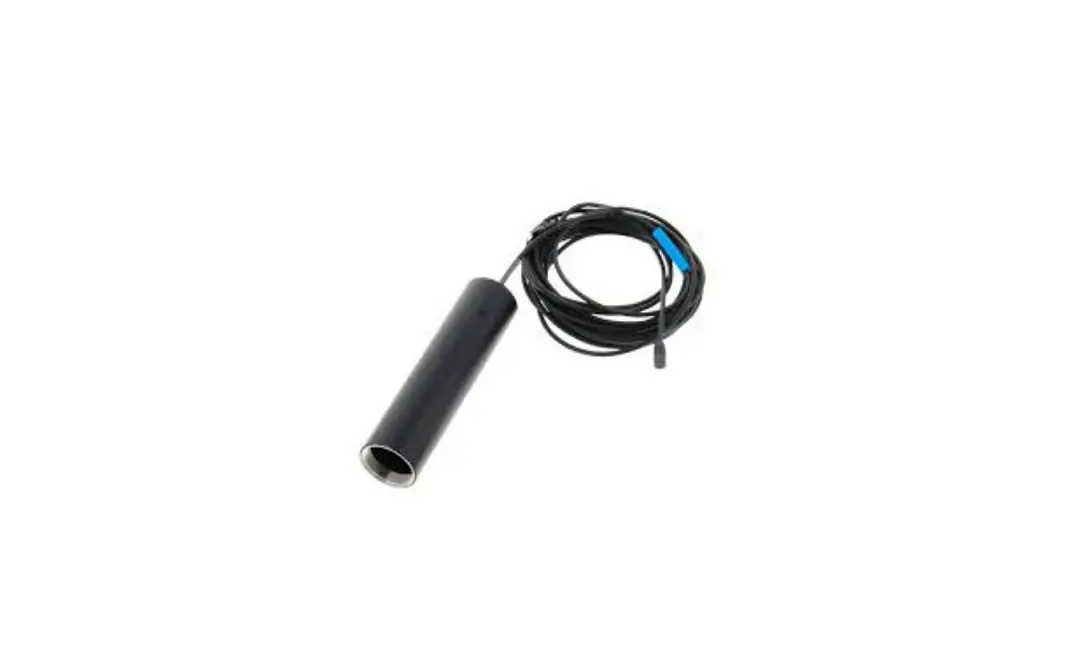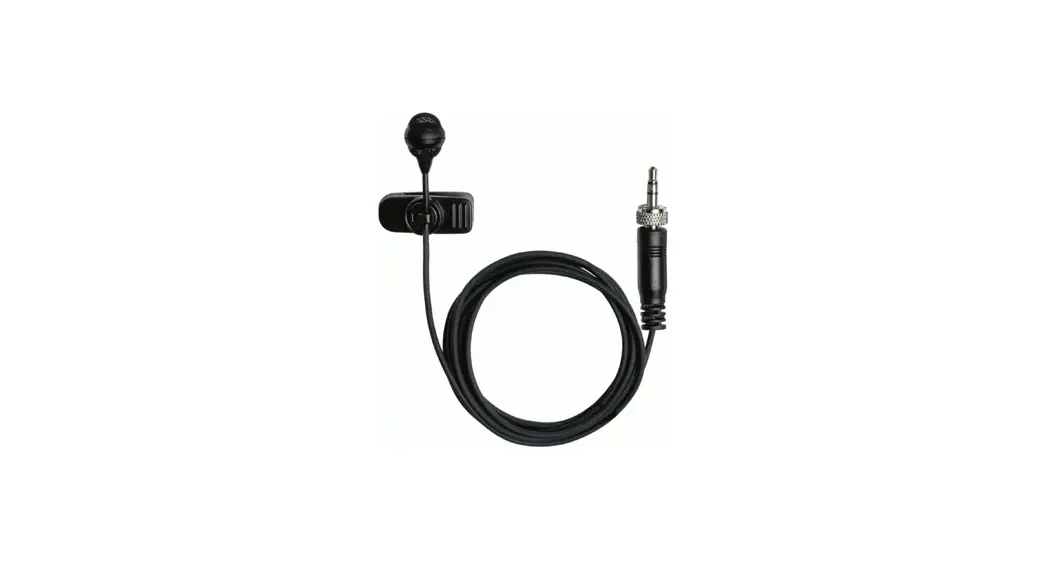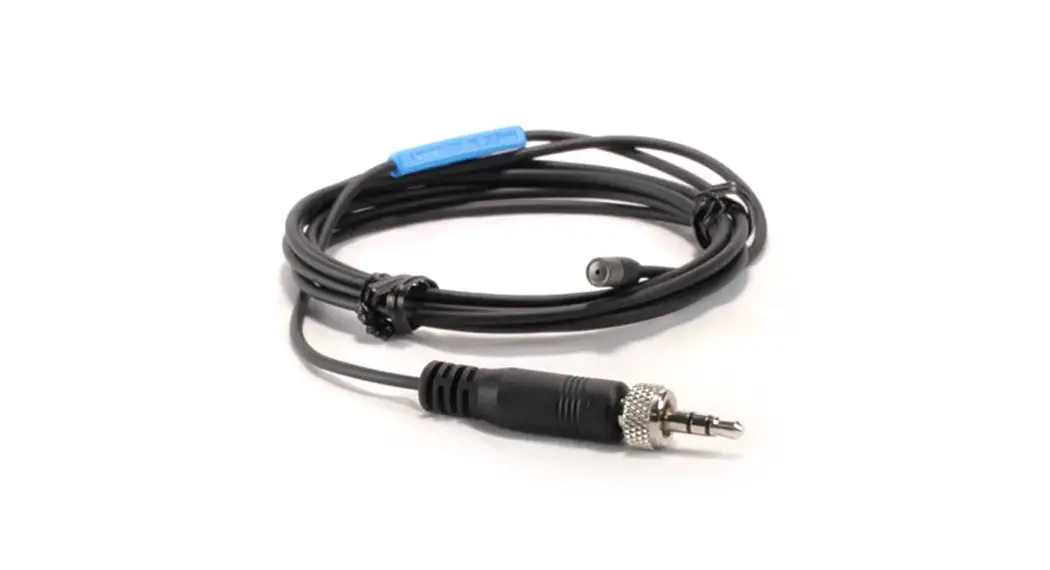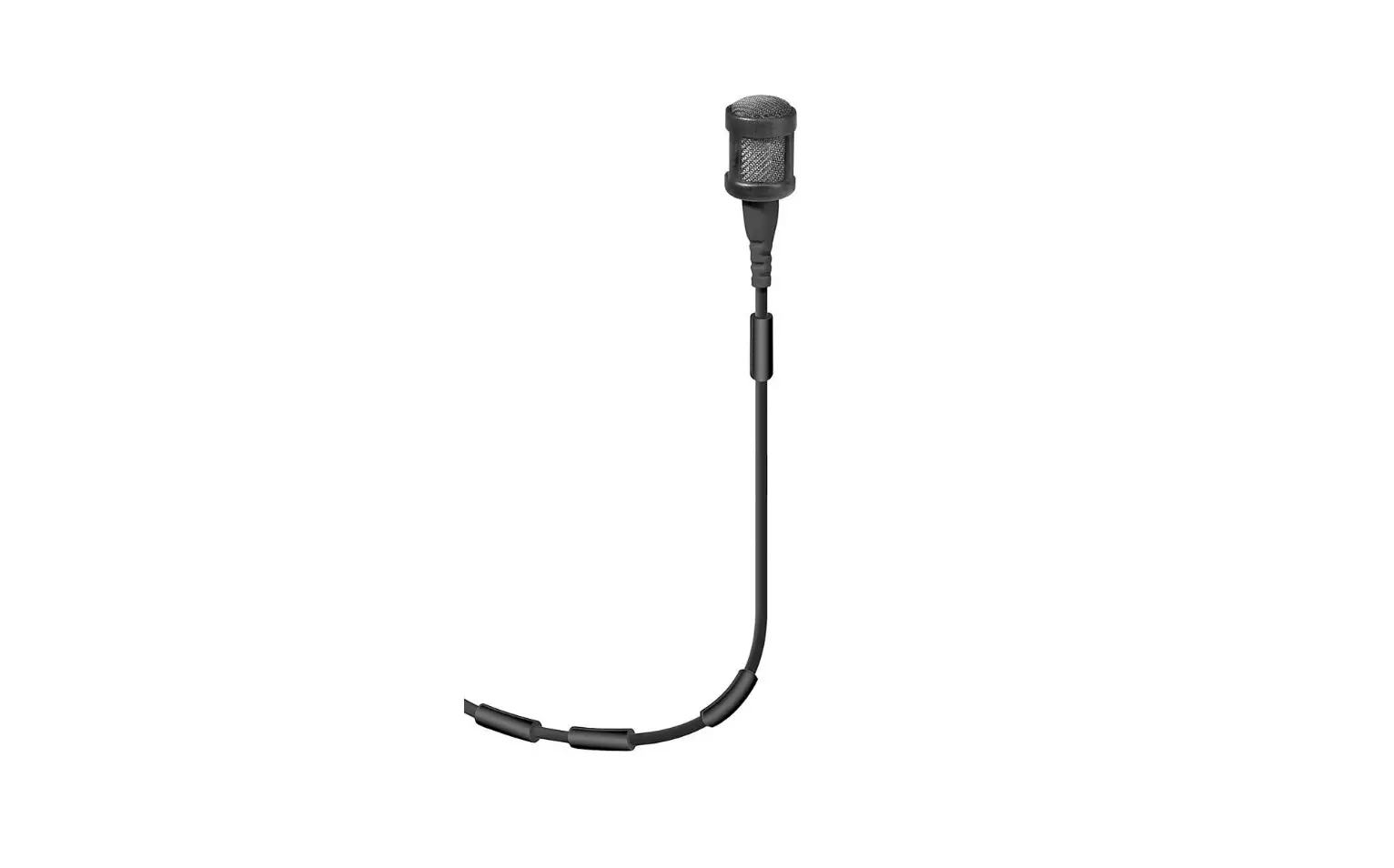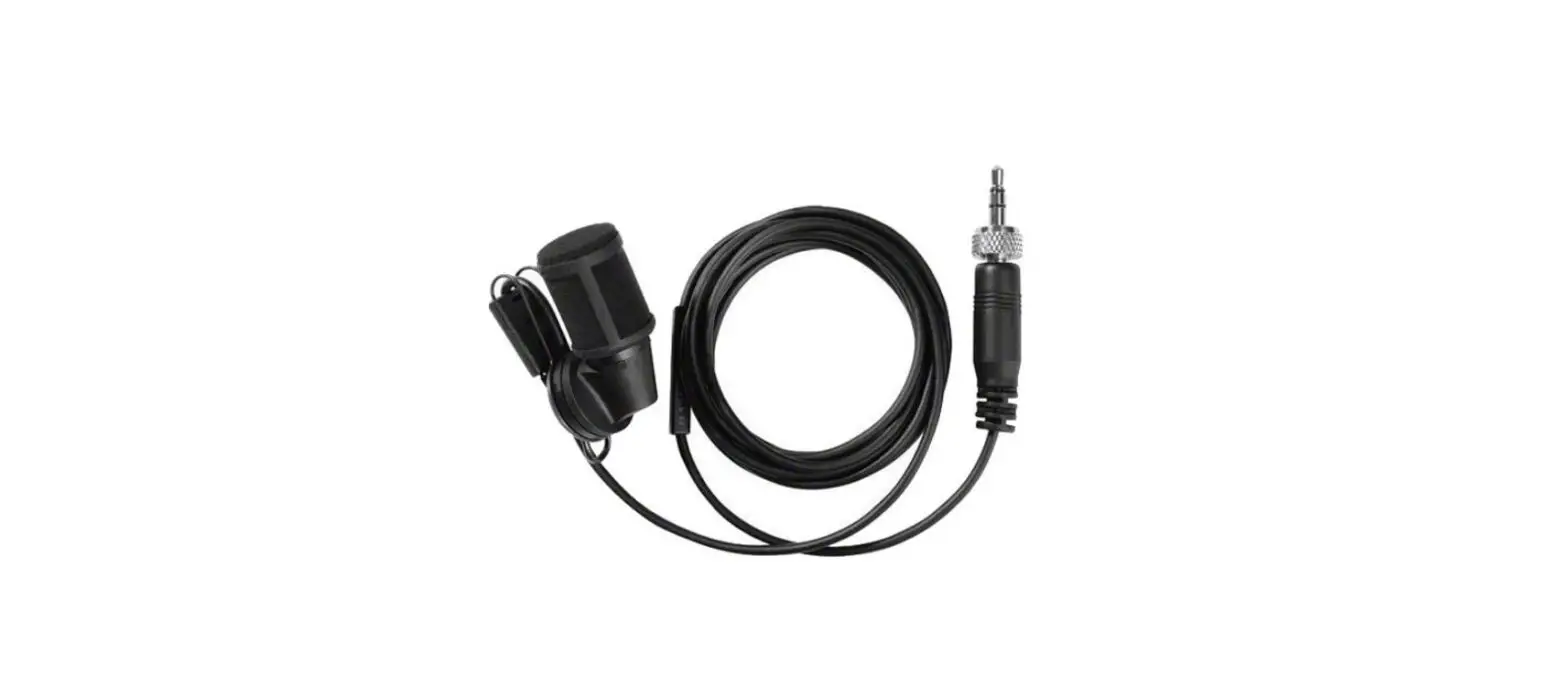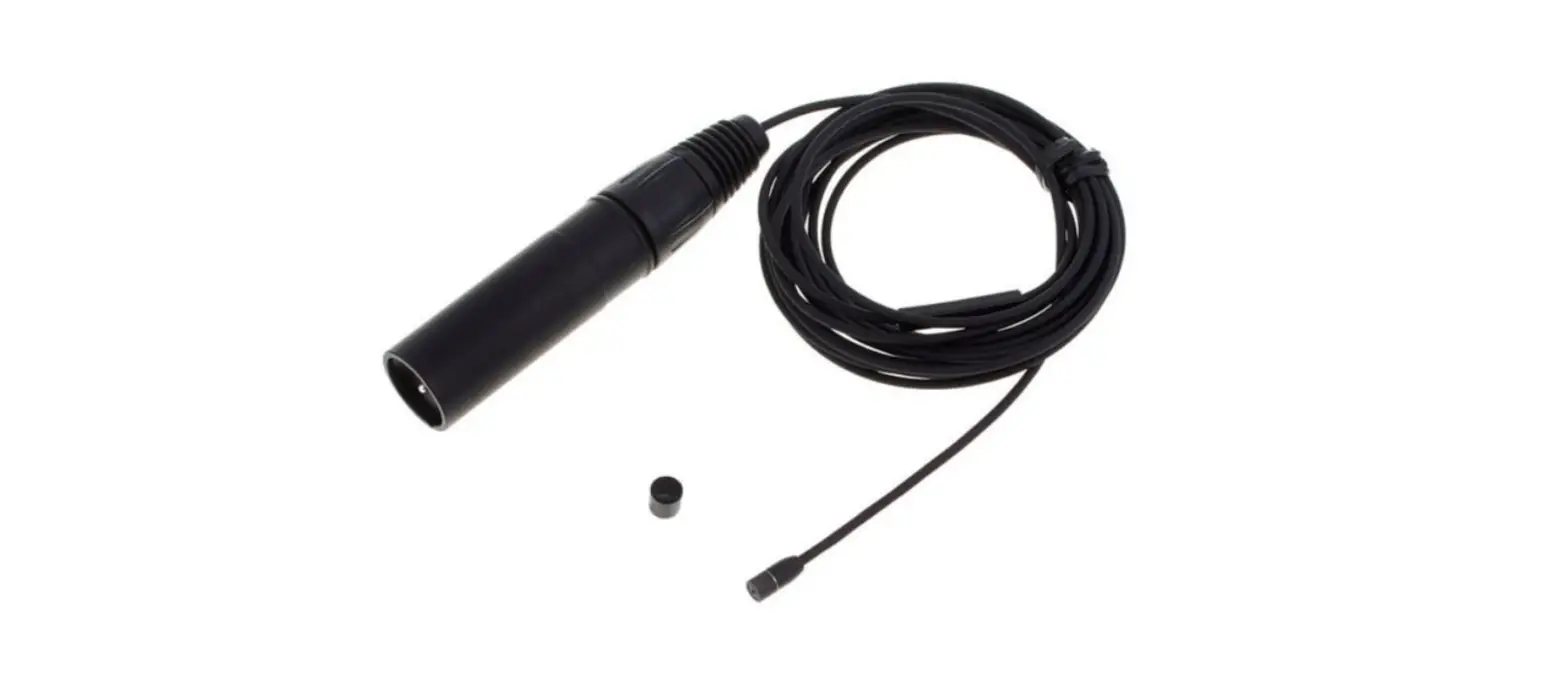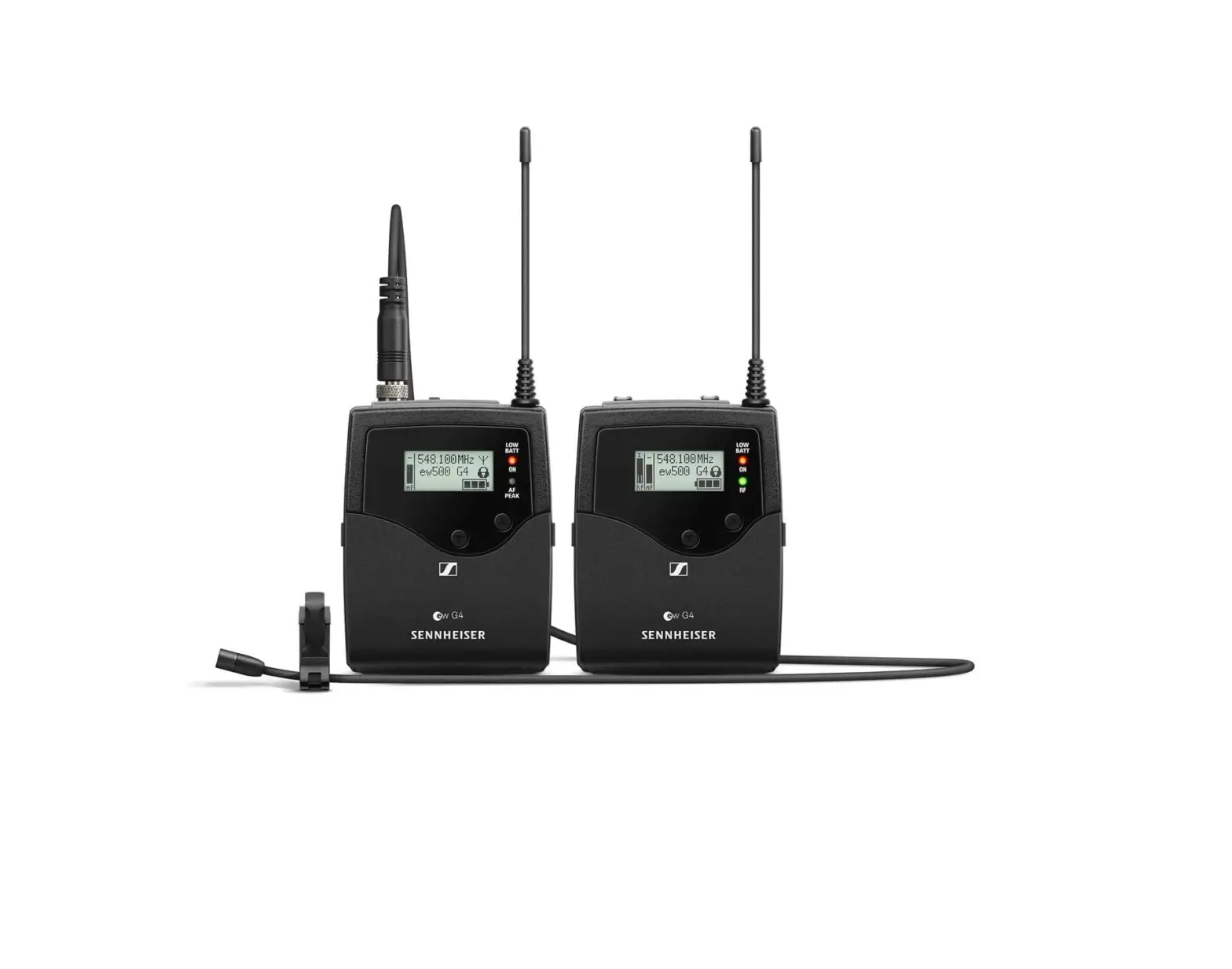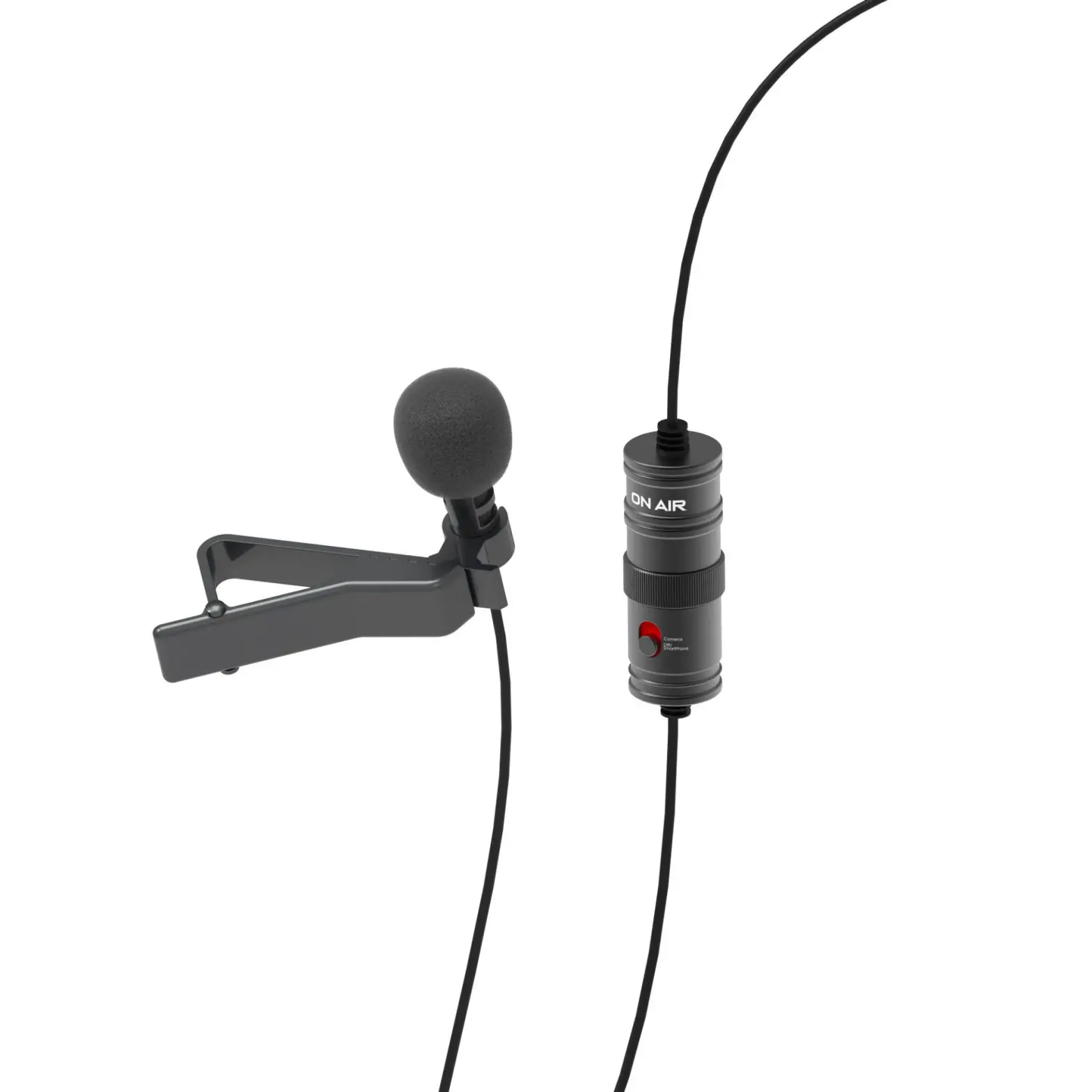

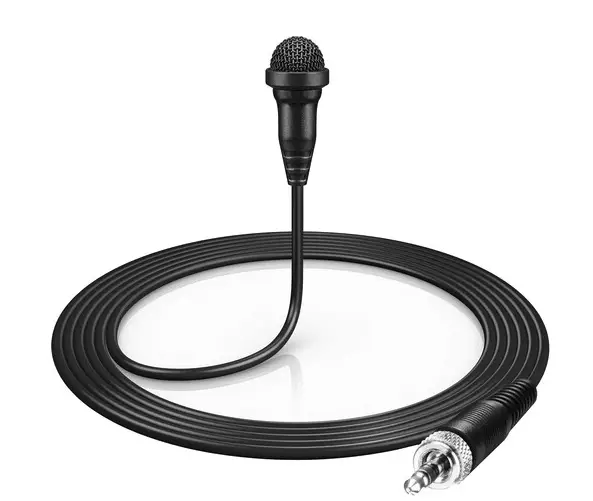
Sennheiser ME 2 Lavalier Microphone
Specifications
- Package Weight 1 lb
- Box Dimensions (LxWxH) 9 x 5.25 x 0.5″
- Mounting Alligator Clip (Included)
- Operating Voltage 5 V
- Output Connectors 1 x 1/8″ / 3.5 mm TRS Male (Lockable, on Attached Cable)
- Headphone Connector None
- Cable Length 25′ / 1.6 m
- Frequency Range 50 Hz to 18 kHz
- Maximum SPL 130 dB SPL
- Sensitivity 17 mV/Pa (1 kHz)
- Equivalent Noise Level 36 dB
- Windscreen Built-In
- Form Factor Lavalier
- Brand Sennheiser
Introduction
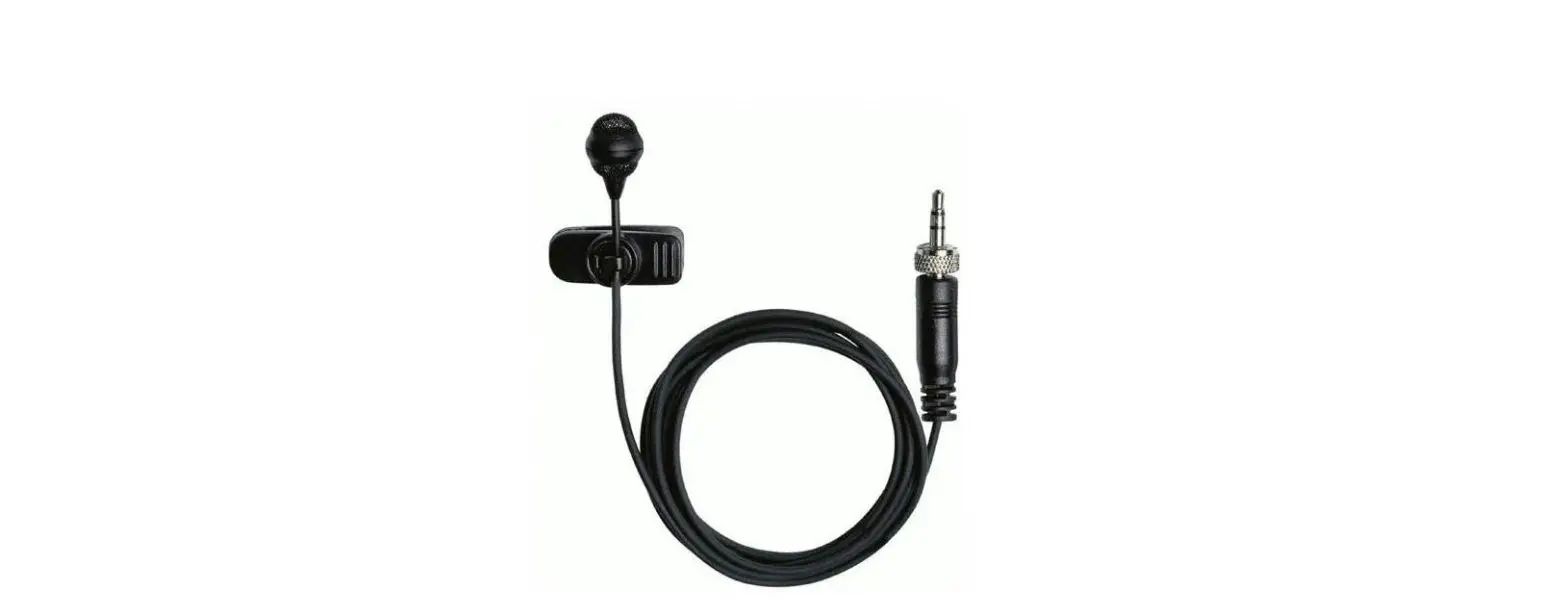
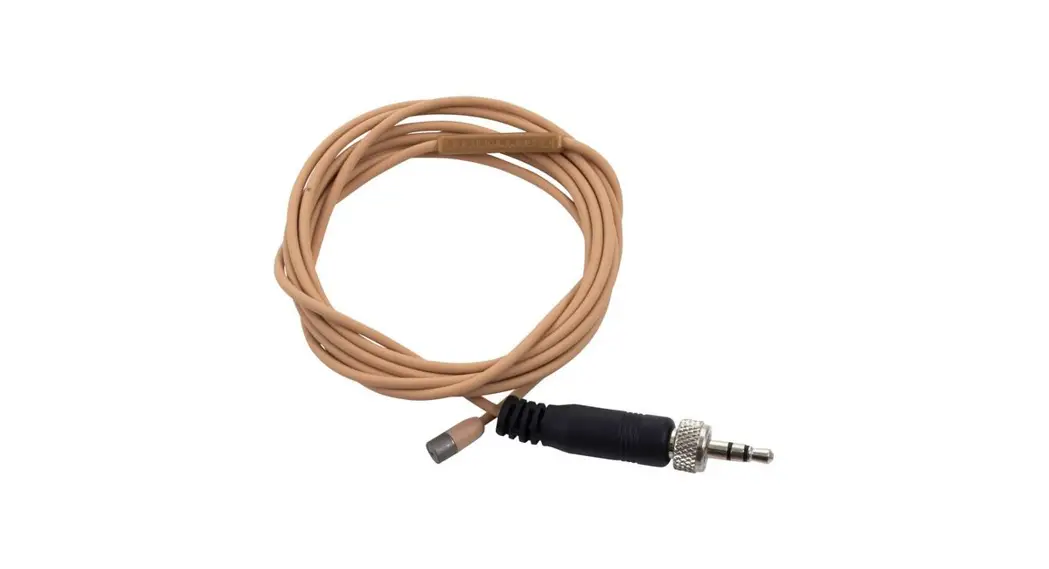
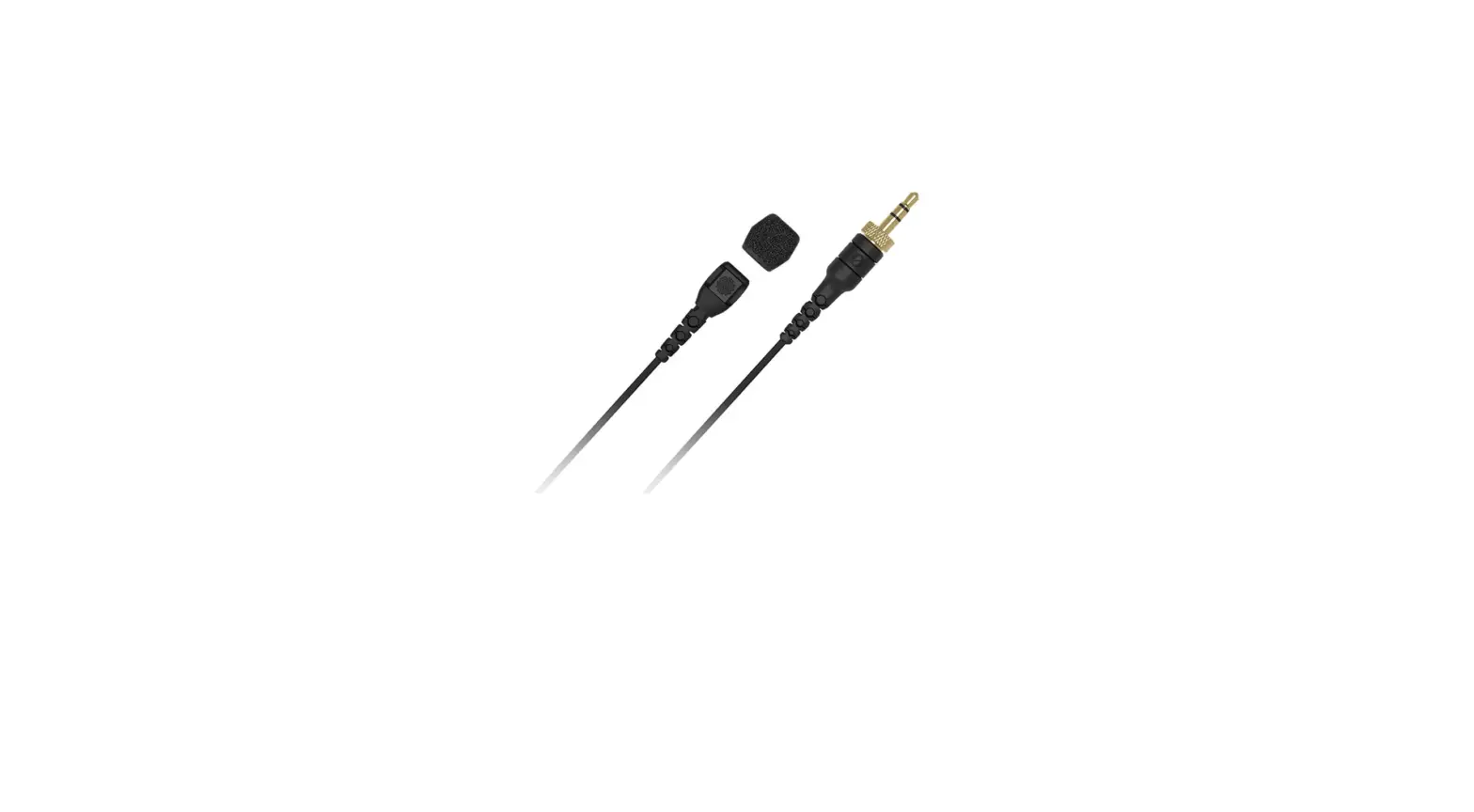
The Sennheiser ME 2 in black is a small, professional lavalier microphone with a locking 3.5mm connector for Sennheiser transmitters. It is designed for dependable, interference-resistant wireless performance, making it a popular option for presentations, interviews, broadcast work, and film/video applications.
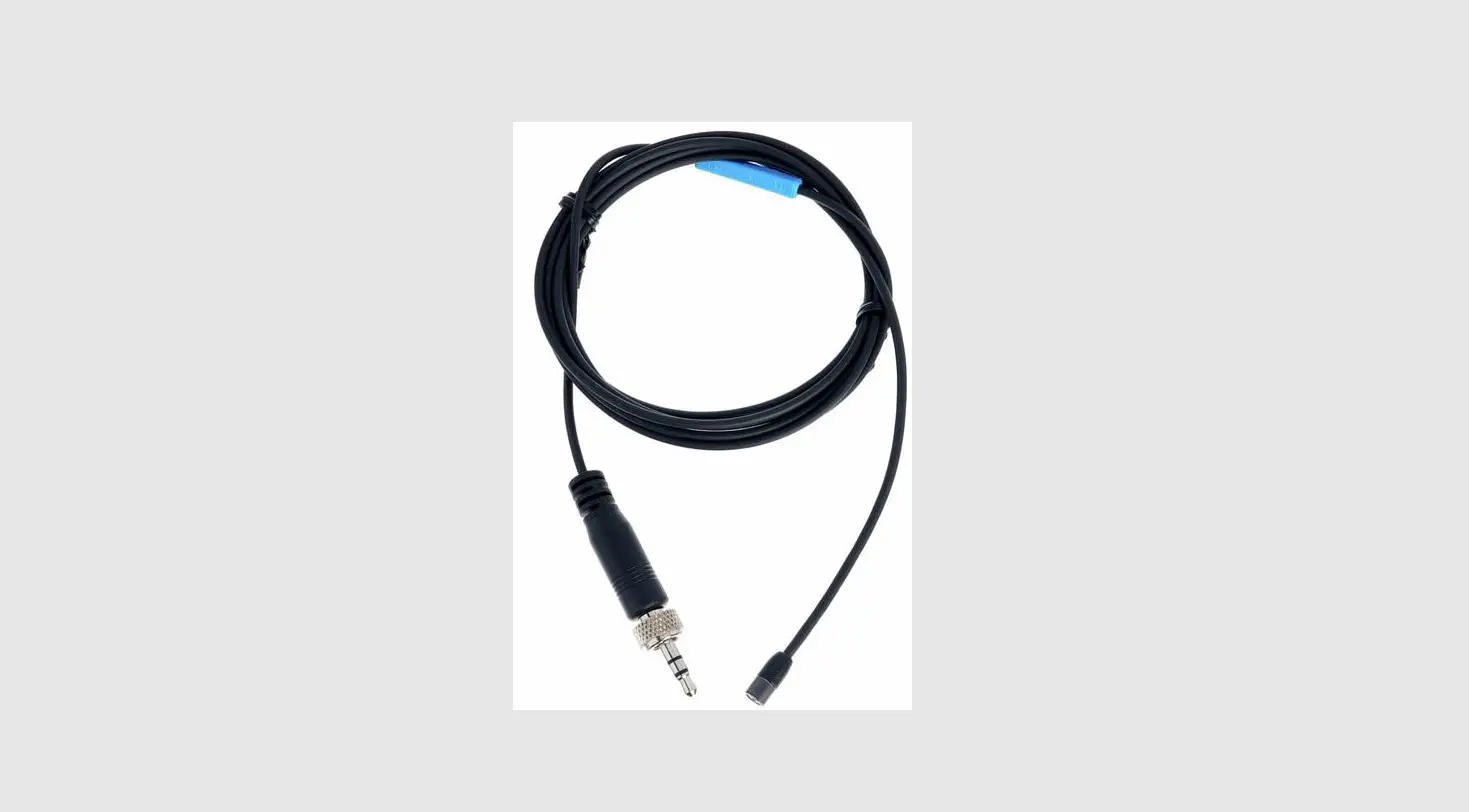
A sturdy 5.2′ cable with plenty of flexibility for movement and a locking 3.5mm connector wired for Sennheiser wireless transmitters is included with the ME 2. Your wireless transmitter, portable audio recorder, or other compatible device must supply 7.5V to the electret condenser capsule in order for it to function. A lapel clip is also included, and an inbuilt windshield aids in dampening wind noise.
What’s In the Box
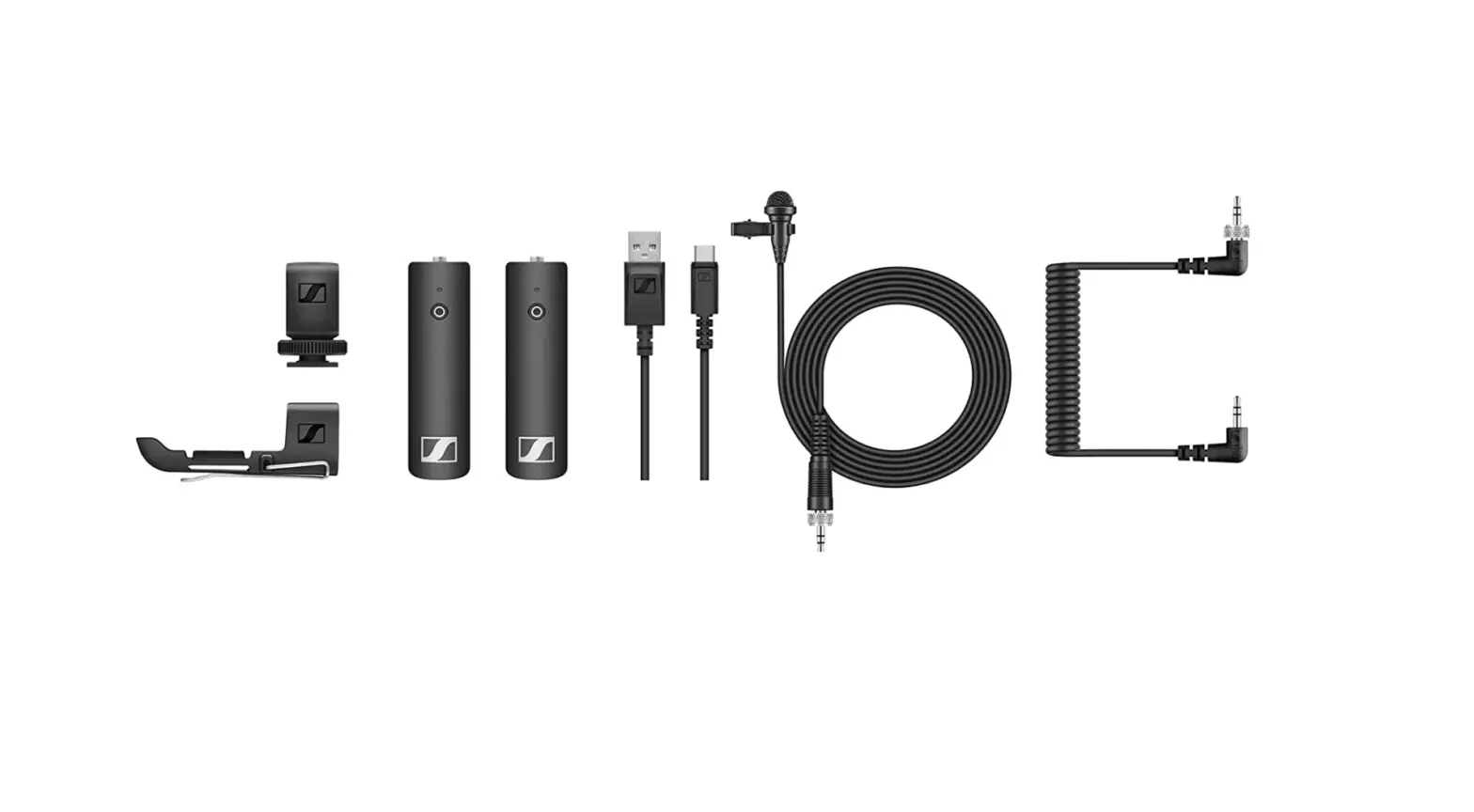
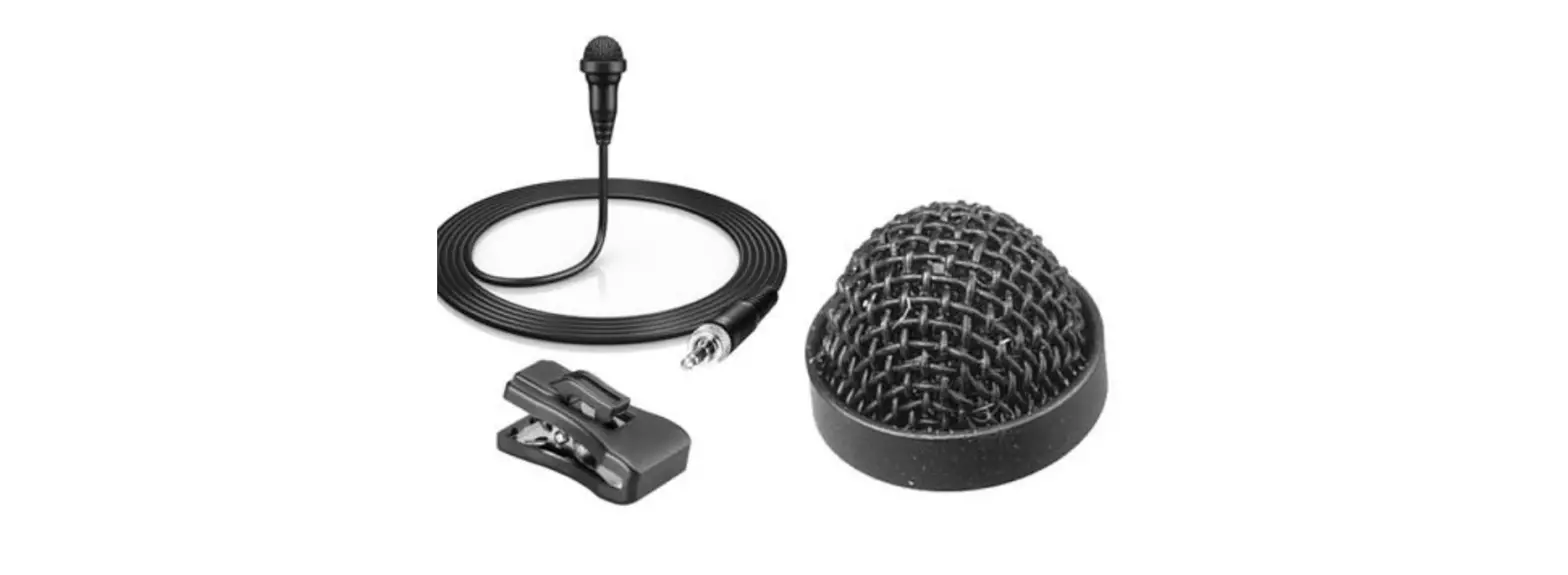
- Sennheiser ME 2 Omnidirectional Lavalier Microphone with Locking 3.5mm Connector (Black)
- Lapel Clip
- Metal Windscreen
- Limited 2-Year Warranty
Important safety instructions
- Read these safety instructions and the instruction manu-al of the product.
- Keep these safety instructions and the instruction ma-nual of the product. Always include all instructions when passing the product on to third parties.
- Only use attachments, accessories and spare parts spe-cified by the manufacturer.
- Caution: The protective basket and pop shield must be completely dry when you mount them on the micropho-ne. Moisture can cause malfunctions or damage to the capsule
- Connect the microphone only to microphone inputs and supply units that provide 48 V phantom powering in ac-cordance with IEC 61938.
- Do not attempt to open the product housing on your own. und Popschutz am Microphone monitored. Feuchtigkeit The warranty is voided for products opened by the cus-kann zu Störungen oder Schäden in der Kapsel führen tomer.
- Refer all servicing to qualified service personnel. Ser-vicing is required when the product has been damaged in any way, liquid has been spilled or objects have fallen into the product, when the product has been exposed to rain or moisture, does not operate normally, or has been dropped.
- Use the product only under the conditions of use listed in the specifications.
- Let the product come to ambient temperature before switching it on.
- Do not operate the product if it was damaged during transportation.
- Always run cables so that no one can trip over them.
- Keep the product and its connections away from liquids and electrically conductive objects that are not necessa-ry for operating the product.
- Do not use any solvents or aggressive cleaning agents to clean the product.
- Caution: Very high signal levels can damage your hearing and your loudspeakers. Reduce the volume on the con-nected audio devices before switching on the product; this will also help prevent acoustic feedback.
Intended use
The product is designed for indoor and outdoor use. The product can be used for commercial purposes. It is considered improper use when the product is used for any application not named in the corresponding instruction manual. Sennheiser does not accept liability for damage arising from improper use or misuse of this product and its attachments/accessories. Before putting the products into operation, please observe the respective country-specific regulations!
Manufacturer declarations
Warranty Sennheiser electronic GmbH & Co. KG gives a warranty of 24 months on these products. In the US please contact: Sennheiser Electronic Corporation 1 Enterprise Drive, Old Lyme, CT 06371 www.sennheiser.com
Warranty FOR AUSTRALIA and NEW ZEALAND ONLY: Sennheiser Australia Pty Ltd provides a warranty of 24 months on these products. For the current warranty conditions, visit Sennheiser website: Australia: https://en-au.sennheiser.com/ New Zealand: https://en-nz.sennheiser.com/ Sennheiser goods come with guarantees that cannot be ex-cluded under Australian and New Zealand Consumer law. You are entitled to a replacement or refund for a major failure and compensation for any other reasonably foreseeable loss or damage. You are also entitled to have the goods repaired or replaced if the goods fail to be of acceptable quality and the failure does not amount to a major failure. This warranty is in addition to other rights or remedies under law. Nothing in this warranty excludes, limits or modifies any remedy available to be consumer which is granted by law.
To make a claim under this contract, raise a case via Senn-heiser website
Australia: https://en-au.sennheiser.com/service-support-contact
New Zealand: https://en-nz.sennheiser.com/service-support-contact All expenses of claiming the warranty will be borne by the person making the claim. Sennheiser international warranty is provided by: Sennhei-ser Australia Pty Ltd (ABN 68 165 388 312) Level 14, Tower A Zenith Building, 821 Pacific Highway, Chatswood NSW 2067, Australia In compliance with the following requirements EU WEEE Directive (2012/19/EU) UK WEEE Regulations (2013)
Notes on disposal
The symbol of the crossed-out dumpster on the product, the (rechargeable) battery (if applicable) and/or the packaging indicates that these products must not be disposed of with normal household waste, but must be disposed of separate-ly at the end of their service life. For the packaging, follow the regulations in your country for separating waste. Impro-per disposal of packaging materials can be harmful to your health and the environment.
The separate collection of waste electrical and electronic equipment, (rechargeable) batteries (if applicable) and pa-ckaging is intended to promote reuse and recycling and to prevent negative impacts on public health and the environ-ment, for example due to hazardous substances contained in these products. At the end of their service life, recycle electrical and electronic equipment and (rechargeable) bat-teries so that their materials can be reused and to prevent environmental pollution.
If (rechargeable) batteries can be removed without destroy-ing them, you are obliged to dispose of them separately (see the product’s operating instructions for information on how to remove the batteries safely). Be especially careful when handling (rechargeable) batteries containing lithium, as these pose special hazards, such as the risk of fire and/or health risks if button cells are swallowed. Reduce battery waste as much as possible by using longer-life batteries or rechargeable batteries.
Further information on the recycling of these products can be obtained from your municipal administration, from the municipal collection points, or from your Sennheiser partner. You may also be able to return electrical or electronic equip-ment to your distributor, if they are legally required to do so. By disposing of your batteries properly, you are helping to protect public health and the environment.
UK Declaration of conformity
- RoHS Regulations (2012)
- EMC Regulations (2016)
EU Declaration of conformity
- RoHS Directive (2011/65/EU)
- EMC Directive (2014/30/EU)
The full text of the EU declaration of conformity is available at the following internet address www.sennheiser.com/download
Frequently Asked Questions
MICROPHONE SENSITIVITY, which is controlled on the microphone/body pack itself, refers to the sensitivity of the microphone pickup. Typically, the sensitivity should be set between -15 and -18 dB for general use. Depending on the specific application, you may need to alter this.
One active microphone transmitter at a time can only have its signal demodulated by a wireless receiver. However, as long as only one transmitter is turned on at any given time, you are free to utilise either one.
A microphone operates independently of any speakers, headphones, or other playback devices, as was before explained.
The loudspeaker must be removed from a Bluetooth speaker and soldered to a microphone plug in order to be used as a microphone. A few Bluetooth speakers come equipped with microphones. Then you can make use of it as a microphone. Without such a device, it is impossible to convert a Bluetooth speaker into a Bluetooth microphone.
Most wireless lavalier mics run 5 to 10 hours on a single charge when using an AA battery. Some have an integrated battery whose capacity determines how long it will last. However, they can typically endure at least five hours.
Omni lavs don’t require alignment with the mouth and can pick up sound coming from any angle. The omni pattern is also employed by lavs worn very close to the mouth, such as earsets, headsets, and headband lavs, as the source is so close that there is plenty of gain before feedback.
The speaker’s hands are freed up by a lavalier microphone. Most lavalier microphones cost less than most headset microphones and are equivalent in price to high-quality handheld microphones. A lavalier mic won’t take up plosives or other annoying mouth noises.
Lavaliers can be unidirectional or omnidirectional, picking up in all directions equally well (also known as cardioid). Cardioid microphones have a clear front and back and must always be pointed directly at the mouth of your artist.
In actuality, lavalier mics can be either dynamic or condenser, and both offer advantages that can improve the recording quality.
Lapel microphones, also known as lavalier microphones, are the greatest option for stage and film audio production since they let you broadcast and capture sounds without using a visible or handled microphone.
Like headphones and speakers, microphones also capture sound through moving elements. However, it will be challenging to break in microphones by talking frequently, in contrast to headphones and speakers that can be broken in by playing sound continually.
In theory, an omnidirectional microphone will capture sound equally from every angle. The microphone will, however, become increasingly directional as the frequency increases. The microphone is more accurately omnidirectional the smaller the capsule.
Use a lavalier microphone if you’re conducting an interview or in this situation. These are excellent for capturing only the speaker’s voice and clip onto the speaker’s clothing. Wireless and wired restrooms are available in a range of price points. They work well with plenty of podcasting software!