
Wireless Lavalier Microphones
User Manual
Introduction
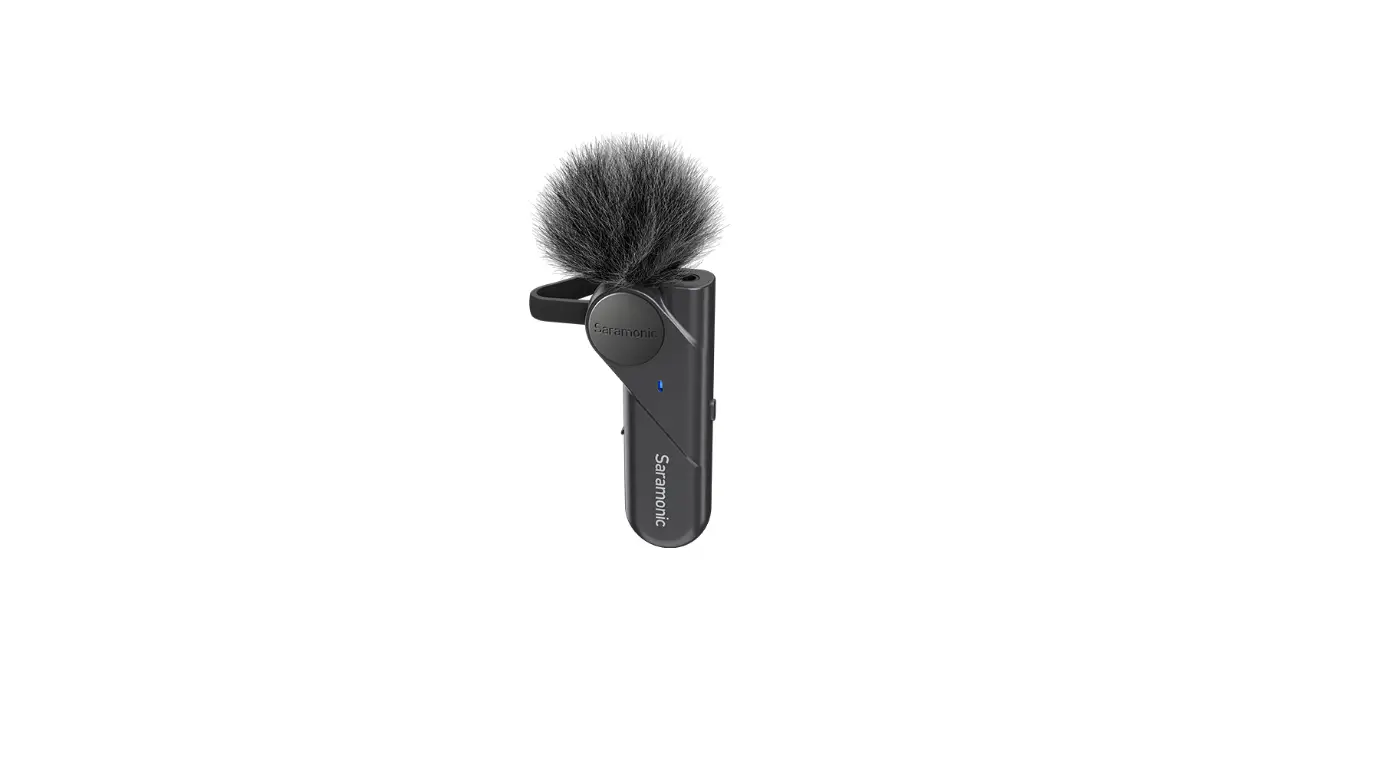
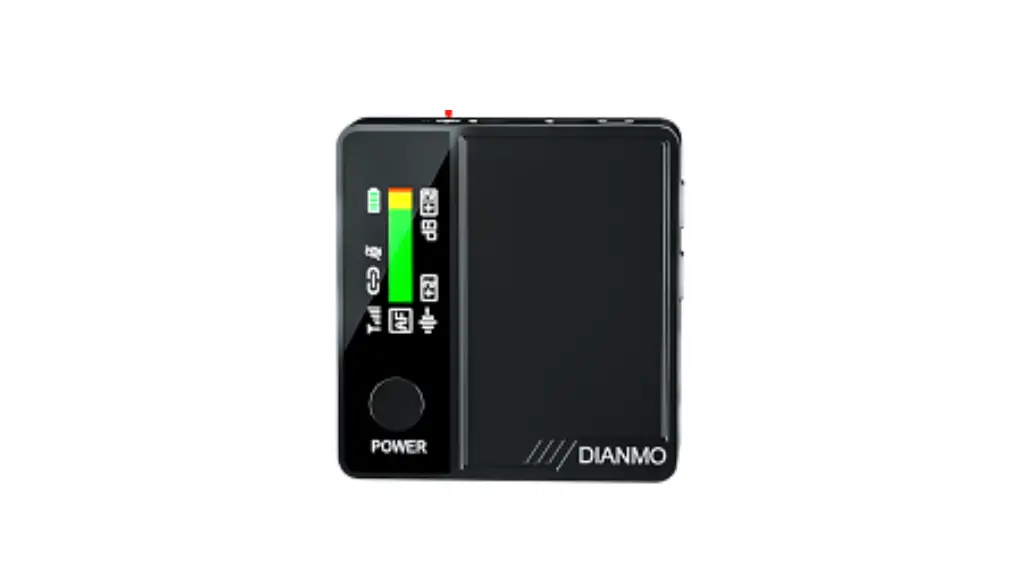
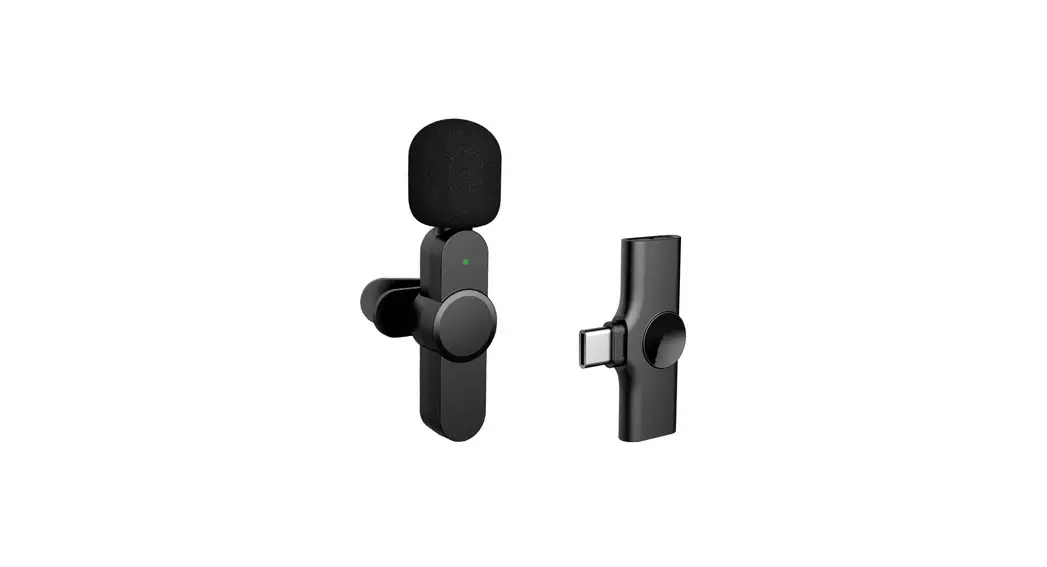
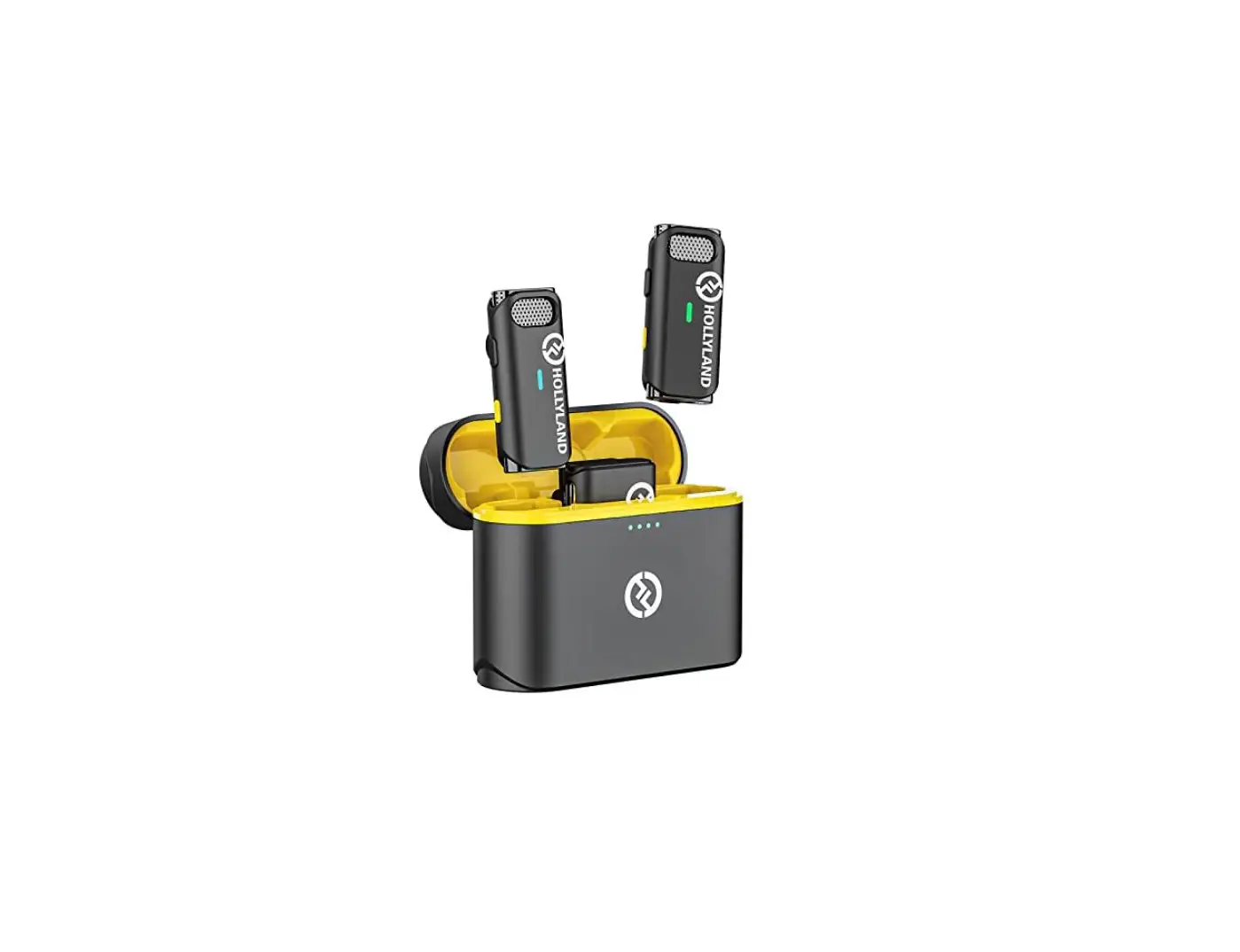
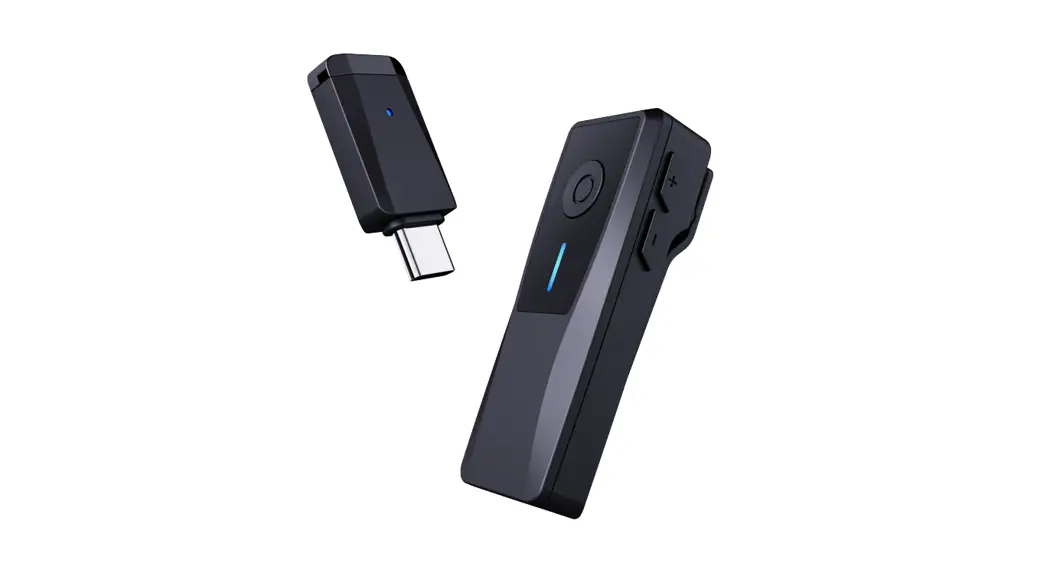
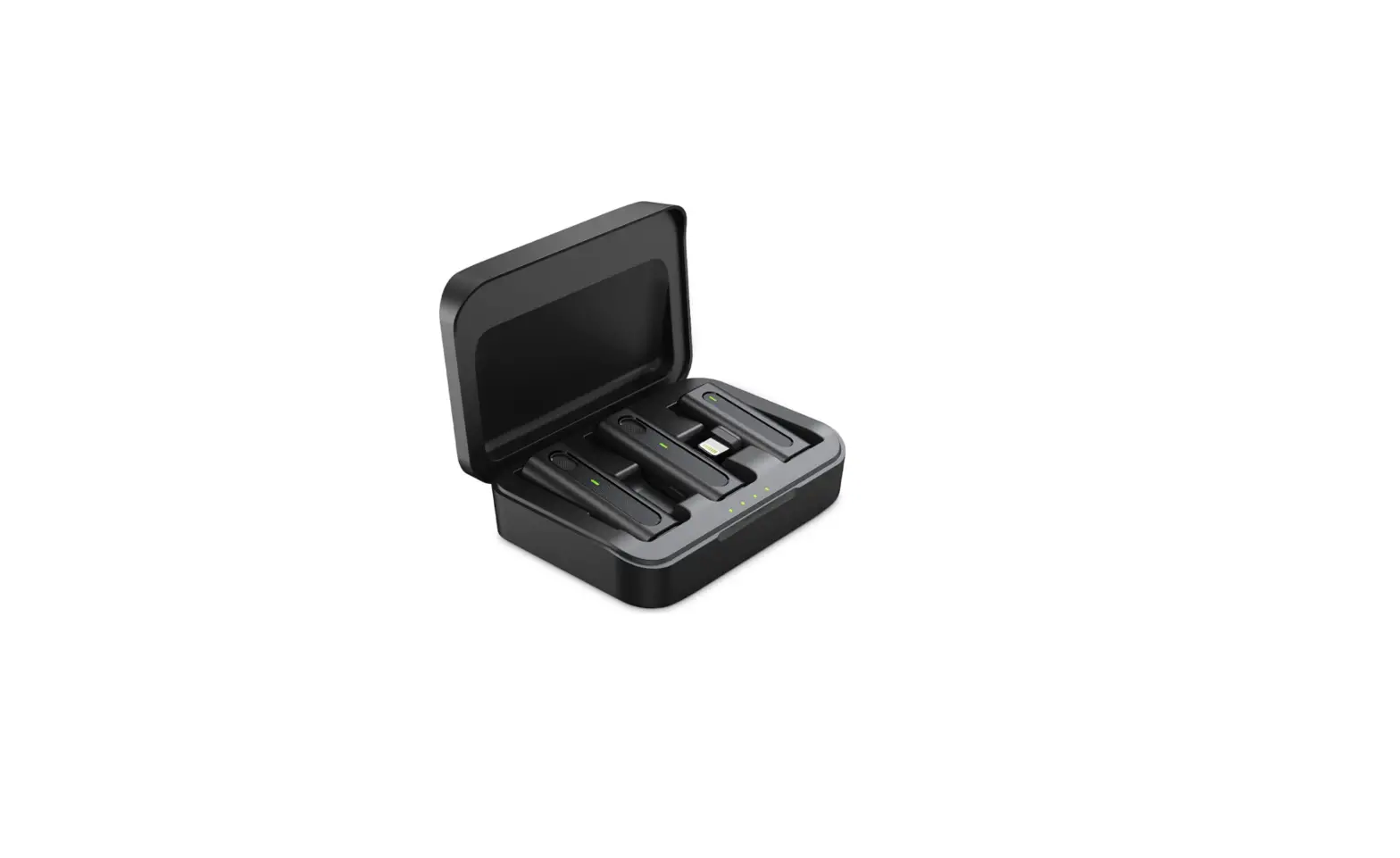
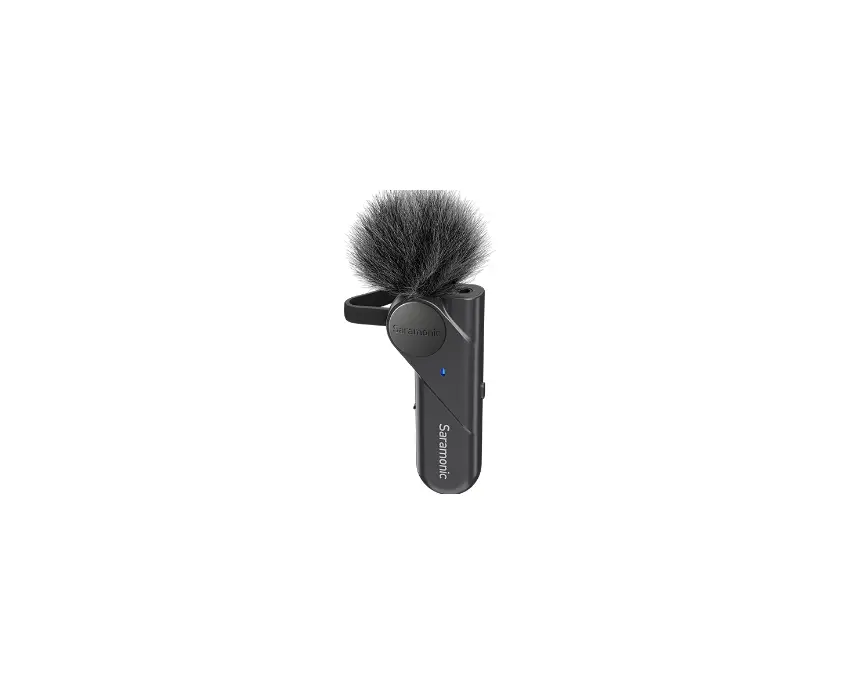
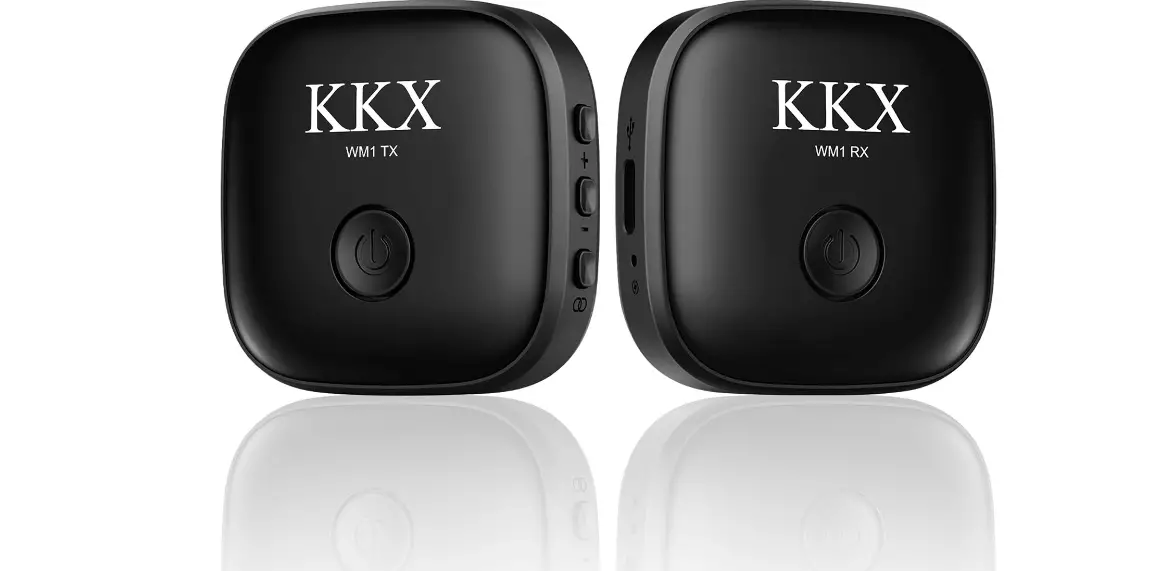
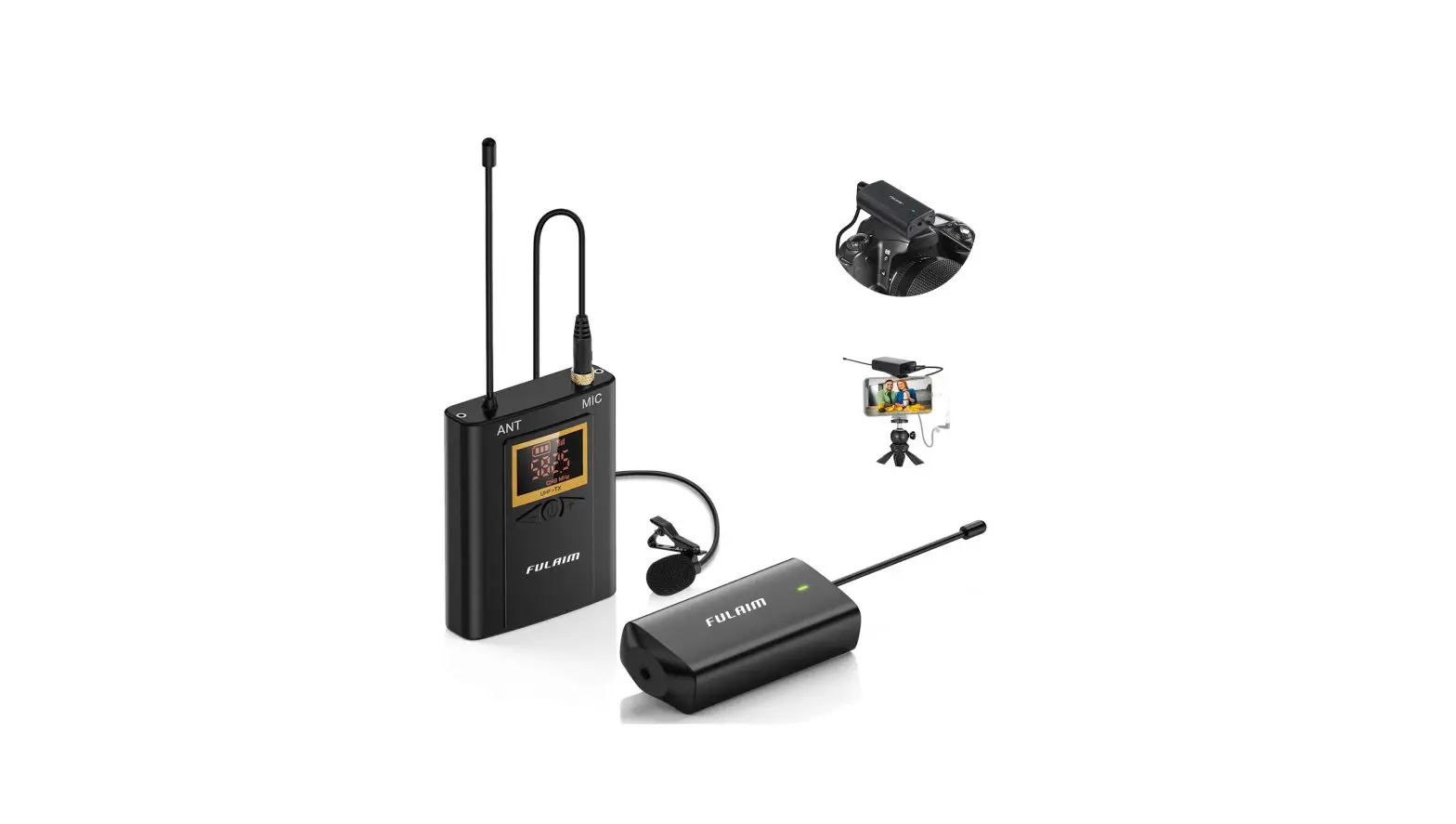
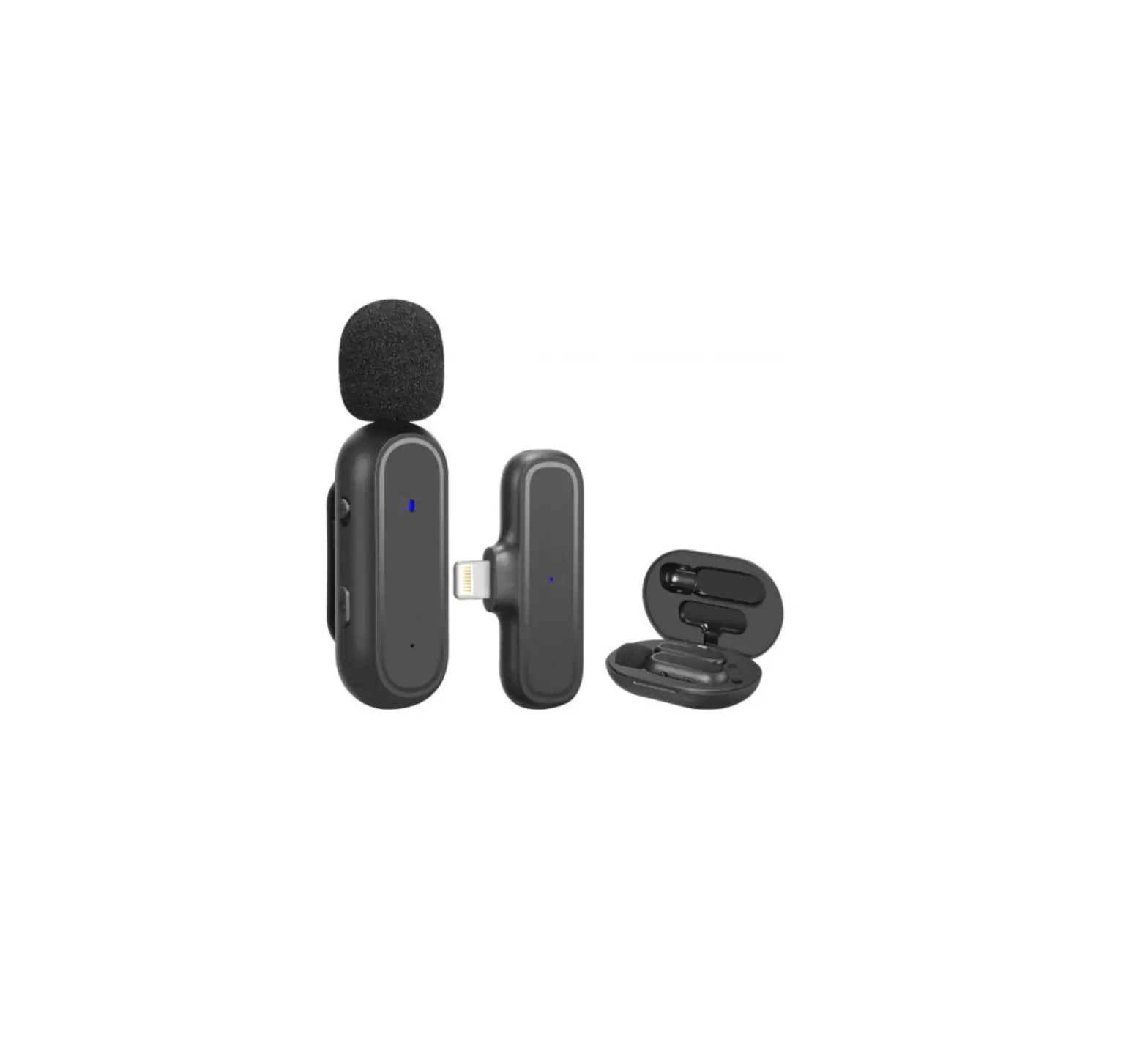
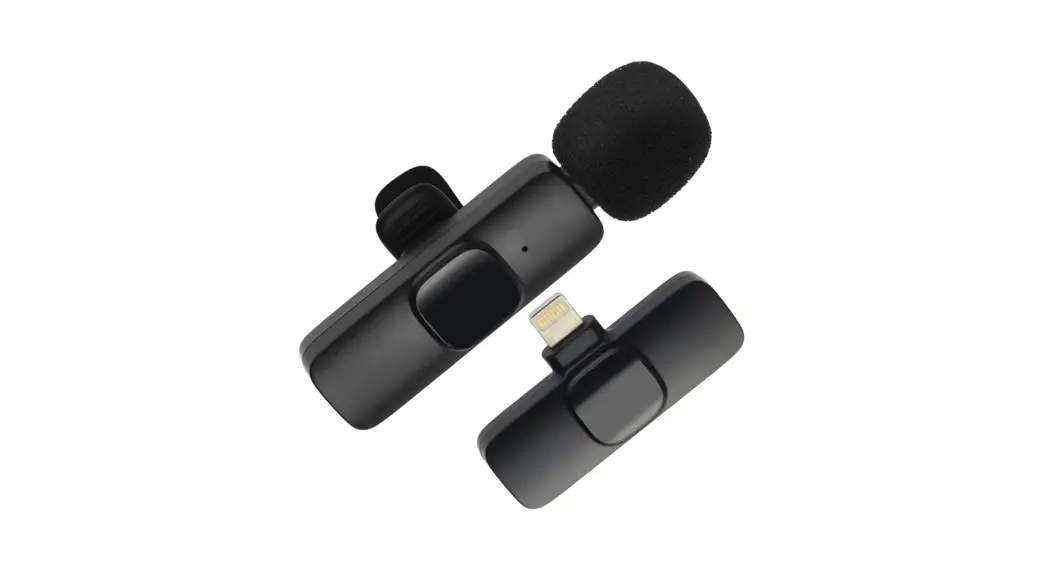
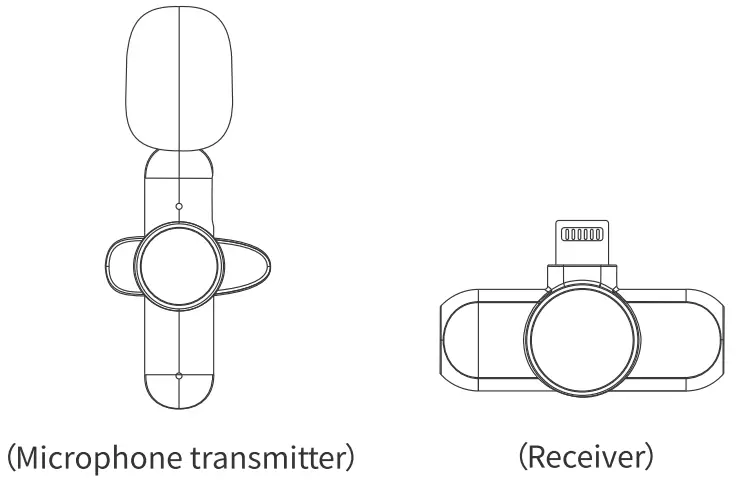
Thanks for choosing our product. This product is a smart wireless microphone that provides professional-grade recording output, plug, and play, no app required, and multiple usages: it can be used in online live broadcast, video vlog shooting, program interviews, recording, video teaching, and other occasions. The wireless microphone consists of two parts, one is the microphone transmitter, and the other one is the receiver(See as below picture)
IDSHOW
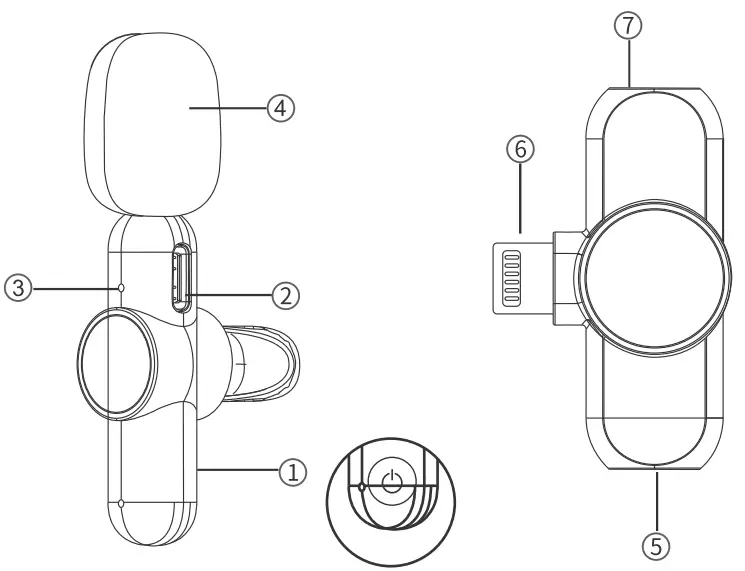
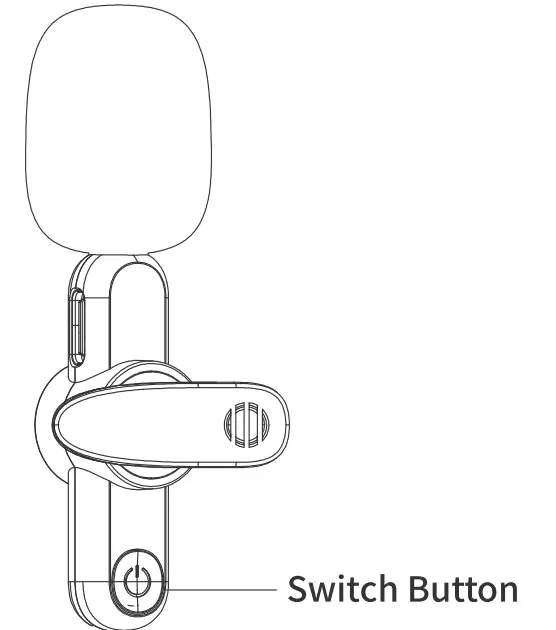
- On/o button Power on Short press the power button, the green light will be on for 2 seconds and then it will turn to flash.
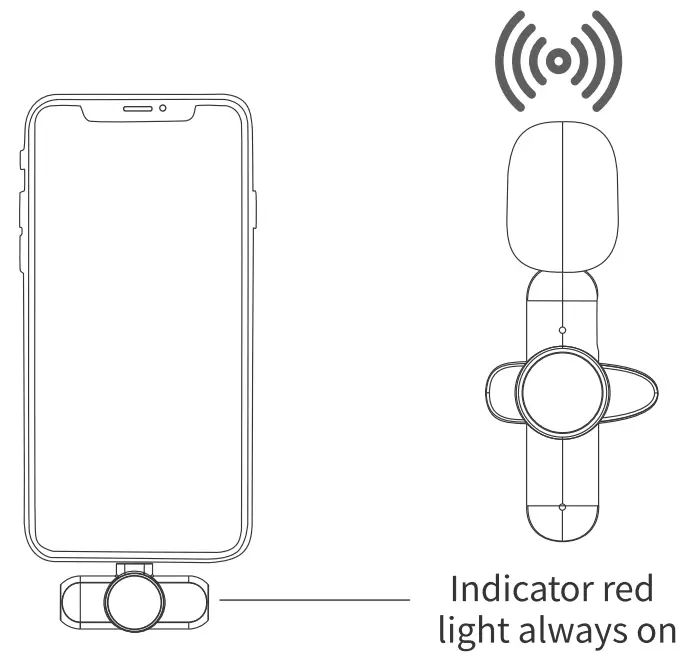
Pairing: After the power-on is successful, plug the receiver into the mobile phone or another device, and wait a moment. The connection will be successful in a few moments. At this time, the green light of the transmitter will be on and the red light of the receiver will be on.
Noise reduction: After the connection is successful, short press the power button to cycle through the noise reduction mode, etc.Level (the transmitter has a memory function, the default is the noise reduction level used last time when it is turned on.)Noise reduction mode Level 1 Level 2 Level 3 Turn o ff noise reduction Mode of light Orange light flashes once Orange light flashes Twice Orange light flashes Three
Timesorange light stays on for
1 secondMute: After the connection is successful, double-click the transmitter power button to switch to the mute state, the green light turns off. Double-click the transmitter power button again to unmute, and the green light will stay on.
Reverberation function: In the connected state, three-cli-ck the power button to turn on the reverberation, and the green light flashes three clicks to turn o the reverb, the green light is on.
Shut down: long-press the power button for 3 seconds (Note: If the transmitter is not connected to the receiver within one minute, it will enter the shutdown state.) - Type-C/Lightning Interface
- Mode of Light
Power on: Green light flashes
Shut down: light off
Pairing: flashing green
Successful connection: the green light is on
Noise reduction mode switch: orange light flashes
Reverberation state: green light breathing flashing
Mute state: the green light is off
Low battery status: orange light flashes
Charging: the orange light is on
Charging completed: the orange light goes out - Built-in microphone
- Receiving terminal charging interface There is no battery in the receiving end, and there is no need to charge it during a live broadcast. If life, when the battery of the mobile phone is low, you can directly use the power device to connect to the receiving interface and charge the phone.
- Receiver mobile phone interface
- Receiver indicator
Pairing: red light flashes
Successful connection: the red light is on
How to use
- Click the power button of the microphone, the indicator light will be green, it means the power on is successful.

- The red light on the receiving end is always on, and the mobile phone opens the camera, live video, and other APPs, you can use the microphone to pick up the sound.

Specification
2.4G private transmission protocol Very low delay <20ms, receiver <25mA
Frequency response: 20HZ-20KHZ
Sensitivity: -30db
Signal to noise ratio: -65db
Transmission distance: 20 meters
Microphone pickup direction: 360-degree omnidirectional type
Battery capacity: 60mAh button battery
Endurance: 4-6h
FCC Caution
This device complies with part 15 of the FCC Rules. Operation is subject to the following two conditions: (1) This device may not cause harmful interference, and (2) this device must accept any interference received, including interference that may cause undesired operation.
Any changes or modifications not expressly approved by the party responsible for compliance could void the user’s authority to operate the equipment.
Note: This equipment has been tested and found to comply with the limits for a Class B digital device, pursuant to part 15 of the FCC Rules. These limits are designed to provide reasonable protection against harmful interference in a residential installation. This equipment generates uses and can radiate radio frequency energy and, if not installed and used in accordance with the instructions, may cause harmful interference to radio communications. However, there is no guarantee that interference will not occur in a particular installation. If this equipment does cause harmful interference to radio or television reception, which can be determined by turning the equipment off and on, the user is encouraged to try to correct the interference by one or more of the following measures:
- Reorient or relocate the receiving antenna.
- Increase the separation between the equipment and receiver.
- Connect the equipment into an outlet on a circuit different from that to which the receiver is connected.
- Consult the dealer or an experienced radio/TV technician for help.
The device has been evaluated to meet general RF exposure requirements. The device can be used in portable exposure conditions without restriction.