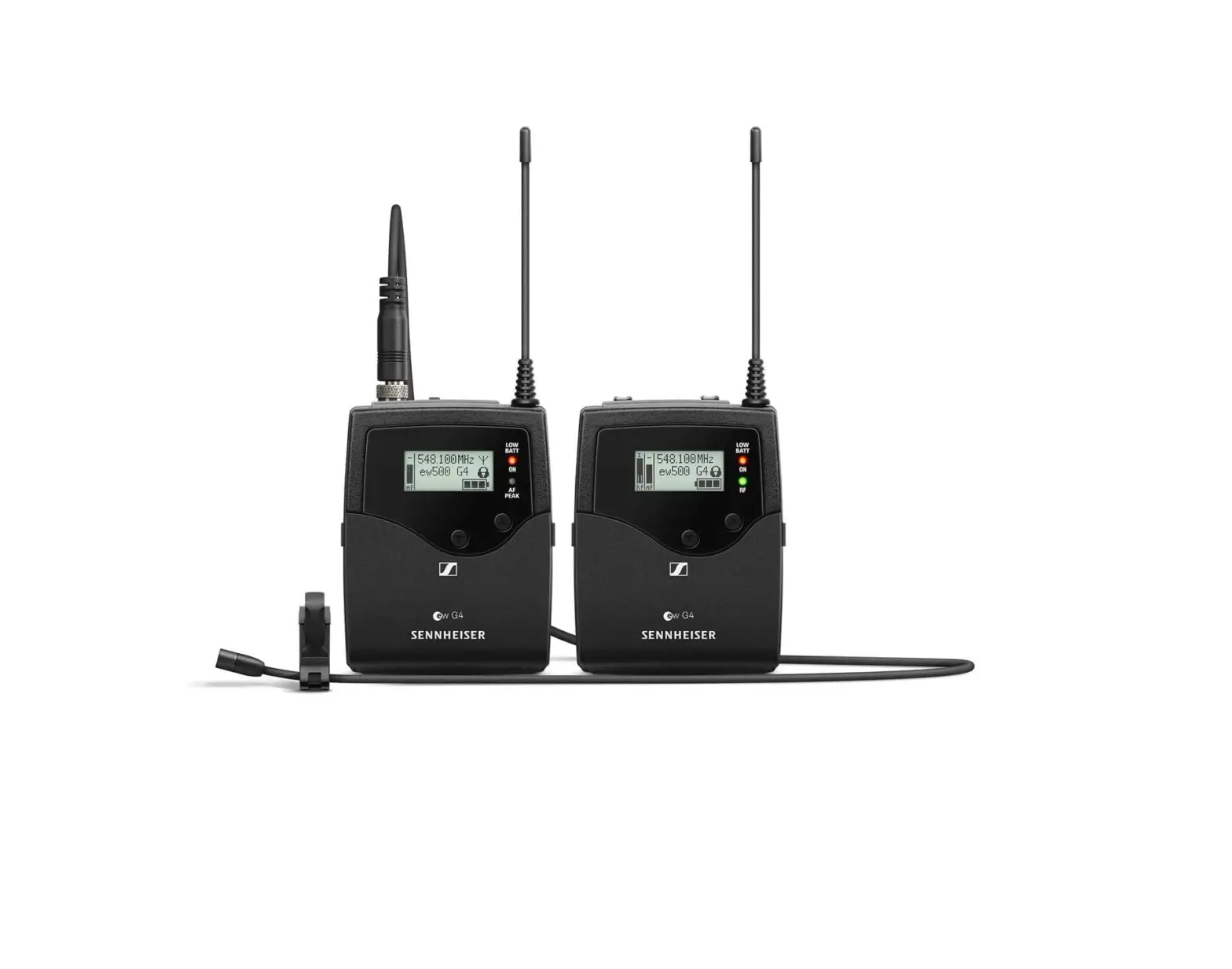

Sennheiser Pro Audio 509543 Pro Audio Portable Lavalier Wireless
Specifications
- BRAND: Sennheiser Pro Audio
- MODEL NAME: Ew 512P G4-AW+
- CONNECTIVITY TECHNOLOGY: Wireless
- CONNECTOR TYPE: XLR Connector
- COMPATIBLE DEVICES: Camera
- COLOR: AW+
- POLAR PATTERN: Unidirectional
- ITEM DIMENSIONS LXWXH: 15.9 x 6.8 x 2.9 inches
- POWER SOURCE: Battery Powered
- NUMBER OF BATTERIES: 4 AA batteries
- ITEM WEIGHT: 1.79 pounds
Introduction
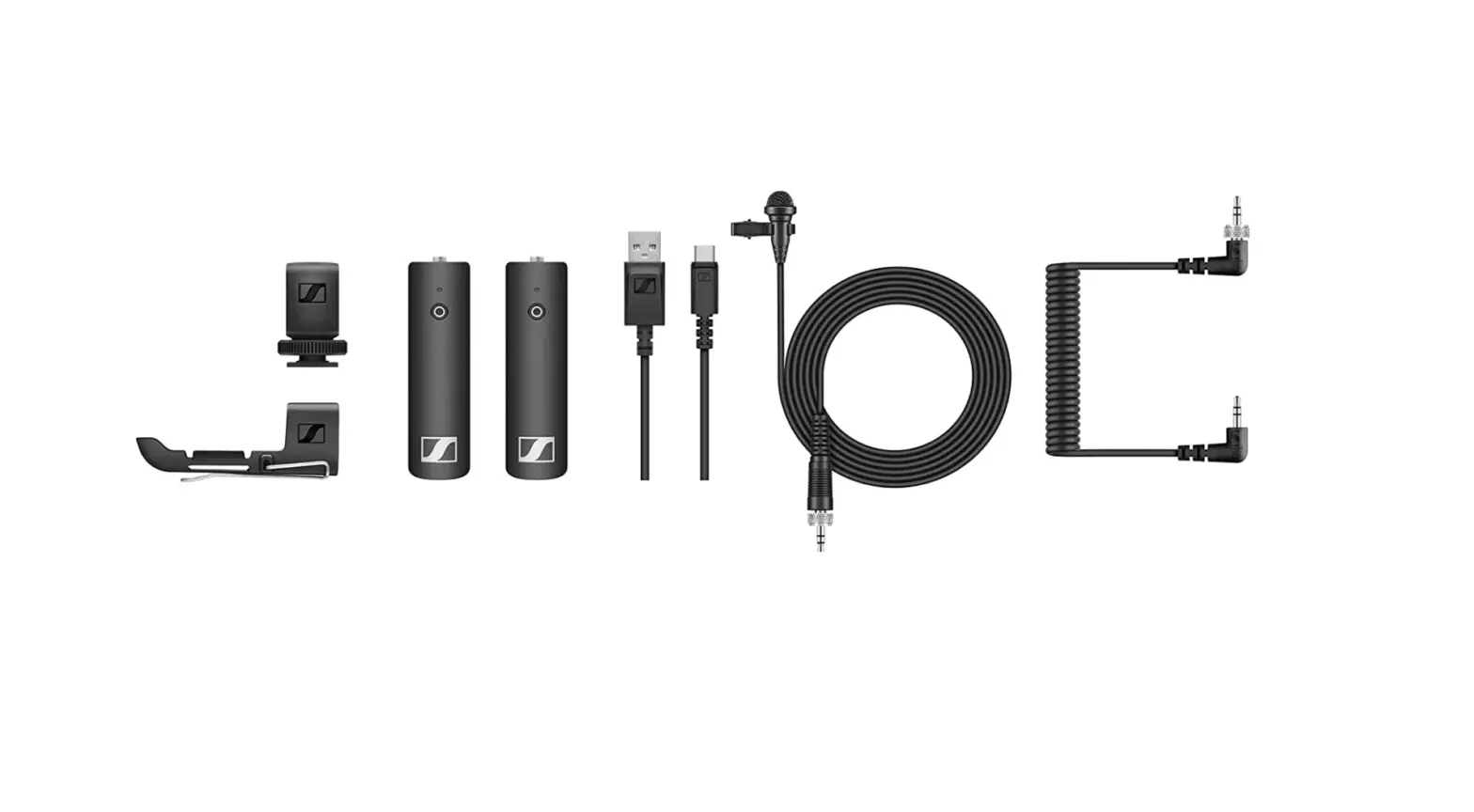
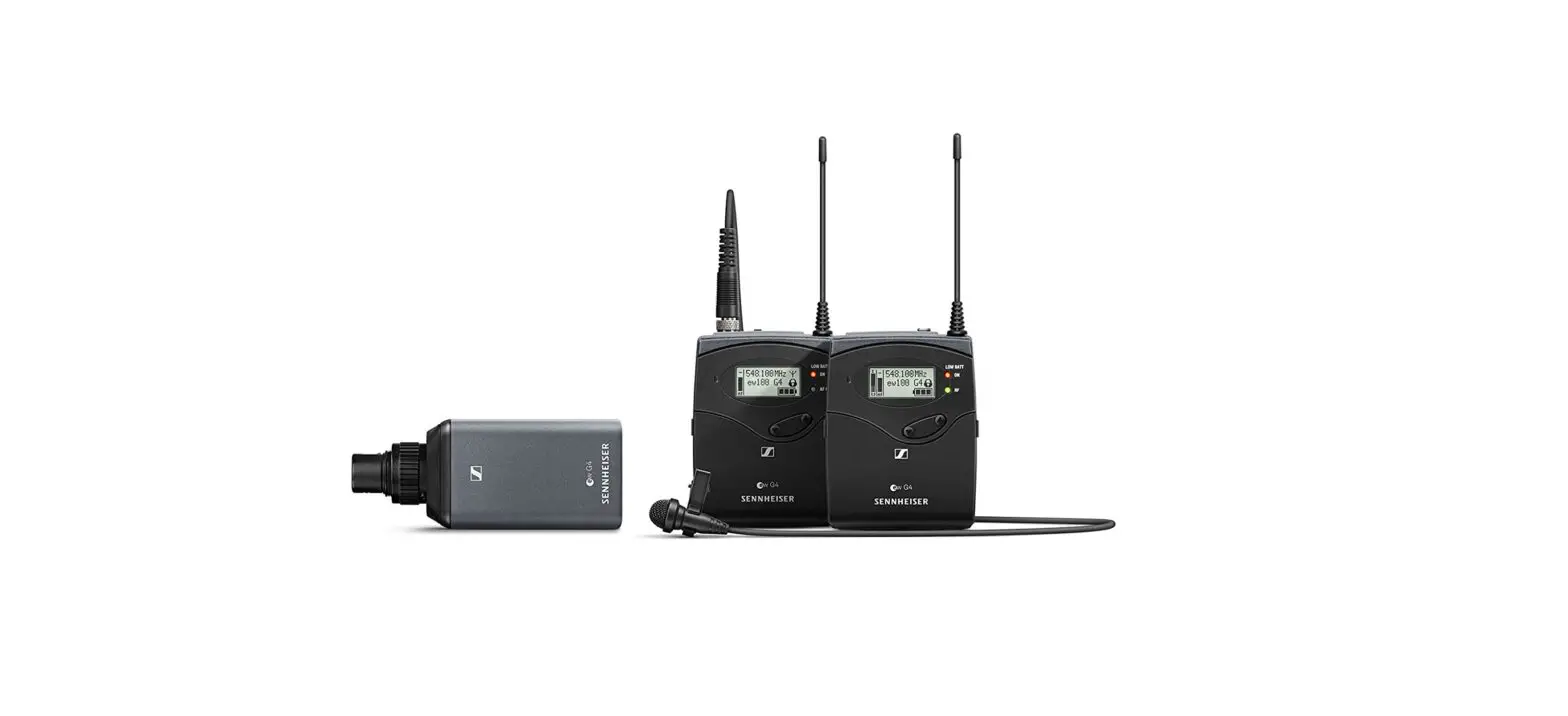
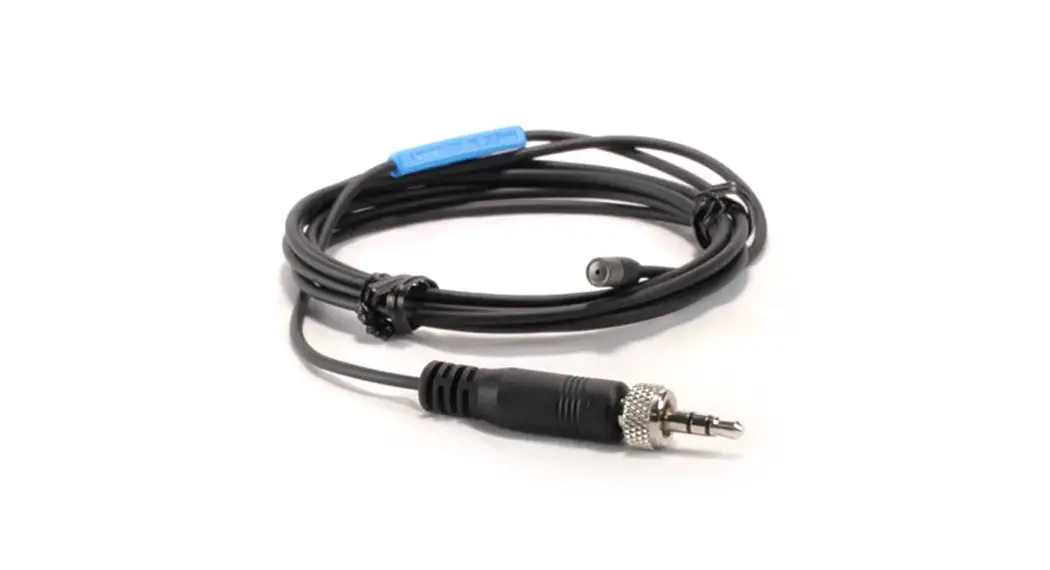
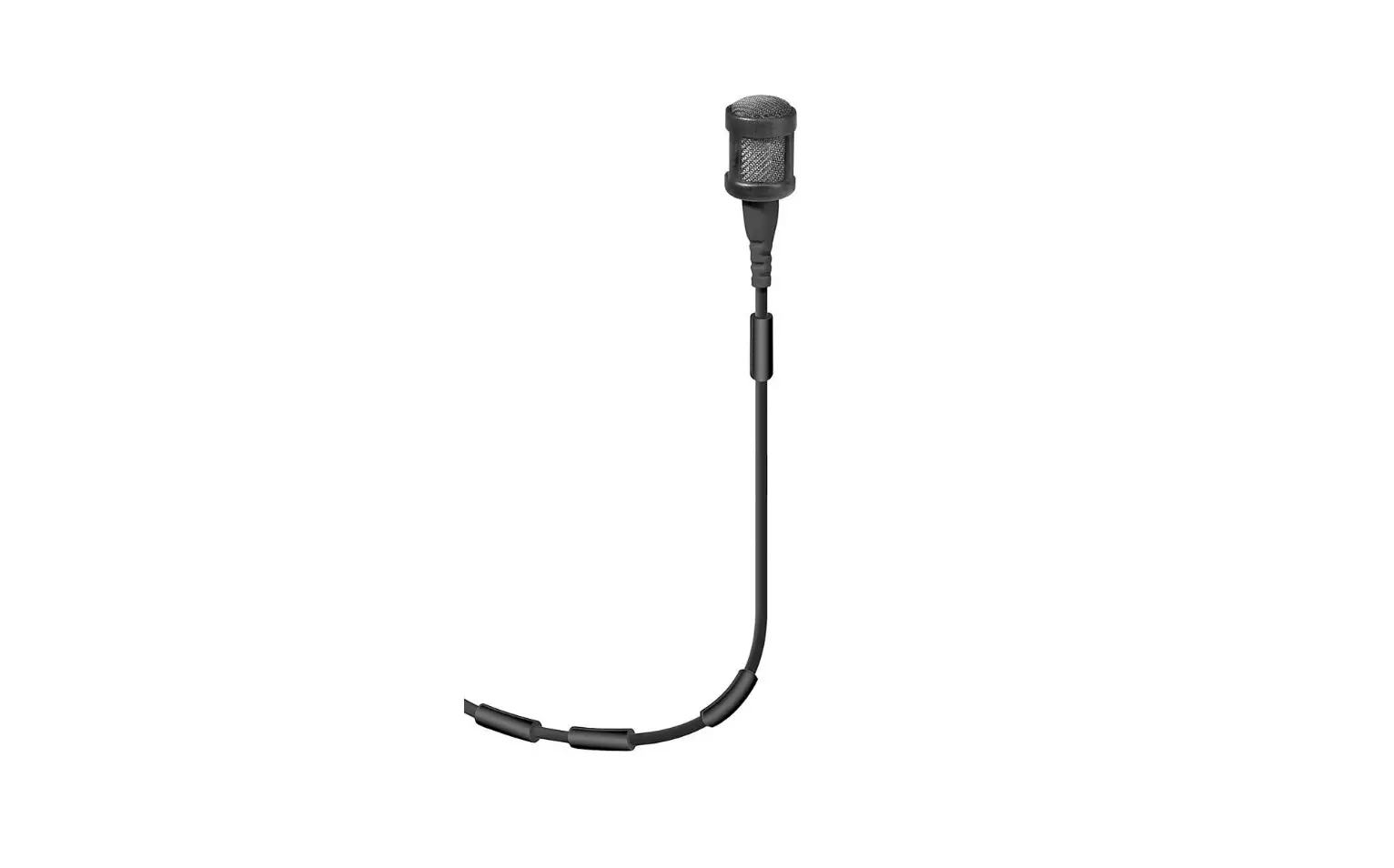
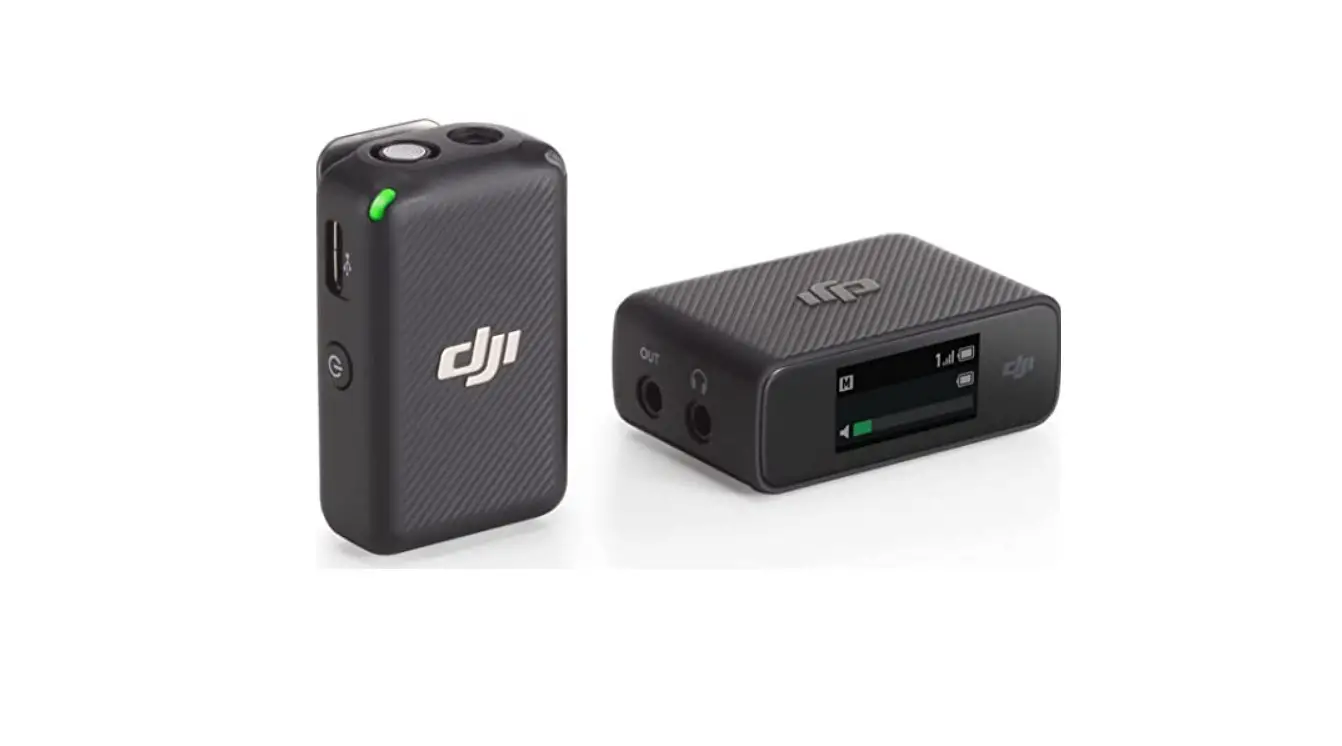
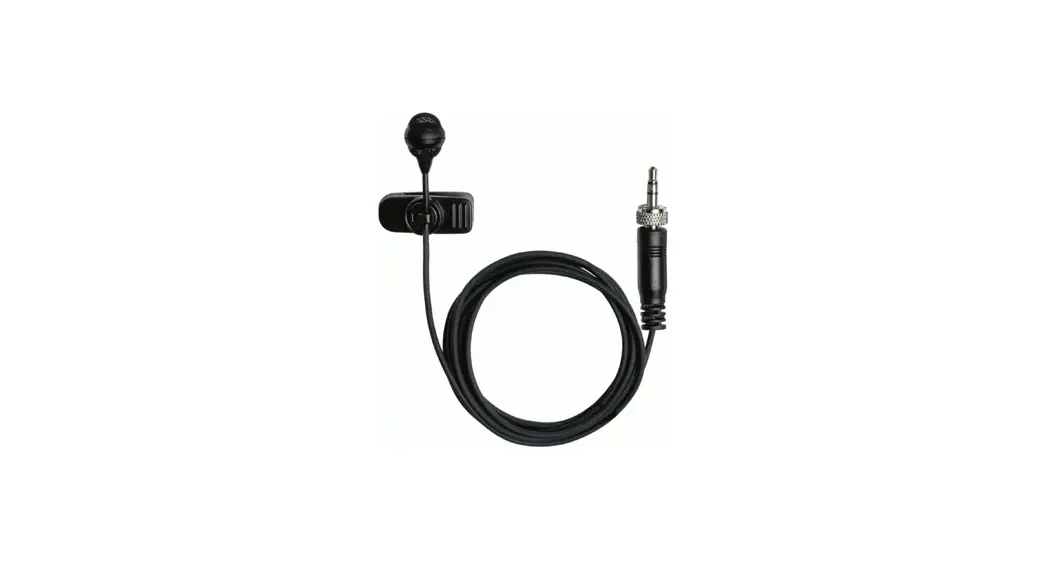
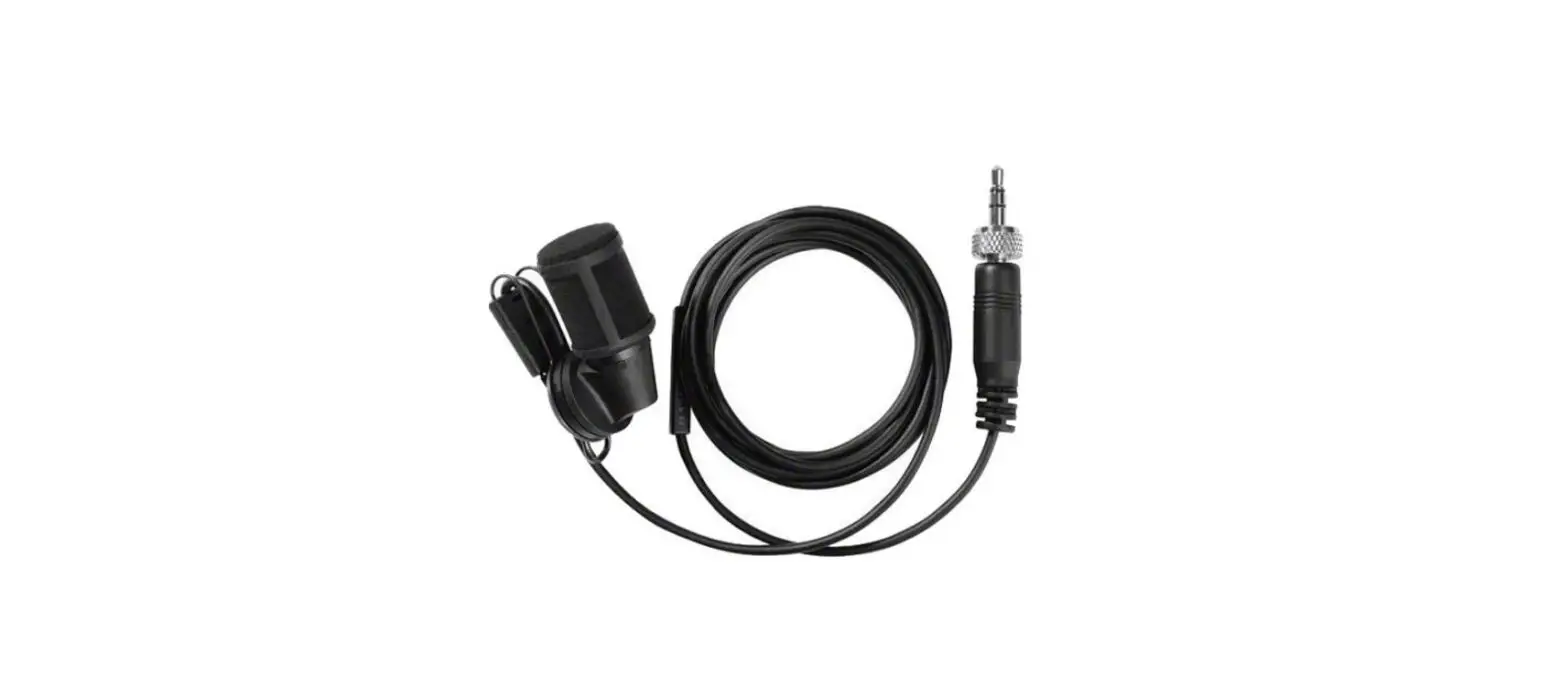
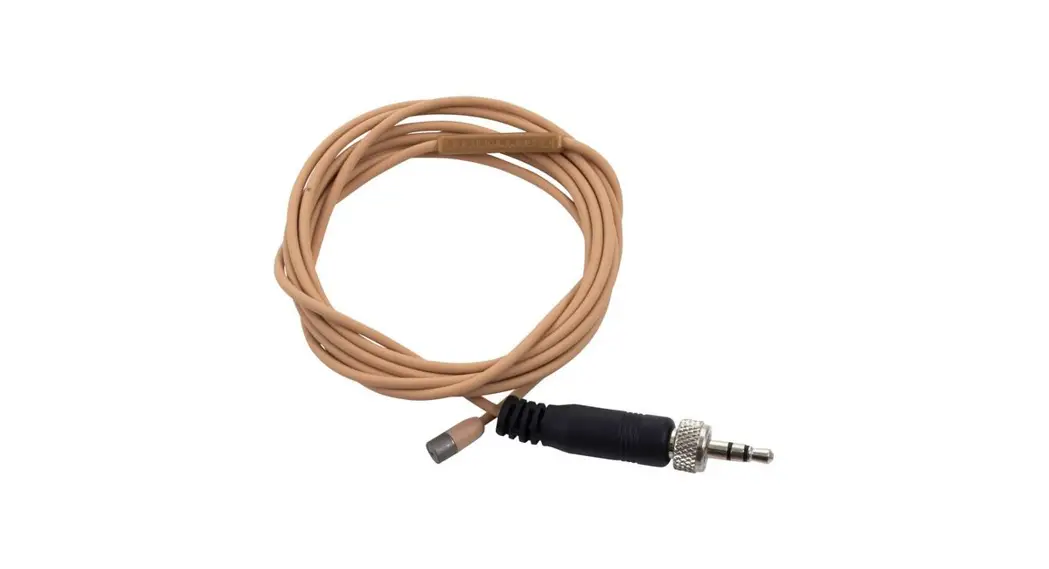
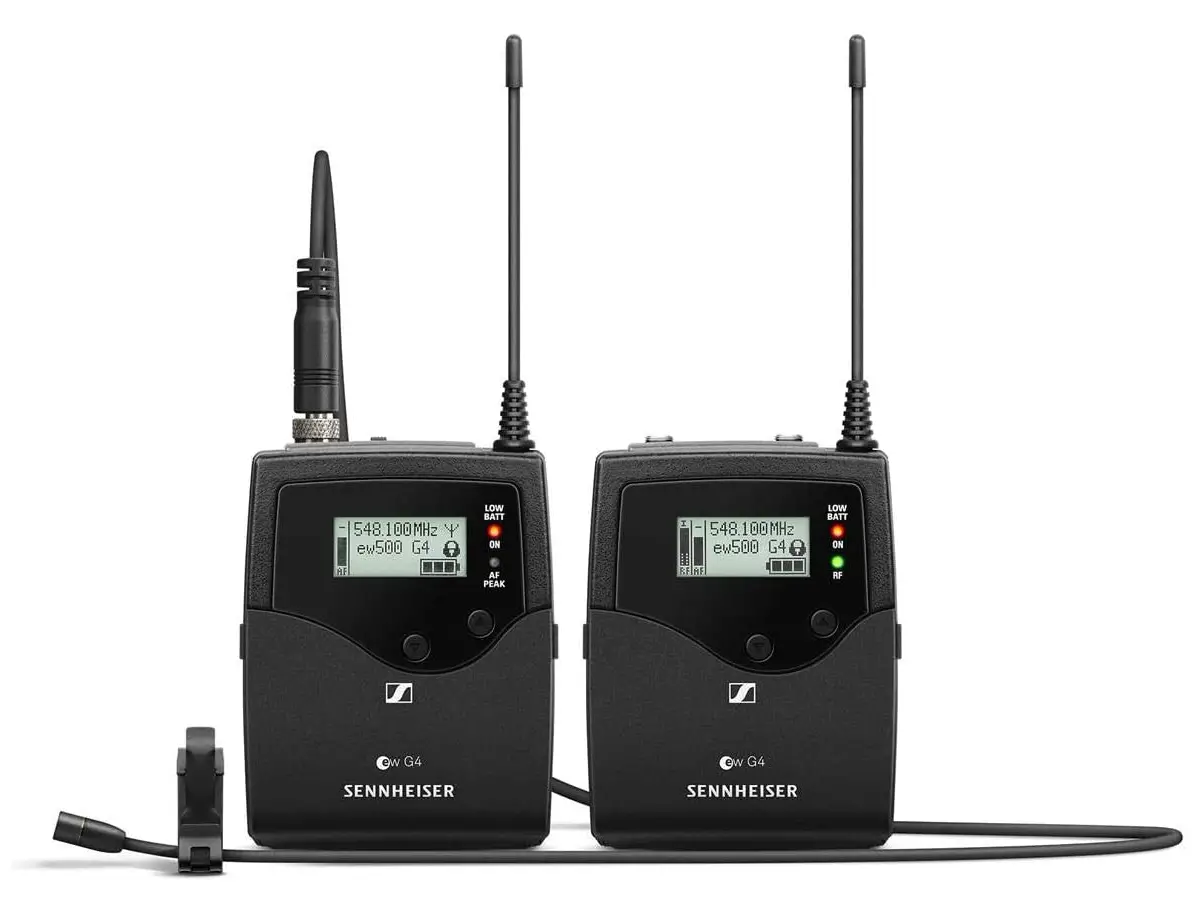
It is Wireless portable lavalier set. It includes one each of the following items: one SK 500 G4 bodypack, one MKE 2 Gold lavalier microphone (omnidirectional, condenser), one EK 500 G4 portable camera receiver, one each of the following cables: a 1/8″ output cable, an XLR unbalanced output cable, and a camera mount. The frequency range is AW+ (470 – 558 MHz).
HOW IT WORKS
A sound mixer can regulate and modify the audio feeds that wireless lavalier microphones send through radio waves to a receiver. Although there are many different types of lav microphones, the best ones will generate audio that is on par with a typical boom mic.
HOW TO USE
- To turn on the transmitter, open the battery door and hold On/Off button for a second and do the same to turn on the receiver.
- Attach a mic to the transmitter by screwing it in.
- To adjust the battery, open the battery door again on the transmitter and hold the set button for a second.
HOW TO SCAN FREQUENCIES
- To navigate the menu selections on the receiver, press the “UP” or “DOWN” button.
- Select the SCAN option by pressing the “SET” button. NOTE: The device automatically chooses the next unused frequency that becomes available. The transmitter must be synchronized with the receiver once the new frequency has been chosen on the receiver.
HOW TO ADJUST SQUELCH
Although the default setting for the SQUELCH is “LOW” for maximum range, you can change it to “Medium” for better protection. SQUELCH can be modified by using the arrows to locate it. Press SET after lowering Squelch. To save this setting, press the SET button.
HOW TO RESET
- Press and hold the on/off button on the headset for around 5 to 10 seconds with the base off.
- The headset will flash red and emit a succession of power-down noises if you’re paying attention.
- Allow 10 seconds to pass.
Frequently Asked Questions
No, it won’t work like that. One active microphone transmitter at a time can only have its signal demodulated by a wireless receiver. However, as long as only one transmitter is turned on at any given time, you are free to utilize either one.
A microphone, a transmitter, and a receiver are required. In reality, a working wireless microphone system consists of three discrete parts: A microphone, a transmitter, and a receiver.
Deactivating the RF signal (RF silence) When the microphone is turned on, you can momentarily deactivate the RF signal. No audio signal is emitted when the RF signal is turned off.
Squelch is a detector circuit that performs comparable duties to a receiver noise gate. This detector circuit will muffle the audio if the receiver does not pick up a radio frequency (RF) signal above a specific threshold.
Due to their omnidirectional nature, lavalier mics can nevertheless take up annoying background noise. In particular in crowded urban areas, wireless microphones can potentially pick up wireless interference.
Electret condenser microphones, also referred to as collar microphones and neck microphones, are lavalier microphones. Lavalier microphones capture sound and transfer it to devices (computers, mobile phones, cameras, etc.) using audio wire cables or wireless technology. The analogue signal is then converted into a digital signal for speech recording.
These microphones are frequently used by filmmakers as planted mics concealed in the set because they can clearly pick up dialogue from a distance of several feet. The AT899 and MT830 can record crystal-clear conversation from up to four or five feet away.
The working range of your wireless system must be 1,000 feet or greater. Despite the fact that your working area may just be 900 square feet and be relatively free of obstacles, we’ve discovered that wireless mic systems with short operating distances frequently experience interference issues.
It can be difficult to do this, though, as interference, faulty antenna cables, antenna distribution issues, frequency selection, and antenna positioning are just a few of the problems that can result in wireless system dropouts.
Both yes and no, but mainly no Wireless microphones using the 2.4 GHz band, which are less prevalent than the industry standard UHF mics, can and can interfere with Wi-Fi devices, including Wi-Fi-capable smartphones.
In actuality, lavalier mics can be either dynamic or condenser, and both offer advantages that can improve the recording quality.
Lapel microphones, also known as lavalier microphones, are the greatest option for stage and film audio production since they let you broadcast and capture sounds without using a visible or handled microphone.
A lavalier microphone, also known as a lapel microphone, is typically fastened to the speaker’s garment close to their chest, as we’ve just mentioned. Here, you’ll typically hear the best music.
A microphone operates independently of any speakers, headphones, or other playback devices, as was before explained.
A compact, cordless digital microphone is known as a lavalier microphone. These microphones typically come with a clip so you may fasten it or place it next to your mouth. The microphone can be fastened to a garment or collar.