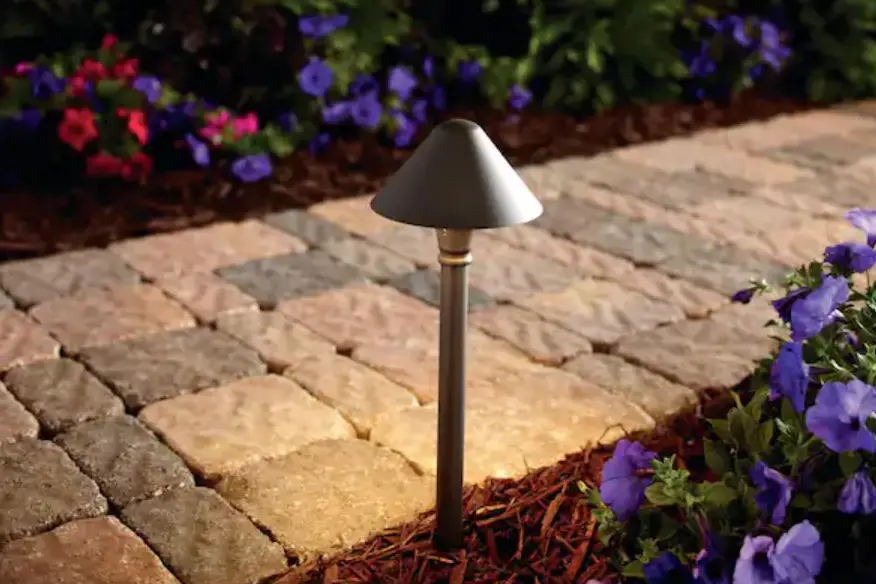
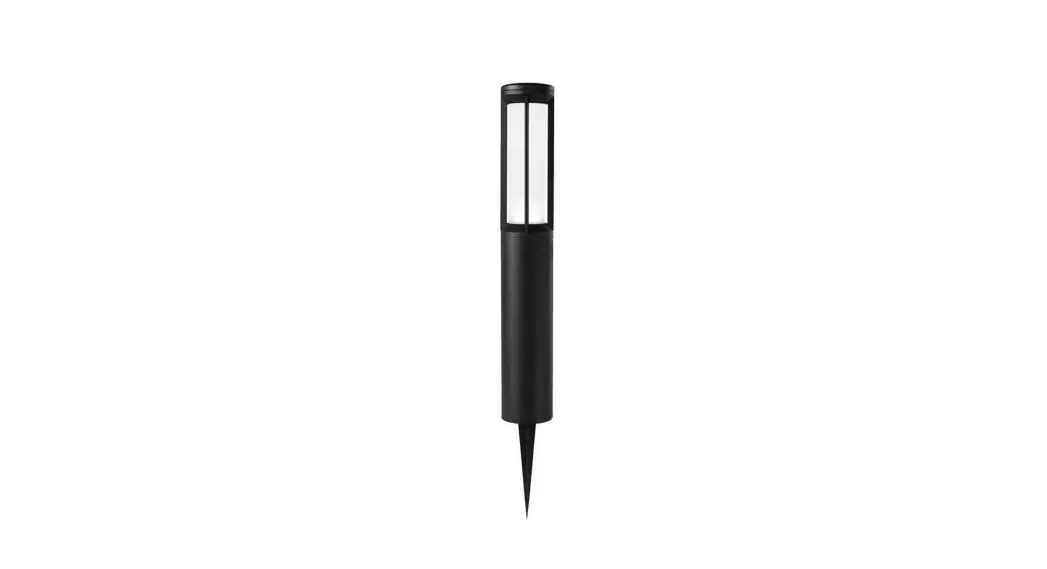
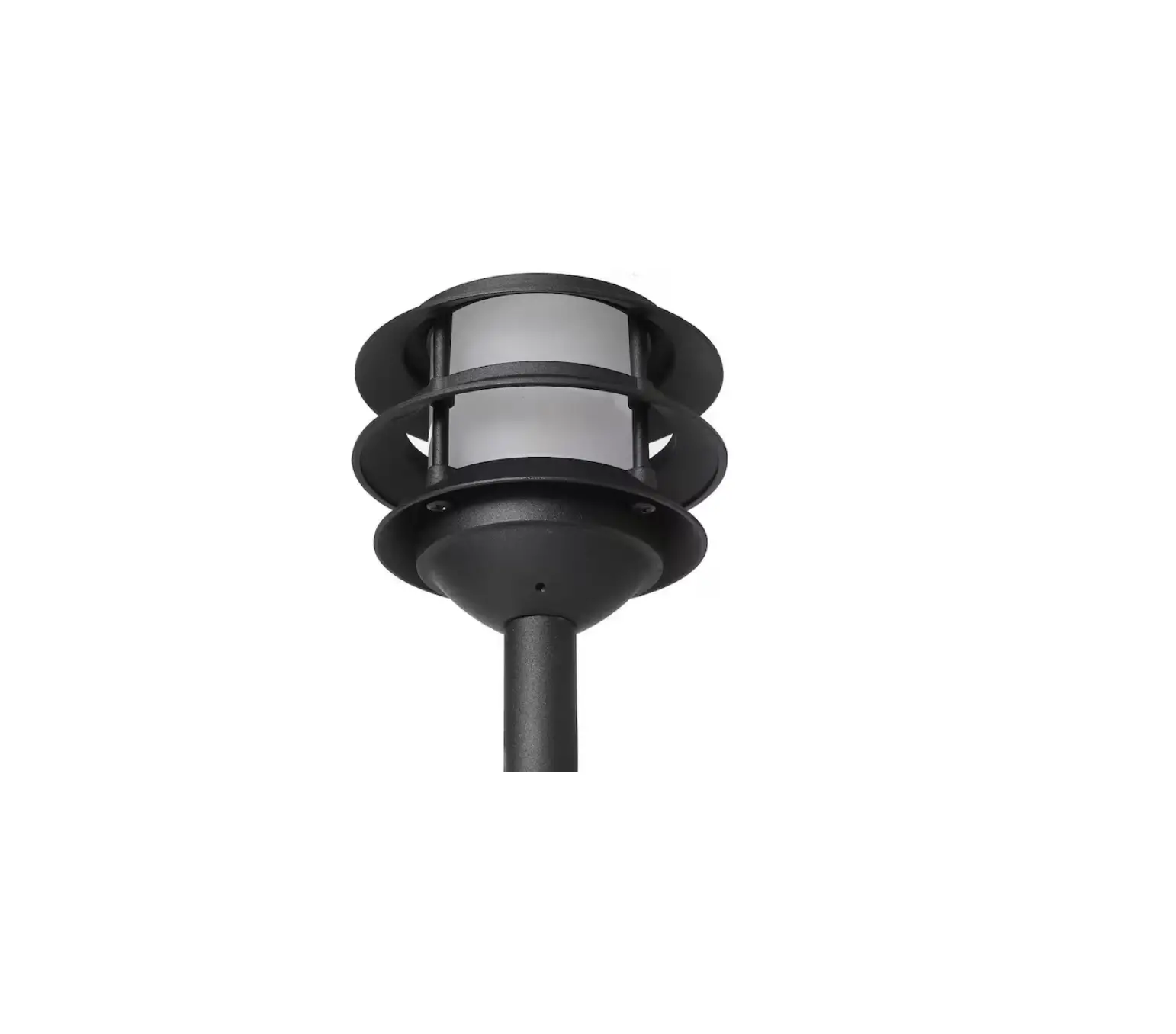
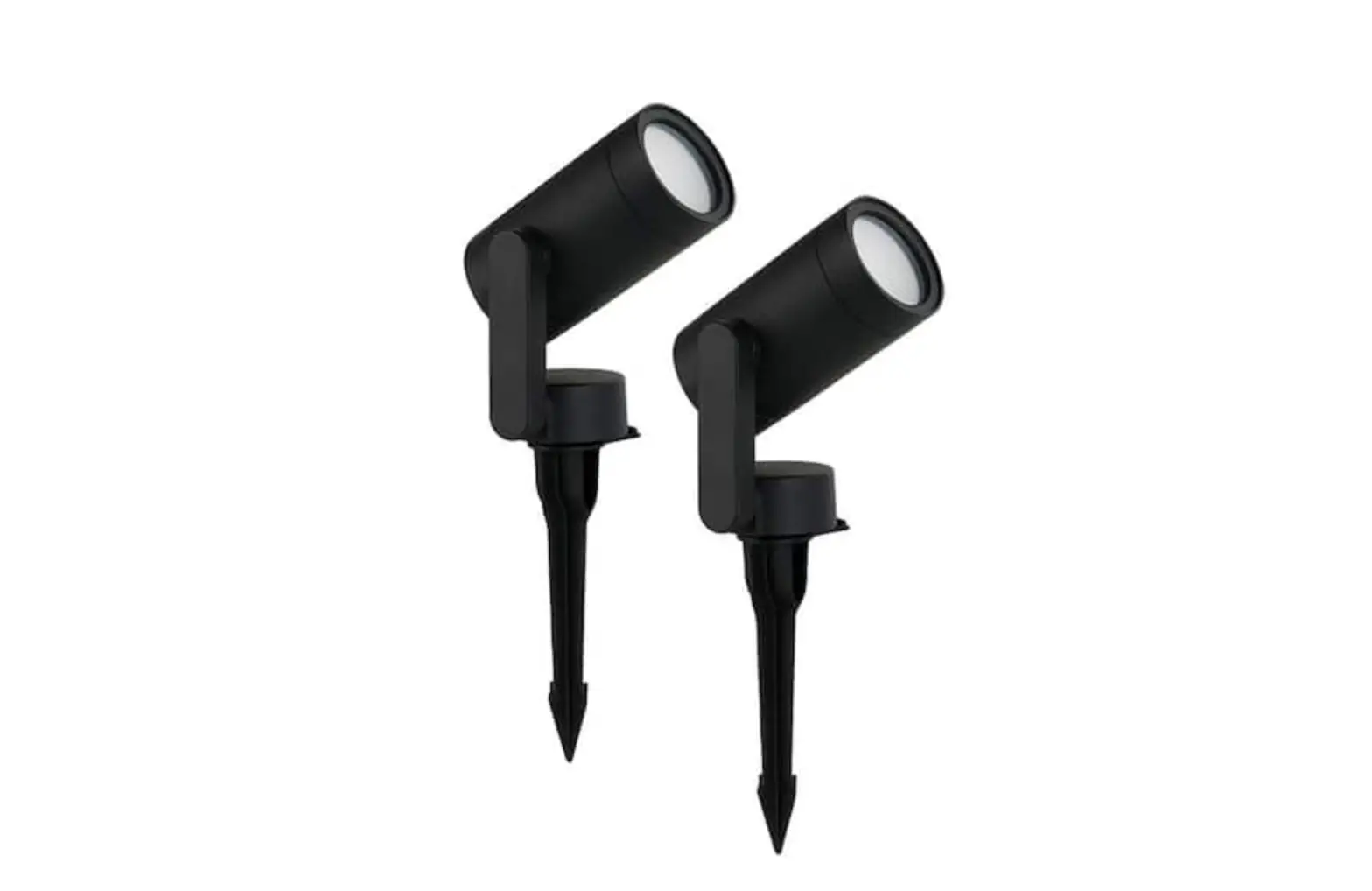
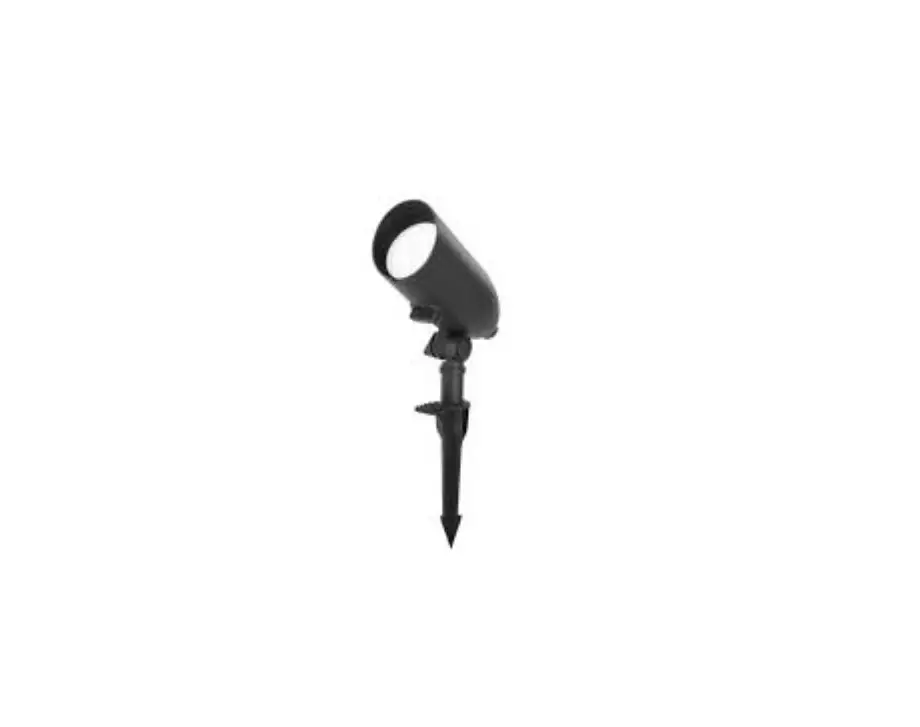
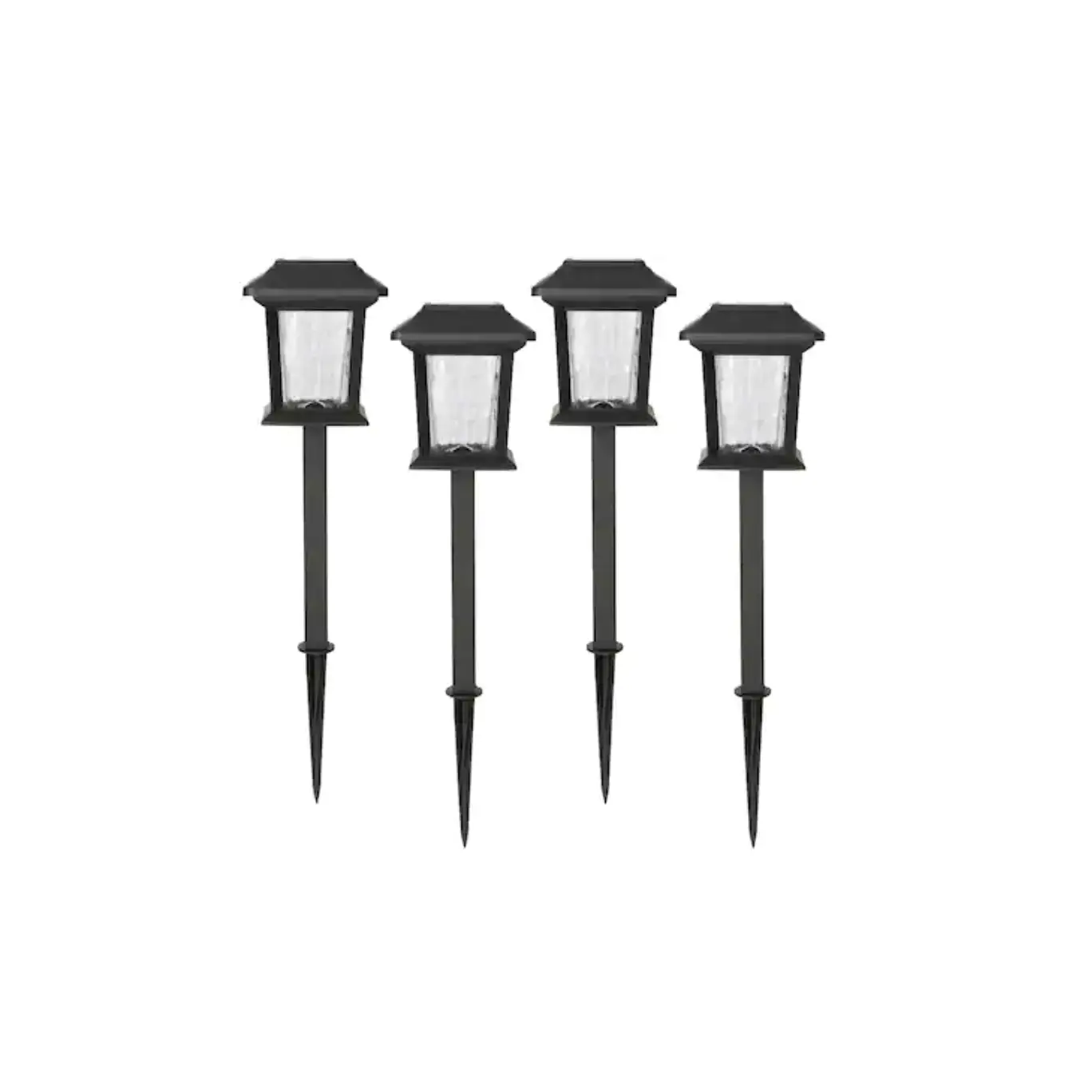
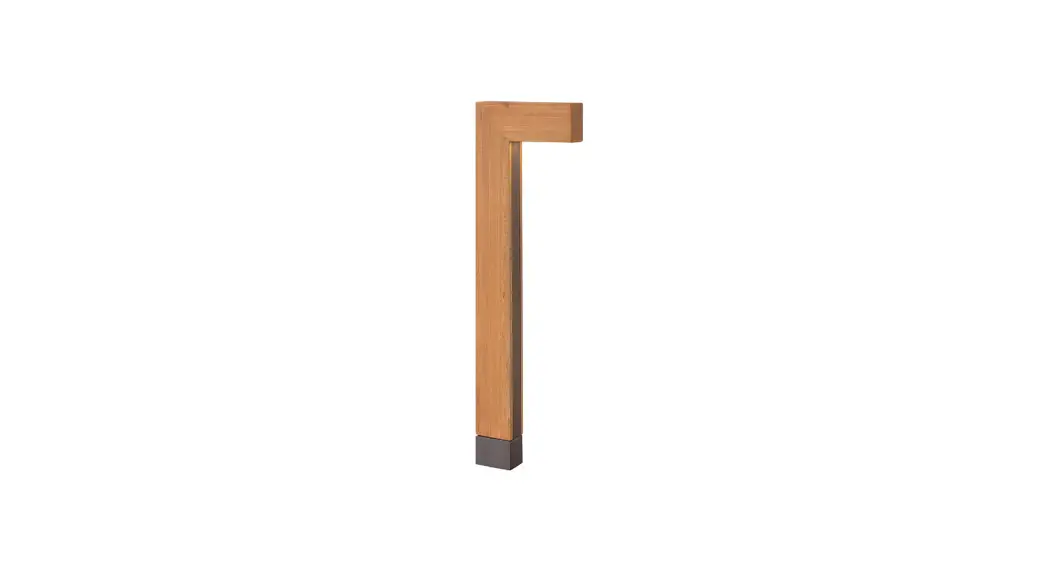
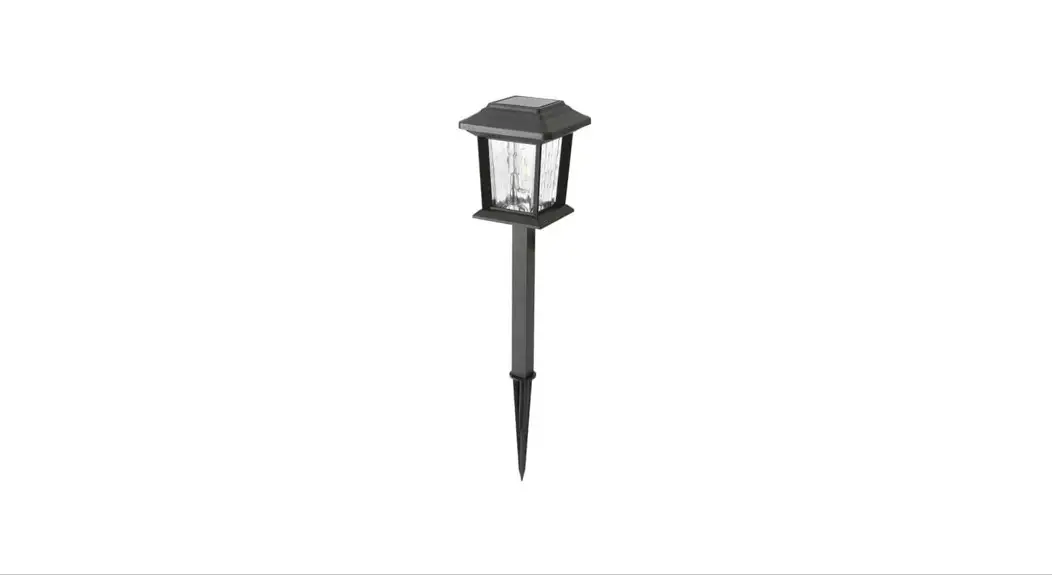
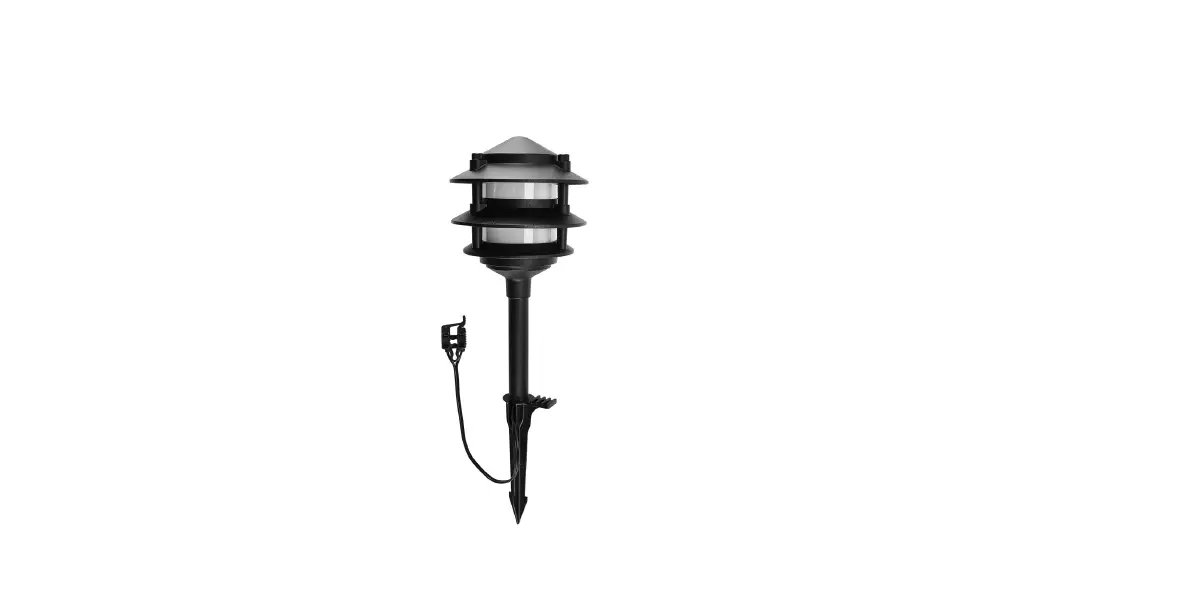
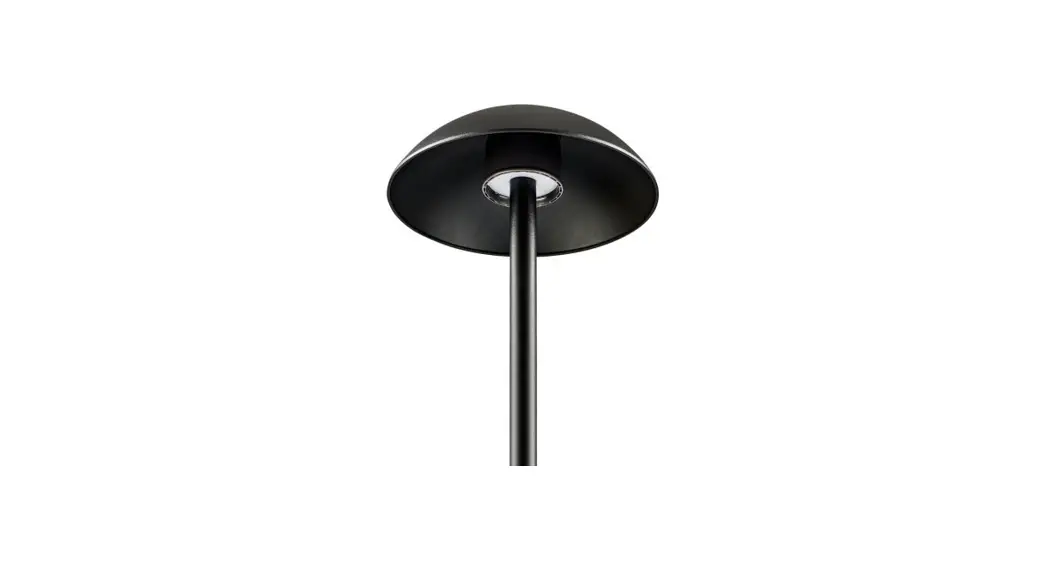
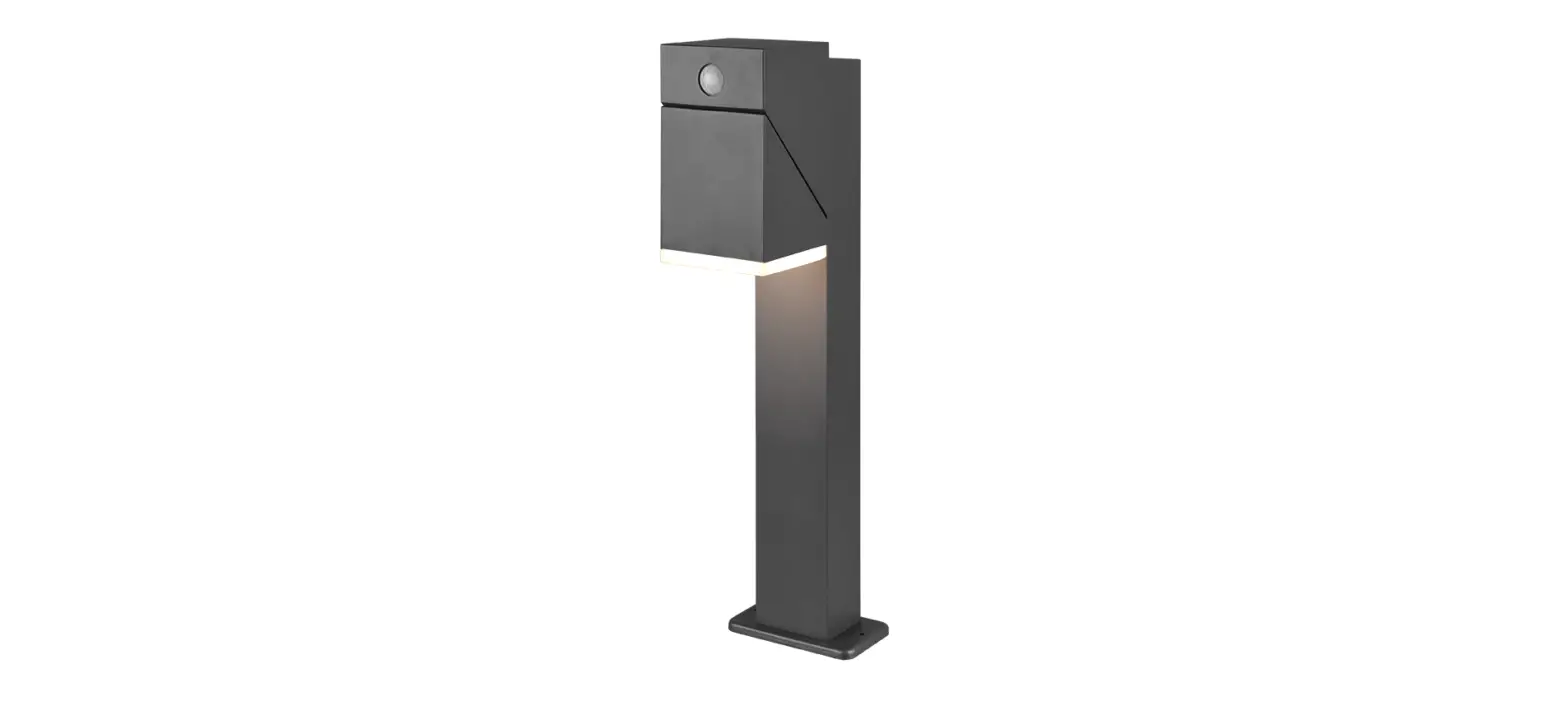
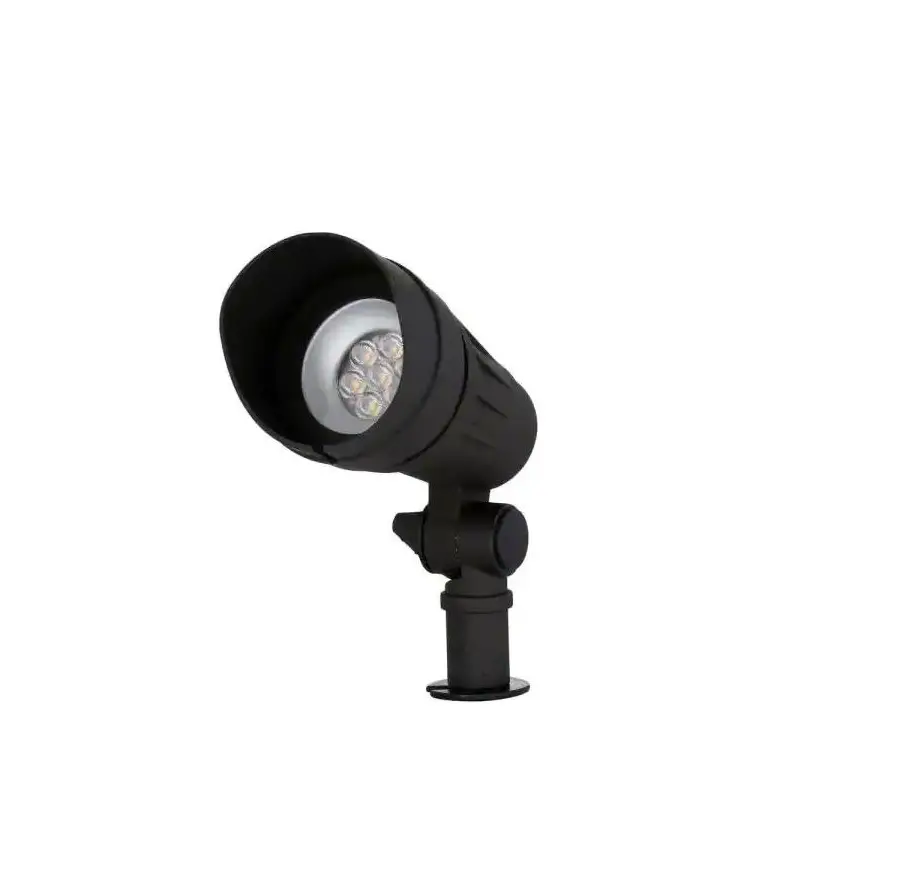
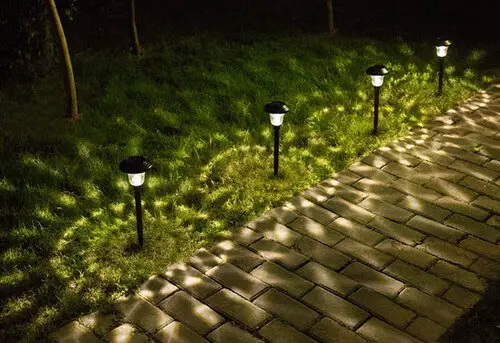
JDO1501L-2-BK LED Low Voltage Path Light
Product Information: LED Low Voltage Path Light
The LED Low Voltage Path Light is a set of outdoor lighting
fixtures that come in three different models: JDO1501L-2/BK,
JDO1501L-2/CP, and JDO1501L-2/AL. The package includes a Use and
Care Guide along with the fixtures. These fixtures are designed to
be installed in the ground and are ideal for lighting up walkways,
driveways, and gardens. They require a low voltage power unit and
underground low energy circuit cable for operation.
Product Usage Instructions
- Attaching and Installing the Light:
- Prepare a hole in the installation location using a screwdriver
or any other tool that is not larger than the ground stake
(C). - Screw the ground stake (C) into the lamp body (A).
- Insert the fixture wire on the wire connector (B) into the
groove located on the top of the ground stake (C). Ensure that the
fixture wire stays in the center of the groove to avoid damage to
the wire. - Install the fixture in the ground by pushing on the footstep
(1) on the ground stake (C). Do not push on the lamp body (A). - Do not use a hammer to insert the ground stake (C) into the
ground or push the fixture into the ground by the lamp body
(A).
- Place the wire connector (B) on opposite sides of the low
voltage cable from the transformer where the fixture will be
located. - Align and fit the main low voltage cable vertically to the slot
of the wire connector (B). - Press the wire connector (B) together until it is locked around
the main low voltage cable. The pre-set prongs will pierce the
cable insulation and establish contact with the electrical wire
inside. - Wrap the wire connector (B) with electrical tape after it is in
place. - Make sure to use a 12-16 AWG type underground low energy
circuit cable for the low voltage power unit. - Do not install the fixture within 10 ft. of a pool, spa, or
fountain. Do not submerge the fixture in water.
- Clean the fixture with a soft dry cloth.
- Do not use any cleaners with chemicals, solvents, or harsh
abrasives.
- Problem: The fixture will not light.
- Possible Cause: There is no power. There is a
disconnection or break in the wire. The transformer setting is
incorrect. - Solution: Check the outlet and ensure that a
breaker or GFCI circuit has not been tripped. Follow the wires from
the fixture and ensure a continuous connected path back to the
transformer. Check the settings on the transformer.
- Possible Cause: There is no power. There is a
- Problem: The light flickers (one
fixture).- Possible Cause: There is a loose wire
connector to the fixture. - Solution: Tighten the wire connector and
ensure the metal contacts pierce the insulation on the low voltage
cable from the transformer.
- Possible Cause: There is a loose wire
- Problem: The lights flicker (all
fixtures).- Possible Cause: There is a loose connection at
the transformer. - Solution: Unplug the transformer from the
outlet and visually inspect the positive and negative connecting
points. Each wire should be securely screwed in and not in contact
with any other.
- Possible Cause: There is a loose connection at
PACKAGE CONTENTS
Item #1008 454 071 Model #JDO1501L-2/BK
Item #1008 454 073 Model #JDO1501L-2/CP
Item #1008 454 068 Model #JDO1501L-2/AL
Use and Care Guide
LED LOW VOLTAGE PATH LIGHT
A Lamp Body x1
B Wire Connector (with 12 in. wire attached to lamp body) x1
Assembly and Installation
C Ground Stake (6.5 in.) x1
1 Attaching and installing the light
2 Connecting the wires
WARNING: Never push the fixture into the ground by the lamp body (A) or use a hammer to insert the ground stake (C) into the ground.
Insert the fixture wire on the wire connector (B) into the groove located on the top of the ground stake (C).
Screw the ground stake (C) into the lamp body (A). Ensure the fixture wire on the wire connector (B) stays in the center of the groove of the ground stake (C) to avoid damage to the fixture wire.
Prepare a hole in the installation location. Use a tool such as a screwdriver (not included) to prepare the installation hole to ensure that the hole is not larger than the ground stake (C).
Install the fixture in the ground by pushing on the foot step (1) on the ground stake (C). Do not push on the lamp body (A).
WARNING: The wire connector (B) contacts have sharp edges for piercing the main low voltage cable. To avoid injury, do not touch the metal contacts.
CAUTION: The wire from low voltage power unit should be 12-16 AWG type underground low Energy Circuit Cable.
IMPORTANT: Protect the wiring by routing it in close proximity to the light
fitting, or next to a building structure such as a house or a deck. The landscape wire and connector can also be hidden under
stone or buried under grass at a maximum depth of 6 in. (15.24 cm). Do not install the fixture within 10 ft. of a pool, spa, or fountain. Do not submerge the fixture in water.
Place the wire connector (B) on opposite sides of the low voltage cable (not included) from the transformer (not included) where the fixture will be located.
Align and fit the main low voltage cable vertically to the slot of the wire connector (B).
Press the wire connector (B) together until it is locked around the main low voltage cable. The pre-set prongs will pierce the cable insulation and establish contact with the electrical wire inside.
Once the wire connector (B) is in place, it is recommended to wrap it with electrical tape (not included).
After all fixtures are installed, turn on the transformer.
1
Care and Cleaning
Clean the fixture with a soft dry cloth.
Do not use any cleaners with chemicals, solvents or harsh abrasives.
Troubleshooting
Problem The fixture will not light.
The light flickers (one fixture). The lights flicker (all fixtures).
Possible Cause
There is no power. There is a disconnection or
break in the wire. The transformer setting is
incorrect.
There is a loose wire connector to the fixture.
There is a loose connection at the transformer.
Solution
Check the outlet and ensure that a breaker or GFCI circuit has not been tripped. Follow the wires from the fixture and ensure a continuous connected path back to the
transformer. Check the settings on the transformer.
Tighten the wire connector and ensure the metal contacts pierce the insulation on the low voltage cable from the transformer.
Unplug the transformer from the outlet and visually inspect the positive and negative connecting points. Each wire should be securely screwed in and not in contact with any other.
Warranty
WHAT IS COVERED The manufacturer warrants this lighting fixture to be free from defects in materials and workmanship for a period of five (5) years from date of purchase. This warranty applies only to the original consumer and only to products used in normal use and service. If this product is found to be defective, the manufacturer’s only obligation, and your exclusive remedy, is the repair or replacement of the product at the manufacturer’s discretion, provided that the product has not been damaged through misuse, abuse, accident, modifications, alterations, neglect or mishandling.
WHAT IS NOT COVERED This warranty shall not apply to any product that is found to have been improperly installed, set-up, or used in any way not in accordance with the instructions supplied with the product. This warranty shall not apply to a failure of the product as a result of an accident, misuse, abuse, negligence, alteration, or faulty installation, or any other failure not relating to faulty material or workmanship. This warranty shall not apply to the finish on any portion of the product, such as surface and/or weathering, as this is considered normal wear and tear.
The manufacturer does not warrant and specifically disclaims any warranty, whether express or implied, of fitness for a particular purpose, other than the warranty contained herein. The manufacturer specifically disclaims any liability and shall not be liable for any consequential or incidental loss or damage, including but not limited to any labor / expense costs involved in the replacement or repair of said product.
Contact the Customer Service Team at 1-855-HD-HAMPTON or visit HAMPTONBAY.COM.
Cable Selection
12 VOLT TAP Total Fixture Wattage
0-60 Watts 61-120 Watts 121-180 Watts 181-240 Watts 241-300 Watts 600W Transformer = (2×300) Watts 900W Transformer = (3×300) Watts
0-50 feet 16 AWG 16 AWG 14 AWG 14 AWG 12 AWG 12 AWG 12 AWG
Cable Length 51-100 feet
16 AWG 14 AWG 12 AWG 12 AWG Not Recommended Not Recommended Not Recommended
101-150 feet 14 AWG 12 AWG
Not recommended Not recommended Not recommended Not recommended Not recommended
15 VOLT TAP
Cable Length
Total Fixture Wattage
0-50 feet
51-100 feet
101-150 feet
0-60 Watts
16 AWG*
16 AWG
16 AWG
61-120 Watts
16 AWG*
16 AWG
12 AWG
121-180 Watts
14 AWG*
14 AWG
12 AWG
181-240 Watts
14 AWG*
14 AWG
12 AWG
241-300 Watts 600W Transformer = (2×300) Watts 900W Transformer = (3×300) Watts
12 AWG* 12 AWG* 12 AWG*
12 AWG 12 AWG 12 AWG
Not recommended Not recommended Not recommended
* NOT RECOMMENDED FOR HALOGEN LANDSCAPE LIGHTS This data is provided as a general guideline. Actual performance will depend on the installation layout, the fixtures, and the condition of the cable.
NOTE: Most LED landscape lighting fixtures can operate with full illumination from 9V down to as little as 6V. It is possible to have extended length runs with LED fixtures that go beyond the specifications shown in the guidelines above.
2
CONTENIDO DEL PAQUETE
Artículo #1008 454 071 Modelo #JDO1501L-2/BK
Artículo #1008 454 073 Modelo #JDO1501L-2/CP
Artículo #1008 454 068 Modelo #JDO1501L-2/AL
GUÍA DE USO Y MANTENIMIENTO
LAMPARA PARA SENDAS CON LED DE BAJO VOLTAJE
A Estructura de la Lámpara x1
B Conector de Cable (con cable de 12 pulgadas lámpara) x1
Montaje e Instalación
C Estaca de Tierra (6.5 pulgadas) x1
1 Fijando e instalando la luz
2 Conexión de los cables
ADVERTENCIA: Nunca empuje el dispositivo en el suelo con la estructure de la lámpara (A) ni utilice ningún martillo para insertar la estaca de tierra (C) en el suelo.
ADVERTENCIA: Los contactos del conector de cable (B) tienen bordes filosos para atravesar el cable principal de bajo voltaje. No toque los contactos de metal para evitar lesiones.
Inserte el cable del accesorio en el cable conector (B) dentro de la ranura ubicada en la parte superior de la estaca a tierra (C).
Atornille la estaca de tierra (C) en el estructura de la lámpara (A). Asegúrese de que el cable de fijación del conector del cable (B) permanece en el centro de la ranura de la estaca de tierra (C) para evitar daños en el cable del dispositivo.
Haga un hoyo en el lugar de instalación. Use una herramienta como un destornillador (no incluido) para hacer el hoyo de instalación de modo que el mismo no sea más grande que la estaca a tierra (C).
Instale el dispositivo en el suelo presionando el escalón del pie (1) en la estaca de tierra (C). No empuje el estructura de la lámpara (A).
PRECAUCIÓN: El cable de la unidad de bajo voltaje debe ser un cable subterráneo de circuito de baja corriente tipo 12-16 AWG.
IMPORTANTE: Proteja el cableado colocándolo bien cerca del portalámparas, o
siguiendo la estructura de una casa o plataforma.
El cable externo y el conector pueden quedar escondidos bajo una piedra o enterrados bajo el césped a una profundidad máxima de of 6 pulgadas (15.24 cm).
No instale el accesorio a menos de 10 pies de una alberca, spa, o fuente de agua.
No sumergir el accesorio en agua.
Coloque el conector de cable (B) en el lado opuesto al del cable de bajo voltaje (no incluido) del transformador (no incluido) donde el accesorio será ubicado.
Alinee y ajuste el cable principal de bajo voltaje verticalmente al espacio del conector de cable (B).
Presione el conector del cable (B) hasta que este asegurado al cable principal de bajo voltaje. Las clavijas atravesarán el aislamiento del cable y establecerán contacto con el cable eléctrico de adentro.
Una vez que el conector del cable (B) esté en su lugar, se recomienda aislarlo cubriéndolo con cinta aisladora (no incluida).
Después de instalar todos los accesorios, encienda el transformador.
3
Mantenimiento y Limpieza
Limpia la lámpara con un paño suave y seco.
No uses limpiadores con químicos, solvents, o productos abrasivos.
Solición de Problemas
Problema El accesorio no enciende.
La luz parpadea (en un accesorio). Las luzes parpadea (todos los accesorios).
Causa Posible
No hay corriente. El cable está desconectado o
roto. El transformador está mal
configurado.
Hay algún cable conector suelto en el accesorio.
Solución
Verifique el tomacorriente y asegúrese que no esté apagado el interruptor o circuito GFC.
Siga los cables desde el accesorio y asegúrese que esté en buen estado bien conectado al transformador.
Verifique que esté bien la configuración del transformador.
Ajuste el cable conector y asegúrese que los contactos metálicos atraviesan el aislamiento en el cable de bajo voltaje desde el transformador.
Hay una conexión suelta en el transformador.
Desenchufe el transformador del tomacorriente e inspeccione visualmente los puntos de conexión positivo y negativo. Cada cable debe estar bien atornillado y sin tocar a los
demás.
Garantía
LO QUE ESTA CUBIERTO El fabricante garantiza que esta lámpara no presentará defectos materiales o de fabricación por un período de cinco (5) años a partir de la fecha de compra. Esta garantía es válida sólo para el comprador original y sólo cubre los productos en uso y funciones normales. Si se descubre algún defecto en este producto, la única obligación y solución exclusiva del fabricante, a criterio del mismo, será reparar o reemplazar el producto siempre y cuando el defecto no sea resultado de un mal uso, abuso, accidente, modificaciones, alteraciones,negligencia o manejo indebido.
LO QUE (NO) ESTA CUBIERTO Esta garantía no cubre ningún producto instalado, configurado o usado incorrectamente sin seguir las instrucciones adjuntas al producto. Esta garantía no cubre fallas del producto a consecuencia de un accidente, mal uso, abuso, negligencia, modificaciones o instalaciones defectuosas, o cualquier otra falla no relacionada con defectos materiales o de fabricación. Esta garantía no se aplica al acabado de ninguna parte del producto, como por ejemplo el de la superficie, ni al deterioro por condiciones ambientales, ya que eso se considera un desgaste normal.
El fabricante no garantiza y rechaza especialmente cualquier garantía, expresa o implícita, de idoneidad para un propósito en particular, distinta de la garantía indicada aquí. El fabricante se exime específicamente de cualquier obligación y no es responsable por daños o pérdidas directas o indirectas, lo que incluye cualquier costo de mano de obra o gastos relacionados con el reemplazo o reparación de dicho producto.
Comunícate con el Equipo de Servicio al Cliente al 1-855-HD-HAMPTON o visita HAMPTONBAY.COM.
Selección por Cable
GRIFO 12 VOLTIOS Total Fixture Potencia
0-60 Watts 61-120 Watts 121-180 Watts 181-240 Watts 241-300 Watts 600W transformador = (2×300) Watts 900W transformador = (3×300) Watts
0-50 pies 16 AWG 16 AWG 14 AWG 14 AWG 12 AWG 12 AWG 12 AWG
Longitud del Cable 51-100 pies 16 AWG 14 AWG 12 AWG 12 AWG
No recomendado No recomendado No recomendado
101-150 pies 14 AWG 12 AWG
No recomendado No recomendado No recomendado No recomendado No recomendado
GRIFO 15 VOLTIOS Total Fixture Potencia
0-50 pies
Longitud del Cable 51-100 pies
101-150 pies
0-60 Watts
16 AWG*
16 AWG
16 AWG
61-120 Watts
16 AWG*
16 AWG
12 AWG
121-180 Watts
14 AWG*
14 AWG
12 AWG
181-240 Watts
14 AWG*
14 AWG
12 AWG
241-300 Watts
12 AWG*
12 AWG
No recomendado
600W transformador = (2×300) Watts
12 AWG*
12 AWG
No recomendado
900W transformador = (3×300) Watts
12 AWG*
12 AWG
No recomendado
* NO RECOMENDABLE PARA LUCES EXTERIORES DE HALOGEN
Estos datos se proveen como una guía general. El rendimiento concreto dependerá del diseño de instalación, los accesorios, y la condición de los cables.
NOTA: La mayoría de los accesorios de iluminación LED de exterior pueden funcionar a plena iluminación usando 9V y hasta incluso 6V. Es posible conseguir largos más extensos con accesorios LED que van más allá de las especificaciones mostradas en la guía de arriba.
4
FCC Warning
Warning: Changes or modifications to this unit not expressly approved by the party responsible for compliance could void the user’s authority to operate the equipment. NOTE: This equipment has been tested and found to comply with the limits for a Class B digital device, pursuant to Part 15 of the FCC Rules. These limits are designed to provide reasonable protection against harmful interference in a residential installation. This equipment generates, uses and can radiate radio frequency energy and, if not installed and used in accordance with the instructions, may cause harmful interference to radio communications. However, there is no guarantee that interference will not occur in a particular installation. If this equipment does cause harmful interference to radio or television reception, which can be determined by turning the equipment off and on, the user is encouraged to try to correct the interference by one or more of the following measures:
· Reorient or relocate the receiving antenna. · Increase the separation between the equipment and receiver. · Connect the equipment into an outlet on a circuit different from that to which the receiver is connected. · Consult the dealer or an experienced radio/TV technician for help.
Advertencia de la FCC
Advertencia: los cambios o modificaciones de esta unidad que no estén expresamente aprobados por la parte responsable del cumplimiento pueden anular la autoridad del usuario para operar el equipo. NOTA: Este equipo ha sido probado y cumple con los límites para un dispositivo digital de Clase B, de acuerdo con la Parte 15 de las Reglas de la FCC. Estos límites están diseñados para proporcionar una protección razonable contra interferencias perjudiciales en una instalación residencial. Este equipo genera, utiliza y puede emitir energía de radiofrecuencia y, si no se instala y utiliza de acuerdo con las instrucciones, puede provocar interferencias perjudiciales a las comunicaciones de radio. Sin embargo, no hay garantía de que no se produzcan interferencias en una instalación particular. Si este equipo causa interferencias perjudiciales en la recepción de radio o televisión, lo cual puede comprobarse encendiéndolo y apagándolo, se recomienda al usuario que intente corregir la interferencia mediante una o más de las siguientes medidas:
· Reorientar o reubicar la antena receptora. · Aumente la separación entre el equipo y el receptor. · Conecte el equipo a una toma de un circuito distinto de aquel al que está conectado el receptor. · Consulte al distribuidor o a un técnico de radio / televisión para obtener ayuda.
5
 Hampton Bay - The Home Depot