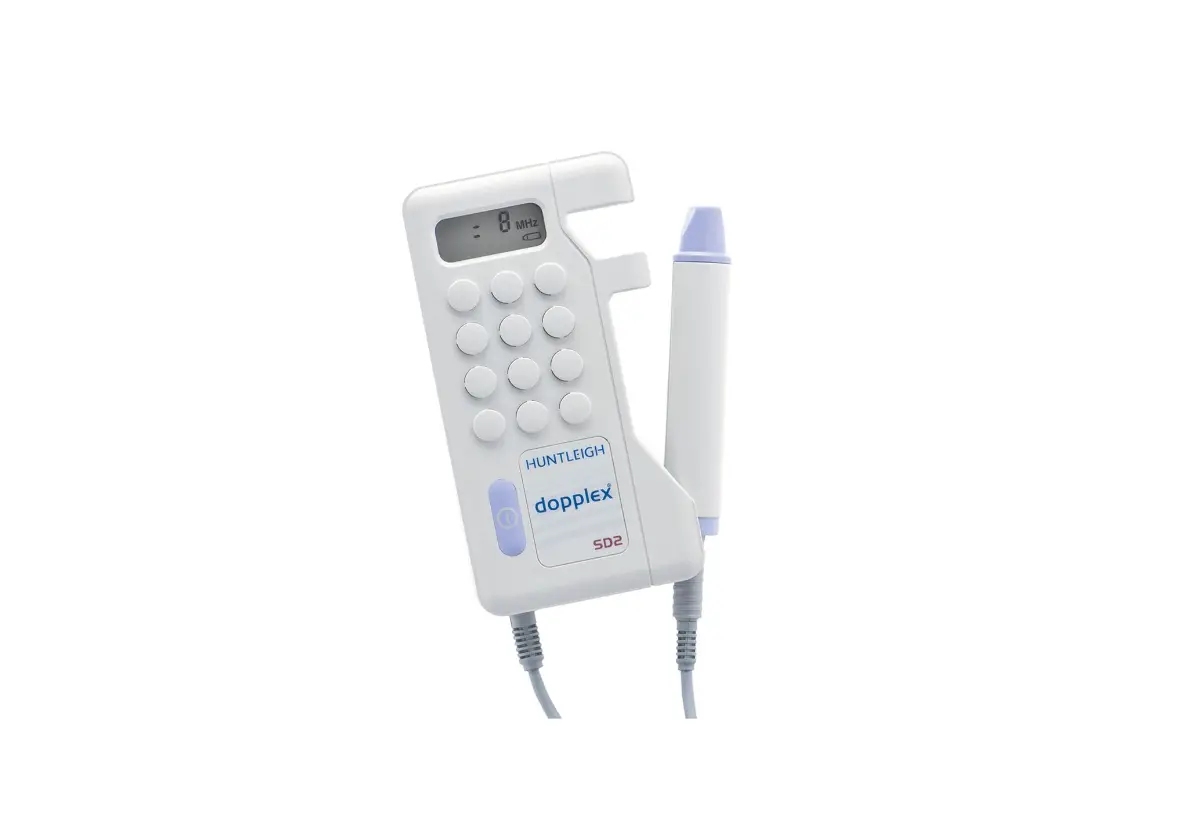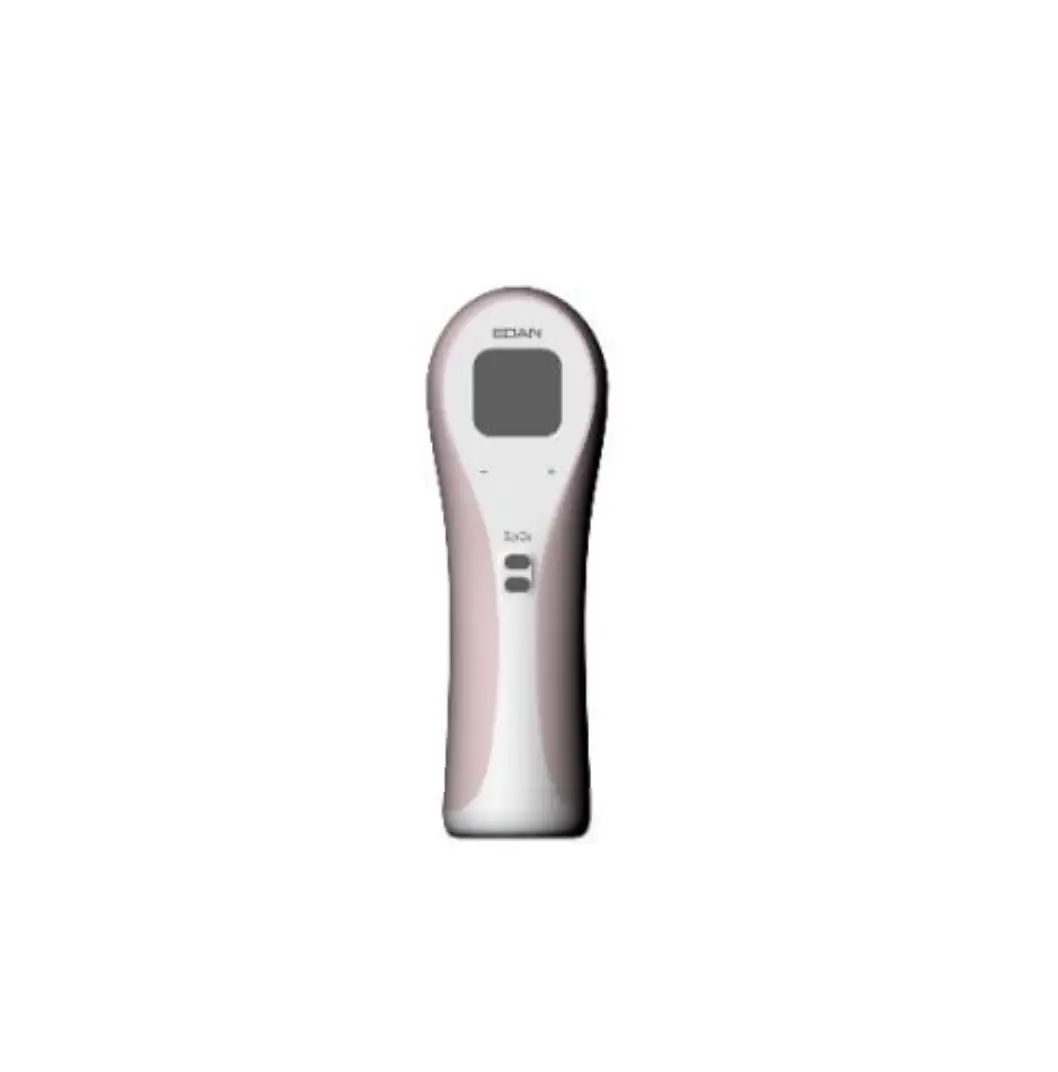
EDAN SD2 Ultrasonic Pocket Doppler
About this Manual
P/N: 01.54.459245
MPN: 01.54.459245010
Release Date:Mar. 2022
© Copyright EDAN INSTRUMENTS, INC. 2022. All rights reserved.
Statement
This manualwill help you understand the operation and maintenance of the product better. It is reminded that the product shall be used strictly complying with this manual. User’s operation failing to comply with this manual may result in malfunction or accident for which Edan Instruments, Inc. (hereinafter called EDAN)cannot be held liable.
EDAN owns the copyrights of this manual. Without prior written consent of EDAN, any materials contained inthis manual shall not be photocopied, reproduced or translated intoother languages.
Materialsprotected by the copyright law, including but not limited to confidential information such as technical information and patent informationare contained in this manual, the user shall not disclose suchinformation to any irrelevant third party.
The user shall understand that nothing in this manual grants him, expressly or implicitly, any right or license to use any of the intellectualproperties of EDAN.
EDAN holds the rights to modify, update, and ultimately explain this manual. Responsibility of the Manufacturer EDAN only considers itself responsible for any effect on safety, reliability and performance of the equipment if:
Assembly operations, extensions, re-adjustments, modifications or repairs are carried out by persons authorized by EDAN, and The electrical installation of the relevant room complies with national standards, and The instrument is used in accordance with the instructions for use.
EDAN will make available on request circuit diagrams, component part lists, descriptions, calibration instructions, or other information that will assist service personnel to repair those parts of the equipment that are designated by EDAN as repairable by service personnel.
Product Information
Product Name: Ultrasonic Pocket Doppler
Model: SD2, SD2Pro, SD2 Plus, SD2 Lite, SD2 Basic
Terms Used in this Manual
This guide is designed to give key concepts on safety precautions.
WARNING
WARNING label advises against certain actions or situations that could result in personal injury or death.
CAUTION
CAUTION label advises against actions or situations that could damage equipment, produce inaccurate data, or invalidate a procedure.
NOTE
A NOTE provides useful information regarding a function or a procedure.
Safety Precautions
CAUTION |
| Federal (U.S.) Law restricts this device to sale by or on the order of a physician |
NOTE:
This user manual is written to cover the maximum configuration. Therefore, your model may or may not have some of the parameters and functions described, depending on what you have ordered.
 | This unit is internally powered equipment, and it is an IEC/EN 60601-1 Type BF applied part. Type BF protection means that the connection between the equipment and personnel complies with permitted leakage currents and dielectric strength of IEC/EN 60601-1. WARNING and CAUTION messages must be observed. To avoid the possibility of injury, observe the following precautions during the operation of the device. |
WARNING |
|
CAUTION |
|
Introduction
Intended Use/Indications for Use
The SD2 detects fetal heart rate (FHR), maternal oxygen saturation (SpO2) and pulse rate (PR) for pregnant women. The product is only intended for use in hospitals, clinics or at home by health care professionals with relevant expertise and pregnant women who have been trained (by studying instructional videos or product manuals) or have received professional guidance.
Features
You may not have all of these features, depending on the model purchased.
| Model Function | SD2 | D2 Pro | SD2 Plus | SD2 Lite | SD2 Basic |
| Curve Display | √ | √ | √ | O | O |
| FHR | √ | √ | √ | √ | √ |
| PR | √ | √ | √ | ╳ | √ |
| SpO2 | O | √ | O | ╳ | O |
| Bluetooth +APP | O | √ | √ | ╳ | O |
| Variable Frequency | √ | √ | √ | √ | √ |
| AA Alkaline Batteries | √ | √ | √ | √ | √ |
| Charging Function | O | O | O | O | O |
| NOTE: √ = Standard O = Optional ╳ = Not Available | |||||
Interface:
There are three display modes. Double click the power touch key to switch the display modes. The displayed results of SpO2 and PR are updatedevery second.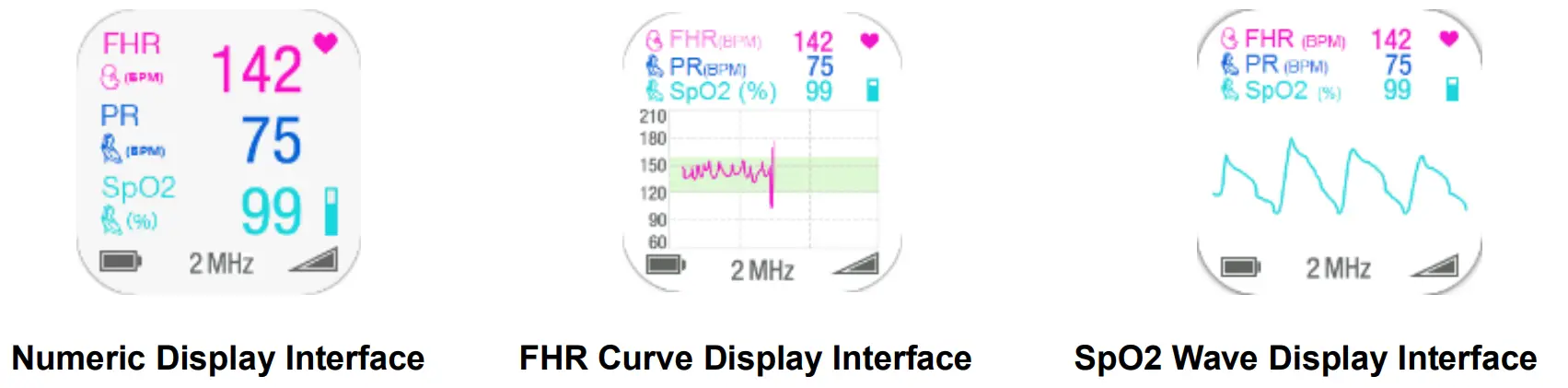
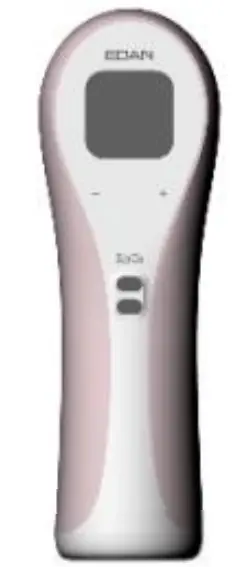
Appearance(Above pictures are just for reference)
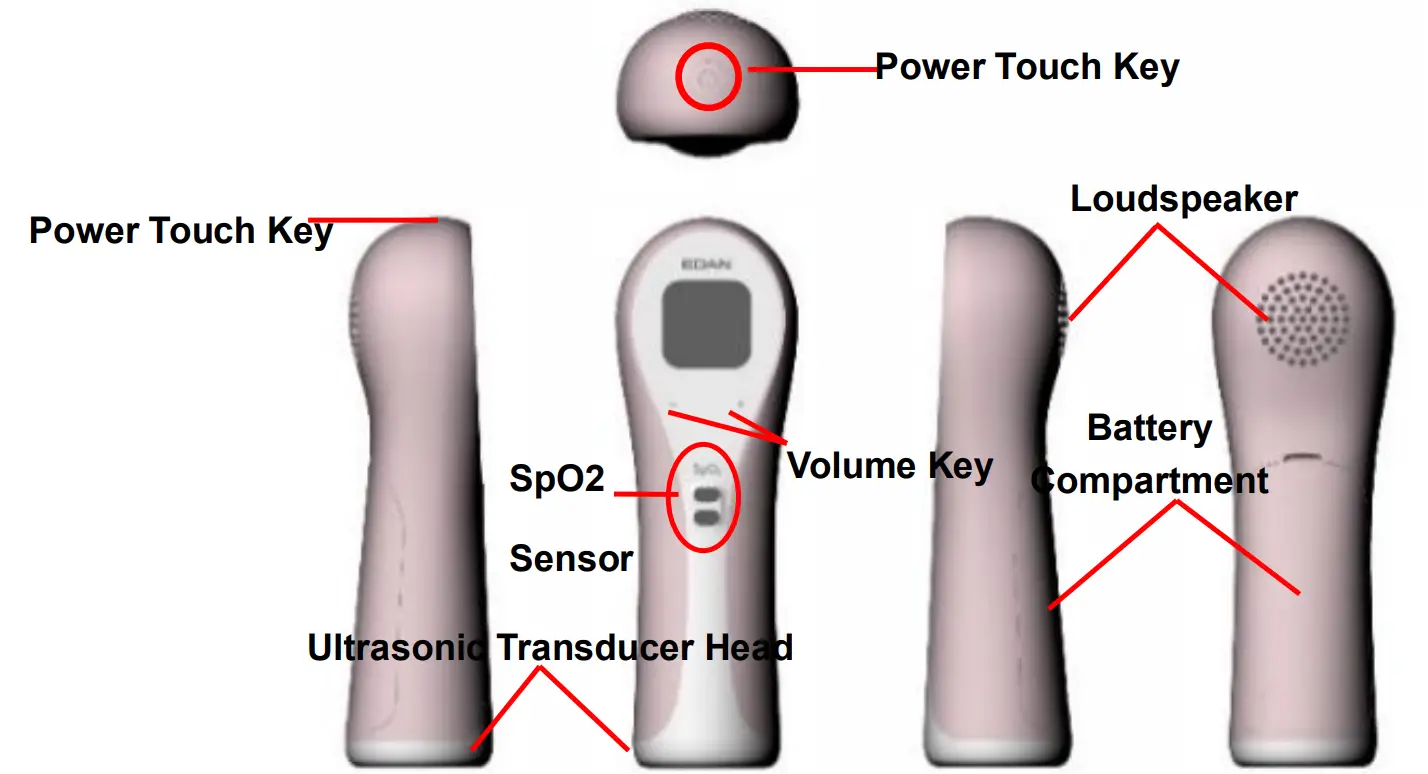
| Item | Name | icons | Description |
| 1 | Fetal heart icon |  | Indicates fetal heart beat and flickers to the fetal heart beat. |
| 2 | Perfusion bar |  | Indicates pulse beat |
| 2 | FHR numeric |  | Displays fetal heart rate within the range from 30 bpm to 240 bpm. |
| PR numeric |  | Displays pulse rate within the range from 30 bpm to 240 bpm | |
| SpO2 numeric |  | Displays SpO2 within the range from 70% to 100% | |
| Volume numeric |  | Volume numeric is displayed in the center of the screen, and ranges from level 0 to 7. | |
| 3 | Battery indicator |  | Displayed on the bottom left corner of the screen and there are five degrees. When the battery indicator is empty and keeps flickering, it indicates that the battery level is extremely low and battery needs to be replaced or charged. |
| 4 | Fetal heart signal quality indicator |  | Displayed on the bottom right corner of the screen and there are three levels, representing poor, acceptable and good signal quality. |
| 5 | Volume increase touch key |  | Touch the key to decrease volume. |
| 6 | Volume decrease touch key |  | Touch the key to increase volume. |
| 7 | Ultrasound frequency | 2MHz, 3MHz | Indicates the current ultrasound frequency. Touch the volume increase and decrease touch keys simultaneously to switch the frequency. 2 MHz:used for more than 12-week gestation 3 MHz:used for more than 9-week gestation |
| 8 | Power touch key | 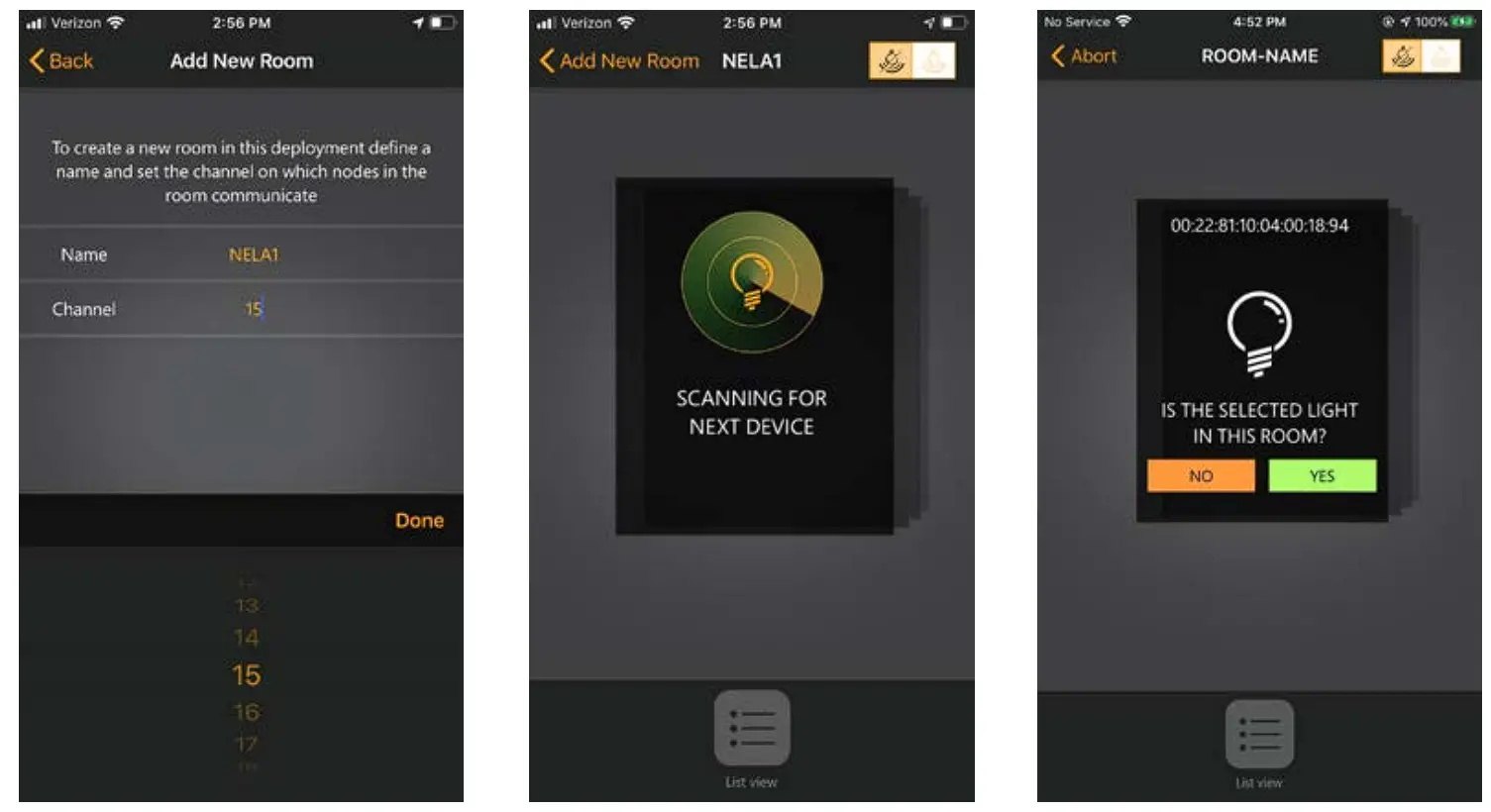 | Touch this key for a little while to switch it on or off; |
Basic Operation
NOTE:
To ensure that the Doppler works properly, please read this chapter and ChapterSafety Precautions
before operation; follow the steps when connecting all the components.
Opening the Package and Checking
Open the package; take out the Doppler and accessories carefully. Keep the package for possible future
transportation or storage. Check the components according to the packing list.
◆ Check for any mechanical damage.
◆ Check all the cables and accessories.
If there is any problem, contact us or your local distributor immediately.
Installing the Battery
a) Remove the battery compartment cover.
b) Insert the battery into the compartment carefully. Ensure its anode and cathode terminals are aligned with the anode and cathode marks on the compartment.
c) Install the compartment cover.
Recommended Battery Type:
AA Alkaline battery(AA,LR6,1.5 V);AA Rechargeable NI-MH battery(AA, Ni-MH, 1.2 V)
Charging the NI-MH Batteries
When battery level is low,take the batteries out from the main unit, and charge them with a NI-MH battery charger. The specifications of the provided battery charger are as below. You can also purchase a battery charger that meets the following specifications:
Output:1.2V-500mA*4AA 500mA*2AAA Battery Capacity:500mAh~3000mAh
NOTE:
Ifrechargeable NI-MH battery is configured,
- Please fully charge the battery after each use of the Doppler to ensure sufficient power during subsequent use.
- Please charge the battery after each transportation or storage.
WARNING |
|
Switching On
Touch the power touch key for about 1second when the Doppler is off, and the Doppler will display the switching on interface  before switching to display the test interface.
Switching Off
Touch the power touch key for about 1second when the Doppler is on, and the Doppler will be switched off.If the Doppler is not in operation or no signal is received for 1minute, the Doppler will be switched off automatically.
FHR Detection
SD2 is designed to detect the fetal heartbeat from the 10th week of gestation.
Before applying the Doppler to inspect FHR, you should always check whether the Doppler is in good condition and whether there is evident damage that might affect patient’s safety and the device’s function.If evident damage is found, stop using it at once and replace it with a good one.
Procedures to Detect FHR:
a) Have the patient lie on her back.
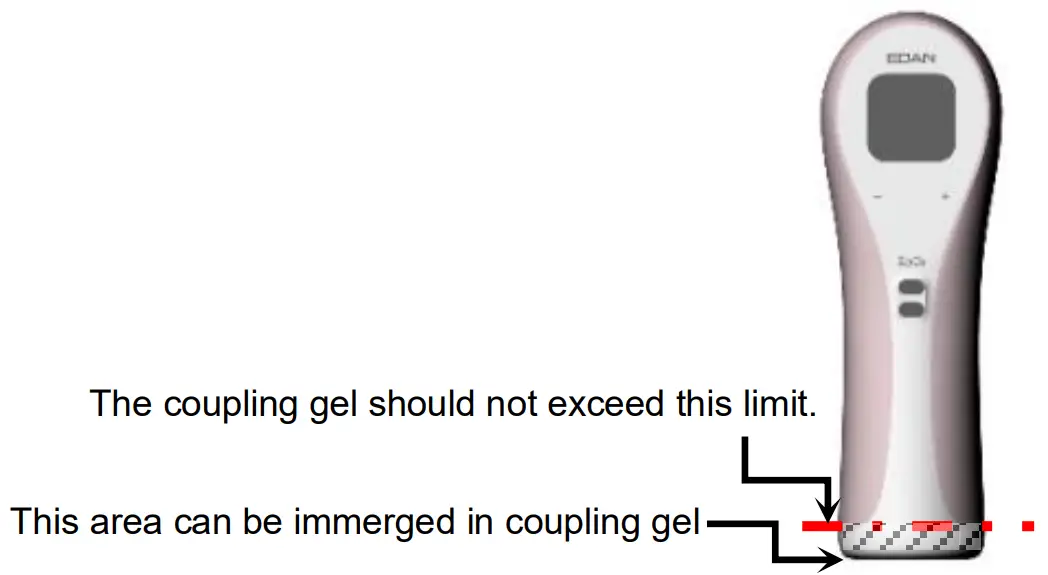
b) Apply appropriate amount of coupling gel to the ultrasonic transducer head of the Doppler and switch on the Doppler.
c) Palpate the patient’s abdomen gently to confirm the fetus’s position.
d) Place the Doppler on the patient’s abdomen, and move it around the fetus’s position or tilt it until a clear and rhythmic heart sound is heard and FHR numeric is stably displayed.
Note:
- Do not mistake the maternal heart rate for fetal heart rate.The fetal pulse should bedifferent from the maternal pulse, which can be measured at the wrist or neck
- Do not wear gloves to touch the keys. If there’s water and coupling gel on the fingers, please clean them first or the touching effect will be influenced.
How to Find the Best FH Signal:
- The easiest way: take the position the doctor last detected for FHR as a reference and move the Doppler around the position slowly until the best FH signal is found.
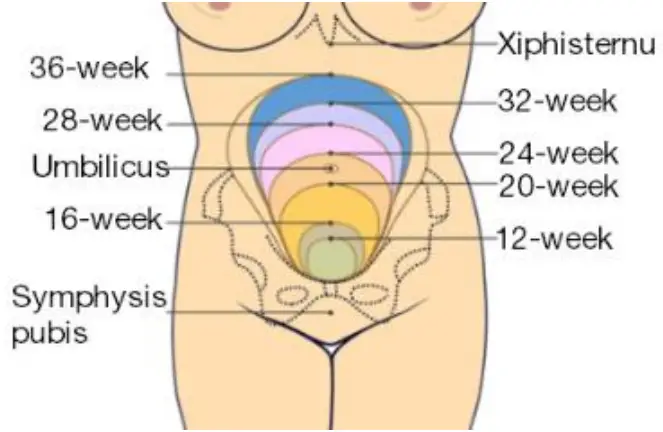
- The fetal heart position may change as the fetus moves inside the uterus. You can confirm the fetal position first according to the position of the uterus fundus in different gestational weeks.
- At the end of the 12-week gestation, the uterus fundus is about 2-3 fingers’ breadth (about 3-4.5 cm) above the symphysis pubis.
- At the end of the 16-week gestation, the uterus fundus is in the middle between the navel and the symphysis pubis.
- At the end of the 20-week gestation, the uterus fundus is about 1 finger’s breadth (about 1.5 cm) below the navel.
- At the end of the 24-week gestation, the uterus fundus is about 1 finger’s breadth(about 1.5 cm)above the navel.
- At the end of the 28-week gestation, the uterus fundus is about 3 fingers’ breadth (about 4.5 cm) above the navel
- At the end of the 32-week gestation, the uterus fundus is in the middle between the navel and the xiphisternum.
- At the end of the 36-week gestation, the uterus fundus is about 2 fingers’ breadth (about 3 cm) below the xiphisternum.

The clearest and loudest fetal heart sound is generally obtained when the Doppler is placed on thefetus’s back. Fetal movement is usually the movement of fetal limbs. So, if frequent fetal movement occurs at the right side of the abdomen, the fetus’s back is probablyat the left sideand vice versa.You can find the fetus’s back according to fetal movement’s position.
If the fetus is in cephalic delivery position, the fetal heart is either on the right side or on the left side below the navel; if the fetus is in breech delivery position, the fetal heart is either on the right side or on the left side above the navel.
Steps to Find Fetal Heart:
Have the patient lie on back and relax >> confirm fetal position by hand >> apply coupling gel to the Doppler>> place the Doppler on patient’s abdomen and start looking for the fetal heart >> the fetal heart is found when the Doppler gives out a continuing thumping sound “boom-boom-boom”.
CAUTION |
|
Note:
- The best quality of fetal heart signal is obtained only when the Doppler is placed in thebest detection position.
- Do not place the Doppler near positions where placental sound or umbilical blood flow sound is loud.
- If the fetus is in the cephalic position and the mother is supine, the clearest heart sound will normally be found on the midline below the navel. During detection, the pregnant woman’s prolonged lying in the supine position should be avoided to reduce the possibility of supine hypotension. Putting a pillow or cushion under the patient’s head or feet can be of help.
- It is not possible to obtain accurate FHR unless a clear fetal heart signal is detected. If the calculated FHR is not in accordance with the beat of the fetal heart sound, the fetal heart sound auscultation result shall prevail.
- Whether the fetal heart sound can be obtained or not is related to the skill and qualification of the operator.
- If the fetal heart sound cannot be found for a long time, it is necessary make use of other equipment.
- When applied to the patient, the Doppler may warm slightly (less than 2°C (35.6°F) above ambient temperature). When NOT applied, the Doppler may slightly (less than 5°C (41°F) above ambient temperature).
SOV Prompt
When detecting fetal heart rate, there are possibilities that maternal HR signal is mistaken for FHR signal.
The SOV function can reduce these possibilities.Detect FHR and PR at the same time. When FHR and PR signals overlap, SD2 will issue a sound. At this time, examine the patient or reposition the probe until fetal heart signal is found.
SpO2 Detection
SpO2 Plethysmogram measurement is employed to determine the oxygen saturation of hemoglobin in the arterial blood. The SpO2 numeric shows the percentage of hemoglobin molecules which have combined with oxygen molecules to form oxyhemoglobin. The SpO2/PLETH parameter can also provide a pulse rate signal and a plethysmogram wave.
NOTE:
- The device is calibrated to display functional oxygen saturation.
- The monitor does not have specific SpO2 calibration baselines.
- SpO2 waveform is not proportional to the pulse volume.
- A Functional tester or simulator cannot be used to assess the SpO2 accuracy. However, it can be used to test the accuracy of a particular calibration curve duplicated by the device, and it turns out the calibration curve meetsthe accuracy.
Inaccurate measurements can be caused but not limited by:
- Incorrect device application
- high levels of ambient light sources, such as surgical lights (especially those with a xenon light source), bilirubin lamps, fluorescent lights, infrared heating lamps, and direct sunlight
- failure to cover the sensor with fingerin high levels of ambient light conditions
- dysfunctional hemoglobins
- low peripheral perfusion
- excessive or violent patient movement
- venous pulsations
- intravascular dyes, such as indocyanine green or methylene blue
- externally applied coloring agents (nail polish, dye, pigmented cream)
- defibrillation
- placement of the device on an extremity with a blood pressure cuff, arterial catheter, or intravascular line
- electromagnetic interference
- Low perfusion
Lossofpulse signal can occur for the following reasons:
- a blood pressure cuff is inflated on the same extremity as the one with the device attached
- there is arterial occlusion proximal to the device
- low peripheral perfusion
Assessing the Validity of a SpO2 Reading
You can check the quality of the pleth wave and the stability of the SpO2 values to assess whether the sensor functions properly and whether the SpO2 readings are valid. Always use these two indicationssimultaneously to assess the validity of a SpO2 reading.
NOTE:
- The SpO2 accuracy has been validated in human studies against arterial blood sample reference measured with a CO-oximeter. Pulse oximeter measurements are statistically distributed, only about two-thirds of the measurements can be expected to fall within the specified accuracy compared to CO-oximeter measurements. The volunteer population in the studies composed of local healthy men and women from age 19 to 37, with variations of skin pigmentations. The SpO2 accuracy is as follows: ±2% for 90%-100% and ±4% for 70%-90%.
- The pulse rate accuracy is obtained by comparison to the pulse rate generated with an arterial oxygen simulator (also an electronic pulse simulator).
- Generally, the quality of the SpO2 pleth wave reflects the quality of the light signals obtained by the sensor. A wave of poor quality manifests a decline of the signal validity. On the other hand, the stability of the SpO2 values also reflects the signal quality. Different from varying SpO2 readings caused by physiological factors, unstable SpO2 readings are resulted from the sensor’s receiving signals with interference. The problems mentioned above may be caused by patient movement, wrong sensor placement or sensor malfunction. To obtain valid SpO2 readings, try to limit patient movement, check the placement of the sensor, measure another site or replace the sensor.
SpO2 Detection
- Hold the device with one hand and press the thumb on the SpO2 sensor continuously.
- Movement is not recommended during measurement.
- When the signals are stable, read corresponding data from screen.
NOTE:Avoid external light sources such as radiated rays or ultrared rays.
After Detection
- Switch off the Doppler.
- Wipe the remaining gel off the patient and the probe with a clean soft cloth or tissue.
Mobile Application Software (APP)
SD2 can connect to mobile phones with its Bluetooth function (optional). The SD2 APP has both Android and iOS versions.
iOS APP operating environment:
A) hardware environment
Processor: dual-core Apple A
RAM: ≥2GB
B) software environment: iOS 13.5.1 and above operating system
C) network environment: support Bluetooth
Android APP operating environment:
A) hardware environment
CPU: frequency≥1.0GHz
RAM: ≥4GB
B) software environment: Android 8.0 and above operating system
C) network environment: support Bluetooth
Note:
|
|


- Your mobile phone may prohibit the installation of “applications from unknown sources”. Enter Settings to allow the installation first.
- For normal functioning of the APP, please give the APP function-related permissions.
- For how to use the APP, read the instructions in the About sub-interface under the Settings interface of the APP
WARNING |
| This device complies with Part 15 of the FCC Rules. Operation is subject to the following two conditions: 1)this device may not cause harmful interference, and 2)this device must accept any interference received, including interference that may cause undesired operation. This equipment generates uses and can radiate radio frequency energy and, if not installed and used in accordance with the instructions, may cause harmful interference to radio communications. However, there is no guarantee that interference will not occur in a particular installation. If this equipment does cause harmful interference to radio or television reception, which can be determined by turning the equipment off and on, the user is encouraged to try to correct the interference by one or more of the following measures:
Radiation Exposure Statement |
NOTE:
- This equipment (SD2) has been tested and found to comply with the limits for a Class B digital device, pursuant to part 15 of the FCC Rules. These limits are designed to provide reasonable protection against harmful interference in a residential installation.
- Any changes or modifications to this unit not expressly approved by the party responsible for compliance could void the user’s authority to operate the equipment.
Maintenance
The overall check of the Doppler, including safety check and function check, should be performed by qualified personnel every 12 months, and each time after service. And safety check must include current leakage test and insulation test. Besides the above requirements, comply with local regulations on maintenance and measurement.
The accuracy of FHR is determined by the Doppler and cannot be adjusted by user. If you have doubt concerning the accuracy of FHR, verify it with other methods such as using a stethoscope, or contact local distributor or the manufacturer for help.
The Doppler is frangible and must be handled with care.Wipe the remaining gel off the Dopplerafter each use. These measures can help prolong the Doppler’s life.
Replace the accessories such as the battery according to use. If any of the accessories are damaged, refer to chapter Ordering Information for details and order new ones.
Please check the label for the date of manufacture, the service life is 5 years (The service life is limited to the Doppler, not including the replaceable accessories. The only replaceable accessory of SD2 is battery.
The frequency of usage is 8 hours/day).
Cleaning
Before cleaning, switch off the Doppler.Clean the exterior surface of the Doppler with a soft,cleancloth dampened withethanol (75%) or mild near neutral detergent thoroughly until no visible contaminants remain. After cleaning, wipe off the cleaning solution with a fresh cloth or paper towel dampened with tap water until no visible cleaning agent remains. Dry the monitor in a ventilated and cool place.
CAUTION |
|
| Disinfection Before disinfection, switch off the Doppler. Wipe the exterior surface of the Doppler with a soft, clean cloth dampened with ethanol (75%) or mild near neutral detergent.Wipe off the disinfectant solution with a dry cloth after disinfection if necessary.Dry the Doppler for at least 30 minutes in a ventilated and cool place. |
CAUTION |
| Do not immerse the Doppler into the disinfector or water. |
Product Specifications
Product Information
| Product Name | Ultrasonic Pocket Doppler |
| Model | SD2、 SD2 Basic、 SD2 Lite、 SD2 Plus、 SD2 Pro |
| IEC 60601-1:2005/A1:2012, EN 60601-1:2006/A1:2013, IEC 60601-1-2:2014, IEC 60601-2-37:2015, IEC 60601-1-11:2015, IEC 61266:1994 |
Classification
| Anti-electric Shock Type: | Internally powered equipment |
| Anti-electric Shock Degree: | Type BF equipment |
| Degree of Protection against Harmful Ingress of Water: | IP22 Protection against vertically falling water drops when ENCLOSURE tilted up to 15° |
| Degree of Safety in Presenceof Flammable Gases: | Equipment not suitable for use in presence of flammable gases |
| Working System: | Continuous running equipment |
| EMC: | CISPR 11 Group 1 Class B |
Physical Specifications
| Size: | Length*Width* Height: (48±1) mm× (39±1) mm× (145±3) mm | |
| Weight: | <200g(including batteries) | |
| LCD: | Size: | 1.3 inch,23.4 mm ╳ 23.4 mm |
| Resolution: | 240╳240(Pixels) | |
| Coupling Gel: | pH: 5.5~8.0 Acoustic Impedance: 1.5×10⁶ Pa.s/m ~1.7×10⁶Pa.s/m (35°C/95ºF) | |
Environment
| Working: | Temperature:+5°C ~ +40°C ( +41ºF ~ +104ºF) Humidity:15% RH ~ 95% RH(non-condensing) Atmospheric Pressure:70 kPa ~ 106 kPa |
| Transport and Storage: | Temperature:-25°C ~ +70°C (-13ºF ~ +158ºF) Humidity:15% RH ~ 95% RH (non-condensing) Atmospheric Pressure:70 kPa ~106 kPa |
Note: The time required for the Doppler to warm from the minimum storage temperature between uses until it is ready for intended use is at least 2 hours; the time required for the Doppler to cool from the maximum storage temperature between uses until it is ready for intended use is at least 2 hours
Performance Specifications
| FHR (Essential Performance): | FHR Measuring Range: 30 bpm ~ 240 bpm Accuracy: ±2 bpm Note: FHR measurement result may not be accurate if the equipment is measuring beyond its measuring range. |
| FHR Resolution: | 1bpm |
| Audio Output: | Output Power: 2w Background noise: <45dBA |
| Overall Sensitivity: | >90dB |
| Auto Power-off: | Power off when the Doppler receives no signal or operation for 1 minute. |
| Bluetooth: | TransmissionRange (Without Obstacles) :> 5m (Indoor range depends on the building’s structure and material.) |
| Intelligent Denoising | Noise generated in static state<100mV |
| Shock Resistance | Withstands a 1.3 m drop at least 6 times to concrete surface with possible cosmetic damage only |
| Ultrasound: | Frequency: (3.0±10%) MHz; (2.0±10%) MHz |
| p_<1 MPa | |
| Iob<10 mW/cm2 | |
| Ispta<100 mW/cm2 | |
| Isata<10 mW/cm2 | |
| Isppa.3<190 W/cm2 | |
| Ispta.3<94 mW/cm2 | |
| Effective Radiating Area: 490mm2 ± 15% | |
| Ultrasound output power:<49mW | |
| Working Mode: pulse wave | |
| Pulse wave repetition rate:5KHz (±5%) | |
| Pulse wave duration:75µs (±5%) | |
| SpO2: |
|
| SpO2 Sensor: |
|
| PR: |
|
Battery Specifications
| Specification: |
|
| Working Duration: |
|
Bluetooth Specifications
| Modulation: | GFSK π /4-DQPSK 8DPSK |
| Frequency: | 2400-2483.5MHz |
| Tolerance Frequency: | ≤ 20ppm |
| RF output power: | ≤ 20dBm (EIRP) |
| Occupied Channel Bandwidth: | ≤ 2MHz |
| Transmitter Unwanted Emissions: | ≤﹣30dBm |
Low Output Summary Table
(For systems whose global maximum valuedoes not exceed 1.0)
System: SD2 Ultrasonic Pocket Doppler
| Model (MHz) | Ispta.3 (mW/cm2) | TI Type | TI Value | MI | Isppa.3 (W/cm2) |
| SD2 CD3.0 | 3.25 | TIS | 0.032 | 0.01 | 0.009 |
| TIB | 0.11 | ||||
| SD2 CD2.0 | 4.21 | TIS | 0.028 | 0.013 | 0.012 |
Ordering Information
CAUTION |
| Only the parts supplied by the manufacturershould be used with the Doppler |
| Parts | Part Number | Parts | Part Number |
| SD2 Doppler | 02.06.263378 | SD2 Lite Doppler | 02.06.263382 |
| SD2 Pro Doppler | 02.06.263379 | Rechargeable NI-MH battery | 21.21.064180 |
| SD2 Plus Doppler | 02.06.263380 | AA Alkaline Battery | 01.21.064086 |
| SD2 Basic Doppler | 02.06.263381 | Zipper bag | 01.56.466428 |
Ultrasound Intensity and Safety
ltrasound in Medicine
The use of diagnostic ultrasound has proved to be a valuable tool in medical practice. Given its known benefits for non-invasive investigations and medical diagnosis, including investigation of the human fetus, the question of clinical safety with regards to ultrasound intensity arises.
There is no easy answer to the question of safety surrounding the use of diagnostic ultrasound equipment. Application of the ALARA (As Low As Reasonably Achievable) principle serves as a rule-of-thumb that will help you to get reasonable results with the lowest possible ultrasonic output.
The American Institute of Ultrasound in Medicine (AIUM) states that given its track record of over 25 years of use and no confirmed biological effects on patients or instrument operators, the benefits of the prudent use of diagnostic ultrasound clearly outweigh any risks.
Ultrasound Safety and the ALARA Principle
Ultrasound waves dissipate energy in the form of heat and can therefore cause tissue warming. Although this effect is extremely low with Doppler, it is important to know how to control and limit patient exposure. Major governing bodies in ultrasound have issued statements to the effect that there are no known adverse effects from the use of diagnostic ultrasound, however, exposure levels should always be limited to As Low As Reasonably Achievable (the ALARA principle).
Explanation of MI/TI MI (Mechanical Index)
Cavitations will be generated when ultrasound wave passes through and contacts tissues, resulting in instantaneous local overheating. This phenomenon is determined by acoustic pressure, spectrum, focus, transmission mode, and factors such as states and properties of the tissue and boundary. This mechanical bioeffect is a threshold phenomenon that occurs when a certain level of ultrasound output is exceeded. The threshold is related to the type of tissue. Although no confirmed adverse mechanical effects on patients or mammals caused by exposure at intensities typical of present diagnostic ultrasound instruments have ever been reported, the threshold for cavitation is still undetermined. Generally speaking, the mechanical index (MI) in order to indicate the potential for mechanical effects. The MI is defined as the ratio of the peak-rarefactional acoustic pressure (should be calculated by tissue acoustic attenuation higher the acoustic pressure, the greater the potential for mechanical bioeffects; the lower the acoustic frequency, the greater the potential for mechanical bioeffects.
MI = Pr, α
fawf ×CMI
CMI = 1 (MPa / MHz )
TI (Thermal Index)
Heating of tissues is caused by absorption of ultrasound when the ultrasound energy is applied. The temperature rise is determined by the acoustic intensity, exposed area and thermophysical properties ofthe tissue.
In order to indicate the potential for temperature rise caused by thermal effects, the AIUM and NEMA formulate thermal index (TI). It is defined as the ratio of the total acoustic power to the acoustic power required to raise the tissue temperature by 1ºC (1.8°F).
According to different thermophysical properties of the tissue, TI is divided into three kinds: TIS, TIB and TIC.
TIS (Soft Tissue Thermal Index): It provides an estimate of potential temperature rise in soft or similar tissues.
TIB (Bone Thermal Index): It provides an estimate of potential temperature rise when the ultrasound beam passes through soft tissue and a focal region is in the immediate vicinity of bone.
TIC (Cranial Bone Thermal Index): It provides an estimate of potential temperature rise in the cranial bones or superficial bones.
Measurement Uncertainties
The uncertainties in the measurements were predominantly systematic in origin; the random uncertainties were negligible in comparison. The overall systematic uncertainties were determined as follows:
- Hydrophone Sensitivity: ± 12 percent for intensity, ± 6 percent for pressure. Based on the hydrophone calibration report by ONDA. The uncertainty was determined within ±1 dB in frequencyrange 1-15 MHz.
- Digitizer: ±0.3 percent for intensity. ± 0.15 percent for pressure.
Based on the stated accuracy of the 8-bit resolution of the Agilent DSO6012 Digital Oscilloscope and the signal-to-noise ratio of the measurement. - Temperature:±2.4 percent for intensity uncertainty, ±1.2 percent for pressure uncertainty.
Based on the temperature variation of the water bath of ± 1ºC (1.8°F). - Spatial Averaging: ± 3.5 percent for intensity, ± 1.75 percent for pressure.
- Non-linear Distortion: N/A.
No effects of nonlinear propagation were observed.
Since all the above error sources are independent, they may be added on an RMS basis, giving a total uncertainty of ± 12.73 percent for all intensity values reported, ± 6.37 percent for all the pressure values,,± 12.6 percent for the Mechanical Index, uncertainty of ±12.73% percent for power,±0.15 percent for center frequency, ±6.87% for the MI.
Prudent Use Statement
Although no confirmed bioeffects on patients caused by exposure from present diagnostic ultrasound equipment have ever been reported, the potential exists that such bioeffects may be identified in the future. Therefore, the ultrasound should be used prudently. High levels of acoustic output and long exposure time should be avoided while acquiring necessary clinical information.
Acoustic Output Reporting Table for Track 1 Acoustic output reporting table for IEC60601-2-37 (IEC60601-2-37, Edition 2.1, 2015-0, table 201.103)
Transducer Model: SD2, Operating Mode: PW mode
| Index label | MI | TIS | TIB | TIC | |||
| At Surface | Below Surface | At surface | Below Surface | ||||
| Maximum index value | 0.013 | 0.028 | 0.086 | N/A | |||
| Index component value | N/A | 0.028 | NA | 0.086 | |||
|
Acoustic Parameters | pr.αat zMI (MPa) | 0.019 | |||||
| P (mW) | 8.62 | 8.62 | N/A | ||||
| P1x1 (mW) | N/A | N/A | |||||
| zs (cm) | 5.12 | ||||||
| zb (cm) | 4.97 | ||||||
| zMI (cm) | 0.50 | ||||||
| zPII.α(cm).α | 0.50 | ||||||
| fawf (MHz) | 2.00 | 3.00 | 3.00 | N/A | |||
| Other information | prr (Hz) | 4999.00 | |||||
| srr (Hz) | N/A | ||||||
| npps | N/A | ||||||
| Ipa.α at zPII.α (W/cm2) | 0.012 | ||||||
| Ispta.α at zPII.α or zSII.α(mW/cm2) | 4.21 | ||||||
| Ispta at zPII or zSII (mW/cm2) | 4.67 | ||||||
| pr. at zPII(MPa) | 0.020 | ||||||
| Operating control conditions | Fixed | N/A | Fixed | N/A | Fixed | N/A | |
| Fixed | N/A | Fixed | N/A | Fixed | N/A | ||
| 2.00 | N/A | 2.00 | N/A | 2.00 | N/A | ||
Transducer Model: SD2, Operating Mode: PW mode
| Index label | MI | TIS | TIB | TIC | |||
| At Surface | Below Surface | At surface | Below Surface | ||||
| Maximum index value | 0.011 | 0.032 | 0.11 | N/A | |||
| Index component value | N/A | 0.032 | NA | 0.11 | |||
| Acoustic Parameters | pr.αat zMI (MPa) | 0.019 | |||||
| P (mW) | 10.96 | 10.96 | N/A | ||||
| P1x1 (mW) | N/A | N/A | |||||
| zs (cm) | 4.65 | ||||||
| zb (cm) | 4.55 | ||||||
| zMI (cm) | 0.50 | ||||||
| zPII.α (cm).α | 0.50 | ||||||
| fawf (MHz) | 3.00 | 3.00 | 3.00 | N/A | |||
| Other information | prr (Hz) | 4999.00 | |||||
| srr (Hz) | N/A | ||||||
| npps | N/A | ||||||
| Ipa.α at zPII.α (W/cm2) | 0.0090 | ||||||
| Ispta.α at zPII.α or zSII.α(mW/cm2) | 3.25 | ||||||
| Ispta at zPII or zSII (mW/cm2) | 3.72 | ||||||
| pr. at zPII(MPa) | 0.021 | ||||||
| Operating control conditions | Fixed | N/A | Fixed | N/A | Fixed | N/A | |
| Fixed | N/A | Fixed | N/A | Fixed | N/A | ||
| 3.00 | N/A | 3.00 | N/A | 3.00 | N/A | ||
Standard Parameter Equal Contrast List
| IEC60601-2-37 Standard Parameters | ||||||
| Parameter | Note | Parameter | Note | |||
| pr.α | Attenuated Peak-rare-factional Acoustic Pressure | fawf | Center Frequency, Working Frequency | Acoustic | ||
| pr | Peak-rare-factional Acoustic Pressure | X | -12dB Output Beam Dimensions | |||
| P | Output Power | Y | ||||
| zs | Depth for Soft Thermal Index | Tissue | td | Pulse Duration | ||
| Pα(Zs) | Attenuated Output Power | prr | Pulse Repetition Frequency (Pulse Repetition Rate) | |||
| Ita.α(Zs) | Attenuated Temporal-average Intensity | deq | Equivalent Beam Diameter | |||
| zbp | Break-point Depth | Ipi.α at max MI | Attenuated Pulse-average Intensity at the point of Maximum MI | |||
| zb | Depth for Bone Index | Thermal | Aaprt | -12dB Output Beam Area | ||
| Ipi.α | Attenuated Pulse-intensity Integral | MI | Mechanical Index | |||
| Ipi | Pulse-intensity Integral | TIS | Soft Tissue Thermal Index | |||
| deq(Zb) | Equivalent Beam Diameter at the point of Zsp | TIB | Bone Thermal Index | |||
| TIC | Cranial-bone Thermal Index | |||||
EMC Information
Electromagnetic Emissions
| Guidance and manufacturer’s declaration – electromagnetic emission | ||
| The SD2 Ultrasonic Pocket Doppler is intended for use in the electromagnetic environment specified below. The customer or the user of the device should assure that it is used in such an environment. | ||
| Emission test | Compliance | Electromagnetic environment – guidance |
| RF emissions CISPR 11 | Group 1 | The SD2Ultrasonic Pocket Doppler uses RF energy only for its internal function. Therefore, its RF emissions are very low and are not likely to cause any interference in nearby electronic equipment. |
| RF emission CISPR 11 | Class B | The SD2 Ultrasonic Pocket Doppler is suitable for use in all establishments, including domestic establishments and those directly connected to the public low-voltage power supply network that supplies buildings used for domestic purposes. |
| Harmonic emissions IEC/EN61000-3-2 | Not applicable | |
| Voltage fluctuations /flicker emissions IEC/EN61000-3-3 | Not applicable | |
Electromagnetic Immunity
| Guidance and manufacture’s declaration–electromagnetic immunity | |||
| The SD2 Ultrasonic Pocket Doppler is intended for use in the electromagnetic environment specified below. The customer or the user of the device should assure that it is used in such an environment. | |||
| Immunity test | IEC 60601 test level | Compliance level | Electromagnetic environment-guidance |
| Electrostatic discharge (ESD) IEC 61000-4-2 | ±8 kV contact ±2 kV,±4 kV,±8 kV ±15 kV air | ±8 kV contact ±2 kV,±4 kV,±8 kV ±15 kV air | Floors should be wood, concrete or ceramic tile. If floor are covered with synthetic material, the relative humidity should be at least 30%. |
| Electrical Fast Transient/Burst IEC/EN61000-4-4 | ±2kV forpower supplylines ±1kV forinput/outputlines | Not applicable | Not applicable |
| Surge IEC/EN61000-4-5 | ± 1 kV line(s) toline(s) ± 2 kV line(s) to earth | Not applicable | Not applicable |
| Voltage dips, short interruptions, and voltage variations on power supply input lines IEC/EN61000-4-11 | <5%UT(>95% dip inUT) for 0.5cycle 40%UT(60%dip in UT) for5 cycles 70%UT(30%dip in UT) for25 cycles <5%UT(>95% dip inUT) for 5s | Not applicable | Not applicable |
| Power frequency (50Hz/60Hz) magnetic field IEC61000-4-8 | 30 A/m | 30 A/m | Power frequency magnetic fields should be at levels characteristic of a typical location in a typical commercial or hospital environment. |
Electromagnetic Immunity
| Guidance and manufacture’s declaration – electromagnetic immunity | |||
| The SD2 Ultrasonic Pocket Doppler is intended for use in the electromagnetic environment specified below. The customer or the user of the device should assure that it is used in such an environment. | |||
| Immunity test | IEC 60601 test level | Compliance level | Electromagnetic environment-guidance |
|
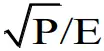
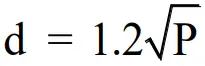
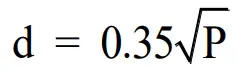
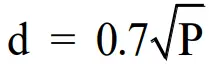
Conducted RF | 3 Vrms 150 kHz ~ 80 MHz 6Vrmsc)in ISM bands between 0,15 MHz and 80 MHz 10V/m 80 MHz ~ 2.7 GHz See Table -Test specifications for ENCLOSURE PORT IMMUNITY to RF wireless communications equipment for test level | Not Applicable 10 V/m 80 MHz to 2.7 GHz See Table-Test specifications for ENCLOSURE PORT IMMUNITY to RF wireless communications equipment for test level | Portable and mobile RF communications equipment should be used no closer to any part of the SD2 Ultrasonic Pocket Doppler, including cables, than the recommended separation distance calculated from the equation applicable to the frequency of the transmitter. Recommended separation distance: d = 0.35  80 MHz to 800 80 MHz to 800MHz d = 0.7 GHz d = 6 Where P is the maximum output power rating of the transmitter in watts (W) according to the transmitter manufacturer and d is the recommended separation distance in meters (m). Field strengths from fixed RF transmitters, as determined by an electromagnetic site survey,a should be less than the compliance level in each frequency range.b Interference may occur in the vicinity of equipment marked with the following symbol: |
| NOTE 1:At 80 MHz and 800 MHz, the higher frequency range applies. NOTE 2: These guidelines may not apply in all situations. Electromagnetic propagation is affected by absorption and reflection from structures, objects and people. | |||
| a Field strengths from fixed transmitters, such as base stations for radio (cellular/cordless) telephones and land mobile radios, amateur radio, AM and FM radio broadcast and TV broadcast cannot be predicted theoretically with accuracy. To assess the electromagnetic environment due to fixed RF transmitters, an electromagnetic site survey should be considered. If the measured field strength in the location in which the SD2 Ultrasonic Pocket Doppler is used exceeds the applicable RF compliance level above, the SD2Ultrasonic Pocket Doppler should be observed to verify normal operation. If abnormal performance is observed, additional measures may be necessary, such as reorienting or relocating the SD2 Ultrasonic Pocket Doppler. b Over the frequency range 150 kHz to 80 MHz, field strengths should be lessthan 3 V/m. c The ISM (industrial, scientific and medical) bands between 0,15 MHz and 80 MHz are 6,765 MHz to6,795 MHz; 13,553 MHz to 13,567 MHz; 26,957 MHz to 27,283 MHz; and 40,66 MHz to 40,70 MHz. The amateur radio bands between 0,15 MHz and 80 MHz are 1,8 MHz to 2,0 MHz, 3,5 MHz to 4,0 MHz, 5,3 MHz to 5,4 MHz, 7 MHz to 7,3 MHz, 10,1 MHz to 10,15 MHz, 14 MHz to 14,2 MHz, 18,07 MHz to 18,17 MHz,21,0 MHz to 21,4 MHz, 24,89 MHz to 24,99 MHz, 28,0 MHz to 29,7 MHz and 50,0 MHz to 54,0 MHz. | |||
 at RF wireless communications equipment bands (Portable RF communications equipment (including peripherals such as antenna cables and external antennas) should be used no closer than 30 cm (12 inches) to any part of the SD2 Ultrasonic Pocket Doppler, including cables specified by the manufacturer).
Table-Test specifications for ENCLOSURE PORT IMMUNITY to RF wireless communications equipment
| Test Frequency (MHz) | Brand a) (MHz) | Service a) | Modulatio n b) | Maximu m Power(W ) | Distance (m) | IMMUN ITY TEST LEVEL (V/m) |
| 385 | 380-390 | TETRA 400 | Pulse modulation b) 18Hz | 1.8 | 0.3 | 27 |
| 450 | 430-470 | GMRS 460, FRS 460 | FM C) ±5 kHz deviation 1kHz sine | 2 | 0.3 | 28 |
| 710 | 704-787 | LTE Brand 13, 17 | Pulse modulation b) 217 Hz | 0.2 | 0.3 | 9 |
| 745 | ||||||
| 780 | ||||||
| 810 |
800-960 | GSM 800/900,TETR A 800, iDEN 820, CDMA 850, LTE Band 5 | Pulse modulation b) 18 Hz | 2 | 0.3 | 28 |
| 870 | ||||||
| 930 | ||||||
| 1720 | 1700-199 0 | GSM 1800; CDMA 1900; GSM 1900; DECT; LTE Band 1, 3, 4,25;UMTS | Pulse modulation b) 217 Hz |
2 | 0.3 | 28 |
| 1845 | ||||||
| 1970 | ||||||
| 2450 | 2400-257 0 | Bluetooth, WLAN,802.11 b/g/n, RFID 2450, LTE Brand 7 | Pulse modulation b) 217 Hz | 2 | 0.3 | 28 |
| 5240 | 5100-580 0 | WLAN 802.11 a/n | Pulse modulation b) 217 Hz | 0.2 | 0.3 | 9 |
| 5500 | ||||||
| 5785 | ||||||
| Note: If necessary to achieve the IMMUNITY TEST LEVEL, the distance between the transmitting antenna and the ME EQUIPMENT or ME SYSTEM maybe reduce to 1m. The 1 m test distance is permitted by IEC 61000-4-3. | ||||||
| a) For some services, only the uplink frequencies are included. b) The carrier shall be modulated using a 50% duty cycle square wave signal. c) As an alternative FM modulation, 50% pulse modulation at 18 Hz may be used because while it does not represent actual modulation, it would be worst case | ||||||
| Recommended separation distances between portable and mobile RF communications equipment and theSD2 Ultrasonic Pocket Doppler | |||
| The SD2 Ultrasonic Pocket Doppleris intended for use in an electromagnetic environment in which radiated RF disturbances are controlled. The customer or the user of theSD2 Ultrasonic Pocket Doppler can help prevent electromagnetic interference by maintaining a minimum distance between portable and mobile RF communications equipment (transmitters) and the SD2 Ultrasonic Pocket Doppleras recommended below, according to the maximum output power of the communications equipment. | |||
| Rated maximum output power of transmitter (W) | Separation distance according to frequency of transmitter (m) | ||
150 kHz to 80 MHz | 80 MHz to 800 MHz | 800 MHz to 2.7 GHz | |
| 0.01 | / | 0.035 | 0.07 |
| 0.1 | / | 0.11 | 0.22 |
| 1 | / | 0.35 | 0.7 |
| 10 | / | 1.11 | 2.21 |
| 100 | / | 3.5 | 7 |
| For transmitters rated at a maximum output power not listed above, the recommended separation distance d in meters (m) can be estimated using the equation applicable to the frequency of the transmitter, where P is the maximum output power rating of the transmitter in watts (W) according to the transmitter manufacturer. NOTE 1: At 80 MHz and 800 MHz, the separation distance for the higher frequency range applies. NOTE 2: These guidelines may not apply in all situations. Electromagnetic propagation is affected by absorption and reflection from structures, objects and people. | |||
Troubleshooting
| Problem | Possible Cause | Solution |
| Fail to power on, or shut down shortly after switching on | Battery level is very low. | Replace the batteries or charge the rechargeable NI-MH batteries |
| Battery is not installed properly. | Re-install the battery. | |
| Fail to switch on the Doppler as instructed. | Touch the On/Off touch key for a while to power on the Doppler. | |
| The Doppler has malfunctions. | Contact service personnel. | |
| Loudspeaker does not work. | Sound volume has been turned down to the lowest level. | Adjust sound volume to appropriate level. |
| If the Doppler is configured with Bluetooth, fetal heart sound can be played by mobile phone. | Set to play fetal heart sound by mobile phone or the Doppler on the APP. | |
| The Doppler has malfunctions. | Contact service personnel. | |
| FHR cannot be displayed stably. | There is strong interference source such as high frequency machines and mobile phones nearby. | Use the Doppler away from strong interference sources. |
| The fetal heart position has changed because of fetal movement. | Relocate the Doppler to the best fetal heart rate detection position. | |
| Friction between the Doppler and patient’s abdomen causes false displaying. | Find the best fetal heart rate detection position. | |
| Sensitivity is low and noise is too much. | There is strong interference source such as high frequency machines and mobile phones nearby. | Use the Doppler away from strong interference sources. |
| The Doppler is not applied with coupling gel. | Apply coupling gel to the Doppler. | |
| The Doppler is not placed at the best detection position. | Relocate the Doppler to the best fetal heart rate detection position. | |
| The Doppler malfunctions. | Contact service personnel. | |
| “-?-” displayed on the screen | The Doppler malfunctions. | Contact service personnel. |
| SpO2 or PRcannot be displayed normally | SpO2 sensor is not fully covered by finger | Put the finger on the sensor again |
| Strong ambient light | Do not use the device in an environment with high ambient light | |
| Patient is in low perfusion or Patient’s oxyhemoglobin is too low to be measured | See a doctor. | |
| Finger is trembling or patient is moving | Please keep still. | |
| The Doppler malfunctions. | Contact service personnel. |
Accuracy Results in Clinical Studies
The table below shows Arms values measured with the investigational devicein a clinicalstudy.
| SaO2 Range | Arms |
| 90%-100% | 1.01 |
| 80%-90% | 2.01 |
| 70%-80% | 2.01 |
| 70%-100% | 1.68 |
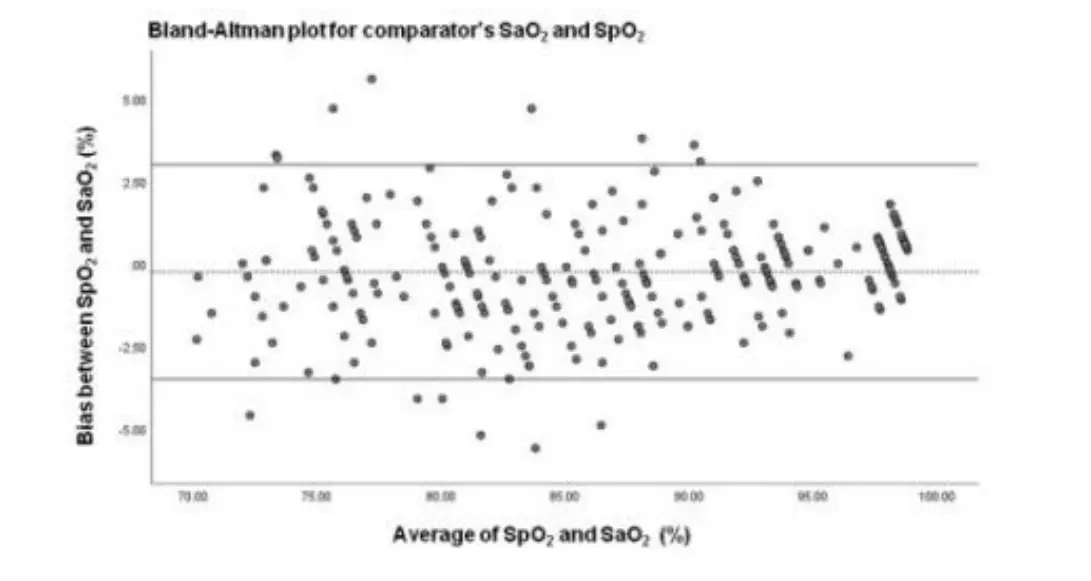
The figure below shows the Bland-Altman Plot of SaO2 vs SpO2 measured withthe investigational device.
In the plots, the upper and lower dotted lines represent the upper and inferior limits of the 95% consistency, and the middle dotted line represents the average of the bias.
Warranty and Service
Warranty
EDAN warrants that EDAN’s products meet the labeled specifications of the products and will be free from defects in materials and workmanship that occur within warranty period.
The warranty is void in cases of:
A. damage caused by mishandling during shipping.
B. subsequent damage caused by improper use or maintenance.
C. damage caused by alteration or repair by anyone not authorized by EDAN.
D. damage caused by accidents.
E. replacement or removal of serial number label and manufacture label.
If a product covered by this warranty is determined to be defective because of defective materials, components, or workmanship, and the warranty claim is made within the warranty period, EDAN will, at its discretion, repair or replace the defective part(s) free of charge. EDAN will not provide a substitute product for use when the defective product is being repaired.
Contact Information
If you have any question about maintenance, technical specifications or malfunctions of devices, contact your local distributor.
Alternatively, you can send an email to EDAN service department at: [email protected].
 | EDAN INSTRUMENTS, INC. Address: #15 Jinhui Road, Jinsha Community, Kengzi Sub-District, PingshanDistric, 518122 Shenzhen, P.R. China Email: [email protected] Tel: +86-755-2689 8326 Fax: +86-755-2689 8330 www.edan.com.cn |
 | EC REPRESENTATIVE Shanghai International Holding Corp. GmbH Eiffestrasse 80, 20537 Hamburg Germany Tel. : +49-40-2513175 E-mail: [email protected] |
Definition of Symbols
| No. | Symbol | Definition |
| 1 |  | Disposal method |
| 2 |  | Operating instructions |
| 3 |  | Caution |
| 4 |  | Type BF applied part |
| 5 |  | Part Number |
| 6 |  | Serial Number (Start with H on battery compartment cover) |
| 7 |  | Date of Manufacture |
| 8 | | Manufacturer |
| 9 |  | General symbol for recovery/recyclable |
| 10 |  | Refer to User Manual (Background: Blue; Symbol: White) |
| 11 |  | MR Unsafe–Keep away from magnetic resonance imaging (MRI) equipment |
| 12 |  | Non-ionizing electromagnetic radiation |
| 13 |  | IP22 Protected against solid foreign objects of 12,5 mm ∅ and greater,Protection against vertically falling water drops when ENCLOSURE tilted up to 15° |
| 14 |  | Caution: Federal (U.S.) law restricts this device to sale by or on the order of a physician. |
| 15 |  | No SpO2 Alarms |
 深圳市理邦精密仪器股份有限公司