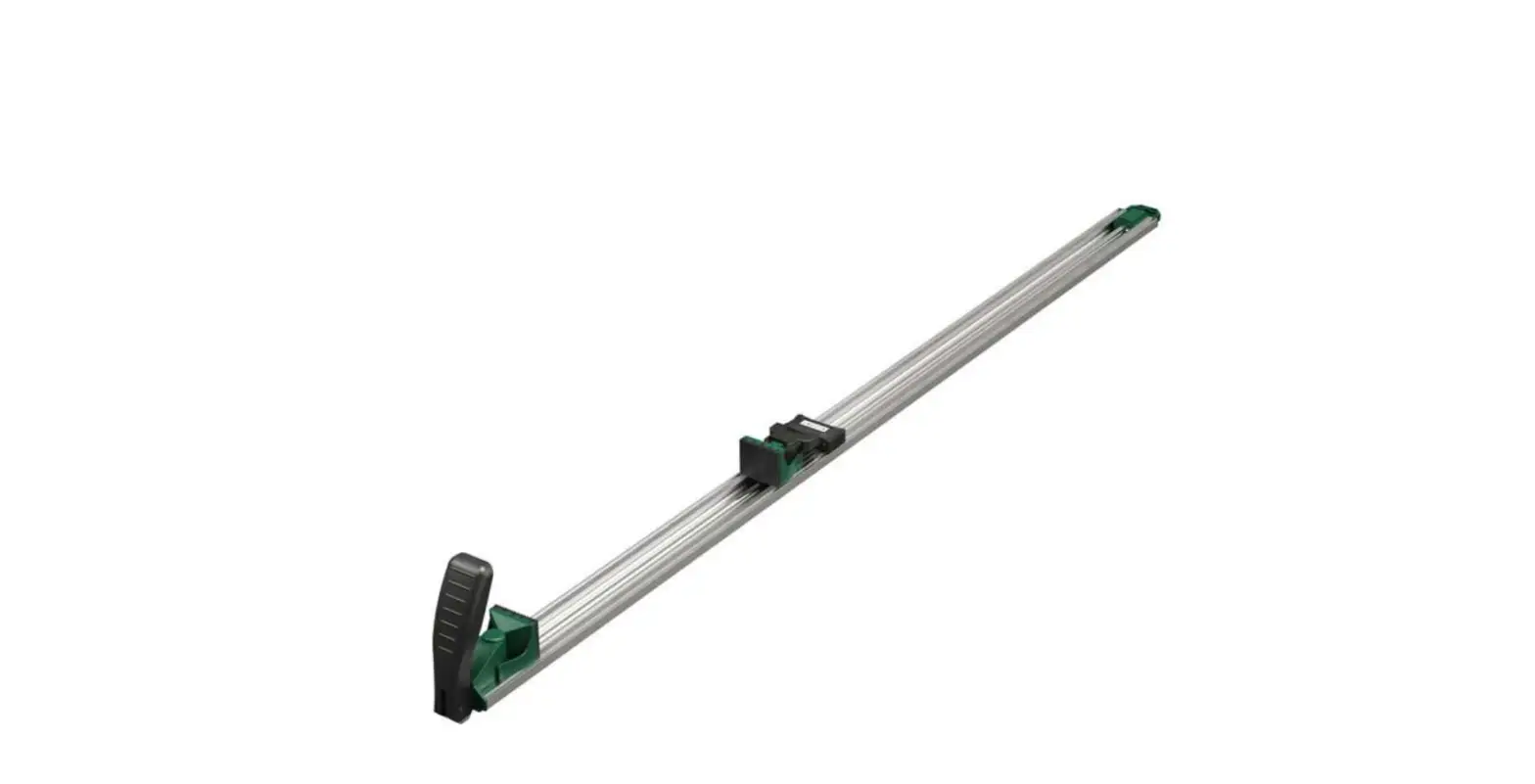
BT-CL002 Croc Lock Compact Work and Clamping System
Product Information: CROC LOCK COMPACT Work & Clamping
System
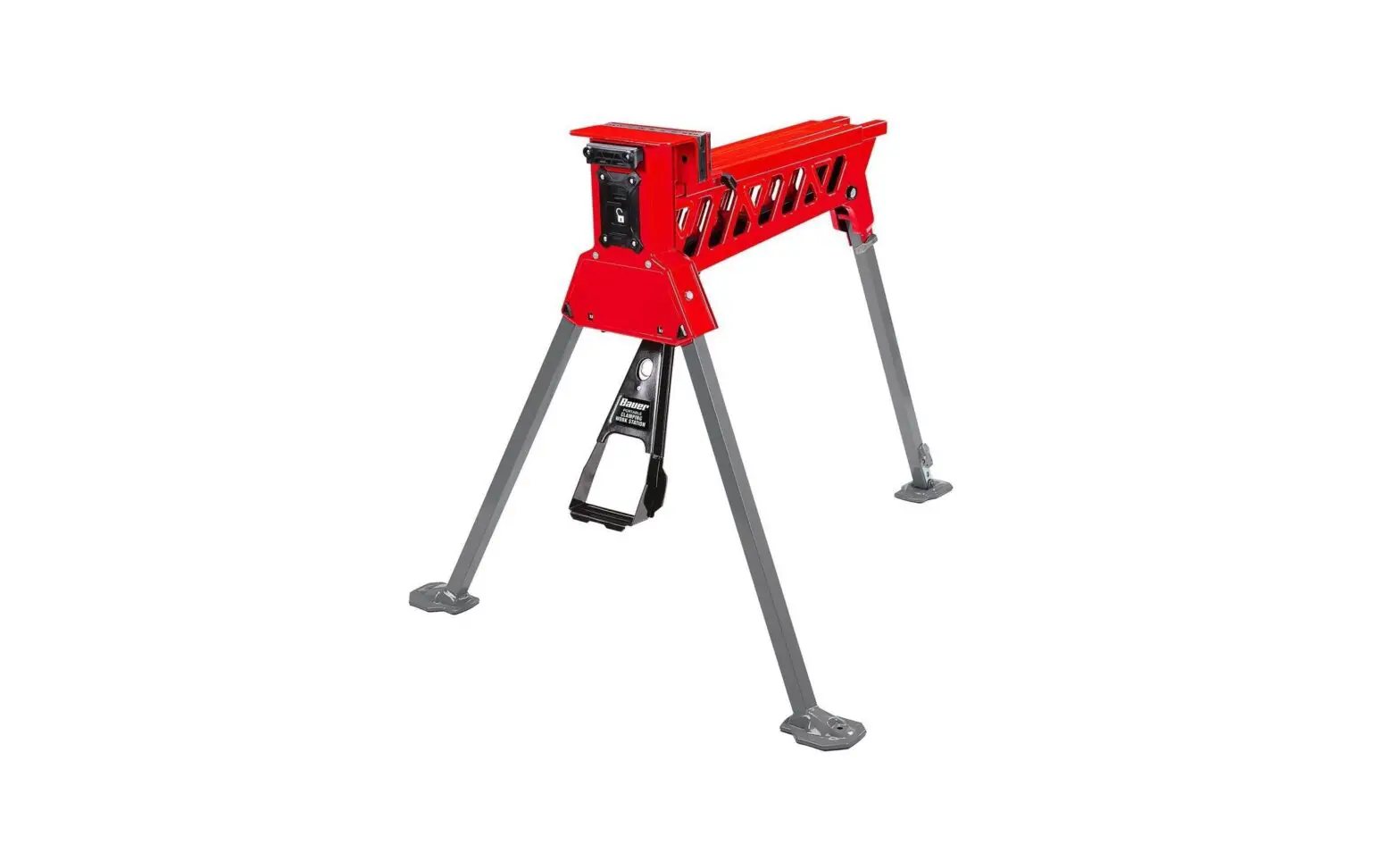
The CROC LOCK COMPACT is a work and clamping system designed to
provide a secure and stable work surface for various DIY and
professional projects. The product comes with a fixed jaw, fixed
jaw pad, moving jaw pad, and moving jaw, along with front and rear
legs, front foot, rubber anti-slip pad, foot pedal, foot pedal
lock, front leg locks, lock/unlock switch, and moving jaw locking
tab.
Features:
- Fixed and moving jaws for secure clamping
- Anti-slip pads for stability
- Foot pedal for hands-free operation
- Lock/unlock switch for easy adjustments
- Foldable design for convenient storage and transport
Product Usage Instructions:
Assembly:
- Unfold the product and place it on a stable surface.
- Attach the front legs to the front foot and secure them with
the front leg locks. - Attach the rear leg to the rear leg lock lever.
- Attach the moving jaw to the fixed jaw and secure it with the
moving jaw locking tab. - Attach the fixed jaw pad and moving jaw pad to their respective
jaws.
Operation:
- Place the workpiece between the fixed and moving jaws.
- Use the foot pedal to adjust the position of the moving jaw for
a secure grip. - Use the lock/unlock switch to release or lock the jaws in
place.
Cleaning and Maintenance:
- Turn off the product and unplug it from the power source.
- Wipe the product with a clean, damp cloth to remove any dirt or
debris. - Apply a small amount of lubricant to the moving parts to ensure
smooth operation.
Storage:
- Turn off the product and unplug it from the power source.
- Use the foot pedal to fold the product into a compact
size. - Store the product in a dry, cool place away from direct
sunlight and moisture.
C ROC LOCK COMPACT
Work & clamping system
Arbeits- & Klemmsystem Système de travail & de serrage Werk- & klemsysteem Sistema di lavoro e fissaggio Banco de trabajo y sujeción Sistema de trabalho e fixação Stól roboczy z imadlem
Operating instructions Bedienungsanleitung (Original) Mode d’emploi Gebruiksaanwijzing Istruzioni di Funzionamento Manual de usuario Instruções de funcionamento Instrukcja
Model: BTCL002
Item-No.: 7061991
www.bataviapower.com
A
1
4
23
13 5
12 6
11 10
7 9
8
Overview
1. Fixed jaw 2. Fixed jaw pad 3. Moving jaw pad 4. Moving jaw 5. Rear leg lock lever 6. Rear leg 7. Front foot 8. Rubber anti-slip pad 9. Front legs 10. Foot pedal 11. Foot pedaI lock 12. Front leg locks 13. Lock/unlock switch 14. Moving jaw locking tab
Übersicht
1. Feststehende Klemmbacke 2. Auflage feststehende Klemmbacke 3. Auflage bewegliche Klemmbacke 4. Bewegliche Klemmbacke 5. Arretierhebel hinteres Standbein 6. Hinteres Standbein 7. Vordere Standbeinfüße 8. Rutschfeste Gummi Auflage 9. Vordere Standbeine 10. Fußpedal 11. Fußpedalarretierung 12. Arretierung vordere Standbeine 13. Arretierungs-/Entsperrschalter 14. Verschlusslasche
Aperçu
1. Mâchoire fixe 2. Patin de mâchoire fixe 3. Patin de mâchoire de serrage 4. Mâchoire de serrage 5. Levier de verrouillage de la patte arrière 6. Patte arrière 7. Pied pour patte avant 8. Semelle en caoutchouc antidérapant 9. Patte avant 10. Pédale à pied 11. Mécanisme de verrouillage de la pédale
à pied 12. Mécanisme de verrouillage de la patte
avant 13. Manette de verrouillage/déverrouillage 14. Mâchoire verrouillant
Overzicht
1. Vaste klauw 2. Schoen vaste klauw 3. Schoen beweegbare klauw 4. Beweegbare klauw 5. Vergrendelhendel achterpoot 6. Achterpoot 7. Voet voorpoten 8. Rubberen anti-slipzool 9. Voorpoten 10. Voetpedaal 11. Vergrendeling voetpedaal 12. Vergrendeling t.b.v. voorpoten 13. Vergrendel/ontgrendelknop 14. Ontgrendelschijf
2
Panoramica
1. Ganascia fissa 2. Cuscinetto ganascia fissa 3. Cuscinetto ganascia mobile 4. Ganascia mobile 5. Leva di bloccaggio della gamba
posteriore 6. Gamba posteriore 7. Piede anteriore 8. Cuscinetto in gomma antiscivolo 9. Gambe anteriori 10. Pedale 11. Blocco del pedale 12. Blocchi delle gambe anteriori 13. Interruttore di blocco/sblocco 14. Linguetta di bloccaggio della ganascia
mobile
Resumen
1. Mordaza fija 2. Almohadilla de la mordaza fija 3. Almohadilla de la mordaza móvil 4. Mordaza móvil 5. Palanca de bloqueo de la pata trasera 6. Pata trasera 7. Base de soporte delantera 8. Almohadilla antideslizante de goma 9. Patas delanteras 10. Pedal 11. Seguro de pedal 12. Seguros de las patas delanteras 13. Botón de apertura/cierre 1.1 Lengüeta de bloqueo de la mordaza
móvil
Visão geral
1. Maxila fixa 2. Almofada da maxila fixa 3. Almofada da maxila móvel 4. Maxila móvel 5. Alavanca de bloqueio da perna traseira 6. Perna traseira 7. Pé dianteiro 8. Almofada antiderrapante de borracha 9. Pernas dianteiras 10. Pedal do pé 11. Bloqueio do pedal do pé 12. Bloqueios da perna dianteira 13. Interruptor de bloqueio/desbloqueio 14. Aba de travamento da garra móvel
Przegld
1. Szczka nieruchoma 2. Podkladka szczki nieruchomej 3. Podkladka szczki ruchomej 4. Szczka ruchoma 5. Dwignia blokady tylnej nogi 6. Tylna noga 7. Przednia stopa 8. Gumowa podkladka antypolizgowa 9. Przednie nogi 10. Pedal nony 11. Blokada pedalu nonego 12. Blokady przednich nóg 13. Przycisk blokady/odblokowania 14. Zaczep blokujcy szczk ruchom
3
Contents
Table des matières
1. Explanation of the symbols . . . . 6 1. Explication des symboles . . . .13
2. Safety notes . . . . . . . . 6 2. Consignes de sécurité . . . . .13
3. Before the first use . . . . . . 7 3. Avant la première utilisation . . . .14
4. Contents of packing . . . . . . 7 4. Contenu de l’emballage . . . . .14
5. Intended use . . . . . . . . 7 5. Utilisation prévue . . . . . . .14
6. Assembly . . . . . . . . . 7 6. Assemblage . . . . . . . .14
7. Folding . . . . . . . . . . 7 7. Pliage . . . . . . . . . .14
8. Operation . . . . . . . . . 7 8. Fonctionnement . . . . . . .15
9. Cleaning and maintenance . . . . 8 9. Nettoyage et entretien . . . . .15
10. Storage . . . . . . . . . . 8 10. Nettoyage/Stockage . . . . . .16
11. Technical data. . . . . . . . 8 11. Fiche technique . . . . . . .16
12. Disposal . . . . . . . . . 8 12. Élimination et recyclage . . . . .16
Inhaltsverzeichnis
Inhoudsopgave
1. Erläuterung der Symbole . . . . 9 1. Uitleg van de symbolen . . . . .17
2. Sicherheitshinweise . . . . . . 9 2. Veiligheidsvoorschriften . . . . .17
3. Vor dem ersten Gebrauch . . . .10 3. Voor het eerste gebruik . . . . .18
4. Lieferumfang . . . . . . . .10 4. Inhoud van de verpakking . . . .18
5. Bestimmungsgemäße Verwendung .10 5. Beoogd gebruik . . . . . . .18
6. Montage . . . . . . . . .10 6. Montage . . . . . . . . .18
7. Zusammenklappen . . . . . .10 7. Inklappen . . . . . . . . .18
8. Gebrauch . . . . . . . . .11 8. Bediening . . . . . . . . .19
9. Reinigung und Wartung . . . . .12 9. Reiniging en onderhoud . . . . .19
10. Aufbewahrung. . . . . . . .12 10. Opslag . . . . . . . . . .19
11. Technische Daten. . . . . . .12 11. Technische gegevens . . . . 20
12. Entsorgung . . . . . . . .12 12. Afvalverwerking en hergebruik . . 20
4
Contenuto
Índice
1. Spiegazione dei simboli . . . . 21 1. Explicação dos símbolos . . . 29
2. Note di sicurezza . . . . . . 21 2. Notas de segurança . . . . . 29
3. Operazioni preliminari al primo uso
3. Antes da primeira utilização. . . 30
del prodotto . . . . . . . 22 4. Conteúdo da embalagem . . . 30
4. Contenuto della confezione . . . 22 5. Utilização prevista . . . . . 30
5. Destinazione d’uso . . . . . 22 6. Montagem . . . . . . . . 30 6. Montaggio . . . . . . . . 22 7. Encartamento . . . . . . . 30
7. Chiusura . . . . . . . . 22 8. Operação . . . . . . . . 31
8. Uso . . . . . . . . . . 23 9. Limpeza e manutenção . . . . 31 9. Pulizia e manutenzione . . . . 23 10. Armazenamento . . . . . . 31
10. Conservare il prodotto . . . . 23 11. Dados técnicos . . . . . . 32
11. Dati tecnici . . . . . . . . 24 12. Eliminação . . . . . . . . 32
12. Smaltimento . . . . . . . 24
Spis treci
Índice
1. Objanienie symboli . . . . . 33
1. Explicación de los símbolos. . . 25 2. Wskazówki dotyczce
2. Instrucciones de seguridad . . . 25
bezpieczestwa . . . . . . 33
3. Antes de usar por primera vez . . 26 3. Przed pierwszym uyciem . . . 34
4. Contenido del paquete . . . . 26 4. Zawarto opakowania . . . . 34
5. Uso previsto . . . . . . . 26 5. Przeznaczenie . . . . . . . 34
6. Montaje . . . . . . . . 26 6. Monta . . . . . . . . . 34
7. Plegado . . . . . . . . 26 7. Skladanie . . . . . . . . 34
8. Utilización . . . . . . . . 27 8. Obsluga . . . . . . . . 35
9. Limpieza y mantenimiento . . . 27 9. Czyszczenie i konserwacja . . . 35
10. Almacenamiento . . . . . . 28 10. Przechowywanie . . . . . . 36
11. Datos técnicos . . . . . . 28 11. Dane techniczne . . . . . . 36
12. Eliminación . . . . . . . 28 12. Utylizacja . . . . . . . . 36
5
English
Dear customer
Please familiarize yourself with the proper usage of the device by reading and following each chapter of this manual, in the order presented. Keep these operating instructions for further reference. Please read all safety instructions! This manual contains important information on operating and handling the device. Keep these operating instructions for further reference. Please pass it on along with the unit if it is handed over to a third party.
1. Explanation of the symbols
The following symbols are used in the user manual or on the product:
Warning! To reduce the risk of injury, the user must read the instruction manual.
Denotes risk of personal injury, loss of life or damage to the tool in case of non-observance of the instructions in this manual.
Wear safety glasses.
Wear safety gloves.
Recycle.
2. Safety notes
Please note the following safety notes to avoid malfunctions, damage or physical injury: · Dispose of the packaging materials carefully; the plastic bags may become a deadly toy for children. · Keep work area clean and well lit. Cluttered and dark areas invite accidents. · Stay alert, watch what you are doing and use common sense when operating a power tool. Do not use a work bench while you are tired or under the influence of drugs, alcohol or medication. · Use safety equipment. Always wear eye protection. Safety equipment such as dust mask, non-skid safety shoes, hard hat, or hearing protection used for appro-
priate conditions will reduce personal injuries.
· Do not overreach. Keep proper footing and balance at all times.
· Maintain the work bench. Check for misalignment or binding of moving parts, breakage of parts and any other condition that may affect the work bench operation. If damaged, have the work bench repaired before use. Many accidents are caused by poorly maintained tools.
· Use the workbench in accordance with these instructions and in the manner intended for the particular type of tool, taking into account the working conditions and the work to be performed. Use of the tool for operations different from intended could result in a hazardous situation.
· Do not wear loose-fitting clothing or jewellery; these may get caught while working with the work bench.
· Use the work bench only for its intended purpose. Do not use the work bench as scaffold, ladder, stool or similar.
· Keep bystanders and obstacles away from the work area.
· Use the work bench on a solid level ground and make sure the ground can carry the weight of the work bench plus the weight of the workpiece.
· Do not exceed the mentioned maximum load capacities of the work bench. Refer to the technical data.
· When working on heavy or large workpieces please consider getting assistance from another person.
· Do not use the work bench if any parts are damaged or bent.
· Do not drop the work bench, throw it, or otherwise misuse the work bench.
· Check if all fixing screws and knobs are tight. Make sure the legs are locked before you use the Croc Lock.
· Pay attention to the risk of tilting. The Croc Lock can tilt when working with large and heavy workpieces. Always ensure that the workpiece is well supported.
6
English
· Use the Croc Lock only for the intended purposes. Any other use is considered an abuse. The manufacturer is not liable for damage or injury caused by misuse.
· Only use accessories as recommended in the user manual, the use of other accessories can lead to injury.
· Store the workbench in a dry place that is protected from dust, dirt and frost. Keep the workbench out of the reach of children.
3. Before the first use
Before mounting, please check all parts for completeness. If parts are missing, do not return back the work bench but contact our support department. Dispose of packaging materials or store it out of reach of children. Plastic bags etc. may become a deadly toy for children.
4. Contents of packing
1× Croc Lock Compact 1× Instruction manual
5. Intended use
The Croc Lock is a multifunctional workbench for many applications such as clamping of doors, frames, fencing, ceiling plates, bicycles, car parts and all kinds of other materials.
6. Assembly
6.1 Place the Croc Lock upside down on the ground, unlock the rear leg lock lever (5) and slide the rear leg (6) from the storage position in the direction as shown.
6.2 Fully fold out the rear leg. 6.3 Slide the rear leg into position and lock
the rear leg locking lever (5). 6.4 Fold out the foot pedal (10) until it clicks
into position. 6.5 Fold out the front legs (9) until they click
into position. 6.6 Place the Croc Lock upright. Check if all
legs are firmly and in the correct position and check if everything is locked. 6.7 Rotate the moving jaw locking tab (14) to the horizontal position and the Croc Lock is now ready for use.
7. Folding
Enter the assembly instructions in reverse order from:
7.1 Ensure that the lock / release switch (13) is in the “unlock position”
7.2 The moving jaw locking tab (14) is in the “vertical” position to prevent the jaw from sliding out
7.3 Place the Croc Lock upside down on the ground. Unlock the front leg locks (12) and fold in the front legs.
7.4 Unlock the foot pedal lock (11) and fold the foot pedal in.
7.5 Unlock the rear leg lock lever (5) and place the rear leg (6) in the storage position and lock the rear leg lock lever again.
7.6 The rear leg (6) can be used to lift the Croc Lock in the folded position.
8. Operation
8.1 Clamping / locking
· Check that the moving jaw locking tab (14) is set to the horizontal position and push the moving jaw (4) back until your workpiece fits between the jaws.
· Place the workpiece against the fixed jaw (1) on the front.
· Slide the moving jaw (4) against the workpiece. The moving jaw can be moved by hand or with the foot pedal.
· Slide the lock / unlock button (13) down to lock.
· Press the foot pedal (10) down to secure the workpiece securely.
8.2 Loosening / unlocking
· Slide the lock / unlock button (13) up.
· Press the foot pedal (10) down until it “clicks”
· Slide the moving jaw (4) back.
Note: Apply the same pressure on the foot pedal when unlocking as when locking.
Warning: Support the workpiece so that it does not fall when the workpiece is unlocked.
8.3 Clamping on one side of the jaw
Large workpieces or workpieces with a different shape can in some cases only be
7
English
fixed on one side of the jaws. Avoid excessive use of the clamping force.
8.4 Clamping square workpieces
The jaw pads (2, 3) are equipped with horizontal and vertical grooves for clamping square tubes and angled workpieces.
8.5 Clamping large objects
(clamping range> 450 mm)
For clamping large workpieces, the moving jaw can be reversed so that the clamping range is increased to 956 mm:
· Set the lock / release switch (13) to the “release” position and ensure that the foot pedal is released.
· Check that the moving jaw locking tab (14) is in the horizontal position.
· Slide the moving jaw (4) out of the rail.
· Turn the moving jaw 180° and slide the jaw back into the rail.
· The clamping range between 450 mm and 500 mm must be bridged by means of a spool of at least 50 mm wide, for example a piece of wood or similar solid material.
Warning: When clamping workpieces up to the maximum clamping range, the workpiece must rest on the moving jaw and remain parallel.
Ensure sufficient stability when working with long or large workpieces. 8.6 Tips:
— Use a soft material between the workpiece and the jaws if necessary to prevent damage to the workpiece.
— Do not apply too much pressure on the workpiece.
— Ensure that the workpiece is in balance.
9. Cleaning and maintenance
Check the product for damage over worn parts before each use. Do not use the device if there are damaged or worn parts. Contact your supplier or manufacturer for spare parts.
10. Storage
Store the Croc Lock and the accessories in a dry and frost-free place.
11. Technical data
Max. weight: . . . . . . . . . . . . . . .100 kg Footprint (standing):. . . . . 95 × 88 × 86 cm Dimensions (folded): . . . 82 × 24,5 × 31 cm Working height: . . . . . . . . . . . . . 86 cm Clamping range: . . . . . . . . . 0 956 mm Clamping force: . . . . . . . . . . . . 1000 kg Product weight without accessories: 14.8 kg
12. Disposal
Dispose of the packaging by sorting into single type materials. Dispose of cardboard and carton as waste paper and foils via the recyclable material collection service. 12.1 Disposing of the product Dispose of the product in accordance with the applicable laws and regulations for your country. The product and the user manual may be subject to changes. Technical data may be changed without prior notice.
8
Sehr geehrte Damen und Herren
Bitte machen Sie sich in der Reihenfolge der Kapitel mit dem Gerät vertraut und bewahren Sie diese Bedienungsanleitung für spätere Zwecke gut auf. Bitte beachten Sie die Sicherheitshinweise! Diese Bedienungsanleitung enthält wichtige Hinweise zur Inbetriebnahme und Handhabung. Legen Sie die Anleitung dem Produkt bei, wenn Sie es an Dritte weitergeben.
1. Erläuterung der Symbole
Folgende Symbole werden im Benutzerhandbuch oder auf dem Produkt verwendet:
WARNUNG – Zur Verringerung des Verletzungsrisikos Bedienungsanleitung lesen.
Allgemeines Warnzeichen Seien Sie aufmerksam und beachten Sie allgemeine Gefahren.
Tragen Sie eine Schutzbrille.
Gute und widerstandsfähige Handschuhe tragen.
Recyceln.
2. Sicherheitshinweise
Bitte beachten Sie die folgenden Sicherheitshinweise, um Fehlfunktionen, Schäden oder Verletzungen zu vermeiden: · Entsorgen Sie die Verpackungsmaterialien sorgfältig; die Kunststoffbeutel können für Kinder zu einem tödlichen Spielzeug werden. · Halten Sie Ihren Arbeitsbereich sauber, und sorgen Sie für ausreichende Beleuchtung. Unordnung und dunkle Arbeitsbereiche können zu Unfällen führen. · Verwenden Sie das Gerät aufmerksam und vernünftig. Arbeiten Sie nicht an der Werkbank, wenn Sie müde sind oder unter dem Einfluss von Drogen, Alkohol oder Medikamenten stehen.
Deutsch
· Verwenden Sie Sicherheitsausrüstung. Tragen Sie stets eine Schutzbrille. Sicherheitsausrüstung wie Staubmaske, rutschfeste Sicherheitsschuhe, Schutzhelm oder Gehörschutz, die in geeigneter Weise verwendet wird, mindert die Verletzungsgefahr.
· Beugen Sie sich nicht zu weit nach vorne über. Achten Sie auf einen sicheren Stand, um in jeder Arbeitsposition das Gleichgewicht zu halten.
· Instandhaltung der Werkbank. Überprüfen Sie die Ausrichtung oder Verbindung von beweglichen Teilen, ob Teile defekt sind sowie alle anderen Umstände, die den Gebrauch der Werkbank beeinträchtigen können. Lassen Sie die Werkbank vor Gebrauch reparieren, wenn Sie eine Beschädigung feststellen. Die Ursache zahlreicher Unfälle sind schlecht gewartete Werkzeuge.
· Verwenden Sie die Werkbank gemäß dieser Anleitung und in der für den jeweiligen Werkzeugtyp vorgesehenen Weise. Berücksichtigen Sie dabei die Arbeitsbedingungen und die auszuführenden Arbeiten. Die Verwendung des Werkzeugs für andere als die vorgesehenen Arbeiten kann mit Gefahren verbunden sein.
· Tragen Sie keine lose sitzende Kleidung oder Schmuck, da sich diese bei der Arbeit an der Werkbank verfangen können.
· Verwenden Sie die Werkbank nur für den bestimmungsgemäßen Zweck. Verwenden Sie die Werkbank nicht als Gerüst, Leiter, Hocker o. Ä.
· Halten Sie umstehende Personen und Hindernisse vom Arbeitsbereich fern.
· Verwenden Sie die Werkbank auf einem festen, ebenen Untergrund und stellen Sie sicher, dass der Untergrund das Gewicht der Werkbank mit dem Gewicht des Werkstücks tragen kann.
· Die angegebene Tragfähigkeit der Werkbank darf nicht überschritten werden. Beachten Sie die technischen Daten.
· Bei Arbeiten an schweren oder großen Werkstücken sollten Sie sich unter
9
Deutsch
Umständen von einer anderen Person unterstützen lassen.
· Verwenden Sie die Werkbank nicht, wenn Teile beschädigt oder verbogen sind.
· Lassen Sie die Werkbank nicht fallen, werfen Sie nicht mit ihr und verwenden Sie sie nicht in anderer Weise unsachgemäß.
· Überprüfen Sie, ob alle Befestigungsschrauben und -knöpfe fest angezogen sind. Vergewissern Sie sich, dass die Beine verriegelt sind, bevor Sie die Croc Lock verwenden.
· Beachten Sie die Kippgefahr. Die Croc Lock kann bei der Bearbeitung großer und schwerer Werkstücke kippen. Achten Sie immer auf eine gute Unterstützung des Werkstücks.
· Verwenden Sie die Croc Lock nur für die bestimmungsgemäßen Zwecke. Jeder andere Gebrauch wird als unsachgemäß betrachtet. Der Hersteller haftet nicht für Schäden oder Verletzungen, die durch unsachgemäßen Gebrauch entstehen.
· Verwenden Sie nur das in der Gebrauchsanleitung empfohlene Zubehör. Die Verwendung von anderem Zubehör kann Verletzungen zur Folge haben.
· Bewahren Sie die Werkbank an einem trockenen, vor Staub, Schmutz und Frost geschützten Ort auf. Halten Sie die Werkbank von Kindern fern.
3. Vor dem ersten Gebrauch
Prüfen Sie vor der Montage, ob alle Teile vollständig vorhanden sind. Falls Teile fehlen, geben Sie die Werkbank nicht zurück, sondern wenden Sie sich an unsere Kundendienstabteilung.
Entsorgen Sie Verpackungsmaterial oder lagern Sie es für Kinder unzugänglich. Kunststoffbeutel usw. können für Kinder zu einem tödlichen Spielzeug werden.
4. Lieferumfang
1× Croc Lock Compact
1× Bedienungsanleitung
5. Bestimmungsgemäße Verwendung
Croc Lock ist eine multifunktionale Werkbank für viele Anwendungen wie das Aufspannen von Türen, Rahmen, Zäunen, Deckenplatten, Fahrrädern, Autoteilen und Werkstücken aller Art.
6. Montage
6.1 Stellen Sie die Croc Lock kopfüber auf den Boden, entriegeln Sie den Verriegelungshebel (5) für das hintere Bein und schieben Sie das hintere Bein (6) aus der Aufbewahrungsposition in die angegebene Richtung (siehe Abb. B).
6.2 Klappen Sie das hintere Bein vollständig aus.
6.3 Schieben Sie das hintere Bein in Position und verriegeln Sie den Verriegelungshebel (5).
6.4 Klappen Sie das Fußpedal (10) aus, bis es einrastet.
6.5 Klappen Sie die Vorderbeine (9) aus, bis sie einrasten.
6.6 Stellen Sie die Crock Lock richtig herum auf. Prüfen Sie, ob alle Beine fest und in der richtigen Position sind und ob alles verriegelt ist.
6.7 Die Verschlusslasche (14) an der beweglichen Backe in horizontale Position drehen. Jetzt ist die Croc Lock einsatzbereit.
7. Zusammenklappen
Gehen Sie die Montageanleitung in umgekehrter Reihenfolge durch:
7.1 Es ist sicher zu stellen, dass der Ver-, / Entriegelungsschalter (13) sich in der Entriegelungsposition befindet
7.2 Die Verschlusslasche (14) für die bewegliche Backe wird senkrecht gestellt, damit die Backe nicht herausgleiten kann.
7.3 Stellen Sie die Croc Lock umgekehrt auf den Boden. Entriegeln Sie die Verriegelungen (12) der Vorderbeine und klappen Sie die Vorderbeine ein.
7.4 Entriegeln Sie die Fußpedalverriegelung (11) und klappen Sie das Fußpedal ein.
10
Deutsch
7.5 Entriegeln Sie den Verriegelungshebel (5) des hinteren Beins, bringen Sie das hintere Bein (6) in die Aufbewahrungsposition und verriegeln Sie den Verriegelungshebel des hinteren Beins wieder.
7.6 Die zusammengeklappte Croc Lock kann am hinteren Bein (6) angehoben werden.
8. Gebrauch
8.1 Einspannen/Verriegeln
· Kontrollieren, dass die Verschlusslasche (14) sich in horizontaler Position befindet und dann wird die bewegliche Klemmbacke (4) zurück geschoben, bis dass das Werkstück zwischen die Backen passt.
· Legen Sie das Werkstück gegen die feste Spannbacke (1) auf der Vorderseite.
· Schieben Sie die bewegliche Spannbacke (4) gegen das Werkstück. Die bewegliche Spannbacke kann von Hand oder mit dem Fußpedal bewegt werden.
· Schieben Sie den Verriegelungs-/Entriegelungsknopf (13) zum Verriegeln nach unten.
· Drücken Sie das Fußpedal (10) nach unten, um das Werkstück sicher zu fixieren.
8.2 Lösen/Entriegeln
· Schieben Sie den Verriegelungs-/Entriegelungsknopf (13) nach oben.
· Drücken Sie das Fußpedal (10) nach unten, bis es ,,klickt”.
· Schieben Sie die bewegliche Spannbacke (4) zurück.
Hinweis: Drücken Sie beim Entriegeln genauso stark auf das Fußpedal wie beim Verriegeln.
Warnung: Halten Sie das Werkstück fest, damit es beim Entriegeln nicht herunterfällt.
8.3 Einspannen auf einer Seite der Backe
Große oder ungleichmäßig geformte Werkstücke können unter Umständen nur auf einer Seite der Spannbacken fixiert werden. Setzen Sie nicht übermäßig viel Spannkraft ein.
8.4 Einspannen von quadratischen Werkstücken
Die Spannbacken (2, 3) sind mit horizontalen und vertikalen Nuten zum Einspannen von Vierkantrohren und winkligen Werkstücken ausgestattet.
8.5 Einspannen von großen Objekten
(Spannbereich > 450 mm)
Zum Einspannen großer Werkstücke kann die bewegliche Spannbacke umgedreht werden, sodass der Spannbereich auf 956 mm vergrößert wird:
· Der Ver-, / Entriegelungsschalter (13) wird in Entriegelungspositon gestellt und sichergestellt, dass das Fußpedal frei ist.
· Kontrollieren, dass die Verriegelungslasche (14) für die bewegliche Klemmbacke sich in horizontaler Position befindet.
· Schieben Sie die bewegliche Spannbacke (4) aus der Schiene.
· Drehen Sie die bewegliche Spannbacke um 180° und schieben Sie sie wieder in die Schiene ein.
· Der Spannbereich zwischen 450 mm und 500 mm muss mit einem Distanzstück von mindestens 50 mm Breite, z. B. einem Holzstück oder ähnlichem Vollmaterial, überbrückt werden.
Warnung: Beim Einspannen von Werkstücken bis zum maximalen Spannbereich muss das Werkstück an der beweglichen Spannbacke anliegen und parallel bleiben.
Achten Sie beim Bearbeiten langer oder großer Werkstücke auf ausreichende Standstabilität.
8.6 Tipps:
— Geben Sie bei Bedarf ein weiches Material zwischen das Werkstück und die Spannbacken, um Beschädigungen am Werkstück zu vermeiden.
— Spannen Sie das Werkstück nicht zu fest ein.
— Achten Sie darauf, dass sich das Werkstück im Gleichgewicht befindet.
11
Deutsch 9. Reinigung und Wartung
Überprüfen Sie das Produkt vor jedem Gebrauch auf Beschädigungen und verschlissene Teile. Verwenden Sie die Werkbank nicht, wenn Teile beschädigt oder verschlissen sind. Wenden Sie sich für den Bezug von Ersatzteilen an den Lieferanten oder Hersteller.
10. Aufbewahrung
Bewahren Sie die Croc Lock und das Zubehör an einem trockenen und frostsicheren Ort auf.
11. Technische Daten
Belastbar bis:. . . . . . . . . . . . . . .100 kg Standfläche (stehend): . . . 95 × 88 × 86 cm Maße (zusammengeklappt): . . . . . . . . . . . . . . . . 82 × 24,5 × 31 cm Arbeitshöhe: . . . . . . . . . . . . . . . 86 cm Klemmbereich:. . . . . . . . . . 0 956 mm Klemmkraft: . . . . . . . . . . . . . . 1000 kg Produktgewicht ohne Zubehör: . . . 14,8 kg
12. Entsorgung
Entsorgen Sie die Verpackung sortenrein. Geben Sie Pappe und Karton zum Altpapier, Folien in die Wertstoff-Sammlung. 12.1 Produkt entsorgen Entsorgen Sie das Produkt gemäß der in Ihrem Land geltenden Bestimmungen und Gesetze.
12
Cher client
Les manuels d’utilisation contiennent des consignes importantes pour la manipulation de votre nouveau produit. Ils vous permettent d’utiliser toutes les fonctions, d’éviter des erreurs de compréhension et de prévenir les dommages. Veuillez prendre le temps de lire tranquillement ce manuel d’utilisation et conservez-le jalousement pour une consultation ultérieure. Lisez toutes les consignes de sécurité ! Ce manuel contient des informations importantes sur l’utilisation et l’entretien de l’appareil. Gardez ce manuel, car vous pourriez avoir besoin de le relire. Ce manuel doit accompagner l’appareil si son propriétaire change.
1. Explication des symboles
Les symboles suivants sont utilisés dans le manuel d’utilisation ou apposés sur le produit :
AVERTISSEMENT : pour réduire les risques de blessures, veuillez lire le mode d`emploi.
Indique un risque de blessures, un danger mortel ou un risqué d’endommagement de l’outil en cas du non-respect des consignes de ce mode d’emploi.
Portez des lunettes de protection.
Portez des gants de protection.
Recycler.
2. Consignes de sécurité
Il convient de respecter les consignes de sécurité ci-dessous pour éviter tout dysfonctionnement, dommage ou blessure: · Les matériaux d’emballage doivent être éliminés avec précaution ; les sacs en plastique peuvent devenir un jouet mortel pour les enfants. · Maintenez la zone de travail propre et bien éclairée. Un lieu de travail en
Français
désordre ou mal éclairé augmente le risque d’accidents.
· Restez vigilant, surveillez ce que vous faites. Faites preuve de bon sens quand vous utilisez un outil électroportatif. N’utilisez pas un établi lorsque vous êtes fatigué ou sous l’influence de drogues, d’alcool ou de médicaments.
· Utilisez des équipements de sécurité. Portez toujours des lunettes de protection. L’équipement de sécurité, notamment un masque anti-poussière, des chaussures de sécurité antidérapantes, un casque de protection ou une protection auditive, utilisé dans des conditions appropriées réduira les risques de blessures corporelles.
· Adoptez une position confortable. Adoptez une position stable et gardez votre équilibre en permanence.
· Entretenez l’établi Vérifiez le désalignement ou la liaison des pièces mobiles, la rupture des pièces et toute autre condition pouvant affecter le fonctionnement de l’établi. S’il est endommagé, faites réparer l’établi avant de l’utiliser. De nombreux accidents sont causés par des outils mal entretenus.
· Utilisez l’établi conformément à ces instructions et de la manière prévue pour le type d’outil particulier, en tenant compte des conditions de travail et du travail à effectuer. L’utilisation de l’outil pour des opérations différentes de celles prévues pourrait entraîner une situation dangereuse.
· Ne portez pas de vêtements amples ou de bijoux qui pourraient se coincer en travaillant sur l’établi.
· N’utilisez l’établi que pour l’usage auquel il est destiné. N’utilisez pas l’établi comme échafaudage, échelle, tabouret ou similaire.
· Tenez les personnes présentes et les obstacles éloignés de la zone de travail.
· Utilisez l’établi sur un sol plat et solide et assurez-vous que le sol peut supporter son poids ajouté à celui de la pièce.
· Ne dépassez pas les capacités de charge maximales de l’établi mention-
13
Français
nées. Référez-vous aux caractéristiques techniques.
· Lorsque vous travaillez sur des pièces lourdes ou de grande taille, pensez à demander l’aide d’une autre personne.
· N’utilisez pas l’établi si des pièces sont endommagées ou pliées.
· Ne laissez pas tomber l’établi, ne le jetez pas et ne l’utilisez pas à mauvais escient.
· Vérifiez si toutes les vis de fixation et les boutons sont bien serrés. Assurez-vous que les pieds sont verrouillés avant d’utiliser le Croc Lock.
· Faites attention au risque de basculement. Le Croc Lock peut basculer lorsque vous travaillez avec des pièces lourdes et de grande taille. Veillez toujours à ce que la pièce à usiner soit bien soutenue.
· N’utilisez le Croc Lock qu’aux fins prévues. Toute autre utilisation est considérée comme un abus. Le fabricant n’est pas responsable des dommages ou blessures causés par une mauvaise utilisation.
· N’utilisez que les accessoires recommandés dans le manuel d’utilisation, l’utilisation d’autres accessoires peut entraîner des blessures.
· Rangez l’établi dans un endroit sec, à l’abri de la poussière, de la saleté et du gel. Gardez l’établi hors de portée des enfants.
3. Avant la première utilisation
Avant le montage, veuillez vérifier que toutes les pièces sont complètes. S’il manque des pièces, ne retournez pas l’établi, mais contactez notre service d’assistance.
Jetez le matériel d’emballage usagé ou rangez-le hors de portée des enfants. Les sachets en plastique, etc., peuvent devenir des objets mortels entre les mains des enfants.
4. Contenu de l’emballage
1× Croc Lock Compact 1× Guide d’utilisation
5. Utilisation prévue
Le Croc Lock est un établi multifonctionnel destiné à de nombreuses applications telles que le verrouillage de portes, cadres, clôtures, plaques de plafond, vélos, pièces automobiles et toutes sortes d’autres matériaux.
6. Assemblage
6.1 Placez le Croc Lock à l’envers sur le sol, déverrouillez le levier de blocage du pied arrière (5) et faites glisser le pied arrière (6) de la position de rangement dans la direction indiquée (voir Fig. B).
6.2 Dépliez complètement le pied arrière. 6.3 Faites glisser le pied arrière en position
et bloquez le levier de blocage du pied arrière (5). 6.4 Dépliez la pédale (10) jusqu’à ce qu’elle s’enclenche. 6.5 Dépliez les pieds avant (9) jusqu’à ce qu’elles s’enclenchent. 6.6 Placez le Croc Lock à la verticale. Vérifiez que tous les pieds sont fermement et correctement positionnés et vérifiez que tout est bien verrouillé. 6.7 Tourner la mâchoire verrouillant (14) à la position horizontaux et Croc Lock est maintenant prêt à utiliser.
7. Pliage
Saisissez les instructions de montage dans l’ordre inverse à partir de : 7.1 S’assurer que la serrure / le commuta-
teur de relâchement (13) est dans la position verrouillée. 7.2 L’étiquette de la mâchoire en mouvement verrouillant (14) est dans la position (verticale) d’empêcher le glissement du mâchoire. 7.3 Placez le Croc Lock à l’envers sur le sol. Déverrouillez les verrous des pieds avant (12) et pliez les pieds avant. 7.4 Déverrouillez le verrou de la pédale (11) et pliez la pédale.
14
Français
7.5 Déverrouillez le levier de blocage du pied arrière (5) et placez le pied arrière (6) en position de rangement et verrouillez à nouveau le levier de blocage du pied arrière.
7.6 Le pied arrière (6) peut être utilisé pour soulever le Croc Lock en position pliée.
8. Fonctionnement
8.1 Serrage/blocage
· Vérifier que la mâchoire en mouvement verrouillant l’étiquette (14) est réglé à la position horizontale et pousse la mâchoire en mouvement (4) a l’arrière jusqu’à ce que votre pièce de fabrication soit entre les mâchoires.
· Placez la pièce à usiner contre la mâchoire fixe (1) à l’avant.
· Faites glisser la mâchoire mobile (4) contre la pièce à usiner. La mâchoire mobile peut être déplacée à la main ou à l’aide de la pédale.
· Faites glisser le bouton de blocage/ déblocage (13) vers le bas pour bloquer.
· Appuyez sur la pédale de commande (10) vers le bas pour fixer solidement la pièce à usiner.
8.2 Desserrage/déblocage · Faites glisser le bouton de blocage/ déblocage (13) vers le haut.
· Appuyez sur la pédale (10) jusqu’à ce qu’elle s’enclenche.
· Faites glisser la mâchoire mobile (4) vers l’arrière.
Remarque : Appliquez la même pression sur la pédale lors du déblocage que lors du blocage.
Avertissement : Soutenez la pièce à usiner de manière à ce qu’elle ne tombe pas lorsqu’elle est débloquée.
8.3 Serrage d’un côté de la mâchoire Dans certains cas, les pièces à usiner de grandes dimensions ou de formes différentes ne peuvent être fixées que d’un seul côté des mâchoires. Éviter l’utilisation excessive de la force de serrage.
8.4 Serrage de pièces à usiner carrées Les mâchoires (2, 3) sont équipées de rainures horizontales et verticales pour le
serrage de tubes carrés et de pièces coudées.
8.5 Serrage d’objets de grande taille
(plage de serrage > 450 mm) Pour le serrage de pièces à usiner de grande taille, la mâchoire mobile peut être inversée de sorte que la plage de serrage est augmentée à 956 mm :
· Régler la serrure/ le commutateur de relâchement (13) à la position de (relâchement) et s’assure que la pédale de pied est relâchée.
· Vérifier que la mâchoire en mouvement verrouillant l’étiquette (14) est dans la position horizontale.
· Faites glisser la mâchoire mobile (4) hors du rail.
· Tournez la mâchoire mobile de 180° et faites-la glisser dans le rail.
· La plage de serrage entre 450 mm et 500 mm doit être franchie au moyen d’une bobine d’au moins 50 mm de large, par exemple un morceau de bois ou un matériau massif similaire.
Avertissement : Lors du serrage de pièces à usiner jusqu’à la plage de serrage maximale, la pièce doit reposer sur la mâchoire mobile et rester parallèle.
Veillez à une stabilité suffisante lors de l’usinage de pièces longues ou de grande taille.
8.6 Astuces : — Utilisez un matériau souple entre la pièce
à usiner et les mâchoires si nécessaire pour éviter d’endommager la pièce à usiner.
— N’appliquez pas trop de pression sur la pièce à usiner.
— Assurez-vous que la pièce à usiner est en équilibre.
9. Nettoyage et entretien
Avant chaque utilisation, vérifiez l’absence de dommages sur les pièces usées. N’utilisez pas l’appareil s’il contient des pièces endommagées ou usées. Contactez votre fournisseur ou fabricant pour les pièces de rechange.
15
Français 10. Nettoyage/Stockage
Rangez le Croc Lock et les accessoires dans un endroit sec et à l’abri du gel.
11. Fiche technique
Max. capacité d’accueil : . . . . . . . .100 kg Pied (debout) : . . . . . . . . 95 × 88 × 86 cm Pied (plié) : . . . . . . . . . 82 × 24,5 × 31 cm Hauteur de travail : . . . . . . . . . . . 86 cm Capacité de serrage : . . . . . . 0 956 mm Force de serrage : . . . . . . . . . . . 1000 kg Poids du produit sans accessoires : 14,8 kg
12. Élimination et recyclage
Triez l`emballage en le mettant au rebut. Le papier et le carton doivent être jetés avec le papier usagé, tandis que les films plastiques sont à jeter avec les matériaux recyclables. 12.1 Mise au rebut le produit Mettre le produit au rebut conformément aux dispositions et lois en vigueur dans votre pays.
16
Geachte klant
Gebruikershandleidingen verstrekken nuttige tips m.b.t. gebruik van uw nieuwe apparaat. Ze helpen u alle functies te gebruiken, misverstanden te voorkomen en beschadiging te vermijden. Neem de tijd deze handleiding zorgvuldig te lezen en bewaar het als naslagwerk. Lees alstublieft alle veiligheidsinstructies! Deze handleiding bevat belangrijke informatie over het bedienen en hanteren van het apparaat. Bewaar deze gebruiksaanwijzing voor verdere verwijzing. Gelieve het samen met het toestel door te geven als deze aan derden wordt overhandigd.
1. Uitleg van de symbolen
De volgende symbolen worden gebruikt in de gebruikershandleiding of op het product:
WAARSCHUWING Lees de gebruiksaanwijzing om het risico op letsel te verminderen.
Gevaar voor lichamelijk letsel of materiële schade wanneer de instructies in deze handleiding niet worden opgevolgd.
Draag een veiligheidsbril.
Draag veiligheidshandschoenen.
Recycle.
2. Veiligheidsvoorschriften
Let op de volgende veiligheidsinstructies om storingen, schade of lichamelijk letsel te voorkomen:
· Gooi de verpakkingsmaterialen zorgvuldig weg; de plastic zakken kunnen dodelijk speelgoed voor kinderen worden.
· Zorg voor een opgeruimde en goed verlichte werkomgeving. Rommelige en donkere werkomgevingen leiden tot ongelukken.
· Blijf altijd alert, kijk goed wat u doet en gebruik uw gezonde verstand wanneer u de werkbank gebruikt. Gebruik de
Nederlands
werkbank niet wanneer u moe bent, of drugs, alcohol of medicijnen hebt gebruikt. · Gebruik veiligheidsvoorzieningen. Draag altijd een veiligheidsbril. Een gepast gebruik van veiligheidsvoorzieningen, zoals een stofmasker, speciale werkschoenen met antislip-zolen, een veiligheidshelm en gehoorbescherming verkleinen de kans op persoonlijk letsel. · Zorg dat u nooit uw evenwicht kunt verliezen; houd altijd twee voeten stevig op de vloer. · Zorg voor een goed onderhoud van de werkbank. Controleer of de bewegende delen op de juiste wijze zijn vastgezet. Controleer ook of er geen onderdelen defect zijn of dat er andere omstandigheden zijn die van invloed kunnen zijn op de werking van het gereedschap. Laat het gereedschap bij beschadigingen repareren vóór gebruik. Veel ongelukken worden veroorzaakt door slecht onderhoud van het gereedschap. · Gebruik de werkbank zoals aangegeven in deze instructies en op de wijze waarvoor het gereedschap is ontworpen. Houd daarbij rekening met de werkomstandigheden en de uit te voeren taak. Gebruik van de werkbank voor handelingen die afwijken van de taken waarvoor het apparaat is ontworpen kunnen leiden tot gevaarlijke situaties. · Draag geen loszittende kleding of sieraden; deze kunnen vast komen te zitten tijdens het werken met de werkbank. · Gebruik de werkbank alleen voor het beoogde doel. Gebruik de werkbank niet als steiger, ladder of kruk. · Houd omstanders en obstakels uit de buurt van het werkgebied. · Gebruik de werkbank op een stevige vlakke ondergrond en zorg ervoor dat de grond het gewicht van de werkbank plus het gewicht van het werkstuk kan dragen. · Overschrijd de genoemde maximale draagvermogen van de werkbank niet. Raadpleeg de technische gegevens.
17
Nederlands
· Schakel bij het werken met zware of grote werkstukken de hulp van een andere persoon in.
· Gebruik de werkbank niet als er onderdelen beschadigd of verbogen zijn.
· Laat de werkbank niet vallen, gooi er niet mee en gebruik de werkbank niet anderszins.
· Controleer of alle bevestiging schroeven en knoppen stevig vast zitten. Controleer of de poten zijn vergrendeld voordat u de Croc Lock in gebruik neemt.
· Let op het risico van kantelen. Bij het bewerken van grote en zware werkstukken kan de Croc Lock gaan kantelen. Zorg er altijd voor dat het werkstuk goed ondersteund wordt.
· Gebruik de Croc Lock alleen voor de bestemde doeleinden. Elk ander gebruik wordt als misbruik beschouwd. De fabrikant is niet aansprakelijk voor beschadiging of letsel als gevolg van misbruik.
· Gebruik alleen accessoires zoals aanbevolen in de gebruikershandleiding, het gebruik van andere accessoires kan leiden tot letsel.
· Bewaar de werkbank op een droge plaats die is beschermd tegen stof, vuil en vorst. Bewaar de werkbank buiten het bereik van kinderen.
3. Voor het eerste gebruik
Controleer, voor de montage, alle onderdelen op volledigheid. Als er onderdelen ontbreken, stuur de werkbank dan niet terug maar neem contact op met onze supportafdeling.
Gooi verpakkingsmateriaal weg of bewaar het buiten bereik van kinderen. Plastic zakken enz. kunnen dodelijk speelgoed voor kinderen worden.
4. Inhoud van de verpakking
1× Croc Lock Compact
1× Gebruiksaanwijzing
5. Beoogd gebruik
De Croc Lock is een multifunctionele werkbank voor veel toepassingen zoals het klemmen van deuren, kozijnen, hekwerken, plafondplaten, fietsen, auto-onderdelen en allerlei andere materialen.
6. Montage
6.1 Plaats de Croc Lock ondersteboven op de grond, draai de achterpoot vergrendelhendel (5) los en schuif de achterpoot (6) uit de opbergpositie in de richting als afgebeeld.
6.2 Klap de achterpoot volledig uit.
6.3 Schuif de achterpoot in positie en draai de achterpoot vergrendelhendel (5) vast.
6.4 Klap het voetpedaal (10) uit totdat deze in positie klikt.
6.5 Klap de voorpoten (9) uit tot ze vastklikken.
6.6 Plaats de Croc Lock rechtop. Controleer of alle poten stevig en de correcte positie bevinden en controleer of alles goed vergrendeld is.
6.7 Draai nu de ontgrendelschijf (14) in de horizontale positie en de Croc Lock is klaar voor gebruik.
7. Inklappen
Voer de montage instructies in omgekeerde volgorde uit:
7.1 Let hierbij op dat de ver- / ontgrendelkop (13) op de ontgrendelde positie staat.
7.2 Zet de ontgrendelschijf (14) verticaal om de beweegbare klembek te zekeren.
7.3 Plaats de Croc Lock ondersteboven op de grond. Ontgrendel de vergrendelingschuiven (12) van de voorpoten en klap de voorpoten in.
7.4 Ontgrendel de vergrendeling (11) van het voetpedaal en klap het voetpedaal in.
7.5 Draai de achterpoot vergrendelhendel (5) los en plaats de achterpoot (6) in de opbergpositie en draai de achterpoot vergrendelhendel weer vast.
18
Nederlands
7.6 De achterpoot (6) kan gebruikt worden om de Croc Lock in ingeklapte positie te tillen.
8. Bediening
8.1 Inklemmen / vergrendelen
· Controleer dat de vergrendelschijf (14) in de horizontale positie staat. Schuif nu de beweegbare klauw (4) naar achteren totdat het werkstuk tussen de klembekken past.
· Plaats het werkstuk tegen de vaste klauw (1) op de voorzijde.
· Schuif de beweegbare klauw (4) tegen het werkstuk. De beweegbare klauw kan met de hand of met het voetpedaal worden verschoven.
· Schuif de vergrendel/ontgrendelknop (13) omlaag om te vergrendelen.
· Druk het voetpedaal (10) omlaag om het werkstuk goed vast te klemmen.
8.2 Losmaken / ontgrendelen
· Schuif de vergrendel/ongrendelknop (13) omhoog.
· Druk het voetpedaal (10) omlaag totdat deze “klikt”
· Schuif de beweegbare klauw (4) naar achteren.
Opmerking: Pas dezelfde druk toe op het voetpedaal bij het ontgrendelen als bij het vergrendelen.
Waarschuwing: Ondersteun het werkstuk zodat het niet valt wanneer het werkstuk wordt ontgrendeld.
8.3 Inklemmen op één zijde van de klauw Grote werkstukken of werkstukken met een afwijkende vorm kunnen in sommige gevallen maar op één zijde van de klauwen worden vastgezet. Vermijd hierbij overmatig gebruik van de klemkracht.
8.4 Vierkante werkstukken inklemmen
De klauwen (2, 3) zijn voorzien van horizontale en verticale groeven voor het klemmen van vierkante buizen en gehoekte werkstukken.
8.5 Inklemmen grote voorwerpen
(klembereik > 450 mm) Voor het inklemmen van grote werkstukken kan de bewegende klauw omgekeerd wor-
den zodat het klembereik wordt vergroot tot 956 mm:
· De ver- / ontgrendelknop (13) wordt in de ontgrendel positie gezet, zodat het voetpedaal in z’n vrij staat.
· Controleer dat de vergrendelschijf (14) in de horizontale positie staat.
· Schuif de beweegbare klauw (4) uit de rail.
· Draai de beweegbare klauw 180° en schuif de klauw weer in de rail.
· Het klembereik tussen de 450 mm en 500 mm moeten worden overbrugd door middel van een klos van minimaal 50 mm breed, bijvoorbeeld een stuk hout of dergelijk vast materiaal.
Waarschuwing: Bij het inklemmen van werkstukken tot op het maximale klembereik, moet het werkstuk op de bewegende klauw rusten en parallel blijven.
Zorg bij het werken met lange of grote werkstukken voor voldoende stabiliteit.
8.6 Tips:
— Gebruik wanneer nodig een zacht materiaal tussen het werkstuk en de klauwen om beschadiging aan het werkstuk te voorkomen.
— Oefen niet teveel druk op het werkstuk uit.
— Zorg dat het werkstuk in balans is.
9. Reiniging en onderhoud
Controleer het product op schade over versleten onderdelen voor elk gebruik. Gebruik het apparaat niet als er schade of versleten onderdelen zijn. Neem contact op met uw leverancier of fabrikant voor reserveonderdelen.
10. Opslag
Bewaar de Croc Lock en de accessoires op een droge en vorstvrije plek.
19
Nederlands 11. Technische gegevens
Max. belasting:. . . . . . . . . . . . . .100 kg Afmetingen (staand): . . . . 95 × 88 × 86 cm Afmetingen (ingeklapt): . . 82 × 24,5 × 31 cm Werkhoogte: . . . . . . . . . . . . . . . 86 cm Klembereik:. . . . . . . . . . . . 0 956 mm Klemkracht: . . . . . . . . . . . . . . 1000 kg Gewicht zonder accessoires: . . . . 14,8 kg
12. Afvalverwerking en hergebruik
Voer de verpakking gescheiden af. Doe papier en karton bij het oud papier, folie in de recycling-container. 12.1 Product afvoeren Voer het product af overeenkomstig de wetten en bepalingen van uw land. Het product en de gebruiksaanwijzing kunnen wijzigen. De technische gegevens kunnen zonder voorafgaande aankondiging worden gewijzigd.
20
Gentile cliente
Leggendo accuratamente tutti i capitoli del presente manuale nell’ordine presentato, potrà acquisire dimestichezza con il corretto uso del dispositivo. La invitiamo a conservare queste istruzioni di utilizzo per successive consultazioni. Leggere tutte le istruzioni di sicurezza. Il presente manuale contiene informazioni importanti sull’utilizzo e la gestione del dispositivo. La invitiamo a conservare queste istruzioni di utilizzo per successive consultazioni. In caso di trasferimento dell’unità a terzi, dovrà essere ceduto anche il manuale.
1. Spiegazione dei simboli
I seguenti simboli sono utilizzati nel manuale di istruzioni e sul prodotto:
Avviso! Per ridurre il rischio di lesioni, l’utente deve leggere le istruzioni del presente manuale.
Indica il rischio di lesioni personali, morte o danni all’apparecchio derivante dal mancato rispetto delle istruzioni contenute nel presente manuale.
Indossare occhiali di sicurezza.
Indossare guanti di sicurezza.
Riciclaggio.
2. Note di sicurezza
Si raccomanda di prendere visione delle seguenti note di sicurezza al fine di evitare malfunzionamenti, danni o lesioni fisiche: · Smaltire i materiali di imballaggio con la massima attenzione; i sacchetti in plastica possono essere pericolosi per i bambini. · Assicurarsi che l’area di lavoro sia sempre pulita e ben illuminata. Aree di lavoro disordinate e buie favoriscono il generarsi di incidenti.
Italiano
· Prestare attenzione, concentrarsi e usare il buon senso quando si usa un utensile elettrico. Non usare il banco da lavoro quando si è stanchi o sotto l’influenza di droghe o farmaci.
· Usare i dispositivi di sicurezza. Indossare sempre una protezione per gli occhi. L’uso di dispositivi di protezione adeguati, quali maschere antipolvere, scarpe antiscivolo, casco antinfortunistico o dispositivi per la protezione dell’udito, ridurrà il rischio di lesioni fisiche.
· Non sporgersi. Mantenere sempre una posizione e un equilibrio adeguati.
· Mantenere sempre il banco da lavoro in buone condizioni. Verificare l’assenza di disallineamenti o blocchi delle parti in movimento, rotture e qualsiasi altra condizione che possa influire sul funzionamento del banco da lavoro. Se danneggiato, fare riparare il banco da lavoro prima di utilizzarlo. Molti incidenti sono causati da utensili in cattivo stato di manutenzione.
· Usare il banco da lavoro nel rispetto delle presenti istruzioni e secondo le modalità di utilizzo previste per questo particolare utensile, tenendo conto delle condizioni di lavoro e del tipo di intervento da eseguire. L’uso dell’utensile per applicazioni diverse da quelle previste può generare situazioni pericolose.
· Non indossare abiti larghi o gioielli, in quanto possono rimanere impigliati nel banco da lavoro durante l’uso.
· Utilizzare il banco da lavoro solo per l’uso previsto. Non utilizzare il banco da lavoro come ponteggio, scala, sgabello o altro.
· Tenere gli astanti ed eventuali ostacoli lontano dall’area di lavoro.
· Utilizzare il banco da lavoro su un terreno stabile e livellato, assicurandosi che possa sostenere il peso del banco da lavoro e del pezzo da lavorare.
· Non superare le capacità di carico massime specificate per il banco da lavoro. Fare riferimento ai dati tecnici.
· Quando si lavora su pezzi pesanti o di grandi dimensioni, si raccomanda di richiedere l’intervento di un’altra persona.
21
Italiano
· Non utilizzare il banco da lavoro se presenta parti danneggiate o piegate.
· Non far cadere il banco da lavoro, non lanciarlo e non utilizzarlo in modo improprio.
· Verificare che tutte le vite di fissaggio e le manopole siano ben strette. Assicurarsi che le gambe siano bloccate in posizione prima di utilizzare il Croc Lock.
· Fare attenzione durante l’uso, poiché vi è il rischio di ribaltamento. Il Croc Lock può ribaltarsi se si lavora su pezzi pesanti e di grandi dimensioni. Assicurarsi sempre che il pezzo da lavorare sia fissato e sostenuto correttamente.
· Utilizzare il Croc Lock solo per gli usi previsti. Ogni altro utilizzo sarà considerato un uso improprio. Il produttore non sarà responsabile per eventuali danni o lesioni derivanti da un uso improprio.
· Utilizzare solo gli accessori raccomandati nel manuale dell’utente; l’uso di accessori diversi può causare lesioni.
· Riporre il banco da lavoro in un ambiente asciutto e al riparo da polvere, sporco e gelo. Tenere il banco da lavoro fuori dalla portata dei bambini.
3. Operazioni preliminari al primo uso del prodotto
Prima del montaggio, verificare che siano presenti tutte le parti. In caso di parti mancanti, non restituire il banco da lavoro ma contattare il servizio assistenza.
Smaltire correttamente il materiale e tenerlo fuori dalla portata dei bambini. I sacchetti di plastica, ecc. possono diventare un gioco pericoloso per i bambini.
4. Contenuto della confezione
1 Croc Lock Compact
1 manuale di istruzioni
5. Destinazione d’uso
Il Croc Lock è un banco da lavoro multifunzione per diverse applicazioni, quali il fissaggio di porte, cornici, recinzioni, piastre a soffitto, biciclette, parti di automobili e altri tipi di materiali.
6. Montaggio
6.1 Capovolgere il Croc Lock a terra, sbloccare la leva di bloccaggio (5) della gamba posteriore e fare scorrere la gamba posteriore (6) estendendola dalla posizione di inutilizzo nella direzione indicata.
6.2 Estrarre e aprire completamente la gamba posteriore.
6.3 Una volta raggiunta la posizione desiderata, bloccare la leva di bloccaggio (5) della gamba posteriore.
6.4 Aprire il pedale (10) fino a farlo scattare in posizione.
6.5 Piegare le gambe anteriori (9) finché non scattano in posizione.
6.6 Mettere il Croc Lock in posizione verticale. Controllare che tutte le gambe siano ben salde e posizionate correttamente e verificare che ogni componente sia bloccato.
6.7 Ruotare la linguetta di bloccaggio della ganascia mobile (14) in posizione orizzontale e il Croc Lock è ora pronto per l’uso.
7. Chiusura
Seguire le istruzioni di assemblaggio in ordine inverso:
7.1 Assicurarsi che l’interruttore di blocco/ sblocco (13) sia in “posizione di sblocco”.
7.2 La linguetta di bloccaggio della ganascia mobile (14) è in posizione “verticale” per evitare che la ganascia scivoli fuori.
7.3 Capovolgere il Croc Lock a terra. Sbloccare i blocchi (12) delle gambe anteriori e richiuderle.
7.4 Sbloccare il blocco del pedale (11) e richiudere il pedale.
7.5 Sbloccare la leva di bloccaggio (5) della gamba posteriore e portare la gamba posteriore (6) in posizione di inutilizzo, quindi bloccare nuovamente la leva di bloccaggio della gamba posteriore.
7.6 La gamba posteriore (6) può essere utilizzata per sollevare il Croc Lock una volta richiuso.
22
Italiano
8. Uso
8.1 Fissaggio/Bloccaggio
· Verificare che la linguetta di bloccaggio della ganascia mobile (14) sia impostata in posizione orizzontale e spingere indietro la ganascia mobile (4) finché il pezzo da lavorare non si inserisce tra le ganasce.
· Posizionare il pezzo da lavorare contro la ganascia fissa (1) nella parte anteriore.
· Far scorrere la ganascia mobile (4) contro il pezzo da lavorare. La ganascia mobile può essere spostata manualmente o con il pedale.
· Far scorrere il pulsante di blocco/sblocco (13) verso il basso per bloccarlo.
· Spingere il pedale (10) verso il basso per fissare saldamente il pezzo dal lavorare.
8.2 Allentamento/Sblocco
· Fare scorrere il pulsante di blocco/ sblocco (13) verso l’alto.
· Spingere il pedale (10) verso il basso e farlo scattare in posizione.
· Fare scorrere all’indietro la ganascia mobile (4).
Nota: applicare la stessa pressione sul pedale sia per sbloccarlo sia per bloccarlo.
Avvertenza: sostenere il pezzo da lavorare in modo che non cada quando non è bloccato.
8.3 Fissaggio su un lato della ganascia
I pezzi da lavorare di grandi dimensioni o di forme diverse possono in alcuni casi essere fissati solo su un lato delle ganasce. Evitare di applicare una forza di serraggio eccessiva.
8.4 Fissaggio di pezzi da lavorare quadrati
I cuscinetti delle ganasce (2, 3) sono dotati di scanalature orizzontali e verticali per il fissaggio di tubi quadrati e pezzi da lavorare angolari.
8.5 Fissaggio di oggetti di grandi dimensioni
(intervallo di fissaggio > 450 mm)
Se occorre fissare pezzi di grandi dimensioni, la ganascia mobile può essere capovolta, in modo da aumentare l’intervallo di fissaggio fino a 956 mm:
· Impostare l’interruttore di blocco/ sblocco (13) in posizione “rilascio” e assicurarsi che il pedale sia rilasciato.
· Verificare che la linguetta di bloccaggio della ganascia mobile (14) sia in posizione orizzontale.
· Far scorrere la ganascia mobile (4) fuori dalla guida.
· Ruotare la ganascia mobile di 180° e farla scorrere nuovamente sulla guida.
· Se l’intervallo di fissaggio è compreso tra 450 mm e 500 mm, occorre creare un ponte di collegamento di almeno 50 mm, ad esempio utilizzando un pezzo di legno o un materiale solido simile.
Avvertenza: Per fissare pezzi da lavorare che raggiungono l’intervallo massimo di fissaggio, il pezzo deve essere appoggiato sulla ganascia mobile in modo che sia parallelo.
Garantire una stabilità sufficiente quando si lavora su pezzi lunghi o larghi.
8.6 Suggerimenti:
— Se necessario, inserire un materiale morbido tra il pezzo da lavorare e le ganasce, per evitare di danneggiare il pezzo da lavorare.
— Non esercitare una pressione eccessiva sul pezzo da lavorare.
— Assicurarsi che il pezzo da lavorare sia stabile.
9. Pulizia e manutenzione
Prima di ogni utilizzo, verificare che non vi siano parti danneggiate o usurate. Non utilizzare il dispositivo se sono presenti parti danneggiate o usurate. Contattare il fornitore o il produttore per richiedere i pezzi di ricambio.
10. Conservare il prodotto
Riporre il Croc Lock e gli accessori in un ambiente asciutto e al riparo dal gelo.
23
Italiano 11. Dati tecnici
Peso massimo: . . . . . . . . . . . . .100 kg Ingombro (in piedi): . . . . . 95 × 88 × 86 cm Dimensioni (chiuso):. . . . 82 × 24,5 × 31 cm Altezza di lavoro:. . . . . . . . . . . . . 86 cm Intervallo di fissaggio:. . . . . . 0 956 mm Forza di serraggio:. . . . . . . . . . . 1000 kg Peso prodotto senza accessori: . . . 14,8 kg
12. Smaltimento
Smaltire l’imballaggio differenziando i singoli materiali. Smaltire il cartone e la carta con i normali rifiuti e le pellicole attraverso il servizio di raccolta di materiale riciclabile. 12.1 Smaltimento del prodotto Smaltire il prodotto in conformità con le leggi e le normative applicabili nel paese di utilizzo. Il prodotto e il manuale dell’utente possono essere soggetti a modifiche. I dati tecnici possono essere modificati senza preavviso.
24
Estimado cliente:
Familiarícese con el uso adecuado del aparato leyendo todos los capítulos de este manual en el orden en el que se presentan. Conserve estas instrucciones para poder consultarlas con posterioridad. ¡Lea todas las instrucciones de seguridad! Esta manual contiene información importante acerca de cómo operar y manipular el aparato. Conserve estas instrucciones para poder consultarlas con posterioridad. Si le cede el aparato a un tercero, entréguele también este manual.
1. Explicación de los símbolos
Los símbolos siguientes aparecen en el manual de usuario o en el producto:
¡Advertencia! Lea el manual de instrucciones para reducir el riesgo de lesiones personales.
Indica el riesgo de lesiones personales, muerte o daño de la herramienta en caso de no observar las instrucciones recogidas en este manual.
Utilizar gafas de seguridad.
Utilizar guantes de seguridad.
Reciclar.
2. Instrucciones de seguridad
Tenga en cuenta las siguientes instrucciones de seguridad para evitar un mal funcionamiento, daños o lesiones personales: · Elimine cuidadosamente el material de embalaje: las bolsas de plástico entrañan un peligro mortal para los niños. · Mantenga el área de trabajo limpia y bien iluminada. Las zonas desordenadas y oscuras suponen una invitación a los accidentes. · Manténgase alerta, preste atención a lo que hace y use el sentido común al usar una herramienta eléctrica. No utilice un banco de trabajo si está cansado o bajo
Español
los efectos del alcohol, medicamentos o drogas.
· Utilice equipos de seguridad apropiados. Utilice protección ocular en todo momento. Los equipos de seguridad como las mascarillas antipolvo, los zapatos de seguridad antideslizantes, los cascos o los protectores auditivos utilizados en condiciones adecuadas reducen el riesgo de lesiones personales.
· No se extralimite al usar una herramienta eléctrica. Mantenga un buen punto de apoyo y equilibrio en todo momento.
· Mantenga el banco de trabajo en buen estado. Compruebe que no haya desalineación, atascamientos, roturas ni cualquier otra condición desfavorable en las piezas móviles que puedan afectar el funcionamiento del banco de trabajo. En caso de avería, haga reparar el banco de trabajo antes de usarlo. Muchos accidentes son debidos a un mal mantenimiento de las herramientas.
· Utilice el banco de trabajo según lo recogido en estas instrucciones y de la forma prevista para el tipo particular de herramienta, teniendo en cuenta las condiciones de trabajo y el trabajo que se ha de realizar. El uso de la herramienta en aplicaciones diferentes a las previstas puede dar lugar a situaciones peligrosas.
· No utilice ropa holgada ni joyas, ya que podrían quedar atrapadas mientras usa el banco de trabajo.
· Utilice el banco de trabajo solo para los fines previstos. No utilice el banco de trabajo como andamio, escalera, taburete, etc.
· Mantenga el área de trabajo libre de transeúntes y obstáculos.
· Utilice el banco de trabajo sobre un suelo firme, nivelado y que soporte el peso del banco de trabajo más el peso de la pieza de trabajo.
· No exceda la carga máxima especificada para el banco de trabajo. Consulte la ficha de datos técnicos.
· Al trabajar con piezas pesadas o grandes, considere la posibilidad de contar con otra persona para que le ayude.
25
Español
· No utilice el banco de trabajo si cualquiera de sus partes está dañada o doblada.
· Evite golpear el banco de trabajo al manipularlo y utilícelo de forma adecuada.
· Compruebe que todos los tornillos de fijación y los botones estén bien apretados. Asegúrese de que las patas estén bloqueadas antes de usar el banco de trabajo Croc Lock.
· Tenga en cuenta el riesgo de inclinación. El banco de trabajo Croc Lock podría inclinarse durante la realización de un trabajo debido a una pieza muy grande y pesada. Siempre asegúrese de que la pieza de trabajo esté bien asegurada.
· Utilice el banco de trabajo Croc Lock solo para los fines previstos. Cualquier otro uso se considera como un trato incorrecto. El fabricante no se hace responsable de ningún daño o lesión que se derive de un uso indebido.
· Utilice únicamente los accesorios recomendados en el manual de usuario; el uso de otros accesorios puede dar lugar a lesiones personales.
· Siempre guarde el banco de trabajo en un lugar seco y al resguardo del polvo, la suciedad y las heladas. Mantenga el banco de trabajo fuera del alcance de los niños.
3. Antes de usar por primera vez
Antes de proceder al montaje, compruebe que dispone de todas las piezas. En caso de faltar alguna pieza, en lugar de devolver el banco de trabajo, póngase en contacto con el Departamento de Asistencia.
Elimine el material de embalaje o guárdelo fuera del alcance de los niños. Los materiales como las bolsas plásticas entrañan un riesgo de muerte para los niños que jueguen con ellas.
4. Contenido del paquete
1 banco de trabajo Croc Lock Compact
1 manual de instrucciones
5. Uso previsto
El banco de trabajo multifuncional Croc Lock se puede usar en diversas aplicaciones, por ejemplo, para la sujeción de puertas, marcos, cercas, placas de techo, partes de vehículos y todo tipo de materiales.
6. Montaje
6.1 Coloque el banco de trabajo Croc Lock bocabajo sobre el suelo, desbloquee la palanca de bloqueo de la pata trasera (5) y deslice la pata trasera (6), desde la posición de almacenamiento, en la dirección que se muestra.
6.2 Despliegue completamente la pata trasera.
6.3 Deslice la pata trasera hasta colocarla en posición y bloquéela mediante la palanca de bloqueo (5).
6.4 Despliegue el pedal (10) hasta oír un clic indicativo de que ha calzado en posición.
6.5 Despliegue las patas delanteras (9) hasta que encajen en su posición.
6.6 Coloque el banco de trabajo Croc Lock de pie, sobre sus patas. Compruebe que todas las patas estén firmes y en posición correcta. Compruebe también que todo esté bien asegurado.
6.7 Gire la lengüeta de bloqueo de la mordaza móvil (14) a la posición horizontal y el Croc Lock ahora está listo para usar.
7. Plegado
Siga las instrucciones de montaje en orden inverso:
7.1 Asegúrese de que el interruptor de bloqueo/liberación (13) esté en la “posición de desbloqueo”.
7.2 La lengüeta de bloqueo de la mordaza móvil (14) está en posición “vertical” para evitar que la mordaza se deslice hacia afuera.
7.3 Coloque el banco de trabajo bocabajo sobre el suelo. Libere los seguros de las patas delanteras (12) y pliéguelas.
7.4 Libere el seguro de pedal (11) y pliéguelo.
26
Español
7.5 Desbloquee la palanca de bloqueo de la pata trasera (5), coloque la pata trasera (6) en posición de almacenamiento y, seguidamente, vuelva a bloquear la palanca de bloqueo de la pata trasera.
7.6 La pata trasera (6) puede usarse para levantar el banco de trabajo Croc Lock y plegarlo.
8. Utilización
8.1 Sujeción/bloqueo
· Verifique que la lengüeta de bloqueo de la mordaza móvil (14) esté en posición horizontal y empuje la mordaza móvil (4) hacia atrás hasta que la pieza de trabajo encaje entre las mordazas.
· Coloque la pieza de trabajo contra la mordaza fija (1) ubicada en la parte frontal.
· Deslice la mordaza móvil (4) contra la pieza de trabajo. La mordaza móvil puede moverse con la mano o mediante el pedal.
· Deslice el seguro (13) hacia abajo para bloquear.
· Pise el pedal (10) para asegurar la pieza de trabajo.
8.2 Aflojamiento/desbloqueo · Deslice el seguro (13) hacia arriba.
· Pise el pedal (10) hasta oír un clic.
· Deslice la mordaza móvil (4) hacia atrás.
Nota: Aplique la misma presión en el pedal para desbloquear y bloquear. Advertencia: Sujete la pieza de trabajo, de manera que no se caiga al liberarla de las mordazas.
8.3 Sujeción en un lado de la mordaza En algunos casos, las piezas de trabajo grandes o con formas diferentes solo pueden asegurarse en un lado de las mordazas. Evite el uso de una fuerza excesiva de sujeción.
8.4 Sujeción de piezas de trabajo cuadradas
Las almohadillas (2, 3) de las mordazas están equipadas con ranuras horizontales y verticales para sujetar tubos cuadrados y piezas de trabajo en ángulo.
8.5 Sujeción de objetos grandes
(Intervalo de sujeción > 450 mm)
Para sujetar piezas de trabajo grandes, la mordaza móvil puede invertirse para aumentar el intervalo de sujeción hasta 956 mm:
· Coloque el interruptor de bloqueo/liberación (13) en la posición de “liberación” y asegúrese de que el pedal esté liberado.
· Verificar que la lengüeta de bloqueo de la mordaza móvil (14) esté en posición horizontal.
· Deslice la mordaza móvil (4) hasta extraerla del riel.
· Gire la mordaza móvil 180º y deslícela nuevamente en el riel.
· El intervalo de sujeción entre 450 mm y 500 mm debe cubrirse mediante un carrete de al menos 50 mm de ancho, por ejemplo, una pieza de madera o un material sólido similar.
Advertencia: Al sujetar piezas de trabajo hasta el intervalo de sujeción máximo, la pieza de trabajo debe descansar sobre la mordaza móvil y permanecer paralela a ella.
Asegúrese de que el banco de trabajo esté debidamente estabilizado al trabajar con piezas de trabajo largas o grandes.
8.6 Consejos:
— Si fuera necesario utilice un material suave entre la pieza de trabajo y las mordazas para evitar dañar la pieza de trabajo.
— No aplique demasiada presión sobre la pieza de trabajo.
— Asegúrese de que la pieza de trabajo esté bien equilibrada.
9. Limpieza y mantenimiento
Revise el producto en busca de daños en piezas desgastadas antes de cada uso. No utilice el banco de trabajo si alguna de sus piezas está dañada o desgastada. Póngase en contacto con su distribuidor o el fabricante para hacer el pedido de los recambios necesarios.
27
Español 10. Almacenamiento
Guarde el banco de trabajo Croc Lock y sus accesorios en un lugar seco y protegido de las heladas.
11. Datos técnicos
Peso máx.: . . . . . . . . . . . . . . . .100 kg Dimensiones (de pie): . . . . . 95 × 88 × 86 cm Dimensiones (plegado): . . . 82 × 24,5 × 31 cm Altura de trabajo: . . . . . . . . . . . . 86 cm Intervalo de sujeción: . . . . . . . 0-956 mm Fuerza de sujeción: . . . . . . . . . . 1000 kg Peso del producto sin accesorios: . 14,8 kg
12. Eliminación
Deseche el embalaje clasificándolo por tipos de materiales. Deseche el cartón de la misma forma que el papel de desecho mediante el correspondiente servicio de recolección de material reciclable. 12.1 Eliminación del producto Elimine el producto de conformidad con las leyes y reglamentos aplicables en su país. Tanto el producto como el manual de usuario están sujetos a cambios. Los datos técnicos pueden cambiar sin previo aviso.
28
Estimado cliente
Familiarize-se com a utilização adequada do dispositivo através da leitura e cumprimento de cada capítulo deste manual, pela ordem apresentada. Guarde estas instruções de utilização para consulta futura. Leia todas as instruções relacionadas com a segurança! Este manual contém informações importantes sobre a utilização e manuseamento do dispositivo. Guarde estas instruções de utilização para consulta futura. Entregue-as juntamente com a unidade caso empreste o equipamento a terceiros.
1. Explicação dos símbolos
O seguintes símbolos são utilizados no manual do utilizador ou no produto:
Aviso! Para reduzir o risco de lesões, o utilizador deve ler o manual de instruções.
Indica risco de lesões corporais, morte ou danos no equipamento no caso de não observância das instruções neste manual.
Utilize óculos de proteção.
Utilize luvas de proteção.
Recicle.
2. Notas de segurança
Tenha em atenção as seguintes notas de segurança para evitar avarias, danos ou ferimentos: · Elimine os materiais de embalamento com cuidado; os sacos de plástico podem ser um brinquedo fatal para as crianças. · Mantenha a área de trabalho limpa e bem iluminada. Zonas desorganizadas e escuras propiciam a ocorrência de acidentes. · Mantenha-se alerta, veja aquilo que está a fazer e aplique bom senso sempre que utilizar uma ferramenta elétrica. Não utilize uma bancada de trabalho se esti-
Português
ver cansado ou sob a influência de álcool, drogas ou medicação.
· Utilize equipamento de segurança. Utilize sempre proteção ocular. O equipamento de segurança, como máscaras antipó, calçado de segurança antiderrapante, capacete de proteção ou proteção auditiva utilizados em condições adequadas, reduzirão a ocorrência de ferimentos.
· Não tente alcançar locais fora do seu alcance. Mantenha sempre uma posição firme e pleno equilíbrio.
· Realize a manutenção da bancada de trabalho. Verifique se existem desalinhamentos ou retenção das peças móveis, peças partidas e quaisquer outras condições que possam afetar a operação da bancada de trabalho. Se danificada, solicite a reparação da bancada de trabalho antes da sua utilização. Muitos acidentes são causados pela má manutenção das ferramentas.
· Utilize a bancada de trabalho de acordo com estas instruções e da forma prevista para o tipo de ferramenta em questão, tendo em conta as condições de trabalho e a tarefa a realizar. A utilização da ferramenta para outras operações que não as previstas pode resultar numa situação perigosa.
· Não utilize roupa larga ou joias, pois podem enredar-se enquanto trabalha na bancada de trabalho.
· Utilize a bancada de trabalho apenas para o seu fim previsto. Não utilize a bancada de trabalho como escadote, escada, banco ou semelhantes.
· Mantenha as pessoas nas imediações e obstáculos afastados da área de trabalho.
· Utilize a bancada de trabalho num piso sólido e nivelado, e certifique-se de que consegue transportar o peso da bancada de trabalho mais o peso da peça a trabalhar.
· Não exceda as capacidades de carga máxima mencionadas para a bancada de trabalho. Consulte os dados técnicos.
29
Português
· Quando trabalhar com peças pesadas ou de grandes dimensões pondere solicitar a ajuda de outra pessoa.
· Não utilize a bancada de trabalho se alguma peça estiver danificada ou dobrada.
· Não deixe cair nem atire com a bancada de trabalho, nem a sujeite a qualquer tipo de utilização incorreta.
· Verifique se todos os parafusos de fixação e manípulos estão apertados. Certifique-se de que as pernas estão bloqueadas antes de usar o Croc Lock.
· Tenha em atenção o risco de inclinação. O Croc Lock pode pender quando trabalha com peças pesadas e de grandes dimensões. Garanta sempre que a peça de trabalho está bem apoiada.
· Utilize o Croc Lock apenas para o seu fim previsto. Qualquer outro uso é considerado incorreto. O fabricante não é responsável por danos ou ferimentos causados por algum uso incorreto.
· Utilize os acessórios apenas conforme recomendado no manual do utilizador; a utilização de outros acessórios pode resultar em ferimentos.
· Guarde a bancada de trabalho num local seco, protegido do pó, da sujidade e do gelo. Mantenha a bancada de trabalho fora do alcance das crianças.
3. Antes da primeira utilização
Antes da montagem, verifique se todas as peças estão completas. Se existem peças em falta, não devolva a bancada de trabalho e contacte o nosso departamento de suporte técnico.
Elimine os materiais de embalamento utilizados ou guarde-os fora do alcance das crianças. Os sacos de plástico, etc., podem constituir um perigo fatal para as crianças.
4. Conteúdo da embalagem
1× Croc Lock Compact
1x Manual de instruções
5. Utilização prevista
O Croc Lock é uma bancada de trabalho multifuncional para diversas aplicações como, por exemplo, o aperto de portas, estruturas, cercas, placas de tetos, bicicletas, peças automóveis e todo o tipo de materiais.
6. Montagem
6.1 Coloque o Croc Lock virado ao contrário no chão, desbloqueie a alavanca de bloqueio da perna traseira (5) e faça deslizar a perna traseira (6) a partir da posição de armazenamento, na direção indicada.
6.2 Estenda completamente a perna traseira.
6.3 Faça deslizar a perna traseira para a sua posição e bloqueie a alavanca de bloqueio da perna traseira (5).
6.4 Estenda o pedal de pé (10) até encaixar na sua posição.
6.5 Dobre as pernas dianteiras (9) até encaixarem na posição.
6.6 Coloque o Croc Lock na vertical. Verifique se todas as pernas estão firmes e na posição correta e verifique se tudo está bloqueado (ver Fig. H).
6.7 Gire a aba de travamento da garra móvel (14) para a posição horizontal e o Croc Lock está pronto para uso.
7. Encartamento
Aplique as instruções de montagem na ordem inversa:
7.1 Certifique-se de que o interruptor de bloqueio/desbloqueio (13) está na “posição de desbloqueio”
7.2 A aba de travamento da garra móvel (14) está na posição “vertical” para evitar que a garra deslize para fora.
7.3 Coloque o Croc Lock virado ao contrário no chão. Desbloqueie os bloqueios da perna dianteira (12) e dobre as pernas dianteiras.
7.4 Desbloqueie o bloqueio do pedal de pé (11) e dobre o pedal de pé para dentro.
7.5 Desbloqueie a alavanca de bloqueio da perna traseira (5) e coloque a perna traseira (6) na posição de armazena-
30
Português
mento, e bloqueie novamente a alavanca de bloqueio da perna traseira.
7.6 A perna traseira (6) pode ser usada para levantar o Croc Lock da posição dobrada.
8. Operação
8.1 Fixação/bloqueio · Verifique se a aba de travamento da
garra móvel (14) está na posição horizontal e empurre a garra móvel (4) para trás até que a peça de trabalho se encaixe entre as garras.
· Coloque a peça de trabalho encostada à maxila fixa (1) na parte dianteira.
· Faça deslizar a maxila móvel (4) contra a peça de trabalho. A maxila móvel pode ser movida manualmente ou com o pedal do pé.
· Deslize o botão de bloqueio/desbloqueio (13) para baixo, para bloquear.
· Prima o pedal do pé (10) para fixar a peça de trabalho firmemente.
8.2 Soltar/desbloquear
· Faça deslizar o botão de bloqueio/desbloqueio (13) para cima.
· Prima o pedal do pé (10) até ouvir um “clique”.
· Faça deslizar a maxila móvel (4) para trás.
Nota: aplique a mesma pressão no pedal do pé quando desbloquear ou bloquear.
Aviso: apoie a peça de trabalho para que esta não caia quando não estiver bloqueada.
8.3 Fixação num dos lados da maxila Peças de trabalho de grandes dimensões ou com uma forma distinta podem, em alguns casos, ser fixadas apenas num dos lados da maxila. Evite aplicar uma força de aperto excessiva.
8.4 Fixação de peças de trabalho quadradas
As almofadas das maxilas (2, 3) estão equipadas com ranhuras horizontais e verticais para fixação de tubos quadrados e peças de trabalho com ângulos.
8.5 Fixação de objetos de grandes dimensões
(intervalo de fixação> 450 mm)
Para fixar peças de trabalho, a maxila móvel pode ser invertida para que o intervalo de fixação aumente para 956 mm: · Coloque o interruptor de bloqueio/des-
bloqueio (13) na posição “soltar” e certifique-se de que o pedal está solto.
· Verifique se a aba de travamento da garra móvel (14) está na posição horizontal.
· Faça deslizar a maxila móvel (4) para fora da calha.
· Gire a maxila móvel em 180° e faça deslizar a maxila novamente para a calha.
· O intervalo de fixação entre 450 e 500 mm tem de ser transposto por meio de um rolo com uma largura de, pelo menos, 50 mm, por exemplo, uma peça de madeira ou de um material sólido semelhante.
Aviso: Ao fixar peças de trabalho até ao intervalo máximo de fixação, a peça de trabalho tem de se apoiar na maxila móvel, mantendo-se paralela.
Certifique-se de que tem suficiente estabilidade quando trabalha com peças compridas ou de grandes dimensões.
8.6 Sugestões:
— Se necessário, utilize um material macio entre a peça de trabalho e as maxilas para prevenir danos na peça de trabalho.
— Não aplique demasiada pressão sobre a peça de trabalho.
— Certifique-se de que a peça de trabalho está equilibrada.
9. Limpeza e manutenção
Antes de cada utilização, verifique se o produto apresenta danos ou peças desgastadas. Não utilize o dispositivo se as peças estiverem danificadas ou gastas. Contacte o seu fornecedor ou fabricante para obter peças sobresselentes.
10. Armazenamento
Guarde o Croc Lock e os acessórios num local seco e sem gelo.
31
Português 11. Dados técnicos
Peso máx.: . . . . . . . . . . . . . . . .100 kg Pegada (de pé): . . . . . . . . . 95 × 88 × 86 cm Dimensões (dobrado): . . . . 82 × 24,5 × 31 cm Altura de trabalho: . . . . . . . . . . . . 86 cm Intervalo de fixação: . . . . . . . 0 956 mm Força de fixação: . . . . . . . . . . . 1000 kg Peso do produto sem acessórios: . 14,8 kg
12. Eliminação
Eliminação da embalagem por separação individual por tipos de material. Elimine o cartão juntamente com o lixo de papel e as películas metalizadas através do serviço de recolha de material reciclável. 12.1 Eliminação do produto Elimine o produto de acordo com a legislação e regulamentos aplicáveis do seu país. O produto e o manual do utilizador podem ser sujeitos a alterações. Os dados técnicos podem ser alterados sem aviso prévio.
32
Szanowny Kliencie!
Prosimy o zapoznanie si z prawidlowym uyciem urzdzenia poprzez przeczytanie kadego z poniszych rozdzialów instrukcji, w podanej kolejnoci. Zachowa instrukcj obslugi do wykorzystania w przyszloci. Naley przeczyta wszystkie instrukcje dotyczce bezpieczestwa! Niniejsza instrukcja zawiera najwaniejsze informacje dotyczce bezpiecznej obslugi i korzystania z urzdzenia. Zachowa instrukcj obslugi do wykorzystania w przyszloci. Prosimy o dolczenie instrukcji do urzdzenia w przypadku przekazywania urzdzenia innej osobie.
1. Objanienie symboli
W instrukcji obslugi lub na produkcie stosowane s nastpujce symbole:
Ostrzeenie! W celu zredukowania ryzyka obrae uytkownik musi przeczyta instrukcj obslugi.
Wskazuje na zagroenie zranieniem ciala, utrat ycia lub uszkodzeniem narzdzia w przypadku nieprzestrzegania zalece zawartych w niniejszej instrukcji.
Nosi okulary ochronne.
Nosi rkawice ochronne.
Odda do recyklingu.
2. Wskazówki dotyczce bezpieczestwa
Naley przestrzega poniszych ogólnych wskazówek dotyczcych bezpieczestwa, aby unikn awarii, szkód lub obrae ciala. · Zadba o naleyt utylizacj materialów opakowa; plastikowy worek moe sta si miertelnie niebezpieczn zabawk dla dziecka. · Miejsce pracy powinno by uprztnite i dobrze owietlone. Nieuporzdkowane i nieowietlone miejsca pracy sprzyjaj wystpowaniu wypadków.
Polski
· Podczas korzystania z narzdzia elektrycznego naley zachowa czujno, skoncentrowa si na wykonywanych czynnociach i postpowa rozwanie. Nie naley korzysta ze stolu roboczego, gdy jest si zmczonym, pod wplywem narkotyków, alkoholu lub leków.
· Stosowa rodki ochrony osobistej. Zawsze stosowa ochron oczu. Stosowanie odpowiednich do okolicznoci rodków ochrony osobistej, takich jak maski przeciwpylowe, obuwie antypolizgowe, kask lub ochrona sluchu redukuje ryzyko obrae.
· Nie wspina si na palce. Zawsze naley prawidlowo ustawia stopy i zachowa równowag.
· Stól roboczy naley konserwowa. Sprawdza urzdzenie pod ktem nieprawidlowego ustawienia lub blokady ruchomych czci, uszkodzenia jego elementów i innych czynników, które mog wplywa na funkcjonowanie stolu roboczego. W razie uszkodzenia naley przed uyciem naprawi stól roboczy. Wiele wypadków powodowanych jest przez narzdzia, które s niewlaciwie konserwowane.
· Stól roboczy naley uytkowa zgodnie z niniejsz instrukcj obslugi, w sposób przewidziany dla danego rodzaju narzdzia, uwzgldniajc warunki robocze i planowane prace. Uycie narzdzia do czynnoci niezgodnych z jego przeznaczeniem moe spowodowa zagroenie.
· Do pracy z uyciem stolu roboczego nie naley zaklada lunej odziey ani biuterii, które mog zosta przytrzanite przez narzdzie w czasie pracy.
· Stolu roboczego naley uywa tylko zgodnie z przeznaczeniem. Nie uywa stolu roboczego jako rusztowania, drabiny, stolka itp.
· Zadba o to, by osoby postronne lub przeszkody nie znajdowaly si w pobliu miejsca pracy.
· Stolu roboczego uywa na wytrzymalym, plaskim podlou i upewni si, e podloe jest w stanie przenie ciar
33
Polski
stolu roboczego oraz obrabianego przedmiotu.
· Nie przekracza podanych maksymalnych obcie stolu roboczego. Sprawdzi parametry techniczne stolu.
· Podczas pracy z cikimi lub duymi przedmiotami skorzysta z pomocy innej osoby.
· Nie uywa stolu roboczego, jeeli który z jego elementów jest uszkodzony lub wygity.
· Chroni stól roboczy przed upadkiem, nie rzuca nim ani nie uywa go niezgodnie z przeznaczeniem.
· Sprawdzi, czy wszystkie ruby i pokrtla mocujce s poprawnie dokrcone. Przed uyciem stolu Croc Lock upewni si, e jego nogi s zablokowane.
· Mie na uwadze ryzyko przechylenia si stolu. Stól Croc Lock moe si przechyli, gdy obrabiane s na nim due i cikie przedmioty. Zawsze dba o naleyte podparcie obrabianego przedmiotu.
· Stolu Croc Lock uywa tylko zgodnie z przeznaczeniem. Wszelkie inne uycia uznawane s za uycia niezgodne z przeznaczeniem. Producent nie ponosi odpowiedzialnoci za szkody lub obraenia ciala wynikajce z uycia stolu niezgodnie z przeznaczeniem.
· Naley uywa wylcznie akcesoriów zalecanych w instrukcji obslugi, uycie akcesoriów innego rodzaju moe prowadzi do obrae.
· Stól roboczy naley przechowywa w suchym miejscu, chronionym przed pylem, zabrudzeniami i mrozem. Stól roboczy naley przechowywa w miejscu niedostpnym dla dzieci.
3. Przed pierwszym uyciem
Przed montaem sprawdzi kompletno elementów urzdzenia. Jeeli brakuje jakich elementów, nie odsyla stolu roboczego, ale skontaktowa si z naszym dzialem wsparcia.
Material opakowania starannie zutylizowa lub przechowywa w miejscu niedostpnym dla dzieci. Worki plastikowe itp., mog by miertelnie niebezpieczne dla dzieci.
4. Zawarto opakowania
1× Croc Lock Compact
1× instrukcja obslugi
5. Przeznaczenie
Croc Lock to wielofunkcyjny stól roboczy o wielu zastosowaniach, takich jak unieruchamianie drzwi, ram, plotów, plyt sufitowych, rowerów, czci samochodowych i wszelkich innych materialów.
6. Monta
6.1 Umieci stól Croc Lock na podlou do góry nogami, odblokowa dwigni blokady tylnej nogi (5) i przestawi tyln nog (6) (ustawion w poloeniu magazynowym) w kierunku wskazanym na ilustracji.
6.2 Calkowicie rozloy tyln nog.
6.3 Przesun tyln nog w poloenie robocze i zablokowa dwigni blokady tylnej nogi (5).
6.4 Rozloy pedal nony (10), aby zatrzasn go we wlaciwym poloeniu.
6.5 Rozló przednie nóki (9), a zatrzasn si na swoim miejscu.
6.6 Ustawi stól Croc Lock w pozycji pionowej. Sprawdzi, czy wszystkie nogi s stabilne i znajduj si we wlaciwym poloeniu oraz czy wszystko jest zablokowane.
6.7 Obró zaczep blokujcy szczk ruchom (14) do pozycji poziomej, a Croc Lock bdzie gotowy do uycia.
7. Skladanie
Przeprowadzi procedur montau w odwrotnej kolejnoci.
7.1 Upewnij si, e przelcznik blokady/ odblokowania (13) znajduje si w ,,pozycji odblokowania”.
7.2 Klapka blokujca ruchomej szczki (14) znajduje si w pozycji ,,pionowej”, aby zapobiec wysuwaniu si szczki.
7.3 Umieci stól Croc Lock na podlou do góry nogami. Odblokowa blokady przednich nóg (12) i zloy przednie nogi.
7.4 Odblokowa blokad pedalu nonego (11) i zloy pedal nony.
34
Polski
7.5 Odblokowa dwigni blokady tylnej nogi (5) i ustawi tyln nog (6) w poloeniu magazynowym, a nastpnie zablokowa dwigni blokady tylnej nogi.
7.6 Tylna noga (6) moe sluy do przenoszenia stolu Croc Lock w pozycji zloonej (magazynowej).
8. Obsluga
8.1 Zaciskanie/unieruchamianie
· Sprawd, czy zatrzask blokujcy szczki ruchomej (14) jest ustawiony w pozycji poziomej i popchnij szczk ruchom (4) do tylu, a obrabiany przedmiot znajdzie si midzy szczkami.
· Umieci obrabiany przedmiot, dosuwajc go do nieruchomej szczki (1) z przodu.
· Dosun ruchom szczk (4) do obrabianego przedmiotu. Ruchom szczk mona przesun rk lub za pomoc pedalu nonego.
· Przesun przycisk blokady/odblokowania (13) do dolu, aby zablokowa.
· Nacisn pedal nony (10) do dolu, aby dobrze zacisn obrabiany przedmiot.
8.2 Zwalnianie zacisku/odblokowanie
· Przesun przycisk blokady/odblokowania (13) do góry.
· Nacisn pedal nony (10) do dolu, aby go zatrzasn.
· Odsun ruchom szczk (4) do tylu.
Uwaga: Podczas odblokowania i blokowania naciska pedal nony z t sam sil.
Ostrzeenie: zabezpieczy obrabiany przedmiot, aby nie spadl w momencie odblokowania zacisku.
8.3 Zaciskanie przy bocznej szczce
Due przedmioty lub przedmioty o specyficznym ksztalcie mona zamocowa za pomoc jednej z bocznych szczk. Nie wywiera nadmiernej sily ciskajcej.
8.4 Mocowanie przedmiotów o przekroju kwadratu
Podkladki szczk (2, 3) posiadaj poziome i pionowe rowki sluce do zaciskania kwadratowych rur i przedmiotów ktowych.
8.5 Zaciskanie duych przedmiotów
(rozstaw zacisków > 450 mm)
W przypadku mocowania duych przedmiotów ruchoma szczka moe zosta obrócona, aby zwikszy rozstaw zacisków do 956 mm.
· Ustaw przelcznik blokady/odblokowania (13) w pozycji ,,zwolnienie” i upewnij si, e pedal nony jest zwolniony.
· Sprawd, czy plytka blokujca ruchome szczki (14) znajduje si w pozycji poziomej.
· Zsun ruchom szczk (4) z szyny.
· Obróci ruchom szczk o 180° i wsun j na szyn.
· Rozstaw szczk z zakresu od 450 mm do 500 mm wymaga umieszczenia dodatkowego przedmiotu o szerokoci przynajmniej 50 mm, na przyklad kawalka drewna lub materialu o podobnej twardoci.
Ostrzeenie: Gdy mocowany jest przedmiot wymagajcy maksymalnego rozsunicia szczk, obrabiany przedmiot musi spoczywa na ruchomej szczce i by do niej równolegly.
Zapewni odpowiedni stabilno podczas pracy z dlugimi lub duymi obrabianymi przedmiotami.
8.6 Wskazówki:
— Pomidzy szczk a obrabianym przedmiotem, gdy jest to konieczne, mona umieszcza wylcznie mikkie przedmioty, aby zapobiec uszkodzeniu obrabianego przedmiotu.
— Nie naley stosowa nadmiernego nacisku na obrabiany przedmiot.
— Zapewni prawidlowe wywaenie obrabianego przedmiotu.
9. Czyszczenie i konserwacja
Przed kadym uyciem sprawdzi produkt, aby wykry zuyte lub uszkodzone czci. Nie uywa stolu, jeeli jego elementy s zuyte lub uszkodzone. Zglosi si do dostawcy lub producenta w celu uzyskania czci zamiennych.
35
Polski 10. Przechowywanie
Stól Croc Lock i jego akcesoria przechowywa w suchym miejscu chronionym przed mrozem.
11. Dane techniczne
Maks. ciar: . . . . . . . . . . . . . . .100 kg Obrys (stojcy): . . . . . . . 95 × 88 × 86 cm Wymiary (zloony): . . . . 82 × 24,5 × 31 cm Wysoko robocza: . . . . . . . . . . . 86 cm Rozstaw zacisków: . . . . . . . . 0956 mm Sila zaciskania: . . . . . . . . . . . . 1000 kg Ciar urzdzenia bez akcesoriów: . 14,8 kg
12. Utylizacja
Zutylizowa opakowania, sortujc je na poszczególne materialy. Karton traktowa jak makulatur, a foli zutylizowa z pomoc odpowiednich slub. 12.1 Utylizacja produktu Utylizacja produktu powinna by przeprowadzona zgodnie z przepisami obowizujcymi w danym kraju. Produkt i instrukcja obslugi mog ulec zmianie. Dane techniczne mog zosta zmienione bez wczeniejszego powiadomienia.
36
2 YEAR WARRANTY
This product has got a 2 year warranty
Dear Client, if for any reason this product is not working, please ensure you contact our Client Service Centre. Ensure you have your original receipt of purchase. This warranty covers all defects in workmanship or materials in this Batavia product for a two year period from the date of purchase. The warranty does not cover any malfunction, or defect resulting from misuse, neglect, alteration, or repair.
Dieses Produkt hat 2 Jahre Garantie Sehr geehrter Kunde, unsere Produkte unterliegen einer strengen Qualitätskontrolle. Sollte dieses Gerät nicht einwandfrei sein, so wenden Sie sich bitte immer zuerst an unseren Kunden-Service. Bitte bewahren Sie unbedingt den Kaufbeleg auf. Die Garantieleistung gilt nur für Material-oder Fabrikationsfehler. Ausgeschlossen sind Mängel die durch häufigen Gebrauch, missbräuchlicher und unsachgemäßer Behandlung oder Gewalteinwirkung verursacht worden sind.
Ce produit a 2 ans de garantie Cher client, Si pour une raison quelconque, ce produit ne fonctionne pas, veuillez contacter notre Centre de service après-vente. Conservez le bon d’achat original. Cette garantie couvre tous les défauts de matériau et de main d’oeuvre constatés sur ce produit Batavia pendant une période de deux ans à compter de la date d’achat. Les défauts de fonctionnement et autres résultant d’abus ou de mauvais emploi, de négligence, de modifications ou réparations non autorisées sont exclus de la garantie.
Dit product heeft 2 jaar garantie Geachte klant, onze producten ondergaan een streng kwaliteitscontrole proces. Wanneer dit product niet correct functioneert, wend u zich alstublieft altijd eerst tot onze klantenservice. Bewaar altijd uw aankoopbewijs. De garantieservice is alleen van toepassing op materiaal- of productiefouten. Uitgesloten zijn gebreken veroorzaakt door intensief gebruik, misbruik en incorrecte behandeling of extern geweld.
Europe / Europa / L’Europe /
Customer Service / Kunden-Service / Service clientèle / Klantenservice / Servizio clienti / Servicio de atención al cliente /
Serviço ao cliente / Obsluga klienta /
[email protected]
Monday till Friday / Lundi jusqu’à Vendredi / Maandag t/m vrijdag / Dal lunedì al venerdì / De lunes a viernes / Segunda a sexta-
feira / Od poniedzialku do pitku /
08.00 — 17.00
(DE) 0800 664 7740 (EUR) 00800 664 774 00
2 YEARS
WARRANTY
www.bataviapower.com
BATAVIAB.V. | Weth.Wassebaliestraat6d | 7951SNStaphorst | Netherlands
2 YEAR WARRANTY
Questo prodotto è garantito per 2 anni Gentile Cliente, se per una qualche ragione il prodotto non funziona, La invitiamo a mettersi in contatto con il nostro Centro Assistenza Clienti. Si accerti di avere la ricevuta originale dell’acquisto. La garanzia copre tutti i difetti di fabbricazione o di materiale in questo prodotto Batavia per un periodo di 2 anni dalla data di acquisto. La garanzia non copre malfunzionamenti o difetti derivanti da uso inappropriato, improprio, da modifiche o riparazioni.
Este producto tiene dos años de garantía Estimado cliente: si por cualquier razón este producto no funciona, póngase en contacto con nuestro Centro de Atención al Cliente. Asegúrese de tener a mano la factura de compra original. Esta garantía cubre todos los defectos de mano de obra o materiales de este producto de Batavia por un período de dos años a partir de la fecha de compra. La garantía no cubre ningún mal funcionamiento o defectos resultantes del mal uso, negligencia, alteración o reparación.
Este produto tem uma garantia de 2 anos Estimado Cliente, se, por qualquer motivo, este produto não estiver a funcionar devidamente, contacte o nosso Centro de Apoio ao Cliente. Certifique-se de que possui a prova de compra original. Esta garantia cobre todos os defeitos de fabrico ou materiais do produto Batavia durante um período de dois anos, a contar da data de compra. A garantia não cobre quaisquer avarias ou defeitos resultantes de um uso indevido, negligência, modificações ou reparações.
Produkt posiada 2-letni gwarancj.
Szanowny Kliencie! Jeli z jakiegokolwiek powodu niniejszy produkt nie dziala, prosimy skontaktowa si z naszym Centrum obslugi serwisowej. Upewnij si, e posiadasz oryginalny dowód zakupu. Niniejsza gwarancja obejmuje wszystkie wady produkcyjne i materialowe w produktach Batavia przez okres dwóch lat od daty zakupu. Gwarancja nie obejmuje adnych usterek lub uszkodze wynikajcych z nieprawidlowego uycia, zaniedbania, modyfikacji lub naprawy.
Europe / Europa / L’Europe /
Customer Service / Kunden-Service / Service clientèle / Klantenservice / Servizio clienti / Servicio de atención al cliente /
Serviço ao cliente / Obsluga klienta /
[email protected]
Monday till Friday / Lundi jusqu’à Vendredi / Maandag t/m vrijdag / Dal lunedì al venerdì / De lunes a viernes / Segunda a sexta-
feira / Od poniedzialku do pitku /
08.00 — 17.00
(DE) 0800 664 7740 (EUR) 00800 664 774 00
2 YEARS
WARRANTY
www.bataviapower.com
7061991/2
BATAVIAB.V. | Weth.Wassebaliestraat6d | 7951SNStaphorst | Netherlands
 Home - Batavia B.V.