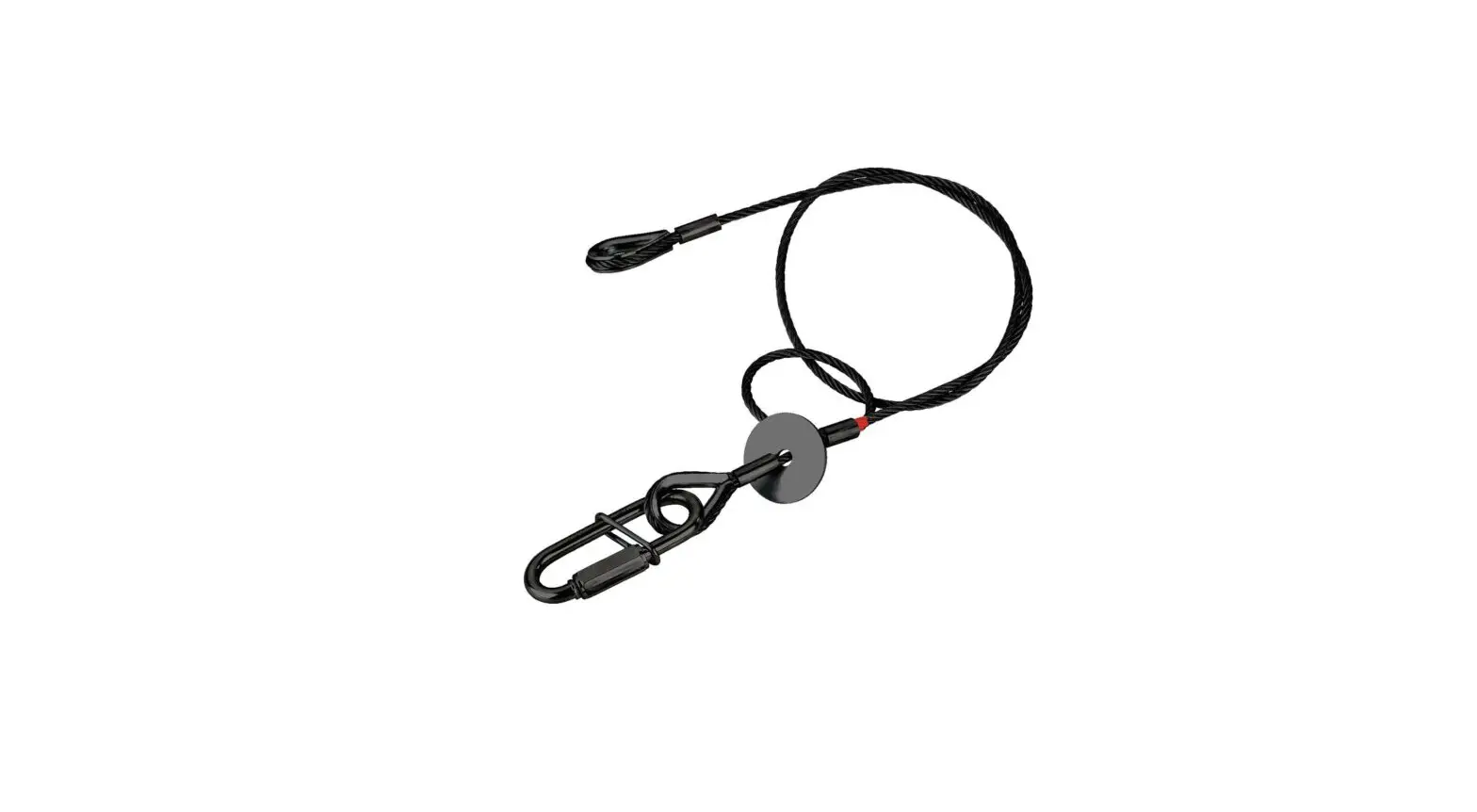
CFS432_F Seismic Wire Rope Cable
Product Information
The product is a sway brace that is designed to be installed in
accordance with NFPA-13 and the manufacturer’s installation
instructions. It has a certified minimum break strength and is used
for providing horizontal earthquake load resistance. The product
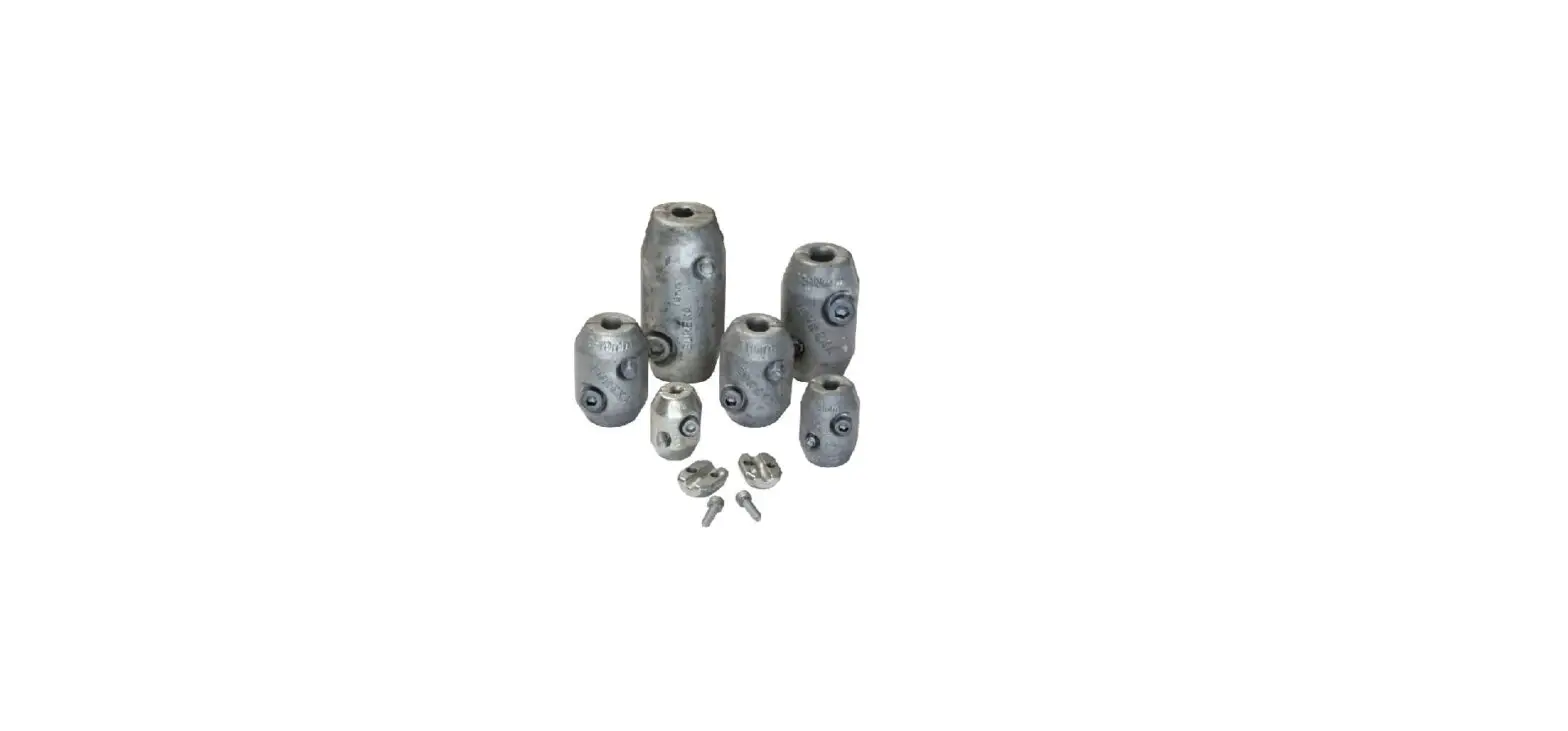
consists of cables, spools, sleeves (ferrules), and fasteners.
Cable, Spools
The cable is inserted through a sleeve (ferrule) to create a
loop. The sleeve (ferrule) needs to be swaged using a swaging tool,
such as CSB3346SB, CSB13SBHS, CSBBS121836, CSB48, or CSBHS02. The
number of swages needed per cable size should be referred to the
tool manufacturer’s instructions.
Cable, Kit with Universal Restraint Clip
This kit includes a cable with a universal restraint clip. The
cable is inserted through a sleeve (ferrule) to create a loop. The
sleeve (ferrule) needs to be swaged using a swaging tool, such as
CSB3346SB, CSB12SBHS, CSB48, CSBBS121836, or CSBHS02. The number of
swages needed per cable size should be referred to the tool
manufacturer’s instructions. A fastener with a washer is then
inserted through the fastener hole and tightened to the
structure.
Product Usage Instructions
- For specific project installation information, application of
allowable breaking strengths, horizontal earthquake load
resistance, brace locations, fastener details, related strengths,
applied load modulus of elasticity, and % of elongation, contact
nVent technical support. - Follow NFPA-13 and the manufacturer’s installation instructions
when installing the sway brace. - When using Cable, Spools:
- Insert the cable through a sleeve (ferrule), and then back
through the sleeve (ferrule) to create a loop. - Swage the sleeve (ferrule) using a swaging tool. Refer to the
tool manufacturer’s instructions for the number of swages needed
per cable size. - Refer to page 4 of the instruction sheet for typical field
connections to uninsulated pipe and structure.
- Insert the cable through a sleeve (ferrule), and then back
- When using Cable, Kit with Universal Restraint Clip:
- Insert the cable through a sleeve (ferrule), and then back
through the sleeve (ferrule) to create a loop. - Swage the sleeve (ferrule) using a swaging tool. Refer to the
tool manufacturer’s instructions for the number of swages needed
per cable size. - Insert the fastener with washer through the fastener hole and
tighten it to the structure. - Refer to page 4 of the instruction sheet for typical field
connections to uninsulated pipe and structure.
- Insert the cable through a sleeve (ferrule), and then back
- Ensure that all nVent product instruction sheets and training
materials are followed for proper and safe installation and
performance. - Never use nVent products for a purpose other than their
intended design or in a manner that exceeds specified load
ratings. - Products that are manufactured using spring steel components
should only be used in a non-corrosive indoor environment. - Pipe supports, hangers, intermediate components, and structural
attachments must only be used as described in the instruction sheet
and should never be used for any other purpose. - nVent reserves the right to change specifications without prior
notice.
For technical support, visit www.nVent.com.
INSTRUCTION SHEET
Certified Minimum Break Strength
The Seismic Wire Rope/Cable, contained in this shipment, has been pre-stretched according to the requirements of the ASCE -19 Standard for “Structural Applications of Steel Cables for Buildings”. The bracing assemblies contained in this shipment consist of the color-coded galvanized (zinc coated) or stainless steel seismic wire rope/cable, fixed ends (if any) which are factory attached thereto and accompanying field connection sleeves (ferrules) and fittings. These components are hereby certified to maintain the referenced minimum breaking strengths, when properly installed, utilizing a properly maintained swaging tool (nVent part number CSB3346SB, 402209, CSB12SBHS, 404461, CSB48, 402212, CSBBS121836, 402534, CSBHS02 or 402214), as further detailed herein and in the swager installation instructions.
Note: For specific project installation information on, or application of, allowable breaking strengths, horizontal earthquake load resistance, brace locations, as well as fastener details, related strengths, applied load modulus of elasticity and % of elongation, contact nVent technical support.
Sway braces are intended to be installed in accordance with NFPA -13 and the manufacturer’s installation instructions.
Section 1: Cable, Spools
Sleeve (ferrule) before swaging
Sleeve (ferrule) after swaging
Cable Step 1 – Insert cable through a sleeve (ferrule), and then back through the sleeve (ferrule) to create a loop.
Step 2 – The sleeve (ferrule) has to be swaged by using a swaging tool (CSB3346SB, CSB13SBHS, CSBBS121836, CSB48 or CSBHS02). Refer to the tool manufacturers instructions for the number of swages needed per cable size.
Note: See page 4 for typical field connections to uninsulated pipe and for typical field connections to structure.
WARNING: 1. nVent products shall be installed and used only as indicated in nVent product instruction sheets and training materials. Instruction sheets are available at
www.nVent.com and from your nVent customer service representative. 2. nVent products must never be used for a purpose other than the purpose for which they were designed or in a manner that exceeds specified load ratings. 3. All instructions must be completely followed to ensure proper and safe installation and performance. 4. Improper installation, misuse, misapplication or other failure to completely follow nVent’s instructions and warnings may cause product malfunction, property
damage, serious bodily injury and/or death, and void your warranty. 5. Products that are manufactured using spring steel components shall be used only in a non-corrosive indoor environment. 6. All pipe supports, hangers, intermediate components and structural attachments must ONLY be used as described herein and are NEVER to be used for any
other purpose. NOTE: All load ratings are for static conditions and do not account for dynamic loading such as wind, water or seismic loads, unless otherwise noted. The customer is responsible for: a. Conformance to all governing codes. b. The integrity of structures to which the products are attached, including their capability of safely accepting the loads imposed, as evaluated by a qualified engineer. c. Using appropriate industry standard hardware as noted above. SAFETY INSTRUCTIONS: All governing codes and regulations and those required by the job site must be observed. Always use appropriate safety equipment such as eye protection, hard hat, and gloves as appropriate to the application.
nVent, nVent CADDY, nVent ERICO Cadweld, nVent ERICO Critec, nVent ERICO, nVent ERIFLEX, and nVent LENTON are owned by nVent or its global affiliates. All other trademarks are the property of their respective owners. nVent reserves the right to change specifications without prior notice.
TECHNICAL SUPPORT: www.nVent.com
CFS432_F
1 OF 4
© 2010 – 2018 nVent All Rights Reserved
INSTRUCTION SHEET Section 2: Cable, Kit with Universal Restraint Clip
* The actual length of cable provided is the length given in the chart plus an additional 4ft (1.2 m).
Sleeve (ferrule) before swaging
Sleeve (ferrule) after swaging
Cable Step 1 – Insert cable through a sleeve (ferrule), and then back through the sleeve (ferrule) to create a loop.
Step 2 – The sleeve (ferrule) has to be swaged by using a swaging tool (CSB3346SB, CSB12SBHS, CSB48, CSBBS121836 or CSBHS02). Refer to the tool manufacturers instructions for the number of swages needed per cable size.
Flat Washer Bolt Step 3 – Insert fastener with washer through the fastener hole and tighten to the structure. Note: See page 4 for typical field connections to uninsulated pipe and for typical field connections to structure.
nVent, nVent CADDY, nVent ERICO Cadweld, nVent ERICO Critec, nVent ERICO, nVent ERIFLEX, and nVent LENTON are owned by nVent or its global affiliates. All other trademarks are the property of their respective owners. nVent reserves the right to change specifications without prior notice.
TECHNICAL SUPPORT: www.nVent.com
CFS432_F
2 OF 4
© 2010 – 2018 nVent All Rights Reserved
INSTRUCTION SHEET Section 3: Cable, Kit (without end fittings)
Sleeve (ferrule) before swagging
Cable
Sleeve (ferrule) after swagging
Step 1 – Insert cable through a sleeve (ferrule), and then back through the sleeve (ferrule) to create a loop.
Step 2 – The sleeve (ferrule) has to be swaged by using a swaging tool (CSB3346SB, CSB13SBHS or CSBHS02). Refer to the manufacturers instructions for the number of swages needed per cable size.
Note: See page 4 for typical field connections to uninsulated pipe and for typical field connections to structure.
Field Connection to Extend Brace Length
1 Cable diameter
1 Cable diameter
Step 1 – Slide two sleeves (ferrules) onto overlapping cables.
Step 2 – The sleeve (ferrule) has to be swaged by using a swaging tool (CSB3346SB, CSB13SBHS, CSB48 or CSBHS02). Refer to the manufacturers instructions for the number of swages needed per cable size.
nVent, nVent CADDY, nVent ERICO Cadweld, nVent ERICO Critec, nVent ERICO, nVent ERIFLEX, and nVent LENTON are owned by nVent or its global affiliates. All other trademarks are the property of their respective owners. nVent reserves the right to change specifications without prior notice.
TECHNICAL SUPPORT: www.nVent.com
CFS432_F
3 OF 4
© 2010 – 2018 nVent All Rights Reserved
INSTRUCTION SHEET
Typical Field Connections to Uninsulated Pipe
2-Way Lateral
2-Way Longitudinal
4-Way
Maintain one (1) cable diameter overlap at oval sleeve
Cable wrapped around pipe twice
“D”
Minimum
1.5 x “D”
Torque 2 places = 25ft-lbs (34 Nm)
Maintain one (1) cable diameter overlap at oval sleeve
Cable wrapped around pipe twice
“D”
Minimum
1.5 x “D”
Torque 2 places = 25ft-lbs (34 Nm)
Maintain one (1) cable diameter overlap at oval sleeve
Cable wrapped around pipe twice
“D”
Minimum
2 x “D”
Note: Connect 2-way longitudinal and 4-way braces to piping at pipe clamps, grooved couplings, pipe fittings, or other devices at fixed locations on piping in a manner that will maintain the location of the connection in tension under load conditions.
Typical Field Connections to Structure
Part Number Article Number CSBURCXX 402198 – 402206 CSBURCRXX
CSBURC48XX
Part Number Article Number
CSBNPCXX
402208
Looped Connection Cable can be looped around the top
cord of a barjoist at the panel point
Maintain an angle less than 45°
nVent, nVent CADDY, nVent ERICO Cadweld, nVent ERICO Critec, nVent ERICO, nVent ERIFLEX, and nVent LENTON are owned by nVent or its global affiliates. All other trademarks are the property of their respective owners. nVent reserves the right to change specifications without prior notice.
TECHNICAL SUPPORT: www.nVent.com
CFS432_F
4 OF 4
© 2010 – 2018 nVent All Rights Reserved
 The Future of Connection and Protection | nVent