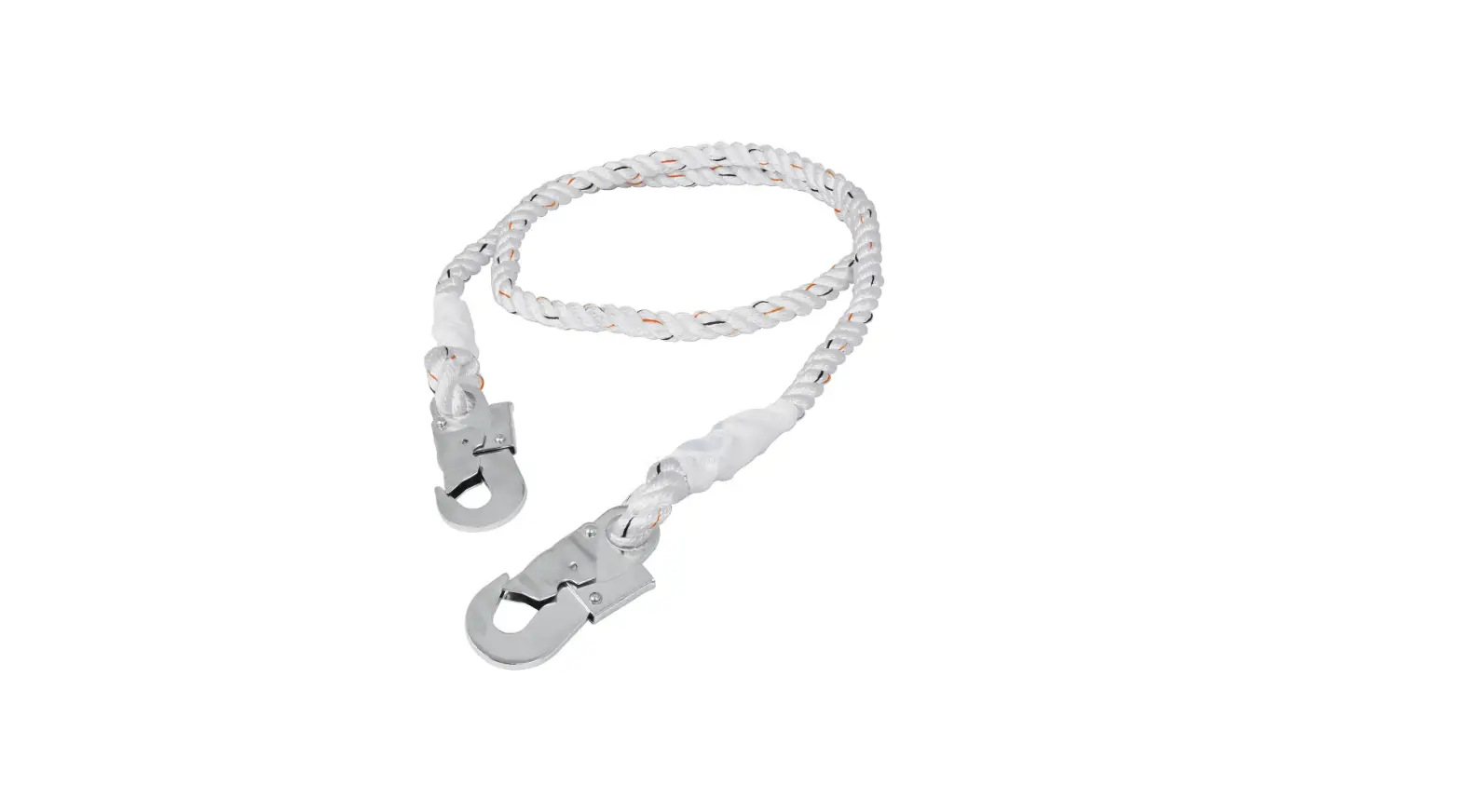
DLSBZ12 Double Braid Polyester Rope
Product Information: End Ring Eye Terminations
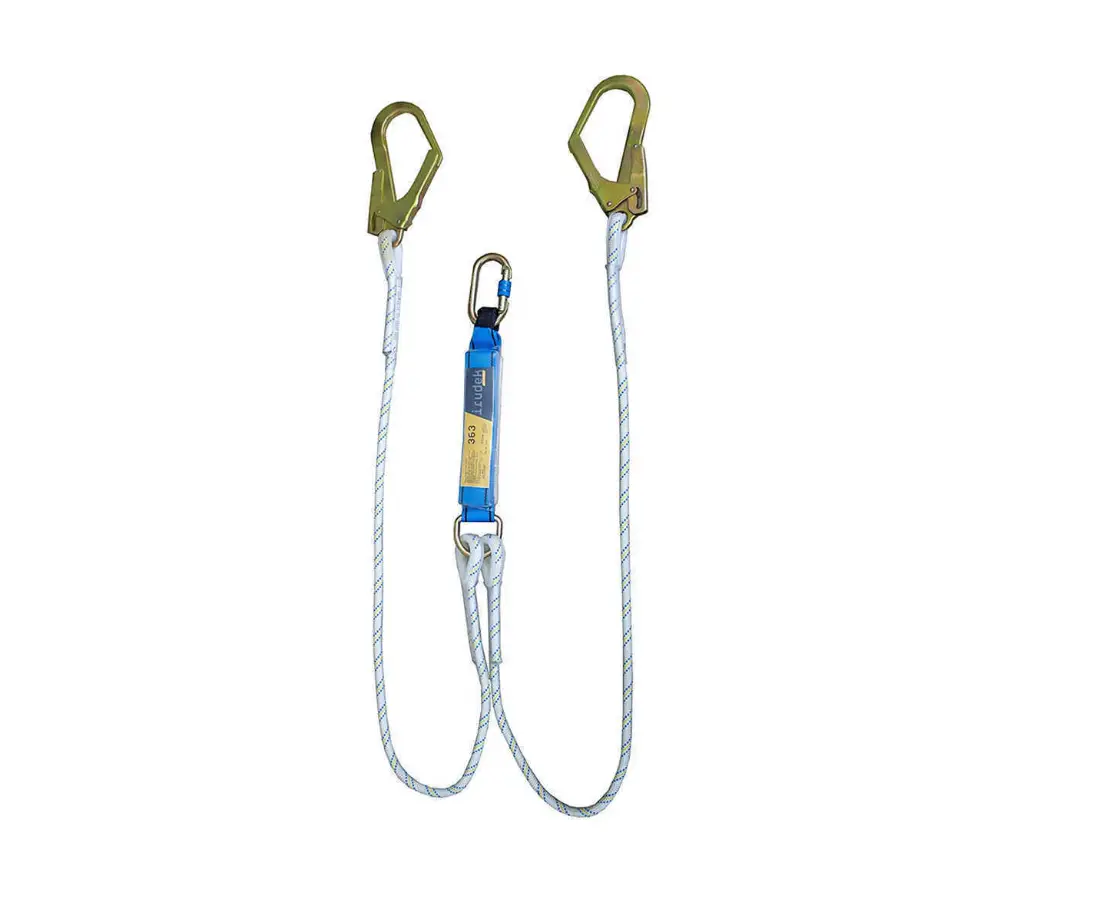
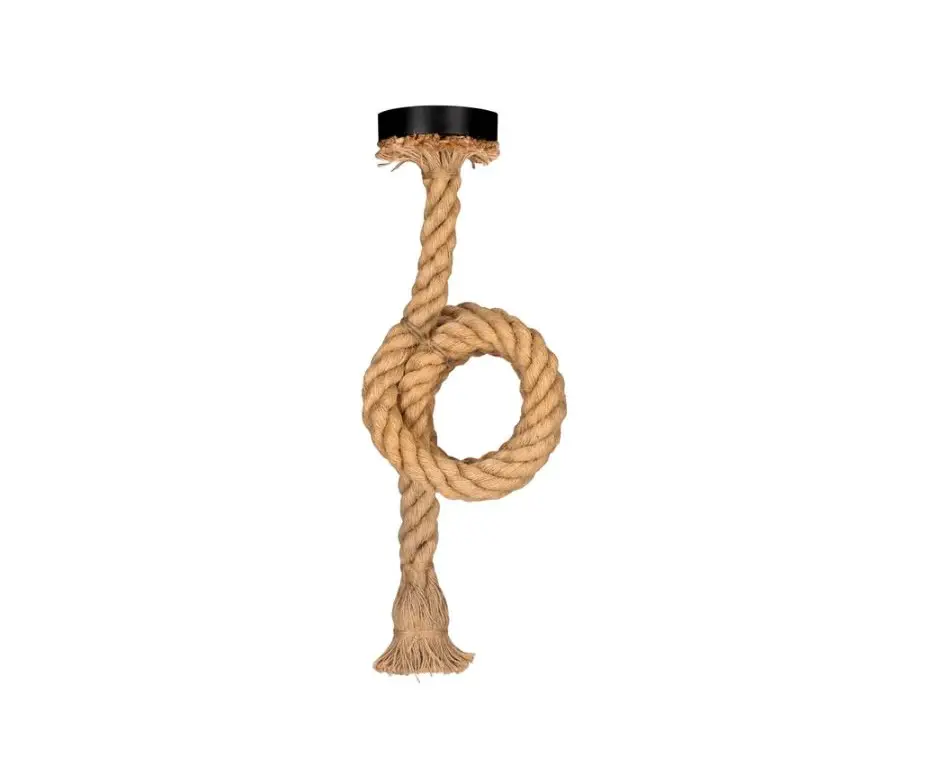
The end ring eye termination is a component of a safety rope
that is used for hanging or securing objects. It is formed by
folding, stitching, weaving, or other methods at the end of the
safety rope. The end ring eye can be loaded with metal parts or
directly for hanging.
Product Usage Instructions
To use the end ring eye termination:
- Identify the end of the safety rope where the termination will
be applied. - Ensure that the rope is properly cut and prepared for the
termination. - Choose the appropriate method of forming the end ring eye
termination, such as folding, stitching, weaving, or other
methods. - If metal parts are to be used with the end ring eye, ensure
that they are securely attached and do not create any sharp edges
that could damage the rope or cause injury. - If the end ring eye is to be used for hanging objects, ensure
that it is rated for the weight of the object and that it is
securely fastened to a suitable anchor point. - Regularly inspect the end ring eye termination and the safety
rope for any signs of wear, damage, or deterioration. Replace any
components that show signs of wear or damage.
GB 24543-2009 Fall protection safety rope 1 range This standard specifies the classification and marking of safety ropes, technical requirements, test methods, inspection rules and markings. This standard applies to safety ropes used in high-altitude operations, ascent and suspension operations of personnel with a weight and a weight of not more than 100 kg. This standard does not apply to safety ropes for sports, fire fighting and other purposes. 2 Normative reference files The terms in the following documents become the terms of this Standard by reference to this Standard. Whereever a dated reference file is noted, it is subsequently owned Neither the amendments (excluding errata) nor the revised version apply to this Standard, however, research is encouraged by parties that have reached an agreement under this Standard Whether the latest versions of these files can be used. The latest version of any undated reference document applies to this Standard. GB/T 10125 Artificial atmosphere corrosion test Salt spray test (GB/T 10125-1997, eqv ISO 9227:1990) GB/T 12903 Personal protective equipment terminology GB/T 20946 General Rules for Acceptance of Short Ring Chains for Lifting (GB/T 20946-2007, ISO 1834:1999, IDT) GB/T 23469 Fall protection connectors 3 Terms and Definitions The terms and definitions established by GB/T 12903 and set forth below apply to this Standard. 3.1 Safety rope lanyard A rope (belt, wire rope, etc.) that connects the tie to the hanging point in the seat belt. Note: Safety ropes are generally used in conjunction with buffers to expand or limit the wearer’s range of motion and mitigate impact energy. 3.2 Adjustable safety cord adjustable lanyard Safety ropes with adjustable length. 3.3 Safety ropes for pole work lanyard for work positioning systems Safety ropes in harnesses for rod work. 3.4 Zone restrictions are restricted with safety ropes lanyard for restraint systems Safety ropes are included in zone restricted seat belts. 3.5 Fall suspension with safety ropes lanyard for fall arrest systems Safety ropes in the drop suspension harness. 3.6
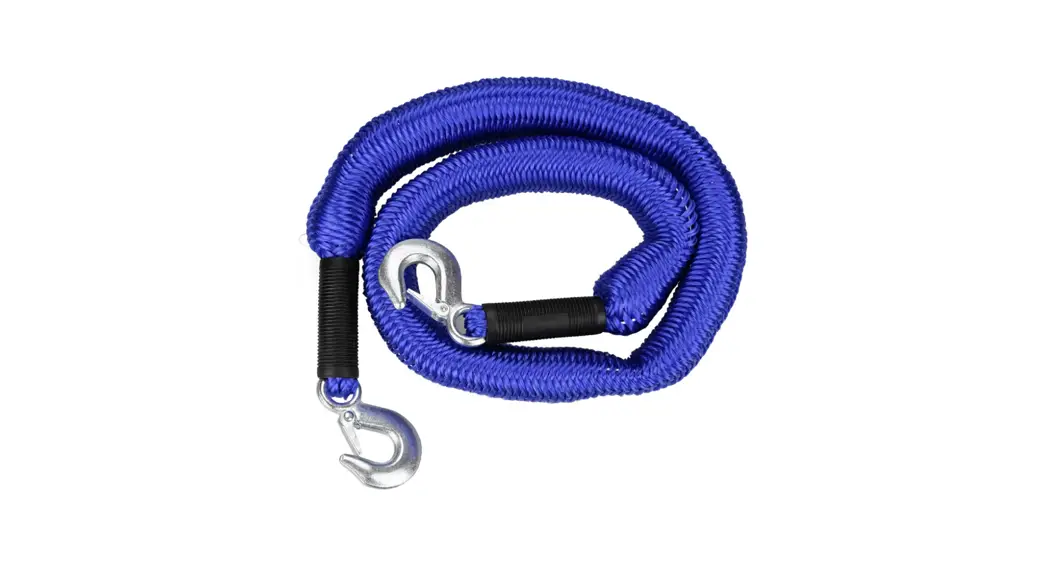
End ring eye terminations At the end of the safety rope, the ring or set is formed by folding, stitching, weaving, etc. Note: The end ring eye can be loaded with metal parts or directly for hanging.
GB 24543-2009 c) Install the safety rope on the static mechanical properties test device, apply a load of 6kN, and maintain it for 3min; d) Measure the slip off the mark after unloading. 6.3 Static mechanical properties test The test steps are as follows: a) Install the safety rope on the static mechanical properties test device and load according to Table 1, loading speed: webbing and fiber rope safety rope Should not exceed 100mm/min, wire rope and chain safety rope should not exceed 30mm/min; b) Hold for 3 min after reaching the load, unload, observe and record the damage of the safety rope. 6.4 Dynamic mechanical properties test (adjustable safety rope for falling suspension) The test steps are as follows: a) Adjust the position of the adjustment buckle so that the length of the safety rope is (2000±25) mm; If the length is not enough, adjust to the maximum length; b) Connect one end of the safety rope to the test weight through the connector, and the other end to the rigid hanging point of the test stand, and the connector should match GB/T 23469; c) Lift the test weight so that the horizontal distance from the hanging point to the release point before release is not more than 300mm, and the free falling distance of the test weight at least (4000±100) mm; If the length of the adjustable safety rope is not enough, the free falling distance of the test weight cannot be reached (4 000±100) mm, the test weight is lifted to the maximum height; d) Release the test weight, observe and record the damage of the adjustable safety rope after the heavy object is stationary. 6.5 Corrosion resistance test According to the neutral salt spray (NSS) test method specified in GB/T 10125, the test cycle is 2d. 7 Inspection rules 7.1 Inspection Categories Inspection categories are divided into factory inspection and type inspection. 7.2 Factory Inspection The production enterprise shall carry out factory inspection of the batch of the products produced batch by batch, and the inspection items and single inspection sample size, unqualified classification and judgment shall be carried out See Table 2 for definite arrays. Table 2 Factory inspection requirements Individual tests An array of single-item decisions Inspection items Batch range
Non-conforming classification Sample size The number of qualified judgements Number of non-conformance verdicts Adjusts the buckle slip performance 500 3 Static mechanical properties Dynamic mechanical properties 501~5000 5 A 0 1 Corrosion resistance logotype 5001 8 7.3 Type inspection 7.3.1 Type inspection shall be carried out in the following cases: a) Identification of new products or trial identification of old products for the production of factories; b) After formal production, when the raw materials, production processes, product structure and form of the product change greatly, which may affect the performance of the product; c) when production resumes after more than half a year of suspension of production; d) periodic inspection, once a year; e) When there is a big difference between the factory inspection results and the last type inspection results; f) When the relevant competent department of the state puts forward the type inspection requirements.
GB 24543-2009 7.3.2 The sample shall be randomly selected by the unit proposing the inspection or entrusted to a third party from the products that have passed the factory inspection of the enterprise, and the number of samples shall be satisfied All test items are required as principles, 8 Identification 8.1 Permanent Identification The permanent marking on the safety rope should include at least the following: a) Product Name: b) this standard number; c) The name and address of the manufacturing plant; d) Production date (year, month), validity period; e) the total length;
f) product operation category (rod operation, area restriction or falling suspension); g) Product conformity mark; b) Other content required by laws and regulations. 8.2 Product Description Each safety cord should be accompanied by a copy of the product manual and should include at least the following: a) the applicable objects of safety ropes; b) the name of the manufacturing plant and contact information; c) methods of connection with other devices; d) A description of the environment in which it may affect the performance of the product, such as temperature (especially near welding or cutting), sharp edges, chemistry Reagents, wear and tear and ultraviolet irradiation, etc.; e) Instructions for storage, cleaning or washing; f) Inspection methods, cycles and scrap conditions of the equipment; g) Other content required by laws and regulations that need to be explained.