 COOPER POWER SERIES
600 A 25 kV Class T-OP II deadbreak connector
Instruction Manual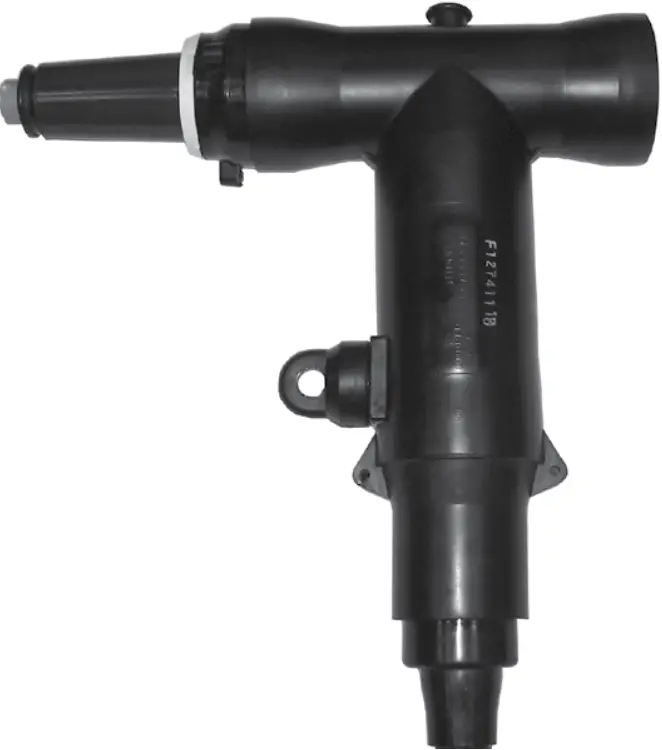
General
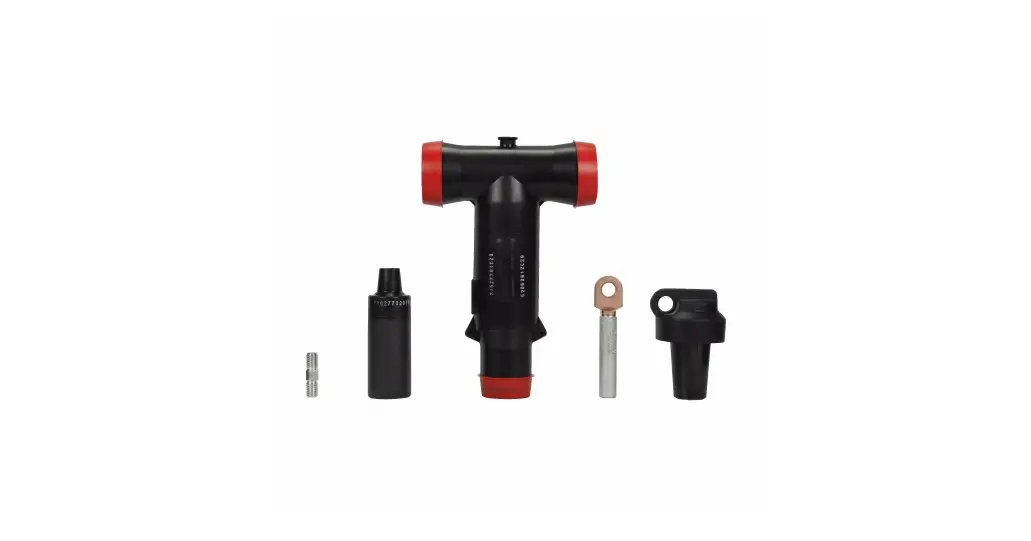
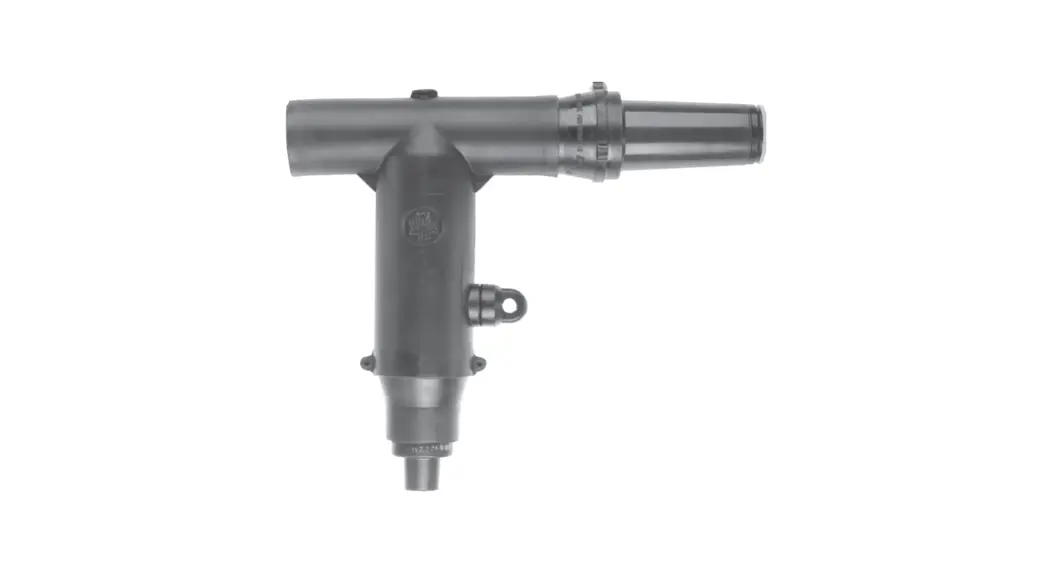
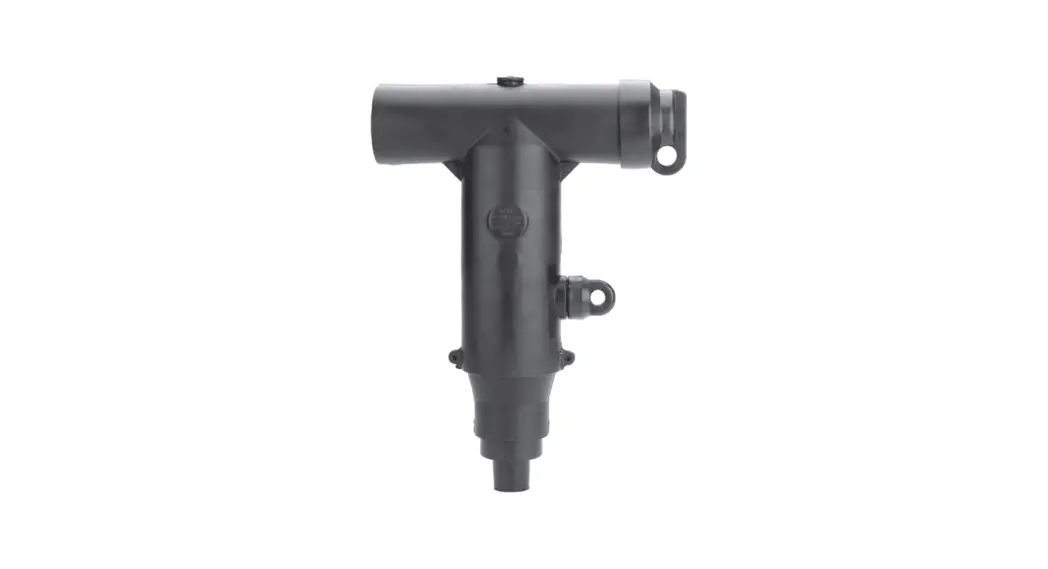
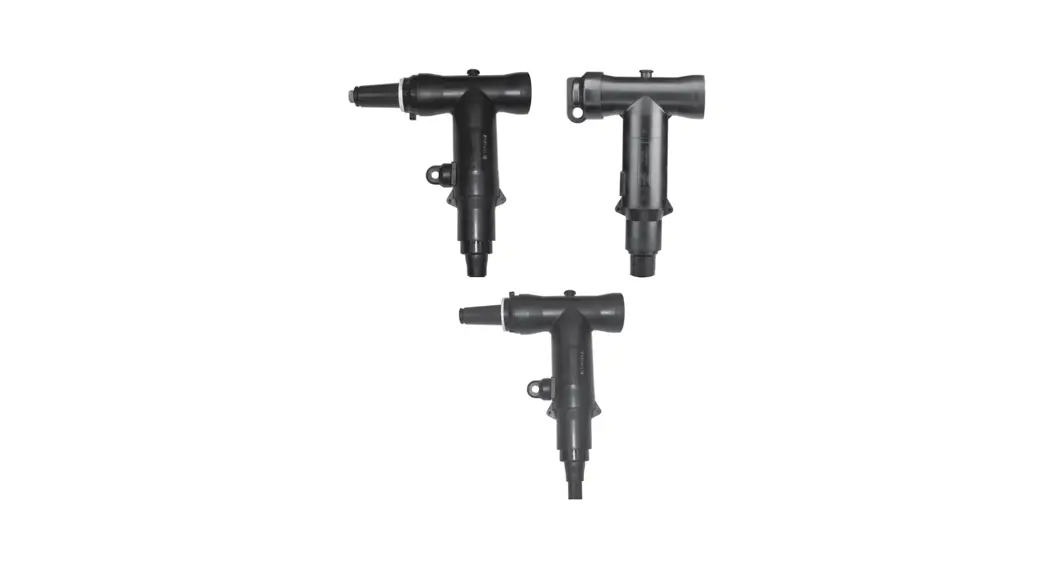
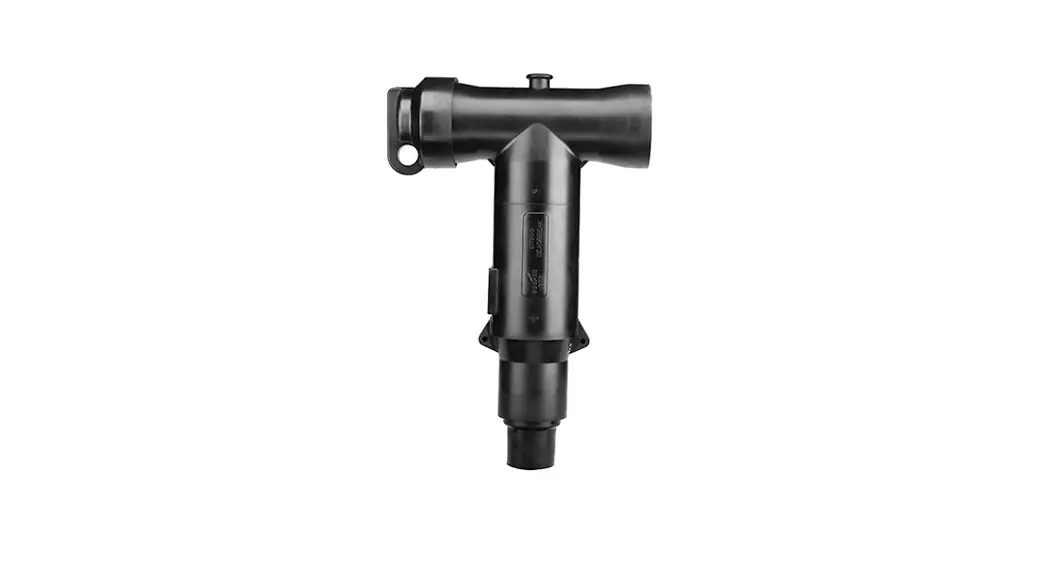
Eaton terminates high-voltage underground cable to transformers, switches, switchgear, and other apparatus with its Cooper PowerE series 600 A, 25 kV Class T-OPE II deadbreak connector. It is fully shielded and submersible and meets the requirements of IEEE Std 386E-2016— “Separable Insulated Connector Systems”. The 200 A three-phase rated load break interface provides a means for obtaining a live test, visible ground, and visible break using a clamp stick. It also provides a convenient location for an Eaton’s Cooper Power series metal oxide varistor elbow (M.O.V.E.) arrester or grounding elbow. Eaton offers an exclusive optional capacitive test point similar to 200 A elbow connectors. This allows the use of test point reset (TPR) faulted circuit indicators. T-OP II connectors are designed for use on solid dielectric cable (XLPE or EPR) with extruded semi-conducting shields and concentric neutral, with or without a jacket. Installation on the jacketed concentric neutral cable may require additional sealing material. Adapters are available for terminating tape shields and drain wire jacketed cable.
Installation
The T-body is assembled onto the prepared cable with a threaded coppertop compression connector or shear bolt and using a T-wrench, the load break-reducing tap plug is threaded into the connector. The short end of a special copper alloy stud, provided with the kit, is threaded into a de-energized 600 A bushing. The assembled housing is then connected to the ap pa ratus bushing using an O&T tool (with cap) and an installation torque tool. The T-OP II connector’s unique captured rotating nut provides ease of removal of the T-OP II connector system from the apparatus bushing. (See Table 6 for information on tools.) Refer to Service Information MN650048EN, 600 A 15/25 kV Class T-OP II Connector Assembly Installation Instructions for details.
Production tests
Tests are conducted in accordance with IEEE Std 386-2016:
- ac 60 Hz 1-minute withstand
- 40 kV
- Minimum partial discharge extinction voltage
- 19 kV
Tests are conducted in accordance with Eaton re quire ments:
- Physical inspection
- Periodic dissection
- Periodic fluoroscopic analysis
Table 1. Voltage ratings and characteristics
| Description | kV |
| Standard voltage class | 25 |
| Maximum rating phase-to-phase (loadbreak-reducing tap plug only) | 26.3 |
| Maximum rating phase-to-ground | 15.2 |
| ac 60 Hz 1-minute withstand | 40 |
| dc 15-minute withstand | 78 |
| BIL and full wave crest | 125 |
| Minimum partial discharge extinction voltage | 19 |
Note: N Voltage ratings and characteristics are in accordance with IEEE Std 386-2016.
Table 2. Current ratings and characteristics
| Description | Amperes |
| 600 A Interface | |
| Continuous | 600 A rms |
| 24-hour overload | 1000 A rms |
| Short time | 40,000 A rms symmetrical for 0.20 s |
| 27,000 A rms symmetrical for 4 s | |
| 200 A Interface a | |
| Continuous | 200 A rms |
| Switching | 10 operations at 200 rms at 26.3 kV phase-to-phase |
| Fault closure | 10,000 A rms symmetrical at 26.3 kV phase-to-phase after 10 switching operations for 0.17 s |
| Short time | 10,000 A rms symmetrical for 0.17 s |
| 3500 A rms symmetrical for 3 s | |
- System design and protection must recognize the ratings of the 200 A interface.
Note: Current ratings and characteristics are in ac cor dance with IEEE Std 386-2016.
Features and benefits
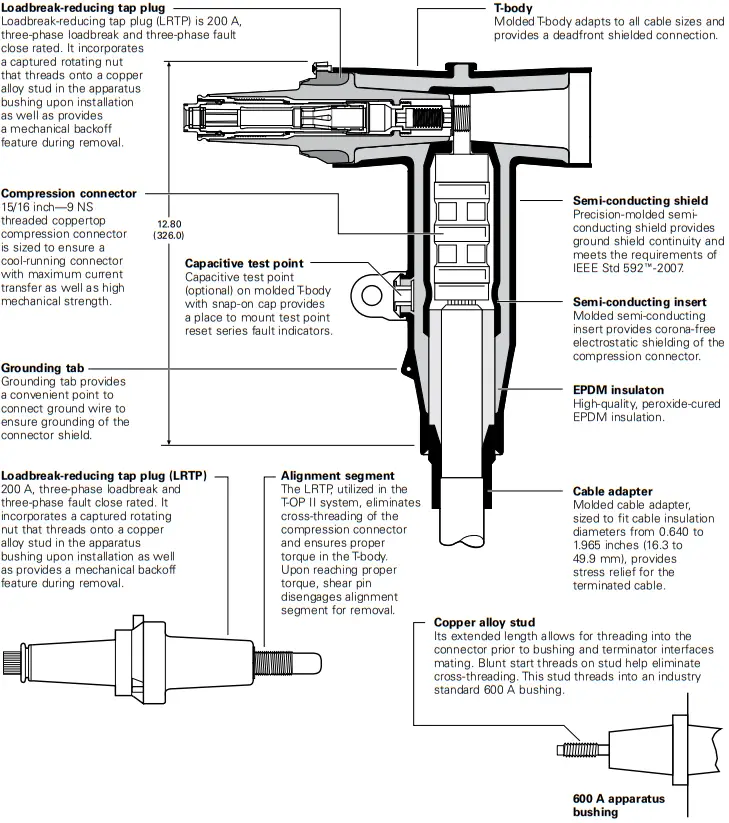 Figure 1. T-OP II cutaway design features
Note: Dimensions are in inches (mm) and are for reference only.
Optional features
Protective cap
200 A insulated protective cap fits over a loadbreak-reducing tap plug for dead front shielding.
Capacitive test point
Capacitive test point on molded T-body, with snap-on cap, provides a place to mount STVT, STLO, and STHI series fault indicators.
Copper alloy stud
The copper alloy stud with its extended length allows for threading into the connector prior to mating the bushing and terminator interfaces. Blunt start threads on the stud help eliminate cross threading. Stud threads into an industry-standard 600 A bushing.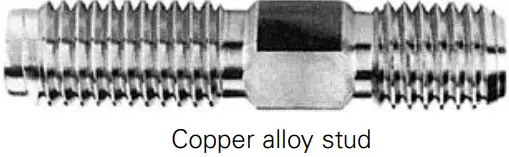 T-wrench
The T-wrench is used to install the load break-reducing tap plug into the compression connector and T-body.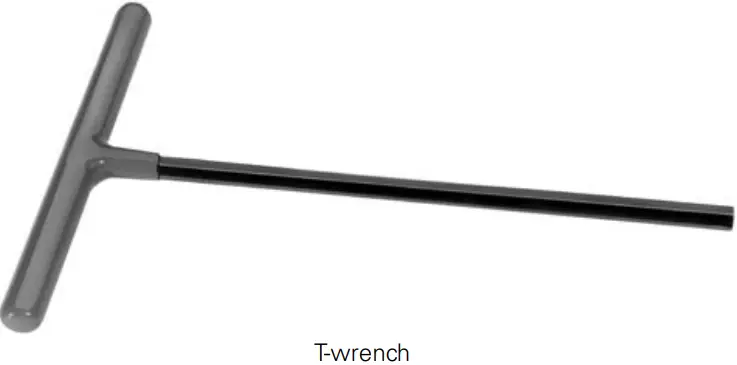 Torque tool
The torque tool is required to check the torque of a 25 kV Class T-OP II deadbreak connector or bushing adapter when it is installed on a 600 A bushing interface. It is precision calibrated and hot stick operable. Combination operating and test/torque tool
The combination operating and test/torque tool is used with a hot stick to test for circuit de-energization and to install and remove a 25 kV Class LRTP equipped connector from an apparatus tap. The standard tool is equipped with a molded EPDM rubber cap and torque limiter to allow proper tool seating and gripping of the T-OP II connector. It also ensures that the connector has been properly torqued into the mating bushing.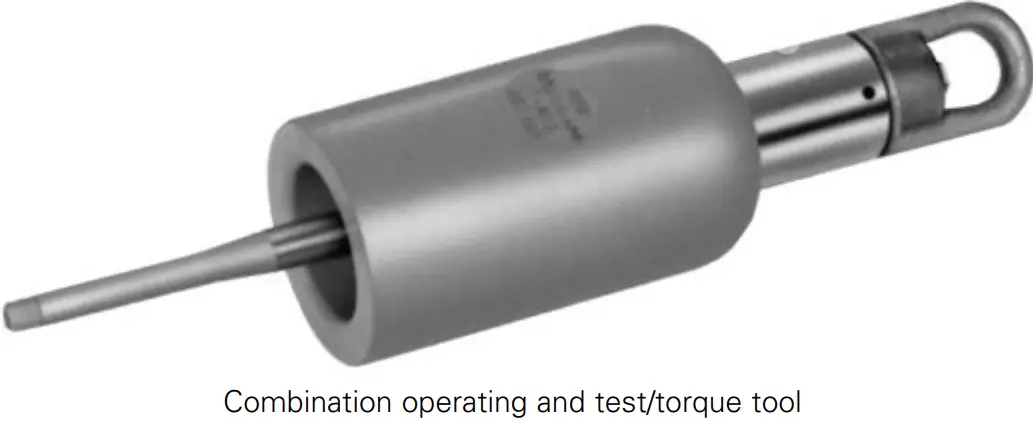 5/16-inch hex shaft
5/16-inch hex shaft with 3/8-inch socket drive tool.
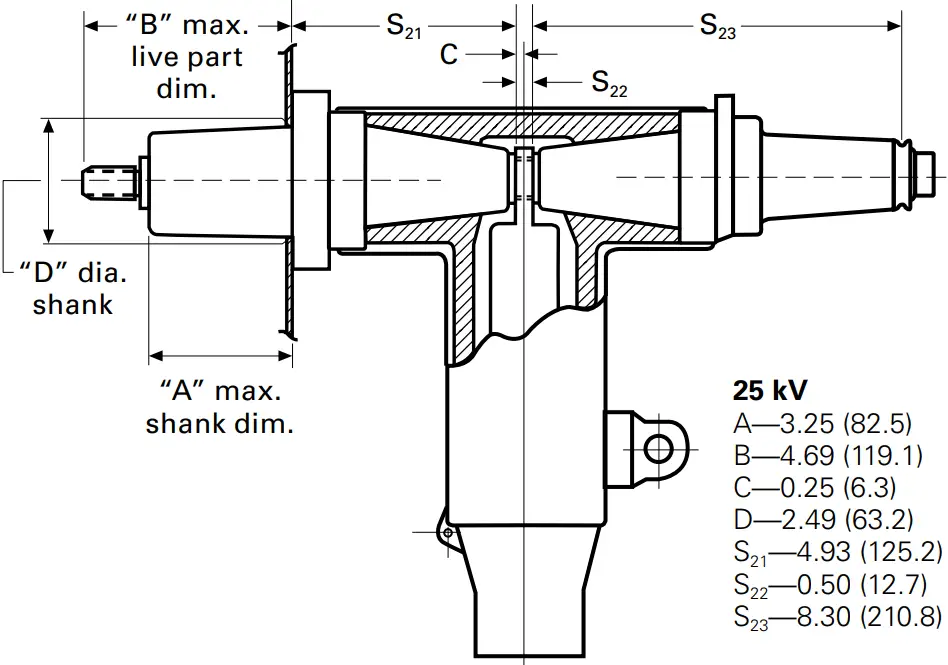 Figure 2. T-OP II connector profile and stacking dimensions in inches (mm)
Ordering information
Each T-OP II Connector kit contains:
- Molded rubber T-body
- Loadbreak-reducing tap plug
- Cable adapter
- Coppertop compression connector
- Copper alloy stud
- Silicone lubricant
- Installation instruction sheet
Use the following procedure to develop the correct part number for the desired T-OP II connector kit, based on cable size, conductor size, and desired options.
T-OP II connector kit—catalog numbering system
Build the 9- to 11-digit catalog number for a T-OP II kit by following the steps given below. The first 5 digits are “TP625”, so only digits 6 through 9 need to be selected. Digits 10 and 11 are optional. Catalog number digits:
1 and 2 — “TP” = T-OP II connector system
3 — “6” = 600 A system
4 and 5 — “25” = 25 kV class
Step 1. Select digits 6 and 7 cable adapter range code Determine the cable’s diameter over the electrical insulation as shown in Figure 3 (including tolerances). Then identify a cable range from Table 3 that covers the minimum and maximum insulation diameters. Select the correct cable range code from Table 3.
Table 3. Cable diameter range
| Inches | mm | range code |
| 0.61–0.97 | 15.5–24.6 | AB |
| 0.75–1.08 | 19.1–2 7.4 | CC |
| 0.97–1.31 | 24.6–33.3 | DD |
| 1.09 –1.47 | 2 7.7– 3 7.3 | EE |
| 1.26–1.64 | 32.0 – 41.7 | FF |
| 1.36–1.71 | 34.5–43.4 | GG |
| 1.51–1.85 | 3 8.4 – 47.0 | HH |
| 1.70 –1.97 | 43.2–50.0 | JJ |
Step 2. Select digits 8 and 9 conductor code
Identify the conductor size and type in Table 4 (compression) or Table 5 (shear bolt) and select the conductor code from the appropriate column.
Table 4. Compression connector
| Concentric or compressed | Compact or solid | |||
| AWG or kcmil | mm² | AWG or kcmil | mm² | code |
| No connector | 0 | |||
| #2 | 35 | 1 | — | 11 |
| #1 | — | Jan-00 | 50 | 12 |
| Jan-00 | 50 | Feb-00 | 70 | 13 |
| Feb-00 | 70 | Mar-00 | — | 14 |
| Mar-00 | — | Apr-00 | 95 | 15 |
| Apr-00 | 95 | 250 | 120 | 16 |
| 250 | 120 | 300 | — | 17 |
| 300 | — | 350 | — | 18 |
| 350 | — | 400 | 185 | 19 |
| 400 | 185 | 450 | — | 20 |
| 450 | — | 500 | 240 | 21 |
| 500 | 240 | 600 | 300 | 22 |
| 600 | 300 | 700 | — | 23 |
| 650 | — | 750 | — | 24 |
| 750 | — | 900 | — | 25 |
| 900 | — | 1000 | 500 | 26 |
| 1000 | 500 | — | — | 27 |
| 1250 | 630 | 1250 | — | 28 |
Table 5. Shear bolt connector
Cable conductor size
AWG or kcmil
| Compact | Compressed | Concentric | mm² standard sizes | Conductor code | Catalog number |
| Jan-00 | Jan-00 | Jan-00 | 50 | S1 | CDT630SB150T |
| Feb-00 | Feb-00 | Feb-00 | 70 | ||
| Mar-00 | Mar-00 | Mar-00 | — | ||
| Apr-00 | Apr-00 | Apr-00 | 95 | ||
| 250 | 250 | 250 | 120 | ||
| 350 | — | — | 150 | ||
| — | 350 | 350 | 185 | S3 | DT630SB300T |
| 500 | 500 | 500 | 240 | ||
| 600 | 600 | 600 | 300 | ||
| 700 | — | — | — | ||
| — | 700 | 700 | — | S4 | CDT630SB400T |
| 750 | 750 | 750 | — | ||
| 800 | 800 | — | 400 | ||
| 900 | — | — | — | ||
| — | — | 800 | — | S5 | CDT900SB500T |
| — | 900 | 900 | — | ||
| 1000 | 1000 | 1000 | 500 |
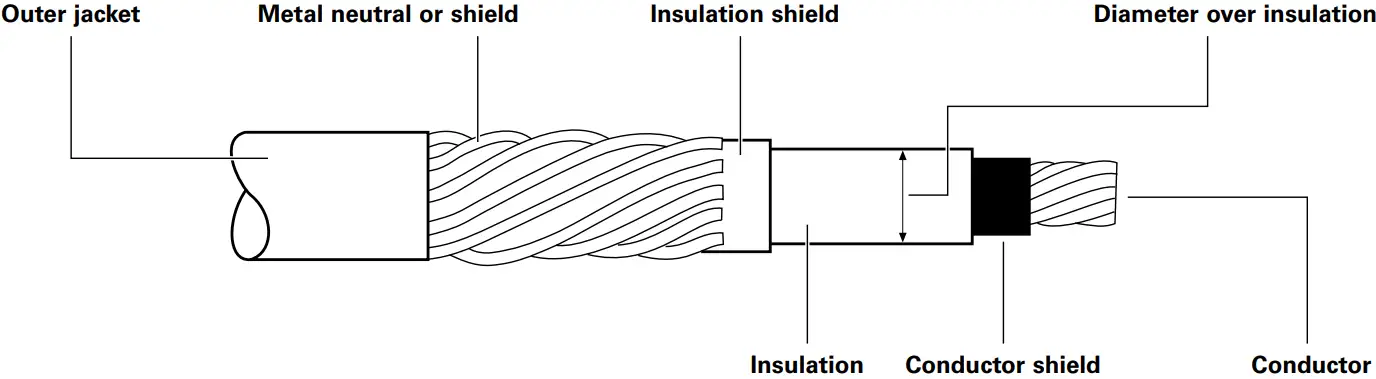 Figure 3. Typical construction of the medium-voltage underground cable
Step 3. Select digit 10 and 11 (optional)
“TC” = T-OP II connector kit with a capacitive test point and protective cap
“C” = T-OP II connector kit with a protective cap (no capacitive test point)
Blank = T-OP II connector kit without capacitive test point or protective cap
Example
Select a T-OP II connector kit without a capacitive test point, with a protective cap for a 250 kcmil compressed cable with a nominal insulation diameter of 1.16 inches.
Step 1. Select digits 6 and 7
The nominal diameter over insulation is 1.160 ± 0.030 inches. Minimum diameter = 1.160 – 0.030 = 1.130 inches. Maximum diameter = 1.160 + 0.030 = 1.190 inches. From Table 3, identify the cable range that covers 1.130–1.190 inches and select the “EE” cable range code. Step
2. Select digits 8 and 9
The conductor size is 250 kcmil compressed. From Table 4, under the column “Concentric or compressed,” identify 250 kcmil and select the “17” conductor code.
Step 3. Select digit 10
A protective cap is needed. Use “C” for digit 10. The complete catalog number is: TP625EE17C.
Accessories
To order replacement parts and tools, refer to Table 6. To order replacement compression connectors, shear bolts, and cable adapters for a T-OP II Connector System, see section CA650007EN “Deadbreak Accessories, Tools and Replacement Parts.”
Table 6. Replacement parts
| Description | Catalog number |
| T-body without test point | DT625 |
| T-body with test point | DT625T |
| Loadbreak-reducing tap plug (LRTP) | LRTP625 |
| Installation torque tool | TQHD625 |
| Operating and test tool | OT625 |
| Combination operating and test/torque tool | OTTQ625 |
| 5/16-inch T-wrench | TWRENCH |
| Copper alloy stud | STUD-T |
| 25 kV, 200 A insulated protective cap | LPC225 |
| 5/16-inch Hex shaft with 3/8-inch socket drive tool | HD625 |
Powering Business Worldwide
Eaton 1000 Eaton Boulevard
Cleveland, OH 44122 United States
Eaton.com
Eaton’s Power Systems Division 2300 Badger Drive
Waukesha, WI 53188 United States
Eaton.com/cooperpowerseries
© 2022 Eaton All Rights Reserved Printed in USA
Publication No. CA650059EN / Z26565 July 2022
Eaton is a registered trademark.
All other trademarks are property of their respective owners.