 The Home Depot welded wire fencing User Manual
 The Home Depot welded wire fencing User Manual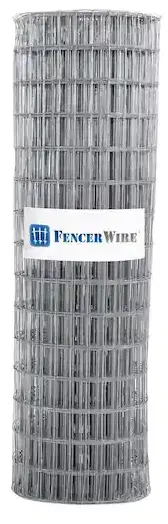
TIPS FOR INSTALLING WELDED WIRE FENCING
The following are some tips that we have found made installing the fence much easier.
Tension
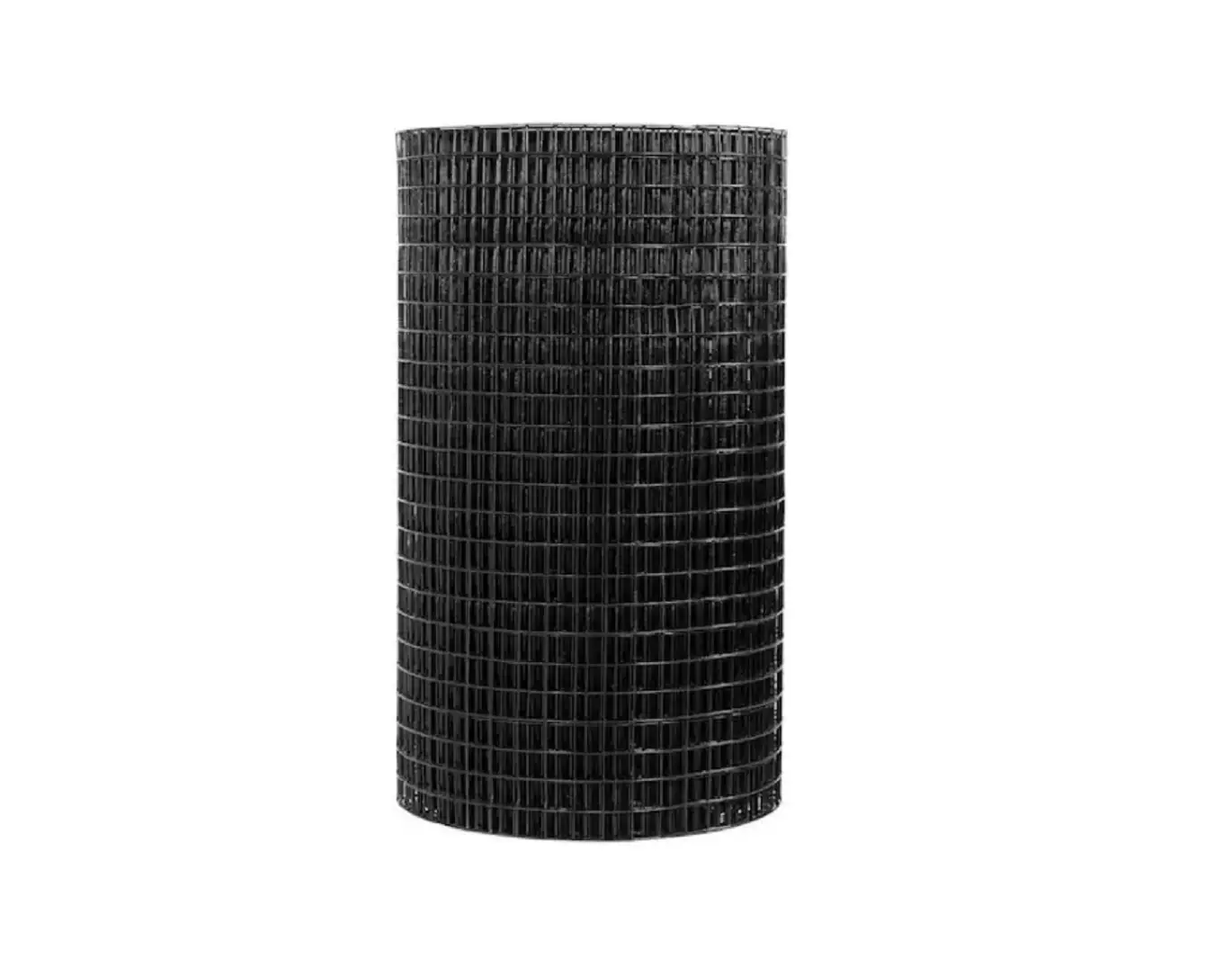
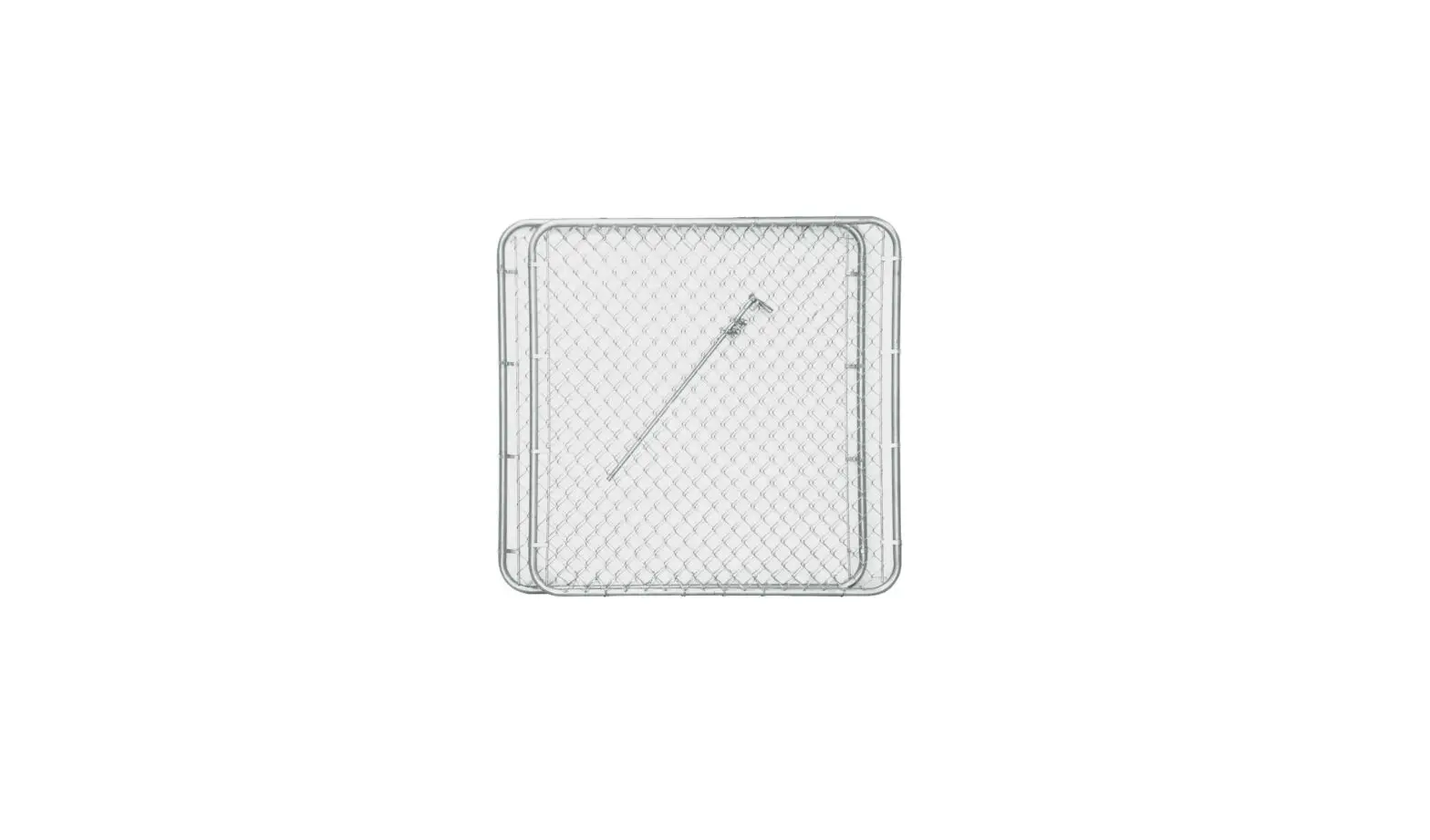
The Achilles’ heel of any wire fence, be it high tensile wire, welded wire, heavy gauge wire, or chain link is tension. Keeping the correct tension on a fence line keeps it from sagging or bowing. Some fence types such as high tensile and chain link need more tension than others. With a welded wire fence you can prevent sagging and bowing by adding a cap and bottom rail if you are using wood posts. However, if using T-posts a fence puller is highly recommended. Tightening the tension can also be accomplished with pliers on a welded wire fence.
Corner Bracings
Going hand in hand with tension is the bracing on the corners of the fence. Most issues with tension stem from the corners. If not anchored properly the posts will lean putting slack into the fence line and causing it to sag. There are a few ways to combat this effect. One way is to use heavy wooded posts in the corners, wood posts are far more expensive than simple t-posts and on a small fence on level ground they do not always seem worth the money, but if used in the corners they make a world of difference. Typically 3 posts per corner are used so H-bracing can be used. Wooden corner post should be set in concrete and diagonal bracing wires should be installed running on both sides to keep the post from leaning.
T-Posts
Most welded wire fence is installed using t-posts, but not all t-posts are created equal. The standard tried and true metal t-posts are the most commonly used, but if you would like something more attractive than the green metal posts, or are using the fence to enclose livestock and want to use electric fencing there are better options.
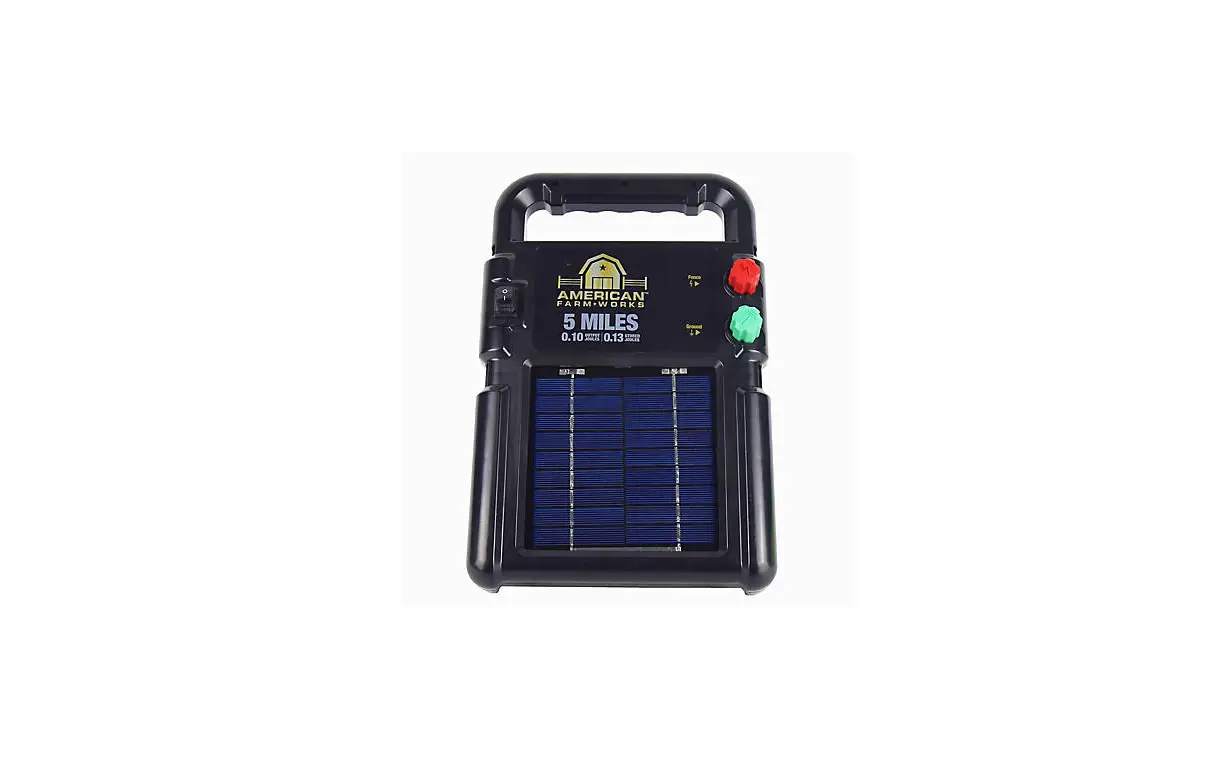
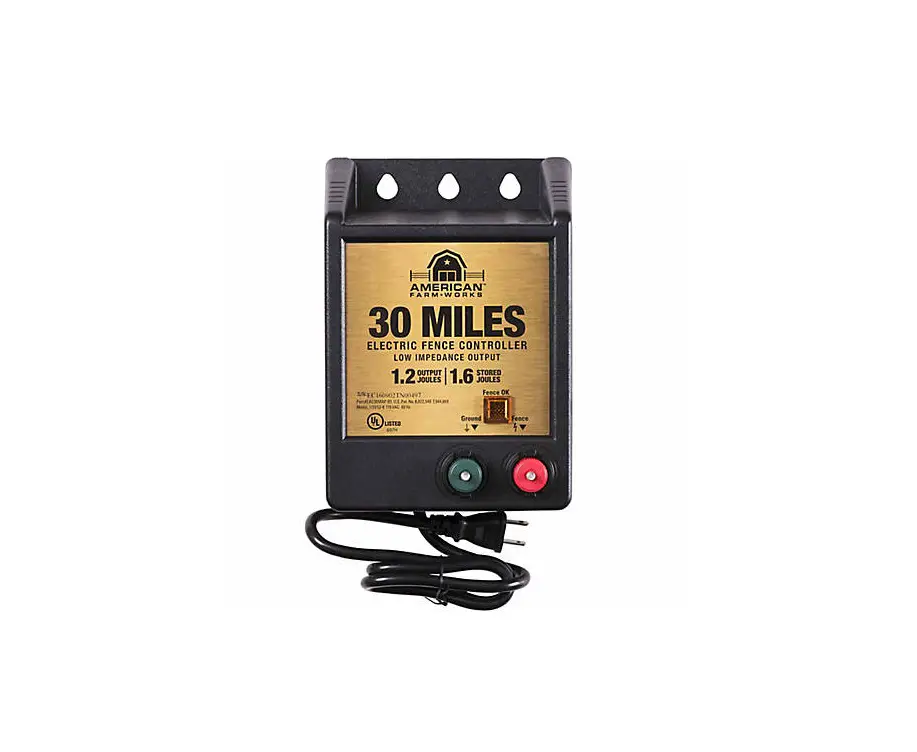
A PVC t-post requires no insulators between the fence and the electric wire. Plastic Innovations pre drills all their t-posts every three inches making it easy to run the electric fence along the posts. The pre drilled holes are also perfect for barbed wire, which can also be electrified. PVC t-posts are also better looking than their green metal counterparts, wont rust, and come with life time warranties against defects
Animals
Pick a fence gauge and size that is right for the animals you wish to contain or keep out of the fenced area. If fencing livestock or installing a deer fence always install the fence to the inside of the posts so if the animals rub or hit the fence the nails and clips do not have to bear the force of the impact, instead the fence is being pushed into the post.
This will prevent the fence from pulling lose. Keep in mind the size of the hoof or paw of the animal. A 4”x4” opening may be cheaper than a 2”x4” opening on the same width of fence but a horse can catch a hoof or rip off a shoe in the larger openings. If the fence is being used to create dog kennels a 1”X1” opening should be used if there is any chance of fighting
Options
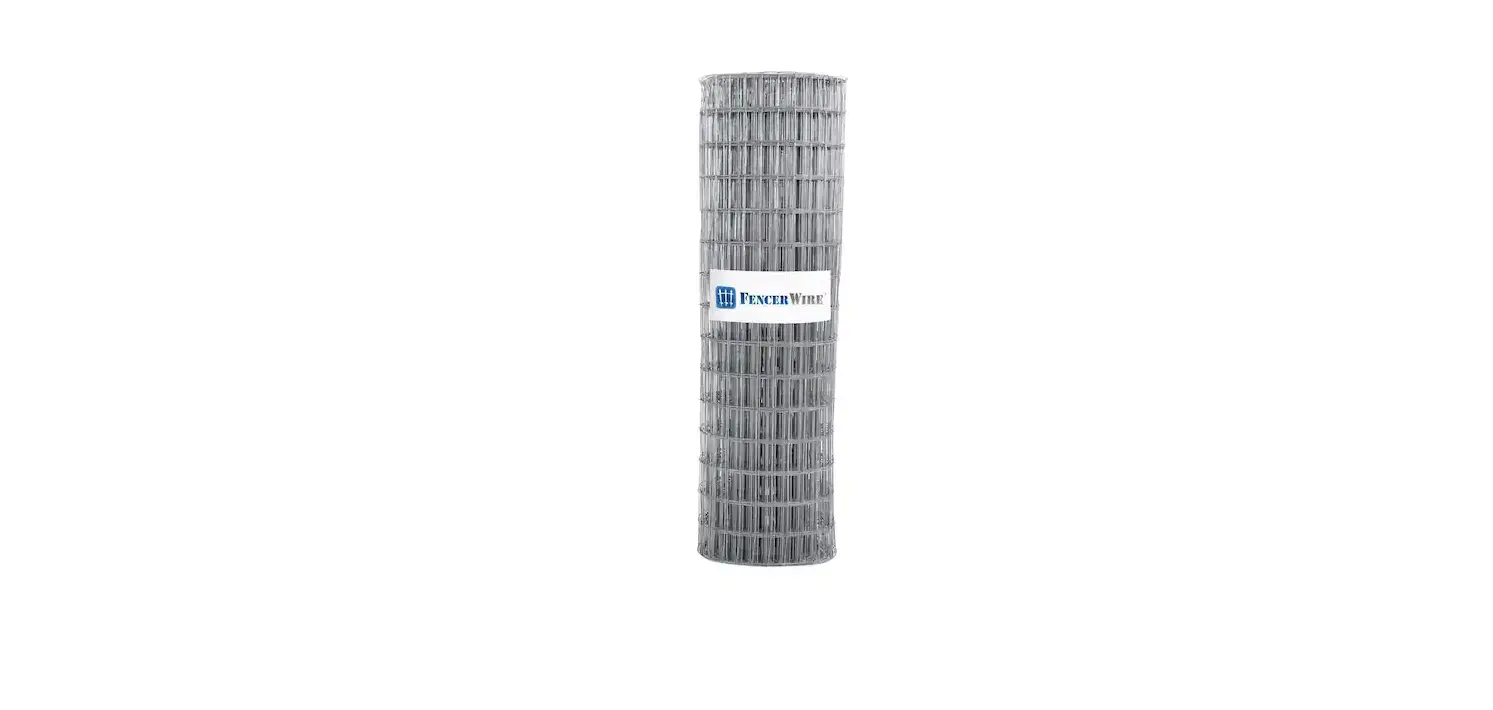
There are a variety of wire fence options to choose from and even more price points. So knowing what you need is essential. Here are a few general notes that might help. The smaller the opening size the more expensive the wire will be. The larger the gauge size, the thinner the wire. I.E. a 23 gauge wire is thinner than a 14 Posts can be set at 10 foot or smaller intervals, the closer the posts the stronger thefence
- GAW and GBW are references to the galvanization process
- GAW = galvanized after welding. The best option to prevent rust.
- GBW = galvanized before welding. Slightly more likely to rust at weld points as the welds were electro galvanized rather than hot dipped