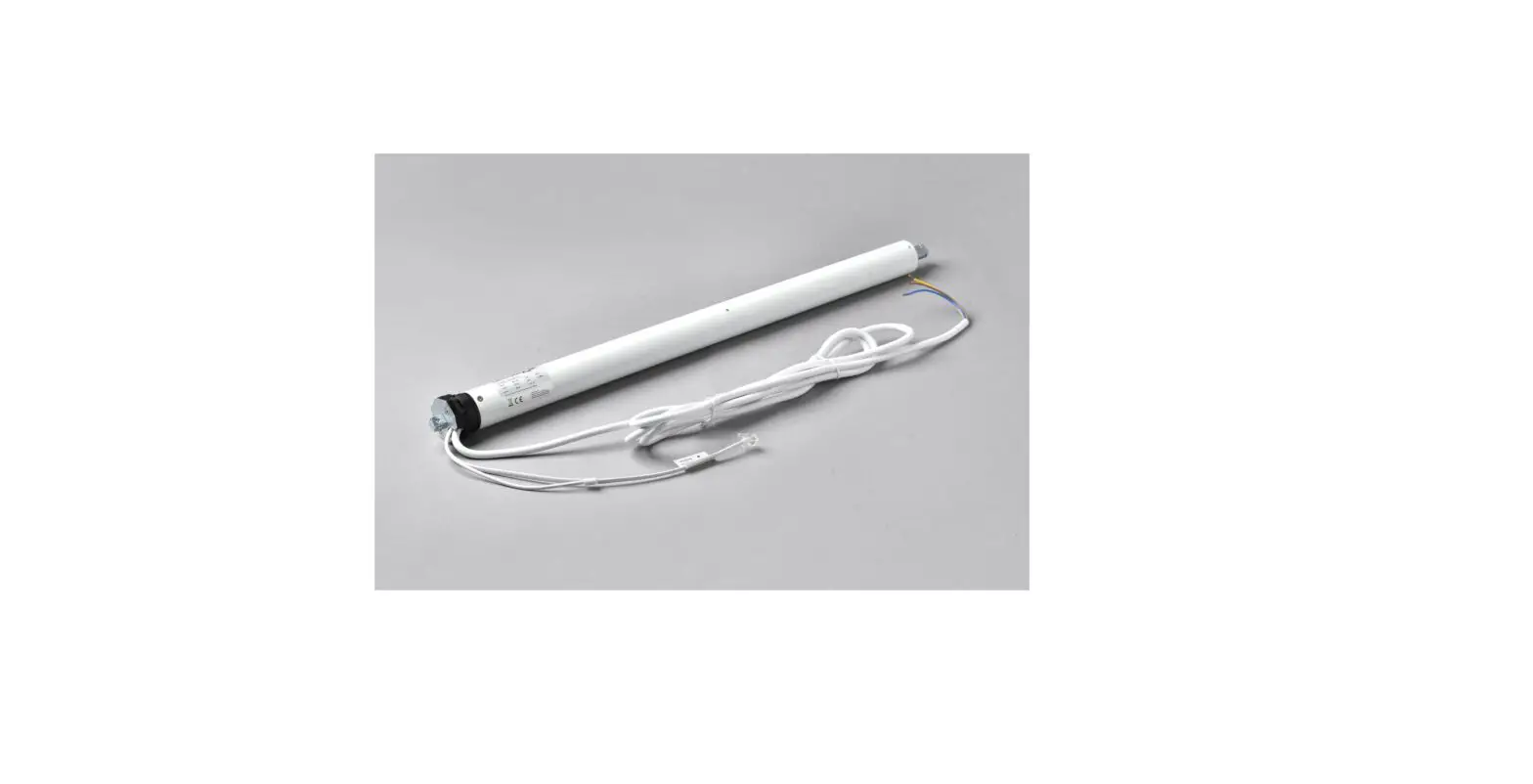
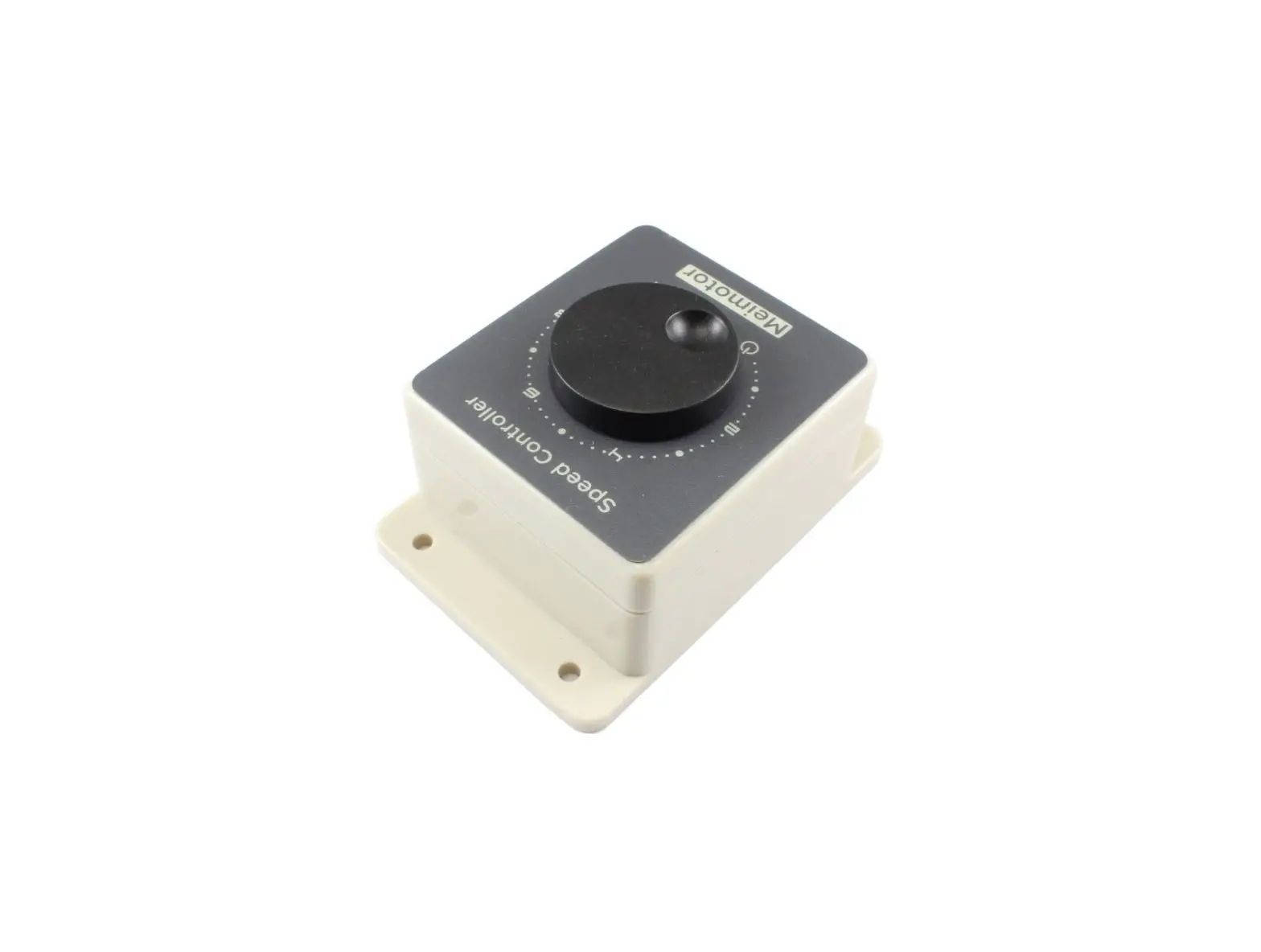
99883243 AC and DC Motor
AC & DC Motor Installation & Maintenance
Instructions
The following instructions provide information and advice on how
to install and maintain the AC & DC motor:
Handling
The weight of the motor and shipping container may vary. Use
correct material handling equipment to avoid injury.
Receiving
Inspect the motor for damage before accepting it. The Motor
shaft should rotate freely with no rubs. Report any damage
immediately to the commercial carrier that delivered your
motor.
Installation
- Install the motor and its included accessories only.
- Ground the motor according to NEC and local codes.
- Provide a permanent guard to prevent accidental contact of body
parts or clothing with rotating or moving parts or burns if the
motor is hot. - Secure the shaft key before starting the motor.
- Do not apply power to the motor until it is securely mounted by
its mounting holes. - Connect the motor only to the proper line voltage, line
frequency, and load size. - If a motor mounted brake is installed, provide proper
safeguards for personnel in case of brake failure. - Disconnect all power services and stop the motor before
servicing. - For single-phase motors, discharge the start and/or run
capacitors before servicing. - Do not bypass or render inoperative any safety device.
- When using AC motors with frequency inverters, be certain that
the Maximum Speed rating (on nameplate) is not exceeded. - Use high-tensile steel mounting bolts and a suitable locking
device (spring washer or thread lock compound) on each bolt.
Lubrication
This is a ball bearing motor. The bearings have been lubricated
at the factory. Motors that do not have regrease capability are
factory lubricated for the normal life of the bearings.
Relubrication Intervals (For motors with regrease
capability)
New motors that have been stored for a year or more should be
relubricated. Lubrication is also recommended at these
intervals:
| NEMA (IEC) Frame Size | Rated Speed (RPM) | Up to 210 incl. (132) | Over 210 to 280 incl. (180) | Over 280 to 360 incl. (225) | Over 360 to 5000 incl.(300) |
|---|---|---|---|---|---|
| 3600 | 5500Hrs. | 12000Hrs. | 3600Hrs. | *2200Hrs. | *2200Hrs. |
| 1800 | 7400Hrs. | 9500Hrs. | 7400Hrs. | 3500Hrs. | 12000Hrs. |
| 1200 | 18000Hrs. | 15000Hrs. | 12000Hrs. | 7400Hrs. | N/A |
| 900 | 22000Hrs. | 18000Hrs. | 15000Hrs. | 10500Hrs. | N/A |
* Lubrication interval for 6313 or 6314 bearings that are used
in 360 through 5000 frame, 2-pole motors. If roller bearings are
used, bearings must be lubricated more frequently, divide the
interval by 2.
Lubricant
Baldor motors are pregreased, normally with Polyrex EM (Exxon
Mobil). If other greases are preferred, check with a local Baldor
Service Center for recommendations.
Applying Grease
- Apply a grease gun to the fitting (or grease hole).
- Slowly apply the recommended amount of grease, taking 1 minute
or so to apply. Too much grease or injecting grease too quickly can
cause premature bearing failure. - Operate the motor for 20 minutes, then reinstall the purge plug
if previously removed.
Amount of Grease to Add
| Frame Size NEMA (IEC) | Up to 210 incl. (132) | Over 210 to 280 incl. (180) | Over 280 to 360 incl. (225) | Over 360 to 5000 incl.(300) |
|---|---|---|---|---|
| Weight of grease to add ounce (gram) | 0.30 (8.4) | 0.61 (17.4) | 0.81 (23.1) | 2.12(60.0) |
Caution
Keep grease clean. Mixing dissimilar grease is not
recommended.
AC & DC Motor Installation & Maintenance Instructions
Handling The weight of the motor and shipping container will vary. Use correct material handling equipment to avoid injury.
Receiving Inspect the motor for damage before accepting it. The Motor shaft should rotate freely with no rubs. Report any damage immediately to the commercial carrier that delivered your motor.
Safety Notice Only qualified personnel trained in the safe installation and operation of this equipment should install this motor. When improperly installed or used, rotating equipment can cause serious or fatal injury. Equipment must be installed in accordance with the National Electrical Code (NEC), local codes and NEMA MG2 Safety Standards for Construction and Guide for Selection, Installation and Use of Electric Motors and Generators. Observe the following guidelines: 1. When eyebolts are provided, they must be fully tightened and are intended to lift the
motor and its included accessories only. 2. Ground the motor according to NEC and local codes. 3. Provide a permanent guard to prevent accidental contact of body parts or clothing with
rotating or moving parts or burns if motor is hot. 4. Shaft key must be secured before starting motor. 5. Do not apply power to the motor until the motor is securely mounted by its mounting
holes. 6. This motor must only be connected to the proper line voltage, line frequency and load
size. 7. If a motor mounted brake is installed, provide proper safeguards for personnel in case
of brake failure. 8. Disconnect all power services and stop the motor before servicing. 9. For single phase motors, discharge the start and/or run capacitors before servicing. 10. Do not by-pass or render inoperative any safety device. 11. When using AC motors with frequency inverters, be certain that the Maximum Speed
rating (on nameplate) is not exceeded. 12. Mounting bolts should be high tensile steel. Be sure to use a suitable locking device on
each bolt (spring washer or thread lock compound).
Motor Enclosure ODP, Open drip proof motors are intended for use in clean, dry locations with adequate supply of cooling air. These motors should not be used in the presence of flammable or combustible materials. Open motors can emit flame and/or molten metal in the event of insulation failure. TEFC, totally enclosed motors are intended for use where moisture, dirt and/or corrosive materials are present in indoor and outdoor locations. Explosion proof motors, as indicated by the Underwriters Laboratories, Inc. label are intended for use in hazardous areas as specified by the NEC.
Mounting Foot mounted machines should be mounted to a rigid foundation to prevent excessive vibration. Shims may be used if location is uneven. Flange mounted machines should be properly seated and aligned. Note: If improper rotation direction is detrimental to the load, check rotation direction prior to coupling the load to the motor shaft. For V-belt drive, mount the sheave pulley close to the motor housing. Allow clearance for end to end movement of the motor shaft. Do not overtighten belts as this may cause premature bearing failure or shaft breakage. Direct coupled machines should be carefully aligned and the shaft should rotate freely without binding.
Wiring Connect the motor as shown in the connection diagram. The wiring, fusing and grounding must comply with the National Electrical Code and local codes. When the motor is connected to the load for proper direction of rotation and started, it should start quickly and run smoothly. If not, stop the motor immediately and determine the cause. Possible causes are: low voltage at the motor, motor connections are not correct or the load is too heavy. Check the motor current after a few minutes of operation and compare the measured current with the nameplate rating.
Lubrication This is a ball bearing motor. The bearings have been lubricated at the factory. Motors that do not have regrease capability are factory lubricated for the normal life of the bearings.
Relubrication Intervals (For motors with rearease capability) New motors that have been stored for a year or more should be relubricated. Lubrication is also recommended at these intervals:
Relubrication Intervals
NEMA (IEC) Frame Size
Up to 210 incl. (132) Over 210 to 280 incl. (180) Over 280 to 360 incl. (225) Over 360 to 5000 incl.(300)
Rated Speed (RPM)
3600
1800
5500Hrs. 12000Hrs.
3600Hrs. 9500Hrs.
*2200Hrs. 7400Hrs.
*2200Hrs. 3500Hrs.
1200 18000Hrs. 15000Hrs. 12000Hrs. 7400Hrs.
900 22000Hrs. 18000Hrs. 15000Hrs. 10500Hrs.
* Lubrication interval for 6313 or 6314 bearings that are used in 360 through 5000 frame, 2 pole motors. If roller bearings are used, bearings must be lubricated more frequently, divide the interval by 2.
Lubricant Baldor motors are pregreased, normally with Polyrex EM (Exxon Mobil). If other greases are preferred, check with a local Baldor Service Center for recommendations.
Procedure Clean the grease fitting (or area around grease hole, if equipped with slotted grease screws). If motor has a purge plug, remove it. Motors can be regreased while stopped (at less than 80°C) or running.
Apply grease gun to fitting (or grease hole). Too much grease or injecting grease to quickly can cause premature bearing failure. Slowly apply the recommended amount of grease, taking 1 minute or so to apply. Operate motor for 20 minutes, then reinstall purge plug if previously removed.
Caution: Keep grease clean. Mixing dissimilar grease is not recommended.
Amount of Grease to Add
Frame Size NEMA (IEC)
Up to 210 incl. (132) Over 210 to 280 incl. (180) Over 280 to 360 incl. (225) Over 360 to 5000 incl.(300)
Weight of grease to add ounce (gram) 0.30 (8.4) 0.61 (17.4) 0.81 (23.1) 2.12(60.0)
Volume of grease to add
inches3
teaspoon
0.6
2.0
1.2
3.9
1.5
5.2
4.1
13.4
Maintenance Interval for Motors with Baldor Shaft Grounding Brush Baldor shaft grounding motors are designed for long life, but do require periodic replacement. Recommended interval for changing the brush assembly on all frame sizes:
Replacement Intervals
3600 22,000Hrs.
Rated speed (RPM)
1800
1200
44,000Hrs.
66,000Hrs.
900 88,000Hrs.
P.O. Box 2400 Fort Smith, AR 72902-2400 USA
(479) 646-4711
9/14
LB5001