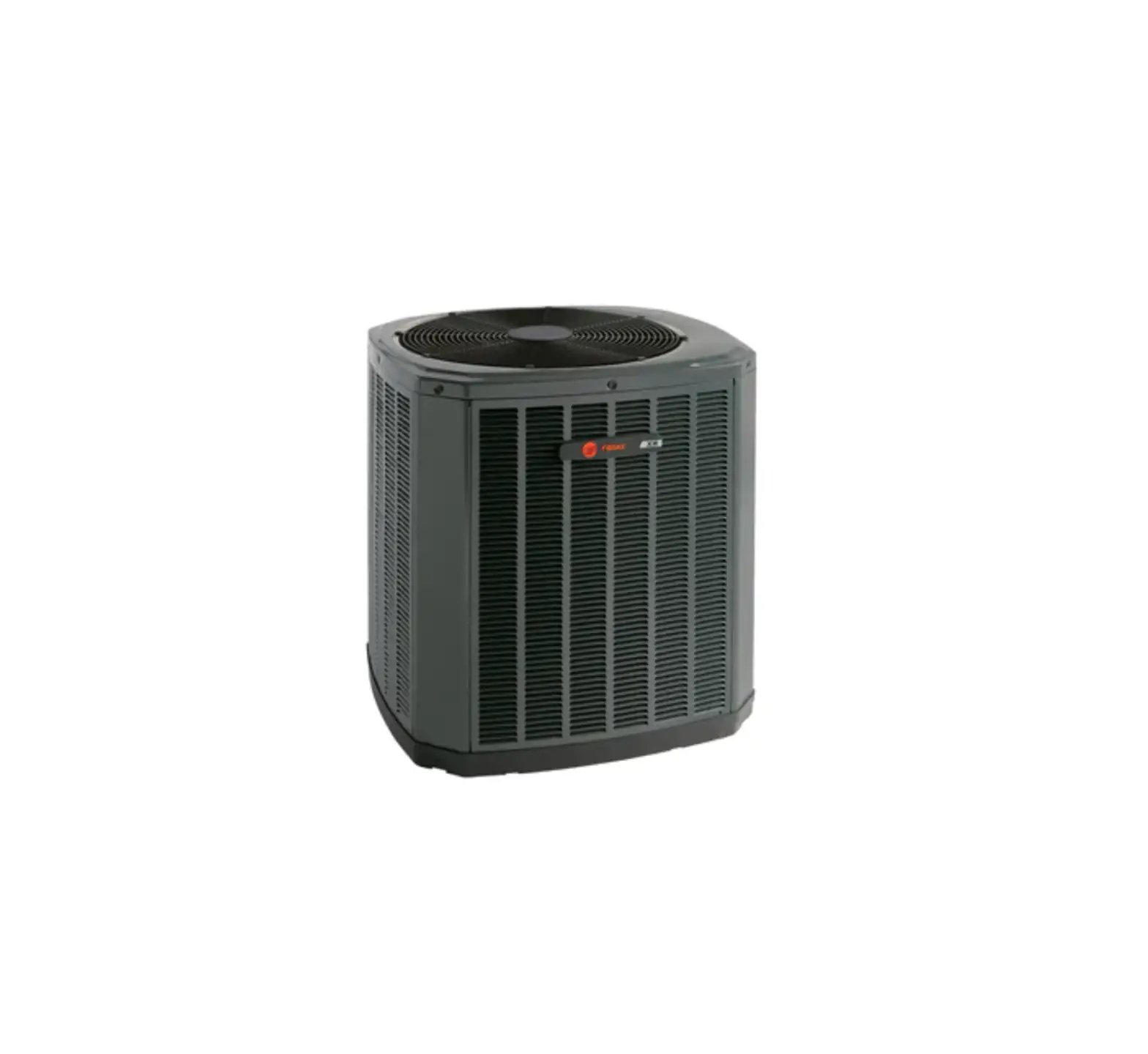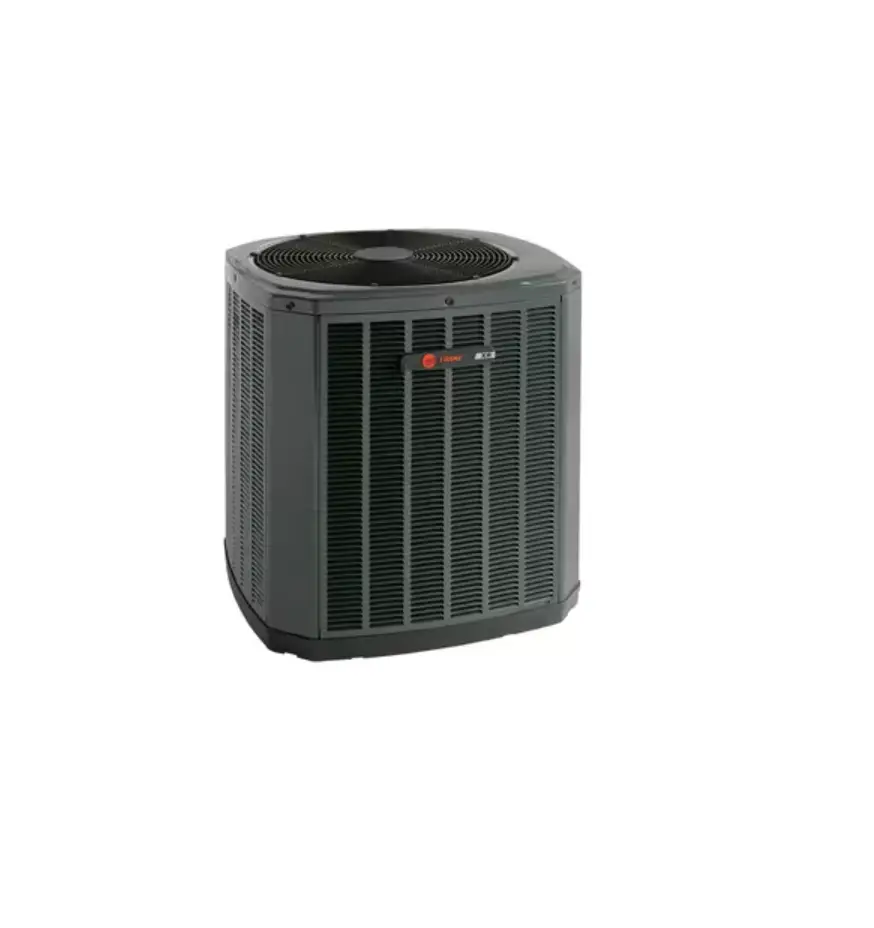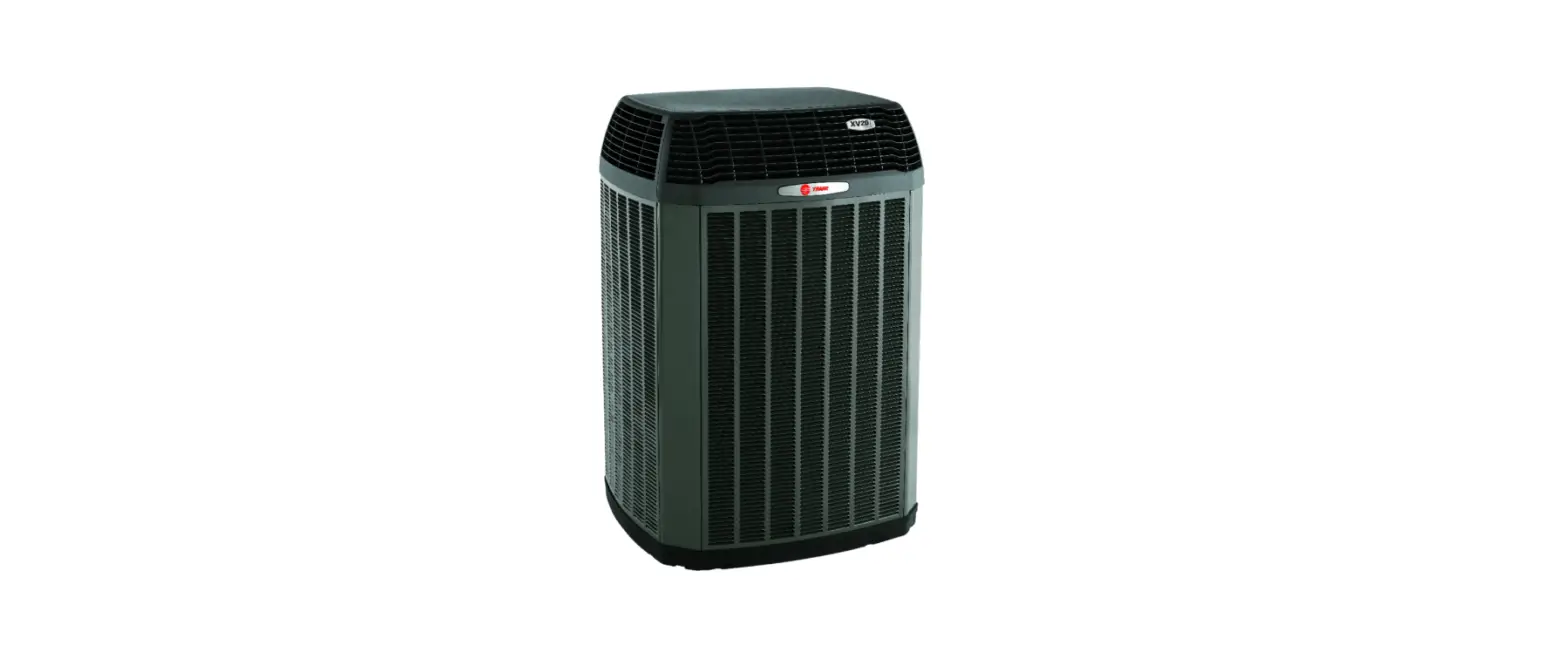

TRANE 4TWR6 Heat Pumps
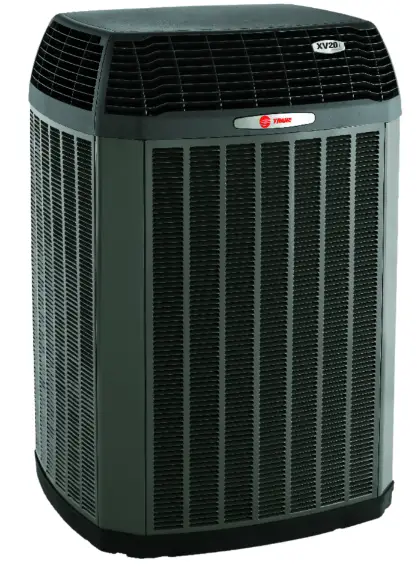
Product Information
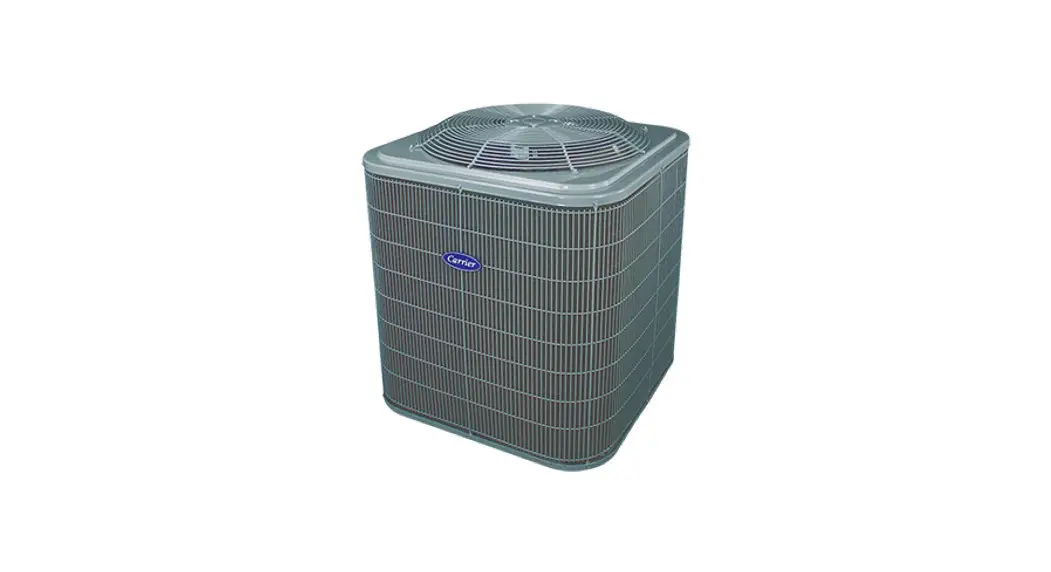
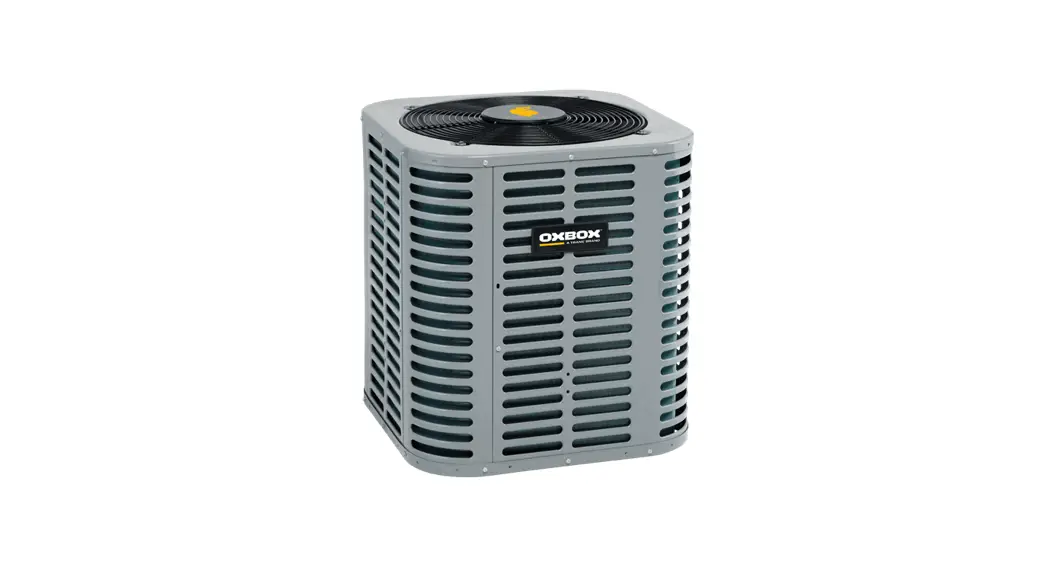
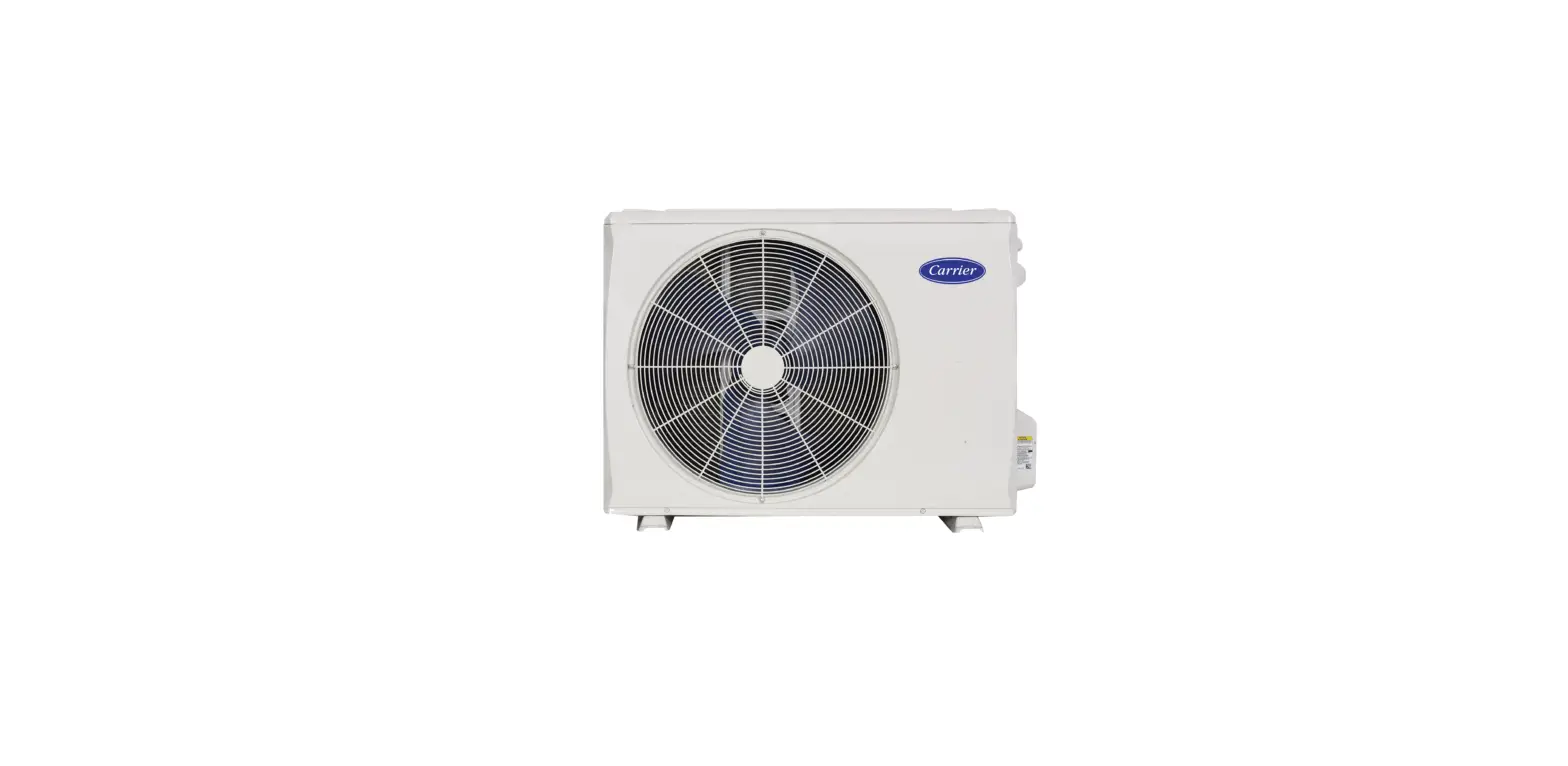
The product is a heat pump with the model number 4TWR6. It contains R-410A refrigerant and approved POE compressor oil. The unit’s dimensions and weight vary based on the model, as listed in Table 2.1.
Product Usage Instructions
Before installing or servicing the heat pump, it is important to note that all phases of the installation must comply with national, state, and local codes. Additionally, extreme caution should be exercised when handling the unit to prevent personal injury or property damage.
When using existing refrigerant lines, ensure that all joints are brazed rather than soldered. When opening the liquid line service valve, turn it counterclockwise until the valve stem just touches the rolled edge to avoid an abrupt release of system charge that could cause personal injury or property damage. Before servicing the unit, disconnect power and discharge capacitors to avoid hazardous voltage. During installation, testing, servicing, and troubleshooting of the product, it may be necessary to work with live electrical components. Follow all electrical safety precautions to prevent death or serious injury. When mounting the outdoor unit on a roof, ensure that the roof can support the unit’s weight. Properly selected isolation is recommended to alleviate sound or vibration transmission to the building structure.
18-AC104D1-1G-EN
Installation and Operation of Manual Heat Pumps
4TWR6
ALL phases of this installation must comply with NATIONAL, STATE AND LOCAL CODES
IMPORTANT This Document is customer property and is to remain with this unit. Please return to the service information pack upon completion of work. These instructions do not cover all variations in systems or provide for every possible contingency to be met in connection with the installation. Should further information be desired or should particular problems arise which are not covered sufficiently for the purchaser’s purposes, the matter should be referred to your installing dealer or local distributor. Note: The manufacturer recommends installing only approved matched indoor and outdoor systems. All of the manufacturer’s split systems are A.H.R.I. rated only with TXV/EEV indoor systems. Some of the benefits of installing approved matched indoor and outdoor split systems are maximum efficiency, optimum performance and the best overall system reliability.
Section 1. Safety
! WARNING
This information is intended for use by individuals possessing adequate backgrounds of electrical and mechanical experience. Any attempt to repair a central air conditioning product may result in personal injury and/or property damage. The manufacture or seller cannot be responsible for the interpretation of this information, nor can it assume any liability in connection with its use.
! WARNING
These units use R-410A refrigerant which operates at 50 to 70% higher pressures than R-22. Use only R-410A approved service equipment. Refrigerant cylinders are painted a “Rose” color to indicate the type of refrigerant and may contain a “dip” tube to allow for charging of liquid refrigerant into the system. All R-410A systems use a POE oil that readily absorbs moisture from the atmosphere. To limit this “hygroscopic” action, the system should remain sealed whenever possible. If a system has been open to the atmosphere for more than 4 hours, the compressor oil must be replaced. Never break a vacuum with air and always change the driers when opening the system for component replacement. For specific handling concerns with R-410A and POE oil reference Retrofit Bulletins SS-APG006-EN and APP-APG011-EN.
! WARNING
UNIT CONTAINS R-410A REFRIGERANT! R-410A operating pressures exceed the limit of R-22. Proper service equipment is required. Failure to use proper service tools may result in equipment damage or personal injury. SERVICE USE ONLY R-410A REFRIGERANT AND APPROVED POE COMPRESSOR OIL.
! WARNING
Extreme caution should be exercised when opening the Liquid Line Service Valve. Turn counterclockwise until the valve stem just touches the rolled edge. No torque is required. Failure to follow this warning will result in abrupt release of system charge and may result in personal injury and /or property damage.
! WARNING
HAZARDOUS VOLTAGE! Disconnect power and discharge capacitors before servicing.
! WARNING
LIVE ELECTRICAL COMPONENTS! During installation, testing, servicing, and troubleshooting of this product, it may be necessary to work with live electrical components. Failure to follow all electrical safety precautions when exposed to live electrical components could result in death or serious injury.
! CAUTION
If using existing refrigerant lines make certain that all joints are brazed, not soldered.
! CAUTION
Scroll compressor dome temperatures may be hot. Do not touch the top of compressor; it may cause minor to severe burning.
! CAUTION
HOT SURFACE! May cause minor to severe burning. Failure to follow this Caution could result in property damage or personal injury. Do not touch top of compressor.
!CAUTION
CONTAINS REFRIGERANT! Failure to follow proper procedures can result in personal illness or injury or severe equipment damage. System contains oil and refrigerant under high pressure. Recover refrigerant to relieve pressure before opening system.
! CAUTION
GROUNDING REQUIRED! Failure to inspect or use proper service tools may result in equipment damage or personal injury. Reconnect all grounding devices. All parts of this product that are capable of conducting electrical current are grounded. If grounding wires, screws, straps, clips, nuts, or washers used to complete a path to ground are removed for service, they must be returned to their original position and properly fastened.
2
18-AC104D1-1G-EN
Section 2. Unit Location Considerations
2.1 Unit Dimensions and Weight
Table 2.1
Unit Dimensions and Weight
Models
H x D x W (in) Weight* (lb)
4TWR6024N 41 x 34 x 37
236
4TWR6036N 45 x 34 x 37
257
4TWR6048N 45 x 34 x 37
292
4TWR6060N 45 x 34 x 37
293
* Weight values are estimated.
W H
D
When mounting the outdoor unit on a roof, be sure the roof will support the unit’s weight. Properly selected isolation is recommended to alleviate sound or vibration transmission to the building structure.
Refrigerant Piping Limits
1. The maximum length of refrigerant lines from outdoor to indoor unit should NOT exceed 150 feet. 2. The maximum vertical change should not exceed fifty (50) feet. 3. Service valve connection diameters are shown in Table 5.1. Note: For line lengths greater than fifty (50) feet, Refer to Refrigerant Piping Application Guide,
SS-APG006F-EN, or Refrigerant Piping Software Program.
Standard Line Set 150″ Max Line Length
50” Max Vertical Change
2.3 Suggested Locations for Best Reliability
Ensure the top discharge area is unrestricted for at least five (5) feet above the unit. Three (3) feet clearance must be provided in front of the control box (access panels) and any other side requiring service. Do not locate close to bedrooms as operational sounds may be objectionable. Avoid locations such as near windows where condensation and freezing defrost vapor can annoy a customer. Position the outdoor unit a minimum of 12″ from any wall or surrounding shrubbery to ensure adequate airflow. Outdoor unit location must be far enough away from any structure to prevent excess roof runoff water or icicles from falling directly on the unit.
18-AC104D1-1G-EN
Avoid Install Near Bedrooms
Min. 12″ to Shrubbery
50” Max Vertical Change
Min 5′ Unrestricted Min 3′ Unrestricted Access Panel
3
Cold Climate Considerations
NOTE: It is recommended that these precautions be taken for units being installed in areas where snow accumulation and prolonged below freezing temperatures occur.
· Units should be elevated 3-12 inches above the pad or rooftop, depending on local weather. This additional
height will allow drainage of snow and ice melted during defrost cycle prior to its refreezing. Ensure that drain holes in unit base pan are not obstructed preventing draining of defrost water.
· If possible, avoid locations that are likely to accumulate snow drifts. If not possible, a snow drift barrier should be
installed around the unit to prevent a build-up of snow on the sides of the unit.
Coastal Considerations
If installed within one mile of salt water, including seacoasts and inland waterways, models without factory supplied Seacoast Salt Shields require the addition of BAYSEAC001 (Seacoast Kit) at installation time.
Section 3. Unit Preparation
3.1 Prepare The Unit For Installation
STEP 1 – Check for damage and report promptly to the carrier any damage found to the unit. STEP 2 – To remove the unit from the pallet, remove tabs by cutting with a sharp tool.
Section 4. Setting the Unit
4.1 Pad Installation When installing the unit on a support pad, such as a concrete slab, consider the following:
· The pad should be at least 1″ larger than the unit on all sides. · The pad must be separate from any structure. · The pad must be level. · The pad should be high enough above grade to allow for drainage. · The pad location must comply with National, State, and Local codes.
Section 5. Refrigerant Line Considerations
5.1 Refrigerant Line and Service Valve Connection Sizes
Model
4TWR6024N 4TWR6036N 4TWR6048N 4TWR6060N
Table 5.1
Line Sizes
Service Valve Connection Sizes
Vapor Line
Liquid Line
Vapor Line Connection
Liquid Line Connection
5/8
3/8
3/4
3/8
3/4
3/8
3/4
3/8
7/8
3/8
7/8
3/8
1-1/8
3/8
7/8
3/8
Alternate Line Sizes Model
4TWR6024N 4TWR6036N 4TWR6048N 4TWR6060N
Line Sizes
Vapor Line
Liquid Line
3/4
3/8
5/8
3/8
7/8
3/8
3/4
3/8
3/4
3/8
7/8
3/8
Service Valve Connection Sizes
Vapor Line Connection
Liquid Line Connection
3/4
3/8
3/4
3/8
3/4
3/8
7/8
3/8
7/8
3/8
7/8
3/8
4
18-AC104D1-1G-EN
5.2 Factory Charge
The outdoor condensing units are factory charged with the system charge required for the outdoor condensing unit, ten (10) feet of tested connecting line, and the smallest rated indoor evaporative coil match. Always verify proper system charge via subcooling (TXV/EEV) or superheat (fixed orifice) per the unit nameplate.
5.3 Required Refrigerant Line Length
Determine required line length and lift. You will need this later in STEP 2 of Section 14.
Total Line Length = __________ Ft. Total Vertical Change (lift) = __________ Ft.
Line Length
5.4 Refrigerant Line Insulation
Important: The Vapor Line must always be insulated. DO NOT allow the Liquid Line and Vapor Line to come in direct (metal to metal) contact.
Liquid Line
Vapor Line Insulation
5.5 Reuse Existing Refrigerant Lines
! CAUTION
If using existing refrigerant lines make certain that all joints are brazed, not soldered.
For retrofit applications, where the existing indoor evaporator coil and/or refrigerant lines will be used, the following precautions should be taken:
· Ensure that the indoor evaporator coil and refrigerant lines are the correct size. · Ensure that the refrigerant lines are free of leaks, acid, and oil.
Section 6. Refrigerant Line Routing
6.1 Precautions
Important: Take precautions to prevent noise within the building structure due to vibration transmission from the refrigerant lines.
Comply with National, State, and Local Codes when isolating line sets from joists, rafters, walls, or other structural elements.
For Example: · When the refrigerant lines have to be fastened to floor joists or other framing in a structure, use isolation type
hangers. · Isolation hangers should also be used when refrigerant lines are run in stud spaces or enclosed ceilings. · Where the refrigerant lines run through a wall or sill, they should be insulated and isolated. · Isolate the lines from all ductwork. · Minimize the number of 90º turns.
18-AC104D1-1G-EN
5
8 Feet Maximum
Joist/Rafter Isolator
Side View
8 Feet Maximum
Secure Vapor line from joists using isolators every 8 ft. Secure Liquid Line directly to Vapor line using tape, wire, or other appropriate method every 8 ft.
Isolation From Joist/Rafter
Line Set
8 Feet Maximum
Side View
8 Feet Maximum Secure Vapor Line using isolators every 8 ft. Secure Liquid Line directly to Vapor Line using tape, wire, or other appropriate method every 8 ft.
Isolation In Wall Spaces
Wall Isolator
Line Set
Wall
Sealant
Insulation Vapor Line
Isolation Through Wall 6
Ductwork
Isolator Line Set DO NOT hang line sets from ductwork 18-AC104D1-1G-EN
Section 7. Refrigerant Line Brazing
7.1 Braze The Refrigerant Lines
STEP 1 – Remove caps or plugs. Use a deburing tool to debur the pipe ends. Clean both internal and external surfaces of the tubing using an emery cloth.
STEP 2 – Remove the pressure tap cap and valve cores from both service valves.
STEP 3 – Purge the refrigerant lines and indoor coil with dry nitrogen.
STEP 4 – Wrap a wet rag around the valve body to avoid heat damage and continue the dry nitrogen purge. Braze the refrigerant lines to the service valves. For units shipped with a field-installed external drier, check liquid line filter drier’s directional flow arrow to confirm correct direction of refrigeration flow (away from outdoor unit and toward evaporator coil) as illustrated. Braze the filter drier to the Liquid Line. Continue the dry nitrogen purge. Do not remove the wet rag until all brazing is completed. Important: Remove the wet rag before stopping the dry nitrogen purge. Note: Install drier in Liquid Line. NOTE: Precautions should be taken to avoid heat damage to basepan during brazing. It is recommended to keep the flame directly off of the basepan.
STEP 5 – Replace the pressure tap valve cores after the service valves have cooled.
STEP 1
STEP 2
STEP 3
3-4″ from valve
STEP 4
STEP 5
Section 8. Refrigerant Line Leak Check
Check For Leaks
STEP 1 – Pressurize the refrigerant lines and evaporator coil to 150 PSIG using dry nitrogen. STEP 2 – Check for leaks by using a soapy solution or bubbles at each brazed location. Remove nitrogren pressure and repair any leaks before continuing.
18-AC104D1-1G-EN
7
Section 9. Evacuation
9.1 Evacuate the Refrigerant Lines and Indoor Coil
Important: Do not open the service valves until the refrigerant lines and indoor coil leak check and evacuation are complete.
STEP 1 – Evacuate until the micron gauge reads no higher than 350 microns, then close off the valve to the vacuum pump.
STEP 2 – Observe the micron gauge. Evacuation is complete if the micron gauge does not rise above 500 microns in one (1) minute. Once evacuation is complete blank off the vacuum pump and micron gauge, and close the valves on the manifold gauge set.
Section 10. Service Valves
10.1 Open the Gas Service Valve
Important: Leak check and evacuation must be completed before opening the service valves. NOTE: Do not vent refrigerant gases into the atmosphere. STEP 1 – Remove valve stem cap. STEP 2 – Using an adjustable wrench, turn valve stem 1/4 turn counterclockwise to the fully open position. STEP 3 – Replace the valve stem cap to prevent leaks. Tighten finger tight plus an additional 1/6 turn.
10.2 Open the Liquid Service Valve
! WARNING
Extreme caution should be exercised when opening the Liquid Line Service Valve. Turn counterclockwise until the valve stem just touches the rolled edge. No torque is required. Failure to follow this warning will result in abrupt release of system charge and may result in personal injury and /or property damage.
Important: Leak check and evacuation must be completed before opening the service valves. STEP 1 – Remove service valve cap. STEP 2 – Fully insert 3/16″ hex wrench into the stem and back out counterclockwise until valve stem just touches the rolled edge (approximately five (5) turns.) STEP 3 – Replace the valve cap to prevent leaks. Tighten finger tight plus an additional 1/6 turn.
CAP
UNIT SIDE OF VALVE 1/4 TURN ONLY COUNTERCLOCKWISE FOR FULL OPEN POSITION
VALVE STEM
Cap
Unit Side of Service
Valve
3/16″ Hex Wrench
Rolled Edge to Captivate Stem
Hex Headed Valve System
PRESSURE TAP PORT GAS LINE CONNECTION
Gas Service Valve 8
Service Port
Liquid Service Valve 18-AC104D1-1G-EN
Section 11. Electrical – Low Voltage
11.1 Low Voltage Maximum Wire Length
Table 11.1 defines the maximum total length of low voltage wiring from the outdoor unit, to the indoor unit, and to the thermostat.
Table 11.1
24 VOLTS
WIRE SIZE
MAX. WIRE LENGTH
18 AWG
150 Ft.
16 AWG
225 Ft.
14 AWG
300 Ft.
11.2 Low Voltage Hook-up Diagrams
With TEM 6/8
Thermostat
Air Handler
Outdoor Unit
R 24 VAC HOT
R
R
With TAM 7/9
Thermostat
Air Handler
Outdoor Unit
R 24 VAC HOT
R
R
FAN
G
G
FAN
G
G
24 VAC Common
B/C
B
Blue
B
24 VAC Common
B/C
B
Blue
B
SOV
O
O
O
SOV
O
O
O
Y1 COOL/HEAT
1st STAGE
Y1
Y1
Y COOL/HEAT
1st STAGE
l
Yl
Y2 COOL/HEAT
2nd STAGE
HEATING 2nd STAGE
W
Y2
Y2
W1
White
YO
YO
Y2 COOL/HEAT
2nd STAGE
Y2
Y2
X2 EMERGENCY
HEAT
BK
WH/BLK
W2
Pink
BK
WH/BLK
X2
Black
HEATING 2nd STAGE
W
X2 EMERGENCY
HEAT
W1
White
W2
Pink
X2
Black
BK
WH/BLK
BK
WH/BLK
· Units with pigtails require wirenuts for connections. · In systems with multiple stages of electric heat, jumper W1 and W2 together if comfort control has only one stage of heat. ** TEM6 only – When using a BK enabled comfort control, cut BK jumper and bypass Y1 and Y2 at the air handler. Connect BK from comfort control to BK of the air handler · TAM7 only – When using a BK enabled comfort control, cut BK jumper on the AFC and connect BK from comfort control to BK of the air handler. TAM7 DIP switches must be configured for “HP: 2-Stage/1 Compressor”.
Note: Refer to Indoor Unit Literature for proper configuration.
Defrost Control
Defrost controls have a selectable termination temperature. As shipped, defrost will terminate at 47°F. For a higher termination temperature, cut Jumper J2 to achieve 70°F. Refer to the Defrost Control section in this document for more information.
Defrost Board Detail
Pin Identification on J5 (See Illustration) 1. TEST_COMMON (Shorting to FRC_DFT causes the control to initiate Forced Defrost. Leaving this pin open results in the normal mode of operation.) 2. FRC_DFT = Forced Defrost (Short TEST_ COMMON to this pin for two (2) seconds to initiate a forced defrost. Remove the short after defrost initiates.)
Defrost Control Checkout
Normal operation requires:
· Status LED on board flashing 1 time/second
in standby or 2 times/second with a call for
heating or cooling.
· 24V AC between R & B
Jumper J2
J5 Test Pins
· 24V AC between Y, Y0 & B with unit operating
· Defrost initiation when FRC_DFT pin is shorted to TEST_COMMON pin.
If a defrost control problem is suspected, refer to the service information in control box.
18-AC104D1-1G-EN
9
Section 12. Electrical – High Voltage
12.1 High Voltage Power Supply
! WARNING
LIVE ELECTRICAL COMPONENTS! During installation, testing, servicing, and troubleshooting of this product, it may be necessary to work with live electrical components. Failure to follow all electrical safety precautions when exposed to live electrical components could result in death or serious injury.
The high voltage power supply must agree with the equipment nameplate.
Power wiring must comply with national, state, and local codes.
Follow instructions on unit wiring diagram located on the inside of the control box cover and in this document included with the unit.
12.2 High Voltage Disconnect Switch Install a separate disconnect switch at the outdoor unit. For high voltage connections, flexible electrical conduit is recommended whenever vibration transmission may create a noise problem within the structure.
12.3 High Voltage Ground Ground the outdoor unit per national, state, and local code requirements.
Section 13. Start Up
13.1 System Start Up STEP 1 – Ensure Sections 7 through 12 have been completed. STEP 2 – Set System Thermostat to OFF. STEP 3 – Turn on disconnect(s) to apply power to the indoor and outdoor units. STEP 4 – Wait one (1) hour before starting the unit if compressor crankcase heater accessory is used and the Outdoor Ambient is below 70ºF. STEP 5 – Set system thermostat to ON.
Section 14. System Charge Adjustment
14.1 Temperature Measurements
STEP 1 – Check the outdoor temperatures.
Subcooling (in cooling mode) is the only recommended method of charging above 55º F ambient outdoor temperature. See Section 14.2.
For outdoor temperatures below 55º F, see Section 14.3. Note: It is important to return in the spring or summer to accurately charge the system in the cooling mode when outdoor ambient temperature is above 55º F.
For best results the indoor temperature should be kept between 70º F to 80º F. 10
18-AC104D1-1G-EN
14.2 Subcooling Charging in Cooling (Above 55º F Outdoor Temp.) STEP 1 – Use the refrigerant line total length and lift measurements from Section 5.3.
Total Line Length = __________ Ft.
LIFT
Vertical Change (Lift) = __________ Ft.
STEP 2 – Determine the final subcooling value using total Line Length and Lift measured in STEP 1 and the charts below.
024N Models
036N Models
REFRIGERANT LINE LIFT (FT)
SUBCOOL CHARGING CHART CORRECTIONS TABLE (FOR LINE LENGTH AND RISE)
50 40 30 25 15 10
0 20
1° Add 1°
Use Design Subcooling
Add 2° Add 1°
30 40 50 60 70 80 90 100 110 120 130 140 150 TOTAL REFRIGERANT LINE LENGTH (FT) – [ includes lift ]
REFRIGERANT LINE LIFT (FT)
SUBCOOL CHARGING CHART CORRECTIONS TABLE (FOR LINE LENGTH AND RISE)
50 40 30 25 15 10
0 20
4°
Add 1°
Add 2°
Add 1°
Use Design Subcooling 1°
30 40 50 60 70 80 90 100 110 120 130 140 150 TOTAL REFRIGERANT LINE LENGTH (FT) – [ includes lift ]
048N Models
060N Models
REFRIGERANT LINE LIFT (FT)
SUBCOOL CHARGING CHART CORRECTIONS TABLE (FOR LINE LENGTH AND RISE)
50 40 30 25 15 10
0 20
1° 1° Add 1°
Use Design Subcooling
Add 4° Add 2°
Add 1°
30 40 50 60 70 80 90 100 110 120 130 140 150 TOTAL REFRIGERANT LINE LENGTH (FT) – [ includes lift ]
REFRIGERANT LINE LIFT (FT)
SUBCOOL CHARGING CHART CORRECTIONS TABLE (FOR LINE LENGTH AND RISE)
50 40 30 25 15 10
0 20
1° 1°
Use Design Subcooling
Add 4°
Add 2° Add 1°
Add 1° 1°
30 40 50 60 70 80 90 100 110 120 130 140 150 TOTAL REFRIGERANT LINE LENGTH (FT) – [ includes lift ]
Design Subcooling Value = __________º F
(from nameplate)
Subcooling Correction = __________º F
Final Subcooling Value = __________º F
STEP 3 – Stabilize the system by operating for a minimum of 20 minutes. At startup, or whenever charge is removed or added, the system must be operated for a minimum of 20 minutes to stabilize before accurate measurements can be made.
STEP 4 – Measure the liquid line temperature and pressure at the outdoor unit’s service valve. Measured Liquid Line Temp = __________ º F Liquid Gage Pressure = __________ PSIG Final Subcooling Value = __________ º F
STEP 5 – Use the final subcooling value, refrigerant temperature and pressure from STEP 4, to determine the proper liquid gage pressure using Table 14.2.
Example: Assume a 12º F Final Subcooling value and liquid temp of 90º F. 1. Locate 12º F Final Subcooling in Table 14.2. 2. Locate the Liquid Temperarature (90º F) in the left column. 3. The Liquid Gage Pressure should be approximately 327 PSIG. (This is the shown as the intersection of the
Final Subcooling column and the Liquid Temperature row in Table 14.2.)
18-AC104D1-1G-EN
11
Table 14.2
R-410A REFRIGERANT CHARGING CHART
LIQUID
TEMP
(°F)
FINAL SUBCOOLING (°F)
8 9 10 11 12 13 14
LIQUID GAGE PRESSURE (PSI)
55 179 182 185 188 191 195 198
60 195 198 201 204 208 211 215
107 °F
65 211 215 218 222 225 229 232
70 229 232 236 240 243 247 251
75 247 251 255 259 263 267 271
80 267 271 275 279 283 287 291
85 287 291 296 300 304 309 313
90 309 313 318 322 327 331 336
95 331 336 341 346 351 355 360
100 355 360 365 370 376 381 386
105 381 386 391 396 402 407 413
110 407 413 418 424 429 435 441
115 435 441 446 452 458 464 470
120 464 470 476 482 488 495 501
125 495 501 507 514 520 527 533
From Dwg. D154557P01 Rev. 3
STEP 6 – Adjust refrigerant level to attain proper gage pressure. Add refrigerant if the Liquid Gage Pressure is lower than the chart value.
1. Connect gages to refrigerant bottle and unit as illustrated. 2. Purge all hoses. 3. Open bottle. 4. Stop adding refrigerant when liquid line temperature and Liquid Gage Pressure matches the charging chart
Final Subcooling value. Recover refrigerant if the Liquid Gage Pressure is higher than the chart value.
STEP 7 – Stabilize the system.
1. Wait 20 minutes for the system condition to stabilize between adjustments. Note: When the Liquid Line Temperature and Gage Pressure approximately match the chart, the system is properly charged.
2. Remove gages. 3. Replace service port caps to prevent leaks. Tighten finger tight plus an additional 1/6 turn.
STEP 8 – Verify typical performance. Refer to System Pressure Curves at the end of this document to verify typical performance.
12
SUCTION PRESSURE (PSIG)
DISCHARGE PRESSURE (PSIG)
(Example only)
Cooling @ 1450 SCFM
Heating @ 1350 SCFM
550 500 450
INDOOR ENTERING WET BULB CURVES TOP TO BOTTOM 71, 67, 63 AND 59 DEG F.
400
350 (4)
(3)
300
250
(1) 200
40
60
80
100
(2) 120
500 450
INDOOR ENTERING DRY BULB CURVES TOP TO BOTTOM 80, 70, AND 60 DEG F.
400
350
300
250
200
-5
5
15 25 35 45 55 65
OUTDOOR TEMPERATURE (Degree F)
170 165 160 155
INDOOR ENTERING WET BULB CURVES TOP TO BOTTOM 71, 67, 63 AND 59 DEG F.
150
145 (5) 140
(3)
135
130
125
120
115
(1)
110
40
60
80
100
(2) 120
140 130 120 110
INDOOR ENTERING DRY BULB CURVES TOP TO BOTTOM 80, 70, AND 60 DEG F.
100
90
80
70
60
50
40
30
-5
5
15 25 35 45 55 65
18-AC104D1-1G-EN
STEP 9 – Record System Information for reference.
Record system pressures and temperatures after charging is complete.
Outdoor model number = _________________
Measured Outdoor Ambient = __________ º F
Measured Indoor Ambient = __________ º F
Measured Liquid Line Temp = __________ º F
Measured Suction Line Temp = __________ º F Liquid Gage Pressure = __________ PSIG Suction Gage Pressure = __________ PSIG
Subcooling Charging Below 55º F Outdoor Temp. (In Heating Only)
The Subcooling Charging method in cooling is not recommended below 55º F outdoor temperature.
The only recommended method of charging at outdoor temperatures below 55º F is weighing in the charge in heating mode.
STEP 1 – Determine additional charge.
Note: The nameplate charge value represents the amount of refrigerant shipped in the outdoor unit and is compatible with 10 feet of AHRI rated refrigerant lines and the smallest AHRI rated coil.
Using the method below, find the charge associated with the additional length of tubing above 10 ft. and record it below.
Calculating Charge Using the Weigh-In Method
STEP 1 – Measure in feet the distance between the outdoor unit and the indoor unit. (Include the entire length of the line from the service valve to the IDU.) Subtract 10 ft from this entire length and record on line 1.
STEP 2 – Enter the charge multiplier (0.6 oz/ft). Each linear foot of interconnecting tubing requires the addition of 0.6 oz of refrigerant.
STEP 3 – Multiply the total length of refrigerant tubing (Line 1) times the value on Step 2. Record the result on Line 3 of the Worksheet.
STEP 4 – This is the amount of refrigerant to weigh-in prior to opening the service valves.
18-AC104D1-1G-EN
Weigh-In Method can be used for the initial installation, or anytime a system charge is being replaced. Weigh-In Method can also be used when power is not available to the equipment site or operating conditions (indoor/outdoor temperatures) are not in range to verify with the subcooling charging method.
1. Total Line length (ft) 10 ft ______________
2. Charge multiplier
x ___0.6 oz_____
3. Step 1 x Step 2
= _____________
4. Refrigerant (oz)
= _____________
13
STEP 2 – Stabilize the system by operating for a minimum of 20 minutes. At startup, or whenever charge is removed or added, the system must be operated for a minimum of 20 minutes to stabilize before accurate measurements can be made. STEP 3 – Check the liquid line temperature and liquid gage pressure to obtain a minimum of 10º subcooling in heating mode. Measured Liquid Line Temp = __________ º F Liquid Gage Pressure = __________ PSIG STEP 4 – Add charge if a minimum of 10º subcooling is not obtained with the namplate charge plus additional charge previously added. STEP 5 – Return to site for adjustment. Important: Return in the spring or summer to accurately charge the system in the cooling mode with outdoor ambient above 55º F.
Section 15. Checkout Procedures
Operational And Checkout Procedures
Final phases of this installation are the unit Operational and Checkout Procedures. To obtain proper performance, all units must be operated and charge adjustments made.
Important: Perform a final unit inspection to be sure that factory tubing has not shifted during shipment. Adjust tubing if necessary so tubes do not rub against each other when the unit runs. Also be sure that wiring connections are tight and properly secured.
CHECKOUT PROCEDURE
After installation has been completed, it is recommended that the entire system be checked against the following list:
1. Leak check refrigerant lines. …………………………………. [ ] 2. Properly insulate suction lines and fittings……………….. [ ] 3. Properly secure and isolate all refrigerant lines………… [ ] 4. Seal passages through masonry. If mortar is used, prevent mortar from coming into direct contact with copper tubing. …………………….. [ ] 5. Verify that all electrical connections are tight……………. [ ] 6. Observe outdoor fan during on cycle for clearance and smooth operation…………………………………………… [ ]
7. Be sure that indoor coil drain line drains freely. Pour water into drain pan………………………………………………………. [ ] 8. Be sure that supply registers and return grilles are open and unobstructed…………………………………………………. [ ] 9. Be sure that a return air filter is installed…………………. [ ] 10. Be sure that the correct airflow setting is used. (Indoor blower motor) …………………………………………… [ ] 11. Operate complete system in each mode to ensure safe operation…………………………………………… [ ]
14
18-AC104D1-1G-EN
Section 16. Defrost Control
The demand defrost control measures heat pump outdoor ambient temperature with a sensor located outside the outdoor coil. A second sensor located on the outdoor coil is used to measure the coil temperature. The difference between the ambient and the colder coil temperature is the difference or delta-T measurement. This delta-T measurement is representative of the operating state and relative capacity of the heat pump system. By measuring the change in delta-T, we can determine the need for defrost. The coil sensor also serves to sense outdoor coil temperature for termination of the defrost cycle.
Pin Identification
1. TEST_COMMON (Shorting any of the other pins to this pin causes the function of the other pin to be executed. Leaving this pin open results in the normal mode of operation.)
2. TST = Test (Shorting TEST_COMMON to this pin speeds up all defrost board timings.)
3. FRC_DFT = Forced Defrost (Short TEST_COMMON to this pin for two [2] seconds to initiate a forced defrost. Remove the short after defrost initiates.)
Termination Temperature Defrost controls have a selectable termination temperature. As shipped, defrost will terminate at 47°F. For a higher termination temperature, cut Jumper J2 to achieve 70°F when at or below 30°F ambient.
Defrost Control Checkout Normal operation requires:
a. LED on board flashing 1 time/second.
b. 24V AC between R & B.
Fault Identification A fault condition is indicated by the flashing light on the defrost control inside the heat pump control box.
c. 24V AC between Y & B with unit operating.
d. Defrost initiation when FRC_DFT pin is shorted to TEST_COMMON pin.
In normal operation, the defrost control light will flash once each second. If the light is flashing more than once per second or not at all, refer to the Defrost Checkout sheet found with the service information in the control box.
If a defrost control problem is suspected, refer to the service information in control box.
DEFROST TERMINATION TEMPERATURE
For 024N, 048N & 060N Models
Defrost Termination Temperatures
Outdoor Temp.
Termination Temperature
Defrost controls have a selectable termination temperature. Cutting jumper J2 (shown below) will achieve a termination temperature of 70° when the ambient temperature is below 30° (see table at left).
As Shipped
>22°F 10°F22°F 6°F10°F
47°F ODT + 25°F
35°F
Defrost Board Detail
Cut
>30°F
Jumper 2 6°F30°F
< 6°F
All
0°F
5°F
47°F 70°F 12 min. or 35°F every 3 hrs. Outdoor unit will be turned OFF Resume outdoor unit operation
JUMPER 2 TEST PINS
J1 J2 J3
FRC_DFT
U1
For 036N Models only
TEST_COMMON
Defrost Termination Temperatures
TST
Outdoor Temperature
Termination Temperature
As Shipped
>22°F 10°F22°F 6°F10°F
47°F ODT + 25°F
35°F
Cut Jumper 2
>30°F 6°F30°F
47°F 70°F
All
< 6°F
12 min. or 35°F every 3 hrs.
18-AC104D1-1G-EN
15
J1 To Coil on EEV
EEV CONTROL BOARD TEST POINTS
OPEN
Test Pins
OPEN CLOSE TEST
TEST
J6 See Table 3
Control Input 24 VAC Stage/Mode
CLOSE
DC V TEST POINT
STATUS LED (Green)
Fault LED (Red)
J7
See Table 2
Suction Line Pressure Transducer Input
J10
See Table 1
Suction Line Temperature Sensor Input
Note: Close Valve and Open Valve Tests are active in any mode of operation
Test Pins: OPEN, CLOSE, TEST (See EEV Board drawing for locations)
Close Valve Test – Touch CLOSE pin to TEST pin.
EEV drives closed (5 seconds max) and stays closed for 1.5 minutes (90 seconds). 1) Status LED will be flashing. 2) Gauges should indicate suction pressure dropping. · Valve is working. · LPCO may trip.
Note: The Close Valve Test will exit after 1.5 minutes (90 seconds) and will not reinitiate (requires a break and make to initialize). To clear faults stored in memory, apply a jumper between Close and Test pins for 10 seconds.
Open Valve Test – Touch OPEN pin to TEST pin.
EEV drives open (5 sec max) and stays open for 30 seconds. 1) Status LED will be flashing. 2) Temperature probe should indicate superheat falling. · Valve is working.
Note: If jumper is left on pins, the OPEN VALVE TEST will be cleared after 30 seconds and will not reinitiate (requires a break and make to reinitialize).
Exit Test Mode – The Open Valve Test or Closed Valve Test can be cancelled by jumping to the opposite mode Test pin.
The system will return to normal super heat control.
Test mode will cancel if: 1) Unit enters Defrost 2) Y1 input is lost
16
18-AC104D1-1G-EN
TABLE 1 Suction Line Temperature Sensor – J10
Temp °F Temp °C
0
-17.8
5
-15.0
10
-12.2
15
-9.4
20
-6.7
25
-3.9
30
-1.1
35
1.7
40
4.4
45
7.2
50
10.0
55
12.8
60
15.6
65
18.3
70
21.1
75
23.9
80
26.7
85
29.4
90
32.2
95
35.0
100
37.8
105
40.6
110
43.3
115
46.1
120
48.9
125
51.7
130
54.4
135
57.2
136
57.8
137
58.3
138
58.9
139
59.4
140
60.0
141
60.6
142
61.1
143
61.7
144
62.2
145
62.8
146
63.3
147
63.9
148
64.4
149
65.0
150
65.6
THERMISTOR RESISTANCE (OHMS)
83247 71108 60916 52333 45076 38927 33703 29253 25452 22198 19405 17002 14930 13138 11586 10238 9065 8043 7150 6368 5682 5079 4548 4079 3665 3298 2972 2683 2629 2576 2525 2474 2425 2377 2330 2284 2239 2195 2153 2111 2070 2030 1990
Volts DC at Plug J10
(pin to pin)
3.87 3.73 3.57 3.41 3.25 3.08 2.91 2.73 2.56 2.39 2.22 2.06 1.90 1.75 1.61 1.48 1.36 1.24 1.14 1.04 0.95 0.86 0.79 0.72 0.66 0.60 0.54 0.50 0.49 0.48 0.47 0.46 0.45 0.45 0.44 0.43 0.42 0.41 0.41 0.40 0.39 0.39 0.38
TABLE 2
Suction Line Pressure Transducer – J7 Voltage to pressure reference Chart
Pressure (PSIG)
34 41 51 60 70 80 89 99 108 118 130 140 147 159 169 178 188 198
Volts DC at plug J7 (to test point common)
0.8 0.9 1.0 1.1 1.2 1.3 1.4 1.5 1.6 1.7 1.8 1.9 2.0 2.1 2.2 2.3 2.4 2.5
Suction Line Pressure Transducer
Suction Line Temperature Sensor
18-AC104D1-1G-EN
17
ELECTRONIC EXPANSION VALVE (EEV) CONTROL BOARD
Status LED (Green)
On – Control has power
Flashing Fast – Control is driving valve (5 seconds max drive time)
Flashing Pattern – See Table 6.
OPEN CLOSE
TEST
STATUS LED (Green)
Fault LED (Red)
EEV control
Heat
Standby 1st Stage 2nd Stage
ON ON OFF ON
Cool
Standby OFF
1st Stage ON 2nd Stage ON OFF ON
1 sec
TABLE 3 Control Input and Status LED – J6
STATUS LED
OFF OFF
ON
ON Continuous
ON
ON
ON
OFF OFF
OFF
2 sec
3 sec
OFF OFF
ON
4 sec
24 VAC at plug J6
B to R B to R & Y1 B to R, Y1 & Y2
B to R & O B to R, Y1 & O B to R, Y1, Y2 & O
Fault LED (Red)
LED Color
Red
EEV Fault LED
OFF Standby
Description
1 Flash Coil has an open circuit or intermittent short (Replace Coil)
2 Flash Control has detected an internal failure (Replace EEV control board)
3 Flash Suction Pressure Transducer input is out of range (Replace transducer) (1)
4 Flash Suction Temperature Sensor input is out of range (Replace sensor) (1)
5 Flash Coil has short circuit (Replace Coil) (2)
The following may require additional diagnostics
6 Flash 7 Flash 8 Flash 9 Flash
Valve is not responding to a position change command (Possible stuck valve) Valve is responding but system is not performing properly (Low charge or restriction) Compressor is not pumping (3) Low superheat in Cooling Mode (Indoor TXV stuck open or ID Fan failure)
10 Flash Not used at this time
EEV Fault Codes EEV not used on all models (1) Valve will close and LPCO will trip Notes: (2) Power supply will shut down to protect board (3) Monitor superheat and pressure: <3′ SH for 5 minutes with valve @ minimum position, Monitor off-cycle pressure and compare to next on-cycle for pressure drop within 60 seconds
Printed from D802247P01 Rev08 Fault Storing/CleAHRIng:
Faults 6-9 will be stored in non-volatile memory. See Close Valve Test for fault clearing procedure. Faults 1-5 will clear with a power cycle.
18
18-AC104D1-1G-EN
TROUBLESHOOTING THE EEV
The Electronic Expansion Valve (EEV) installed in this heat pump is designed to control superheat entering the compressor when the system is running in mechanical heating mode. During cooling mode, refrigerant flow reverses through the outdoor EEV and superheat is controlled by the expansion device in the indoor unit. Therefore, any operational problems observed in cooling mode are not caused by the outdoor EEV.
The following flow chart was designed to assist in troubleshooting the EEV.
Note: The EEV closes with every OFF cycle in the heating mode of operation. During Defrost and in the cooling mode of operation, the EEV will drive to full open. An audible sound can be heard when valve is changing positions.
System is pumping down in heat mode
EEV is not sensing that the compressor is ON and in the Heat Mode
1. Check plug and harness to J6 2. Verify 24VAC at Y1 and/or Y2 inputs to EEV control J6 are present (not “O”) See
Table 3 in page 19.
System is very low on charge 1. Check charge
Low superheat (flooding) in heating mode
High superheat (low suction pressure) in
heating mode
EEV Hunting (Suction pressure moves
up & down)
18-AC104D1-1G-EN
EEV valve is stuck open 1. See for Close Valve Test
EEV valve is stuck closed 1. See for Open Valve Test
Sensors are out of calibration 1. Verify sensors are accurate. See Table 1
& 2 in page 18
System is low on charge 1. Check charge
Sensors are out of calibration 1. Verify sensors are accurate. See Table 1
& 2 in page 18
Sensor are out of calibration 1. Verify sensors are accurate. See Table 1
& 2 page 18
EEV valve is stuck closed 1. See for Open Valve Test
Verify temperature sensor is clipped tight to suction line and insulated
Verify Outdoor Unit: 1. Is free and clear of ice and debris
2. Has adequate clearance 3. Distributor tubes are not bent or kinked
19
Section 17. Troubleshooting
Compressor fails to start Contactor check
Is contactor energized? (contacts closed)
NO
Check for 24 volts AC across contactor coil
YES
Go To: Compressor won’t run
Is voltage present at contactor coil?
NO
Check control transformer and
control fuse
YES
Replace contactor
Is the control transformer and fuse good?
NO
Repair or replace transformer or fuse. Investigate cause for failure (possible short in
field wiring)
YES
Jumper R to Y low voltage terminals at thermostat sub
base.
Does the contactor energize?
NO
YES
Replace the room thermostat
Repair or replace connecting wiring
20
18-AC104D1-1G-EN
Compressor won’t run Contactor is closed
Check for high voltage to contactor
Is high voltage present YES at T1 and T2 ?
NO
Check power supply from disconnect and/or breaker panel.
Check for open IOL (Internal Overload) Check resistance of C to S and C to R
Does the resistance check
show an open circuit from C to S
or C to R?
YES
Allow compressor time to cool and
re-test
NO
Check for open windings.
Does a resistance check
show an open circuit between R and S?
YES
Replace the compressor
NO
Check for locked rotor
Is voltage present at C to S and C to R with locked rotor amps on C?
NO
Check wiring to compressor C, S and R
YES
Check StartCapacitor and Relay (if present) and Run Capacitor
Do the start components and
run capacitor check good?
YES
NO
Replace start components and/ or run capacitor
Replace the compressor
18-AC104D1-1G-EN
21
Section 18. Wiring Diagrams
Wiring Diagram 024N Models
22
18-AC104D1-1G-EN
18-AC104D1-1G-EN
Wiring Diagram 036N, 048N & 060N Models
23
24
18-AC104D1-1G-EN
Section 19. Pressure Curves
COOLING PERFORMANCE CAN BE CHECKED WHEN THE OUTDOOR TEMP IS ABOVE 65 DEG F. TO CHECK COOLING PERFORMANCE, SELECT THE PROPER INDOOR CFM, ALLOW PRESSURES TO STABILIZE. MEASURE INDOOR WET BULB TEMPERATURE, OUTDOOR TEMPERATURE, DISCHARGE AND SUCTION PRESSURES. ON THE PLOTS LOCATE OUTDOOR TEMPERATURE (1); LOCATE INDOOR WET BULB (2); FIND INTERSECTION OF OD TEMP. & ID W.B. (3); READ DISCHARGE OR SUCTION PRESSURE IN LEFT COLUMN (4).
EXAMPLE: (1) OUTDOOR TEMP. 82 F. (2) INDOOR WET BULB 67 F. (3) AT INTERSECTION
(4) DISCHARGE PRESSURE @ 740 CFM IS 291 PSIG.
(5) SUCTION PRESSURE @ 740 CFM IS 154 PSIG.
ACTUAL: DISCHARGE PRESSURE SHOULD BE +/- 10 PSIG OF CHART SUCTION PRESSURE SHOULD BE +/- 3 PSIG OF CHART
DISCHARGE PRESSURE (PSIG)
PRESSURE CURVES FOR 4TWR6024N1
TAM7A0B30H21
TAM7A0B30H21
Cooling with Thermal Expansion Valve
INDOOR ENTERING WET BULB CURVES TOP TO BOTTOM
500
71, 67, 63 AND 59 DEG F.
500
Heating with Thermal Expansion Valve
INDOOR ENTERING DRY BULB CURVES TOP TO BOTTOM
500
80, 70, AND 60 DEG F.
500
2ND STAGE 450
1ST STAGE 450
(2)
450
2ND STAGE
1ST STAGE 450
400
400
400
400
350
350
350
350
300
300 (4)
(3)
300
300
250
250
250
250
200
200
(1)
200
200
40 60 80 100 120 40 60 80 100 120
-5 5 15 25 35 45 55 65 -5 5 15 25 35 45 55 65
OUTDOOR TEMPERATURE (Degree F)
180 170 160 150 140 130 120
40
INDOOR
ENTERING 71,
6W7E, T63B1AU8NL0DB
CURVES TOP 59 DEG F.
TO
BOTTOM
2ND STAGE
170
1ST STAGE
160
(5)
150
(3)
150 140 130
(2) 120
110 100
90
INDOOR
ENTERING DRY 80, 70,
AB1NU5DL0B60CUDREGVEFS.
TOP
TO
BOTTOM
2ND STAGE
140
130
1ST STAGE
120
110
100
90
140
80
80
70
70
130
60
60
(1)
50
50
120
40
40
60 80 100 120 40 60 80 100 120
-5 5 15 25 35 45 55 65 -5 5 15 25 35 45 55 65
OUTDOOR TEMPERATURE (Degree F)
SUCTION PRESSURE (PSIG)
18-AC104D1-1G-EN
25
DISCHARGE PRESSURE (PSIG)
PRESSURE CURVES FOR 4TWR6036N1
TAM7A0C36H31
TAM7A0C36H31
Cooling with Expansion Valve
INDOOR ENTERING WET BULB CURVES TOP TO BOTTOM
550
71, 67, 63 AND 59 DEG F.
550
Heating with Expansion Valve
INDOOR ENTERING DRY BULB CURVES TOP TO BOTTOM
400
80, 70, AND 60 DEG F.
400
500
2ND STAGE
450
500
1ST STAGE
450
2ND STAGE
(2) 350
1ST STAGE 350
400
400
300
300
350
350
300
300 (4)
(3)
250
250
250
250
(1)
200
200
200
200
40 60 80 100 120 40 60 80 100 120
-5 5 15 25 35 45 55 65 -5 5 15 25 35 45 55 65
OUTDOOR TEMPERATURE (Degree F)
190 180 170 160 150 140 130 120
40
INDOOR
ENTERING 71,
6W7E, T63B1AU9NL0DB
CURVES TOP 59 DEG F.
TO
BOTTOM
2ND STAGE
180
1ST STAGE
160 150
INDOOR
ENTERING DRY 80, 70,
A1BNU6DL0B60CUDREGVEFS.
TOP
TO
BOTTOM
150
140 2ND STAGE
140
1ST STAGE
130
130
170
120
120
(2) 110
110
160
(5)
(3)
150
100 90
100 90
80
80
140
70
70
60
60
130
50
50
(1)
40
40
120
30
30
60 80 100 120 40 60 80 100 120
-5 5 15 25 35 45 55 65 -5 5 15 25 35 45 55 65
OUTDOOR TEMPERATURE (Degree F)
SUCTION PRESSURE (PSIG)
DISCHARGE PRESSURE (PSIG)
PRESSURE CURVES FOR 4TWR6048N1
TAM7A0C48H41
TAM7A0C48H41
550
Cooling with Expansion Valve
INDOOR ENTERING WET BULB CURVES TOP TO BOTTOM 71, 67, 63 AND 59 DEG F.
550
Heating with Expansion Valve
INDOOR ENTERING DRY BULB CURVES TOP TO BOTTOM
400
80, 70, AND 60 DEG F.
400
500
2ND STAGE
450
500
1ST STAGE
450
2ND STAGE
(2)
350
1ST STAGE 350
400
400
300
300
350
350
300
300 (4)
(3)
250
250
250
250
(1)
200
200
200
200
40 60 80 100 120 40 60 80 100 120
-5 5 15 25 35 45 55 65 -5 5 15 25 35 45 55 65
OUTDOOR TEMPERATURE (Degree F)
180 170 160 150 140 130 120 110
40
INDOOR
ENTERING 71,
6W7E, T63B1AU8NL0DB
CURVES TOP 59 DEG F.
TO
BOTTOM
2ND STAGE
170
1ST STAGE
140
INDOOR
ENTERING DRY 80, 70,
A1BNU4DL0B60CUDREGVEFS.
TOP
TO
BOTTOM
130
120
2ND STAGE
130
120
1ST STAGE
160
(2) 110
110
100
100
150 (5)
(3)
90
90
140
80
80
70
70
130
60
60
120
50
50
(1)
40
40
110
30
30
60 80 100 120 40 60 80 100 120
-5 5 15 25 35 45 55 65 -5 5 15 25 35 45 55 65
OUTDOOR TEMPERATURE (Degree F)
SUCTION PRESSURE (PSIG)
26
18-AC104D1-1G-EN
DISCHARGE PRESSURE (PSIG)
PRESSURE CURVES FOR 4TWR6060N1
TAM7B0C60H51
TAM7B0C60H51
Cooling with Expansion Valve
INDOOR ENTERING WET BULB CURVES TOP TO BOTTOM
550
71, 67, 63 AND 59 DEG F.
550
Heating with Expansion Valve
INDOOR ENTERING DRY BULB CURVES TOP TO BOTTOM
400
80, 70, AND 60 DEG F.
400
500
2ND STAGE
450
500
1ST STAGE
450
2ND STAGE
(2)
350
1ST STAGE 350
400
400
300
300
350
350
300
300 (4)
(3)
250
250
250
250
(1)
200
200
200
200
40 60 80 100 120 40 60 80 100 120
-5 5 15 25 35 45 55 65 -5 5 15 25 35 45 55 65
OUTDOOR TEMPERATURE (Degree F)
180 170 160 150 140 130 120 110
40
INDOOR
ENTERING 71,
6W7E, T63B1AU8NL0DB
CURVES TOP 59 DEG F.
TO
BOTTOM
2ND STAGE
170
1ST STAGE
140
INDOOR
ENTERING DRY 80, 70,
A1BNU4DL0B60CUDREGVEFS.
TOP
TO
BOTTOM
130 120 2ND STAGE
130
120
1ST STAGE
160
110
110
(2) 100
100
150
(5)
(3)
140
90 80
90 80
70
70
130
60
60
120
50
50
(1)
40
40
110
30
30
60 80 100 120 40 60 80 100 120
-5 5 15 25 35 45 55 65 -5 5 15 25 35 45 55 65
OUTDOOR TEMPERATURE (Degree F)
SUCTION PRESSURE (PSIG)
18-AC104D1-1G-EN
27
Section 20. Refrigerant Circuit (only for reference)
Heating Refrigeration Cycle
Cooling Refrigeration Cycle
Printed from D158967
NOTE: 4TWR6036N unit does not have suction accumulator.
Trane – by Trane Technologies (NYSE: TT), a global climate innovator – creates comfortable, energy-efficient indoor environments for commercial and residential applications. For more information, please visit trane.com or tranetechnologies.com.
18-AC104D1-1G-EN 12 Apr 2023 Supersedes 18-AC104D1-1F-EN (June 2022)
The AHRI Certified mark indicates Trane U.S. Inc. participation in the AHRI Certification program. For verification of individual certified products, go to ahridirectory.org. Trane has a policy of continuous data improvement and it reserves the right to change design and specifications without notice. We are committed to using environmentally conscious print practices.
© 2023 Trane
 DWG.no - DWG Cad Software | DWG View | DWG til PDF | Norsk nettside som går gjennom nyheter og muligheter innen 2D og 3D design
 Trane Heating & Air Conditioning
 Trane Technologies | A Leader in Climate and Sustainability