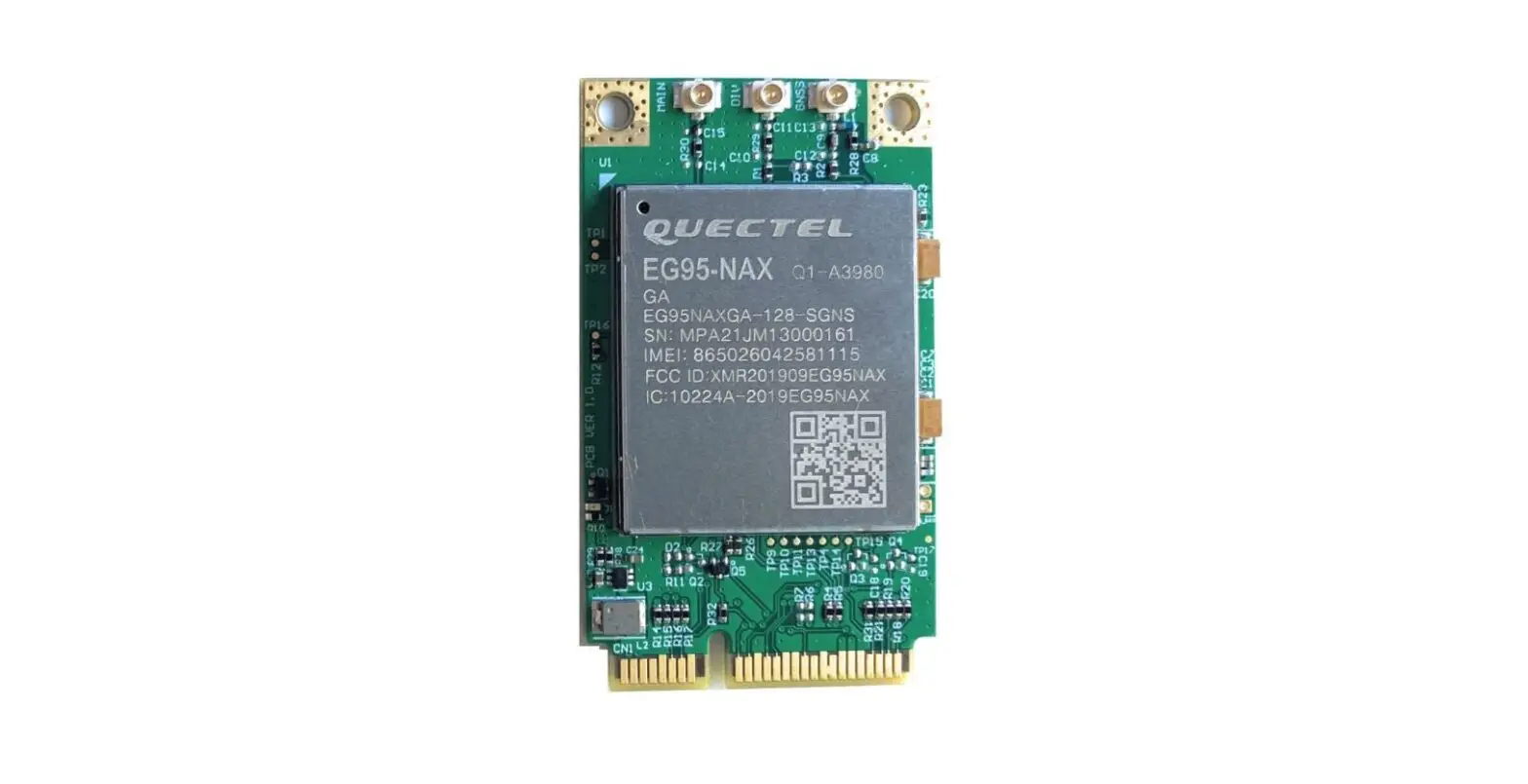
FE3RW0051 LTE 4G CAT4 NAD Module
Product Information
Product Name: FE3RW0051 LTE 4G CAT4 NAD Module
User Manual Version: V1.3
Owner(s): Liu Pujia
Change History
| Rev | Date | Change Description |
|---|---|---|
| 1 | 2022.11.18 | Initial version |
| 1.1 | 2022.12.05 | Add antenna requirements |
| 1.2 | 2023.01.04 | Add regulatory compliance notes |
| 1.3 | 2023.01.04 | Add general test antenna spec |
Table of Contents
- Key Features
- Regulatory Compliance Notes
- Specifications
- Mechanical Information
- Storage and Handling
- Part Reliability
List of Figures
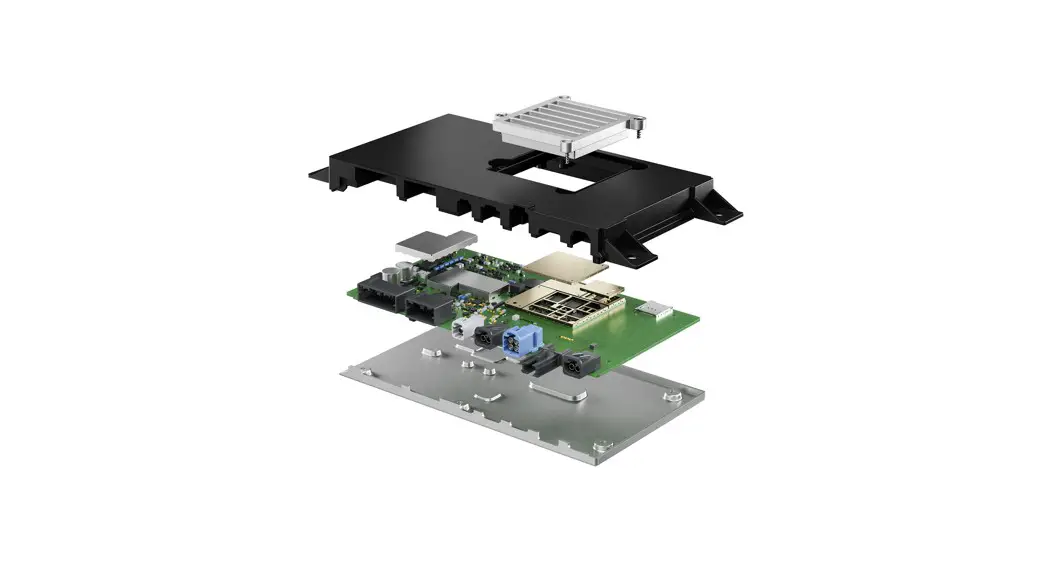
- Figure 1: Module Exploded View
- Figure 2: Module Top Side View
- Figure 3: Module Side View
List of Tables
| Table | Description |
|---|---|
| Table 1 | SA415M Band Configuration Support |
| Table 2 | Recommended Operating Conditions |
| Table 3 | Output Voltage Supplies |
Terms and Acronyms
CDMA, UMTS, WCDMA, LTE, LTE-A, GLONASS, GNSS, DCM-TCU, DRX, ES,
FDD, GPIO, GSM, HU, HSIC, PCIe, MP, NAD, OEM, PCB, PHY, SIM, TDD,
TSP
Product Usage Instructions
Key Features
The FE3RW0051 LTE 4G NAD Module offers the following key
features:
- Air Interface Support: LTE 4G
- Processing and Memory Support:
- Apps Processor: 32-bit architecture, 32 KB L1 I/D Cache, 256 KB
L2 Cache - Modem Processor AOSS (Always-On Sub-System)
- RPM Internal Memory
- Module RAM
- Low-Power Audio Post-Processing supported in the modem
system - 176 KB Boot ROM, 24 KB IMEM
- Module NAND: 4Gbit / 512 M Bytes -x8 SLC Micron
MT29GZ5A5BPGGA-53
- Apps Processor: 32-bit architecture, 32 KB L1 I/D Cache, 256 KB
FE3RW0051 User Manual
FE3RW0051 LTE 4G CAT4 NAD Module
User Manual V1.3 for certification
Internal
FE3RW0051 User Manual
Change History
Rev Date
Change Description
1 2022.11.18 Initial version
1.1 2022.12.05 Add antenna requirements
1.2 2023.01.04 Add regulatory compliance notes
1.3 2023.01.04 Add general test antenna spec
Liu Pujia Liu Pujia Liu Pujia Liu Pujia
Owner (s)
Internal
FE3RW0051 User Manual
Table of Contents
1
Key Features …………………………………………………………………………………………………………….7
2
Regulatory Compliance Notes …………………………………………………………………………………… 10
3
Specifications…………………………………………………………………………………………………………. 13
4
Mechanical Information …………………………………………………………………………………………… 15
5
Storage and Handling ………………………………………………………………………………………………. 18
6
Part Reliability ……………………………………………………………………………………………………….. 19
Internal
FE3RW0051 User Manual
List of Figures
Figure 1: Module Exploded View …………………………………………………………………………………………………..15 Figure 2: Module Top Side View ……………………………………………………………………………………………………16 Figure 3: Module Side View ………………………………………………………………………………………………………….17
Internal
FE3RW0051 User Manual
List of Tables
Table 1: SA415M Band Configuration Support ………………………………………………………………………………….8 Table 2: Recommended Operating Conditions………………………………………………………………………………..13 Table 3: Output Voltage Supplies…………………………………………………………………………………………………..13
Internal
FE3RW0051 User Manual
Terms and Acronyms
CDMA UMTS WCDMA LTE LTE-A GLONASS GNSS DCM-TCU DRX ES FDD GPIO GSM HU HSIC PCIe MP NAD OEM PCB PHY SIM TDD TSP
Code Division Multiple Access Universal Mobile Telecommunication System Wideband Code Division Multiple Access Long Term Evolution LTE-Advanced GLObalnaya NAvigatsionnaya Sputnikovaya Sistema Global Navigation Satellite System Data Connectivity Module Discontinuous Reception Engineering Sample Frequency Division Duplex General Purpose Input Output Global System for Mobile USB host High Speed Inter-Chip Peripheral Component Interconnect Express Mass Production Network Access Device Original Equipment Manufacturer Printed Circuit Board Physical Layer Subscriber Identity Module Time Division Duplex Telematics Service Provider
Internal
FE3RW0051 User Manual
LTE 4G NAD Module
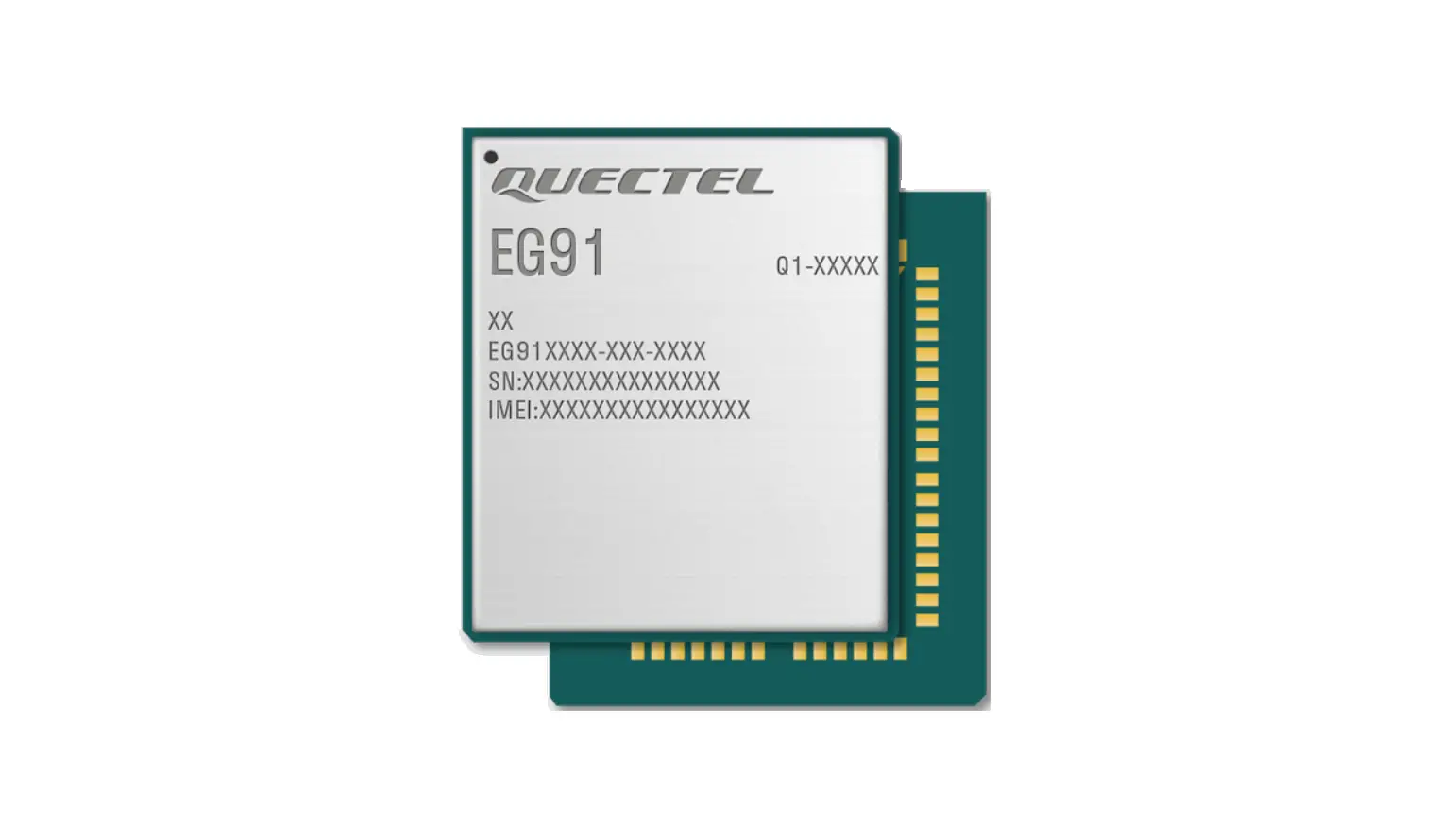
The LTE 4G is a CAT 4 Rel. 14 NAD is a family of proprietary embedded modules designed by Continental Automotive Systems, Inc. The modules will be integrated into Data Connectivity Modules (DCM-TCUs) or USB hosts (HUs) designed and produced by Continental or by a 3rd party for use by automotive OEMs. DCM-TCUs will be installed into vehicles during the OEM’s factory assembly process and will not be accessible without use of special tools. Primary use-cases are data-centric with data and voice connections to Telematics Service Providers (TSP).
Hardware Version Notes
This document may contain details specific to only certain Hardware revisions of the device. When detailing properties unique to one or more HW revisions, the specific revision will be identified, otherwise it is assumed to be applicable to the latest Hardware.
1 Key Features
1.1 LTE 4G NAD Module (SA415M Entry)
1.1.1 Air Interface Support
LTE FDD/TDD: 3GPP Rel. 14 LTE FDD CAT4 DL (150Mbps) / CAT4 UL (50Mbps) LTE TDD CAT4 DL (150Mbps) / CAT4 UL (50Mbps) UMTS Rel.9: HSUPA CAT6 (up to 5.76-Mbps), HSPA CAT14 (up to 21-Mbps) or HSPA CAT24 (up to 42-Mbps) depending on configuration GSM: EGPRS Rel-9 VoLTE HD Voice Embedded Qualcomm GNSS Sub-system GNSS L1 Frequency Band: Beidou-B1, Galileo E1, GLONASS-G1, GPS-L1 and SBAS-L1 GNSS L5 Frequency Band: Galileo-E5A and GPS-L5 SBAS supported: EGNOS/MSAS/QZSS/WAAS/GAGAN
1.1.2 Processing and Memory Support
Apps Processor
Modem Processor AOSS (Always-On Sub-System)
RPM Internal Memory
Module RAM
Cortex-A7 1.5 GHz ARMv7 Instruction Set
32-bit architecture 32 KB L1 I/D Cache 256 KB L2 Cache
Hexagon QDSP6 1.5 GHz 2MB L2 Cache
Low-Power Audio Post-Processing supported in the modem system
Cortex M3 100 MHz MPM is the only master MPM coordinates shutdown/wakeup, clock rates, and VDDs
176 KB Boot ROM 24 KB IMEM
1×16 LPDDR4x 1.33 GHz 4Gbit / 512 M Bytes
Internal
FE3RW0051 User Manual Module NAND
4Gbit / 512 M Bytes -x8 SLC Micron
MT29GZ5A5BPGGA-53
1.1.3 Electrical Interface Support
Antenna Ports PCIe
Ethernet USB QLINK I2S UIM
BLSP Interfaces
ADC
LTE/WCDMA/GSM: LTE_ANT_1, LTE_ANT_2 GNSS: GNSS_ANT_1
1x Lane (Gen2) End Point and Root Complex support
RGMII Integrated MAC 4 Rx bits 4 Tx bits 1 Gbps
1 port Supports USB3.0 or USB2.0
QLINK 2.0 4 lanes
DL0, UDL0, UDL1, UL0
Up to two ports
UIM1/UIM2 1.8V/3V support
4 BLSP Ports (I2C, SPI, UART) 4 bits each;
Muxed serial interfaces UART: 4 Mbps I2C: Yes
SPI: Yes (Master)
2 ADC ports
1.2 Package
585-pin LGA module of size 38 x 40 x 2.93 mm
1.3 Band Configurations Supported 1.3.1 SA415M -based Design
Table 1: SA415M Band Configuration Support
Model Name
TRC
LTE Bands
FE3RW0051
TRC0806040000
B1, B2, B3, B4, B5, B7, B8, B28a, B28b, B26, B9, B18, B19
WCDMA Bands
GSM GNSS MCP
B1, B2, B4, B5, B8 B2, B3, B5, B8 L1 4G + 4G
1.4 NAD Accessibility Requirement during development and certification
HS-USB and UART: Product teams must make sure to provide access to the NAD communication ports to be used during development and certification testing. The following functionality must be avaialble after the NAD is integrated:
Internal
FE3RW0051 User Manual
Access to the NADs HS-USB interface, including AT command, Diagnostics and NMEA ports. Ability to conduct basic call processing and data throughout measurements. NAD UART for communication using Linux console. RF Ports: If on-board antennas are used by the product, provisions must be made to support conducted RF measurements on all antenna interfaces: LTE Primary, Diversity and GNSS. SIM Interface: Electrical performance of the SIM interface is always evaluated during certification testing of the final product. Product teams must insure that the SIM interface can be accessed for testing without degrading its integrity.
Internal
FE3RW0051 User Manual
2 Regulatory Compliance Notes 2.1 Regulatory compliance notes
2.1.1 CE-RED:
Hereby, Continental Automotive Systems, Inc, declares that the radio equipment type FE3RW0051 is in compliance with Directive 2014/53/EU. The full test of the EU Declaration of Conformity is available at the following internet address:
Homologation – Daimler (continental-homologation.com)
2.1.2 FCC:
This device complies with Part 15, Part 22(H), Part 24(E) Part 27 and Part 90 of the FCC Rules. The FCC ID for this device is LHJ-FE3RW0051.
This device complies with part 15 of the FCC Rules. Operation is subject to the following two conditions: (1) This device may not cause harmful interference, and (2) this device must accept any interference received, including interference that may cause undesired operation.
This equipment has been tested and found to comply with the limits for a Class B digital device, pursuant to part 15 of the FCC Rules. These limits are designed to provide reasonable protection against harmful interference in a residential installation. This equipment generates, uses, and can radiate radio frequency energy and, if not installed and used in accordance with the instructions, may cause harmful interference to radio communications. However, there is no guarantee that interference will not occur in a particular installation. If this equipment does cause harmful interference to radio or television reception, which can be determined by turning the equipment off and on, the user is encouraged to try to correct the interference by one or more of the following measures: – Reorient or relocate the receiving antenna. – Increase the separation between the equipment and receiver. – Connect the equipment into an outlet on a circuit different from that to which the receiver is connected. – Consult the dealer or an experienced radio/TV technician for help.
Caution: Changes or modifications not expressly approved by the party responsible for compliance could void the user `s authority to operate the equipment.
2.1 Device Installation and user manual
The FE3RW0051 module is a proprietary product designed and manufactured by Continental Automotive Systems, Inc. for integration into Telematics control units manufactured by Continental Automotive Systems, Inc. for automotive OEMs.
i. The module is limited to installation ONLY in an integrated device manufactured by Continental Automotive Systems, Inc.
Internal
FE3RW0051 User Manual
ii. During manufacturing process of the integrated device, the module is soldered onto the PCB of the integrated device. iii. The integrated device must provide RF connectors to external antennas or RF traces to connect the FE3RW0051 modules to antennas inside the integrated device. iv. Automotive OEM is responsible for ensuring that the end-user has no manual instructions to remove or install module. v. The module is limited to installation in mobile applications, according to Part 2.1091(b). vi. No other operation configurations are allowed. vii. Changes or modifications to this system by other than a facility authorized by Continental could void authorization to use this equipment. viii. The module does not have a pre-defined antenna. The module must be installed to provide a separation distance of at least 20 cm from all persons and antenna. Under No conditions may an antenna gain be used that would exceed the ERP and EIRP power limit as specified in Part 22, Part 24, Part 27, and Part 90. ix. The module must be installed to provide a separation distance of at least 20 cm from all persons and antenna and must not be co-located or operate in conjunction with any other antenna or transmitter, except in accordance with FCC multi-transmitter evaluation procedures as documented in this filing. Additional testing and certification for SAR will be required if the distance limitation cannot be met. x. The integrator is responsible for fulfilling FCC and IC requirements for the integrated device. The module must be installed to provide a separation distance of at least 20 cm from all persons and antenna. SAR is related to the final product’s implementation and should be assessed based on its proximity to human body. If Continental chooses to re-use modular approval, then the TCU shall be clearly labeled with an external label containing the integrated modem’s FCC ID. For example, the label can include text “Contains device with FCC ID: LHJ-FE3RW0051”.
2.2 Instruction of OEMs
Continental must instruct the automotive OEM and provide them to include the following information into the car user’s manual (i.e. for the DCM):
1. End-users must be provided with transmitter/antenna installation requirements and operating conditions for satisfying RF exposure compliance: 2. A separate section should clearly state “FCC RF Exposure requirements:” 3. Required operating conditions for end users. 4. The antenna used with this device must be installed to provide a separation distance of at least 20cm from all persons, and must not transmit simultaneously with any other transmitter, except in accordance with FCC/ISED multi-transmitter product procedures. Additional testing and certification for SAR will be required if the distance limitation cannot be met. 5. The Maximum ERP/EIRP and maximum antenna gain required for compliance with Parts 15, 22H, 24E, 27, and 90. 6. Clear instructions describing the other party’s responsibility to obtain station licensing.
2.3 Antenna requirements for user with FE3RW0051 module
The module must be installed to provide a separation distance of at least 20cm from all persons and must not be co-located or operating in conjunction with any other antenna or transmitter. Additional testing and certification for SAR will be required if the distance limitation cannot be met. The FE3RW0051 module does not contain internal antennas and external antenna must be provided by the integrator or OEM. Based on EN 62311:2020 and EN 50665:2017 and FCC OET Bulletin 65 Supplement
Internal
FE3RW0051 User Manual
C and 47 CRF §2.1091, for all LTE/WCDMA/GSM operations the maximum antenna gain including cable loss shall not exceed the following values:
o GSM 850: 7.1 dBi o GSM 1900: 2.5 dBi o WCDMA Band 2: 10.4 dBi o WCDMA Band 4: 6.0 dBi o WCDMA Band 5: 8.5 dBi o LTE Band 2: 9.0 dBi o LTE Band 4: 6.0 dBi o LTE Band 5: 10.4 dBi o LTE Band 7: 9.0 dBi o LTE Band 26: 10.3 dBi The FE3RW0051 module was tested against general test antenna with below spec and max antenna gain above were calculated according to test results with test antenna: o GSM 850: 0.82 dBi o GSM 1900: 1.52 dBi o WCDMA Band 2: 1.52 dBi o WCDMA Band 4: 0.68 dBi o WCDMA Band 5: 0.82 dBi o LTE Band 2: 1.52 dBi o LTE Band 4: 0.68 dBi o LTE Band 5: 0.82 dBi o LTE Band 7: 3.35 dBi o LTE Band 26: 0.82 dBi
2.4 Material statement
The End-of-Life Vehicle Directive (EVL) must be applied to the FE3RW0051 module. This means that the component is included into the overall vehicle (since it is permanently installed) and if the explanation of the materials used and, if applicable, disposal descriptions from the vehicle manufacturer.
Internal
FE3RW0051 User Manual
3 Specifications
3.1 Recommended Operating Conditions
Over operating temperature range (unless otherwise stated)
Parameter 4V_PMX_V 4V_QET_V 5V_CV2X 4V_MODULE_IMAX 4V_PMX_RMS 4V_QET_RMS VREG_SDC
Table 2: Recommended Operating Conditions
MIN
Power management input supply voltage
(1) 3.8
Average power tracking input supply voltage
(1) 3.8
Average power tracking input supply voltage
(1) 4.75
Total module maximum peak current (1ms), all pins (4)
–
Power management input supply RMS current
(5)
–
Average power tracking input supply RMS current (5)
–
Output voltage for SD card signals 1.8V or 2.95V
VREF_RGMII
Operating Temperature:
Fully Compliant Operation (2) -30
Extended Operation (3) -40
Junction Temperature (Tj) of Key Qualcomm ICs
SA415M (Tj) (6)
Ecall temperature
Operating temperature
SDR8179 (Tj) (6)
Ecall temperature
Operating temperature
TYP
MAX UNIT
4.0
4.2
V
4.0
4.2
V
5.0
5.25
V
–
4.2
A
–
300
mA
–
580
mA
1.8 /
V
2.95
1.8
V
+75
°C
+85
°C
+115
°C
+105
°C
+115
°C
+105
°C
(1) Voltage range includes both DC and AC components, including ripple, overshoot, undershoot or sag.
(2) Module is functional and meets all required RF performance criteria. (3) Module is functional and may not meet all required RF performance criteria. (4) Peak module current drain is dominated by 3A GSM pulse, which is on for 0.57-ms and off for
4.03-ms. (5) RMS current drain measurement period is 5-ms minimum. (6) Emergency calling allowed for Tj (junction temperature) within this range.
3.2 Output Voltage Supplies
Table 3: Output Voltage Supplies
Parameter VREF_1V8 VREF_1V8_IMAX VREF_2V7 VREF_2V7_IMAX VREF_SDC VREF_SDC_IMAX VREG_CORE_VH VREG_CORE_VH_IMAX VREG_CORE_VM VREG_CORE_VM_IMAX
Digital Reference 1.8V Digital Reference 1.8V Analog Reference 2.7V Analog Reference 2.7V Digital Reference voltage for SDC
WLAN power supply 1.8V
WLAN power supply 1.2V
MIN 1.70
2.60
1.7
1.8
1.224
TYP 1.80
2.70
1.8/2.95
1.8
1.224
MAX 1.95 10 2.80 10 2.99
5 2 tbd 1.3 tbd
UNIT V mA V mA V mA V mA V mA
Internal
FE3RW0051 User Manual
3.3 NAD Module RF Characteristics
3.3.1 NAD Module RF Transmitter Output Power
The Transmitter Power at the NAD antenna terminal at Room Temperature (not the FAKRA of the evaluation board or the Telematics/parent module):
WCDMA: LTE: CV2X:
+ 23.5 dBm +1.0/-2.5 dB +23.0 dBm +1.0/-2.0 dB * +23.0 dBm +1.0/-2.0 dB
GSM 850 and 900: +32.5 dBm ±1.5 dB GSM 1800 and 1900: +29.5 dBm ±1.5 dB Per 3GPP TS 05.05, the following Maximum Output Power Reduction will be taken during Multislot GPRS operation:
o 0 dB back -off for 1TX slot o 1.5 dB back-off for 2TX slots o 3.5 dB back-off for 3TX slots o 4.5 dB back-off for 4TX slots
EDGE 850 and 900: +27 dBm ±1.5 dB EDGE 1800 and 1900: +26 dBm ±1.5 dB Per 3GPP TS 05.05, the following Maximum Output Power Reduction will be taken during Multislot EDGE operation:
o 0 dB back -off for 1TX slot o 2.0 dB back-off for 2TX slots o 3.0 dB back-off for 3TX slots o 4.0 dB back-off for 4TX slots
For most bands. Some exceptions exist, based on 3GPP standard
3.3.2 NAD Module RF Receiver Sensitivity
The Receiver Sensitivity at the NAD antenna terminal at Room Temperature (not the FAKRA of the evaluation board or the Telematics/parent module):
· GSM low bands (800/900): 3GPP TS 51.010-1 Section 14.2 · WCDMA bands: 3GPP TS 34.121-1 Section 6.2 · LTE bands: 3GPP TS GPP 36.521 Section 7.3 · GNSS bands: -163 dBm (in Out-Of-Service mode)
Internal
FE3RW0051 User Manual
4 Mechanical Information 4.1 Module Exploded View
1
2
3
4
1: Cover 2: Shield 3: Label 4: PCB Assembly.
Figure 1: Module Exploded View
Internal
FE3RW0051 User Manual
4.2 Module Top View
All dimensions are in mm.
Figure 2: Module Top Side View
Internal
FE3RW0051 User Manual
4.3 Module Side View
All dimensions are in mm.
Figure 3: Module Side View
Internal
FE3RW0051 User Manual
5 Storage and Handling 5.1 Moisture Sensitivity Level (MSL)
All NAD modules are moisture sensitive and should be kept in their sealed moisture resistant bags until ready for assembly onto the DCM-TCU via the soldering process. Any parts that are not used immediately should be properly resealed in the same moisture resistant bag using appropriate equipment or placed into a dry box until they are needed again. The moisture sensitivity level (MSL) shown below is the amount of time the NAD modules may be exposed before this action must be taken. If the allowed MSL time elapses, the NAD modules must be baked per standard protocol to remove moisture. Moisture Sensitivity Level: MSL Level 3 (1 Week) This remainder of this section will be completed in a future release of this document.
Internal
FE3RW0051 User Manual
6 Part Reliability
This section will be completed in a future release of this document.
Internal
 Homologation - Home