BPIJ500 Internal Jugular Central Line Ultrasound Training
Product Information
Cautions and Warnings
Read this user guide, including all cautions and warnings,
before you use your CAE Blue PhantomTM ultrasound training model.
Use this product only as described in this guide. If you use the
product incorrectly, it may be unsafe and will void your warranty.
Keep this information for future reference.
General Precautions
- Latex-Free
Needles and Catheters
This section contains information about needles and catheters
used with the training model.
Fluids System
This section contains information about the fluids system used
with the training model.
Service and Repair
This section provides information about service and repair of
the training model.
Introduction
This section provides an introduction to the CAE Blue PhantomTM
ultrasound training model.
Anatomy
This section provides information about the anatomy covered by
the training model.
Equipment Overview
This section provides an overview of the equipment included with
the training model.
Using the Training Model
This section provides instructions on how to set up and use the
training model.
Setup
This subsection provides instructions on how to set up the
training model.
Fluid Setup
This subsection provides instructions on how to set up the
fluids system of the training model.
Care and Maintenance
This section provides information on storage, transport,
cleaning, and troubleshooting of the training model.
Storage and Transport
This subsection provides instructions on how to store and
transport the training model.
Cleaning
This subsection provides instructions on how to clean the
training model.
Troubleshooting
This subsection provides instructions on troubleshooting common
issues with the training model.
Fluid Overfill
This subsection provides instructions on how to handle fluid
overfill in the training model.
Removing Air
This subsection provides instructions on how to remove air from
the fluids system of the training model.
Help and Technical Assistance
This subsection provides information on how to seek help and
technical assistance for the training model.
Contents
Contents
Cautions and Warnings……………………………………………………………………………………………………1
General Precautions . . . . . . . . . . . . . . . . . . . . . . . . . . . . . . . . . . . . . . . . . . . . . . . . . . . . . . . . . . . . . . . . . . . . . 1 Latex-Free . . . . . . . . . . . . . . . . . . . . . . . . . . . . . . . . . . . . . . . . . . . . . . . . . . . . . . . . . . . . . . . . . . . . . . . . . . 1
Needles and Catheters . . . . . . . . . . . . . . . . . . . . . . . . . . . . . . . . . . . . . . . . . . . . . . . . . . . . . . . . . . . . . . . . . . 1 Fluids System . . . . . . . . . . . . . . . . . . . . . . . . . . . . . . . . . . . . . . . . . . . . . . . . . . . . . . . . . . . . . . . . . . . . . . . . . . 2 Service and Repair . . . . . . . . . . . . . . . . . . . . . . . . . . . . . . . . . . . . . . . . . . . . . . . . . . . . . . . . . . . . . . . . . . . . . 2
Int r oduct ion ……………………………………………………………………………………………………………………3
Anatomy . . . . . . . . . . . . . . . . . . . . . . . . . . . . . . . . . . . . . . . . . . . . . . . . . . . . . . . . . . . . . . . . . . . . . . . . . . . . . . 3 Equipment Overview . . . . . . . . . . . . . . . . . . . . . . . . . . . . . . . . . . . . . . . . . . . . . . . . . . . . . . . . . . . . . . . . . . . 4
Using the Training Model ……………………………………………………………………………………………….5
Setup . . . . . . . . . . . . . . . . . . . . . . . . . . . . . . . . . . . . . . . . . . . . . . . . . . . . . . . . . . . . . . . . . . . . . . . . . . . . . . . . . 5 Fluid Setup . . . . . . . . . . . . . . . . . . . . . . . . . . . . . . . . . . . . . . . . . . . . . . . . . . . . . . . . . . . . . . . . . . . . . . . . . 5
Training . . . . . . . . . . . . . . . . . . . . . . . . . . . . . . . . . . . . . . . . . . . . . . . . . . . . . . . . . . . . . . . . . . . . . . . . . . . . . . . 7 Ultrasound Scanning . . . . . . . . . . . . . . . . . . . . . . . . . . . . . . . . . . . . . . . . . . . . . . . . . . . . . . . . . . . . . . . . 7 Ultrasound-guided Procedures . . . . . . . . . . . . . . . . . . . . . . . . . . . . . . . . . . . . . . . . . . . . . . . . . . . . . . 7 Using the Hand Bulb . . . . . . . . . . . . . . . . . . . . . . . . . . . . . . . . . . . . . . . . . . . . . . . . . . . . . . . . . . . . . . . . . 7
Care and Maintenance …………………………………………………………………………………………………..9
Storage and Transport. . . . . . . . . . . . . . . . . . . . . . . . . . . . . . . . . . . . . . . . . . . . . . . . . . . . . . . . . . . . . . . . . . 9 Cleaning . . . . . . . . . . . . . . . . . . . . . . . . . . . . . . . . . . . . . . . . . . . . . . . . . . . . . . . . . . . . . . . . . . . . . . . . . . . . . . . 9 Troubleshooting . . . . . . . . . . . . . . . . . . . . . . . . . . . . . . . . . . . . . . . . . . . . . . . . . . . . . . . . . . . . . . . . . . . . . . . 9
Fluid Overfill . . . . . . . . . . . . . . . . . . . . . . . . . . . . . . . . . . . . . . . . . . . . . . . . . . . . . . . . . . . . . . . . . . . . . . . . 9 Removing Air . . . . . . . . . . . . . . . . . . . . . . . . . . . . . . . . . . . . . . . . . . . . . . . . . . . . . . . . . . . . . . . . . . . . . . 10 Help and Technical Assistance. . . . . . . . . . . . . . . . . . . . . . . . . . . . . . . . . . . . . . . . . . . . . . . . . . . . . . . . . . 10
©2022 CAE 905K006152 v1.0
i
Contents
THIS PAGE INTENTIONALLY LEFT BLANK
ii
©2022 CAE 905K006152 v1.0
Cautions and Warnings
Cautions and Warnings
Read this user guide, including all cautions and warnings, before you use your CAE Blue PhantomTM ultrasound training model. Use this product only as described in this guide. If you use the product incorrectly, it may be unsafe and will void your warranty. Keep this information for future reference.
General Precautions
· Make sure the training model is set up on a stable, sturdy work surface such as a bed, stretcher, or table that will not collapse and cause injury to users.
· Heavier training models should be placed on a patient bed or stretcher rated to support such weight.
· Place the model on smooth surfaces only. Rough or uneven surfaces can leave impressions on the skin and damage the model.
· Do only the procedures supported by each product as described in this guide. · Use only needles to access fluids. · Do not use or store other sharp objects such as scissors, scalpels, or box-cutters with the
training model. · Do not pull on the training model skin. This can cause the skin to tear. · Do not mark directly on the training model as this will permanently damage it. · Do not insert any objects or tools into the model except for the equipment, accessories, or
medical supplies intended for use with this model. · Do not use chemical solvents on the models. · Clean the training model with water and a light soap solution only. Do not immerse the model or
use large amounts of liquid to wash it.
Latex-Free
· All CAE Blue Phantom training models, products, and accessories are manufactured only of materials that do not contain latex.
Needles and Catheters
· Use only new, sharp, unbent 18-21 gauge needles or 7F catheters. Smaller needles (higher than 22 gauge) can bend during use and damage the model.
· The self-healing feature of CAE Blue Phantom simulated tissue applies only to needle sticks from 18-21 gauge needles. Healing is not guaranteed if needles larger than 18 gauge, scalpels, or other sharp implements are used to cut into or pierce the model.
· Replace needles after ten uses. Dull needles can damage the model. · Use extreme caution when using needles during training to avoid injury.
©2022 CAE 905K006152 v1.0
1
Cautions and Warnings
Fluids System
· Use only CAE Blue Phantom fluids. Other fluids can affect the imaging quality and promote fungal or bacterial growth, and may void your warranty. Use fluids only as directed.
· Do not substitute any other fluid unless indicated by this guide. · Do not modify the fluid reservoirs or any assembly components. · Protect your eyes, skin, and clothing against accidental fluid exposure. Refer to the Material
Safety Data Sheet (MSDS) for guidance. º May irritate eyes or skin; flush well with water. º May contain pigments that stain clothing; wash immediately with cold soapy water.
· Fluid is not intended for human consumption. If accidental ingestion occurs, drink a glass of water and consult a physician.
Service and Repair
· The CAE Blue Phantom training models are not user-serviceable. Only a trained technician may open or disassemble the product.
· Unauthorized use or handling of the model may void the warranty. · If you have a problem with your product, contact CAE Customer Support.
2
©2022 CAE 905K006152 v1.0
Introduction
Introduction
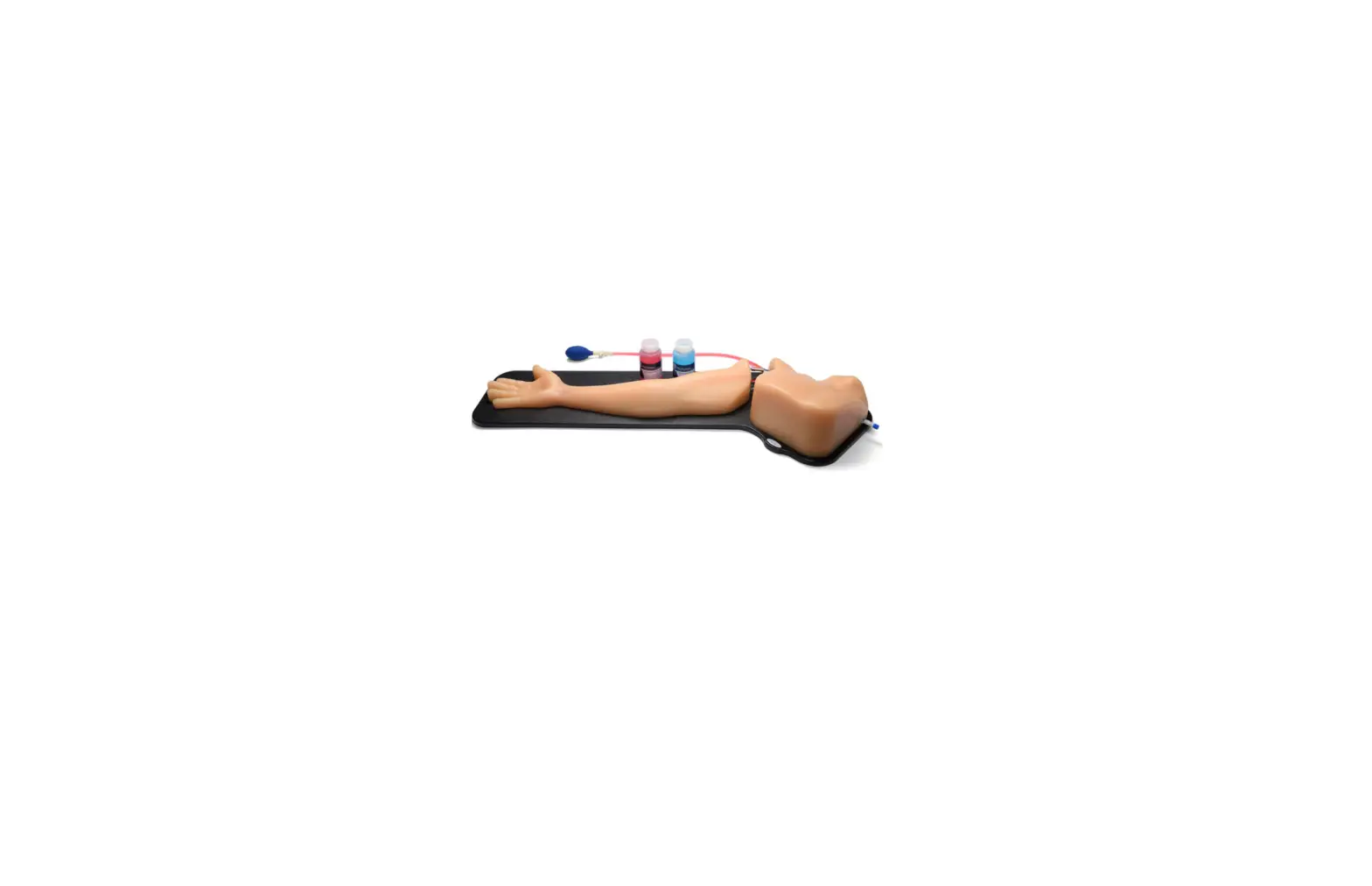
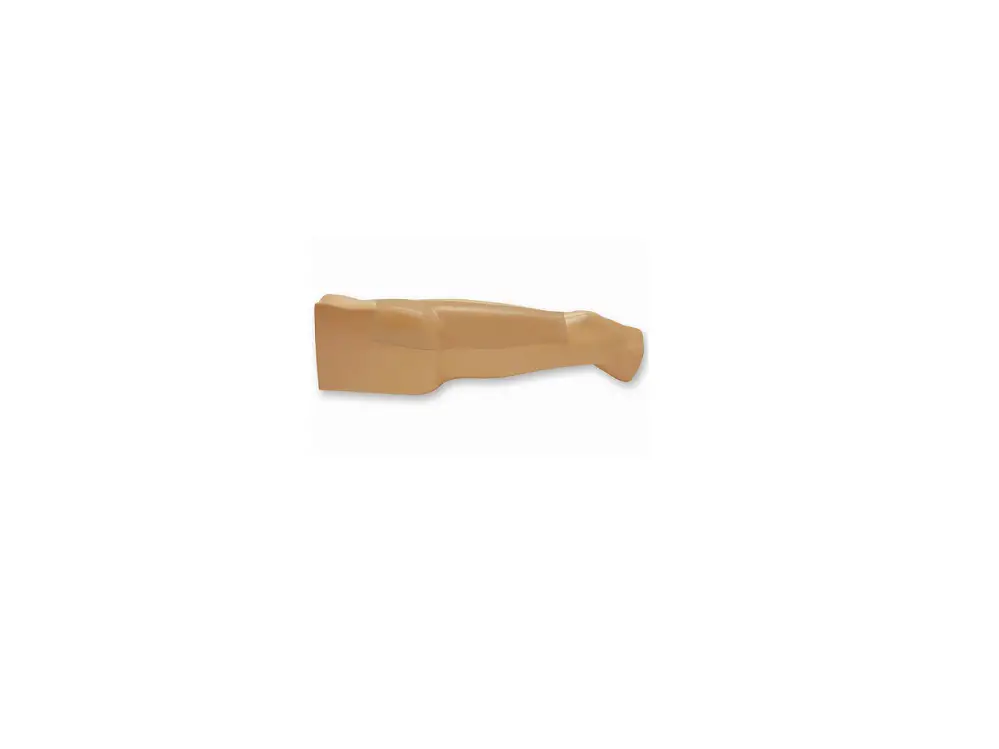
This user guide describes the features, use, and care of the following training models: · CAE Blue Phantom Internal Jugular Central Line Ultrasound Training Model, opaque (BPIJ500) · CAE Blue Phantom Internal Jugular Central Line Ultrasound Training Model, transparent (BPIJ500-C)
These models are intended as platforms for the practice of central venous access procedures.
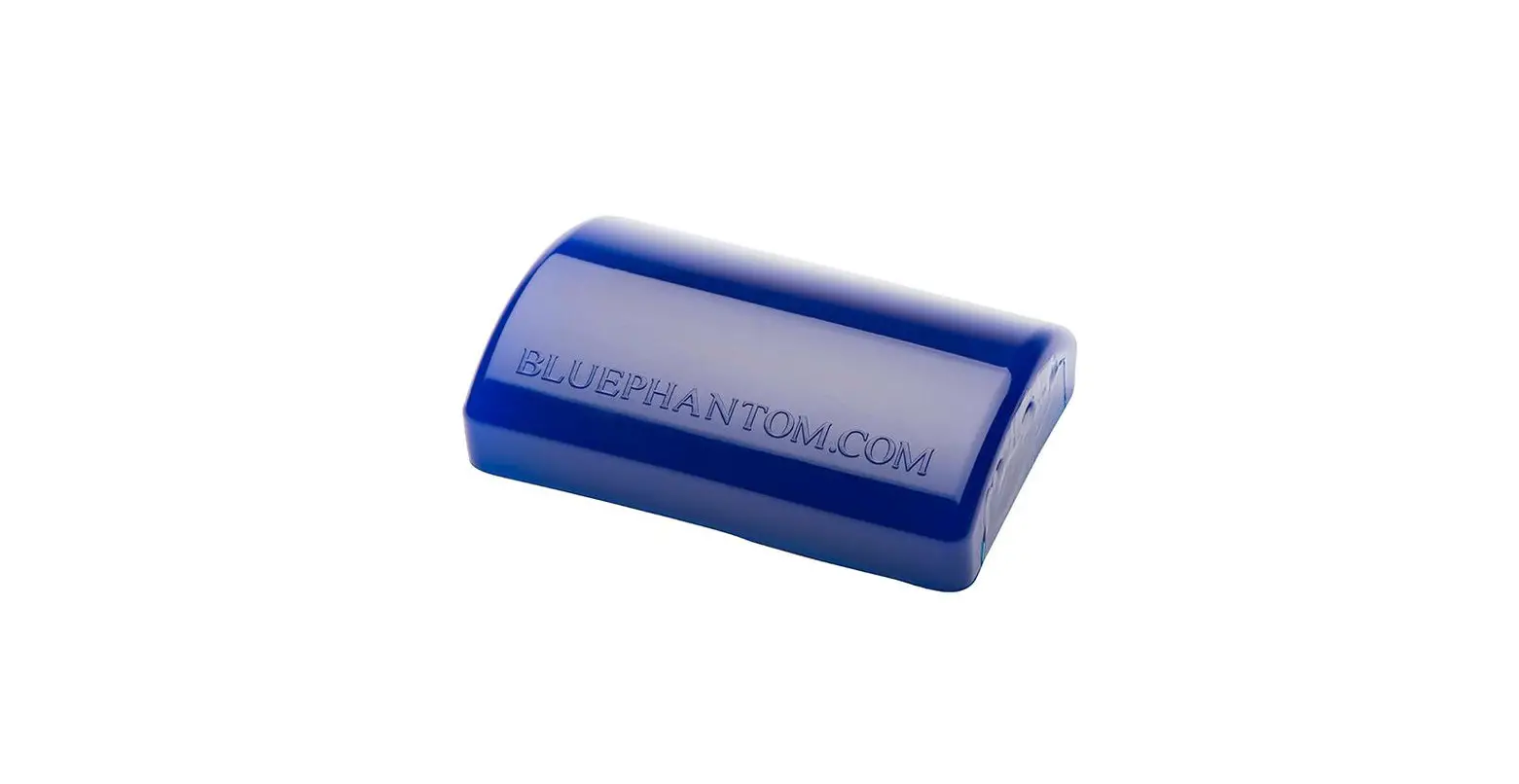
Ultrasound Training Model, opaque
Anatomy
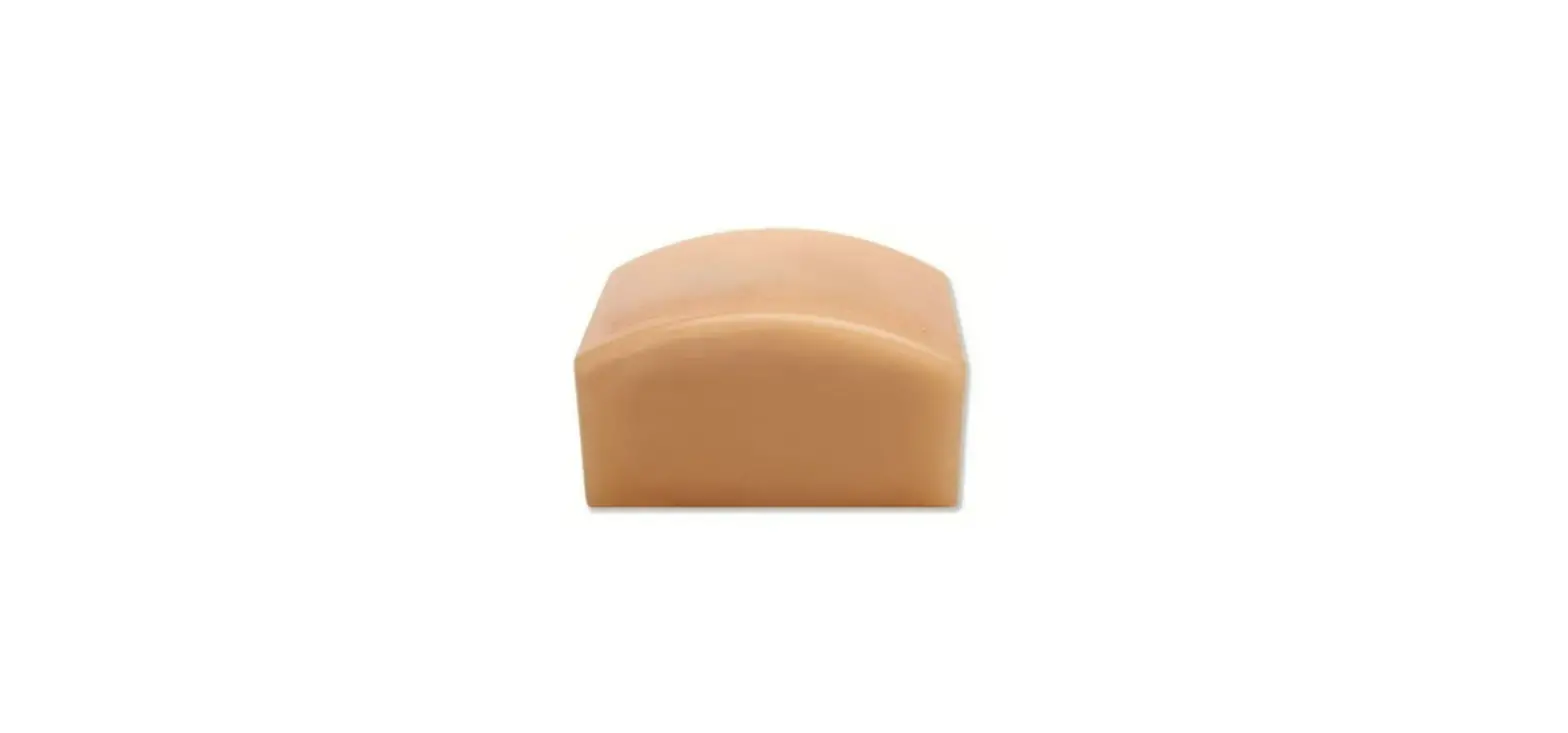
Ultrasound Training Model, transparent
CAE Blue Phantom training models are constructed using our patented SimulexTM ultrasound tissue which has imaging characteristics that mimic human tissue. The models contain skeletal components so the user will encounter the same imaging landmarks as in a human patient.
©2022 CAE 905K006152 v1.0
3
Introduction
This training model has two tubes that exit from model. The tubes have a female Luer lock connector that is designed to work with syringes that have a male Luer lock connector. The tubes are used to fill the vessels within the model.
Models are delivered with minimal fluid. Users must infuse additional fluid to prepare the model for use. More information can be found in the Using the Training Model section of this guide.
This model has the following internal anatomy:
· Carotid artery · Internal jugular vein · Suprasternal notch · Trachea · Clavicle
The model has a hand bulb to manually simulate arterial pulsation. The pulsation is not palpable and is only visible on ultrasound to distinguish between artery and vein. For more information, see the Using the Training Model section of this guide.
Equipment Overview
The following items are included with your shipment:
· Ultrasound training model · Red ultrasound refill fluid · Blue ultrasound refill fluid
The following additional items are required for training but not included in your purchase:
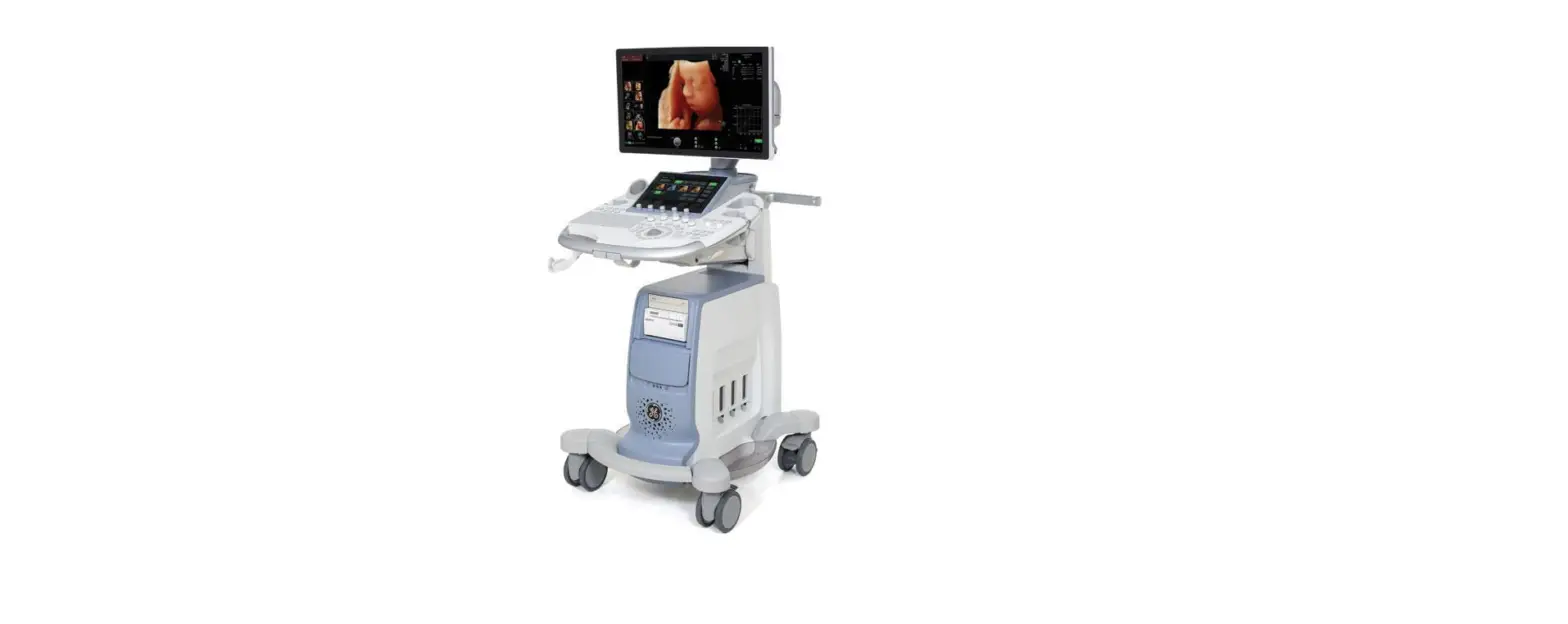
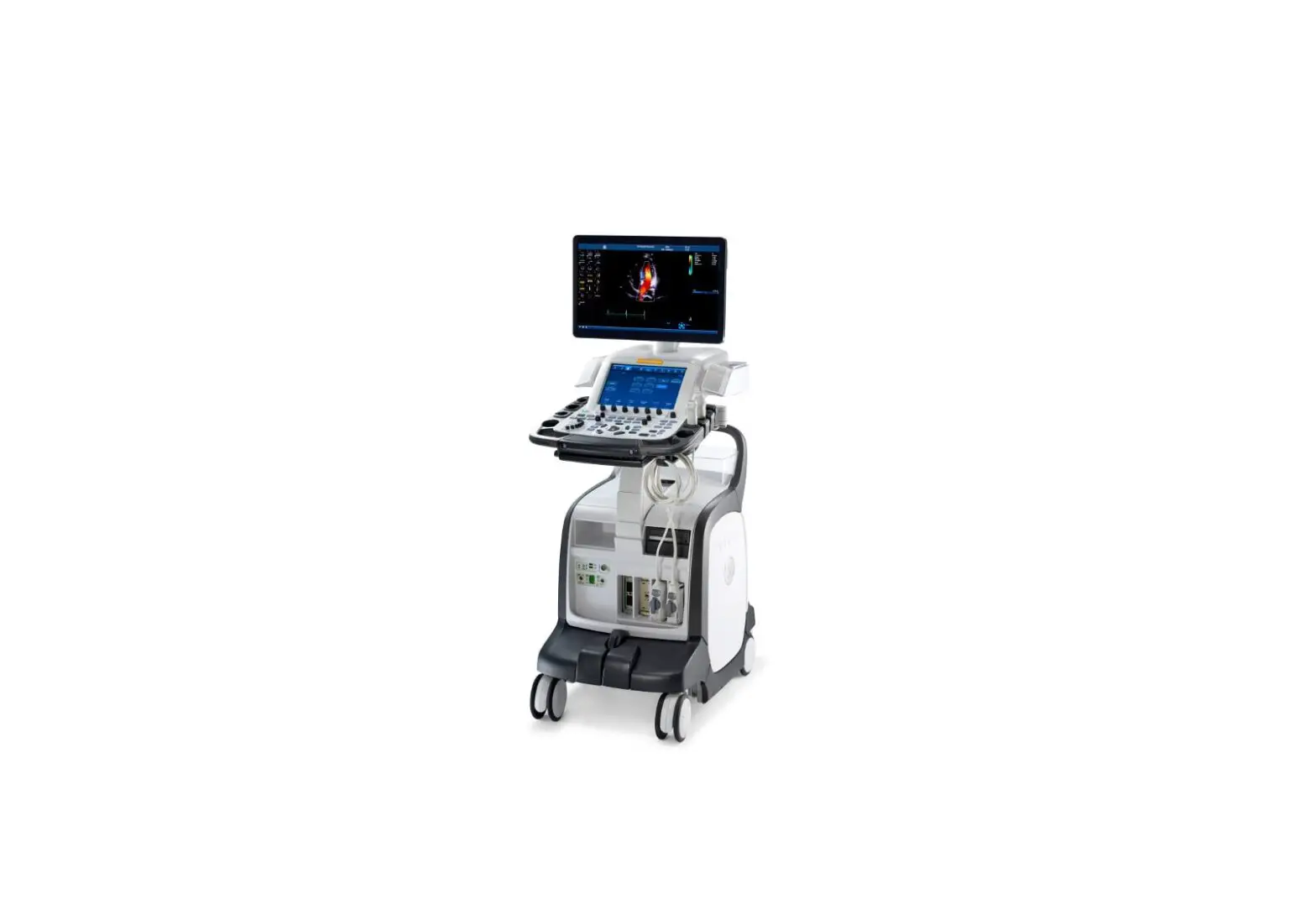
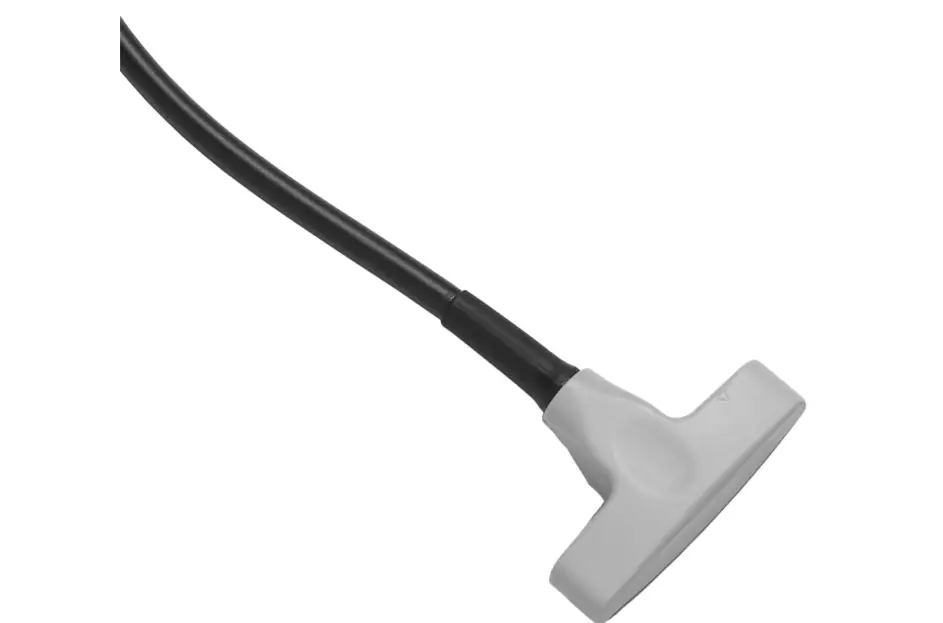
· Ultrasound system with vascular access transducer · Ultrasound gel · Vascular access equipment as per local protocol
CAE Blue Phantom training models are compatible with any diagnostic ultrasound system. General frequency ranges for diagnostic ultrasound imaging are 2-20MHz.
Optional accessories or consumables for your model are available to purchase on the CAE website:
· BRS180-RED Red ultrasound refill fluid · BRS181-BLUE Blue ultrasound refill fluid
4
©2022 CAE 905K006152 v1.0
Using the Training Model
Using the Training Model
This section has information and instructions about the setup and use of the training model and any specific training procedures.
Setup
Follow the guidelines below to unpack and set up your CAE Blue Phantom training model.
1. Open the shipping carton: º Use extreme caution with sharp tools, such as a box cutter, to avoid damage to the training model.
2. Unpack the equipment: º Remove the training model from its shipping container. For heavier models, use proper lifting techniques to prevent bodily injury. º Review the equipment, accessories, and supplies to make sure all necessary pieces are present. See the Equipment Overview section of this guide for a list of items included with this model.
3. Set up for training: º Put the model on a stable patient bed, stretcher, or table. º Prepare your ultrasound system and equipment. º Gather any procedural equipment and supplies.
Fluid Setup
The training model is shipped with minimal fluid in any vessels or fluid spaces. During periods of non-use, fluid may also evaporate from inside the model.
Before first use, you must add fluid and remove any air. Use one of these methods:
Method A: Syringe Fill (also to remove air)
1. Remove the cap of the fill tube. 2. Fill a syringe half-full and connect it to the tube. 3. Hold the tube up and tap it to move any air bubbles upwards. 4. Aspirate the air before before filling for optimal imaging. 5. Inject 10 ml of fluid. 6. Remove 5 ml of fluid along with any air.
©2022 CAE 905K006152 v1.0
5
Using the Training Model
7. Repeat steps 3 through 6 until all the air is removed and the vessels are filled. 8. Replace the cap.
Method B: Quick-Fill port for high volume use
1. Connect an IV bag containing CAE Blue Phantom fluid to the fill tube. 2. Hang the IV bag no more than 12 inches (30 cm) above the training model to avoid overfilling.
NOTE: A clear sign of overfill is the appearance of small dimples of simulated blood on the surface of the model at the sites of previous cannulations. To correct overfill, see the Troubleshooting section. 3. As users withdraw fluid, it is refilled continuously from the IV bag.
An optimally-filled vessel can be identified using ultrasound by the presence of a black echo-free lumen.
Normal Fluid Level – Good Imaging
A low fluid environment is identified by the inability to see the vessel during normal ultrasound imaging. This is due to the presence of air, which reflects all sound energy.
Low Fluid Level – Poor Imaging
6
©2022 CAE 905K006152 v1.0
Using the Training Model
Training
This section provides information about using your model for training and practice.
Ultrasound Scanning
Note: CAE Blue Phantom products do not teach ultrasound procedures or techniques. Refer to your institution or training program for more information.
To scan with your training model and conduct a simulated ultrasound-guided procedure:
1. Place the model in the appropriate position for scanning. 2. Place ultrasound gel on the transducer or on the training model in an adequate quantity so that
the transducer slides effortlessly on the model. Add more gel as needed. 3. Adjust the ultrasound system controls per your training protocol and the manufacturer’s
instructions. Optimize the image with the ultrasound controls as needed.
Ultrasound-guided Procedures
Your CAE Blue Phantom training model is a realistic platform for central vascular access procedural training. Use your normal protocol and equipment, and follow the policies and guidelines of your institution.
CAUTION
Do not use antiseptics, such as iodine, on the model. This can cause permanent damage to the products.
During use of this training model, users may withdraw fluid to confirm needle placement. Any fluid withdrawn must be refilled because it is important to maintain the fluid level within the vessels.
Refill the fluid using one of the filling methods described in the Fluid Setup section of this guide. A third way is for users to refill fluid by simply re-injecting it:
· During use, the user immediately injects withdrawn fluid back into the model at the access site. · Take care not to inject any air into the model when using this method.
NOTE: This method cannot be used with full catheter placements.
Using the Hand Bulb
This model is equipped with a hand bulb. You can create a pulse in the arteries by lightly squeezing the hand bulb. The pulse is not physically palpable, but is visible via ultrasound.
The veins do not pulsate, and are collapsible with light pressure from the transducer.
CAUTION
Excess pressure on the hand bulb may cause a fistula between arteries and veins.
©2022 CAE 905K006152 v1.0
7
Using the Training Model
THIS PAGE INTENTIONALLY LEFT BLANK
8
©2022 CAE 905K006152 v1.0
Care and Maintenance
Care and Maintenance
With proper care, your training model will remain in optimal condition and ready for use.
Storage and Transport
Follow these guidelines to properly store or transport your model:
· Storage temperature degree range: 45 to 85 °F (7 to 29 °C) · Do not store in contact with other models or hard objects as the pressure can damage the
Simulex tissue. Do not stack multiple training models on top of each other. · Ensure any tubes are not pinched or compressed under the model. This will damage the tubes
and void the warranty. · Store the model with some fluid in any vessels and fluid spaces. If these become dry, it will
damage the model and and cause poor ultrasound imaging. · If fluid was infused into the model during training, remove excess fluid after each training
session. If you store the model with too much fluid inside, it can cause damage. · Transport the model securely so it does not fall. · Do not carry by the tubes or use them as handles as this will damage the model.
Cleaning
To maintain the product skin for the lifespan of the product, clean the exterior of the model after each use. Follow these steps:
1. Mix one cup of tap water with ¼ teaspoon of mild liquid soap (such as dish soap).
2. Gently clean the model’s exterior with the soap mixture and a soft, non-abrasive sponge or cloth.
3. Rinse lightly with clean water.
4. Dab or pat with a clean, soft, lint-free cloth to dry the product after cleaning. Do not wipe or rub the skin, which can damage it.
5. After the model has dried completely, lightly coat the external surface of the model with baby powder and dust off any excess.
Troubleshooting
This section provides information to identify and fix problems that may occur with the product.
Fluid Overfill
You can overfill fluid spaces and vessels if you inject too much fluid. Overfill does not usually result in permanent damage, but you should correct it as soon as possible.
©2022 CAE 905K006152 v1.0
9
Care and Maintenance
Withdraw excess fluid to alleviate overfill, or, with the Quick Fill method, make sure the IV bag is not hanging any higher than 12 inches (30 cm) above the training model.
Removing Air
Fluid can evaporate from the model during shipment or during extended periods of non-use. Air may also enter through accidental injection during fluid filling or training use. This may cause the Simulex tissue to stick together in some areas, preventing fluid from circulating. Remove any air from the model for optimal performance. To remove air:
1. Fill a syringe with fluid and connect it to the tube. 2. Infuse fluid, and tilt the model up at least 6-10″ so any air rises to the top. 3. Let the model sit for at least one hour to allow any air to rise. 4. Use the syringe to slowly pull the fluid out of the model. 5. Watch for air bubbles and let them rise to the top (back) of the syringe. 6. Slowly push fluid back in without pushing the air in. 7. Repeat steps 4-6 three to four times. 8. Empty the syringe into a container and use it to remove any additional fluid, then disconnect it.
NOTE: When all the fluid is removed, the syringe will be under vacuum. Do not put excessive force on the syringe or the tissue may rupture. 9. If there is still air, fill any fluid spaces or vessels with fluid and let the model sit overnight, then repeat the procedure.
Help and Technical Assistance
For assistance, contact CAE Customer Support. Contact information for all regions is available on the back cover of this guide and on the CAE Healthcare website.
10
©2022 CAE 905K006152 v1.0