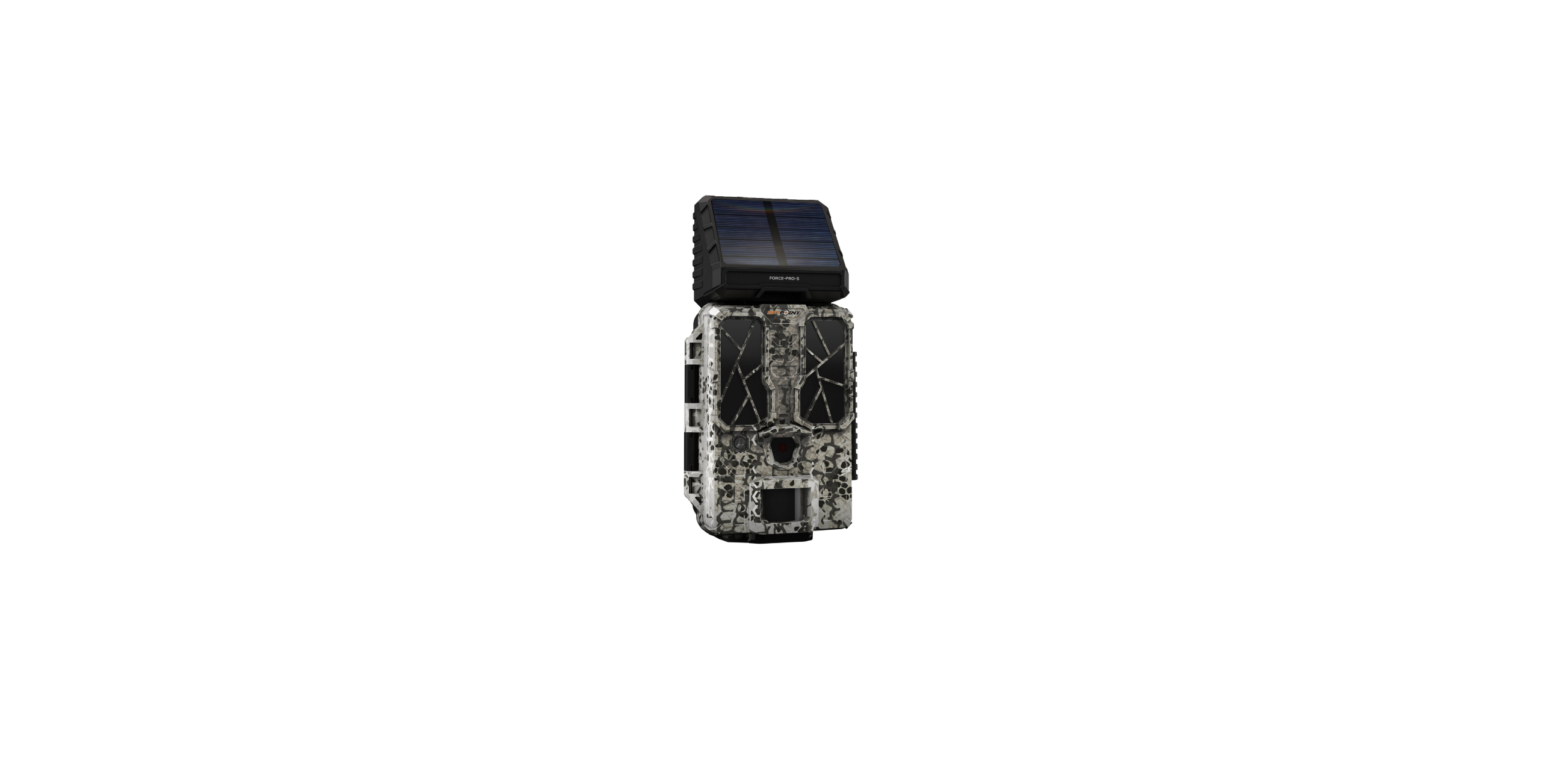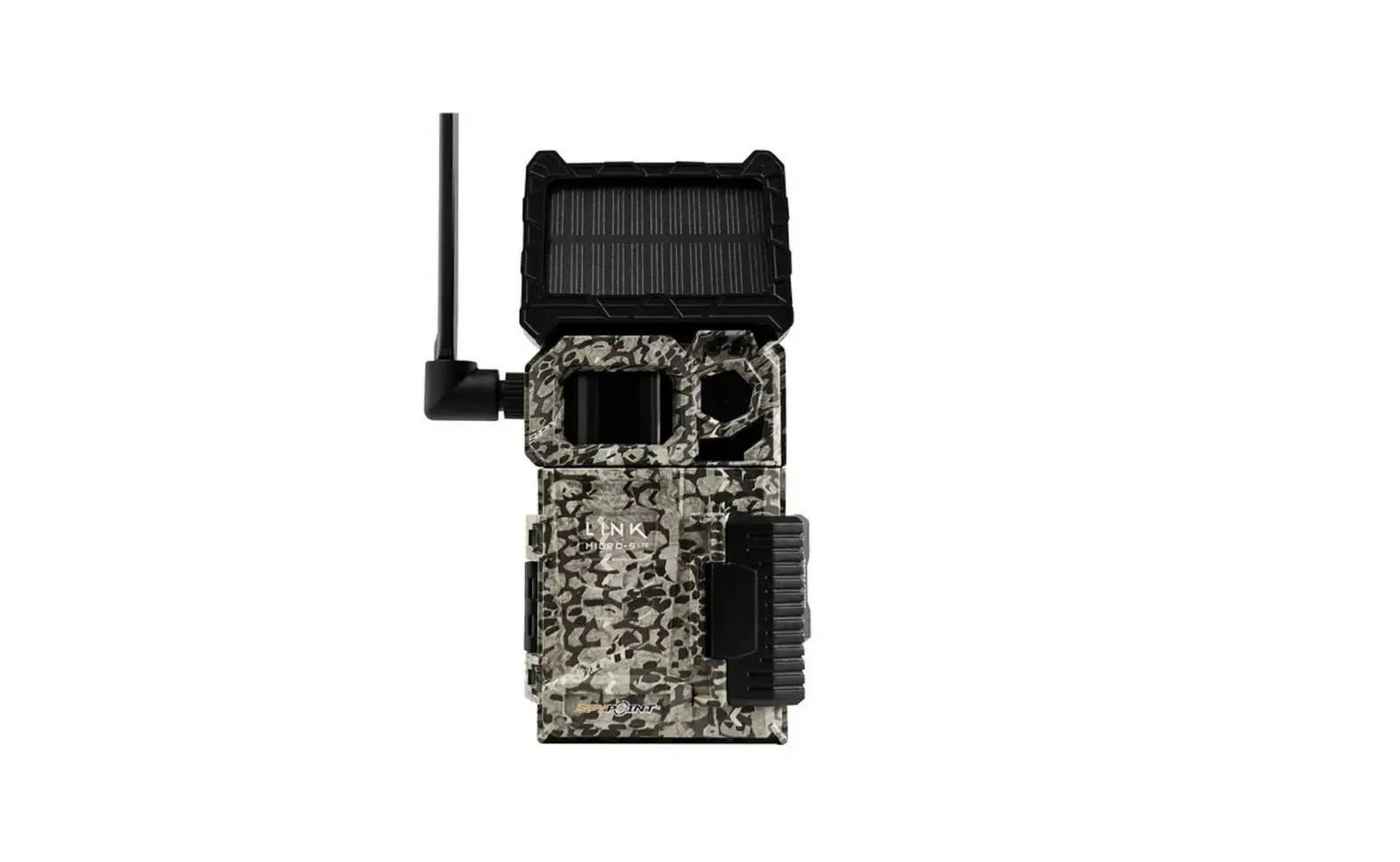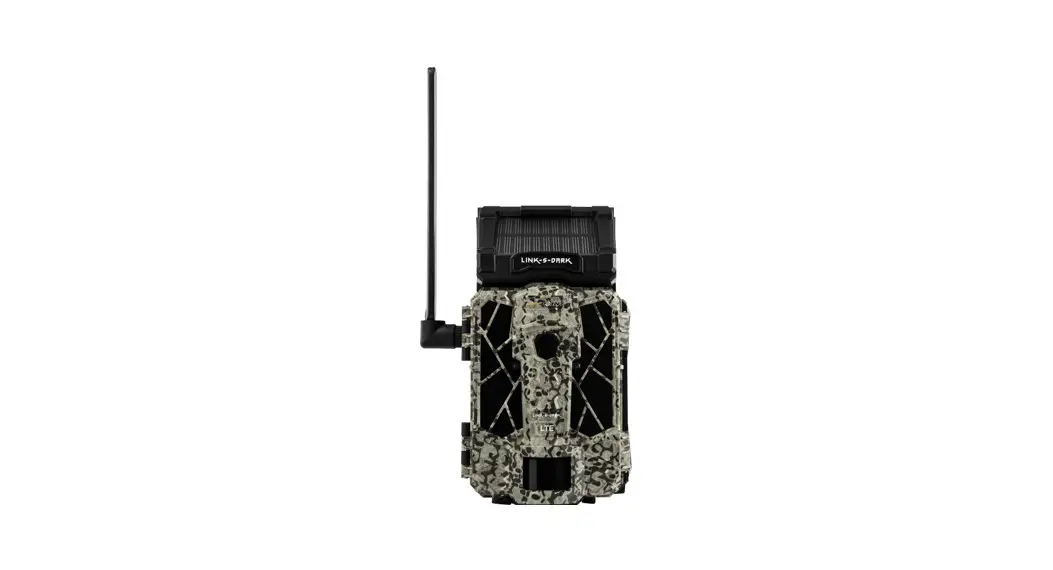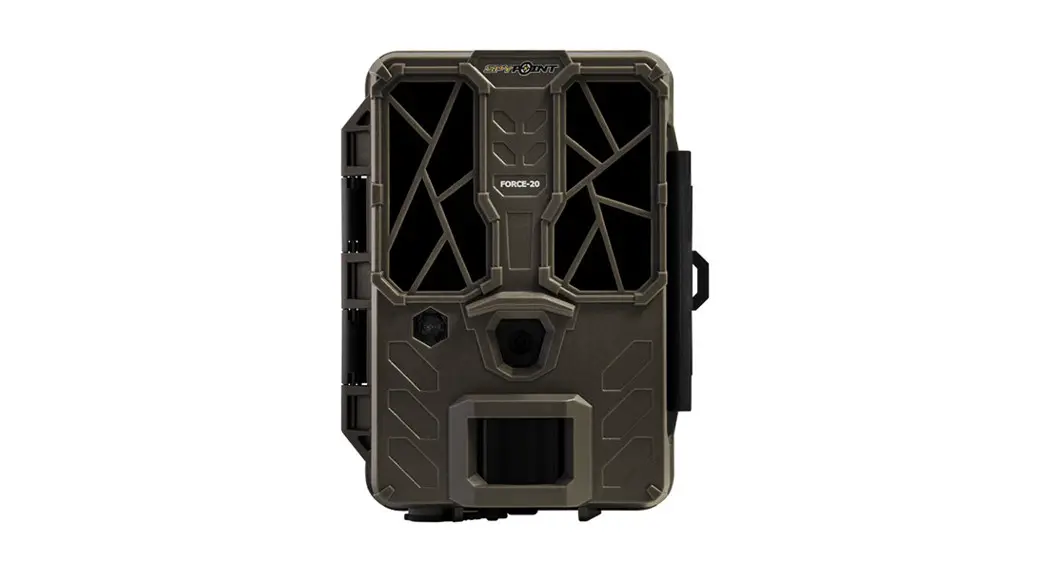

USER MANUAL
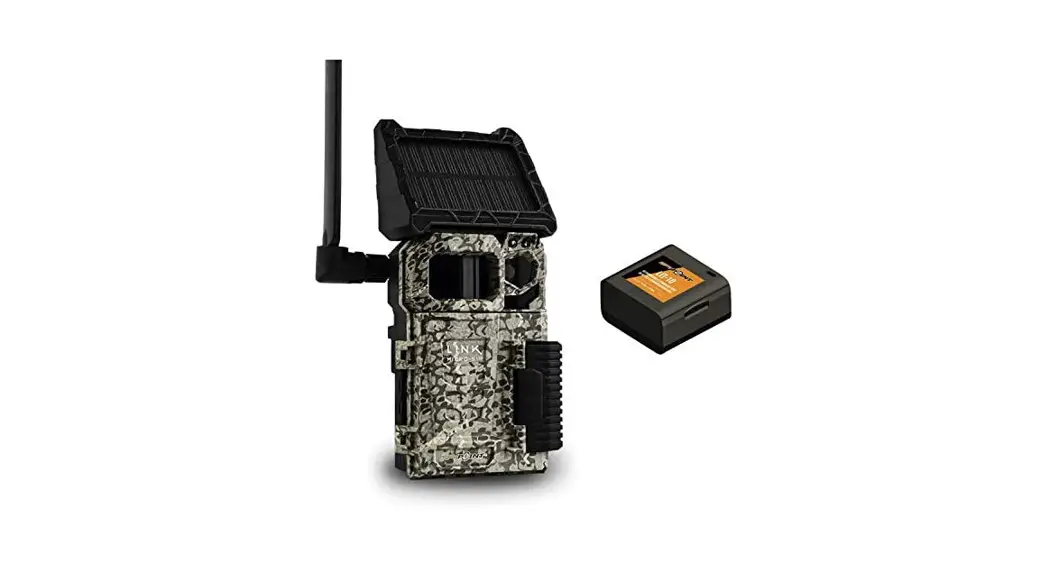
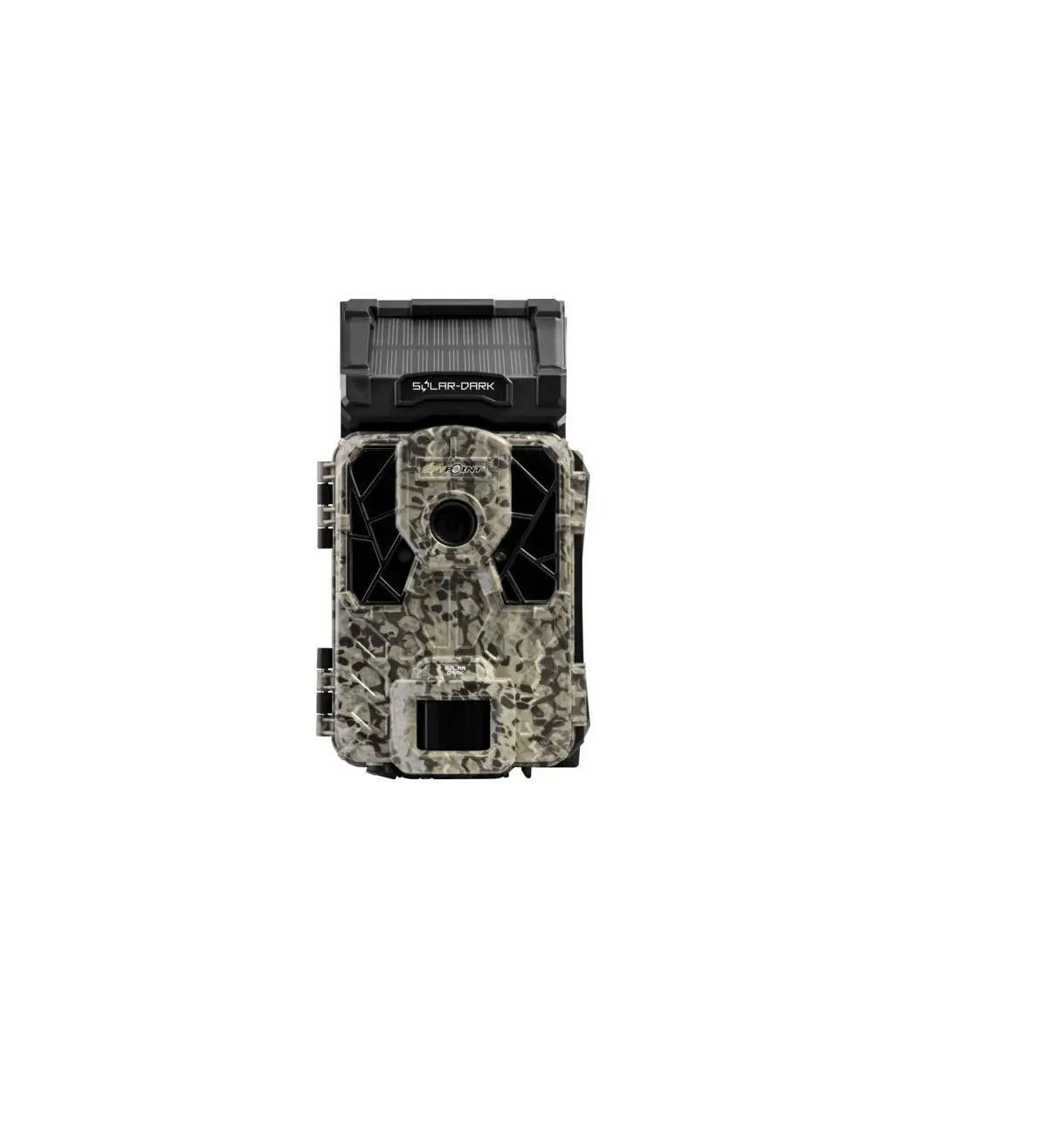
SOLAR TRAIL CAMERA
MODELS :
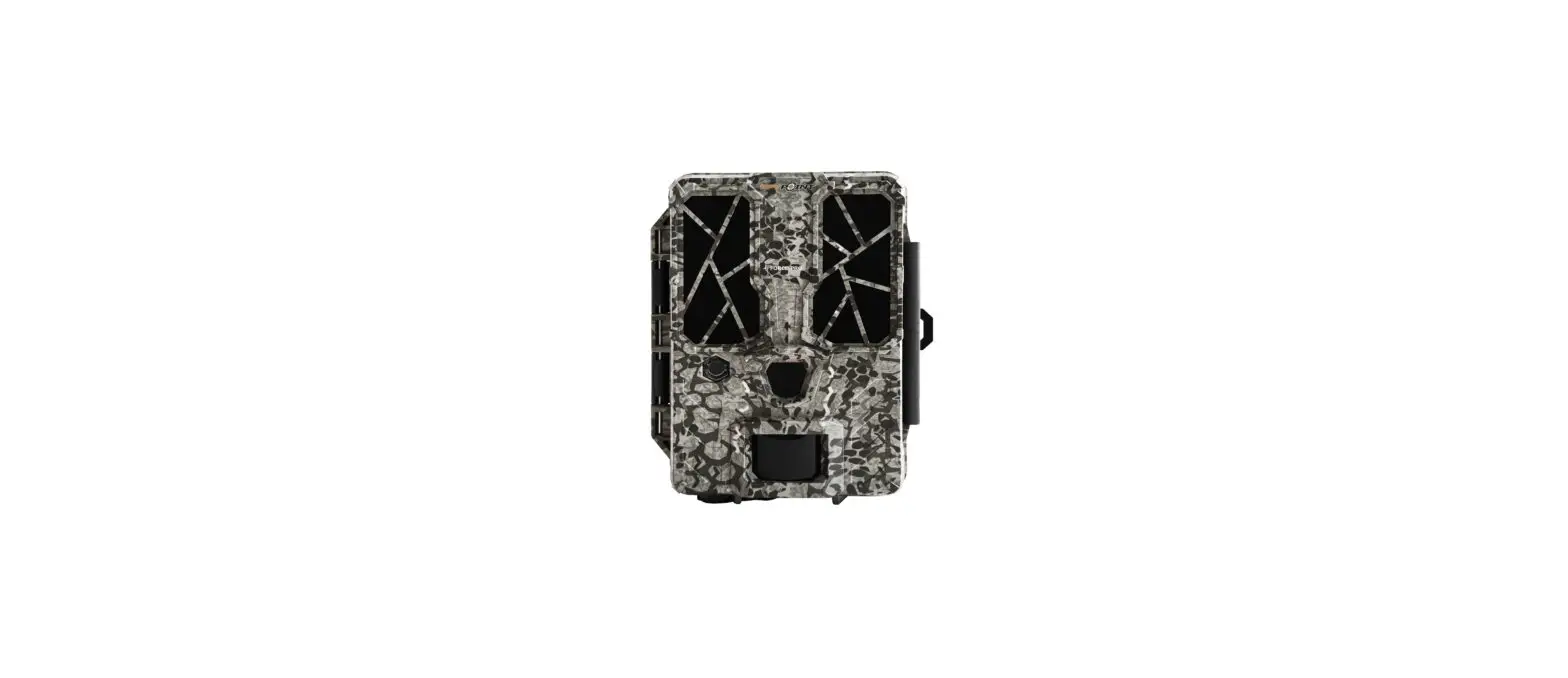
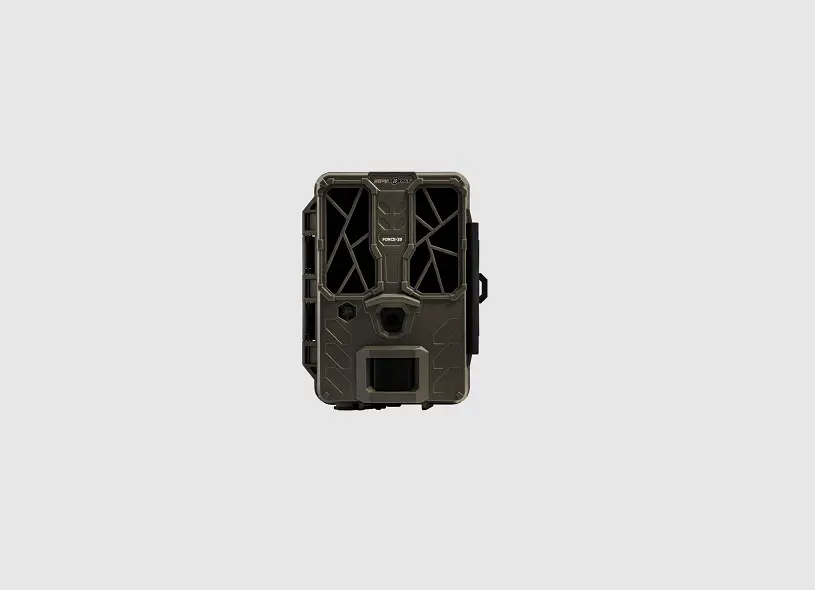
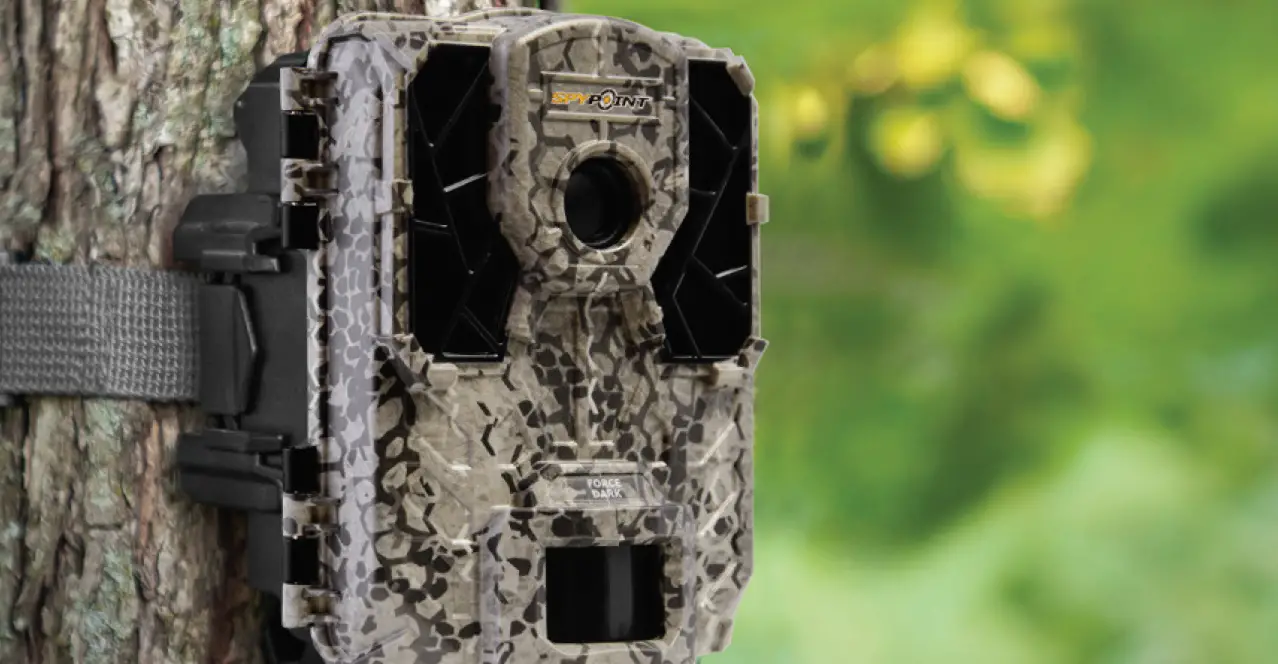
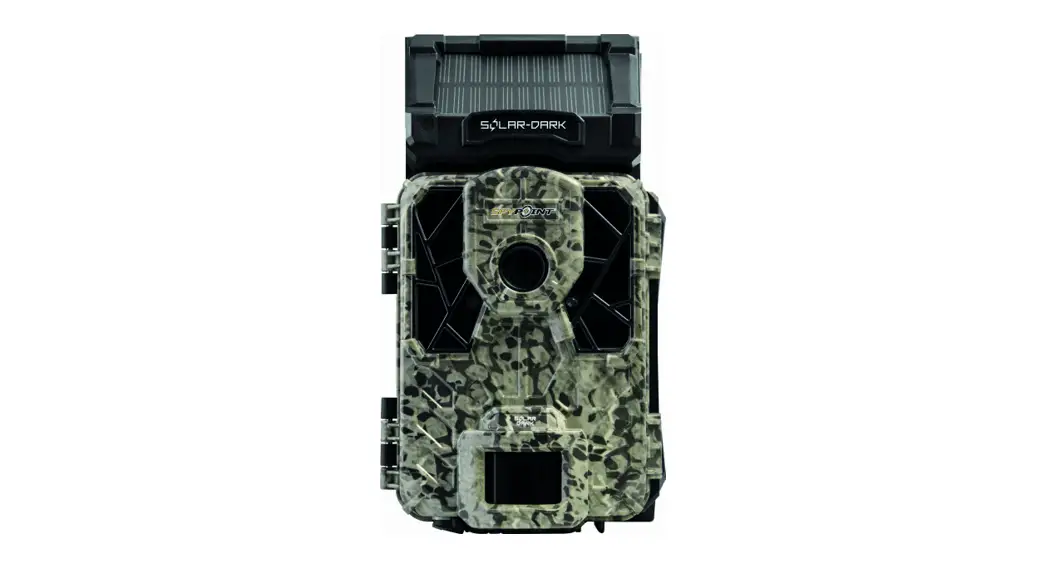
SOLAR-DARK AND SIMILAR MODELS*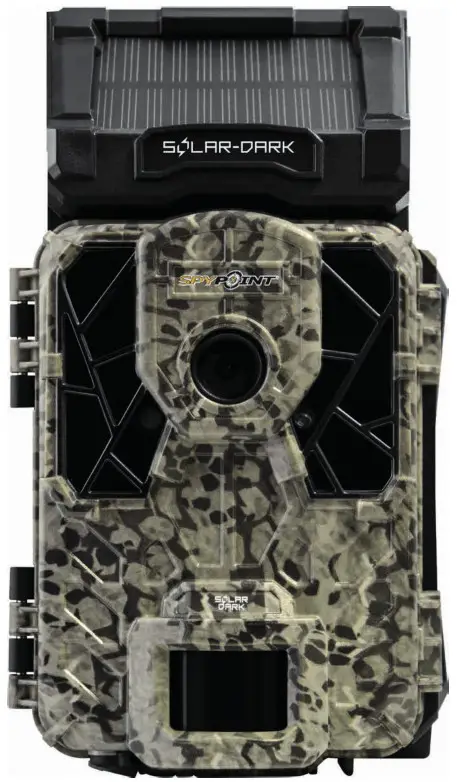

* Specifications and features may vary according to model.
Refer to our website or package for details.
 www.spypoint.com
 [email protected]
 support.spypoint.com
THANK YOU FOR CHOOSING A SPY POINT PRODUCT.
This manual is designed to guide you through all the great features of your SPYPOINT device so you can optimize its use, all while making the most of your time in the field.
We strive to provide our customers with a positive experience and an outstanding service. If you require product support, here’s how to contact us:
Through the webchat service offered on our website, from
Monday to Friday, between 8:30 a.m. and 4:30 p.m. (Simply click on the orange ”Need help?” button found on the bottom right corner of your screen.)
www.spypoint.comBy e-mail at:
[email protected]On our website at support.spypoint.com for more information on your cameras, or by phone at 1-888-779-7646, for customer
service assistance.
ABOUT US GG Telecom is dedicated to providing you with products that are easy-to-use, innovative, affordable, and of exceptional quality. SPYPOINT products are mainly used for hunting or residential and commercial security. Our products are distributed and sought-after on all continents, and their popularity continues to grow. As a successful and respected company, GG Telecom is constantly on the lookout for new technologies while being attentive to our customers and their needs. This allows us to provide cutting-edge products and practical solutions that enhance our customers’ hunting and outdoor activities.
JOIN THE SPYPOINT COMMUNITY
 facebook.com/SPYPOINT
 twitter.com/SPYPOINTcamera
 youtube.com/SPYPOINTtrailcam
ONLINE CAMERA AND PHOTO MANAGER
Create your account for FREE!
Available for all SPYPOINT trail camera models, this incredible tool allows you to manage all your cameras and photos with ease.
✔ AUTOMATICALLY SORT ALL OF YOUR PHOTOS
Drag and drop your photos to sort them by date.
✔ ACCESS YOUR PHOTOS
From anywhere, and never worry about backups or storage space.
✔ SHARE YOUR PHOTOS
With your hunting partners, friends, and family.
✔ GEOLOCATE YOUR TRAIL CAMERAS
Find your cameras faster and never lose them in the woods again.
✔ TAKE CONTROL OF YOUR CELLULAR CAMERAS
Change settings and get status updates, notifications, and GPS location. (compatible models only)
✔ BUCK TRACKER
Image recognition technology analyzes your photos and sorts them according to their content so you don’t have to. (May vary depending on service plans and models.)
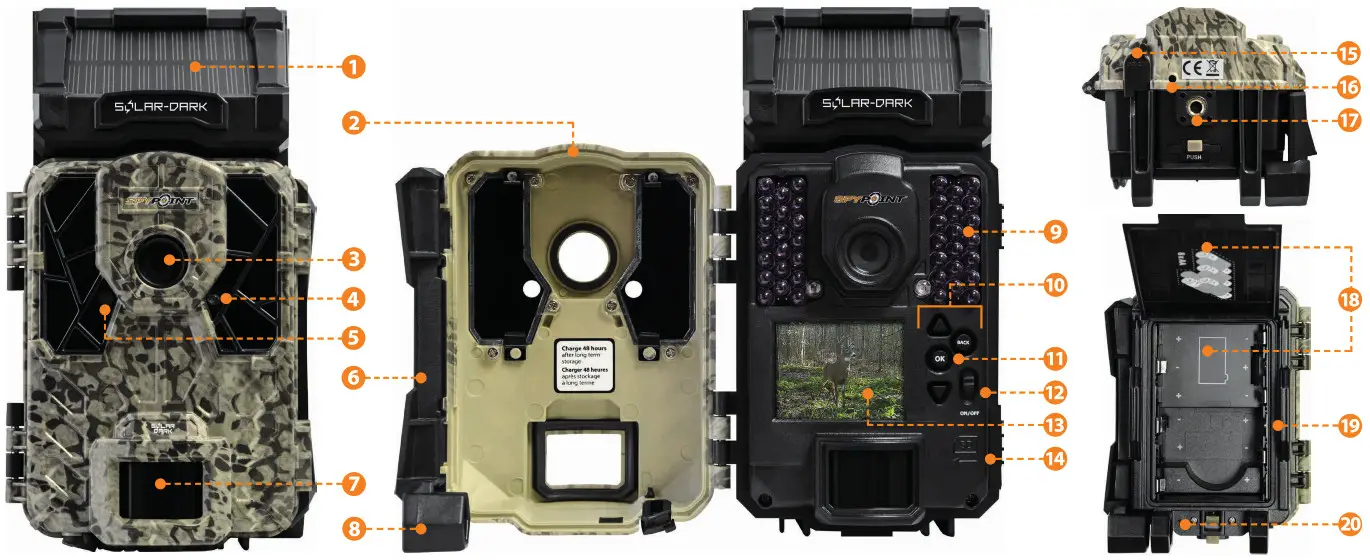
| 1 | Solar panel | 11 | OK button |
| 2 | Front door | 12 | OFF/ON button |
| 3 | Photo lens | 13 | Viewing screen |
| 4 | Test light | 14 | SD card slot |
| 5 | Light sensor | 15 | 12 V jack |
| 6 | Lockable door latch | 16 | Microphone |
| 7 | Detection lens | 17 | Tripod mount |
| 8 | Cable lock hole | 18 | Battery compartment/Back door |
| 9 | LEDs | 19 | Slot for the mounting strap |
| 10 | Navigation buttons | 20 | “BUSY” light |
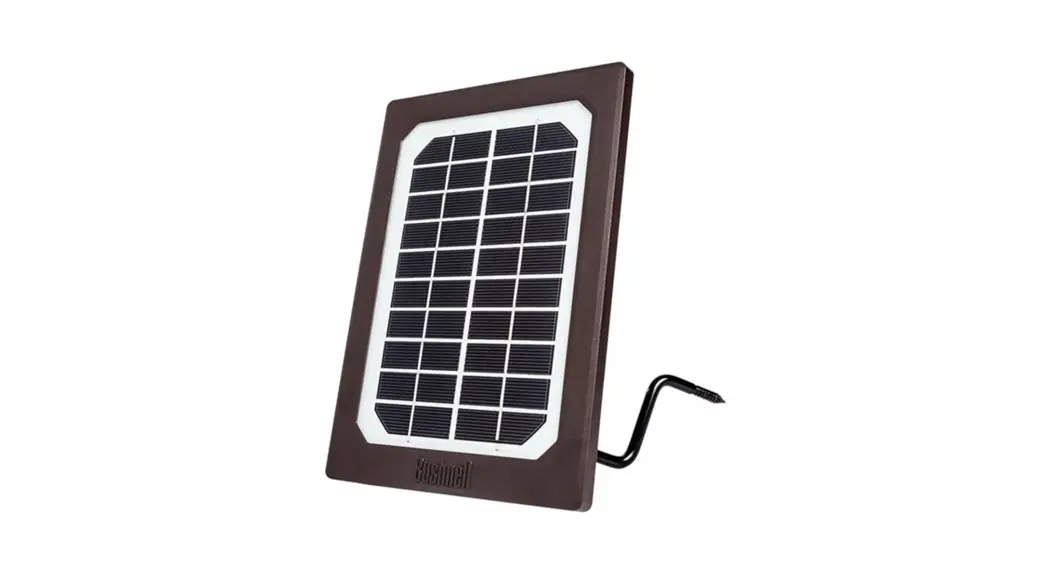
- SOLAR PANEL
Absorbs solar energy to charge the internal battery. - FRONT DOOR
Provides access to the OFF/ON button, the navigation buttons, the viewing screen, and the SD card slot. - PHOTO LENS
Captures the image. - TEST LIGHT
Once the camera is installed and a signal is found, the DETECTION TEST light will flash for 30 seconds, allowing you to leave the site without being filmed or photographed. - LIGHT SENSOR
Detects ambient lighting conditions for taking photographs. Photos will be shot in color during the day and black and white during the night. - LOCKABLE DOOR LATCH
Locks or opens the door to access the navigation buttons. - DETECTION LENS
Expands the detection area of the camera’s motion sensor. - CABLE LOCK HOLE
Allows the user to install a CLM-6FT cable lock, sold separately. - LED’S
Night lighting to obtain black-and-white photos and videos. - NAVIGATION BUTTONS
Buttons to navigate the camera’s menus and set the camera. - OK BUTTON
Allows the user to make a selection. - OK (ON / OFF) BUTTON
Allows the user to confirm a selection and turn the camera on and off. - VIEWING SCREEN
Allows you to access the main menu and view photos/videos. - SD CARD SLOT
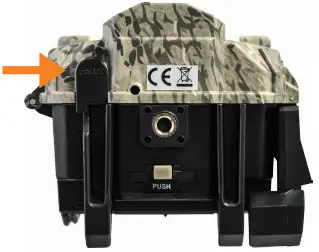
A narrow opening in which to insert the SD card is required to store photos/videos. - 12 V JACK
This camera can be powered from an external 12-volt DC input such as a 12 V battery. - MICROPHONE
Records sound in video mode. - TRIPOD MOUNT
Standard ¼”-20″ tripod mount. - BATTERY COMPARTMENT / BACK DOOR
Opens with the “PUSH” button found underneath the camera and gives access to the battery compartment or lithium battery pack. - SLOT FOR MOUNTING STRAP
Allows for installation of the camera using the included mounting strap. - BUSY LIGHT
Lights up when the camera saves a file or when the camera detects movement when TEST mode is activated.
| Photo | |
| Photo resolution | 12 MP |
| Photo file format | JPG |
| Time lapse mode | 1 min to 24 hour intervals |
| Multishot mode | Up to 6 photos per detection |
| Information appearing on photos only | Date, time, temperature (°C/°F), moonphase, SPYPOINT logo, and camera model |
| Capture mode | Color during daytime, black and white during nighttime |
| video | |
| Video resolution | 1280 x 720 (HD 1080p) |
| Video file format | AVI |
| Sequence length | Adjustable from 10 s to 90 s |
| Capture mode | Color during daytime, black and white during nighttime |
| Audio | |
| Audio recording (automatically recorded in video mode) | Mono |
| Memory | |
| Internal memory | None |
| External memory | SD/SDHC card (up to 32 GB) |
| Display | |
| Built-in 2″ ACL screen | 2.0” LCD screen for configuration only |
| Power sources | |
| Internal rechargeable battery | Included and non-accessible |
| Alkaline or lithium batteries | 8 x AA (not included) |
| Lithium battery pack | Regargeable battery pack (LIT-09/LIT-C-8) |
| External battery (12 V jack) | 12V battery (KIT6V-12V, KIT-12V, BATT-12V) |
| Detection system | |
| Motion sensor | Infrared sensor |
| Detection angle | 40° |
| Detection distance | Up to 110′ (33 m) |
| Trigger speed | 0,07 sec |
| Delay between each detection | Adjustable from instant to 30 min |
| Nighttime illumination system | |
| LEDs | 42 LEDs |
| Illumination range | Up to 80′ (24 m) |
| Exposure | Automatic infrared level adjustment |
| camera’s physical dimensions | |
| 18 cm H x 9.6 cm L x 8 cm P | 7.3” H x 3.8” L x 3.2” P |
| Recommendations | |
| Operating temperature | (-30 °C à + 50 °C) (-22 °F à +122 °F) |
| Storage temperature | (-40 °C à + 60 °C) (-40 °F à +140 °F) |
Recharging the internal battery
This camera is designed with a non-accessible internal battery. This battery is charged by the solar panel and generates adequate power for general usage. It is recommended to recharge this internal battery over a period of 24 to 48 hours before initial use. A USB charging cable designed for this purpose is included in the package. When charging the camera via the USB cable, make sure your device is turned off and that the solar panel is either covered or facing down to avoid any interference with the USB charging process. To recharge the internal battery, plug the USB cable provided by SPYPOINT into the camera’s 12 V jack under the device and connect it to one of your computer’s USB ports. Your computer must remain running and awake for the entire charging period. You can also connect the USB cable to a wall outlet USB adapter. While in use, the camera will turn off if the power level of its internal rechargeable battery gets too low. Once the solar panel has recharged the internal battery, the camera will start up again in the same mode as it was before shutdown. Ensure that the panel is clear of obstructions for maximum performance.
Optional power sources
If the user configures the camera in a way that requires a lot of battery power or installs it in an area with poor ambient lighting, it is recommended to use a backup power supply. When the internal battery has insufficient energy to power the camera, it will automatically connect the next available power source and go into charging mode. If no additional power source is available, the camera will go to sleep mode. During this time, the camera will recharge itself. Once the internal battery will be sufficiently charged, the camera will automatically wake and return to its previous setting.
Three alternate power sources are available to the user.
- 8 AA batteries, to be inserted into the camera`s battery compartment;
- A lithium rechargeable battery pack #LIT-09 (sold separately) to be inserted into the camera’s battery compartment;
- An external 12 V battery (#BATT-12V, sold separately) plugged into the 12 V jack
The camera is designed to draw its power from the alternate power sources in this order of priority :
- 12 V battery plugged into the camera`s 12 V jack;
- Internal battery;
- AA batteries or lithium battery pack.
Battery level icons
When the camera is on, an icon showing the approximate battery level appears in the lower right corner of the screen. The battery level icon switches between the various power source modes (12V-AA-LIT and INT for internal). If an X shows up over the AA battery icon, it means this power source isn’t available within the camera. Select the power source mode you wish to have displayed on the camera’s screen by navigating to the Battery Type tab in the general settings menu. Choosing the right type of power source directly impacts the precision of the battery level displayed.
When the camera is in Detection test mode, the battery charge level is shown in percentage in the lower left corner of the screen (12V-AA-LIT and INT for internal). An icon resembling a sun with a percentage level is also visible and represents the level of external light detected. The higher the percentage, the faster the internal battery will be recharged.
When a single line remains on the battery icon, the camera will continue to take photos, but we strongly recommend changing the AA batteries or recharging the lithium battery pack before it gets drained of power. If a video is being recorded and the battery level reaches 0%, the camera simply saves the file before shutting down.
Power sources
AA BATTERIES
The camera can be powered by 8 AA batteries (1.5 V). The use of alkaline or lithium batteries is strongly recommended. Be sure to respect the polarity indications (+) and (-) when inserting the batteries.
To ensure maximum performance of your camera and prevent battery leakage, we recommend using new batteries. Be sure to respect the polarity indications (+) and (-) when inserting the batteries. Do not use a variety of battery types. This means only alkaline or only lithium batteries must be used.
Rechargeable AA batteries are not recommended as the lower voltage they generate can cause operational issues.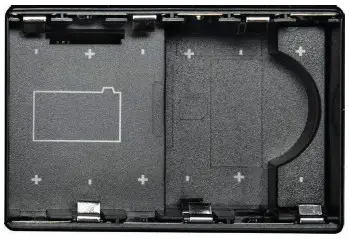 12V EXTERNAL BATTERY
The 12 V battery (#BATT-12V) plugged into the camera offers the benefit of lasting a very long time. For the best possible results and maximum battery life, we recommend using an external 12 V power source such as an external 12 V battery (KIT-12V, BATT-12V, or KIT6V/12V, sold separately).
Plug the cable into the 12 V jack under the device.
LITHIUM BATTERY PACK
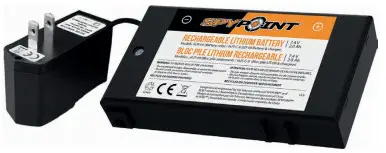
The SPYPOINT camera can be powered by a LIT-09/LIT-C-8 rechargeable lithium battery pack, sold separately.
The rechargeable lithium battery pack includes a CA charger with an integrated luminous recharge indicator. It is perfectly designed for the camera and ensures an exceptional energy length. This battery type is less impacted by cold temperatures and provides performance of up to three times greater than alkaline batteries.
Memory card
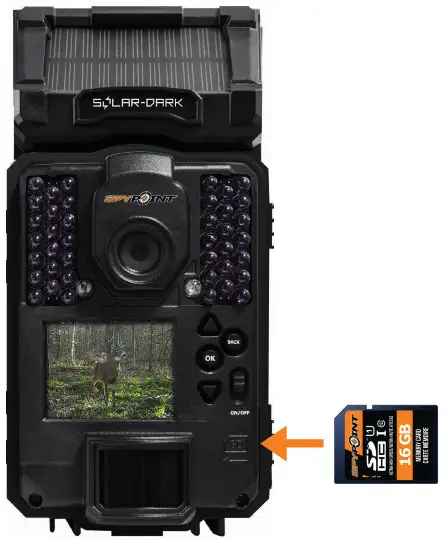
A memory card is required to record photos and videos. The camera is compatible with SD/SDHC memory cards, up to 32 GB capacity (sold separately).
When the camera is turned on and no memory card is used, the camera displays “Insert a memory card.”
Here is a table of the approximate number of pictures and videos in terms of duration that can be recorded with different memory card capacities.
| Memory | 4 GB | 8 GB | 16 GB | 32 GB |
| 12 MP photos | 1,600 | 3,200 | 6,300 | 12,600 |
| 1280 x 720 videos | 40 m | 1h20 | 2h40 | 5h20 |
 We recommend formatting your SD card whether it was used in another device before or not. Thus ensuring that you benefit from its full memory capacity. Quick formatting is NOT recommended for this task
Note: This SPYPOINT camera is equipped with continuous file recording. When the memory card capacity is full, the camera will continue to record photos or videos by deleting the oldest recorded files.
Inserting the memory card
Before inserting or removing a memory card, always turn the camera off to prevent any loss or damage to photos already saved on the memory card. Also, make sure the switch on the side of the SD card is not set on LOCK. Insert a standard full-size SD/SDHC memory card (up to a 32 GB capacity) in the SD card slot with the label facing up. The card is inserted correctly when a click is heard.
Removing the memory card
Gently press down on the exposed edge of the memory card once to eject and remove the card from the slot.
Busy light
The busy light is found on the back of the camera. This light is used as a diagnostics tool. It will turn on upon camera start-up and when the camera saves a file. When the camera is in DETECTION TEST mode, both the BUSY and TEST lights will be on simultaneously.
Use the ▲ and ▼ buttons to navigate the interface and modify the selection, the OK button to confirm your selection and the BACK button to return to the previous menu.
Starting the camera
To turn the camera on and off, press and hold down the OK button. Allows the user to start the camera in PHOTO, VIDEO or TIME LAPSE modes. When a mode is selected, the test light in front of the camera will flash for 30 seconds and a countdown will appear on the screen, allowing the user adequate time to leave the area without being photographed or video recorded.
Detection test
Allows testing the detection system of the camera at the desired location. No photo or video is recorded during the test. Walk past the camera, ensuring that you enter the camera’s frame. The busy light will blink when movement is detected, indicating that a picture would have normally been taken. If the system does not detect any movement, increase the detection distance using the Sensitivity option from the general settings menu. Realigning the camera angle may also be necessary. It’s possible to take a picture while in DETECTION TEST mode by pressing the OK button. The picture will be saved and can be displayed using the View mode.
Viewing
Allows to view and manage photos and videos using the camera’s viewing screen.
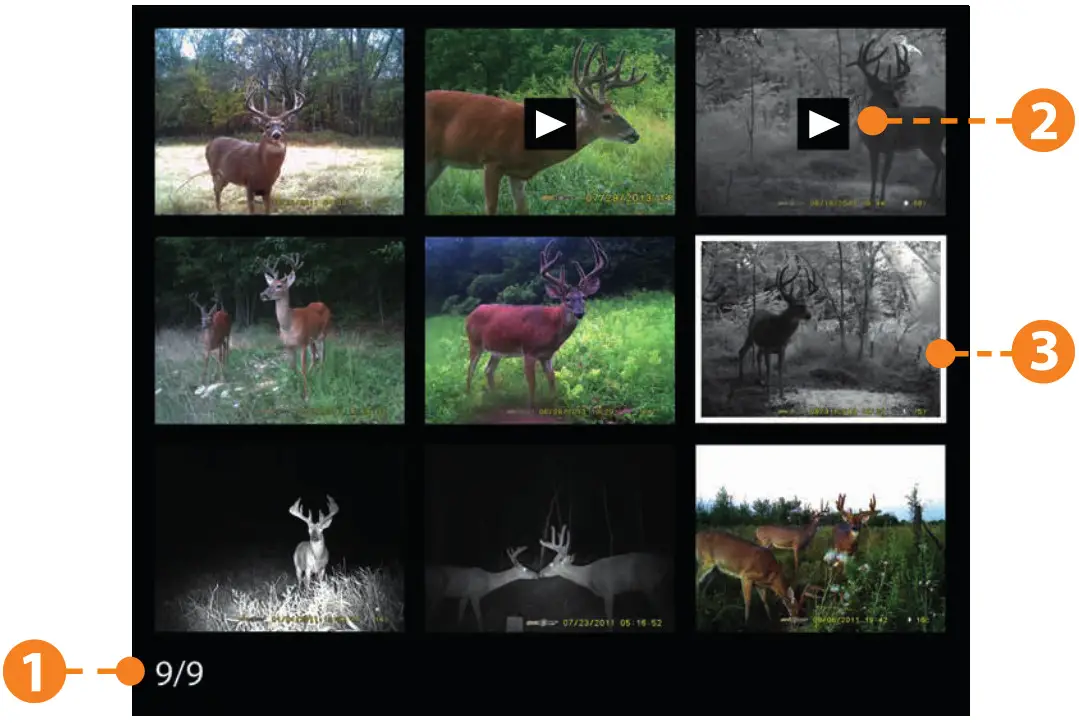
- Selected photo / Total number of photos
- The play icon indicates that this element is a video.
- The white outline indicates which photo is selected.
In VIEW mode the last pictures and videos taken will appear as thumbnails on the camera screen. Use the ▲ and ▼ buttons to navigate this page and press OK to view a photo in a larger format. To cycle from one photo to the next, use the ▲ and ▼ buttons. Press on the BACK button to return to the thumbnail view. When a large-format video is open, press OK to view the available options:
| play | Allows you to play or pause the video on the screen (this option is available only for videos). |
| zoom | Allows you to zoom in. |
| date and time | Allows the user to view the date and time displayed on the photo. |
| protect | Allows you to protect individual photo’s or video’s, preventing them from being deleted when using the “Erase All” option. |
| erase | Allows you to erase the currently viewed photo or video. |
| erase all | Allows you to erase all photos and videos stored on the memory card (with the exception of protected files.) |
| format | Allows to deletion of all content from the memory card, including protected files. |
| exit | Allows to exit the menu and return to viewing mode. |
Allows the user to configure the PHOTO, VIDEO, TIMELAPSE and GENERAL SETTINGS.
Photo settings – Sets the options for PHOTO mode.
Delay (Instant/10s/1m/3m/5m/10m/15m/30m): Allows the user to choose the delay between each detection before the camera records the next video. A longer delay minimizes the number of videos taken and maximizes battery life. A shorter delay maximizes the number of videos taken but requires more battery power. Shorter delays are recommended when the camera is used for security purposes.
MULTIshot (1/2/3/4/5/6 photos consécutives): Allows you to take up to 6 consecutive photos for each detection with a 5-second delay between each photo.
Recommended settings
The camera can be configured for usage in trails. This configuration will typically result in lower activity levels, fast moving subjects and fewer photos. These settings increase the chances of capturing animals following one another.
The camera can also be configured for usage at a feeding site. This configuration will typically result in higher activity levels, slow moving subjects and more photos. This configuration makes it possible to reduce the number of photos taken while capturing all the activities on the feeding site.
The below table shows the suggested settings for both configurations:
| trail | feeder | |
| Delay | Instant | 5 min |
| multishot | 1 | 1-6 |
Battery life can be compromised if the settings of your camera are not adapted to the actual situation.
Timelapse settings – Allows to set the options for TIME LAPSE mode.
Delay (From 1 min to 24 h):
Allows the camera to take photos at regular preset intervals. For example, if “5 m” is selected in the TIME LAPSE mode, the camera takes a photo every 5 minutes even if there is no detection. This option allows the user, among other things, to obtain photos of game outside the detection range of the camera.
Note: The Time lapse mode only applies for photos, not videos. When the Time lapse mode is selected, the Delay option and the Multishot mode are disabled.
Video settings – Allows to set the options for VIDEO mode.
Delay (Instant/10s/1m/3m/5m/10m/15m/30m):
Allows the user to choose the time interval between each detection before the camera records the next video. A longer delay minimizes the number of videos taken and maximizes the battery life. A shorter delay maximizes the number of videos taken but requires more battery power. Shorter time intervals are recommended when the camera is used for security purposes.
Video length (10s/30s/60s/90s) : Allows to configure the recording length of video sequences when the camera is set in Video mode.
Photo first (Yes/No) :
When this option is enabled, a photo is taken immediately before each video.
Note: The number in the file name of the photo will precede the number in the file name of the corresponding video. For example, if the name of the photo is PICT001.JPG, the name of the corresponding video will be VID002.AVI
General settings – Allows to set the camera’s general options.
| Device name | Allows the camera to be named via the electronic keyboard. This option is particularly useful for users with more than one camera. |
| Language (English / Français / Deutsh) | Sets the displayed language on your camera. |
| Date format (MM/DD/YYYY or DD/MM/YYYY) | Configures the date format (month, day, year, or day, month, year) |
| Time format (12 H or 24 H) | Allows to select between a12 hour or 24 hour time format. |
| Date | Sets the date. |
| Time | Sets the time. |
| Sensitivity (Low / Medium / High) | Allows to choose the sensitivity of the motion sensor. A greater sensitivity will give a greater number of photos. Make sure the front of the camera is free of any obstructions. The area of installation should be cleared from branches or bushes. |
| Resolution (Normal / High) | Sets photo quality. |
| Trigger speed (Optimal / Fast) | Optimal : Takes higher quality images. Fast : Takes photos more quickly. |
| Battery type (AA / LIT-09 / 12V) | Allows the user to select the battery type in use to get a more precise battery level reading. |
| Information appearing on the photos | Displays the date, time, temperature, moon phase, SPYPOINT logo, and camera model on each photo. |
| Start time | Sets the time at which the camera begins detecting movement. |
| End time | Sets the time at which the camera stops detecting movement. |
| Night mode | 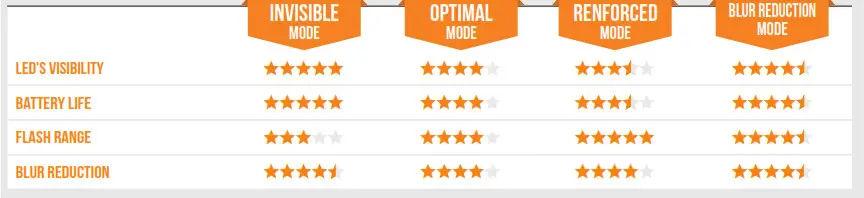 |
| Temperature format (°C / °F) | Sets the the displayed temperature format. |
| About the device | Displays system information. (Software/hardware version number / Model number / Device name.) |
| Default settings | Restores the camera to its default settings |
Camera software updates
Go to https://support.spypoint.com/EN for instructions on how to perform camera software updates.
Installation Recommended installation height
The camera should be installed at the same height as the animal’s mid-body.
Ideal installation for quality images and videos
The targeted animal should be 7.5 m (25 ft.) away from the camera for a better field of view.
To achieve brighter pictures at night, there should be elements in the background that can reflect the camera’s infrared light. Take note that the camera should not be facing directly toward the sun as this may create backlighting and trigger false detections.
Make sure the front of the camera is free of any obstruction. The installation area must be clear of branches or bushes as they could trigger false detections when combined with heat, reflections, and/or wind. If the camera’s sensitivity is set to High, this could also trigger false detections.
Mounting bracket
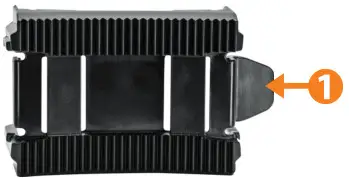
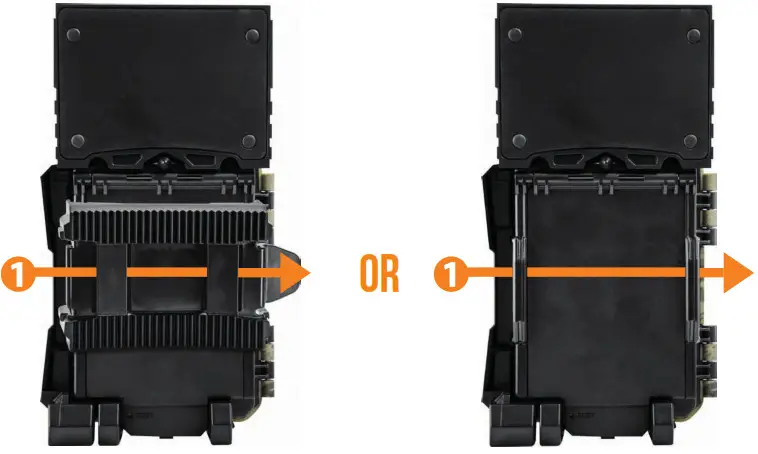
To remove the camera from the mounting bracket:
- Push the tab to release the camera from the mounting bracket.
- Remove the camera.

Installation with the supplied strap
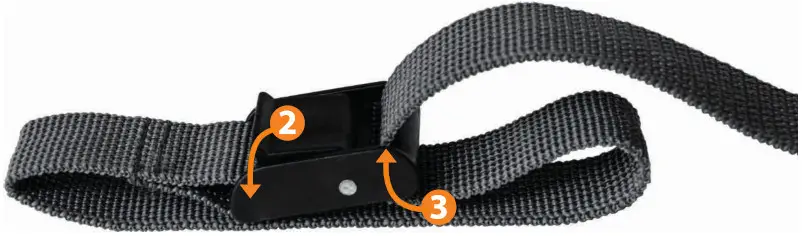
The dimensions of the included strap are 2.5 cm (1’’) X 152 cm (60’’).
- Thread the strap through the strap slot found on the back of the camera.
- Wrap the strap around the tree then press and hold down the latch.
- Thread the strap through the latch from behind, as shown below.


TRANSFERRING FILES TO A COMPUTER
• Turn OFF the camera.
• Remove the SD card from the camera.
• Insert the SD card into the alotted slot on your computer, or use a SD card USB adapter.
• The computer will dectect the SD card.
On A PC
Click “My Computer” or “This PC” on your desktop.
Locate your device under “Removable Disk” then click to access it. Next, click on the “DCIM” folder, then on “100DSCIM” to find all saved photos.
Select the photos you want to copy. The easiest way to select them all is by clicking on the “Home” tab found in the menu bar (situated at the top of the window), then “Select All” on the right-hand side of the toolbar. Alternatively, you can also use the “Ctrl+A” command on your keyboard, or click the “Edit” tab (found in the menu bar) and choose “Select All” in some versions of Windows.
Click the “Copy” icon on the left-hand side of the menu bar or use the “Ctrl+C” command to copy the files.
NOTE: If you do not want to select all photos, press and hold down the “Ctrl” key and click on the photos you wish to select before clicking the “Copy” icon.
Navigate to the folder where you would like to store your images, or create a new folder by clicking the “New Folder” button in the menu bar. Alternatively, you can also use the “Ctrl+Shift+N” command to create a new folder, or right-click on an empty space in the “Images” folder and choose “N e w,” then “Folder” in the shortcut menu that appears.
Type in a name for your new folder, press “Enter,” then double-click on the folder to open it. In the “Home” tab, select “Paste” or use the “Ctrl+V” command. The photos will be copied to the new folder.
ON A MAC
Click the “Finder” icon in the “Dock”.
Locate your device under the Devices tab, then click to access it. Next, click on the “DCIM” folder, then on “100DSCIM” to find all the saved photos.
Click “Edit” in the menu bar (situated at the top of the window), then press “Select All” to select all the images on the card. You can also “Select All” by pressing the ⌘ and A
keys simultaneously on your keyboard.
Alternatively, if you do not wish to import all the files, you can individually select the images you would like to transfer by holding ⌘ and clicking the filename of each image.
Click “Edit” once again, then “Copy” or use the ⌘ and C command to copy the selected images.
Navigate to the folder in which you would like to store your images, or create a new folder by simultaneously right-clicking and pressing Ctrl, then select New Folder from the shortcut menu that appears.
Click Edit then Paste or use the ⌘ and V command to copy your chosen images from your device to the selected folder.
Images may take several minutes to transfer depending on the file size and the number of images you are importing.
Once your images have been transferred, click the Eject icon found beside the name of your device, then unplug the device from your Mac.
12V rechargeable Battery, Charer and housing kit
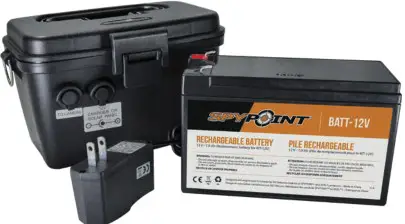
#KIT-12V – 12-volt 7.0 Ah rechargeable battery with a water-resistant ABS plastic case, AC charger, 3.6 m (12 ft.) power cable (#PW- 12 ft) and strap included.
Compatible with all SPYPOINT products that have a 12 V outlet.
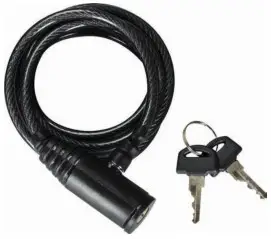
Cable lock
#CLM-6FT – 1.85 m (6 ft.) lock cable fits all SPYPOINT cameras and security boxes.
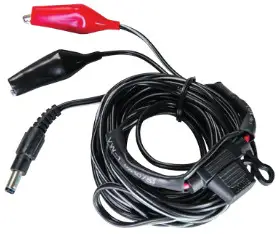
12V power cable
#CB-12FT – 3.6 m (12 ft.) power cable with alligator clips to connect a 12V battery to a camera.
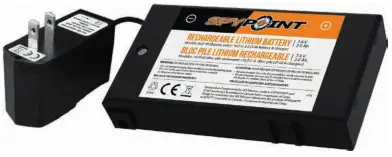
lithium battery pack and charger
#LIT-C-8, Rechargeable lithium battery pack and AC charger with charge indicator light. Fits all SPYPOINT cameras.
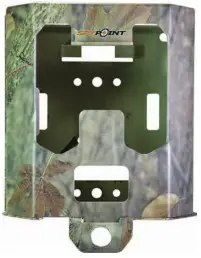
42 led steel security box
#SB-200, Steel box to secure the camera against theft. It also protects it from breakage caused by bears or other animals. Fits all 42 LED SPYPOINT cameras
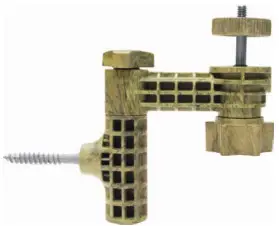
adjustable mounting arm
#MA-360 – Adjustable mounting arm, fits all cameras that have a standard ¼”-20 tripod mount. Pivots 360° and tilts +/- 90°.
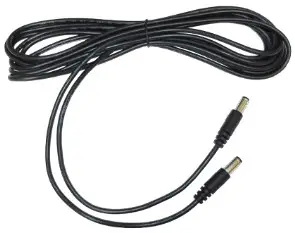
spare power cable
#PW-12FT – 3.6 m (12 ft.) spare power cable to connect the camera to KIT-12V.
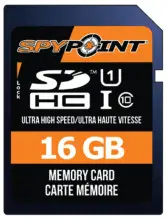
SD 16 GB memory card
#SD-16GB – Includes a high-speed Class 10 SD 16 GB card.
For more information on other available products and accessories, go to www.spypoint.com
| Problem | Possible solutions |
| impossible to turn on the camera | • Recharge the internal battery for 24-48 hours. • Check if there are batteries in the camera. • Check if the batteries are correctly installed. • Install the latest update (available on www.spypoint.com under the SUPPORT section). • Replace the batteries or recharge the lithium battery pack. |
| the screen of the camera turns off | • Recharge the internal battery for 24-48 hours. • The camera may be set to Photo or Video mode and the screen turns off after a period of 30 seconds in order to preserve battery life. • The camera will initialize PHOTO or VIDEO mode (according to the last selected or used mode) after 2 minutes of inactivity on the main menu. • To return to the screen, turn off the camera and turn it on again. |
| La camera does not respond | • Remove the batteries and reinsert them. • Replace the batteries. |
| Impossible to take photos / videos | • Recharge the internal battery for 24-48 hours. • Check if there are batteries in the camera. • Replace batteries or recharge the lithium battery pack. • Format the SD card. • Check if the camera is turned on. • Remove the protective sticker from the detection lens. |
| blurry Photos | • Low-lighting conditions and fast-moving subjects may produce streaks on the photo; try setting the “Night mode” to “Optimal.”. |
| no person or animal appearing in the photos | • Check if the camera is pointing towards the direction of sunrise or sunset, as this can trigger the device. • At night, the motion sensor may detect beyond the range of the flash. Reduce the detection sensitivity of the camera. • Small animals may trigger the device. Reduce the sensitivity and/or increase the height of the camera. • The motion sensor may detect animals through the foliage. • Make sure the mounting post or tree is stable and does not move. • Recharge the internal battery for 24-48 hours. |
| Problem | possible solutions |
| Photos / vidEos dark during nighttime | • Make sure the subject is within the nighttime flash range. • Check that there are elements in the background to reflect the camera’s infrared light. |
| red light on the front of the camera is flashing | • The camera is in Test mode and detects motion. • The camera is in Photo or Video mode. The test light will flash for 30 seconds to allow the user to leave the site without being photographed. |
| photos/videos are dark | • Check the battery level to see if battery power is full as the flash will stop operating near the end of the battery life, especially if recording a video. • Check that there are elements in the background to reflect the camera’s infrared light. • Test the camera’s nighttime illumination mode in a dark room to see if the camera takes black-and-white photos or videos. |
| error messages | solutions |
| insert memory card | The use of a memory card is required to save photos and videos. |
| low battery | Appears on the screen just before the camera turns off. Recharge the batteries or replace them with new ones. Always check the battery level before using the camera. |
| no image | There is no file to display. Check if the memory card contains photos/videos. |
| protected file | The file you want to delete is protected. • Remove the protect option from the photo using the View mode, then you will be able to delete this file. • Format the memory card to delete the files. |
limited warranty
This SPYPOINT product, designed by GG Telecom, is covered by a two (2) year limited warranty on material and workmanship starting from the original date of purchase. The electronic receipt is the client’s proof of purchase and must be presented to confirm that the warranty is applicable if service is needed. This warranty will be honored in the country of purchase only.
This GG Telecom warranty does not apply to the following:
A. Consumable parts, including but not limited to the batteries; of which performance is designed to decrease over the course of time;
B. Damage caused by misuse, use with another product, neglect, accidents, liquid contact, fire, earthquakes, or any other external causes;
C. GG Telecom products that have been purchased online from an unauthorized dealer;
D. Products that have been modified or tampered with;
E. Cosmetic damage, including but not limited to scratches and broken plastic;
F. Damage caused by use of the product outside of GG Telecom’s recommendations.
Repair service instructions
GG Telecom will repair the product or replace it at its discretion with an equivalent product without charge if covered by the warranty described previously. The shipping fees for a sent item will be assumed by the customer. GG Telecom will then pay for the return of the product covered by the warranty.
For a product not covered by the warranty, the repair will be subject to a reasonable charge and the customer will also assume all shipping costs.
IMPORTANT
Under no circumstances will GG Telecom accept returned products without an RMA (Return Material Authorization) number. It is essential to contact GG Telecom before making a return.
- Before sending us a product for repair, you can get help in several different ways. Most issues can be resolved over the phone or online:
• Contact our webchat service offered directly on our website, from Monday to Friday, between 8:30 a.m. and 4:30 p.m. (simply click on the orange ”Need help?”
button found on the bottom right corner of your screen);
• Contact us by e-mail at [email protected];
• Go to support.spypoint.com for more information on your cameras or contact our SPYPOINT customer service assistance by calling 1-888-779-7646. - If a product needs to be returned, an RMA number will be issued to authorize the return of the product and be used for future reference. Please keep this number.
- The original receipt or copy must be included with the package sent to GG Telecom.
- The RMA number must be written on the outside of the package sent to:
| Canada | UNited states |
| GG Telecom | GG Telecom |
| 330 de la Jacques-Cartier | 3000 Gannett Avenue |
| Victoriaville, QC | Des Moines, Iowa |
| G6T 1Y3 | 50321 |
The customer is liable for any losses of damages to the product during transportation to GG Telecom. We recommend using a mailing service that requires a tracking number to ensure the product’s protection.
 Facebook
 Welcome to Spypoint Support
 twitter.com/SPYPOINTcamera
 SPYPOINT
 SPYPOINT TRAIL CAMERAS - YouTube