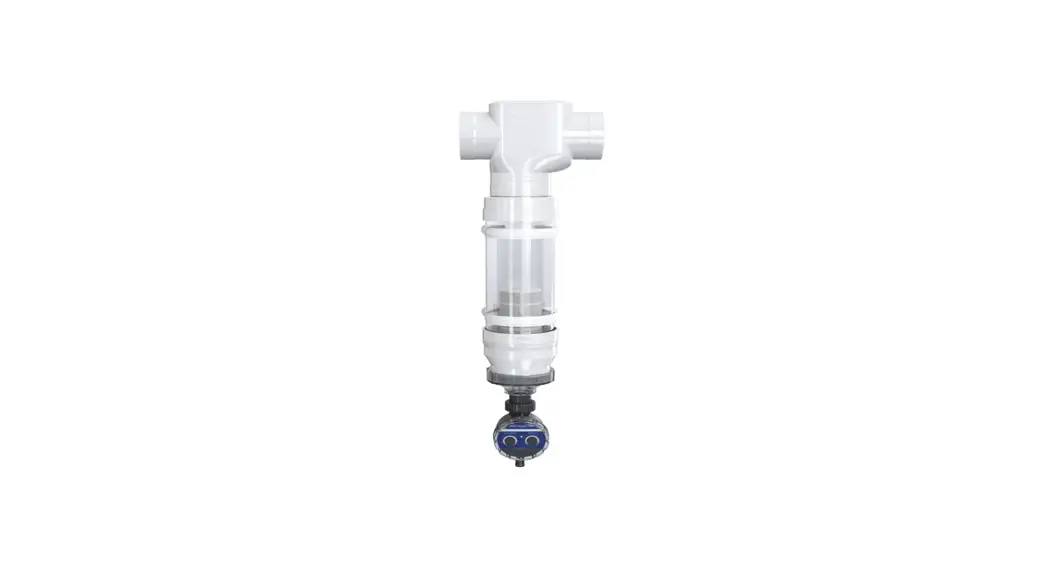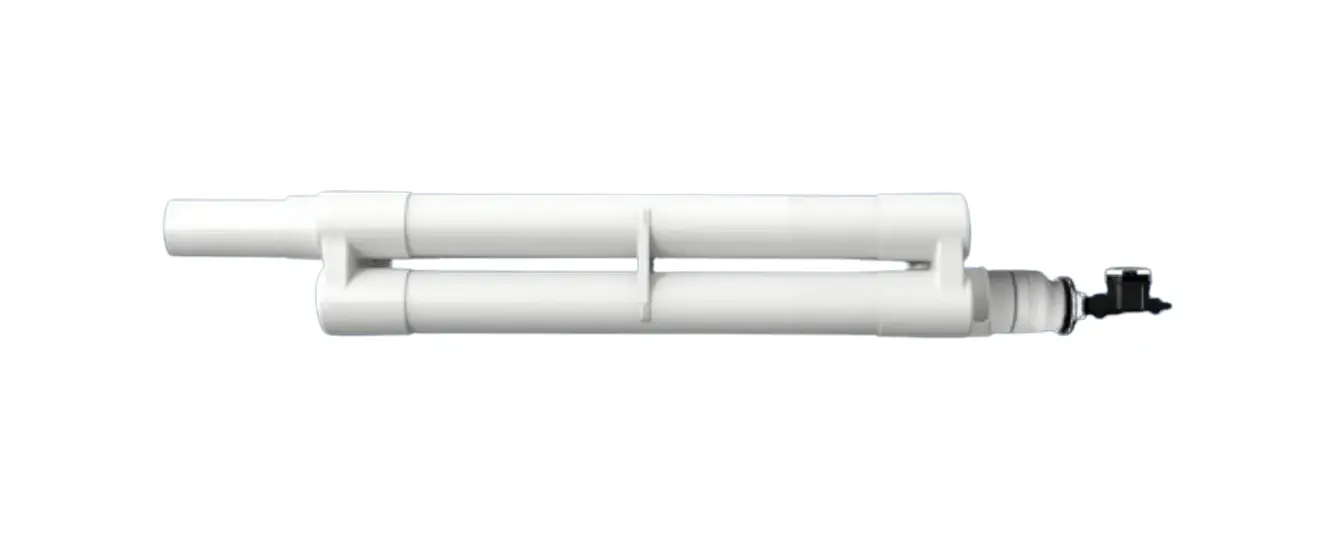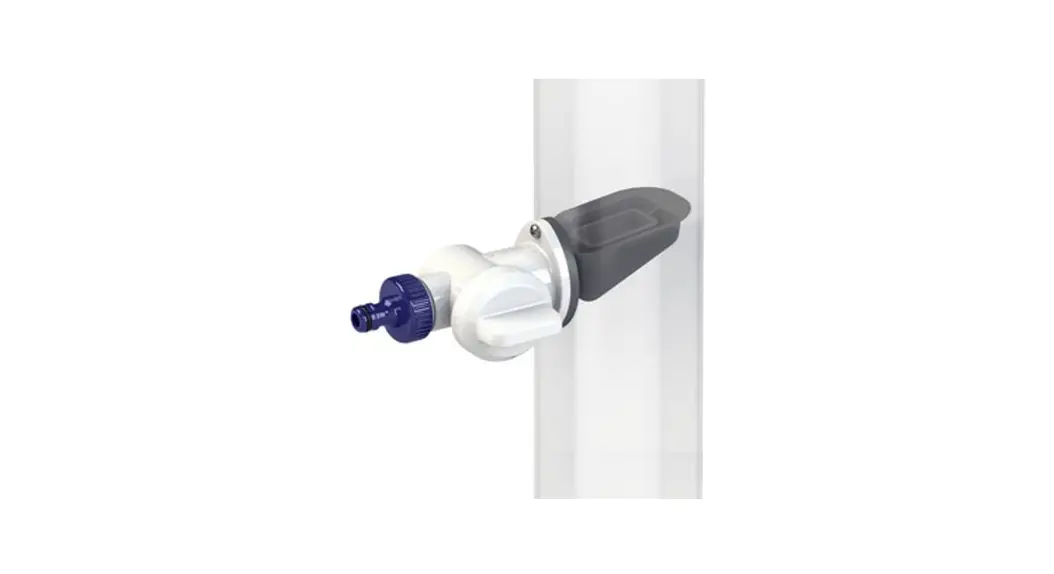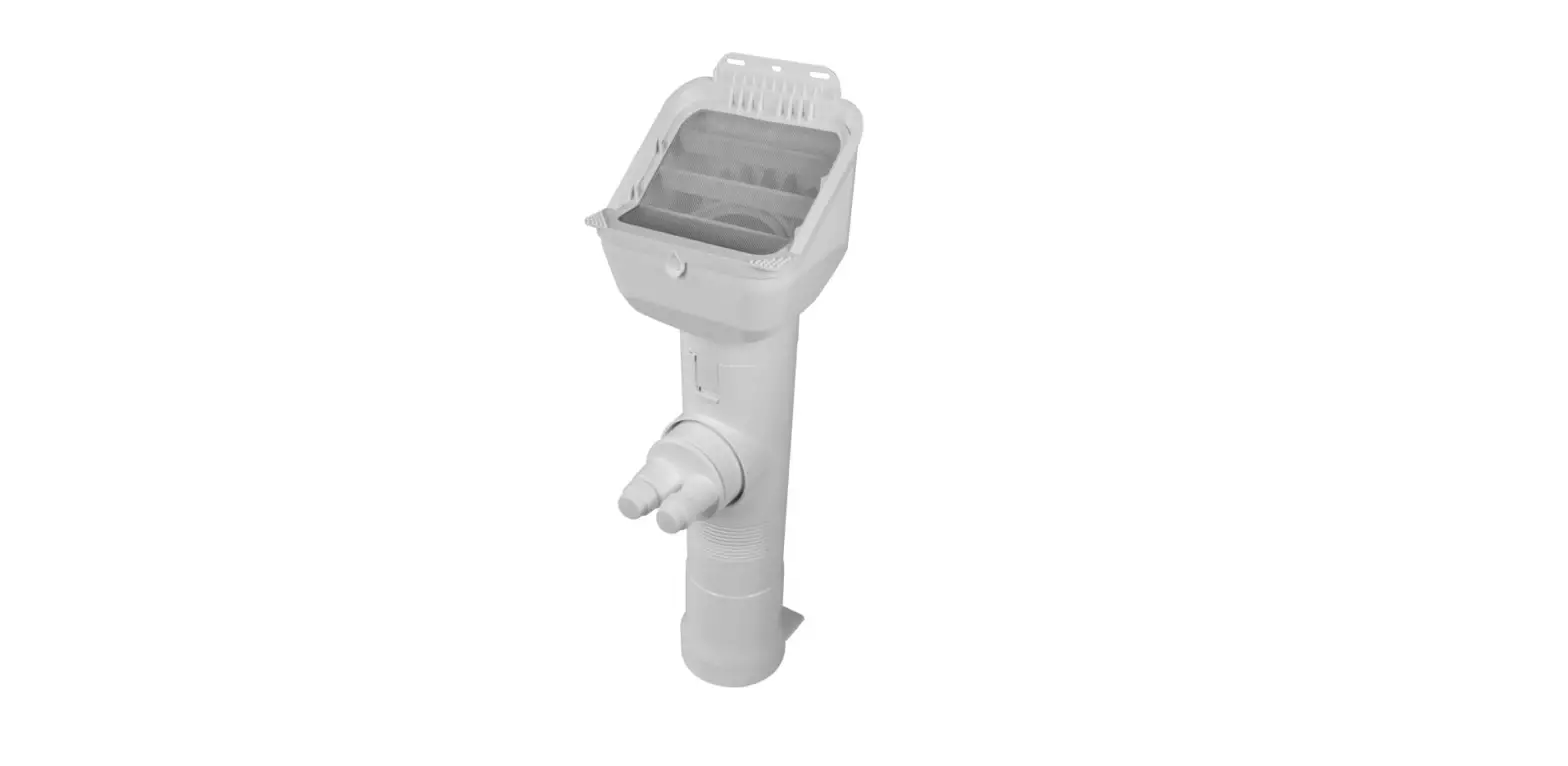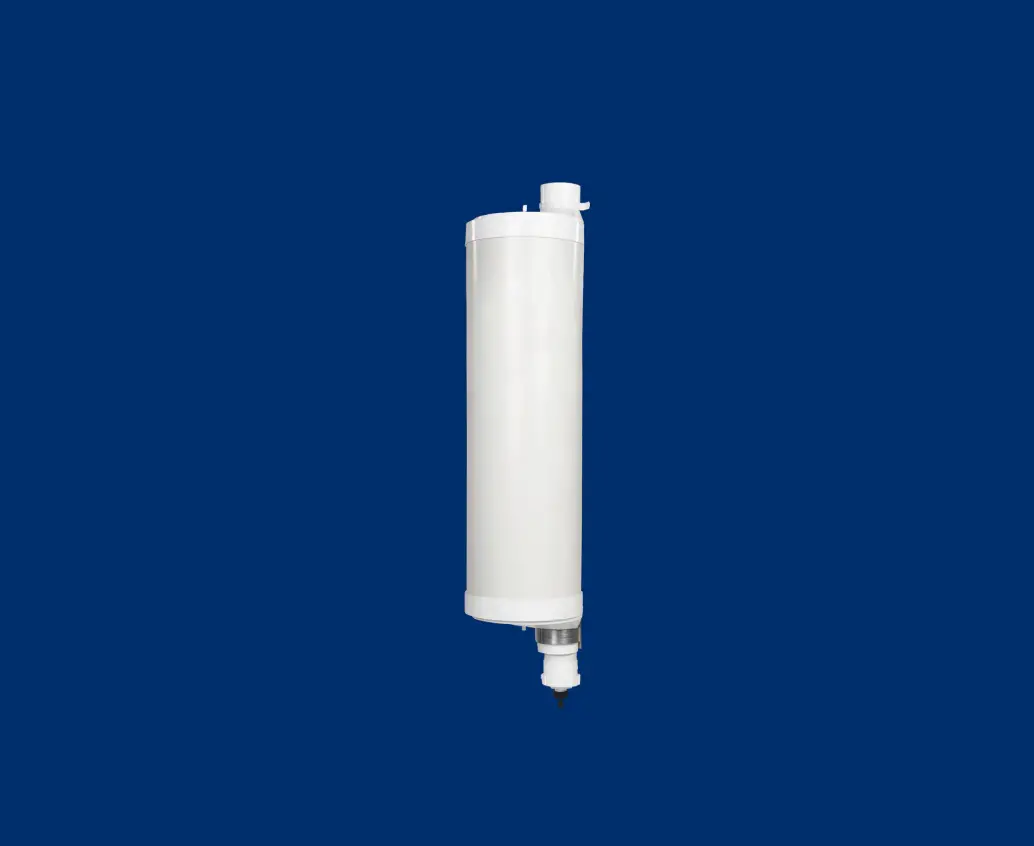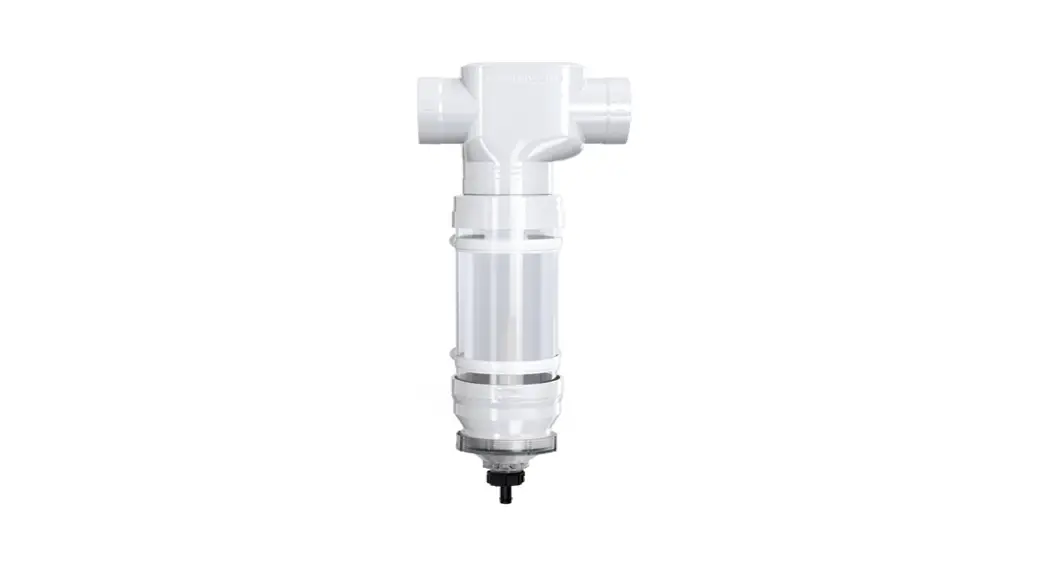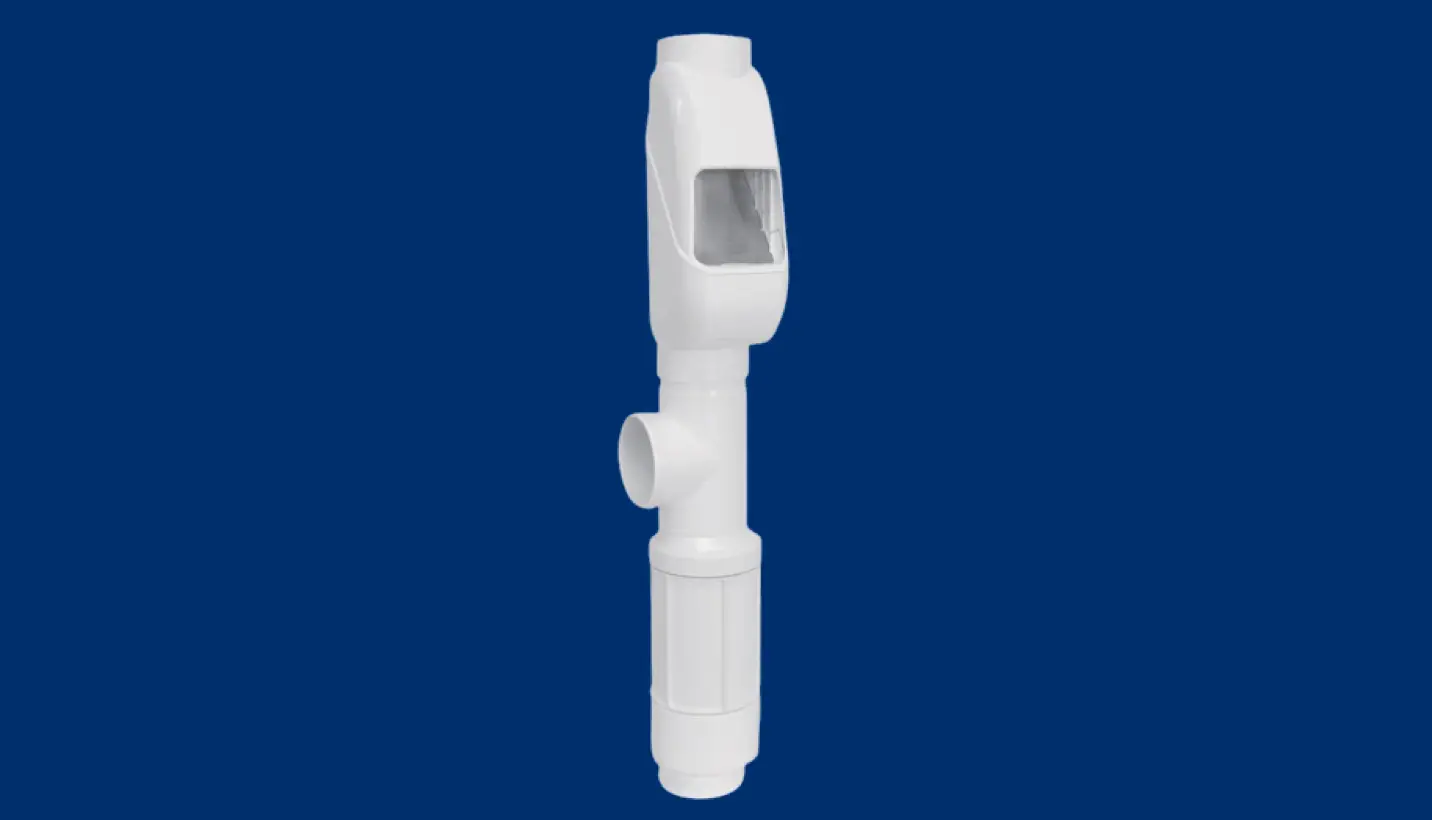
RAIN HARVESTING WDDP01 First Flush Downpipe Water Diverter 90mm
PRODUCT DETAILS
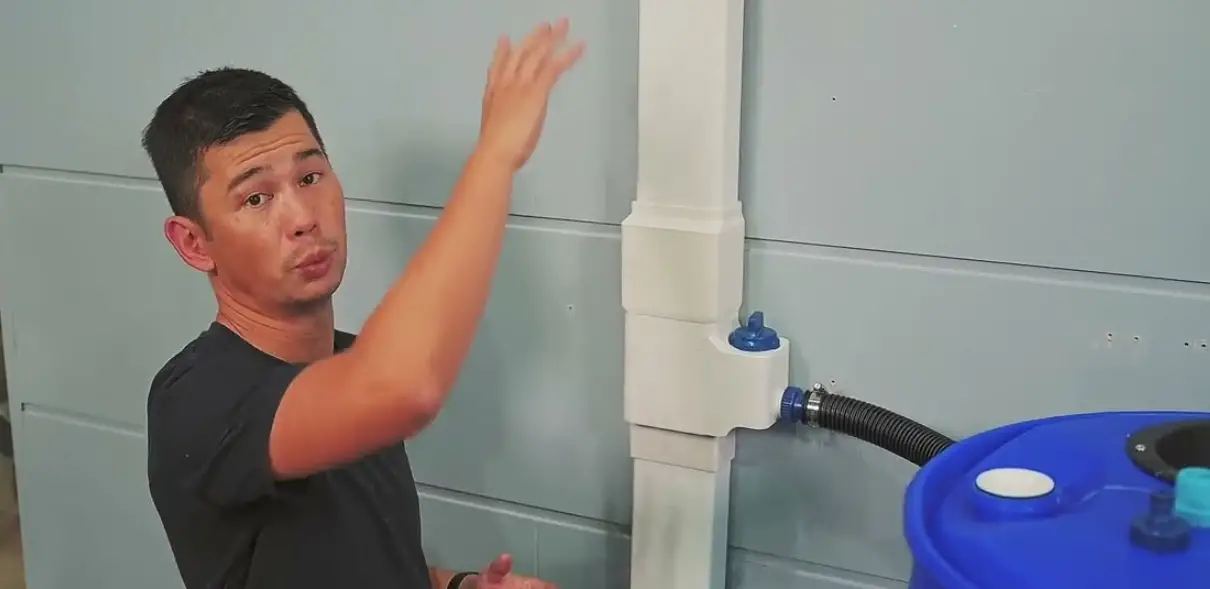
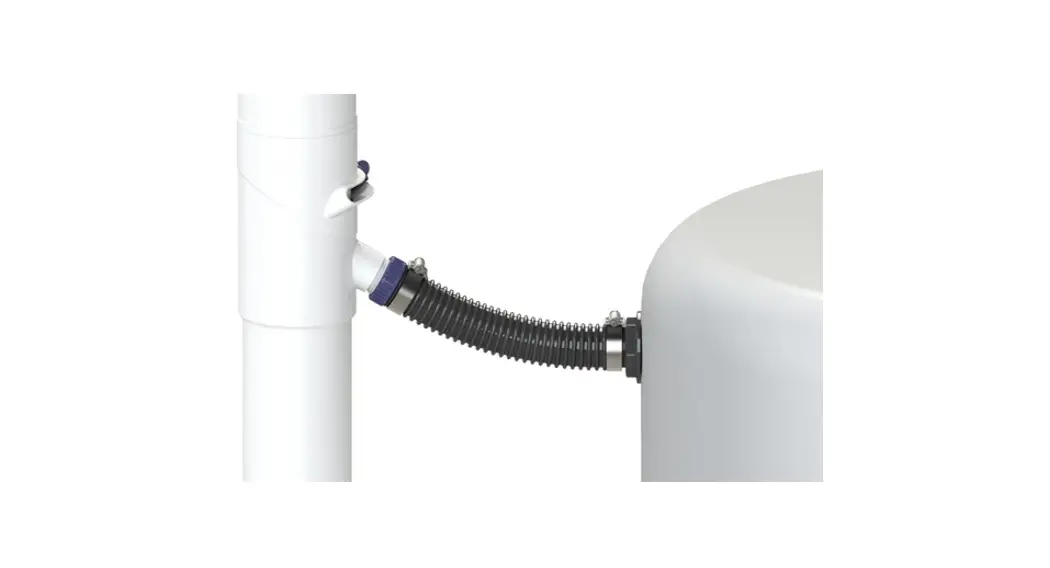
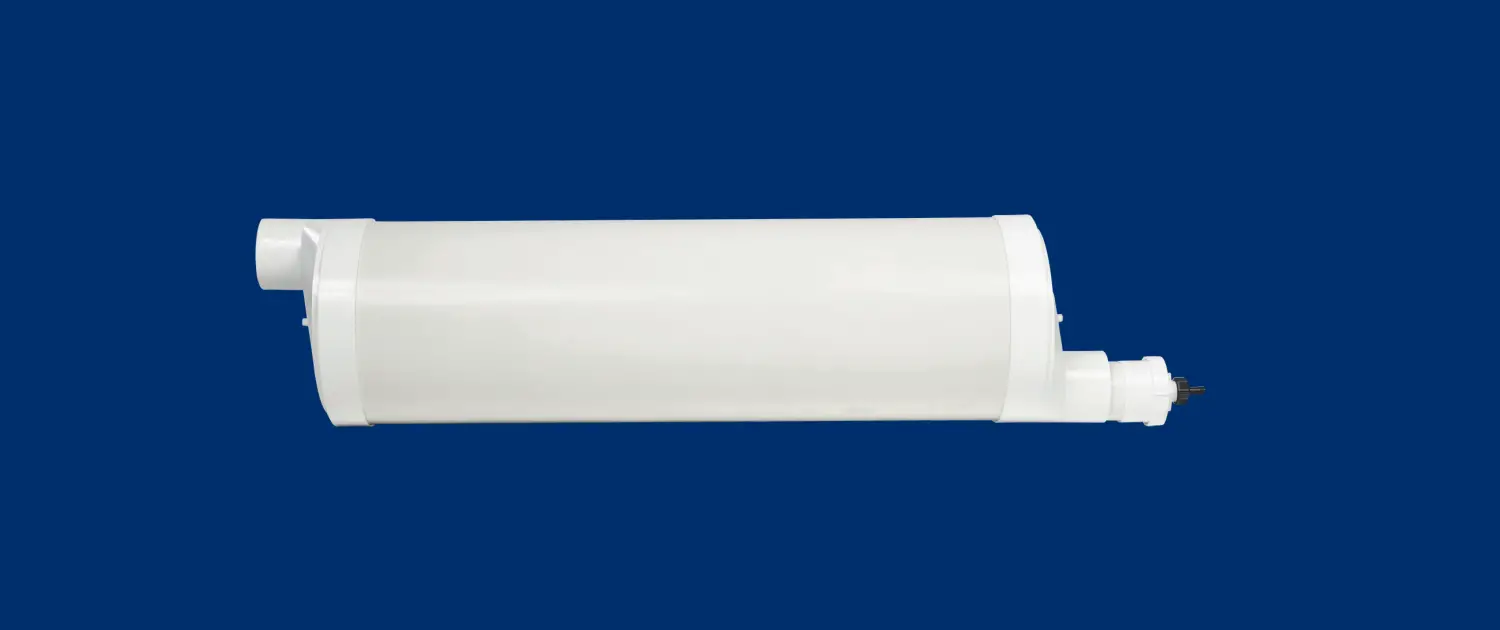
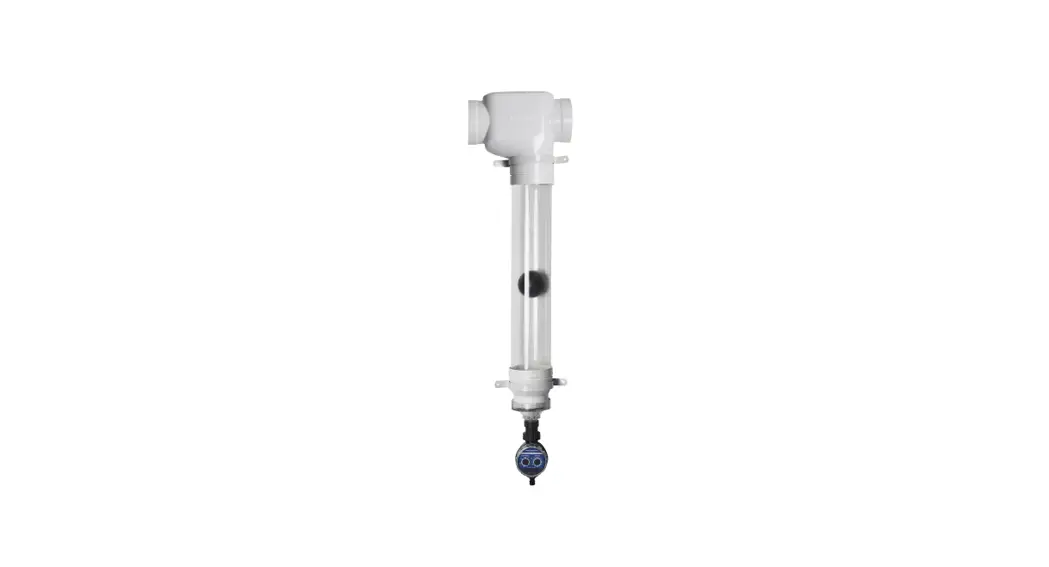
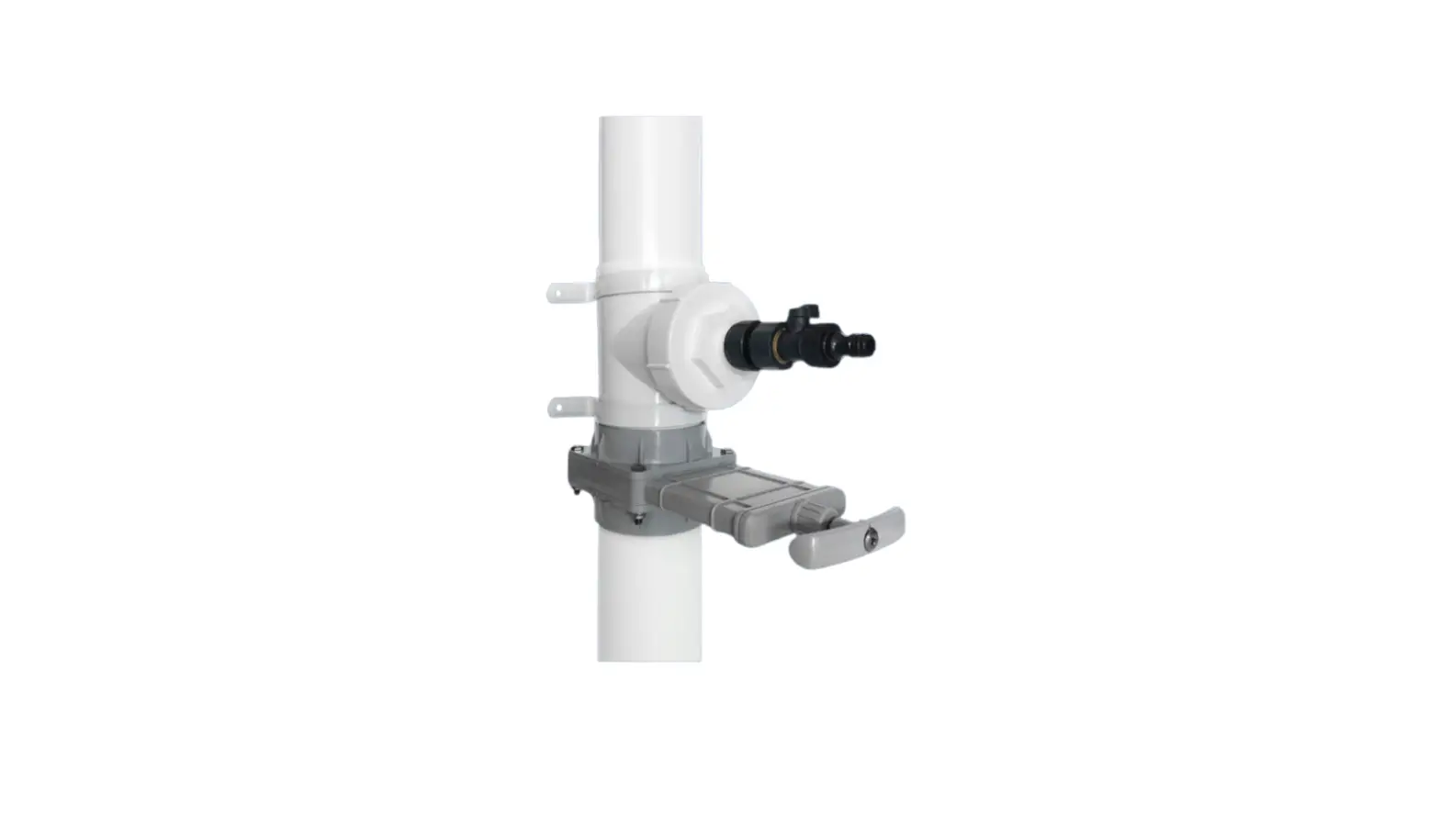
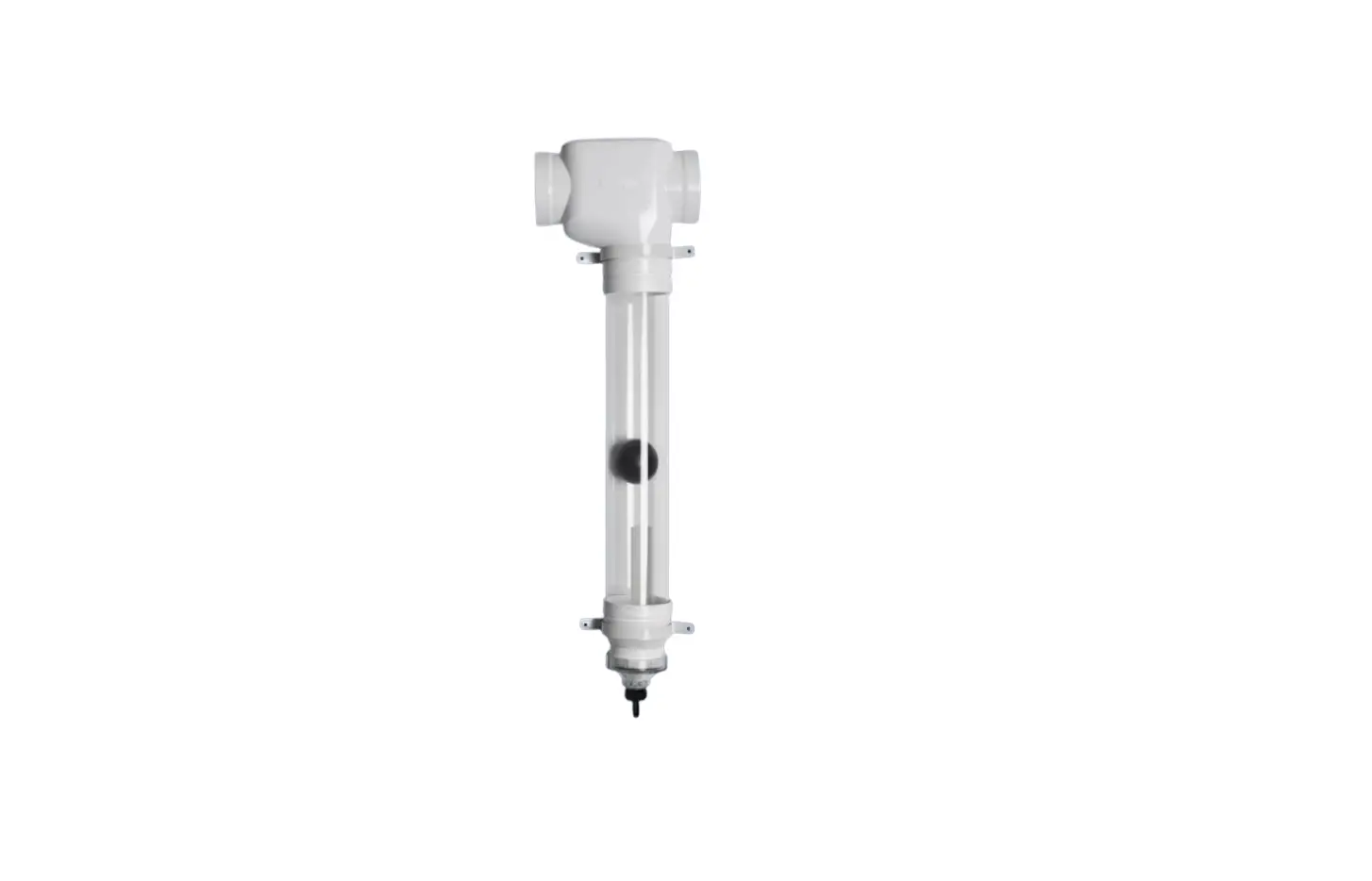
Protect your rainwater quality by diverting the most contaminated water that washes off your roof with the first few millimetres of rainfall with a first flush diverter.
This First Flush Diverter is the original in our range and is a great way to get started with first flush diversion.
rainharvesting.com
| Code | Size | Country |
| WDDP01 WDDP02 | 90mm 100mm | Australia |
| WDDS99 | 3″ | USA |
| WDDP201 | 80mm 100mm | New Zealand |
| WDDP02 | 110mm | South Africa |
| WDDP02 | 110mm | UK |
| WDDP602 | 105mm 110mm | EU |
| WDDP02 | 110mm | India |
Installation
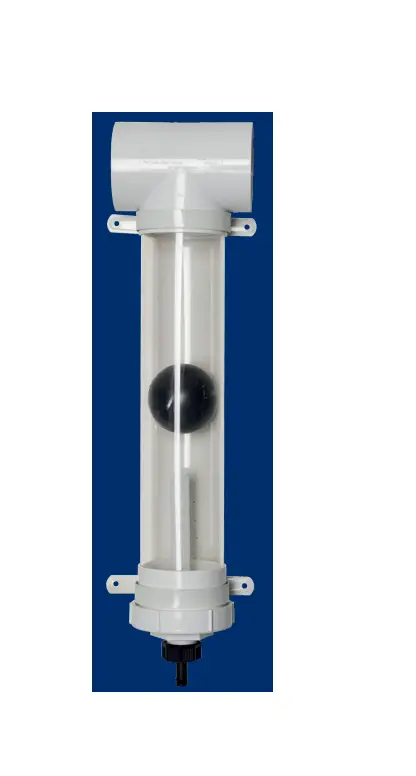
WHAT’S IN THE BOX?
- Ball Seat
- Flow Control Valves x 8
- Plastic Filter Screen
- Pipe/wall Bracket x 2
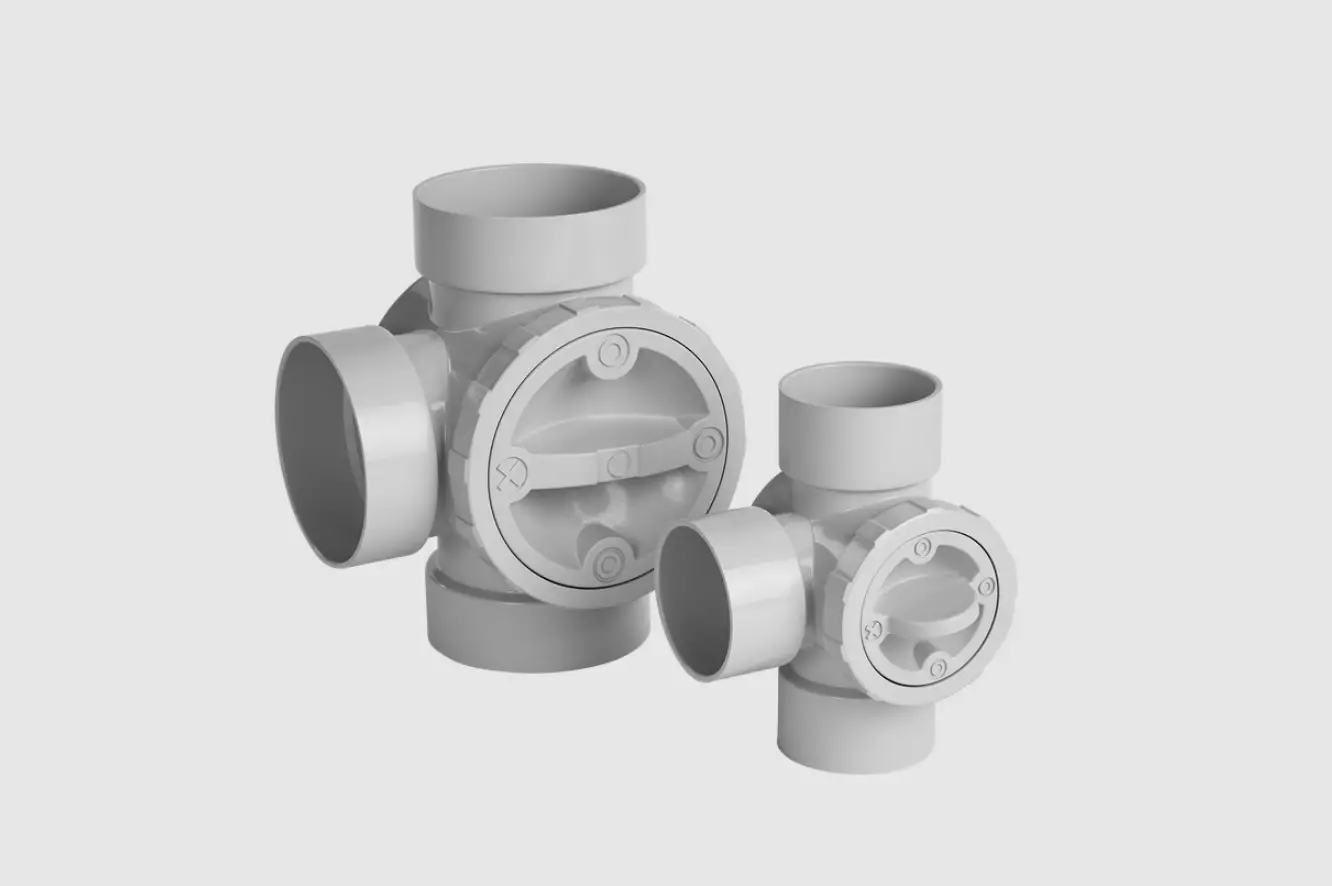
- Tee Junction
- Sealing Ball
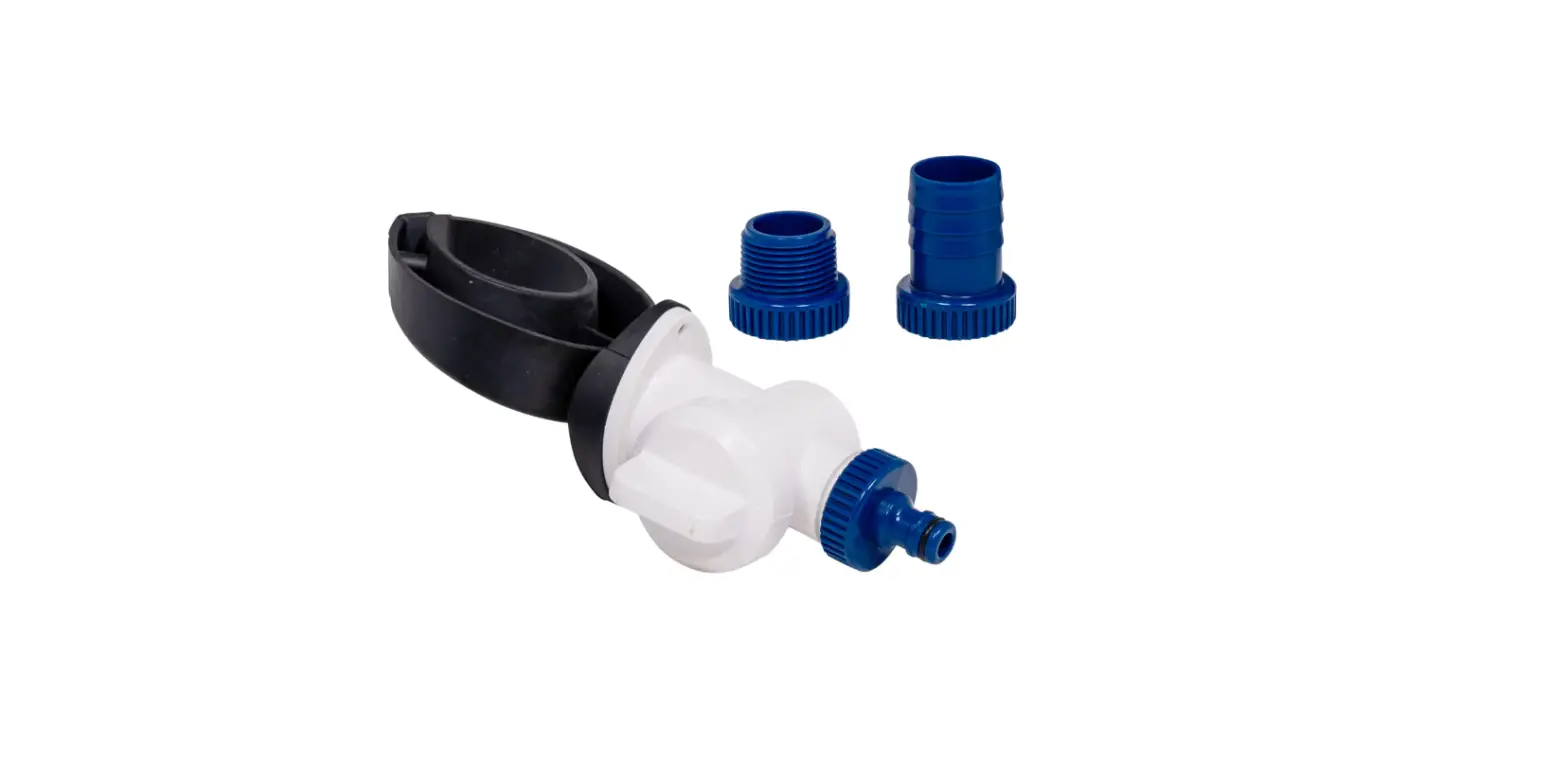
- Screw Cap, Hose Connector & Socke
TOOLS/MATERIALS YOU MAY REQUIRE
- 90mm or 100mm pipe (for diversion chamber)
- Tape measure
- Marker pen
- Saw
- Sealant
- Solvent weld glue
- Screws
- Drill or screwdriver
INSTALLATION
1- Determine the length of pipe required for your first flush diversion chamber. As a rough guide, 1 metre of 90mm pipe holds approximately 5.7 litres of water (3 feet of 3” pipe holds approximately 1.5 gallons), and 1 metre of 100mm pipe holds approximately 8.8 litres (3 feet of 4” pipe holds approximately 2 gallons) of water. Ensure all cut edges are clean and smooth.
2a – Attach the threaded coupling to your diversion chamber pipe applying solvent weld glue to the socket of the coupling and pipe, then push together and hold until the glue sets.
2b – For 100mm
To attach the threated coupling to your diversion chamber pipe, insert a length of male 100mm pipe inside the threaded coupling and glue in place using an appropriate sealant. Glue the other end inside your diversion chamber pipe. Attach the threaded coupling to your diversion chamber pipe applying solvent weld glue to the socket of the coupling and pipe, then push together and hold until the glue sets.
3 – Select the appropriate flow control washer and fit it into the hose connector with the side marked “TOP” showing. Start by using the Control Washer with the smallest gauge hole (lowest number). Try a larger gauge Washer if experiencing blockages. Save the remaining washers for possible future use.
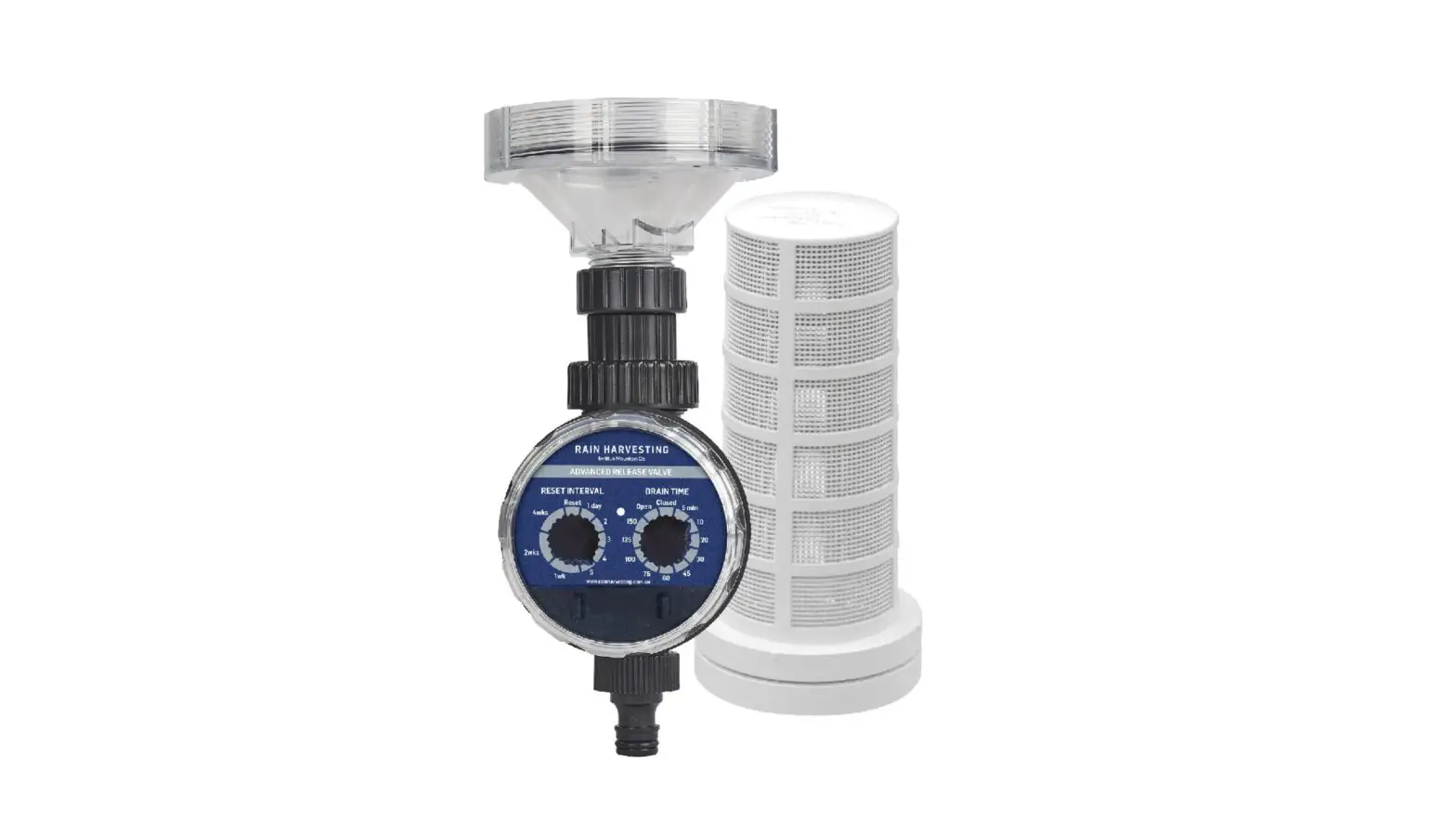
4 – Insert the plastic filter screen in through the base of the screw cap with O-ring seal and secure by attaching the hose connector and flow control washer.
5 – Attach the screw cap with O-ring seal (and assembled components) to the threaded coupling.
6 – Measure your existing downpipe and cut to create space for the T-junction. The outlet of your diverter must sit at least 150mm from the ground when fully assembled, so select your installation point and measure and cut accordingly. Ensure all cut edges are clean and smooth.
7 – Connect the T-junction to the existing downpipe and install with solvent weld glue in the same manner as step 2.
8 – Place the ball inside your first flush unit through the upper end of the diversion chamber pipe
9 – Insert the ball seat into the T-junction, with the narrow end of the seat facing down.
IMPORTANT : Insert the ball seat into the “T” Small end down into the chamber.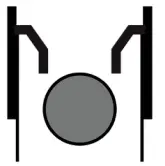
When the junction is fitted like this be sure to check that the flow from the roof is as shown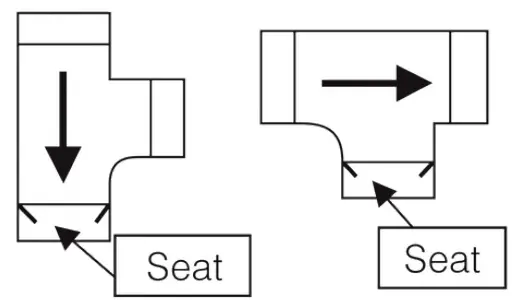
10 – Apply glue to the T-junction and upper end of the diversion chamber pipe and insert the pipe into the junction and hard up against the ball seat, holding until the glue sets.
11 – Position your assembled first flush diverter in place and attach to the wall using the supplied brackets, supporting the unit until it is fully secured. The upper bracket must sit directly under the T-junction, where it will hold the weight of the unit.
POLLUTION FACTORS
| POLLUTION FACTOR FOR THE ROOF | |
| MINIMAL POLLUTION | SUBSTANTIAL POLLUTION |
DIVERT 0.5L PER M2 (0.0125 GALLONS PER FT2) Open field, no trees, no bird droppings, clean environment | DIVERT 2L PER M2 (O.05 GALLONS PER FT2) Leaves and debris, bird droppings, various animal matter, e.g., dead insects, skinks, etc. |
The above quantum are the results of preliminary testing. Individual site analysis and field testing is required to more accurately assess the quantum to be diverted in each individual case.
| DIVERSION FACTOR FOR A FIRST FLUSH WATER DIVERTER | |
| MINIMAL POLLUTION | SUBSTANTIAL POLLUTION |
| M2 (or FT2) ROOF AREA X POLLUTION FACTOR = LITRES TO BE DIVERTED | |
| Example for a minimal polluted roof of 100m2 100m2 x 0.5 = 50 litres to be diverted Example for a minimal polluted roof of 1000ft2 1000ft2 x 0.0125 = 12.5 gallons to be diverted | Example for a heavily polluted roof of 100m2 100m2 x 2 = 200 litres to be diverted Example for a heavily polluted roof of 1000ft2 1000ft2 x 0.5 = 50 gallons to be diverted |
REFERENCE CHART
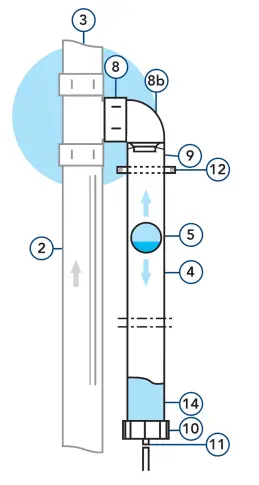
- Fitting to an existing under eaves Downpipe (side view)

- Wall Mounted (front view)

- In-Line (front view)

- Wet System (right at tank)

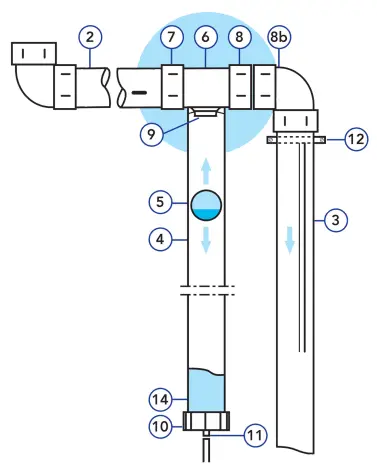
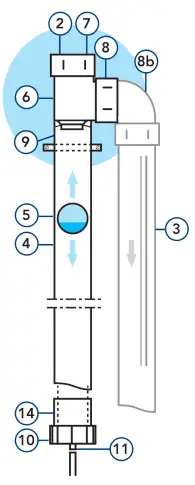
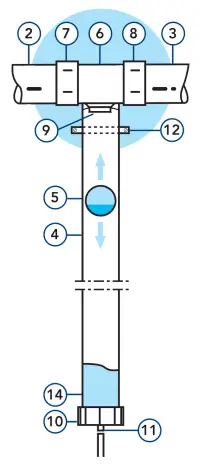
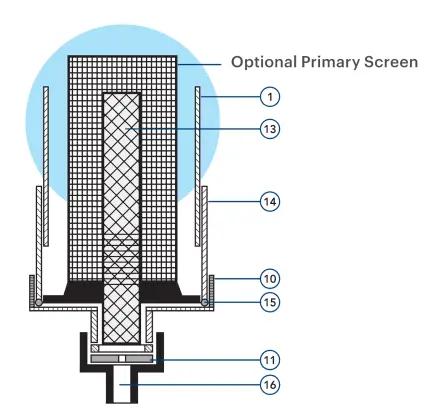
Assembled end cap with Optional Primary Screen
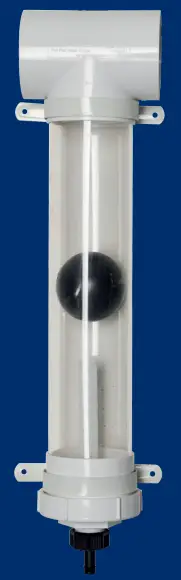
- Diverter Chamber
- In-feed from the roof
- To the tank
- Diverter Chamber
- Sealing Ball
- Tee Junction
- Chamber Inlet
- Chamber Outlet
- 8b Elbow
- Ball Seat
- Screw Cap
- Flow Control Valve
- Pipes/Wall Brackets
- Plastic Filter Screen
- Socket
- ‘O’ Ring Seal
- Hose Connector
Product Specifications
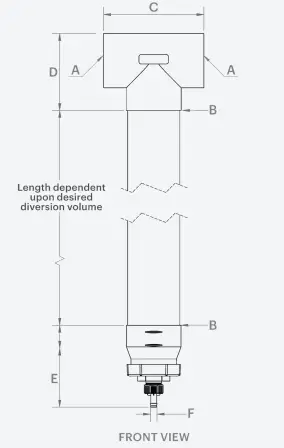
| Country | Code | A | B | C | D | E | F |
| WDDP01 | 90 F | 90 F | 146 | 121 | 131 | 14 | |
| WDDP02 | 100 F | 100 F | 212 | 163 | 174 | 14 | |
| USA | WDDS99 | 3″ SCH40 F | 3″ SCH40 F | 5.75″ | 4.76″ | 5.16″ | 0 .55″ |
| 80 F | 80 F | 196 | 146 | 157 | 14 | ||
| New Zealand | WDDP201 | ||||||
| 100 F | 100 F | 212 | 163 | 174 | 14 | ||
| South Africa, UK & India | WDDP02 | 110 F | 110 F | 212 | 163 | 174 | 14 |
| 105 F | 105 F | 254 | 184 | 195 | 14 | ||
| EU | WDDP602 | 110 F | 110F | 212 | 163 | 174 | 14 |
All dimensions are in mm unless otherwise stated.
Fitting guide:
F = Female / Socket Fitting
M = Male / Spigot Fitting (Pipe size)
IP = In-Pipe Fitting
Maintenance
It is important to ensure that your first flush diverter outlet remains clear of any debris. If your outlet becomes blocked, the chamber will not empty and the first flush of water will not be diverted when it rains.
To ensure the flow of water through your diverter’s outlet, periodically unscrew the outlet to allow debris to fall out. If the diversion chamber is full of water, take care as it empties. Remove the hose connector, flow control washer, and filter screen and hose or wash the screen with clean water. Check the flow control washer for any blockages and remove and clean as necessary.
For best results and minimal maintenance, we recommend installing rain heads such as our Leaf Eater rain heads on all your downpipes to limit the volume and number of leaves and debris that reach your first flush diverter.

A common misconception about collecting rainwater is that all you need is a roof, a tank and some rain. This ‘tanking’ approach cannot always be relied on to deliver the volume – or quality – of water that you require. That is where we can help.
With some thought, your rain harvesting system can provide you with cleaner water and lots of it. Whether you’re completely reliant on tank water or wanting to keep the garden green, our simple steps will help you achieve your goal.
The Rain Harvesting approach to rainwater collection involves using tested and proven products to make quality rainwater available for use in and around your property. You don’t need much to get started and you will be surprised how easy it is to get the most out of your rainwater system.
COMPLIANCE
- AS/NZS 4020:2005 – Testing of products for use in contact with drinking water
DISCLAIMER This product specification is not a complete guide to product usage. Further information is available from Rain Harvesting Pty Ltd and from the installation and Operating instructions. This specification sheet must be read in conjunction with the installation and Operating Instructions and all applicable statutory requirement. Product specifications may change without notice. © Rain Harvesting Pty Ltd
For more information or to find out
how we can help, just give us a call on
+61 7 3248 9600
Or visit our website at
rainharvesting.com
 Cleaner Water. More of it. | Rain Harvesting by BMCo US