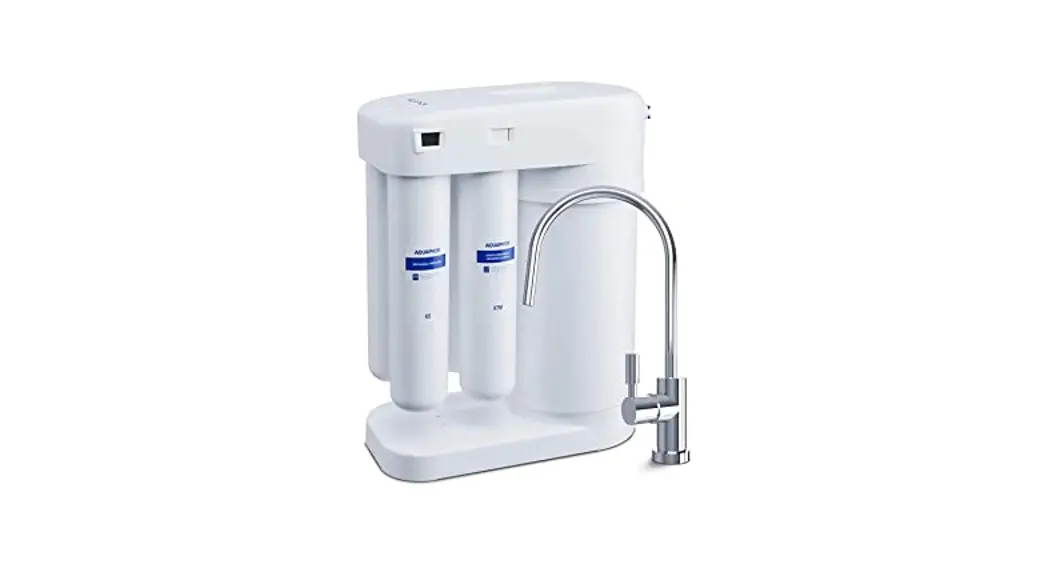
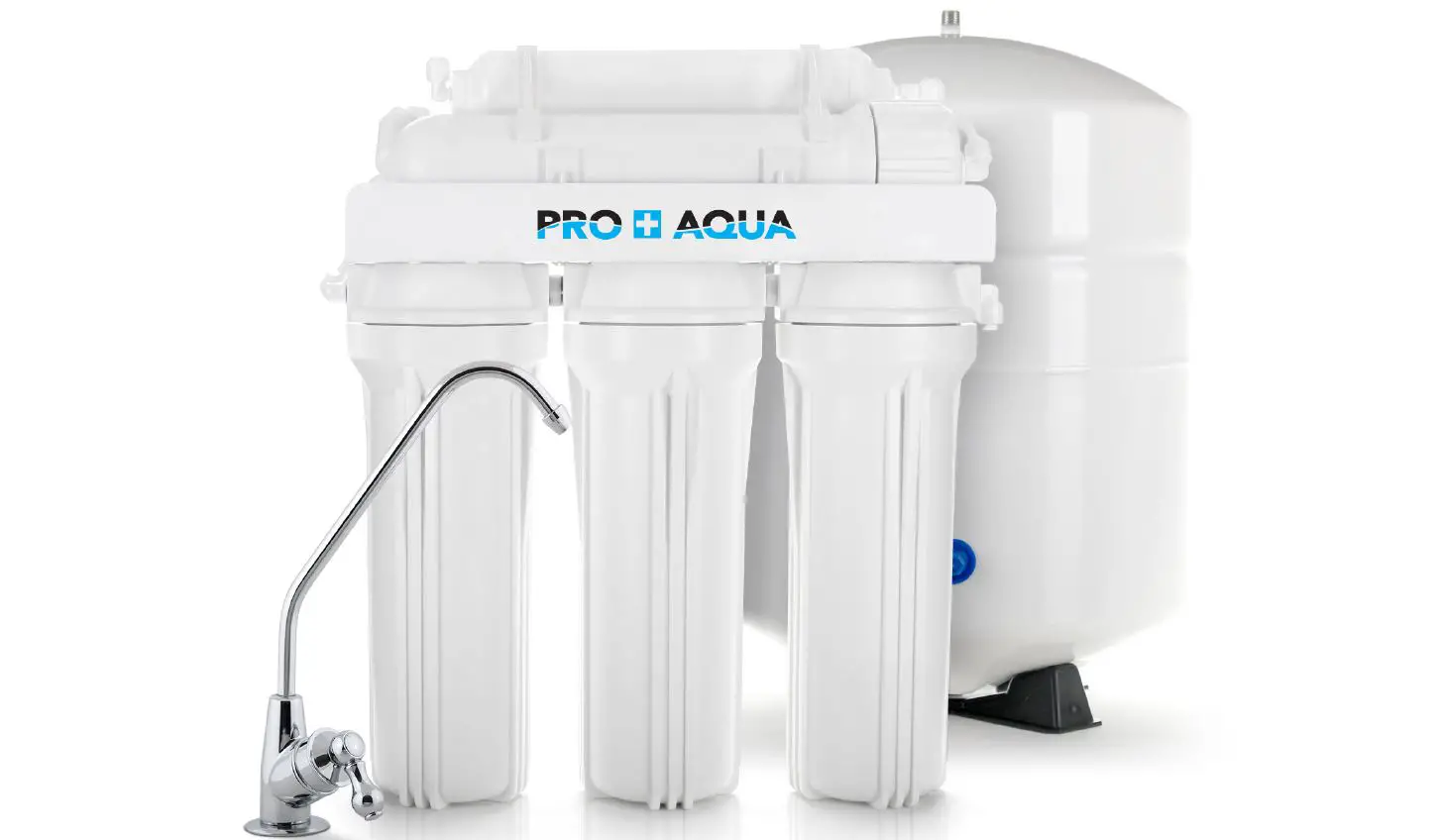
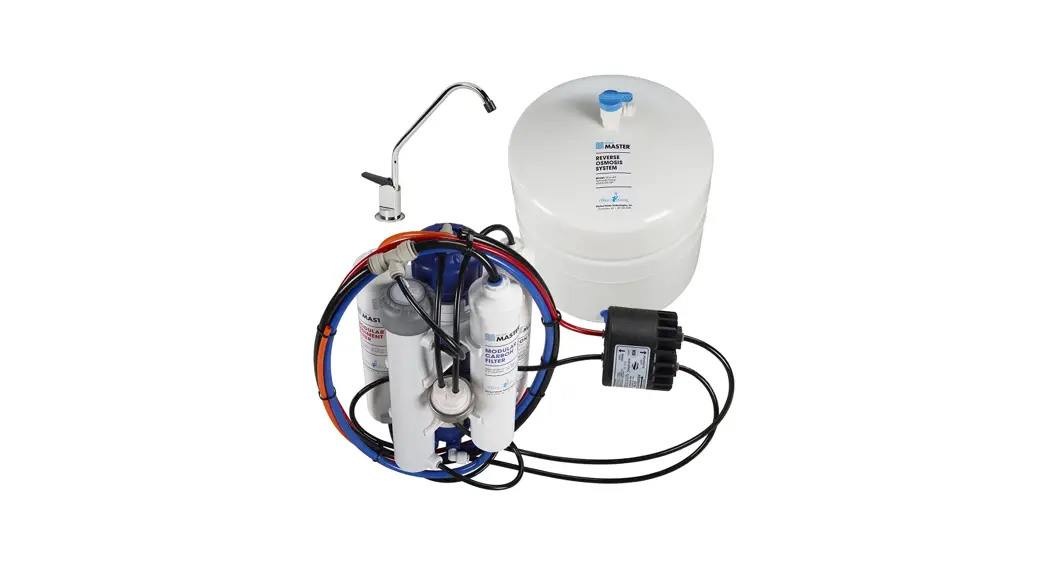
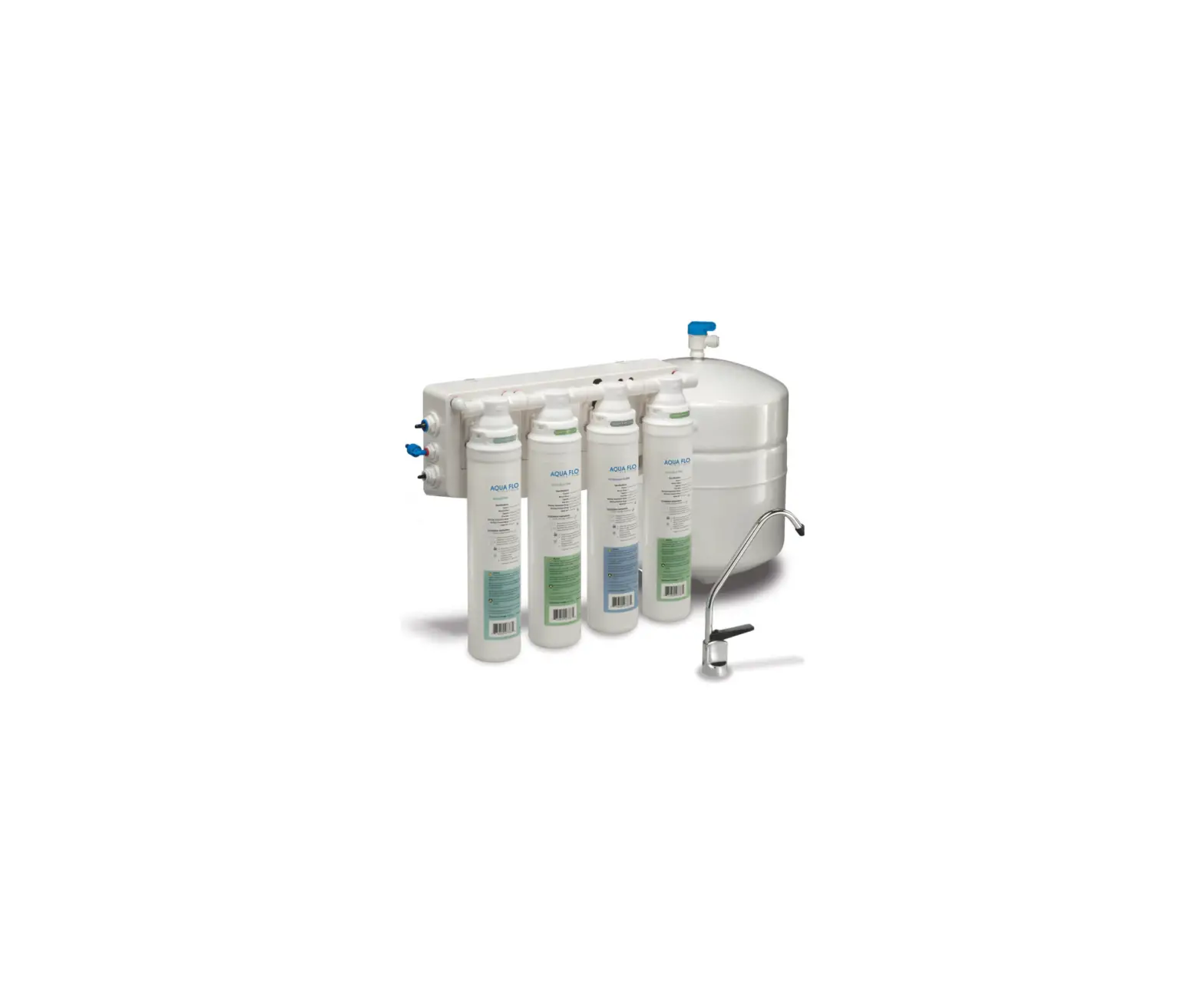
475 Series Reverse Osmosis
Installation and Operation Manual
Canature North America Inc.
Product Information: How To Install, Operate and Maintain Your
Reverse Osmosis System
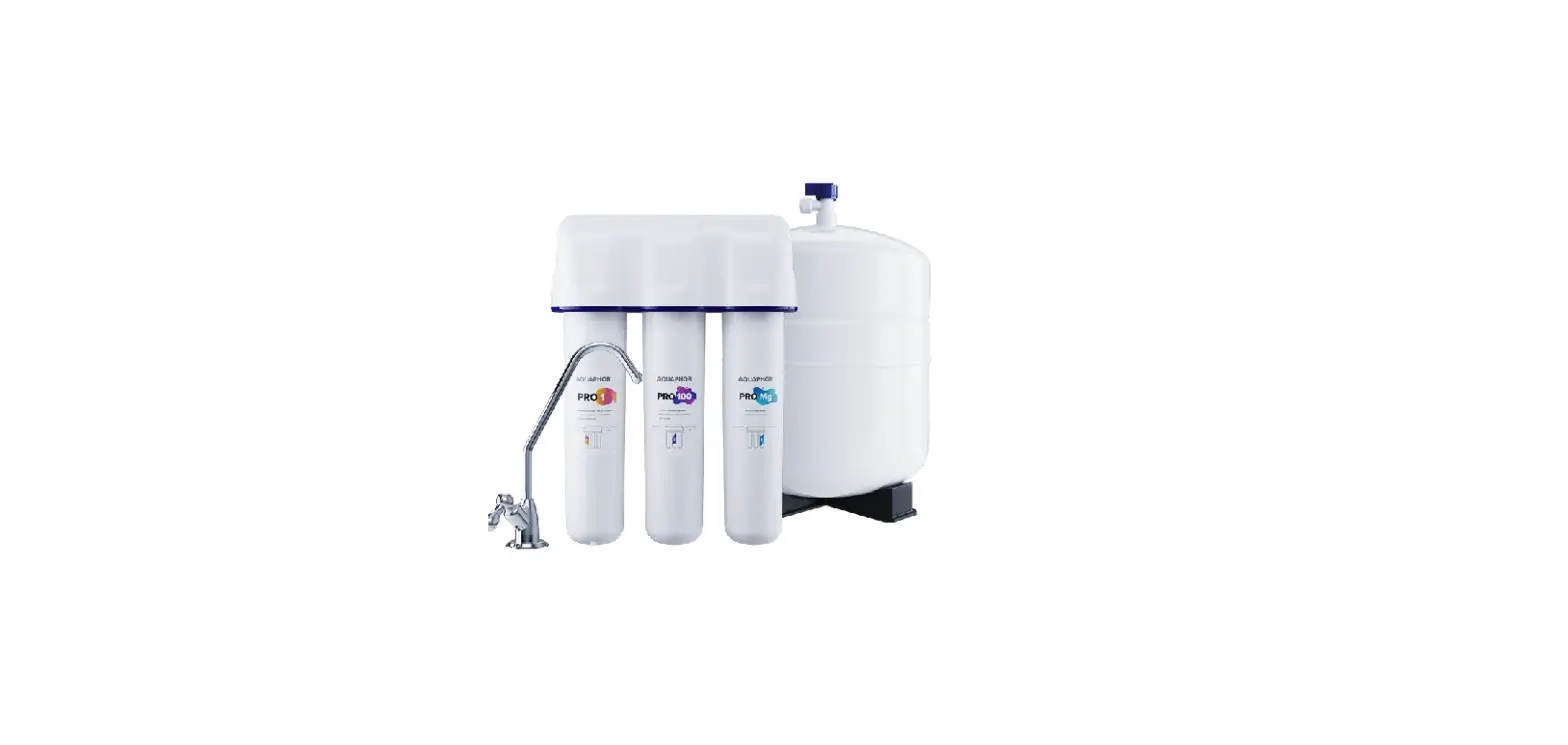
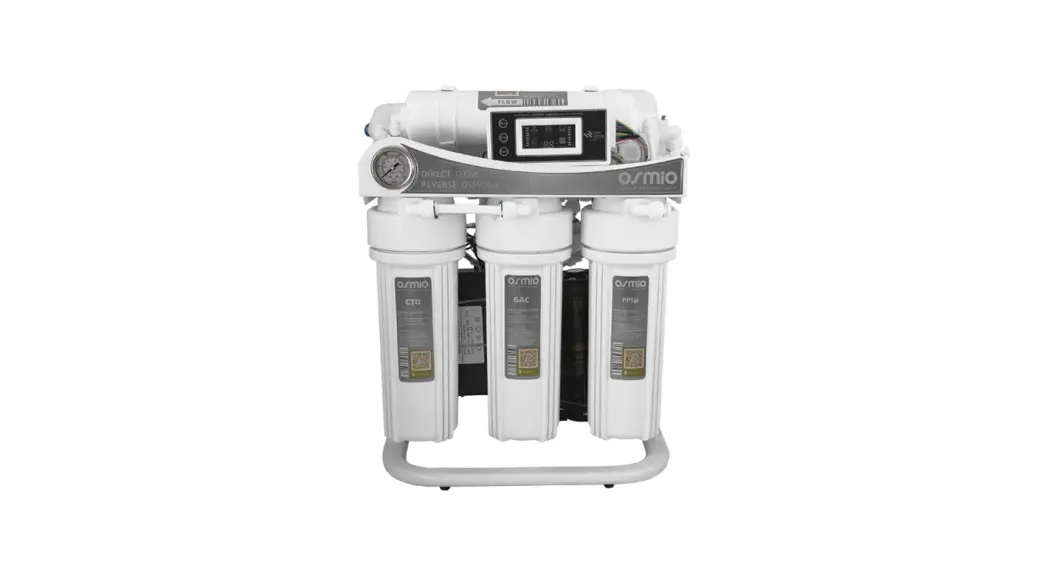
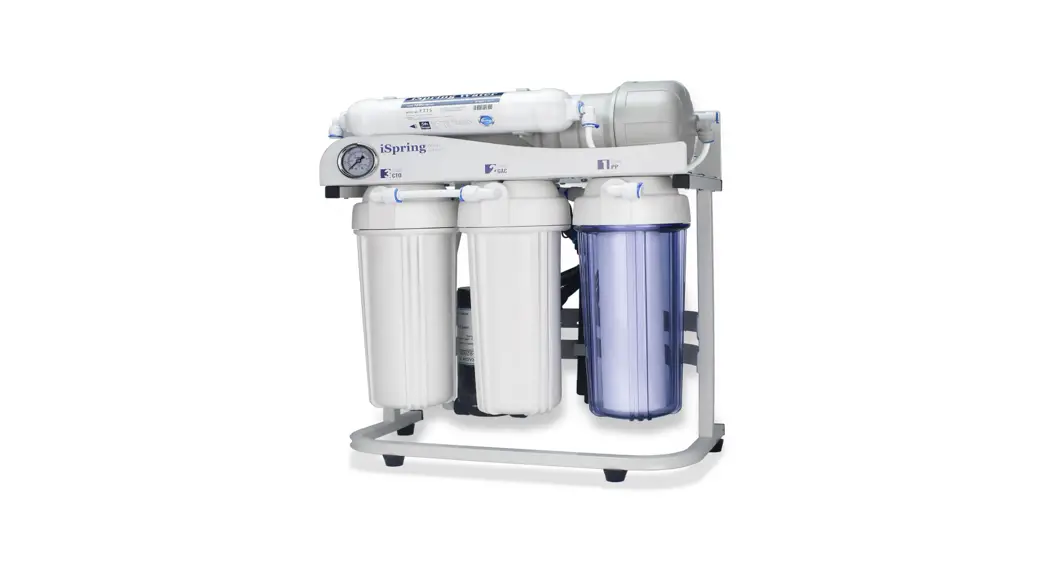
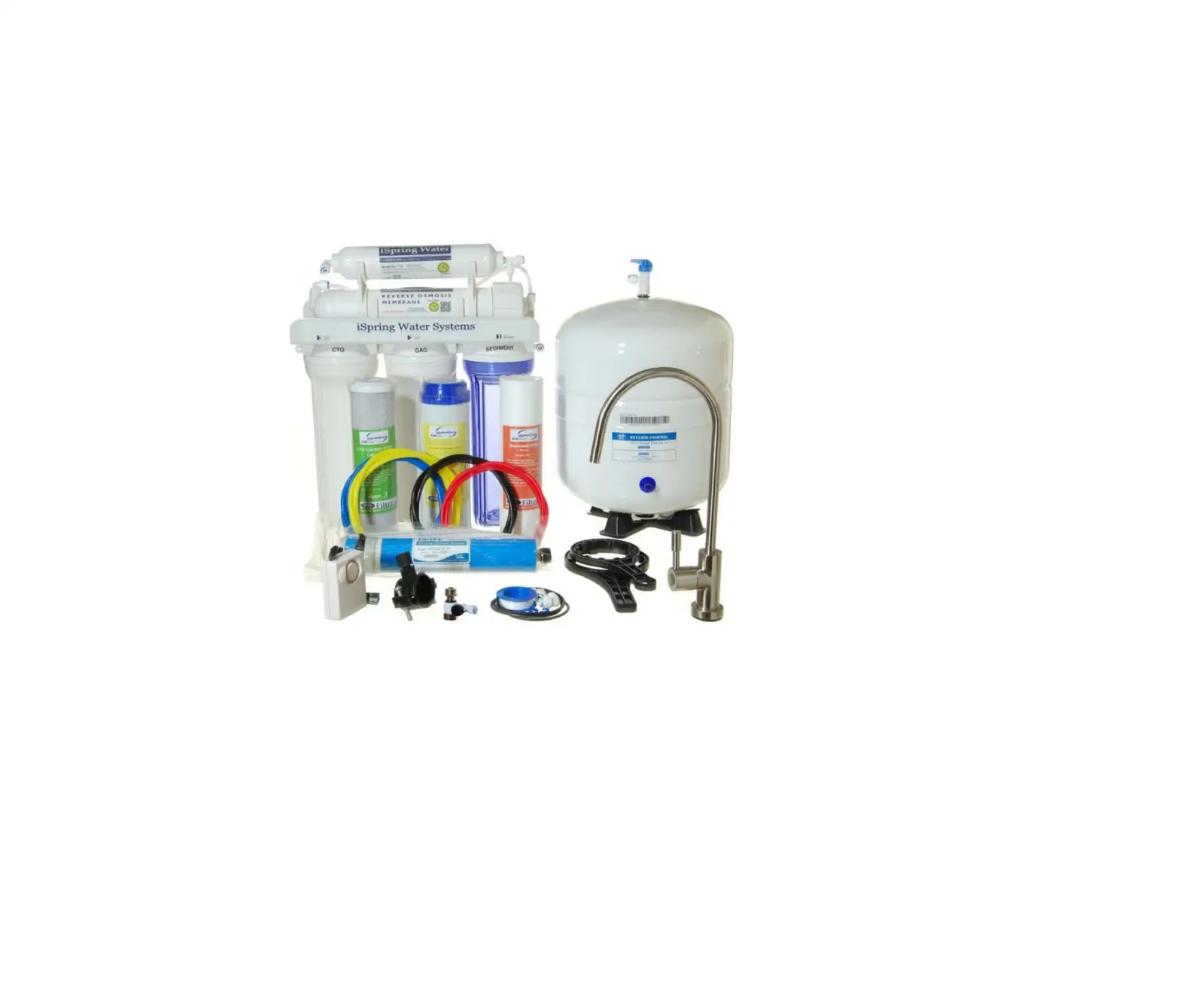
The 475 Pro Series and 475BP Pro Series are compact reverse
osmosis systems that filter water through four stages of treatment.
The stages include:
- Removing sand, dirt, and sediment
- Removing chlorine, taste & odors, and very fine
particulates - Reducing total dissolved minerals
- Polishing water for refined taste
The system can be installed under the sink or in a convenient
place close to the faucet. It is recommended to install the system
on a COLD softened water supply for best results. The closer the
proximity to the faucet, the better the system flow rate.
The system requires regular filter changes to maintain proper
operation. The recommended filter change schedule is as
follows:
| Disposable Filters | Sediment (SED-10) | Carbon (COC-10) | Carbon (GAC-10) | R/O membrane |
|---|---|---|---|---|
| Change Schedule | Every 12 months | Every 12 months | Every 12 months | Every 24-36 months |
Product Usage Instructions:
Before installing and using the RO system, please read all
instructions carefully. Follow all steps exactly to correctly
install the system. The following tools may be necessary, depending
on the particular installation:
- Center punch and hammer
- Phillips head and flat blade screwdrivers
The system is designed to be used on potable water supplies
only. If water is non-potable, additional pretreatment will be
required. Do not use for the treatment of water that is visually
contaminated (cloudy) or has an obvious contamination source, such
as contamination by raw sewage.
It is recommended to wait until the entire system is pressurized
(including storage tank & faucet) and re-check for any leaks
before leaving installation site. It is normal for some black
carbon fines to appear in the water when emptying the first 2 tanks
of water. The first 2 tanks of water produced should be emptied and
not used.
Installation Steps:
The following steps should be followed for installation:
- Installing the Filters
- Installing the Tank Ball Valve
- Installing the Faucet
- Installing the T Adaptor Valve
- Installing the Waste Water Saddle
- Installing the Unit
- Installing Tubing Into Fittings
- Sanitize the System
- Installing Tubing Connections
- Flush System and Check Operation
Troubleshooting:
If you experience any issues with the system, please refer to
the Troubleshooting section on page 10.
Spare Parts List:
A list of spare parts for the system can be found on page
11.
Installation and Operation Manual
Canature North America Inc.
How To Install, Operate and Maintain Your Reverse Osmosis
System
FILTER CARTRIDGE CONFIGURATION MAY BE SUBJECT TO CHANGE.
475 PRO SERIES
475BP PRO SERIES
INSTALLERS: PLEASE READ ALL INSTRUCTIONS BEFORE INSTALLING AND USING THIS SYSTEM.
IT IS RECOMMENDED TO WAIT UNTIL THE ENTIRE SYSTEM IS PRESSURIZED (INCLUDING STORAGE TANK & FAUCET) AND RE-CHECK FOR ANY LEAKS BEFORE LEAVING INSTALLATION SITE.
IT IS NORMAL FOR SOME BLACK CARBON FINES TO APPEAR IN THE WATER WHEN EMPTYING THE FIRST 2 TANKS OF WATER. THE FIRST 2 TANKS OF WATER PRODUCED SHOULD BE EMPTIED AND NOT USED.
REVISION #
15
REVISION DATE 2022-11-24 80150468
2
Table of Contents
How Your System Works
Before You Start Tools Needed System Location Parts of the System Installation Steps Installing the Filters Installing the Tank Ball Valve Installing the Faucet Installing the T Adaptor Valve Installing the Waste Water Saddle Installing the Unit Installing Tubing Into Fittings Sanitize the System Installing Tubing Connections Flush System and Check Operation Filter Change Schedule Trouble Shooting Spare Parts List Flow and Electrical Diagrams Operation Specifications Guarantee
PAGE 2
3 3 3 4 4 5 5 6 7 7 7 8 8 8 9 10 10 11 12 16 16
How Your System Works
For best results it is recommended to install the R/O on a COLD softened water supply.
The 475 Pro Series systems use four stages of treatment to filter your water:
Stage 1 – Remove sand, dirt, sediment
Stage 2 – Remove chlorine, taste & odors, very fine particulates
Stage 3 – Reduce total dissolved minerals
Stage 4 – Polish water for refined taste
The system is compact and can be installed under the sink or another convenient place close to the faucet. The closer the proximity to the faucet the better the system flow rate.
Recommended Filter Change Schedule
Your filters require changing on a regular basis. Instructions to change them are on page 8. The schedule below is the minimum recommendation. Depending on your water conditions the filters may need to be changed more often.
Disposable Filters Sediment (SED-10) Carbon (COC-10) Carbon (GAC-10) R/O membrane
Change Schedule Every 12 months Every 12 months Every 12 months Every 24-36 months
3
Before You Start
Your system contains filters which must be replaced periodically for proper operation. (Refer to Filter Change Schedule on page 8.)
Read all steps and guides carefully before installing and using your RO system. Follow all steps exactly to correctly install.
The system is designed to be used on potable water supplies only. If water is non-potable, additional pretreatment will be required.
Do not use for the treatment of water that is visually contaminated (cloudy) or has an obvious contamination source, such as contamination by raw sewage.
All plumbing should be done in accordance with local codes and requirements. Non-Booster pump models work on inlet water pressures of 40 psi (minimum) to 100 psi (maximum).
Booster pump models work on inlet water pressures of 15 psi (minimum ) to 60 psi (maximum). If your house water pressure is over the maximum, install a pressure reducing valve in the water supply line to the filter system. Do not install the system outside, or in extreme hot or cold temperatures. Temperature of the water supply to the R/O system must be between 40°F and 100°F. Do not install on hot water.
Tools Needed
The following tools may be necessary, depending on the particular installation.
3/8″ variable speed electric drill; 1/8″, ¼”, ½” bits
Center punch and hammer Phillips head and flat blade screw-
drivers
Adjustable wrench Teflon tape Plastic tube cutter
System Location
Your RO system may be installed under the sink, in a basement, or other location depending on available space. It is recommended the system be installed in as close a proximity to the faucet to ensure optimal system flow rate. If you have a water dispenser and or ice maker in your fridge, your RO system can be installed to provide the feed water for these features but you should consult your fridge owners manual for further information.
Guidelines for component placement are as follows:
Faucet should be placed near the sink where drinking/cooking water is normally required. A 2″ flat surface is
required to mount the faucet if an existing hole for a second faucet is not available. The thickness of the mounting surface should not exceed 1-1/4″
Storage tank may be placed where it is convenient, within ten feet of the faucet. Under the sink or in a
nearby cabinet are excellent choices. If tank is located further than ten feet from the faucet, use 1/2″ tubing to reduce pressure drop. Full tanks may weigh more than thirty pounds, so a sturdy shelf is required.
RO unit may be mounted on either side of the sink, in a cabinet or heated basement, with nearby access to
a potable, cold line and a drain.
Feed water connection is accomplished with a feed water adaptor T Adaptor Valve. Lo-cate this assembly as close to the R/O unit as possible. Connect to a potable, cold water supply line only. NOTE:
Softened water is preferred since it will extend the life of your R/O membrane.
Drain connection is accomplished using a waste water saddle valve which is designed to fit around a stan-
dard 1-1/2″ OD drain pipe. The drain saddle valve should always be installed above (before) the trap and on the vertical or horizontal tailpiece. Refer to Figure 1.
4
Parts Of The System
#7
OPTIONAL DRAIN LINES (AIR GAP FAUCET)
#8 #3
#4 #2 #1
#6 #9 #5
Figure 1. Typical Installation
The following components make up your Reverse Osmosis Drinking Water System:
1. Pre-filter (SED-10) removes larger particles such as sand, silt, and rust.
2. Pre-Carbon Filter (COC-10) removes chlorine in the feed water to protect the reverse osmosis membrane. Optional CB-10 or GAC-10 filter may also be used
3. Reverse Osmosis Membrane reduces dissolved minerals, metals and salts. During the process, harmful compounds are separated by the membrane and the reject water goes to waste (drain).
4. Post-Carbon Filter (COC-10) is provided for a final “polish” to provide great tasting drinking water.
5. Storage Tank (3.0 Gal) holds filtered water, ready for use.
6. T Adaptor Valve is connected to the cold water line to supply water to the RO system.
7. Faucet (Standard) used to dispense RO water when needed. Optional air gap and designer faucets are available.
8. Automatic Shut-off Valve senses when the storage tank is full and closes the water supply to conserve water.
9. Waste Water Saddle is connected to the drain to remove reject water from the RO system.
Installation Steps
1. Cartridge Filters 2. Faucet 3. T Adaptor Valve 4. Waste Water Saddle 5. Unit Installation 6. Tubing Connections 7. Flush System and Check Operation
5
Installing the Filters
Remove the protective wrap from the filter cartridge. Apply NSF certified silicon grease (provided) liberally on the filter o-ring. (Failure to do this can result in a slow leak or drip if the o-ring is too dry). To install the filter simply push it up inside the cap and turn clock wise until the arrow aligns with the center of the cap. To remove the filter reverse the procedure.
Use the silicon grease provided to lubricate this o-ring.
Note: The filter head contains an Automatic Shutoff Device. This enables the filters to be changed without shutting the inlet water off. A small amount of water may leak out during the installation or removal.
It is a good idea to be aware of where the inlet water valve is located so that it can easily be turned off if any unforeseen problems are encountered.
Installing Tank Ball Valve
The RO storage tank comes with a 3/8″ shut off valve that must be installed.
1. Apply 5-6 wraps of Teflon thread sealant tape to the male thread on the RO storage tank. 2. Install the shut-off valve and tighten until the gasket is compressed.
NOTES: While there is a gasket that seals against the shut off valve, it is recommended to still use Teflon tape on the tank threads to insure a good seal is achieved. It is also recommended to check for any leaks after the system has had time to produce water and pressurize inside the storage tank. Failure to do so could result in a leak that is not spotted until after the installer has left the location.
6
Installing the Faucet
If the sink has a sprayer it may be disconnected for faucet installation. A pipe cap or plug will be necessary to seal the sprayer connection.
The faucet should be positioned so it empties into the sink and the spout swivels freely for convenience. If sink has a hole that can accommodate the RO faucet, no drilling is required. Proceed with mounting the fau-
cet.
Porcelain, Enamel, Ceramic on Metal or Cast Iron Sinks
For porcelain/enamel sinks marble or granite counter tops refer to Manufacturer/Supplier for proper drilling instructions.
Installation procedures for stainless steel sinks
Recommended tools: Center punch Variable speed drill High speed drill bits Protective gloves & eye protectors
To make the faucet mounting hole (if sprayer or second hole is not used), check below to make sure the drill does not interfere with anything below the sink. Center punch a small indent at the desired faucet location. (2″ flat surface is required, not exceeding 1-1/4″ in thickness). Drill the 1/8″ pilot hole. Drill the ½” hole for the faucet shank to fit through. Clean up sharp edges.
Mounting the Faucet
1. Feed the threaded nipple through sink or counter mounting hole and orient the faucet as shown. From below sink or counter, assemble the flat washer and hex nut on threaded nipple and tighten by hand. After checking faucet orientation, tighten with a wrench until secure.
2. Install the faucet adaptor fitting (shown below) and tighten until the fitting bottoms out on the o-ring inside to create the seal. Tighten with wrench until secure.
3. Insert the 3/8″ tube into the quick connect fitting.
7
Install T Adaptor Valve On Water Supply
T Adapter
CAUTION!
The Adapter valve should be connected to cold water supply only. Connection to hot watersupply will damage the system and will void all
warranty.
Cold Water Supply
Installing the Waste Water Saddle
Prior to proceeding it is important to inspect the condition of drain pipes to make sure they are not thin and frail. Waste water saddles are designed to be installed on standard 1-1/2″ OD drain pipe.
Install waste water saddle above (and before) the trap and on the vertical or horizontal tailpiece. Never install a waste water saddle close to the outlet of a garbage disposal or plugging of the RO drain line may result . Refer to location in Figure 3.
Figure 3. Waste Water Saddle
1. Position half of the saddle with quick connect fitting at selected location and mark for the opening.
2. Drill ¼” hole at mark through one side of pipe. Position both halves of the saddle on drain pipe so quick connect opening lines with hole.
3. Secure drain saddle clamp with bolts and nuts provided. (Do not over tighten and make sure there is equal space between saddle halves on each side).
Installing the Unit
When installed under a sink the unit is normally mounted to the right or left sink cabinet sidewall. It is suggested to locate the system where it can be easily accessed or even removed off the hanging screws and pulled back out from the sink to change the filters.
1. Locate the unit in the desired position. Make sure it is at least 3″ off the floor. Level it and mark the location of mounting screws.
2. Install the screws. Leave 1/4″ of the screw head out from the wall. 3. Install the mounting bracket slots over the screws and hang the unit.
NOTE: THE UNIT MUST BE INSTALLED BY HANGING THE BRACKET ON THE WALL SO THAT THERE IS NO WEIGHT ON THE FILTERS. THE SYSTEM IS NOT DESIGNED OR INTENDED TO SIT ON THE FLOOR WITH THE WEIGHT SUPPORTED BY THE REPLACEABLE FILTER CARTRIDGES.
8
Installing Tubing Into Fittings
Step 1 Step 2
Cut the tube square and remove burrs and sharp edges. Ensure that the outside diameter is free from score marks. For soft or thin walled plastic tubing we recommend the use of a tube insert.
Push the tube into the fitting and up to the tube stop
Step 3
Pull on the tube to check that it is secure. Test the system before use.
Sanitize System
Sanitize the System (Recommended)
Sanitizing is recommended immediately after installation of the Reverse Osmosis system. It’s also recommended after servicing inner parts. It is important that the person installing or servicing the system have clean hands while handling inner parts of the system.
1. Turn off the water supply to the RO system and close the ball valve on the storage tank. 2. Open the RO faucet. 3. Use an eyedropper (not included) and common household bleach (5.25%). 4. Add 3 ml. of bleach into open end of 3/8 tube connected to tank. Handle bleach according to bleach
manufacturer’s recommendations. 5. Connect tubing back to tank ball valve. 6. Sanitizing the system will be completed during the Flush System and Check Operation steps on the follow-
ing page. Note: The bleach must be removed from the system before drinking the water. See Flush System instructions on the next page.
Installing Tubing Connections
#7
OPTIONAL DRAIN LINES (AIR GAP FAUCET)
#8 #3
#6 #9
With all components in place, complete final tubing connections using these guidelines:
Tubing should follow contour of the cabinets Cut tubing to desired length using square cuts and
proper cutting device Make no sharp bends Keep tubing from the post-filter to the faucet as
short as practical for good flow. Leave enough tubing that the system can easily be
pulled out from the cabinet for easy filter changes.
#4 #2 #1
#5
Figure 4. Tubing Connections
Procedure (Standard Faucet)
1. Connect 3/8″ tubing from faucet to RO unit. 2. Connect 3/8″ tubing from tank to RO unit. 3. Connect ¼” tubing from supply valve to RO unit. 4. Connect ¼” tubing from drain valve to RO unit. 5. Check all connections to be sure they are secure. 6. Turn on feed water valve and check for leaks.
(turn off and correct leaks if leaks occur).
9
Start-up
Flush System and Check Operation
1. Check all connections to be sure they are secure. 2. Turn on feed water valve and check for leaks. (turn off and correct leaks if leaks occur). 3. Close faucet and wait 5 minutes to see if leaks result. (turn off and correct leaks if leaks occur).
Flush System and Check Operation
1. Open faucet handle and allow tank to completely drain. Do not use this water. (When tank is empty, faucet will steadily drip. This is the rate the R/O system processes water).
2. Close faucet and re-inspect system for leaks. 3. Allow system to process water for approximately four hours, at which point tank will be practically full. 4. Open faucet again and allow tank to empty for a second time. Do not use this water. 5. Wait another four hours to allow tank to re-fill. NOTE: If no objectionable tastes are noticed after second tank draining, RO processed water is ready for use. Otherwise, drain tank and re-fill for a third time
Filter Change Schedule
Recommended Filter Change Schedule
The following periodic maintenance is recommended so your system will provide years of trouble-free service:
Disposable Filters Sediment (SED-10) Carbon (CB-10) Carbon (COC-10) Carbon (GAC-10) R/O membrane
Change Schedule Every 12 months Every 12 months Every 12 months Every 12 months Every 24-36 months
The filters can be changed without turning off the water supply. However it is also recommended to be ready to turn the water supply off by closing the T Adaptor Valve should any problem arise.
To remove the filters follow the reverse procedure of the Installing the Filter section on page 4.
To install the filters follow the instructions from the Installing the Filter section on page 4.
Your system contains a R/O (reverse osmosis) membrane which should also be replaced periodically for proper operation. The R/O membrane may require changing more frequently depending on the source water conditions.
Change Membrane Procedure
1. Turn off water supply by turning handle on T Adaptor Valve clockwise until valve is fully closed. 2. Turn storage tank valve clockwise to close. 3. Open faucet to relieve pressure. 4. Remove quick connect fittings from R/O Membrane. 5. Connect new R/O Membrane. 6. Turn water supply back on. 7. Turn storage tank valve to open position. 8. Empty storage tank. Produce an additional full tank of water and discard it. Normal operation can resume.
10
Filter Change Schedule (Continued)
To Disconnect
To Drain To Shut off Valve
Figure 5. R/O Membrane
To disconnect, ensure that the system is depressurized, push the collect square against the fitting. With the collet held in this position the tube can be removed.
Trouble Shooting
PROBLEM
CAUSE
No product water.
1. Water supply is turned off.
Not enough product water. 1. Water supply is blocked.
2. Filters are plugged.
3. Feed water valve plugged or closed.
4. No drain flow. Drain flow restrictor is plugged.
Pump not running.
1. Low feed water pressure. 2. No power supply or loose connection.
SOLUTION
1. Turn on feed water. 1. Clear restriction. 2. Replace pre-filter cartridge(s). 3. Open valve or unclog. 4. Clear or replace Flow Restrictor
1. Check source water supply. 2. Turn on power supply.
Pump running but system not producing water. System does not shut o~.
3. Transformer burnt out. 1. Carbon pre-filter plugged. 2. Inlet solenoid valve not working. 1. High pressure switch not working.
3. Replace. 1. Replace filter cartridge. 2. Repair or replace solenoid valve. 1. Repair or replace high pressure switch.
Abnormal pump cycling noise. No water to drain.
Water has bad taste.
Leaks
1. Pre-filter plugged or low feed water pressure. 1. Plugged drain flow restrictor.
1. Post filter (CB-10) is exhausted. 1. Tubing connections not installed properly. 2. Defective tubing.
1. Replace filter or adjust or sufficient feed water. 1. Replace drain flow restrictor. 1. Replace post filter 1. Re-install tubing into fitting.
2. Cut damage section of tubing and reinstall.
22
1 2/ 3 2/ 3
4 5 6 7 8 9 10 11 12 13 14 15 16 17 18 19 20 21 22
65010086 65010088 65010089 70010014 70030028 70030004 65030028 80010041 60010643 65030027 70030022 70030032 70030041 70030026 70030027 80010074 80010046 80010037 80010001 65030026 65030025 60095699 70020002
80010017
SEDIMENT FILTER SED-10 CARBON FILTER COC-10 CARBON FILTER GAC-10 75 GPO MEMBRANE FLOW CONTROL 300ML/MIN RO SHUTOFF VALVE 1/ 4″ QC PRODUCT WATER CHECK VALVE UNION ELBOW 1/ 4 T Adapter WASTE WATER SADDLE BOOSTER PUMP 475 PRO SERIES LOW PRESSURE SWITCH TANK CUT-OUT PRESSURE SWITCH TRANSFORMER (475 BOOSTER PUMP) SOLENOID VALVE (475 PRO SERIES) BRANCH TEE 3/8Xl / 4NPTF ELBOW 3/ 8Xl / 4NPTF ELBOW l / 4Xl / 4NPTF MALE CONNECTOR l / 4Xl / 4NPTF BRACKET 475-BP PRO SERIES BRACKET 475 PRO SERIES MOUNTING CLIP MEMBRANE HOUSING TANK 3.0 GALLON (NOT SHOWN)
FAUCET CONNECTOR 3/ 8″X7/ 16-24UNS
AIR GAP LONG REACH FAUCET (NOT SHOWN)
12
Flow Diagrams
475 Pro-Series (No Pump)
3.0 GAL TANK
POST CARBON
PRE CARBON PRE SEDIMENT
INLET
TO DRAIN
13
475BP Pro-Series (With Pump)
3.0 GAL TANK
POST CARBON
PRE CARBON PRE SEDIMENT
INLET
TO DRAIN
14
Demand Pump Diagram
475BP Pro-Series (With Demand Pump)
15
Electrical Diagrams
Wiring Diagram 475BP Pro-Series (With Pump)
16
Operation Specifications
WATER SUPPLY INLET WATER PRESSURE INLET WATER PRESSURE (BOOSTER PUMP MODELS)
TEMPERATE PH MAX. TDS TURBIDITY MAX SDI HARDNESS IRON MANGANSESE HYDROGREN SULFIDE
CHLORINATED / NON-CHLORINATED 40 – 100 PSI
15–60 PSI
40 – 100F 3.0 -11.0 1000 MG/L < 1.0 NTU
<4.0 < 5 GPG
<0.1 <0.05 0.00
Warranty
475 PRO Systems (excluding cartridge filters and membrane) are warranted to be free from defects in materials and workmanship under normal use within the operation specifications for a period of two (2) years from the date of manufacture or date of purchase when verified by a bill of sale.
Canature WaterGroup will replace any part which fails two (2) years from date of manufacture as indicated by the serial number or date code, provided the failure is due to a defect in material or workmanship. The only exception shall be when proof of purchase or installation is provided and then the warranty period shall be from the date thereof.
Canature WaterGroup assumes no responsibility for consequential damage, labour or expense incurred as a result of a defect or for failure to meet the terms of these guarantees because of circumstances beyond its control.
Toll Free: 1-877-288-9888
Regina, SK Cambridge, ON Whitestown, IN Houston, TX Phoenix, AZ Guadalajara, MX
Ocala, FL 34470 San Antonio 7318 Cariboo St San Antonio, TX 78238 Houston (Shipping Only) c/o American Warehouses Ltd 1918 Collingsworth St Houston, TX 77009 Las Vegas, NV 9985 Haven St Las Vegas, NV 89183